• Works
  • Research
  • News
  • About
  • Contact
Menu

I.f

  • Works
  • Research
  • News
  • About
  • Contact

NEW COLLEGE OF ENGINEERING ANNEX KYUNG HEE UNIVERSITY

March 30, 2026

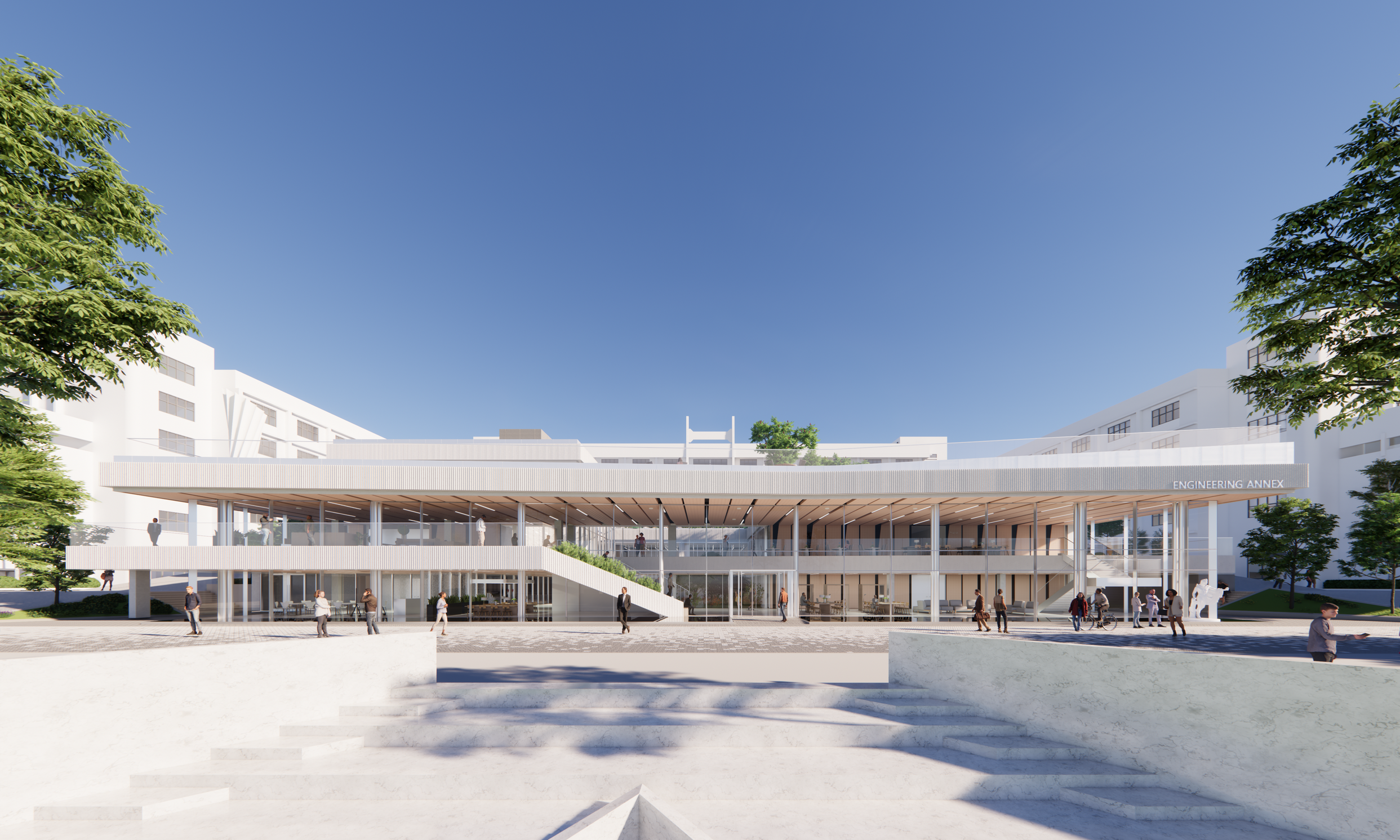
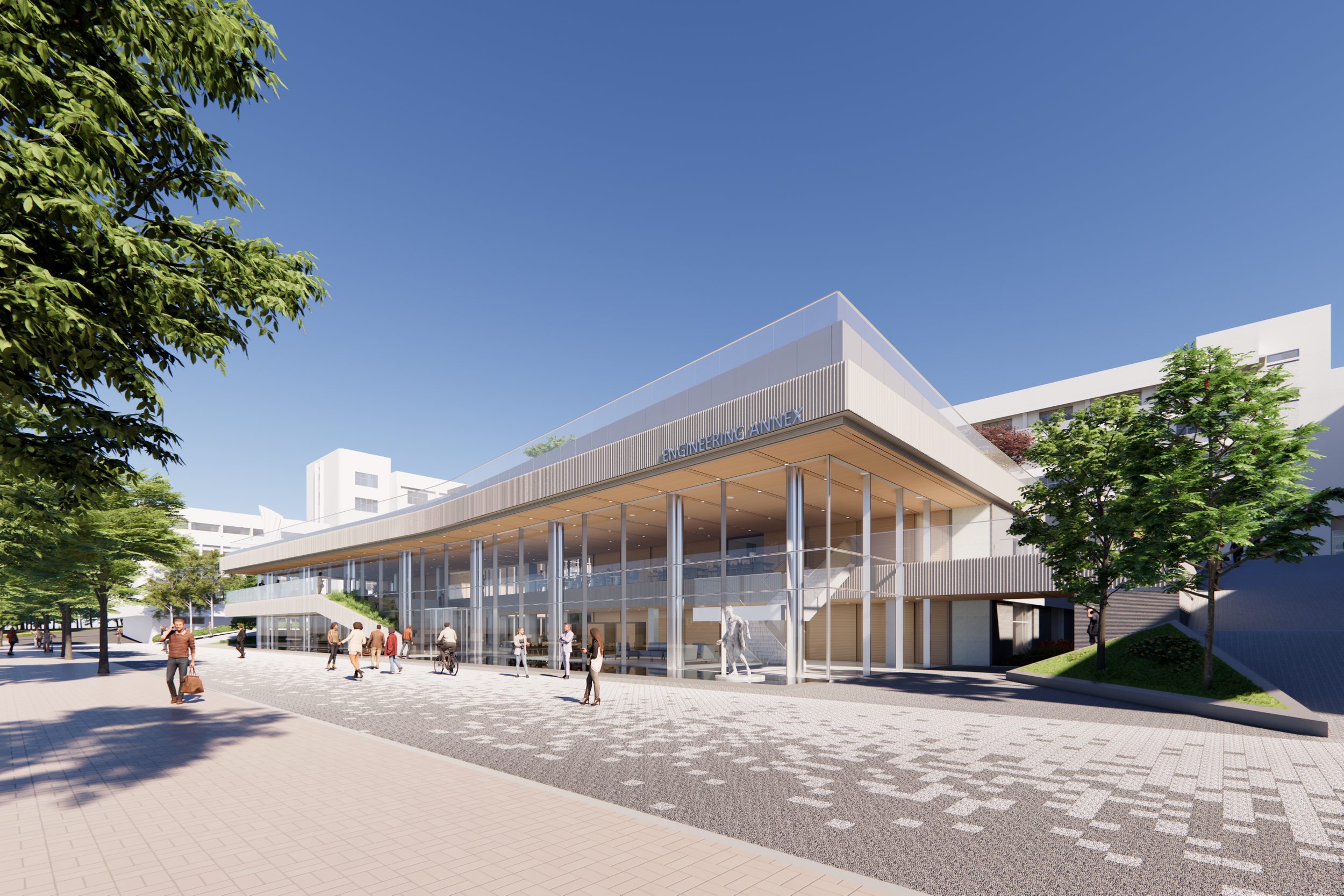
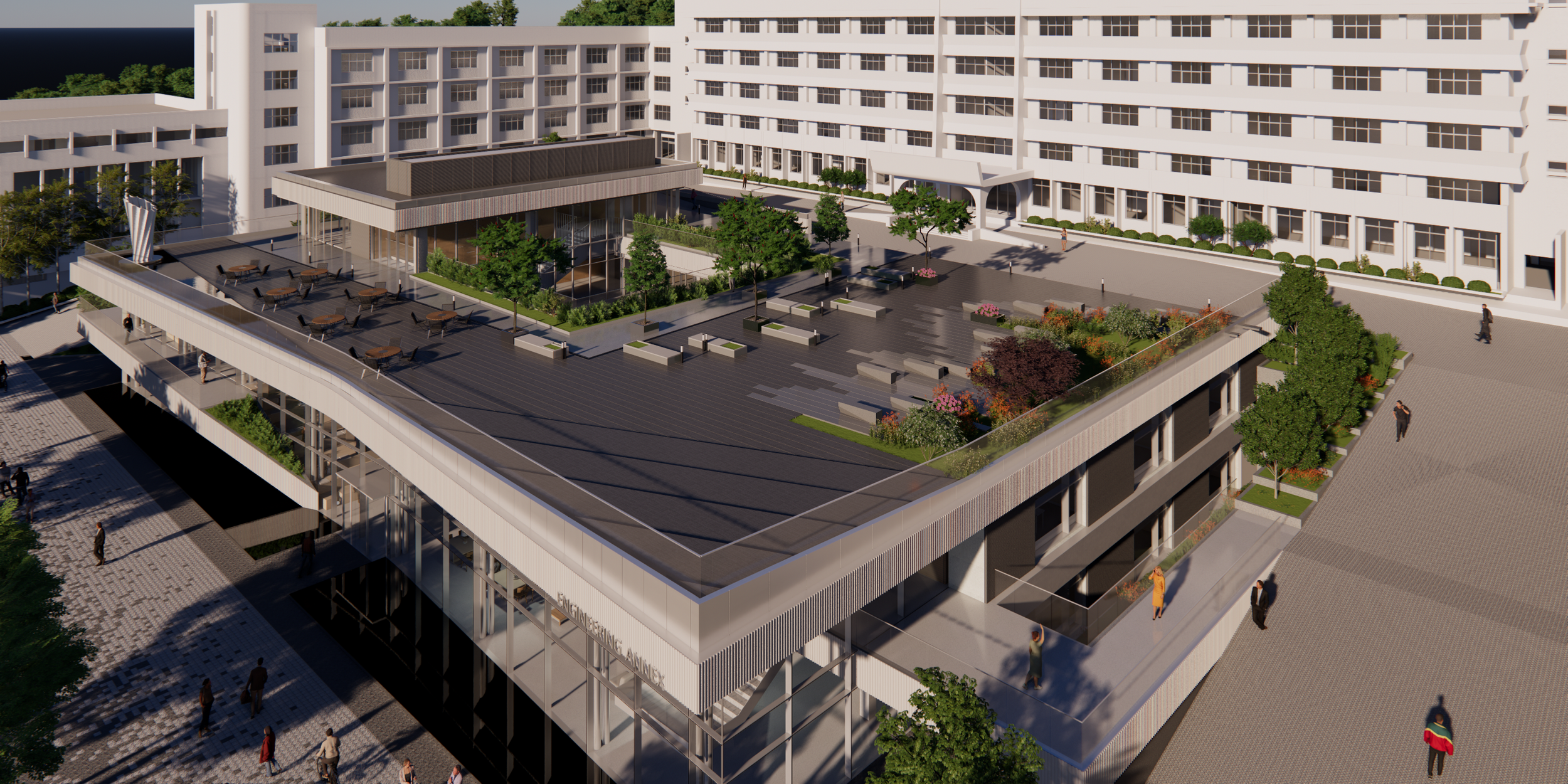
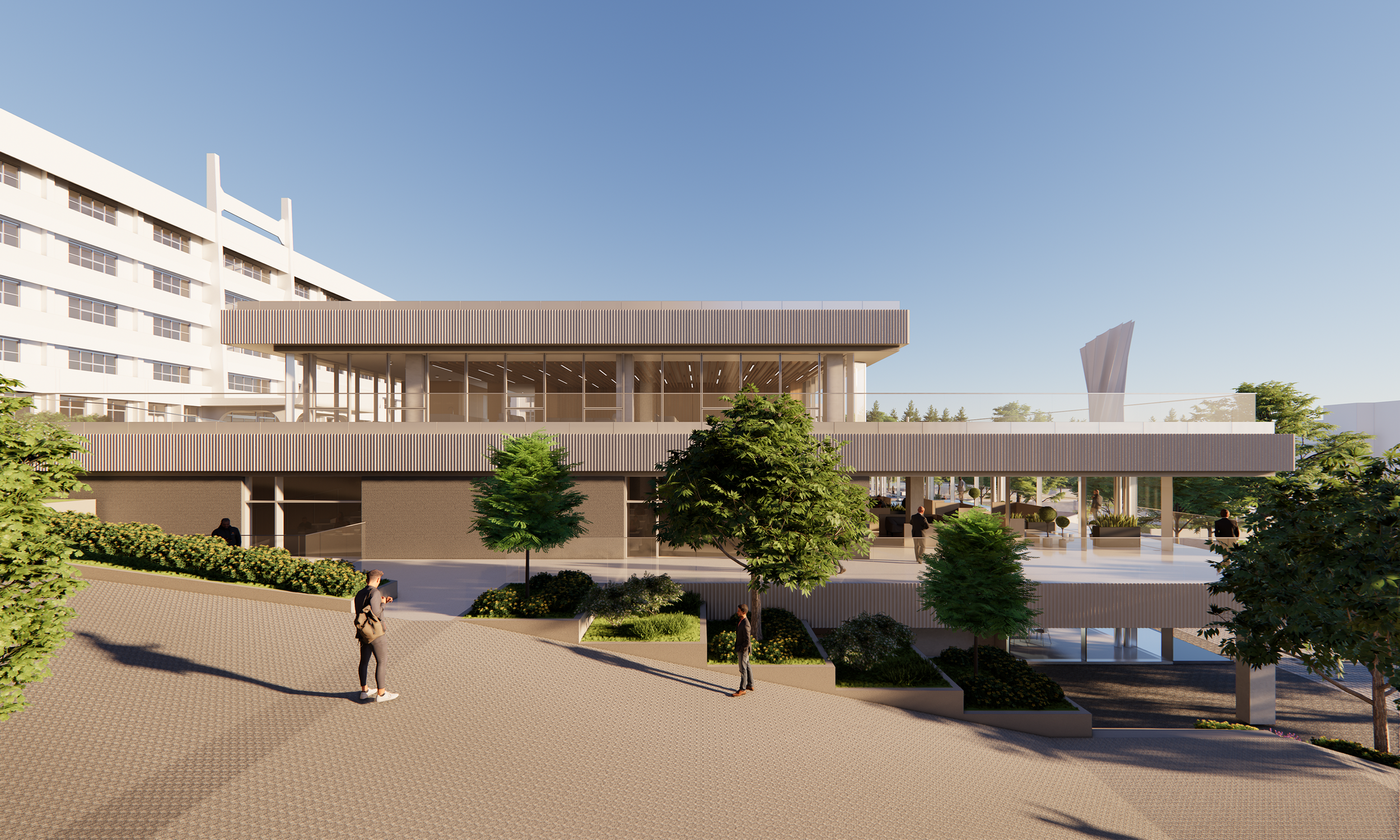
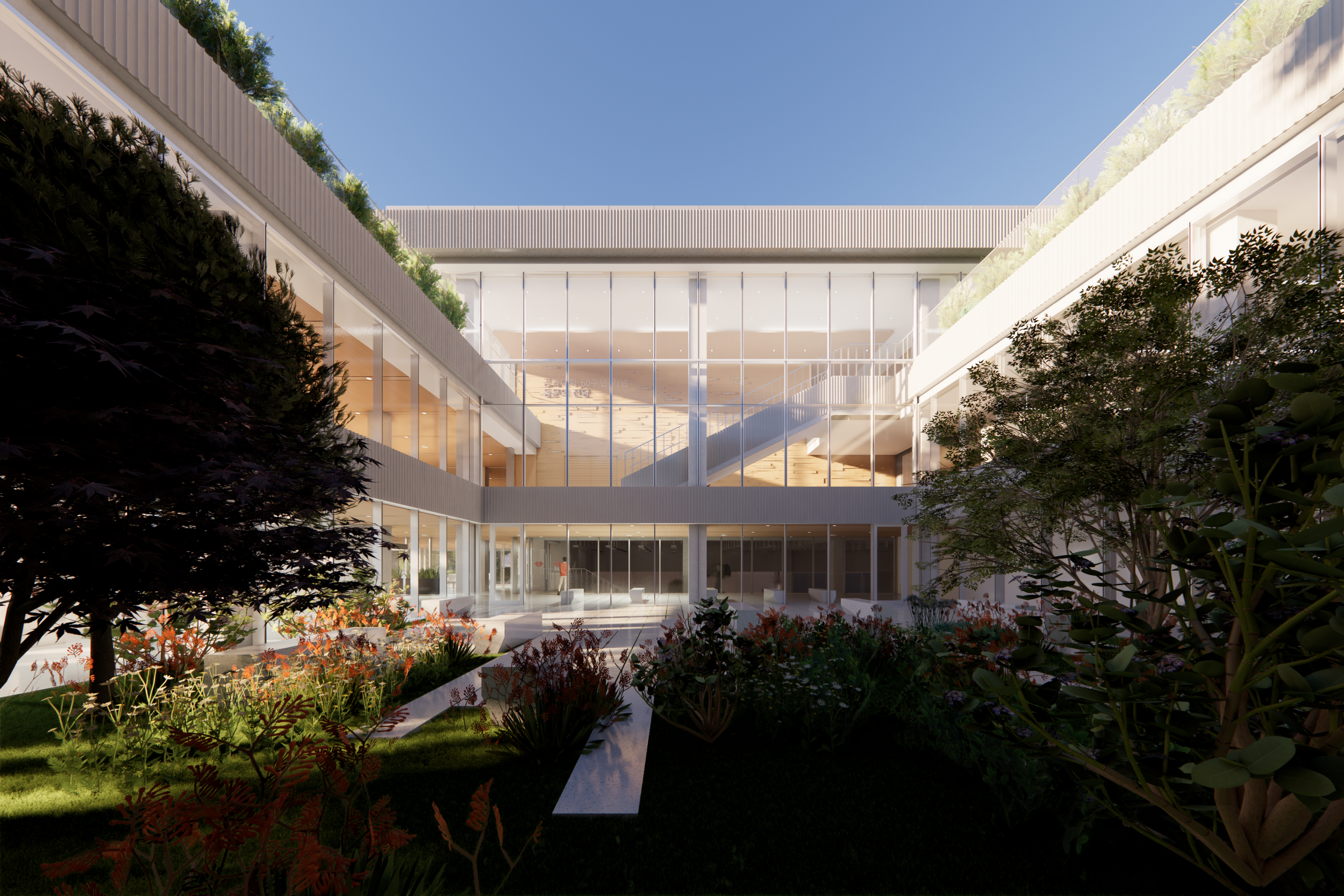
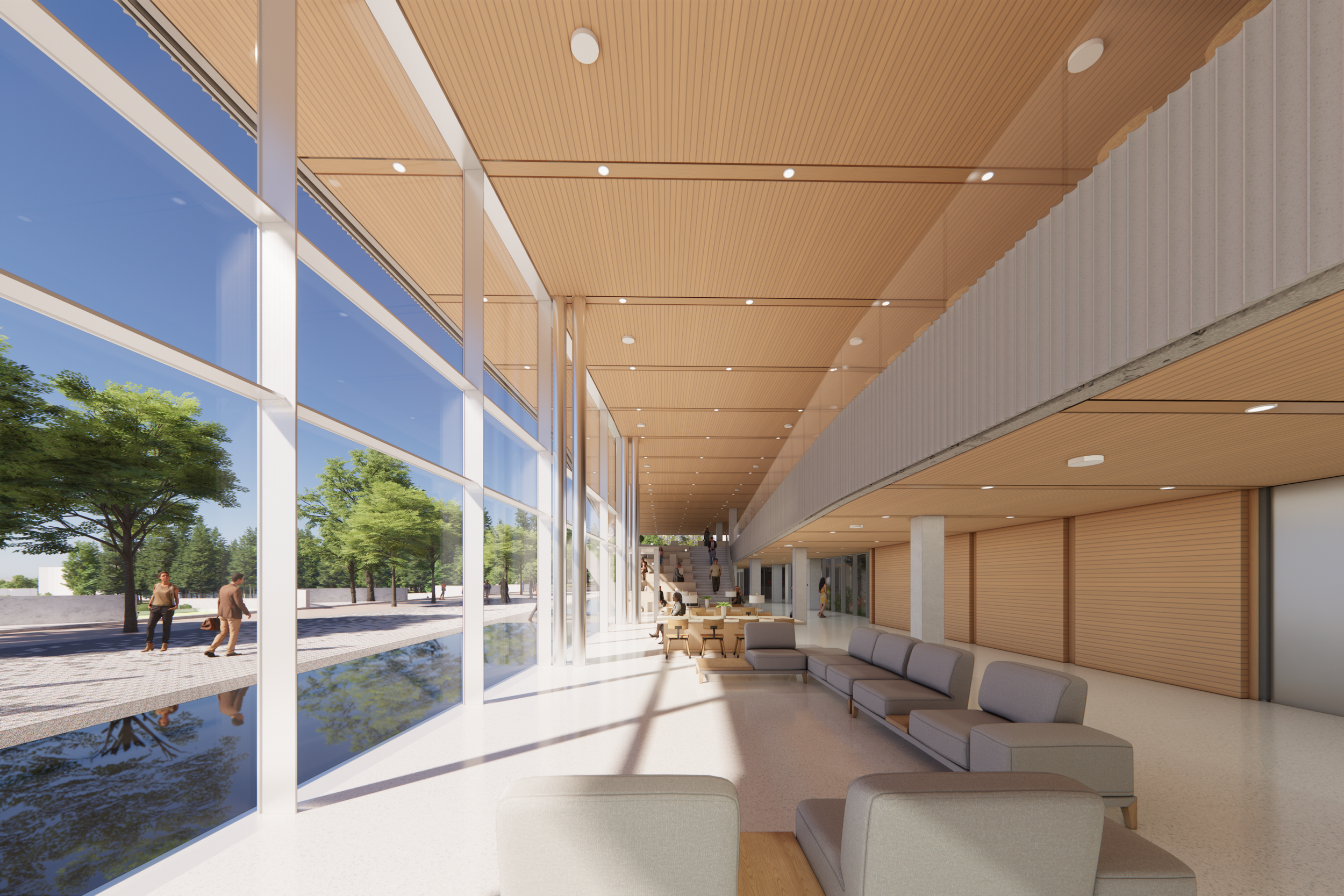
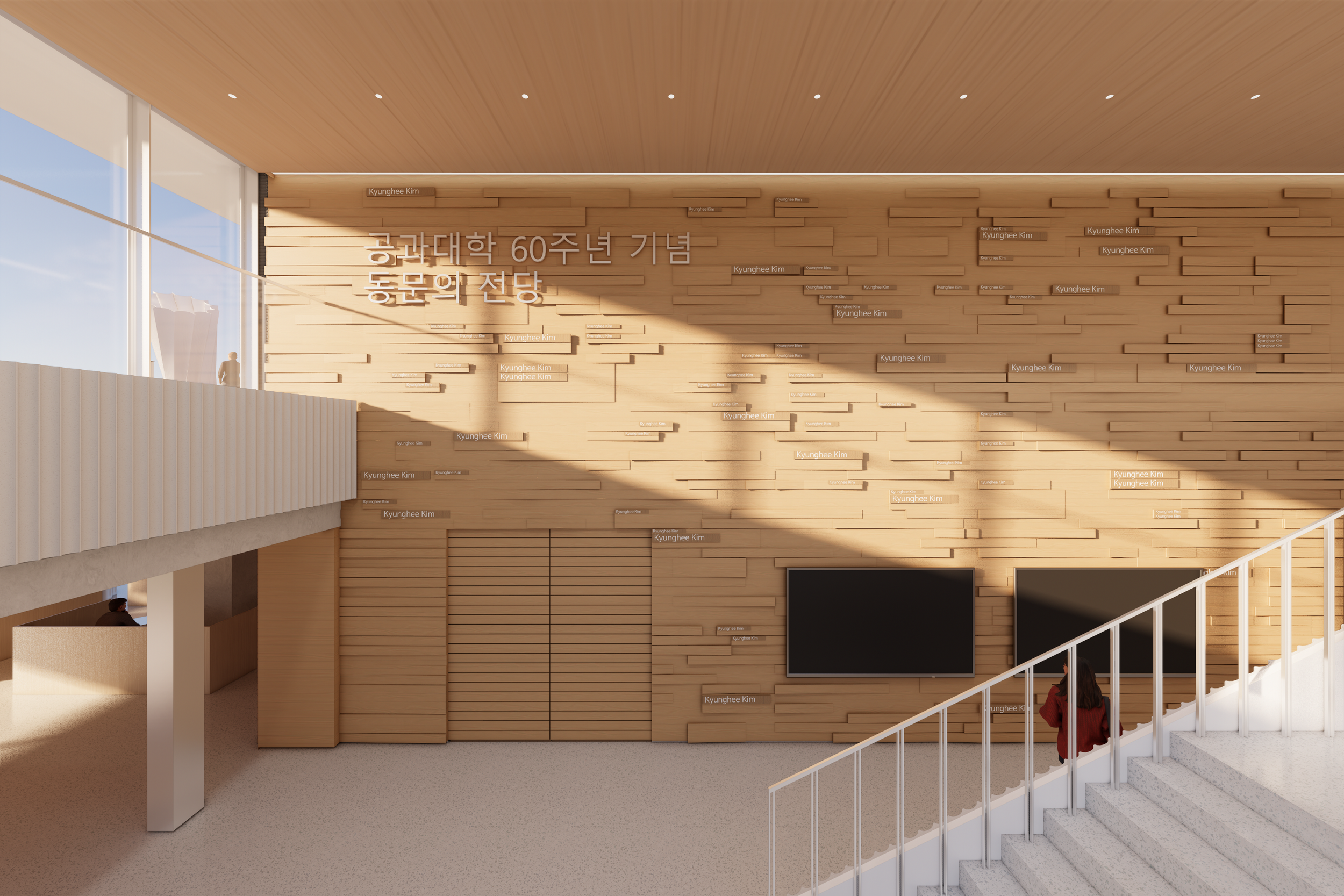
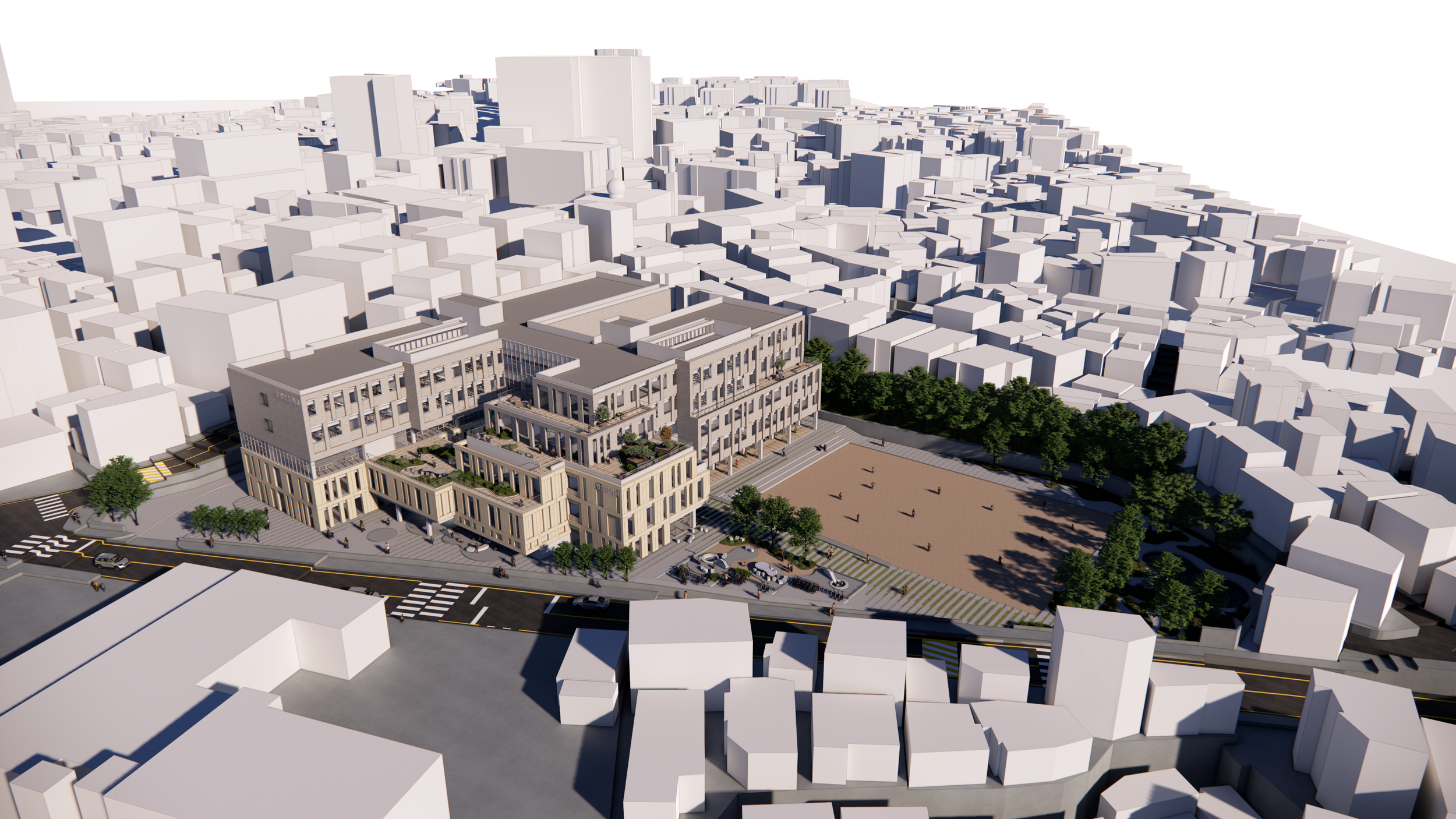
The design of the new annex for the College of Engineering at Kyung Hee University is a thoughtful response to both the legacy of the existing Engineering Hall and the evolving needs of the university community. Originally constructed in the 1980s as the first building on the International Campus, the existing Engineering Hall is characterized by its U-shaped layout and the central sloped courtyard that has long served as an open space for leisure, relaxation, and interaction among students and faculty. The new annex aims to respect and enhance this historical context while introducing cutting-edge, interdisciplinary research and educational facilities. The design takes into account the sloped lawn, a significant part of the campus landscape, by integrating it into the new structure as an active and versatile courtyard. This space not only preserves the original function of the area as a communal gathering place but also reinterprets it to accommodate modern needs.

In planning the annex, careful consideration was given to maintaining harmony with the existing Engineering Hall. The new structure addresses the height difference between the front and rear of the site, creating a seamless connection that enhances the overall campus experience. The annex is conceived as a symbol of the university’s commitment to innovation, serving as a bridge between tradition and the future of education and research.


Year : 2024

Location : Yongin, Korea

Size : 3,925 m²

Status : Ongoing

Type : Education

Principal in Charge :

Seojoo Lee, Hyojung Kim (I.f), Dongil Kim (I.f CDL)

Design Team :

Suyeon Seo, Chaeyoon Chang (I.f), Seungil Kim, Gwangeun Hwang, Soohyun Im, Roun Yi, Bugun Kim, Isaac Kang (I.f CDL)

Collaboration :

ARA Architecture Group
Tags Project, Ongoing, Education, University

BOKWANG ELEMENTARY SCHOOL

February 28, 2024

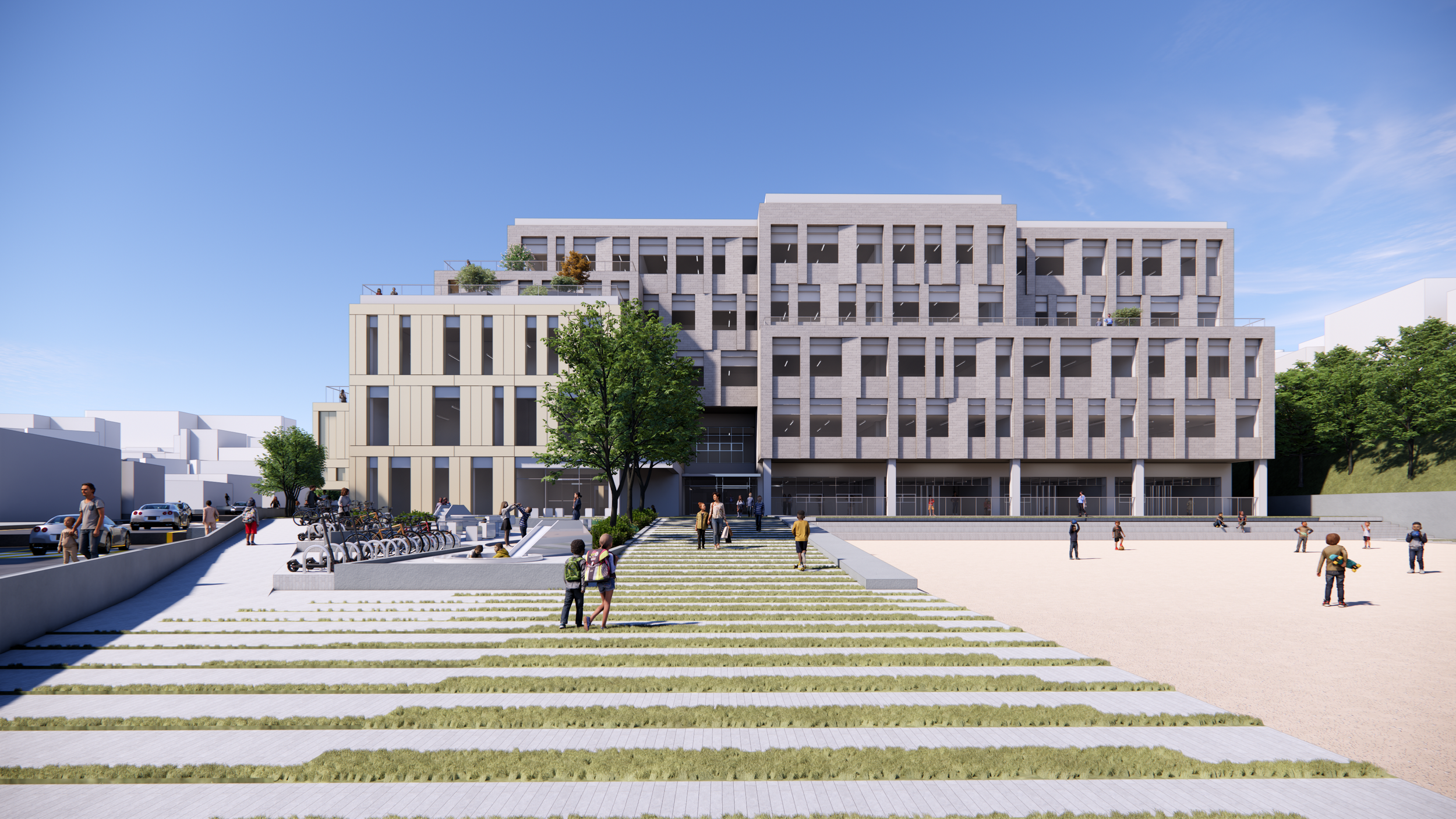
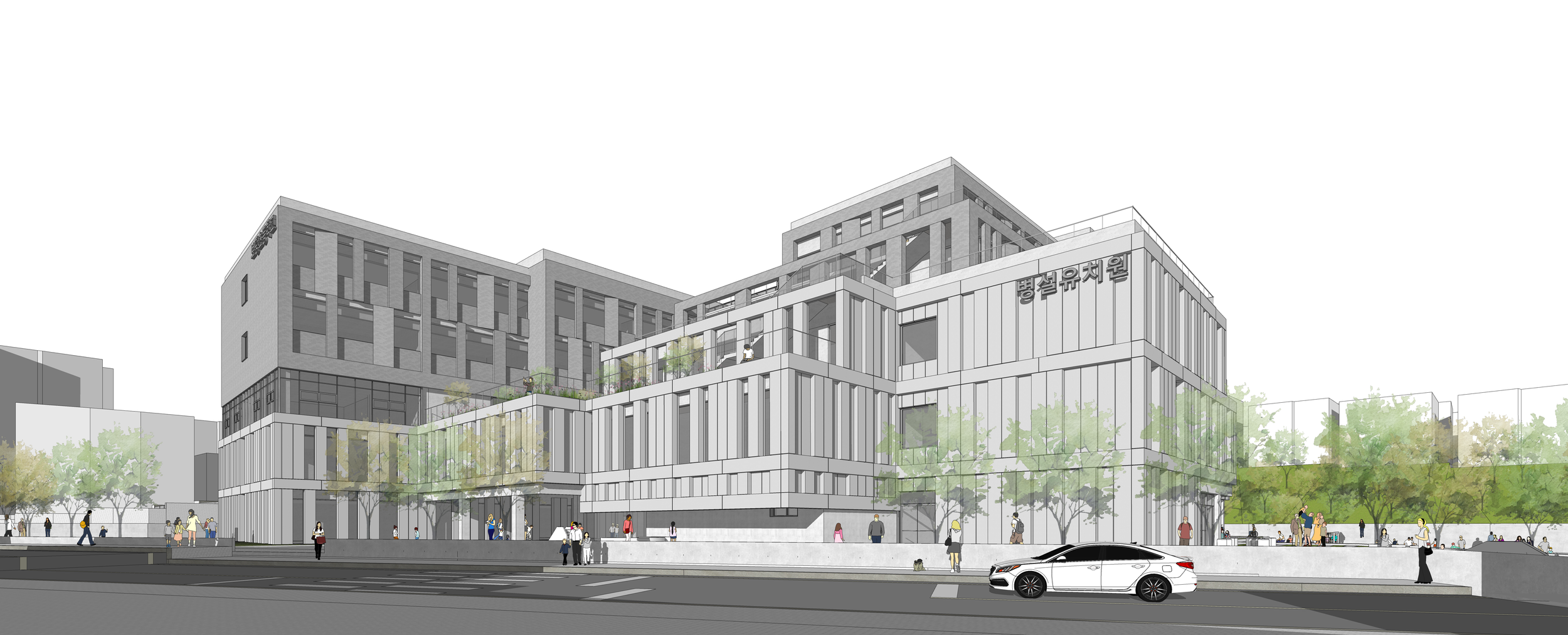
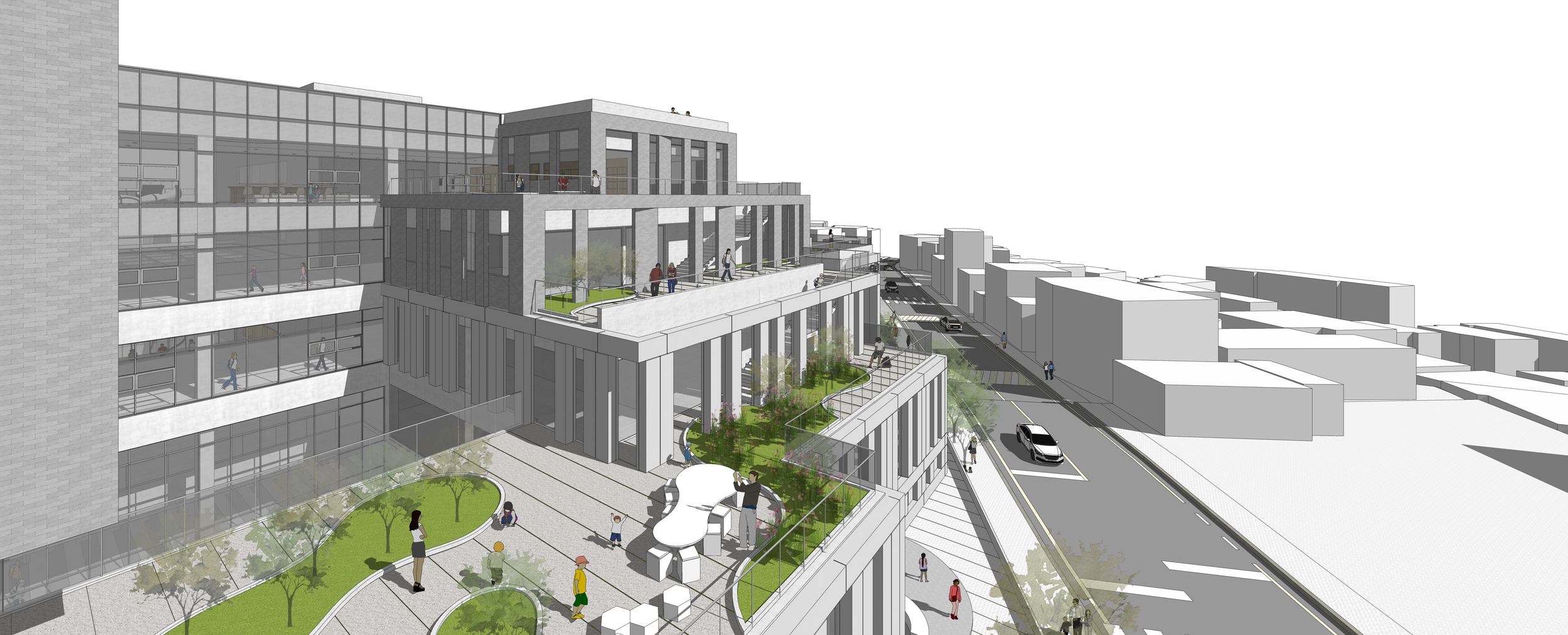
Childhood school memories are etched deeply in our minds, from the dusty sports fields to the creaky classroom windows and playful footsteps in the corridors. Schools hold a special place in our hearts, shaping daily routines and cherished memories. But can they transform into spaces that continue to nurture meaningful experiences for adults, rather than just relics of the past?

The vision for Bokwang Elementary School is to embrace the uniqueness of every individual and create a place that is both ordinary and extraordinary. It aims to constantly renew itself, fostering an environment that inspires dreams for the future. Situated in the heart of Seoul, the school serves as a public space where diverse people and ideas converge, playing a crucial role in the local community. Various external spaces are planned to actively engage with the community, ensuring inclusivity and openness.

The school's design is intentionally crafted to shape both body and mind through space. Every architectural element—doors, windows, steps, walls, and more—physically constructs the school space while also shaping the minds of its occupants. By bringing nature into the classrooms and opening up to the natural world outside, the school aims to create its own natural environment amidst the urban landscape. This approach, inspired by Crow Island Elementary School, offers a unique daily experience and mindset.

Rather than focusing solely on function and efficiency, the school is designed to facilitate horizontal learning, where encounters with diverse individuals foster accidental and self-driven learning. Through a horizontal hierarchy of spaces, it provides meaningful environments for everyone, fostering a sense of belonging and inclusivity.


Year : 2024

Location : Yecheon, Gyeongsangbuk-do, Korea

Size : 8,962.66 m²

Status : Competition Entry

Type : Institution

Principal in Charge :

Seojoo Lee, Hyojung Kim (i.f), Dongil Kim (Kyung Hee University), Minho Lee (func. Architects)

Design Team :

Seungil Kim, Inyeob Jang (i.f)

Tags Project, Education, School, Design Proposal

Credited by I.f