대형 연속섬유 복합재를 활용한 활성탄성면의 형상 구축 및 제작 방법론에 관한 연구


대형 연속섬유 복합재를 활용한 활성탄성면의 형상 구축 및 제작 방법론에 관한 연구

Design and Fabrication Strategies for Bending-Active Plates Utilizing Large-Scale Continuous Fiber Composites

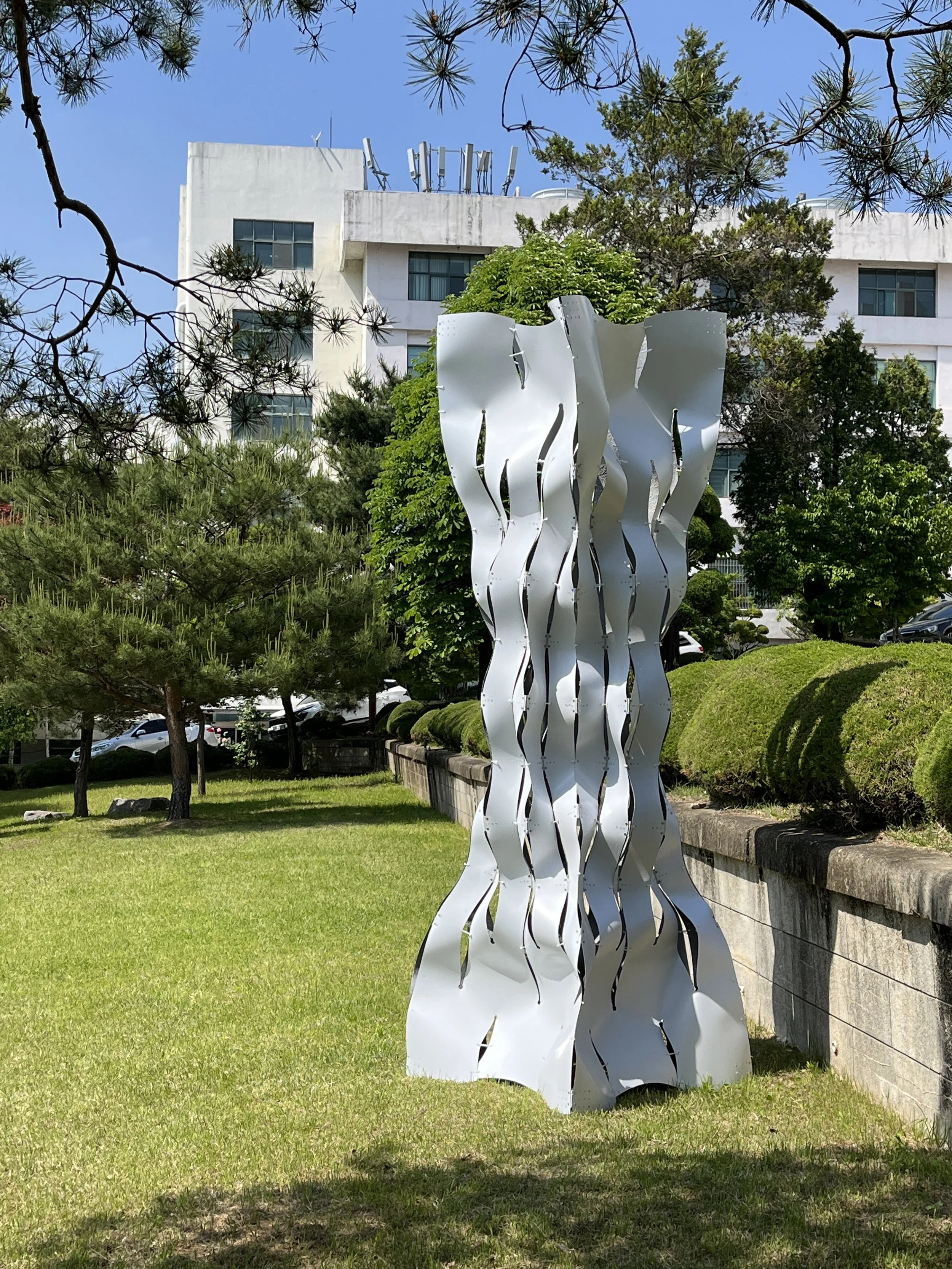
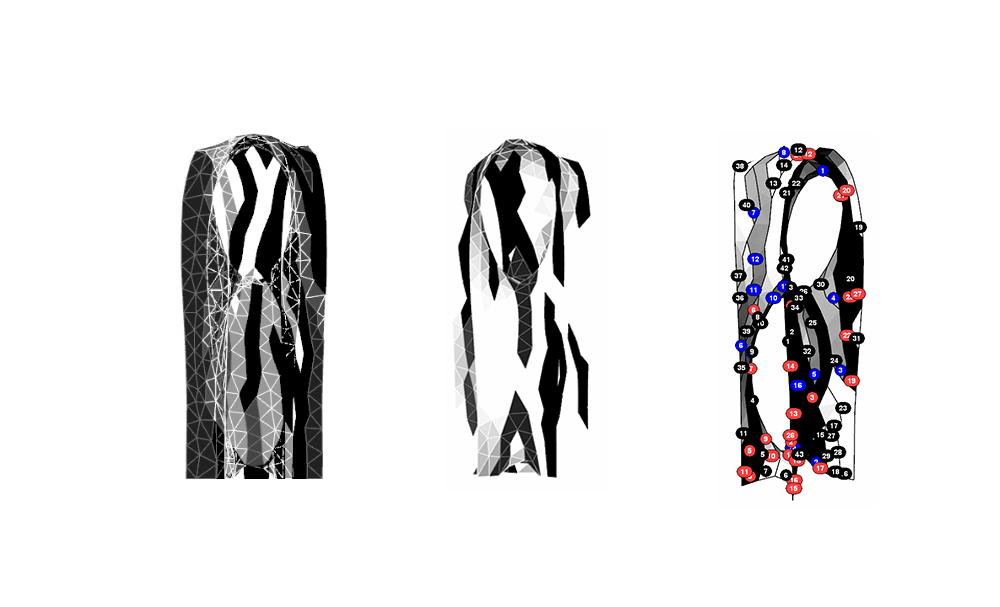
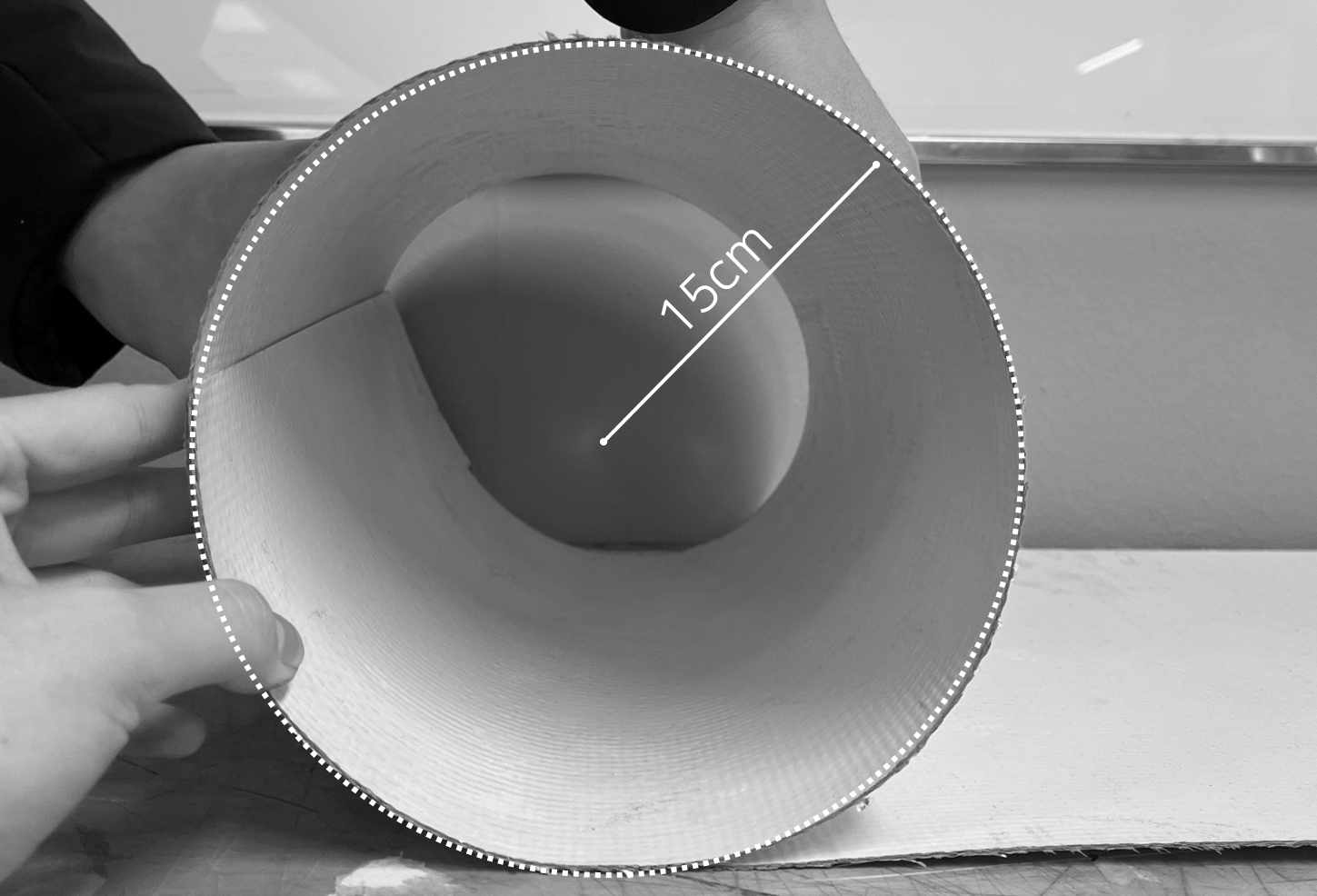
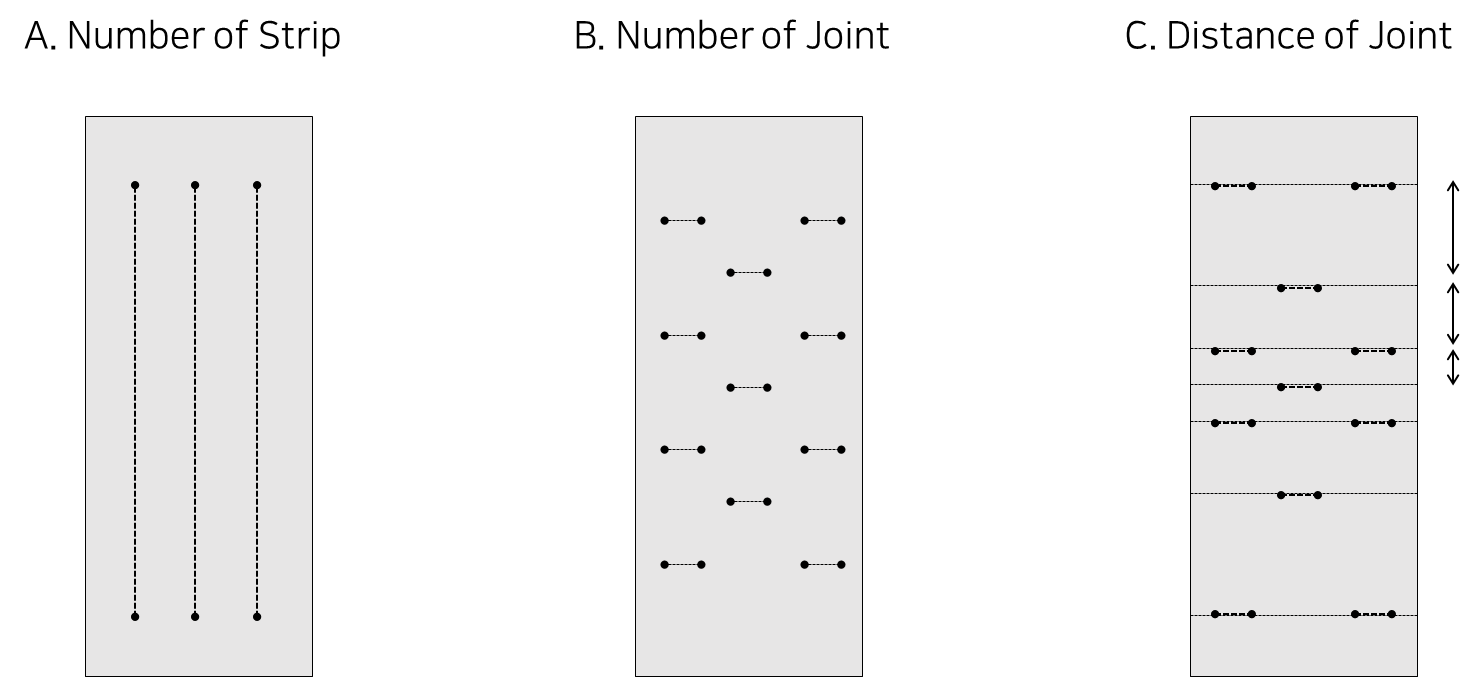
This study presents a form-finding and fabrication methodology for large-scale bending-active structures using continuous fiber composites. Bending-active structures leverage the elastic deformation of flat and flexible materials to achieve freeform curved geometries. Traditional methods using metals, plastics, or fiber-reinforced polymers (FRPs) often encounter scalability challenges due to assembly requirements of multiple elements.

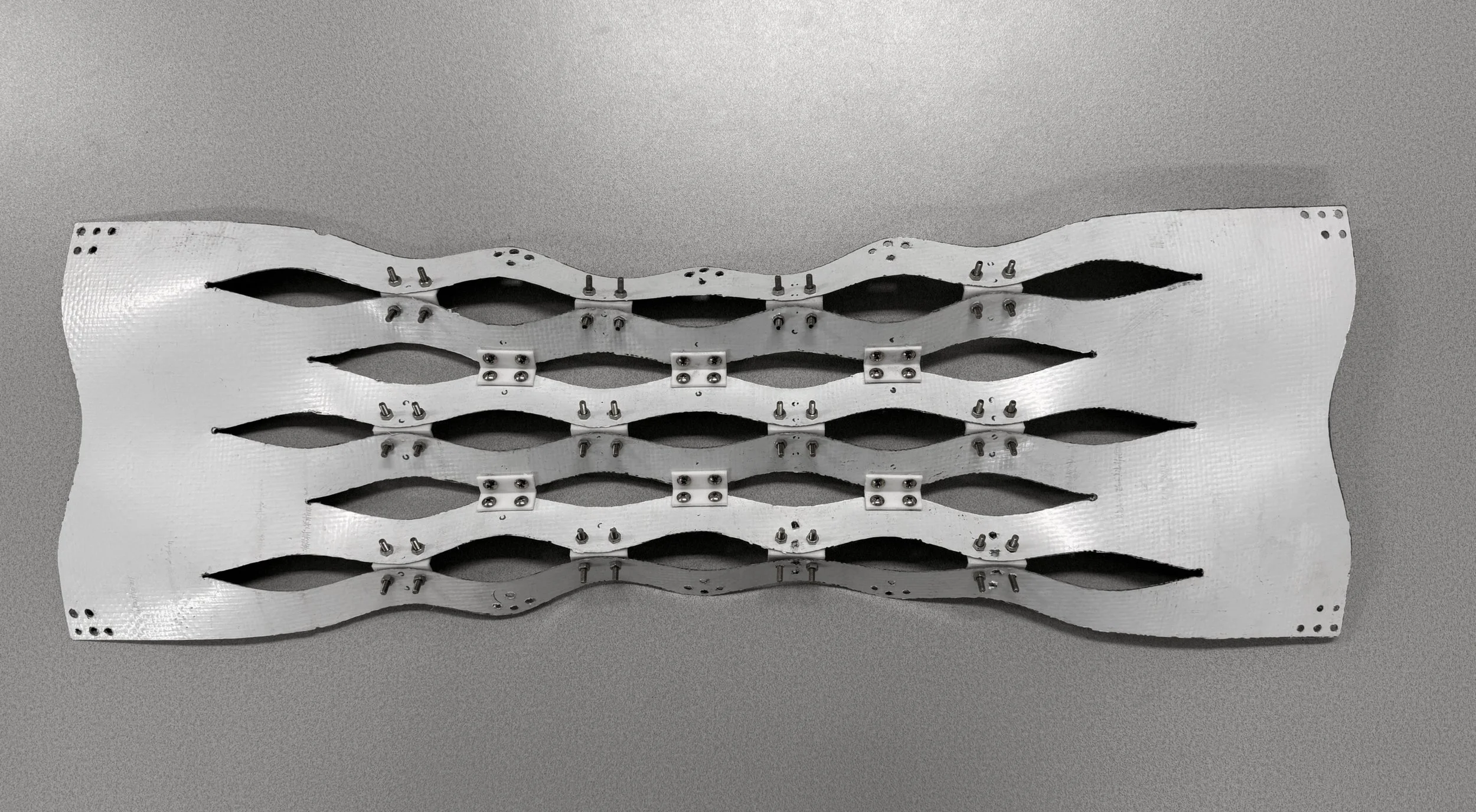
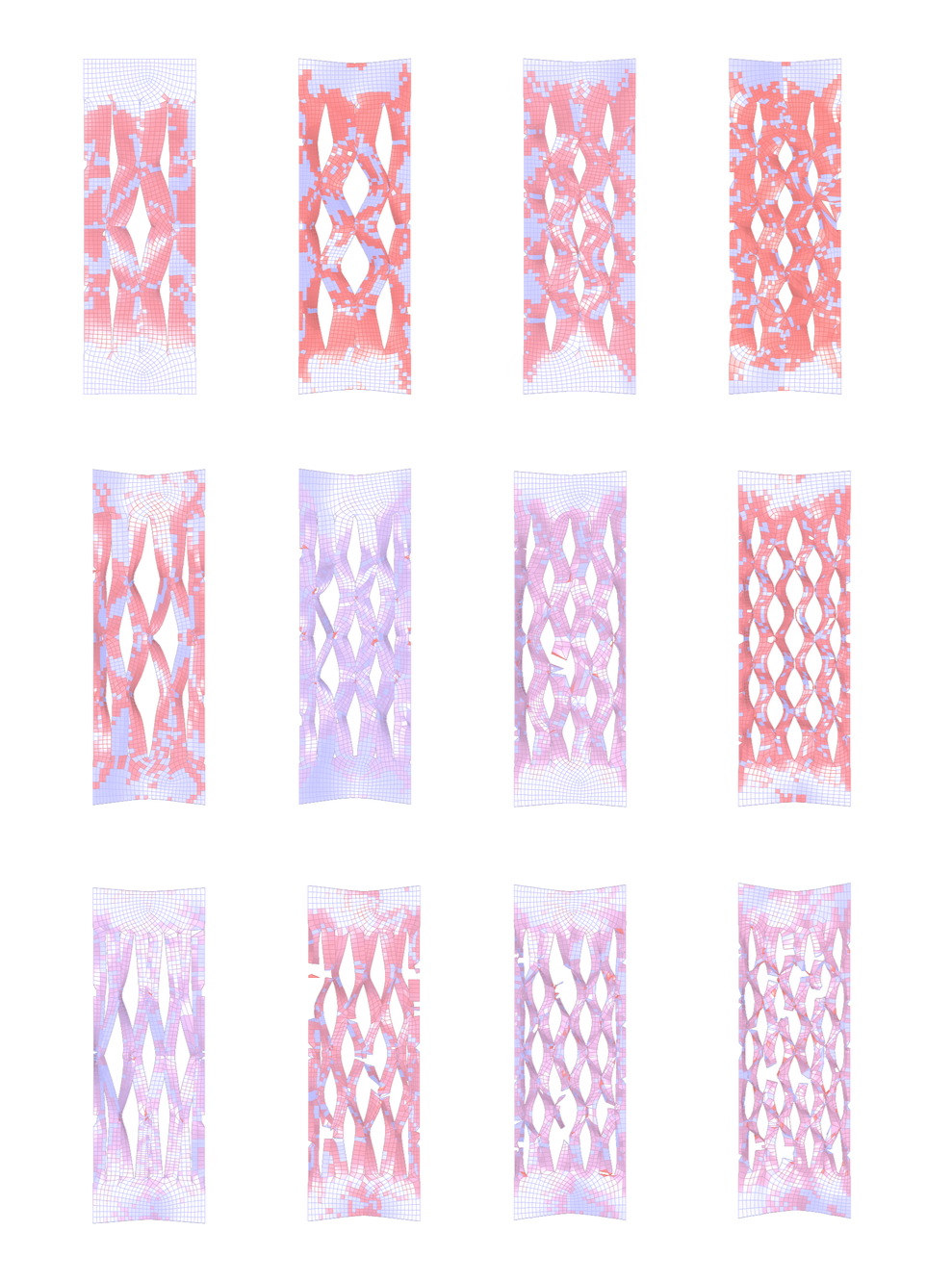
To address this, the proposed strategy utilizes continuous fiber composites to construct bending-active surfaces from single flat sheets, enhancing both structural integrity and construction efficiency. Based on a literature review, the study analyzes the form-finding principles of active bending plates and the properties of continuous fiber composites to derive an optimal reinforcement strategy. Based on a literature review of form-finding principles and composite properties, two reinforcement strategies were developed: surfacial reinforcement to increase panel rigidity and topological reinforcement to improve global stability. These strategies were assessed through digital simulations and physical prototyping.

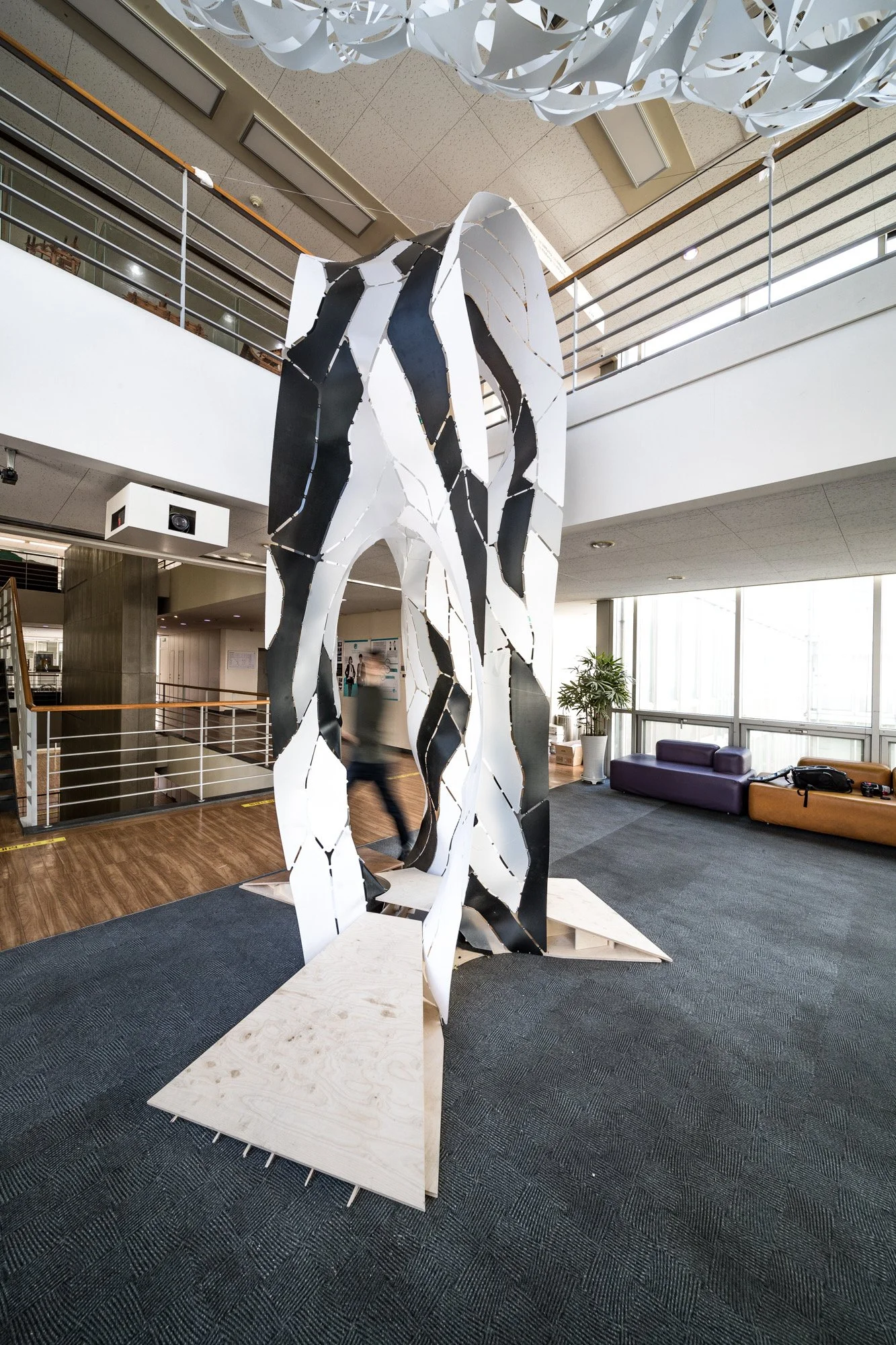
A full-scale, vertically self-supporting pavilion was constructed to test real-world applicability, with performance compared to similar precedents. The results demonstrate that combining surfacial and topological reinforcement effectively reduces structural weaknesses, enabling the formation of stable, three-dimensional geometries. This approach streamlines material processing, shortens construction timelines, simplifies transportation and assembly, all while minimizing complexity. The proposed methodology expands the architectural application of continuous fiber composites, offering a structurally and economically efficient solution for large-span or geometrically complex structures, while contributing to sustainable construction practices through material optimization.

Kim, Seungil, Hwang, Gwangeun and Kim Dongil. (2025). Design and Fabrication Strategies for Bending-Active Plates Utilizing Large-Scale Continuous Fiber Composites. Journal of the Architectural Institute of Korea, 41(7), 251-259.

https://www.kci.go.kr/kciportal/ci/sereArticleSearch/ciSereArtiView.kci?sereArticleSearchBean.artiId=ART003227403

건축디자인 도구로써 기후 메타데이터 적용에 관한 연구


건축디자인 도구로써 기후 메타데이터 적용에 관한 연구

Applying Climate Metadata in Architectural Design

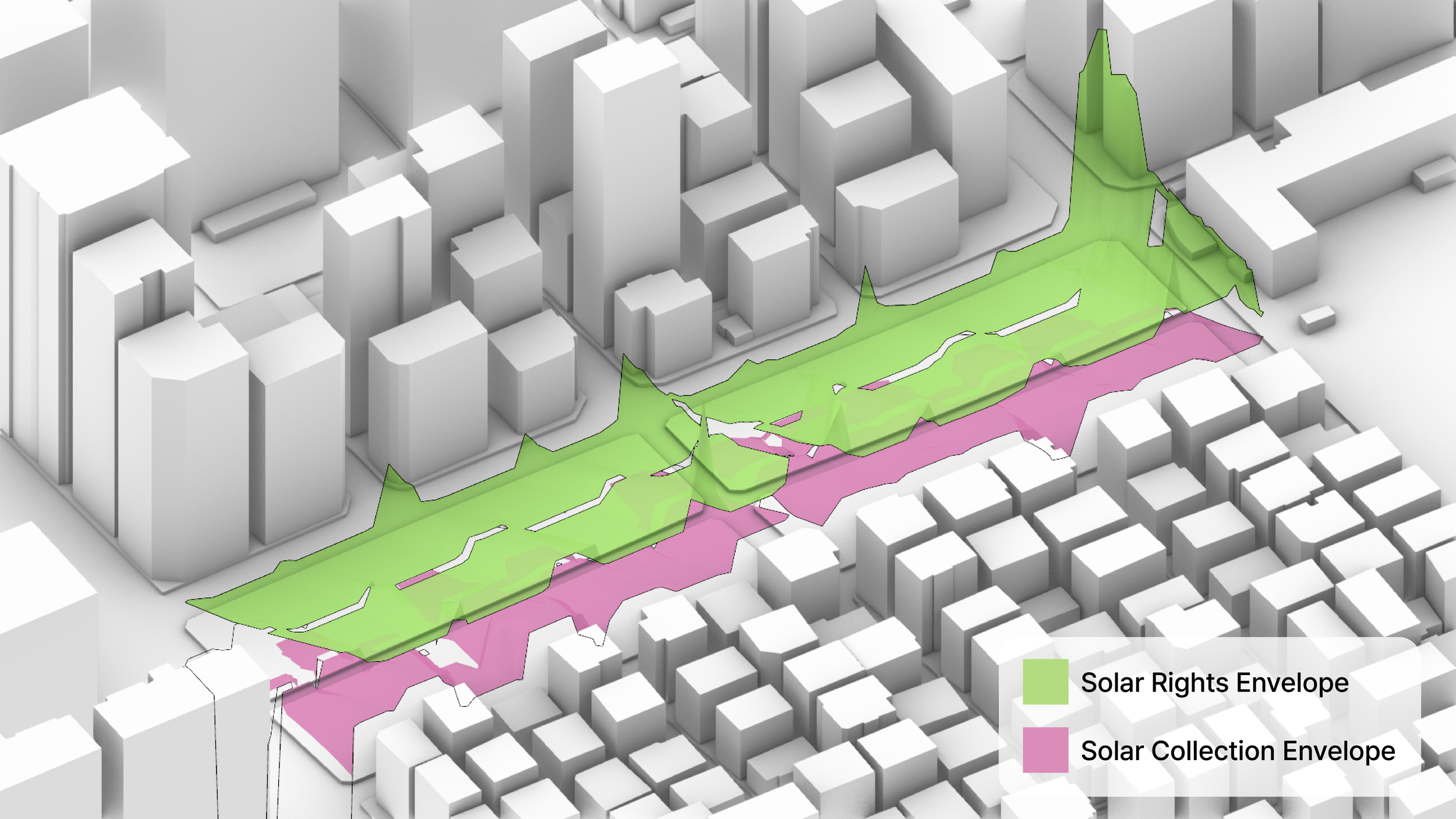
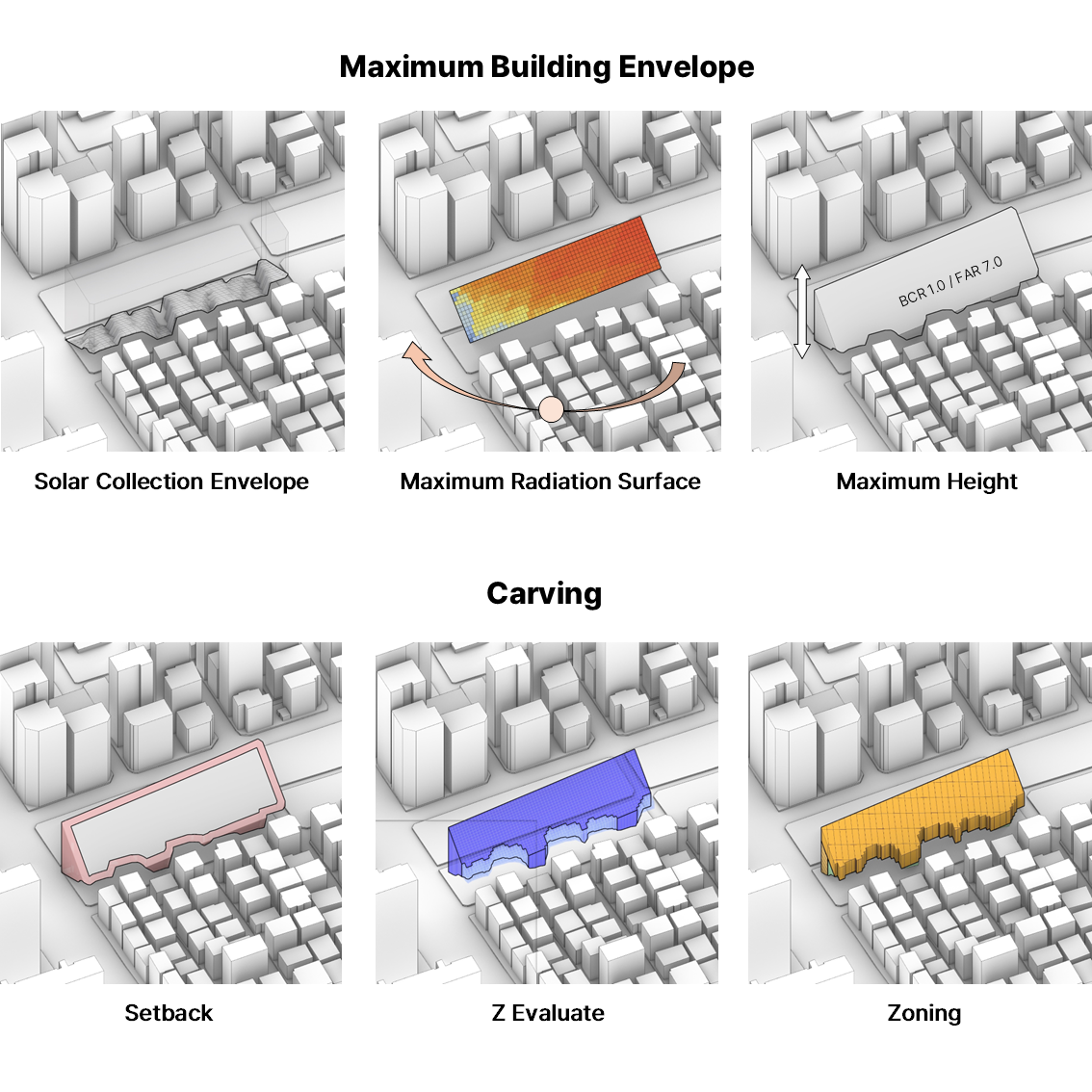
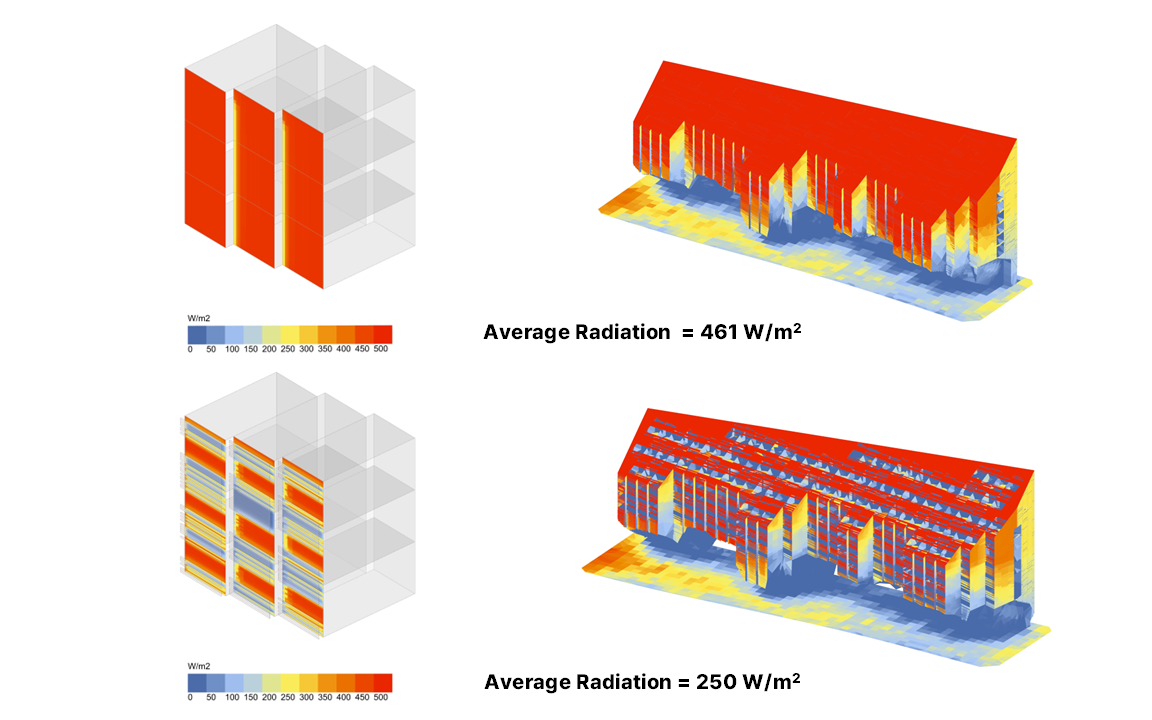
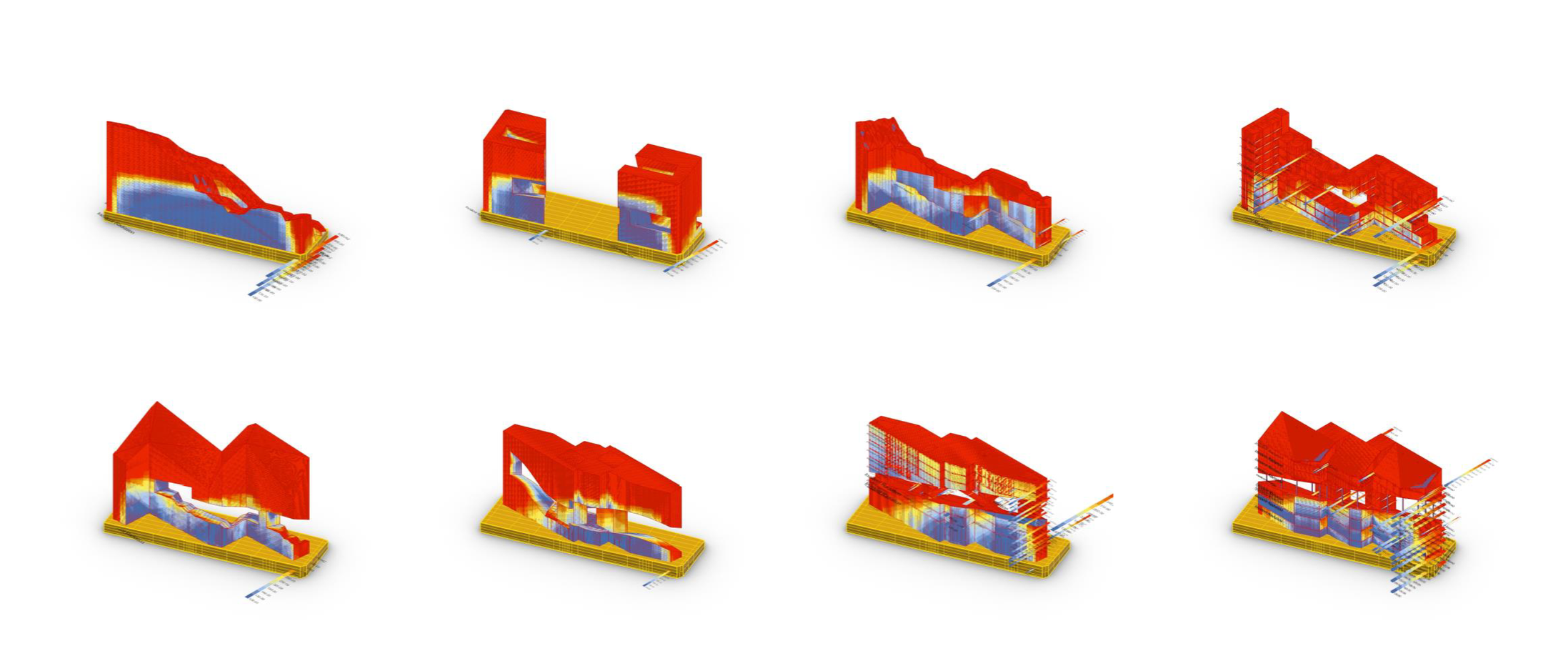
As the environmental impact of the built environment continues to grow, the architectural field has increasingly adopted technological innovations to promote sustainability. Integrating performance-based design (PBD) methodologies into architectural education helps cultivate professionals who can understand and apply the complex relationship between architecture and the environment. This study explores the role of climate metadata and PBD as essential decision-making tools in architectural design and examines methods for their integration into educational curricula.

Grounded in environmental analysis tools and PBD principles, it reviews existing case studies to identify limitations and propose improved instructional frameworks. The research combines theoretical and historical instruction, hands-on training in environmental analysis and computational tools, and their application in real-world pilot projects.

Student outcomes were analyzed based on project scale, design processes, and decision-making approaches. The findings highlight the effectiveness of PBD methodologies in architectural education and their potential for broader application. By establishing a framework for integrating climate metadata and performance-based approaches, this study provides a foundation for future advancements in architectural pedagogy, adaptable to diverse teaching environments and methodologies.

Kim, Seungil, Hwang, Gwangeun and Kim Dongil. (2025). Applying Climate Metadata in Architectural Design - Focusing on Insights From Performance-based Educational Case Studies -. Journal of the Architectural Institute of Korea, 41(4), 165-174.

https://www.kci.go.kr/kciportal/ci/sereArticleSearch/ciSereArtiView.kci?sereArticleSearchBean.artiId=ART003195134

열수축 폴리머 재료를 활용한 디자인 및 제작방법론의 건축적 적용에 관한 연구

열수축 폴리머 재료를 활용한 디자인 및 제작방법론의 건축적 적용에 관한 연구

A Study on Design and Fabrication Methodologies with Heat-Induced Self-Reinforcing Polymer

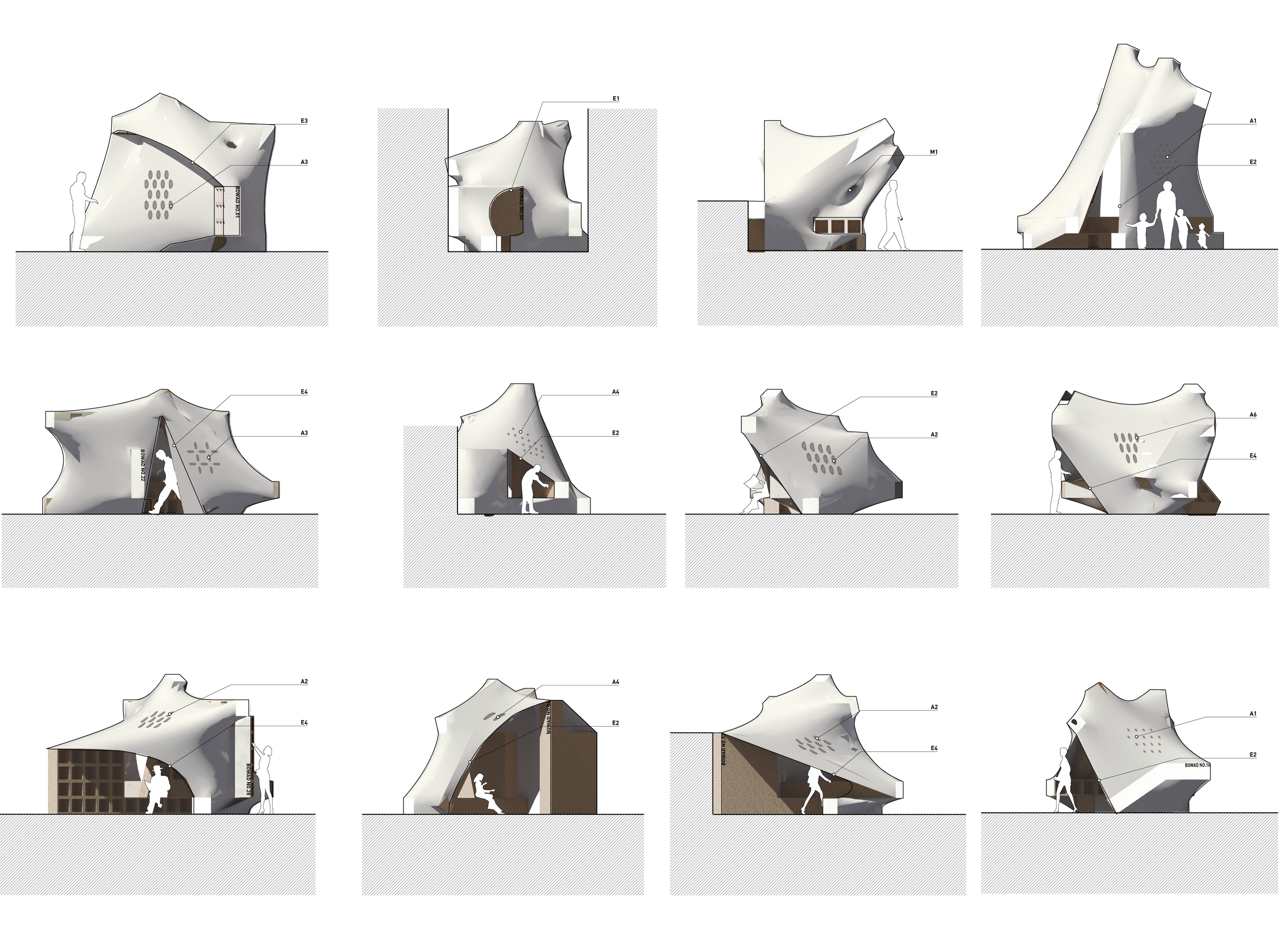
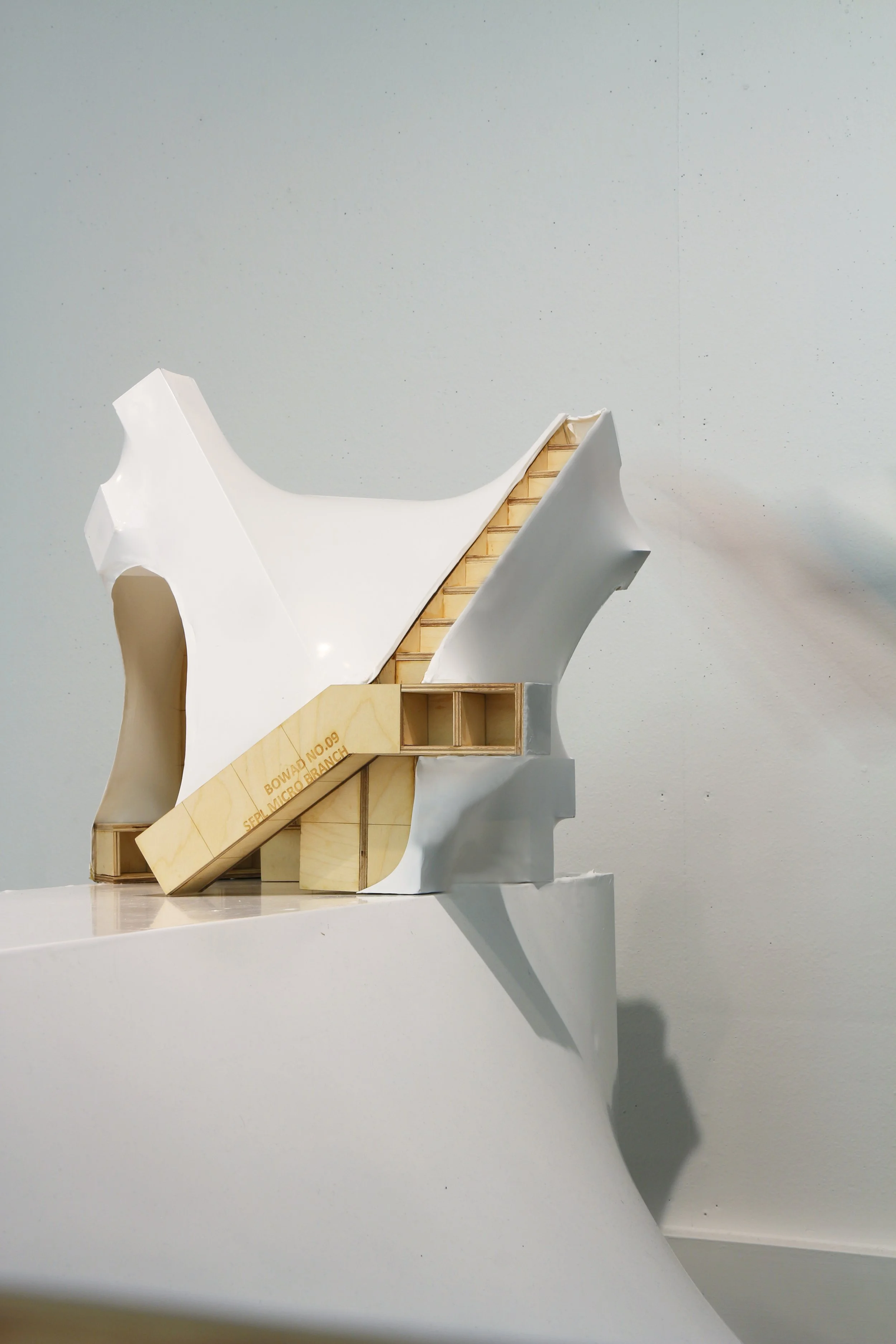
(Background and Purpose) This research paper aims to investigate a unique design process that digitally manipulates the morphological transformations of a heat-induced self-reinforcing polymer. The principle of the heat-induced contractile polymer has long been implemented in various industries such as packaging and fashion. While other industries have embraced the full potential of the particular soft material, it is still a relatively new material to be further explored in the field of architecture. Yet, with the application of computational tools to architectural form-making and fabrication methodologies, morphological and structural behaviors of heat-induced polymer could become an active material for architectural projects.

(Method) There are two modes distinguished in the presented research methodology. First of all, the author conducts the physical investigation of the material system of heat-induced polymers as a design driver. In this stage, the author computes the material behavior of the polymer sheet considering the material thickness of the polymer sheet and the traits of contractile deformation based on the time of heat exposure and the level of temperature on the material. Second, the author explores the digital investigation of a transition system of the physical properties to digital simulation then from the digital model to a fabricatable artifact based on the physical investigation of the heat-induced polymer sheet. In this stage, A series of computational strategies are applied to evaluate and analyze the design that eventually led to the making process. Finally, the latter part of this research paper showcases a built case study titled De:flatable. The study demonstrates the process of digitally comprehending the morphological transformation of a soft material, ultimately realizing the most optimal form through rapid prototyping with varying parameters.

(Results) The presented paper proves the resilience of the design process and aims to revisit the reciprocity of physical and digital, of formal and structural, and of design and fabrication through comparing the physical scale models and digital form-finding prototypes. And in lieu of the spirit of recalibration, the research is experimentation in imprecision.

(Conclusions) Not only an imprecision by the nature of the polymer’s intrinsic soft materiality but the imprecision of the digital translation of the morphological behavior of viscoelasticity. But as the following research demonstrates, it is within the imprecision and the infidelity of both physical material and computation tools that interpret the material that leads to the production of a form and a design process that hints at new possibilities in architectural design.

Kim Dongil. (2022). A Study on Design and Fabrication Methodologies with Heat-Induced Self-Reinforcing Polymer. Journal of Korea Intitute of Spatial Design, 17(2), 25-36.

https://www.kci.go.kr/kciportal/ci/sereArticleSearch/ciSereArtiView.kci?sereArticleSearchBean.artiId=ART002823029