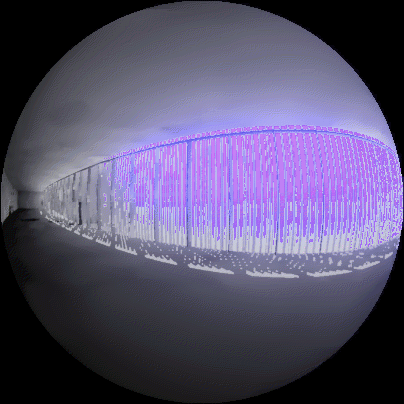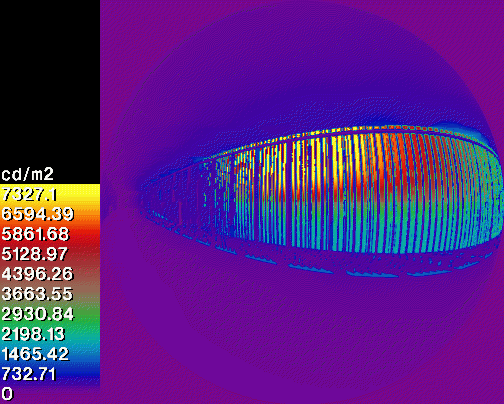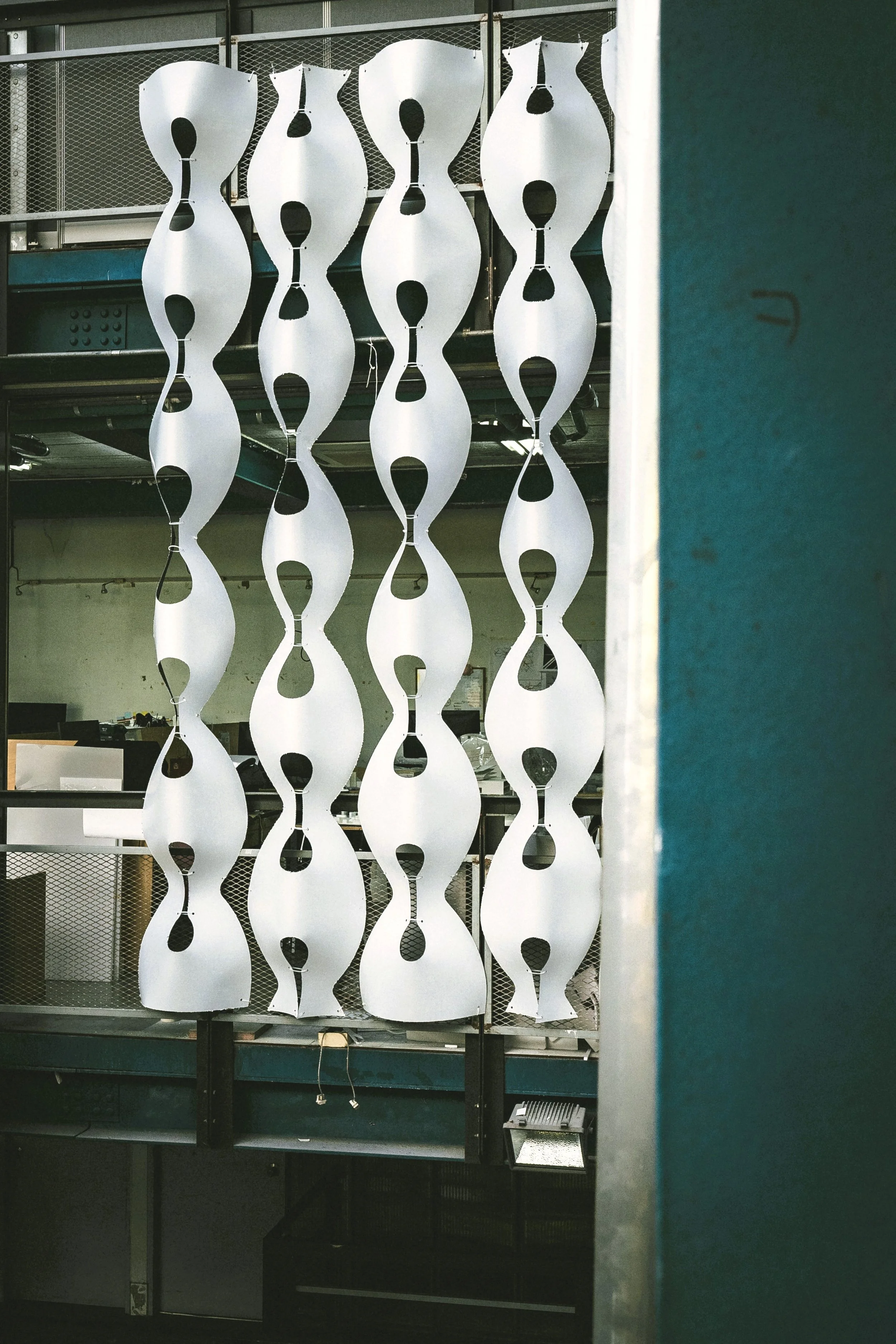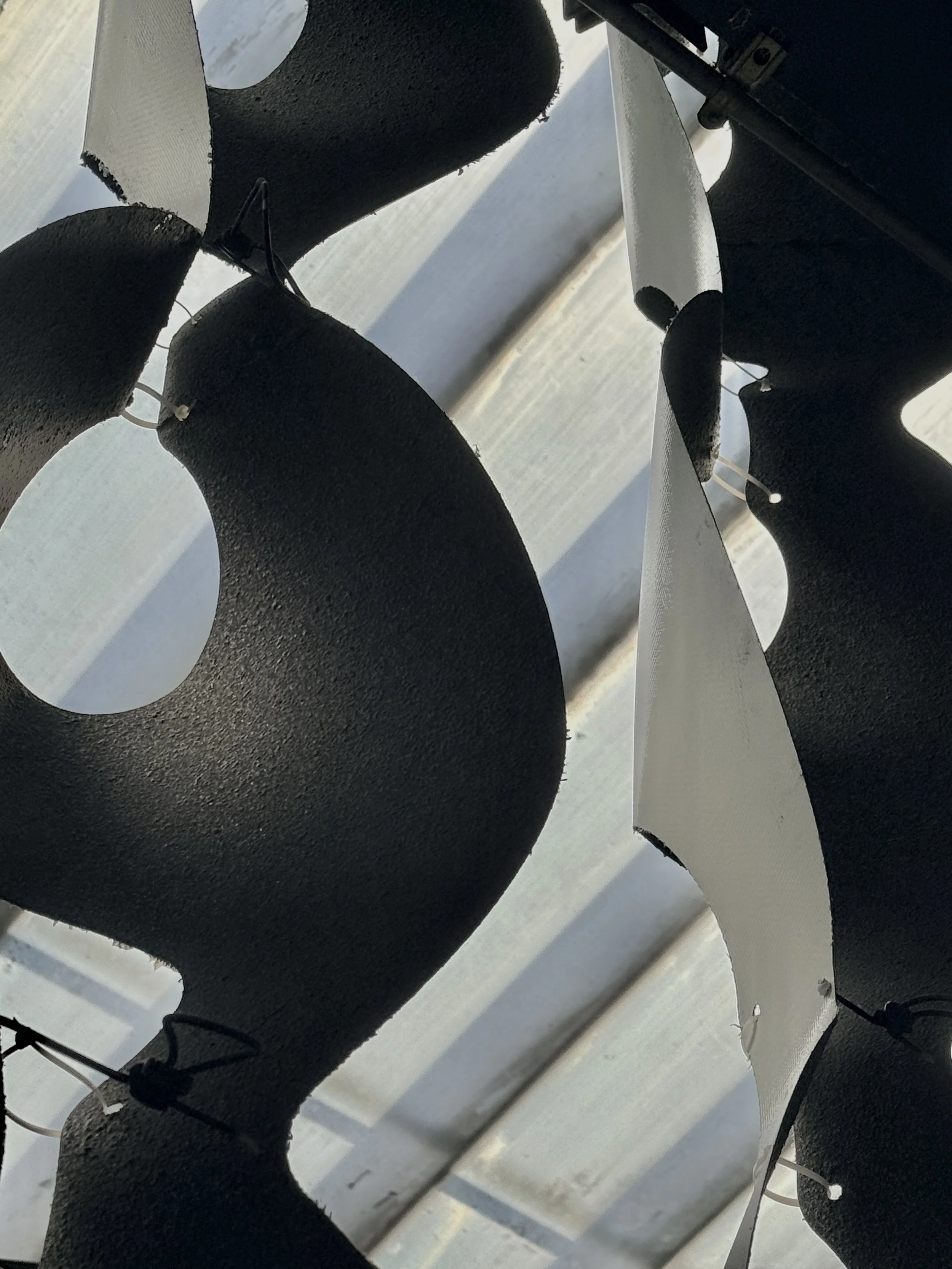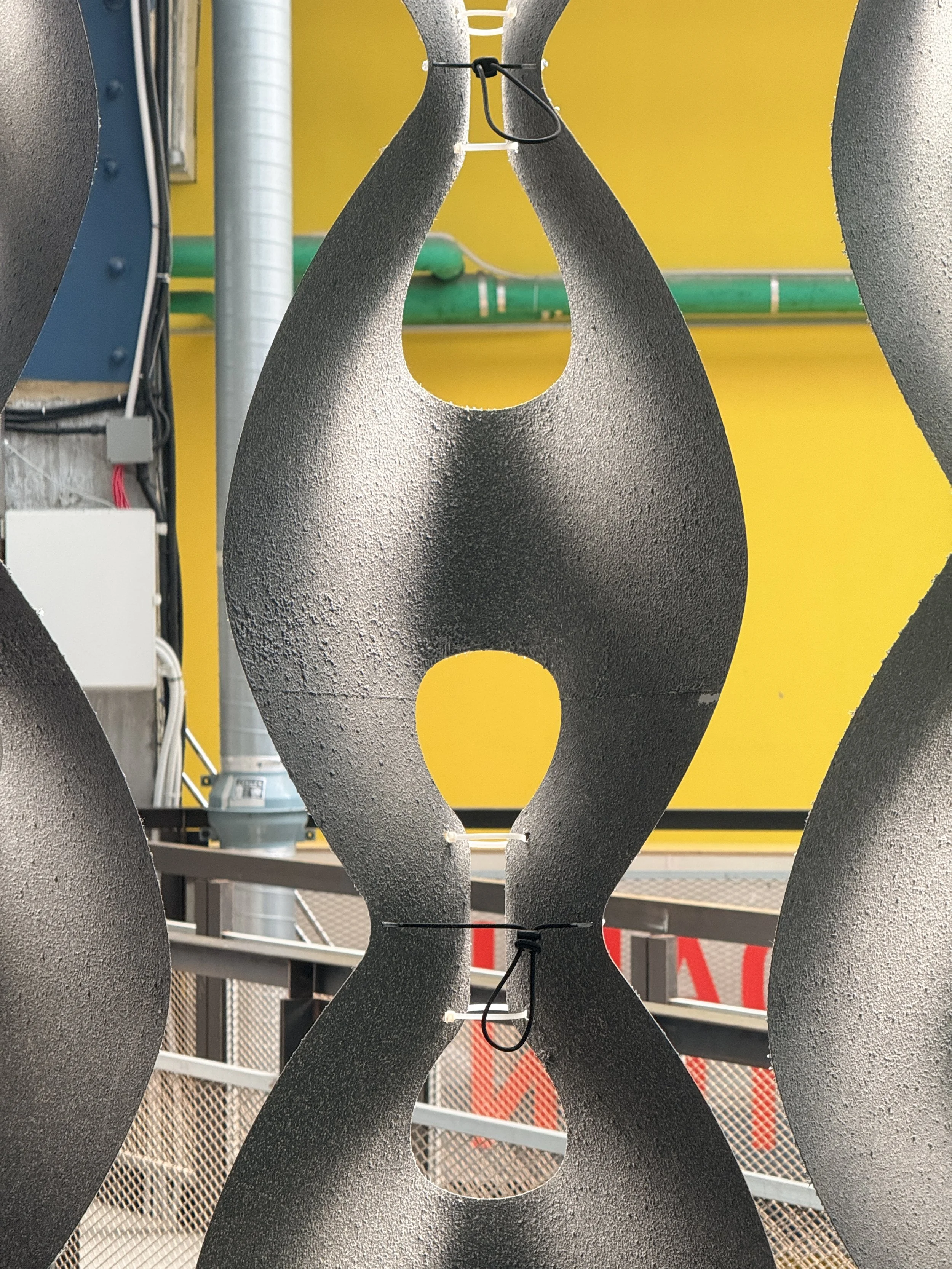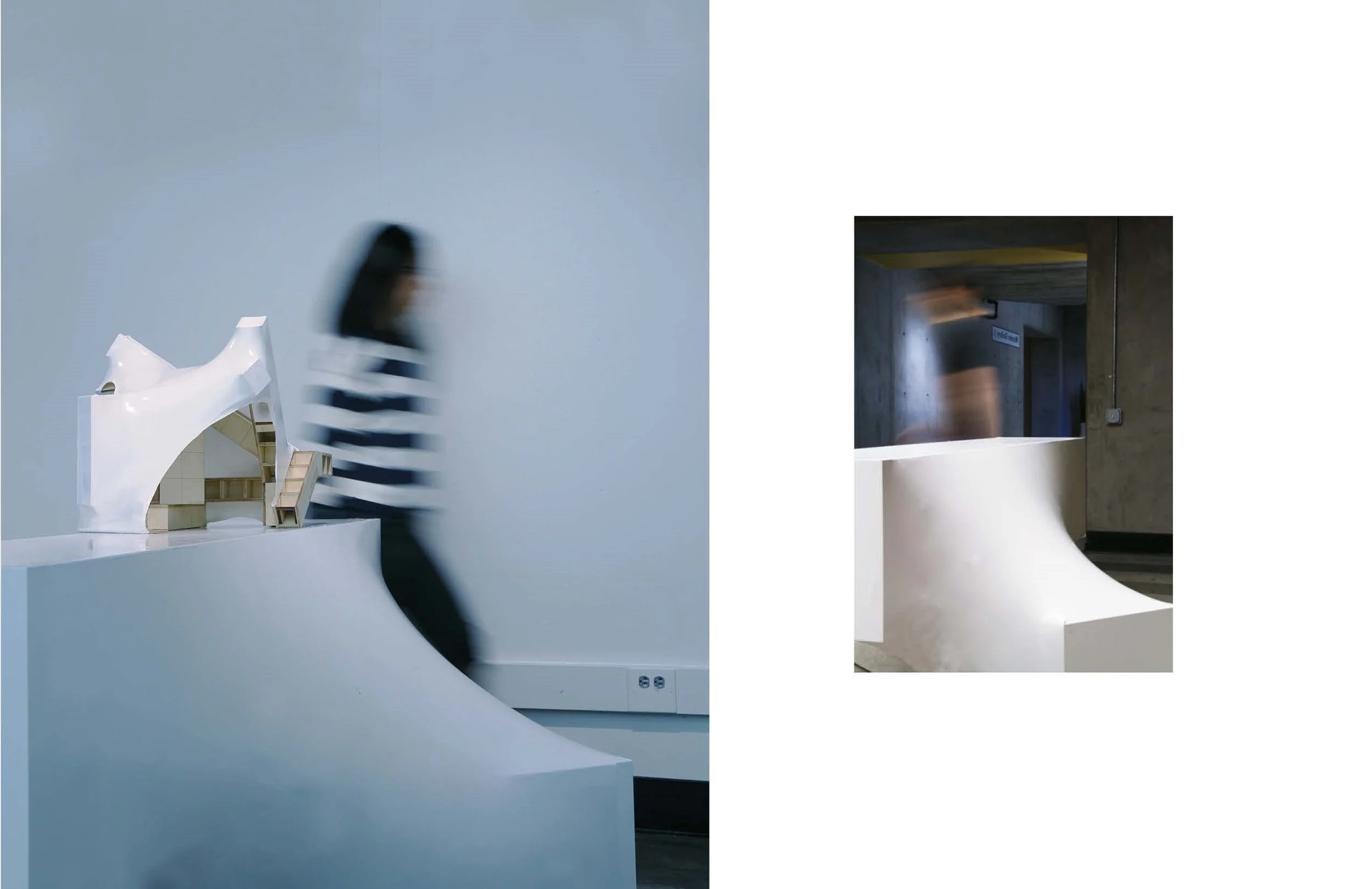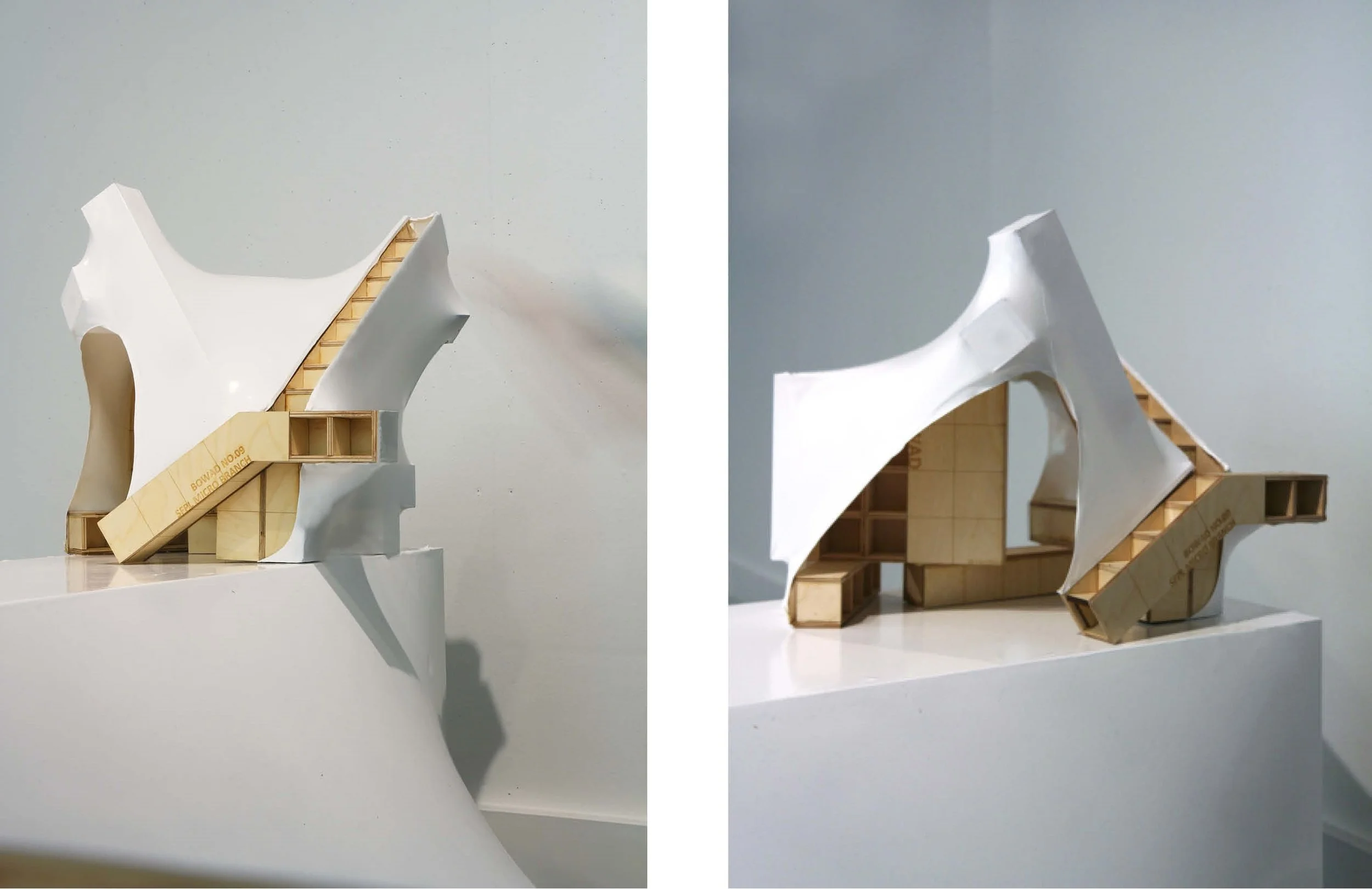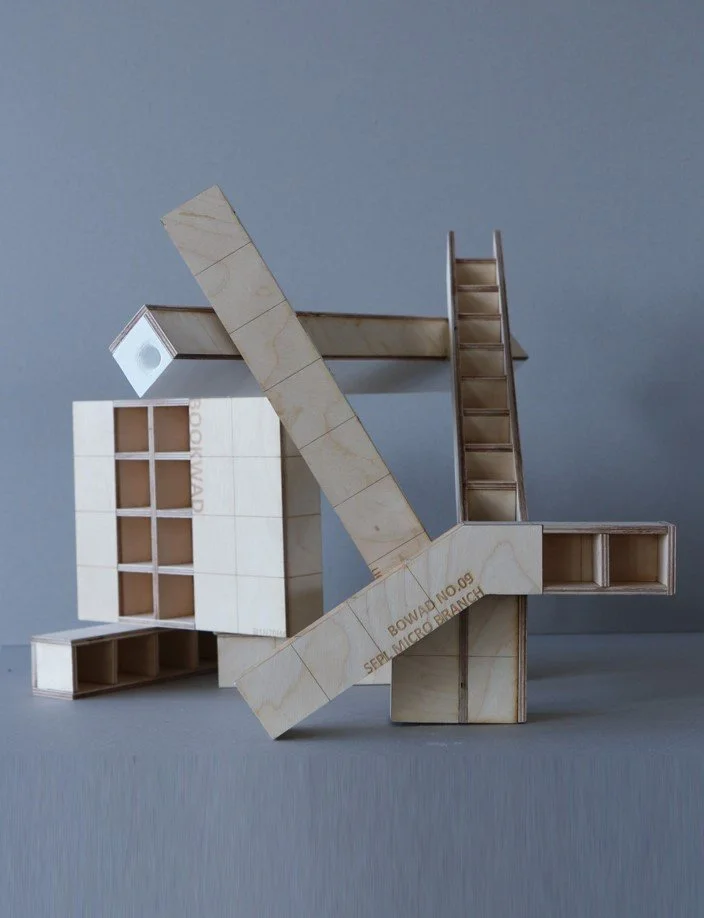
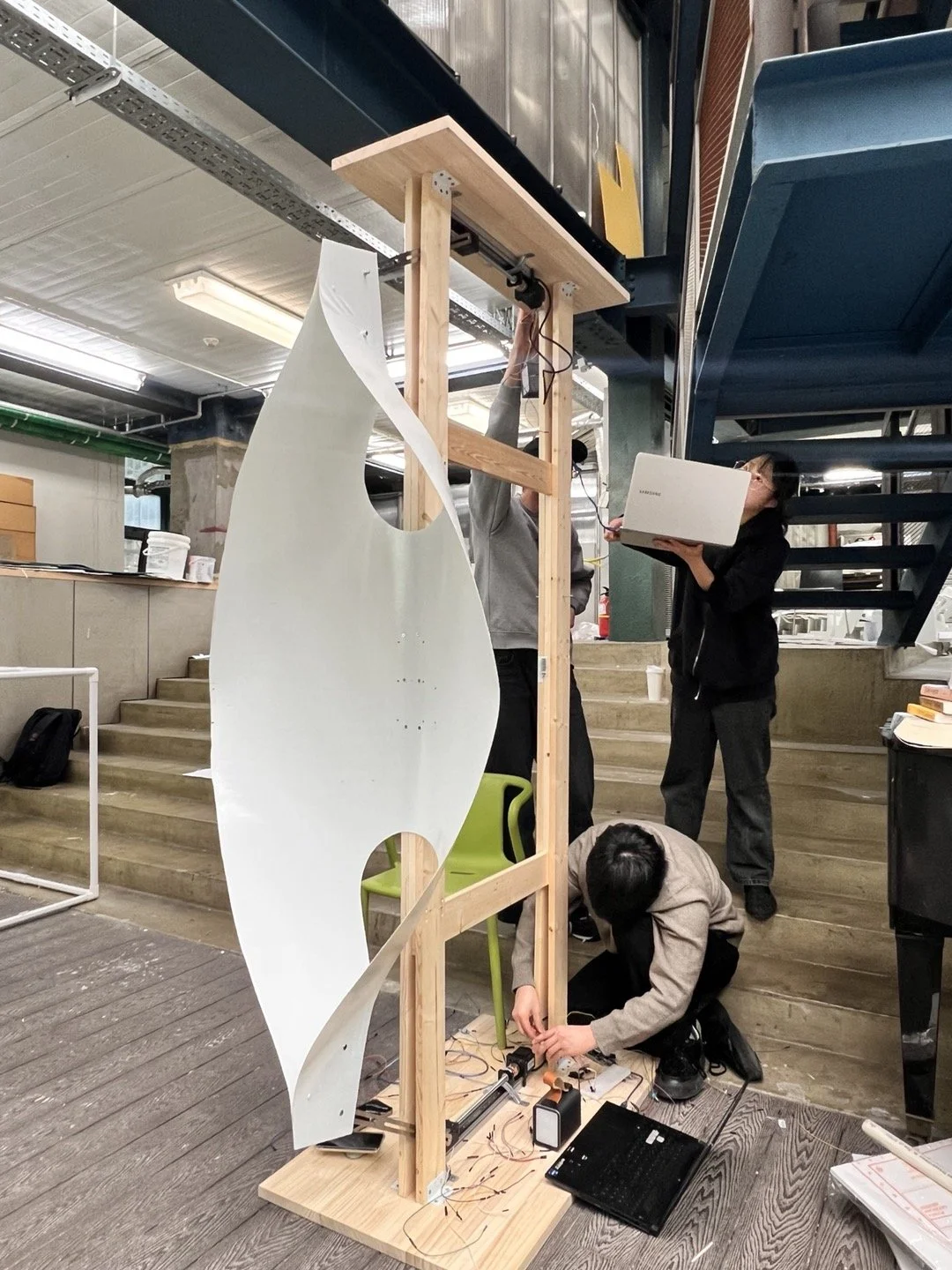
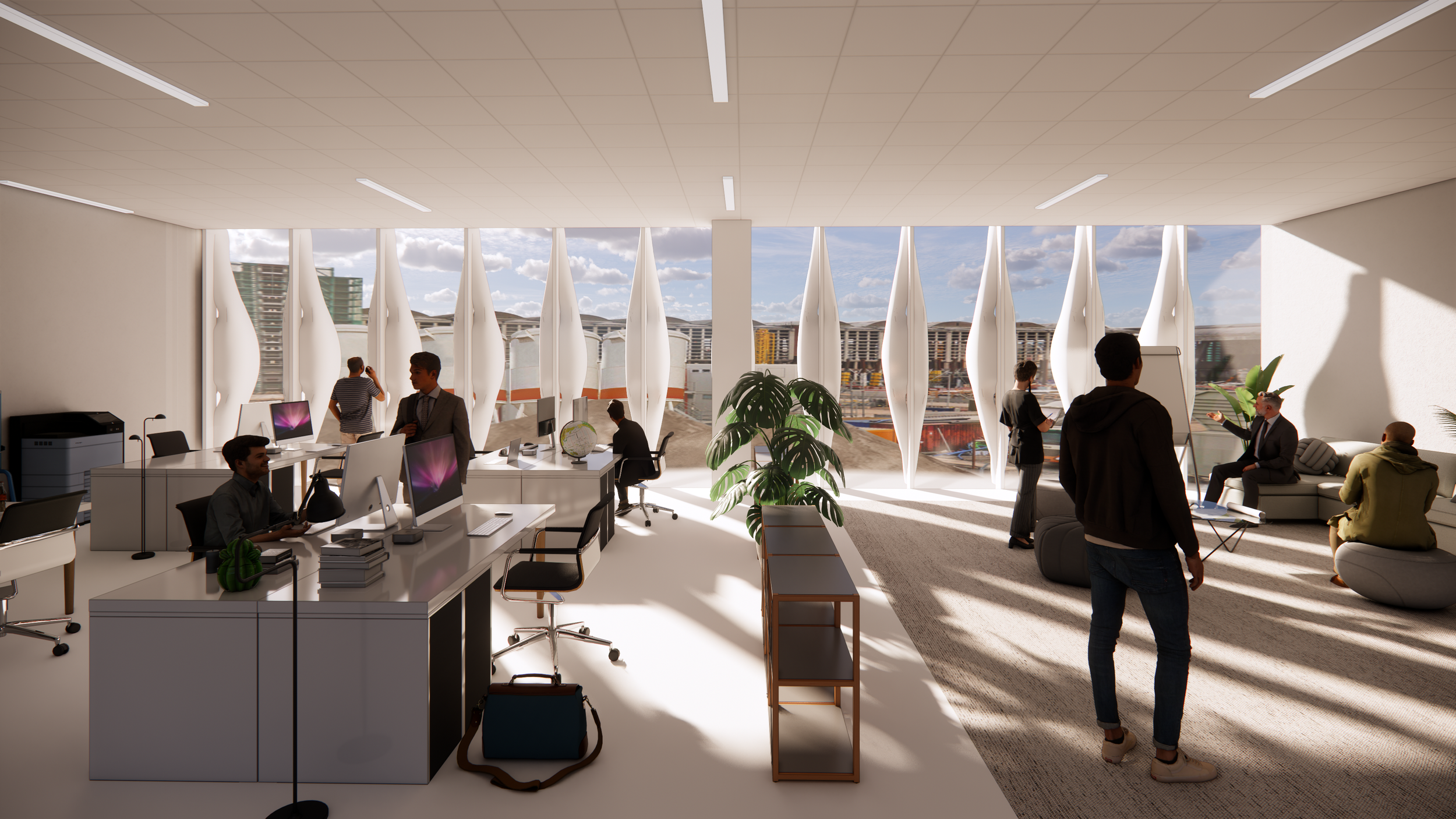
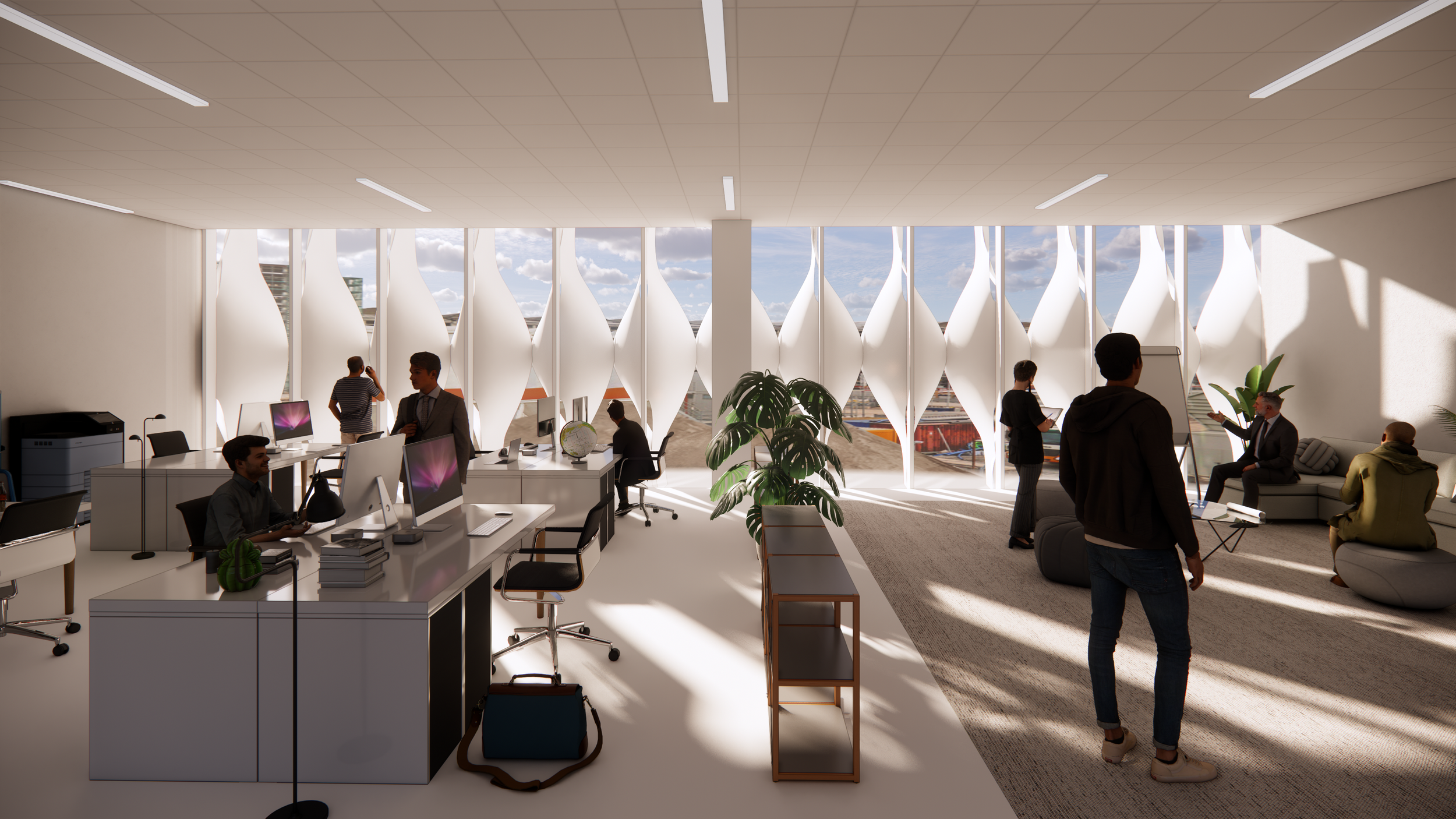
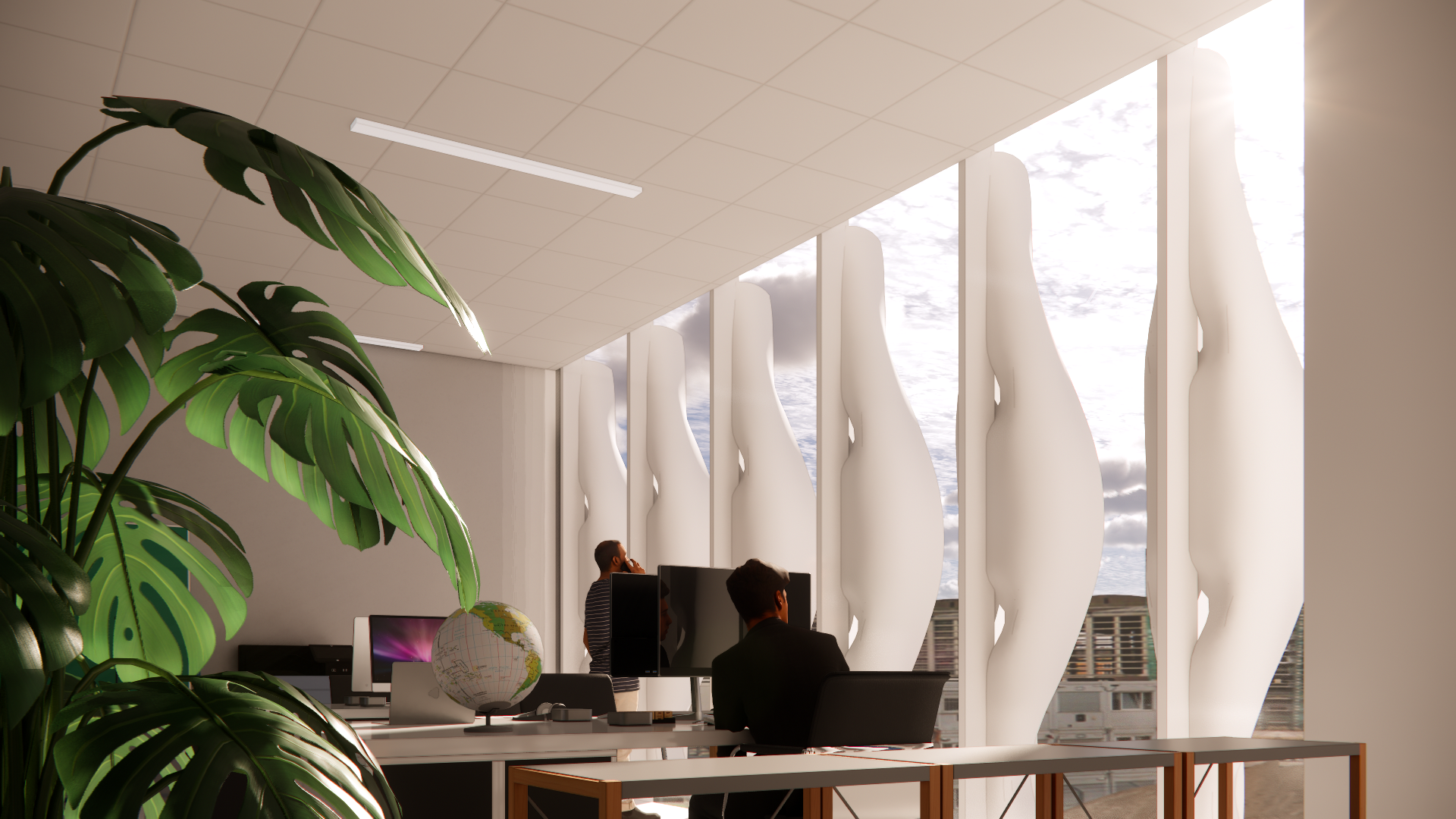
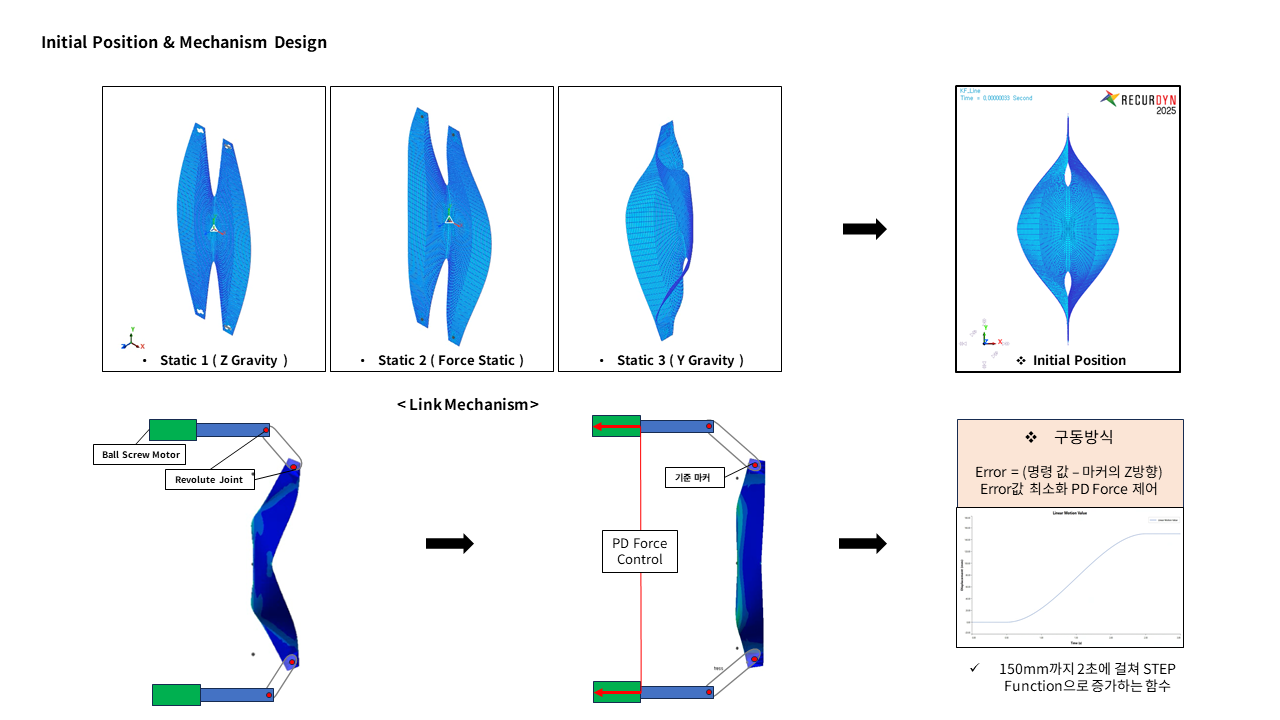
Elastic Kinetic Facade

Design process in general, and particularly in architecture, is a complex process that involves a combination of knowledge, skills, experiences, practices, etc. In recent decades, digital design emerges as an unstoppable trend, which adds to all the aforementioned factors the use of digital tools. The techniques cover this issue with computational and algorithmic design systems, the so called parametric design. It is already vividly present in the first half of the twentieth century in the automotive sector (geometric design), and finally impact on architectural design which represents a new step that has led to a new type of Architecture. The workshop is to re-envision the role of Architects as system maker from thinking strategy to fabricator.

This course aims to investigate the continuing advancement of computational processes in architecture in their practice. The topics are exposed as both a technical and intellectual venture of formal, spatial, construction and ecological potentials. The primary role of the workshop is the theoretical and practical development of generative computational design process on both conceptual design and construction phase, allowing for the integral use of computer-controlled manufacturing process in this design system. The later of this course will reach to critically review computational design towards a more challenging and self-demanding commitment to physical and environmental constraints as a fabrication stage.


Year : 2024

Material : LiteTex 2ply (AXIA Materials), Plywood

Project Director : Dongil Kim, Sanghyun Kim (KHU)

Principal Research : Seungil Kim (I.f CDL), Daehan Lee (V.P.Lab), Eunae Gang (RCI Lab)
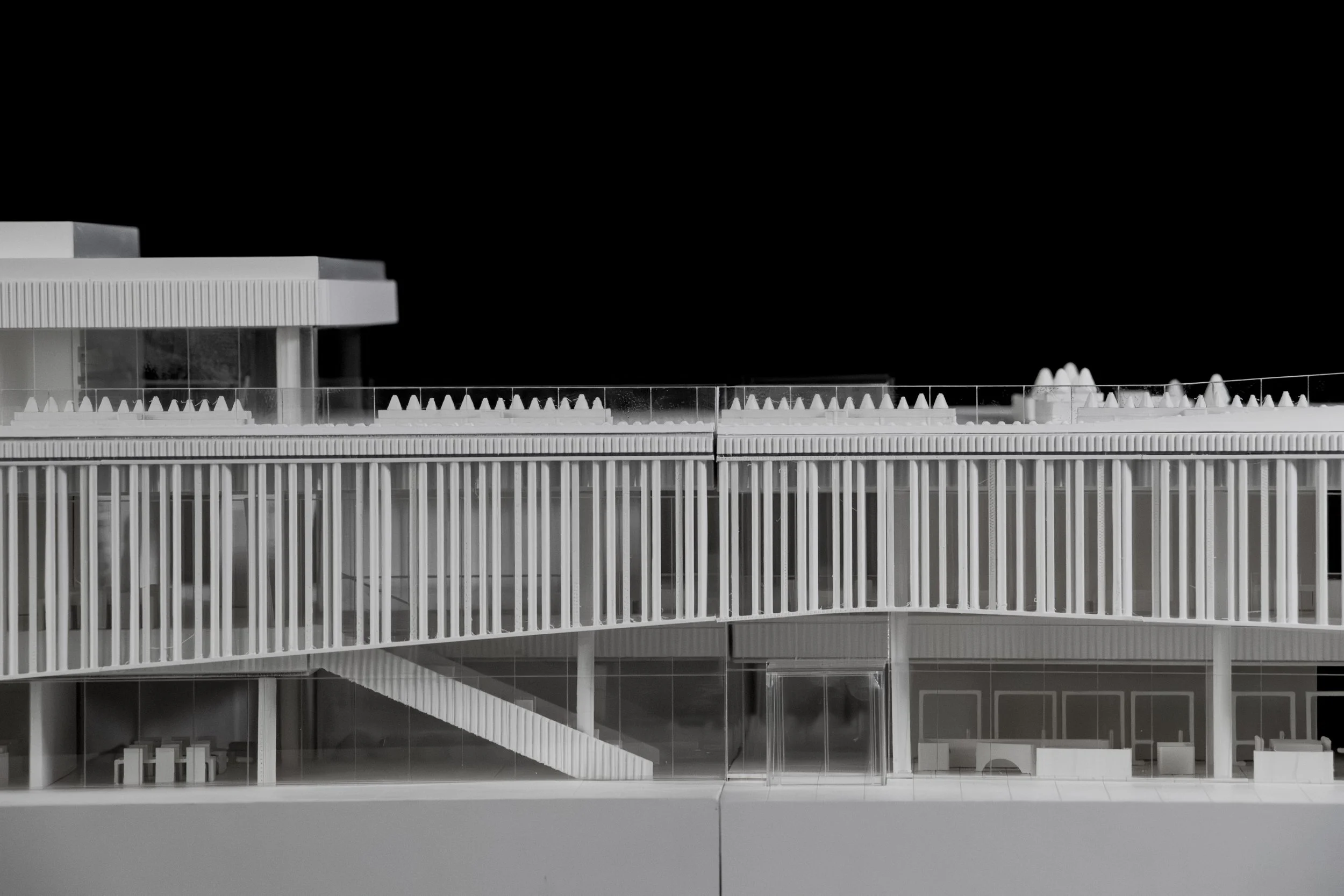
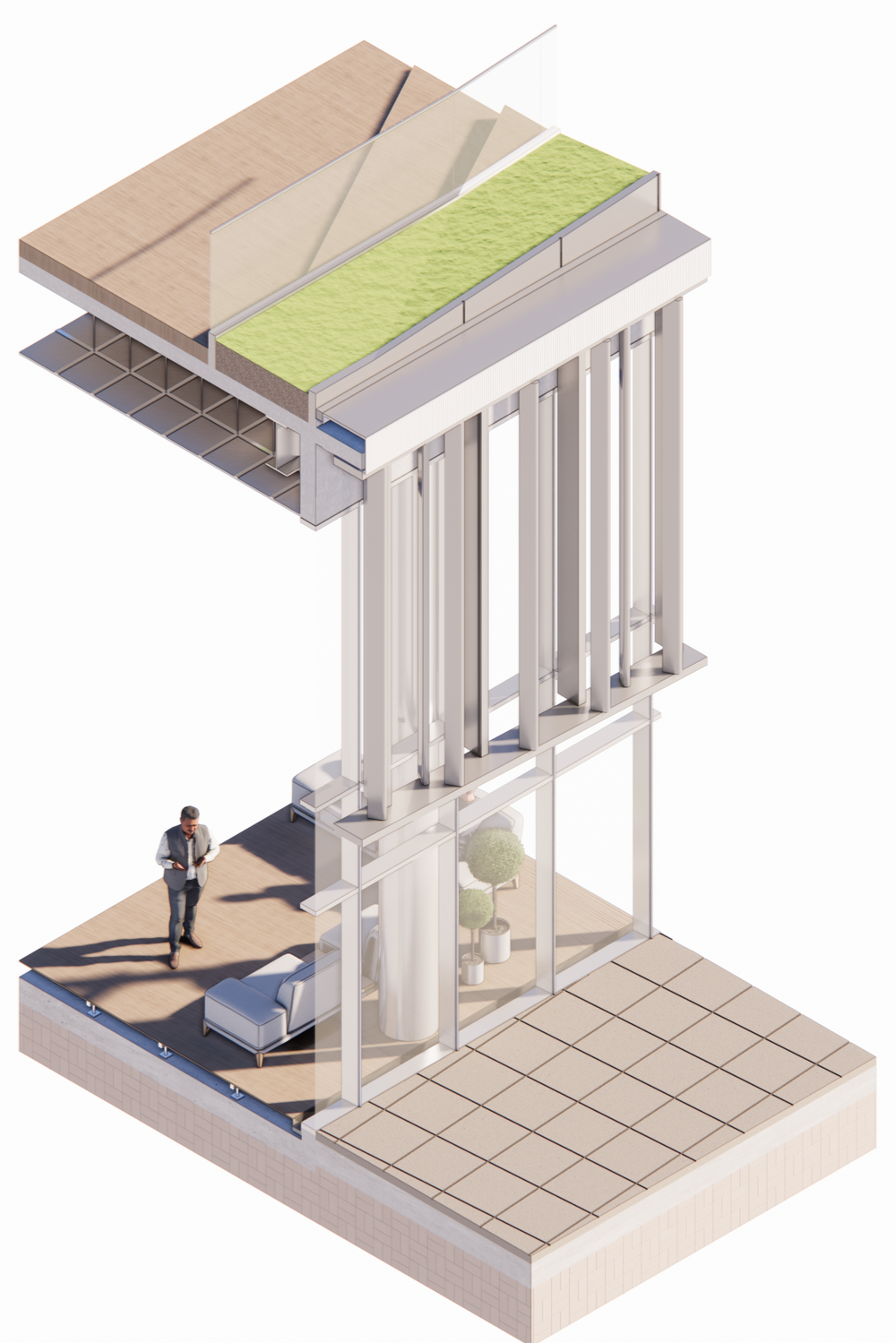
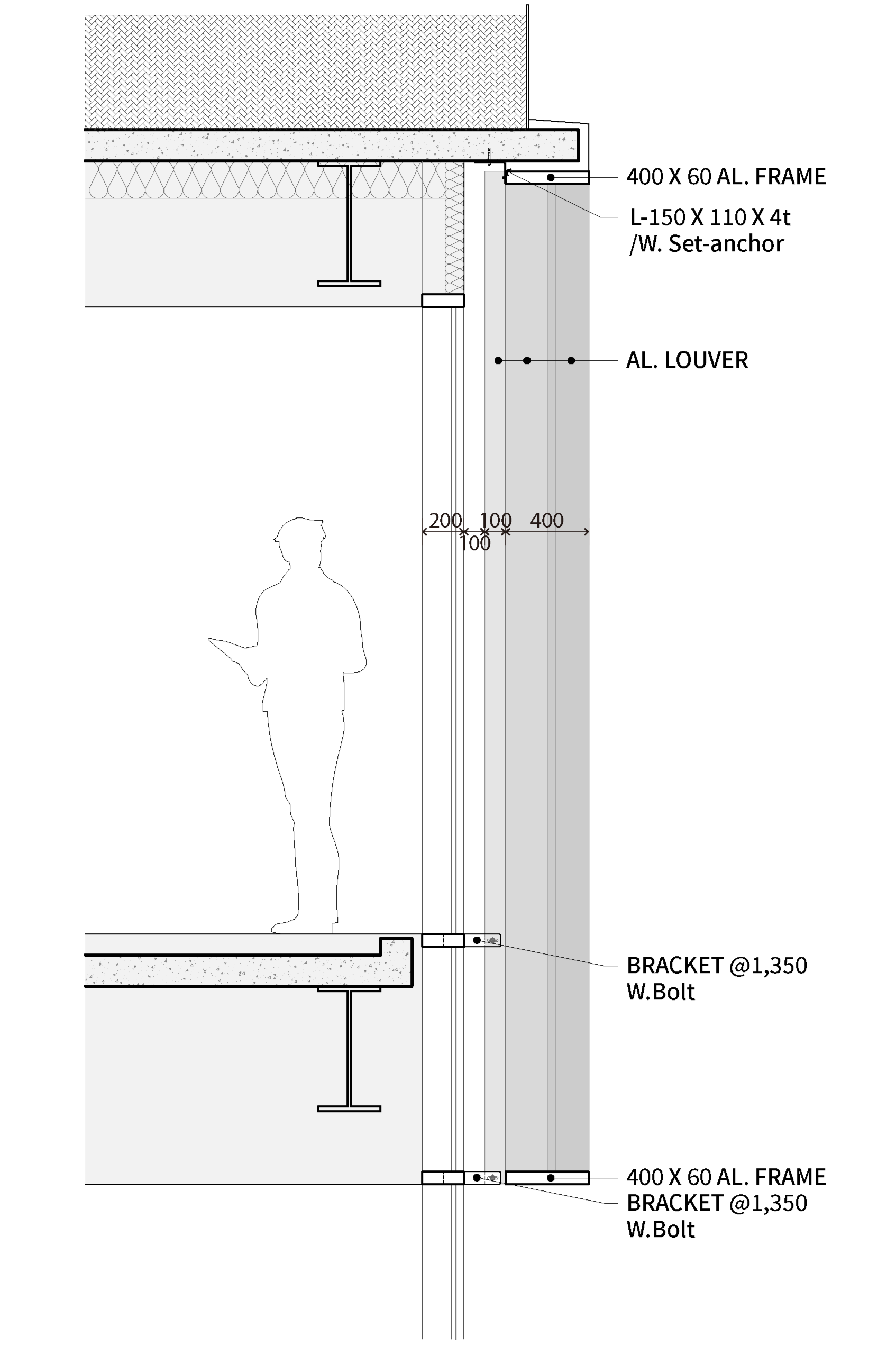
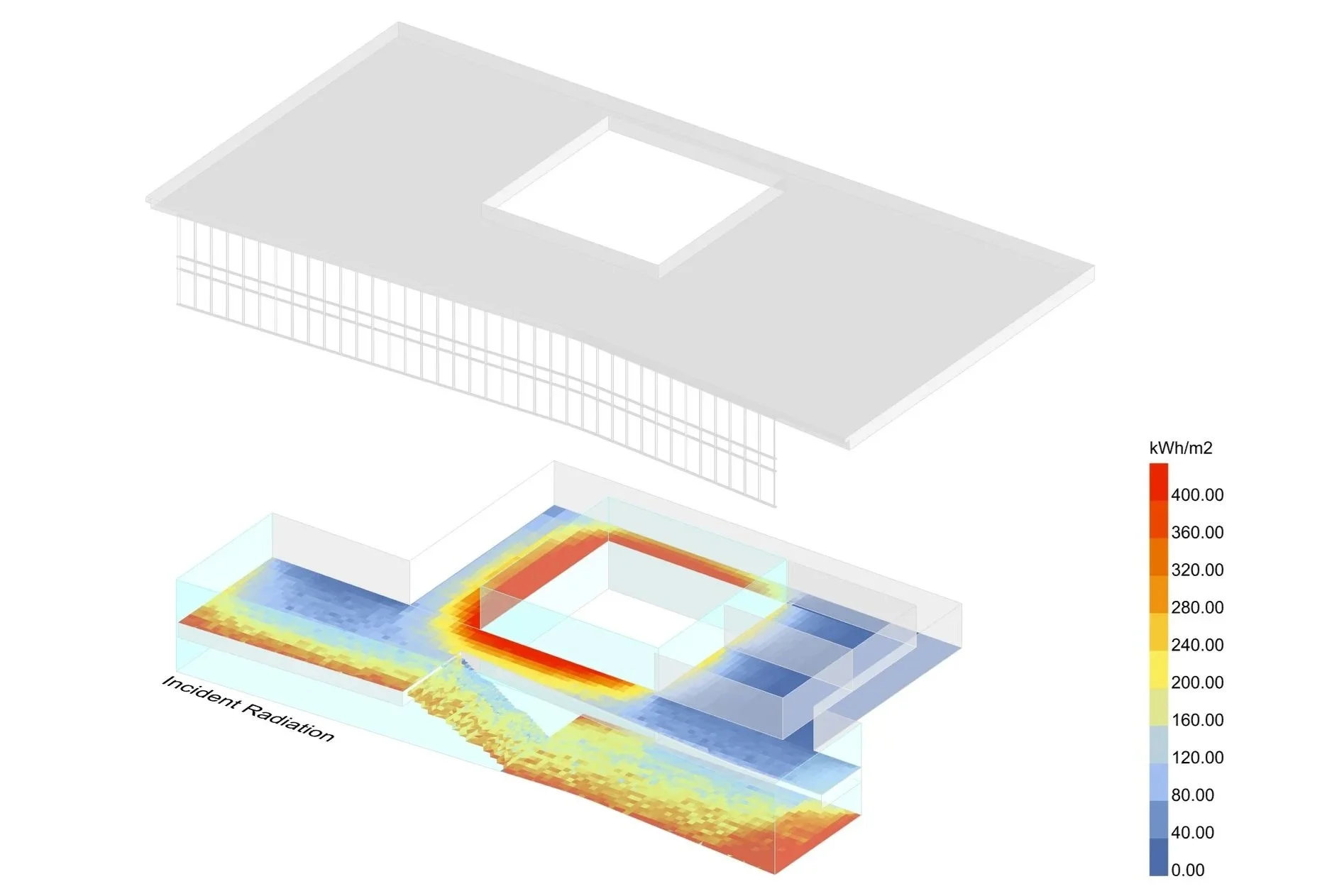
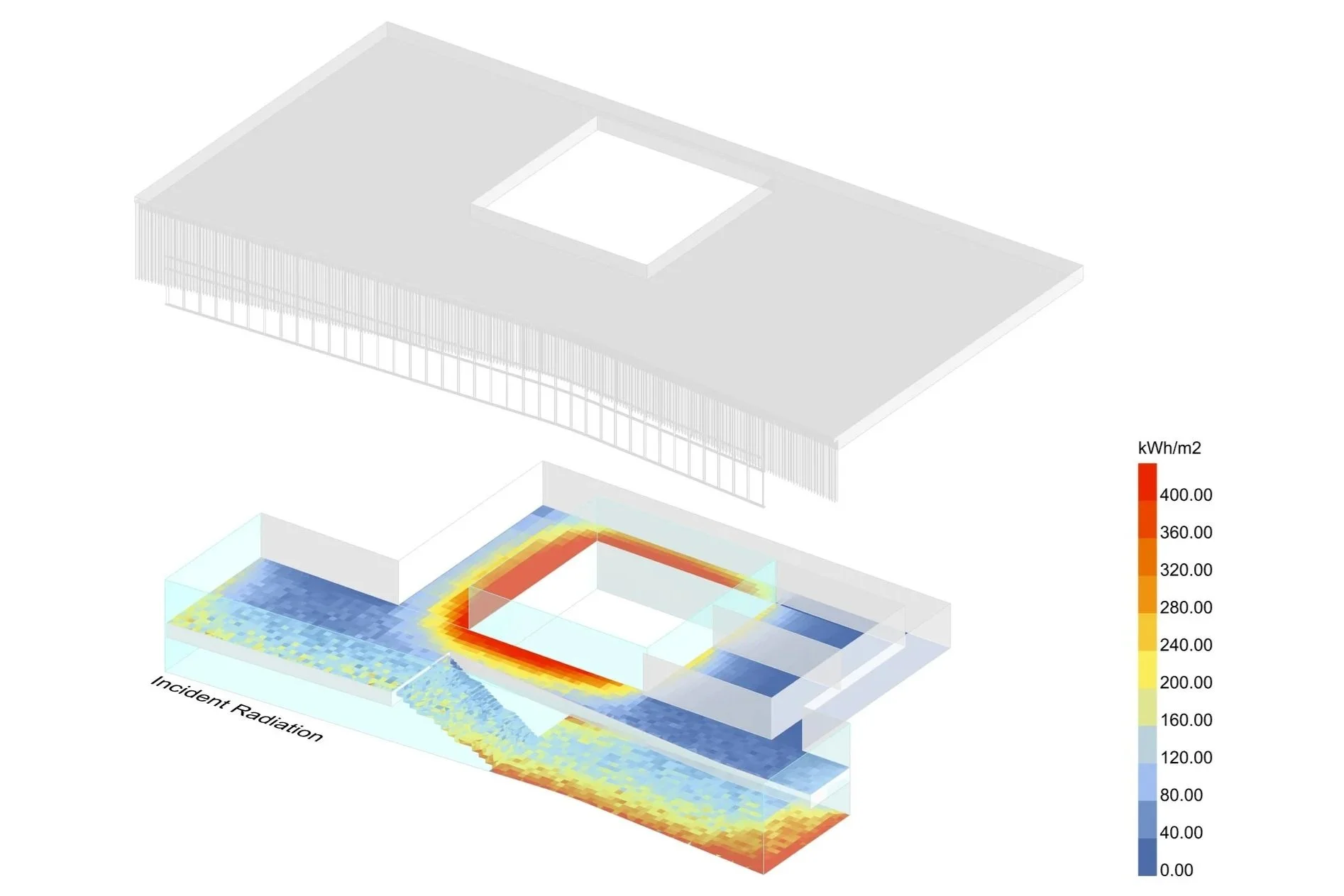
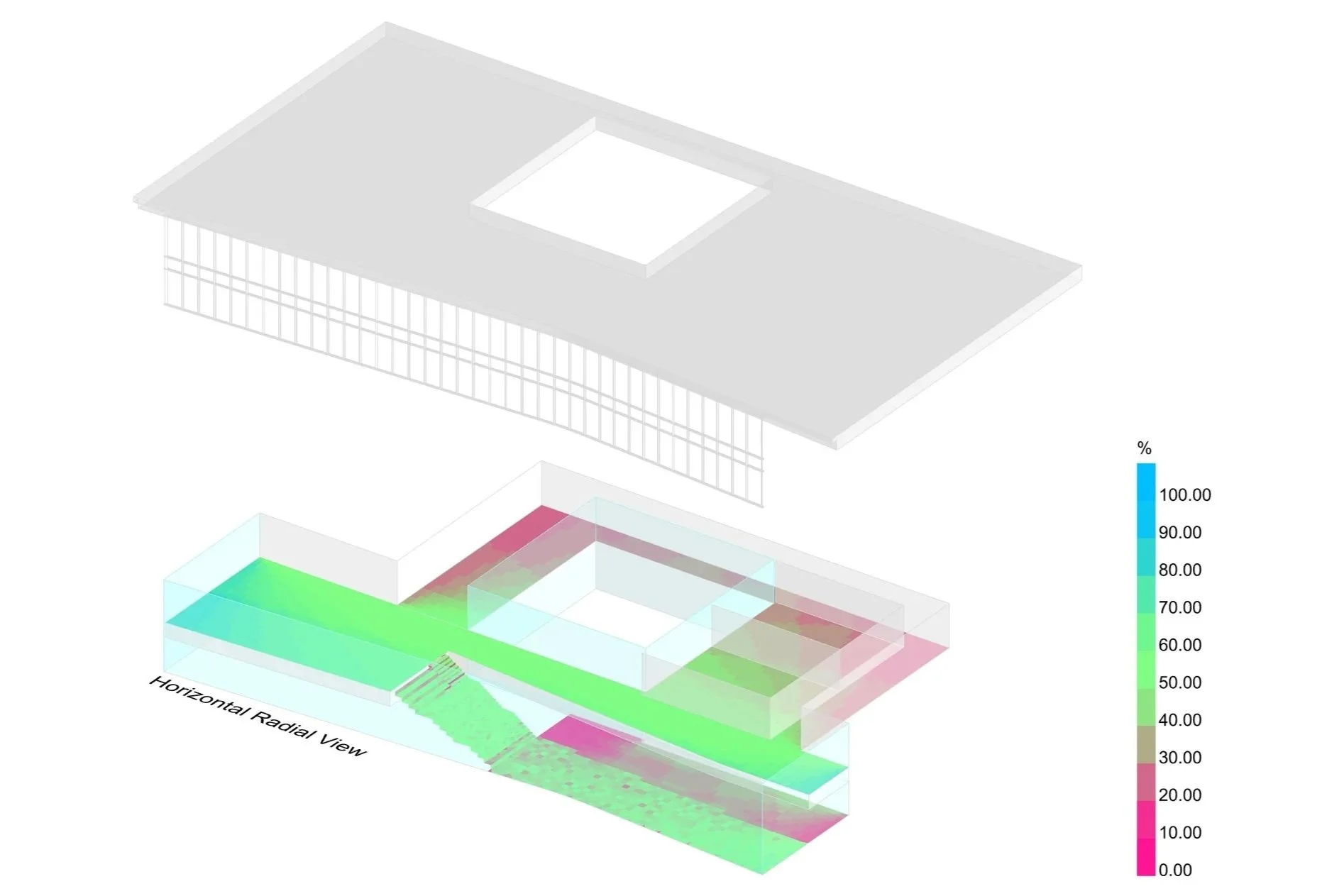
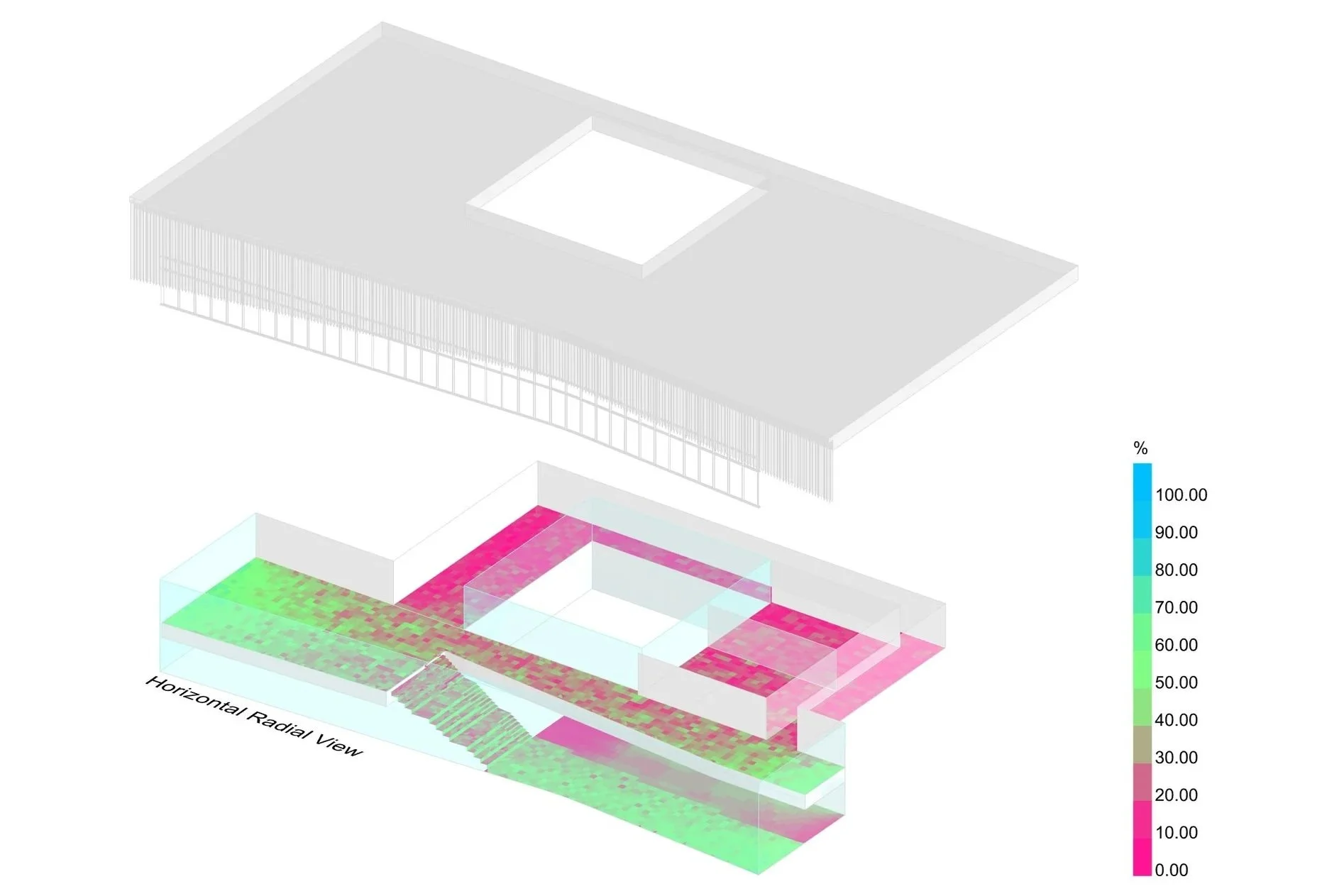
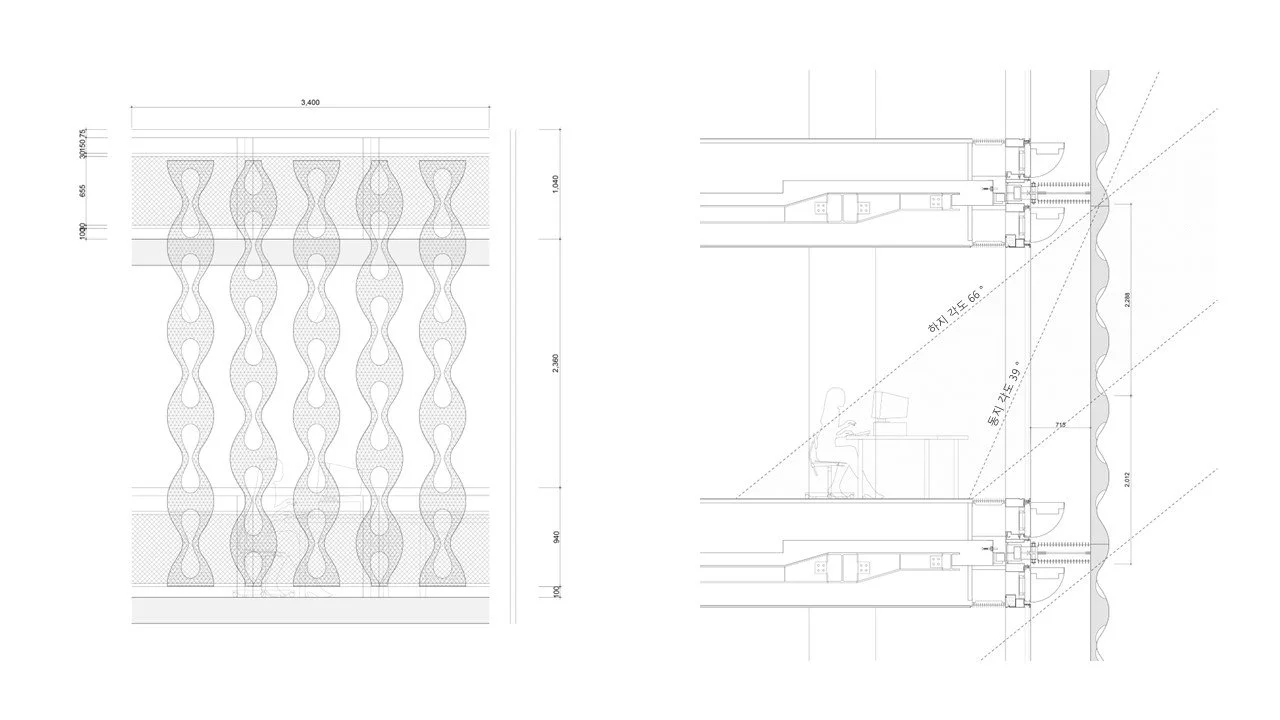
Annex Louver Optimization


The design of the new annex for the College of Engineering at Kyung Hee University is a thoughtful response to both the legacy of the existing Engineering Hall and the evolving needs of the university community. Originally constructed in the 1980s as the first building on the International Campus, the existing Engineering Hall is characterized by its U-shaped layout and the central sloped courtyard that has long served as an open space for leisure, relaxation, and interaction among students and faculty. The new annex aims to respect and enhance this historical context while introducing cutting-edge, interdisciplinary research and educational facilities. The design takes into account the sloped lawn, a significant part of the campus landscape, by integrating it into the new structure as an active and versatile courtyard. This space not only preserves the original function of the area as a communal gathering place but also reinterprets it to accommodate modern needs.

In planning the annex, careful consideration was given to maintaining harmony with the existing Engineering Hall. The new structure addresses the height difference between the front and rear of the site, creating a seamless connection that enhances the overall campus experience. The annex is conceived as a symbol of the university’s commitment to innovation, serving as a bridge between tradition and the future of education and research.


Year: 2024

Location : Yongin, Korea

Size : 3,348 m²

Status : Proposal

Type : Building Skin

Project Director :

Dongil Kim (I.f CDL)

Principal Researcher

Seungil Kim, Gwangeun Hwang (I.f CDL)

Bending-Active Facade

Design process in general, and particularly in architecture, is a complex process that involves a combination of knowledge, skills, experiences, practices, etc. In recent decades, digital design emerges as an unstoppable trend, which adds to all the aforementioned factors the use of digital tools. The techniques cover this issue with computational and algorithmic design systems, the so called parametric design. It is already vividly present in the first half of the twentieth century in the automotive sector (geometric design), and finally impact on architectural design which represents a new step that has led to a new type of Architecture. The workshop is to re-envision the role of Architects as system maker from thinking strategy to fabricator.

This course aims to investigate the continuing advancement of computational processes in architecture in their practice. The topics are exposed as both a technical and intellectual venture of formal, spatial, construction and ecological potentials. The primary role of the workshop is the theoretical and practical development of generative computational design process on both conceptual design and construction phase, allowing for the integral use of computer-controlled manufacturing process in this design system. The later of this course will reach to critically review computational design towards a more challenging and self-demanding commitment to physical and environmental constraints as a fabrication stage.


Year : 2023

Project Director : Dongil Kim (I.f CDL / KHU)

Student : Kim Taeyang, Hwang Gwangeun, Kim DongYoung, Won Jiseon / Kwon Dohyun, Lee Heeyong, Syed Haseeb Shah / Kim Juyeon, Kim Seungil, Kim Taehyeon / Saddiq Ur Rehman, Jang Hageon

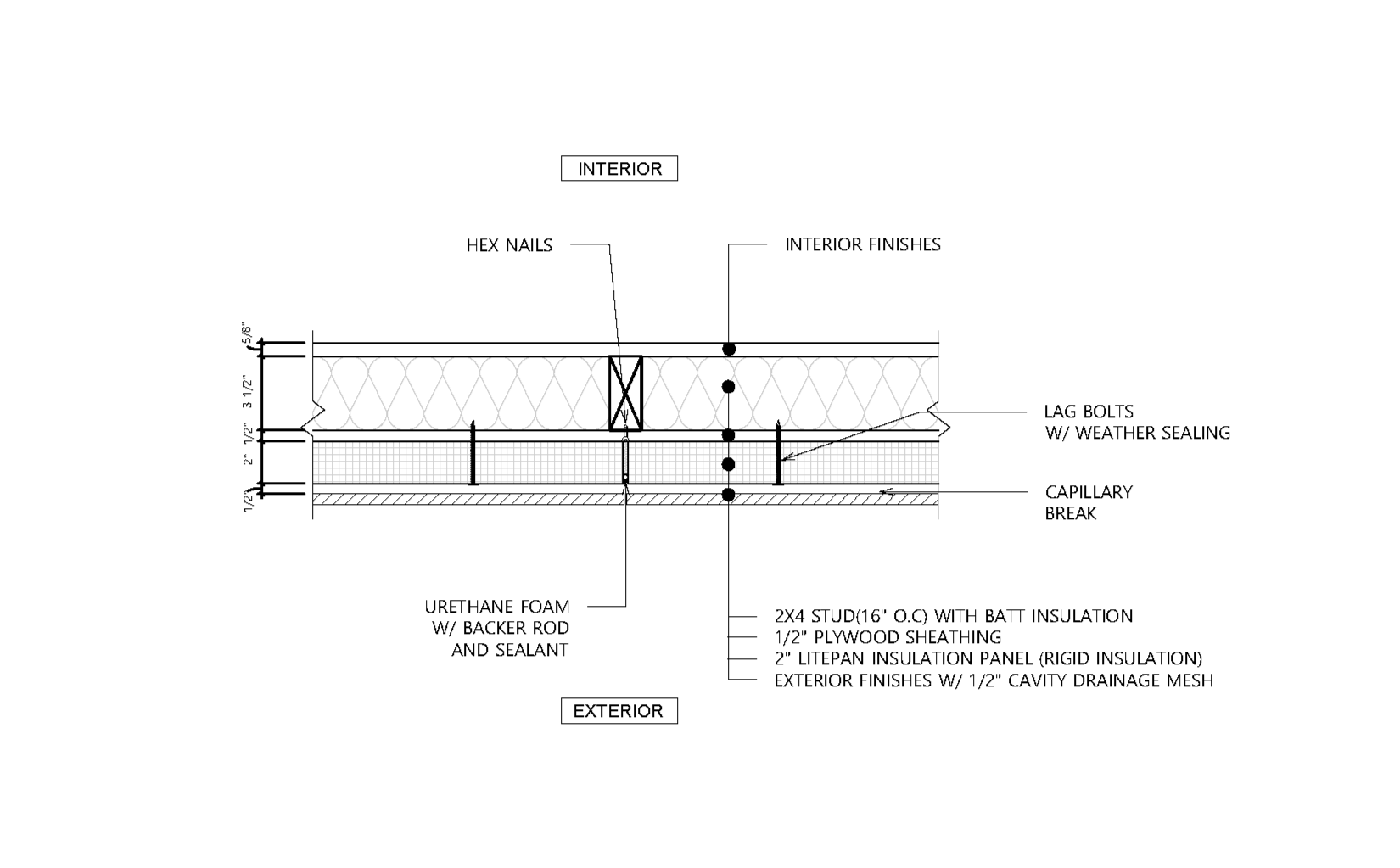
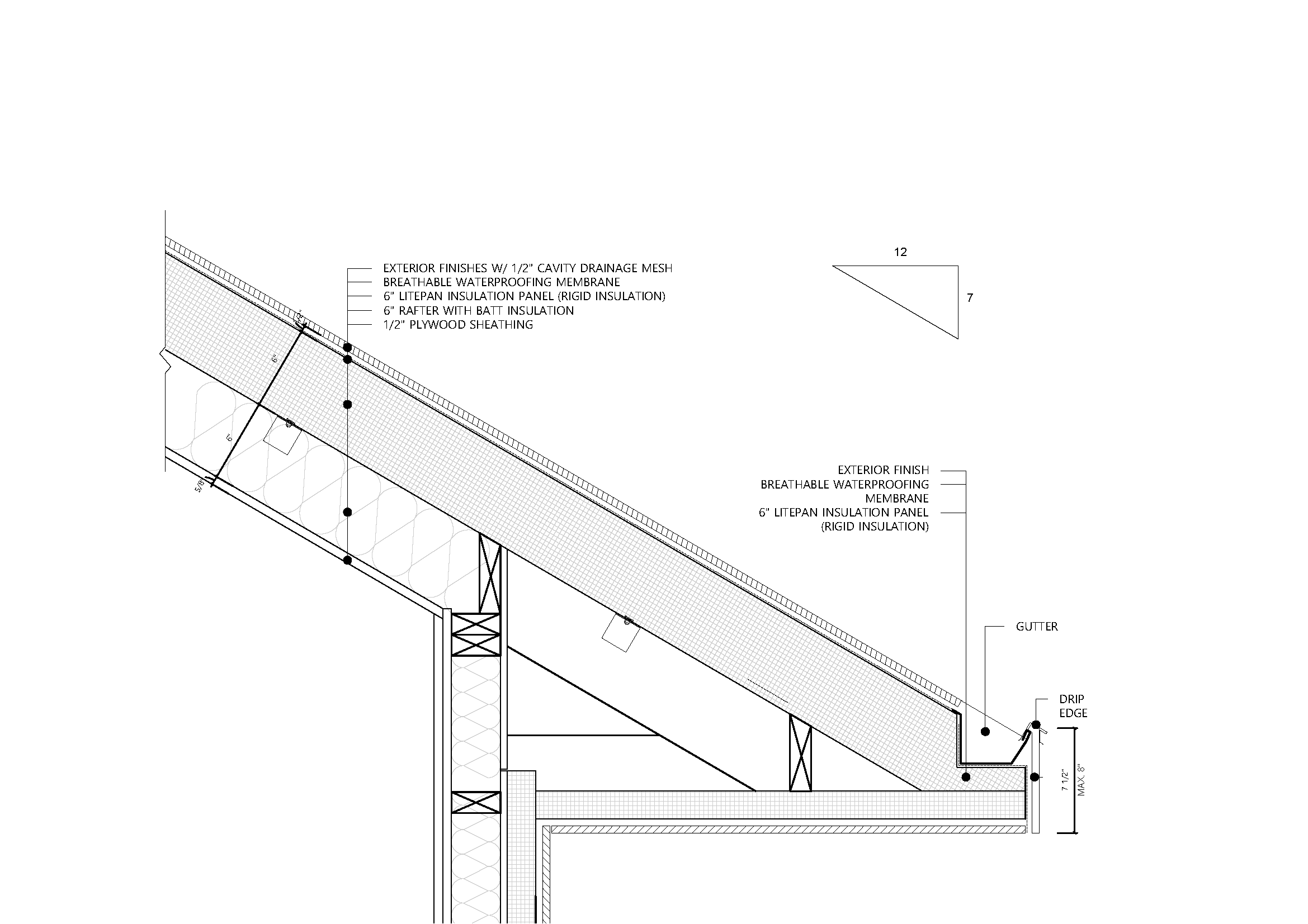
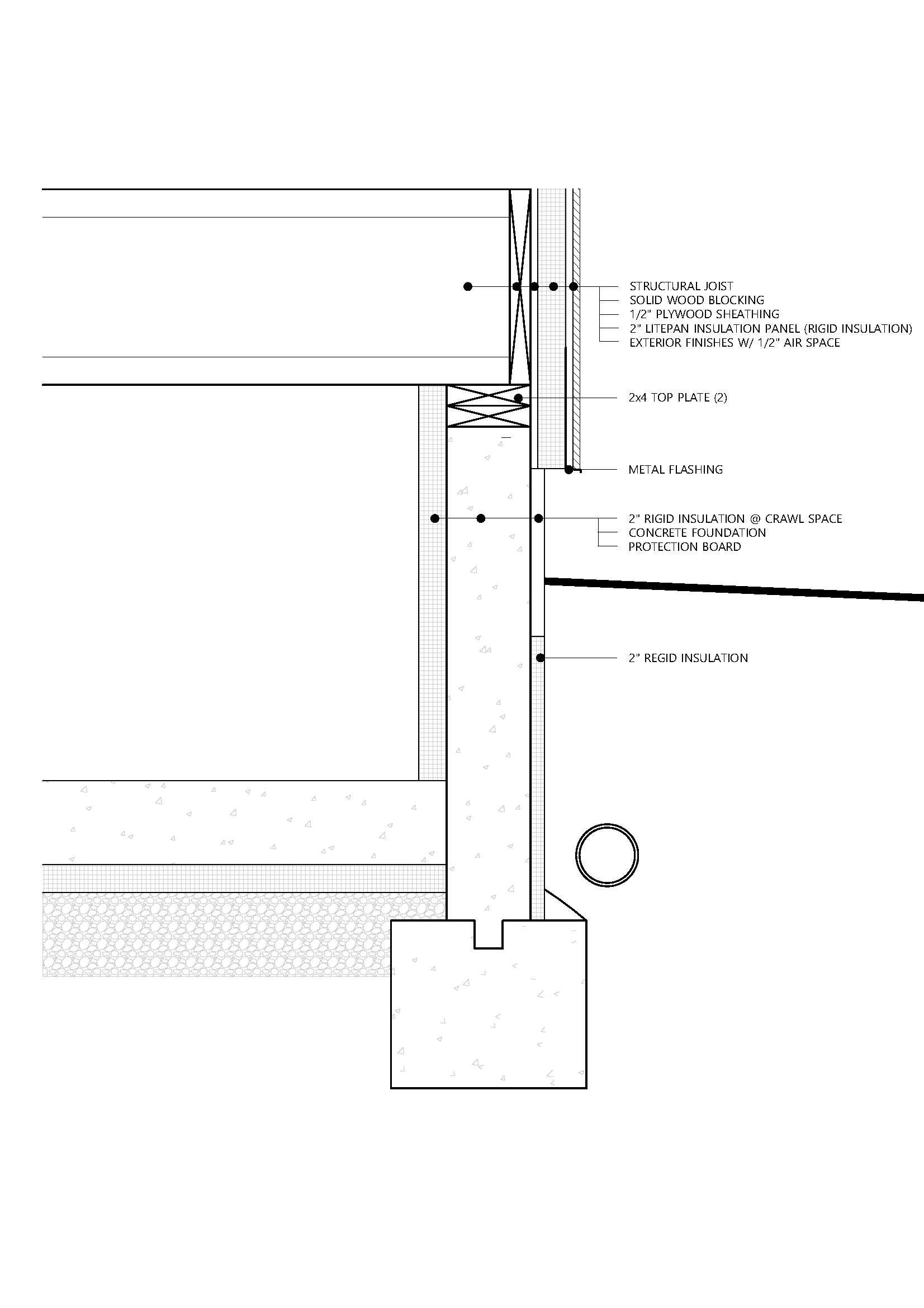
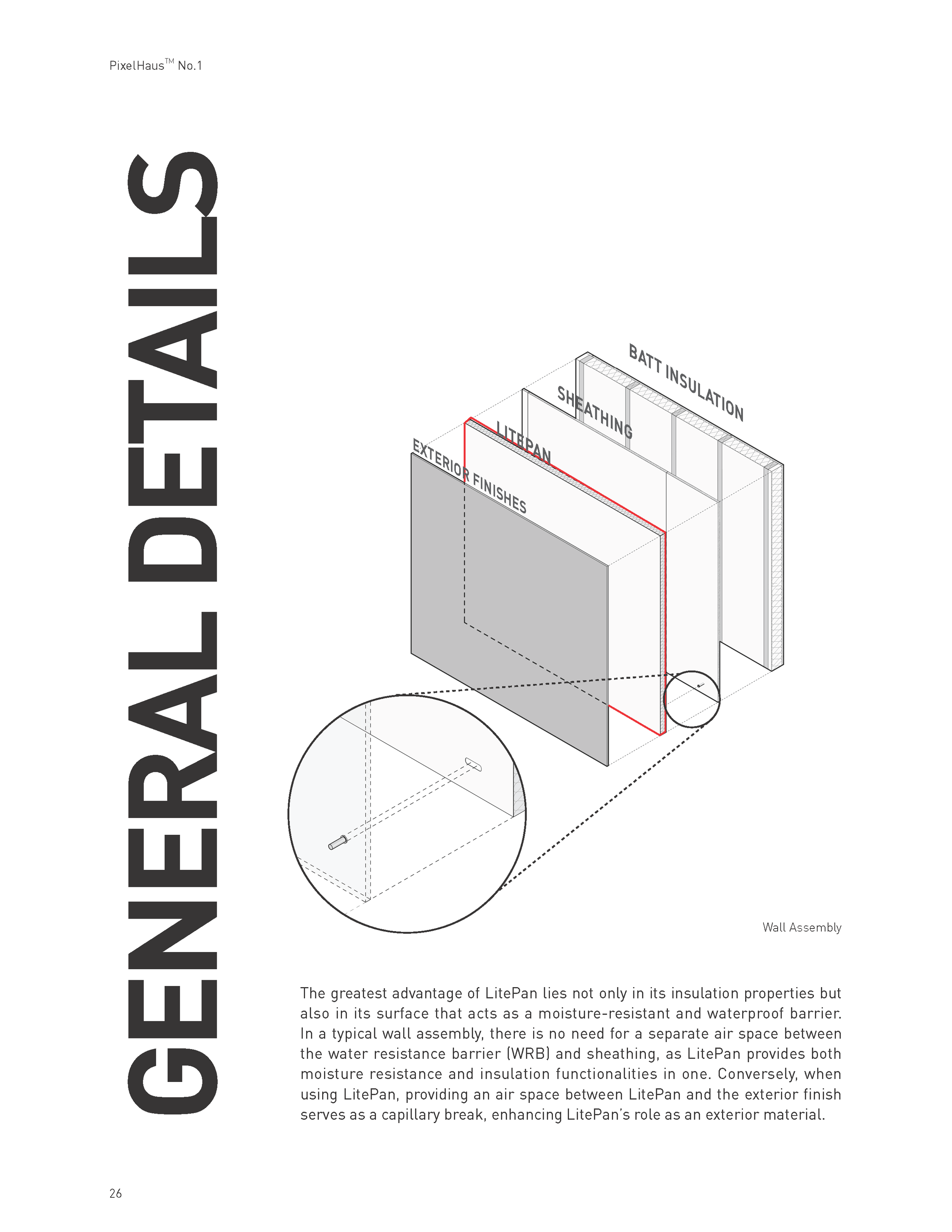
Panelization Standard Details


Composite building structures offer several advantages over traditional materials, including faster installation, increased cost-efficiency, higher energy efficiency, and longer life cycles. LiteTex®, a cutting-edge composite laminate created by Axia Materials, incorporates continuous fibers—such as glass, carbon, or aramid fibers—for reinforcement and uses a proprietary resin system for its matrix. This innovative composition enables LiteTex® to outperform metallic materials, offering a lighter weight and greater strength by comparison.”LitePan® is an advanced Composite Structural Insulated Panel (C-SIP) that employs LiteTex® as its outer face material and foam plastics as its insulation core. This product has been employed in numerous energy-efficient, volumetric construction projects due to its multifunctionality—it simultaneously provides structural support, insulation, and waterproofing. LitePan® offers extensive coverage, with single panels capable of spanning up to 9-feet by 40-feet, while maintaining an extremely low weight of approximately 1.12 lb/ft2 (5.47 kg/m2) for a 4-inch (101.6mm) thick panel.”

The distinctive features of LitePan® have delivered unparalleled value to the construction industry, enabling exceptionally rapid construction and airtight sealing. These capabilities facilitate a level of energy efficiency that meets Passive House standards, providing cost-effective solutions that save both time and energy in building projects.

The primary objective of this catalog is to furnish comprehensive elucidations regarding the exemplary versatility of LitePan® and its adherence to prevailing architectural standards. Additionally, it endeavors to furnish intricate delineations pertaining to specific applications. We express the anticipation that, upon the prospective utilization of this product by regional contractors or construction entities, this catalog shall prove to be an invaluable resource, offering substantial aid and guidance.


Year : 2023

Size : 92.90 ㎡

Structure : Construction Type V (Lightweight Wood Structure with Insulated panel attached)

Type : Residential

Status : Completed

Principal in Charge : Seojoo Lee, Hyojung Kim (I.f), Dongil Kim (I.f.CDL)

Desigin Team : Seungil Kim (I.f.CDL)

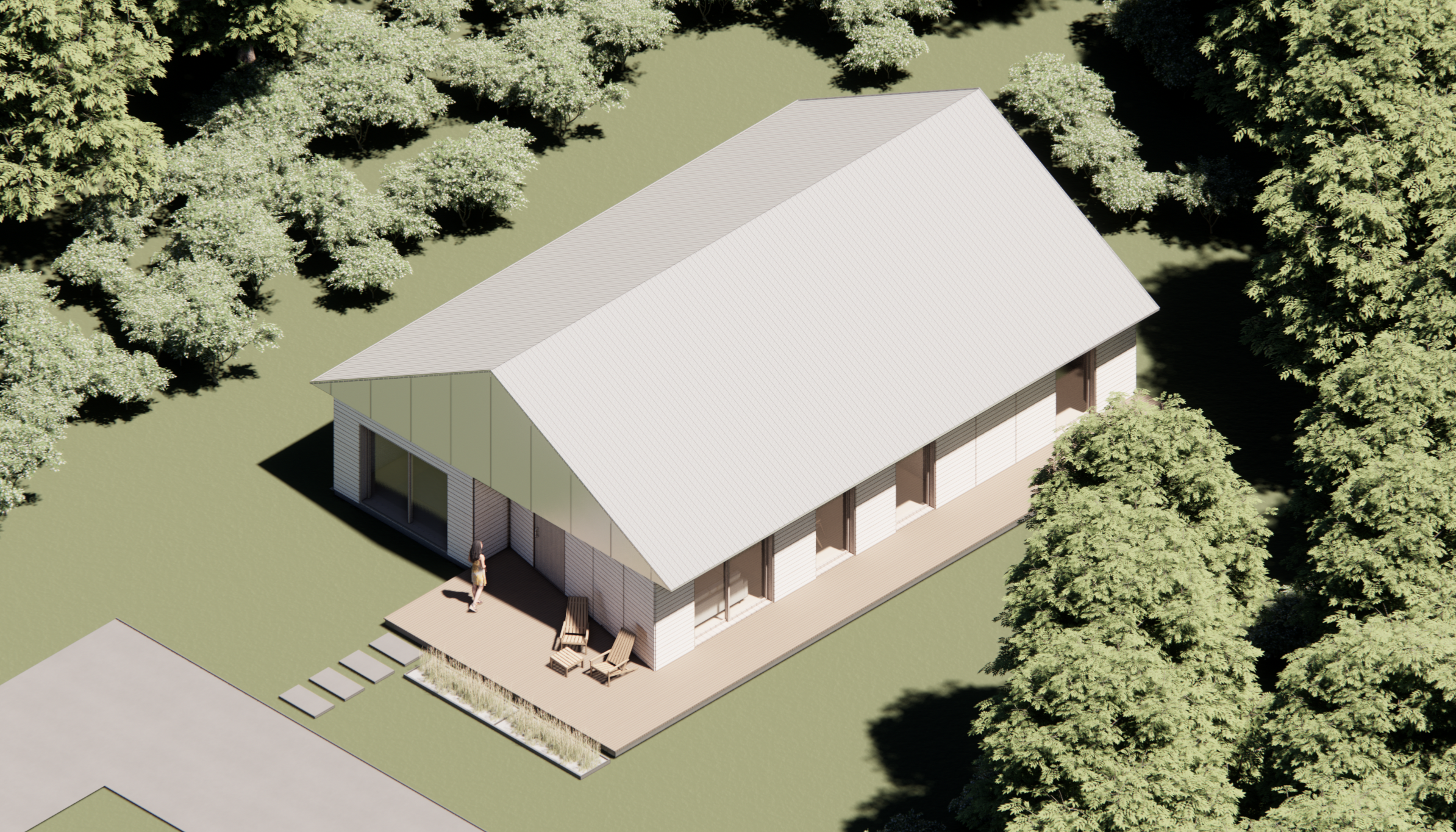
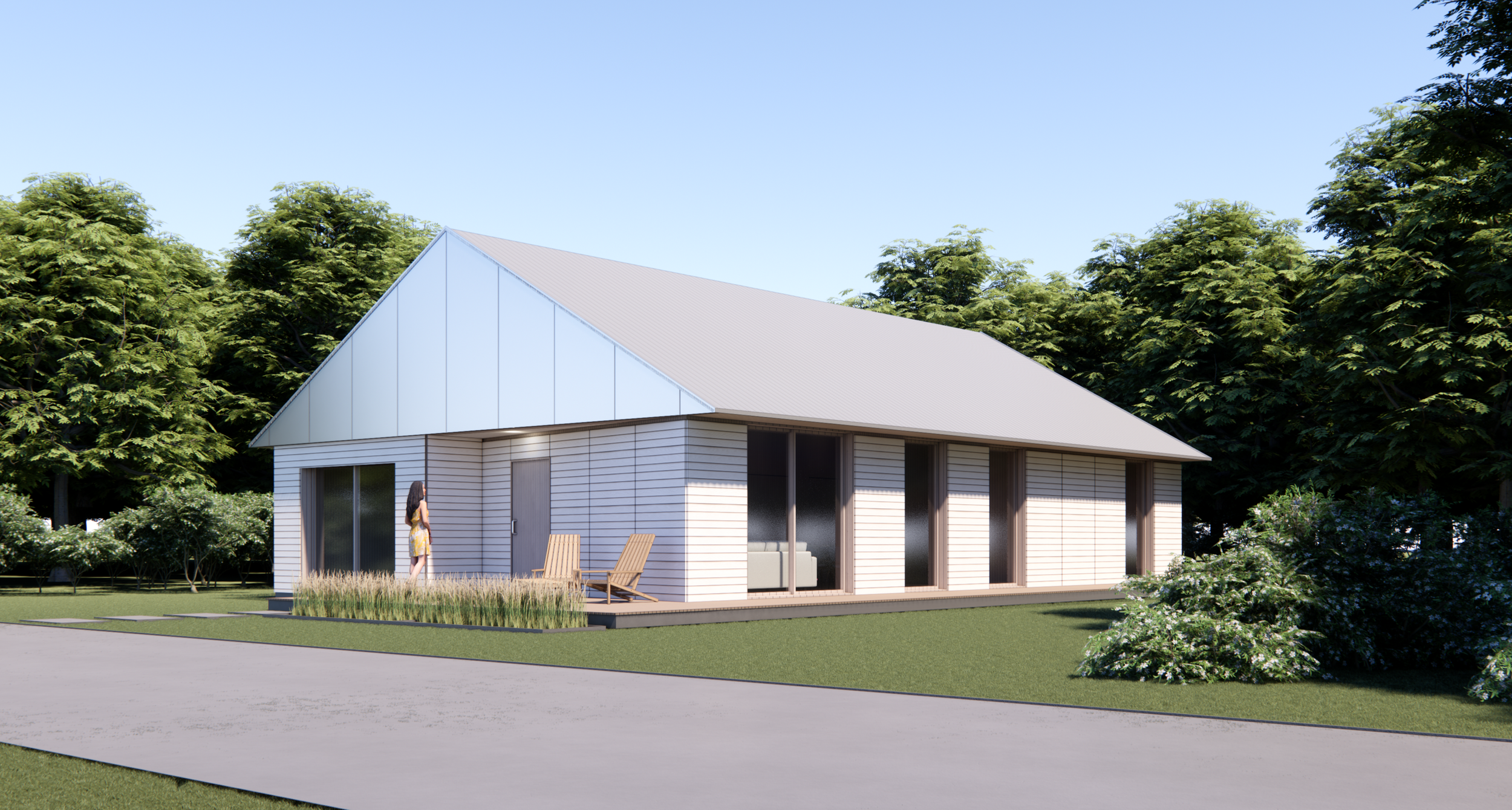
Pixel Haus No.1

PixelHaus is a brand developed by Axia that will feature a range of proposals and sample houses using LitePan Board for both wall and roof materials. The aim is to showcase the versatility and effectiveness of LitePan in various housing designs intended for the US market. These designs will cater to different needs, from small ADUs (Accessory Dwelling Units) with an area of around 600 square feet to larger two- story single-family homes spanning up to 2,000 square feet.

The concept behind PixelHaus is to demonstrate how LitePan can be seamlessly integrated into different types of residential buildings, offering both architects and builders a wide array of options for incorporating LitePan into their projects. By utilizing LitePan for both wall and roof materials, “PixelHaus™ is designed to showcase the exceptional energy efficiency, inclusive of superior thermal insulation capabilities, and the robust structural integrity inherent in LitePan technology.”

PixelHaus intends to provide a platform for presenting innovative housing solutions that prioritize energy efficiency, sustainability, and ease of construction. By leveraging LitePan’s lightweight yet robust characteristics, PixelHaus seeks to redefine traditional housing construction methods and offer more efficient and environmentally friendly alternatives.

The proposals and sample houses presented under the PixelHaus brand will serve as practical examples of how LitePan can be utilized effectively in real-world construction projects. Each design will be carefully crafted to showcase LitePan’s capabilities in enhancing thermal performance, moisture resistance, and overall building durability.

Overall, PixelHaus represents Axia’s commitment to promoting LitePan as a premier building material for modern residential construction, offering solutions that meet the evolving needs of homeowners, architects, and builders alike.


Year : 2023

Size : 92.90 ㎡

Structure : Construction Type V (Lightweight Wood Structure with Insulated panel attached)

Type : Residential

Status : Completed

Principal in Charge :

Seojoo Lee, Hyojung Kim (I.f), Dongil Kim (I.f.CDL)

Desigin Team : Seungil Kim (I.f.CDL)

열수축 폴리머 재료를 활용한 디자인 및 제작방법론의 건축적 적용에 관한 연구

열수축 폴리머 재료를 활용한 디자인 및 제작방법론의 건축적 적용에 관한 연구

A Study on Design and Fabrication Methodologies with Heat-Induced Self-Reinforcing Polymer

(Background and Purpose) This research paper aims to investigate a unique design process that digitally manipulates the morphological transformations of a heat-induced self-reinforcing polymer. The principle of the heat-induced contractile polymer has long been implemented in various industries such as packaging and fashion. While other industries have embraced the full potential of the particular soft material, it is still a relatively new material to be further explored in the field of architecture. Yet, with the application of computational tools to architectural form-making and fabrication methodologies, morphological and structural behaviors of heat-induced polymer could become an active material for architectural projects.

(Method) There are two modes distinguished in the presented research methodology. First of all, the author conducts the physical investigation of the material system of heat-induced polymers as a design driver. In this stage, the author computes the material behavior of the polymer sheet considering the material thickness of the polymer sheet and the traits of contractile deformation based on the time of heat exposure and the level of temperature on the material. Second, the author explores the digital investigation of a transition system of the physical properties to digital simulation then from the digital model to a fabricatable artifact based on the physical investigation of the heat-induced polymer sheet. In this stage, A series of computational strategies are applied to evaluate and analyze the design that eventually led to the making process. Finally, the latter part of this research paper showcases a built case study titled De:flatable. The study demonstrates the process of digitally comprehending the morphological transformation of a soft material, ultimately realizing the most optimal form through rapid prototyping with varying parameters.

(Results) The presented paper proves the resilience of the design process and aims to revisit the reciprocity of physical and digital, of formal and structural, and of design and fabrication through comparing the physical scale models and digital form-finding prototypes. And in lieu of the spirit of recalibration, the research is experimentation in imprecision.

(Conclusions) Not only an imprecision by the nature of the polymer’s intrinsic soft materiality but the imprecision of the digital translation of the morphological behavior of viscoelasticity. But as the following research demonstrates, it is within the imprecision and the infidelity of both physical material and computation tools that interpret the material that leads to the production of a form and a design process that hints at new possibilities in architectural design.

Kim Dongil. (2022). A Study on Design and Fabrication Methodologies with Heat-Induced Self-Reinforcing Polymer. Journal of Korea Intitute of Spatial Design, 17(2), 25-36.

https://www.kci.go.kr/kciportal/ci/sereArticleSearch/ciSereArtiView.kci?sereArticleSearchBean.artiId=ART002823029

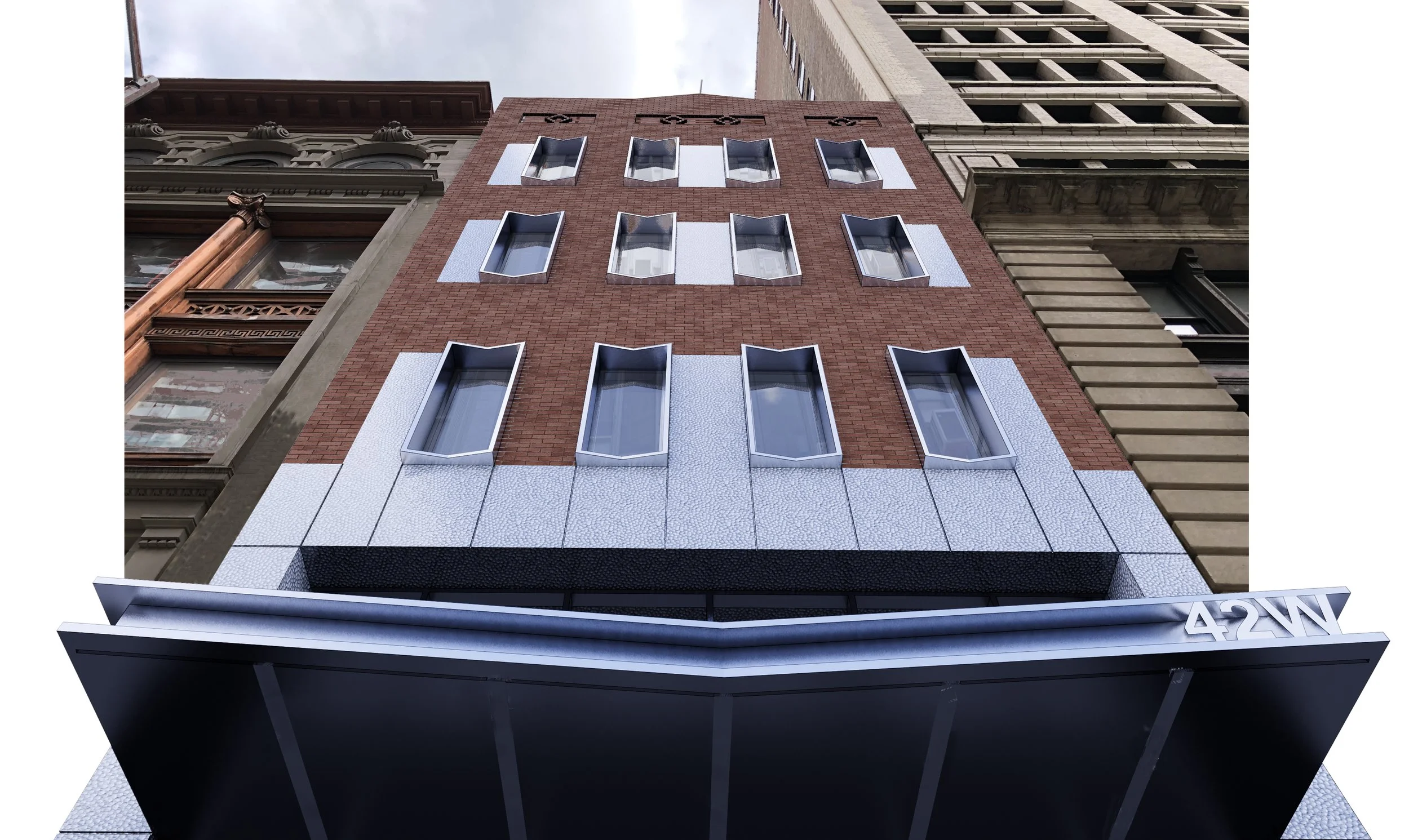
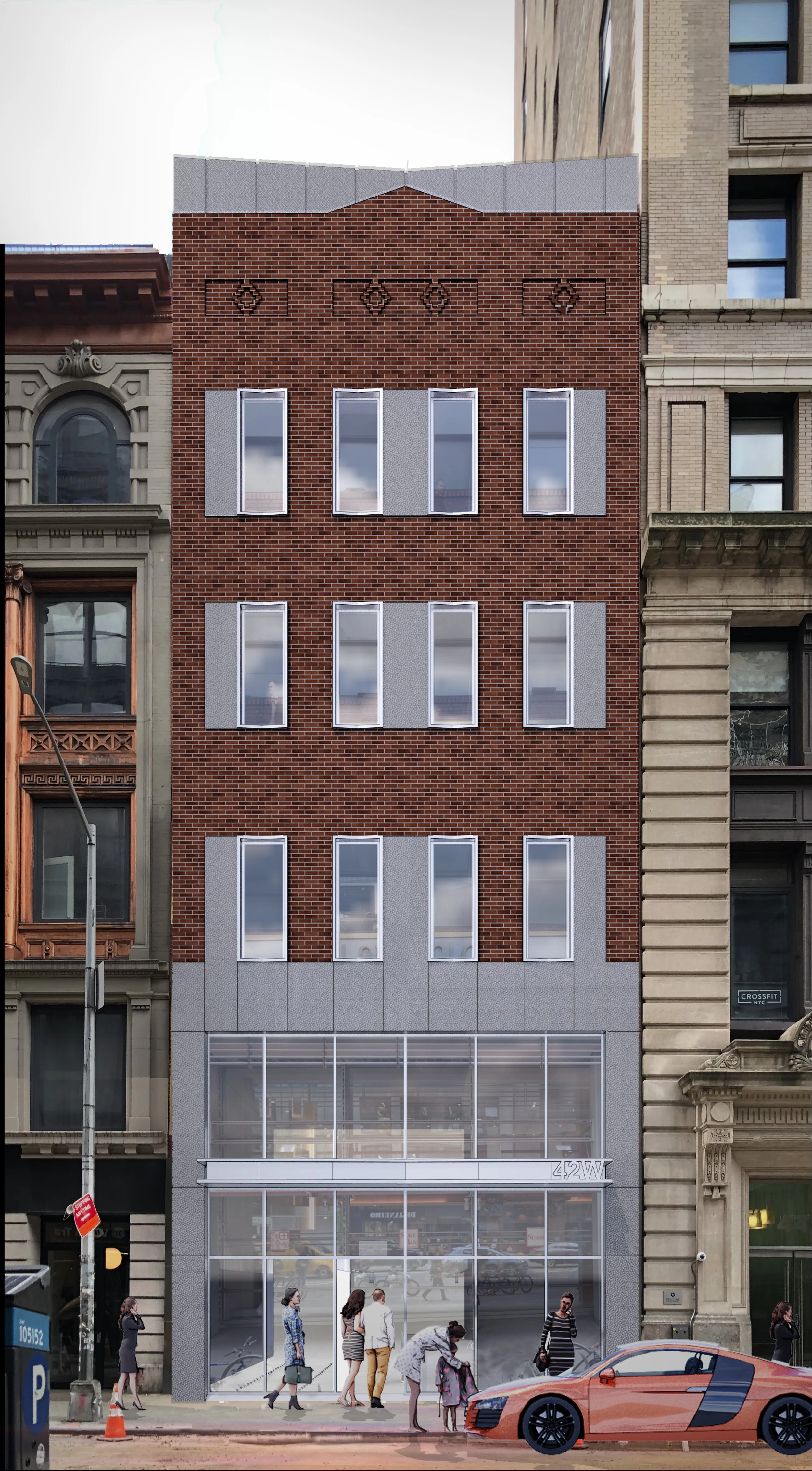
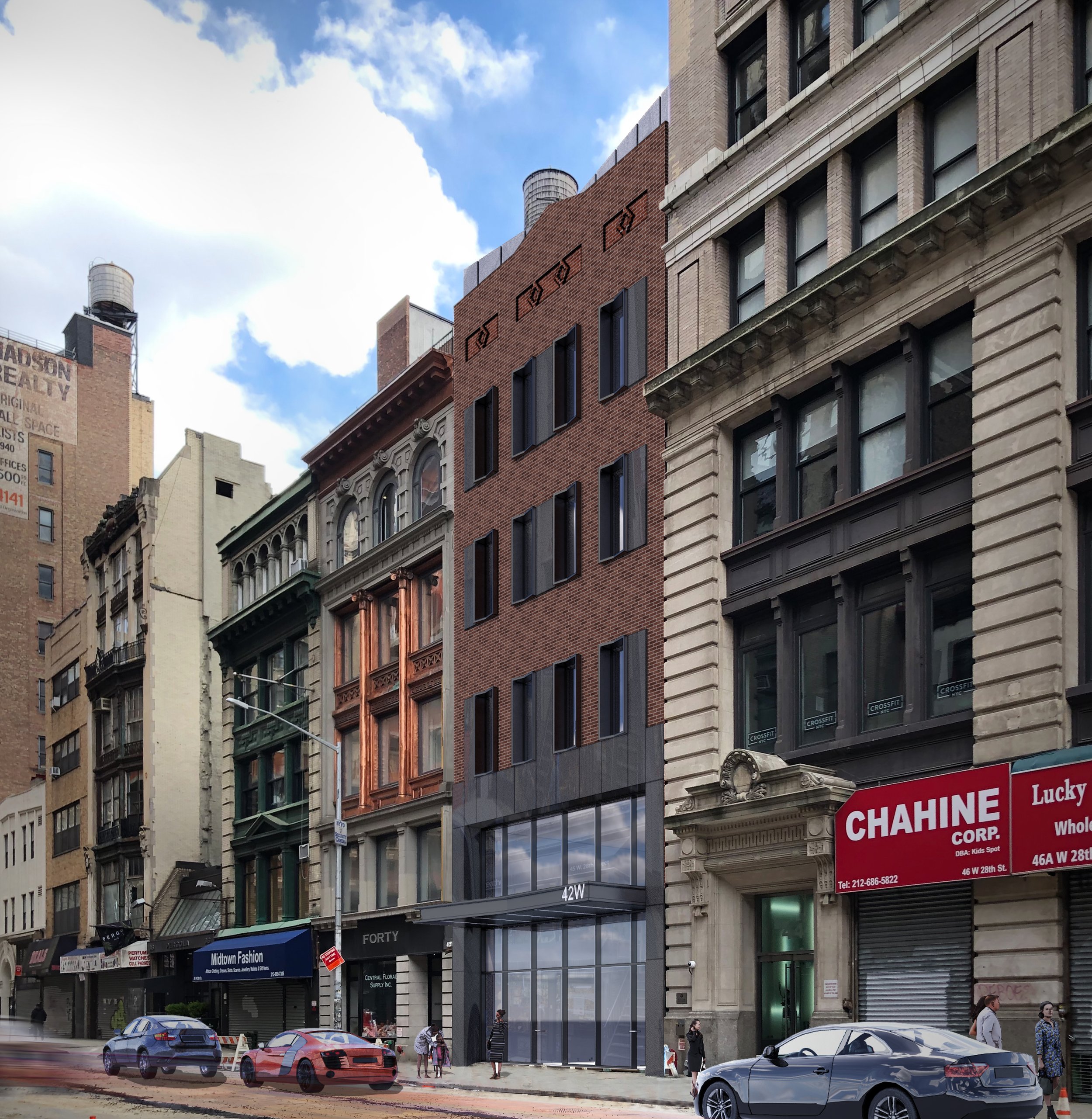
42W 28TH


Year : 2021

Location : New Yourk, U.S.A.

Size : 392.90㎡

Status : Completed (Renovation)

Type: Commercial, Hospitality

Principal in Charge : Dongil Kim, Seojoo Lee

SELF-FORMATION

Self-formation is a process that an object or phenomenon is transformed by itself to adapt its shape or character from the external forces. The transition when the nature changes or is changed by the natural impacts such as weathering, erosion, sedimentation, earthquake or volcano effect, can be also called as a self-formation. Not only the natural phenomenon, but also arts and architecture can be also self-formed, which means that the form of arts and architecture is produced unintentionally from the natural phenomenon including gravity or user’s change, although the designer did not purpose the outcome. Interestingly, the external factors and the system how Nature or man-made structure has infl uenced on is very similar and its impact brings similar results on both, even though the intent, scale, life and material of form from Nature and artificial constructions are totally different each other. Through the Branner Research Fellowship, I explore the all the results of self-formation in both Nature, arts and architecture, and understand its process, reasons, controlling factors and external forces.