S Univ. Dormitory

Living Manifold: A Residential Structure Weaving Preservation and Coexistence

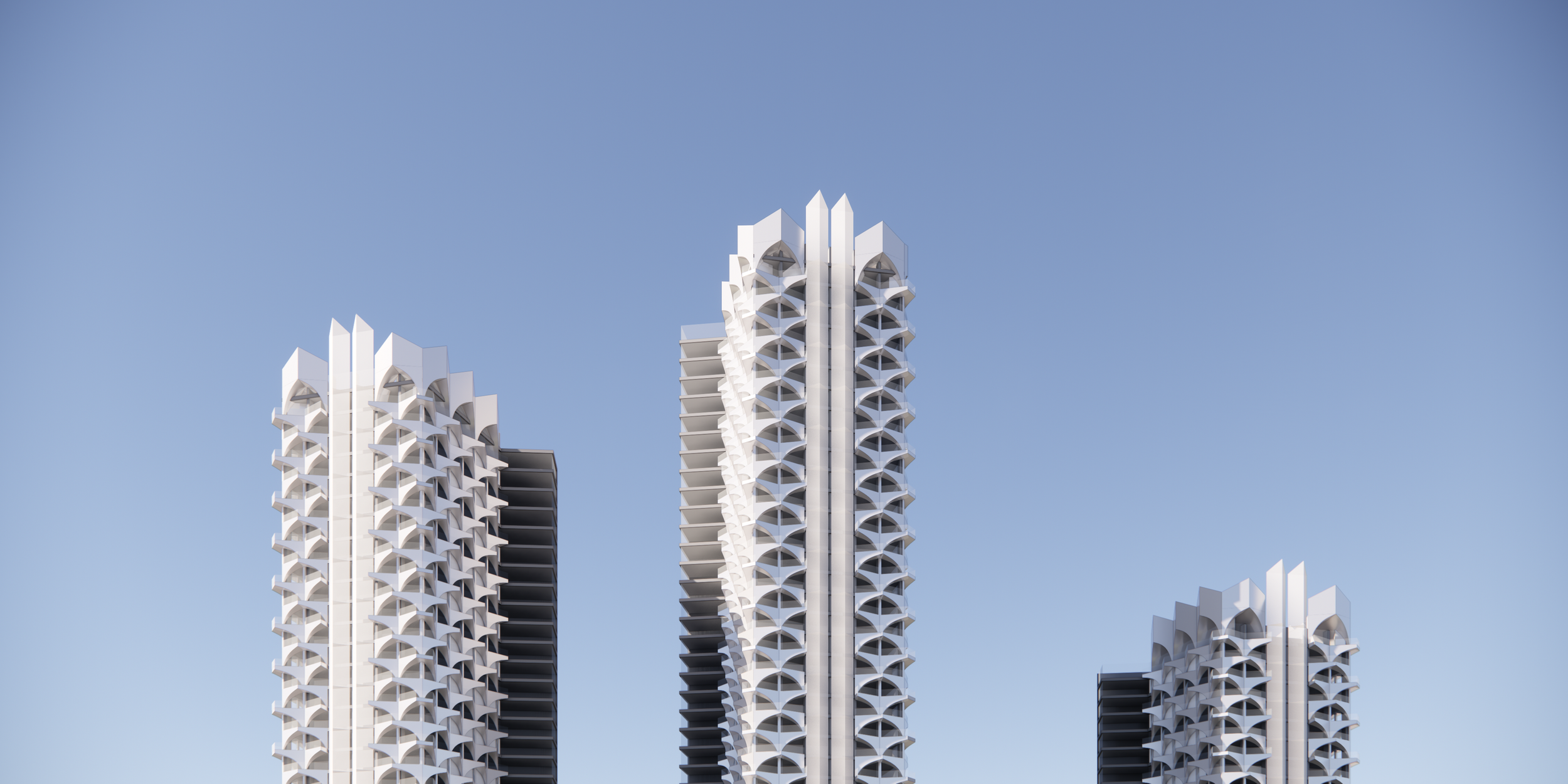
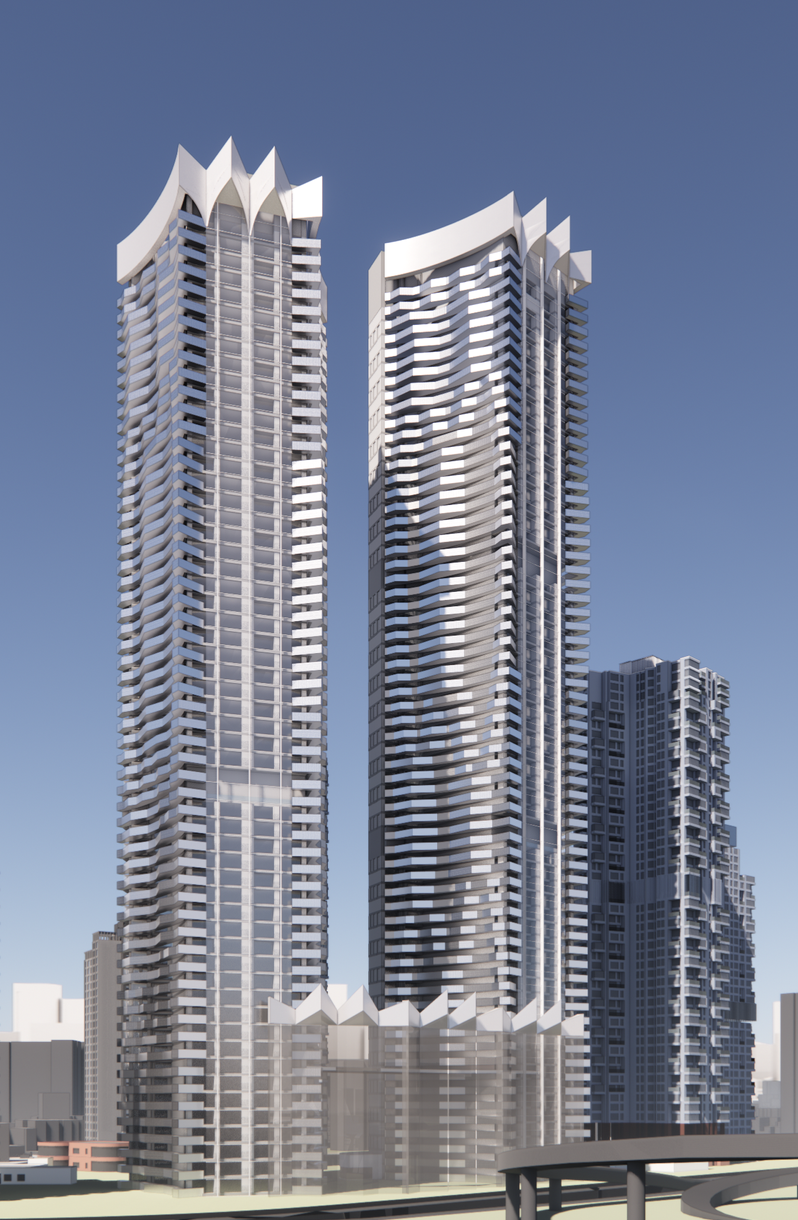
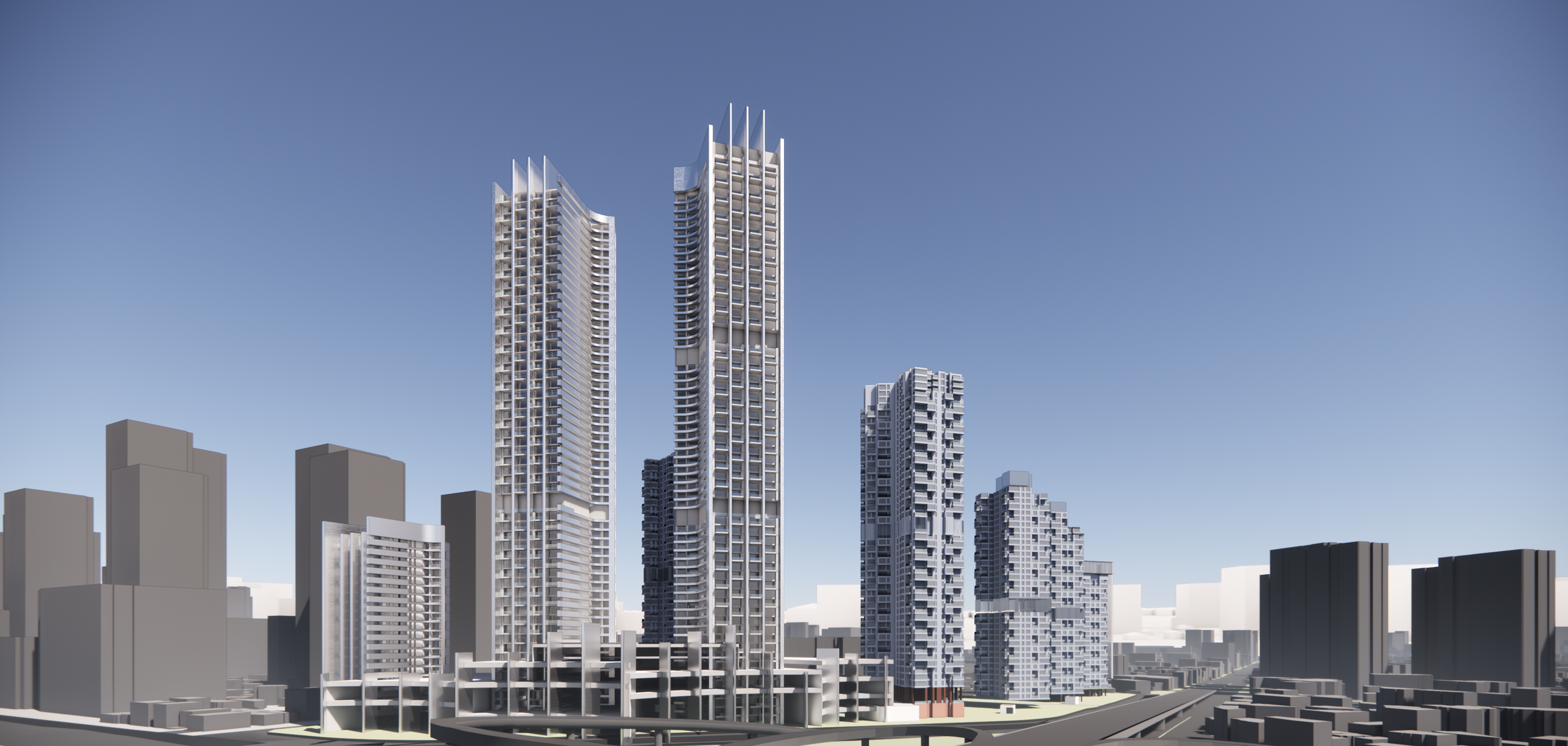
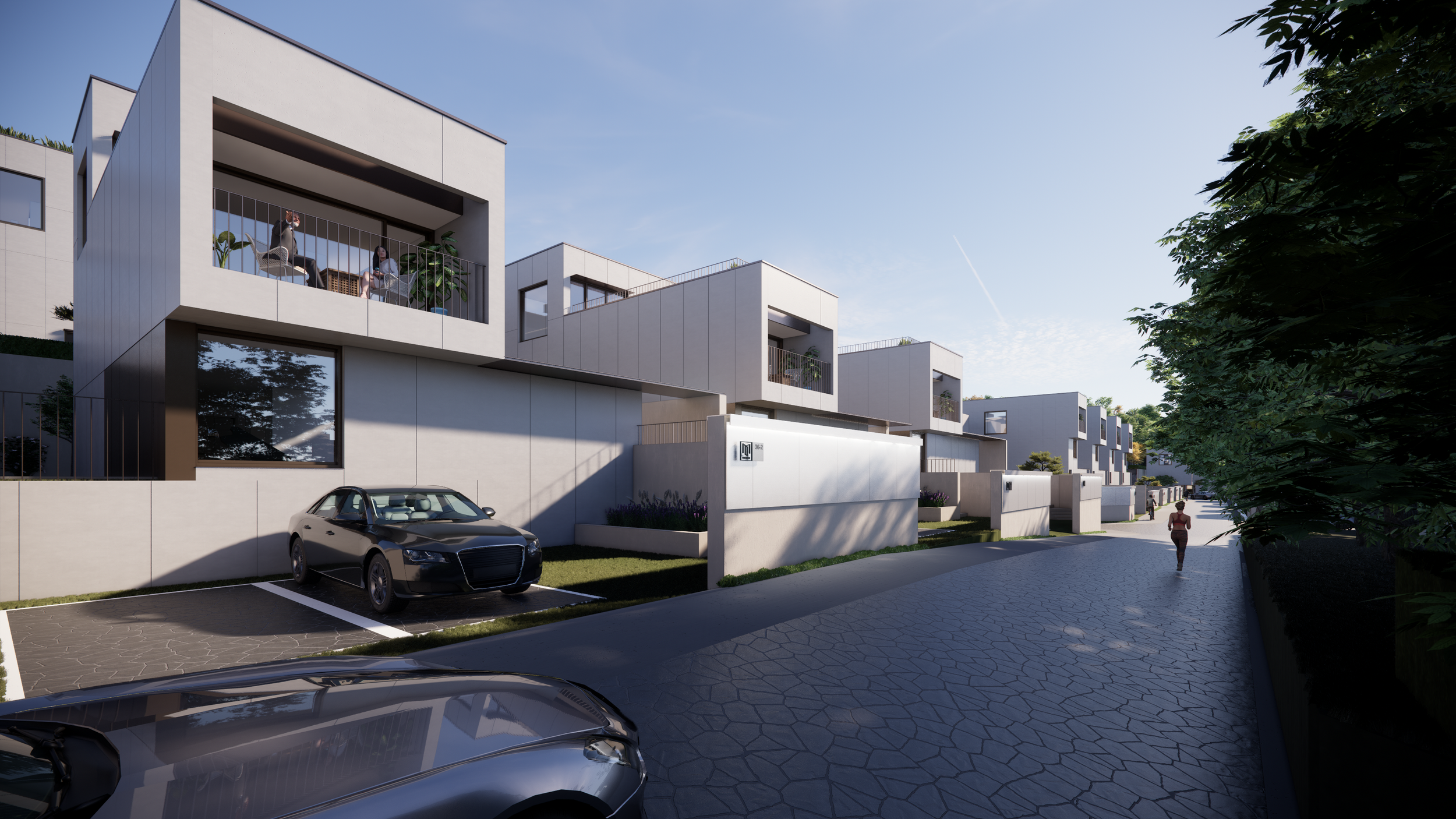
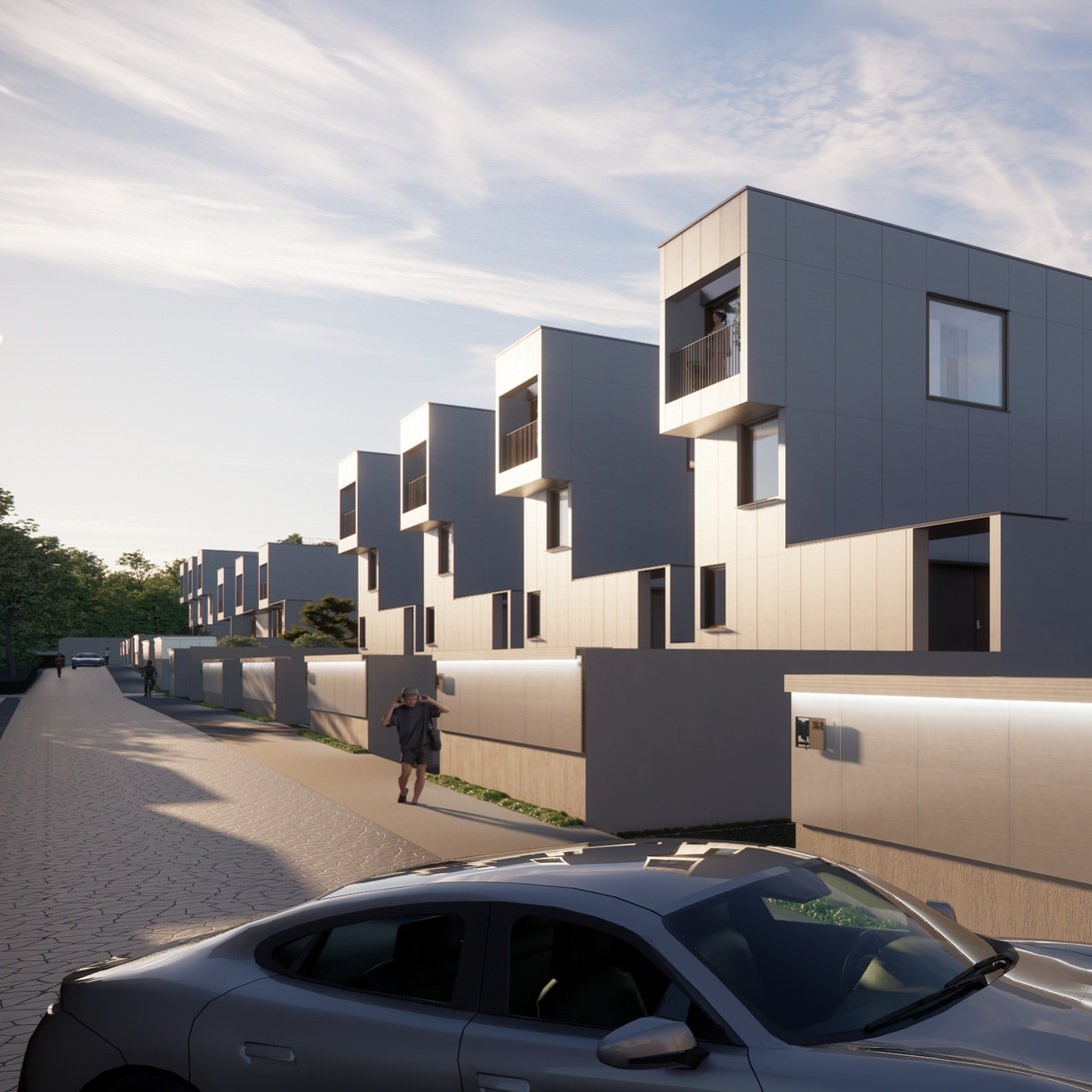
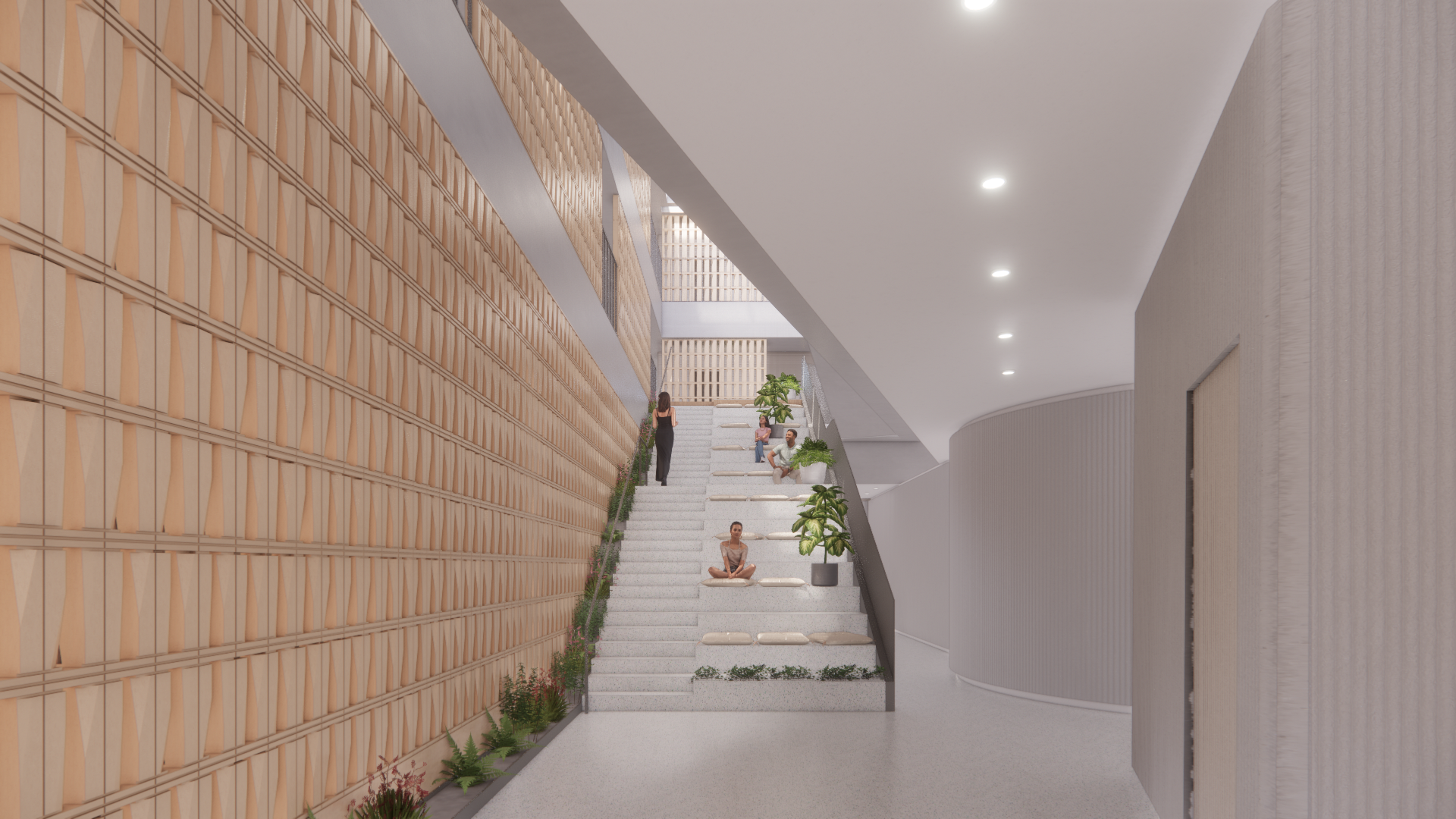
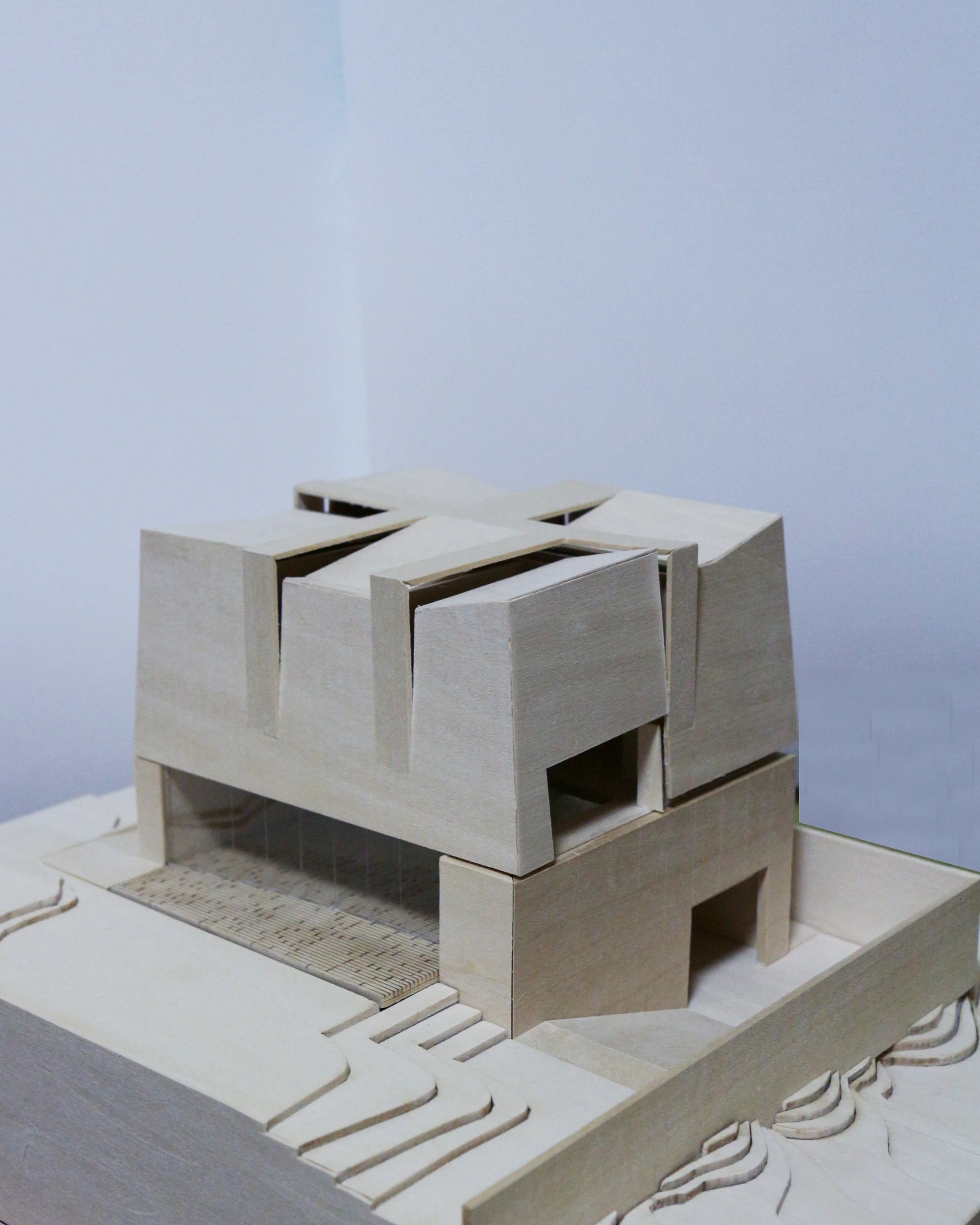
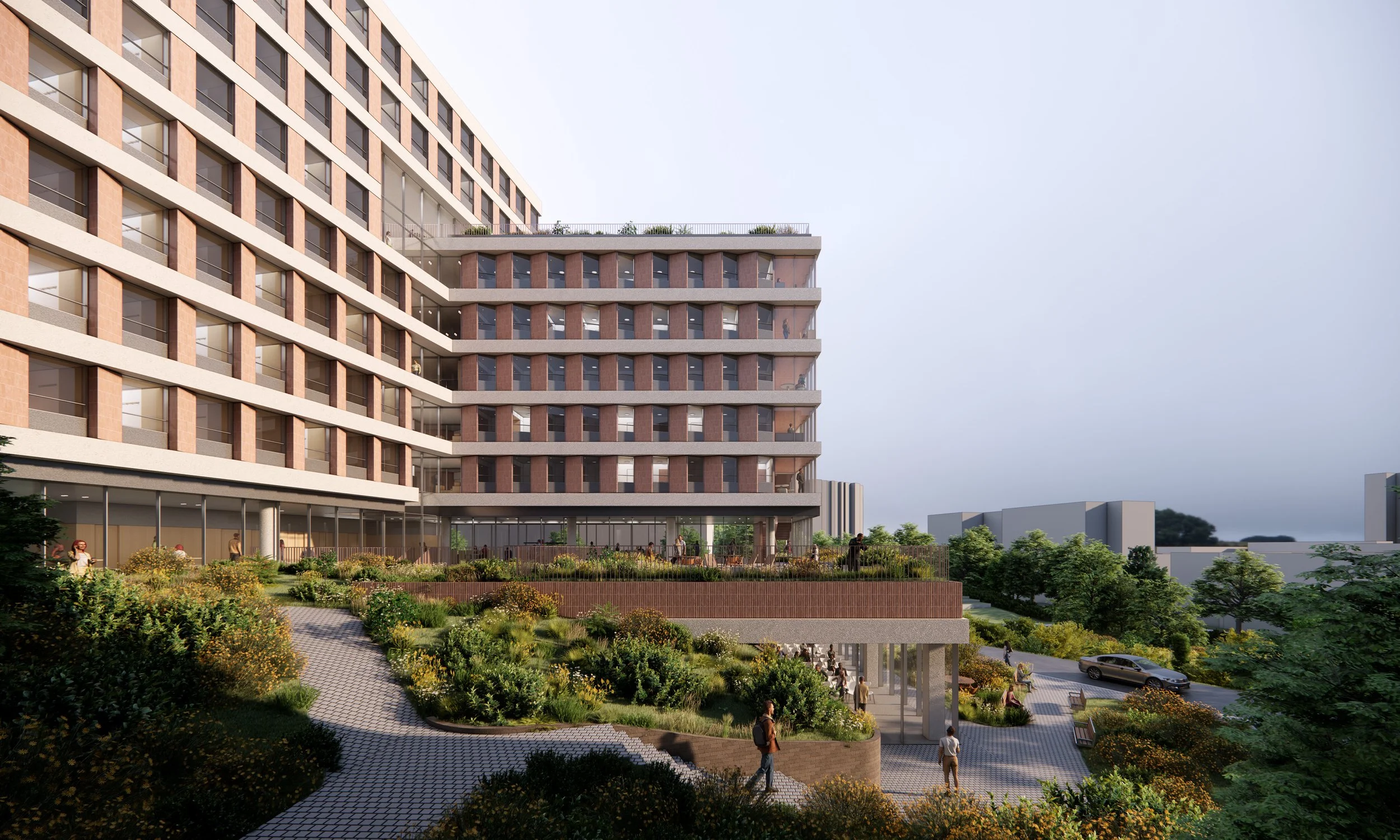
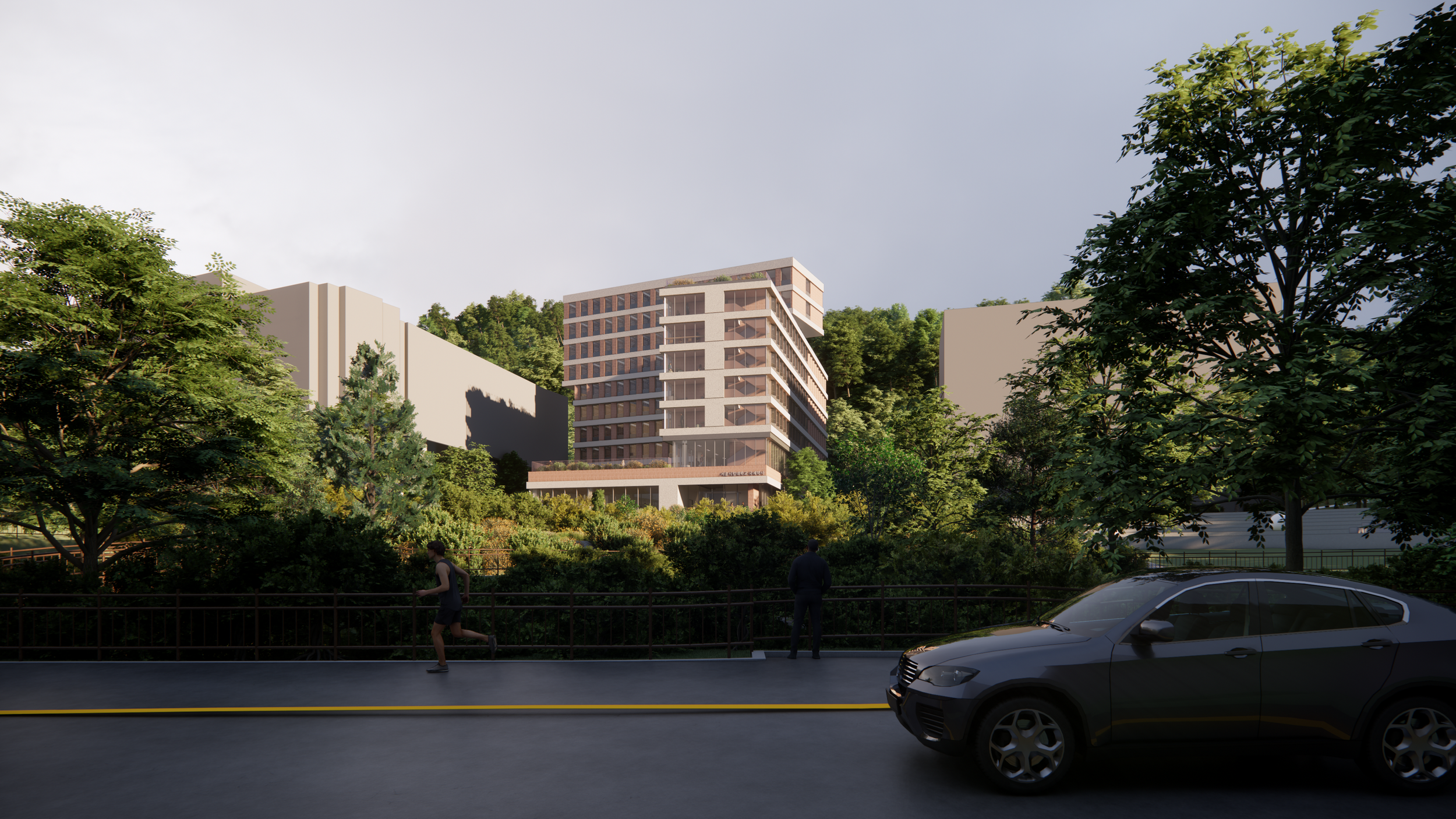
Living Manifold proposes a new identity for the extension of the University of Seoul International House, where preservation and coexistence are organized into a multilayered residential structure. Located between the existing residence halls, Haneul Pond, and Baebongsan Mountain, the site is not only a place for additional dormitory rooms but also a critical point where nature, campus life, and residential community overlap.

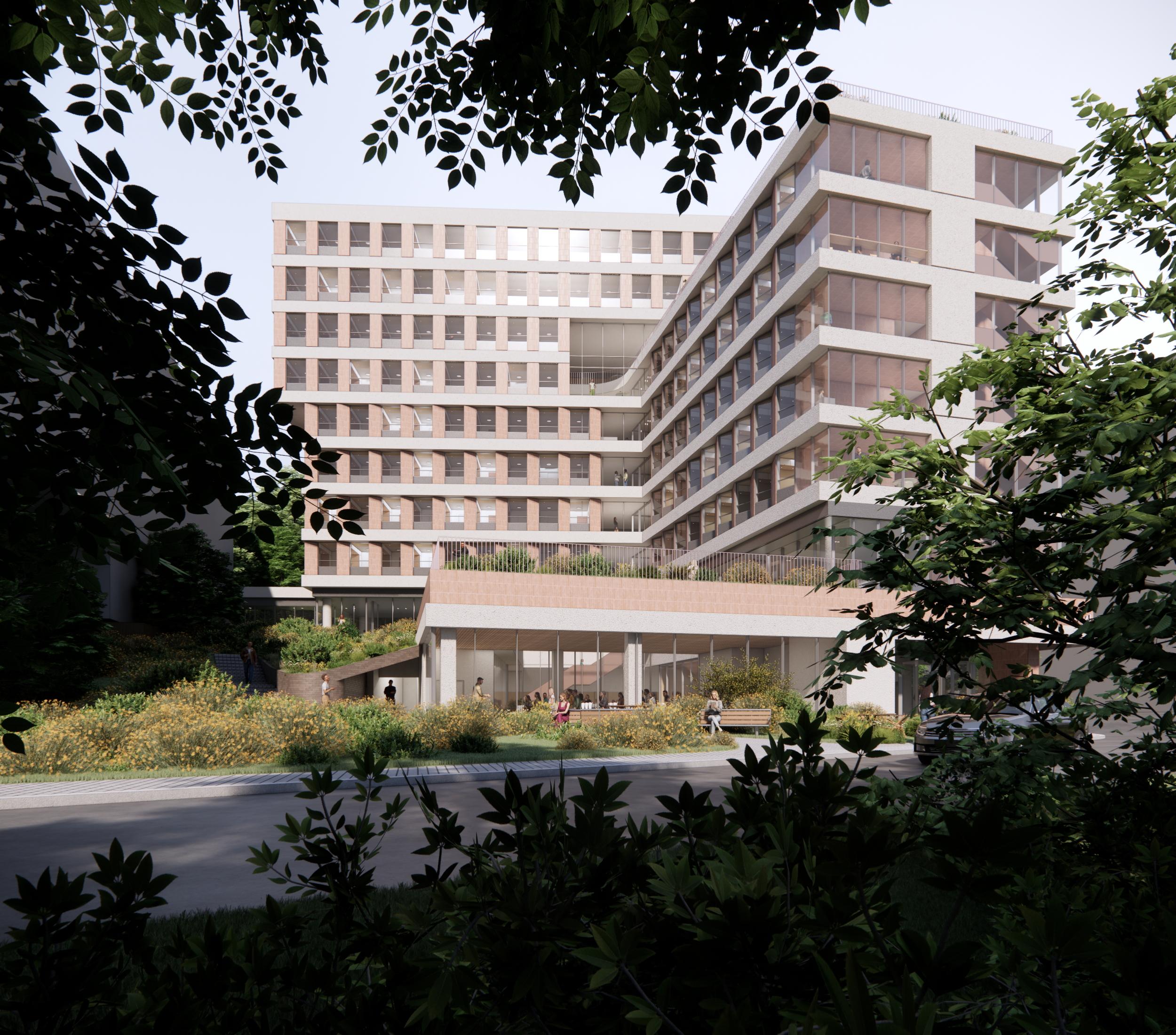
The project responds to this condition by arranging a T-shaped residential tower and a low-rise communal base around a sequence of open spaces. The upper residential volume is set back to secure privacy, daylight, and views, while the lower communal area extends the existing dormitory programs and creates a shared platform for students. Public and semi-public programs are placed at the lower levels with separated access routes, allowing local community use without disturbing the security of the student residential zone.

The shared spaces are organized as an expanded living room system: the urban living room at the lower level, the community living room at the first floor, and the everyday living rooms distributed across the residential floors. These spaces support different scales of interaction, from public events and RC programs to small study, rest, and casual encounters between residents.

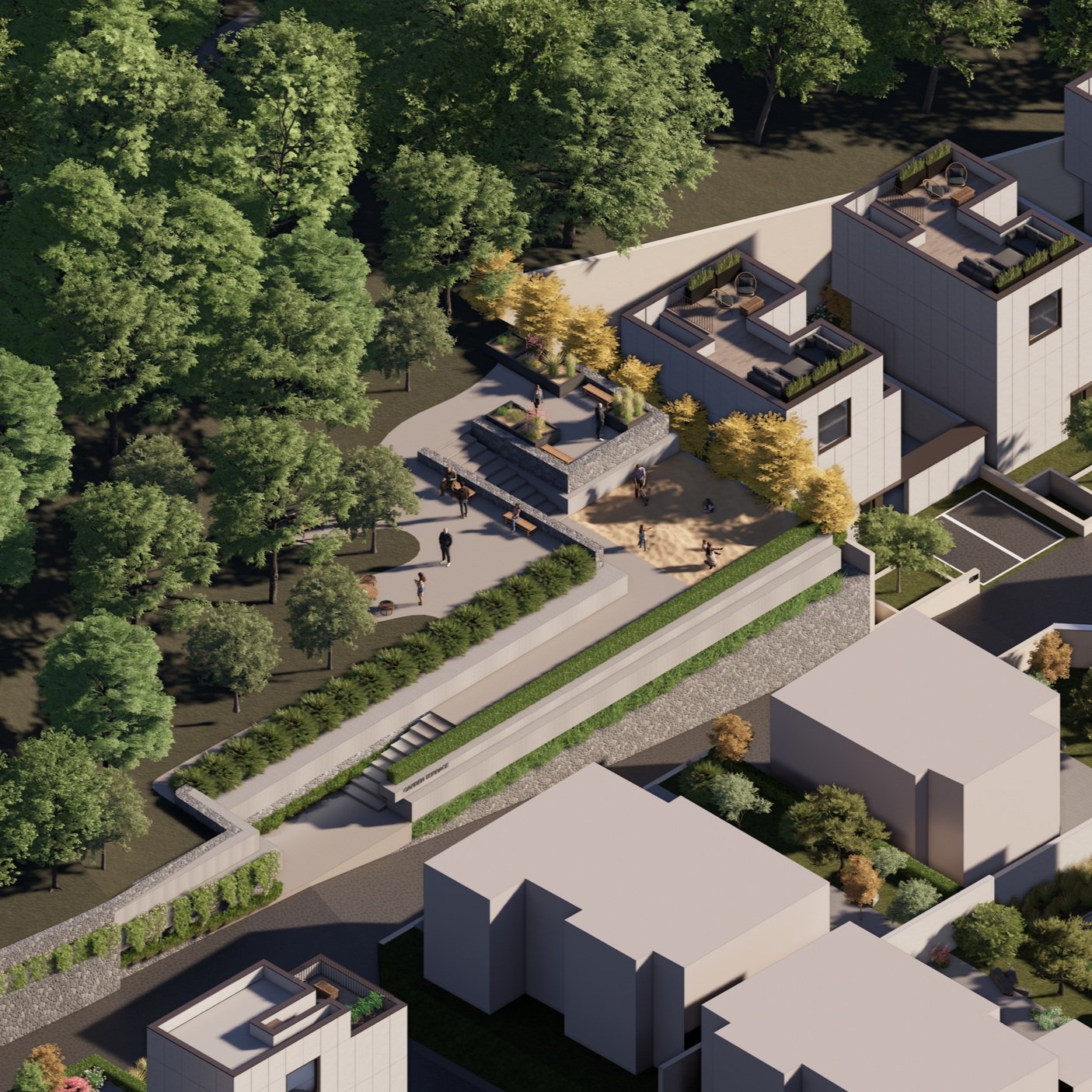
Landscape is also treated as an active framework rather than a background. The front yard, courtyard, rear garden, and rooftop garden form a gradual transition from campus openness to residential privacy and the ecological edge of Baebongsan. Through this layered arrangement, Living Manifold redefines the dormitory extension as a living network that connects nature and campus, individual privacy and collective life, students and the wider community.


Year: 2026

Location : Seoul, Korea

Size : 6,796.86 m²

Status : Competition Entry

Type : Domitory

Principal in Charge :

Seojoo Lee, Hyojung Kim (I.f), Dongil Kim, (I.f CDL)

Design Team :

Seungil Kim, Gwangeun Hwang, Suyeon Seo (I.f)
Yeoju Residence

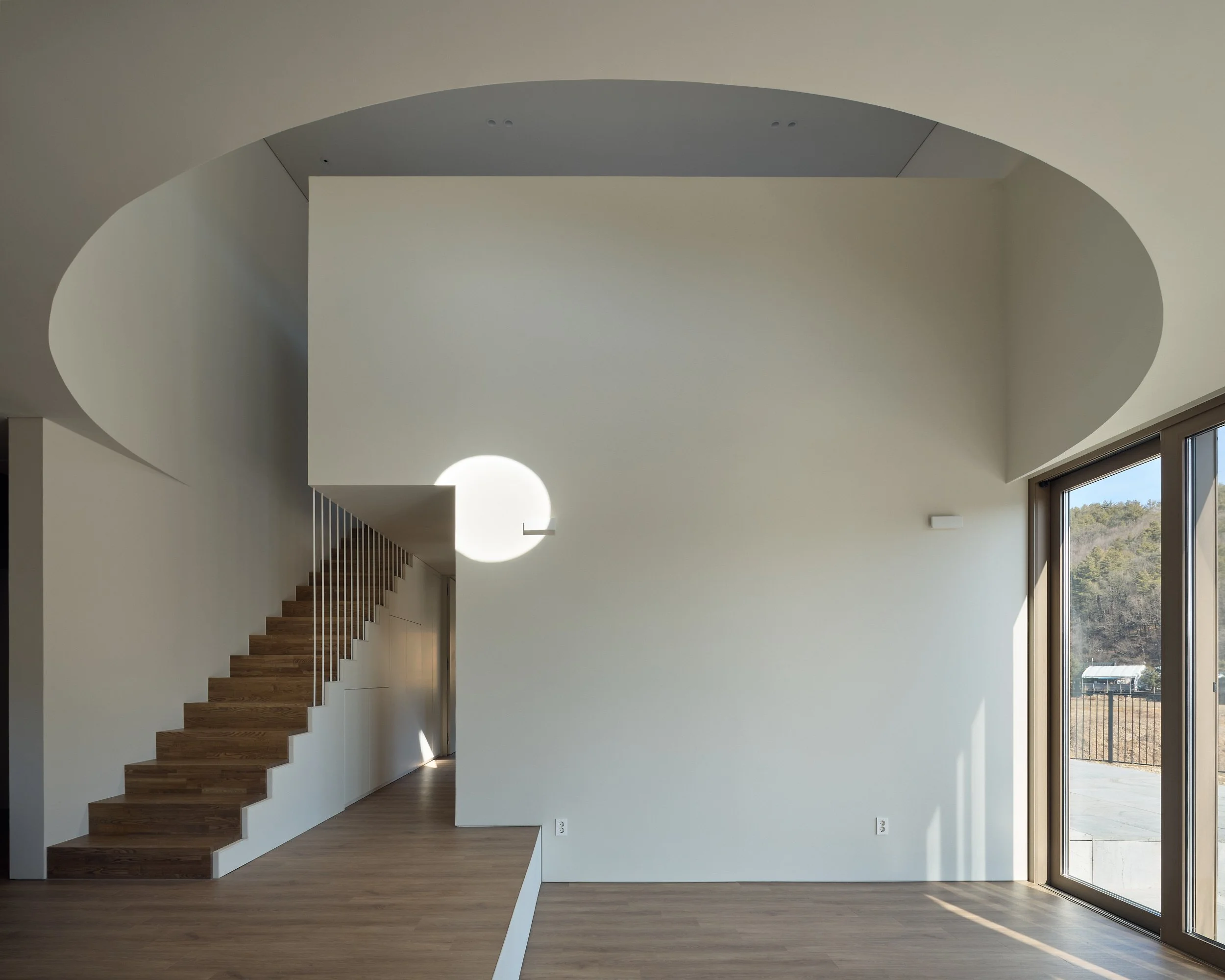
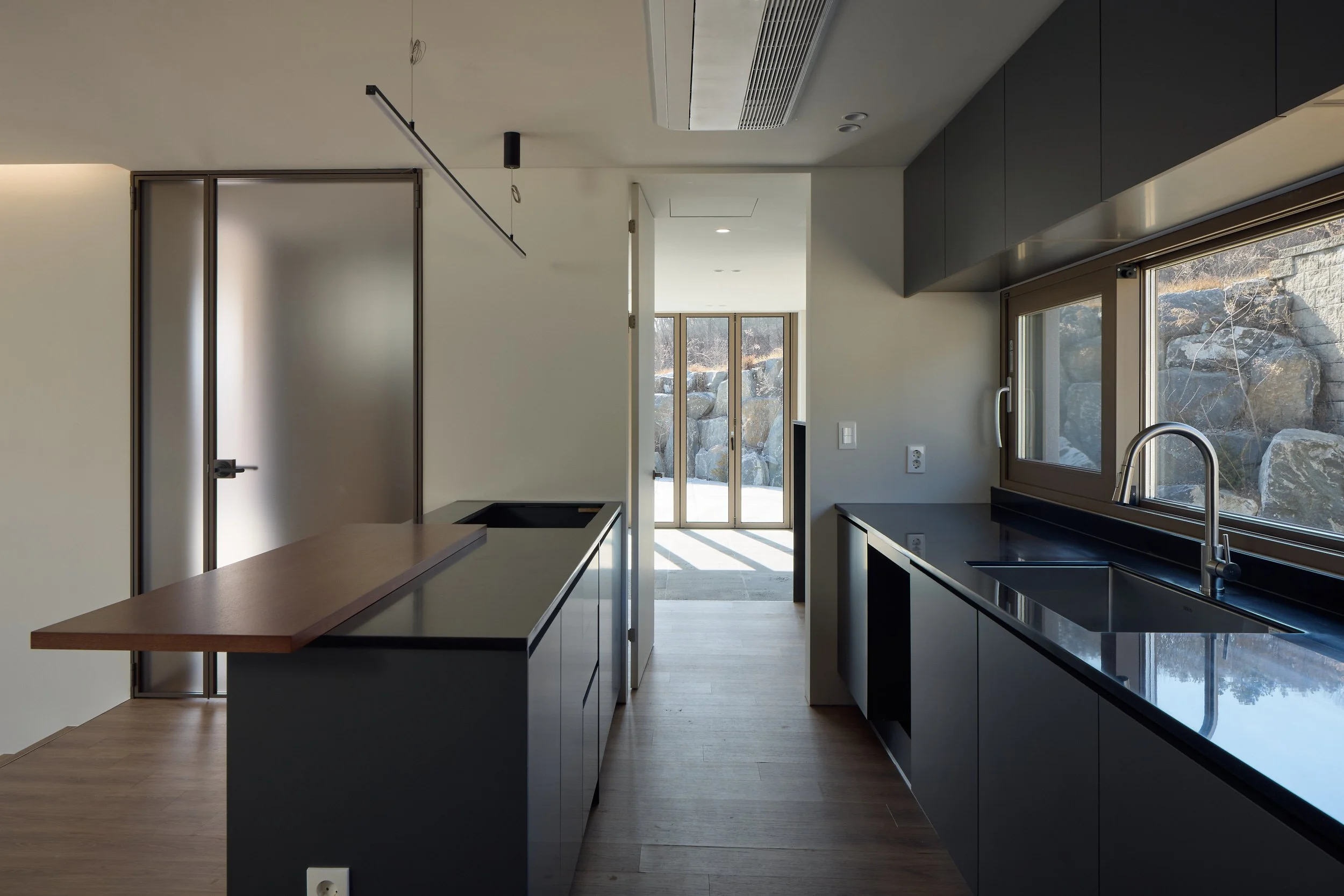
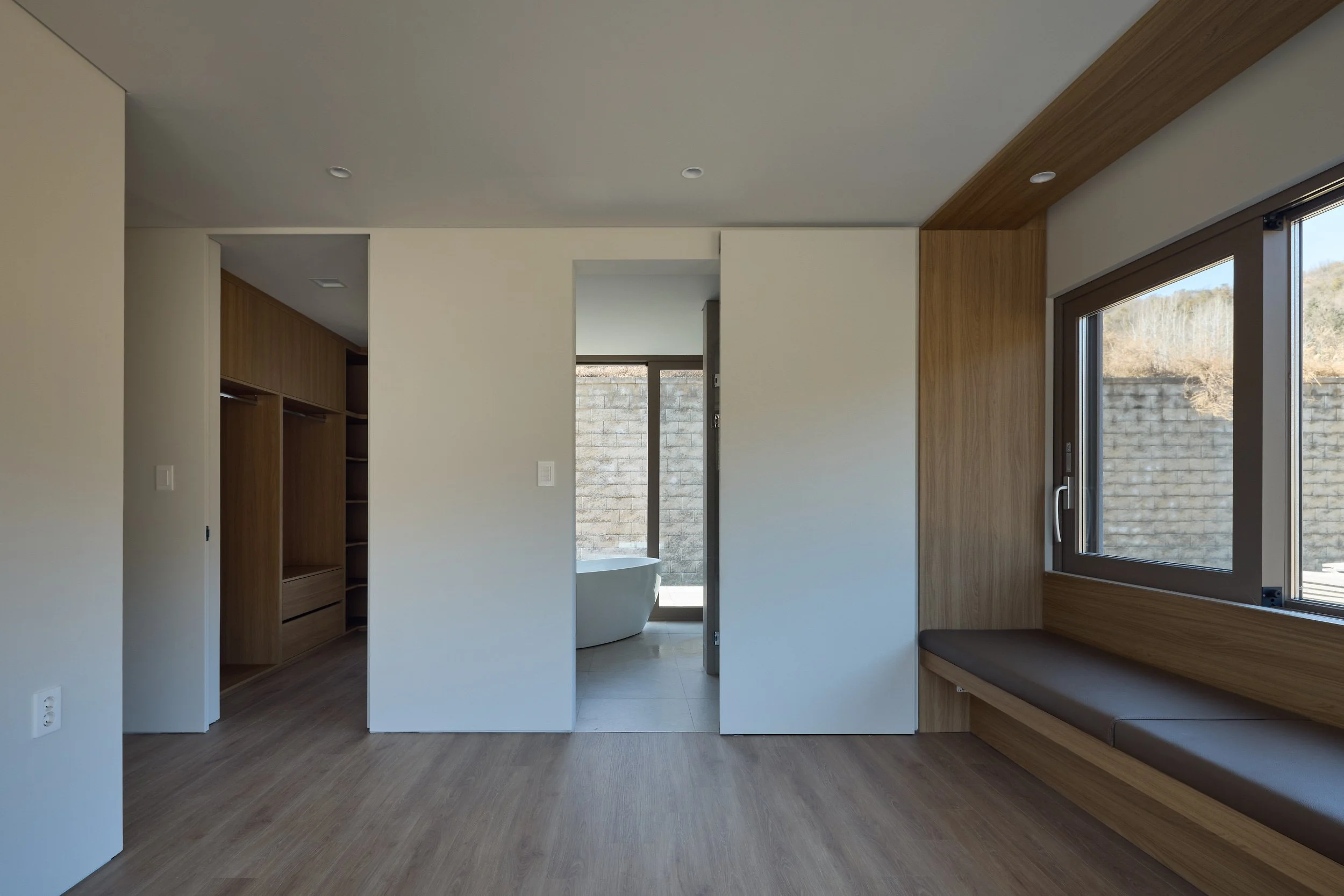
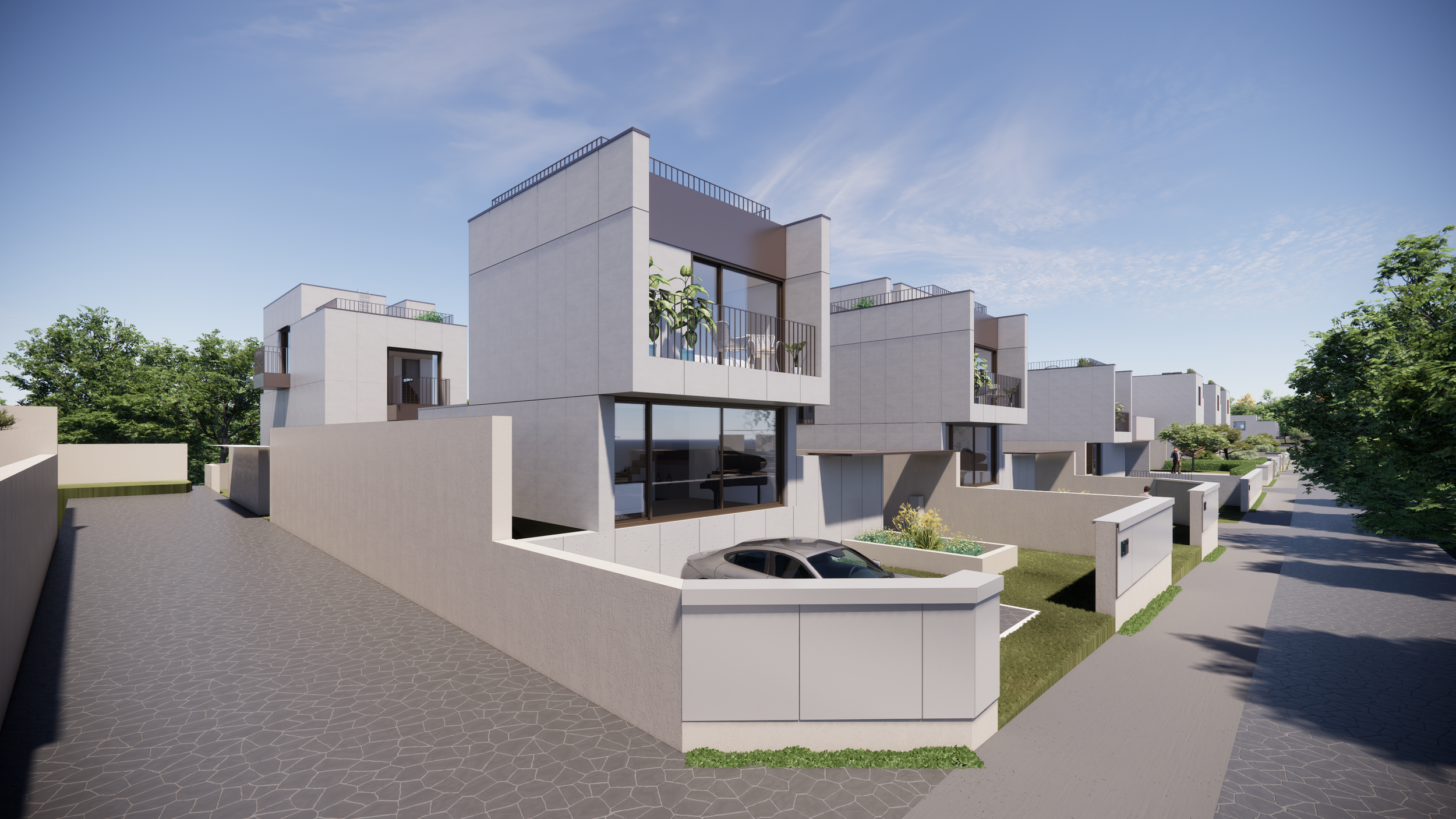
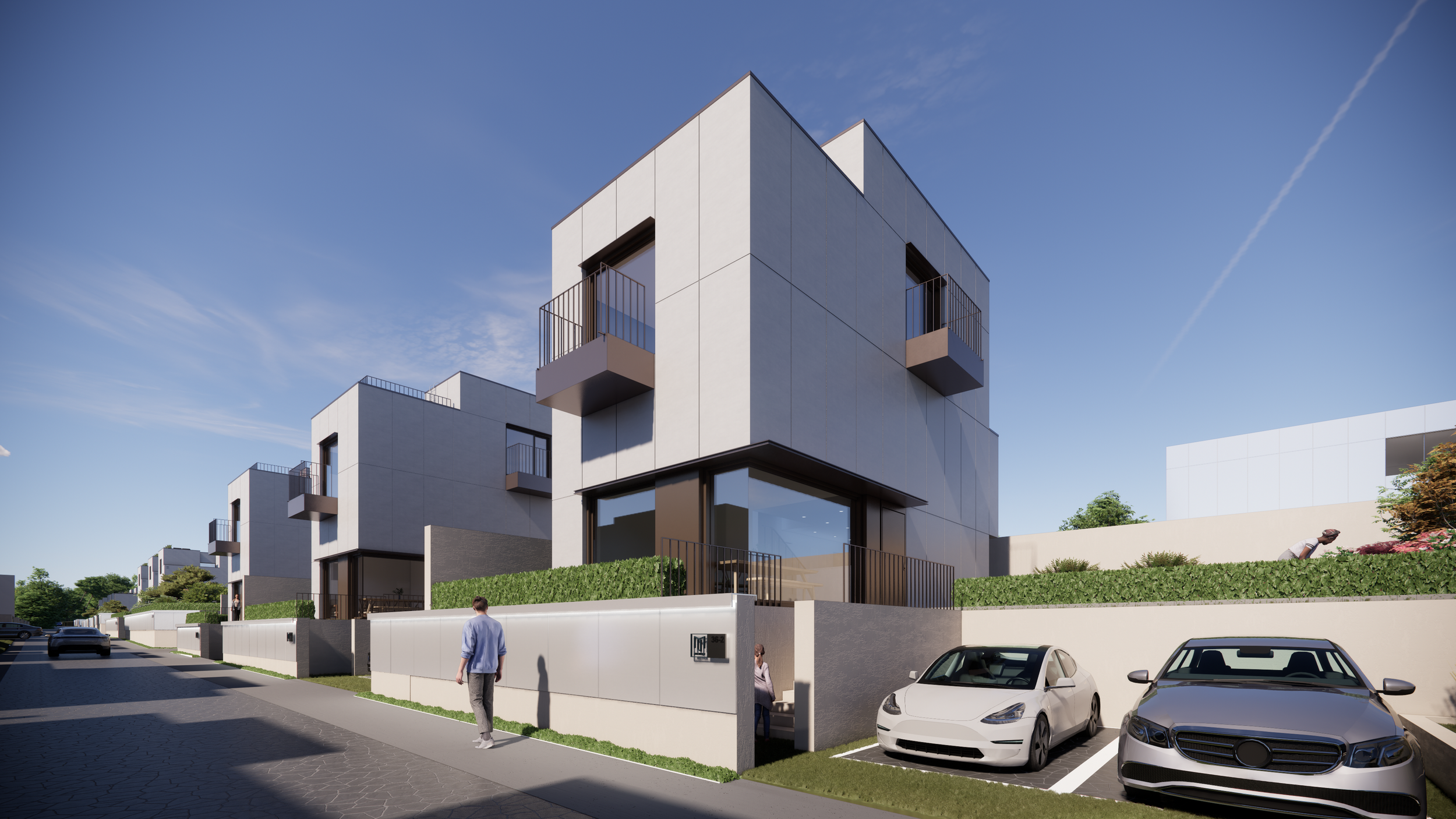
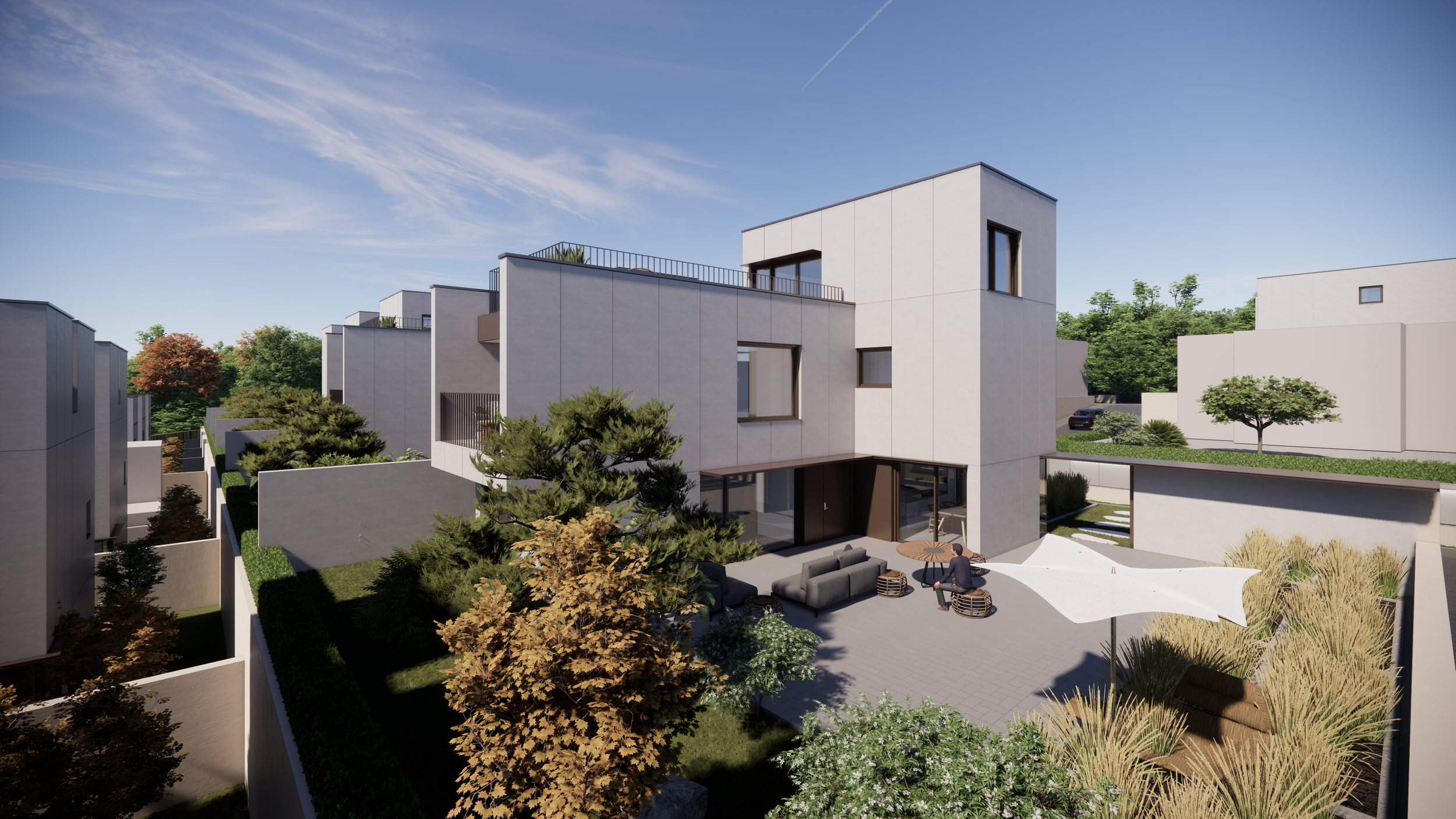
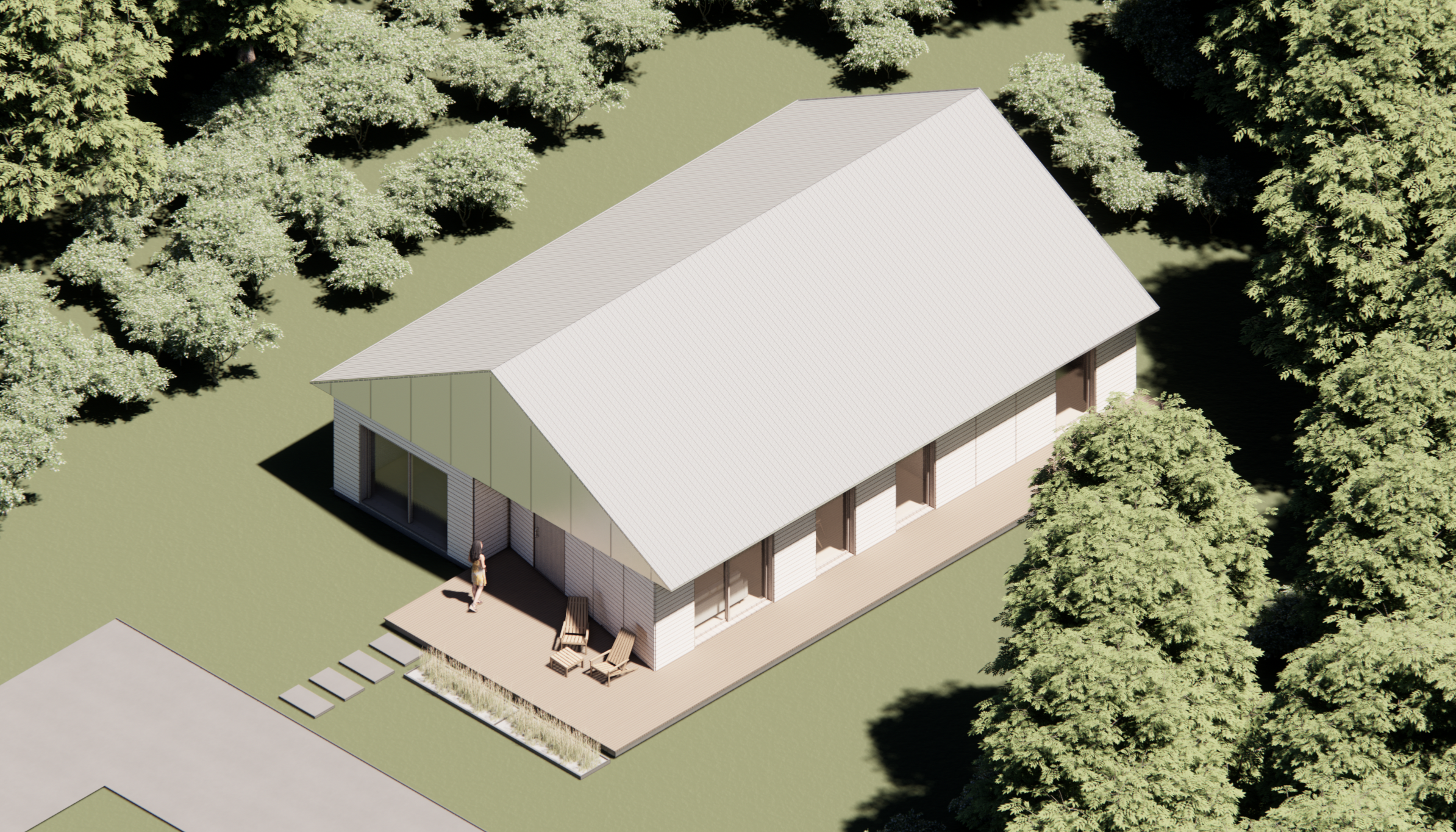
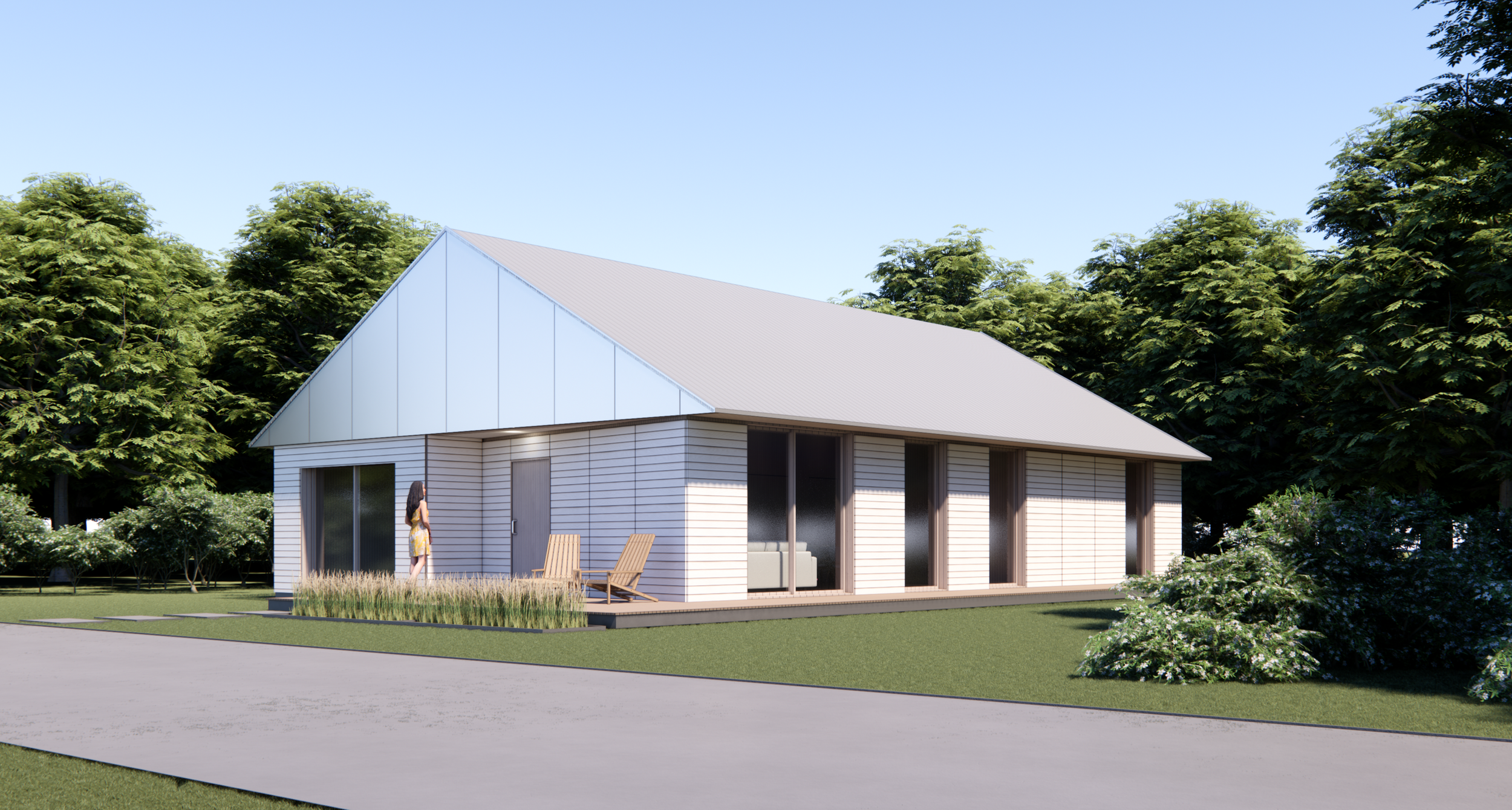
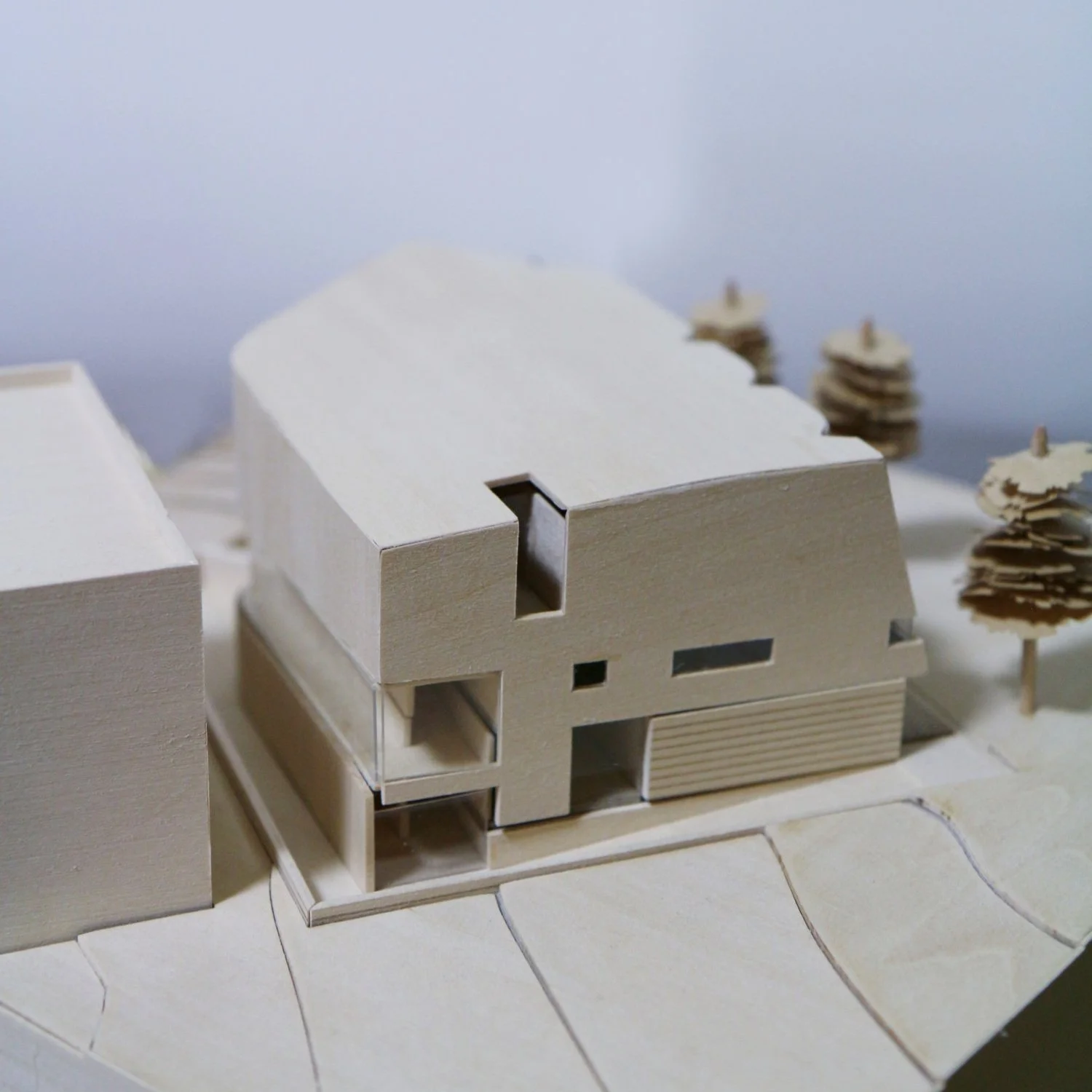
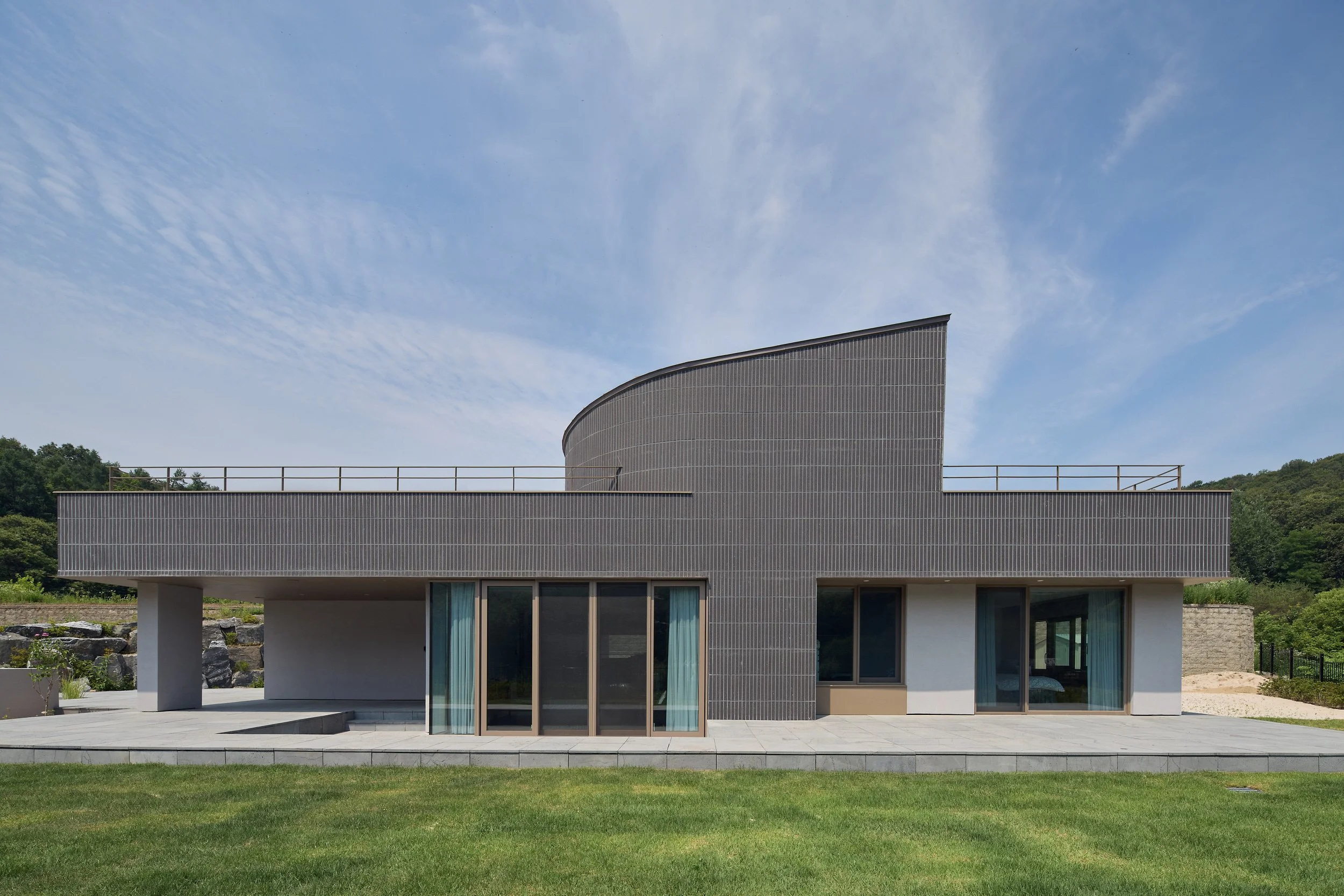
This site is nestled at the foot of Taebong Mountain in Geumsam-myeon, Yeoju, at the heart of a well-developed single-family residential village. To the east, it opens up to the picturesque Dogok-ri village, while to the north, it offers a serene view of a hillside planted with birch trees—creating a peaceful and quiet neighborhood setting.

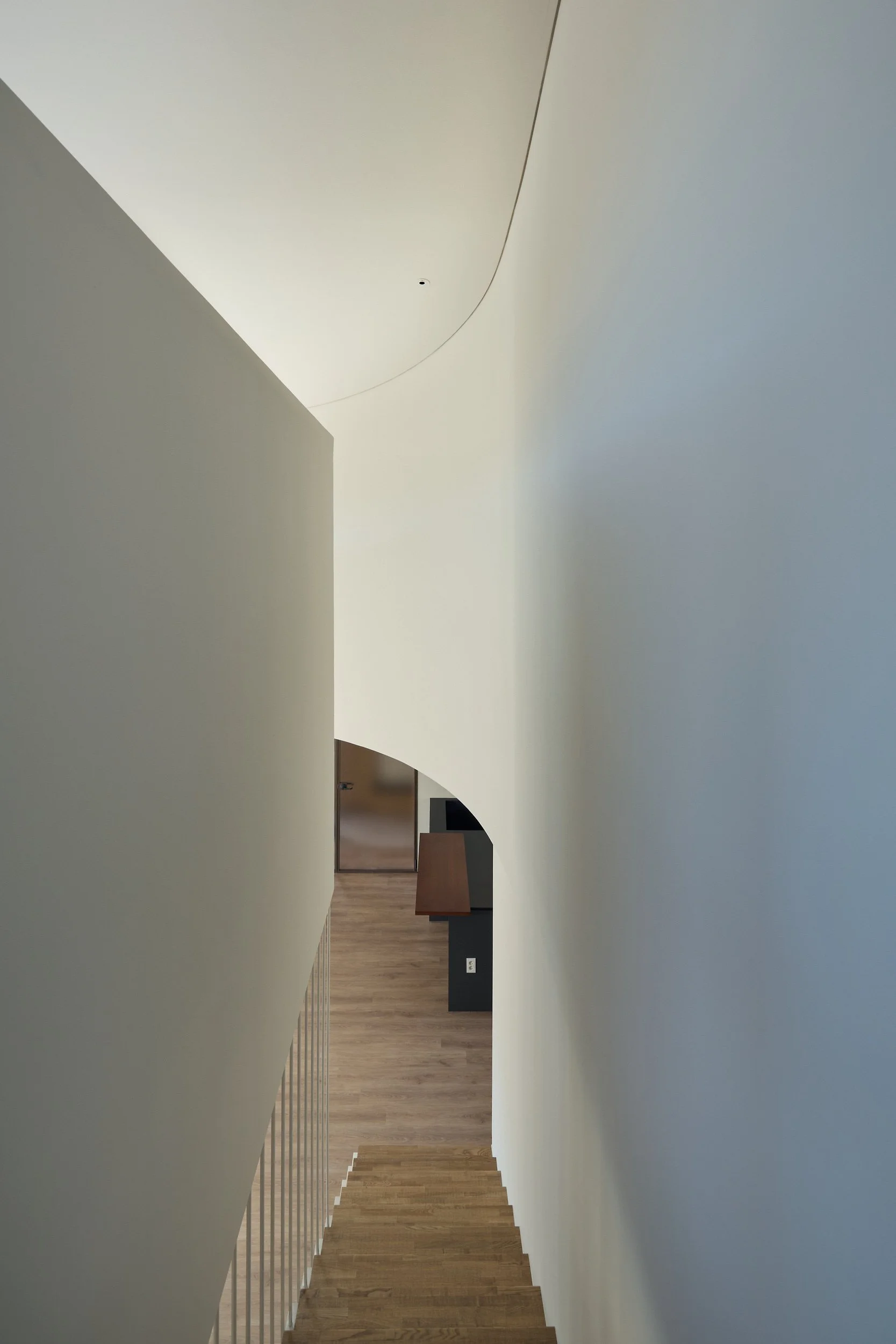
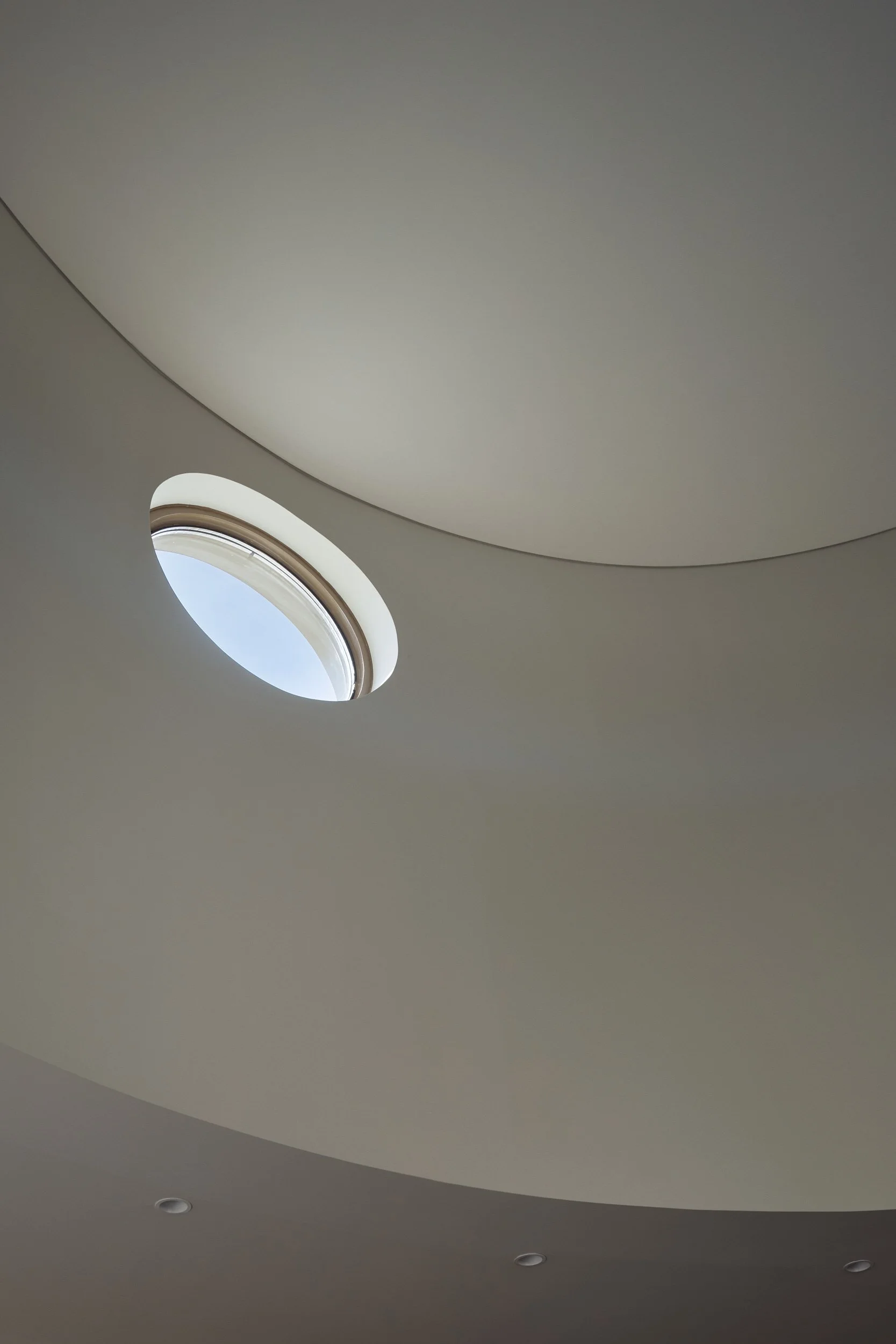
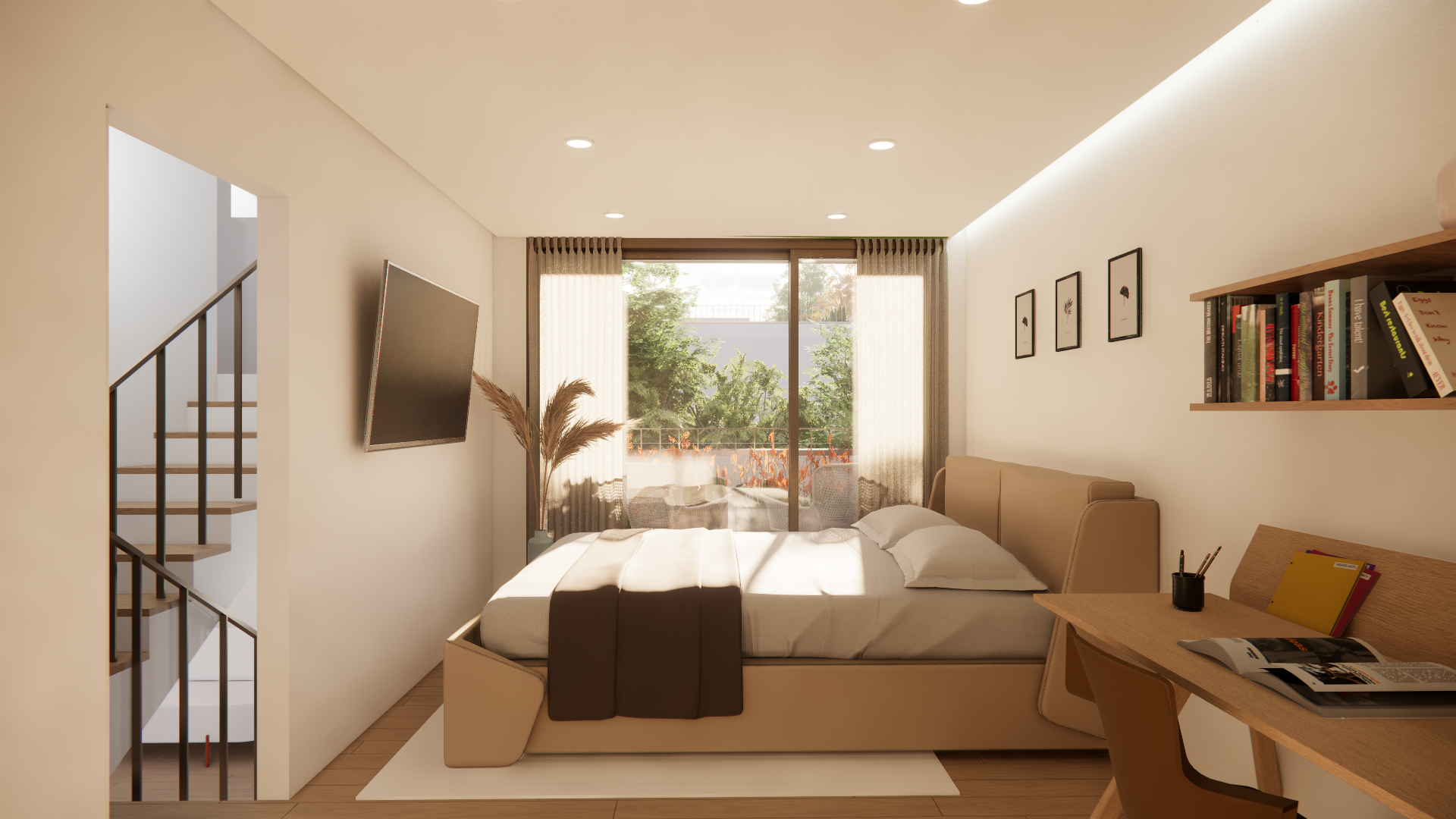
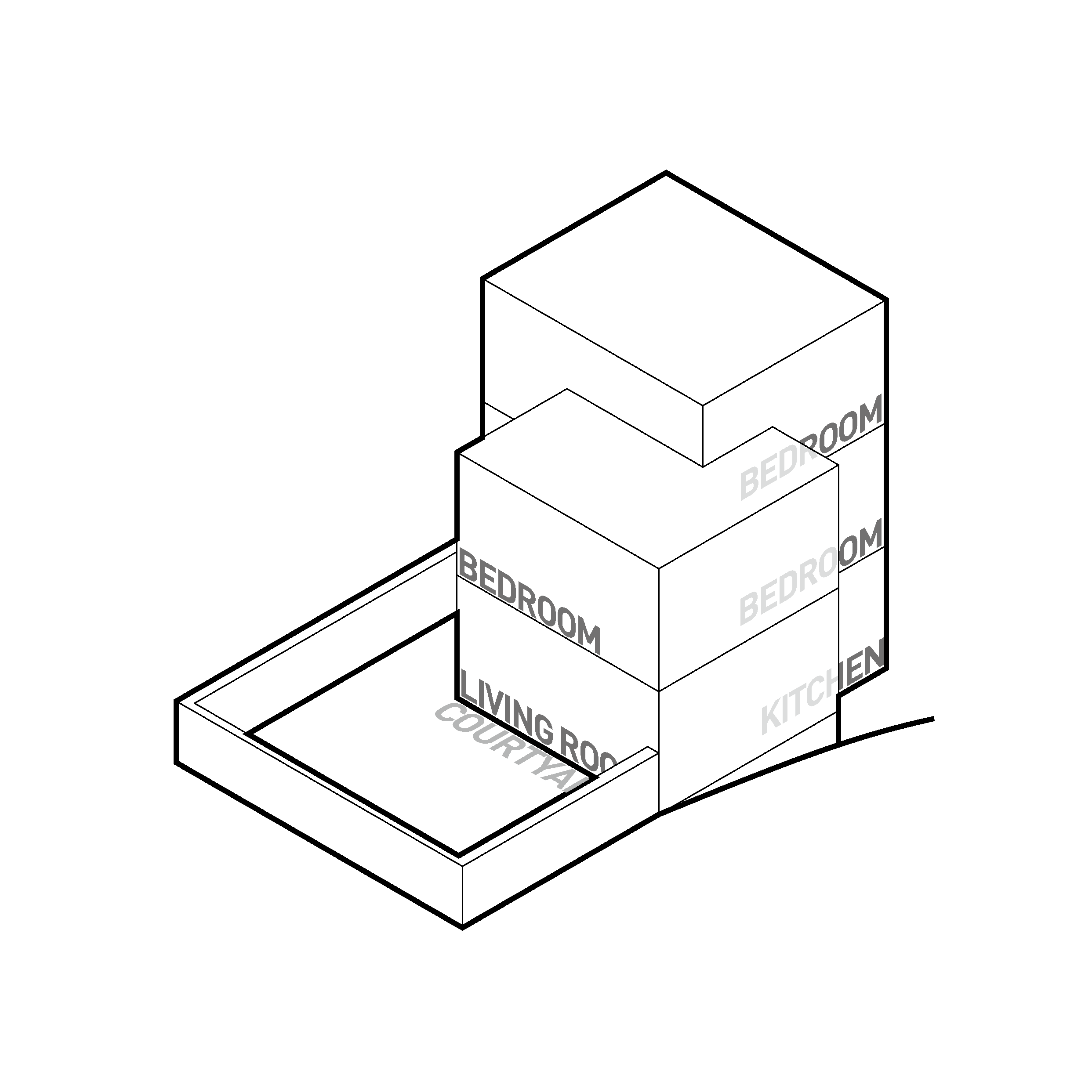
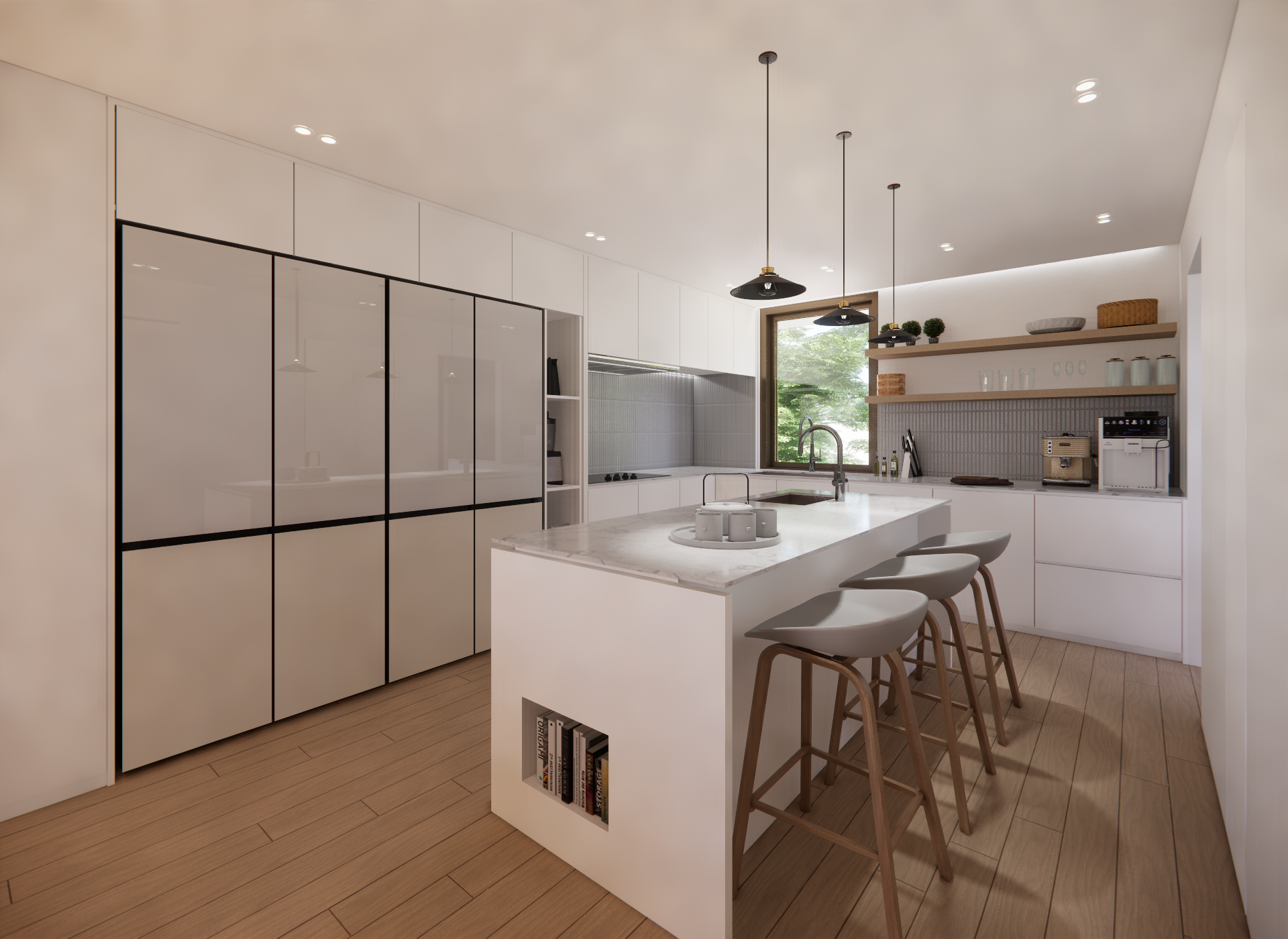
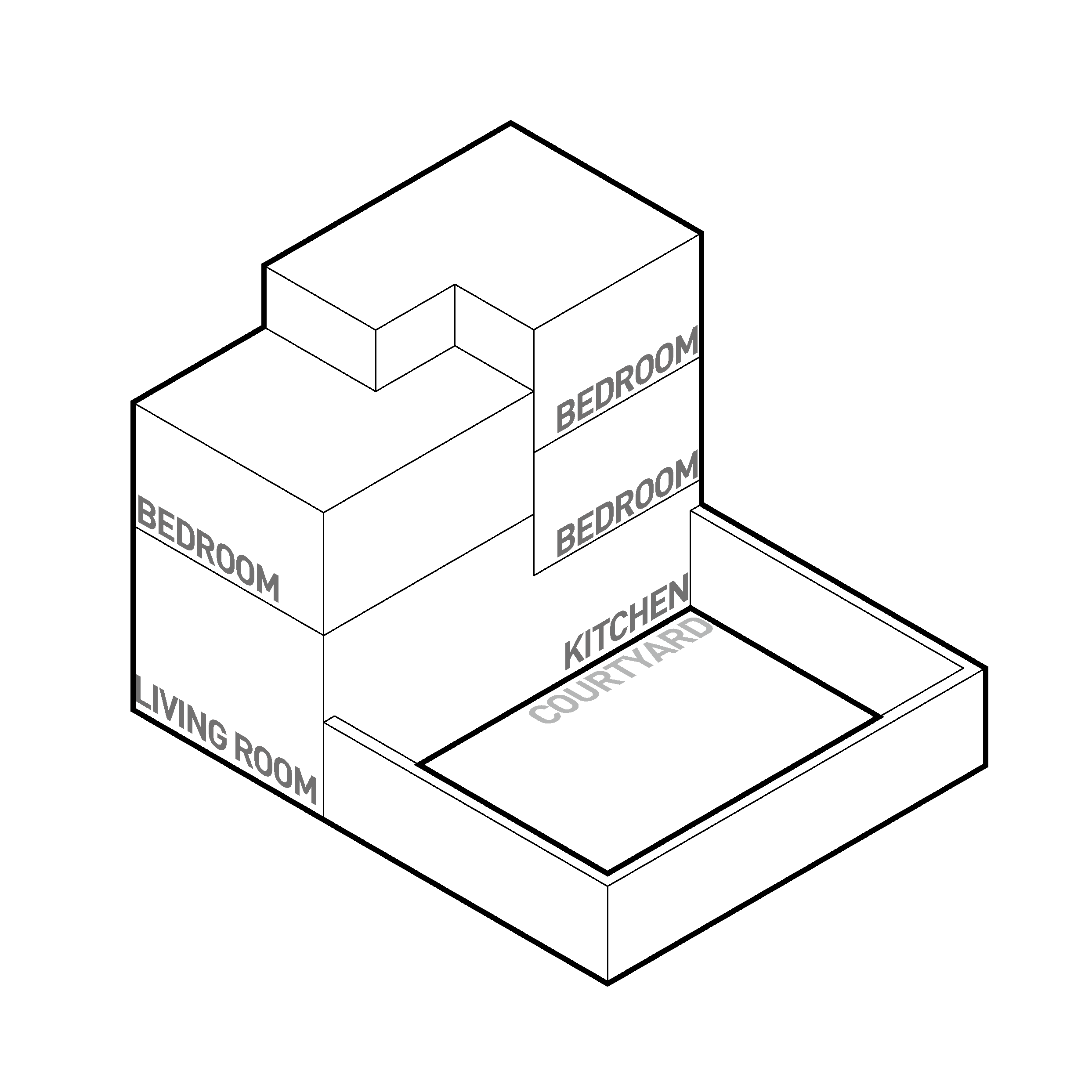
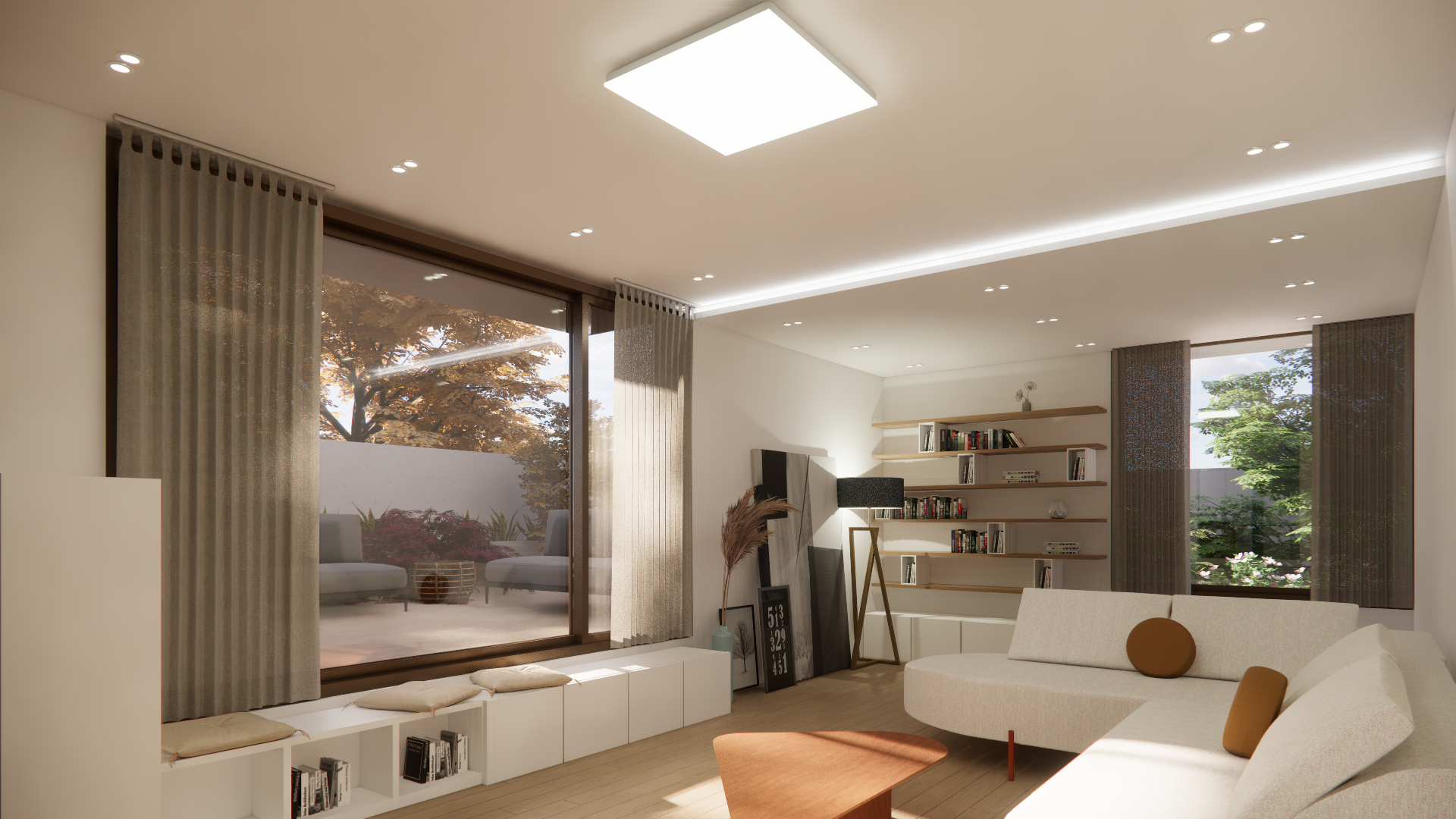
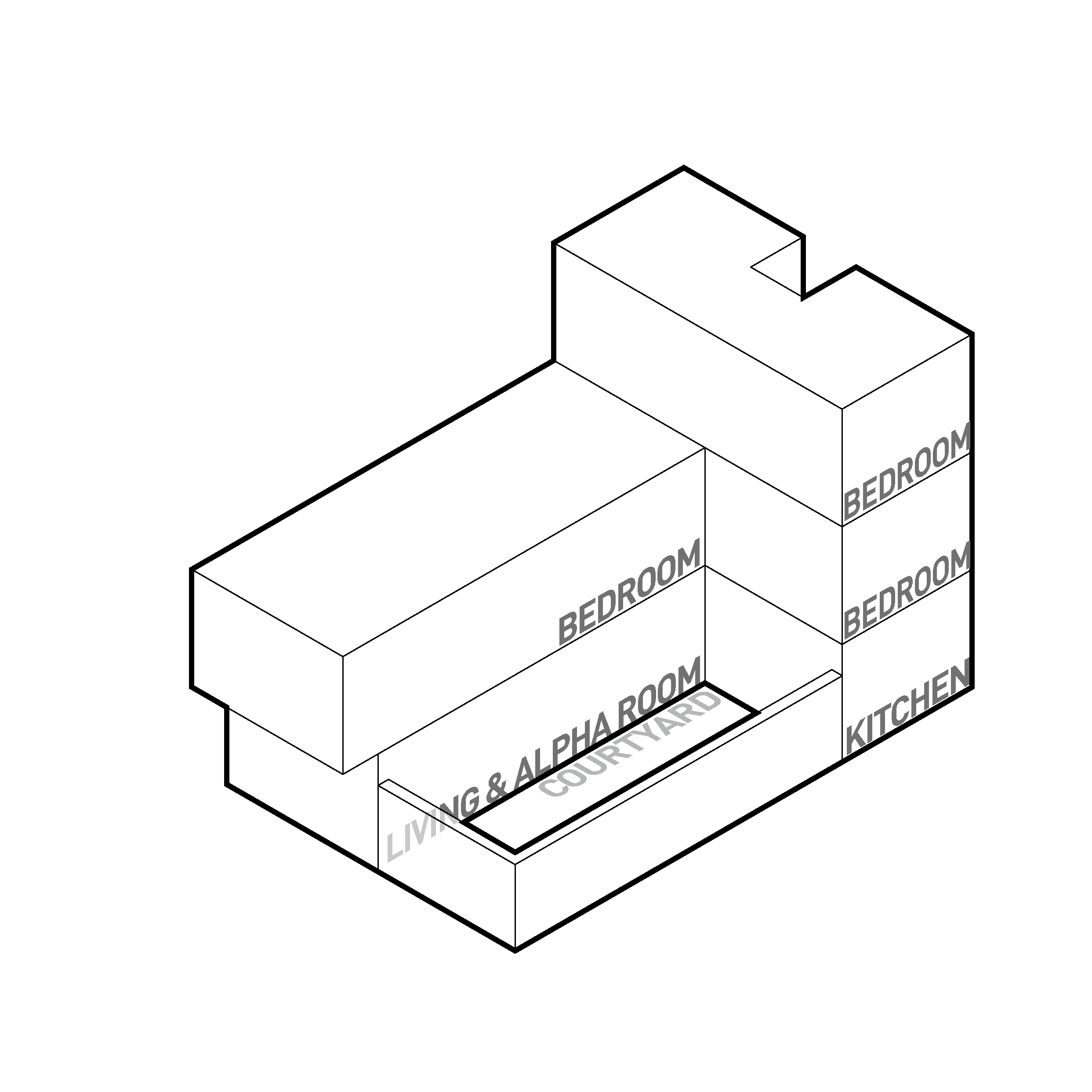
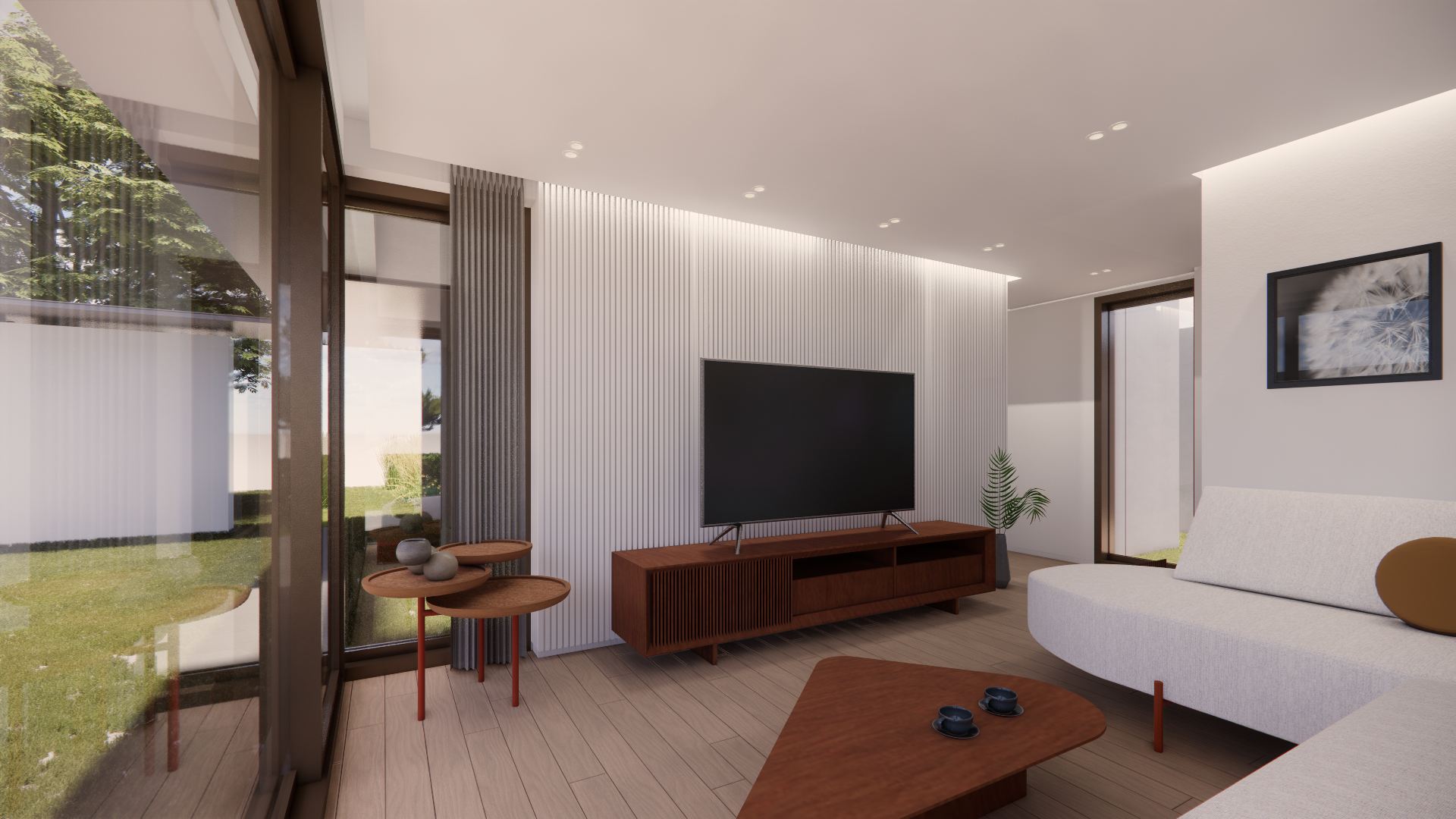
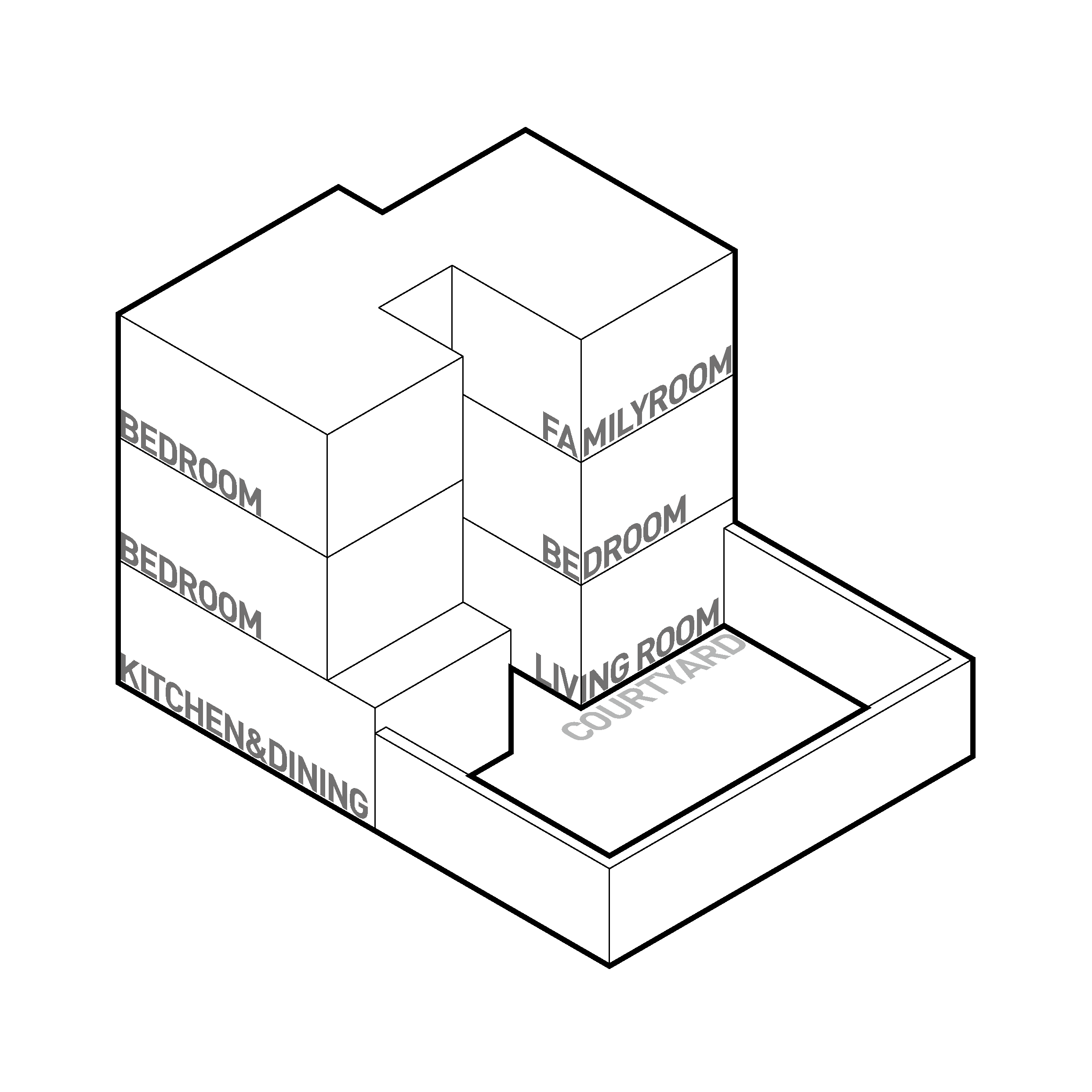
The house consists of a master bedroom, a guest room, and a shared space that combines the living room and kitchen. On the second floor, a family room provides a comfortable area for family members to spend time together.

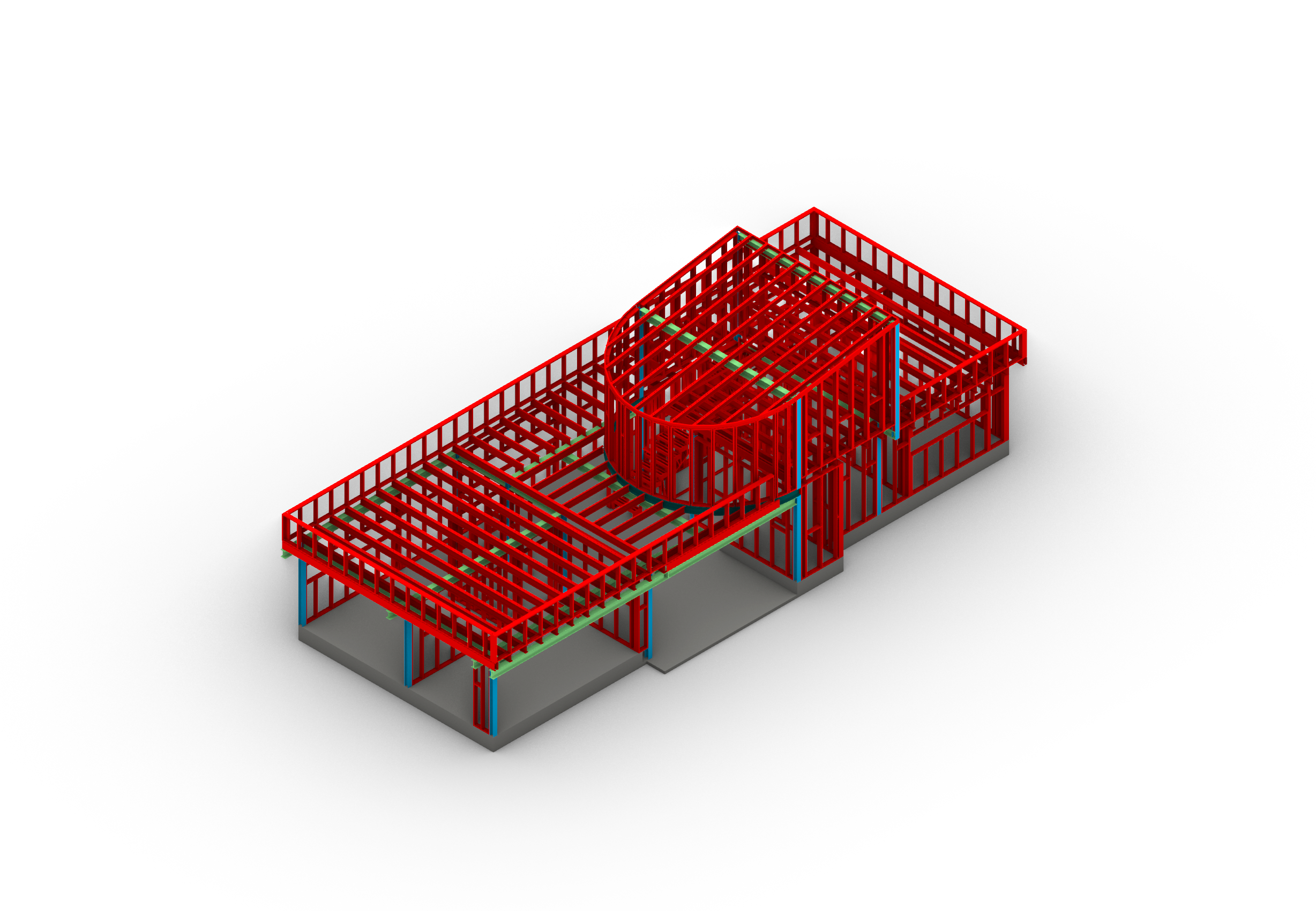
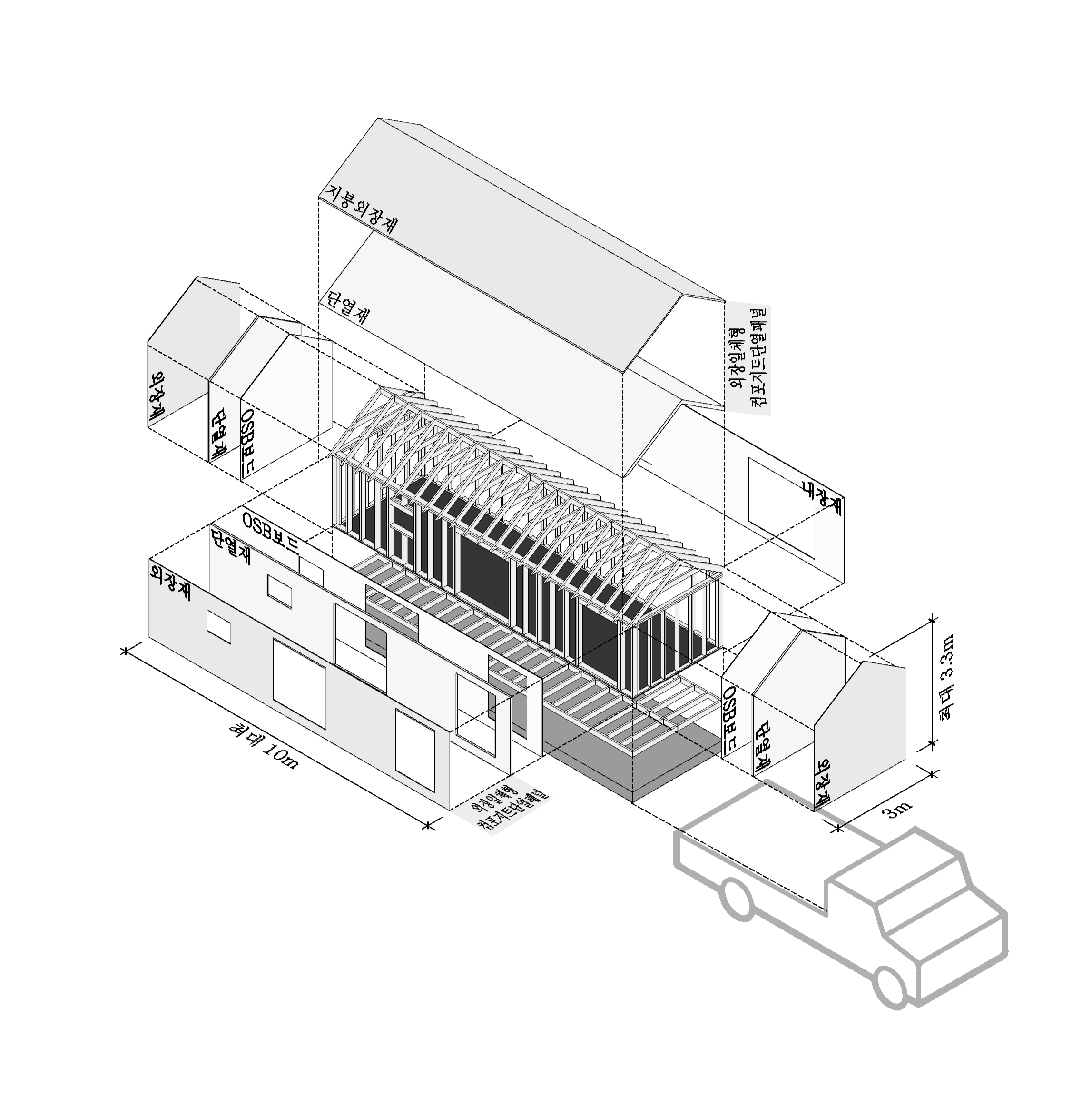
Given the location and topographical characteristics of the site, construction on-site is minimized by employing a panelized modular building method. Structural walls, along with wall and roof panels, are prefabricated off-site and assembled on-site, allowing for efficient and precise construction with minimal disruption to the natural surroundings.


Year : 2026

Location : Yeoju, Korea

Size : 156.16 m²

Status : Completed

Type : Residential

Principal in Charge :

Seojoo Lee, Hyojung Kim (I.f), Dongil Kim (I.f CDL)

Design Team :

Suyeon Seo, Chaeyoon Chang, Soohyun Kim, Jeonghan Chae (I.f), Gwangeun Hwang (I.f CDL)

Component-Based Modular Housing

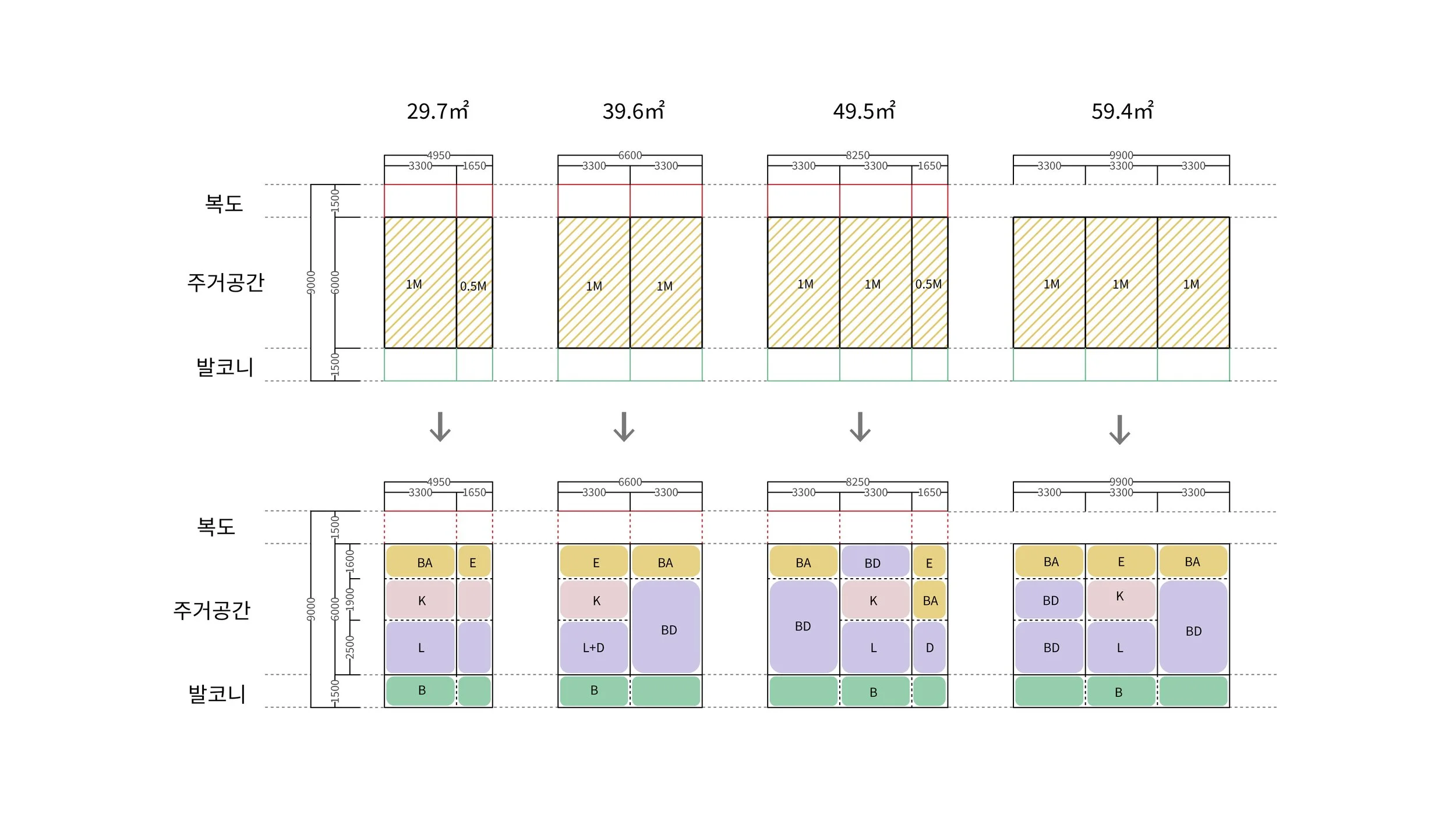
Component-Based Standard Plans

BA (Bathroom)

L (Living)

K (Kitchen)

B (Balcony)

4 standard floor plan types


29㎡


48㎡

39㎡


59㎡

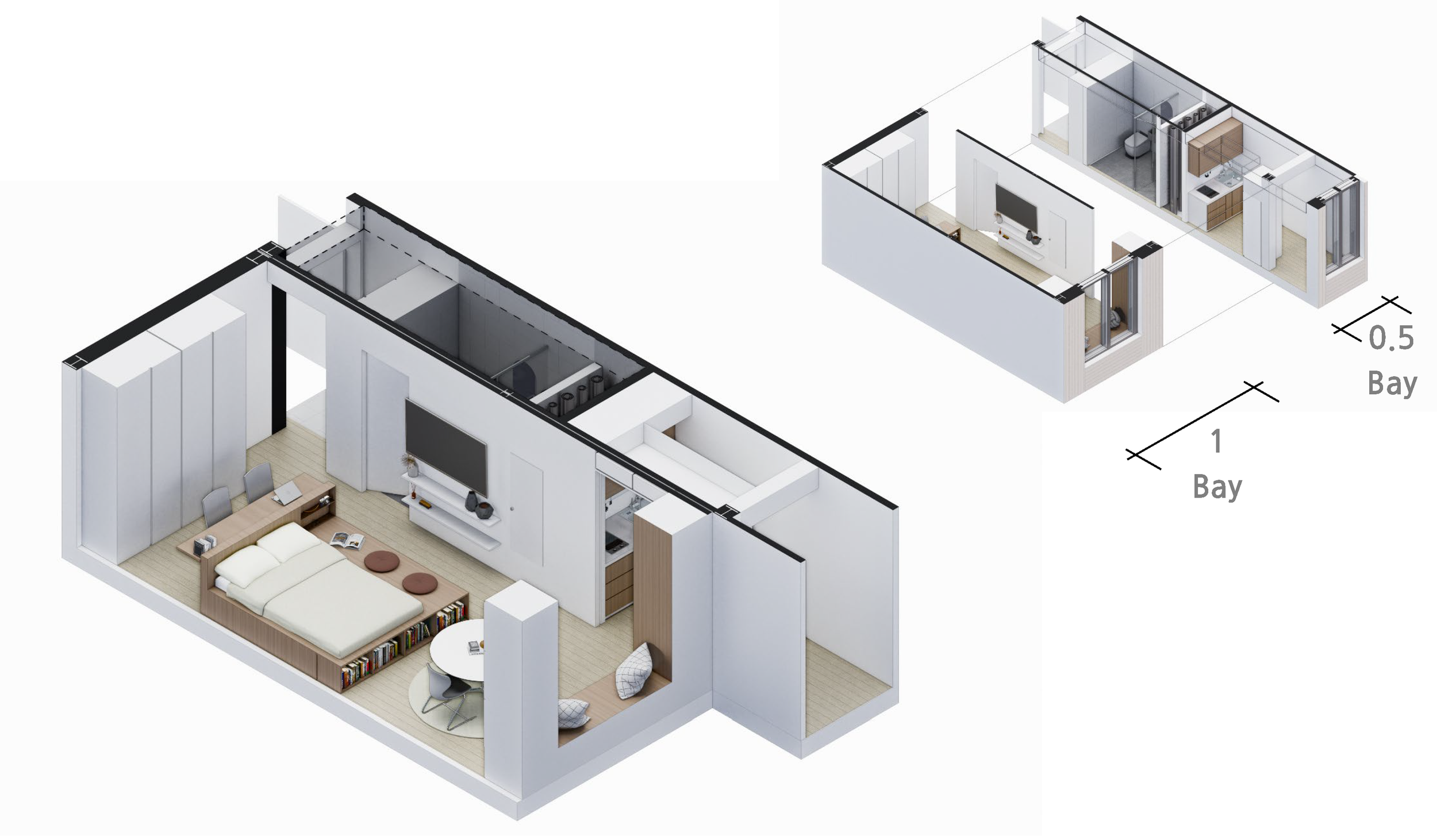
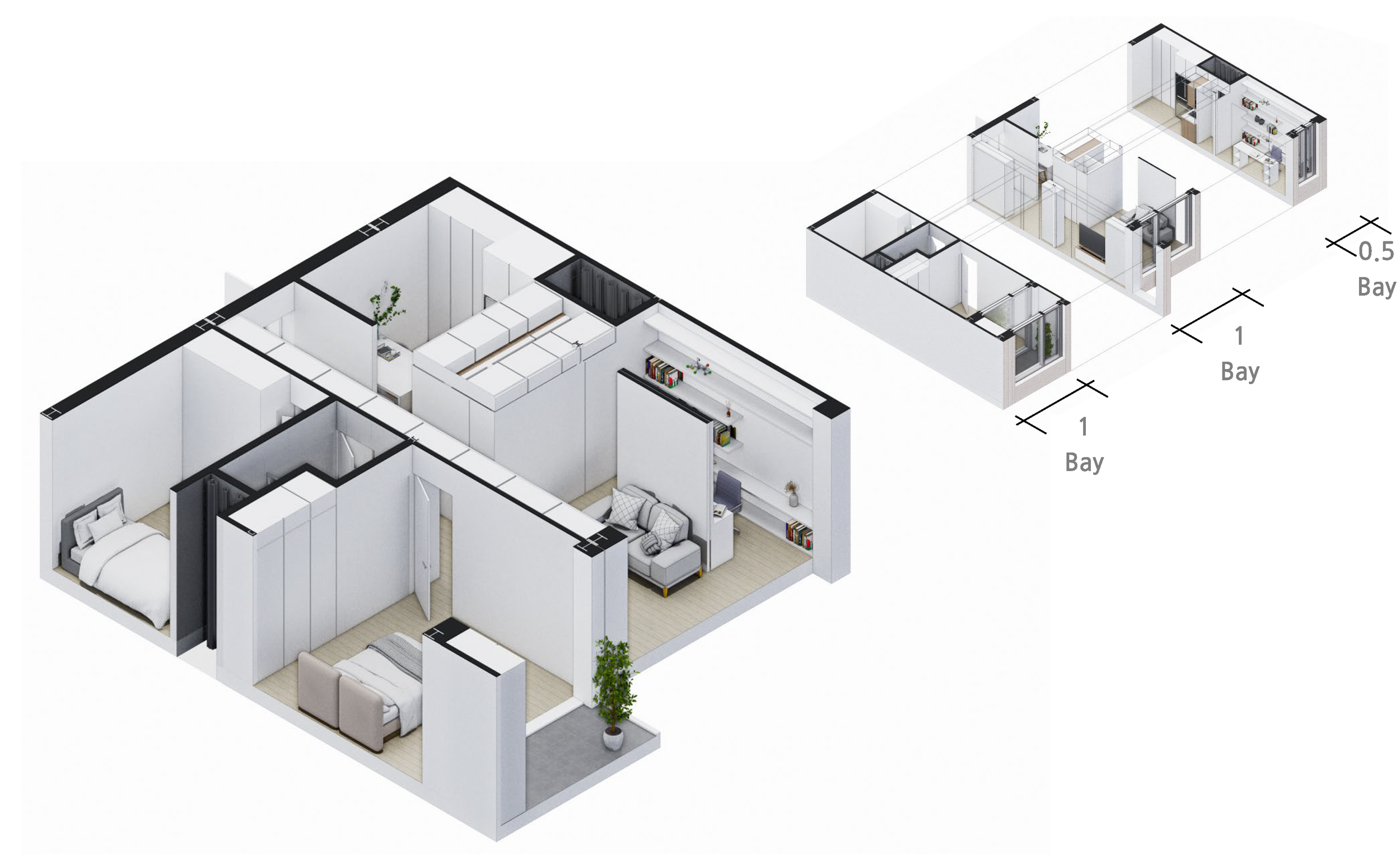
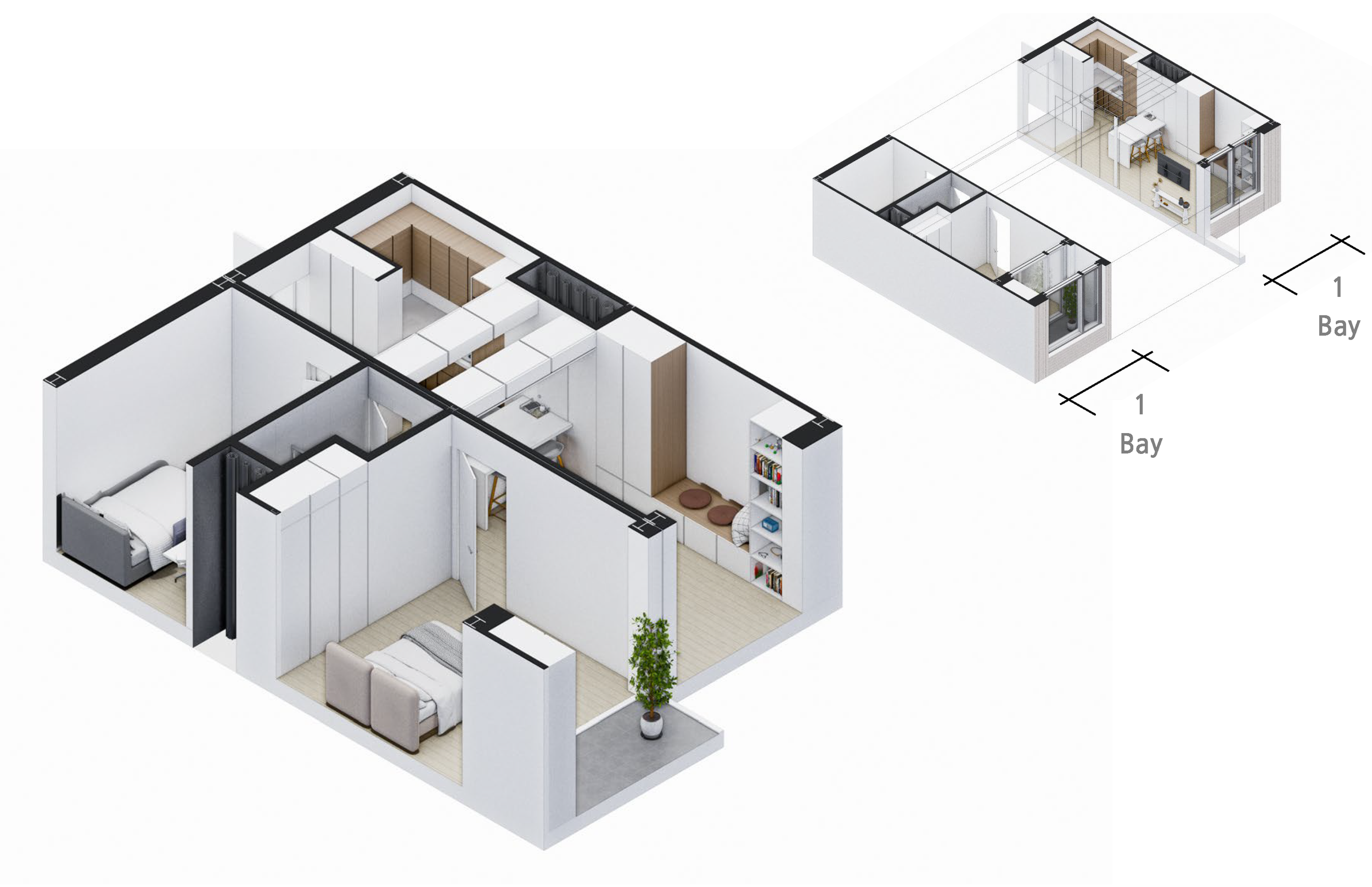
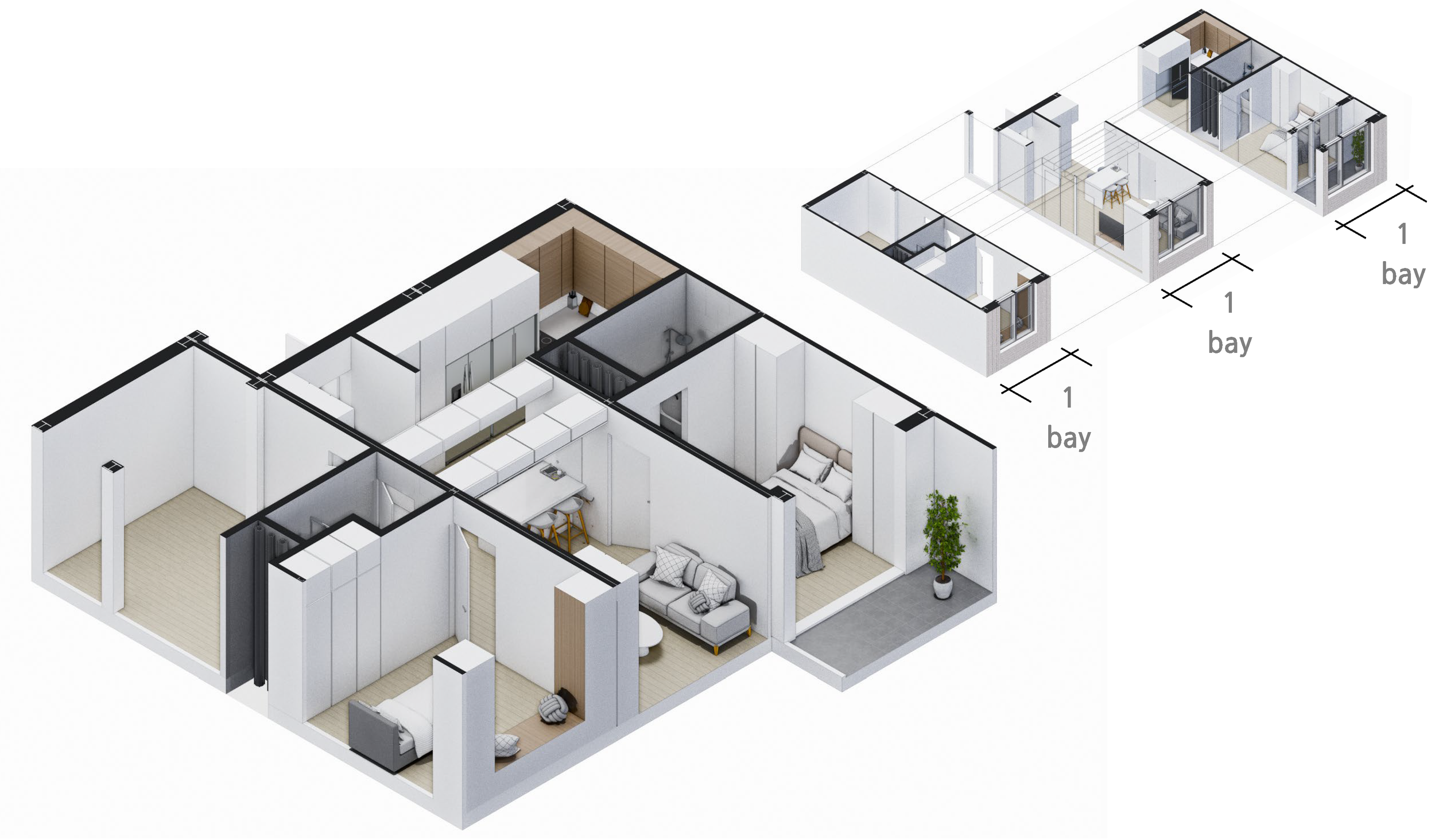
GH Modular Living System is a research and planning project for developing standard unit plans for high-rise modular housing. The project responds to the limitations of conventional modular housing, such as rigid layouts, repetitive stacking, short life cycles, project-specific solutions, and provider-oriented planning. Instead, it proposes a flexible housing system that balances mass production with adaptability, long-term maintenance, and changing user needs.

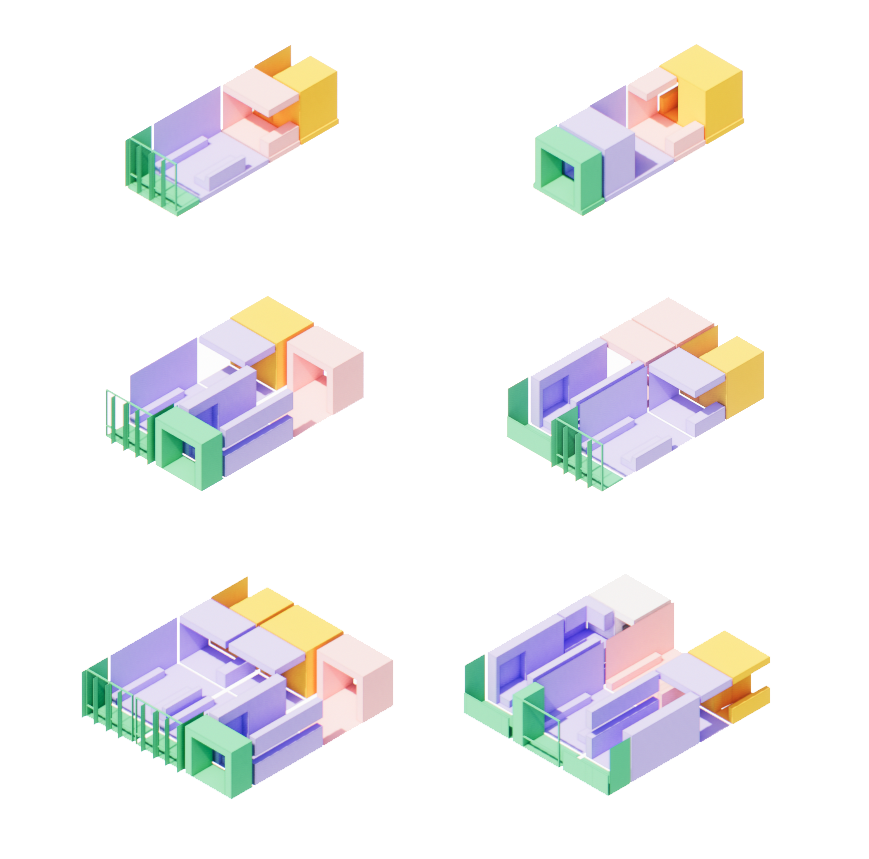
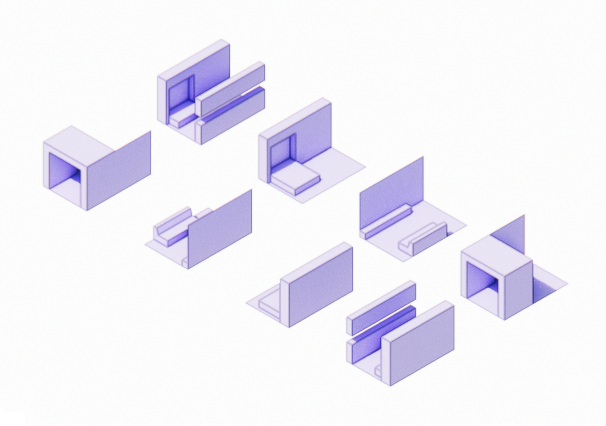
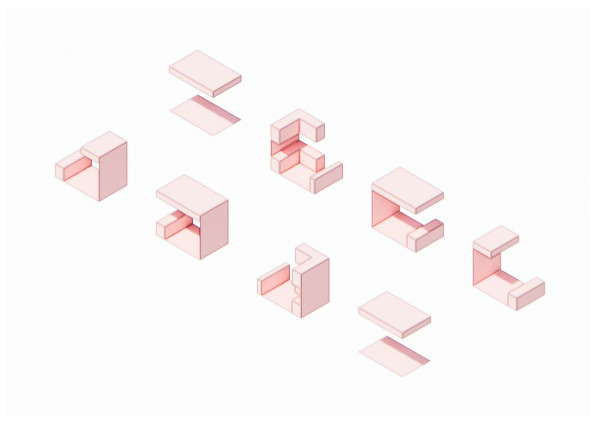
The design strategy is based on a component-based planning method. Fixed components, including the entrance, kitchen, bathroom, mechanical shaft, and laundry area, are integrated as service zones, while flexible components such as living rooms, bedrooms, balconies, façade elements, and built-in furniture can be selectively combined according to household size and lifestyle. This allows modular units to maintain standardized dimensions and construction efficiency while offering spatial variation and user customization.

Four standard unit types—29㎡, 39㎡, 48㎡, and 59㎡—are developed using a common structural grid and modular dimension of 3.3m × 12m × h 3.3m. Each type responds to different household profiles, from single-person households to families of two to four people. By combining service modules, living components, balcony components, and furniture systems, the project establishes a scalable framework for future high-rise modular housing that can support flexibility, efficiency, and improved residential quality.


Year: 2025

Status : Completed

Type : Modular System

Principal in Charge :

Seojoo Lee, Hyojung Kim (I.f), Dongil Kim, (I.f CDL)

Design Team : Hyunjoo Kang (I.f)
GH Highrise Modular Housing

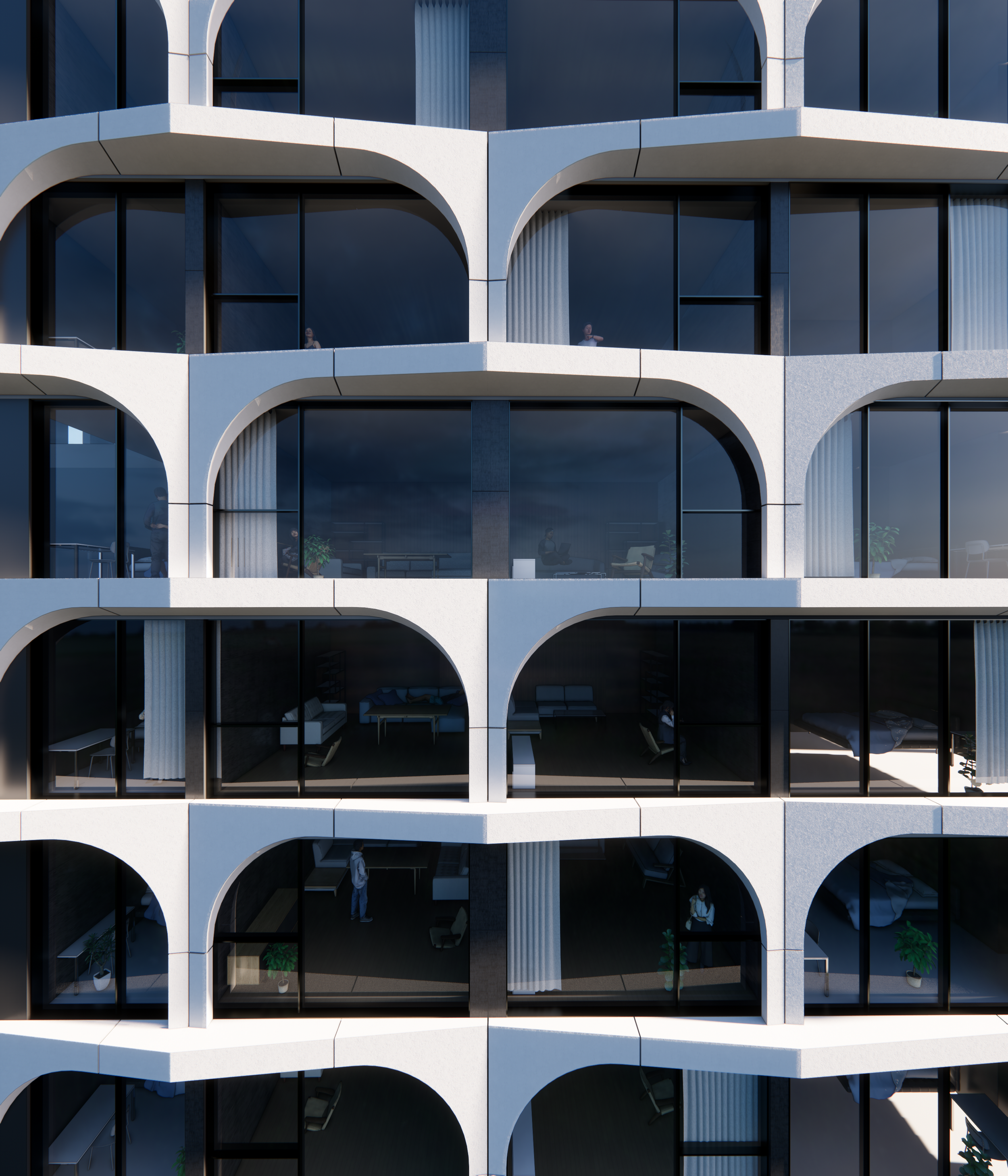
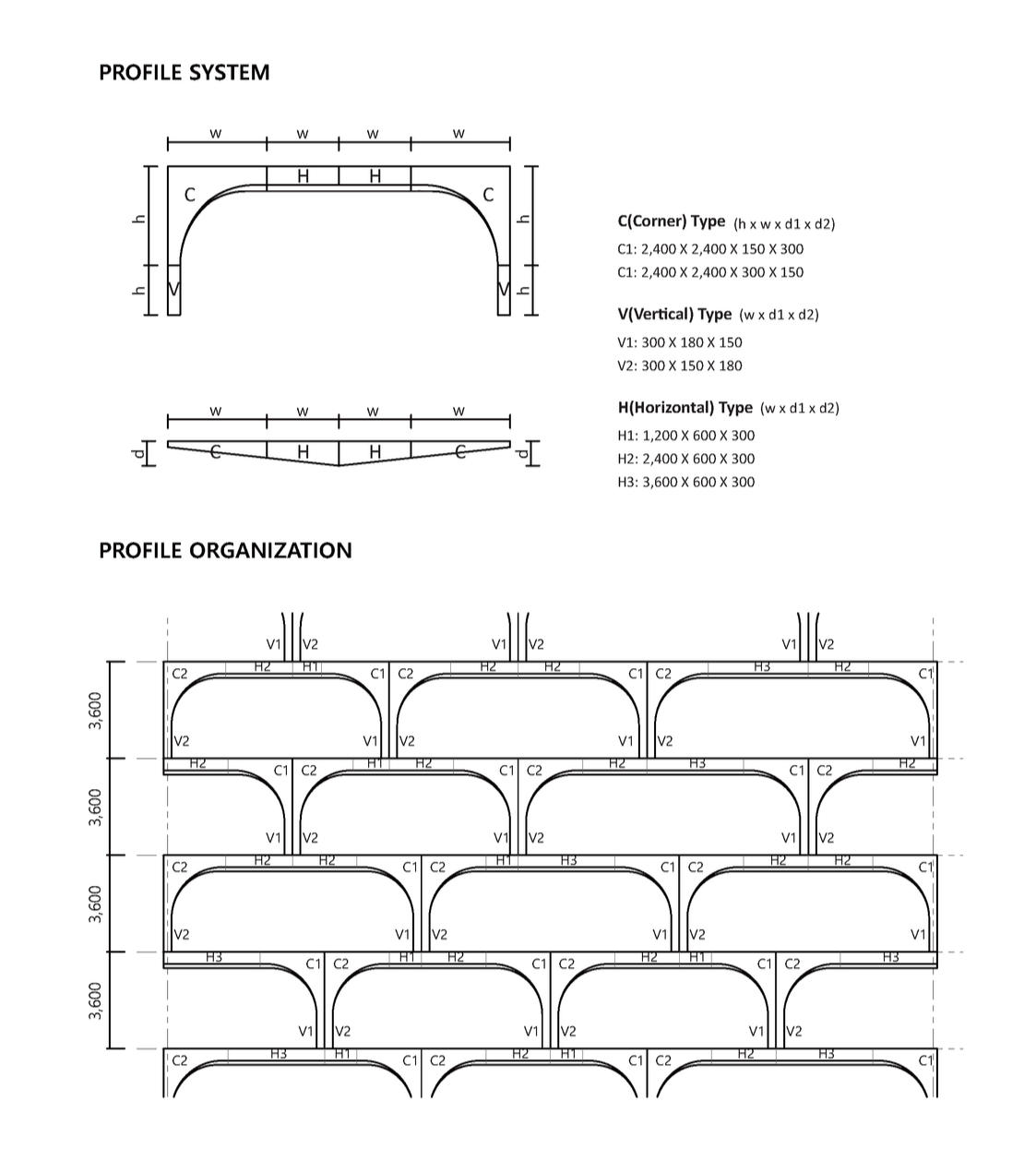
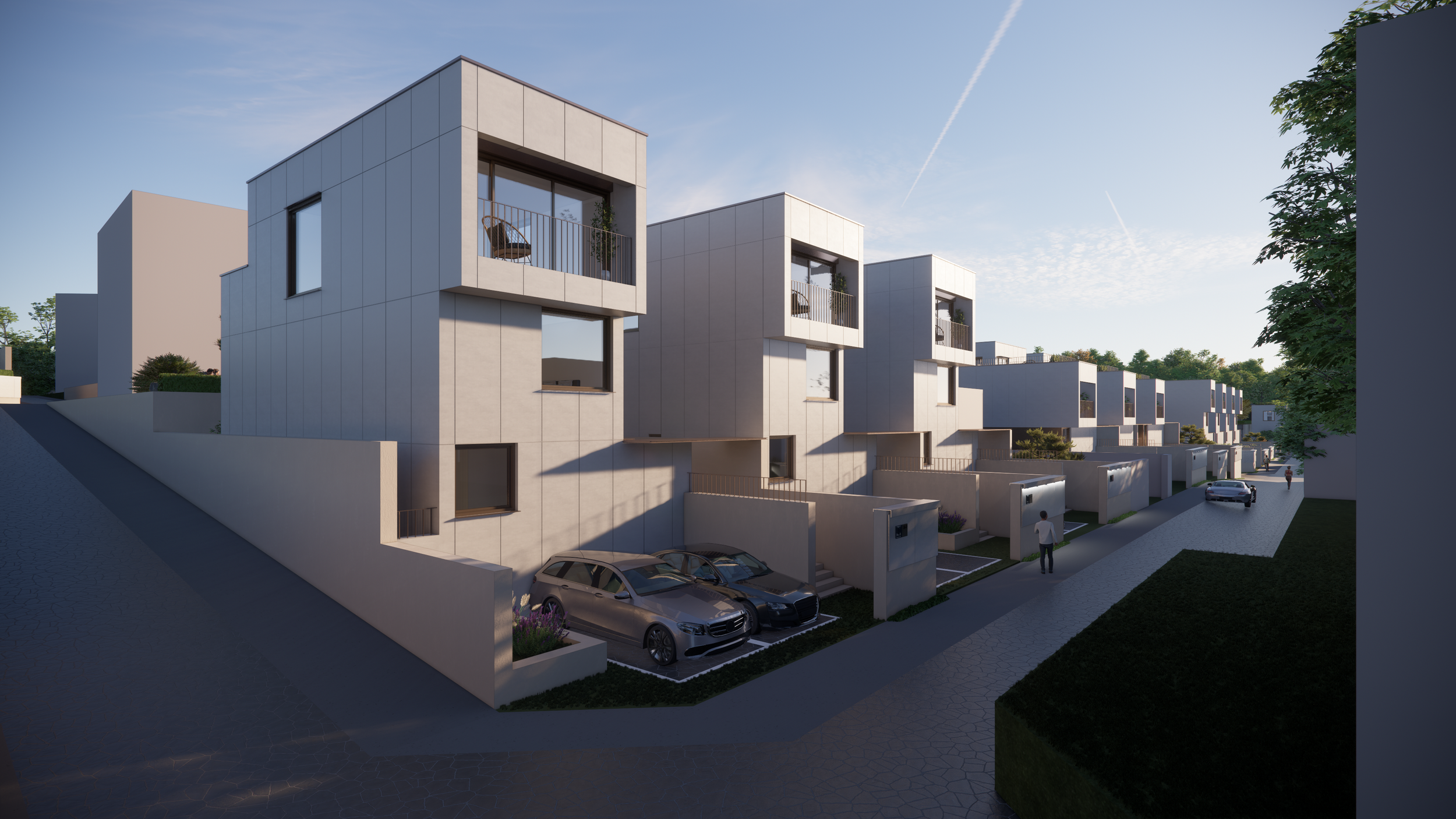
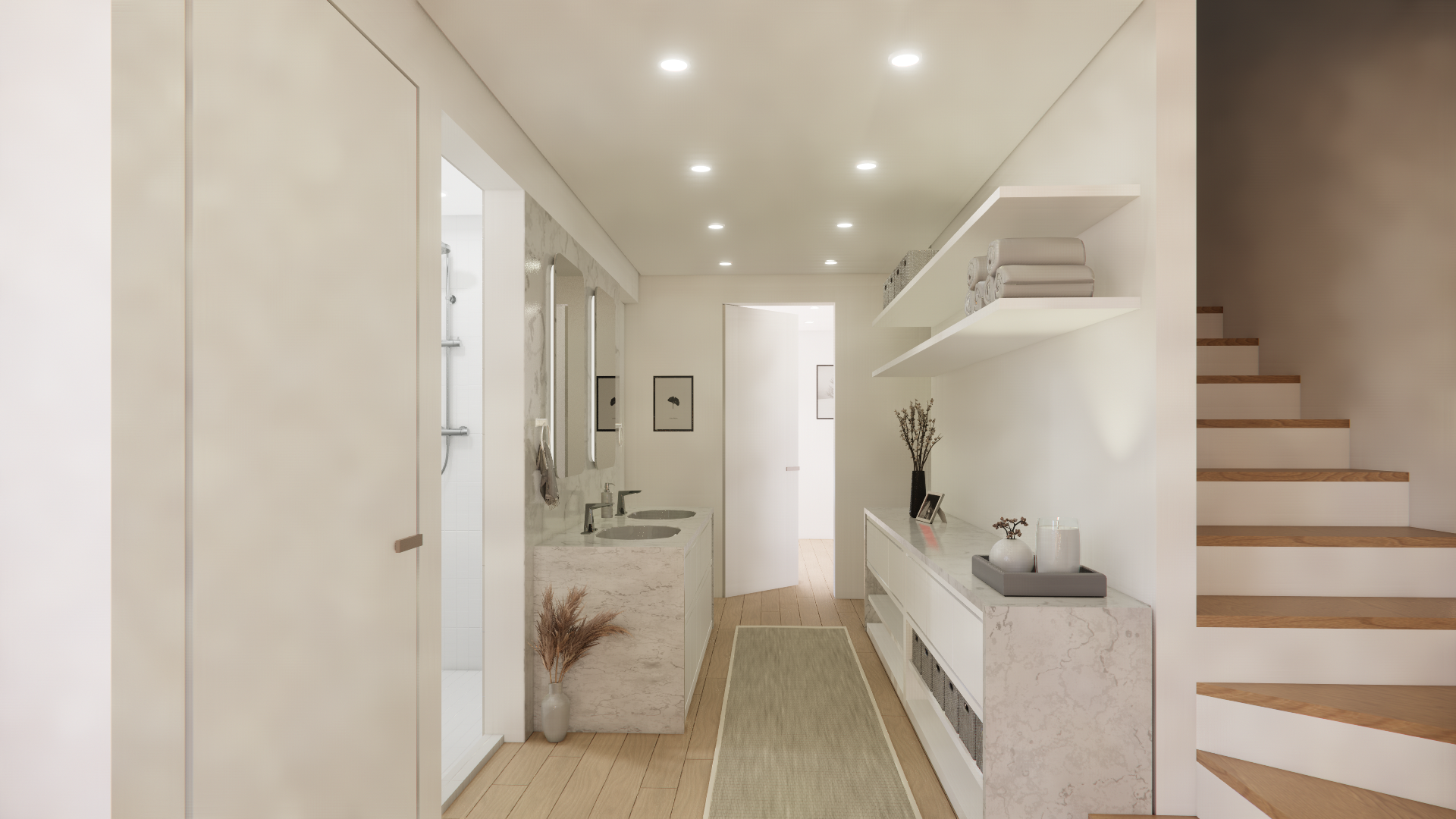
High-Rise Modular Unit System is a product development proposal for a high-rise modular housing system based on structural innovation and unit integration. The project responds to the limitations of conventional modular construction in Korea, where modular housing has often relied on repetitive stacking, rigid layouts, and apartment plans borrowed from conventional concrete housing systems. As the market expands toward mid- and high-rise modular buildings, the proposal argues that modular construction requires not only standardized production, but also a flexible structural and spatial system.

The research focuses on diversifying modular construction methods beyond simple stacking. Infill-type systems and cartridge-type systems are examined as alternatives that can improve structural stability, reduce floor impact noise, and allow individual units to be replaced or maintained more easily over time. In parallel, the proposal develops interior unit types that can be applied across different modular plans rather than being limited to a single unit layout.

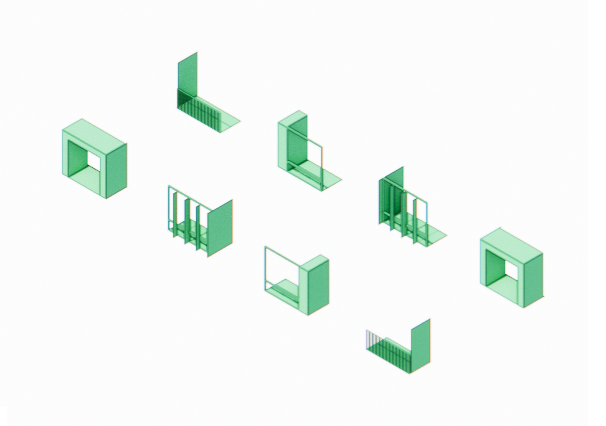
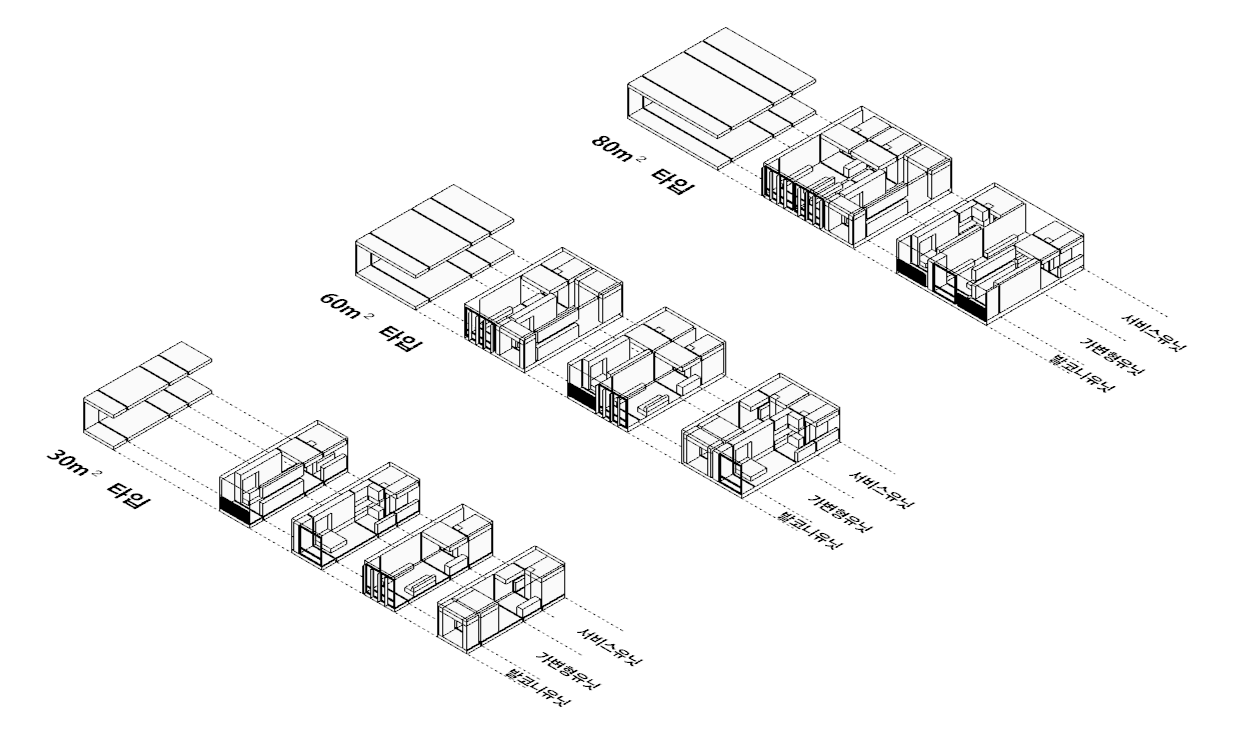
The unit system is organized into three categories: service units, flexible units, and balcony units. Service units integrate equipment and structural systems to improve functionality and constructability; flexible units support different spatial configurations through modularized interior functions; and balcony units operate as independent exterior attachments that consider insulation, drainage, and façade performance. Through this approach, the project establishes a scalable framework for high-rise modular housing that can support mass production, customization, long-term maintenance, and future commercialization.

Year: 2024

Status : Proposal

Type : Modular System

Principal in Charge :

Seojoo Lee, Hyojung Kim (I.f), Dongil Kim (I.f CDL)

Design Team :

Hyunjoo Kang (I.f)
D Learning Village

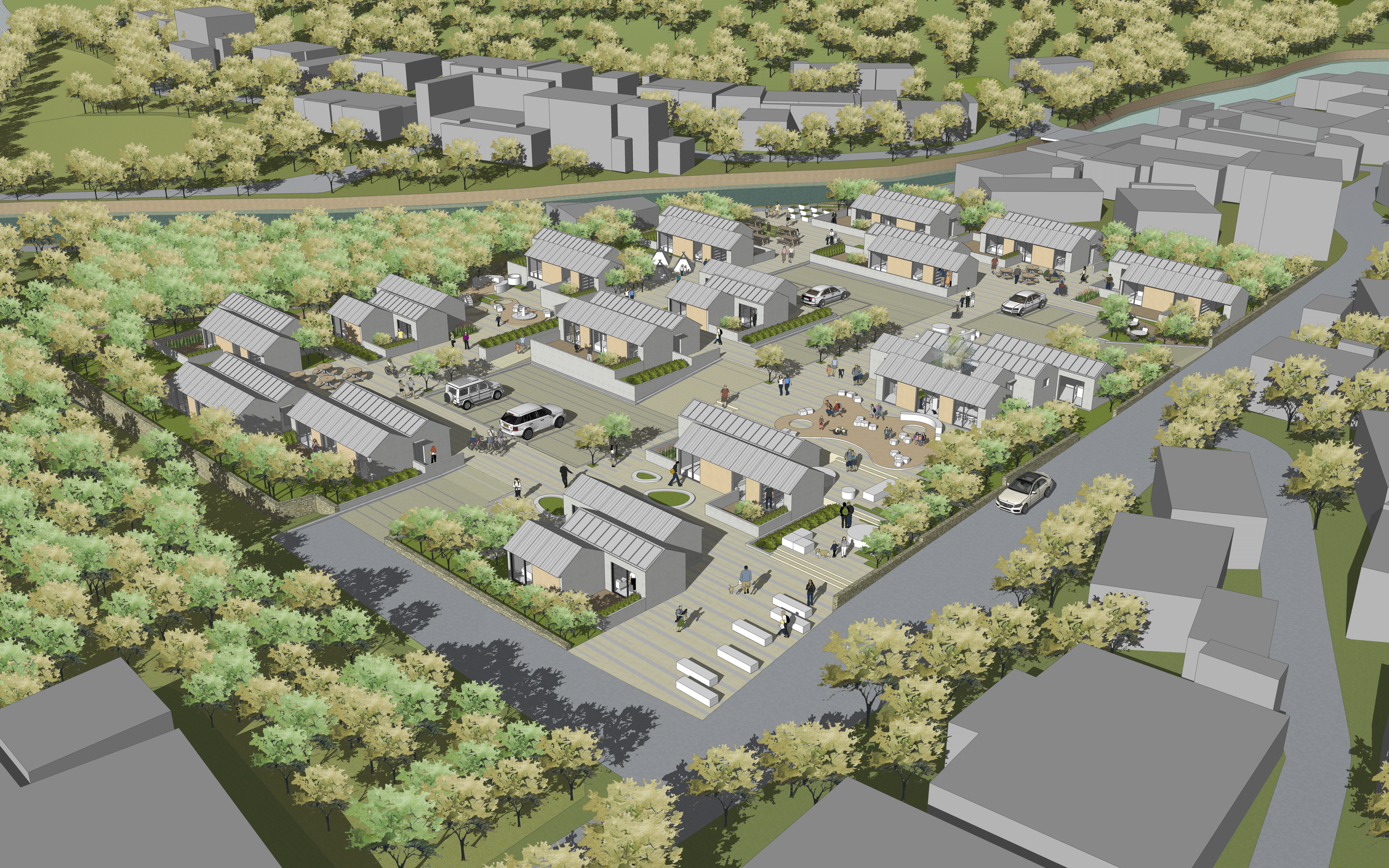
Damurak Learning Village proposes a rural learning community in Hayu, Damurak Village, Gurye, where the quiet landscape of Jirisan and the existing low stone walls become the foundation for a new educational settlement. Rather than creating a uniform open village, the project respects the privacy of each household while gradually expanding relationships from individual homes and gardens to shared yards, outdoor classrooms, and community spaces.

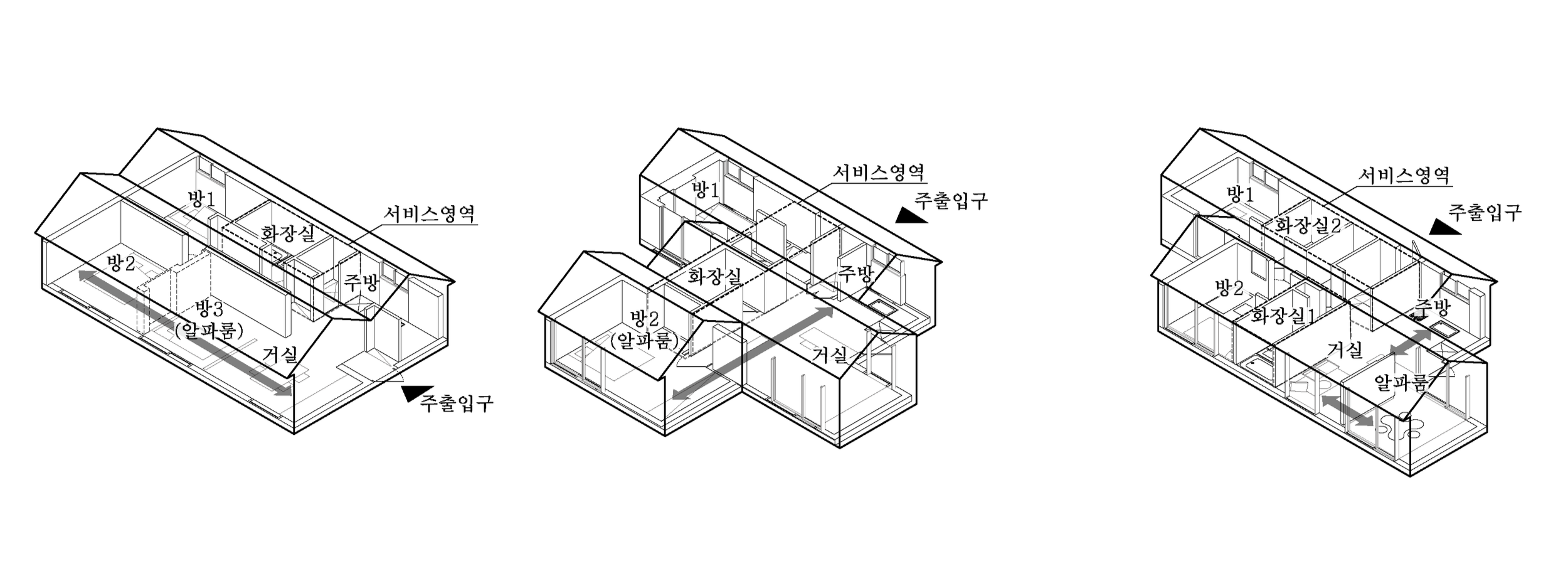
The village is organized as a decentralized and pedestrian-oriented cluster of small houses, whose roof forms echo the mountain ridges of Jirisan. Three housing types respond to different family structures and lengths of stay, offering flexible rooms, independent living areas, and adaptable shared spaces. At the center, a community center connects residents and local neighbors through a library, study room, shared kitchen, education room, and lounge.

Landscape, circulation, and housing are integrated to form an educational, ecological, and village-based community where children can learn, play, and live close to nature.


Year: 2024

Location : Gurye, Korea

Size : 952 m²

Status : Design Proposal

Type : Housing

Principal in Charge :

Seojoo Lee, Hyojung Kim (I.f), Dongil Kim (I.f.CDL)

Design Team :

Seungil Kim, Inyeob Jang (i.f)

Bespoke Housing Platform

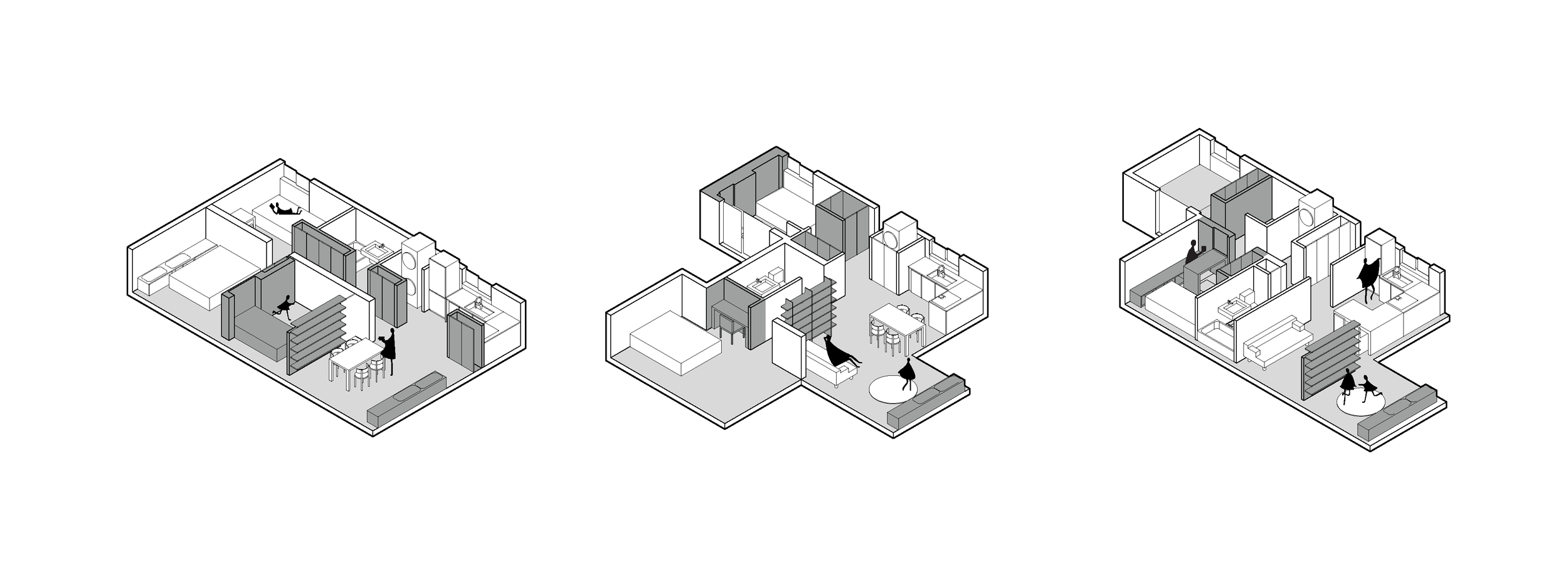
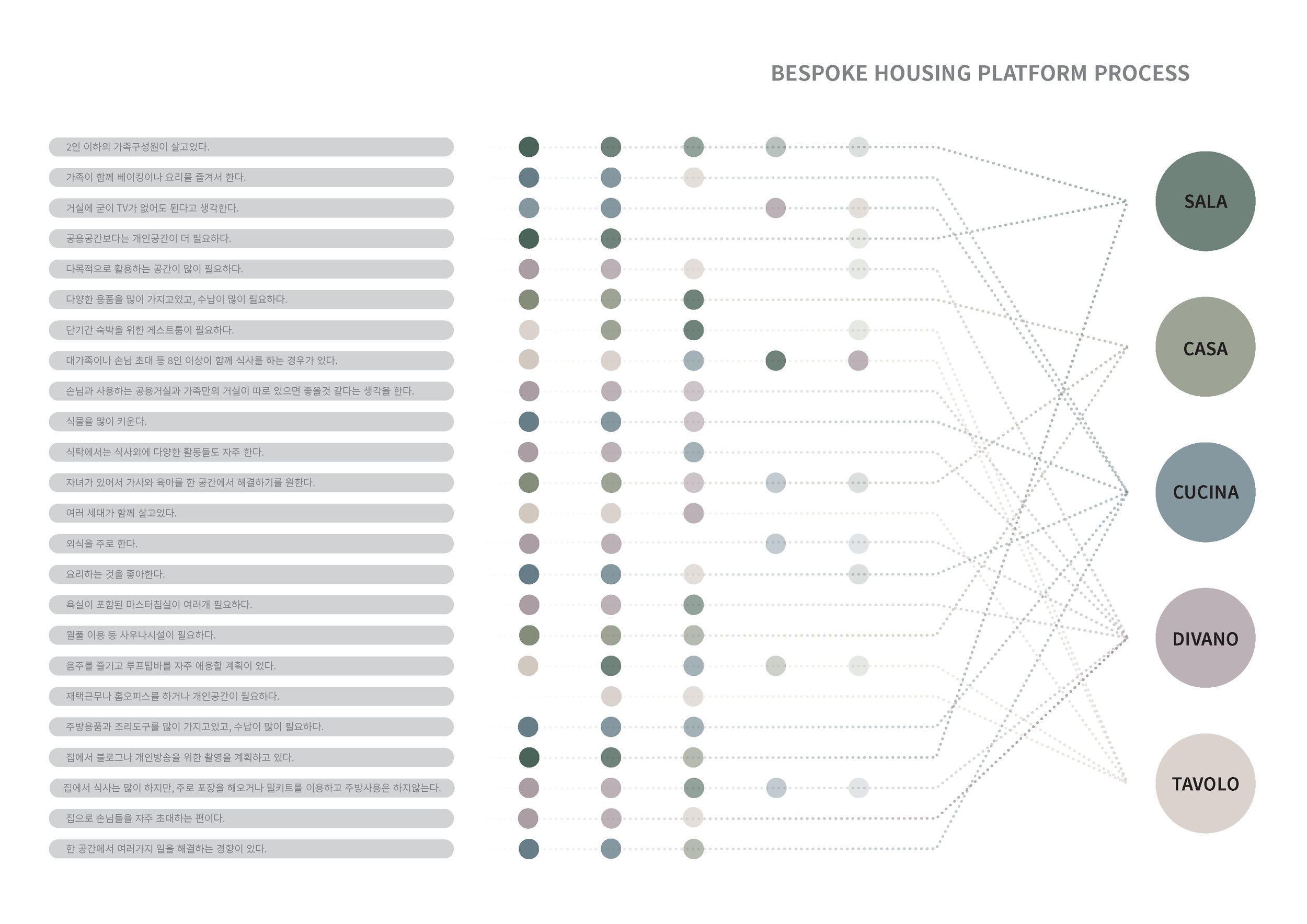
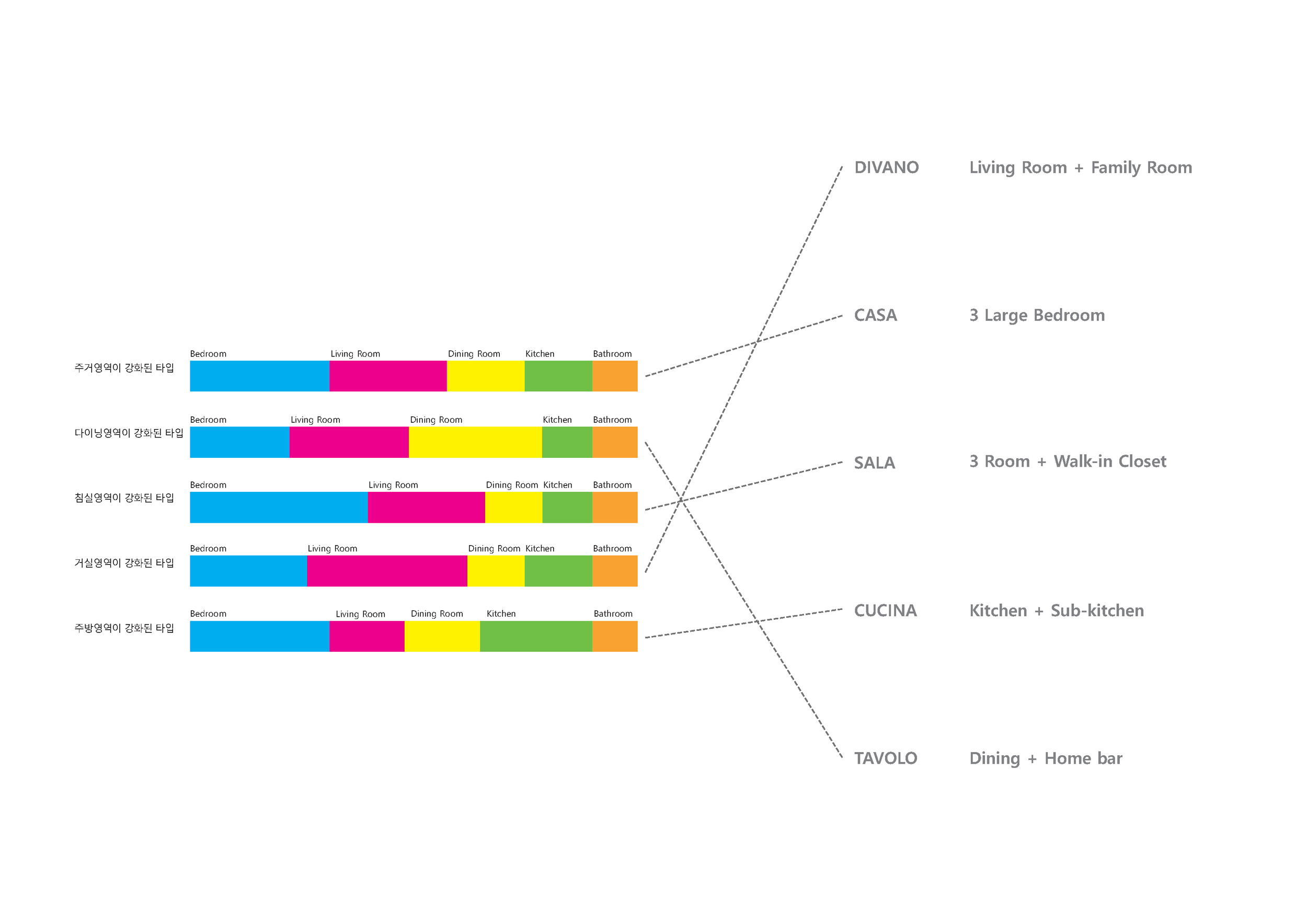
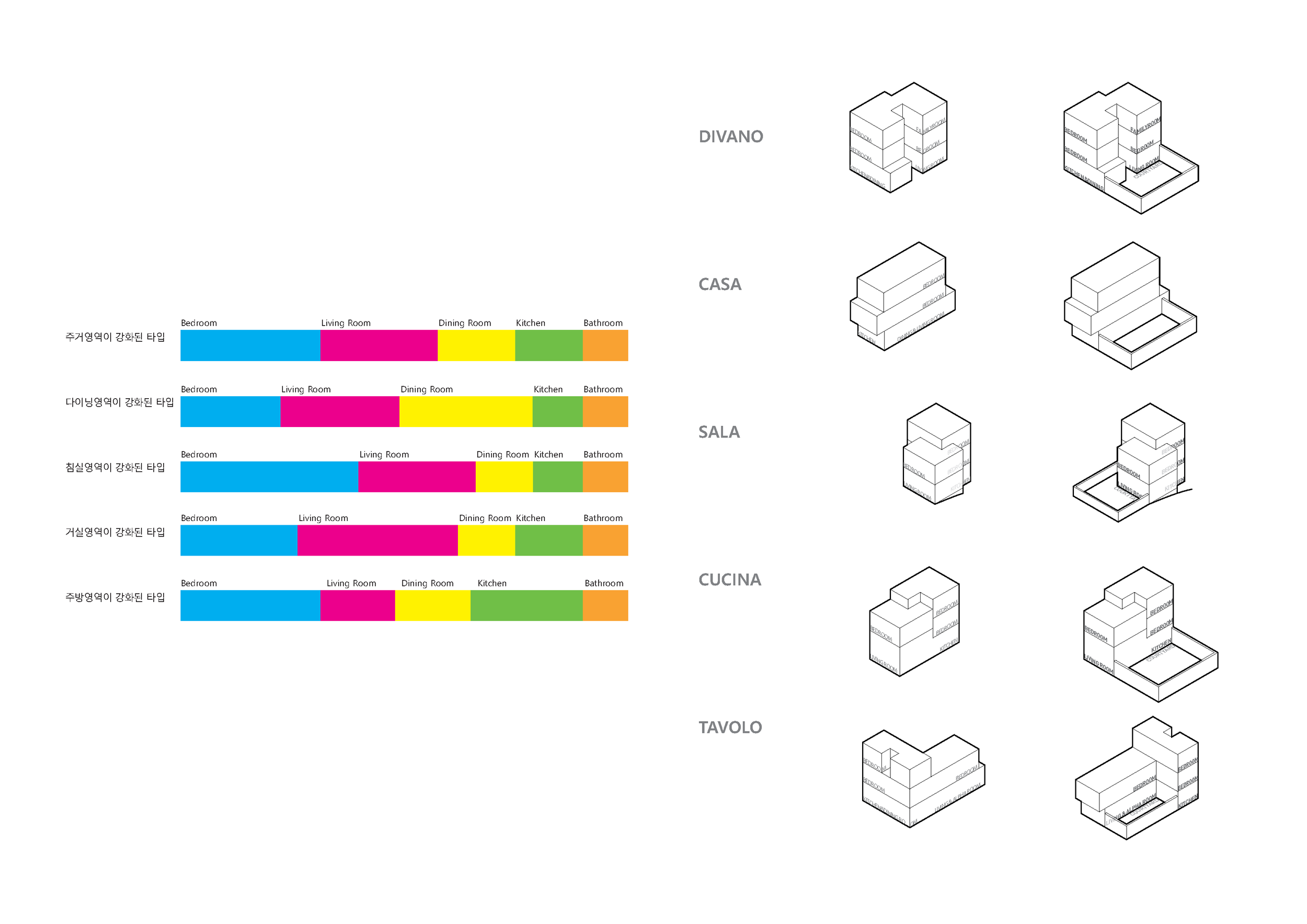
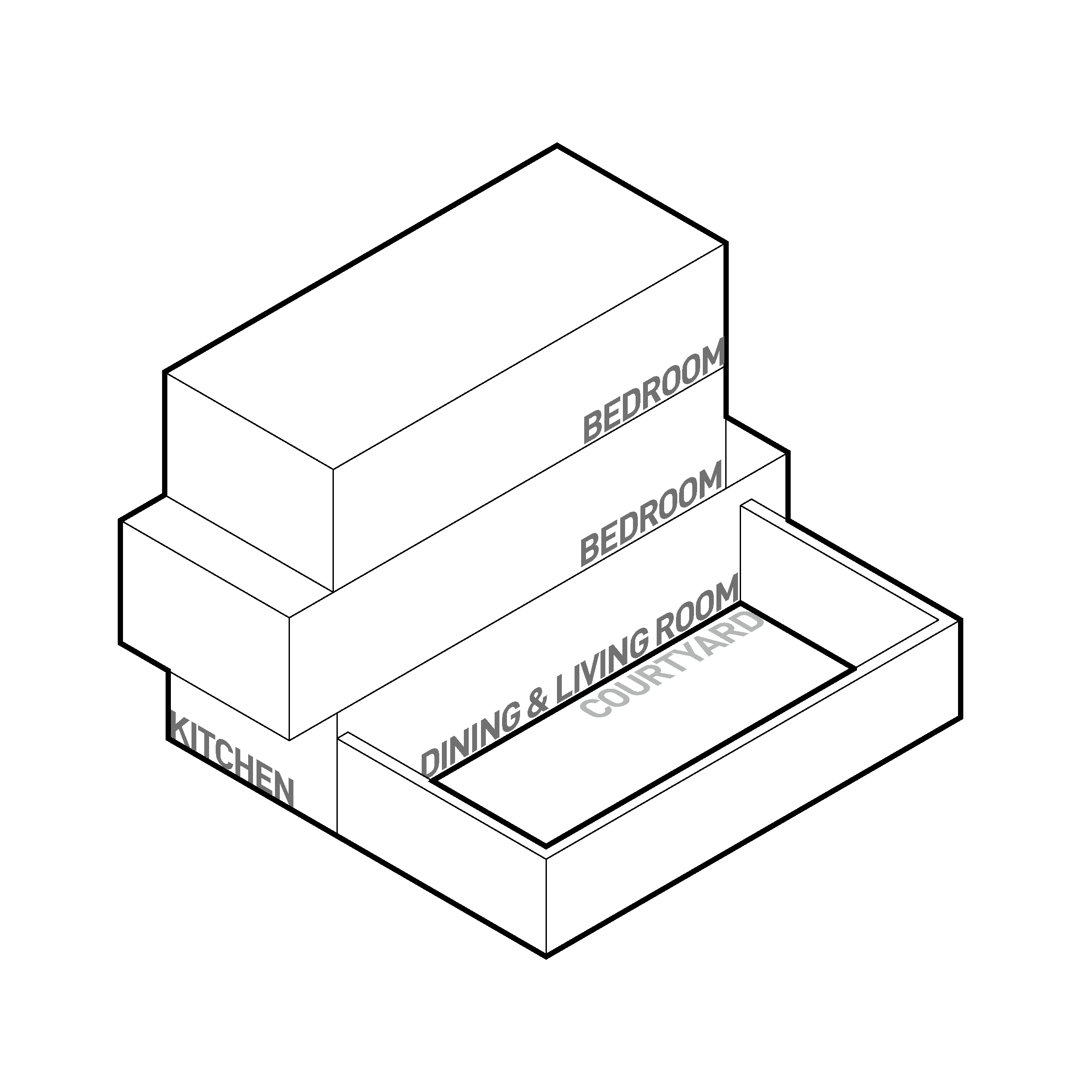
The Bespoke Housing Platform is designed to address the rapidly changing residential environments of the post-pandemic era by offering customized housing solutions tailored to the unique preferences and lifestyles of each resident. Instead of conventional, rigid layouts, the platform establishes a clear spatial hierarchy based on individual lifestyles, allowing residents to choose from five distinct housing types and fine-tune specific features to match their personal tastes.

SALA

CASA

DIVANO

CUCINA

TAVOLO

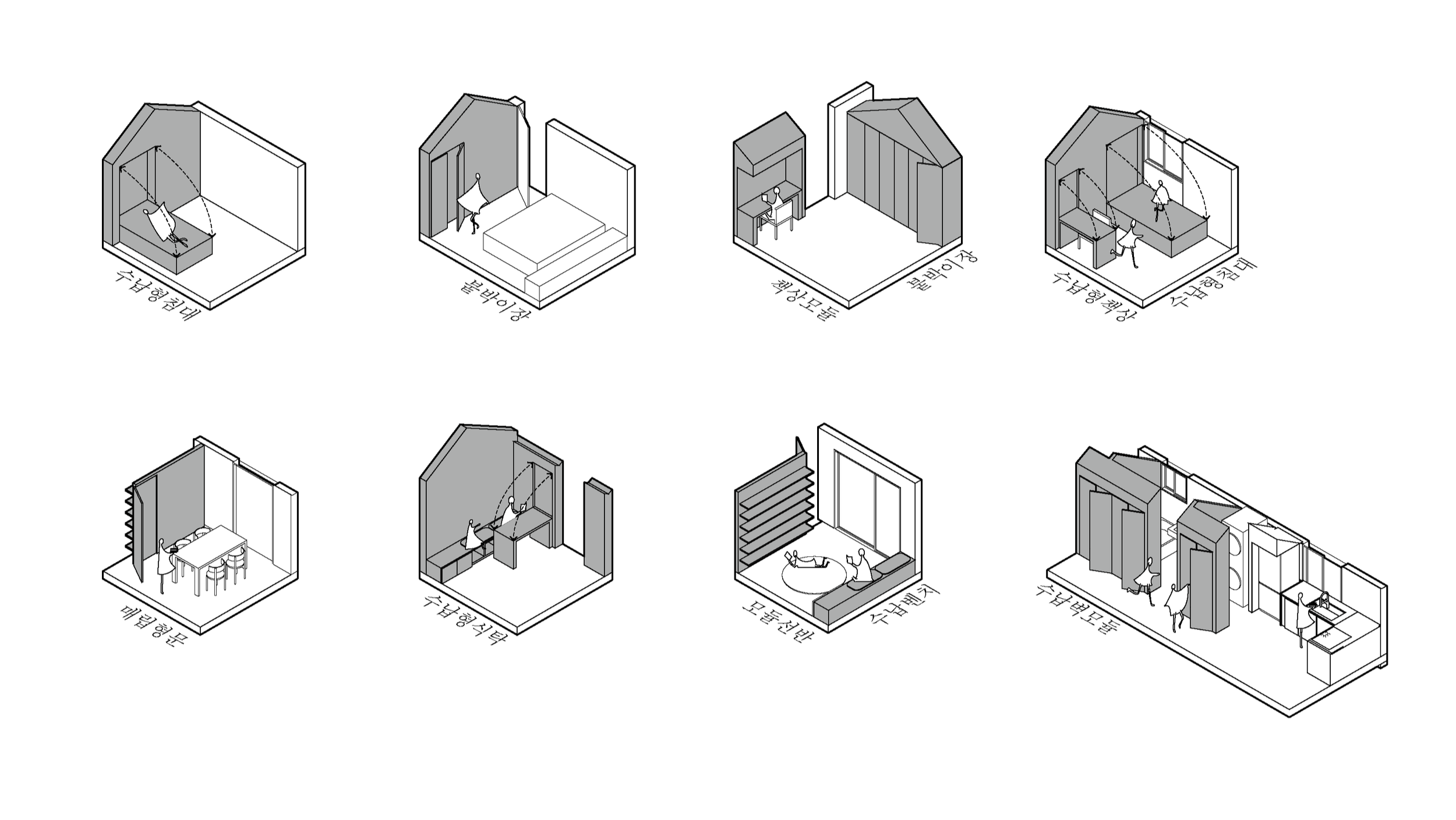
This framework operates on three foundational pillars: Bespoke Culture, which focuses on developing a deep understanding of the residents' diverse lifestyles; Bespoke Space, which offers tailored housing plans and customized residential types; and Bespoke Technologies, which suggests specific interior configurations and materials that support these functional requirements.

To maximize the efficiency of a home tailored to the resident's lifestyle, the platform introduces the "Beyond Zoning" concept, which supports a highly flexible and adaptable spatial operation system. While maintaining the primary location and purpose of the rooms, it promotes integrated, cross-functional uses such as leisure, relaxation, work, education, and socializing. Furthermore, the platform proposes practical and functional elements to support individual living areas, known as Technological Bespoke Space. This includes bespoke furniture solutions utilizing Kolon Global's specialized "KanKan System," a curated selection of interior and exterior finishing materials that perfectly match the resident's lifestyle, and customized fences and landscaping styles tailored to individual privacy needs and specific usage purposes.


Year: 2023

Location : Gimpo, Korea

Size : 35,273 m²

Status : Design Proposal

Type : Residential

Principal in Charge :

Seojoo Lee, Hyojung Kim (I.f), Dongil Kim (Kyung Hee University), Minho Lee (func.Architects)

Design Team :

Seungil Kim, Junyoung Park, Soohyun Im, Inyeob Jang (I.f)
 

Related Project

Pixel Haus No.1


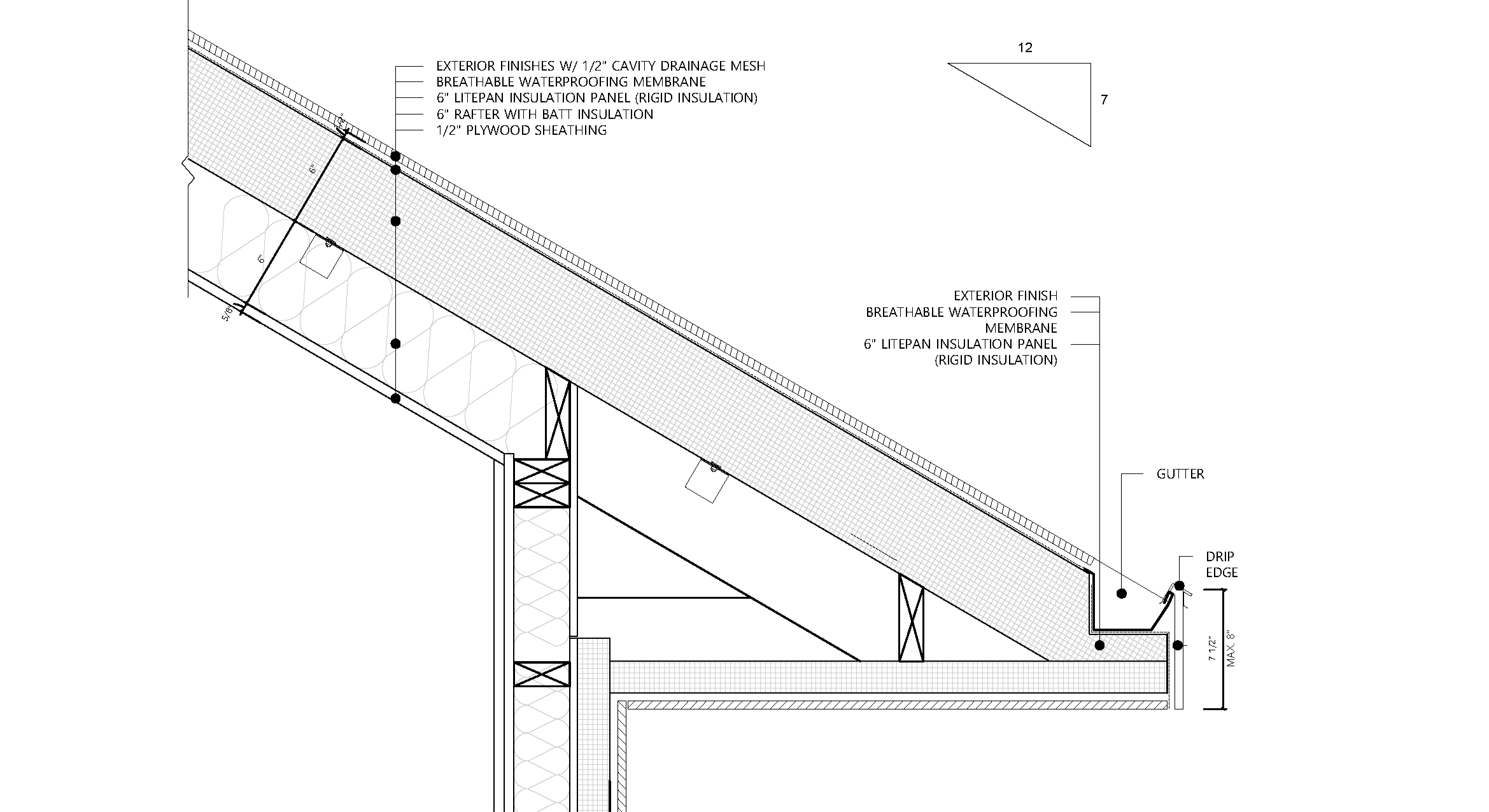
PixelHaus is a brand developed by Axia that will feature a range of proposals and sample houses using LitePan Board for both wall and roof materials. The aim is to showcase the versatility and effectiveness of LitePan in various housing designs intended for the US market. These designs will cater to different needs, from small ADUs (Accessory Dwelling Units) with an area of around 600 square feet to larger two- story single-family homes spanning up to 2,000 square feet.

The concept behind PixelHaus is to demonstrate how LitePan can be seamlessly integrated into different types of residential buildings, offering both architects and builders a wide array of options for incorporating LitePan into their projects. By utilizing LitePan for both wall and roof materials, “PixelHaus™ is designed to showcase the exceptional energy efficiency, inclusive of superior thermal insulation capabilities, and the robust structural integrity inherent in LitePan technology.”


Related Research


PixelHaus intends to provide a platform for presenting innovative housing solutions that prioritize energy efficiency, sustainability, and ease of construction. By leveraging LitePan’s lightweight yet robust characteristics, PixelHaus seeks to redefine traditional housing construction methods and offer more efficient and environmentally friendly alternatives.

The proposals and sample houses presented under the PixelHaus brand will serve as practical examples of how LitePan can be utilized effectively in real-world construction projects. Each design will be carefully crafted to showcase LitePan’s capabilities in enhancing thermal performance, moisture resistance, and overall building durability.

Overall, PixelHaus represents Axia’s commitment to promoting LitePan as a premier building material for modern residential construction, offering solutions that meet the evolving needs of homeowners, architects, and builders alike.


Year : 2023

Size : 92.90 ㎡

Structure : Construction Type V (Lightweight Wood Structure with Insulated panel attached)

Type : Residential

Status : Completed

Principal in Charge :

Seojoo Lee, Hyojung Kim (I.f), Dongil Kim (I.f.CDL)

Desigin Team : Seungil Kim (I.f.CDL)

Gimpo Townhouse and Masterplan

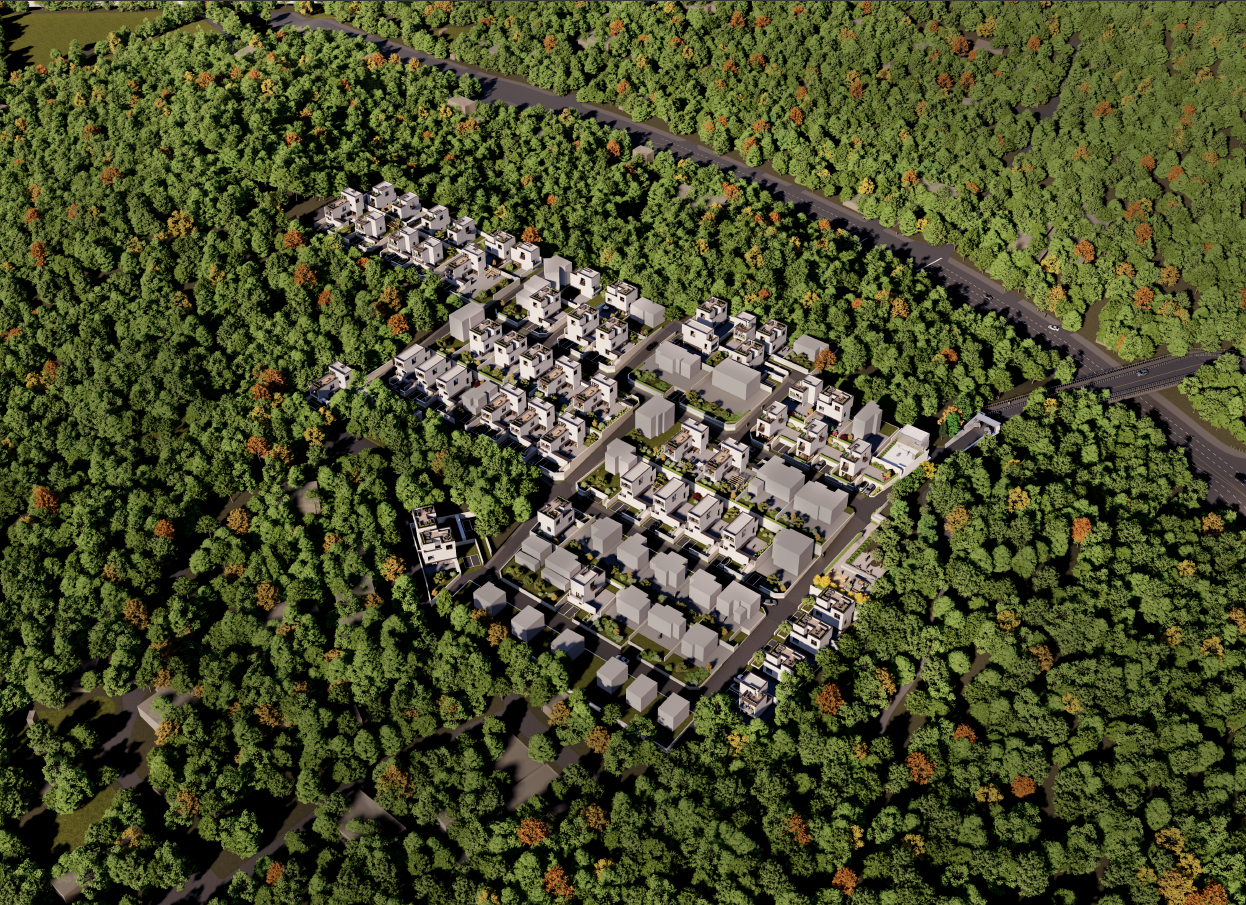
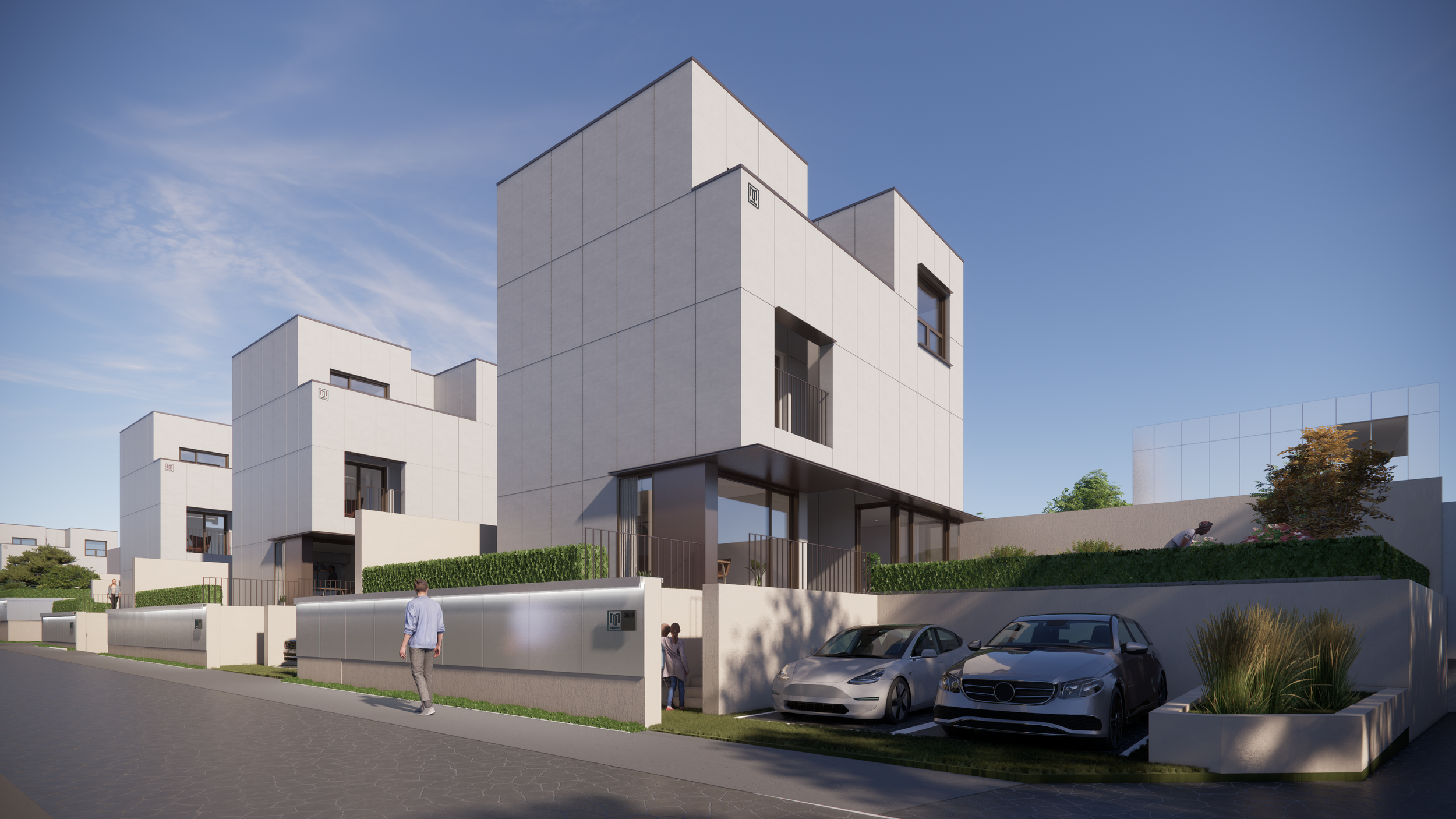
Nestled within the verdant landscapes of Yangchon-eup, Gimpo City, this project occupies a site surrounded by a serene forest and crowned by a gentle hill. Its purpose is to develop a visionary community rooted in new culture, space, and technology. The project is driven by the ideals of LOHAS (Lifestyles of Health and Sustainability), aiming to embody social sustainability, life sustainability, and environmental sustainability. It aspires to be more than just a residential complex; it is a commitment to a holistic approach that considers not only personal well-being but also environmental stewardship and social responsibility, with an eye toward the future of our planet.

Respecting the existing allocation of over 80 parcels, the project’s design standards for new public spaces are visionary. They focus on creating immersive entry experiences, enhancing the streetscape, and providing design criteria for communal spaces within and outside the community.

The residential typology here has been carefully analyzed in light of the significant changes in living environments post-pandemic. Five distinct residential types have emerged to cater to diverse lifestyles. Individual spaces are designed to be customizable, aligning with residents’ preferences, offering the flexibility of a bespoke housing platform.

This development isn’t just about housing; it’s about crafting a way of life that reflects the evolving needs of modern society while nurturing an environment where personal aspirations align with ecological and social responsibilities. It’s an invitation to join a community that embodies the spirit of LOHAS and envisions a sustainable, dynamic, and harmonious future.


Related Research


Year: 2023

Location : Gimpo, Korea

Size : 35,273 m²

Status : Design Proposal

Type : Residential, Community Facilities, Master Plan

Principal in Charge :

Seojoo Lee, Hyojung Kim (I.f), Dongil Kim (Kyung Hee University)

Design Team :

Seungil Kim, Junyoung Park, Soohyun Im, Inyeob Jang (I.f)
Twinrock Hotel & Resort

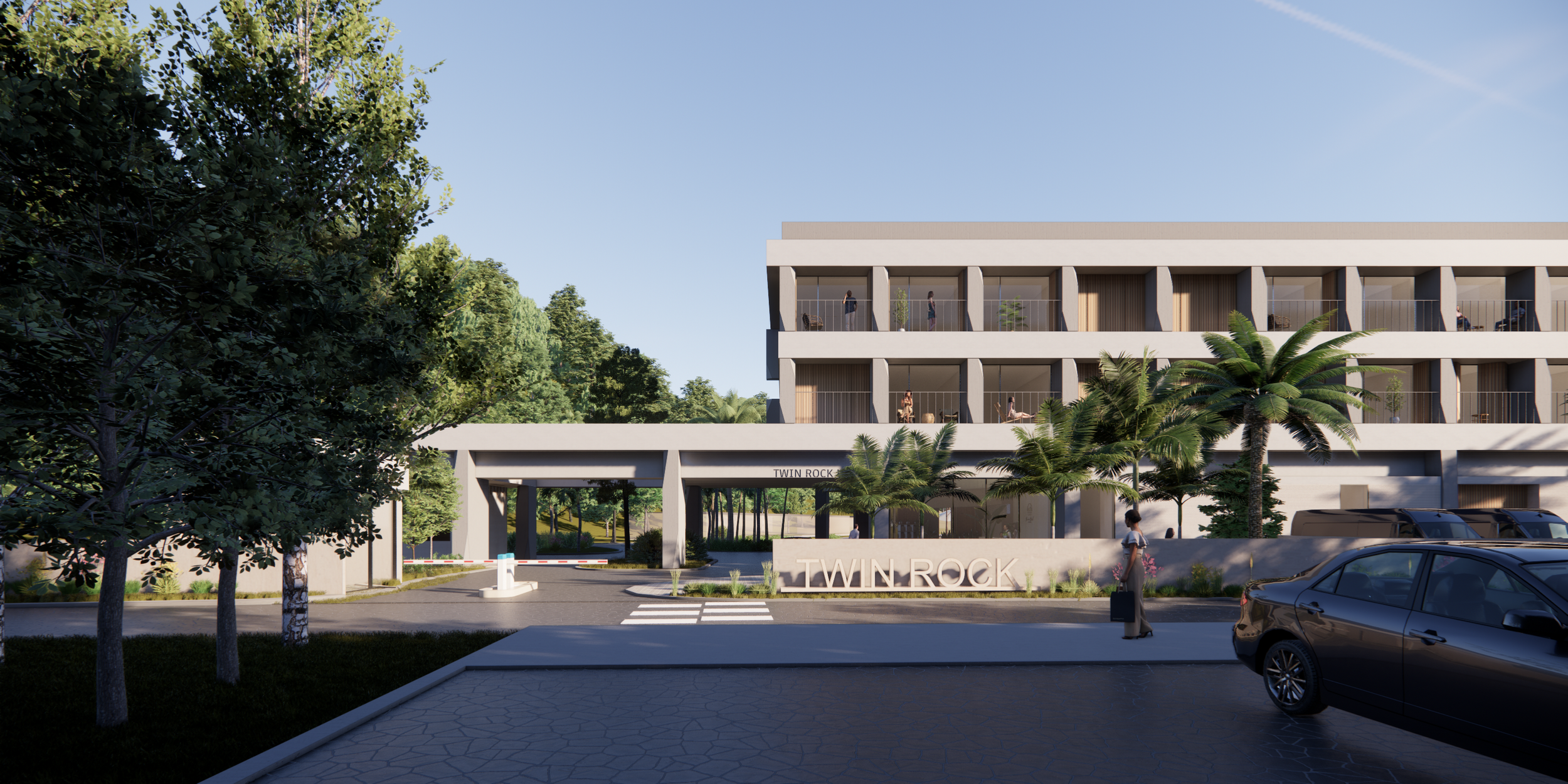
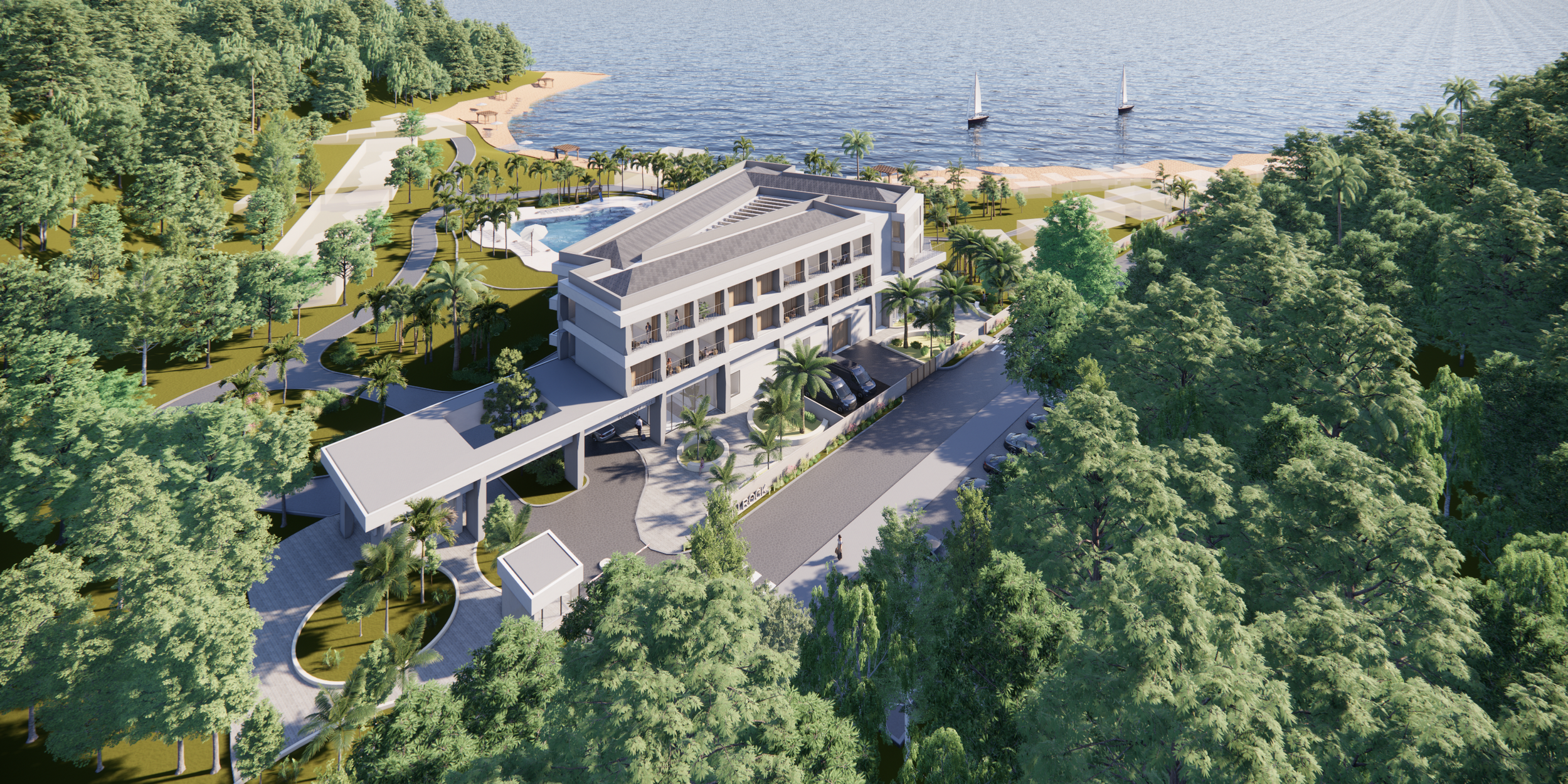
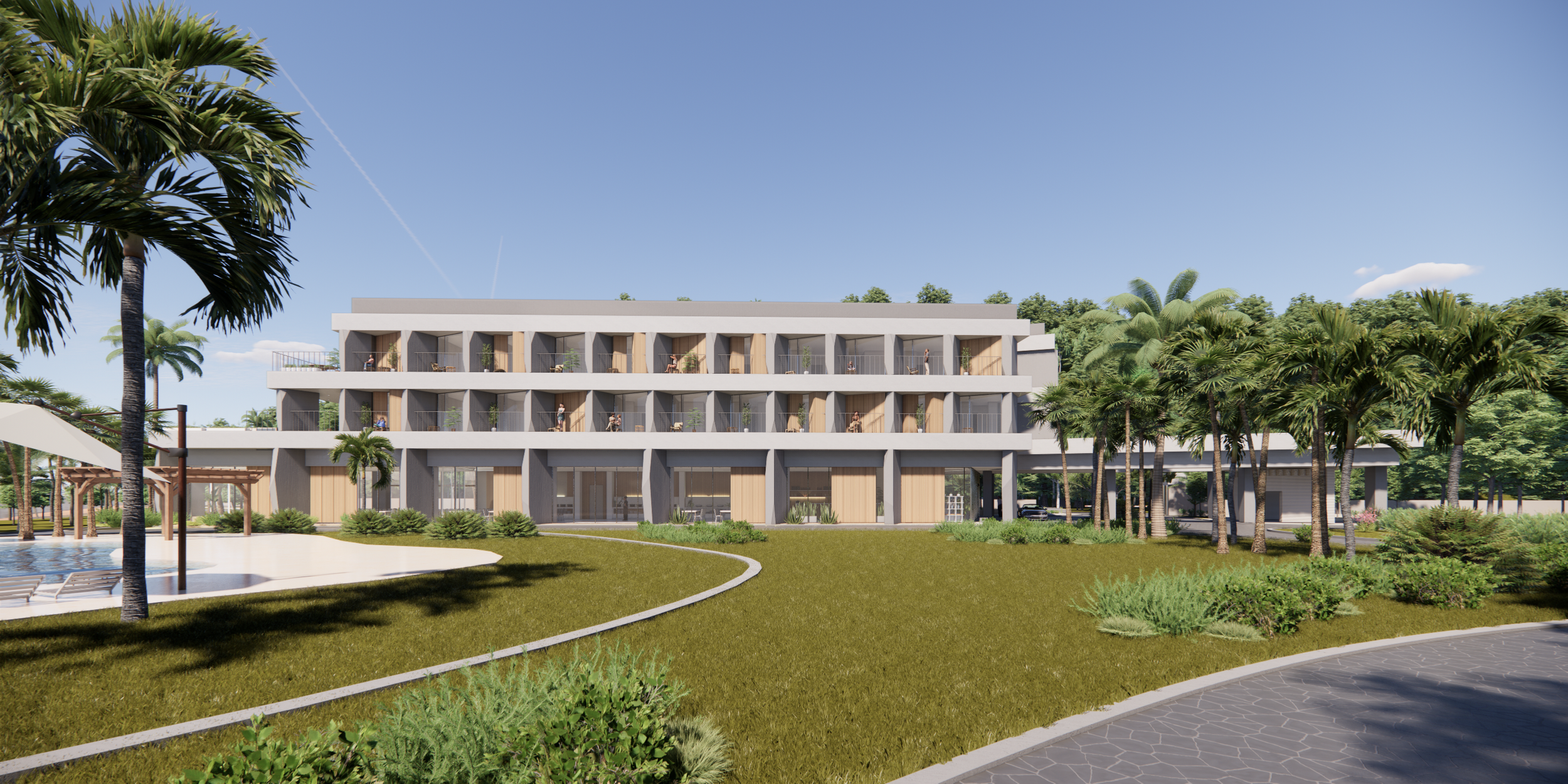
Nestled along the serene shores of Catanduanes Island in the Philippines, Twinrock Hotel offers a tranquil respite amidst the natural beauty of the region. The existing resort site boasts several amenities, including an outdoor swimming pool, cabanas, event spaces, a picnic area, and a sandy beach where one can witness the sunset.

Our latest addition, a 3-story hotel, aims to provide accommodation in the form of 40 units, encompassing oceanview suites and presidential suites. These units are designed to cater to the discerning traveler seeking a certain level of comfort.

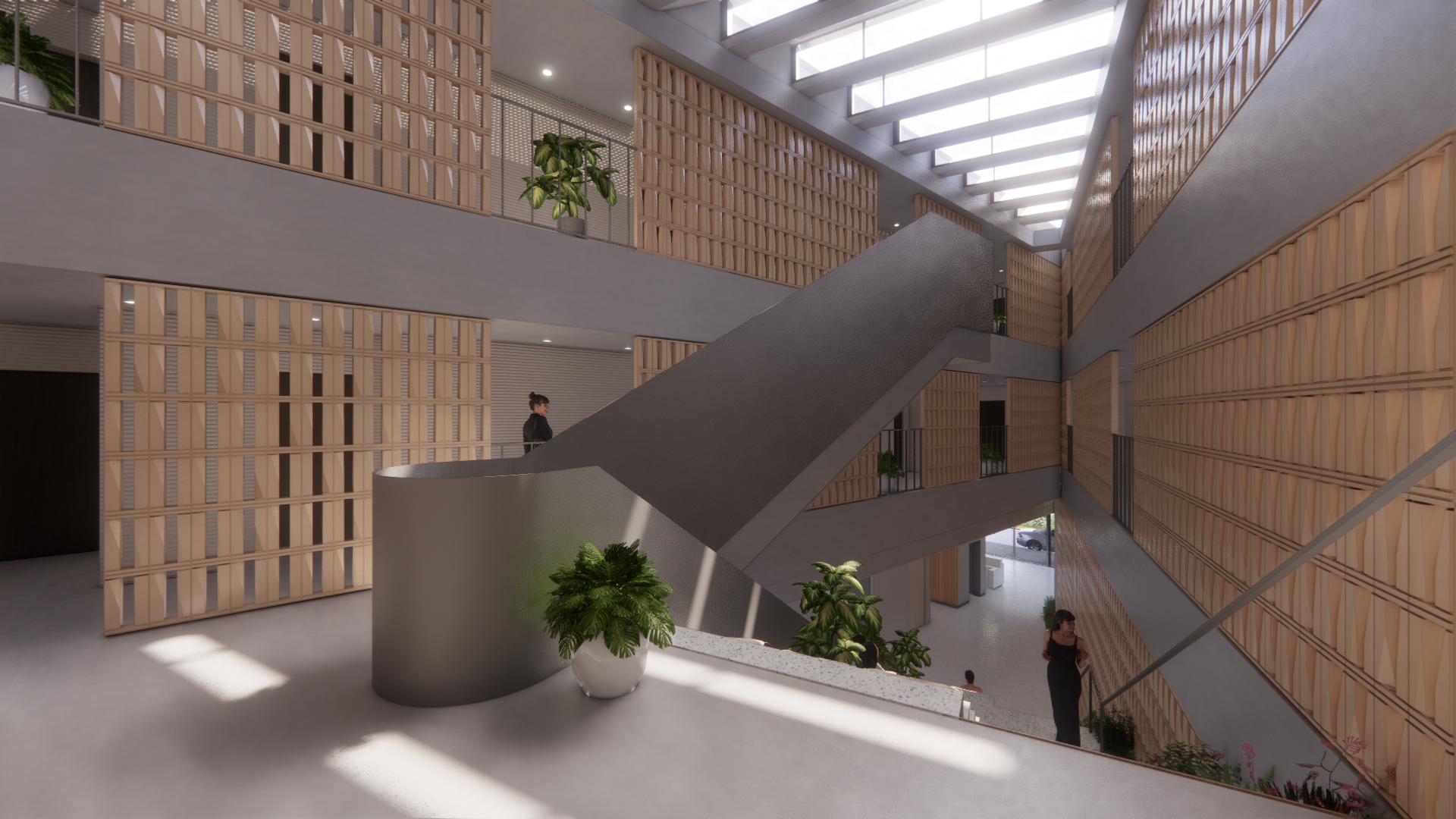
At ground level, a convention hall is available, capable of accommodating up to 300 individuals for events or meetings. This flexible space can be repurposed into a meeting room, café, or banquet hall to suit various requirements. The second floor offers a range of amenities, including a swimming pool, spa, game room, and gym, catering to various leisure interests. Twinrock Hotel presents itself as a destination for those in search of solace or a base for business activities. Our commitment to service remains consistent, ensuring a comfortable and uneventful stay for all patrons.


Year : 2023

Location : Catanduane Island, Philippines

Size : 4,325 m²

Status : Ongoing

Type : Hospitality

Principal in Charge :

Seojoo Lee, Hyojung Kim, Yeseul Allie Chung (I.f), Dongil Kim (Kyung Hee University)

Design Team : Seungil Kim (I.f)
Collaboration : I.f Manila Office

The Big(inner)s

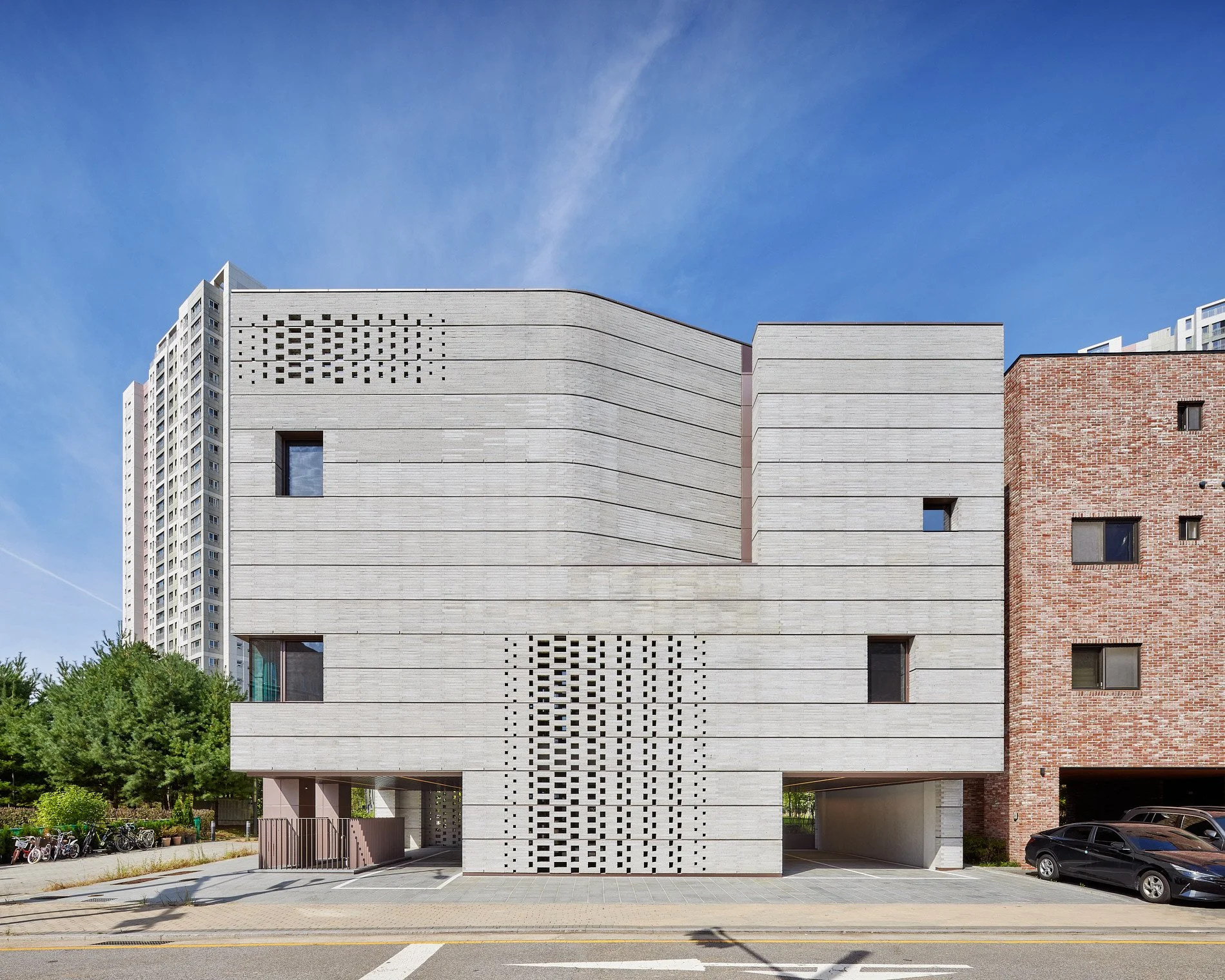
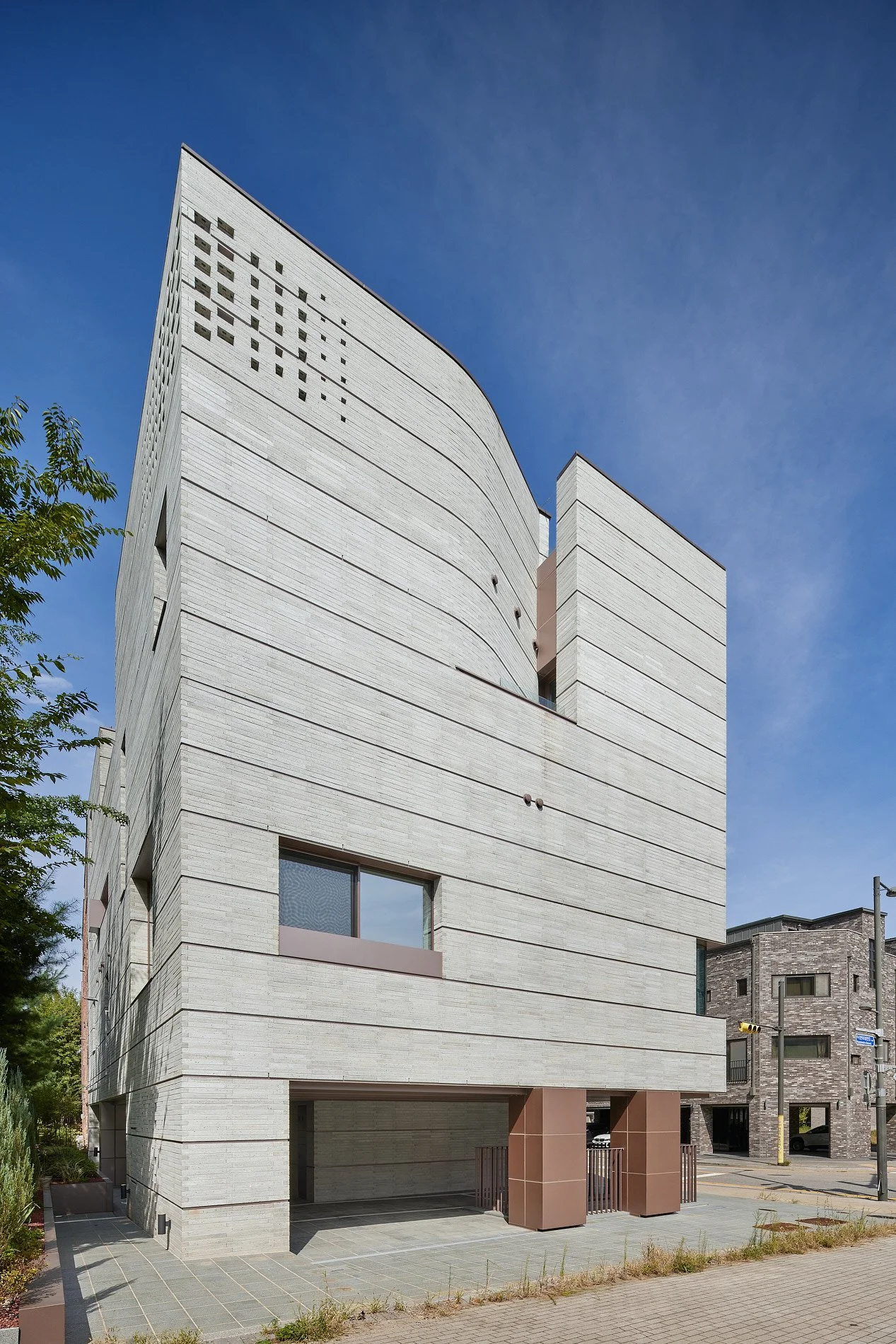
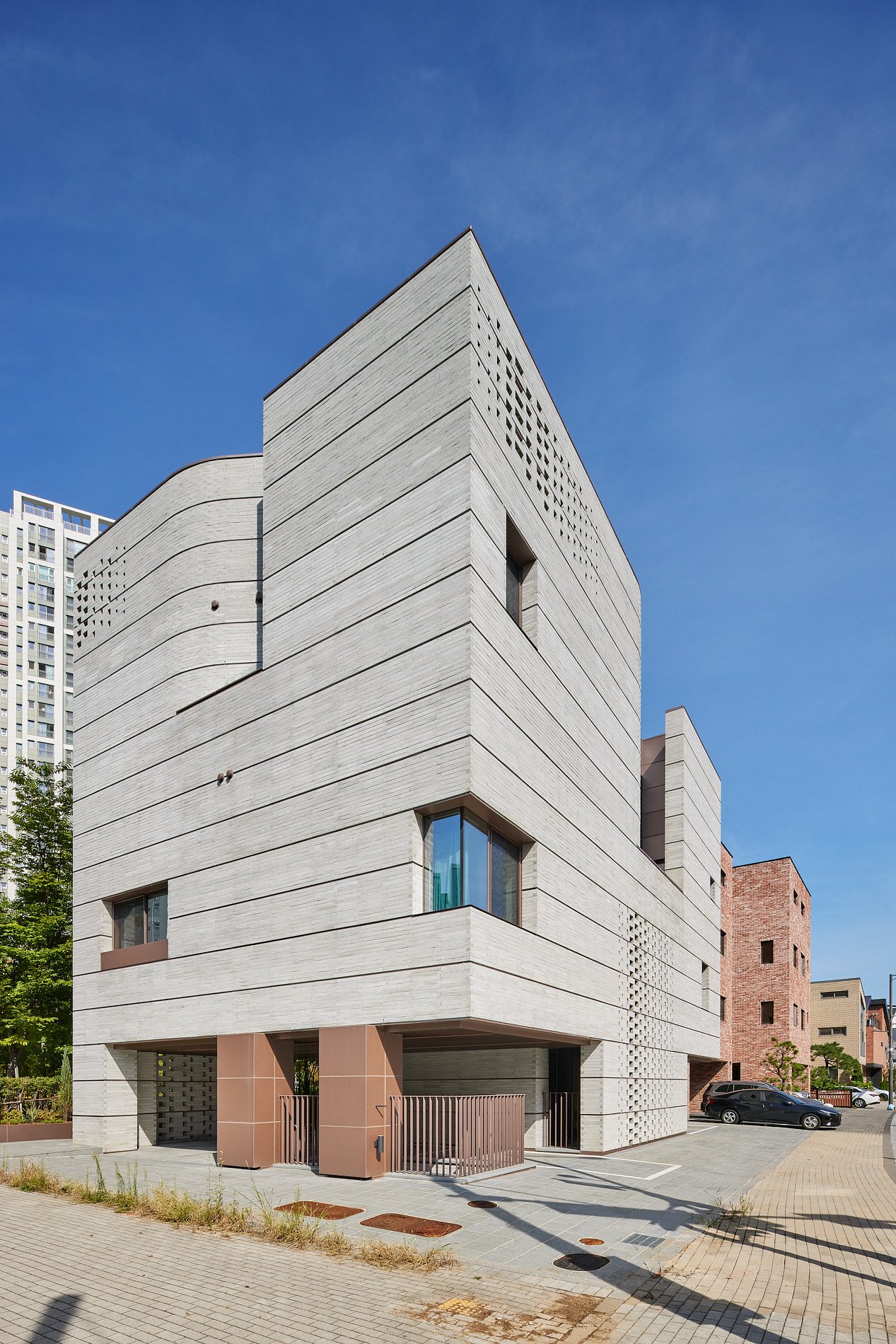
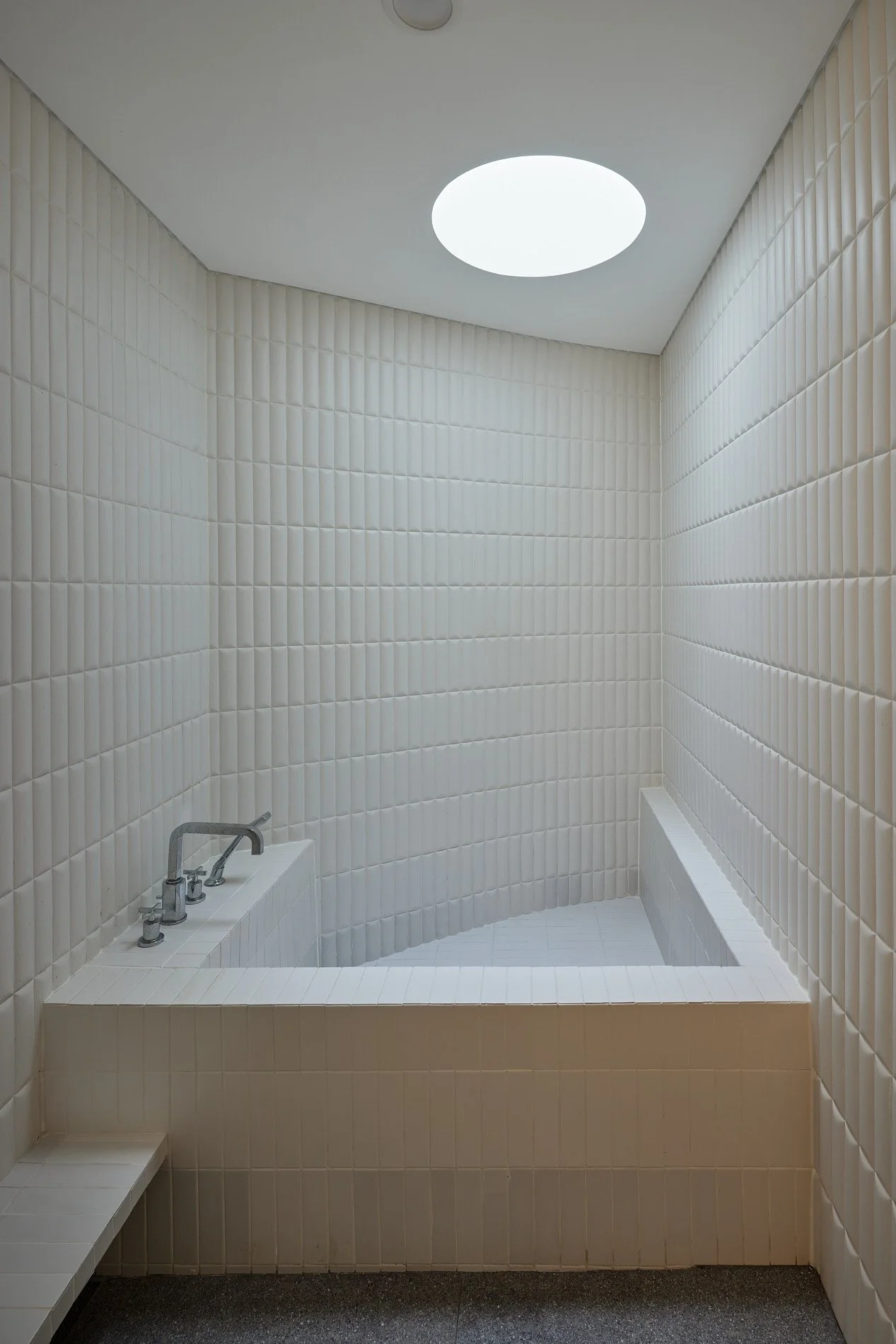
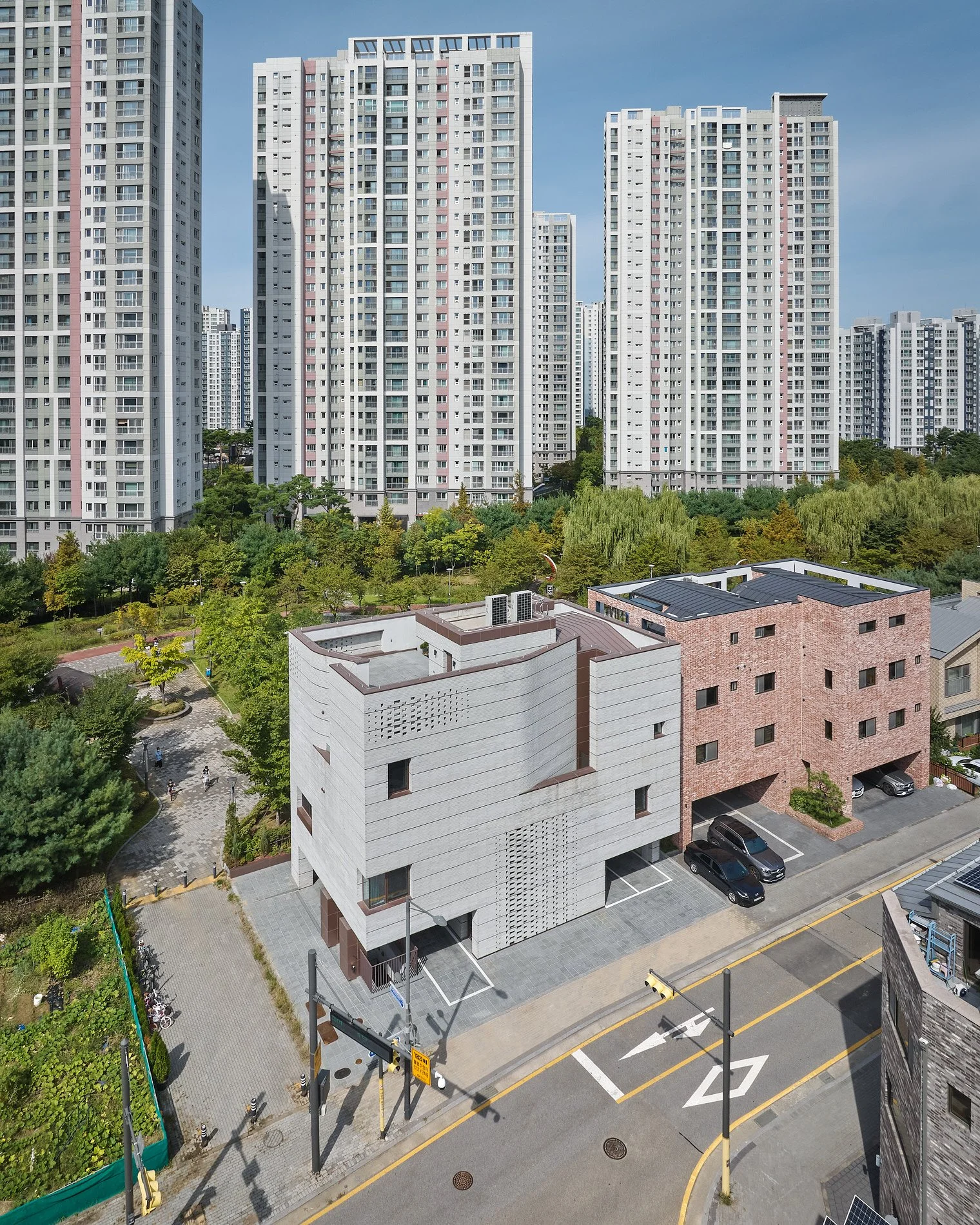
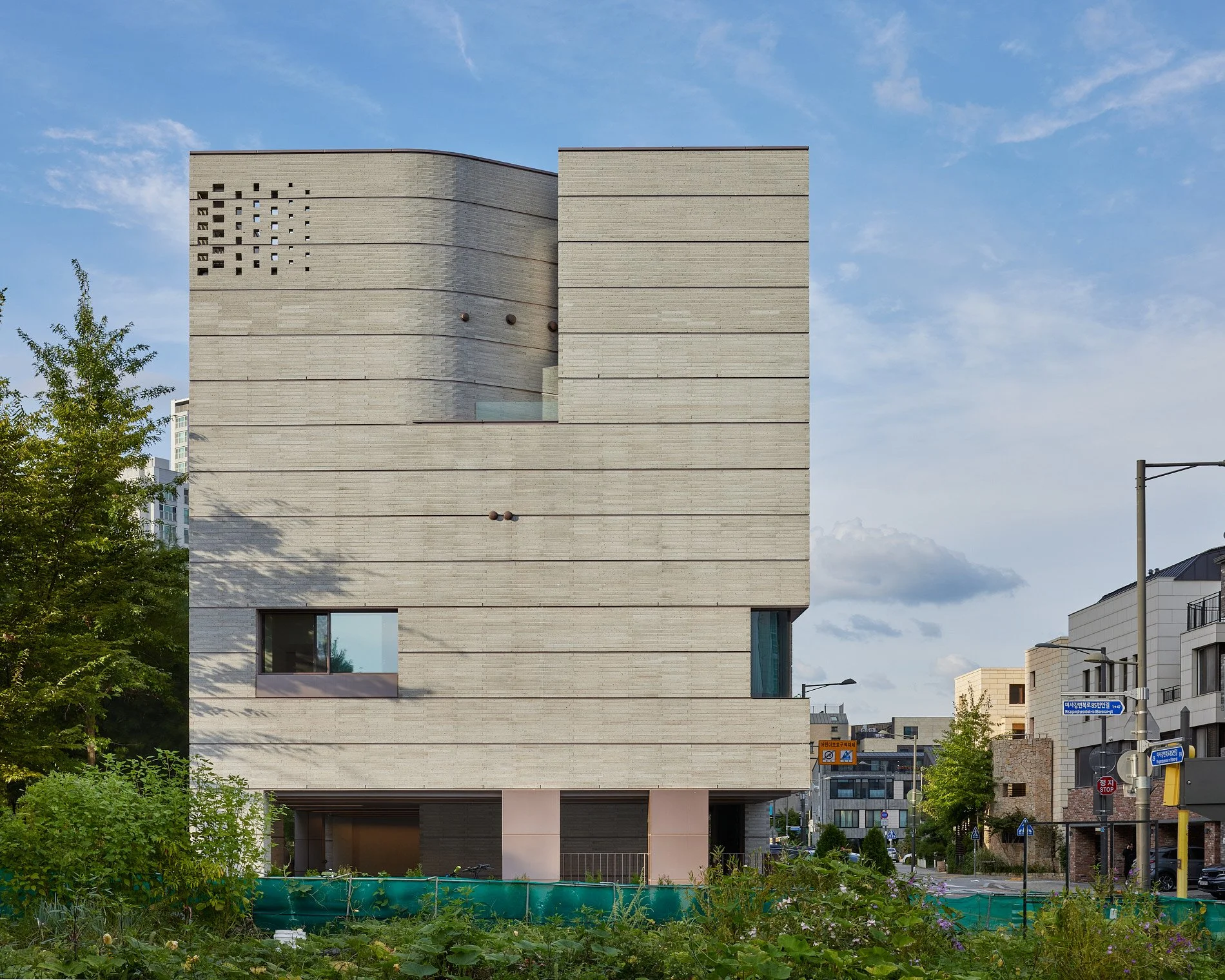
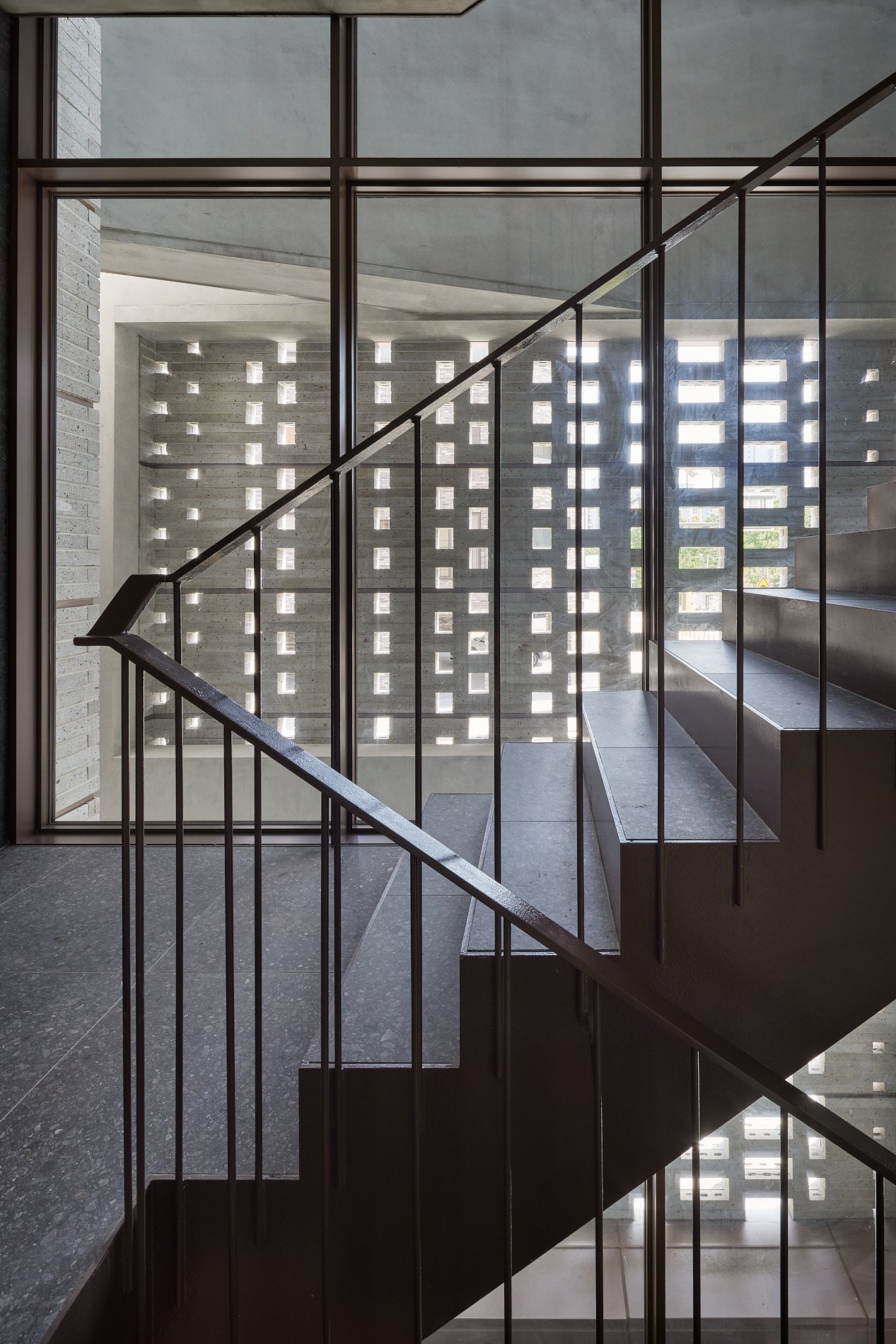
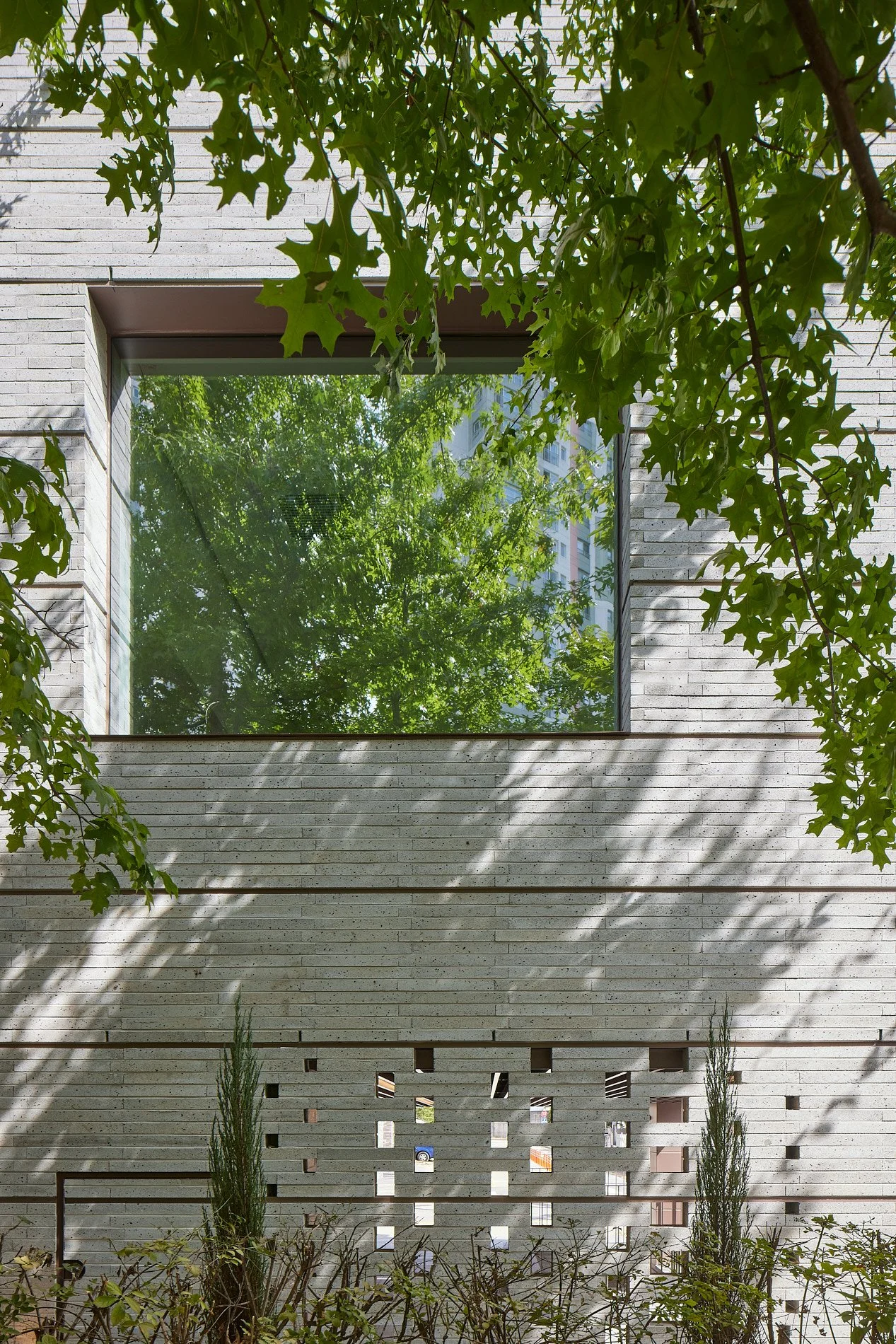
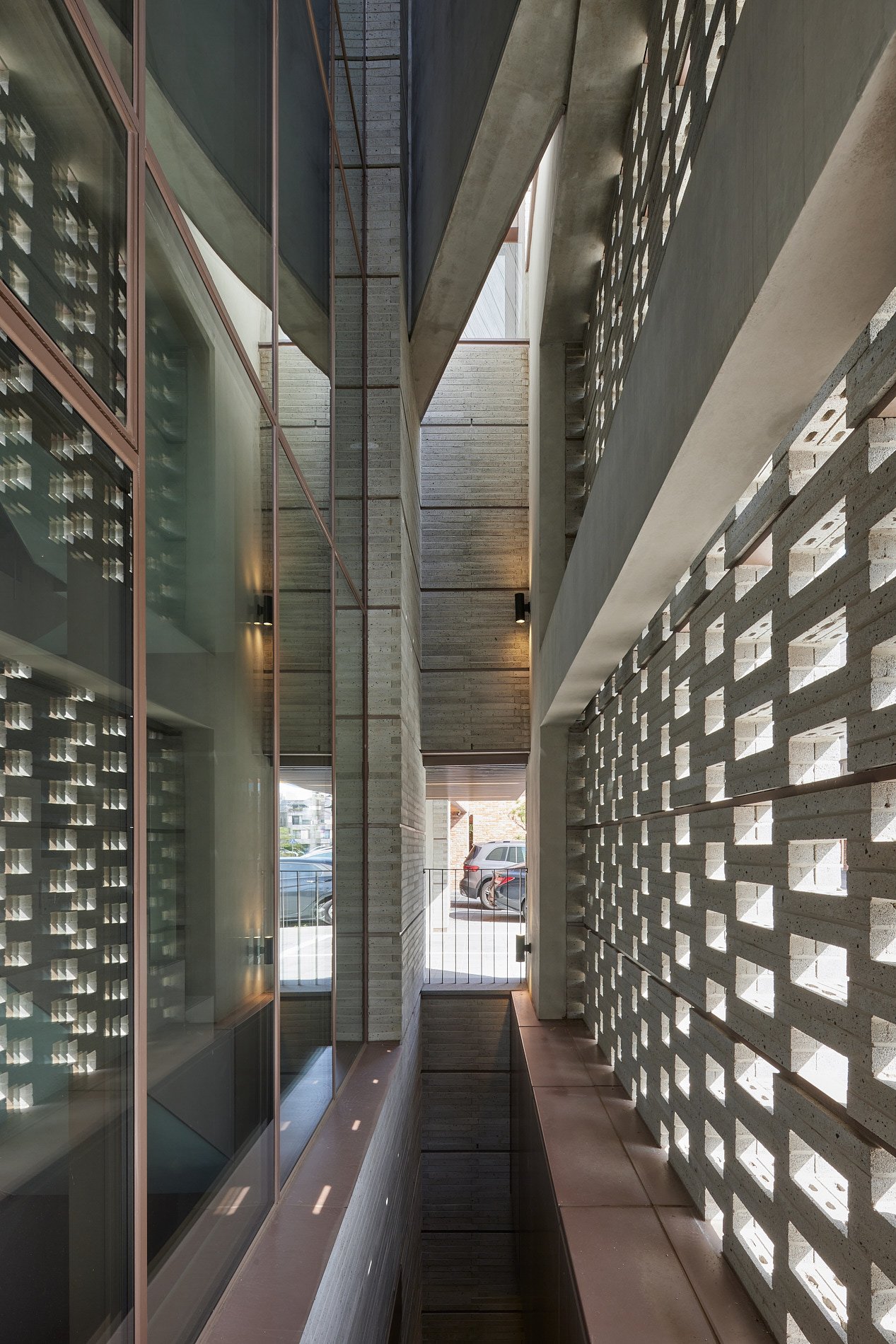
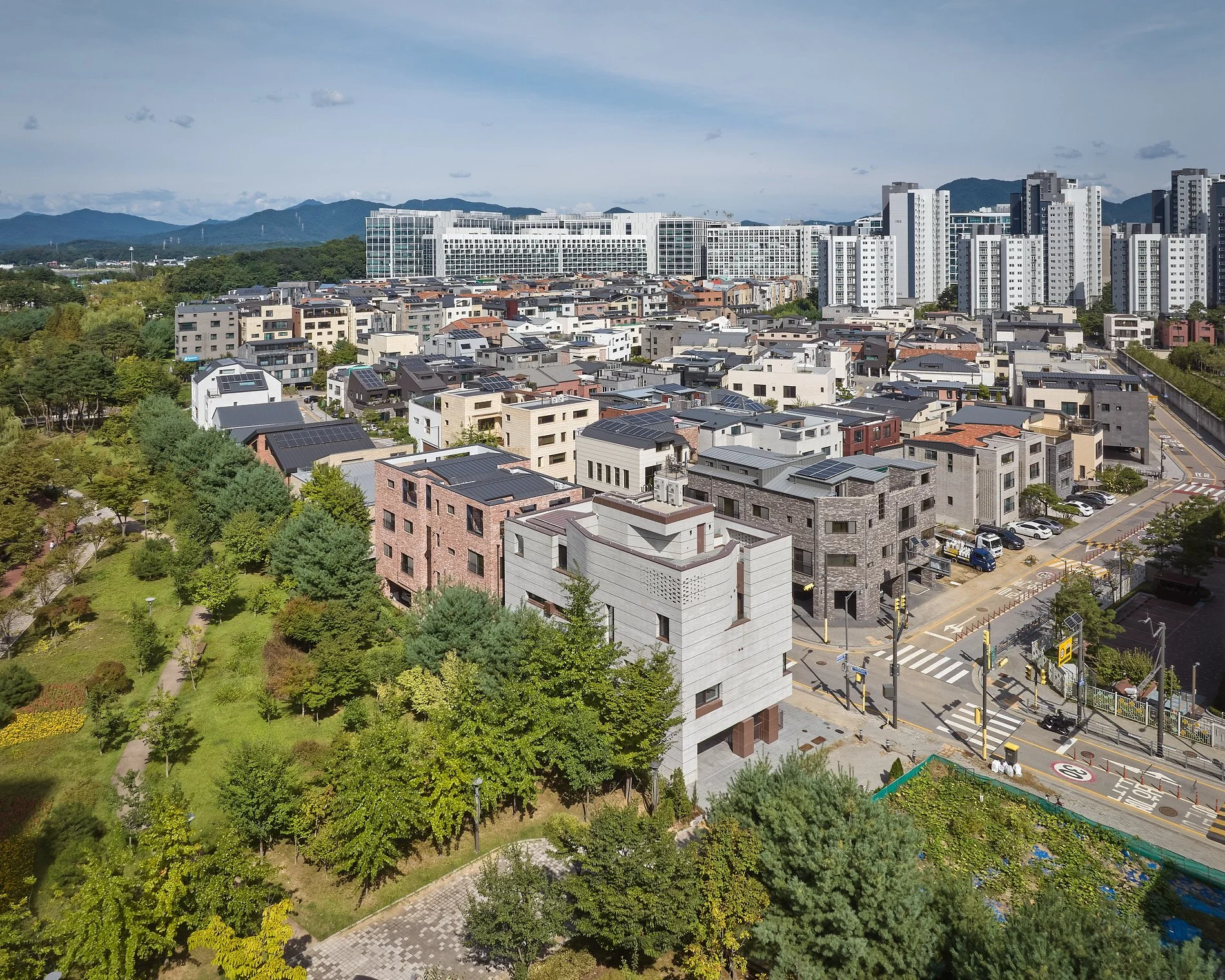
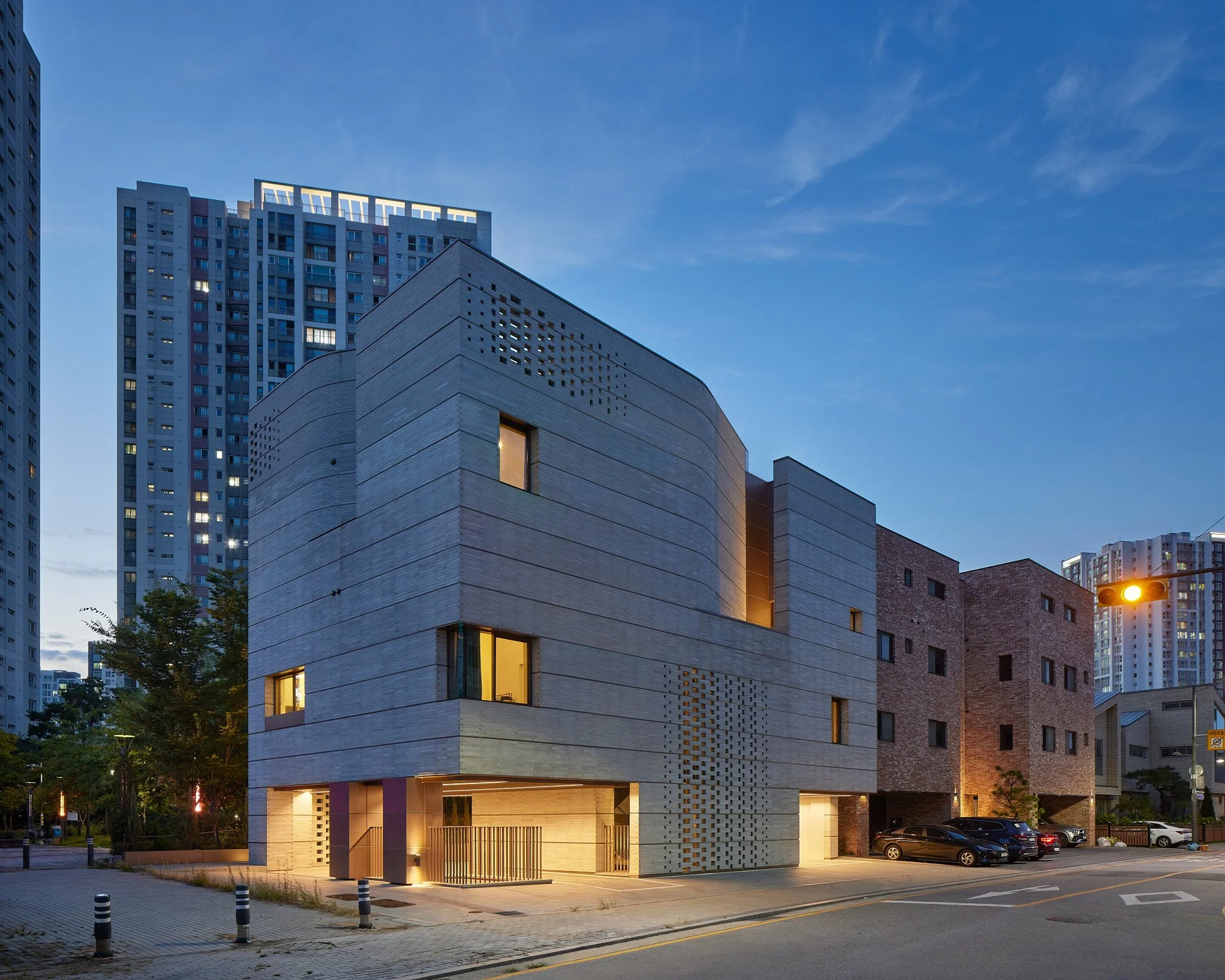
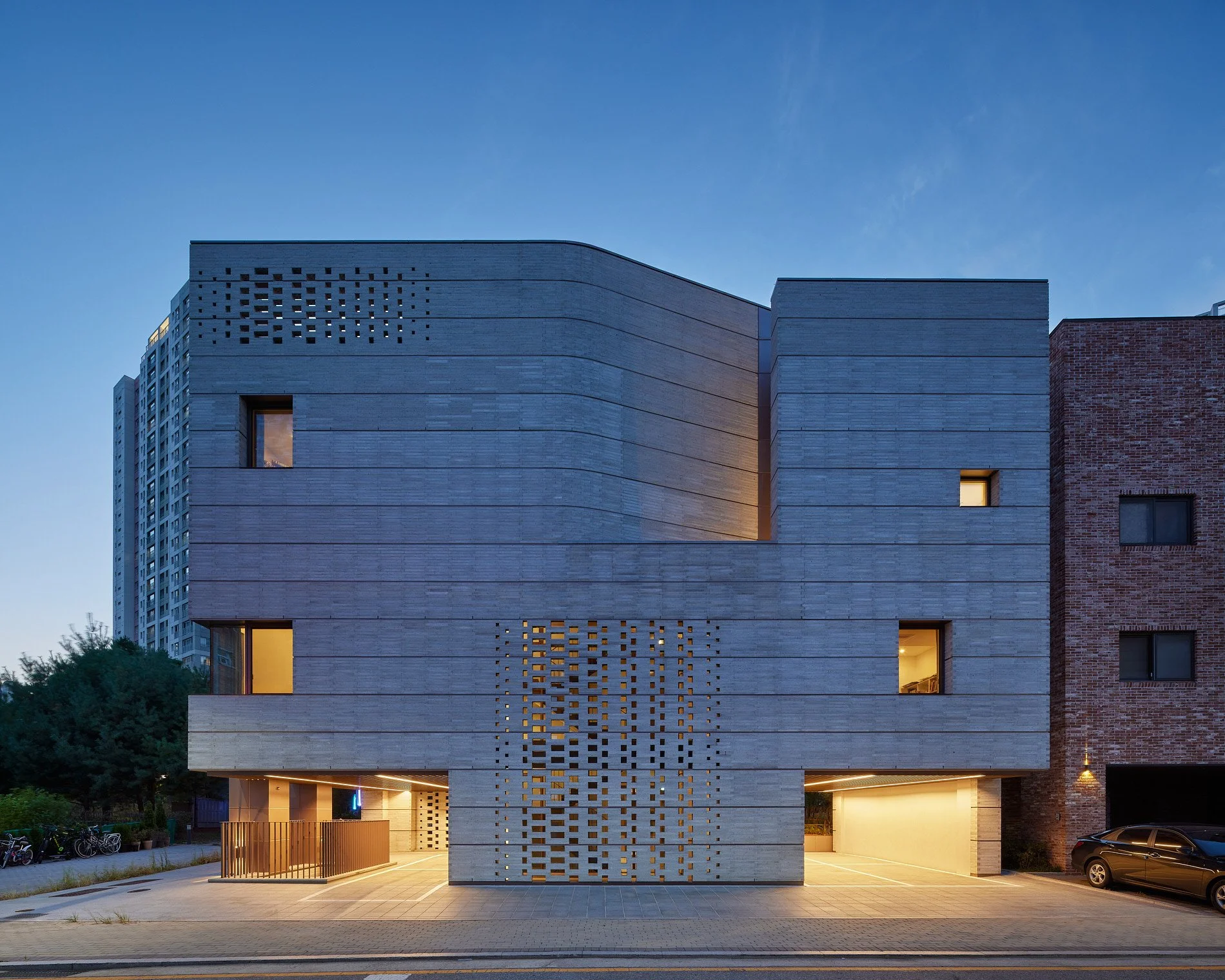
The site located at the entrance of the Misakang River housing complex in Hanam City is adjacent to the entrance of Misanoori Park, which passes through the Misakang River, and requires a role that presents a new landscape to park users while also serving as a residential facility. This building is a studio building for underground sound and a residential facility where two generations live together. It has a solid and concise baseline that holds the order of the complex spatial structure, and it looks like part of a sophisticated urban landscape at the entrance of the park and along the main road, while the area under the building is open to the park, opening up the view to the park not only from the side but also from the back. Unlike the windows that are directly open to the outside, the windows that open to the courtyard, inside the building, and to the sky, express spaces that allow for various interpretations, arouse curiosity, and require imagination such as art museums or galleries.

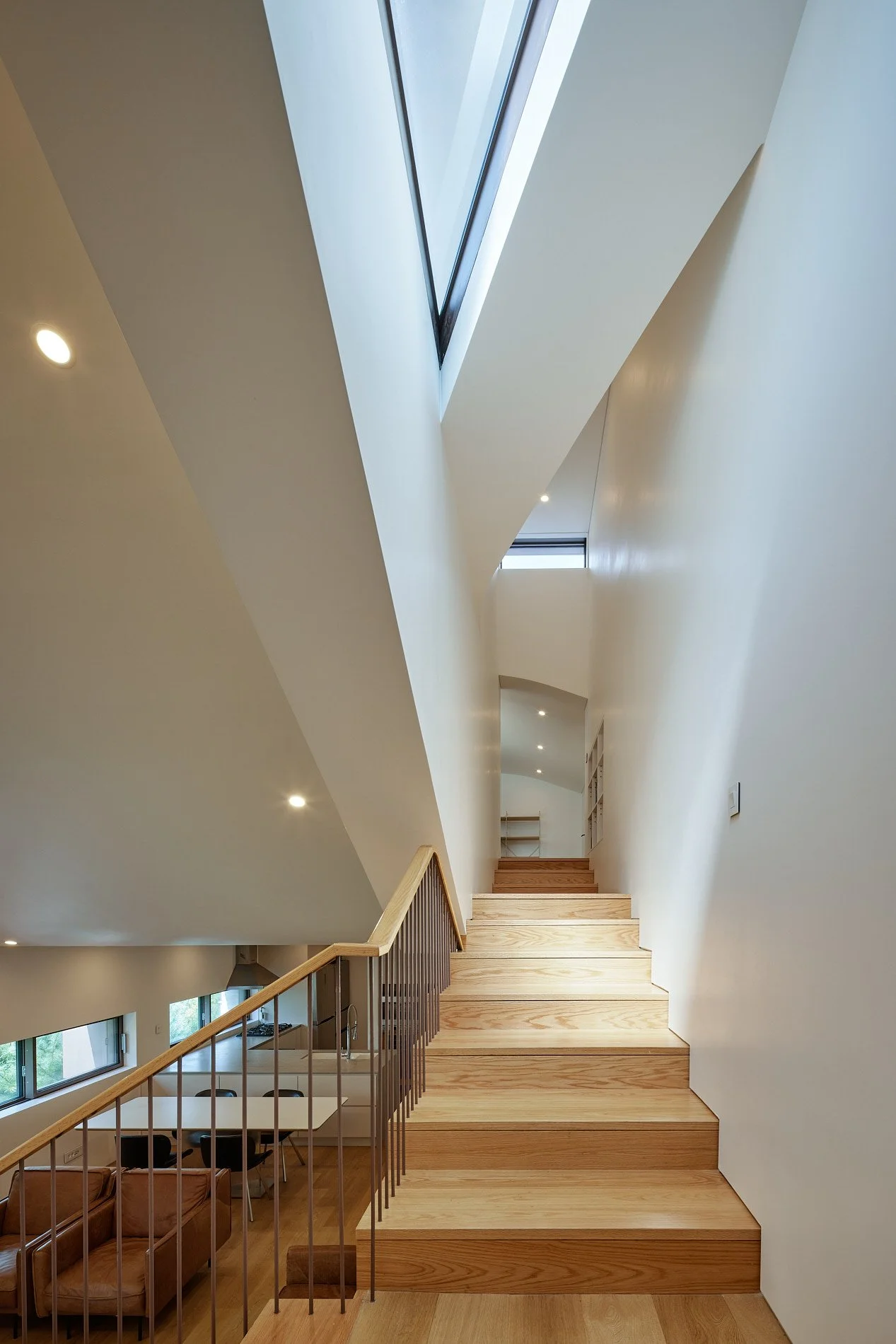
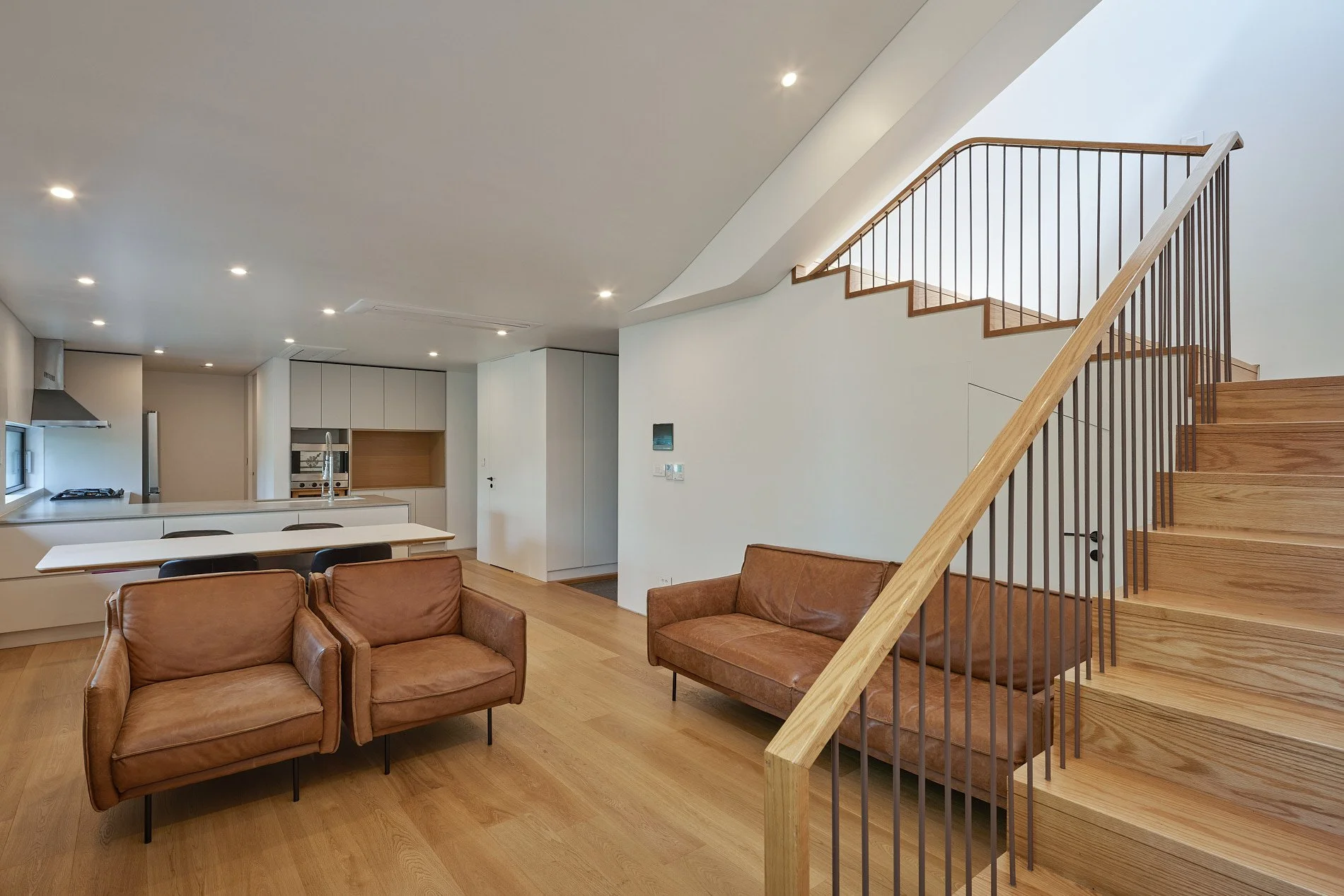
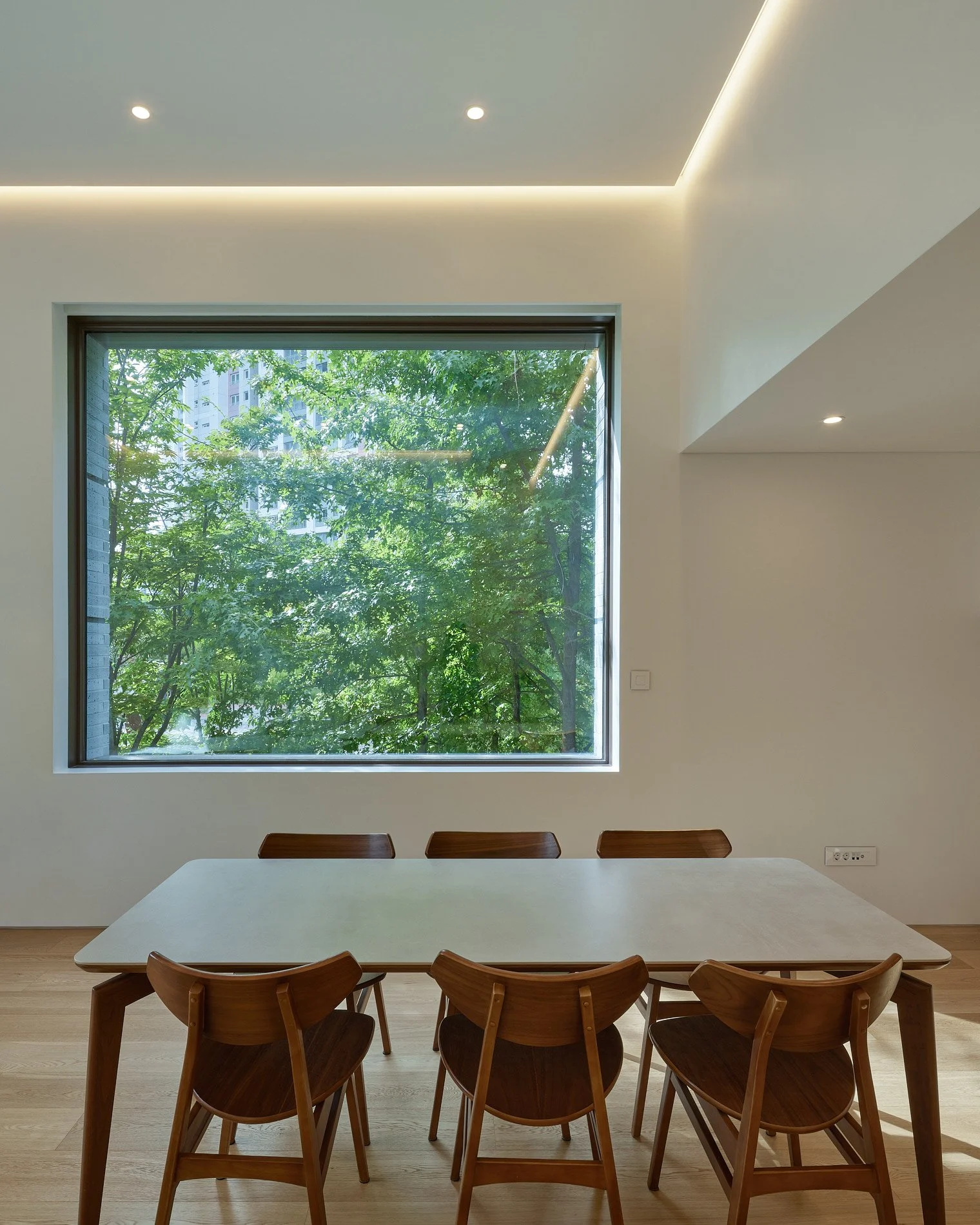
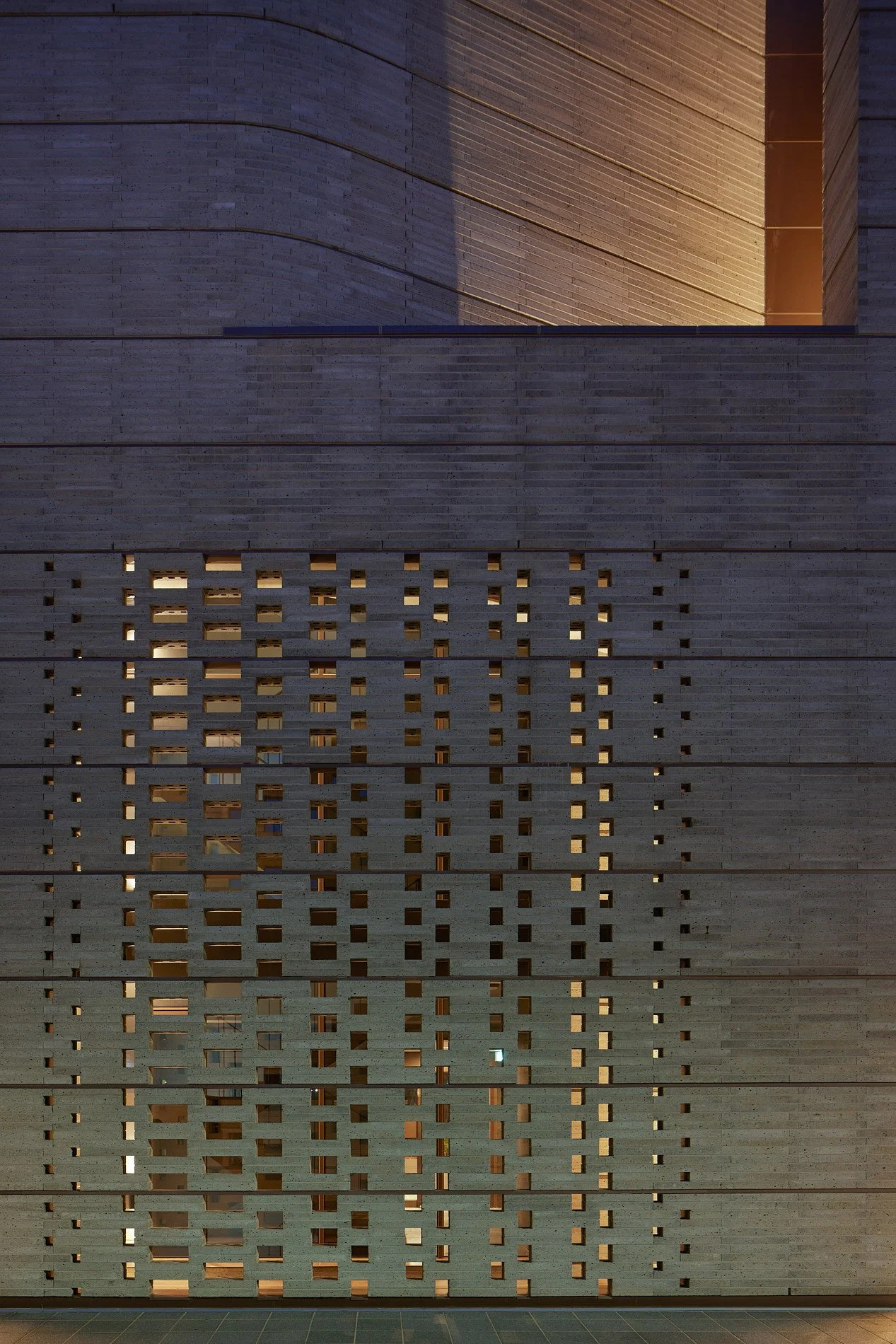
The main courtyard of this building, among its two courtyards, is open from the underground sound studio to the rooftop. The living room gallery on the second floor captures the greenery of the park through large windows, and the high ceiling adds a sense of spaciousness while providing functional sectional variations. The rooftop provides a private space that opens up to the sky among the tall apartments, offering a special outdoor space for families. The long gray brick wall uses rough masonry where visual openness is needed to maintain privacy as a residential facility while providing a sense of openness.


Year: 2022

Location : Hanam, Korea

Size : 489.89 ㎡

Status : Built

Type : Residential

Principal in Charge :

Seojoo Lee, Hyojung Kim (I.f), Dongil Kim (Kyung Hee University)
Client : 김동한

Contractor : (주)성지우종합건설

Civil : (주)토우지오

Structure : 서울구조

MEP : 두현M&C, 대경전기

Environmental Engineering : Dongil Kim

Record Architect : 장원건축

Photography : Kyung Roh

IN(IN)

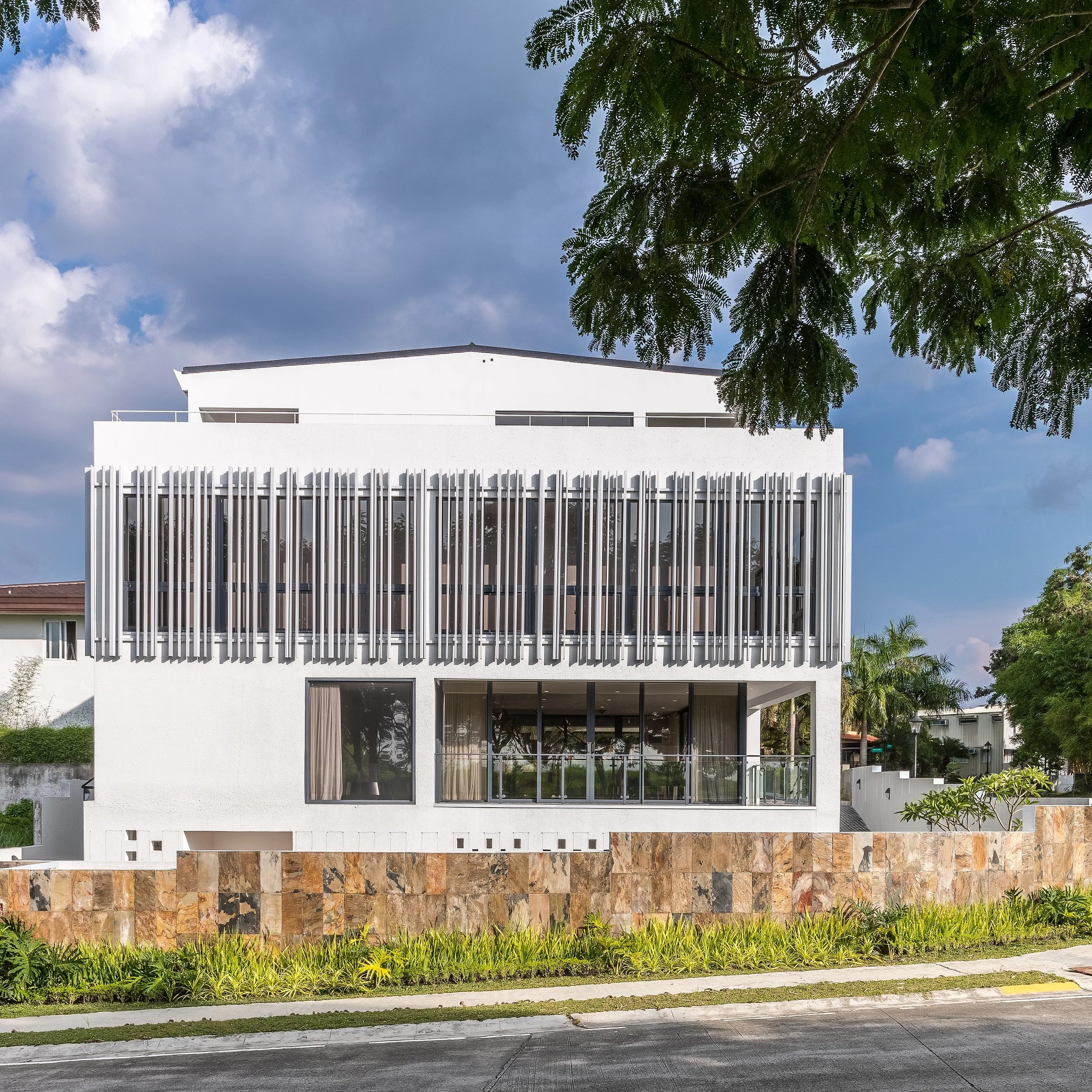
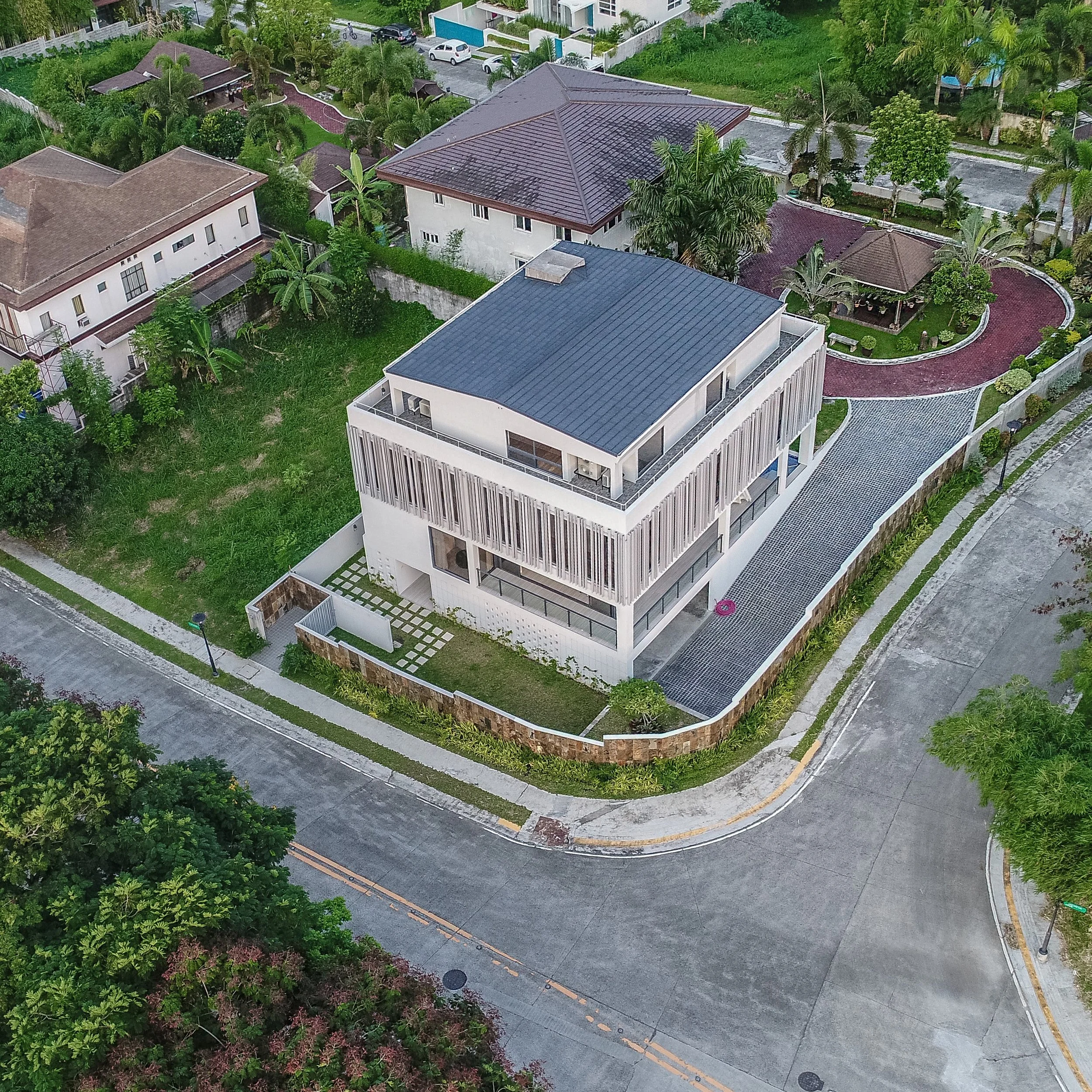
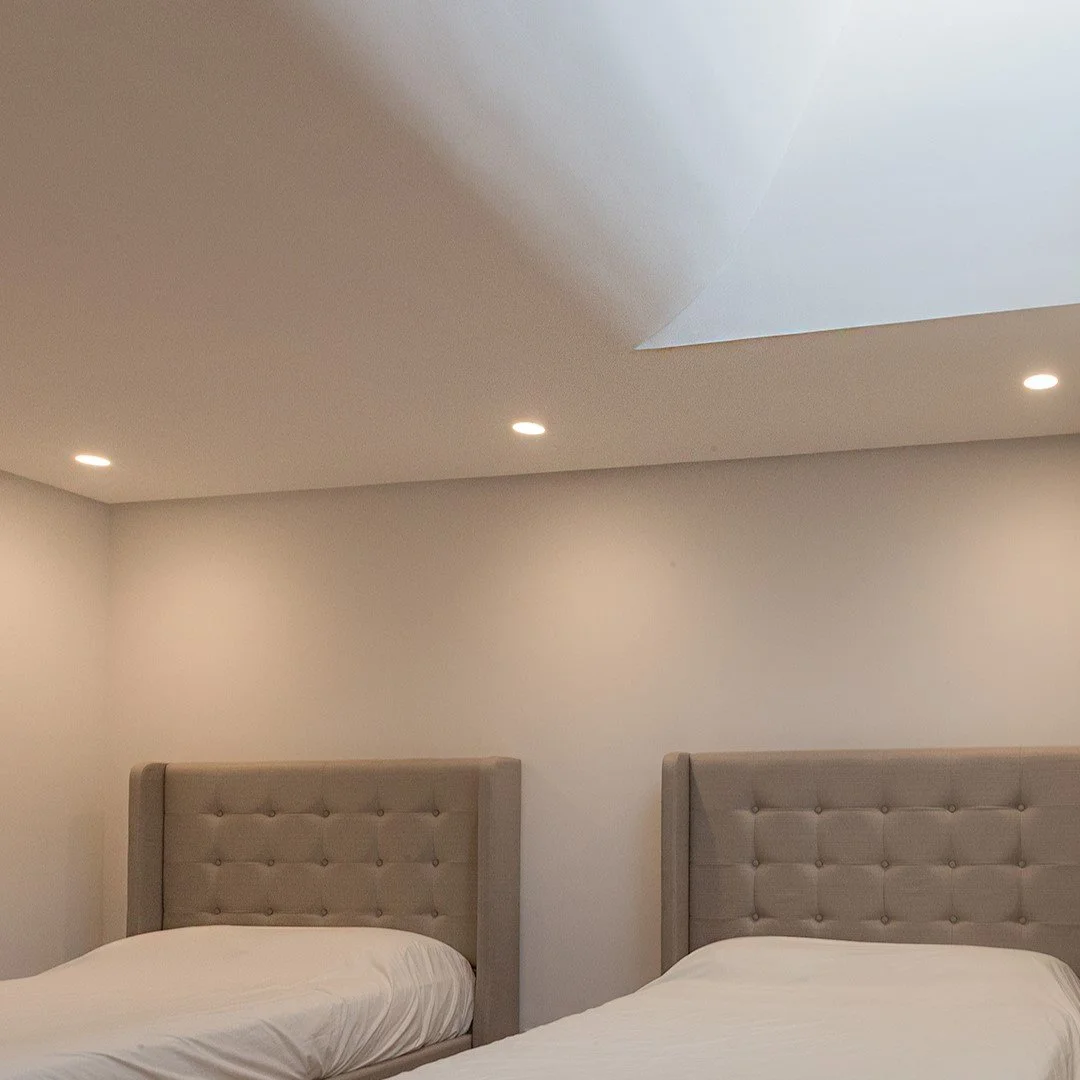
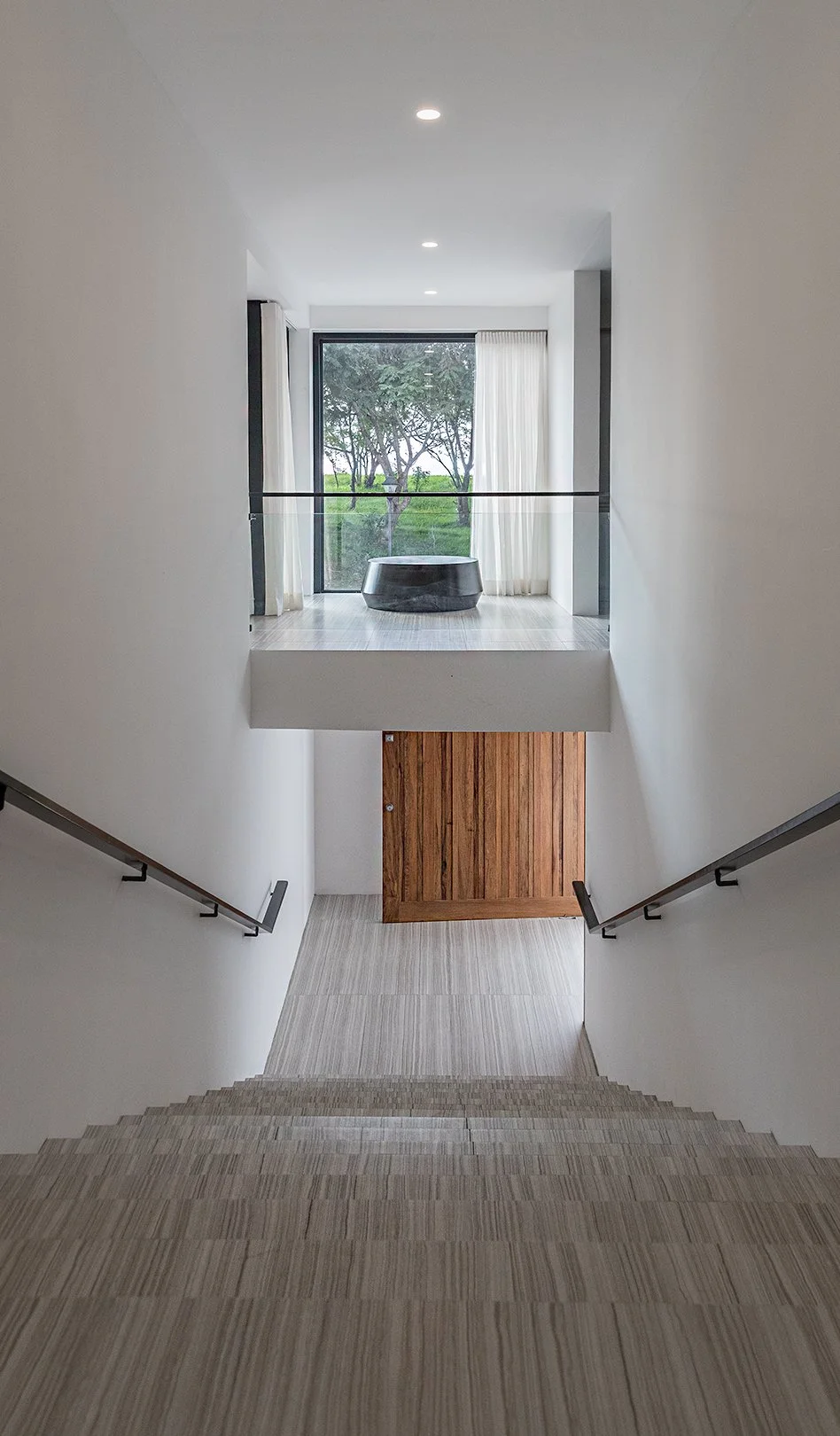
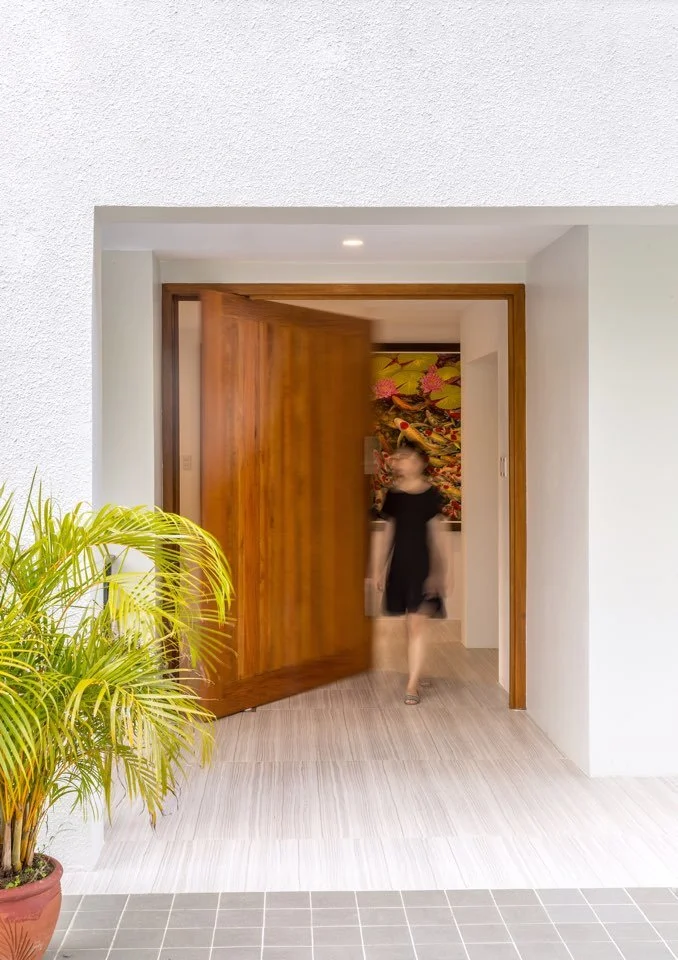
In(In) is a residential project located in a private community of Westgrove Heights in Silang, Cavite Philippines, that was completed in 2018. Set atop the slopes that overlook Laguna Lake, the site boasts lush greenery, ample light and rich tropical breeze. The client wished to build a guest house that connected seamlessly to the already existing main house and landscape, which was spread across multiple adjacent lots he had acquired and built at different phases. The project called for a contemporary design that showed a personal taste for the current that was deeply grounded in its context.

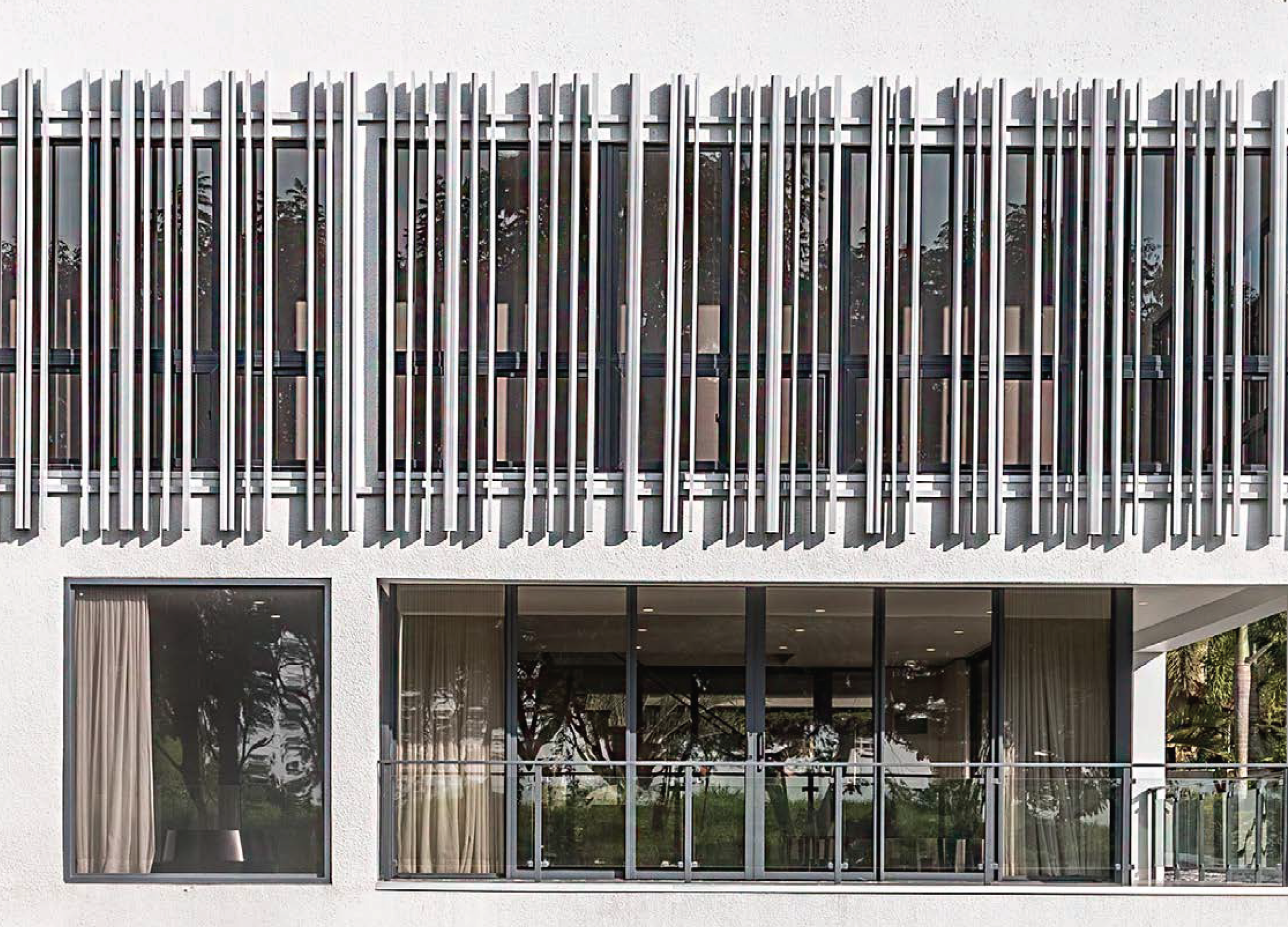
As a guest house, In(In) needed to distinguish two main hosting programs: entertainment and rest. Looking at the design in section, there is a larger, more open base into which a tighter, more divided volume is nestled into. The bottom volume is all about openness to light and air. The main hall and all public programs are located into this base, where the exterior and the interior are less divided and solid walls were removed whenever structurally and materially possible. The main hall was encased with movable floor to ceiling glass frames, to reinforce maximum accessibility and visibility, while at other times completely closing off to serve an exclusively private experience to those within.

The simple diagram of nestling a small volume within a larger volume--In(In)--served to create a unique, site-specific, and program specific design to meet the requested needs in a qualitative manner. Informed by organization of heritage homes that was guided by passive cooling methods and utilizing climate and sun path data, this guest house not only created a contemporary space to take shelter in but also allowed this shelter to fully open up to the outside to provide a richer experience during the temporary stay.


Year : 2018

Location : Cavite, Philippines

Size : 862 ㎡

Status : Completed

Type : Residential

Principal in Charge :

Seojoo Lee (I.f), Dongil Kim (Kyung Hee University), Allie Yeseul Chung(I.f Manila)

Contractor : VRameer Builders Corporation

MEP : Macro-Edge Techno Solutions

Environmental Engineering : Dongil Kim

Record Architect : Phintecstar (Andrea Ruiza N. Amador, Zoilo Renzo N. Amador)


Related Research

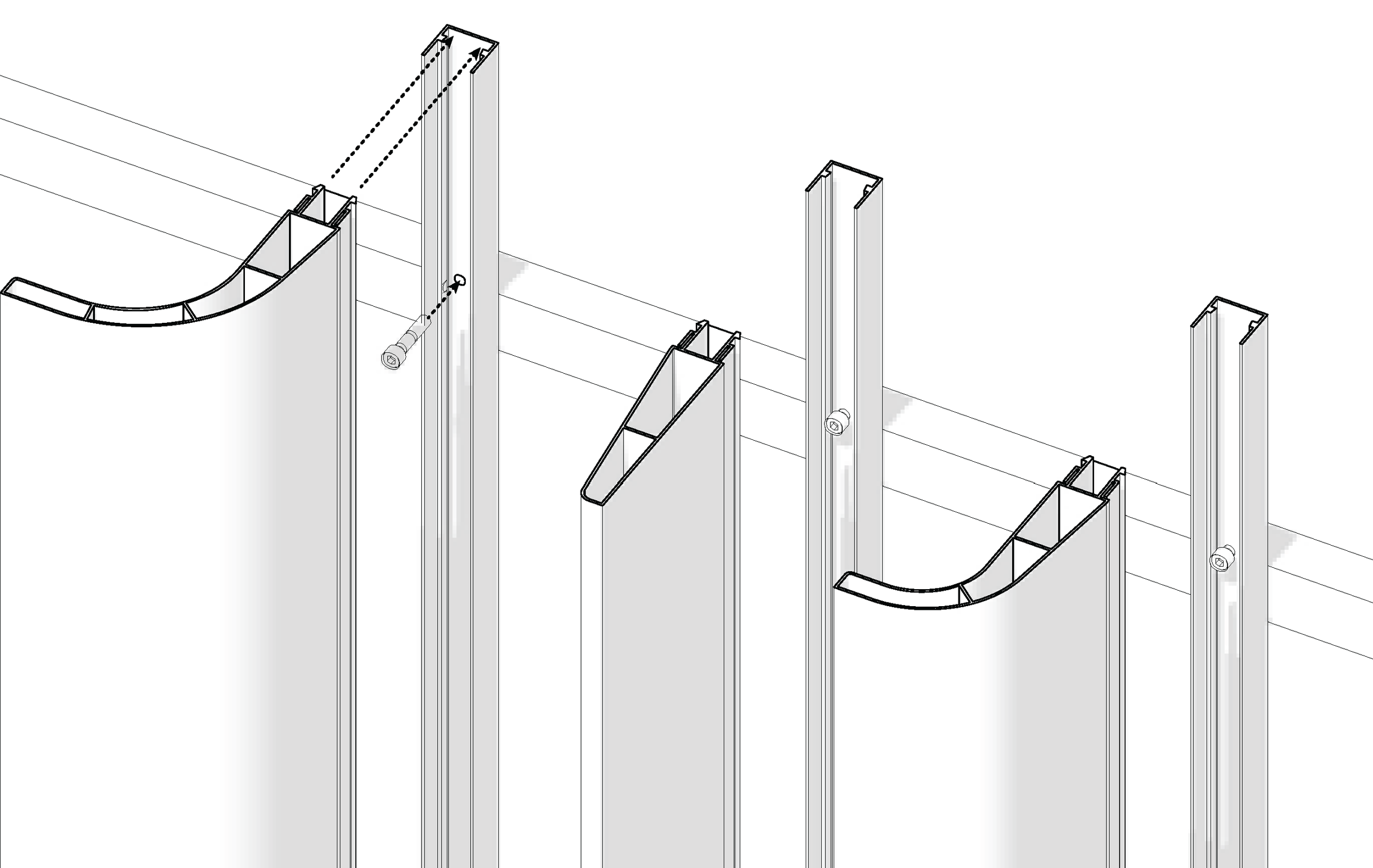
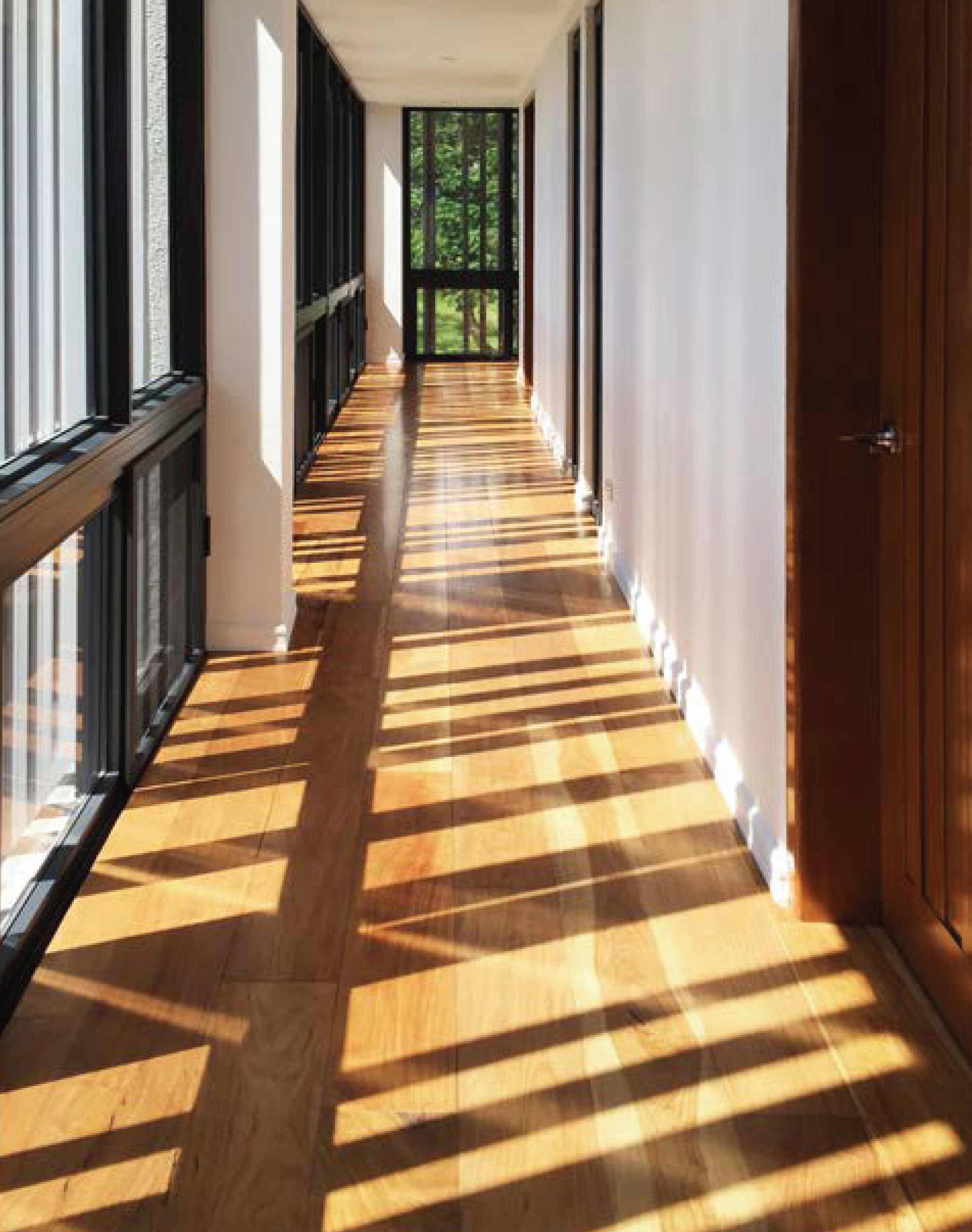
IN(IN) Louver


Related Project

In(In) is a residential project located in a private community of Westgrove Heights in Silang, Cavite Philippines, that was completed in 2018. Set atop the slopes that overlook Laguna Lake, the site boasts lush greenery, ample light and rich tropical breeze. The client wished to build a guest house that connected seamlessly to the already existing main house and landscape, which was spread across multiple adjacent lots he had acquired and built at different phases. The project called for a contemporary design that showed a personal taste for the current that was deeply grounded in its context.

As a guest house, In(In) needed to distinguish two main hosting programs: entertainment and rest. Looking at the design in section, there is a larger, more open base into which a tighter, more divided volume is nestled into. The bottom volume is all about openness to light and air. The main hall and all public programs are located into this base, where the exterior and the interior are less divided and solid walls were removed whenever structurally and materially possible. The main hall was encased with movable floor to ceiling glass frames, to reinforce maximum accessibility and visibility, while at other times completely closing off to serve an exclusively private experience to those within.

The simple diagram of nestling a small volume within a larger volume--In(In)--served to create a unique, site-specific, and program specific design to meet the requested needs in a qualitative manner. Informed by organization of heritage homes that was guided by passive cooling methods and utilizing climate and sun path data, this guest house not only created a contemporary space to take shelter in but also allowed this shelter to fully open up to the outside to provide a richer experience during the temporary stay.

Bundle

“Bundle House: Home for Five Grandchildren.” Nestled amidst the tranquility of the countryside, this charming abode is designed as a weekend retreat, a haven where cherished family moments are woven into the tapestry of life.

The heart of the Bundle House resides on the first floor, a shared space thoughtfully designed to foster togetherness. Here, a warm and inviting living room welcomes laughter and conversation, while a spacious dining area becomes the backdrop for memorable family feasts.

Venture upstairs to the second floor, and you’ll discover five individual bedrooms, each bathed in the gentle glow of skylight blessings from above. These cozy sanctuaries offer privacy and comfort, ensuring that each grandchild has a personal haven to call their own.But what truly sets the Bundle House apart is its unique architectural design. The building itself is a work of art, a manifestation of familial love and unity. Five distinct cone-shaped structures rise gracefully into the sky, representing each grandchild, and they converge harmoniously at the base, symbolizing the unbreakable bonds of family.

The Bundle House is not just a structure; it’s a testament to the enduring spirit of family, where generations gather to create lasting memories and celebrate the love that binds them together. It’s a place where the past, present, and future of a family come together, like a tightly woven bundle of joy.


Year: 2016

Location : Manila, Philippines

Size : 230 ㎡

Year : 2016

Status : Design Development

Type : Single Family House

Principal in Charge :

Seojoo Lee (I.f), Allie Yeseul Chung (I.f Manila), Dongil Kim (Kyung Hee University)

UP(UP)

“Up(up) House: Elevating Accessibility and Lifestyle”

The “Up(up) House” stands as a testament to innovative design that transcends boundaries. Crafted with utmost consideration for accessibility, this remarkable three-story residence is a sanctuary that seamlessly integrates a ramp that spirals gracefully around the building, offering unrestricted mobility for the owner who uses a wheelchair.

The first floor of the “Up(up) House” is a shared space where the magic of daily life unfolds. The spacious living room beckons with its welcoming embrace, while the adjoining dining room becomes the backdrop for heartwarming family gatherings and cherished meals. Ascending the gently spiraling ramp to the second floor reveals a world of leisure and inspiration. Here, a well-appointed library invites the owner to explore the realms of literature, and a hobby room becomes a canvas for creative expression and passion pursuits. The journey continues to the third floor, where the bedroom awaits, offering tranquility and comfort. With expansive windows that frame captivating views, this space becomes a sanctuary for rest and rejuvenation.

What sets the “Up(up) House” apart is its architectural ingenuity. The ramp, which encircles the building like a ribbon of inclusivity, is a symbol of the owner’s unwavering spirit and the boundless possibilities of accessible design. It is an affirmation that barriers can be overcome, and that the home itself is a source of empowerment and independence. The “Up(up) House” isn’t merely a dwelling; it’s an embodiment of limitless aspirations. It’s a place where accessibility meets elegance, where every corner reflects the owner’s zest for life, and where the power of design transforms challenges into triumphs.

Year : 2016

Location : Manila, Philippines

Size : 240 ㎡

Status : Design Development

Type : Single Family House

Principal in Charge : Seojoo Lee (I.f), Allie Yeseul Chung (I.f Manila), Dongil Kim (Kyung Hee University)