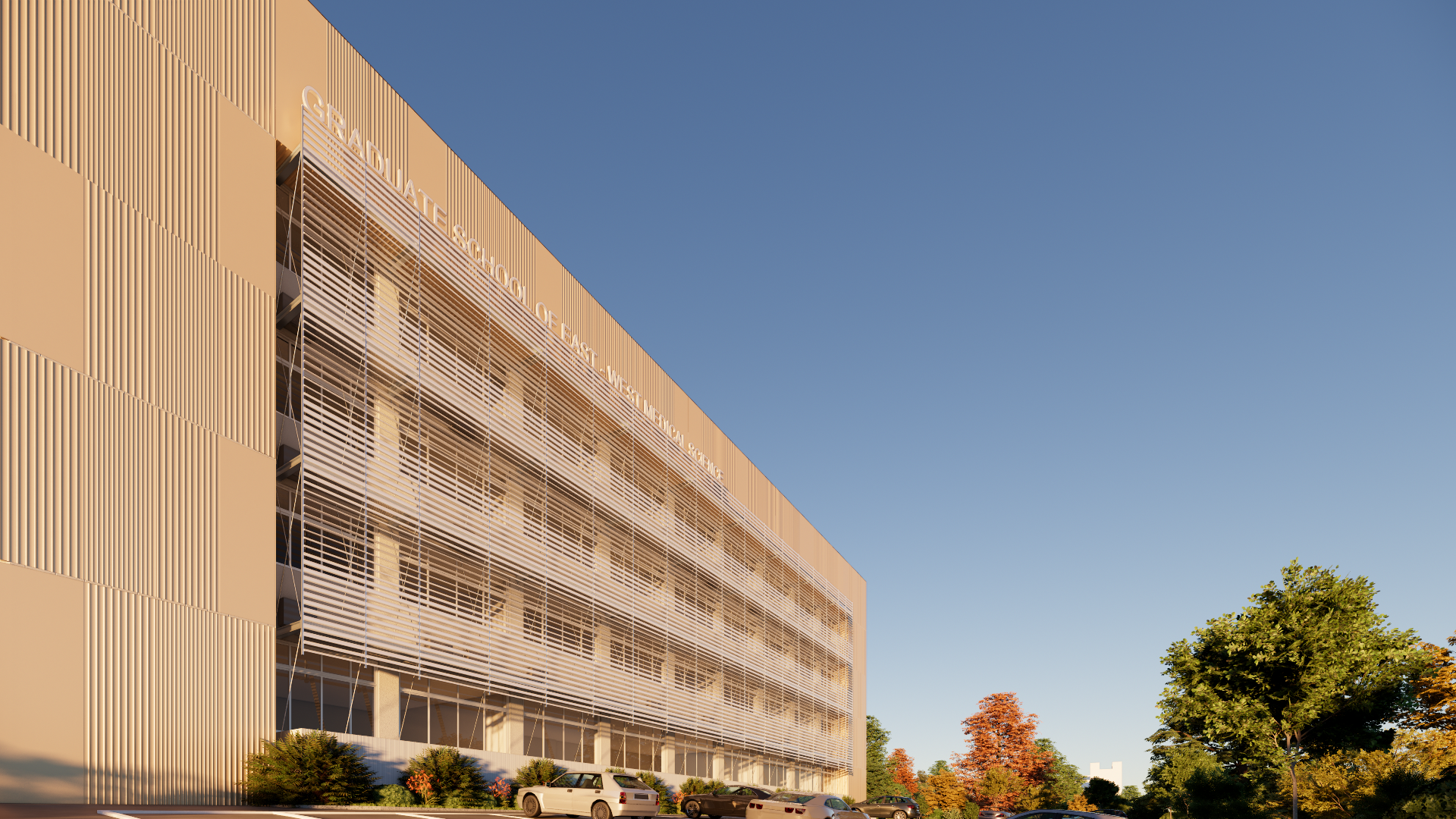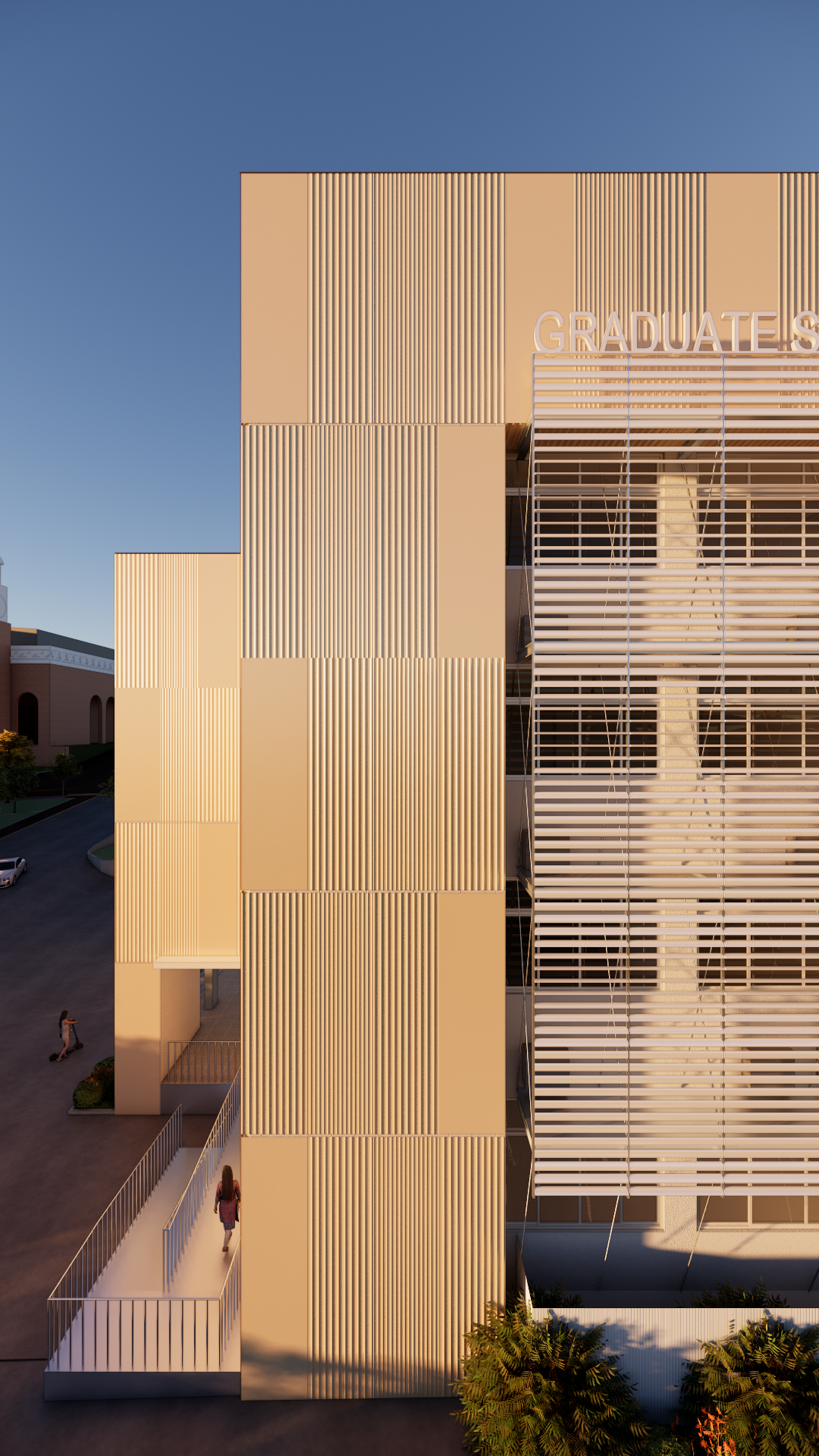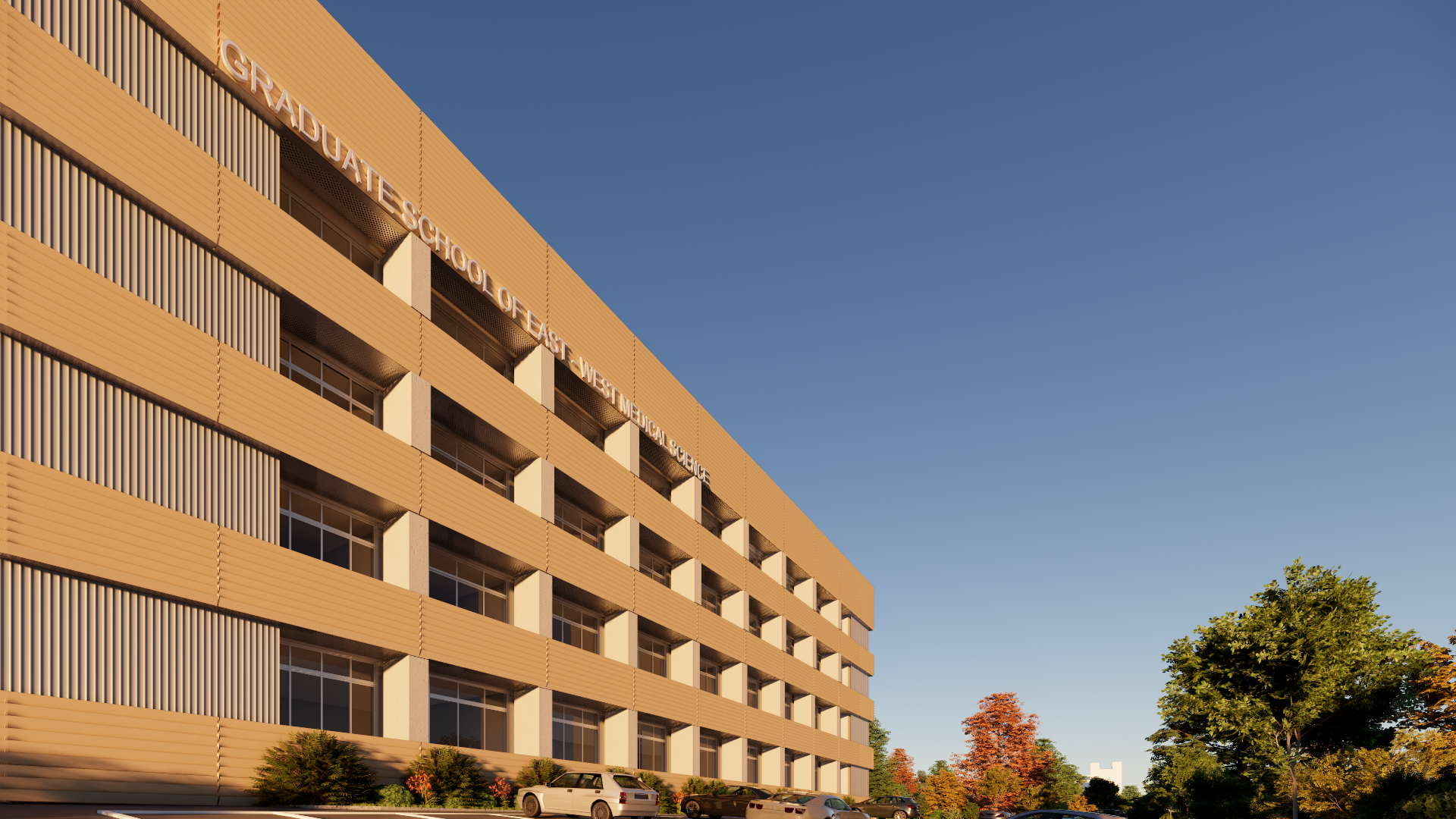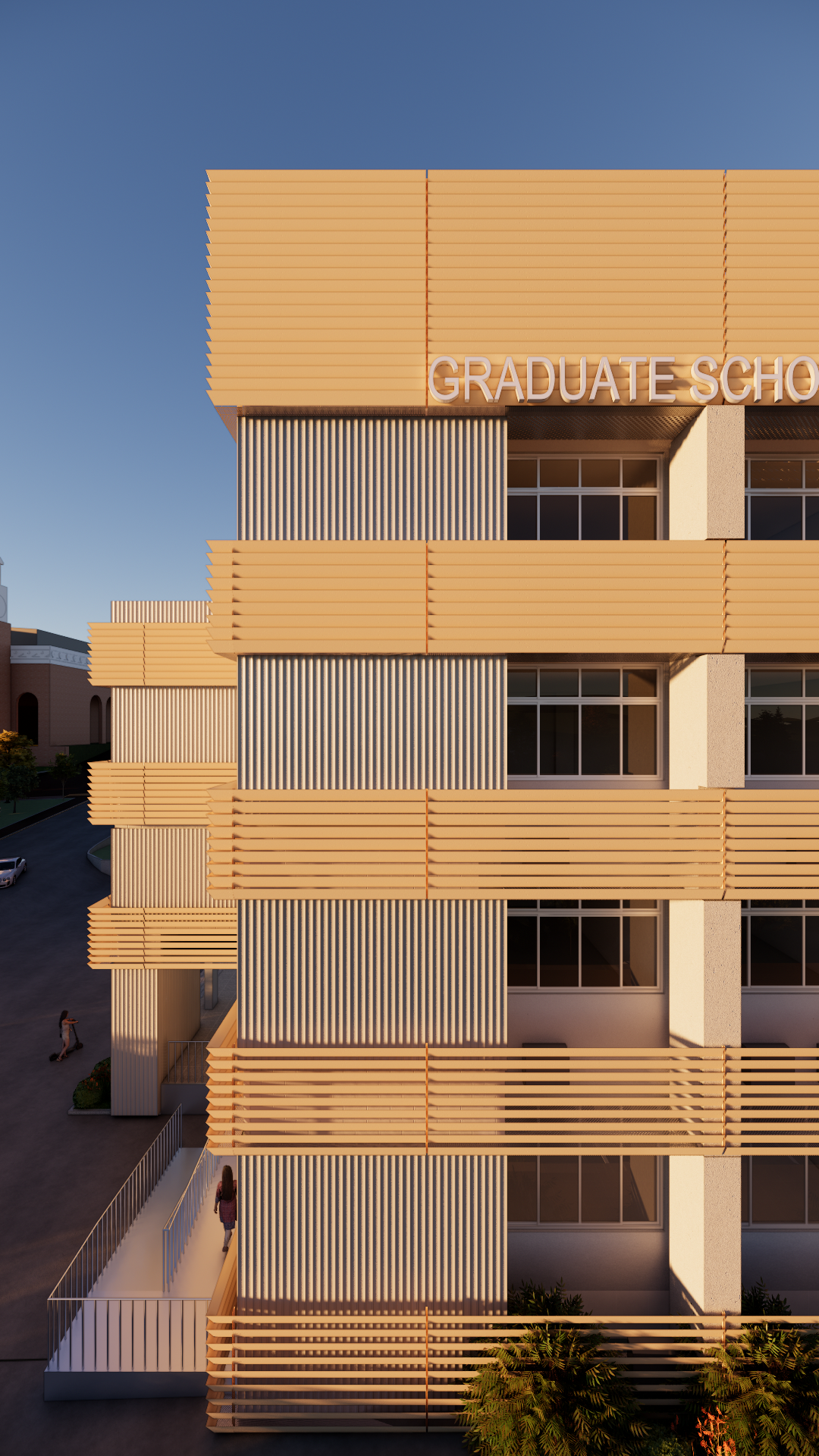
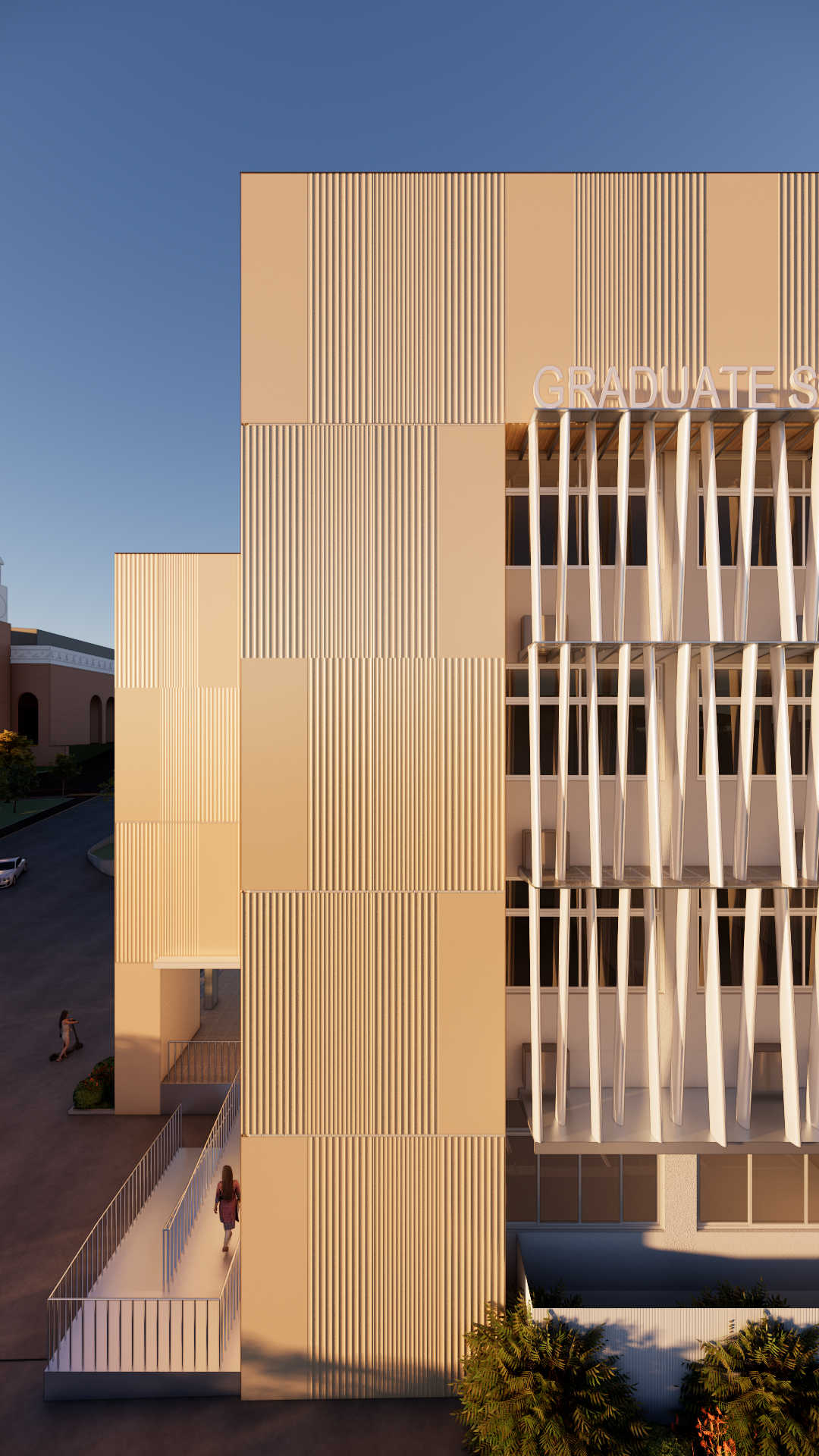
Facade and Spatial Renewal Plan - 03

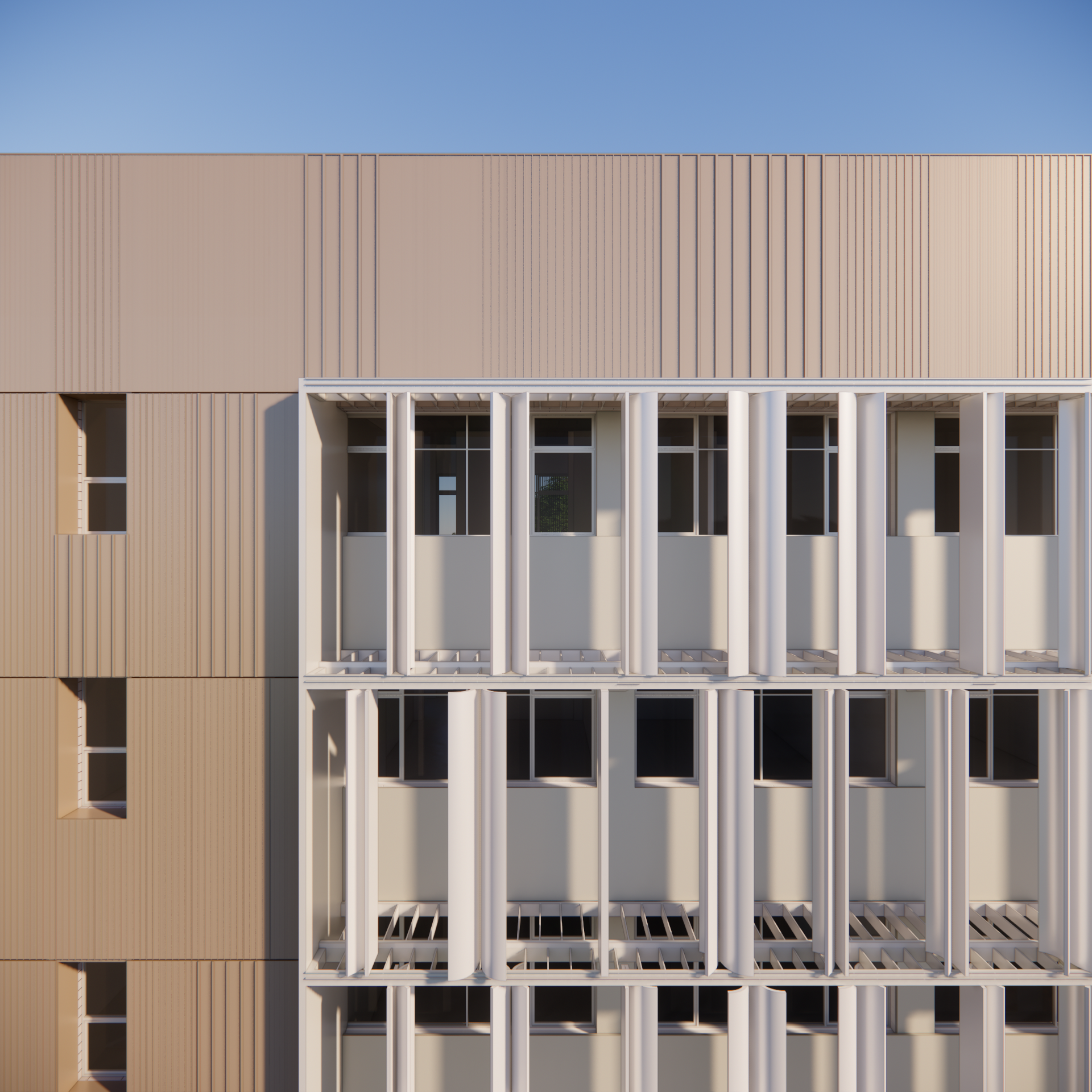
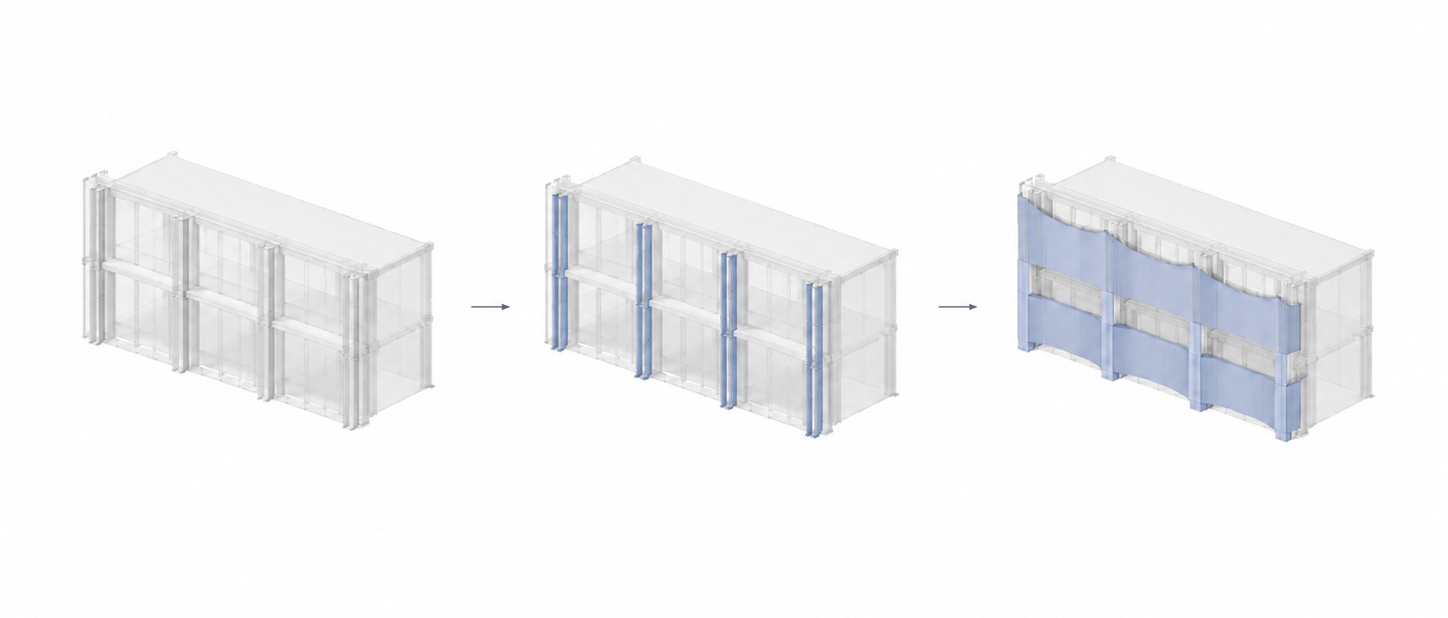
Cross Louvers

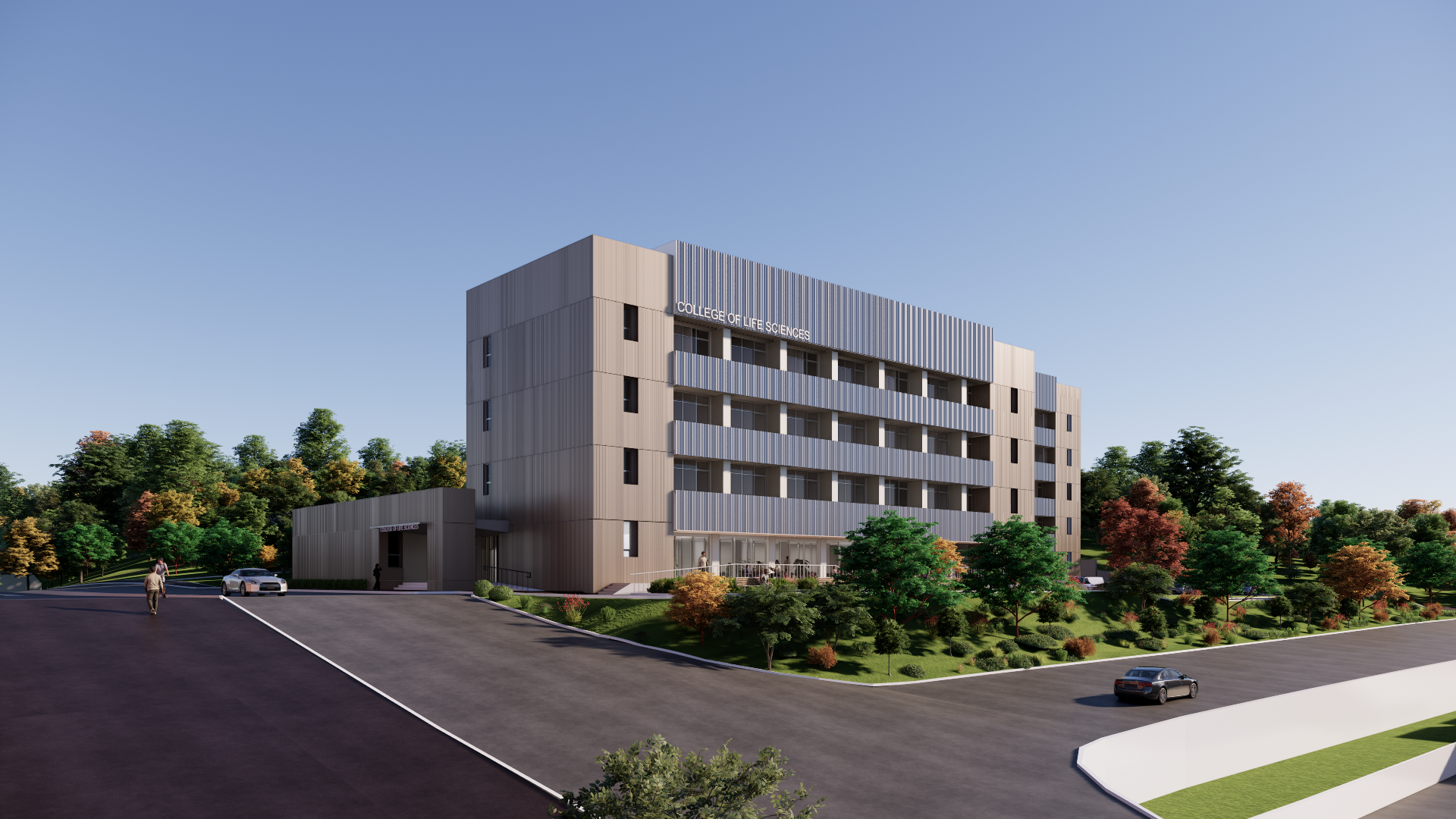
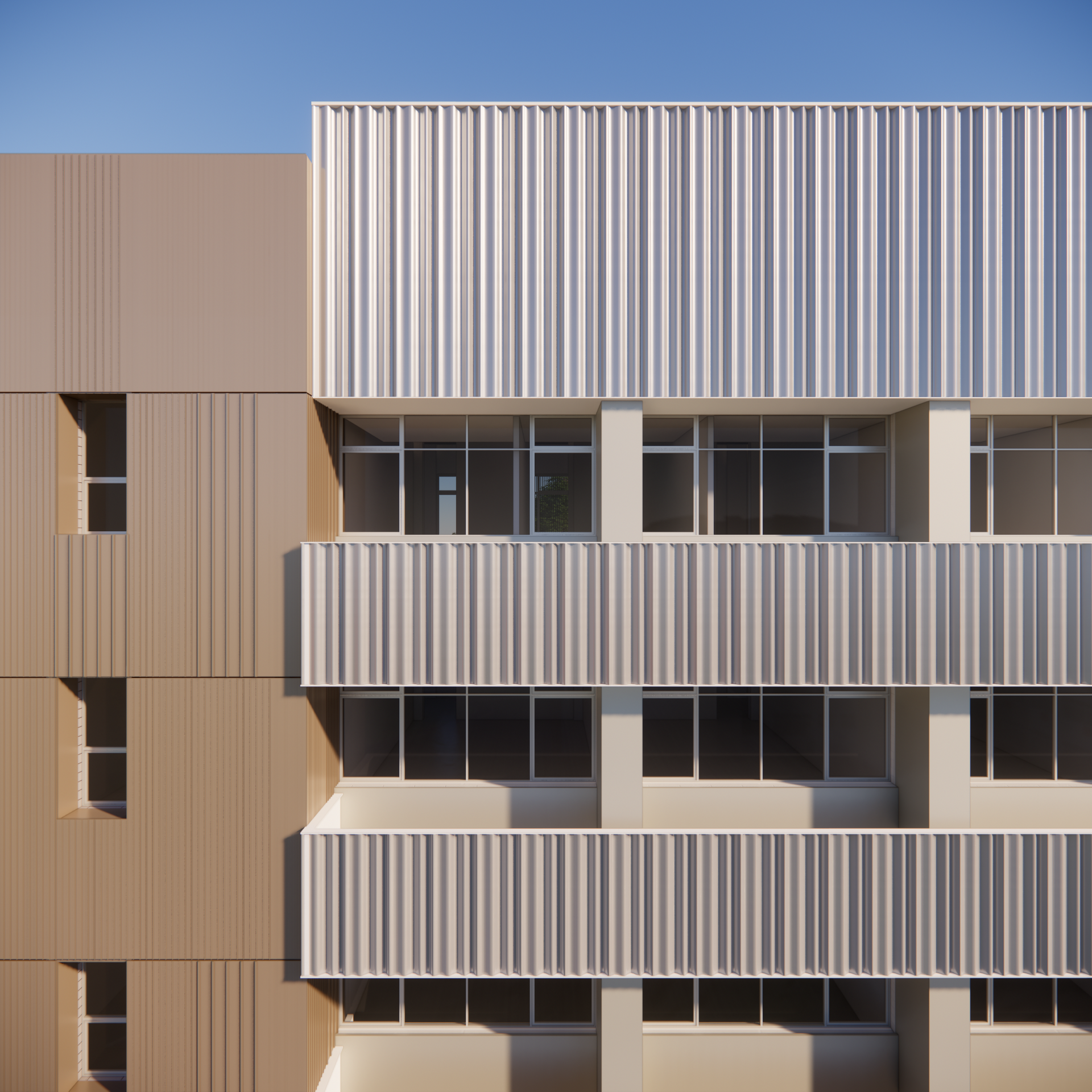
Screen Louvers
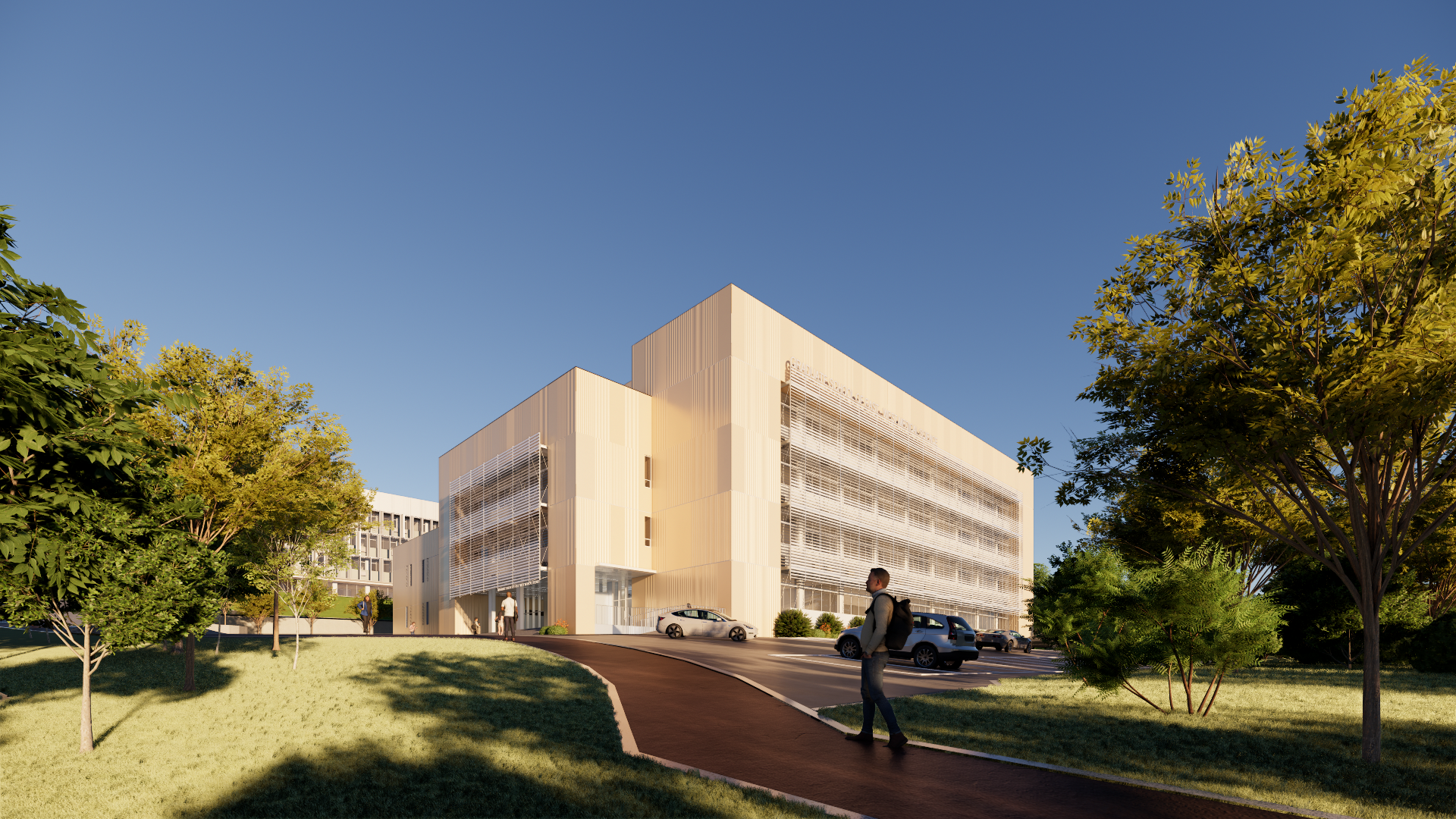
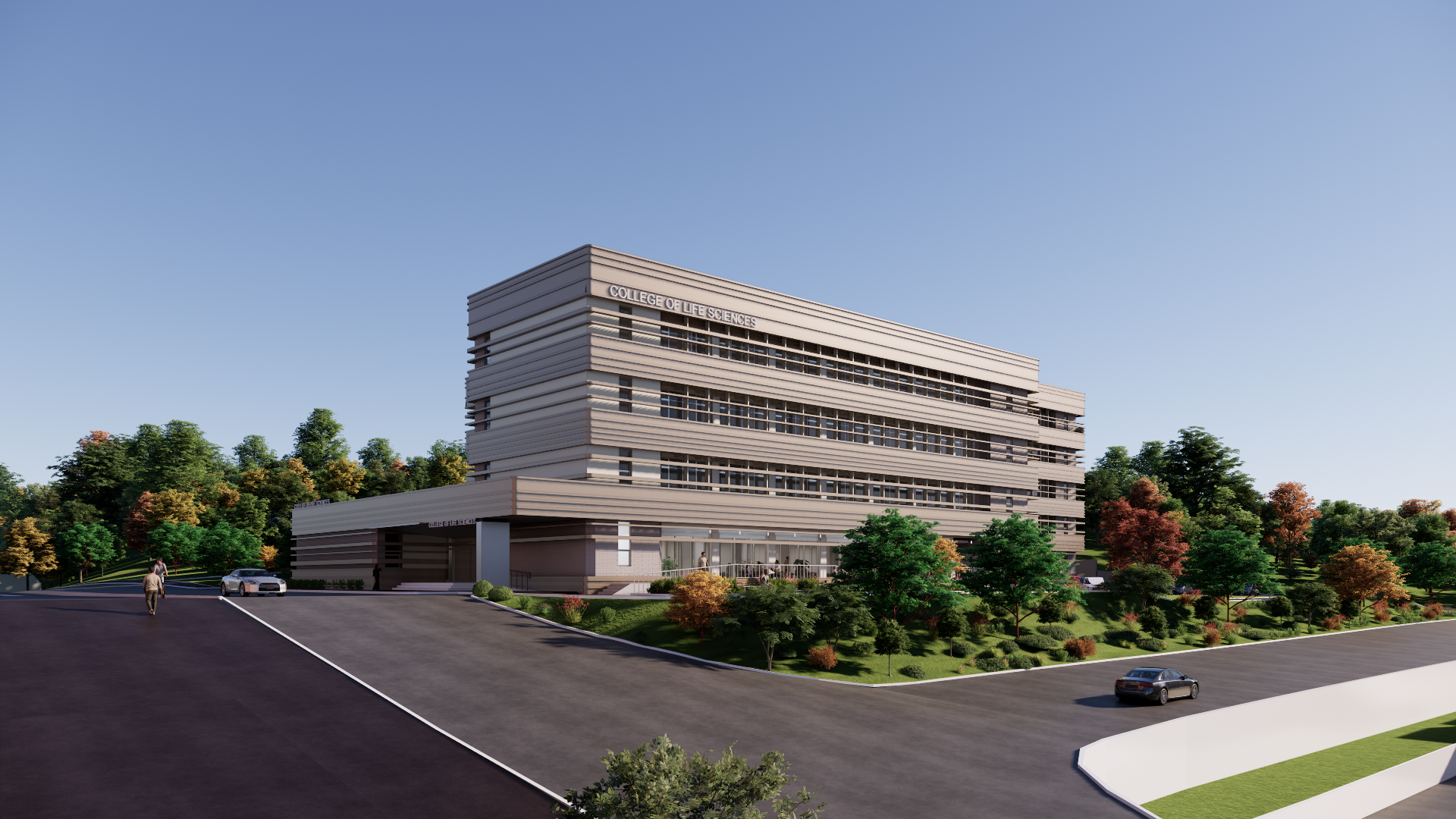
Horizontal Ribbon
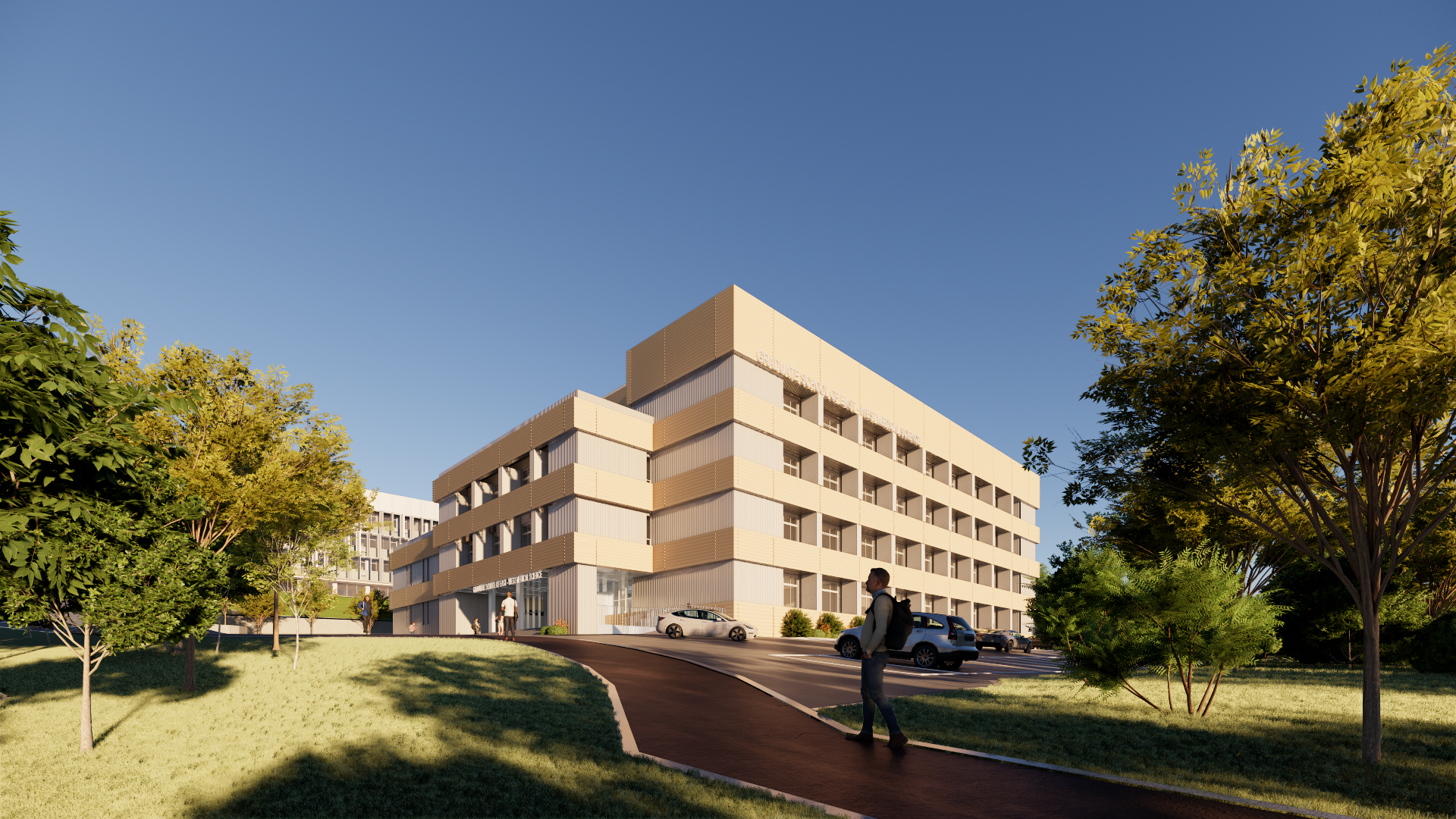
Spatial Renovation

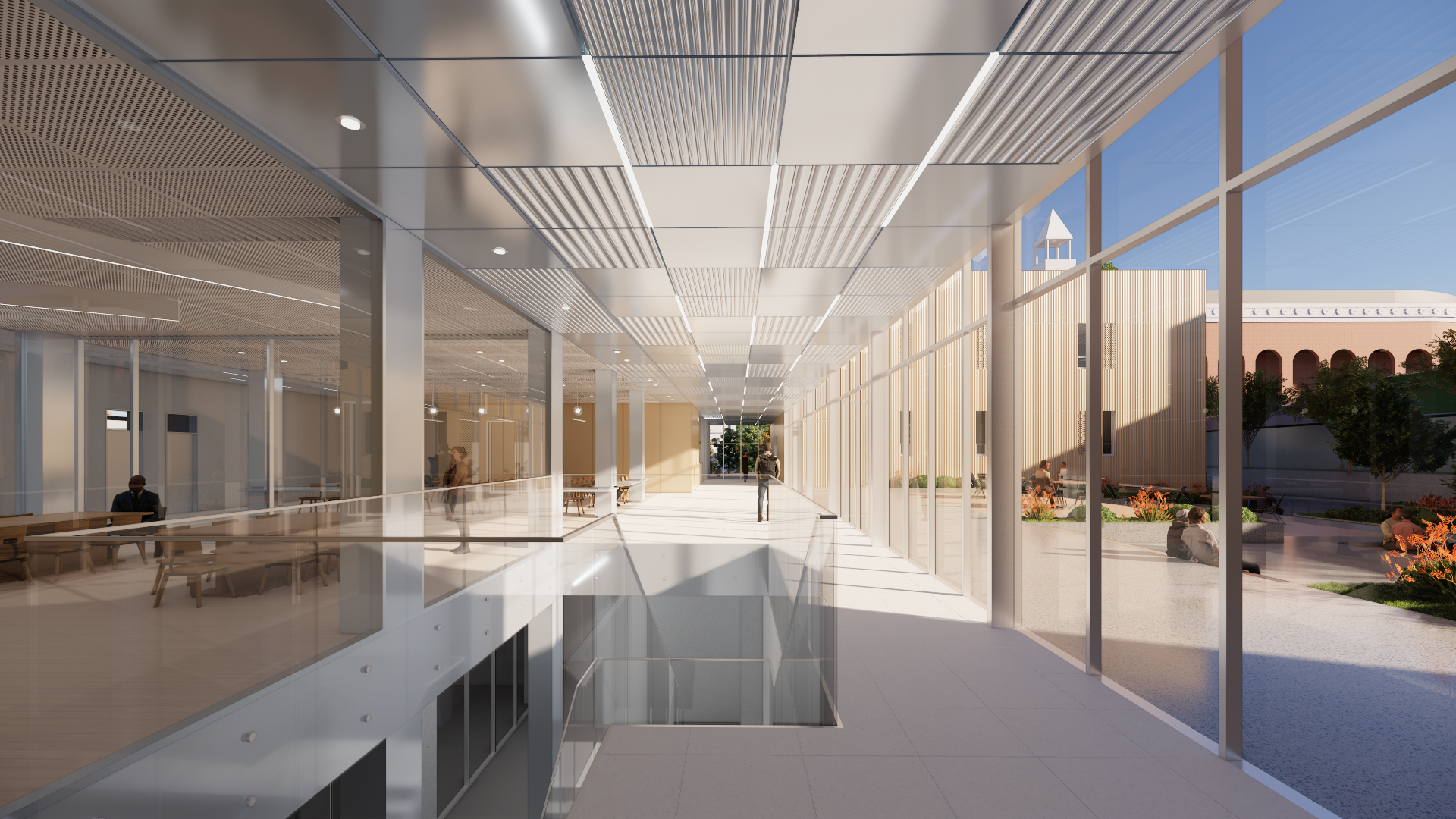
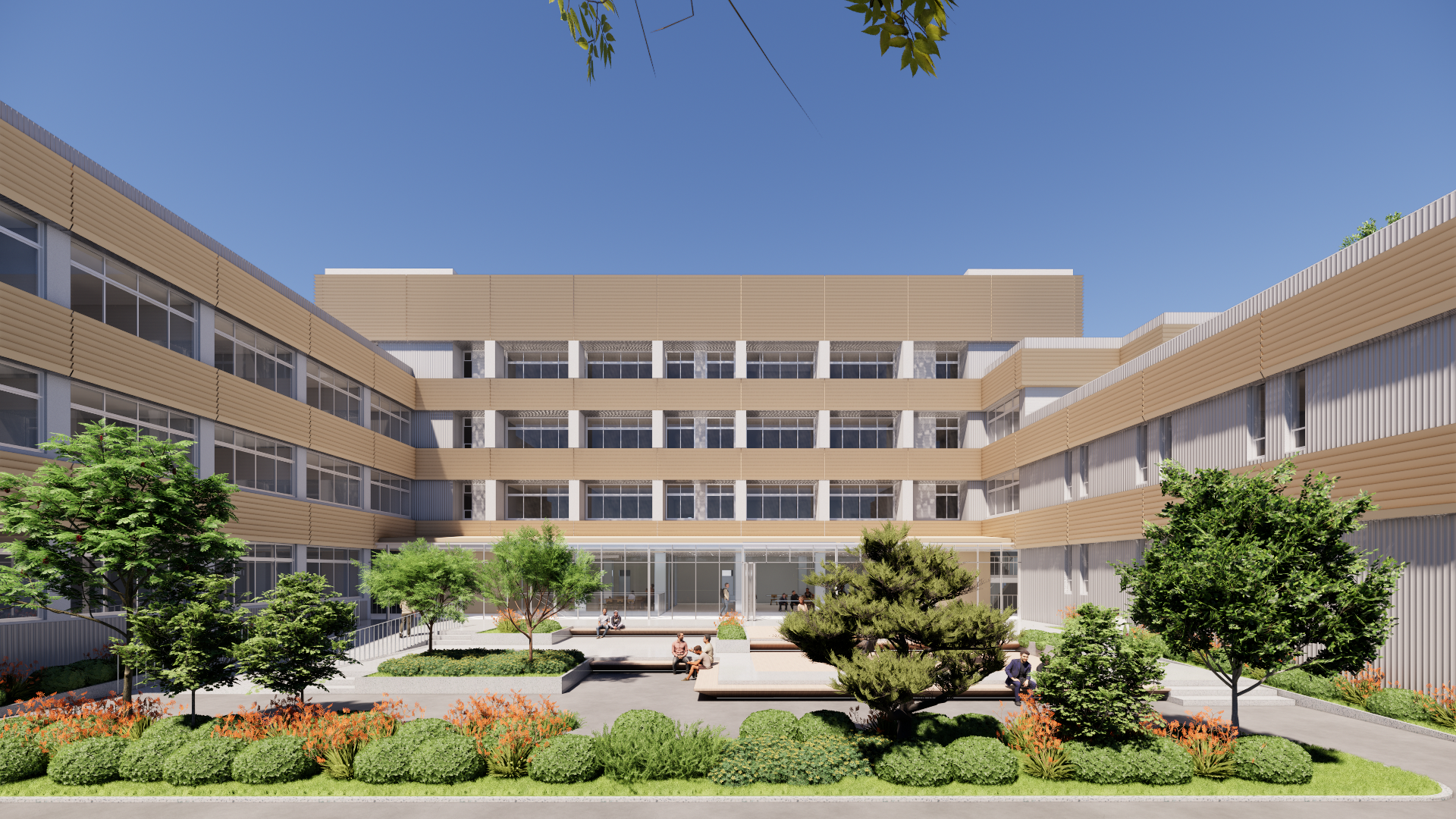
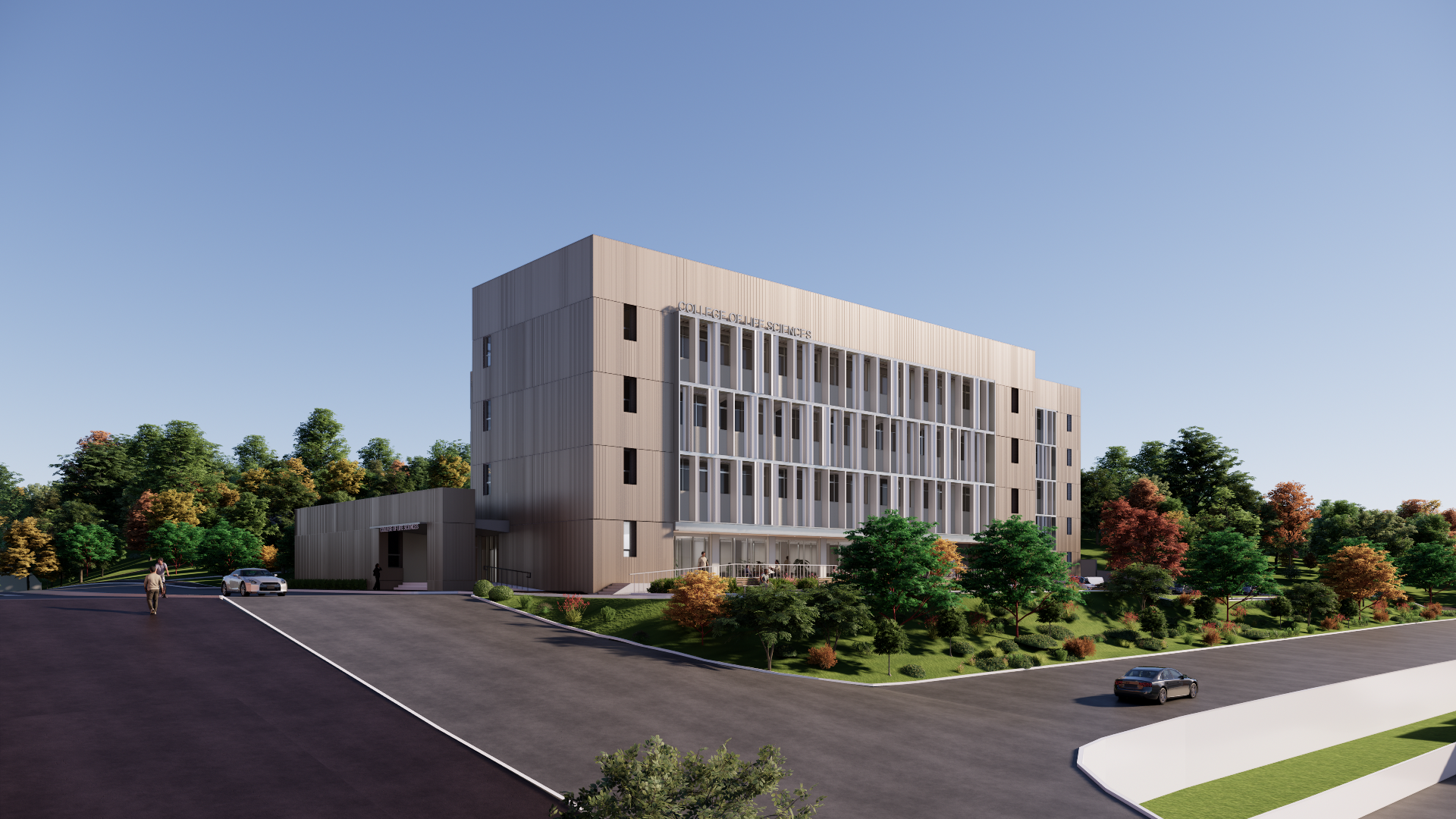
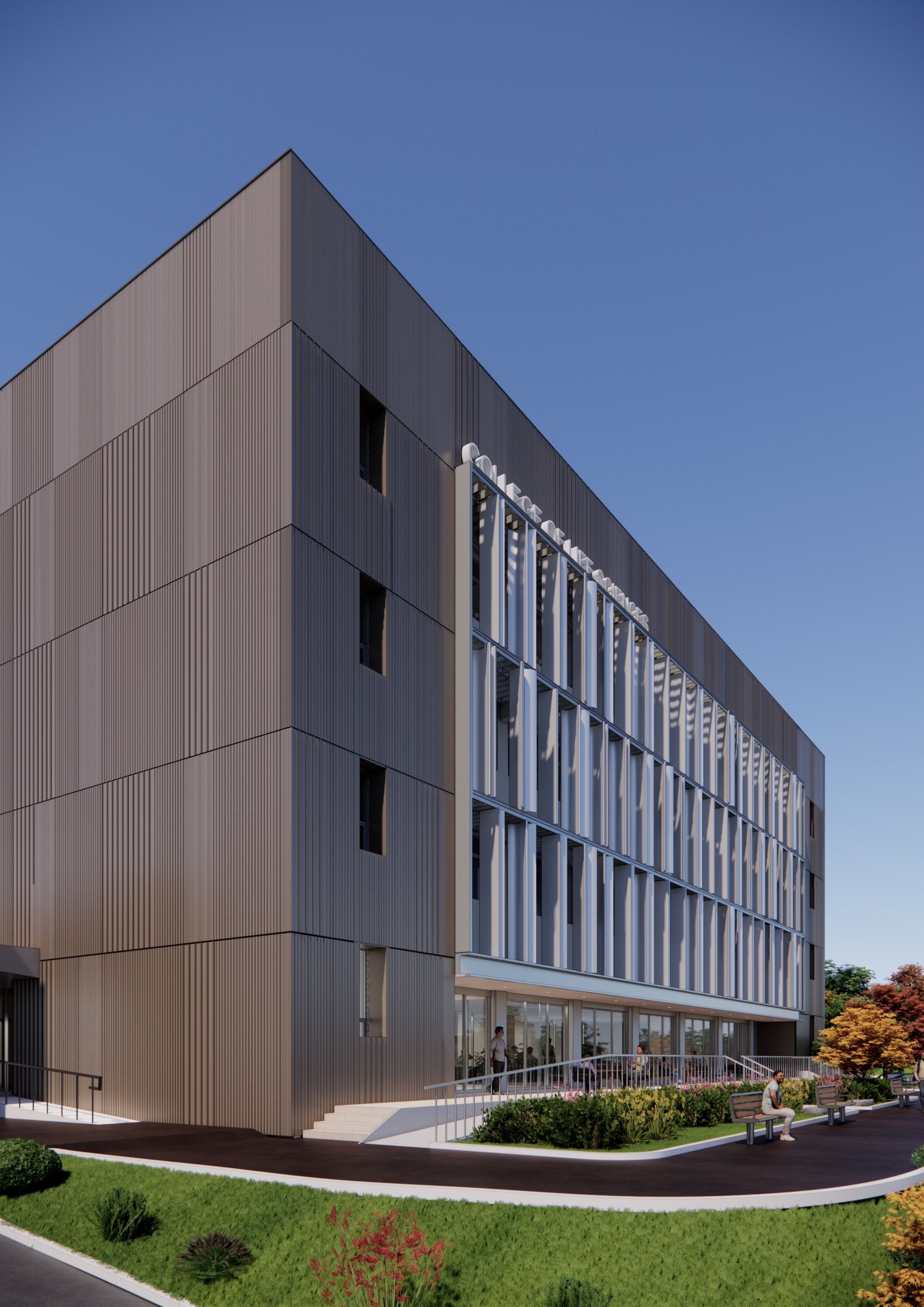
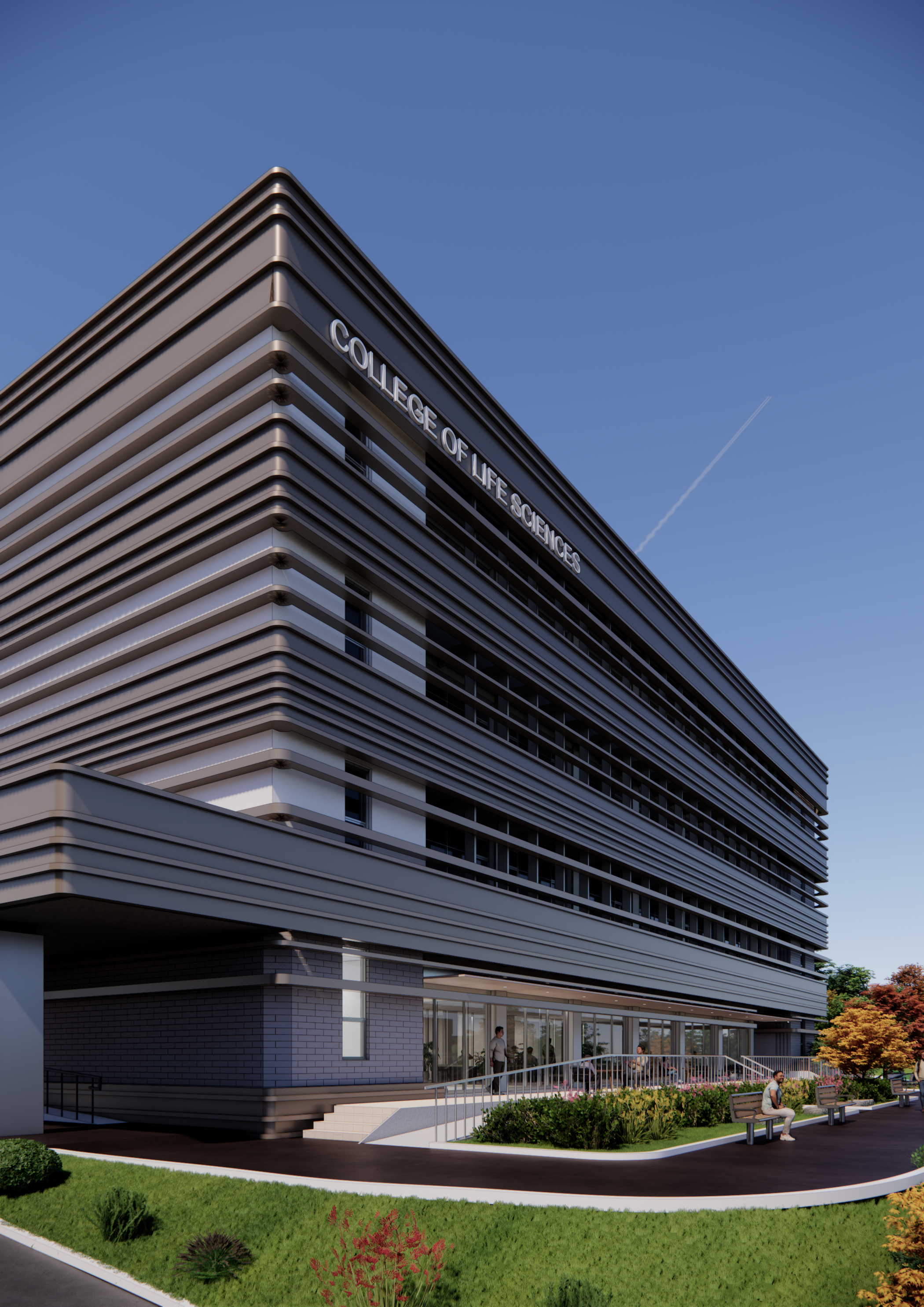
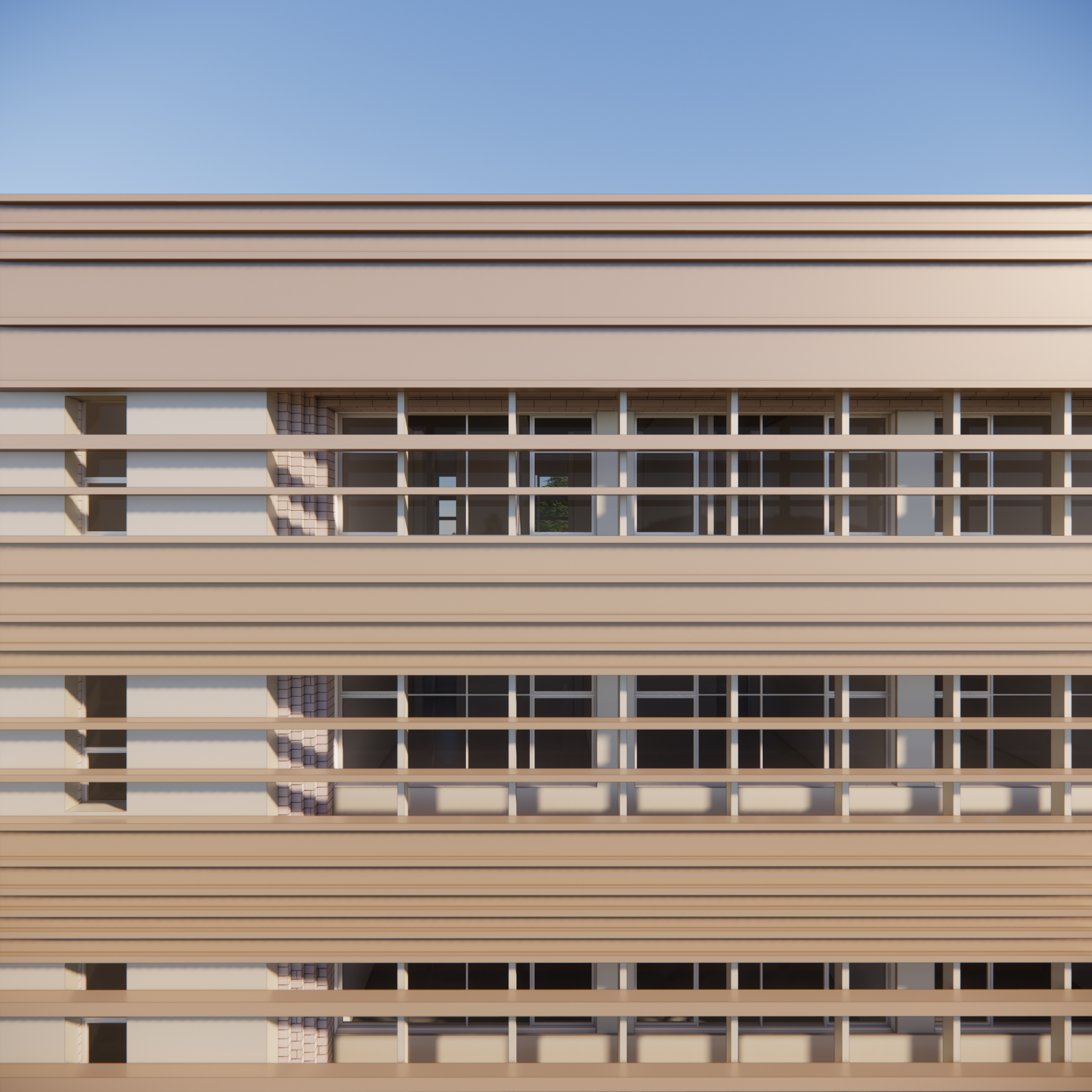
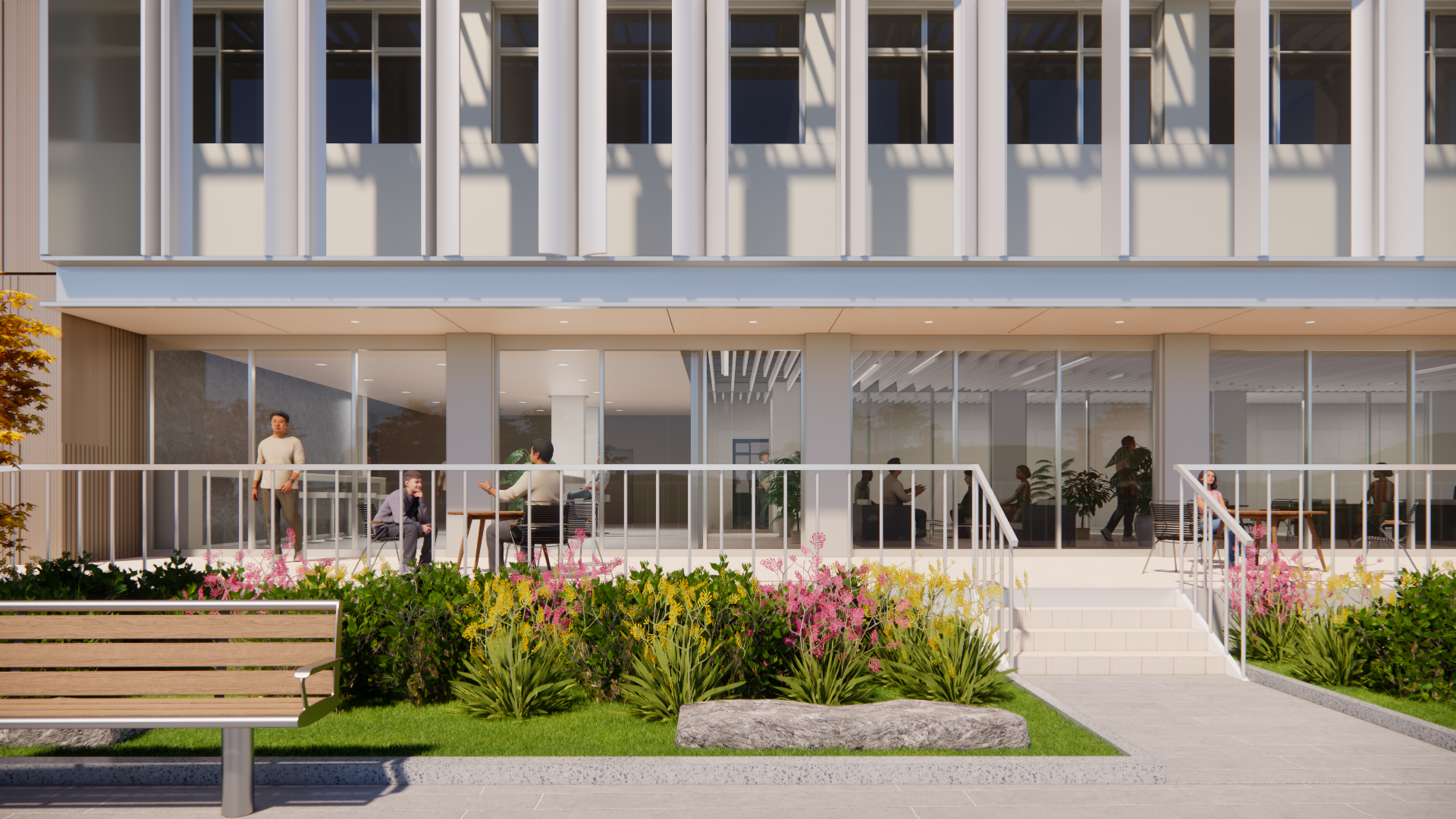
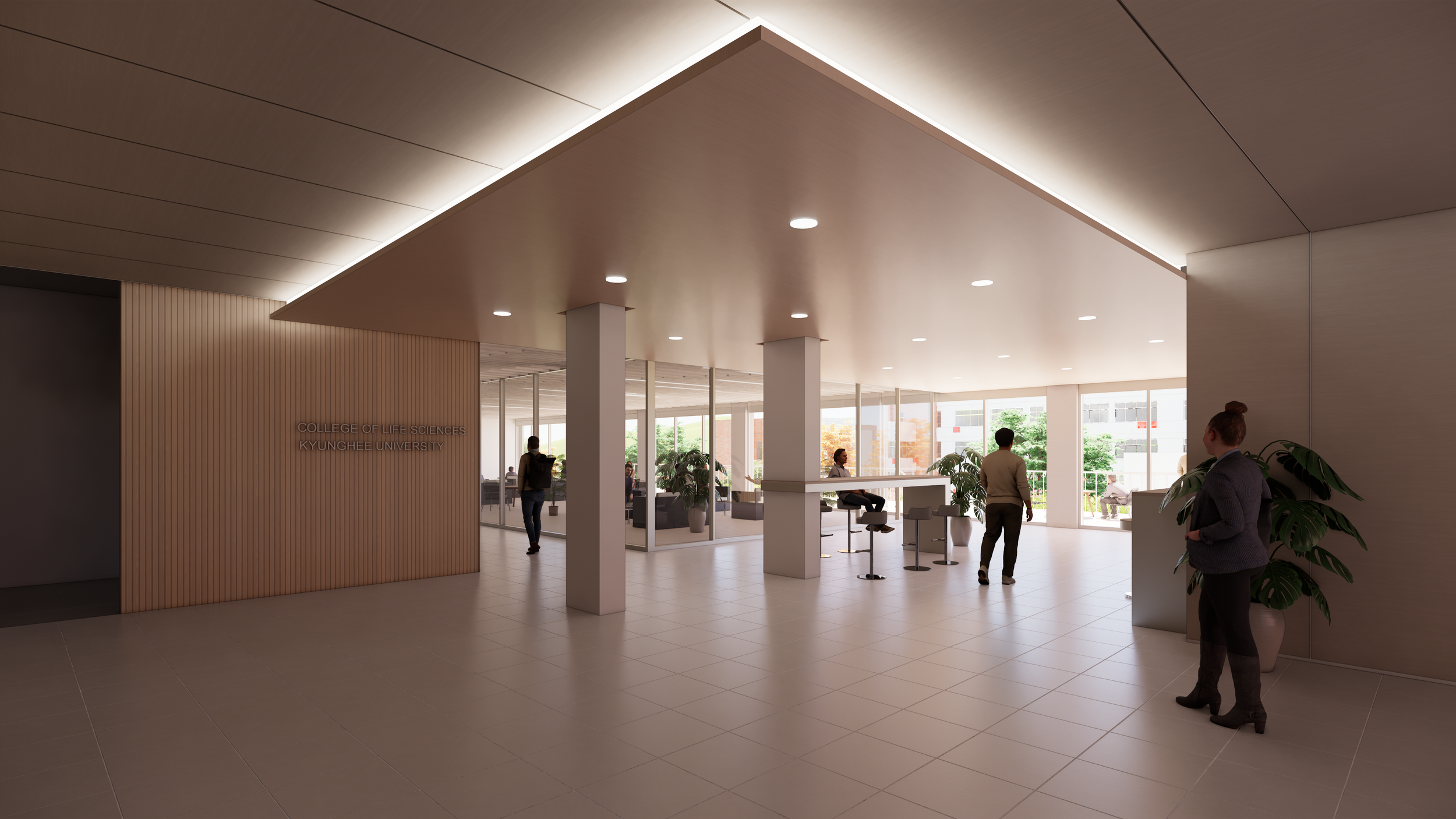
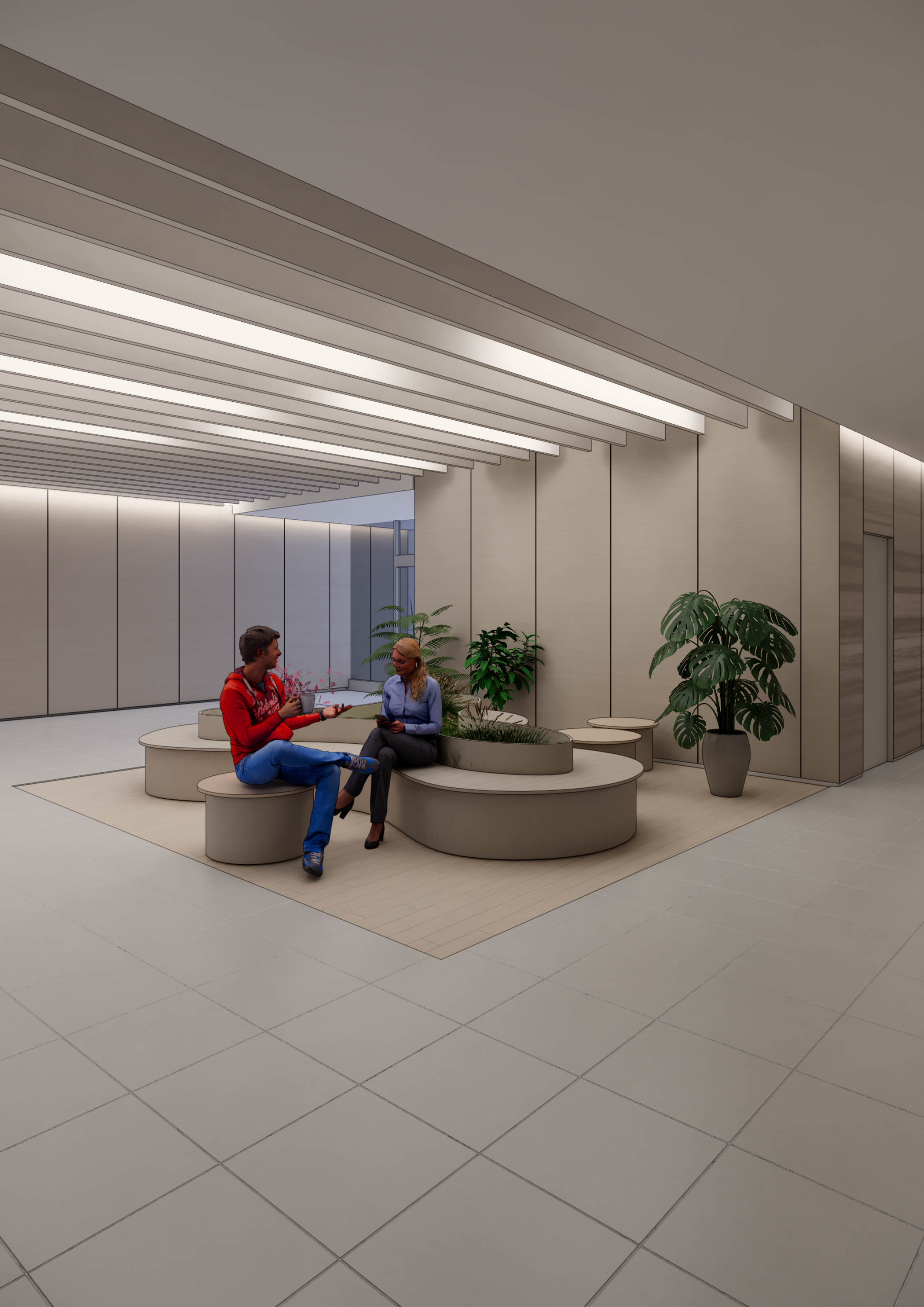
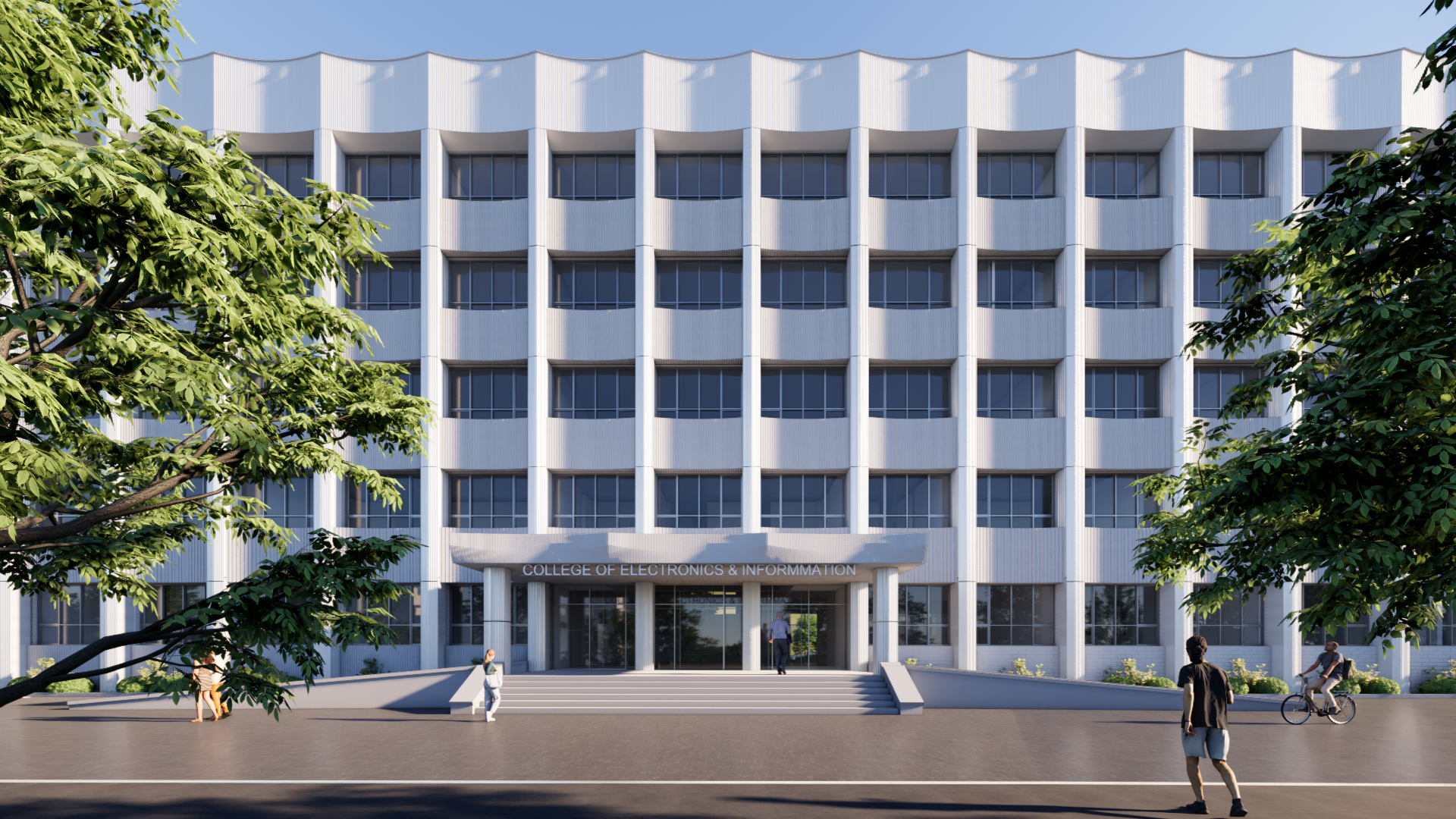
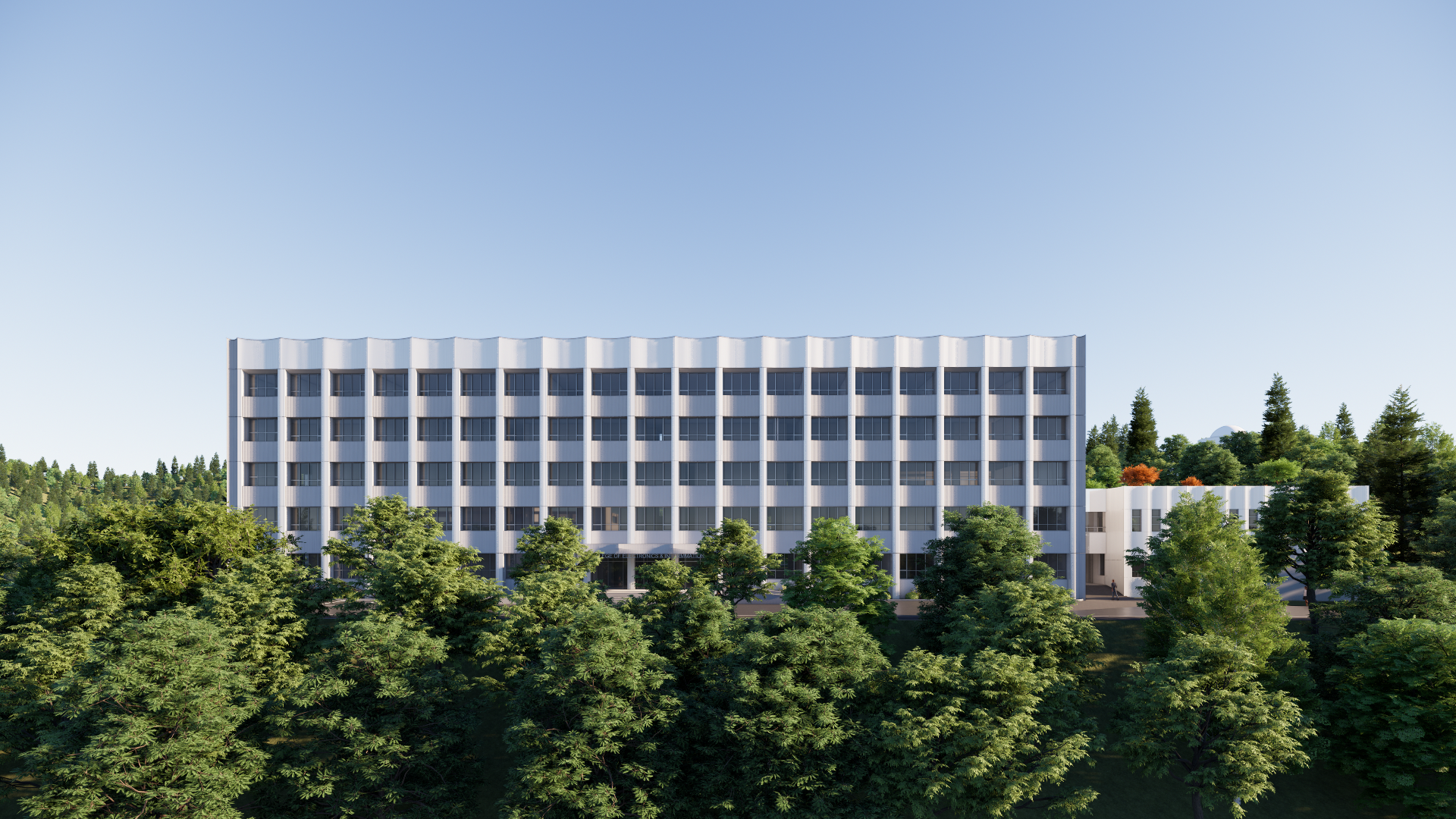
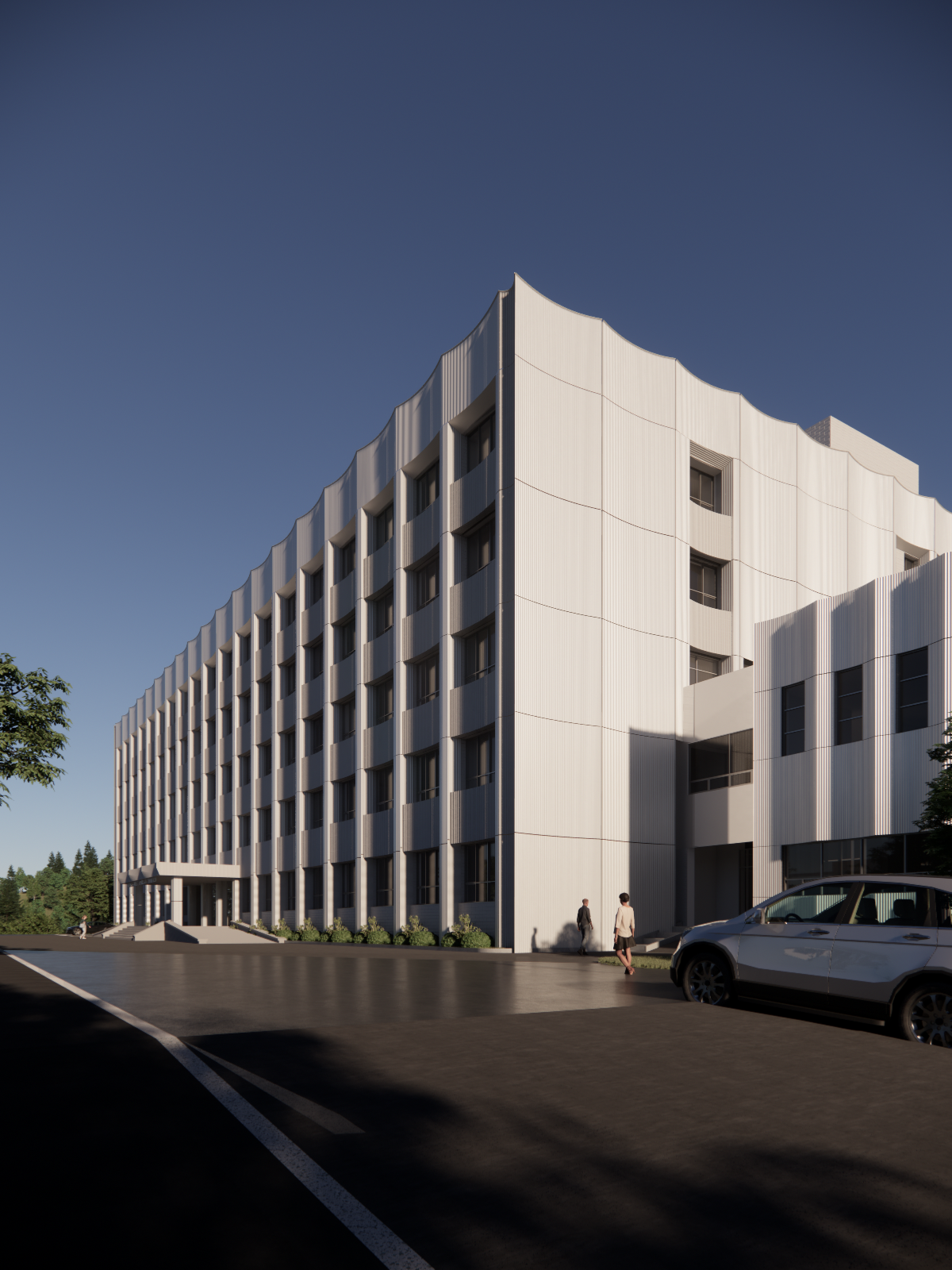
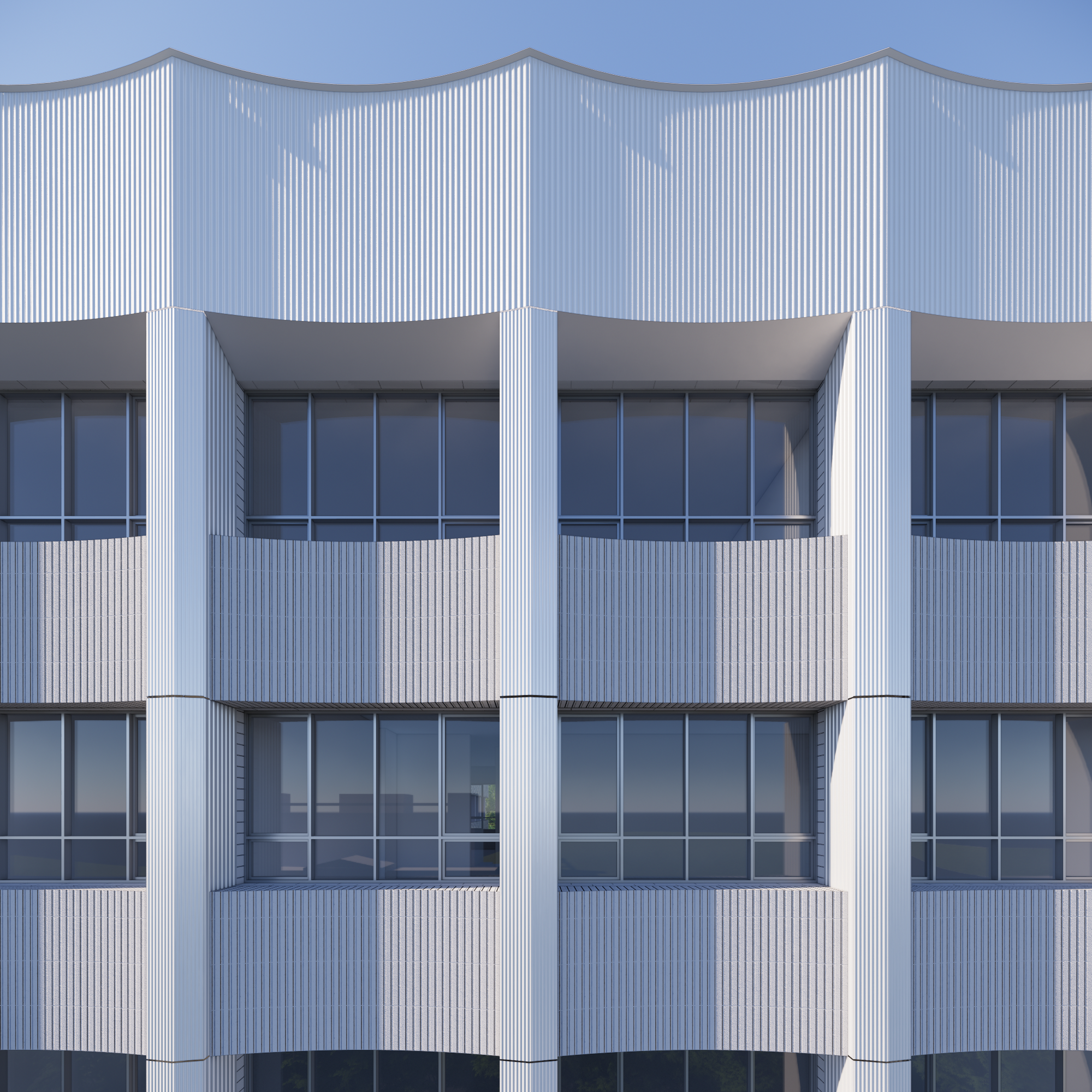
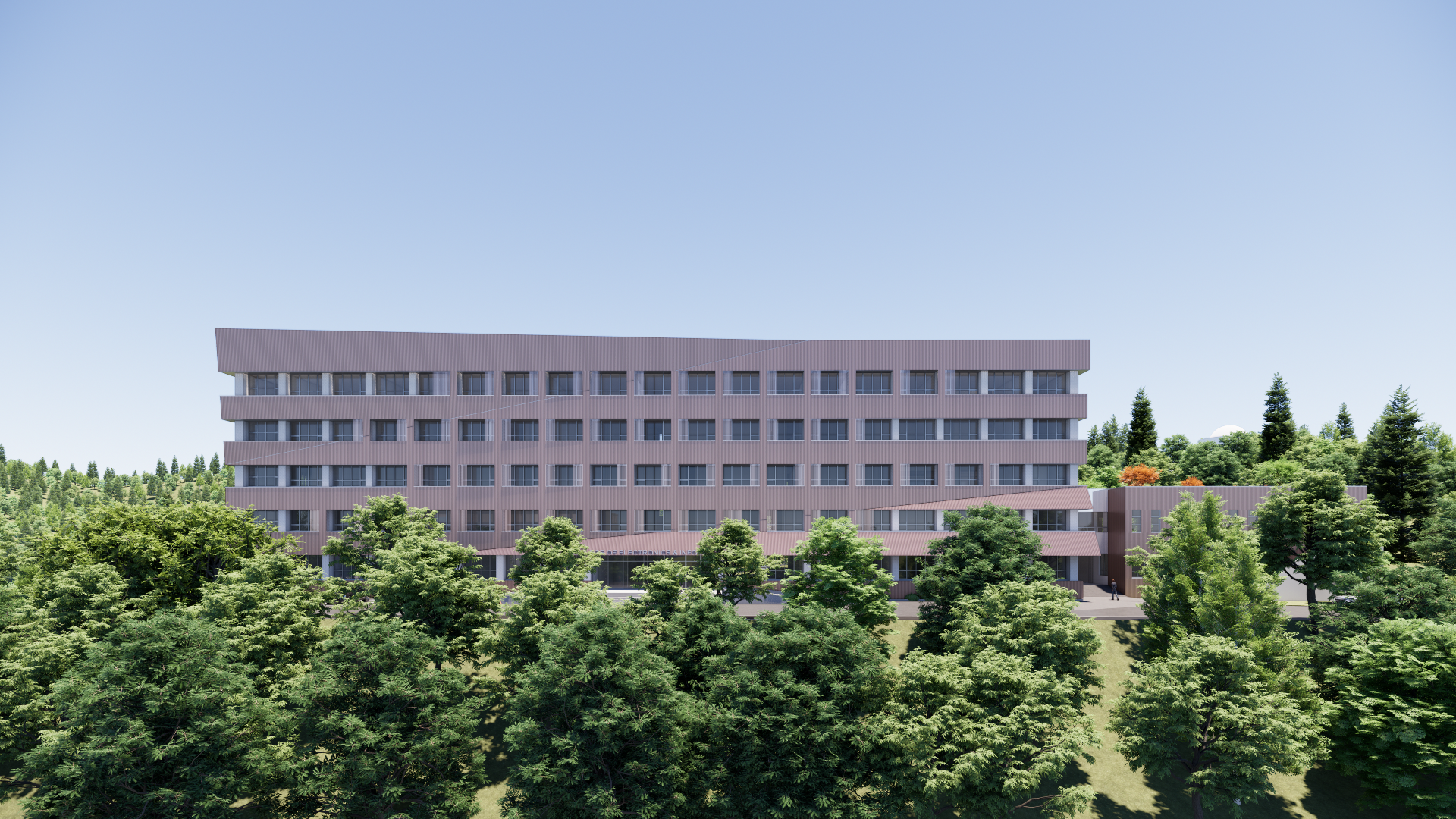
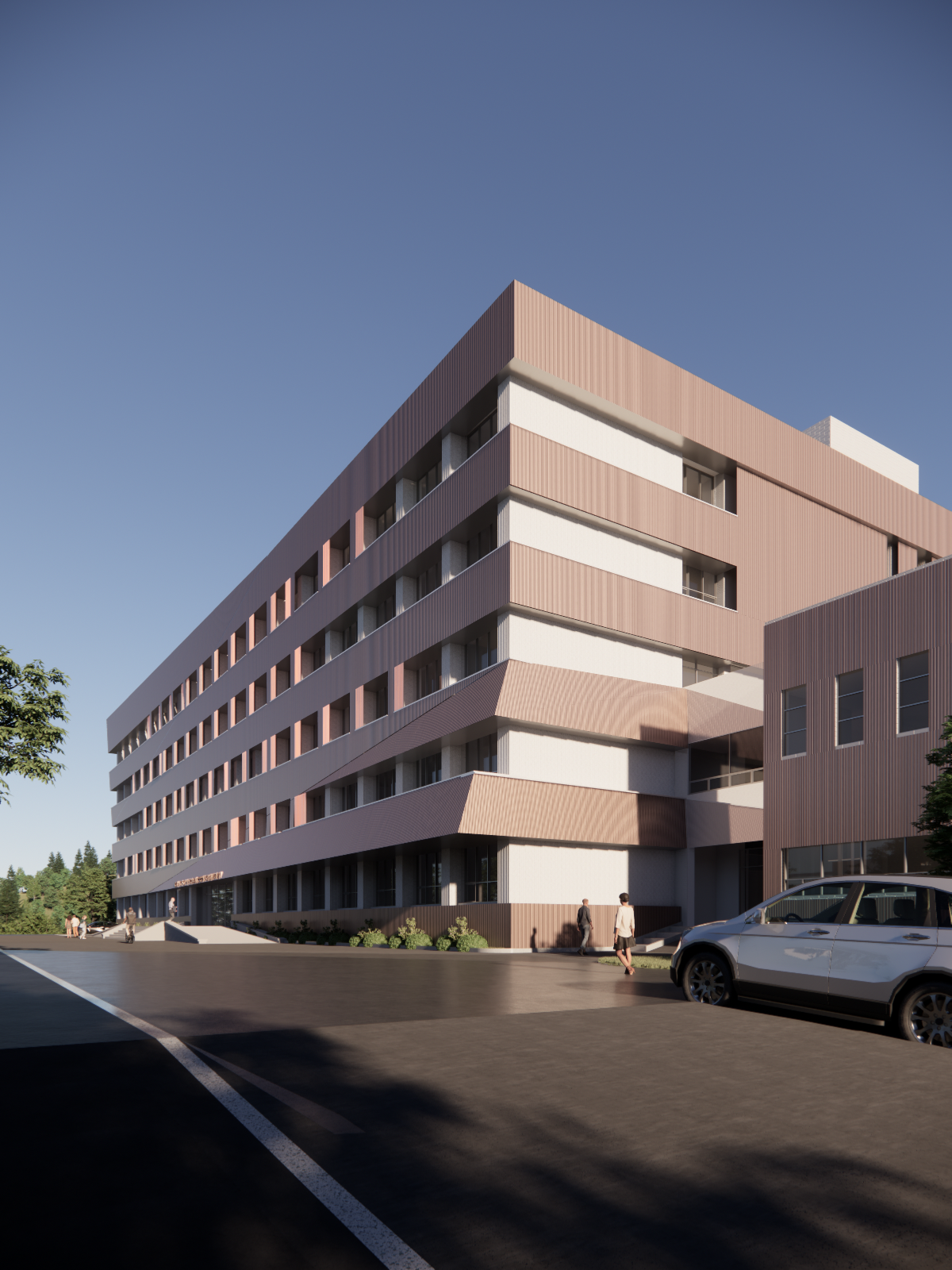
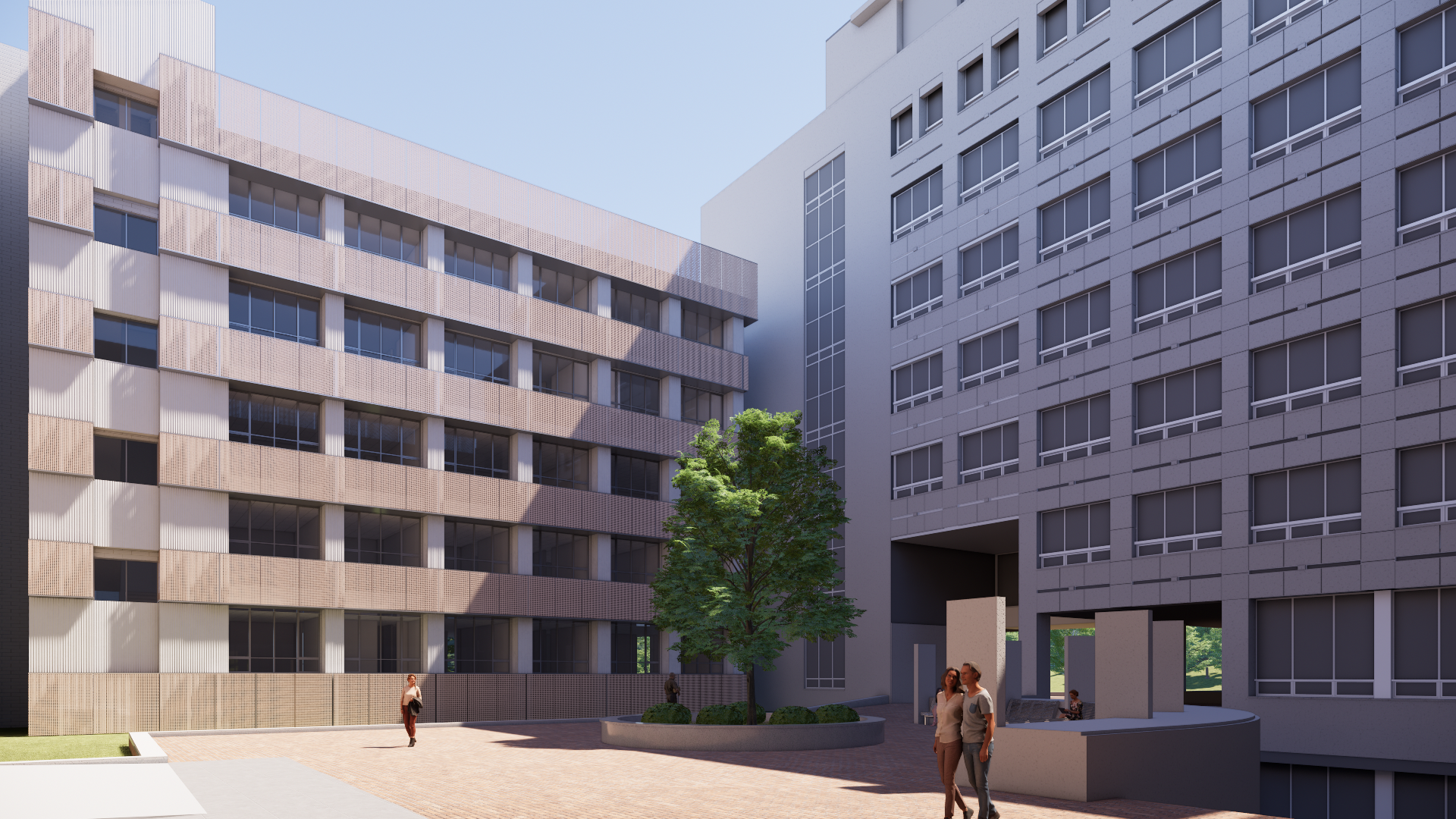
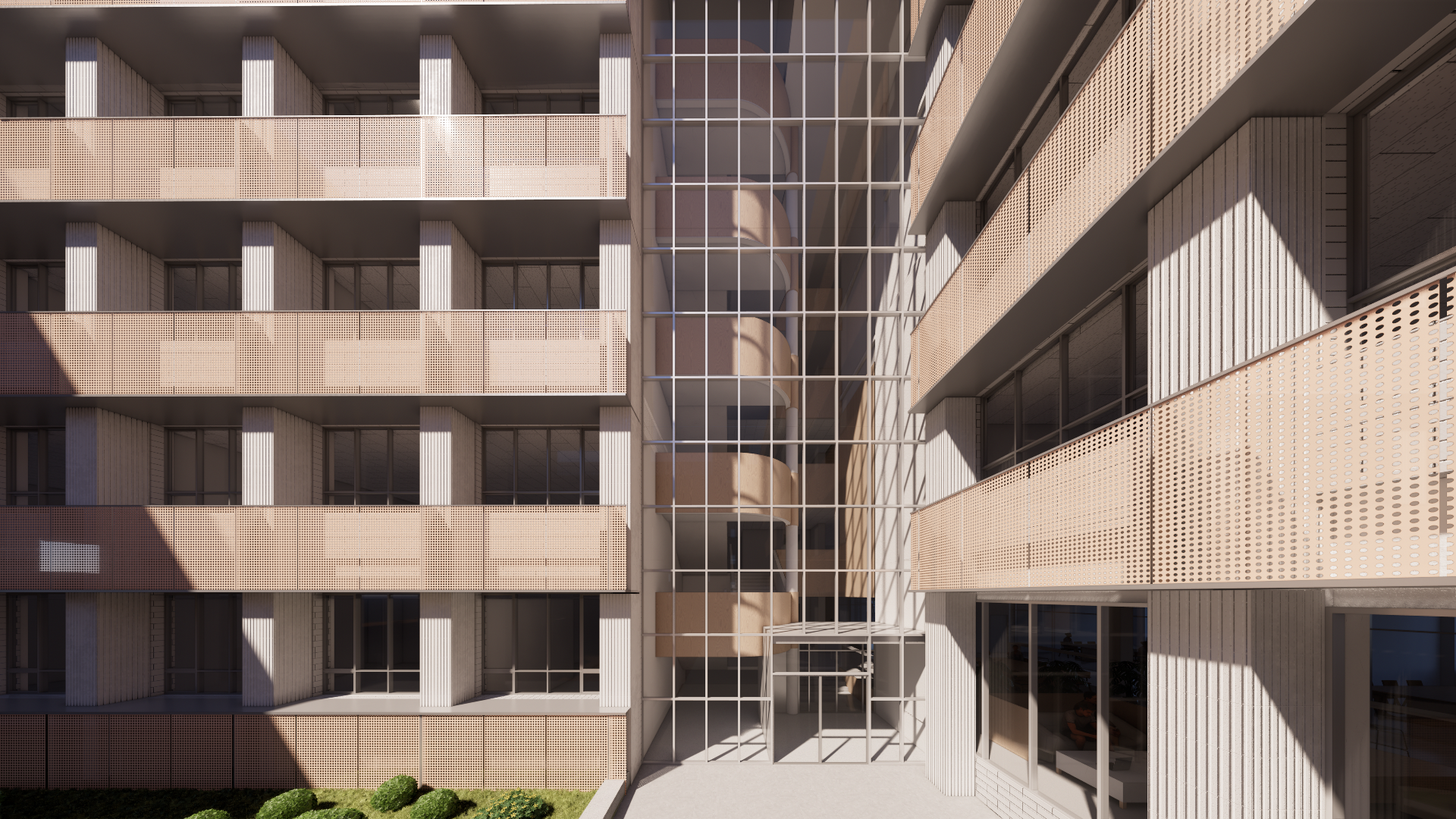
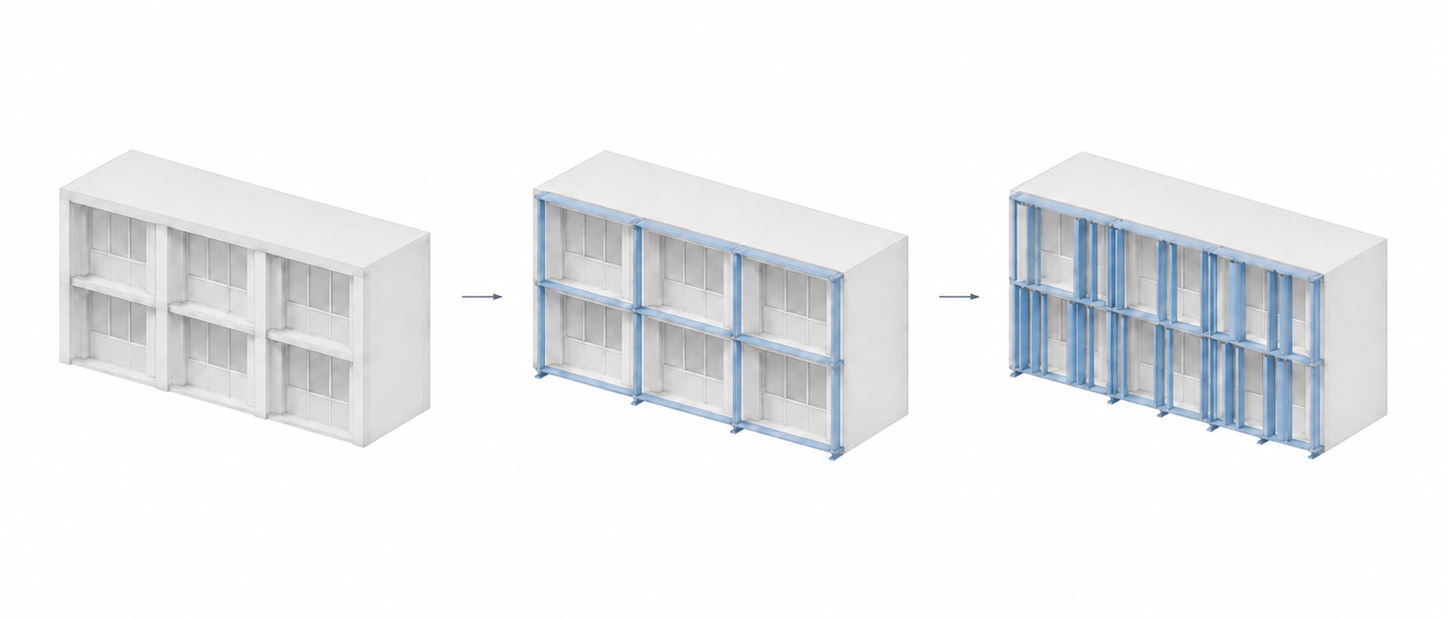
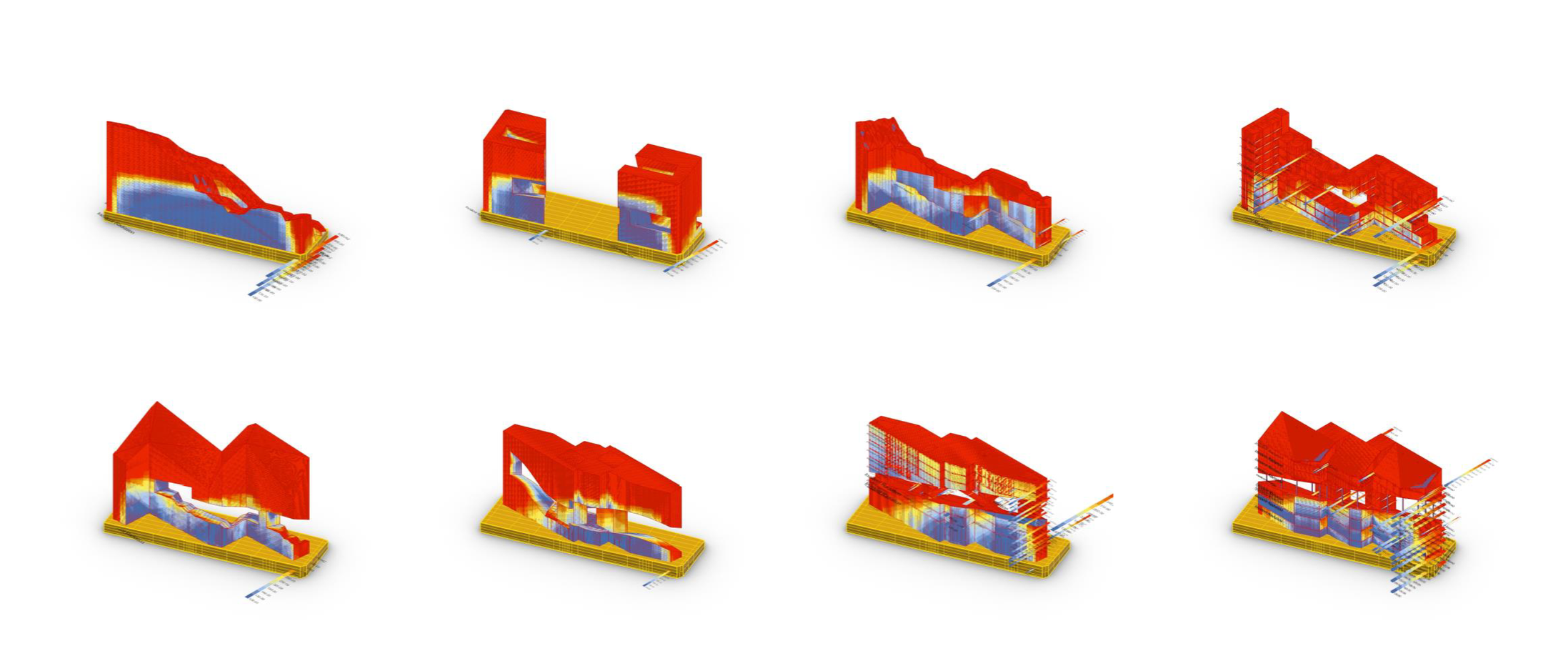
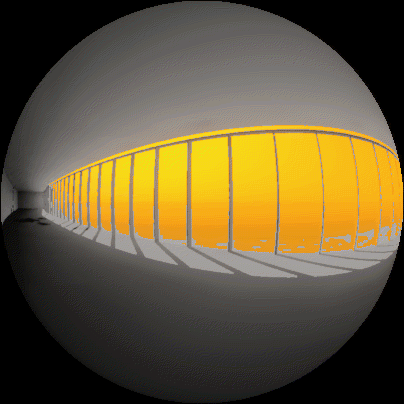
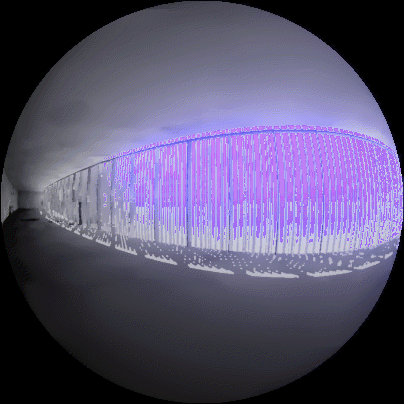
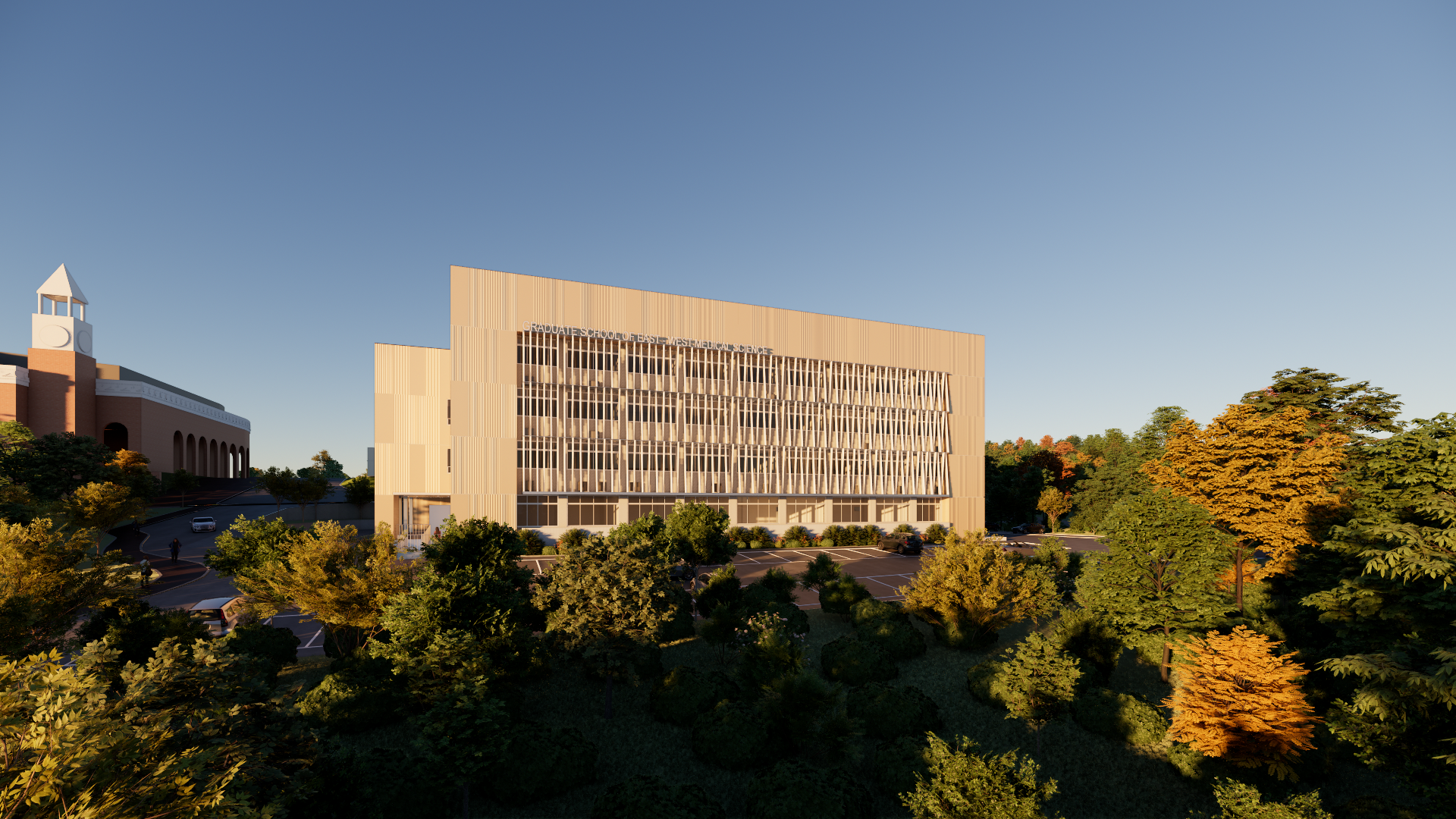
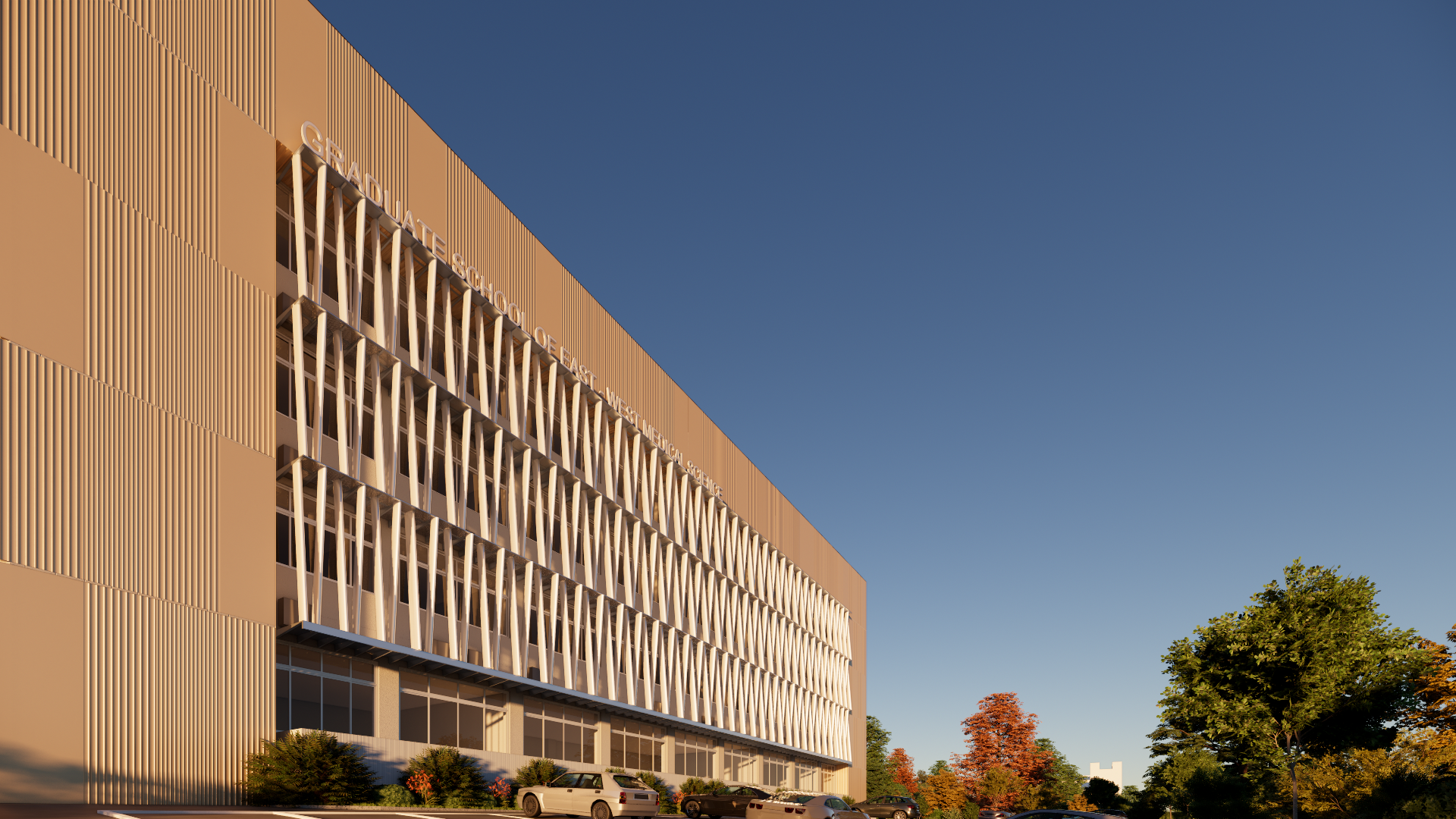
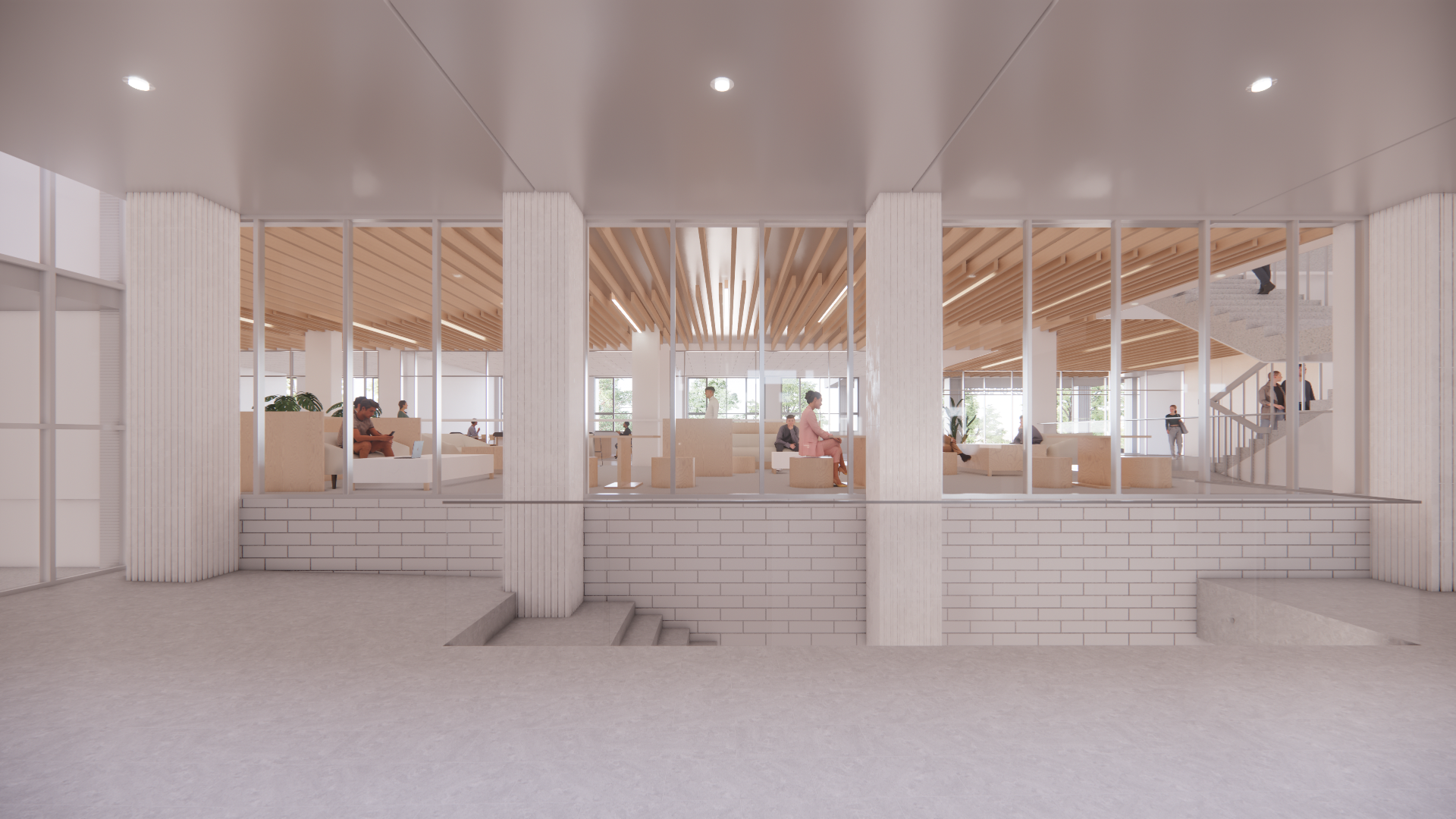
This study proposes a façade and interior renewal plan, with a focus on accessibility, courtyard connectivity, and environmental performance. The building suffers from deteriorated exterior tiles, exposed equipment, outdated public areas, and level differences that weaken the connection between indoor spaces and the courtyard.

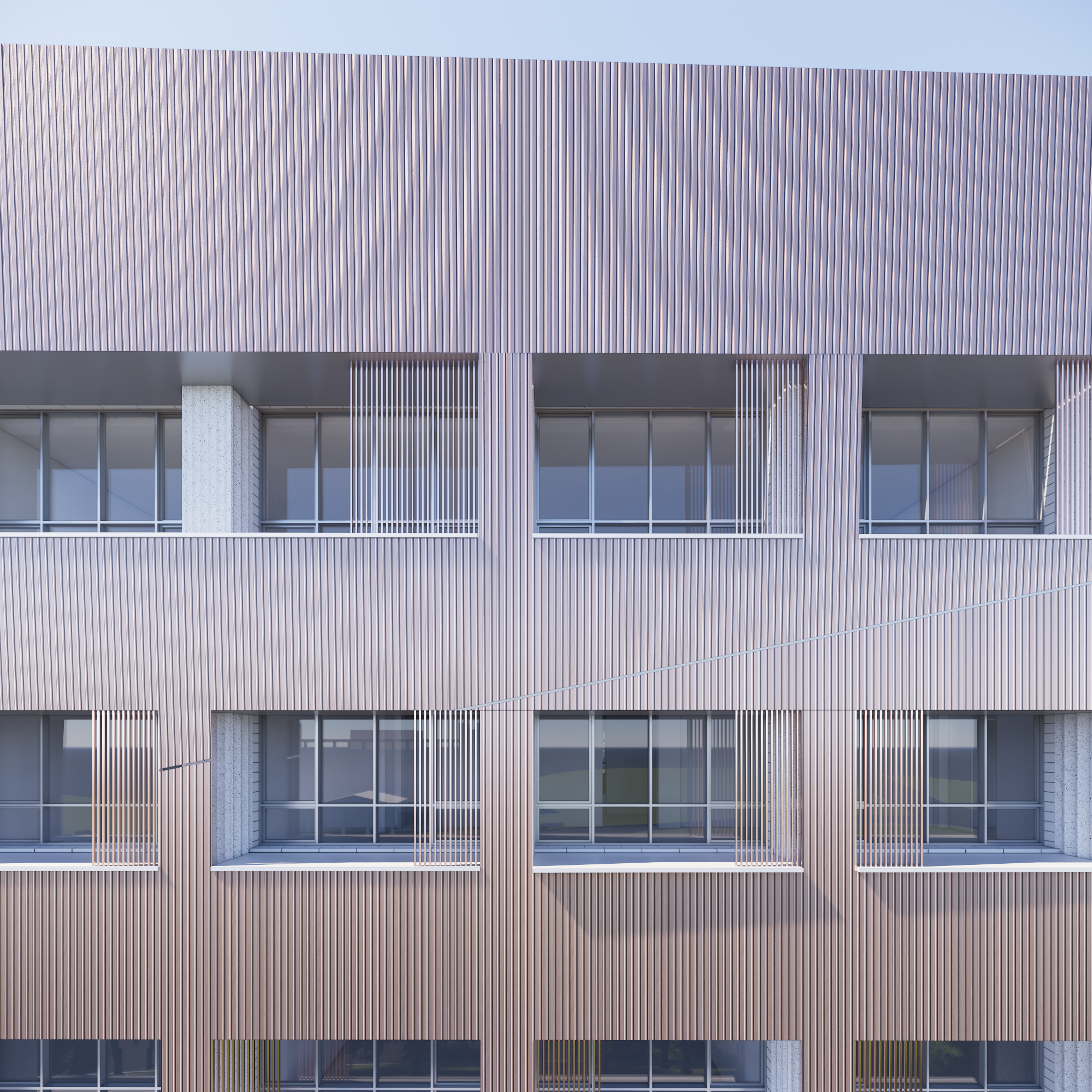
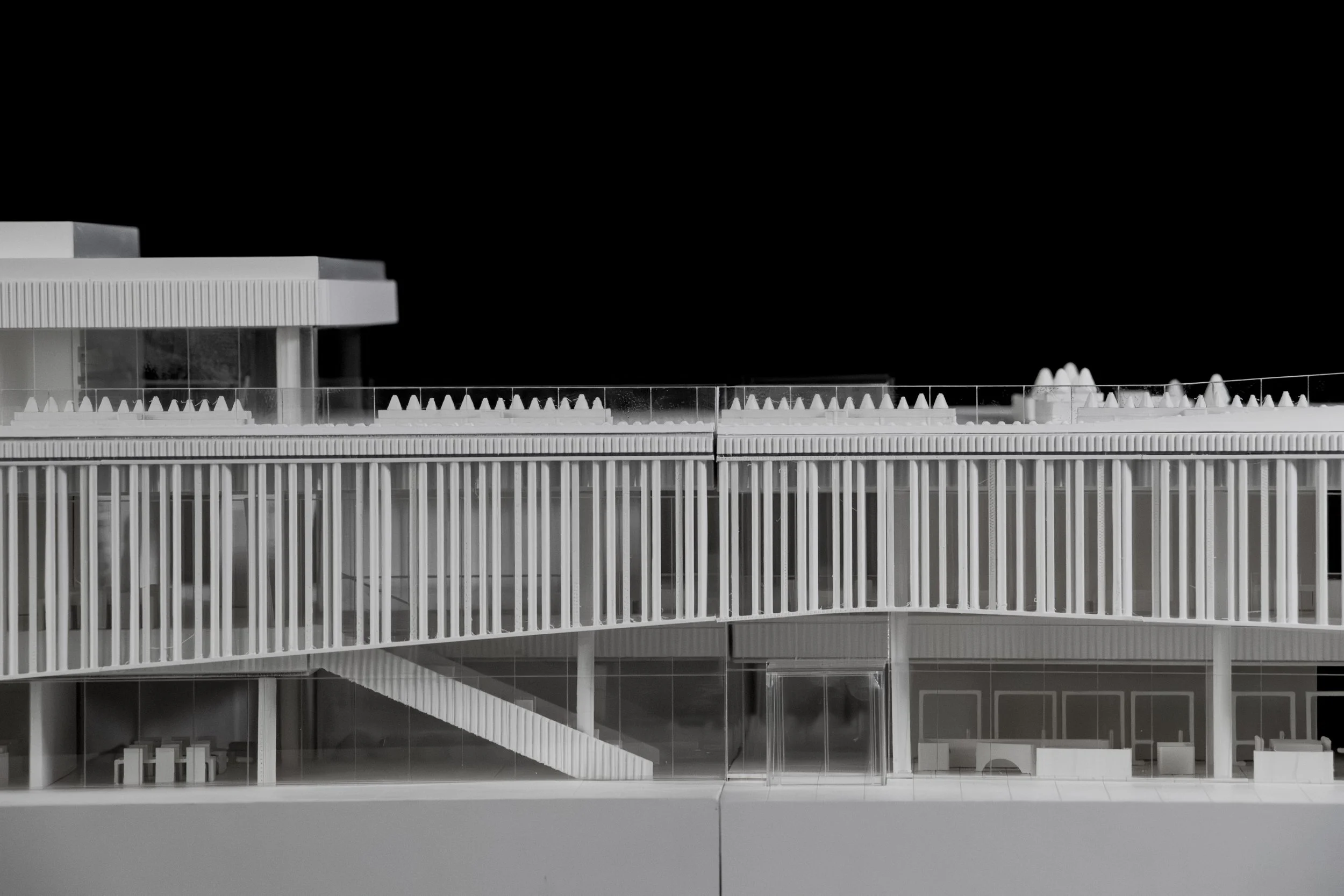
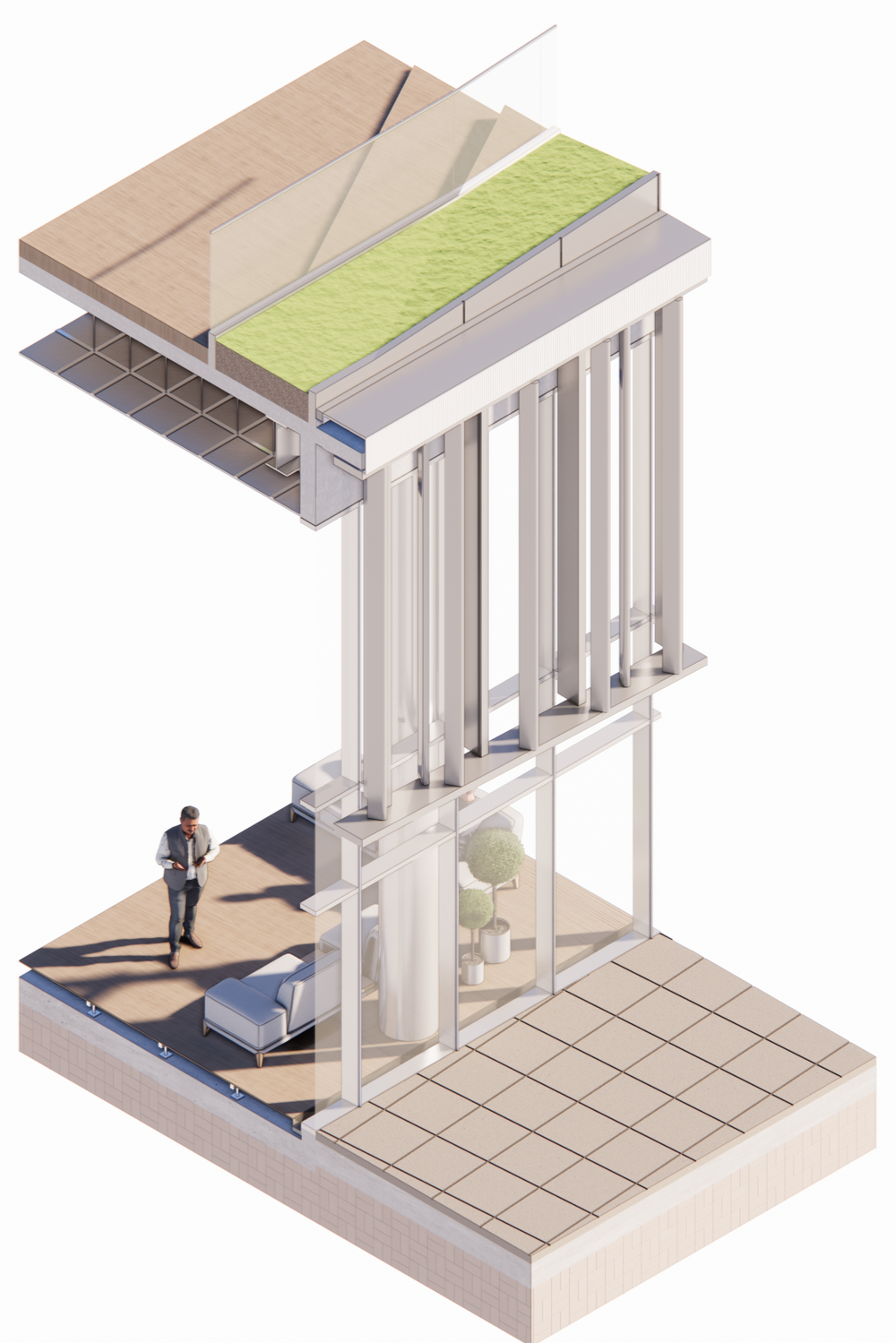
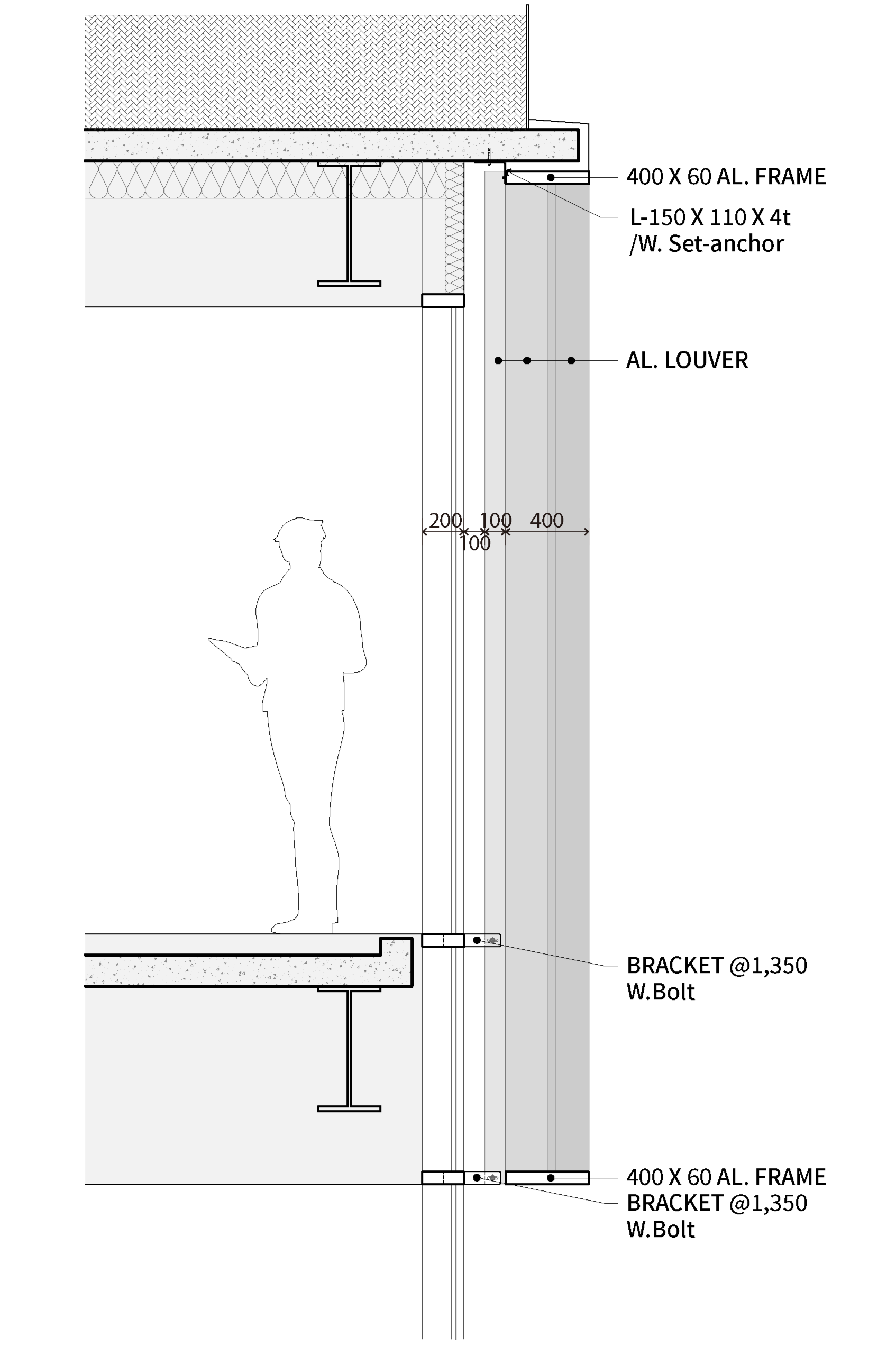
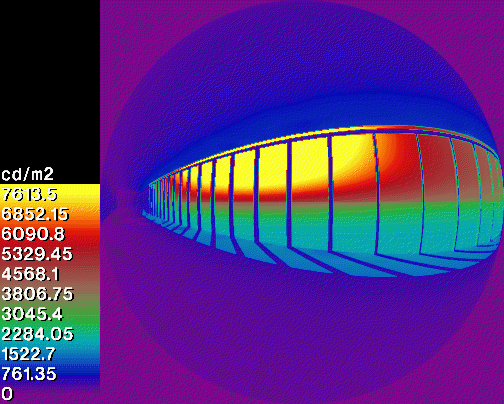
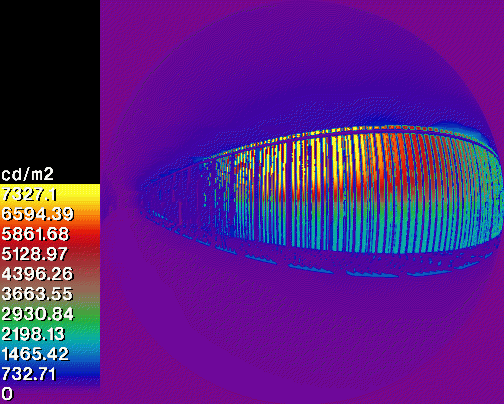
The façade alternatives — Cross Louvers, Screen Louvers, and Horizontal Ribbon — respond to the school’s identity by expressing convergence and exchange while also improving shading performance and concealing exterior equipment. The interior strategy is distinguished by the addition of ramps and elevators for barrier-free access, the restructuring of low-level public spaces, the overcoming of courtyard level differences, and the conversion of underused upper-level space into an open rooftop garden.


Year: 2025

Location : Yongin, Korea

Status : Design Proposal

Type : Institution, Renovation

Principal in Charge :

Dongil Kim (I.f CDL, KHU)

Design Team : Bugun Kim (I.f CDL)
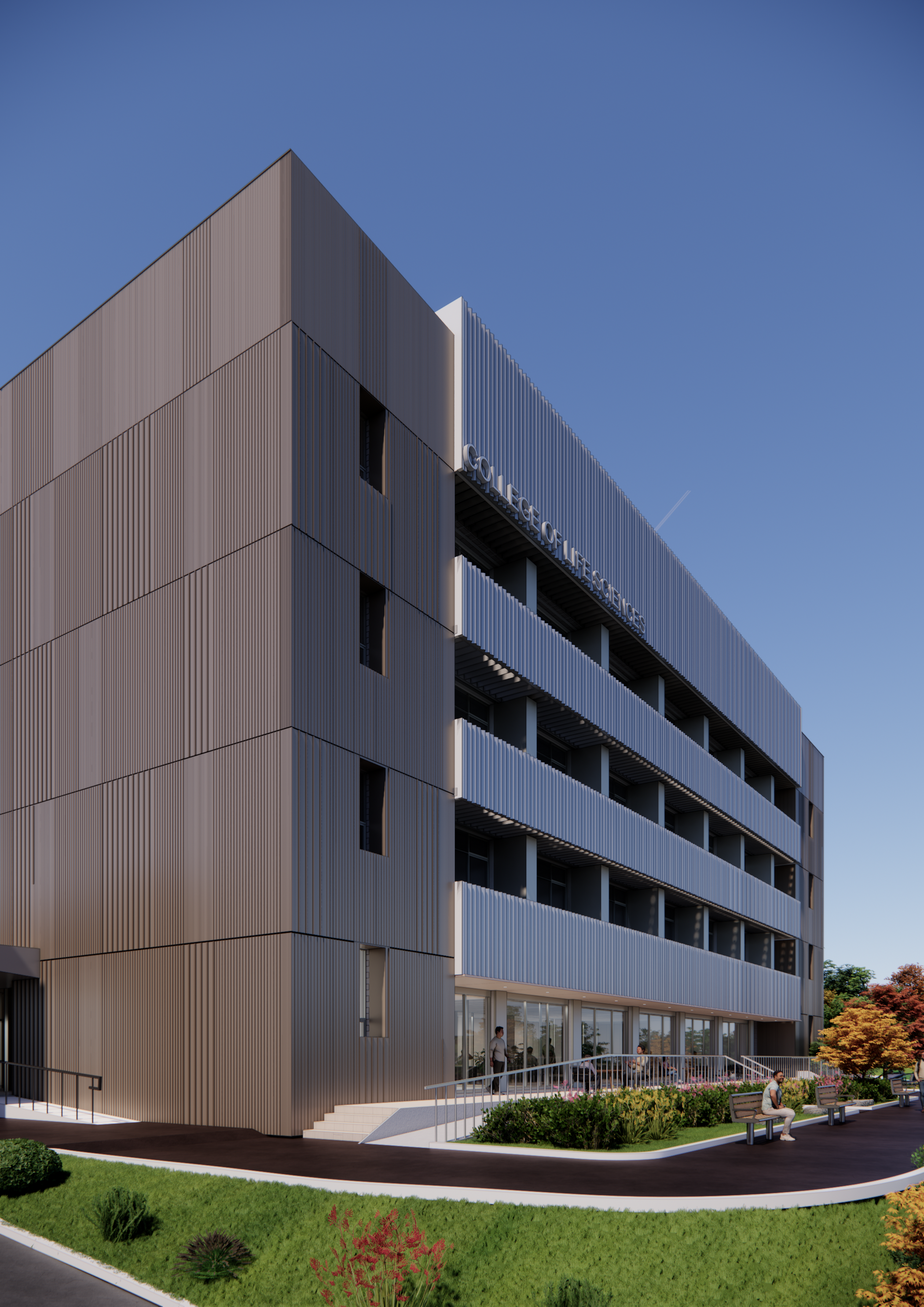
Facade and Spatial Renewal Plan - 02

DNA Sequencing

Monolithic

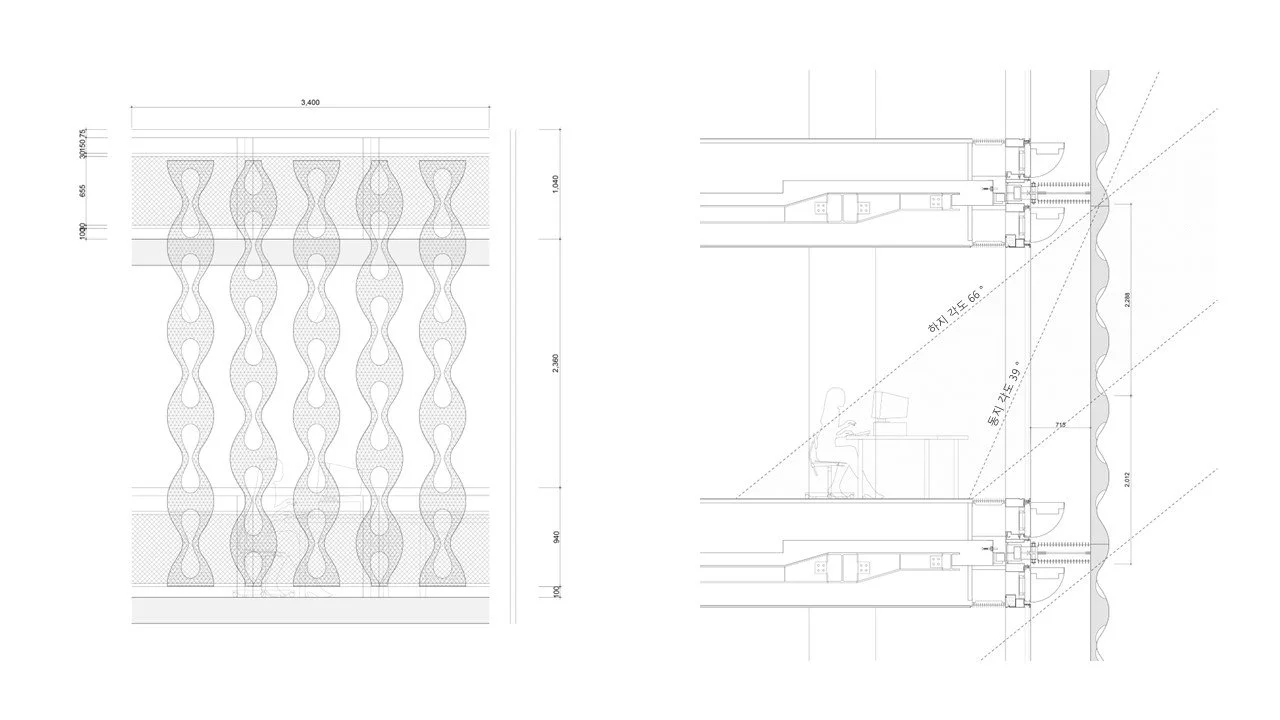
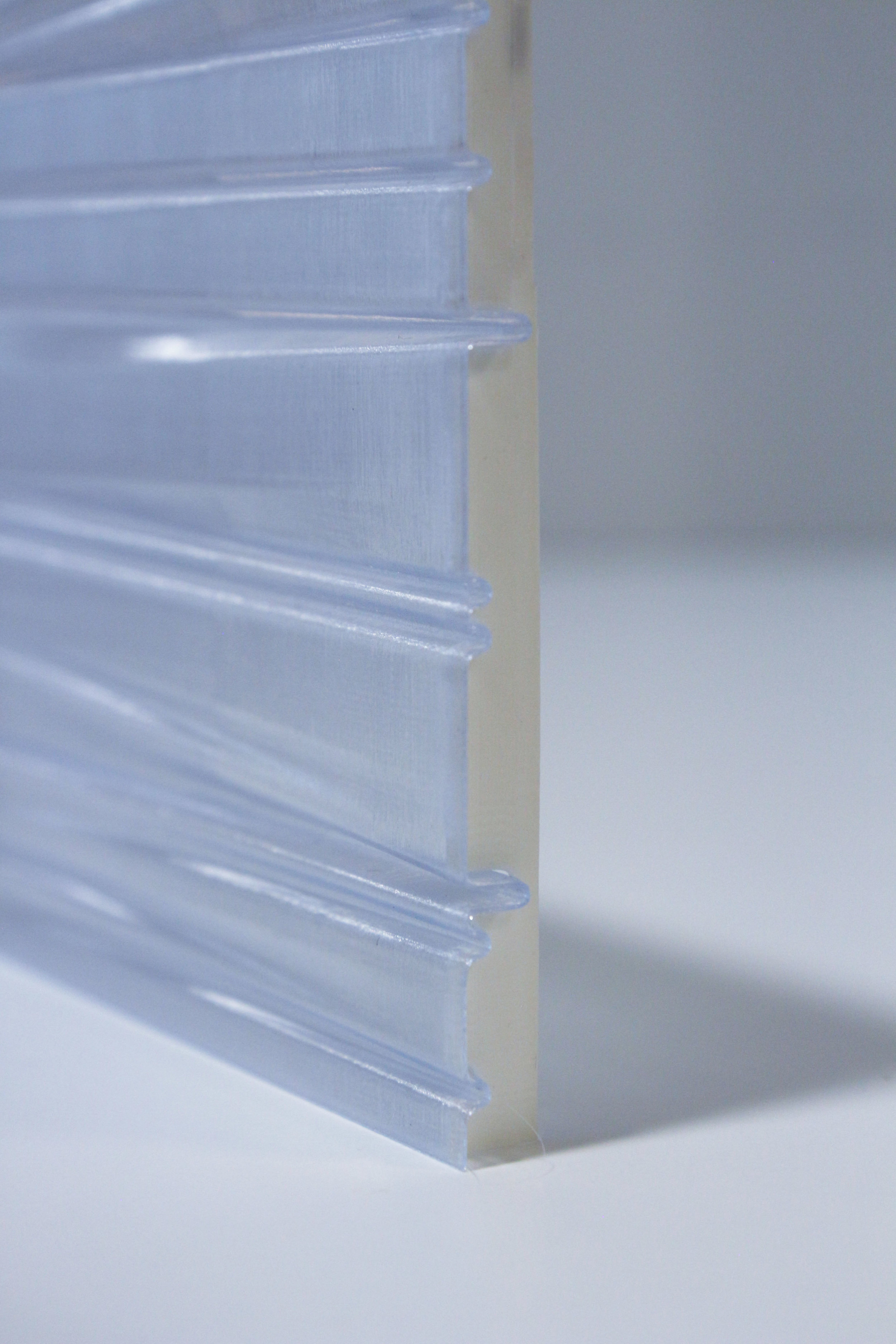
Wrinkled Strips

Spatial Renovation

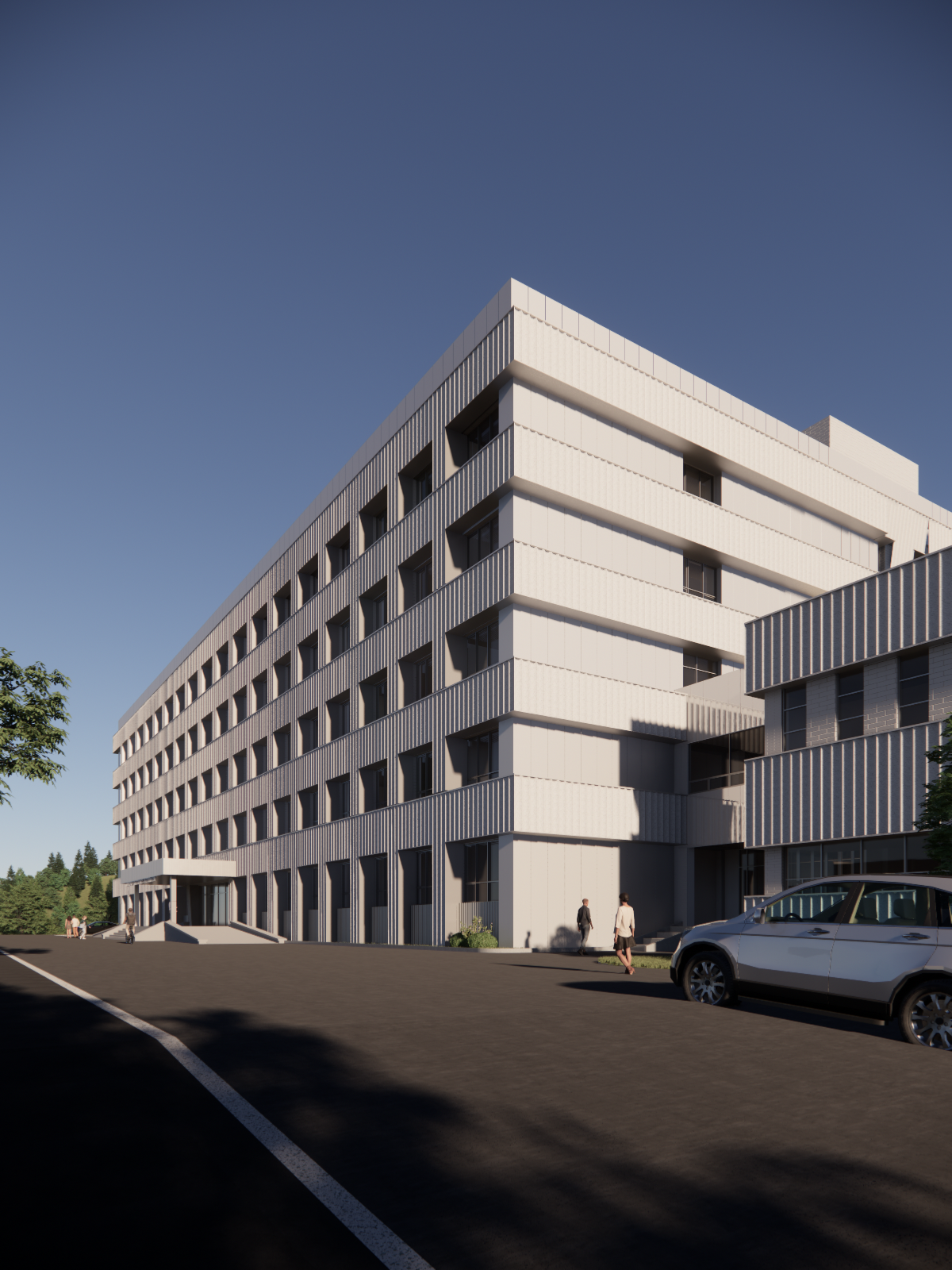
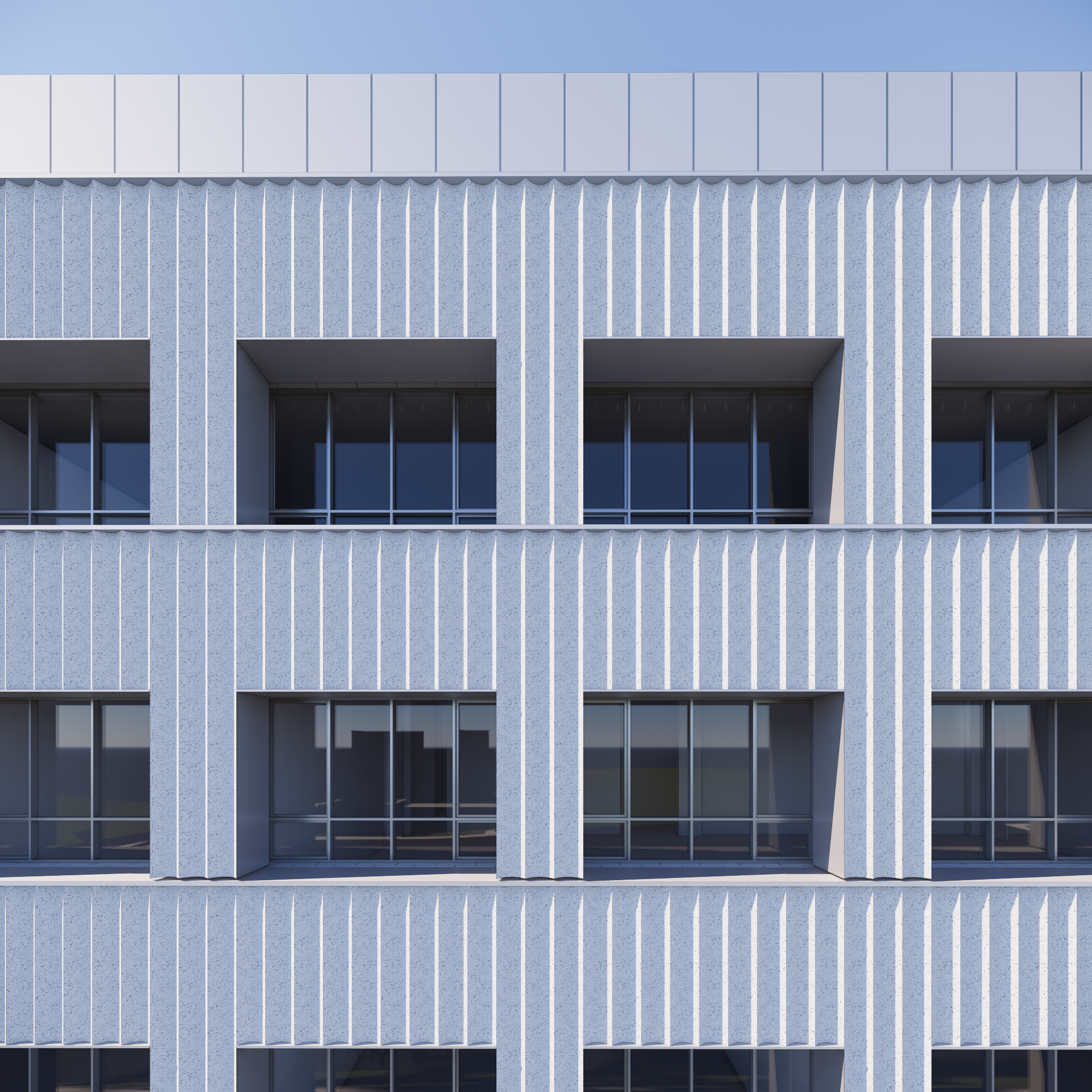
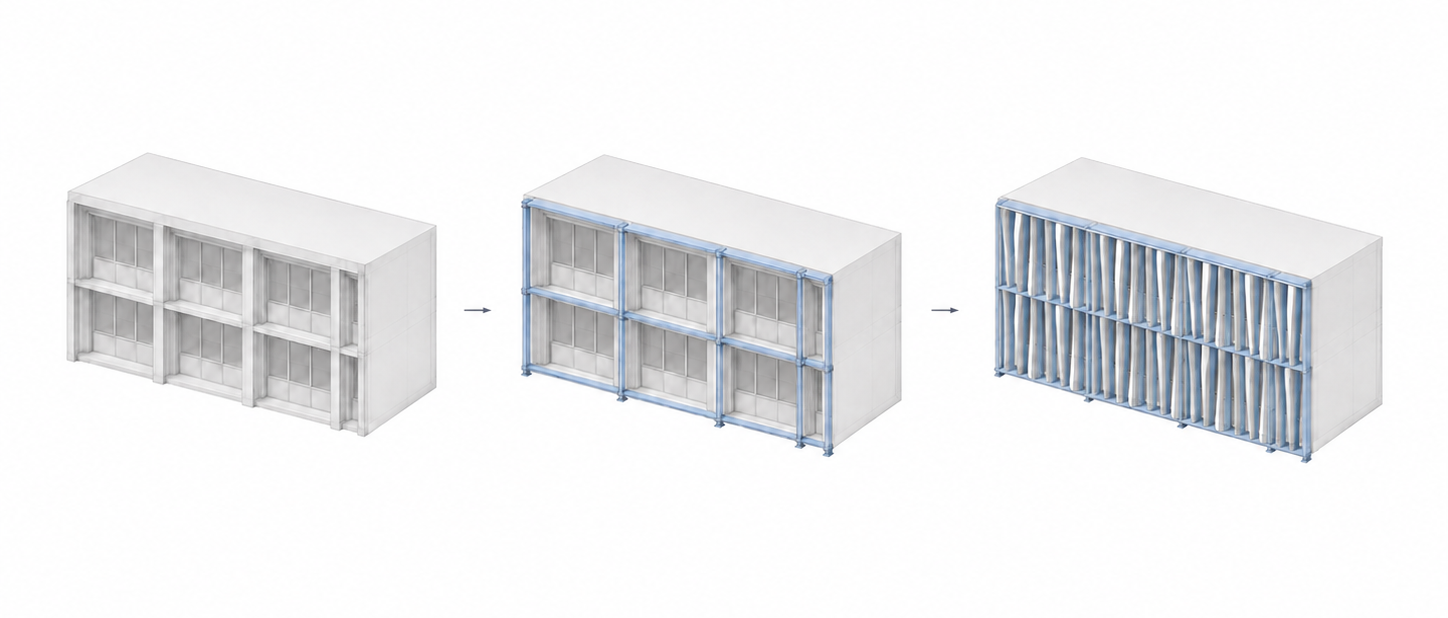
This study proposes a renewal strategy, focusing on resolving the visual and spatial complexity caused by multiple building extensions. The existing building shows façade deterioration, polluted tile surfaces, exposed mechanical equipment, and fragmented entrances and common spaces.

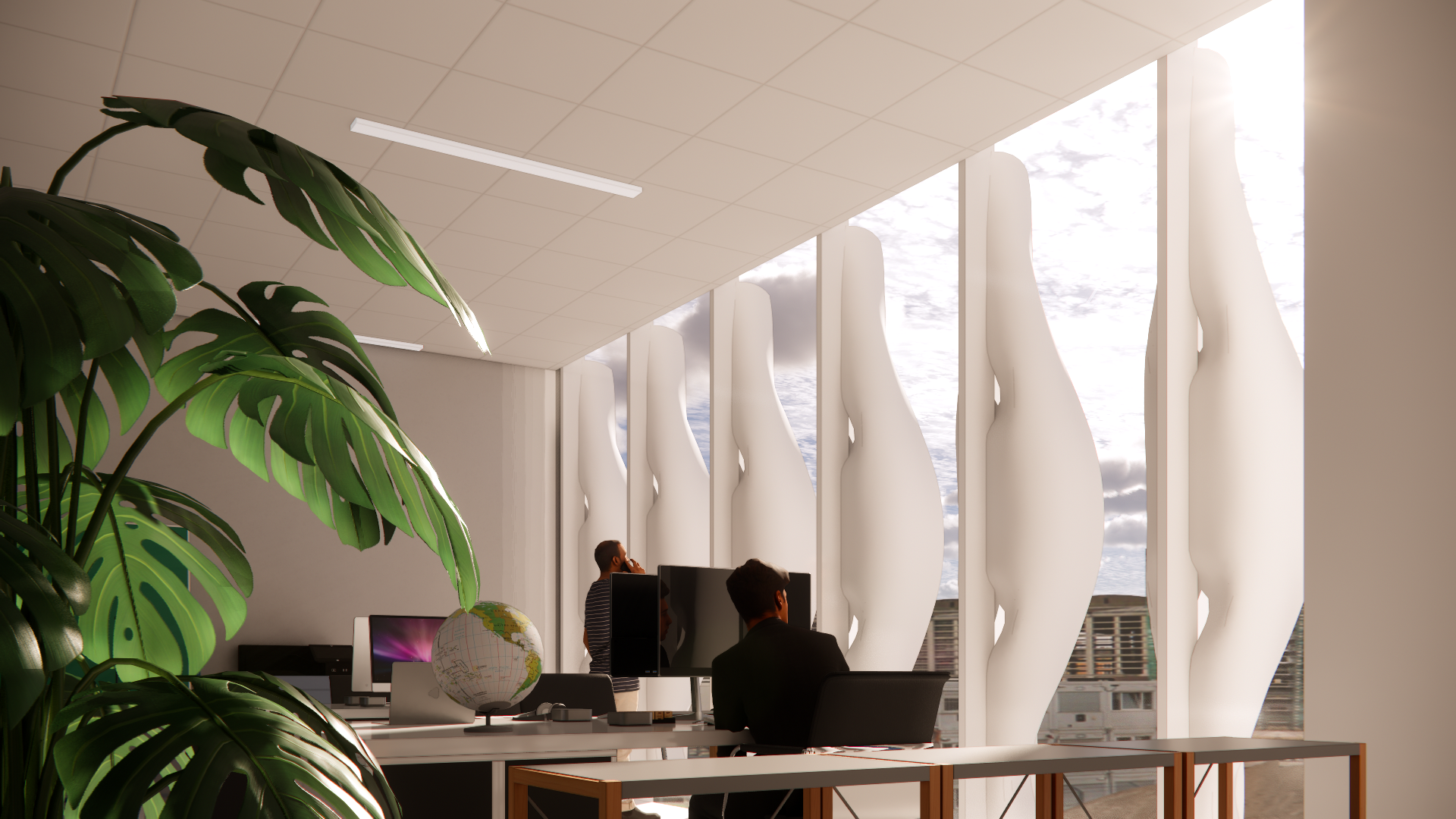
The façade alternatives — DNA Sequencing, Monolithic Layering, and Wrinkled Stripes — are developed from the identity and the building’s accumulated layers of expansion. This proposal emphasizes symbolic façade expression based on biological imagery, the reorganization of scattered entrances, the reconnection of pedestrian routes, and the transformation of inefficient shared areas into lounges, open labs, and a rooftop garden for rest and exchange.


Year: 2025

Location : Yongin, Korea

Status : Design Proposal

Type : Institution, Renovation

Principal in Charge :

Dongil Kim (I.f CDL, KHU)

Design Team : Isaac Kang (I.f CDL)

Facade and Spatial Renewal Plan - 01

Classic

Modern Classic

Innovation

Spatial Renovation

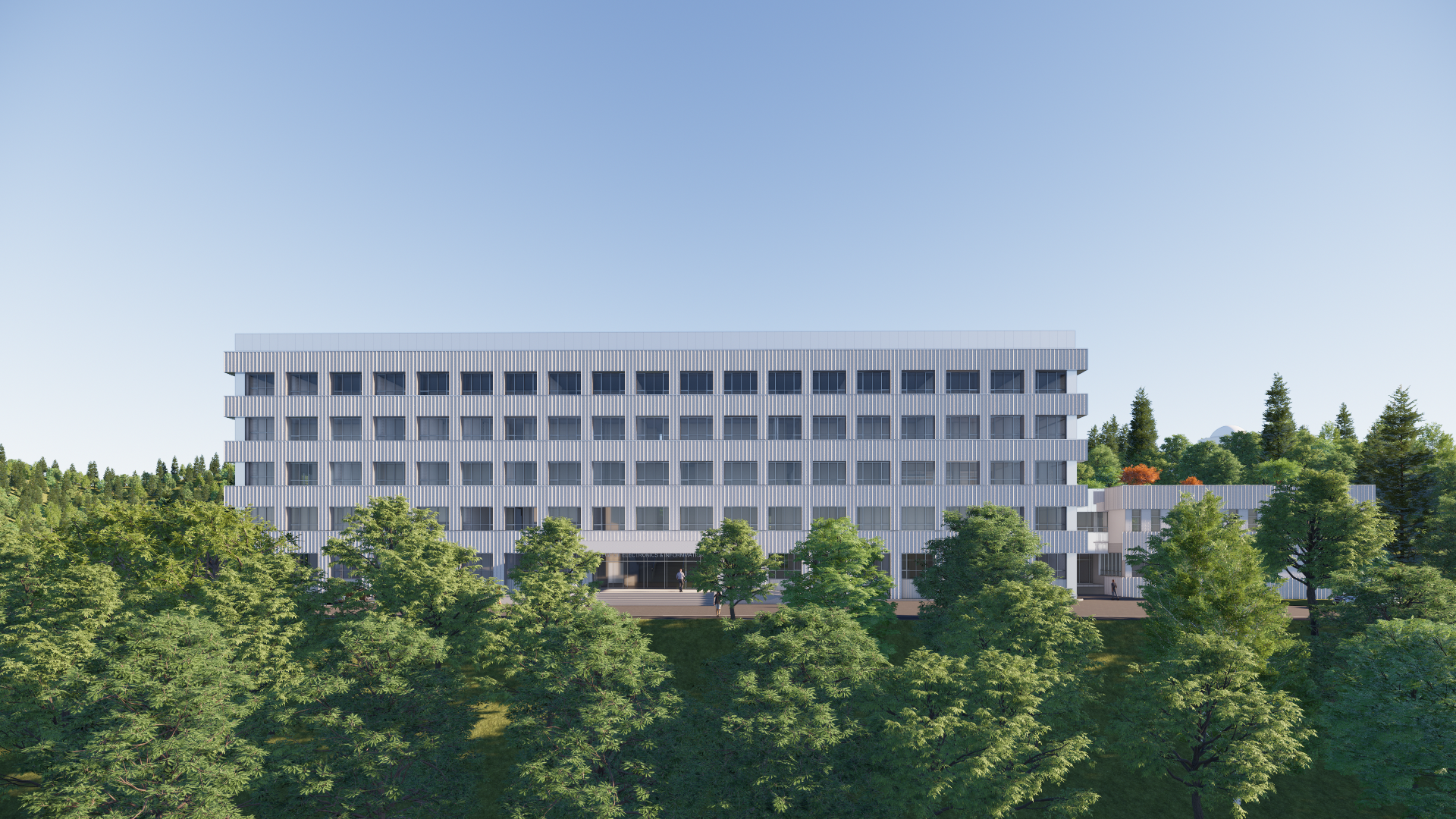
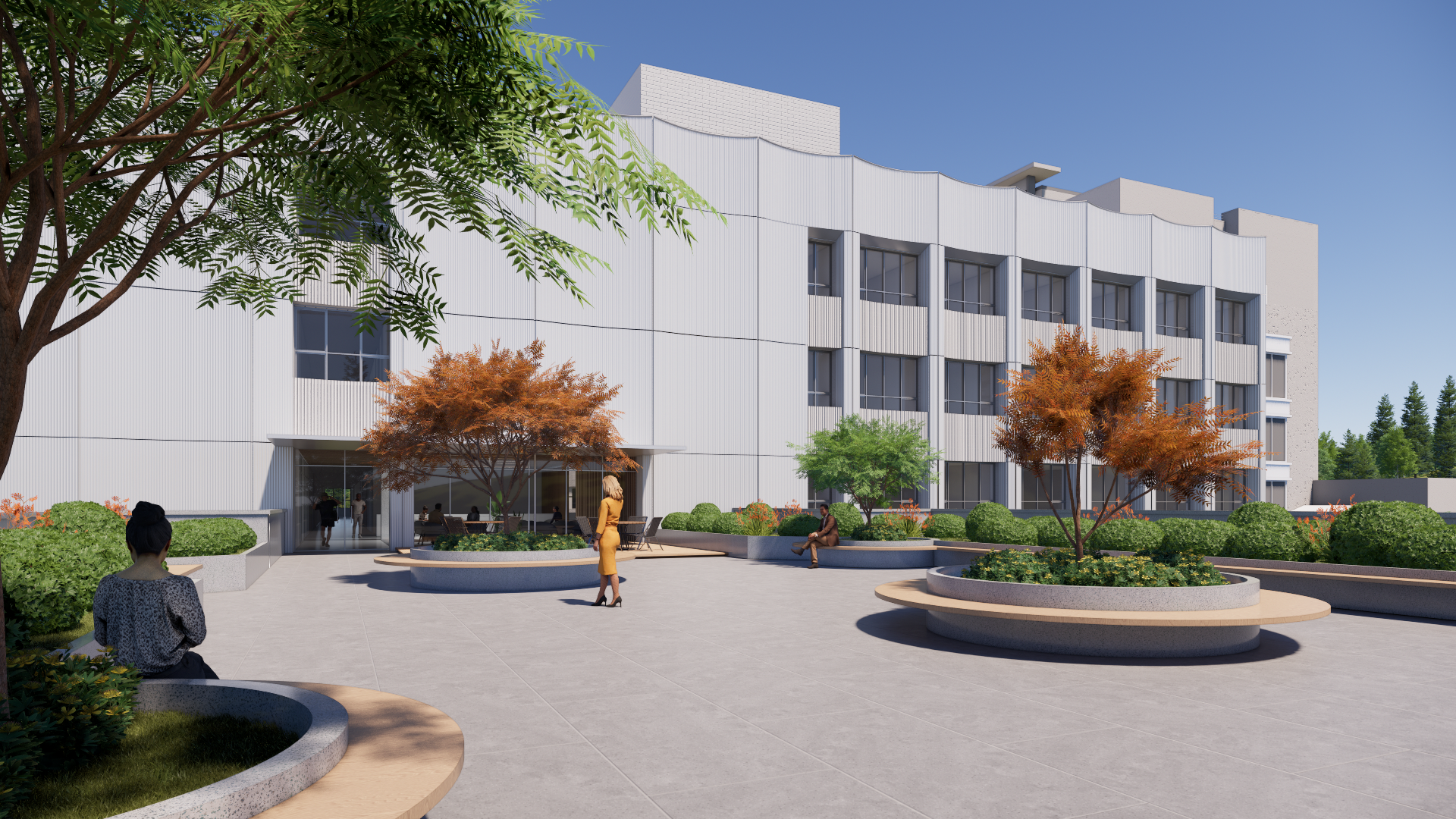
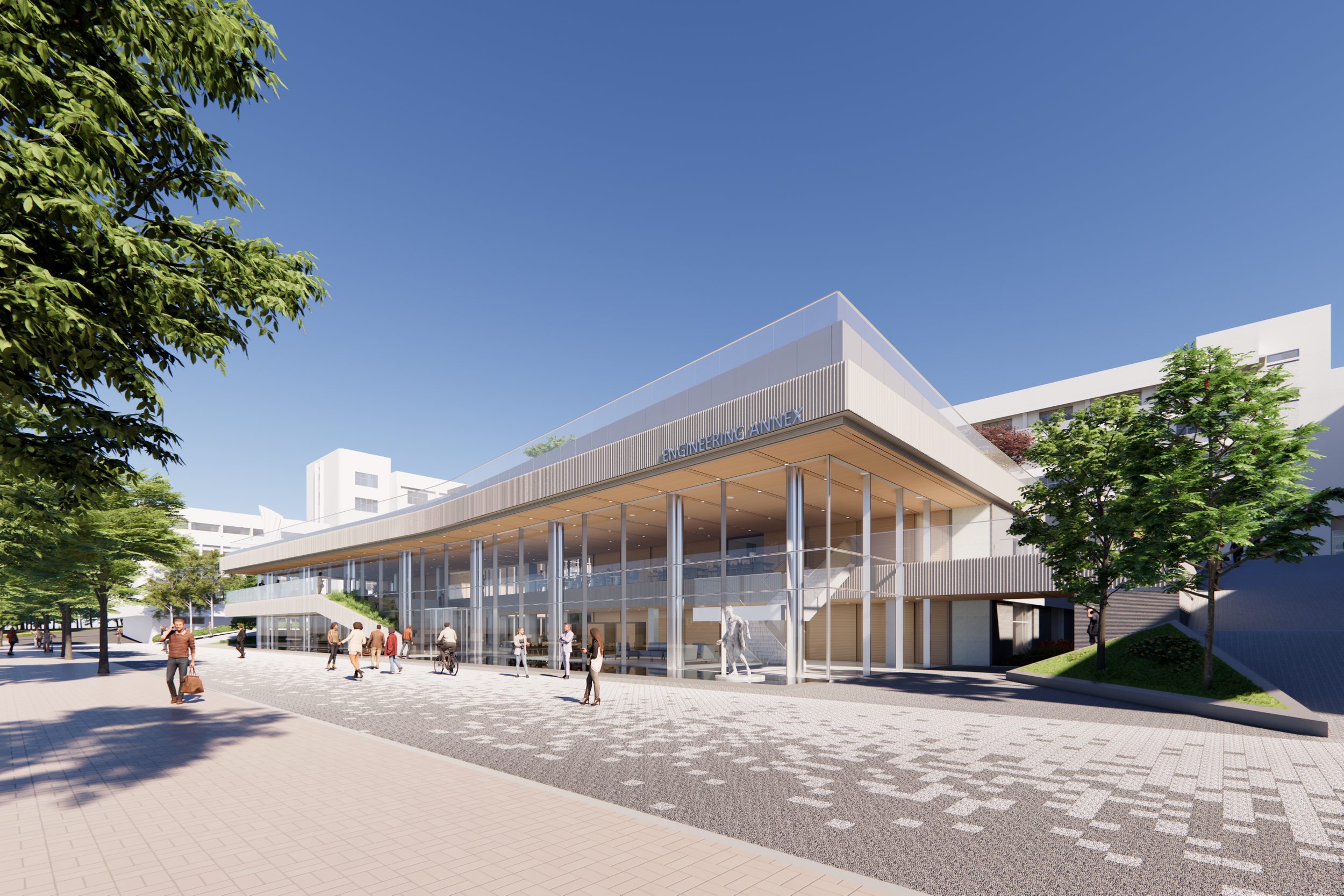
This study proposes a façade and spatial renewal strategy, a large academic building directly facing the central campus area, including Sasaek Square. The project addresses deteriorated exterior tiles, exposed outdoor equipment, and outdated lobby and shared spaces through façade replacement, courtyard-oriented spatial restructuring, and improved public circulation.

The design alternatives — Classic, Modern Classic, and Innovation — explore different ways to harmonize the existing building. A key feature of this proposal is the reorganization of scattered lounges and common areas around the atrium and courtyard, while linking the entrance lobby and rooftop garden to surrounding pedestrian flows and the observatory walking path.


Year: 2025

Location : Yongin, Korea

Status : Design Proposal

Type : Institution, Renovation

Principal in Charge :

Dongil Kim (I.f CDL, KHU)

Design Team : Chaewon Go (I.f CDL)

건축디자인 도구로써 기후 메타데이터 적용에 관한 연구


건축디자인 도구로써 기후 메타데이터 적용에 관한 연구

Applying Climate Metadata in Architectural Design

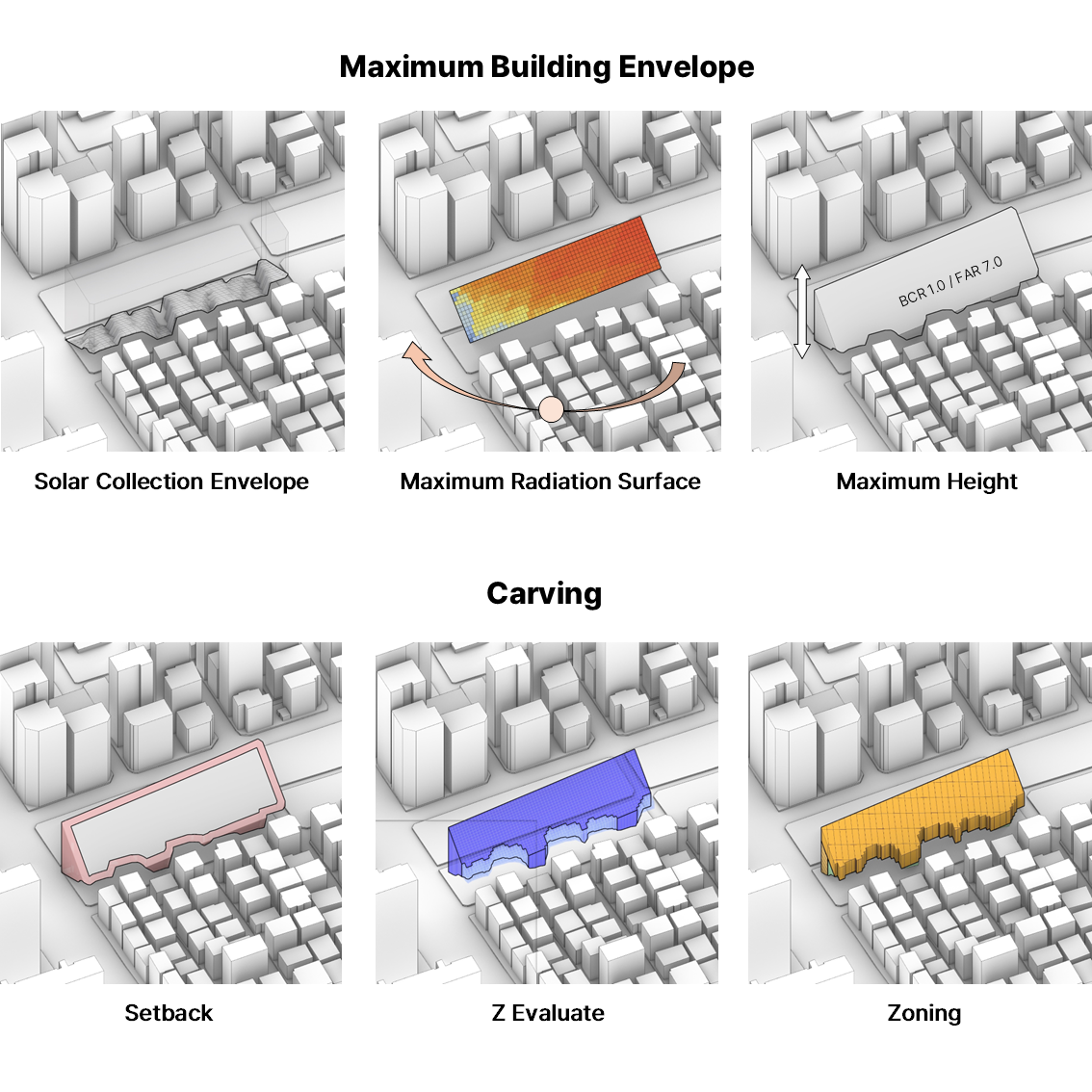
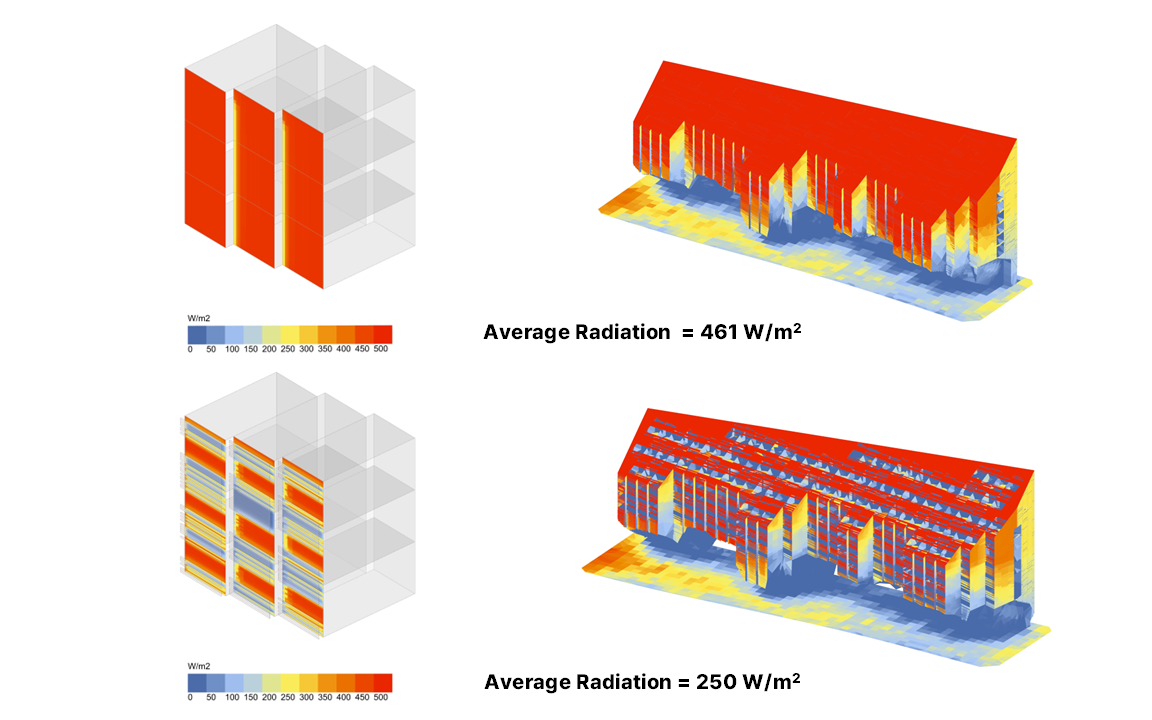
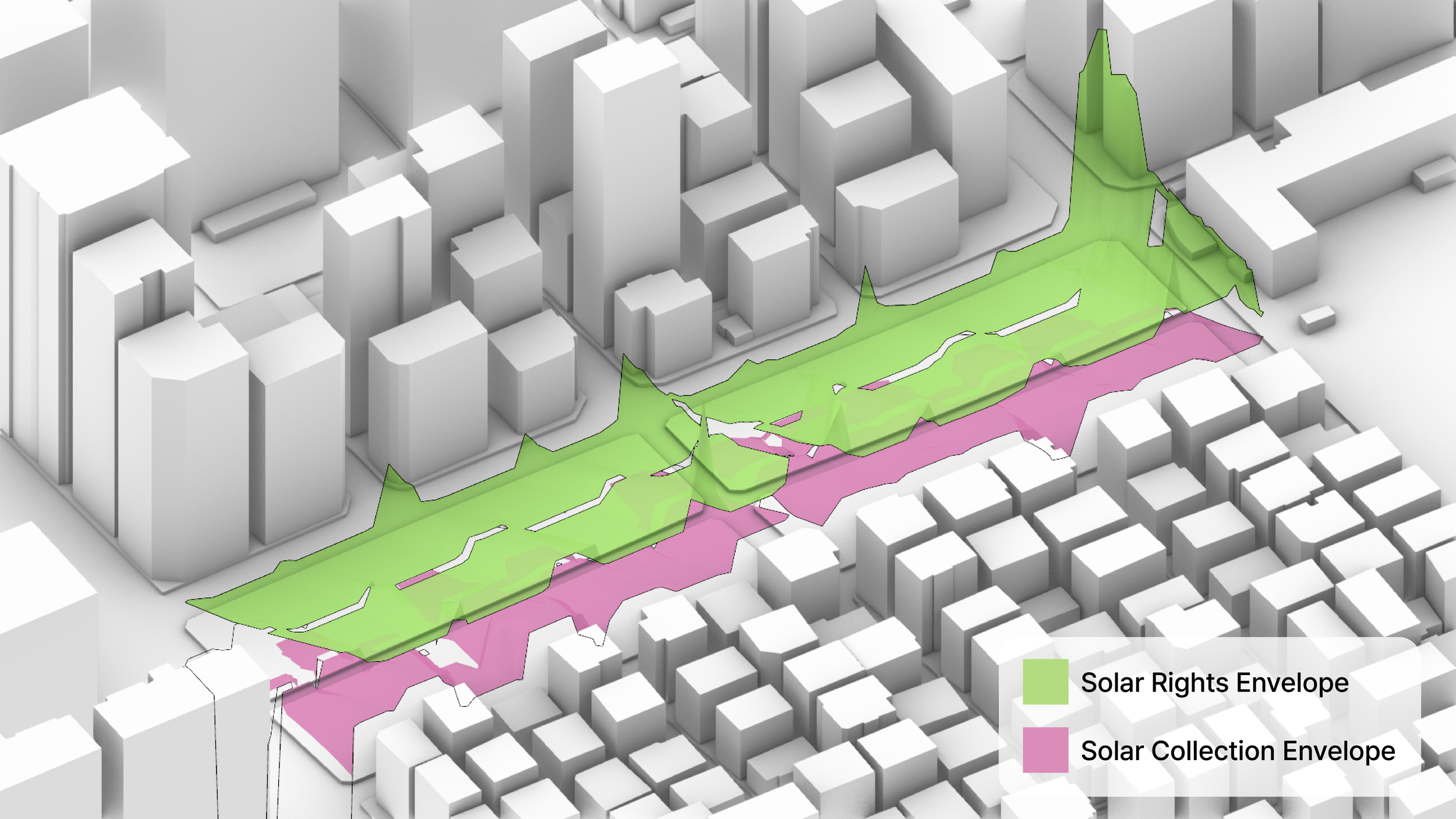
As the environmental impact of the built environment continues to grow, the architectural field has increasingly adopted technological innovations to promote sustainability. Integrating performance-based design (PBD) methodologies into architectural education helps cultivate professionals who can understand and apply the complex relationship between architecture and the environment. This study explores the role of climate metadata and PBD as essential decision-making tools in architectural design and examines methods for their integration into educational curricula.

Grounded in environmental analysis tools and PBD principles, it reviews existing case studies to identify limitations and propose improved instructional frameworks. The research combines theoretical and historical instruction, hands-on training in environmental analysis and computational tools, and their application in real-world pilot projects.

Student outcomes were analyzed based on project scale, design processes, and decision-making approaches. The findings highlight the effectiveness of PBD methodologies in architectural education and their potential for broader application. By establishing a framework for integrating climate metadata and performance-based approaches, this study provides a foundation for future advancements in architectural pedagogy, adaptable to diverse teaching environments and methodologies.

Kim, Seungil, Hwang, Gwangeun and Kim Dongil. (2025). Applying Climate Metadata in Architectural Design - Focusing on Insights From Performance-based Educational Case Studies -. Journal of the Architectural Institute of Korea, 41(4), 165-174.

https://www.kci.go.kr/kciportal/ci/sereArticleSearch/ciSereArtiView.kci?sereArticleSearchBean.artiId=ART003195134


Related Research


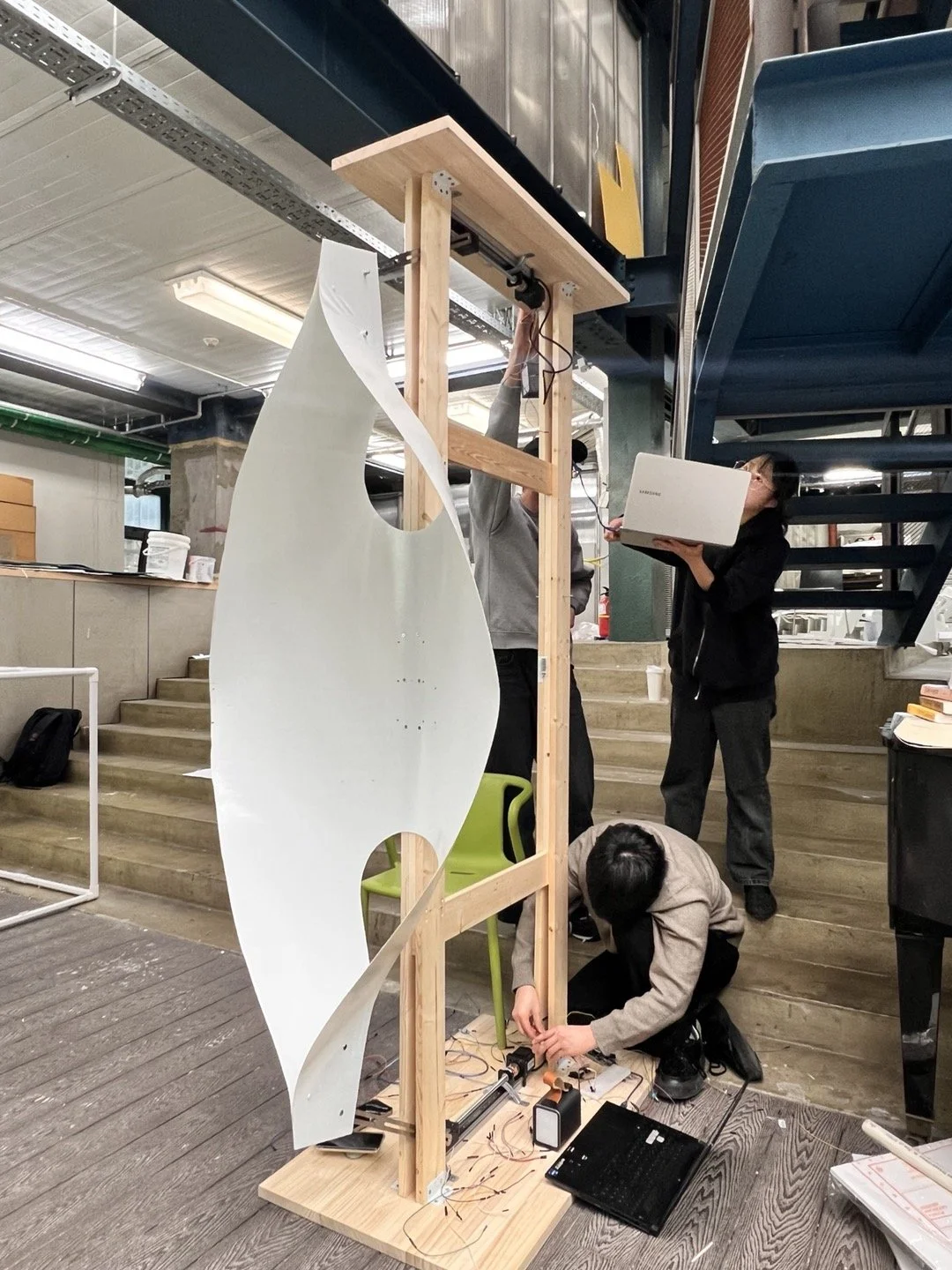
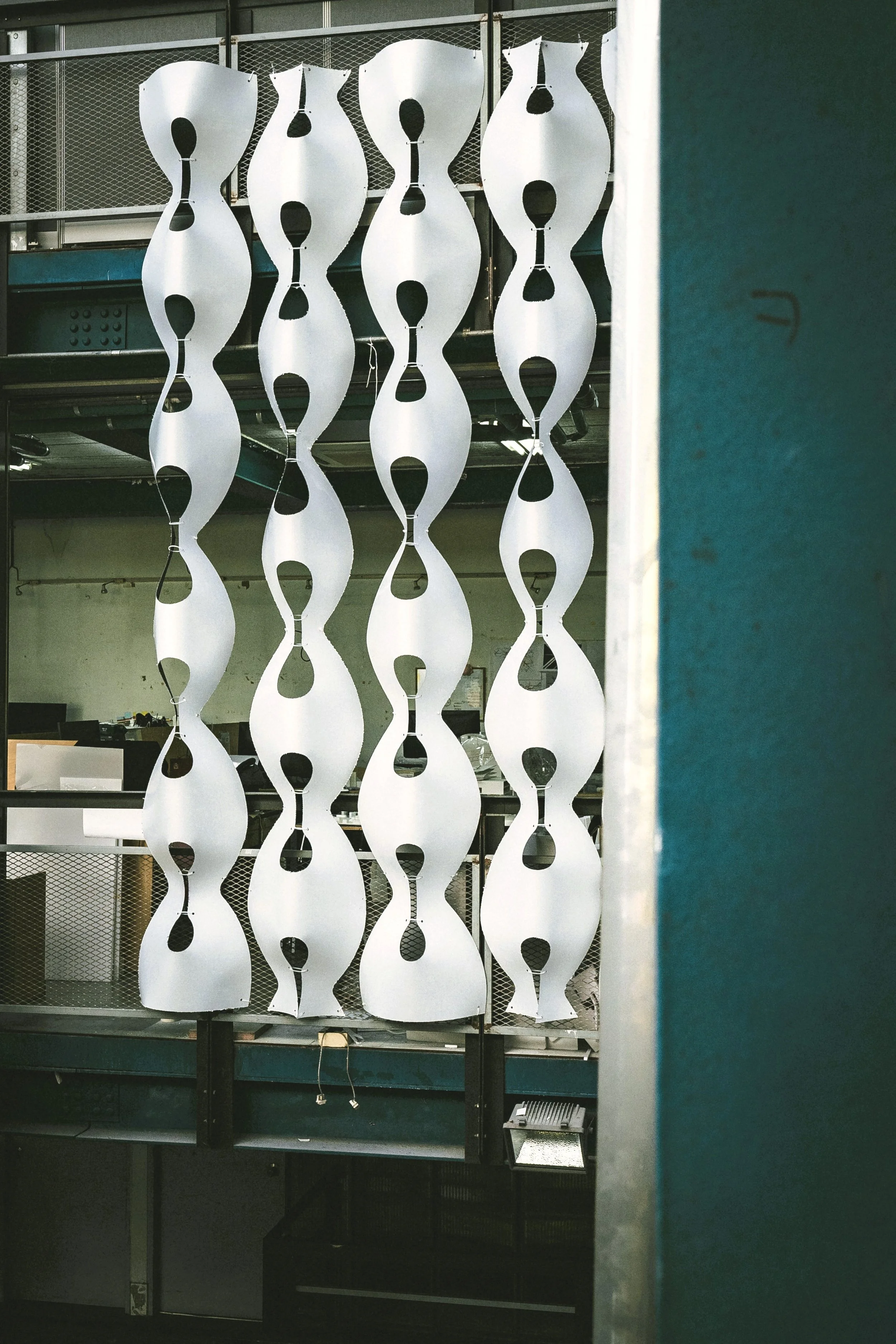
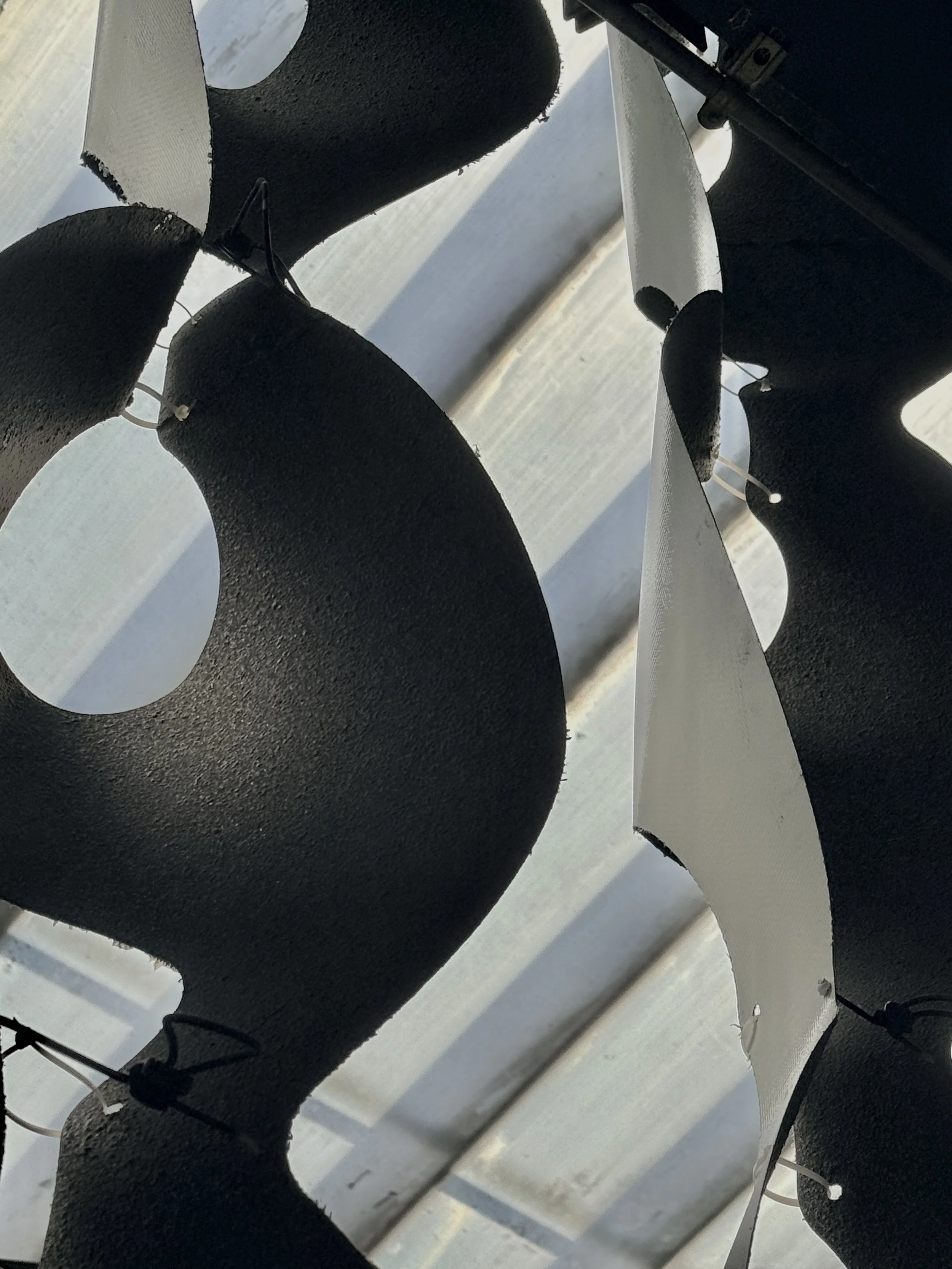
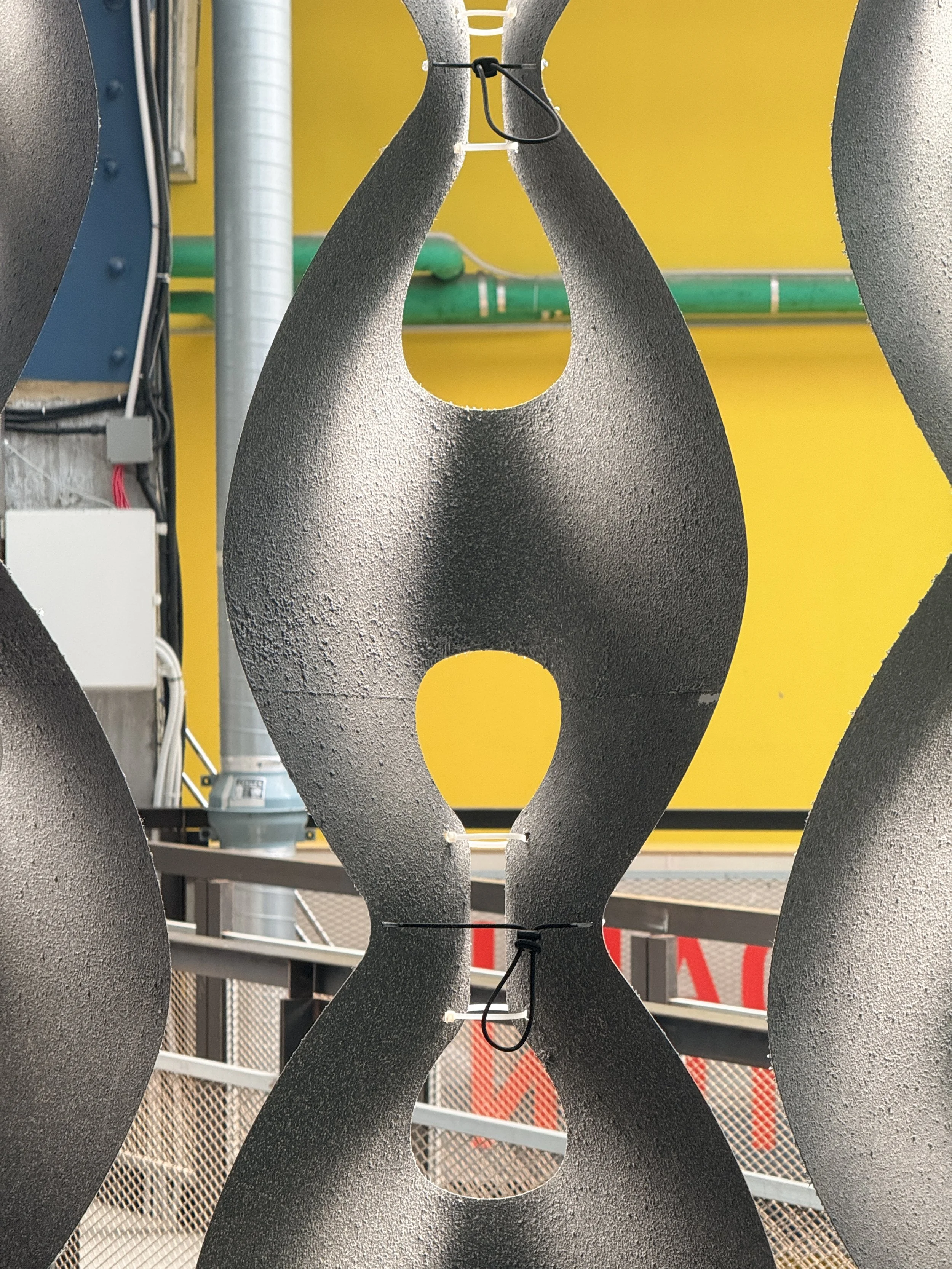
Elastic Kinetic Facade

Design process in general, and particularly in architecture, is a complex process that involves a combination of knowledge, skills, experiences, practices, etc. In recent decades, digital design emerges as an unstoppable trend, which adds to all the aforementioned factors the use of digital tools. The techniques cover this issue with computational and algorithmic design systems, the so called parametric design. It is already vividly present in the first half of the twentieth century in the automotive sector (geometric design), and finally impact on architectural design which represents a new step that has led to a new type of Architecture. The workshop is to re-envision the role of Architects as system maker from thinking strategy to fabricator.

This course aims to investigate the continuing advancement of computational processes in architecture in their practice. The topics are exposed as both a technical and intellectual venture of formal, spatial, construction and ecological potentials. The primary role of the workshop is the theoretical and practical development of generative computational design process on both conceptual design and construction phase, allowing for the integral use of computer-controlled manufacturing process in this design system. The later of this course will reach to critically review computational design towards a more challenging and self-demanding commitment to physical and environmental constraints as a fabrication stage.


Year : 2024

Material : LiteTex 2ply (AXIA Materials), Plywood

Project Director : Dongil Kim, Sanghyun Kim (KHU)

Principal Research : Seungil Kim (I.f CDL), Daehan Lee (V.P.Lab), Eunae Gang (RCI Lab)

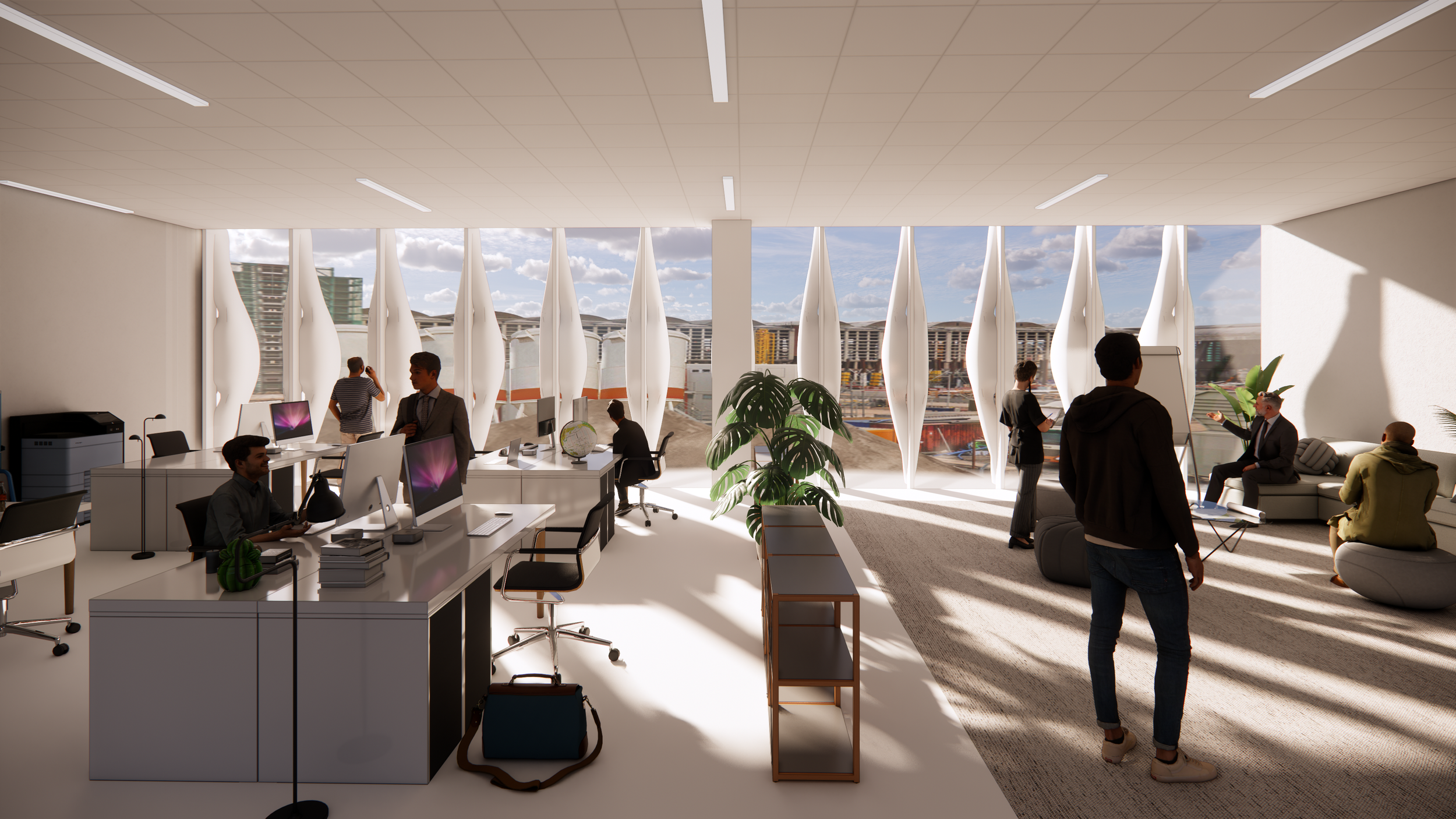
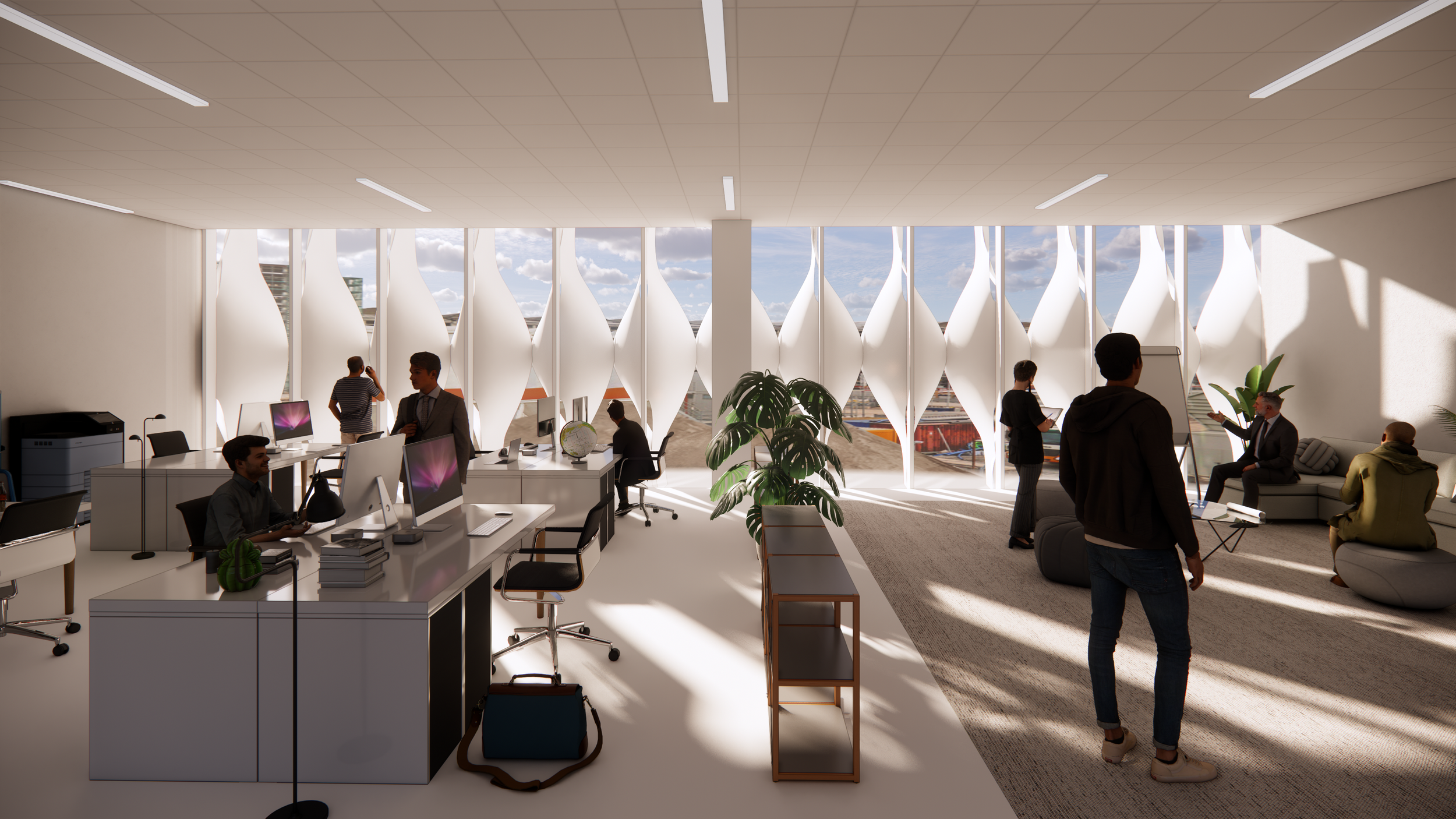
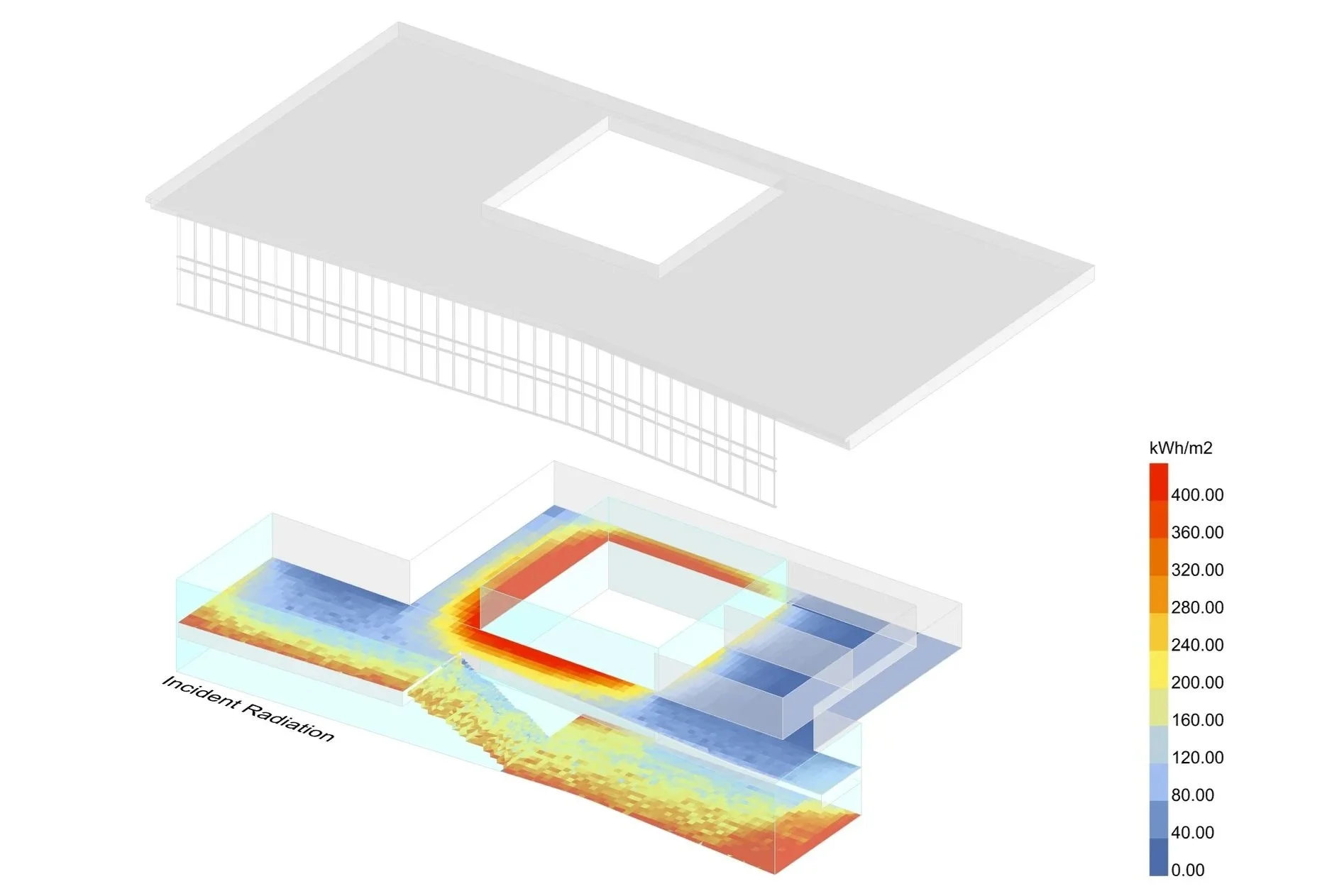
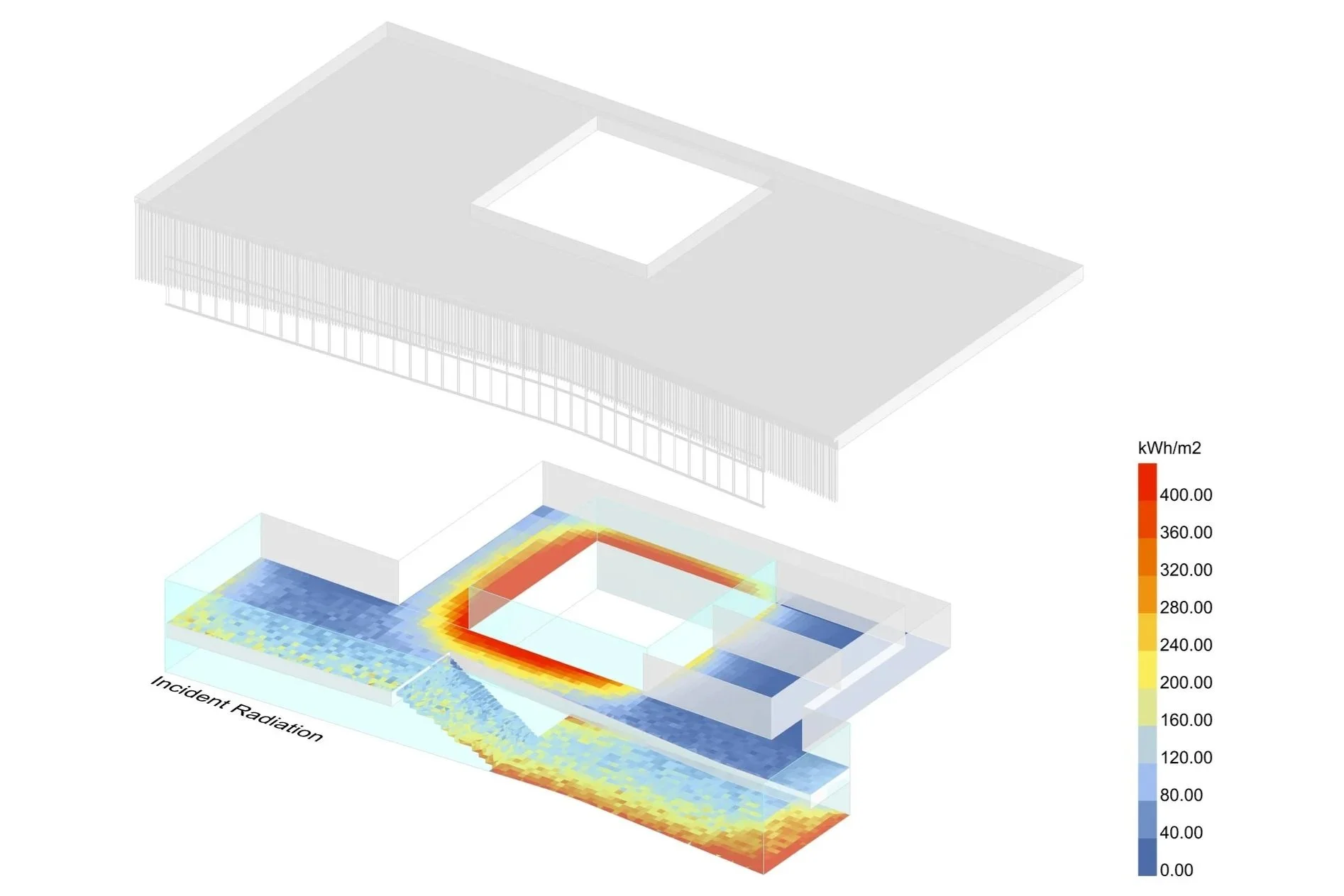
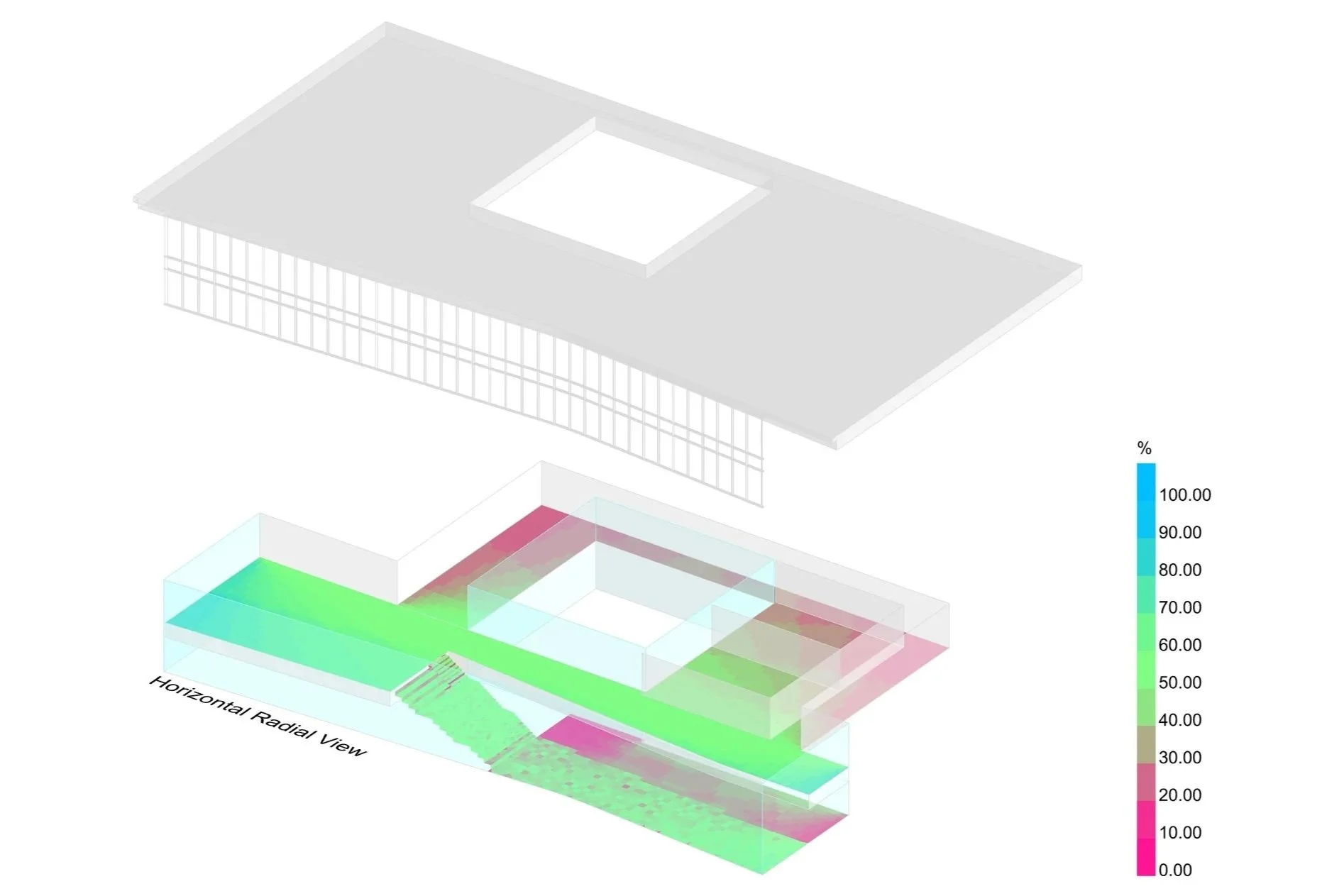
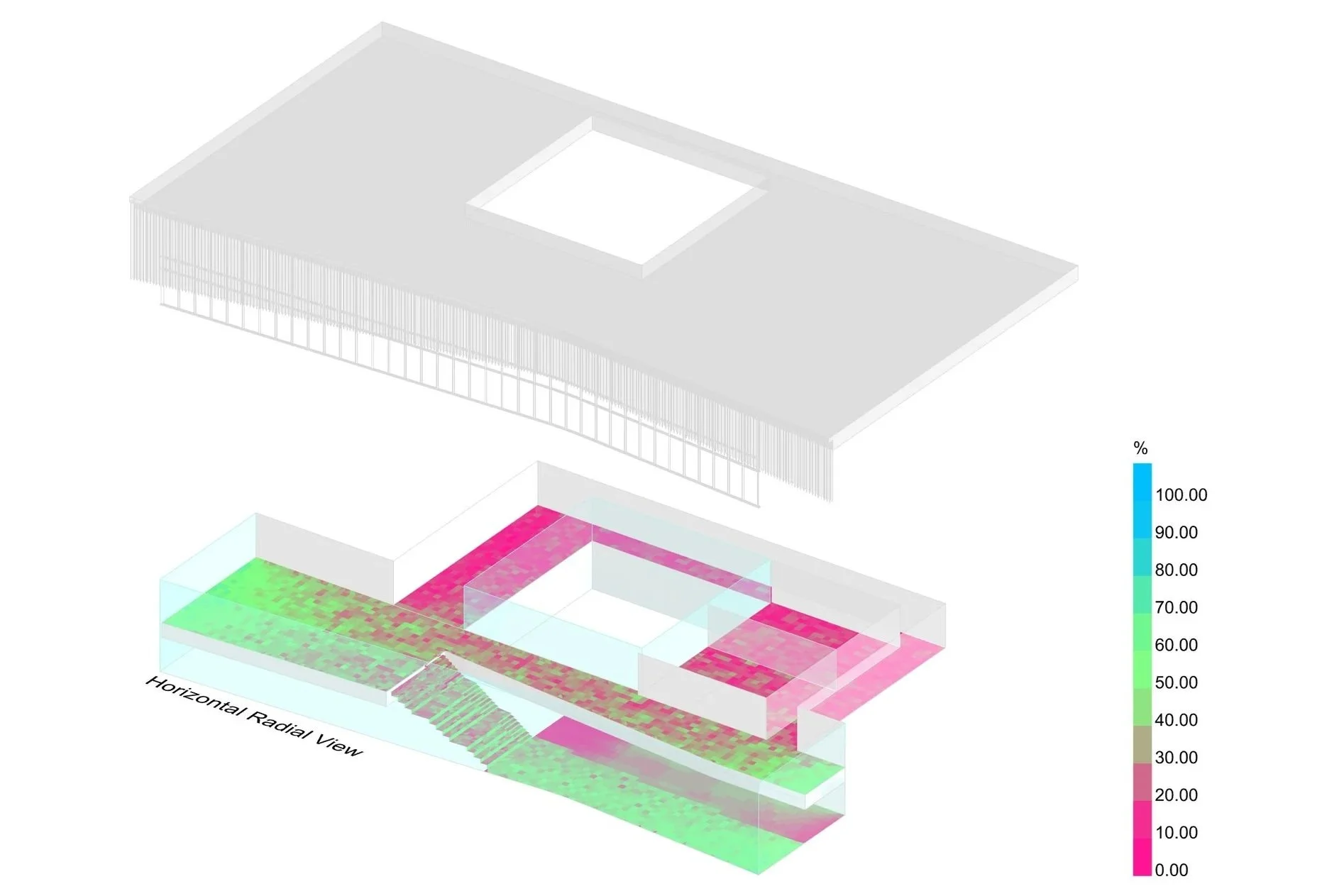
Annex Louver Optimization


The design of the new annex for the College of Engineering at Kyung Hee University is a thoughtful response to both the legacy of the existing Engineering Hall and the evolving needs of the university community. Originally constructed in the 1980s as the first building on the International Campus, the existing Engineering Hall is characterized by its U-shaped layout and the central sloped courtyard that has long served as an open space for leisure, relaxation, and interaction among students and faculty. The new annex aims to respect and enhance this historical context while introducing cutting-edge, interdisciplinary research and educational facilities. The design takes into account the sloped lawn, a significant part of the campus landscape, by integrating it into the new structure as an active and versatile courtyard. This space not only preserves the original function of the area as a communal gathering place but also reinterprets it to accommodate modern needs.

In planning the annex, careful consideration was given to maintaining harmony with the existing Engineering Hall. The new structure addresses the height difference between the front and rear of the site, creating a seamless connection that enhances the overall campus experience. The annex is conceived as a symbol of the university’s commitment to innovation, serving as a bridge between tradition and the future of education and research.


Related Project


Year: 2024

Location : Yongin, Korea

Size : 3,348 m²

Status : Proposal

Type : Building Skin

Project Director :

Dongil Kim (I.f CDL)
Principal Researcher

Seungil Kim, Gwangeun Hwang (I.f CDL)
Bending-Active Facade

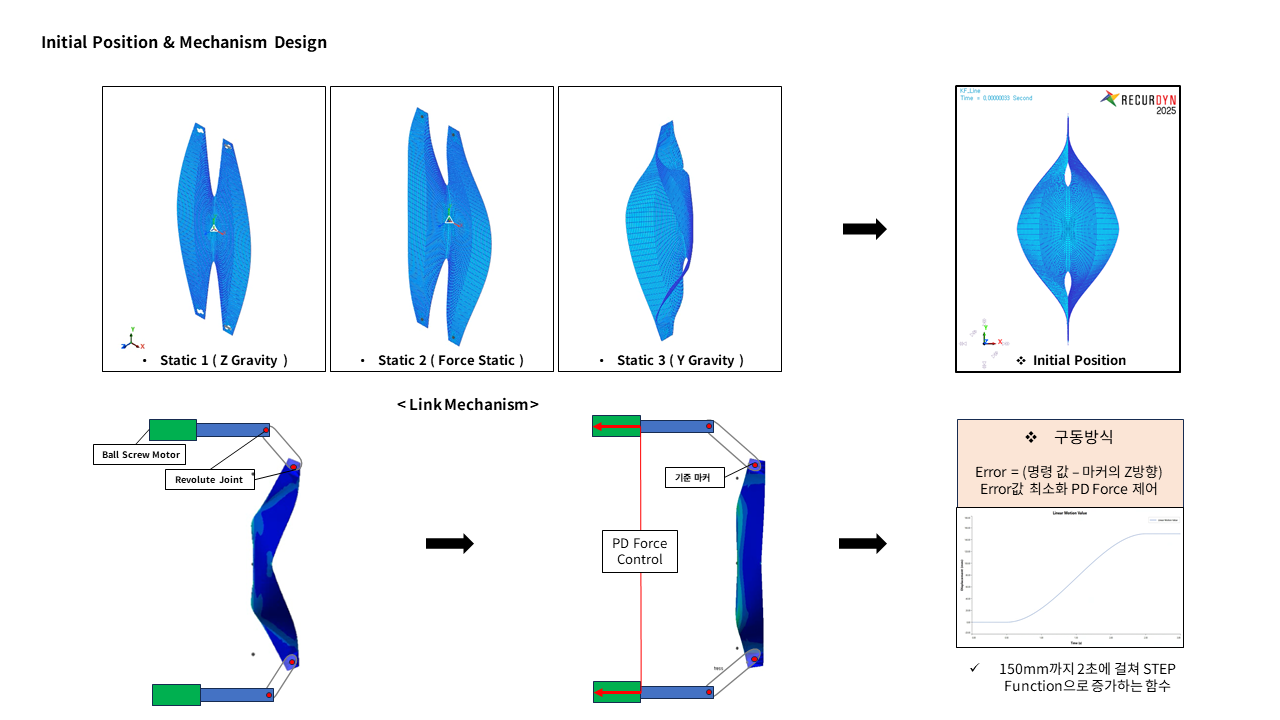
Design process in general, and particularly in architecture, is a complex process that involves a combination of knowledge, skills, experiences, practices, etc. In recent decades, digital design emerges as an unstoppable trend, which adds to all the aforementioned factors the use of digital tools. The techniques cover this issue with computational and algorithmic design systems, the so called parametric design. It is already vividly present in the first half of the twentieth century in the automotive sector (geometric design), and finally impact on architectural design which represents a new step that has led to a new type of Architecture. The workshop is to re-envision the role of Architects as system maker from thinking strategy to fabricator.

This course aims to investigate the continuing advancement of computational processes in architecture in their practice. The topics are exposed as both a technical and intellectual venture of formal, spatial, construction and ecological potentials. The primary role of the workshop is the theoretical and practical development of generative computational design process on both conceptual design and construction phase, allowing for the integral use of computer-controlled manufacturing process in this design system. The later of this course will reach to critically review computational design towards a more challenging and self-demanding commitment to physical and environmental constraints as a fabrication stage.


Year : 2023

Project Director : Dongil Kim (I.f CDL / KHU)
Student : Kim Taeyang, Hwang Gwangeun, Kim DongYoung, Won Jiseon / Kwon Dohyun, Lee Heeyong, Syed Haseeb Shah / Kim Juyeon, Kim Seungil, Kim Taehyeon / Saddiq Ur Rehman, Jang Hageon

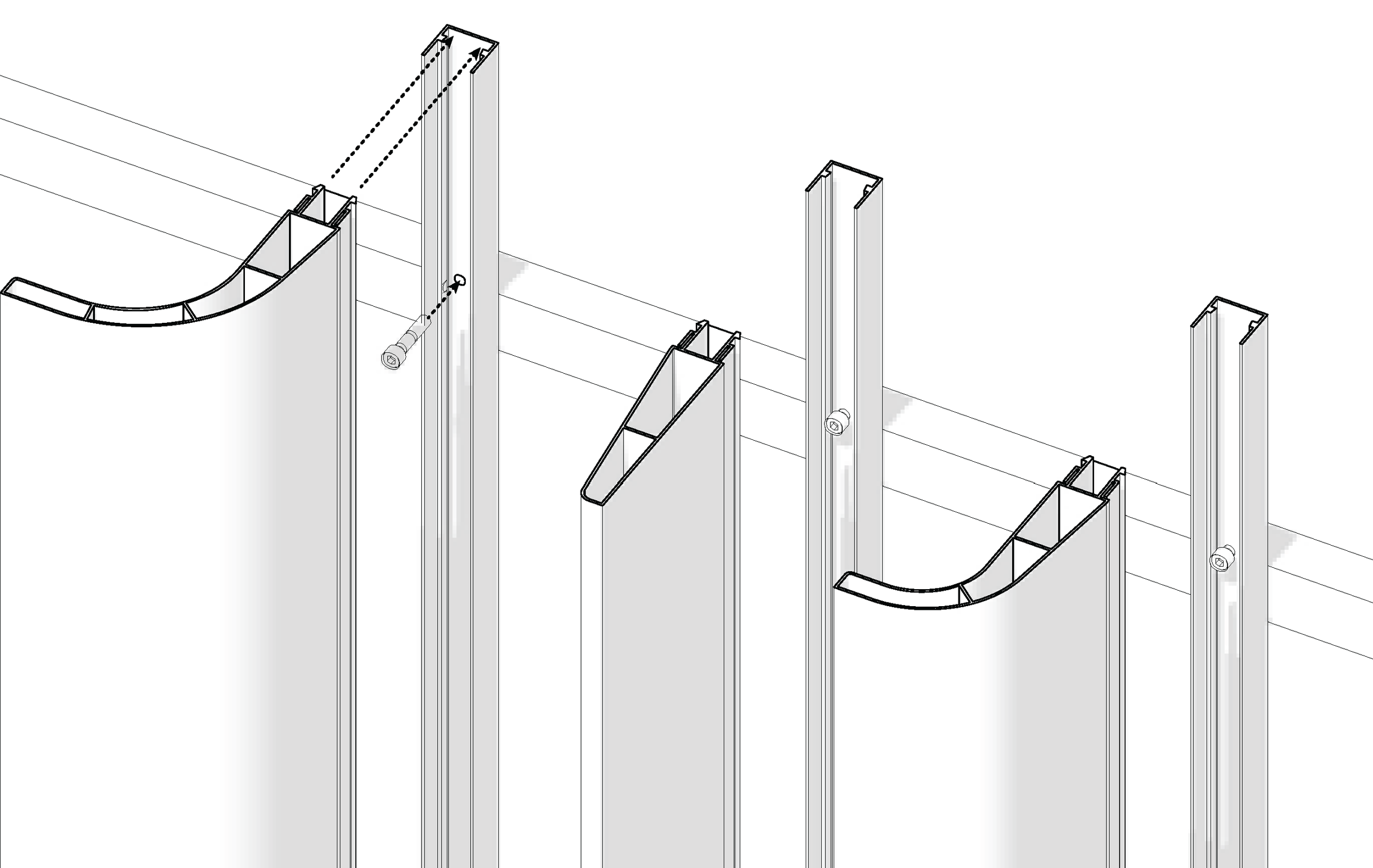
IN(IN) Louver


Related Project

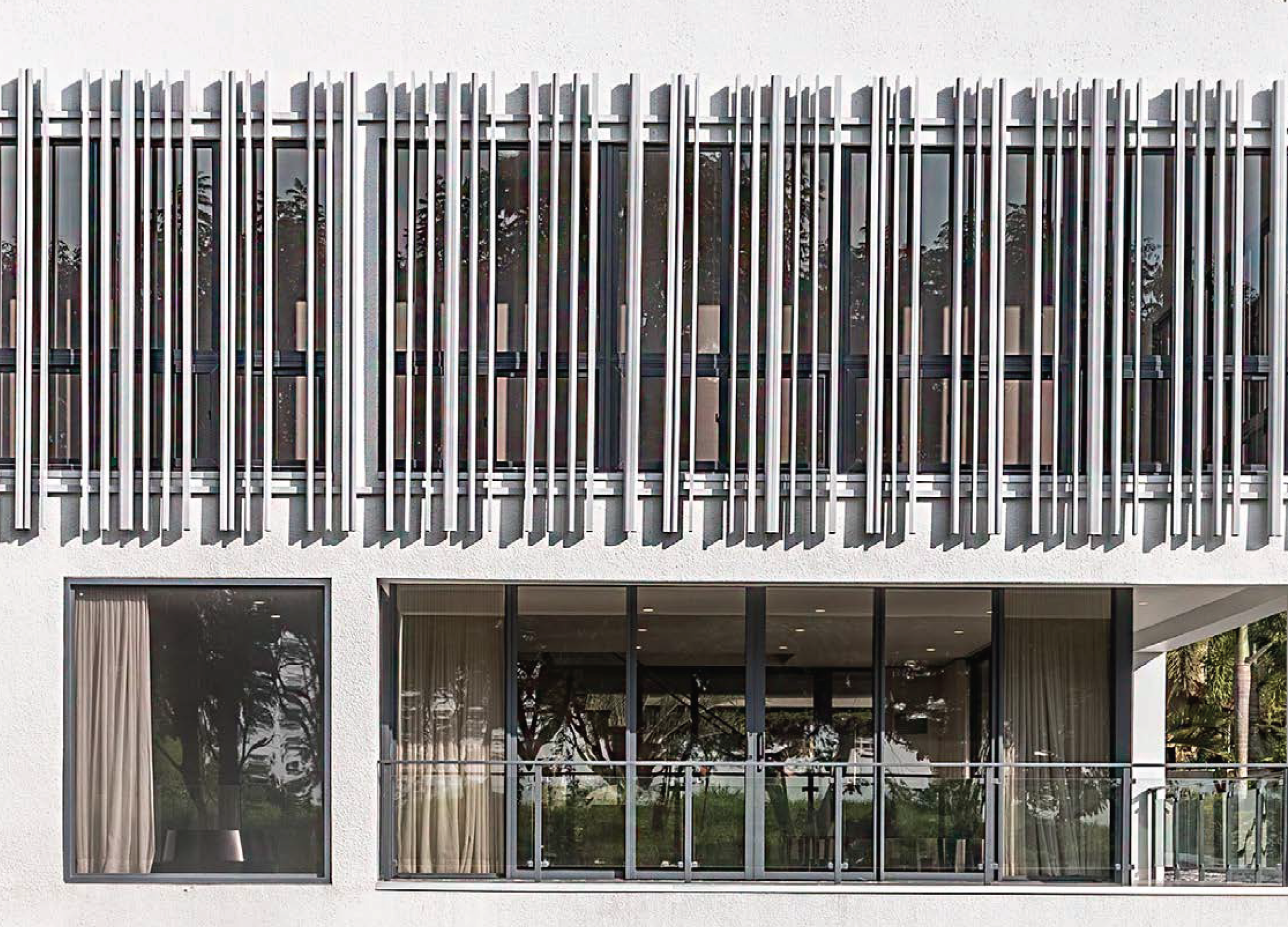
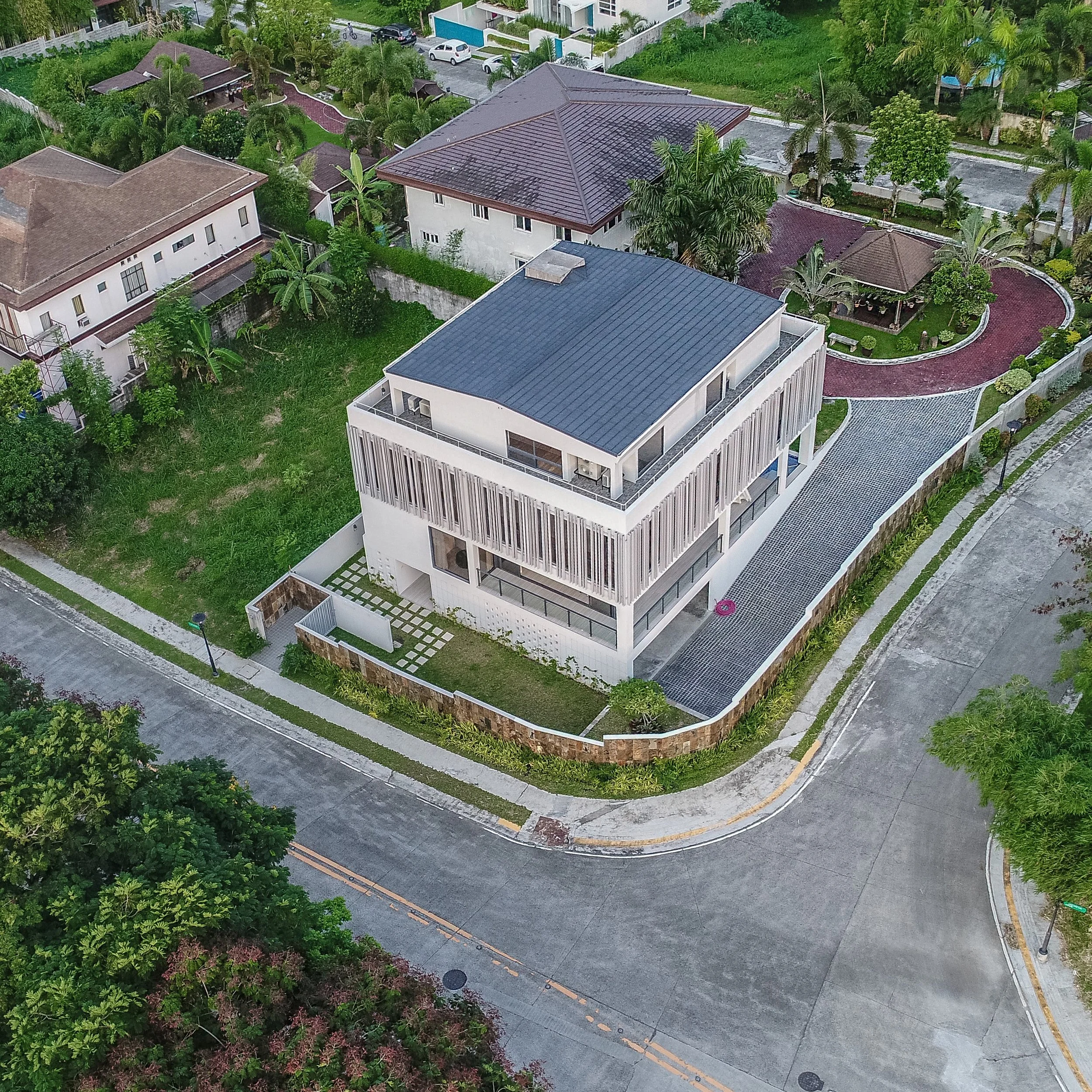
In(In) is a residential project located in a private community of Westgrove Heights in Silang, Cavite Philippines, that was completed in 2018. Set atop the slopes that overlook Laguna Lake, the site boasts lush greenery, ample light and rich tropical breeze. The client wished to build a guest house that connected seamlessly to the already existing main house and landscape, which was spread across multiple adjacent lots he had acquired and built at different phases. The project called for a contemporary design that showed a personal taste for the current that was deeply grounded in its context.

As a guest house, In(In) needed to distinguish two main hosting programs: entertainment and rest. Looking at the design in section, there is a larger, more open base into which a tighter, more divided volume is nestled into. The bottom volume is all about openness to light and air. The main hall and all public programs are located into this base, where the exterior and the interior are less divided and solid walls were removed whenever structurally and materially possible. The main hall was encased with movable floor to ceiling glass frames, to reinforce maximum accessibility and visibility, while at other times completely closing off to serve an exclusively private experience to those within.

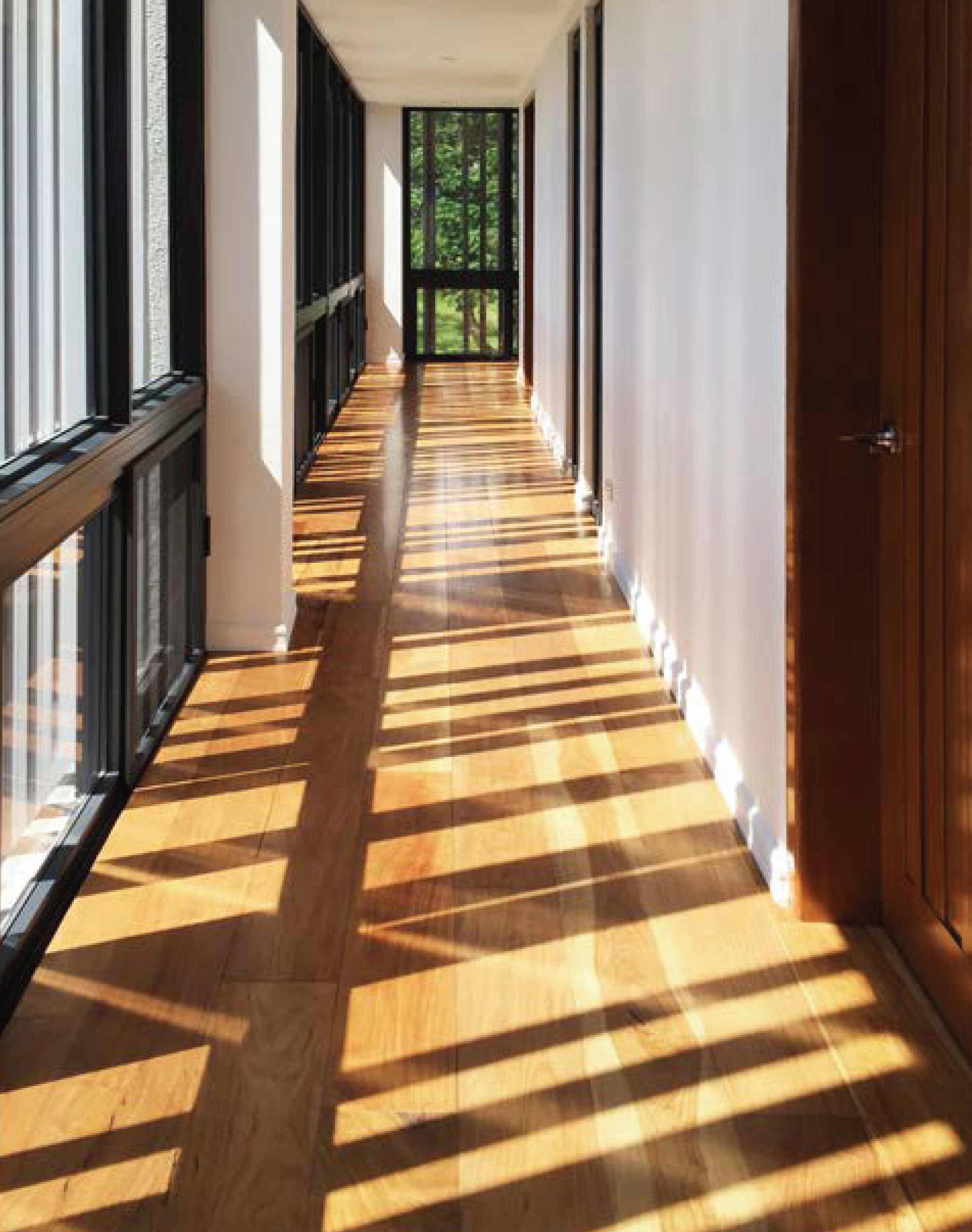
The simple diagram of nestling a small volume within a larger volume--In(In)--served to create a unique, site-specific, and program specific design to meet the requested needs in a qualitative manner. Informed by organization of heritage homes that was guided by passive cooling methods and utilizing climate and sun path data, this guest house not only created a contemporary space to take shelter in but also allowed this shelter to fully open up to the outside to provide a richer experience during the temporary stay.

Wrinkle


Year : 2016

Location : Manila, Philippines

Status : Design Development

Type : Facade Development of the Building

Principal in Charge : Seojoo Lee (I.f), Allie Yeseul Chung (I.f Manila), Dongil Kim (Kyung Hee University)