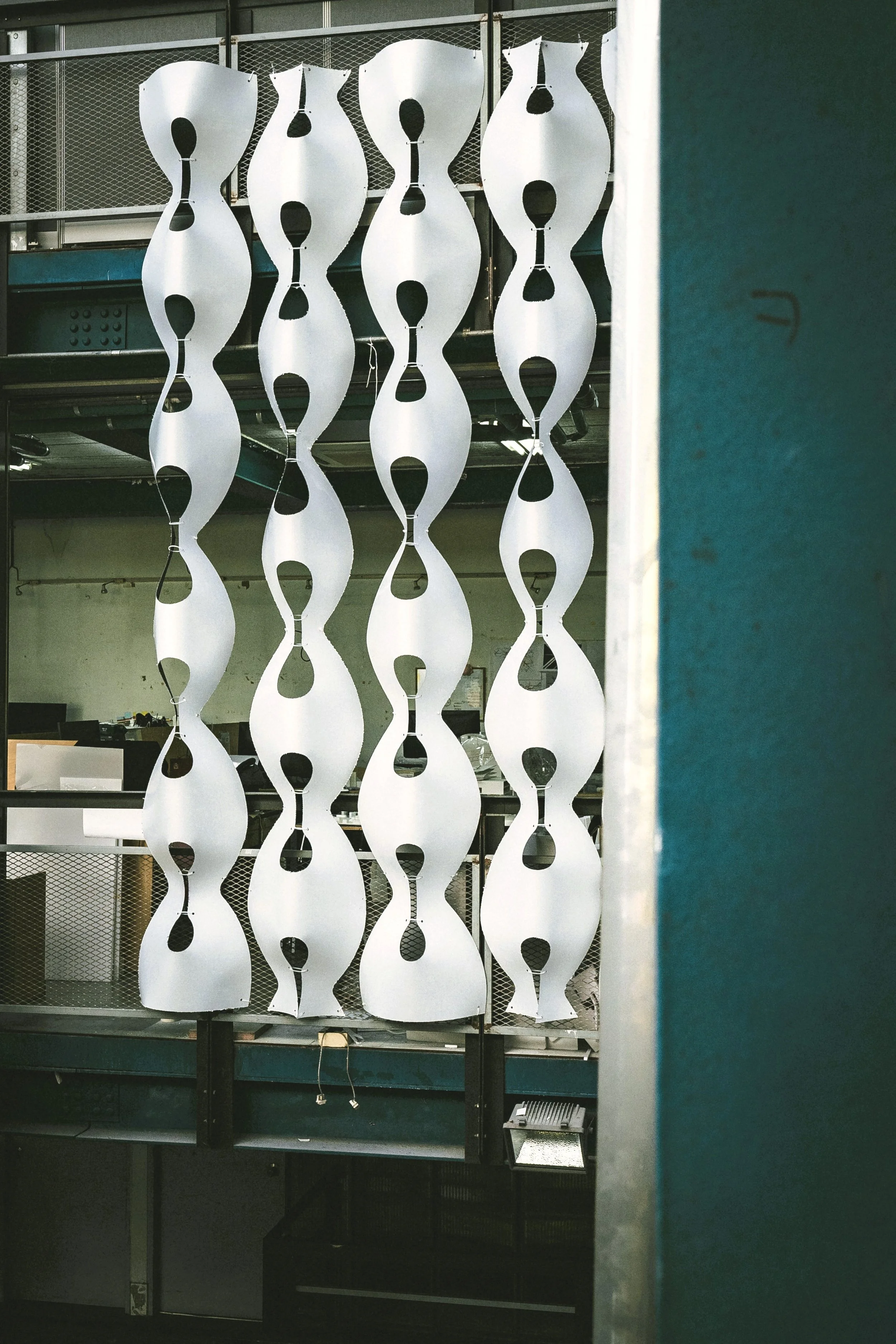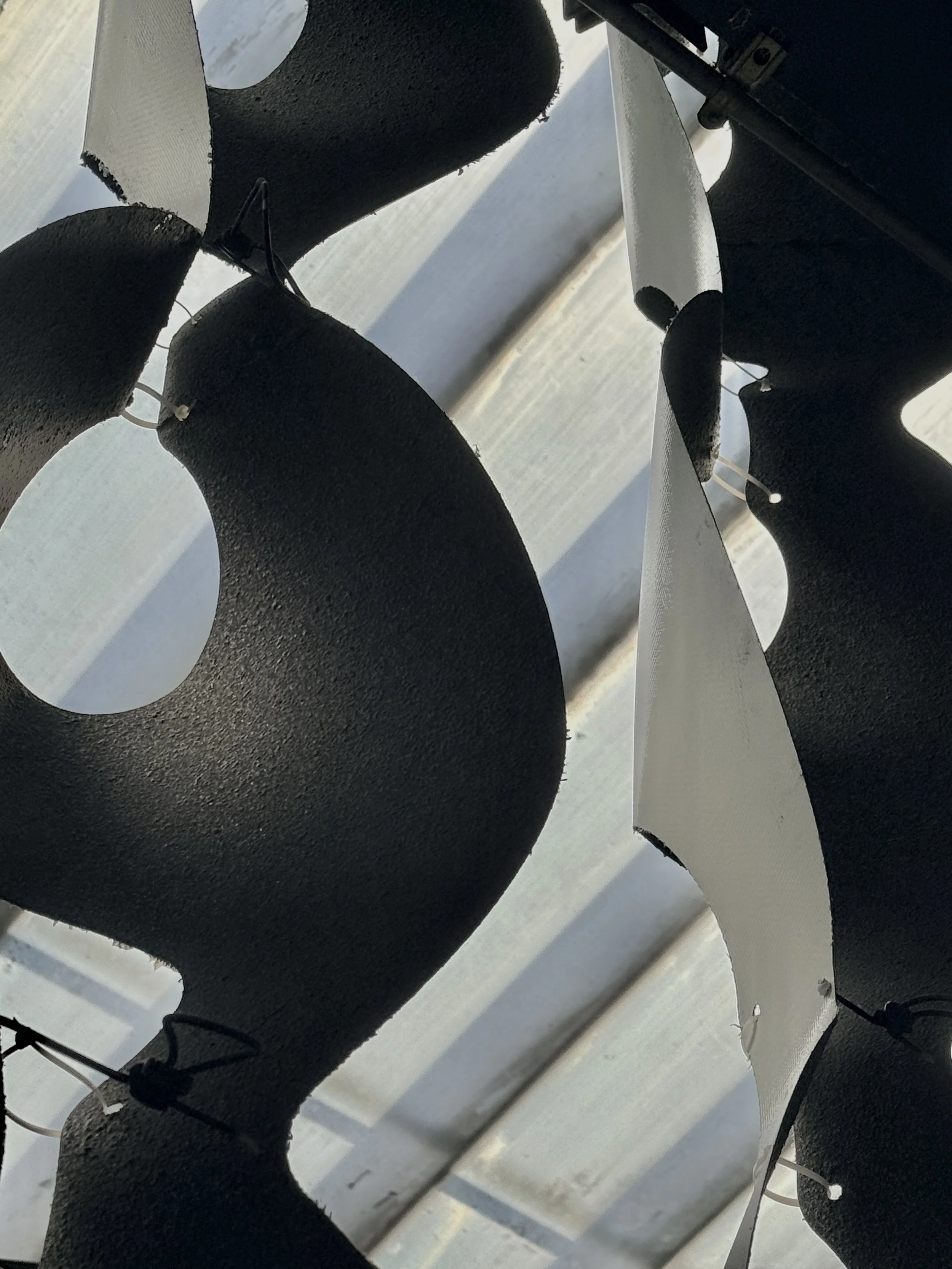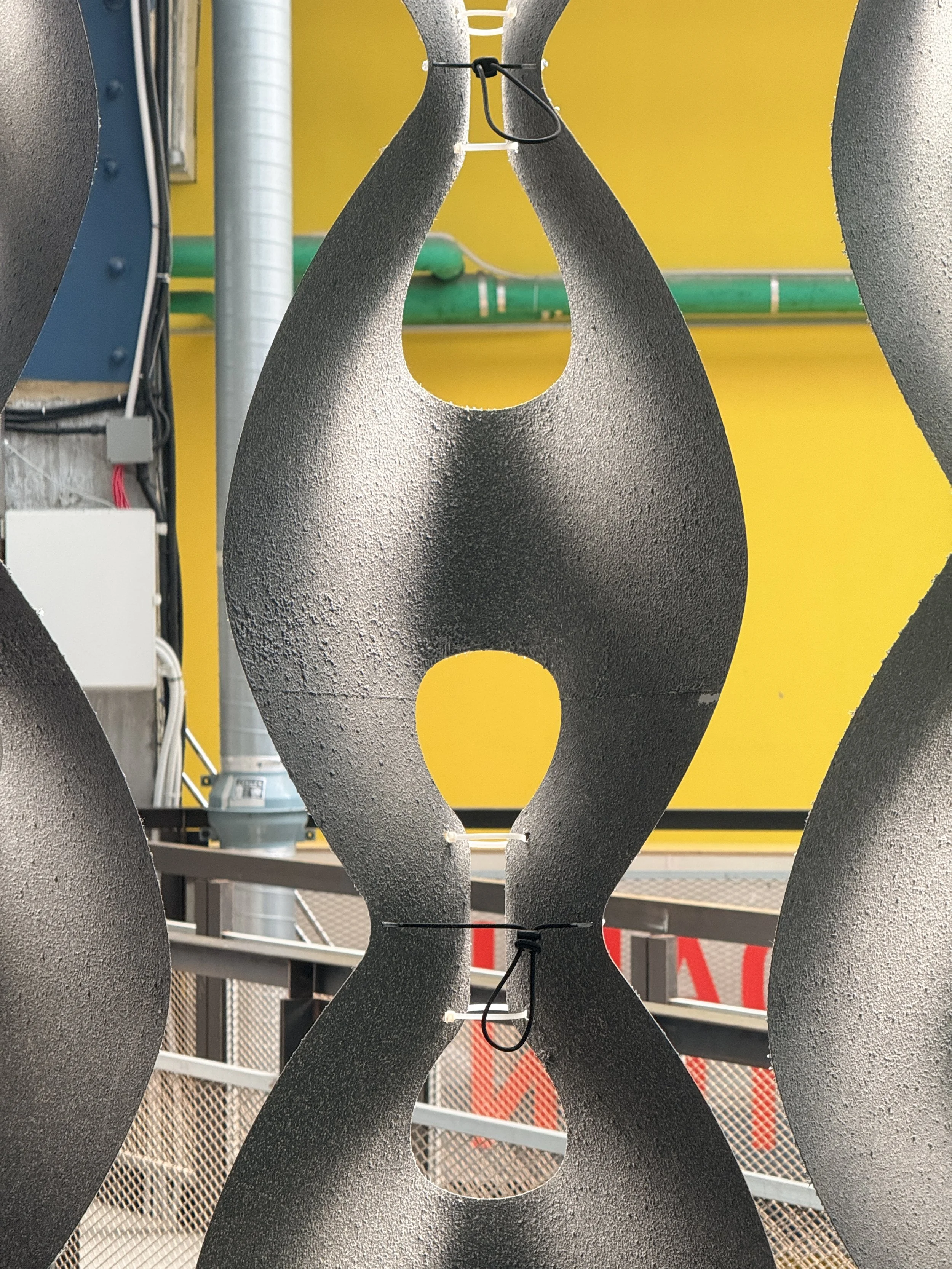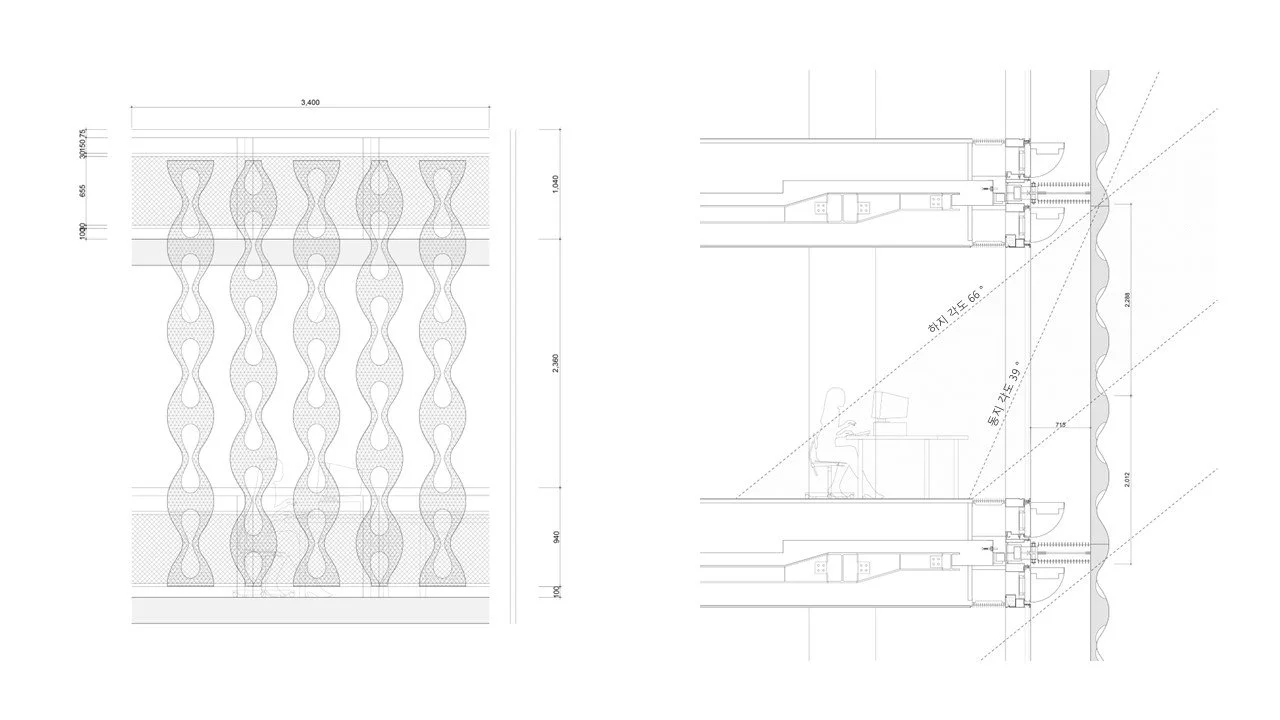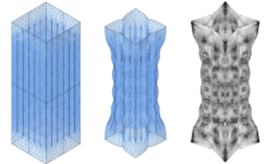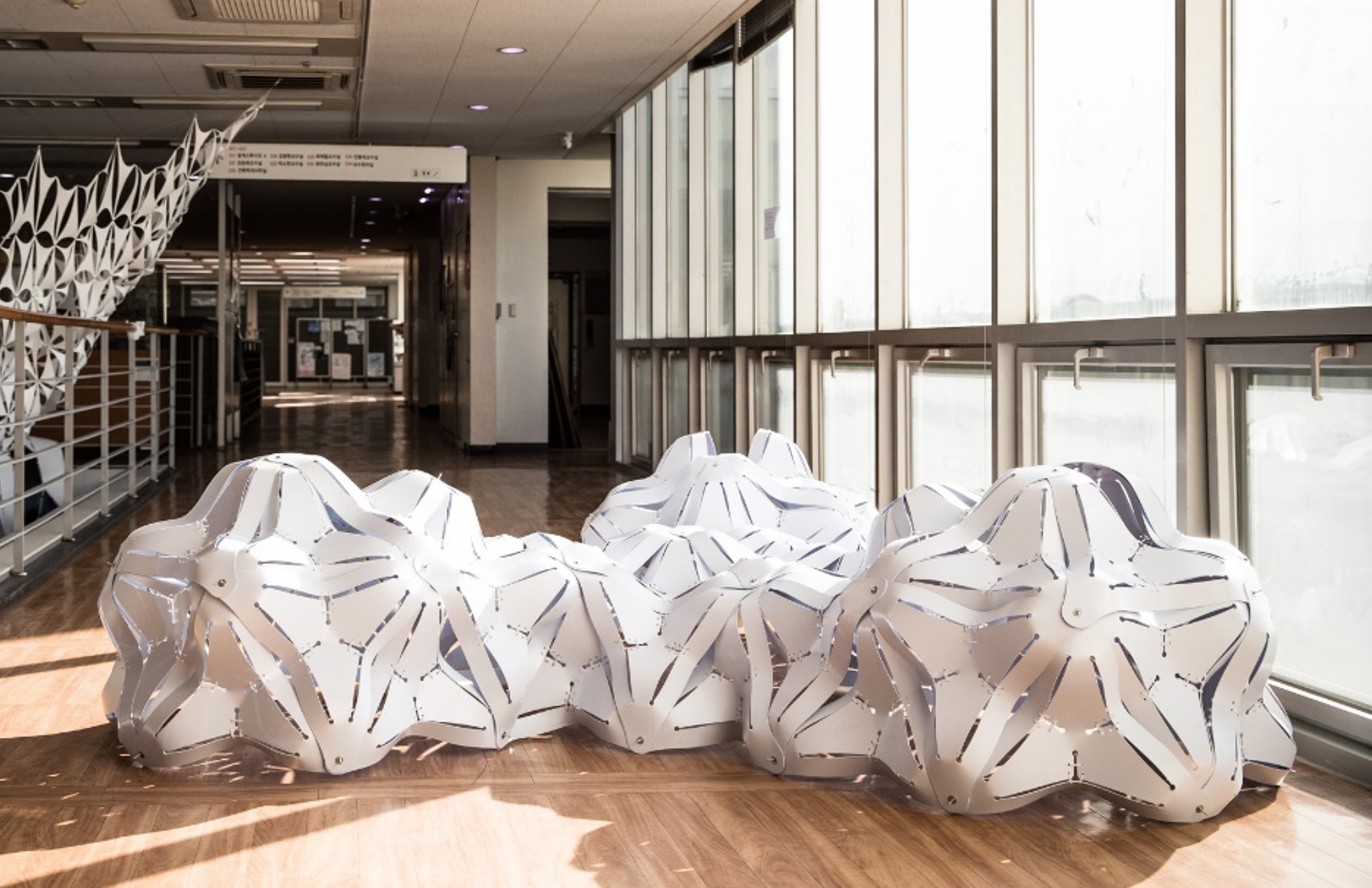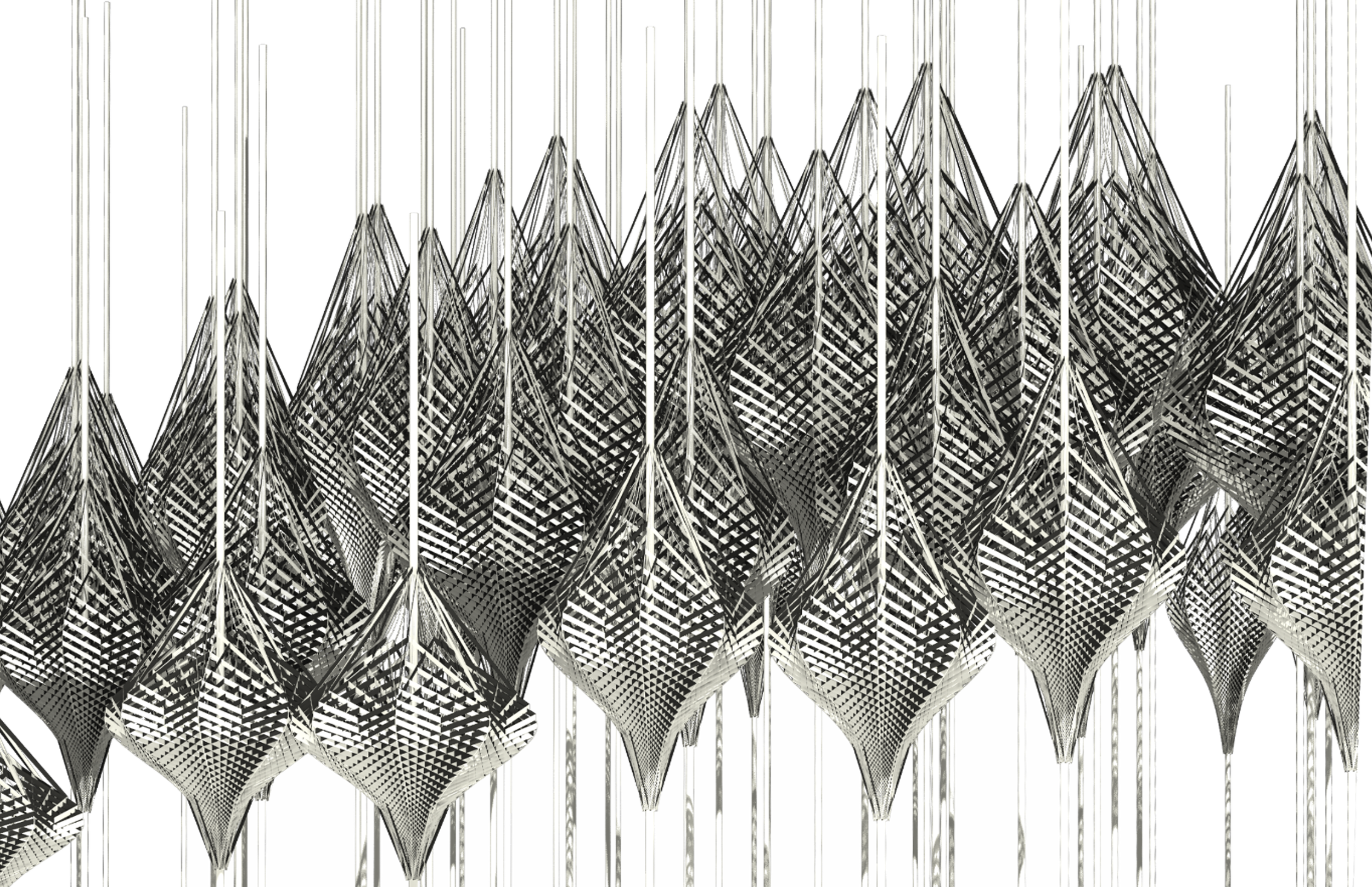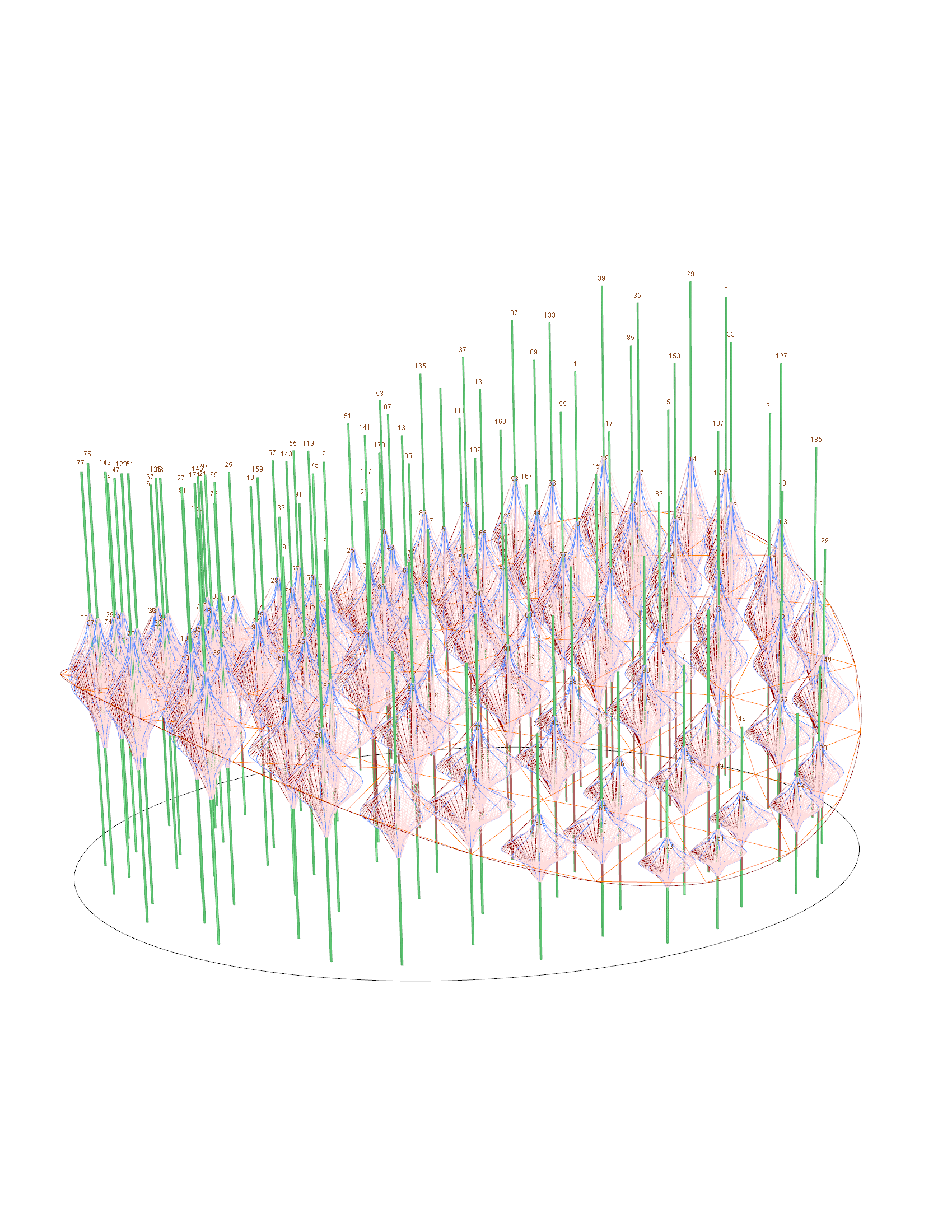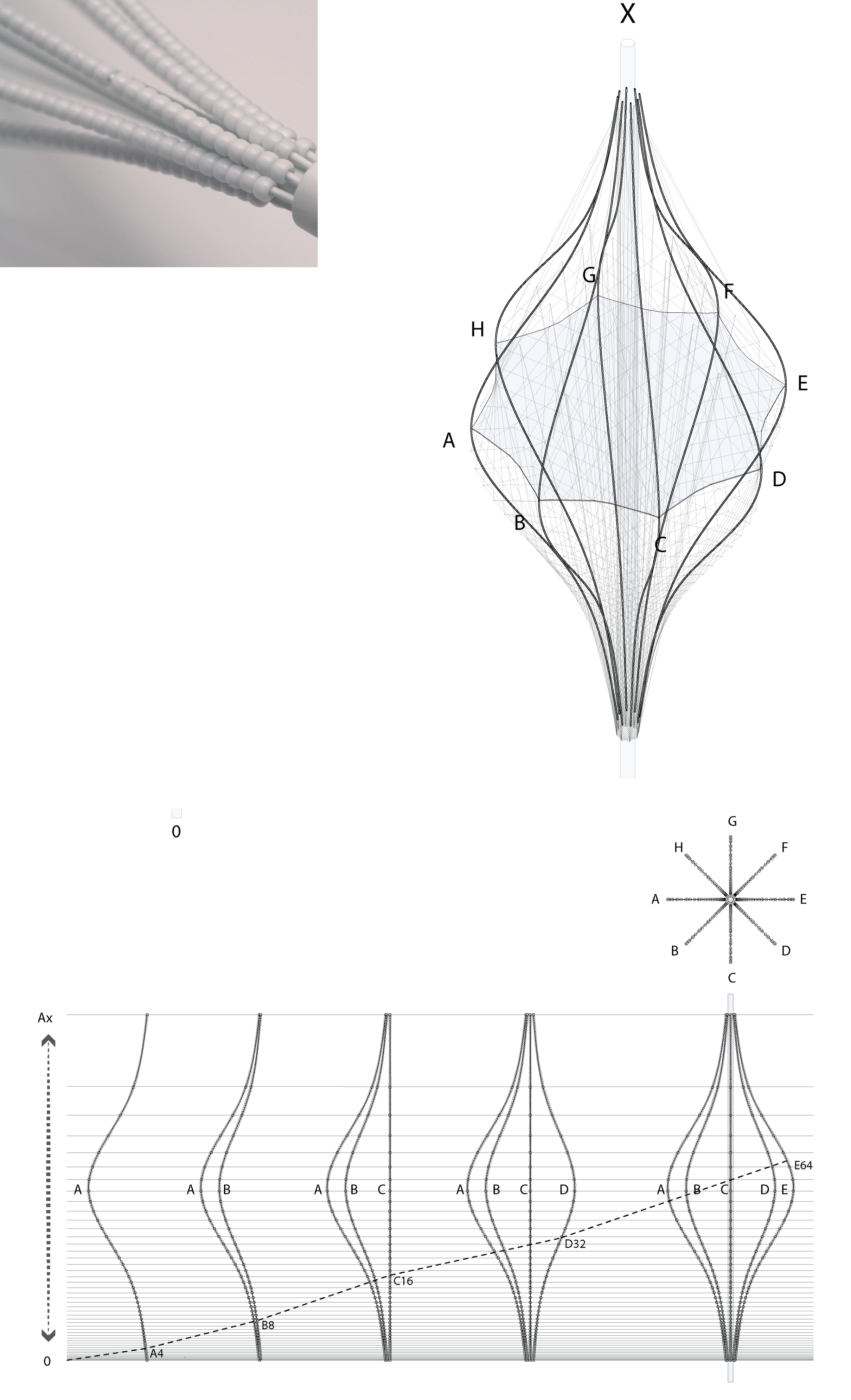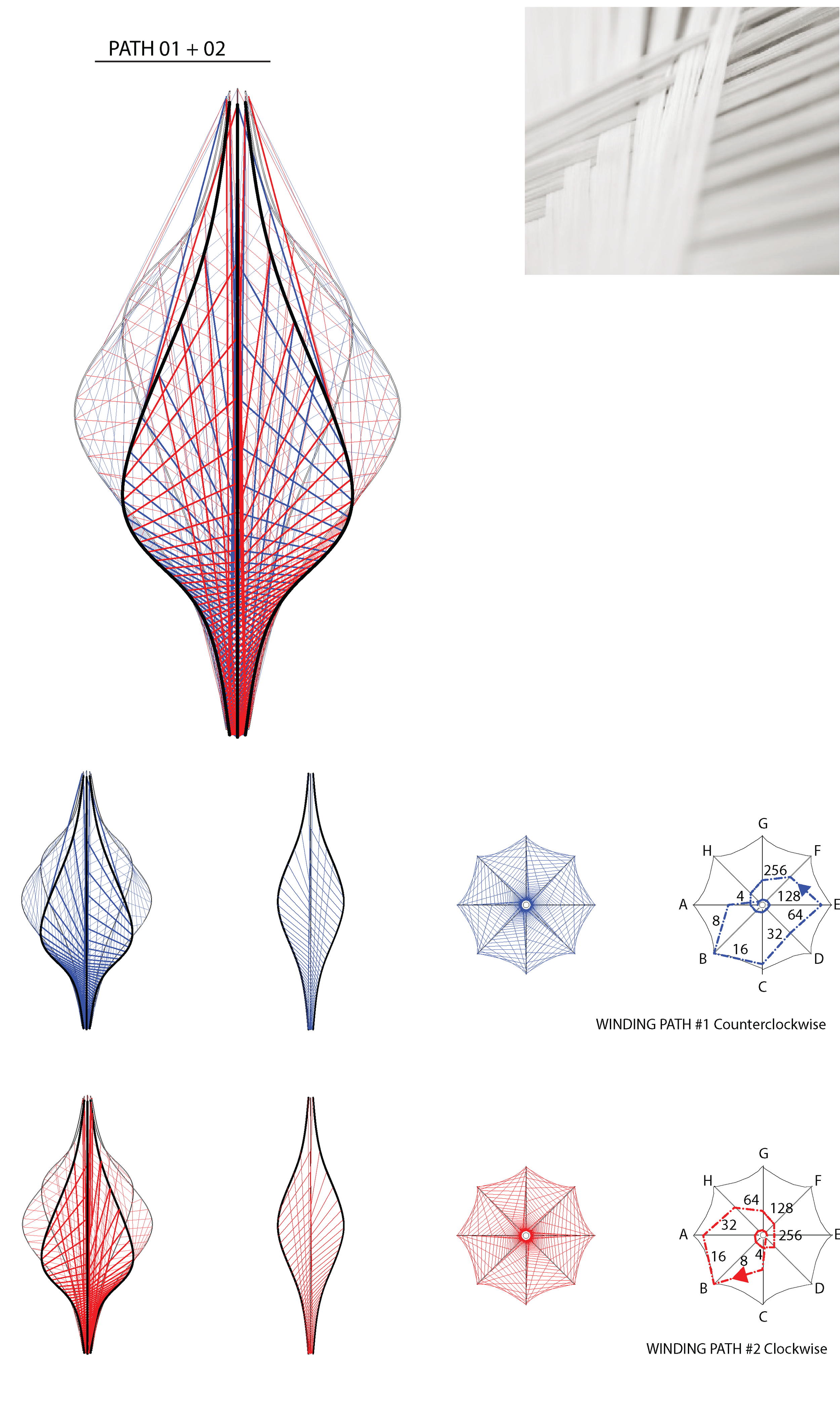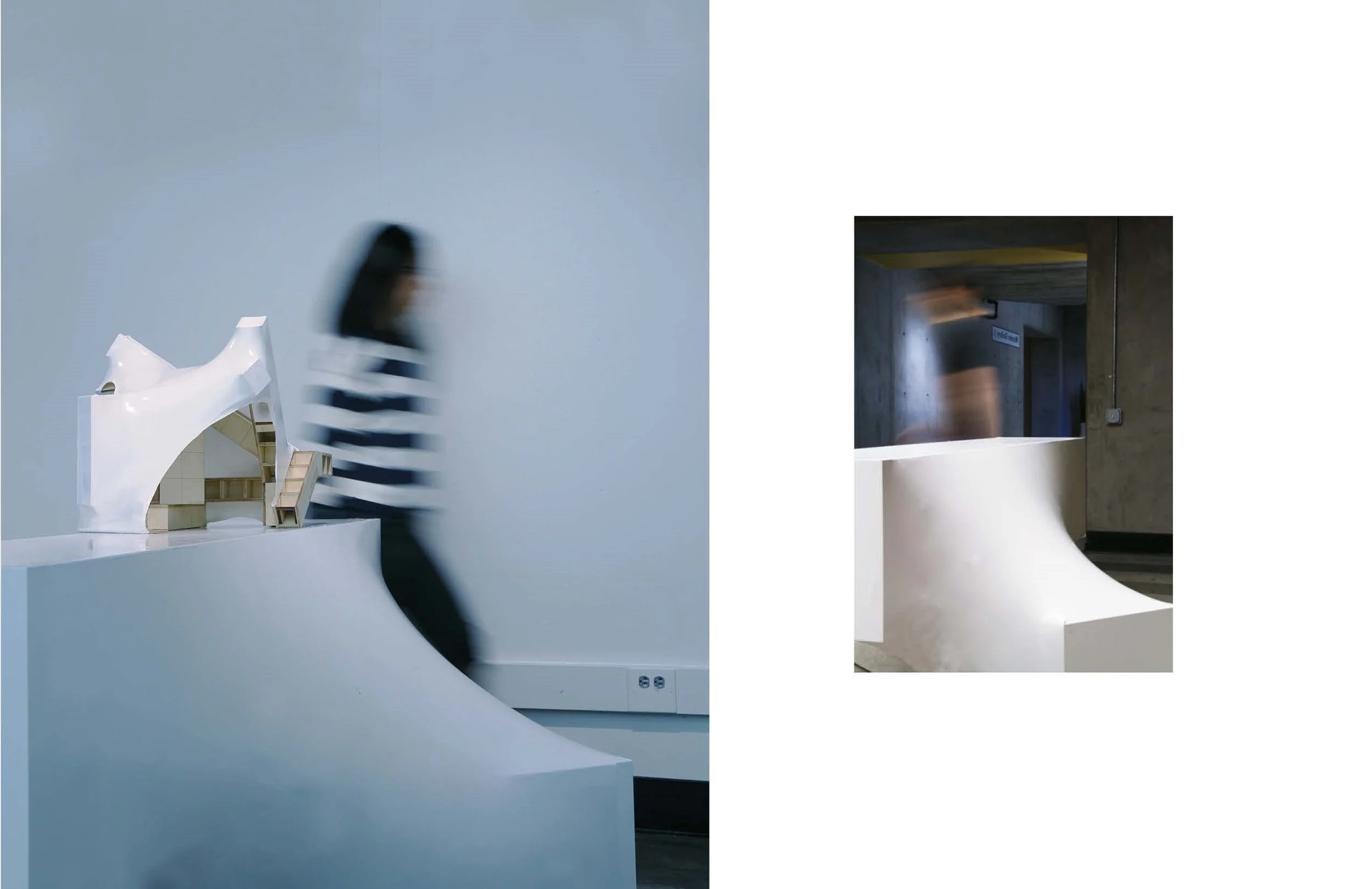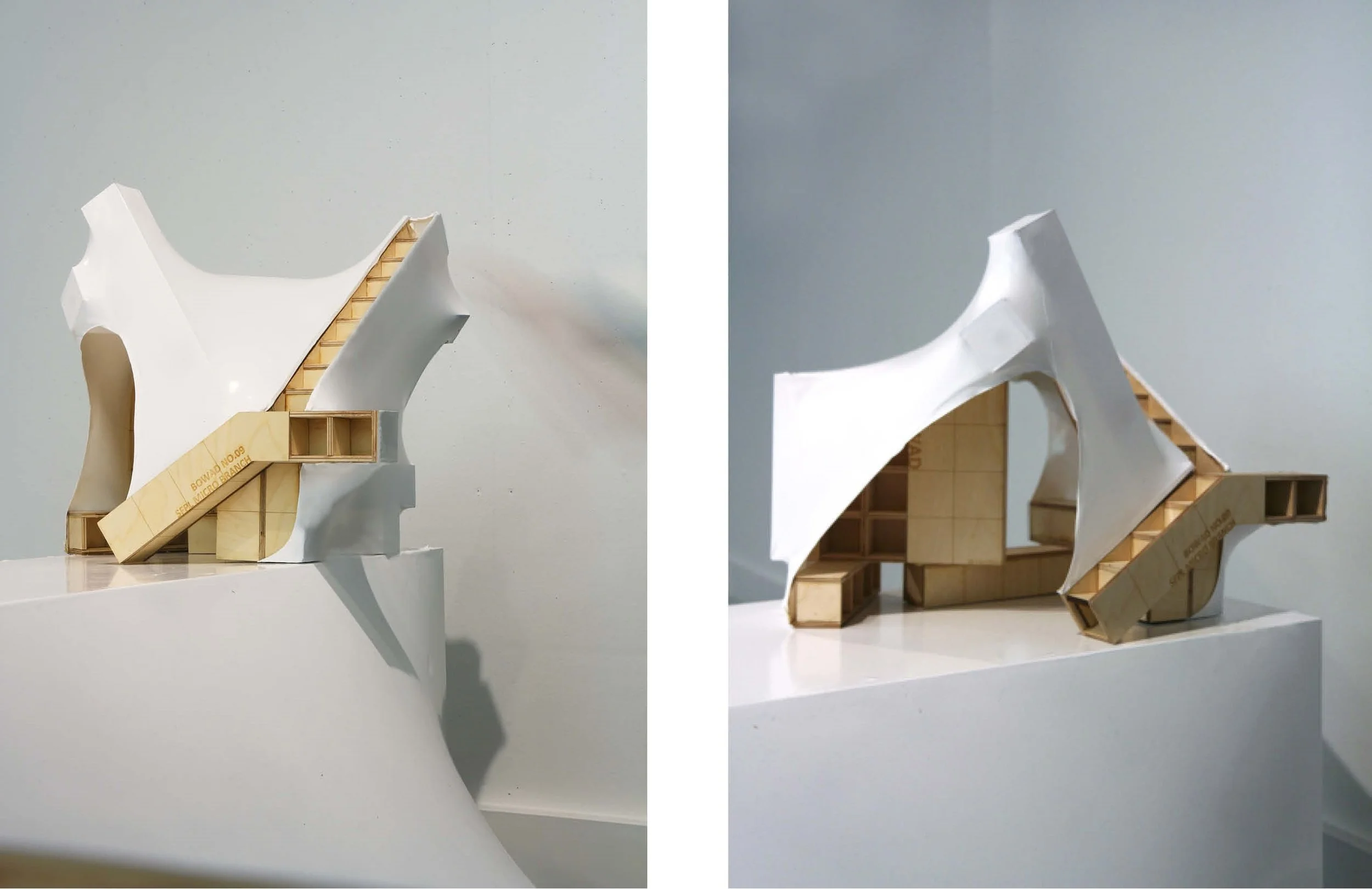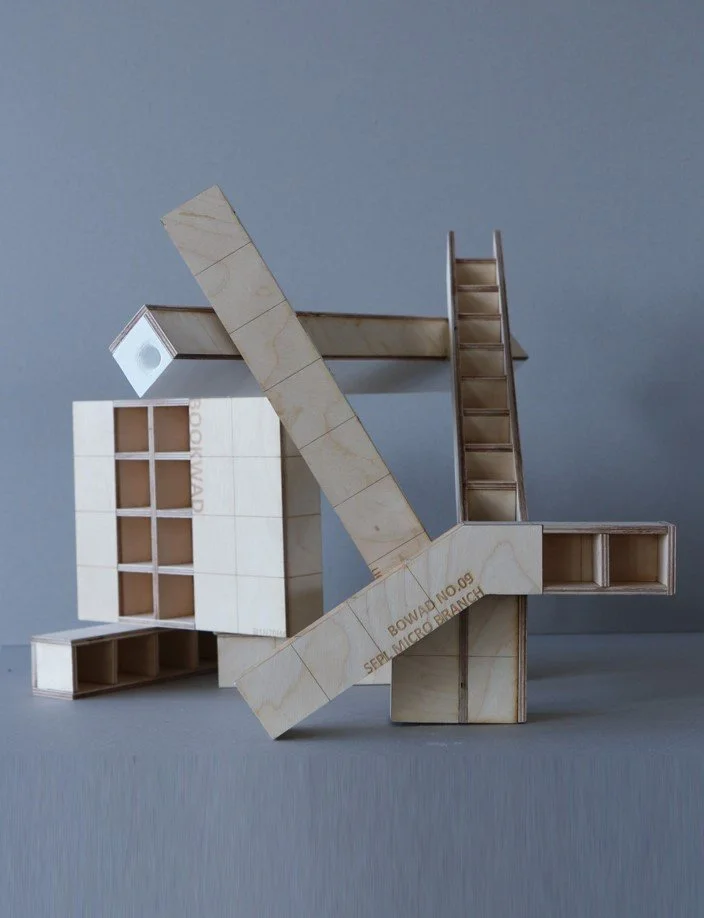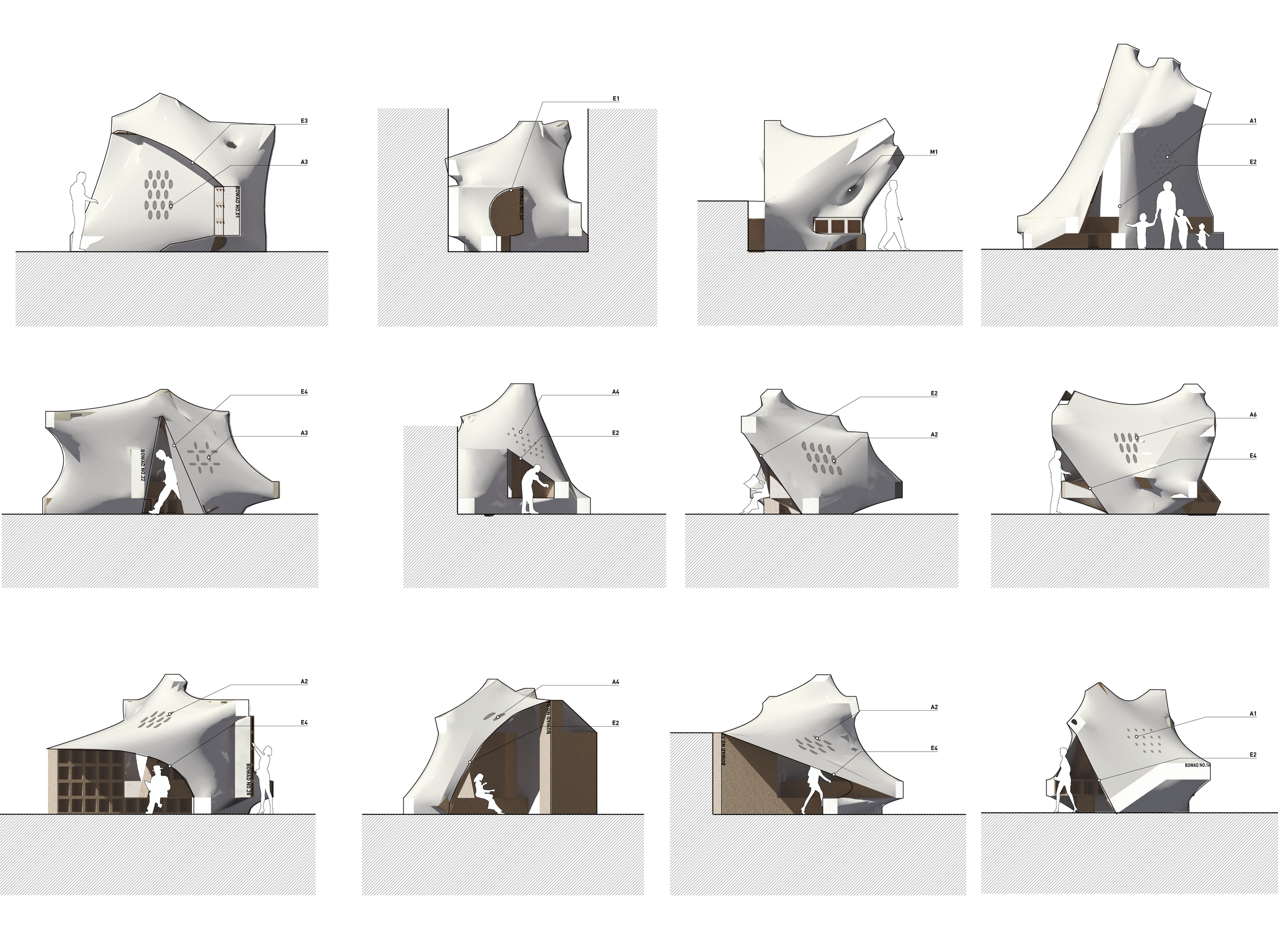
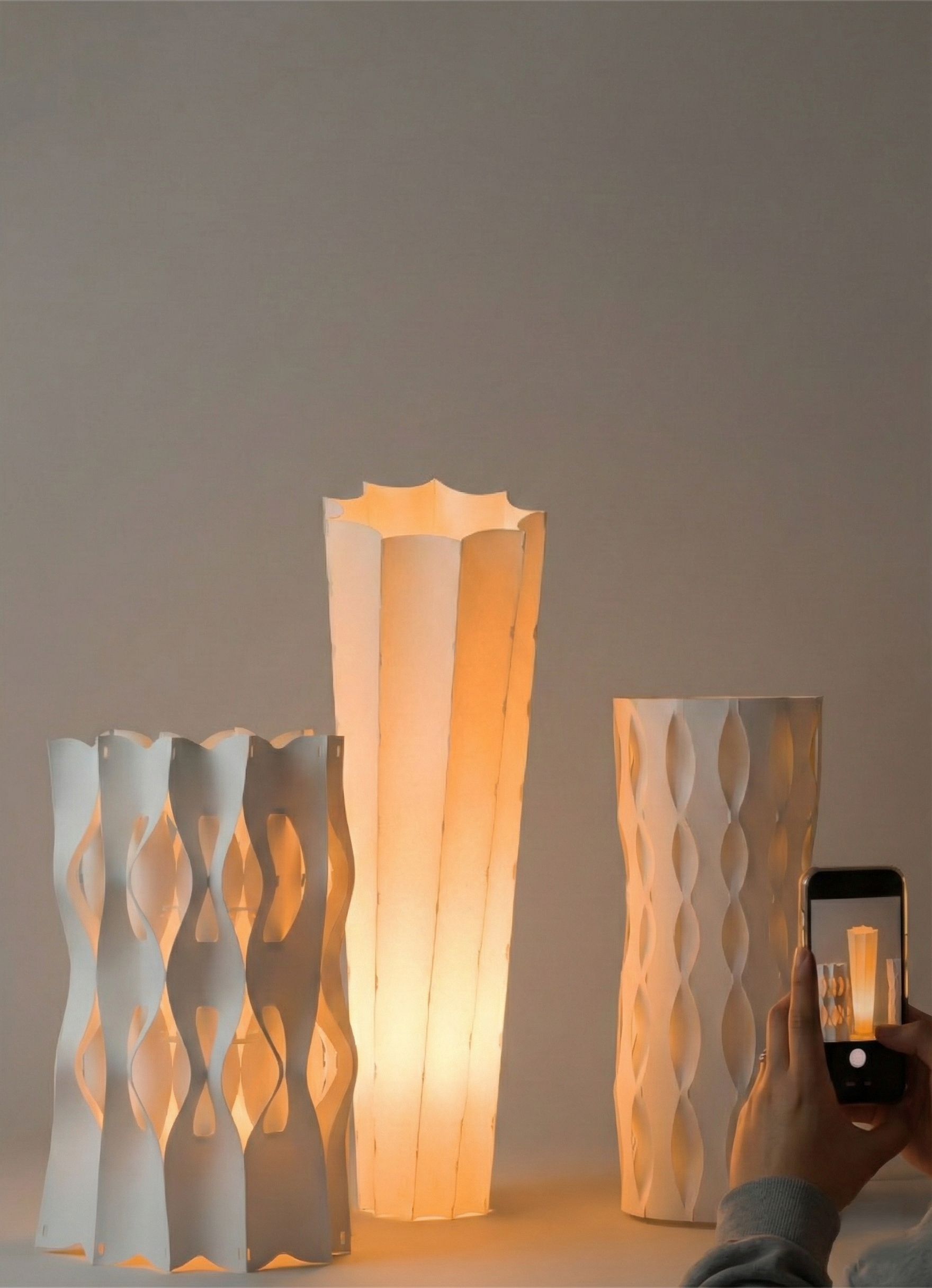
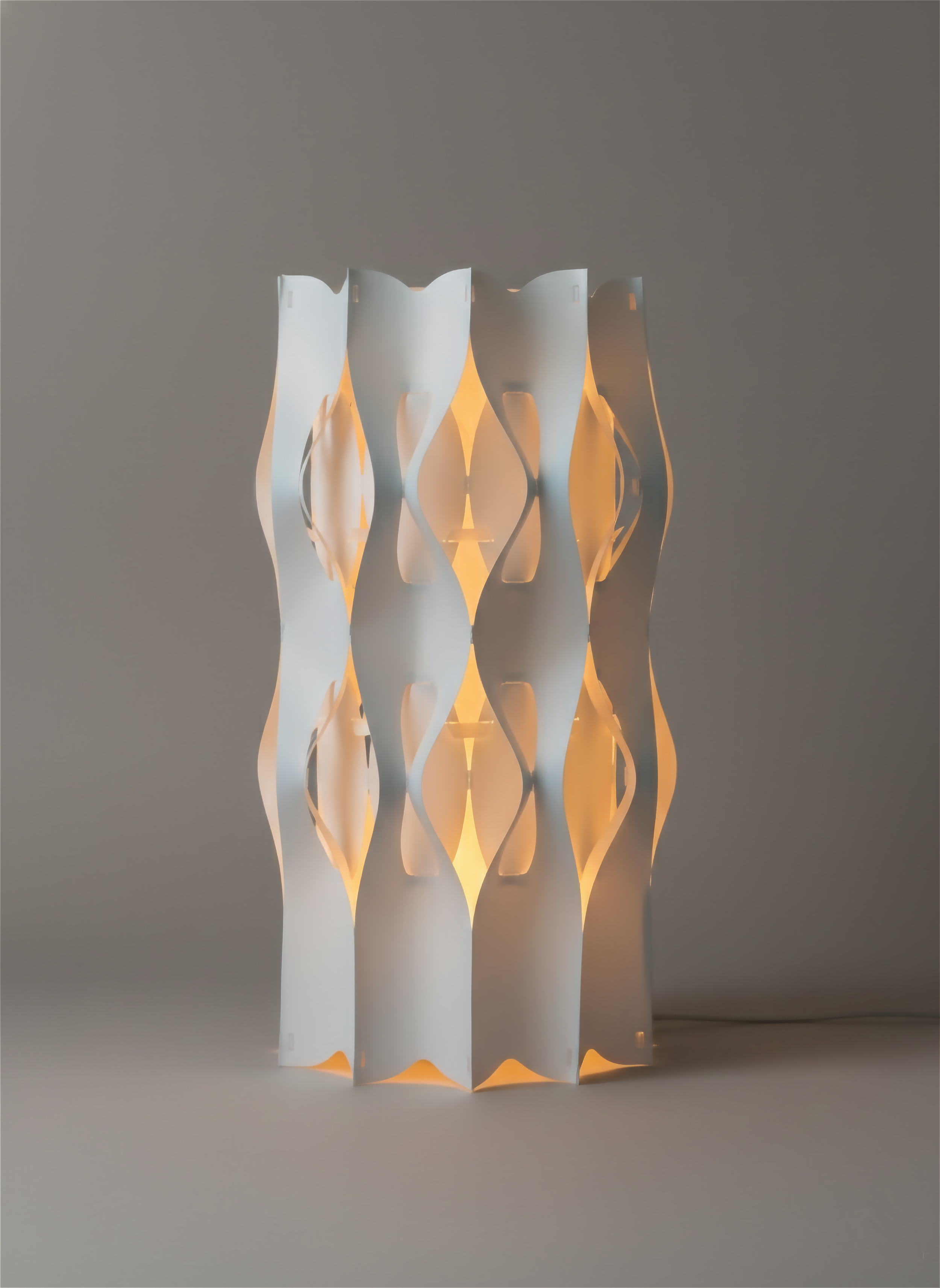
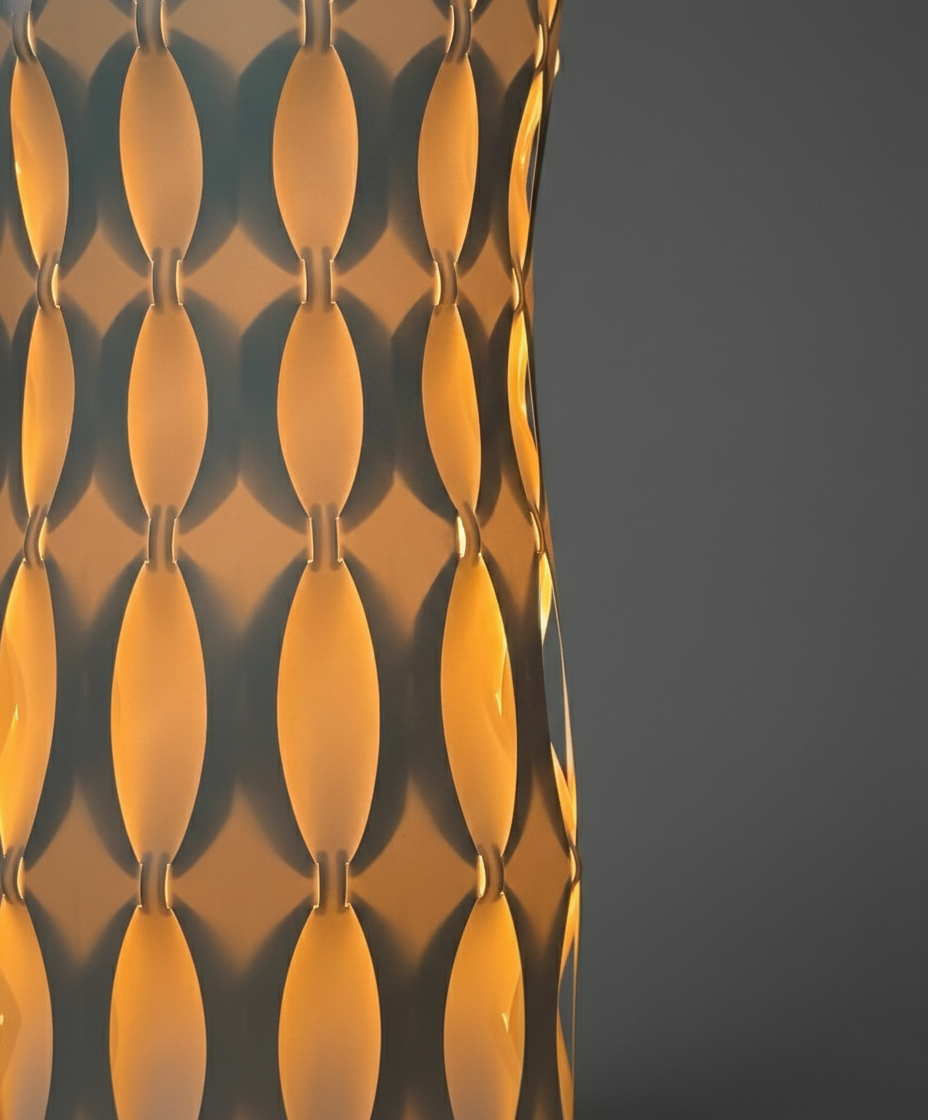
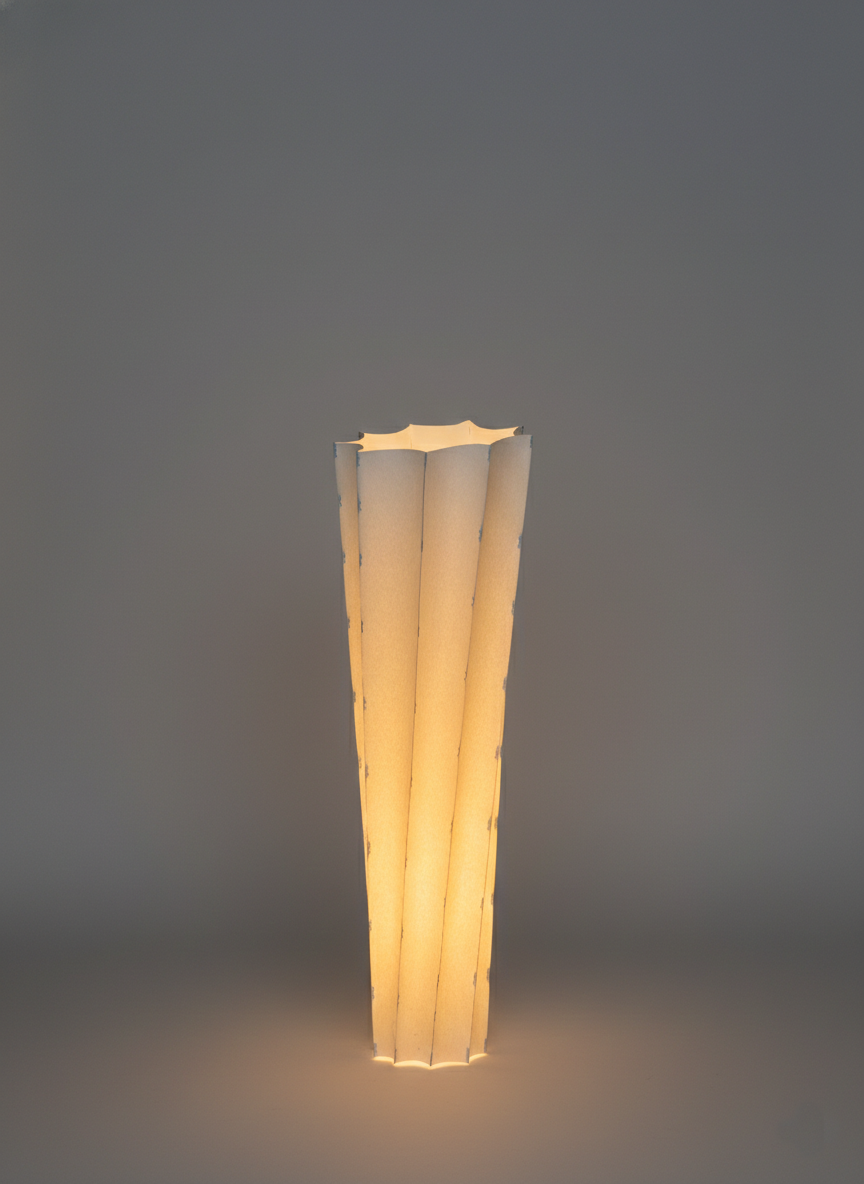
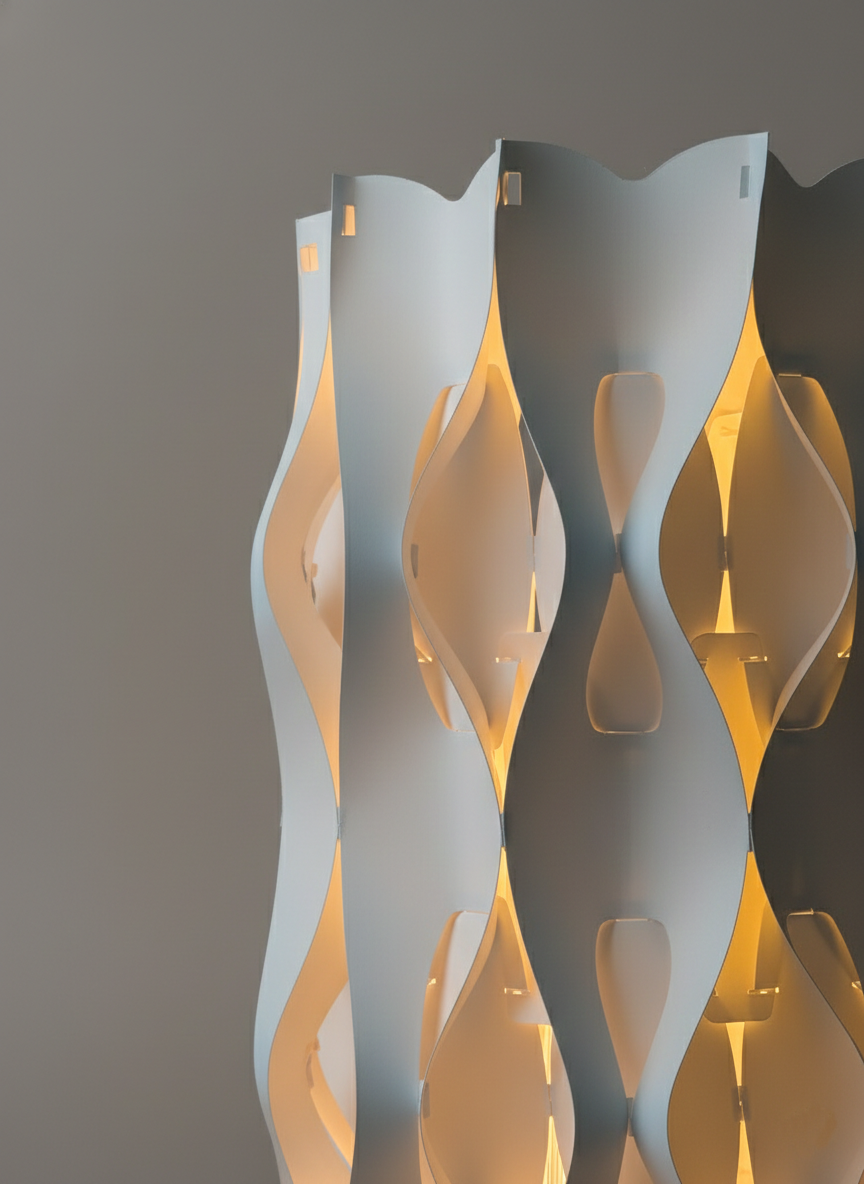
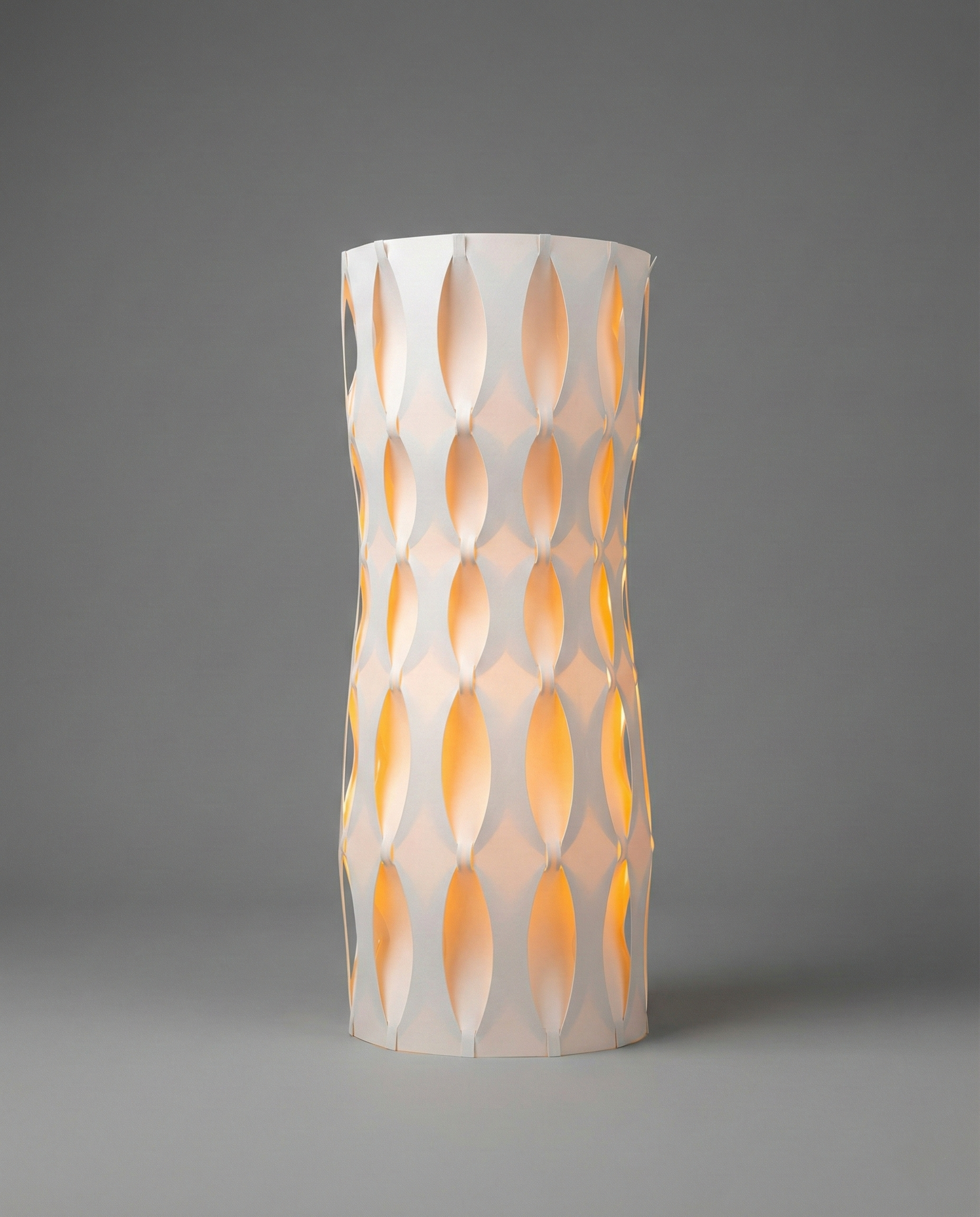
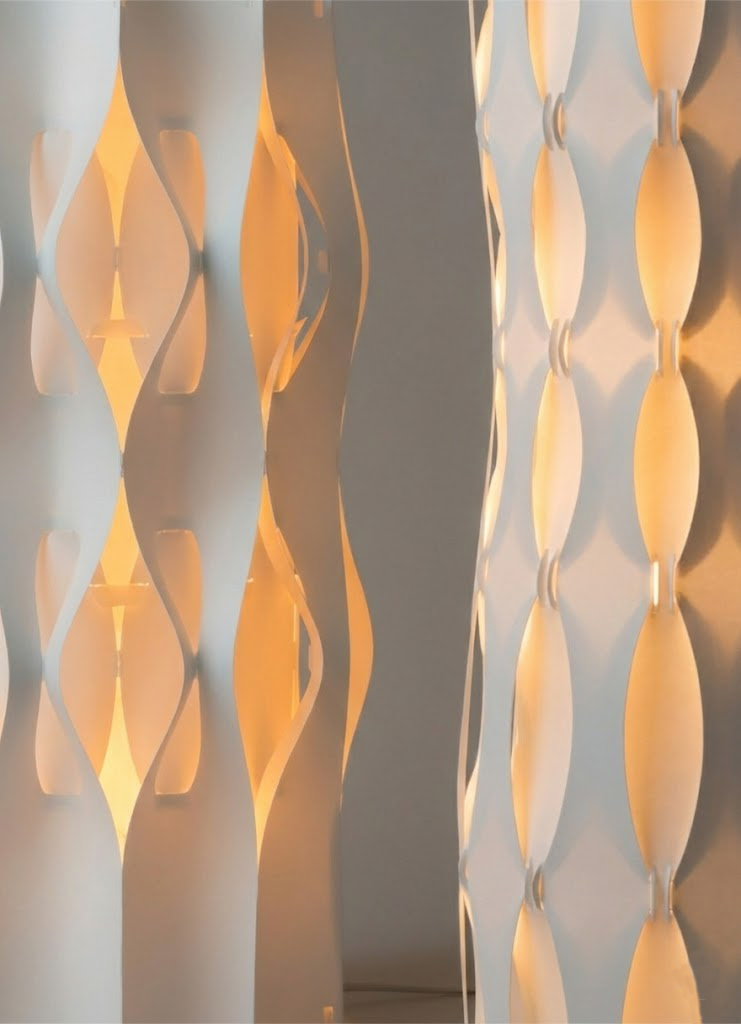
Lamp Shade Series

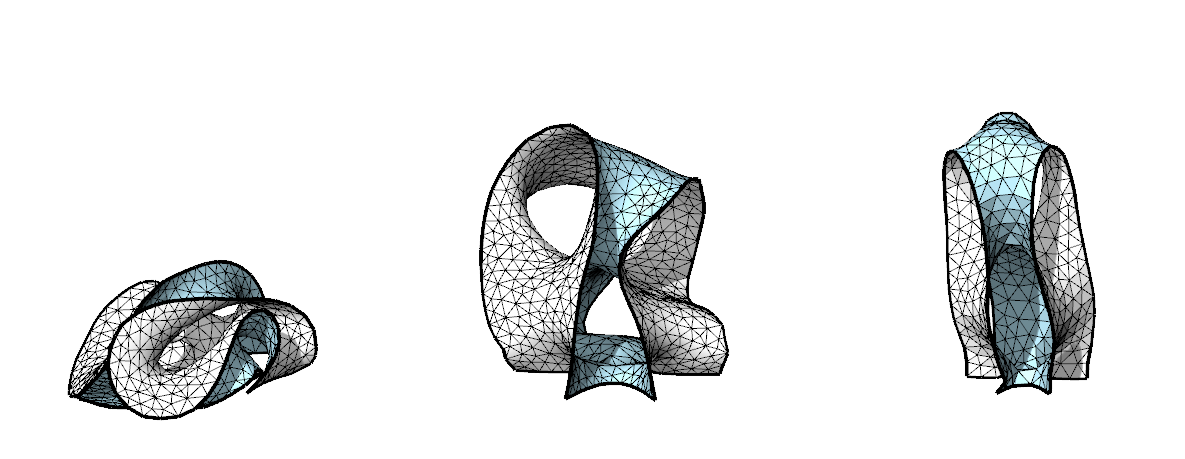
Soft Tectonics is a research initiative exploring Bending-Active structural systems that generate form through the active elasticity of materials. By controlling internal stress distribution and bending radii without external mechanical or thermal stimuli, the research experimentally extends the principle that "form originates from the physical potential of the material." This approach aims for an integrated concept of Material = Structure = Form.

Utilizing polymer-based flexible materials and fiber-reinforced composites, the system activates bending elasticity to create self-supporting structures. The core feature of this research is curvature-based stiffness, which ensures structural integrity even within thin cross-sections.

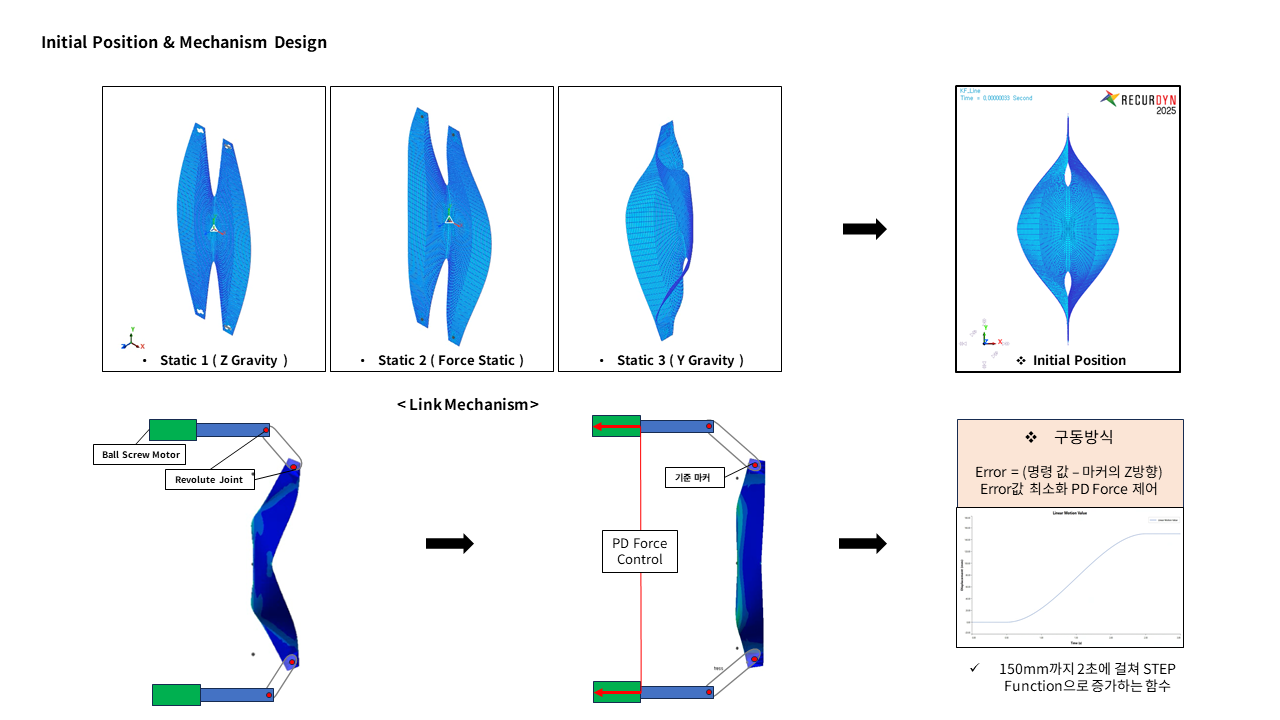
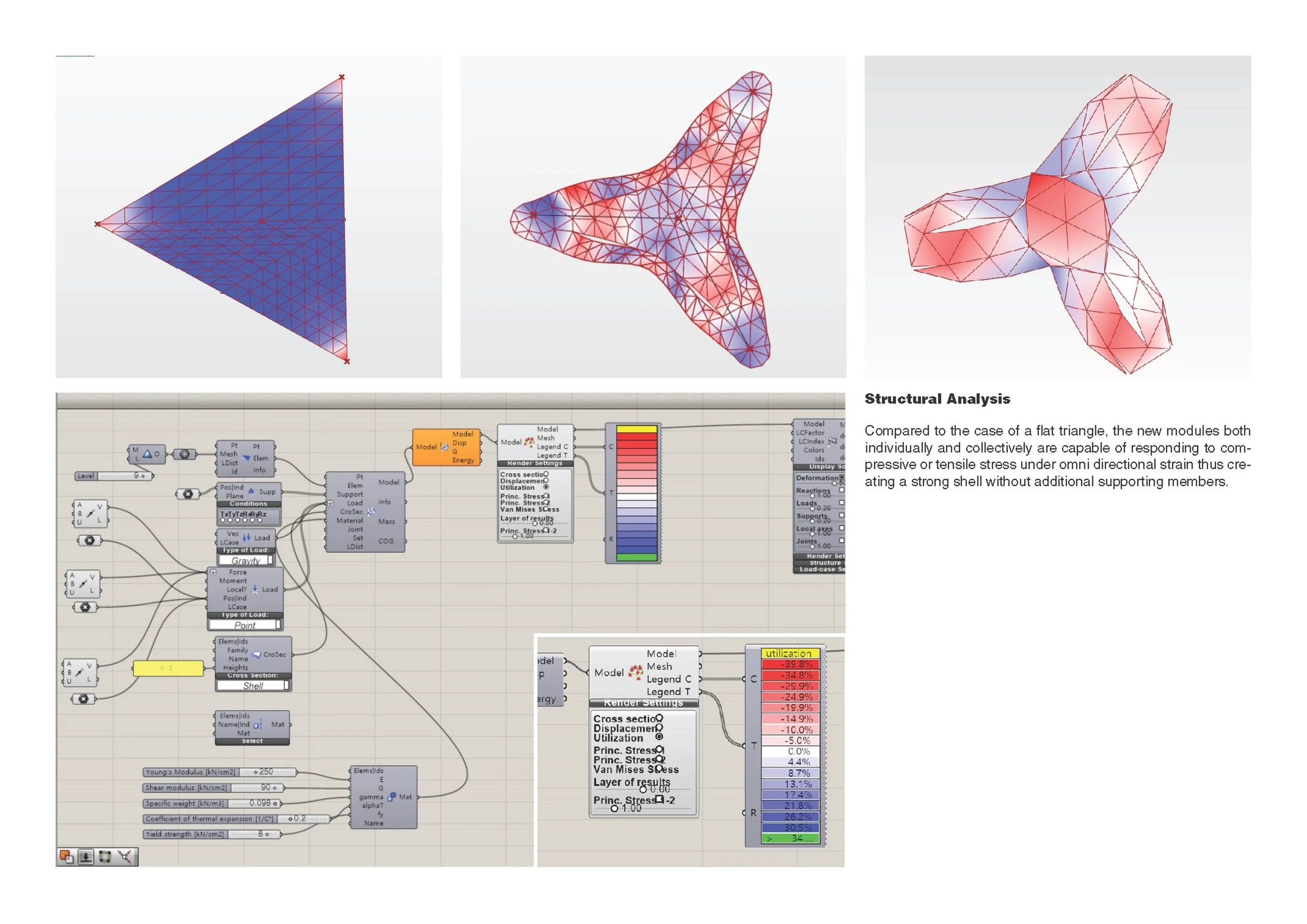
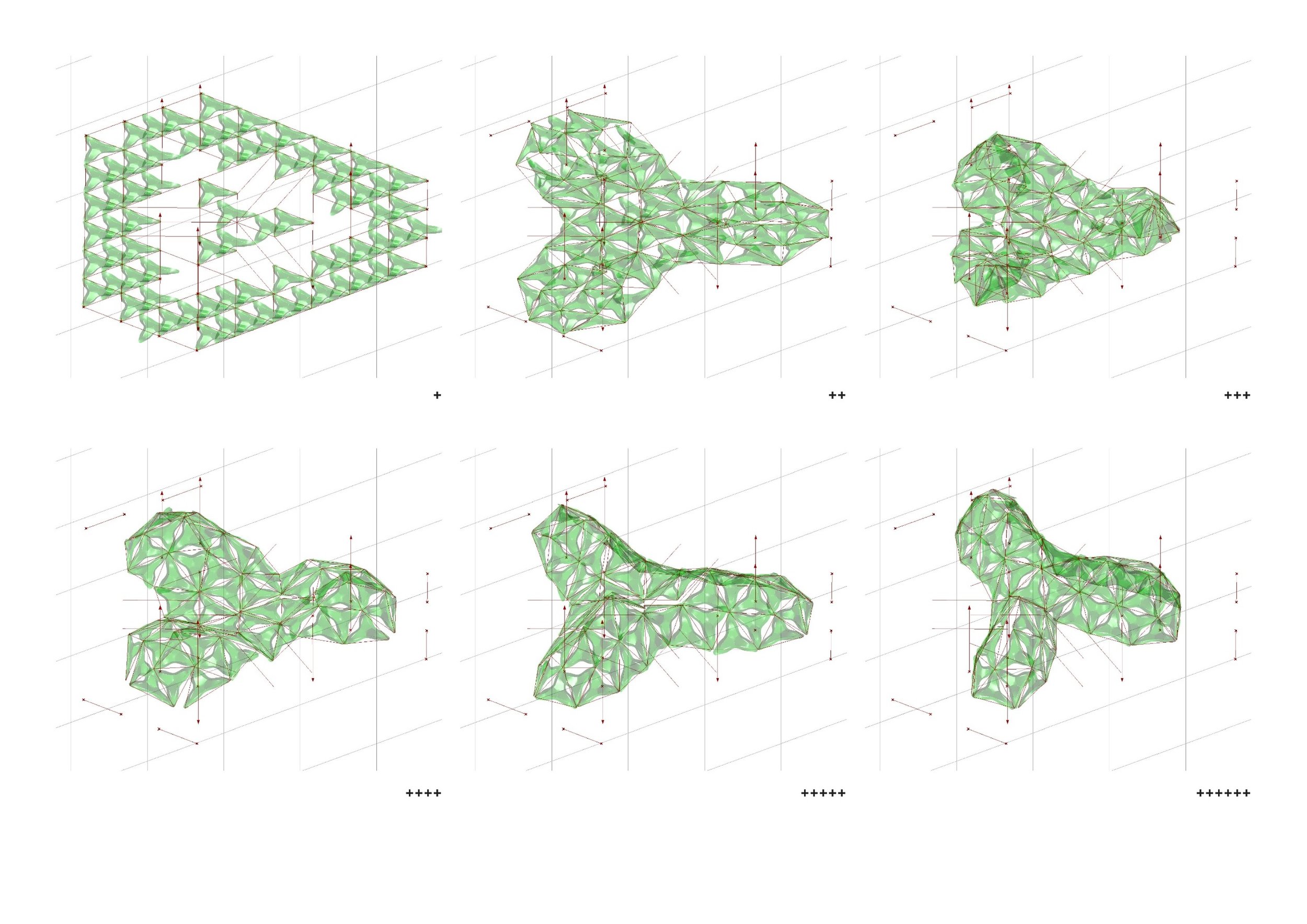
The methodology bridges the digital and physical through elastic deformation simulations, custom profile-extraction software, and error-correction processes. Parametric algorithms derive multiple structural possibilities from a single design, while over 200 prototype experiments optimize the balance between structure and self-weight. This Micro-to-Macro / Macro-to-Micro strategy connects object-scale experimentation to architectural-scale implementation.


Year : 2026

Location : Seoul, Korea

Project Director :

Dongil Kim (Kyung Hee University / I.f CDL)

Principal Researcher :

Gwangeun Hwang (I.f)

Supported by : I.f Architecture & Research
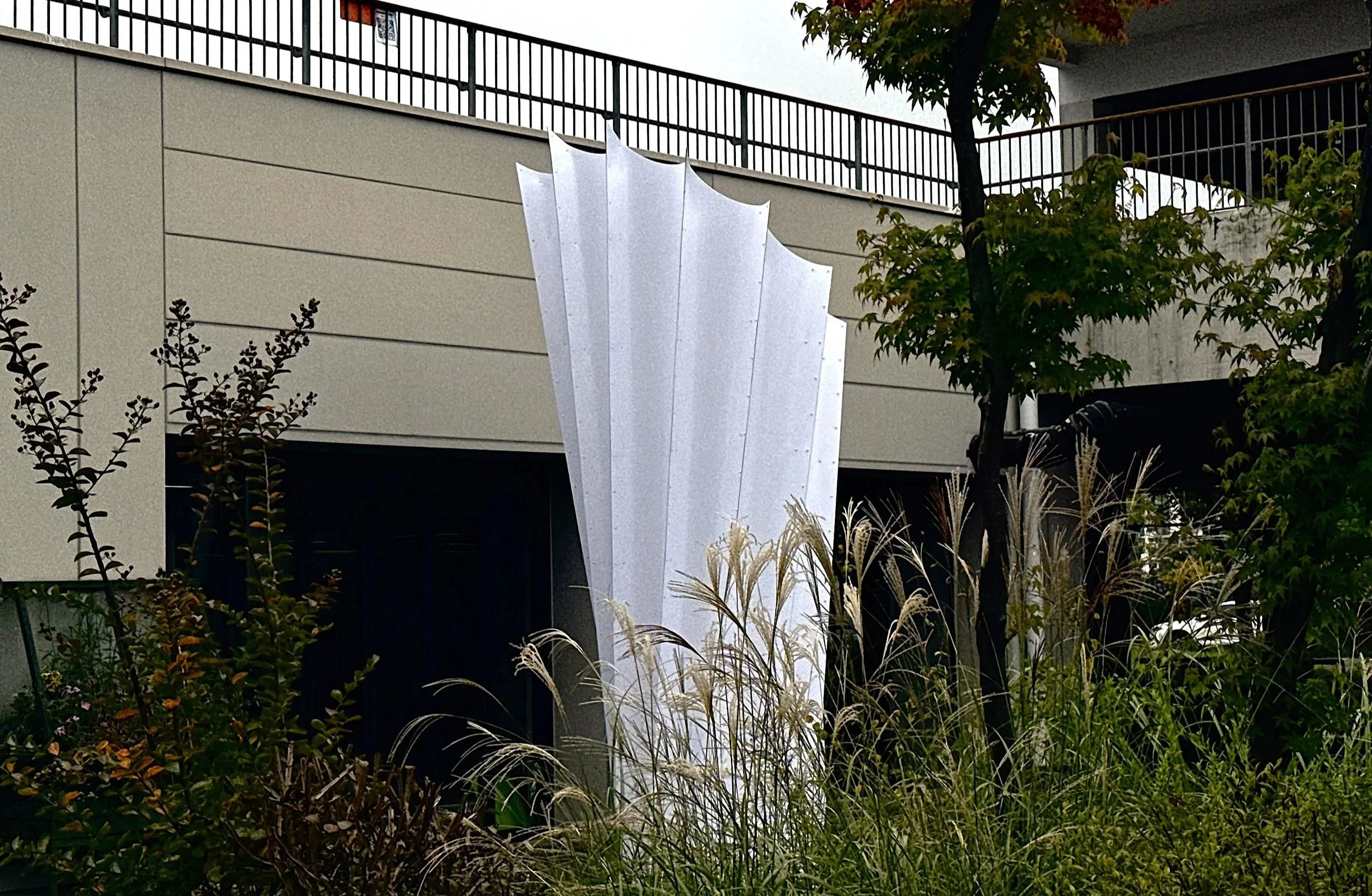
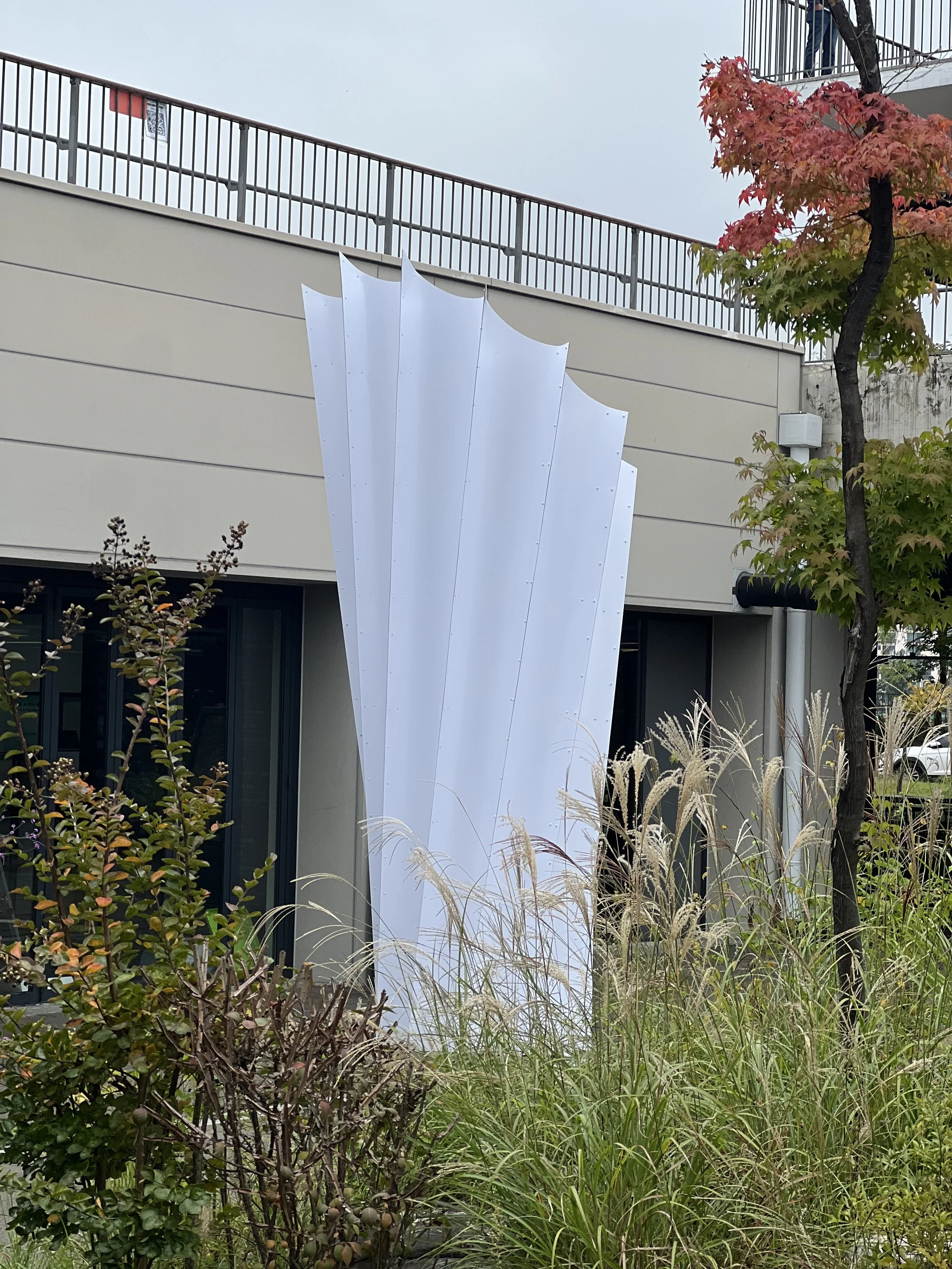
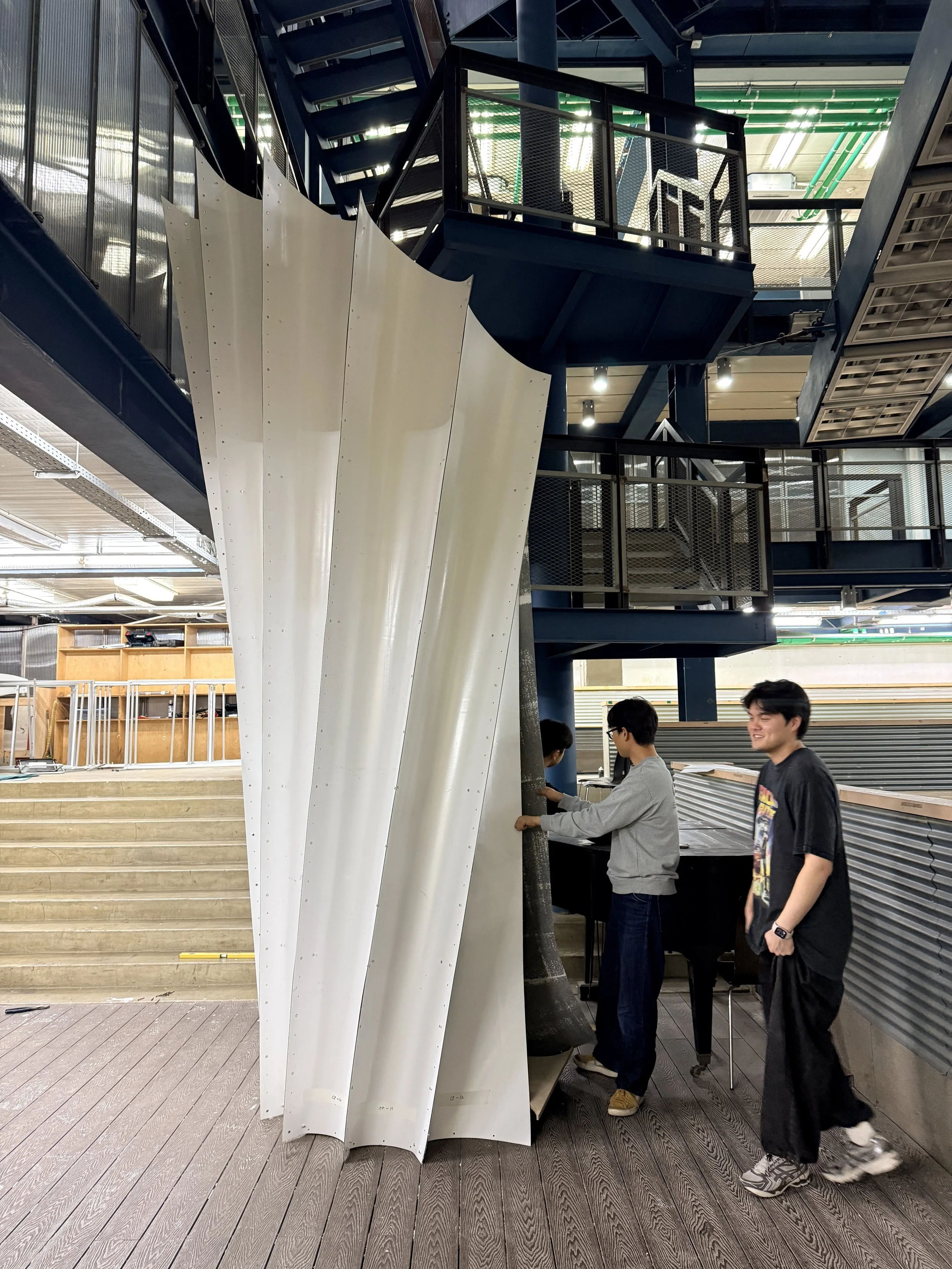
K:ink Tower

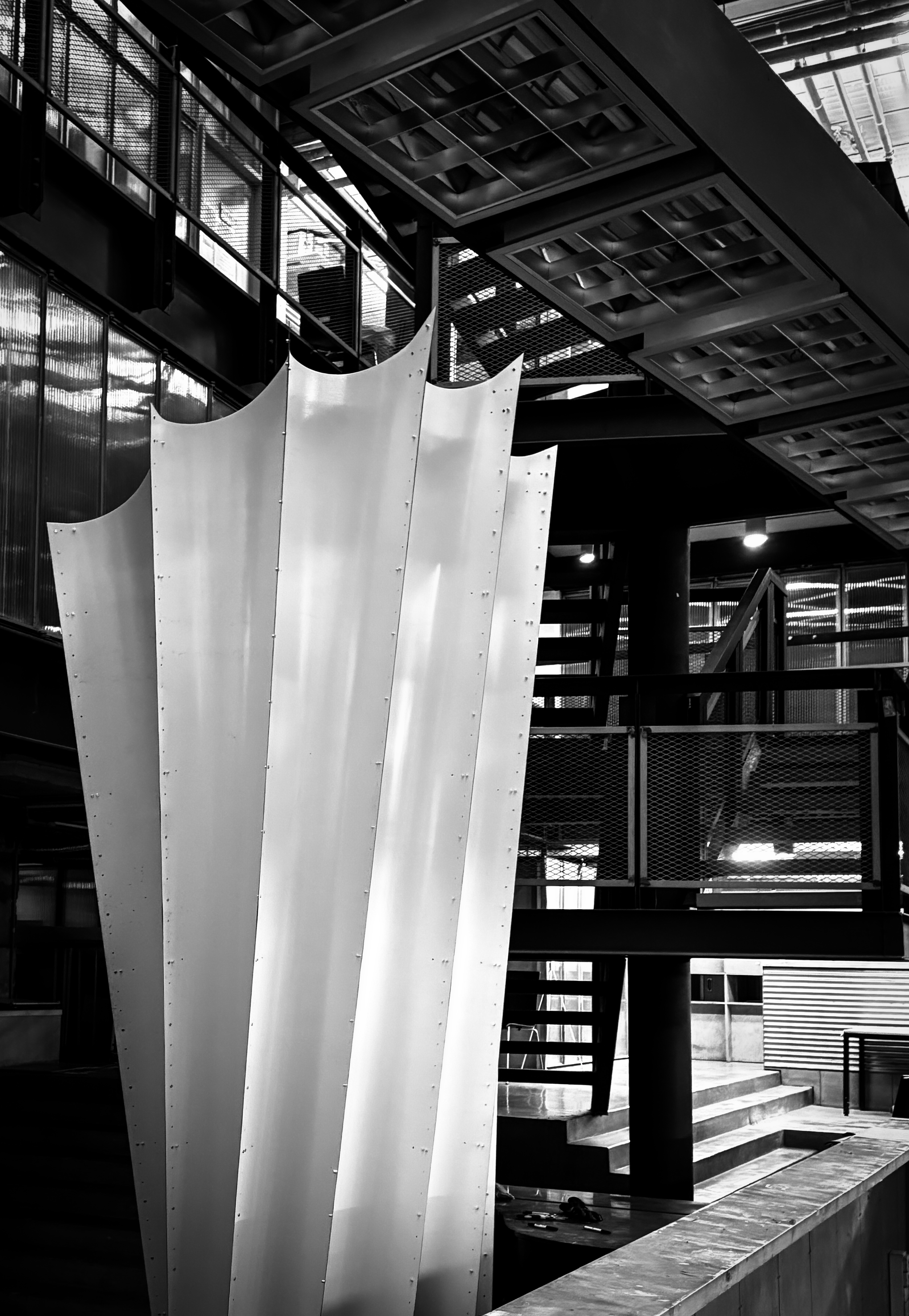
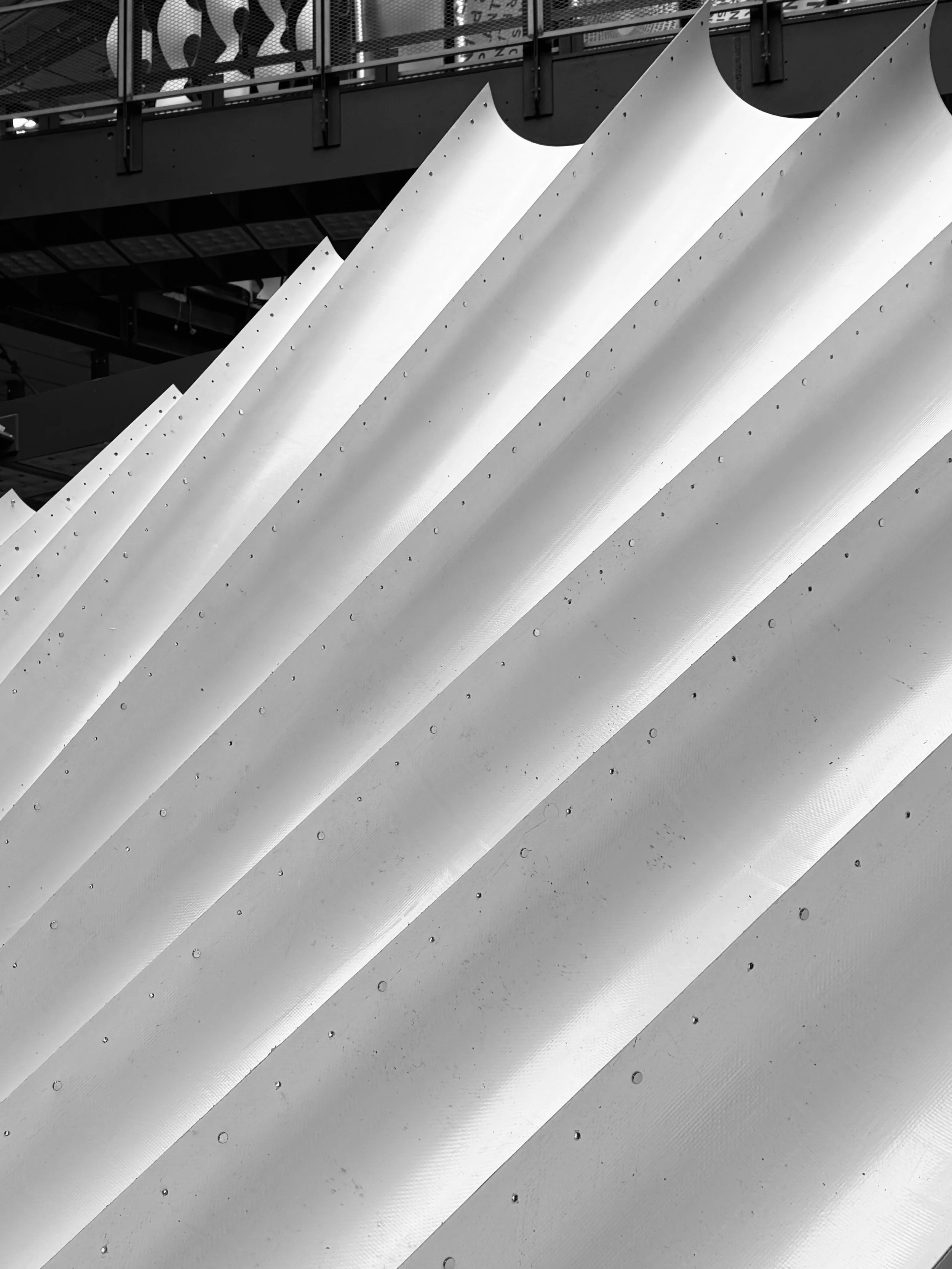
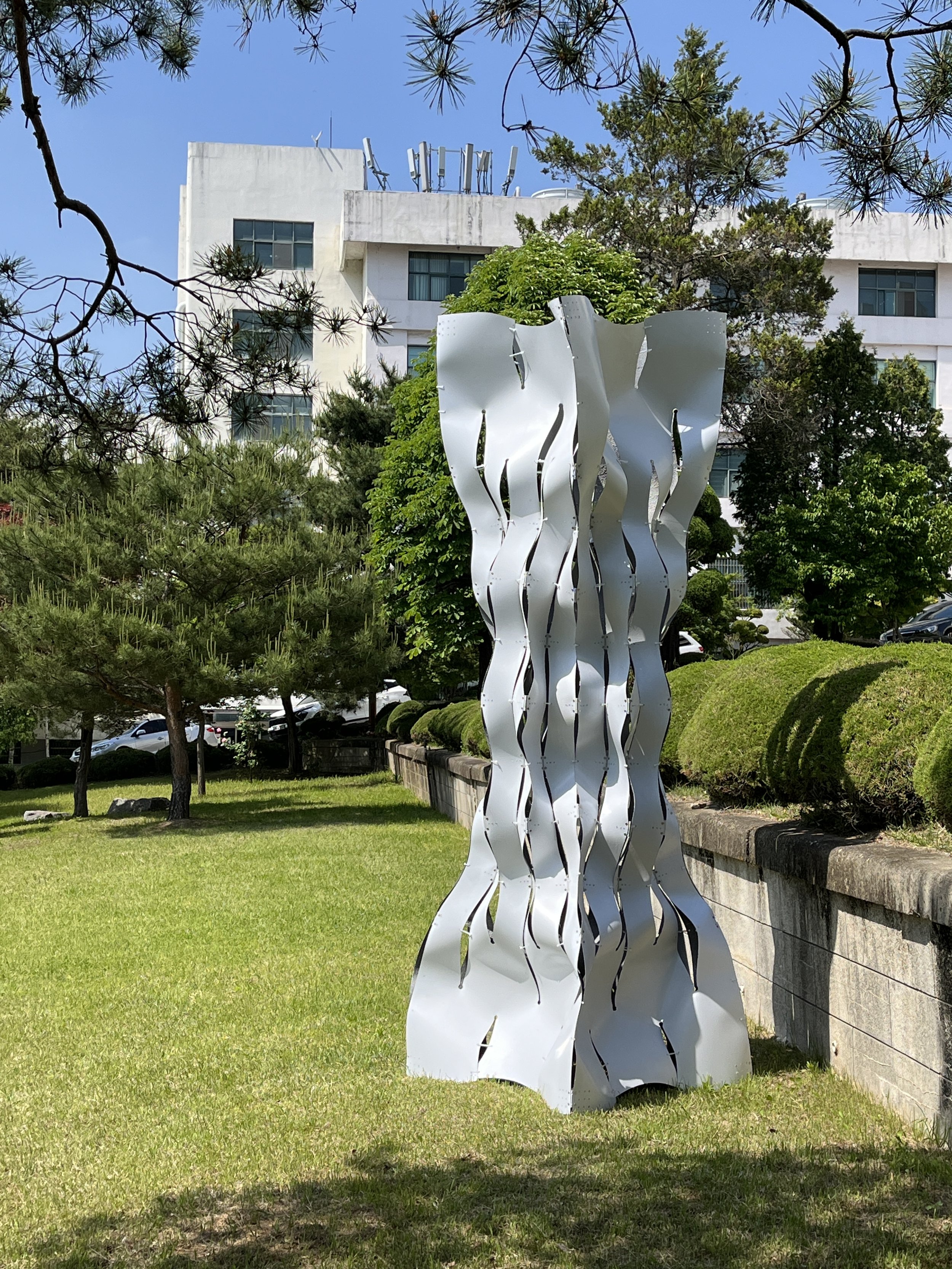
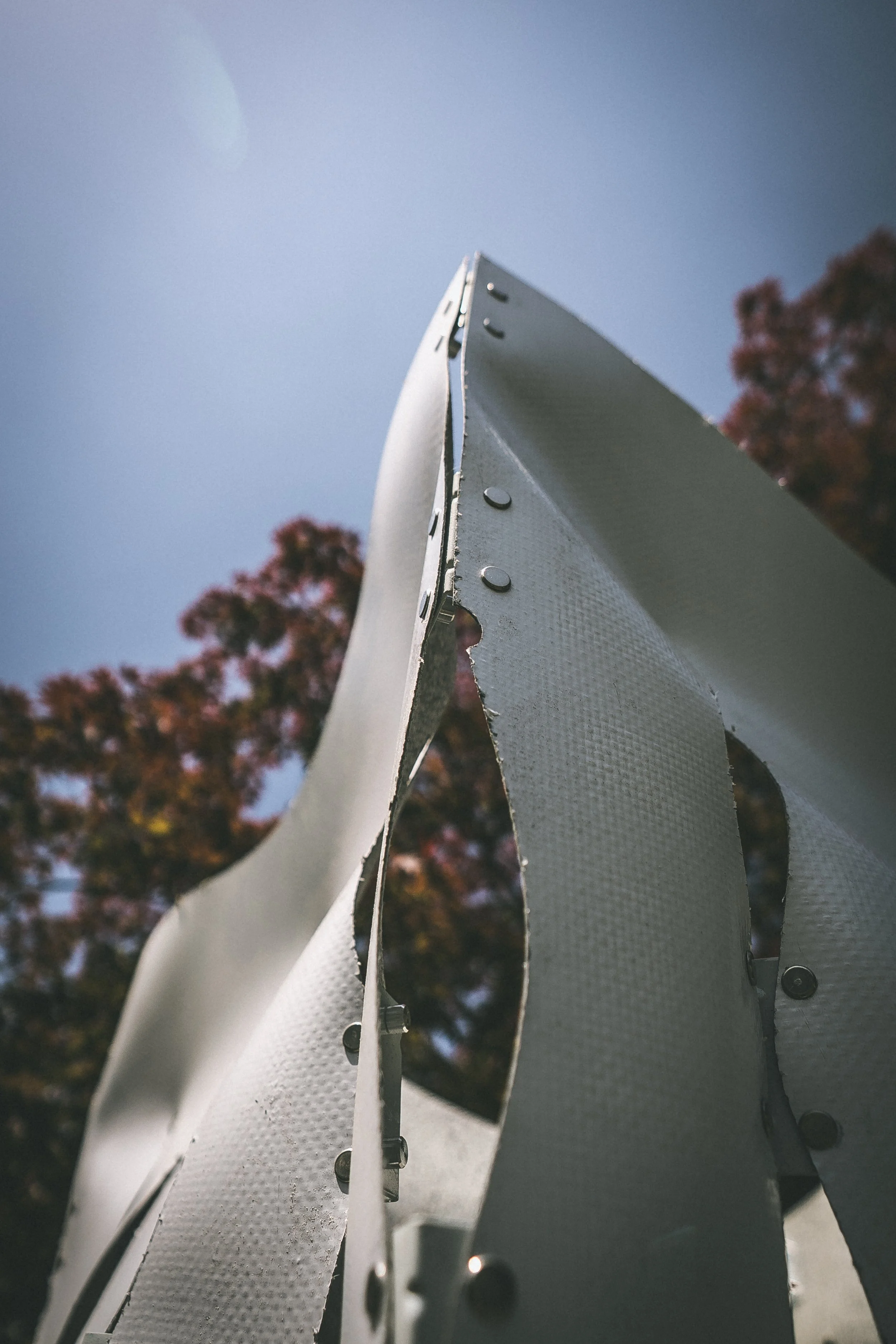
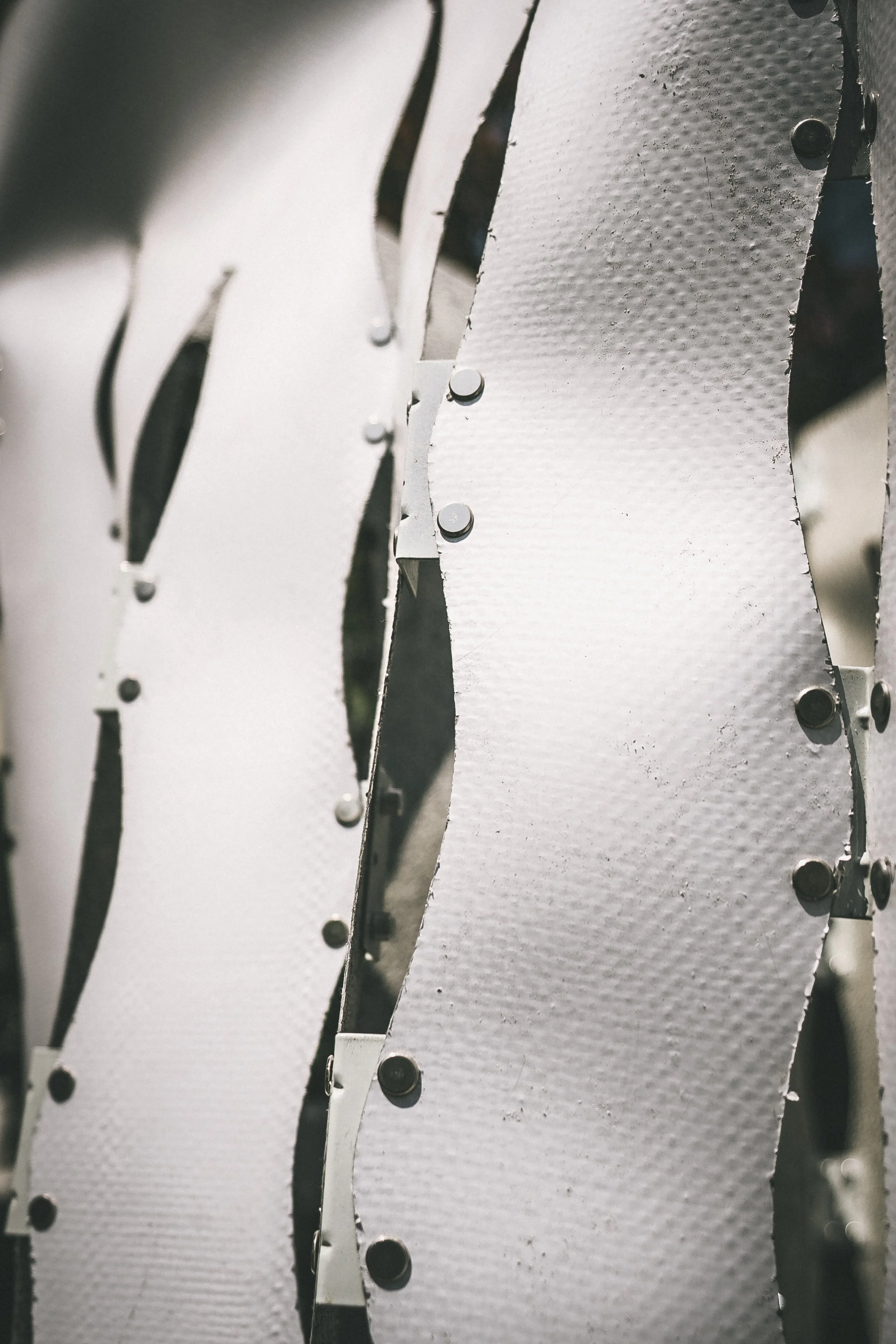
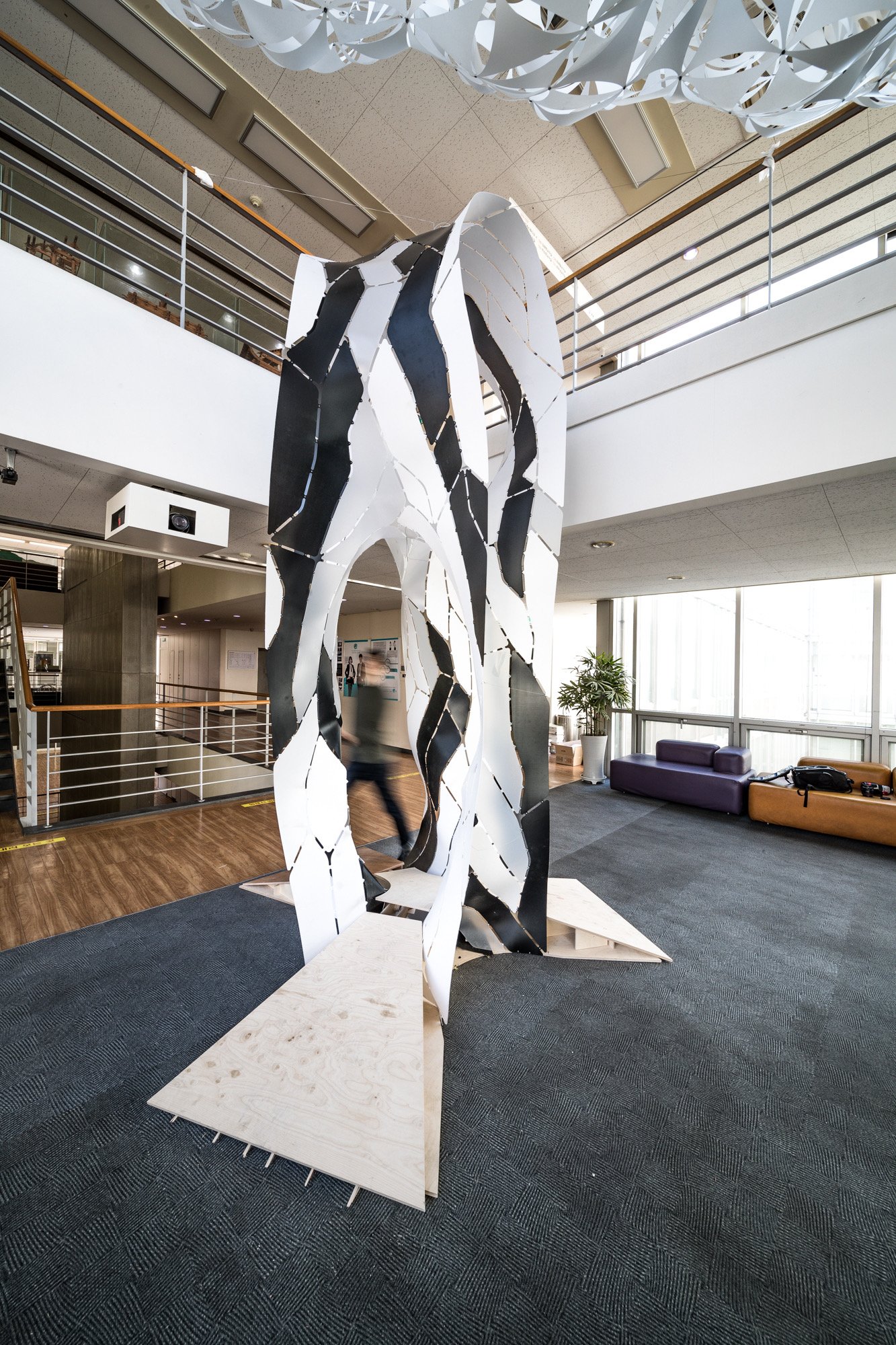
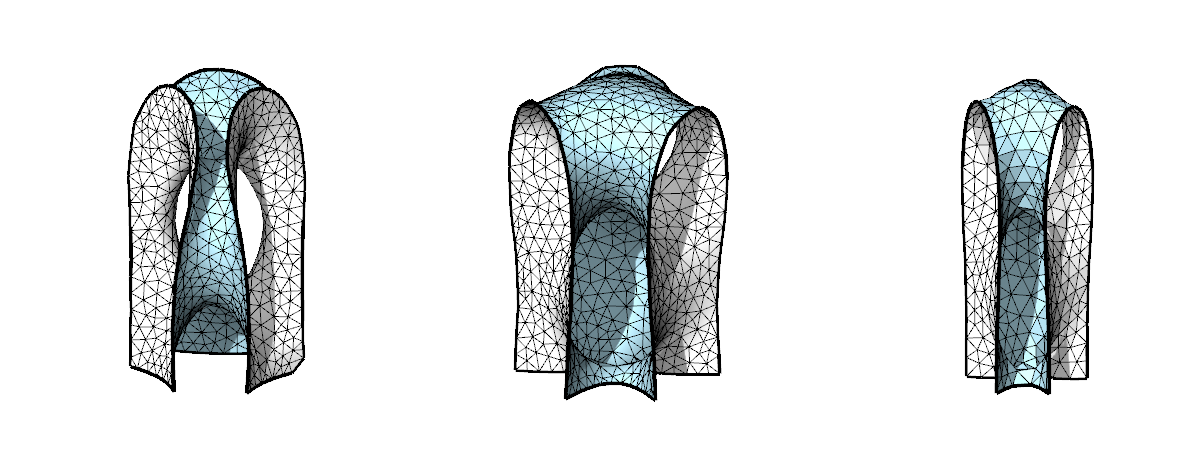
K:INK Tower is a bending-active composite experiment that explores the moment when softness transforms into structure. Using large-scale, ultra-light composite fibers developed by AXIA Materials, the project investigates how flexible materials can discover form and stability through the natural flow of tension.

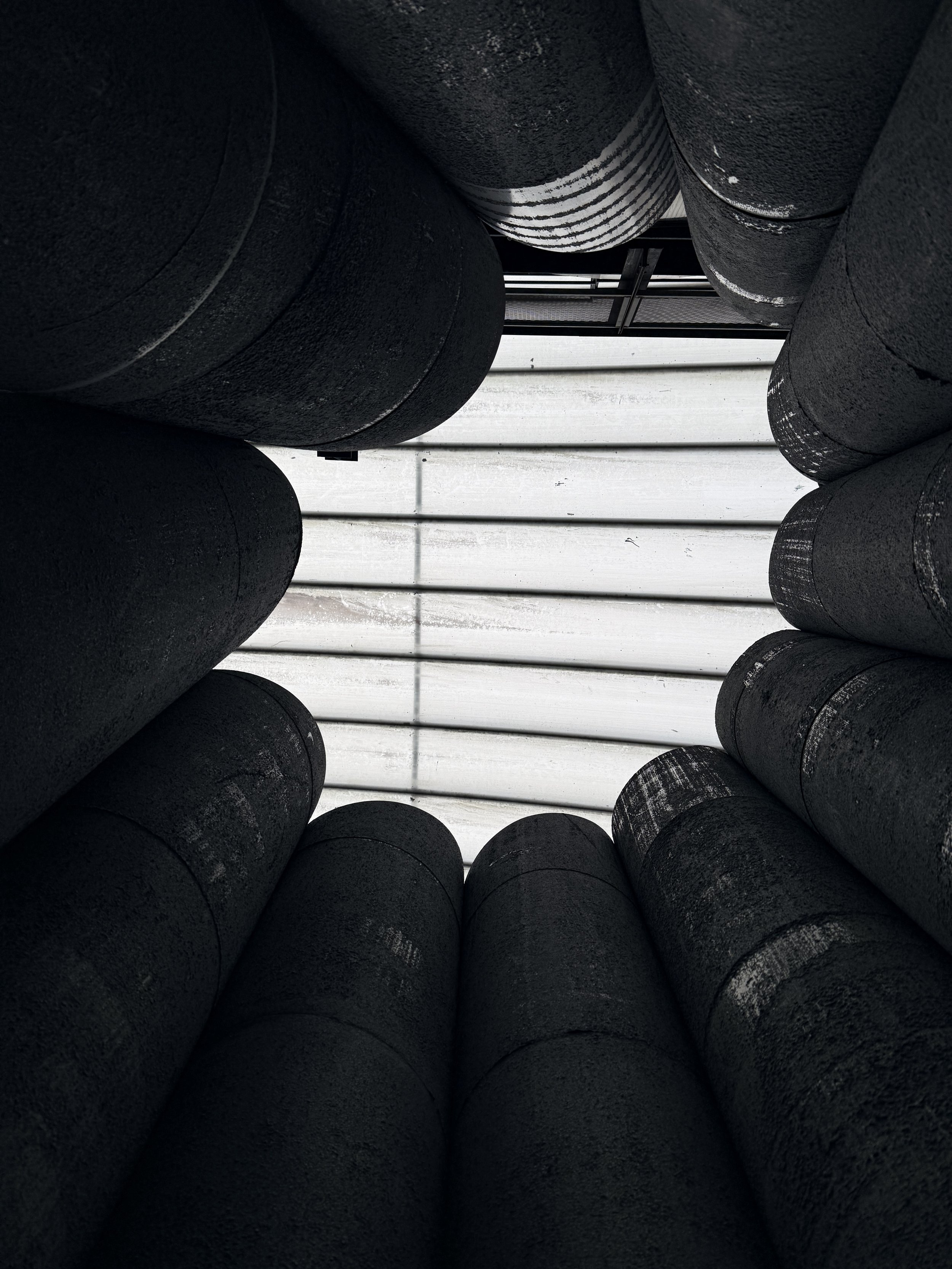
Standing 4.2 meters tall, the tower consists of eleven concave panels that interlock through a calibrated balance of bending and stress, embodying the Soft Tectonic philosophy — an architecture that stands through tension rather than rigidity.

K:INK Tower captures the precise instant when continuous surfaces bend and resist, revealing a vertical gesture where material energy crystallizes into form and structure emerges from its own tension.


Related Research


Year : 2025

Location : Seoul, Korea

Size : 1m radius, 4.2m height

Project Director :

Dongil Kim (Kyung Hee University / I.f CDL)

Principal Researcher :

Seungil Kim, Gwangeun Hwang (I.f CDL)

Project Assistant :

Isaac Kang, Bugeon Kim, Chaewon Go, Juyoung Lee (I.f CDL)

Supported by : Kyung Hee Univ., I.f Convergence Design Lab, Axia Materials, Kolon Global, I.f Architecture & Research
Composite Pavilion Prototype

Related Project


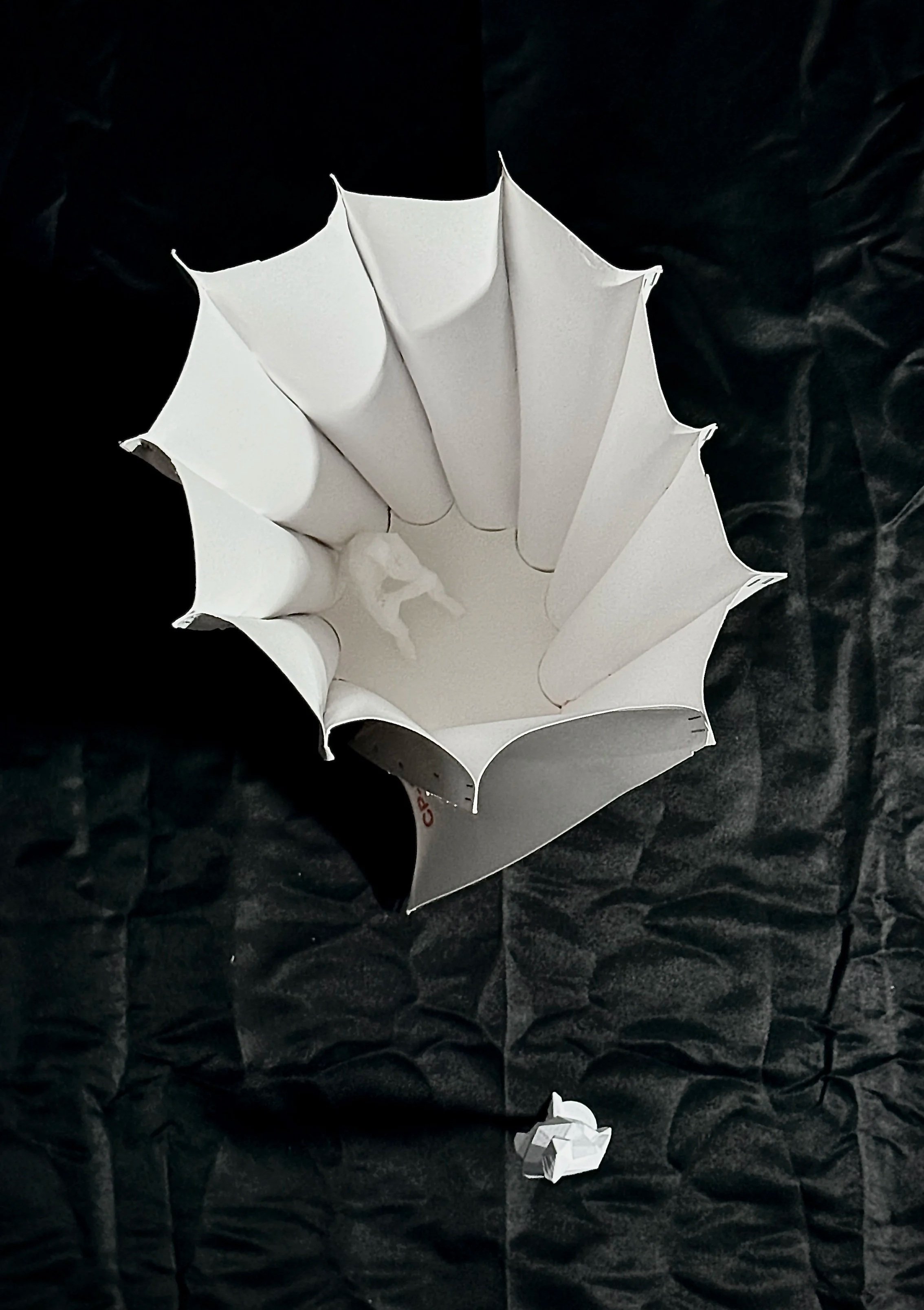
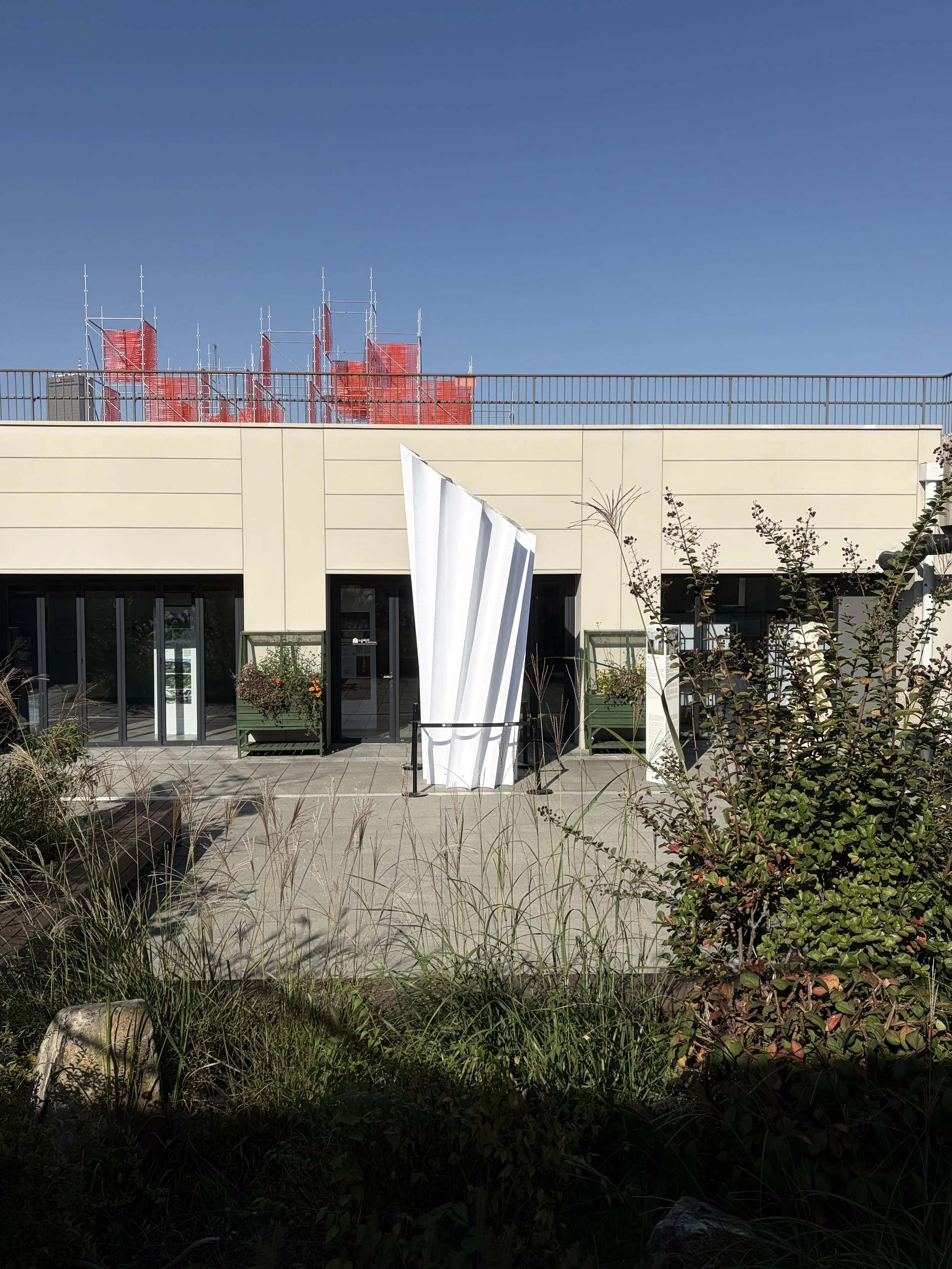
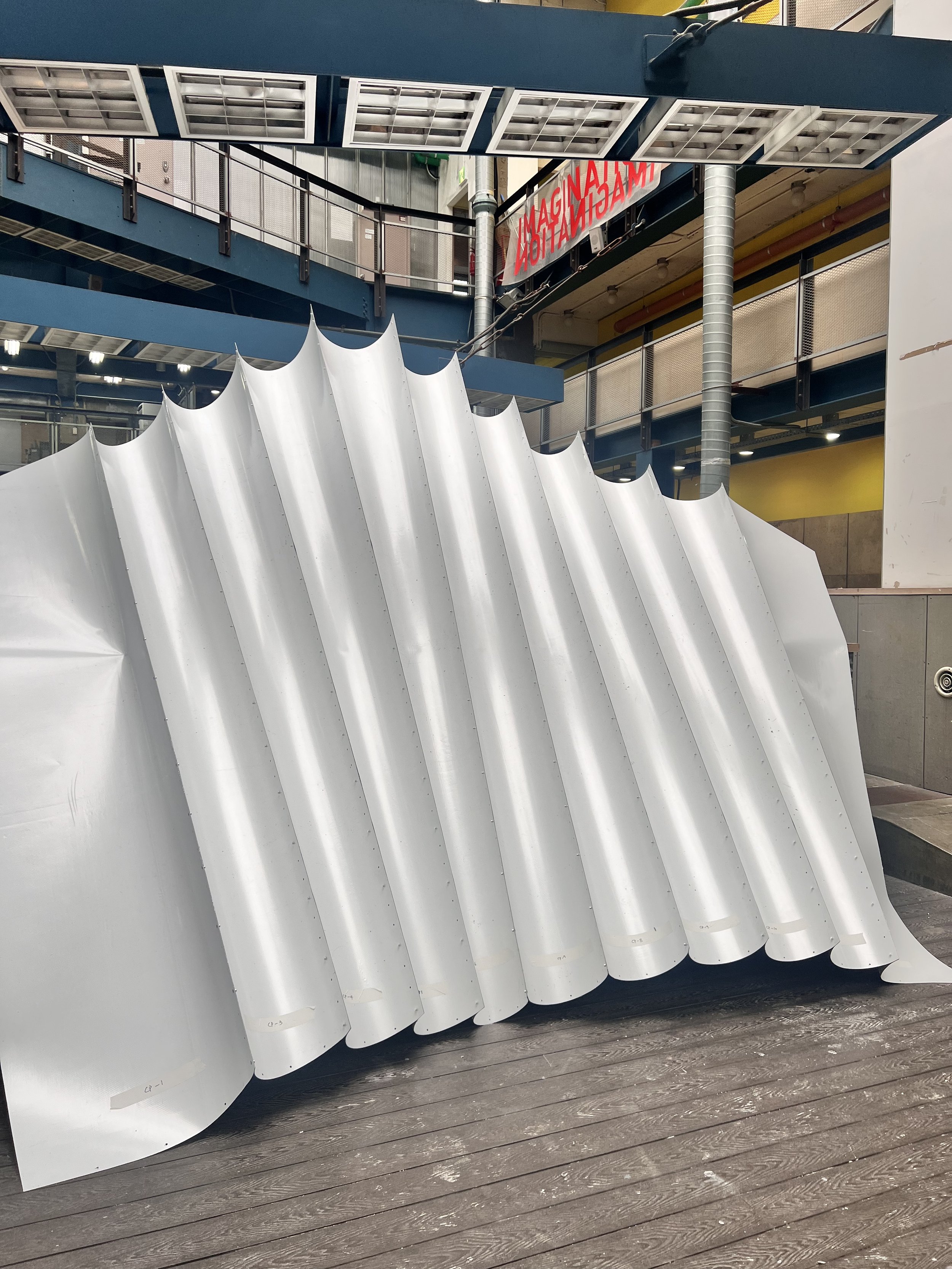
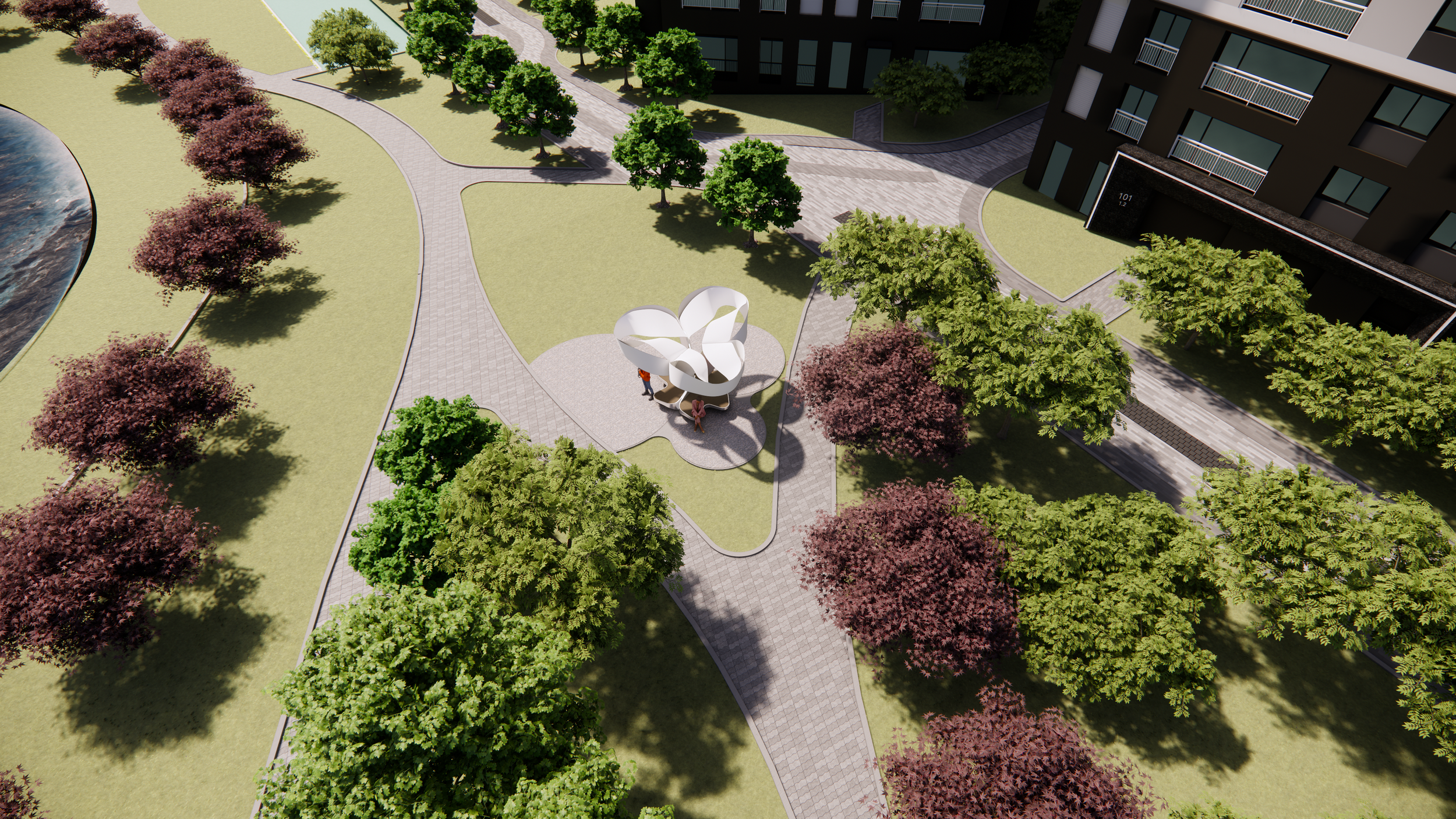
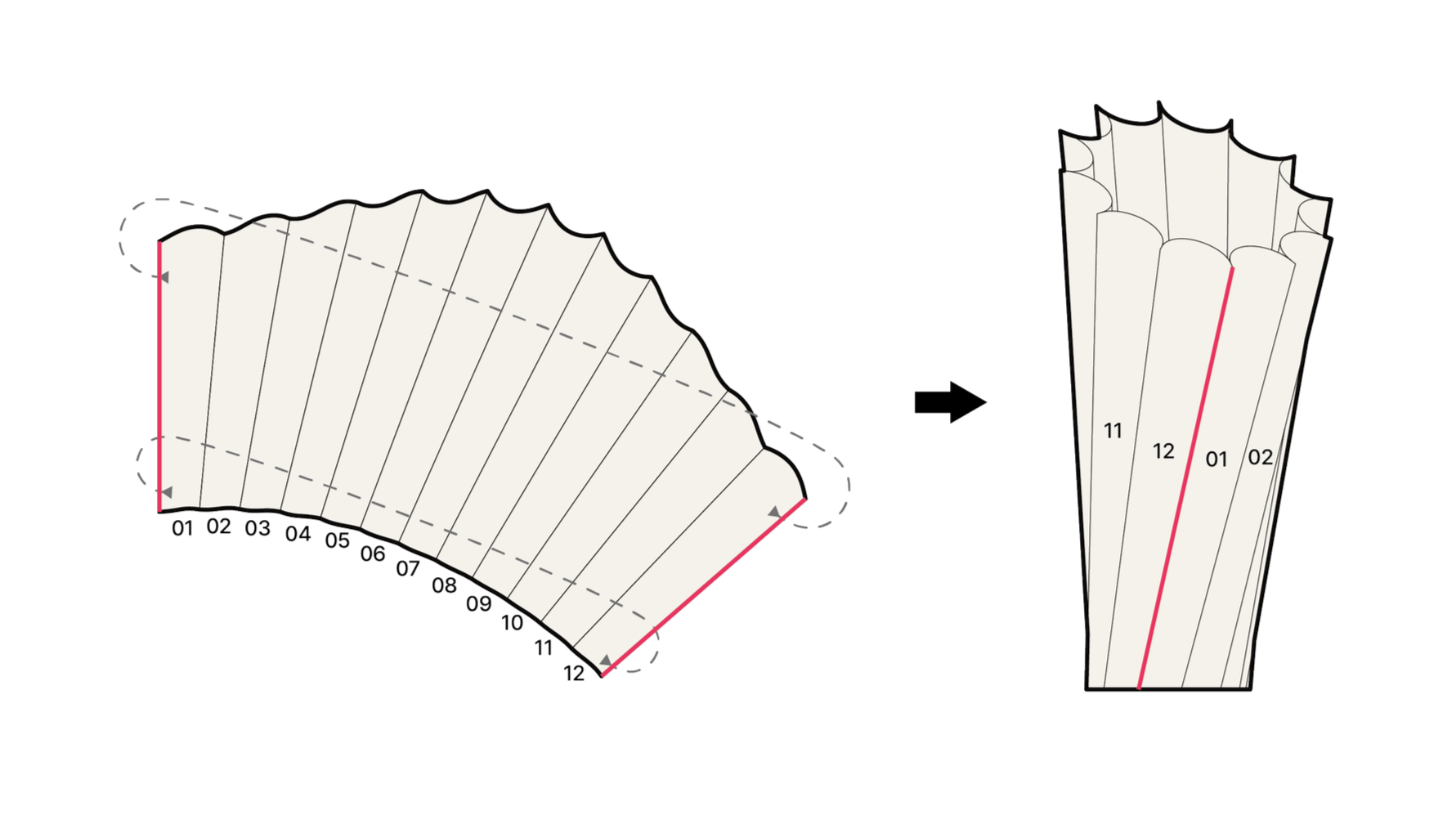
Composite pavilion prototype is a research-based pavilion project developed for the 2025 Korea International Architecture Festival. Rather than presenting K:INK Tower only as a completed exhibition object, the project focuses on the experimental process through which flat LiteTex® composite sheets are transformed into a self-supporting architectural structure through bending, tension, and material elasticity.

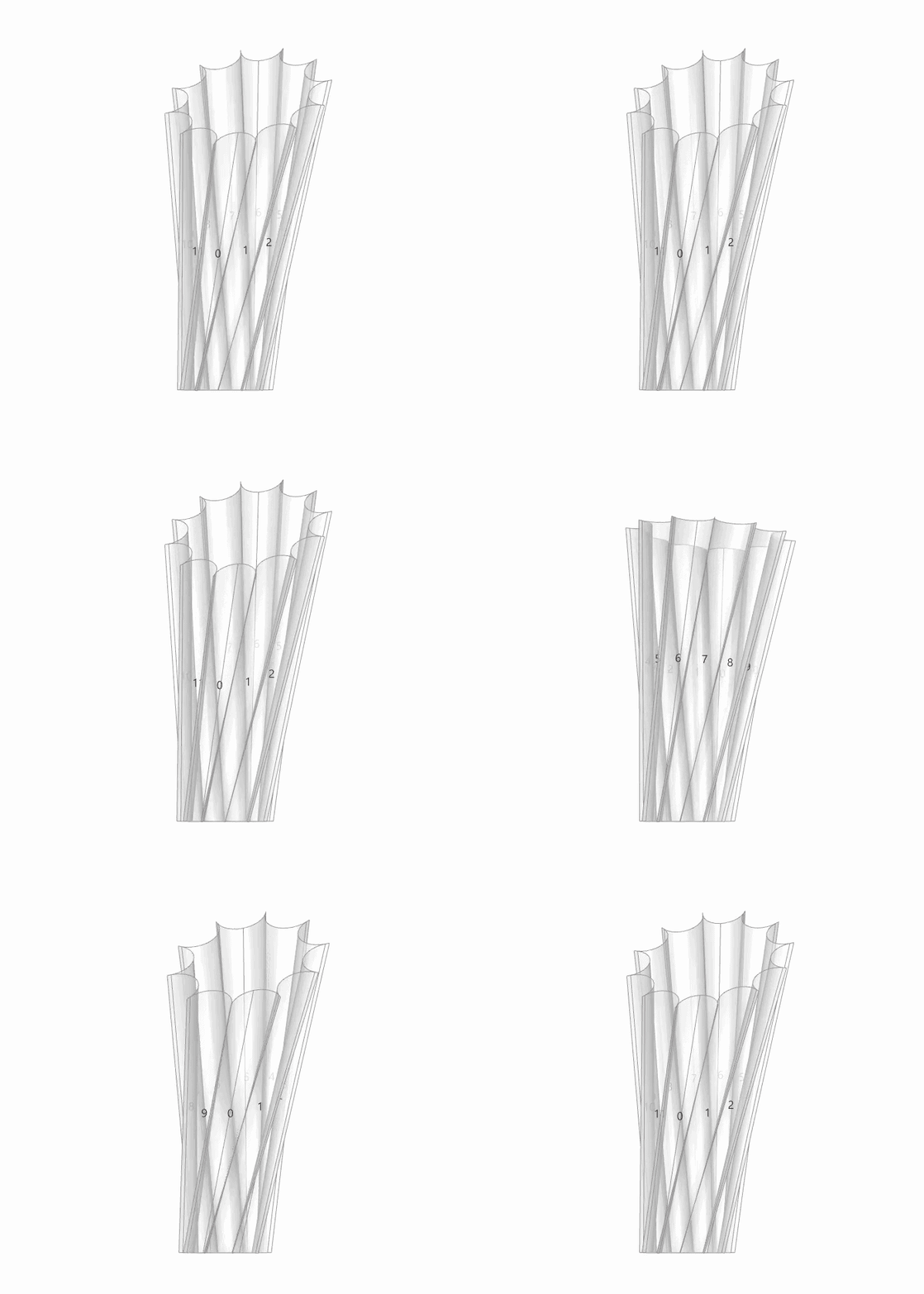
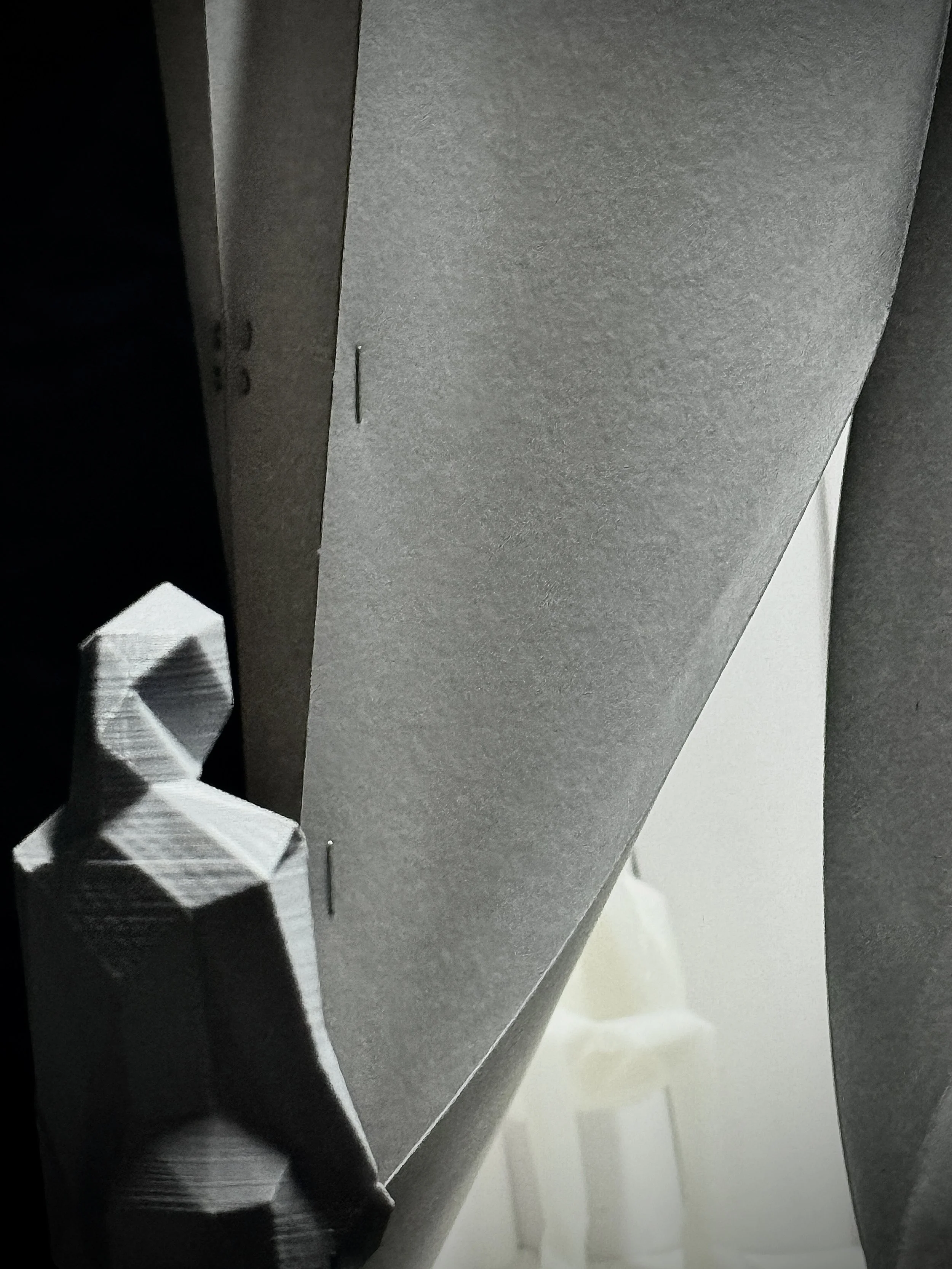
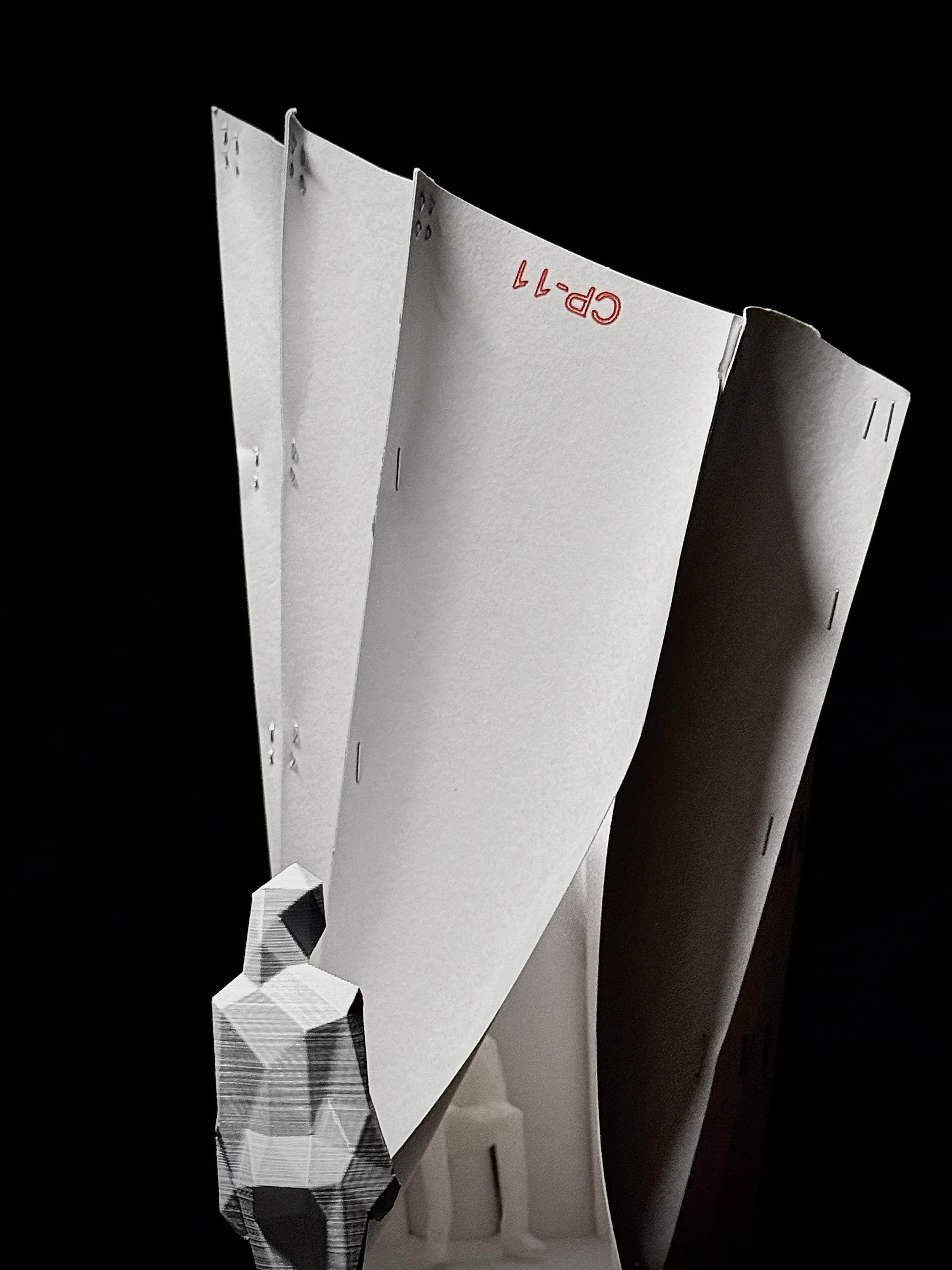
The project investigates how softness can become structure. Using AXIA Materials’ lightweight continuous-fiber composite panels, the research tests the relationship between two-dimensional cutting profiles, three-dimensional curvature, panel connections, and structural stability. The 4.3-meter-tall prototype is composed of 12 concave panels, whose form emerges from the calibrated balance between flexibility and tension rather than conventional rigid framing.

The proposal also examines the conditions of the exhibition site at Nodeul Island. By measuring the courtyard in front of Nodeul Lounge and analyzing visitor circulation, visibility, and indoor–outdoor exhibition flows, the project adjusts the pavilion’s scale and placement to function as both a spatial installation and a material research prototype.

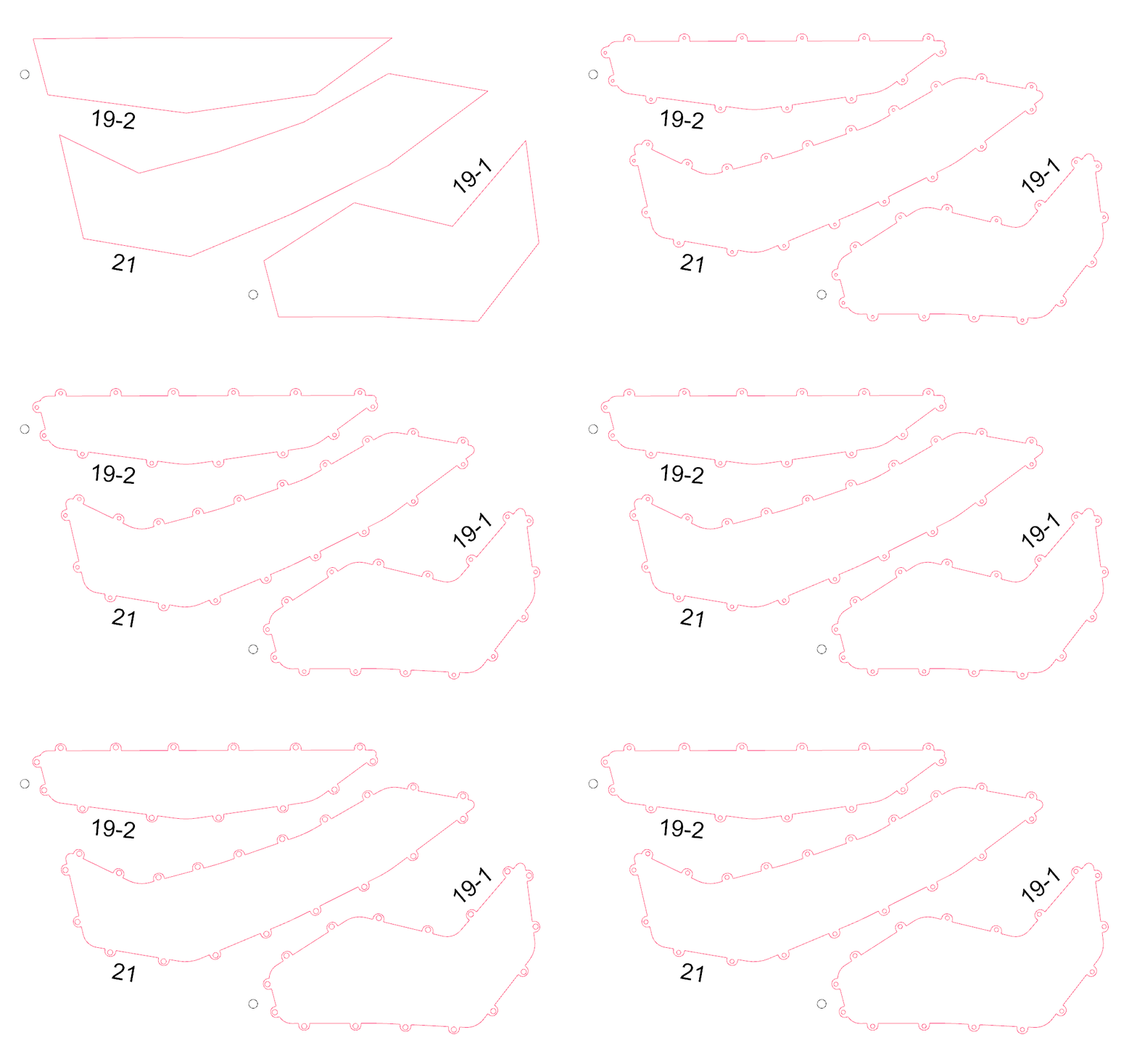
Fabrication studies further verify the project’s constructability, including replaceable panel layouts, cutting plans from 9m × 2.7m LiteTex sheets, bolt spacing, curvature reinforcement, wind-load resistance, and a pedestal-based foundation system. Through this process, the project demonstrates a full workflow from material behavior and geometric research to fabrication planning and exhibition-scale prototyping.


Year : 2025

Location : Seoul, Korea

Size : 1m radius, 4.2m height

Project Director :

Dongil Kim (Kyung Hee University / I.f CDL)

Principal Researcher :

Seungil Kim, Gwangeun Hwang (I.f CDL)

Project Assistant :

Isaac Kang, Bugeon Kim, Chaewon Go, Juyoung Lee (I.f CDL)

Supported by : Kyung Hee Univ., I.f Convergence Design Lab, Axia Materials, Kolon Global, I.f Architecture & Research

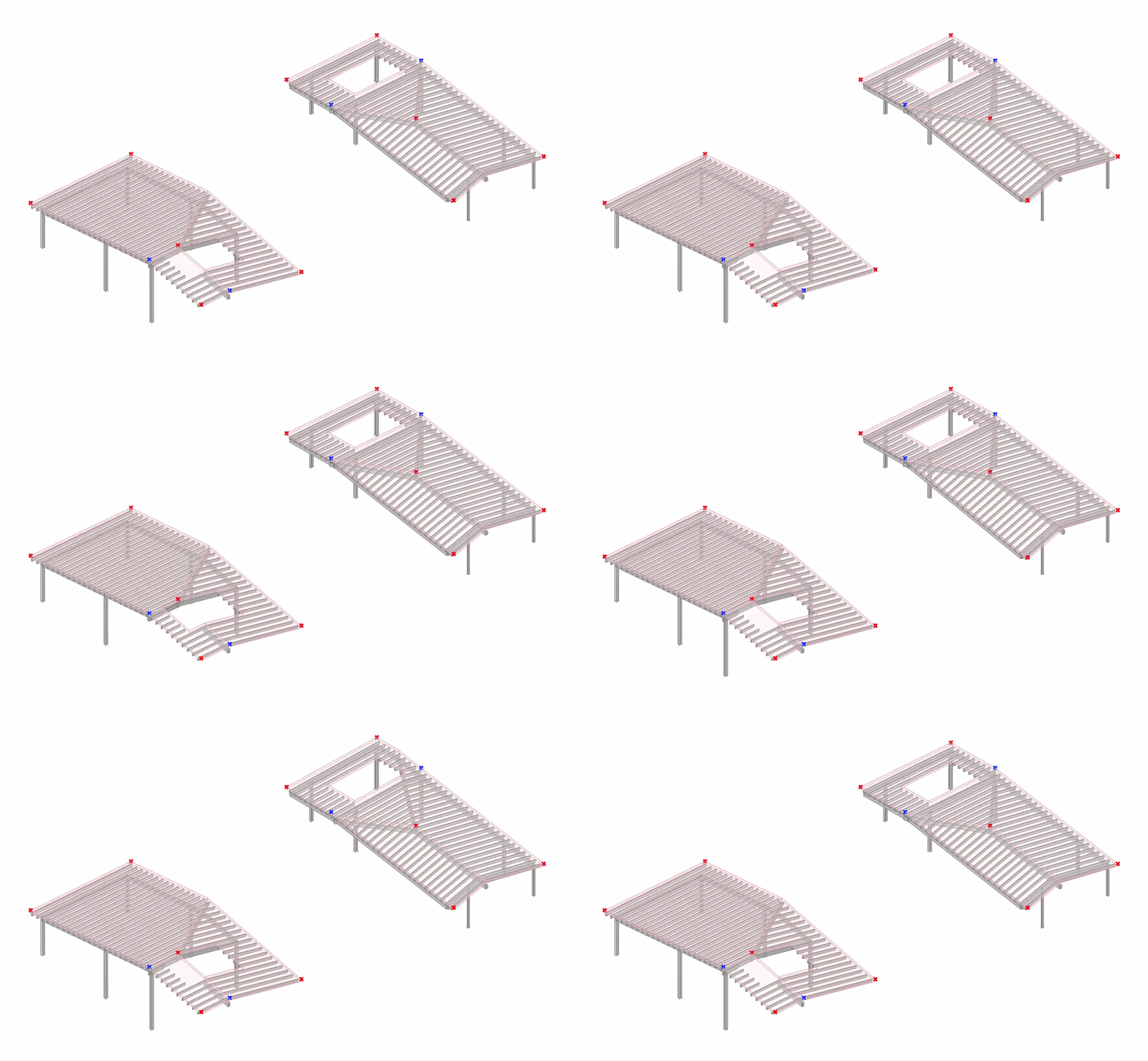
Roof Structure Simulation


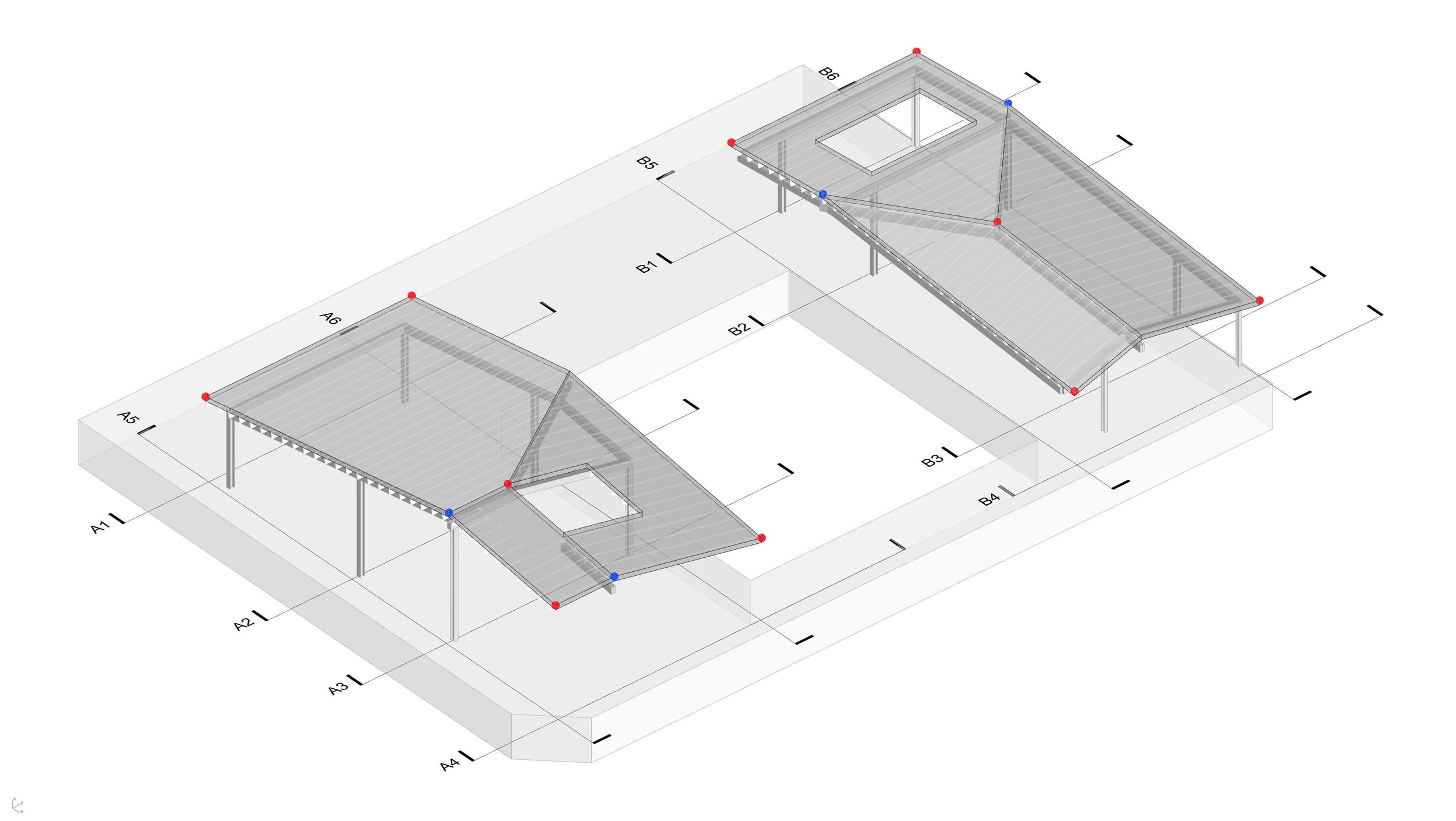
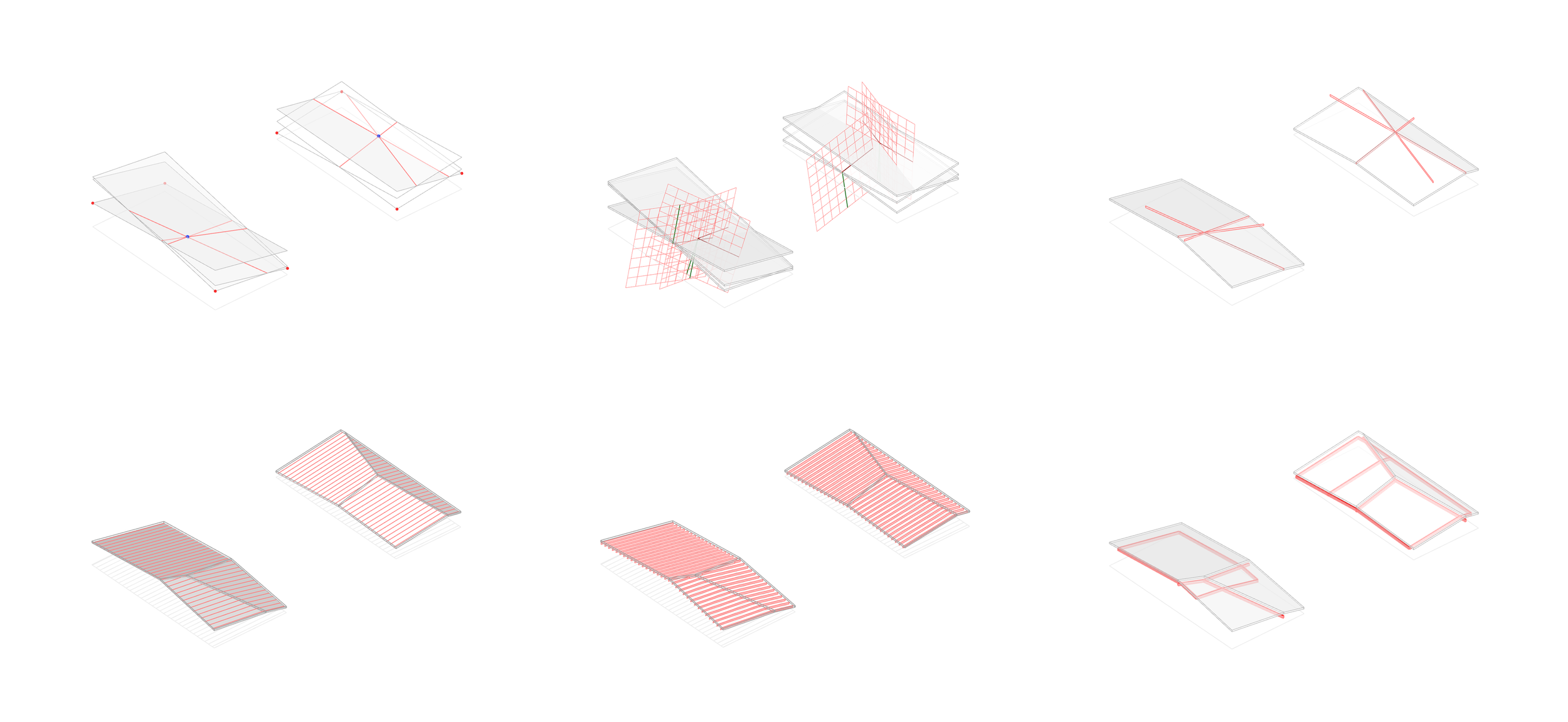
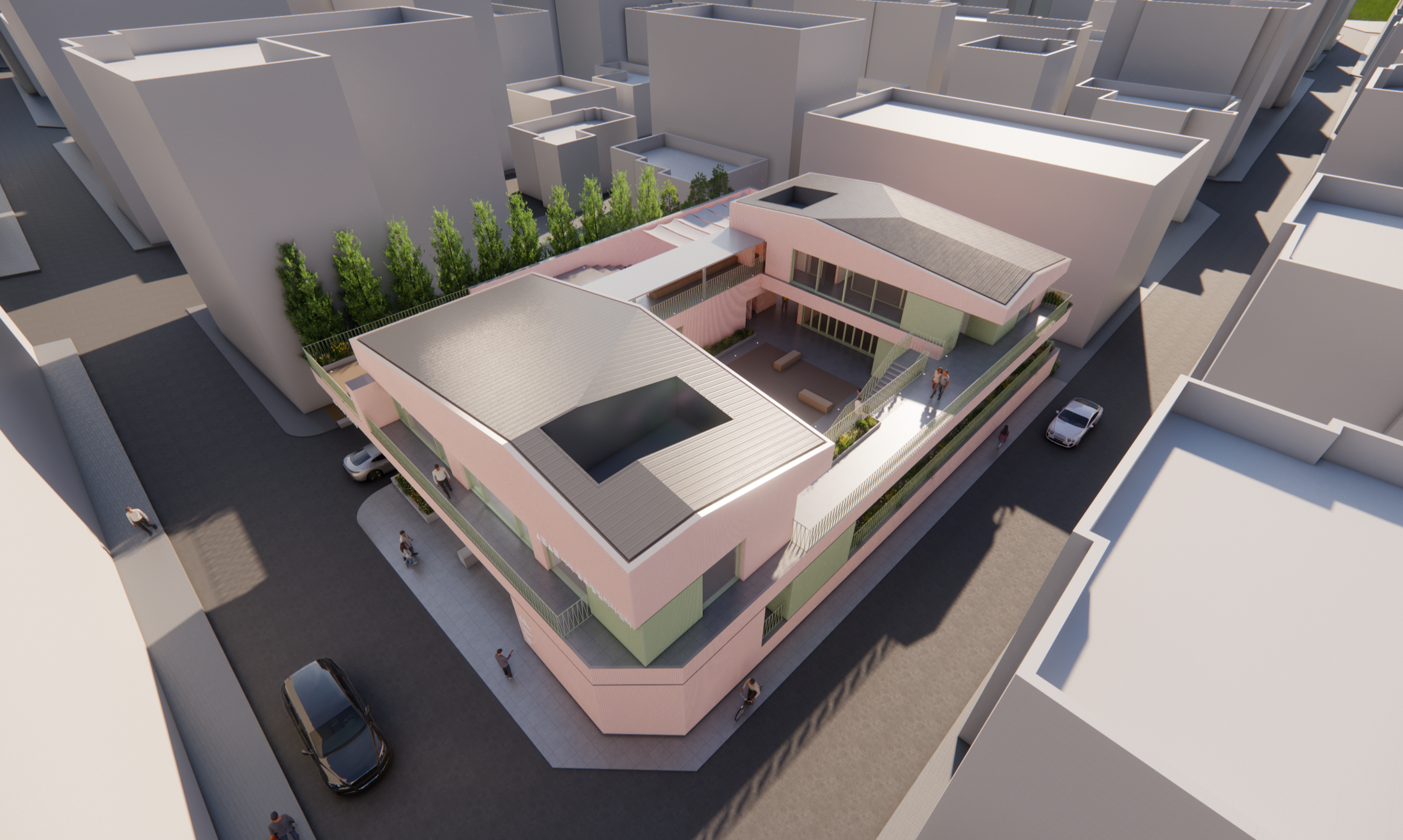
This study presents a Grasshopper-based simulation developed to explore roof alternatives for the Seorae Global Village Center proposal. Unlike a conventional gable roof, the proposed roof consists of three inclined planes, making it difficult to test design variations through manual modeling alone.

To address this complexity, a parametric script was developed to generate roof forms by adjusting key design parameters. The script allowed multiple roof alternatives to be reviewed quickly while also checking potential conflicts between form, structure, and building equipment. Through this process, the simulation functioned not only as a tool for form exploration, but also as a technical design method for coordinating architectural geometry with structural and MEP requirements.

Overall, the study demonstrates how Grasshopper can support an efficient design workflow by allowing complex roof geometries to be tested, compared, and refined in an integrated manner.


Year : 2025

Location : Seoul, Korea

Size : 728.90 m²

Status : Completed

Type : Community Center

Project Director :

Seojoo Lee, Hyojung Kim (I.f), Dongil Kim (I.f.CDL)

Principal Researcher :

Gwangeun Hwang (I.f CDL)


Related Project

S:PROUT Pavilion Prototype

Since 2023, the Kyung Hee University Convergence Design Lab, I.f Architecture Lab, and AXIA Materials have been researching the architectural applications of continuous fiber composite materials through an industry-academia collaboration.

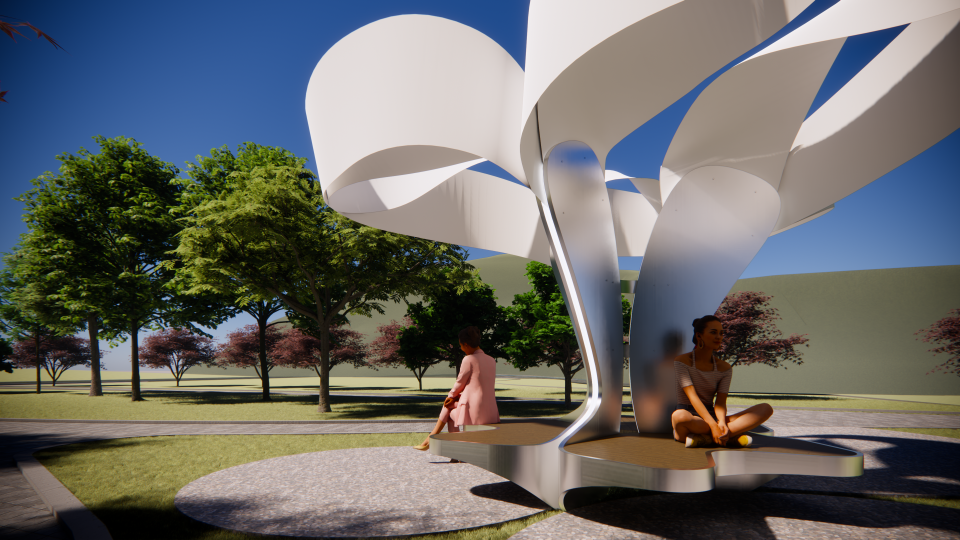
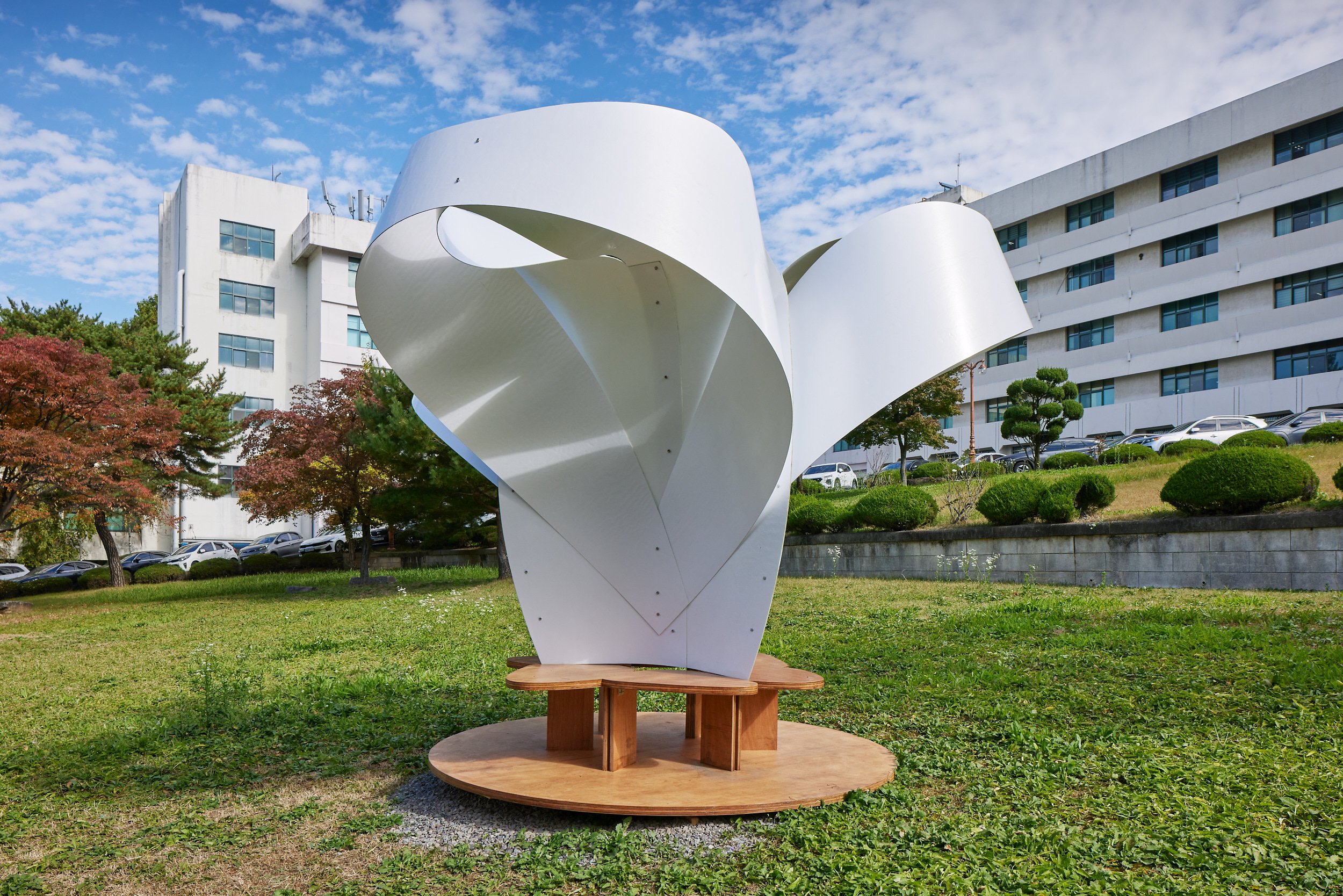
Project S:PROUT, the first physical outcome of this partnership, was created through the convergence of the superior elastic strength and innovative material technology of AXIA Materials’ high-performance continuous glass fiber reinforced composite, LiteTex®, with the shape-deformation tracking technology for active elastic surfaces, digital design tools, and structural simulations developed by I.f Architecture Lab and the Kyung Hee University research lab.

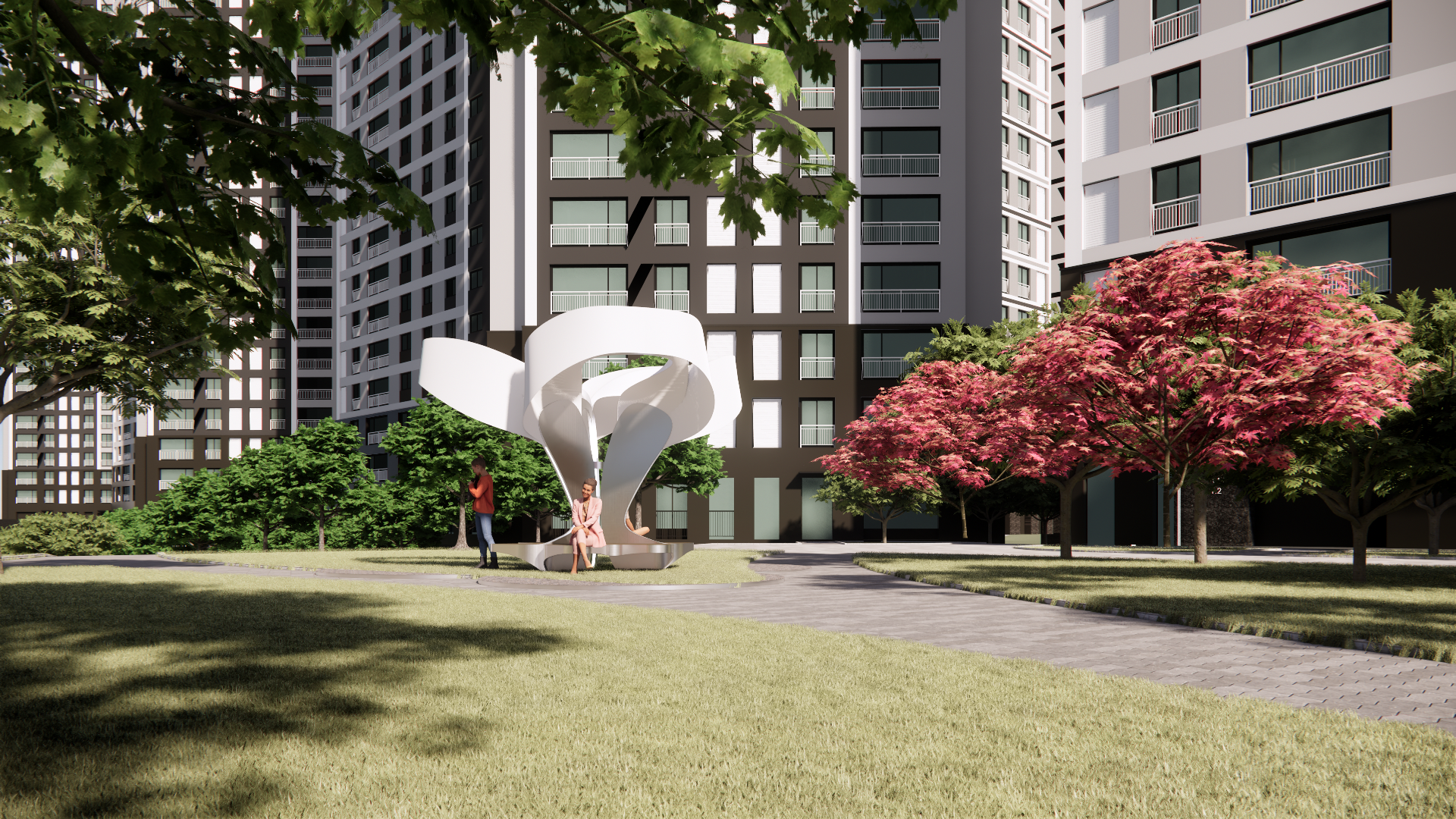
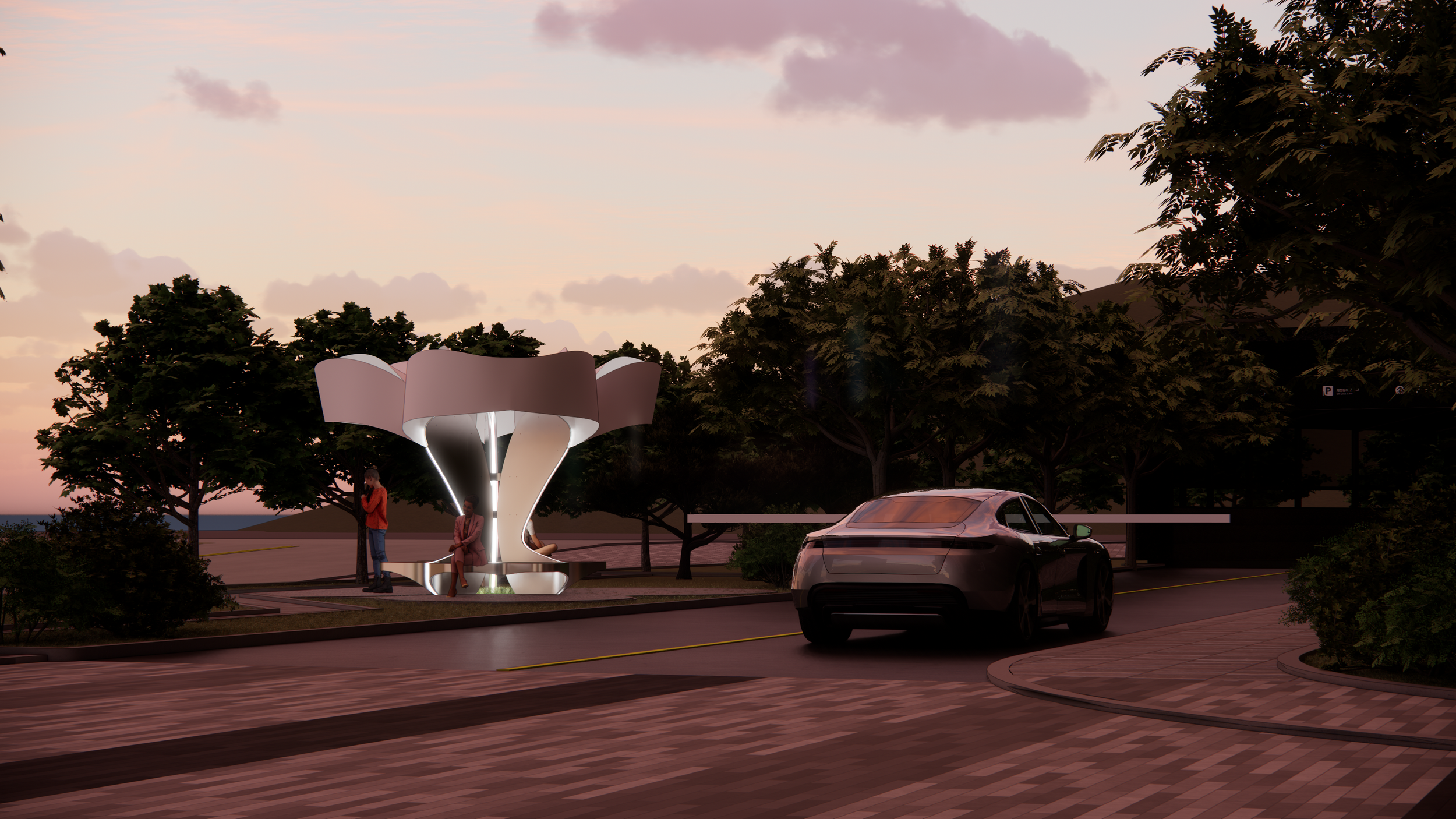
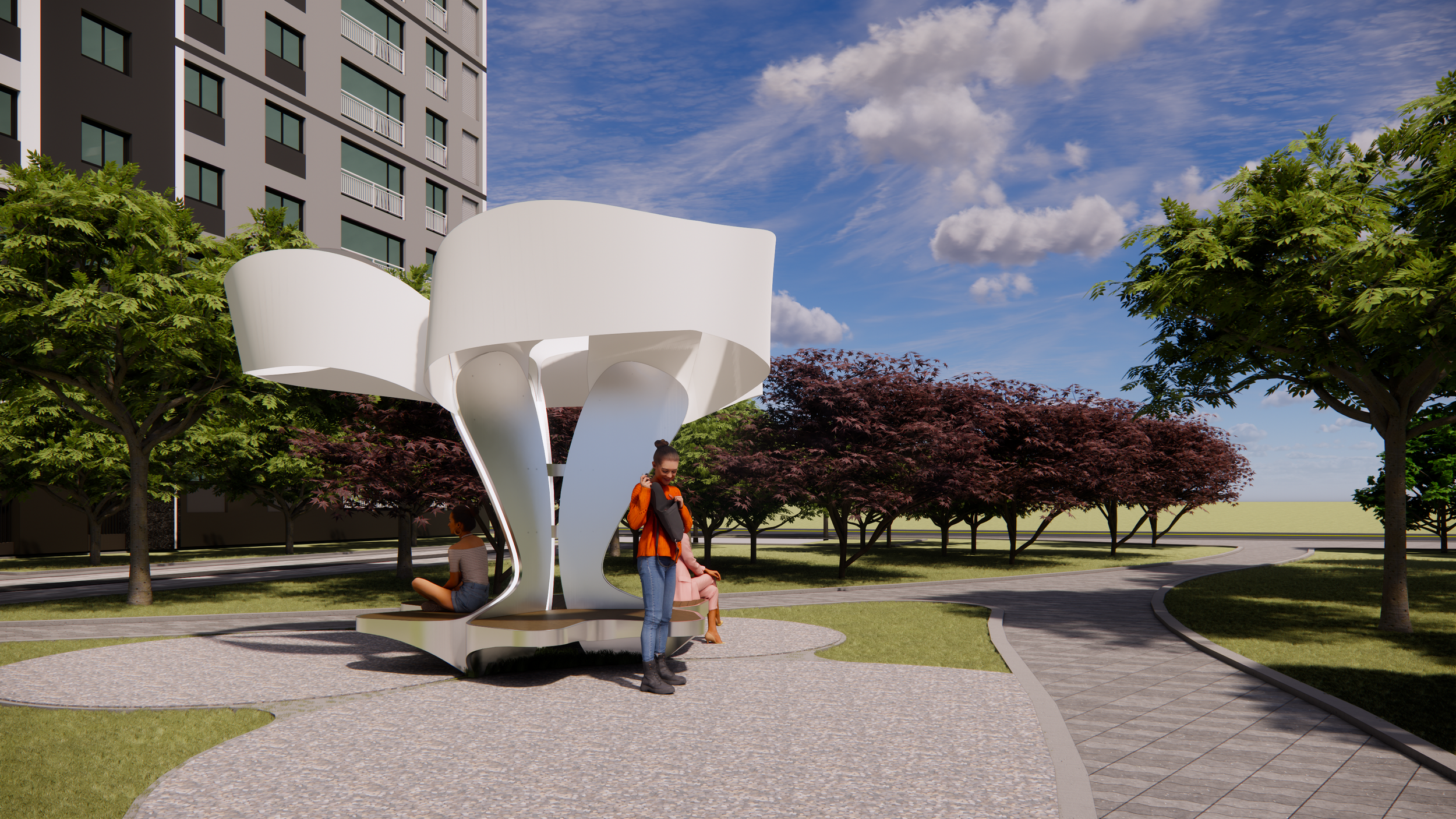
Applied as a pavilion within a residential complex, this project demonstrates the potential of the fiber industry to expand into architectural design and advanced materials.

As a pioneering example that establishes a new paradigm for the utilization of new architectural materials, Project S:PROUT is expected to hold a significant position in the architecture industry through various future research and development endeavors.


Year : 2025

Location : Gumi, Korea

Status : Design Proposal

Type : Pavilion

Project Director :

Dongil Kim (I.f CDL)

Principal Researcher :

Seungil Kim, Gwangeun Hwang (I.f CDL)


Related Project

Related Research
 

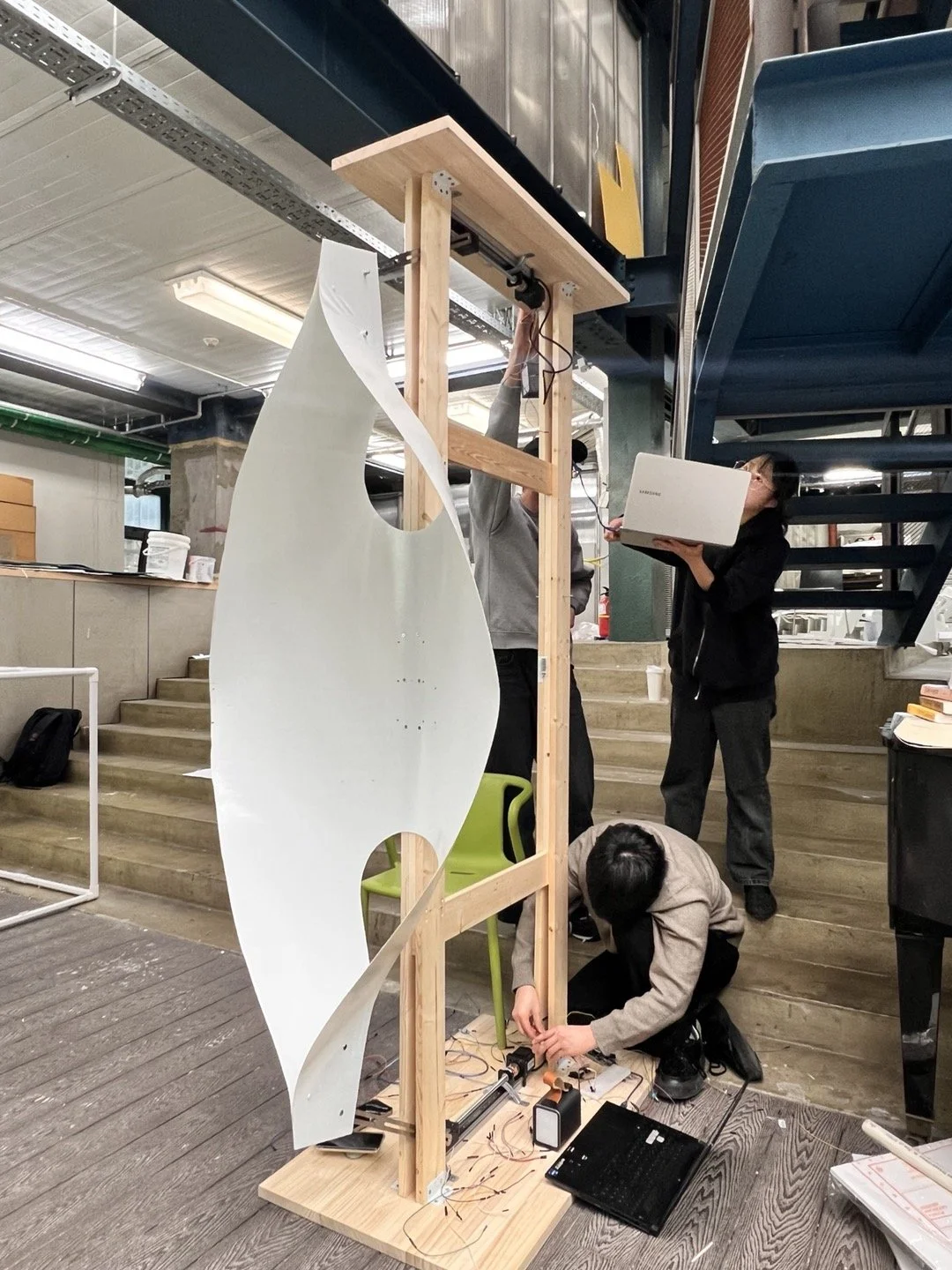
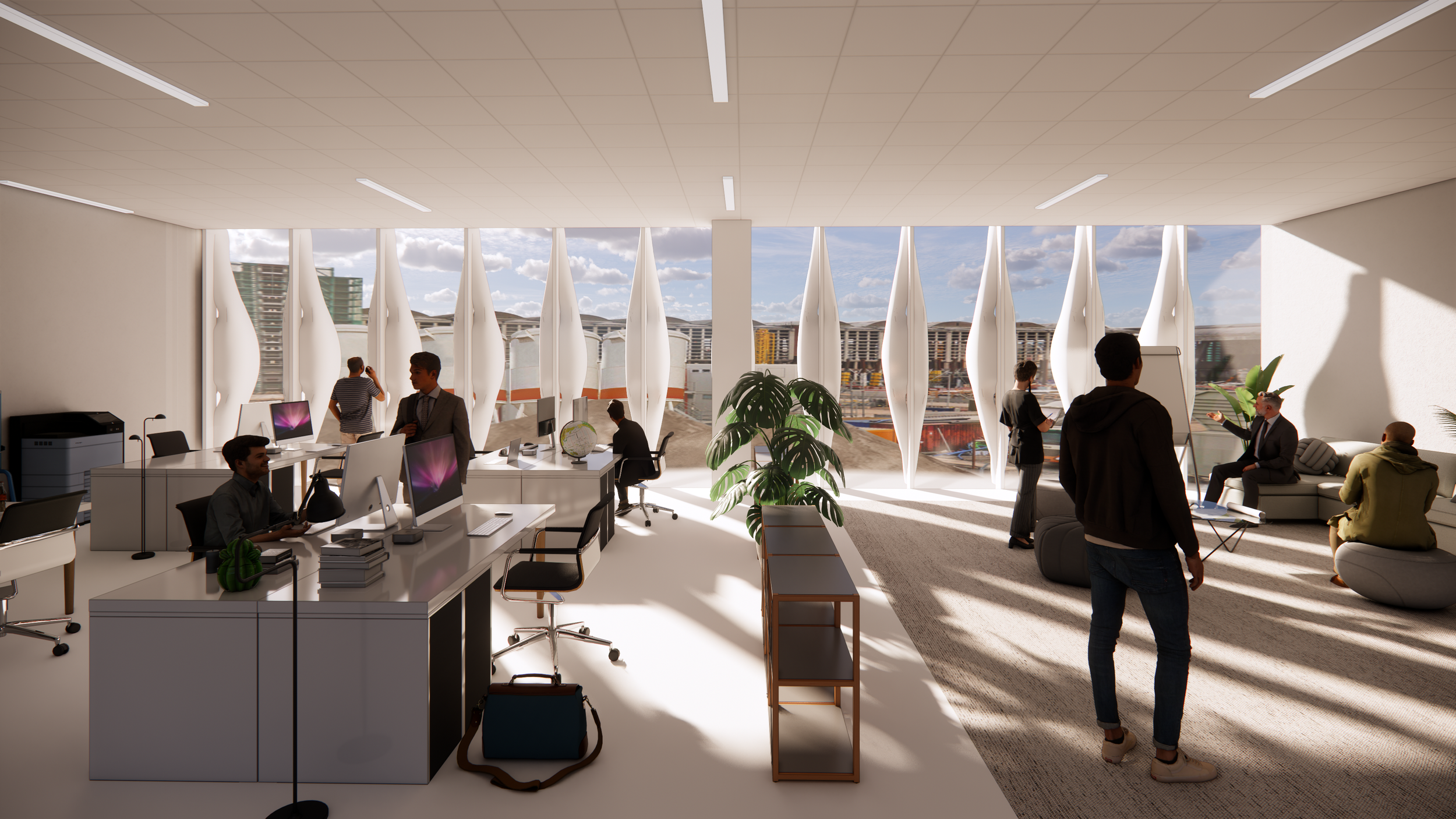
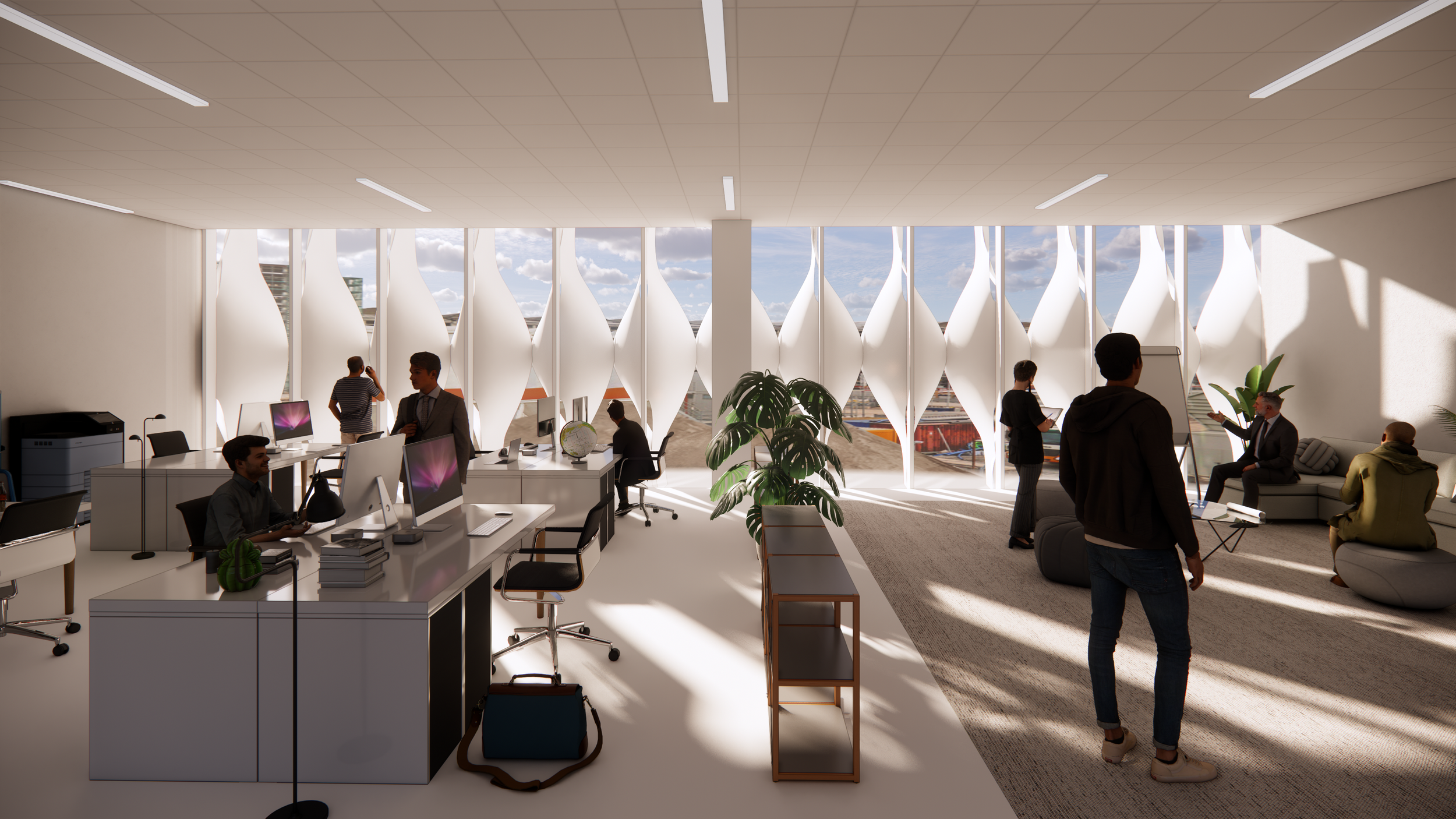
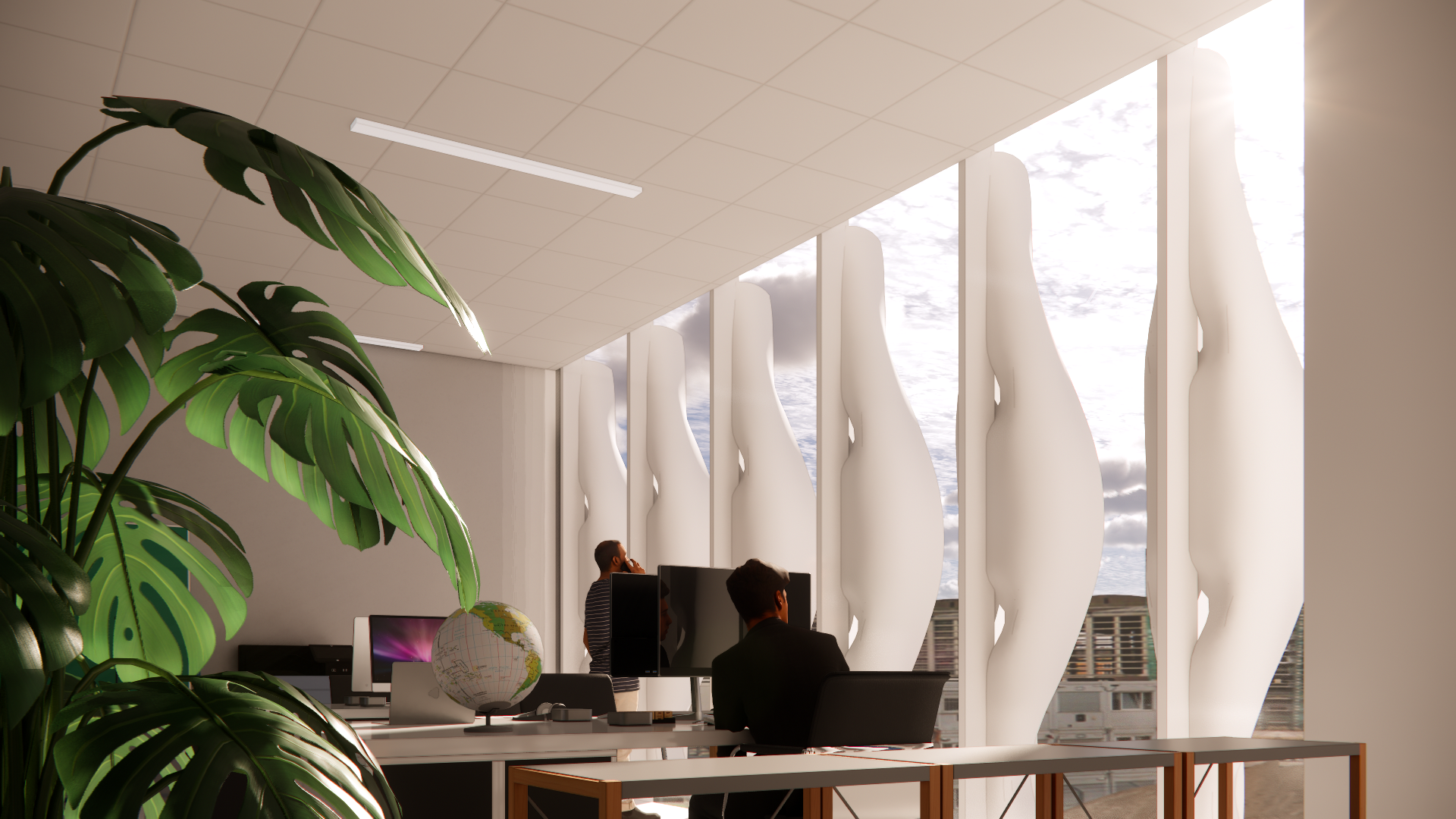
Elastic Kinetic Facade

Design process in general, and particularly in architecture, is a complex process that involves a combination of knowledge, skills, experiences, practices, etc. In recent decades, digital design emerges as an unstoppable trend, which adds to all the aforementioned factors the use of digital tools. The techniques cover this issue with computational and algorithmic design systems, the so called parametric design. It is already vividly present in the first half of the twentieth century in the automotive sector (geometric design), and finally impact on architectural design which represents a new step that has led to a new type of Architecture. The workshop is to re-envision the role of Architects as system maker from thinking strategy to fabricator.

This course aims to investigate the continuing advancement of computational processes in architecture in their practice. The topics are exposed as both a technical and intellectual venture of formal, spatial, construction and ecological potentials. The primary role of the workshop is the theoretical and practical development of generative computational design process on both conceptual design and construction phase, allowing for the integral use of computer-controlled manufacturing process in this design system. The later of this course will reach to critically review computational design towards a more challenging and self-demanding commitment to physical and environmental constraints as a fabrication stage.


Year : 2024

Material : LiteTex 2ply (AXIA Materials), Plywood

Project Director : Dongil Kim, Sanghyun Kim (KHU)

Principal Research : Seungil Kim (I.f CDL), Daehan Lee (V.P.Lab), Eunae Gang (RCI Lab)
Bending-Active Research Pavilion
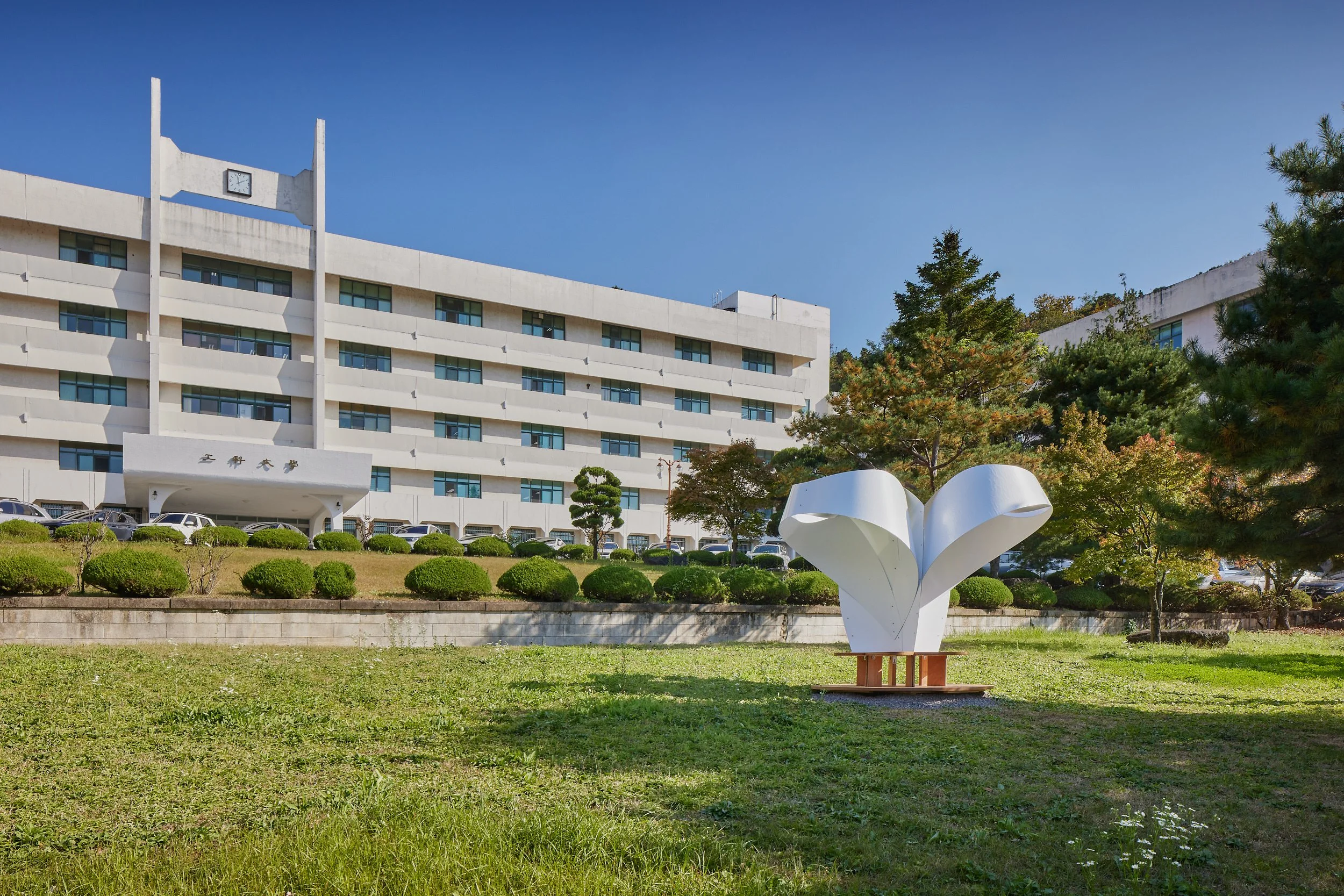
 

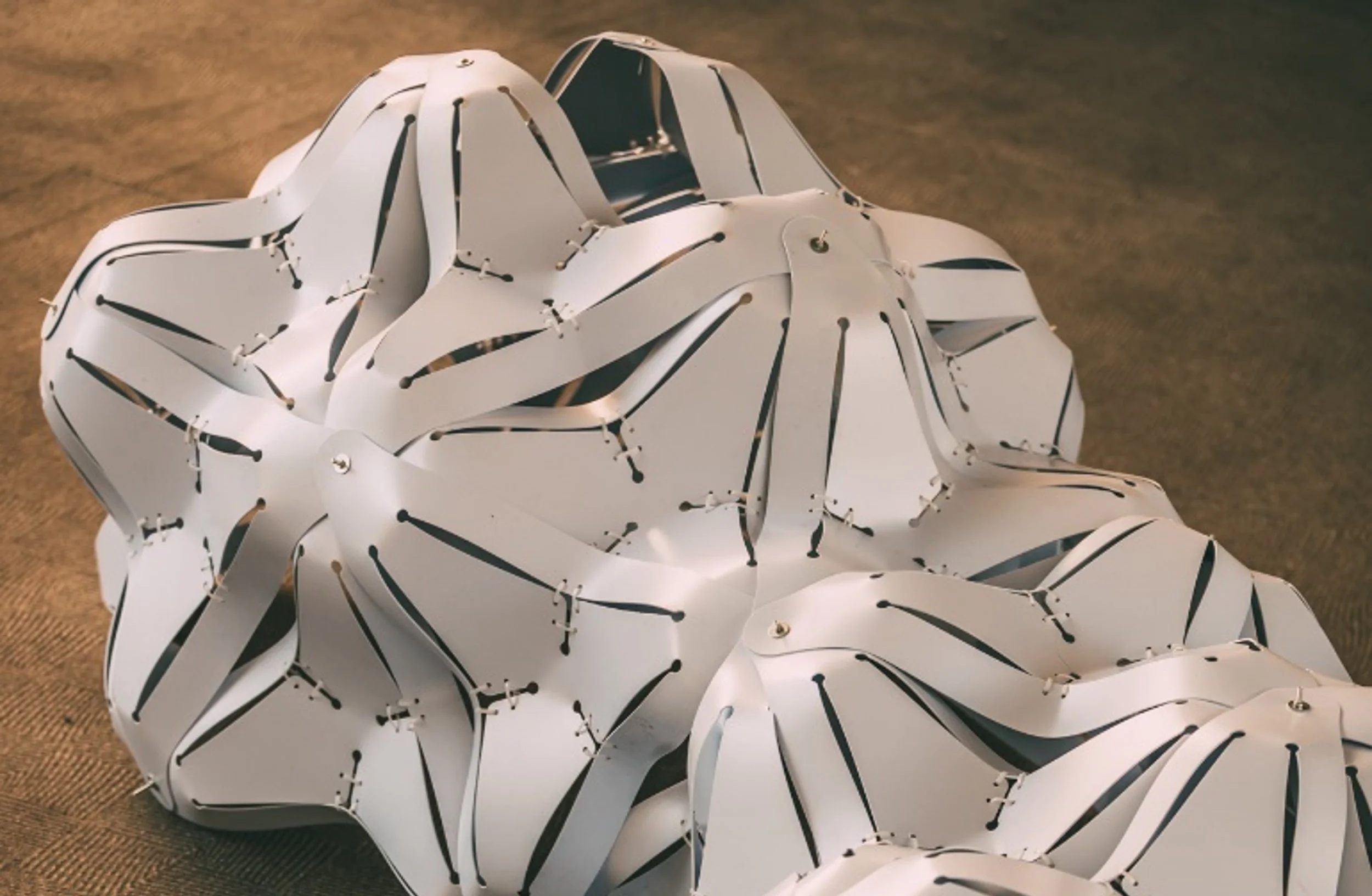
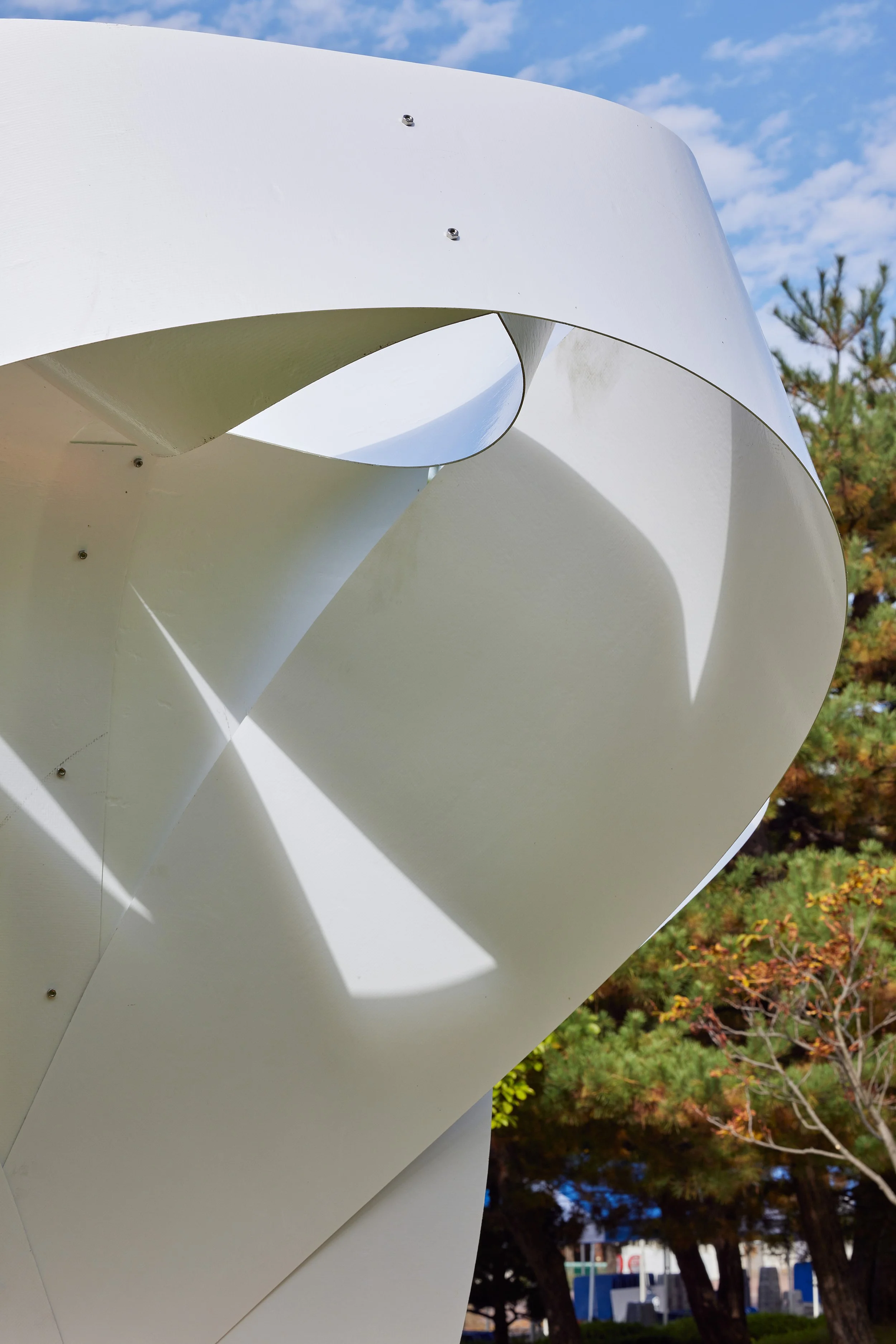
This study explores the architectural application of active elasticity in continuous-fiber composite materials through a Bending-Active Research Pavilion using AXIA LiteTex. Rather than designing a pavilion as a fixed sculptural object, the research develops a process in which flat composite sheets are cut, bent, connected, simulated, and fabricated into a lightweight three-dimensional structure.
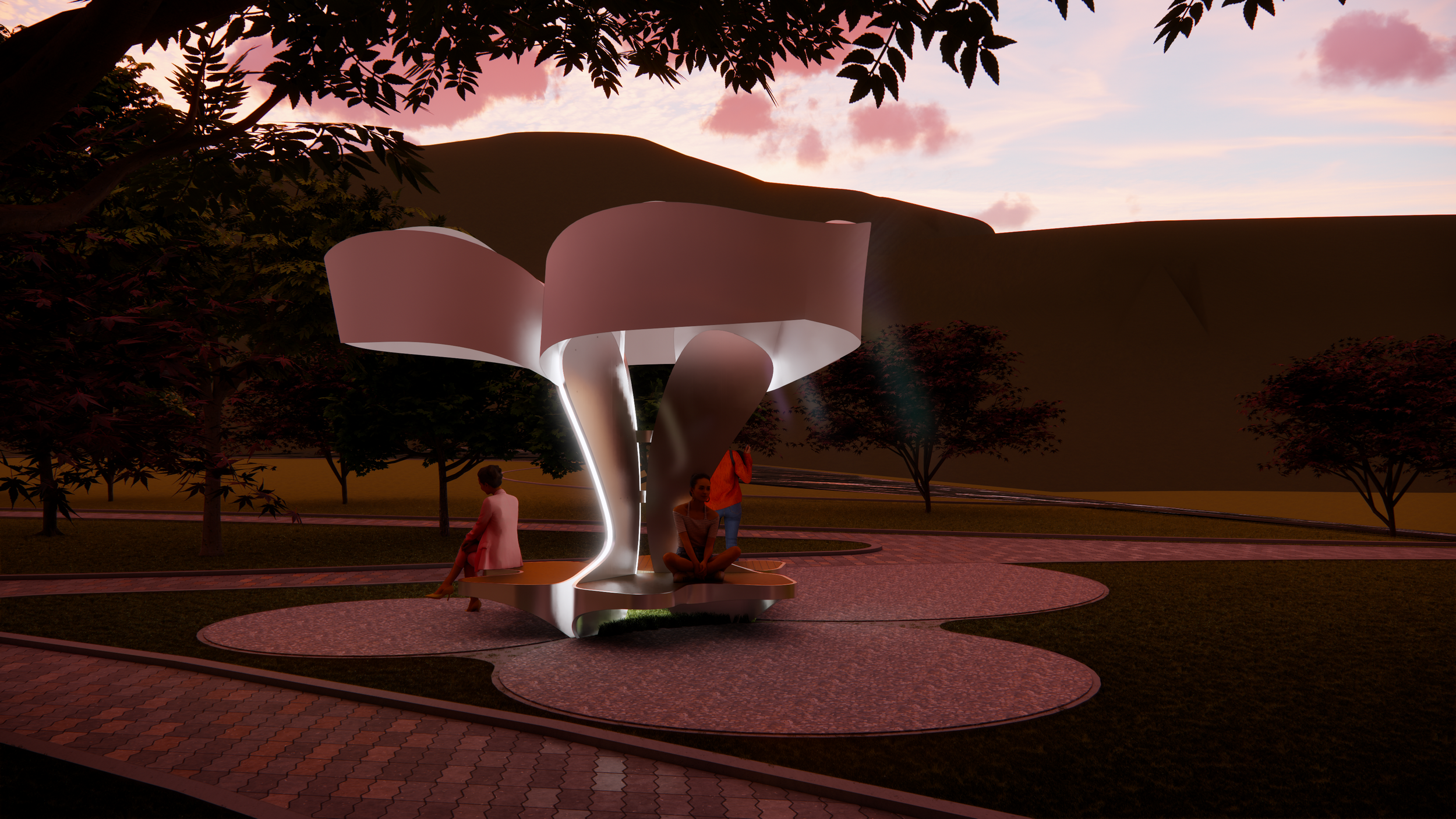
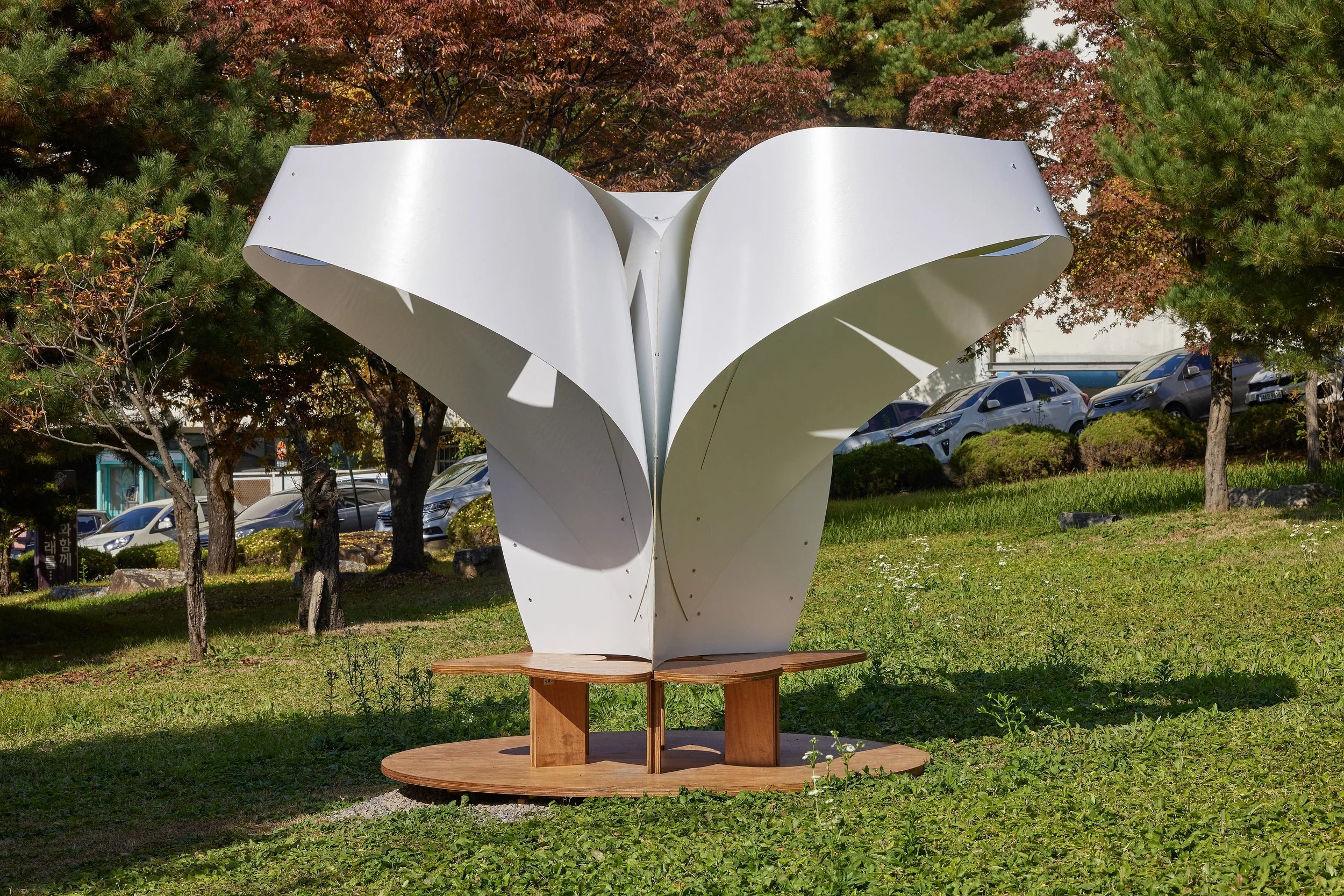
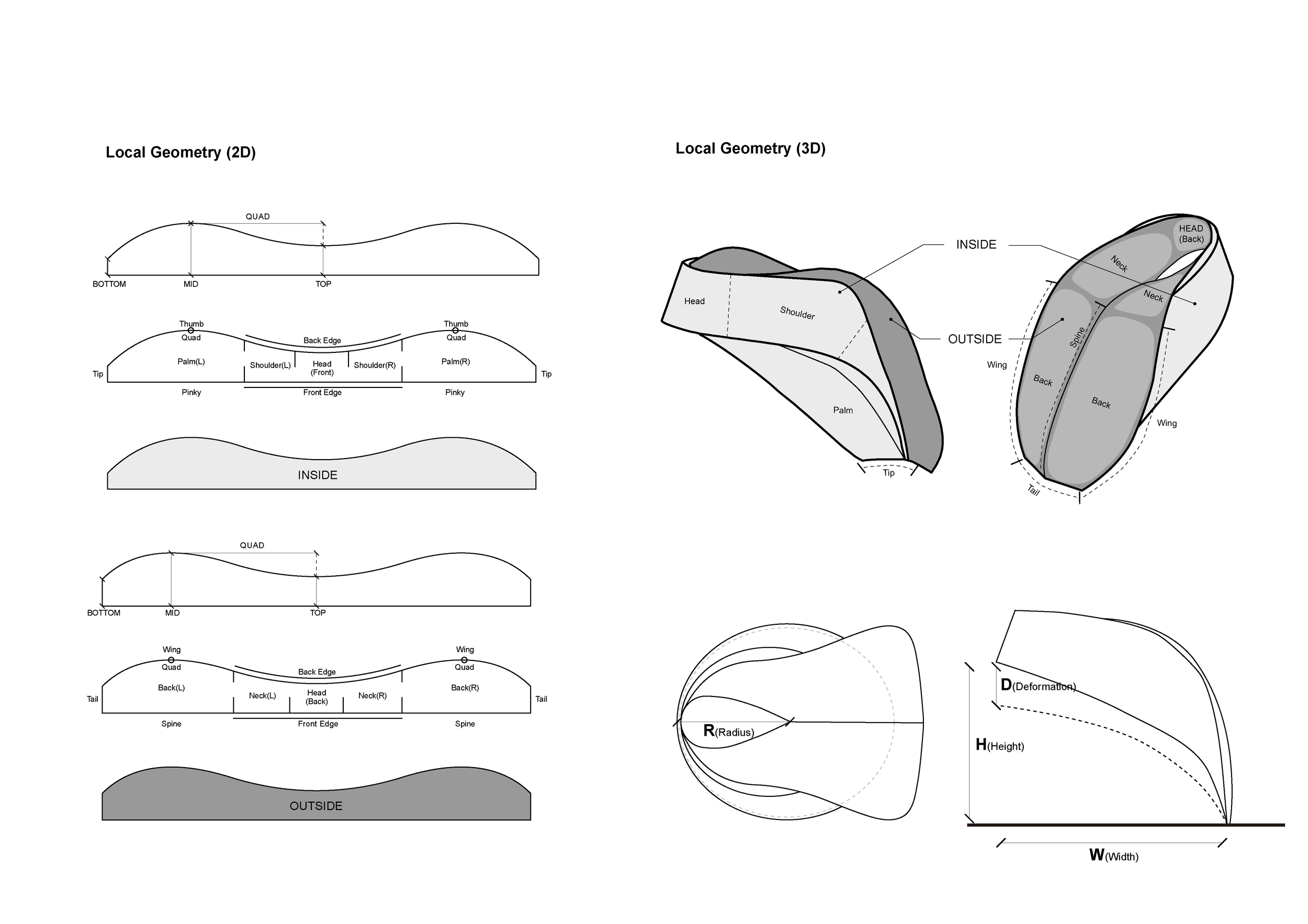
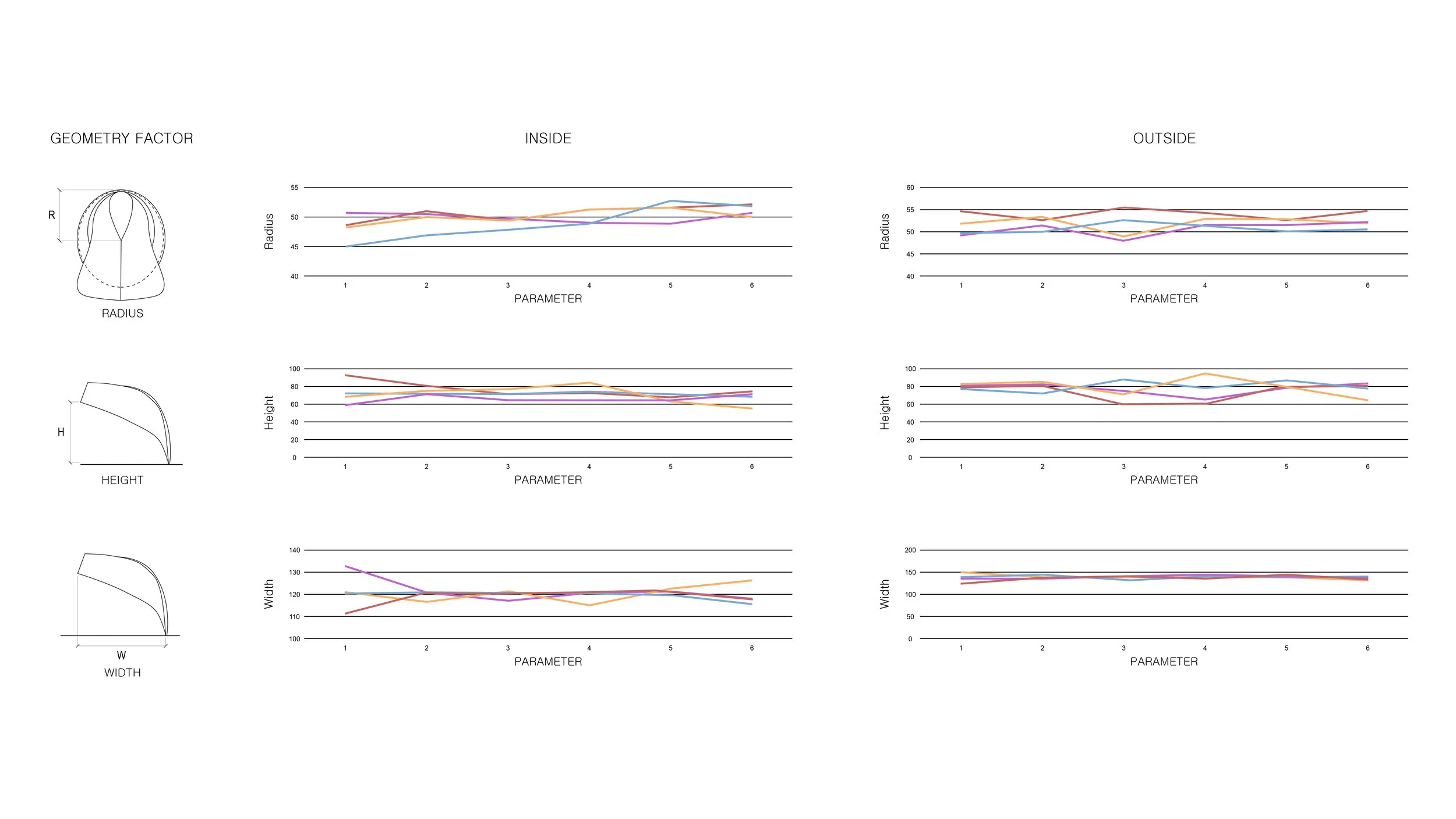
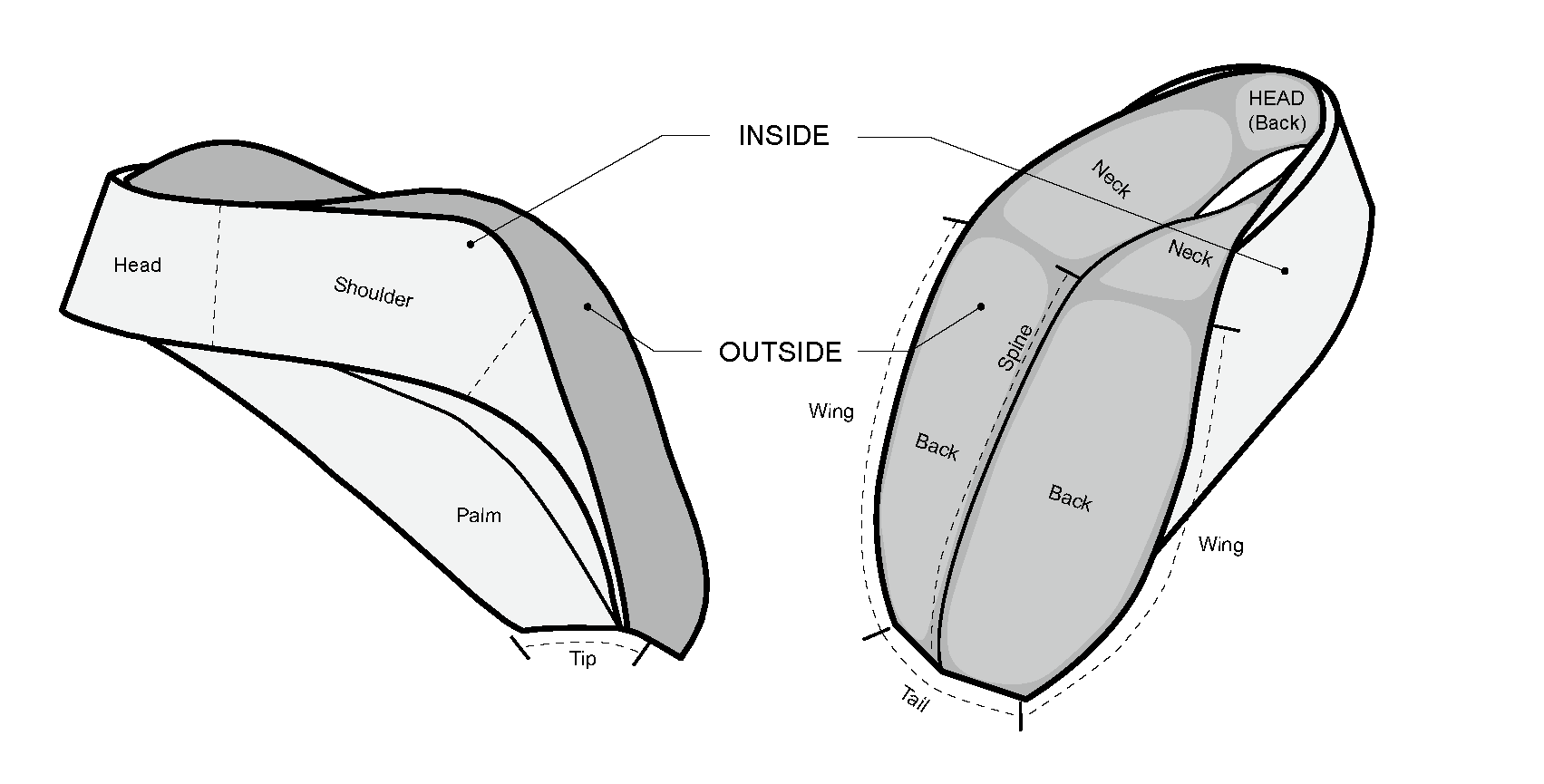
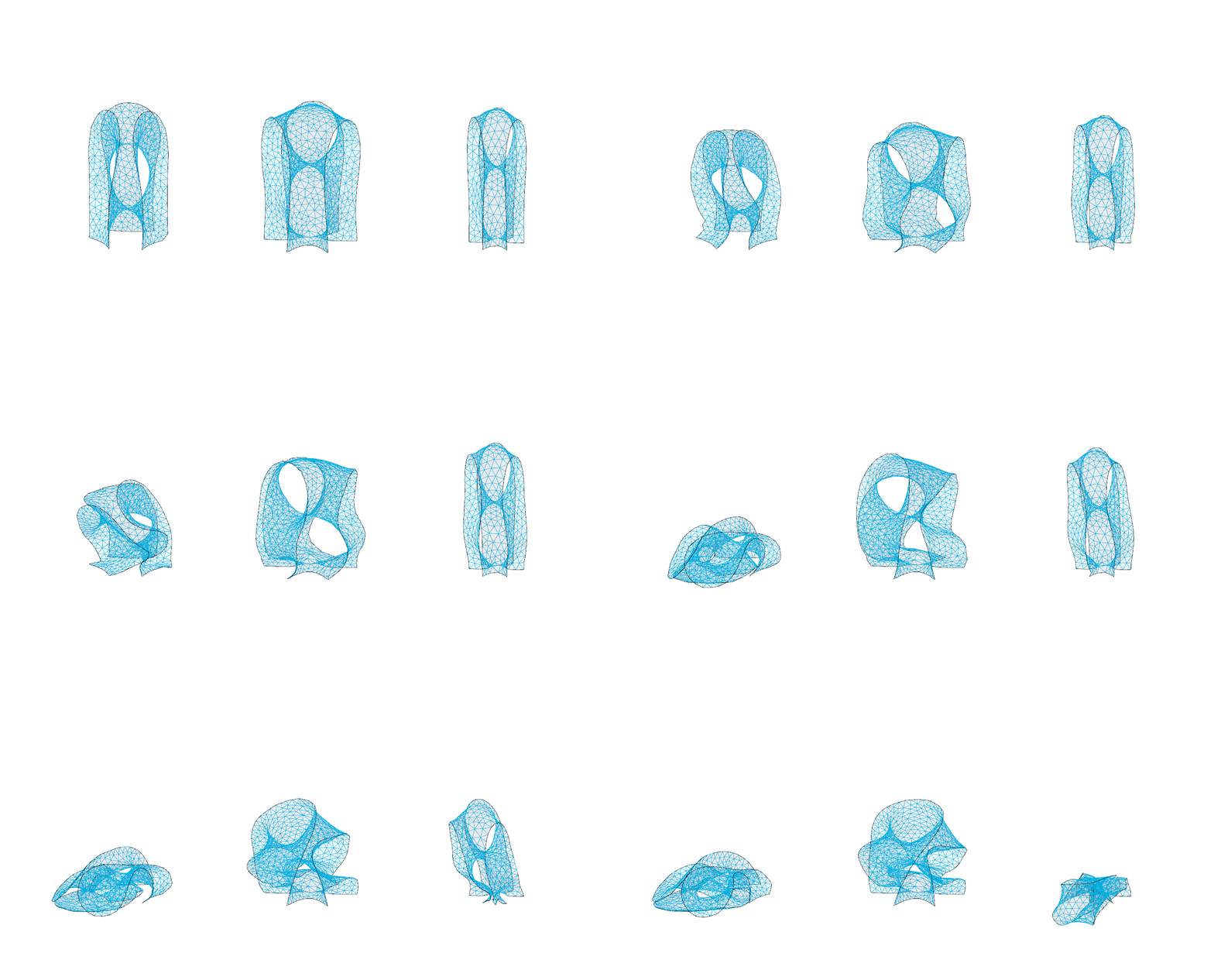
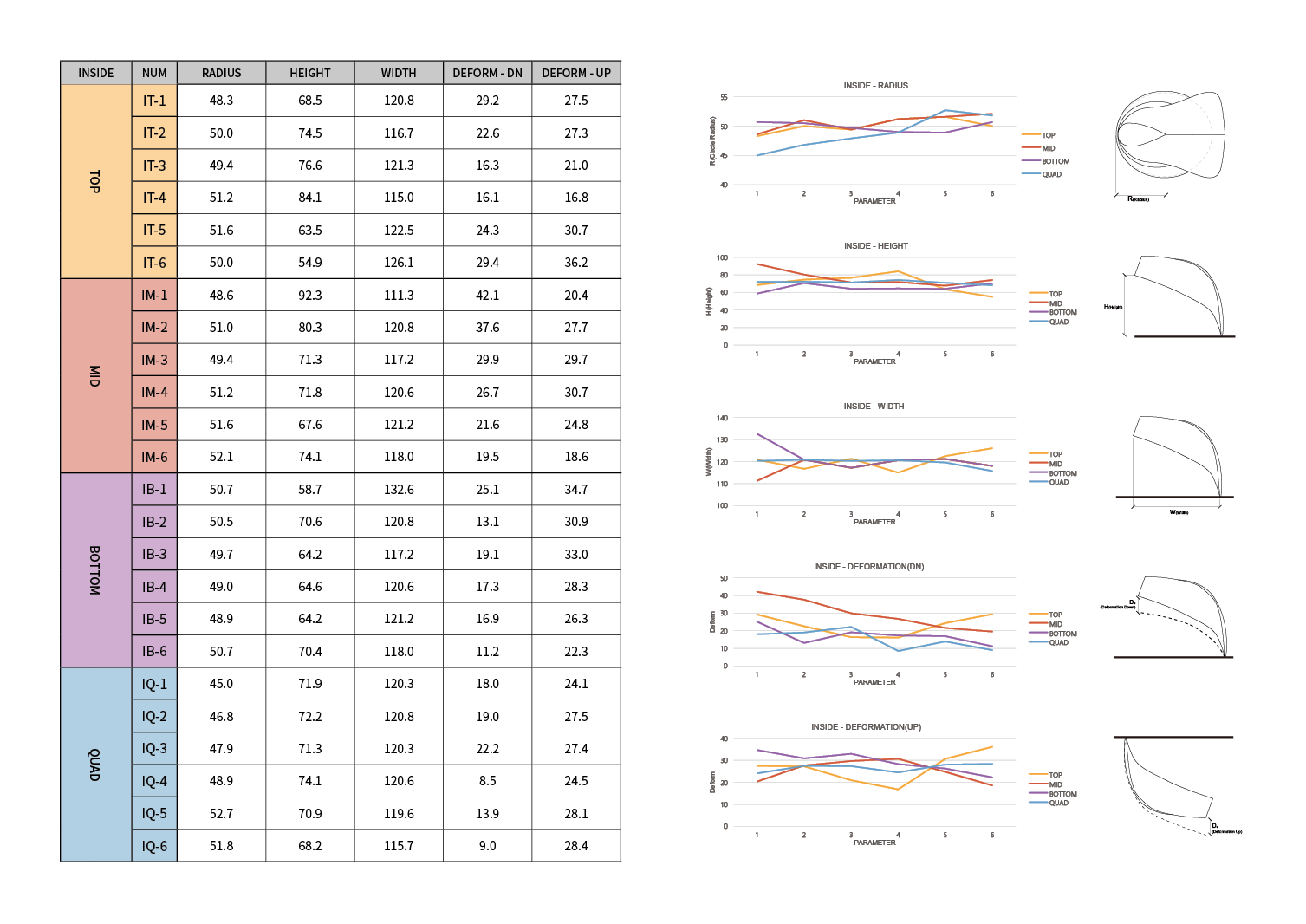
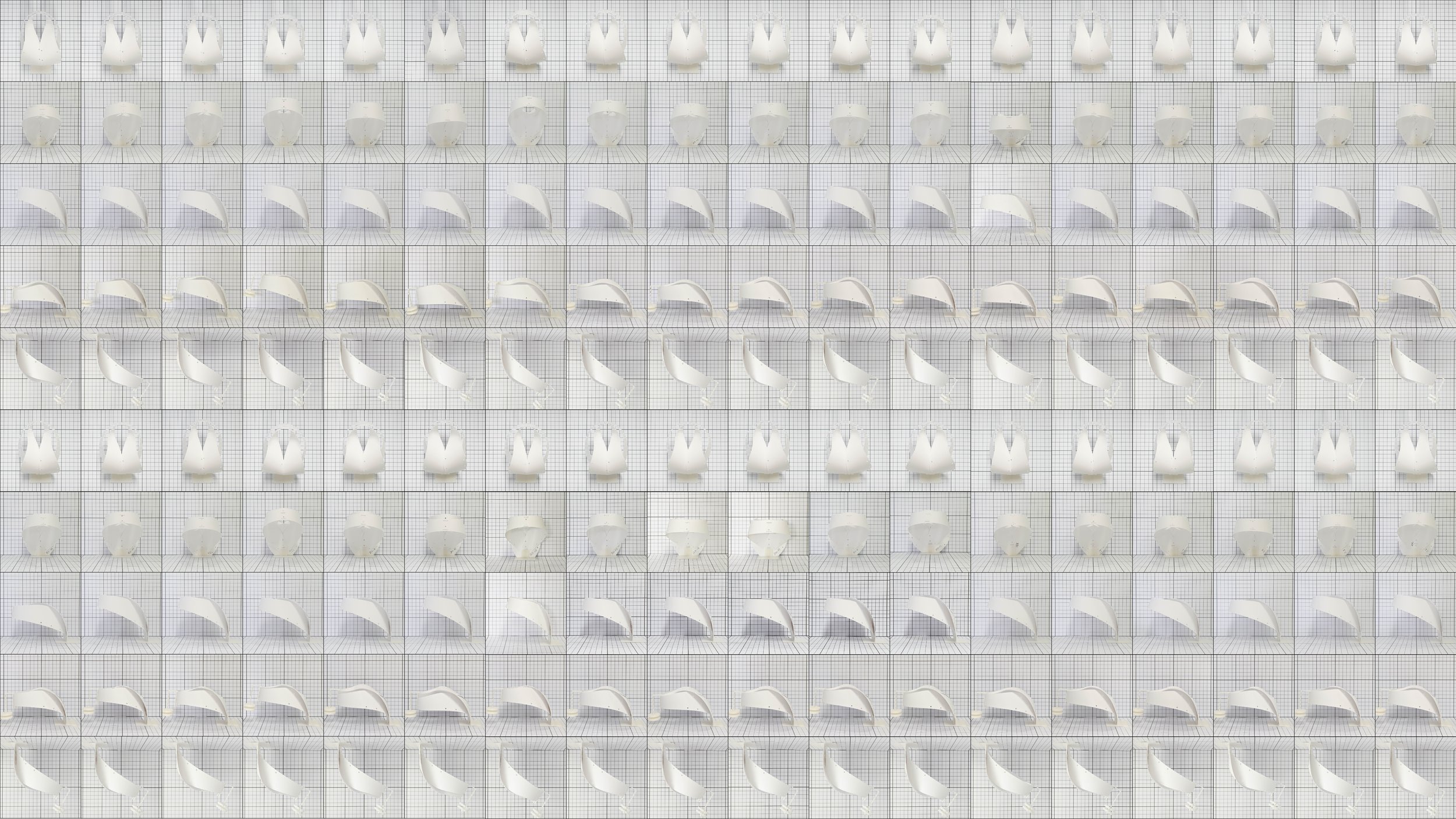
The research is organized into seven phases: local geometry tests, multi-parameter tests, global geometry combinations, LiteTex material tests, digital simulations, fabrication-detail studies, and final fabrication process review. In the early phases, planar parameters such as Top, Mid, Bottom, and Quad are tested to understand how two-dimensional sheets transform into three-dimensional bending-active geometries. The study identifies the Quad relationship between the inside and outside strips as a major factor affecting radius, height, width, and deformation.
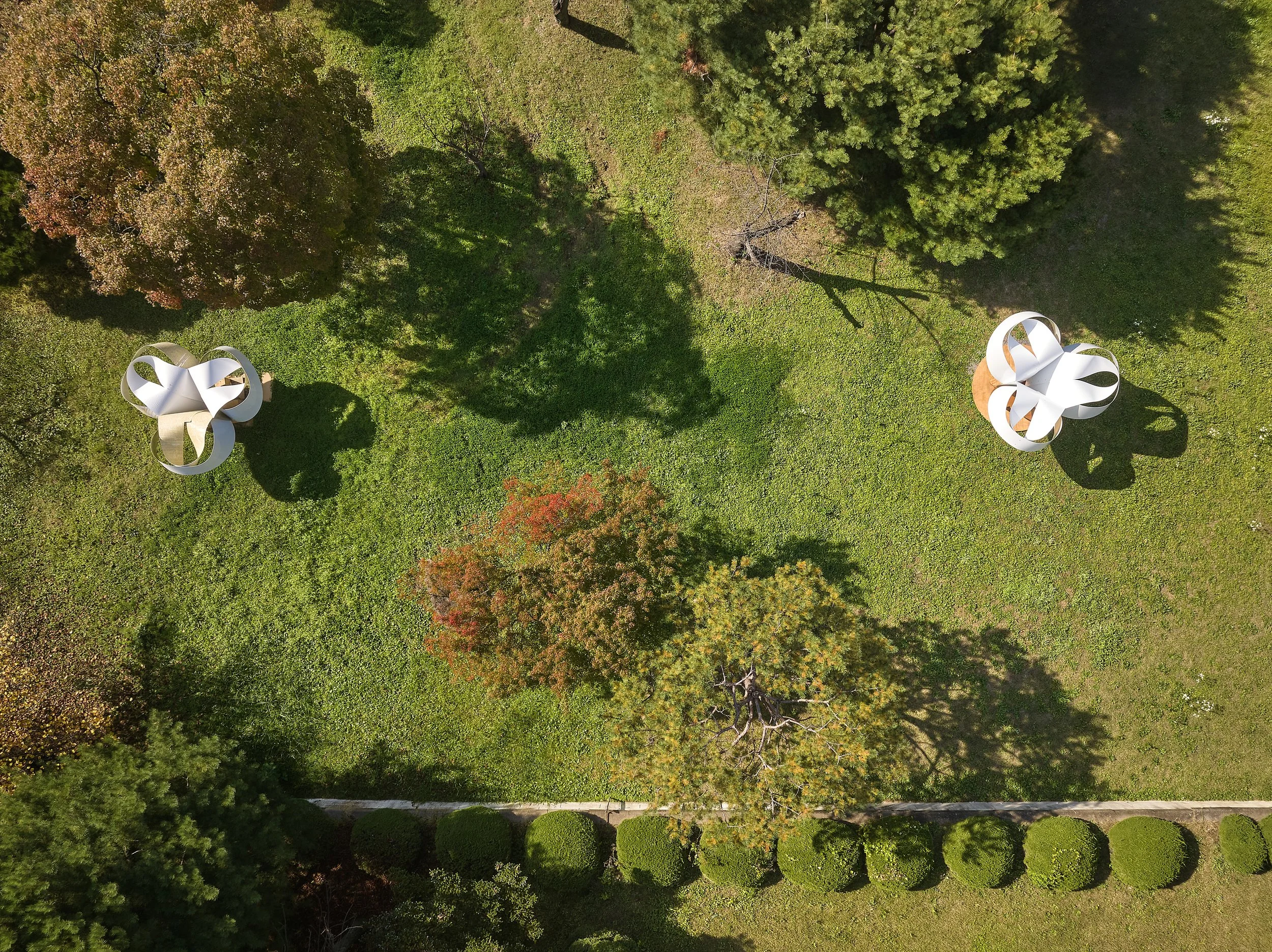
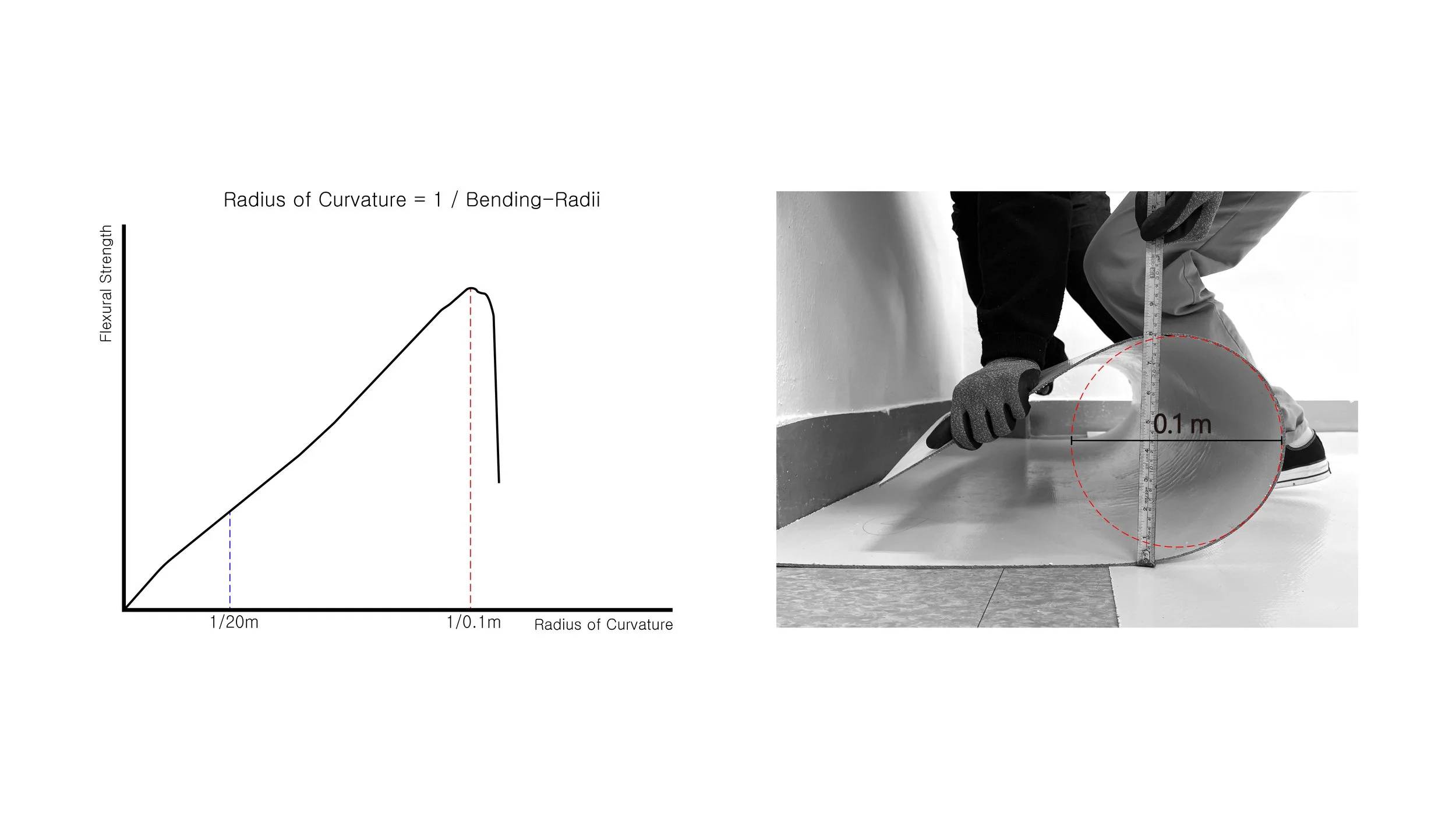
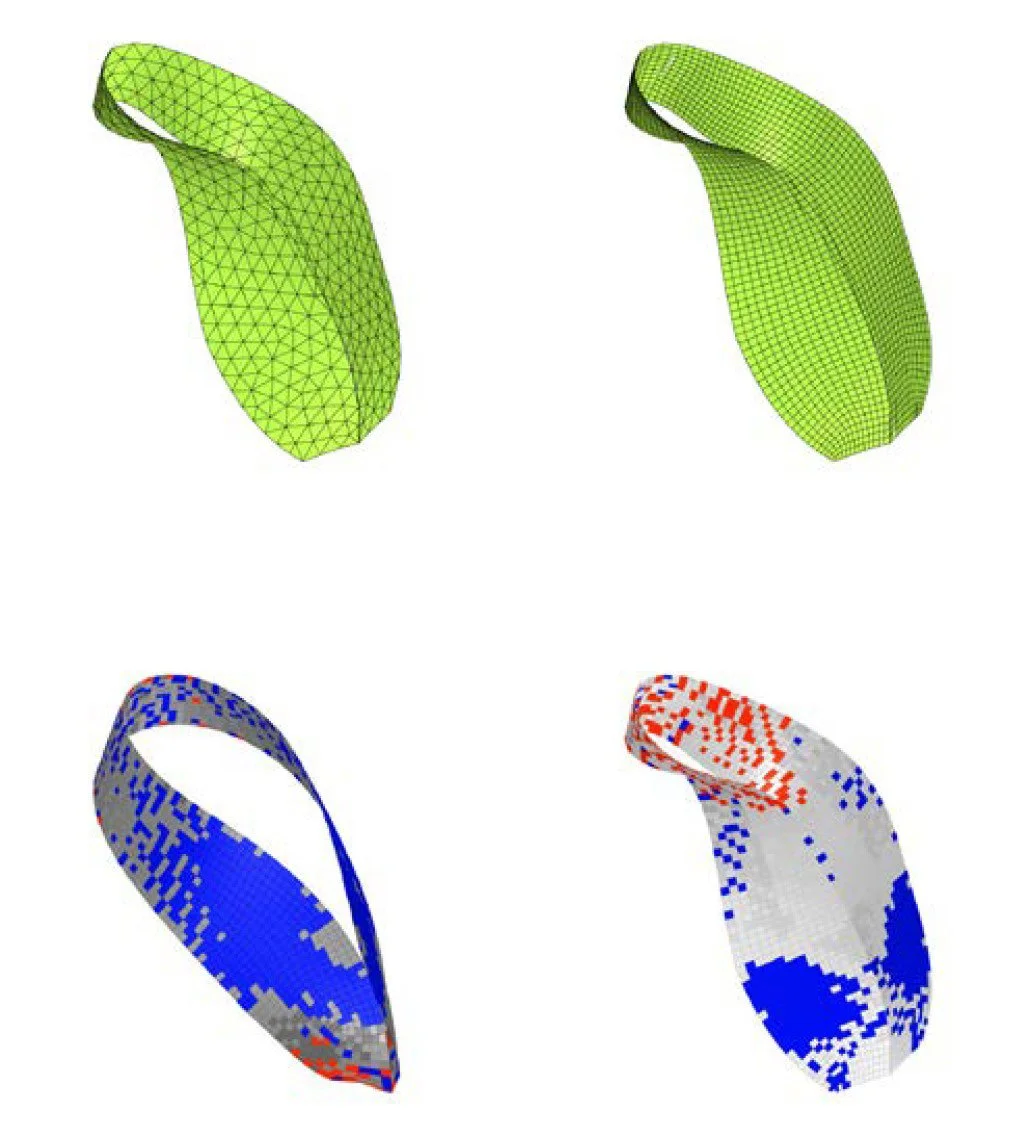
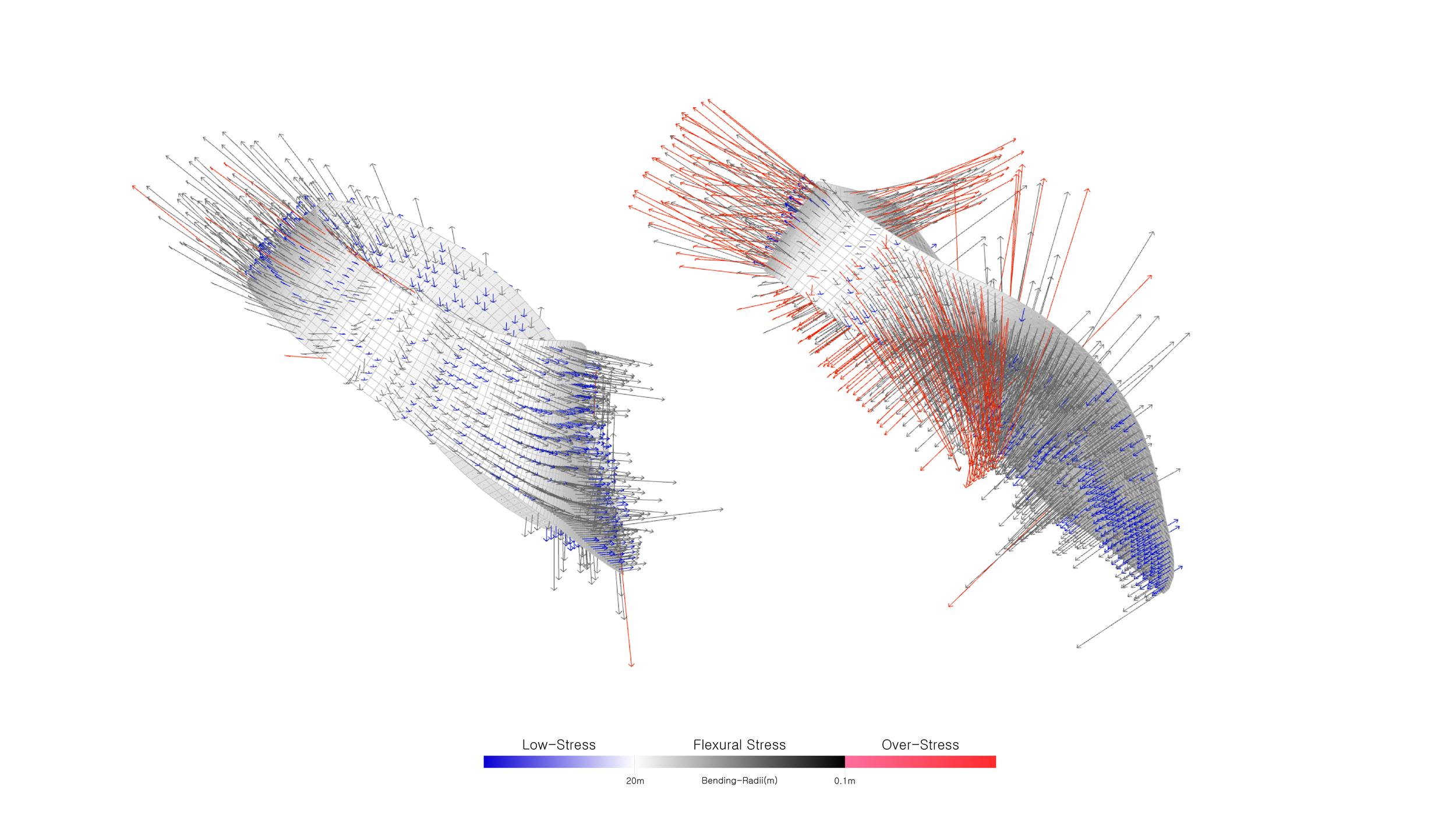
Based on these tests, selected global geometries are further examined using LiteTex 2-ply, 3-ply, and 4-ply models to evaluate self-weight, deformation strength, bending radii, and structural feasibility. The study then integrates Kangaroo-based form-finding, Mesh Curvature and Vector/Sphere simulations for bending-radius analysis, Karamba3D shell displacement analysis, and 3D scanning-based digital twin methods for site installation planning.

The later phases focus on fabrication details, including joinery systems, edge cladding, foundation and anchoring strategies, and surface pattern studies. Overall, this research is significant because it connects material behavior, geometric logic, digital simulation, and full-scale fabrication into one integrated architectural workflow.
 

Year : 2024

Type : Pavilion

Status : Completed

Project Team : I.f Convergence Design Lab

Principal Researcher : Seungil Kim, Gwangeun Hwang

Project Assistant : Dongheon Lee, Jinsan Ryu (DAKHU)

Supported by : AXIA Materials, Kolon Global


Related Project

S:PROUT

Architecture with Flexible Materials: Discovering New Possibilities

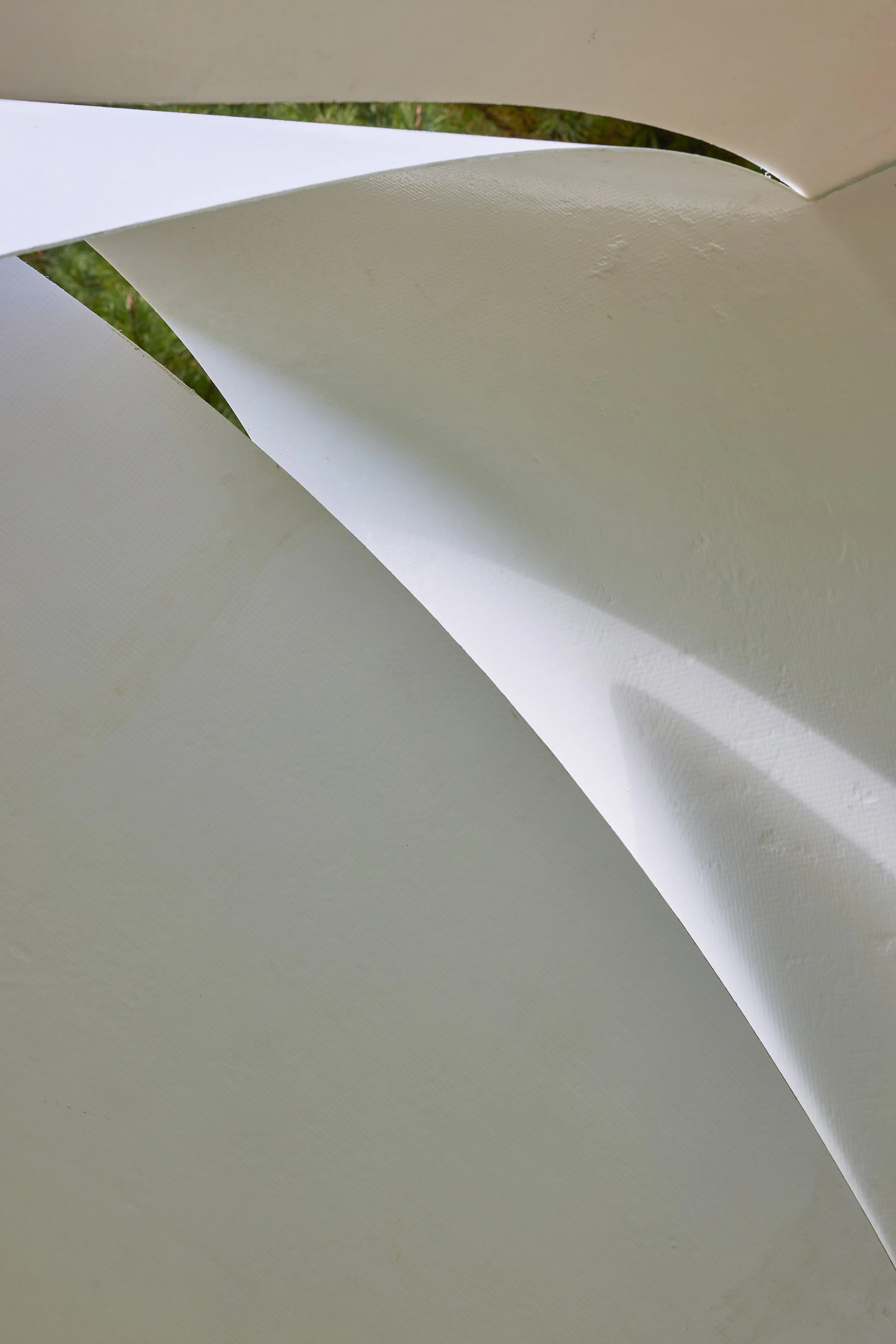
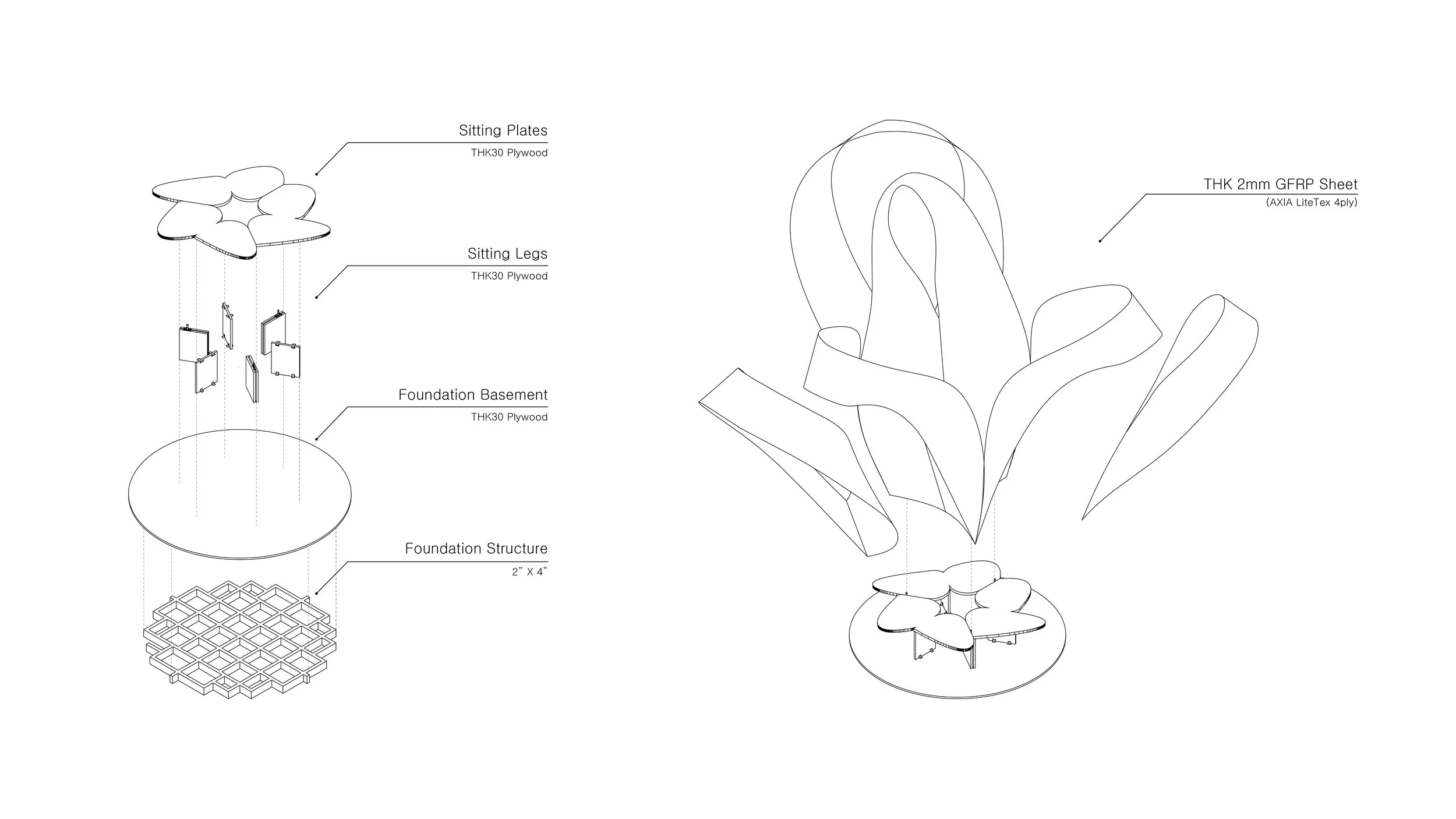
Flexible materials stimulate architectural creativity through their inherent physical properties and capacity for transformation. In traditional vernacular architecture, materials such as bamboo and earth have been utilized to create adaptive, flexible structures that respond to local environmental conditions and needs. Contemporary architecture reinterprets this flexibility by experimenting with high-performance composite materials. LiteTex, the material used in this project, is a continuous fiber composite that begins as a flat sheet and holds potential for transformation into three-dimensional forms. This material simultaneously offers elasticity and rigidity, maximizing portability and storage while enabling the creation of complex structures on-site. By applying two-dimensional patterning techniques from the garment industry, this approach enables the transformation of flexible, flat materials into three-dimensional forms, simplifying the fabrication process and ensuring cost-effectiveness. LiteTex represents more than a material experiment; it expands the possibilities of architectural design. This material is not only suitable for spatial requirements such as movable structures, temporary buildings, and pavilions, but it is also recognized for its environmental sustainability.
Designing Change: Process-Oriented Design and Fabrication

Designing change involves more than the creation of a final product; it requires the integration of the entire process by which that product is realized. This project focuses on the research of the design and fabrication process, investigating the physical properties and limitations of flexible materials through the integration of digital technologies and physical experimentation. The design process is divided into three distinct phases. The first phase involves basic form experiments using scale models to analyze the relationships between the material’s physical properties and the design variables. The second phase combines digital simulations with physical testing to assess the material’s behavior in real-world conditions. Finally, full-scale mock-ups are constructed to identify potential issues in the assembly process and derive solutions. By considering factors such as the material’s bending radius, self-weight, and assembly sequence from the early design stages, it is possible to achieve not only three-dimensional forms but also structural stability and spatial efficiency. This approach enhances the overall quality of the final product while minimizing errors during fabrication.

Integration with Digital Technology: Employing New Design Tools

Digital technology plays an essential role in effectively integrating the design and fabrication processes. In this project, a digital twin was constructed to measure the gap between the virtual model and physical reality, allowing for simulations of changes throughout the entire design and fabrication phases. Digital simulations were utilized as a tool to validate the design’s efficiency before creating physical mockups. Factors such as bending strength and deformation limits were analyzed in advance, enabling the identification of potential errors prior to fabrication. These simulations facilitated collaboration among architects, engineers, and material specialists, and helped integrate data from multiple disciplines. Physical experiments served to verify the outcomes of digital designs and test the performance and assembly feasibility of the materials. The complementary relationship between digital simulations and physical testing improved the reliability of the design and further extended the potential of new materials and technologies.


Year : 2024

Location : Yongin, Korea

Status : Installation

Size : 0.957 ㎡

Height : 2.87m

Material : LiteTex 5ply (AXIA Materials), Plywood

Structure : Bending-Active Composite Structure

Project Team : I.f Convergence Design Lab + Center for Ai & Architecture (Ai+A) (Prof. Dongil Kim)

Principal Researcher : Seungil Kim, Gwangeun Hwang

Project Assistant : Dongheon Lee, Jinsan Ryu, Isaac Kang, Yeonhee Kim, Hyeongtai Kim, Ro-un Yi (DAKHU)

With the Support of : Seojoo Lee, Hyojung Kim (I.f)

Collaboration : I.f Architecture & Research, AXIA Materials, Kolon Global, EFFECTOR, V.P.Lab

Photography : Kyung Roh


Related Project

Related Research

Bending-Active Facade

Design process in general, and particularly in architecture, is a complex process that involves a combination of knowledge, skills, experiences, practices, etc. In recent decades, digital design emerges as an unstoppable trend, which adds to all the aforementioned factors the use of digital tools. The techniques cover this issue with computational and algorithmic design systems, the so called parametric design. It is already vividly present in the first half of the twentieth century in the automotive sector (geometric design), and finally impact on architectural design which represents a new step that has led to a new type of Architecture. The workshop is to re-envision the role of Architects as system maker from thinking strategy to fabricator.

This course aims to investigate the continuing advancement of computational processes in architecture in their practice. The topics are exposed as both a technical and intellectual venture of formal, spatial, construction and ecological potentials. The primary role of the workshop is the theoretical and practical development of generative computational design process on both conceptual design and construction phase, allowing for the integral use of computer-controlled manufacturing process in this design system. The later of this course will reach to critically review computational design towards a more challenging and self-demanding commitment to physical and environmental constraints as a fabrication stage.


Year : 2023

Project Director : Dongil Kim (I.f CDL / KHU)

Student : Taeyang Kim, Gwangeun Hwang, Dongyoung Kim, Jiseon Won / Dohyun Kwon, Heeyong Lee, Syed Haseeb Shah / Juyeon Kim, Seungil Kim, Taehyeon Kim / Saddiq Ur Rehman, Hageon Jang

Pleated Column

Design process in general, and particularly in architecture, is a complex process that involves a combination of knowledge, skills, experiences, practices, etc. In recent decades, digital design emerges as an unstoppable trend, which adds to all the aforementioned factors the use of digital tools. The techniques cover this issue with computational and algorithmic design systems, the so called parametric design. It is already vividly present in the first half of the twentieth century in the automotive sector (geometric design), and finally impact on architectural design which represents a new step that has led to a new type of Architecture. The workshop is to re-envision the role of Architects as system maker from thinking strategy to fabricator.

This course aims to investigate the continuing advancement of computational processes in architecture in their practice. The topics are exposed as both a technical and intellectual venture of formal, spatial, construction and ecological potentials. The primary role of the workshop is the theoretical and practical development of generative computational design process on both conceptual design and construction phase, allowing for the integral use of computer-controlled manufacturing process in this design system. The later of this course will reach to critically review computational design towards a more challenging and self-demanding commitment to physical and environmental constraints as a fabrication stage.


Related Research


Year : 2023

Project Director : Dongil Kim (I.f CDL / KHU)

Student : Taeyang Kim, Gwangeun Hwang, DongYoung Kim, Jiseon Won / Dohyun Kwon, Heeyong Lee, Syed Haseeb Shah / Juyeon Kim, Seungil Kim, Taehyeon Kim / Saddiq Ur Rehman, Hageon Jang

Pattern Tree


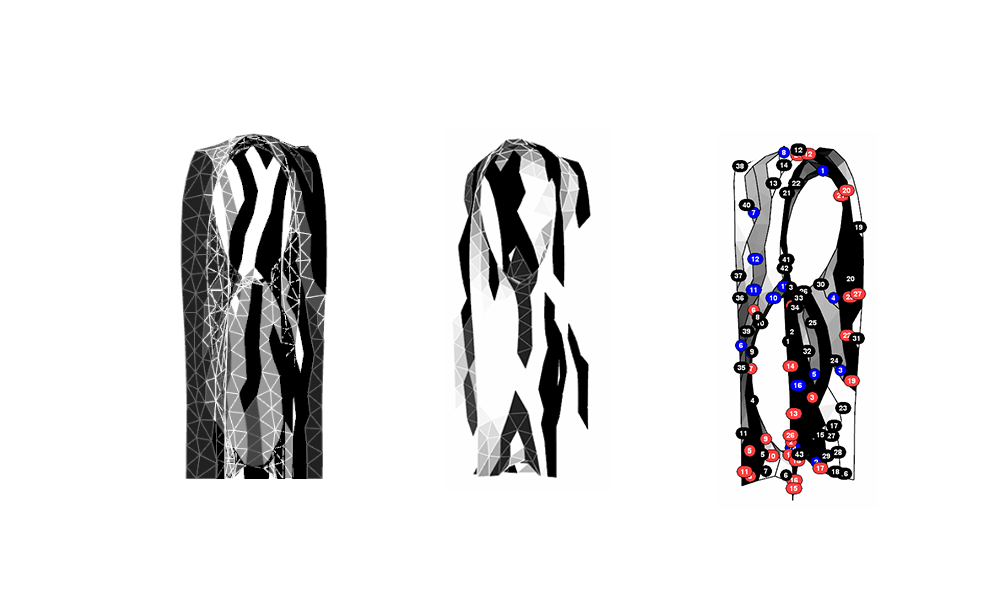
Pattern Tree is a computational design and fabrication study that explores how external forces and material behavior can generate architectural form. The project begins with a simple UV surface and applies digital form-finding techniques to create a global geometry shaped by two main forces: bending force along the outer edge and elastic force within the inner surface. Through this process, the surface is not treated as a fixed shape, but as a result of interaction between force, matter, and geometric constraints.

After defining the global geometry, the project translates the complex surface into a fabrication-ready system. The mesh is rebuilt and optimized, while gravity simulations are used to identify structural weak points. The surface is then divided into strip-based components, with the directionality of the strips controlled through the Steiner Tree algorithm. This allows the complex form to be organized into readable patterns that can be cut, labeled, and assembled at full scale.

The project also tests joints and flaps as connection details between strips, combining digital modeling with physical mock-up studies. Overall, Pattern Tree demonstrates how computational tools can connect form-finding, structural behavior, pattern generation, and fabrication into one continuous design process. It proposes a lightweight and efficient method for producing complex curved surfaces through material logic and digital control.


Related Research

Fibrous Bud

The Lamborghini Road Monument is a case study of fibrous tectonics that combines digital computation, material behavior, and efficient fabrication. The project is composed of pod-like assemblies fabricated by weaving carbon and glass fiber threads around a reusable formwork made of bending-active carbon-fiber rods. This flexible formwork can be adjusted into various shapes and lengths, allowing the system to respond to different design conditions while maintaining a simple and efficient construction process.

The project uses physics-based computational modeling to control both the overall form and the individual components required for fabrication. Through automatically generated data, each pod can be produced with accurate dimensions and assembled as part of a larger structural system. Since the prefabricated components can be transported to the site in groups and quickly installed onto a prepared foundation, the construction process minimizes on-site labor and improves efficiency.

Overall, the project demonstrates how digital design and material logic can work together to create a lightweight, adaptable, and repeatable architectural system. Rather than treating form as a fixed object, the proposal explores a soft tectonic process in which computation, fabrication, and material performance are directly connected.


Wrinkle


Year : 2016

Location : Manila, Philippines

Status : Design Development

Type : Facade Development of the Building

Principal in Charge : Seojoo Lee (I.f), Allie Yeseul Chung (I.f Manila), Dongil Kim (Kyung Hee University)

Self-Formation

Self-formation is a process that an object or phenomenon is transformed by itself to adapt its shape or character from the external forces. The transition when the nature changes or is changed by the natural impacts such as weathering, erosion, sedimentation, earthquake or volcano effect, can be also called as a self-formation. Not only the natural phenomenon, but also arts and architecture can be also self-formed, which means that the form of arts and architecture is produced unintentionally from the natural phenomenon including gravity or user’s change, although the designer did not purpose the outcome. Interestingly, the external factors and the system how Nature or man-made structure has infl uenced on is very similar and its impact brings similar results on both, even though the intent, scale, life and material of form from Nature and artificial constructions are totally different each other. Through the Branner Research Fellowship, I explore the all the results of self-formation in both Nature, arts and architecture, and understand its process, reasons, controlling factors and external forces. 


Related Research