Youngju Bandabi Sport Complex

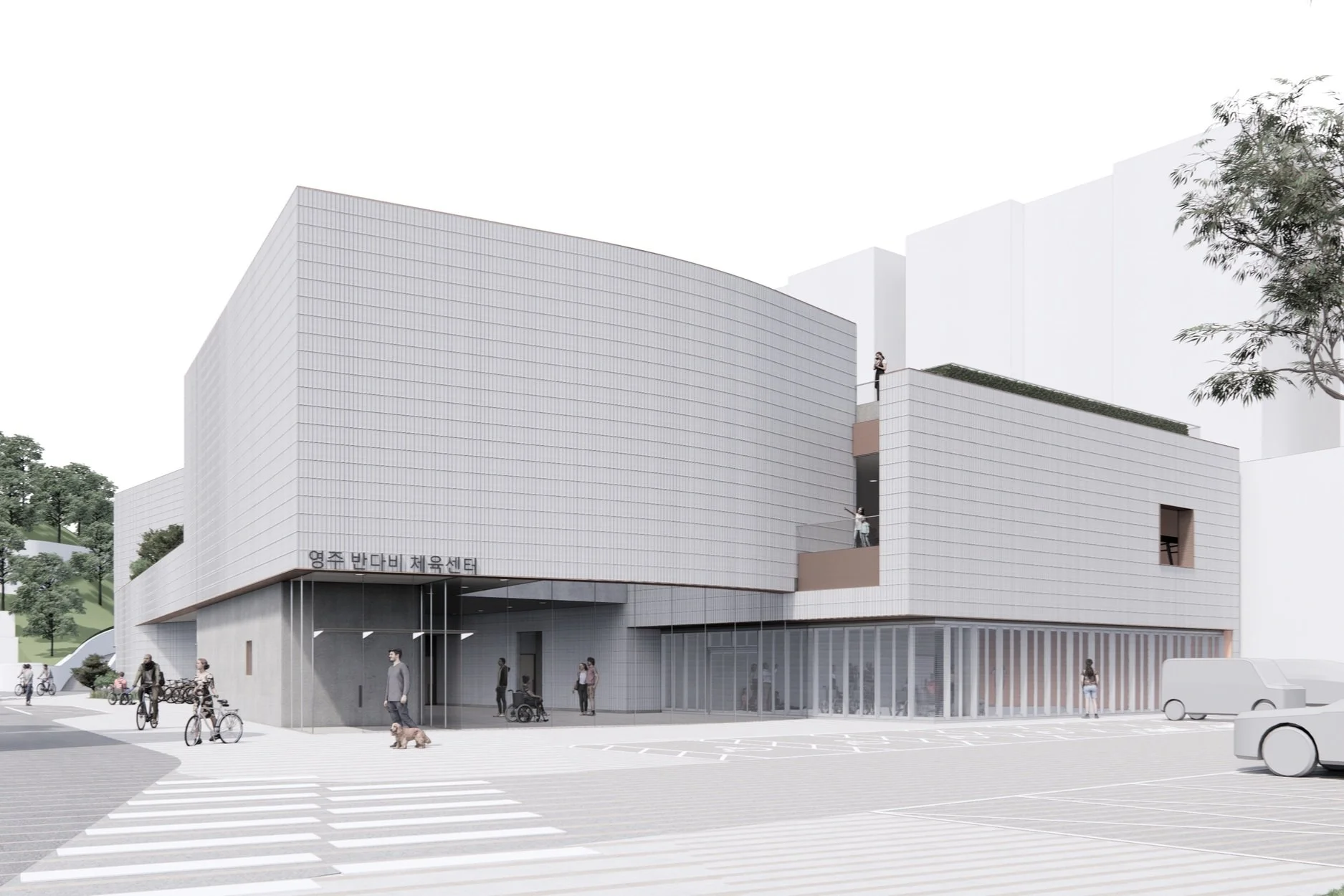
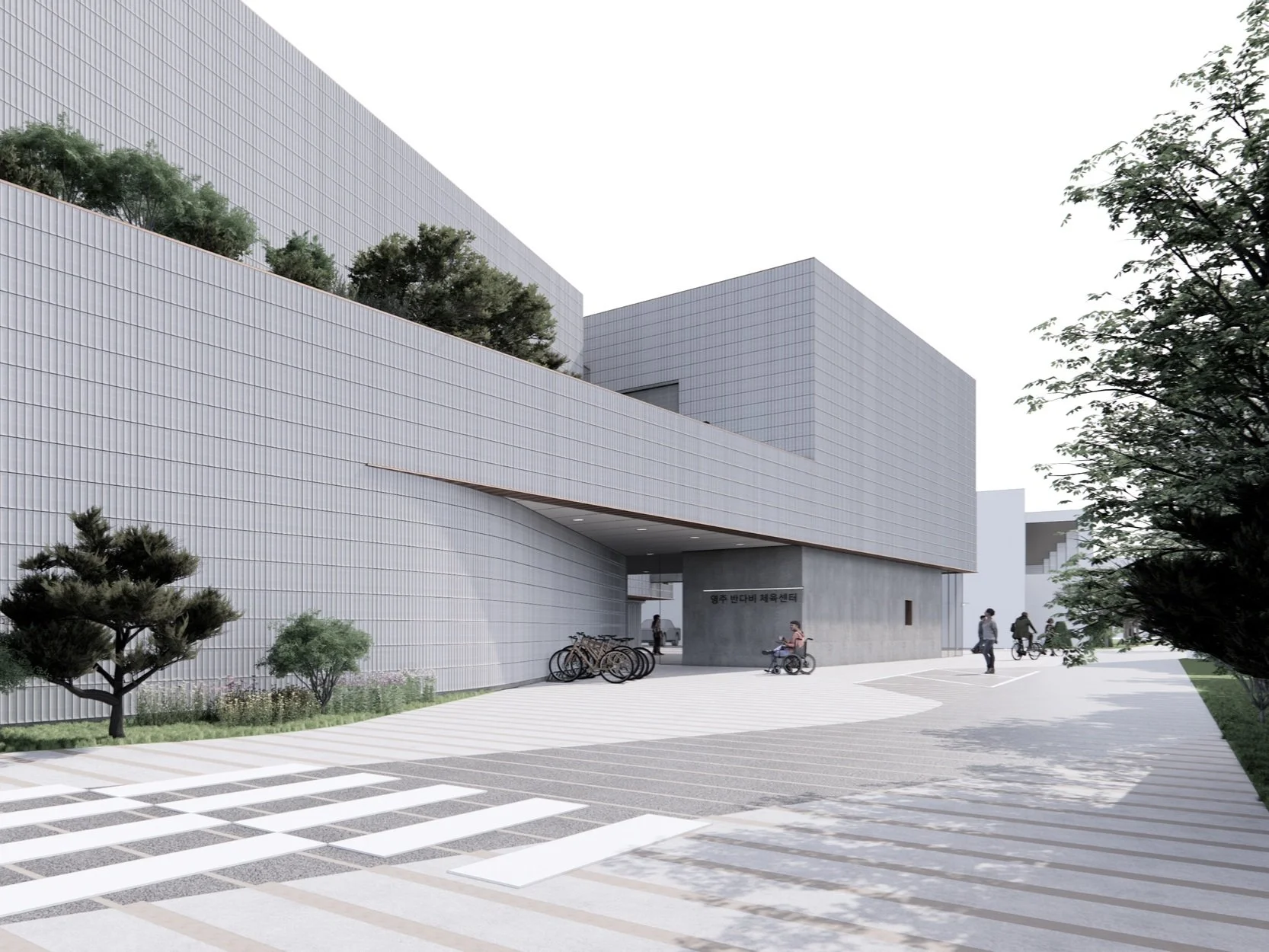
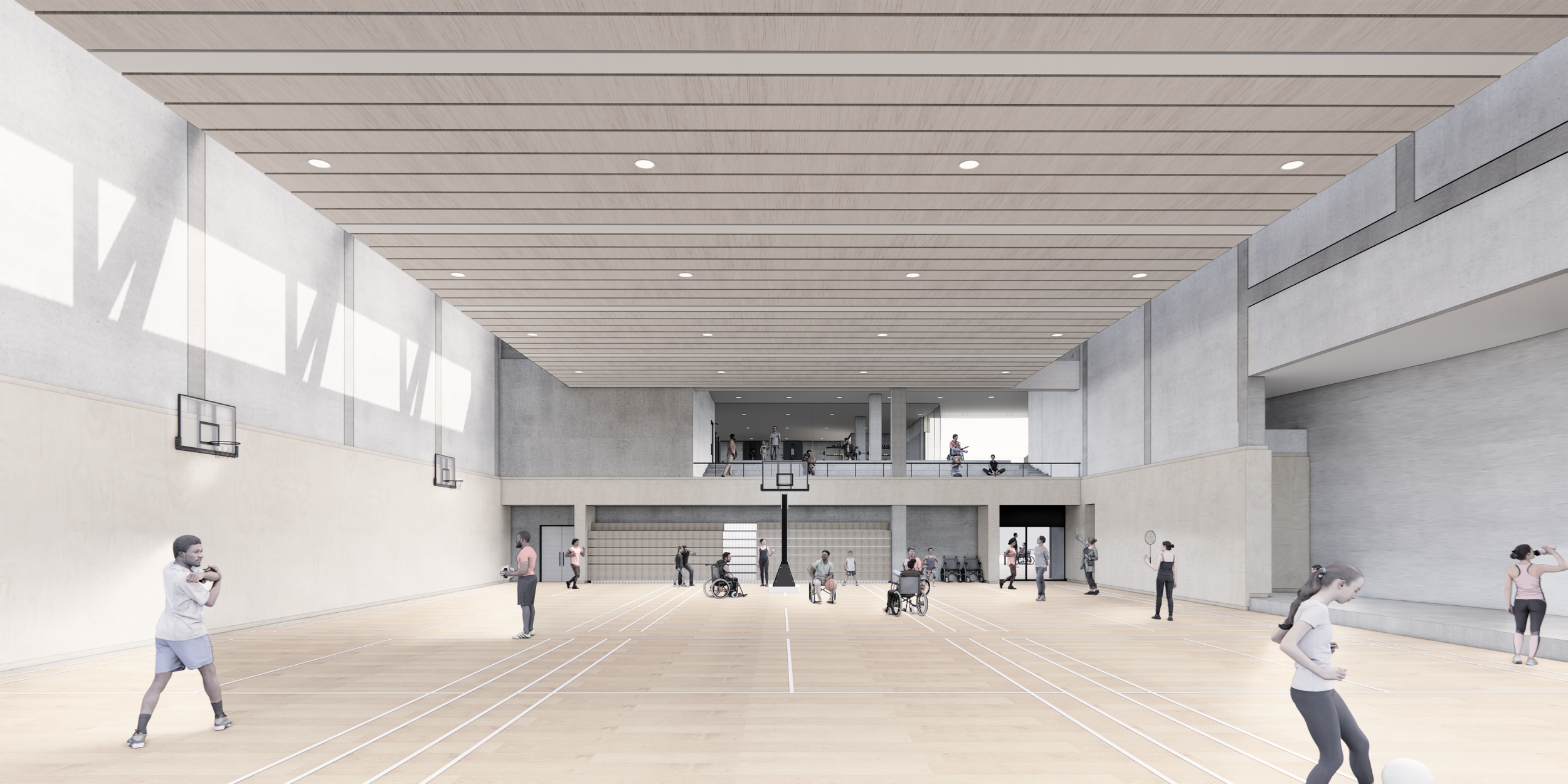
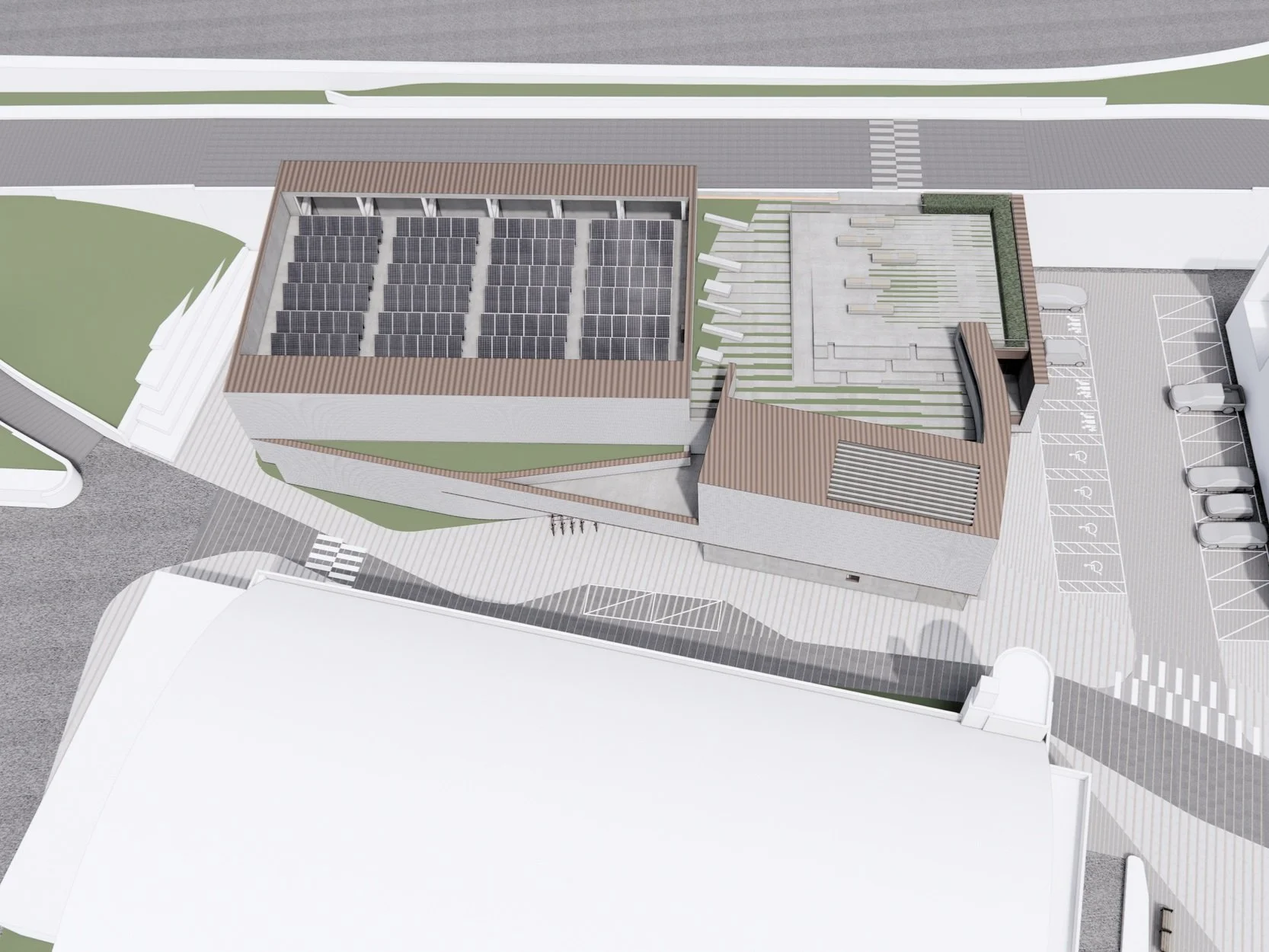
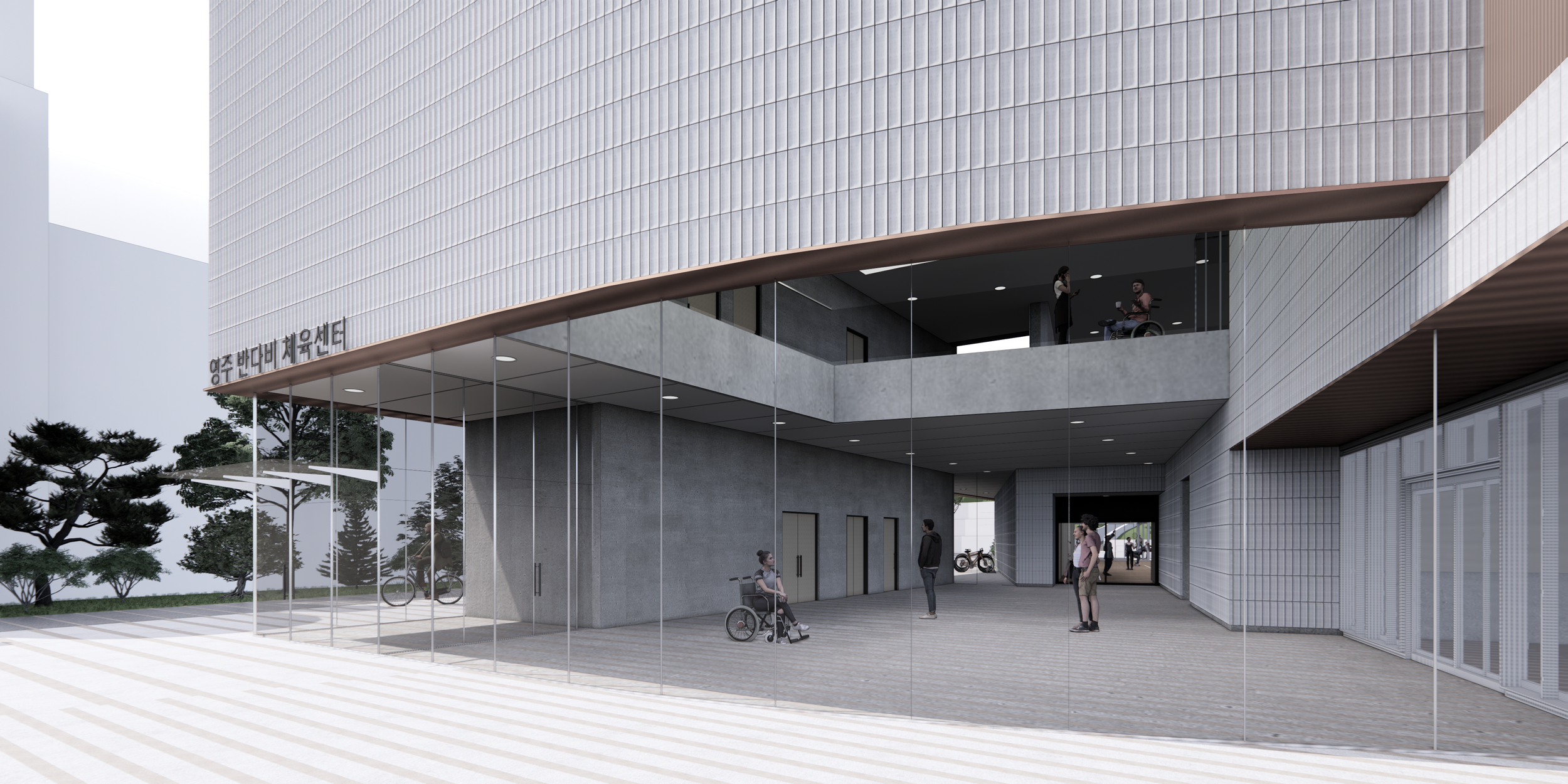
The Bandaebi Sports Center will become a new entrance point located within the Yeongju Citizen Sports Park athletic facilities site. It serves as a mediator that connects people entering from the University Road 153 to both the inside and outside of the Bandaebi Sports Center, as well as other facilities within the site, such as the Community Sports Hall, indoor swimming pool, boxing training center, Citizen Sports Park, tennis court, soccer field, volleyball court, National Sports Center, and Citizen Sports Park. The external space configuration encourages the Bandaebi Sports Center to be closely integrated with the site by opening up to a variety of external spaces that are adjacent to the site. Planning for natural and convenient access for different people and various modes of transportation such as cars, bicycles, and scooters, the Bandaebi Sports Center is designed to be a mediator between people, the city, and public spaces, based on consideration and understanding for each individual.

Over the past decade, public buildings in Yeongju have positively transformed the landscape of small cities and improved the quality of life for its residents. Yeongju has been steadily and clearly attempting urban regeneration through public buildings. Based on the characteristics of the Bandaebi space, if we try to capture the core idea in the public building, we can think of a more fair and inclusive public building based on the ideology of universal design. The Yeongju Bandaebi Sports Center embodies the idea of a public building that aims to accommodate more people’s diversity and everyday life, rather than being a space for a specific minority. Through this, Yeongju aims to achieve successful public buildings that have already been carried out and also match the goal of urban regeneration.


Year : 2021

Location : Youngju, Korea

Size : 2,035 ㎡

Status : Competition Entry (2nd Prize)

Type : Community Facility

Principal in Charge :

Seojoo Lee, Hyojung Kim (I.f), Allie Yeseul Chung (I.f Manila), Dongil Kim (Kyung Hee University), Minho Lee (func. Architects)

Environmental Engineering : Dongil Kim
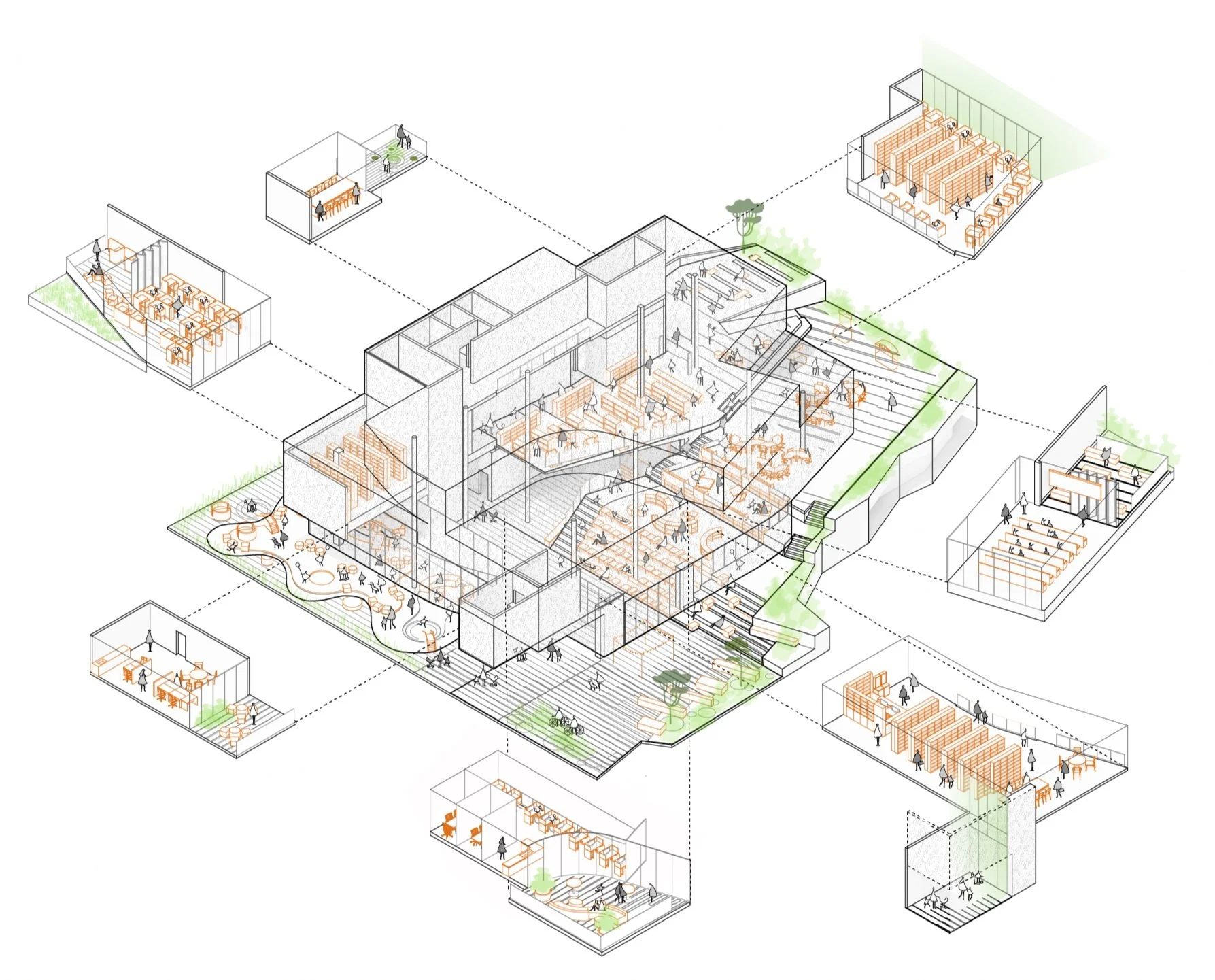
Geoje Public Library

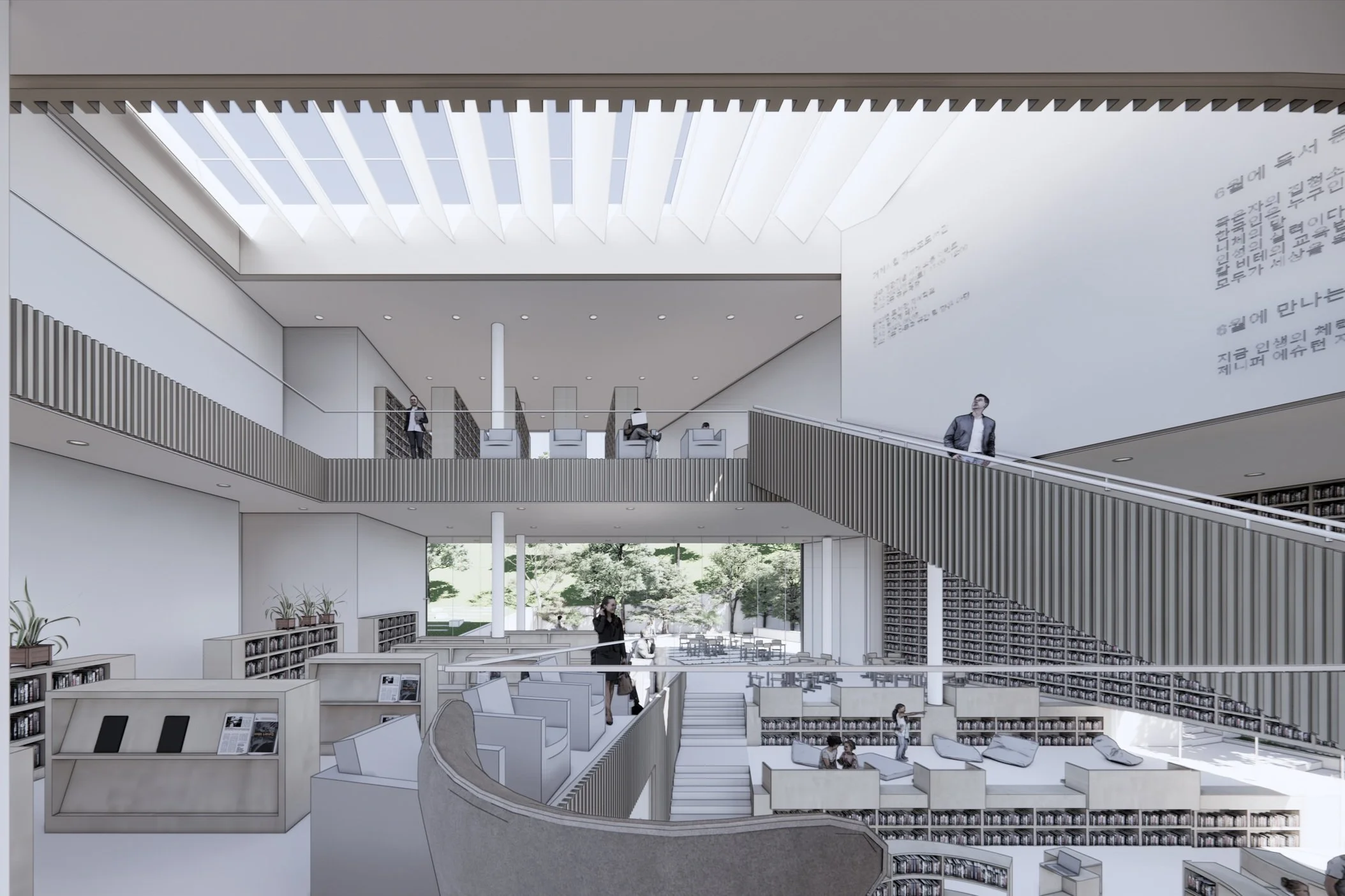
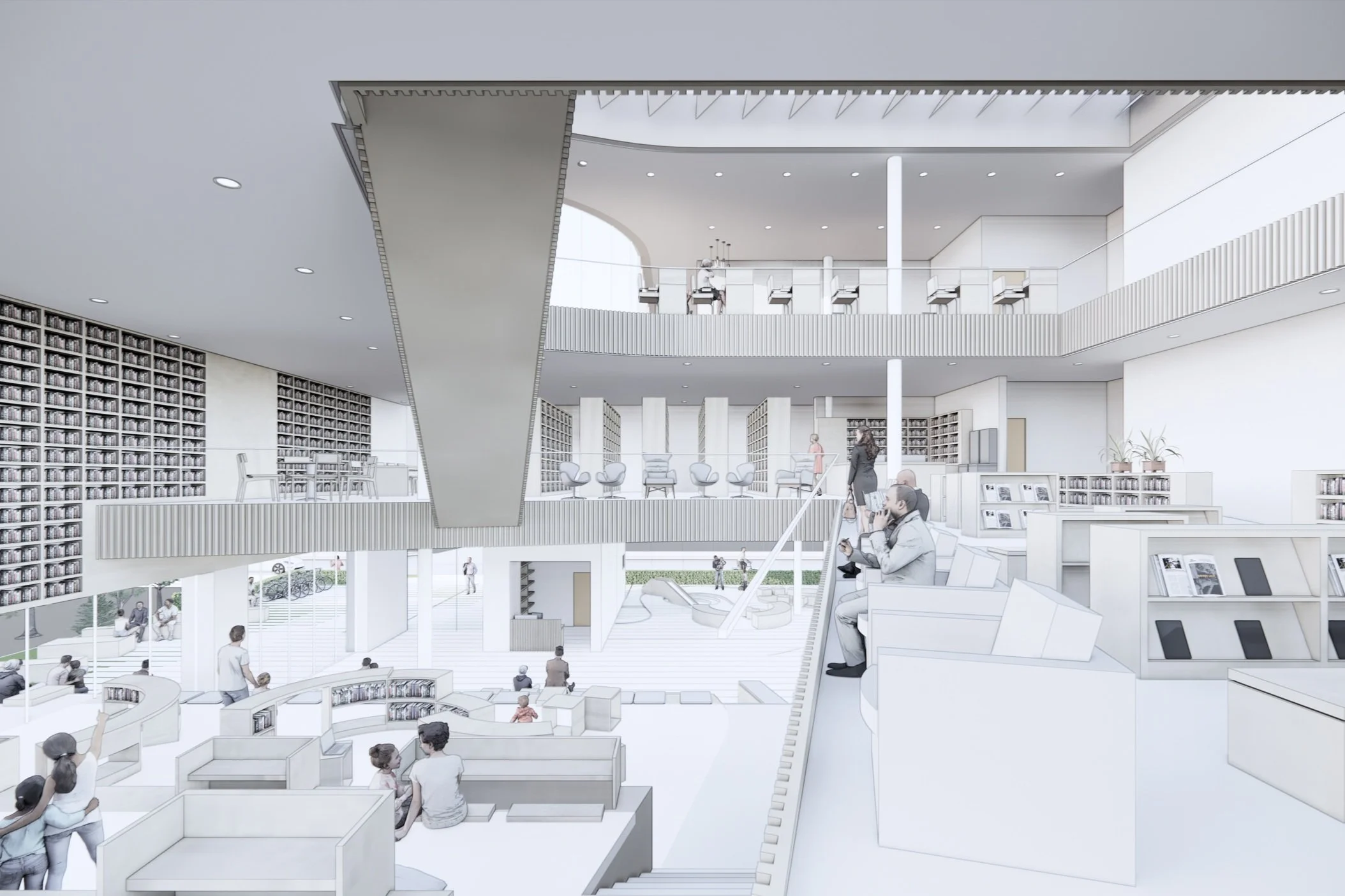
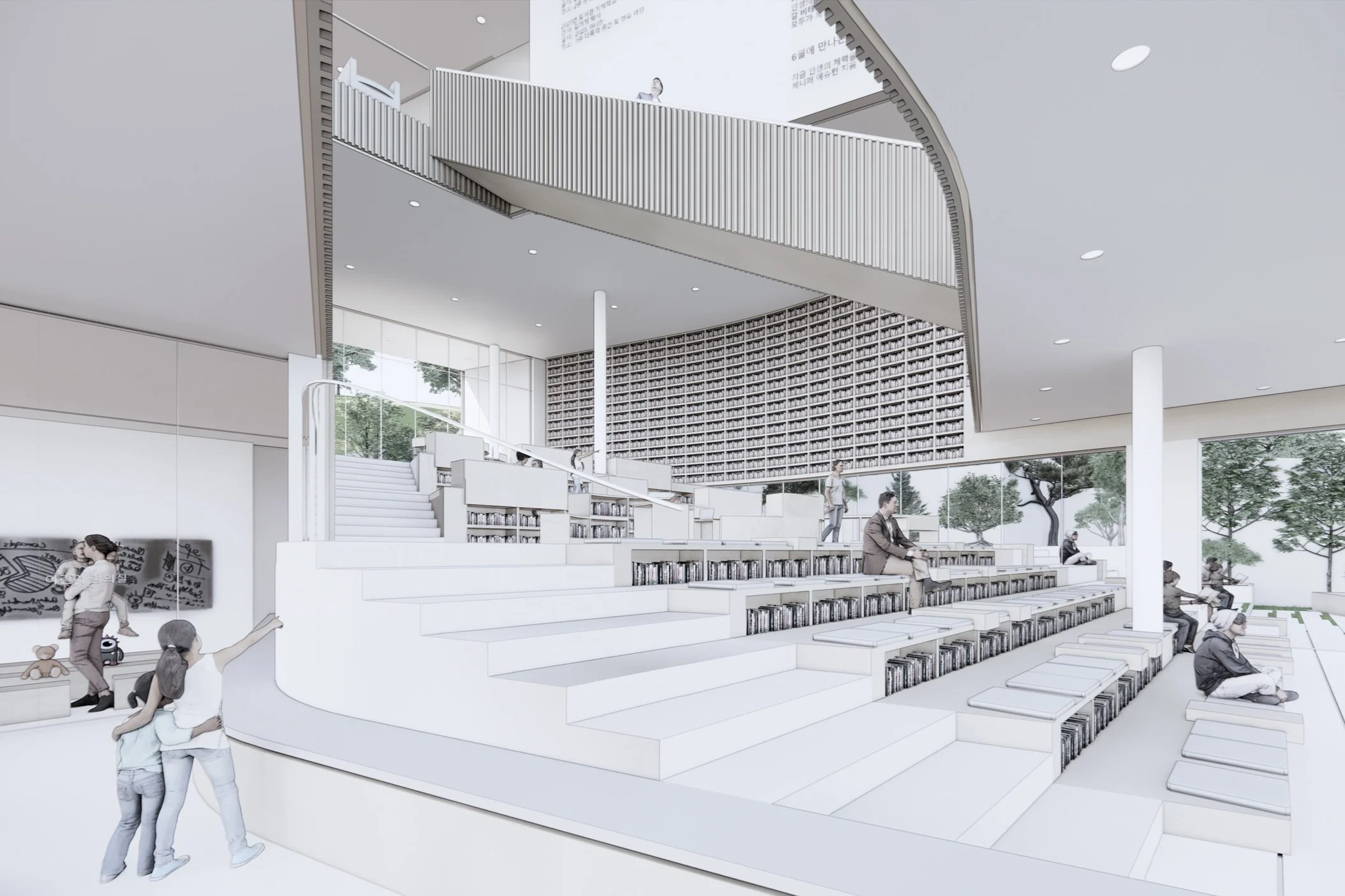
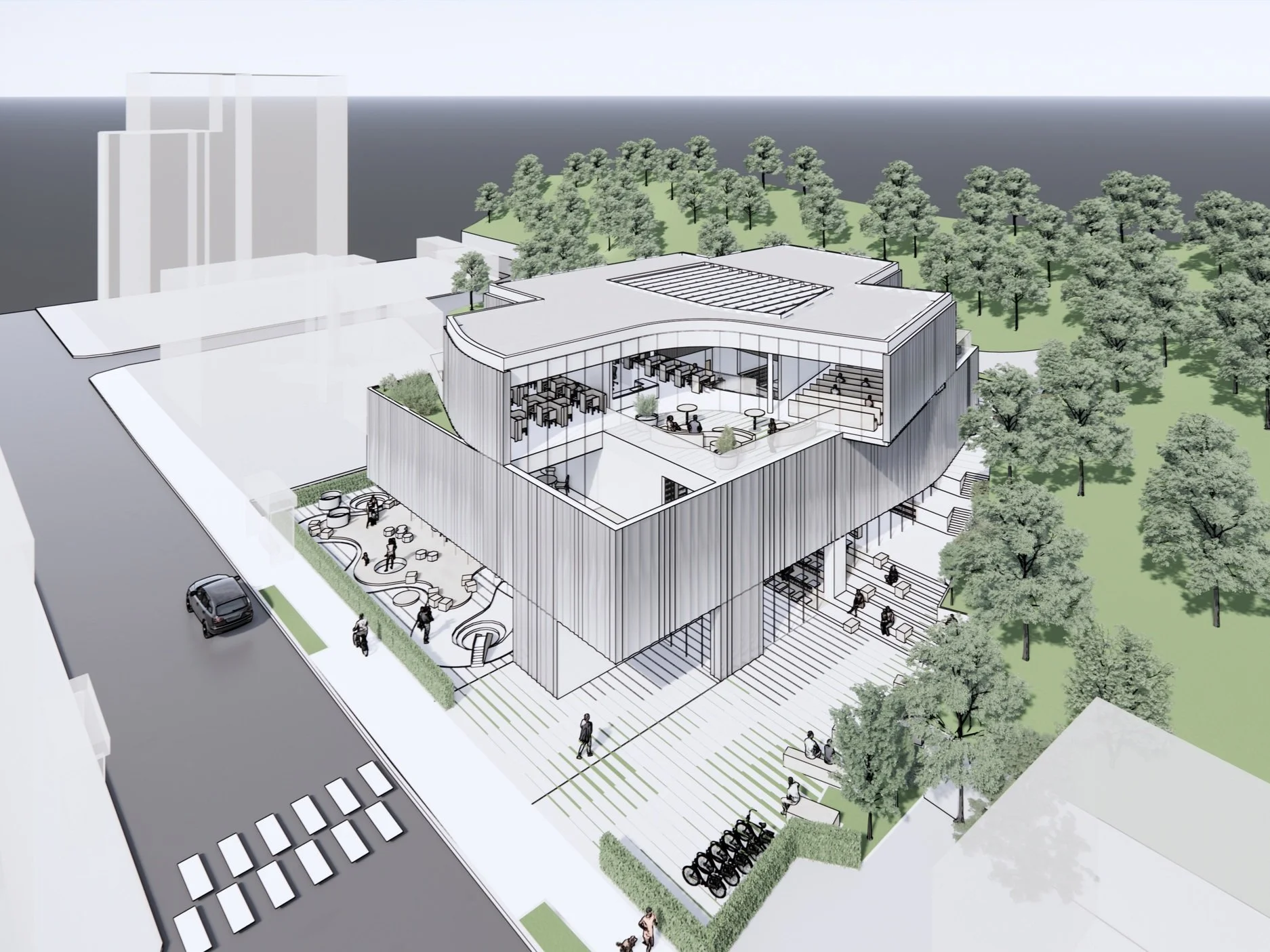
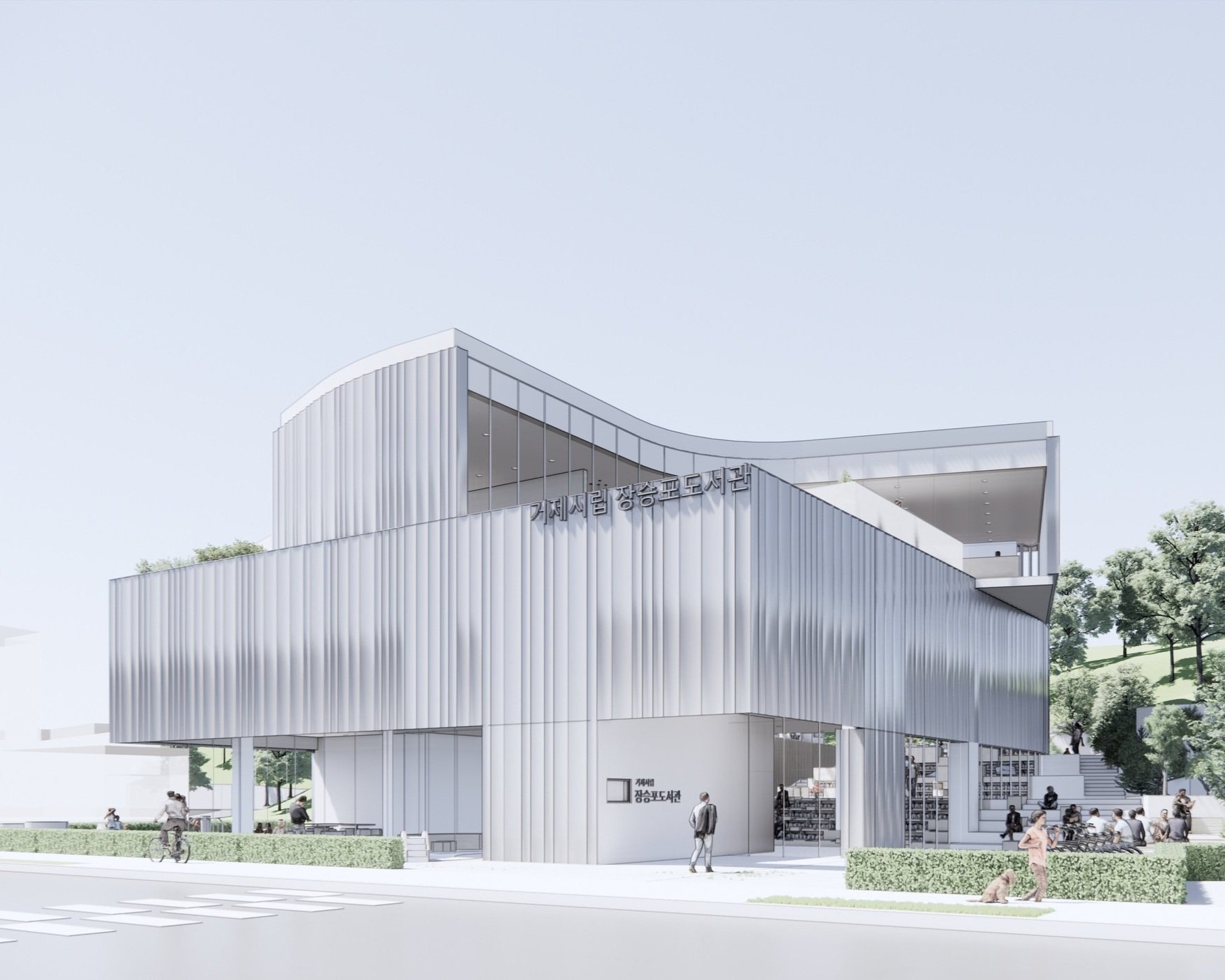
Jangseungpo Port was designated as a trading port in 1965, and it was a lively and diverse place where different people and things gathered and dispersed. The library for the people here should be functionally excellent, faithfully fulfilling its role as a place for preserving the collected books and sharing knowledge, and the proposed urban space is a public space but also a very personal place that individuals can privately own but is primarily a public space. It is a place where sharing and enjoyment coexist and are separated, where individual experiences are gathered, accumulated, and defined, and ultimately, a new library is proposed where space is configured from considerations for the community, and a new type of space that can contain both daily and non-daily experiences is presented as a truly meaningful public space for the city.

Starting from individuals and reaching out to many, it ultimately becomes a library for everyone - overlapping and intersecting with the activities and traces of individuals and groups to create a diverse and resident-friendly library. As people, objects, spaces, time, and memories accumulate, they form a complex public space - the library is designed to faithfully fulfill its primary function. It also incorporates intangible libraries that surround and embrace it. Here, each generation can gather, overlap, and share space together, or enjoy it individually as needed. The diverse library accommodates and embraces the community.

The library projects and embraces its surroundings through the material of its unobtrusive form - rather than standing out in its relationship with the city, it is a humble library that guards its place. The significance of the metal exterior that fully receives and respects the surrounding area is crucial. Depending on the characteristics of the material, it can project and absorb the surroundings, enveloping and reflecting them. The colors and textures of the city and the surrounding greenery will dye the library exterior like an image.


Year: 2021

Location : Geoje, Korea

Size : 1,595 ㎡

Status : Competition Entry (2nd Prize)

Type : Library

Principal in Charge :

Seojoo Lee, Hyojung Kim (I.f), Allie Yeseul Chung (I.f Manila), Dongil Kim (Kyung Hee University), Minho Lee (func. Architects)

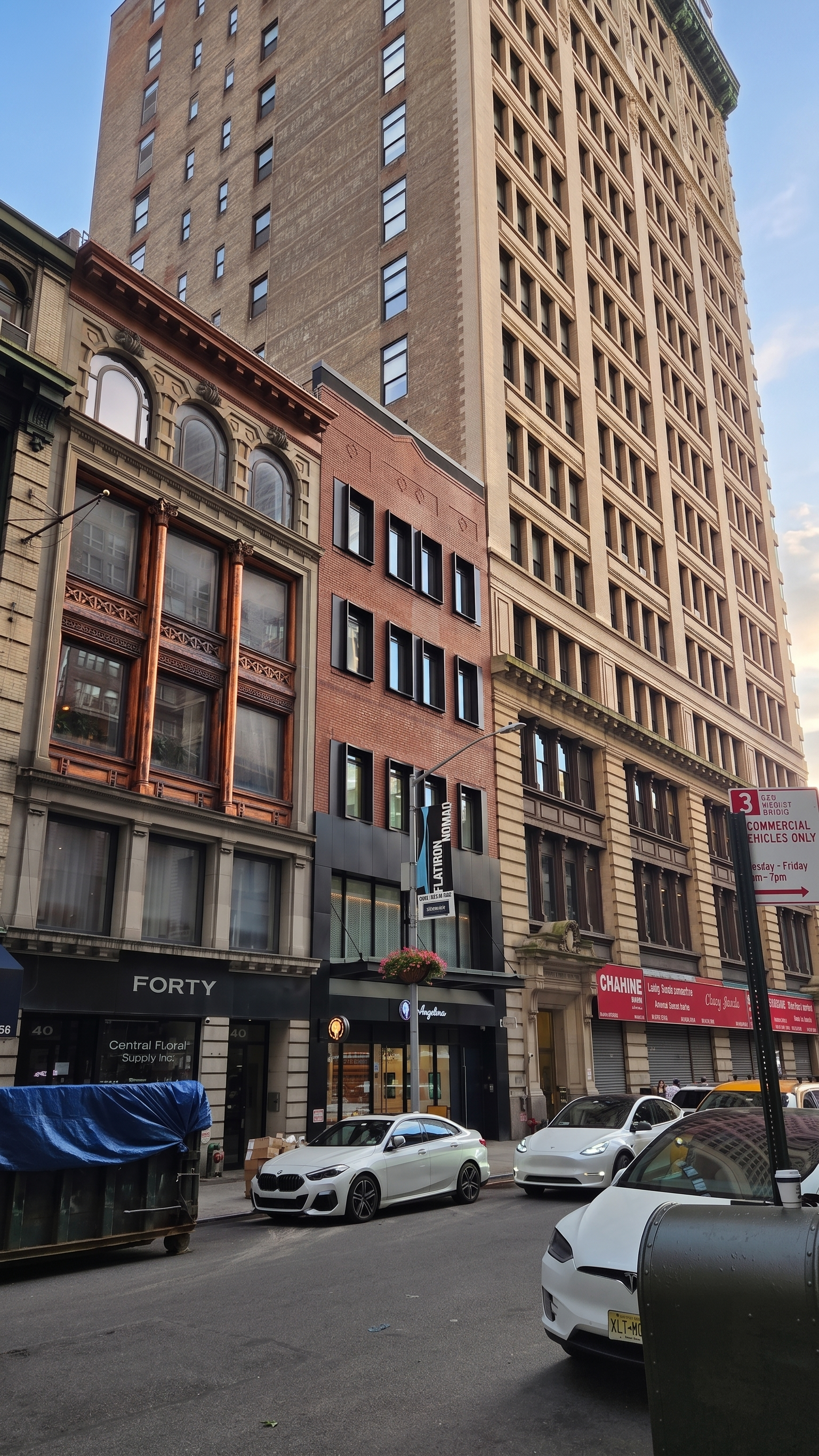
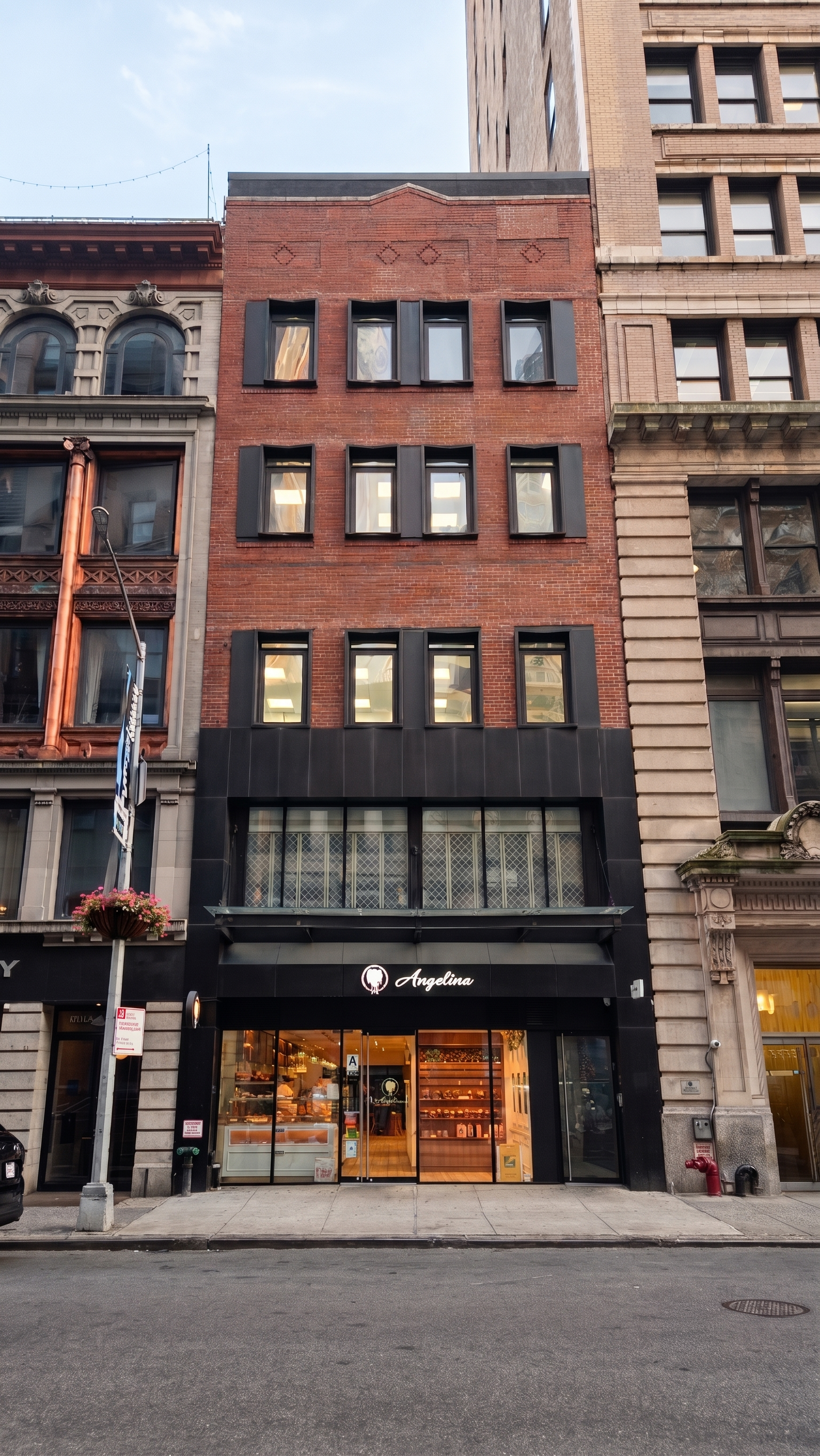
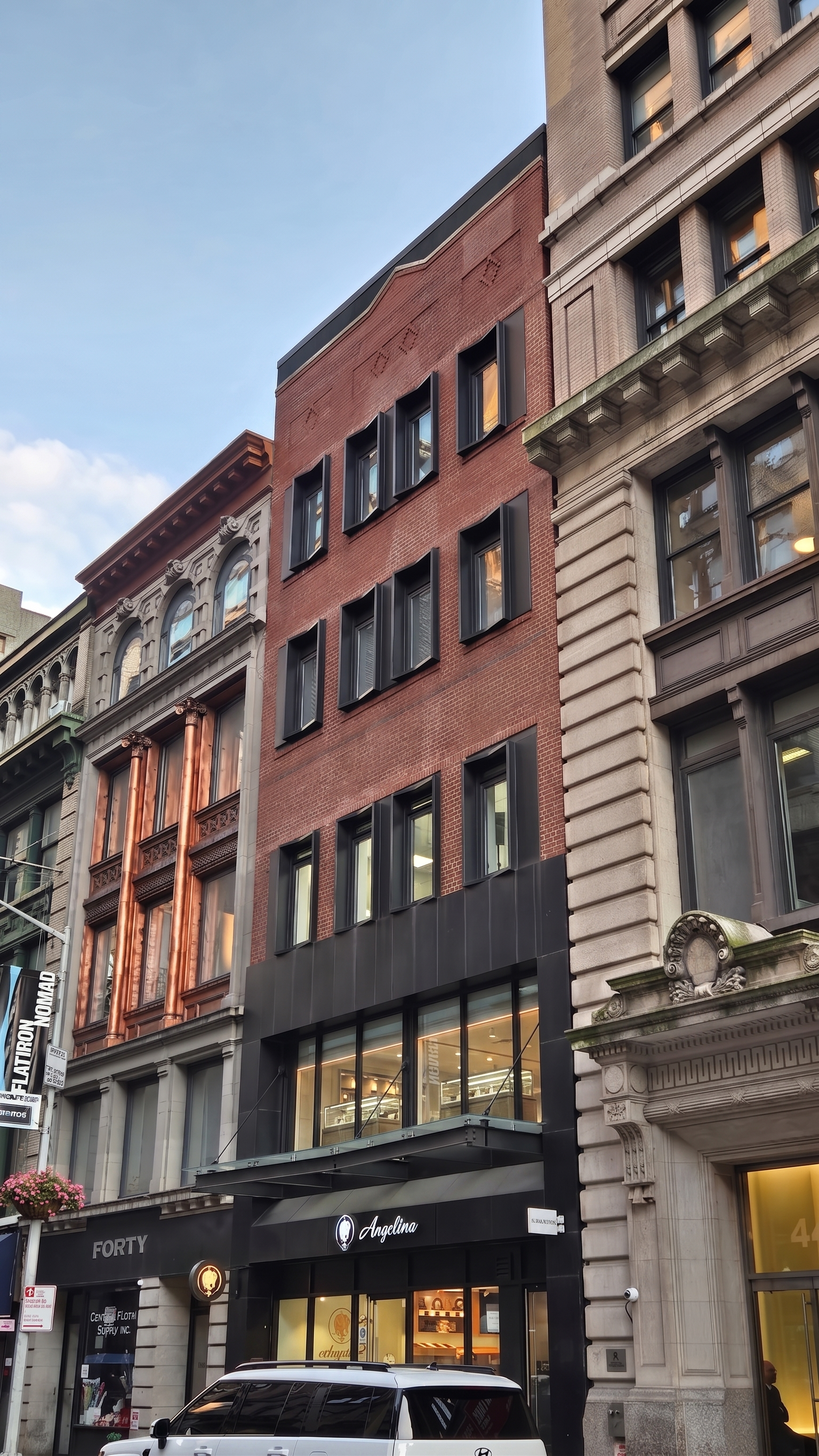
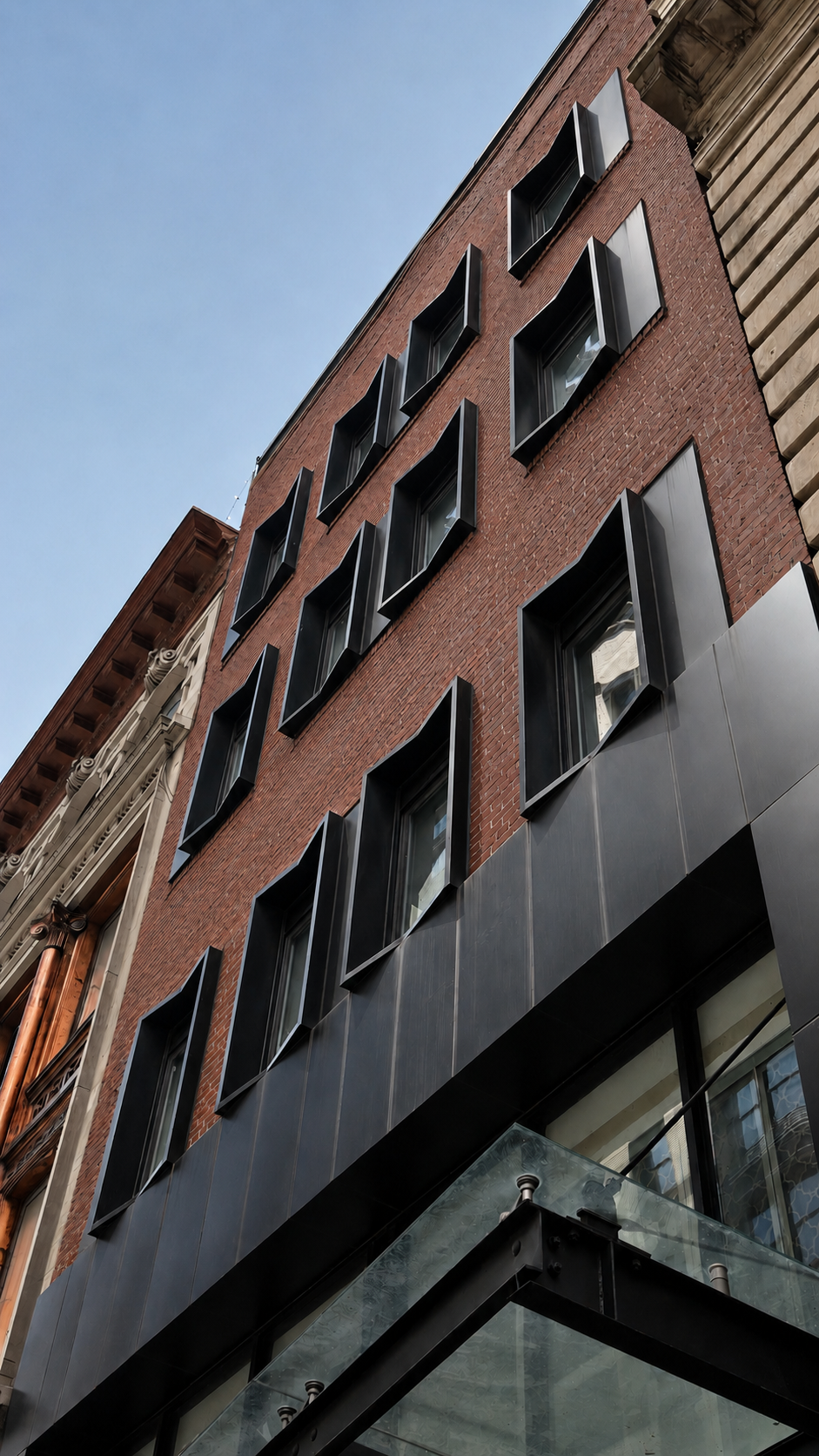
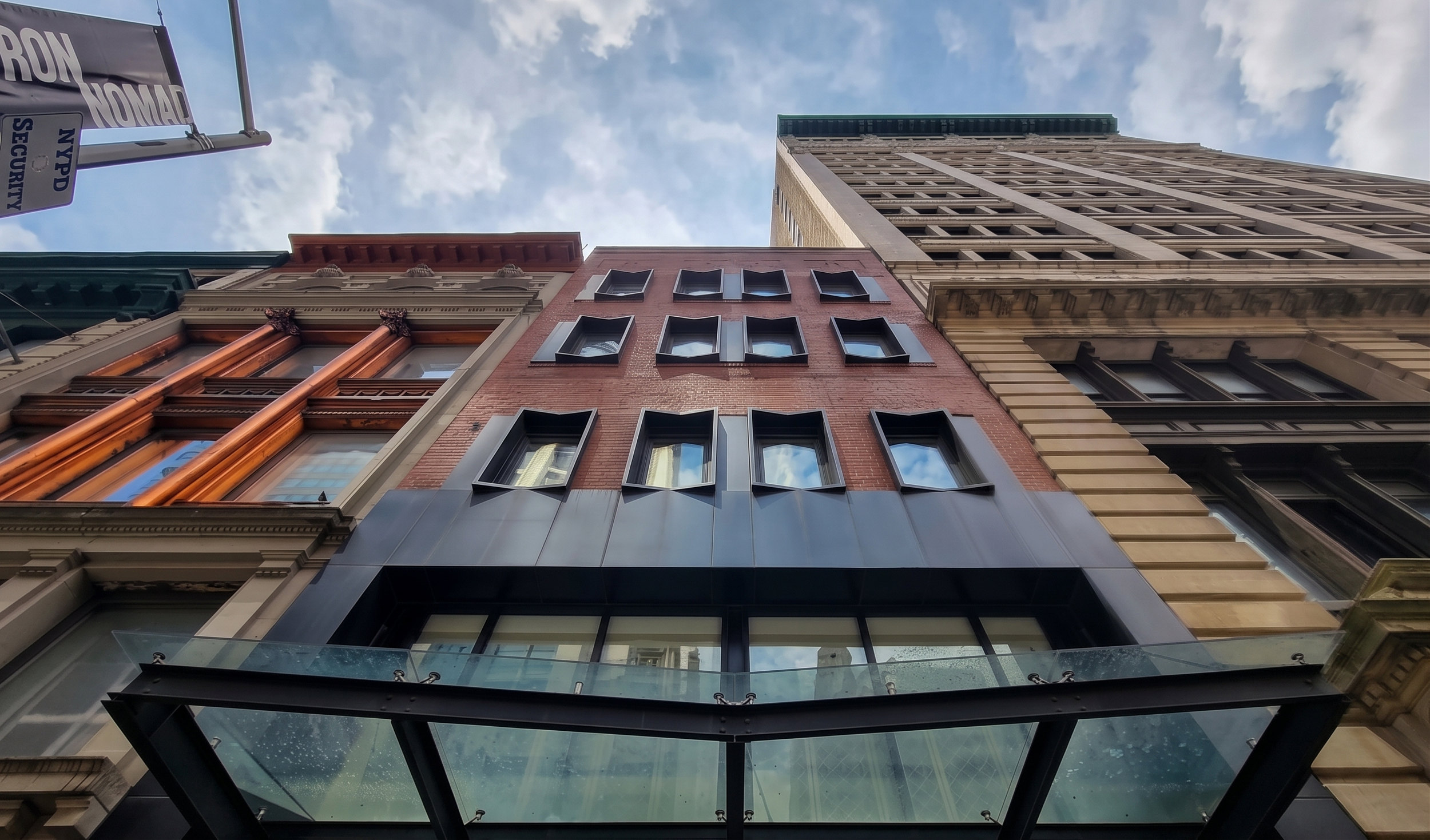
42W 28th St.


Year : 2021

Location : New Yourk, U.S.A.

Size : 392.90㎡

Status : Completed (Renovation)

Type: Commercial, Hospitality

Principal in Charge : Dongil Kim, Seojoo Lee (I.f)

Collaboration : Eco Architects

Fibrous Bud

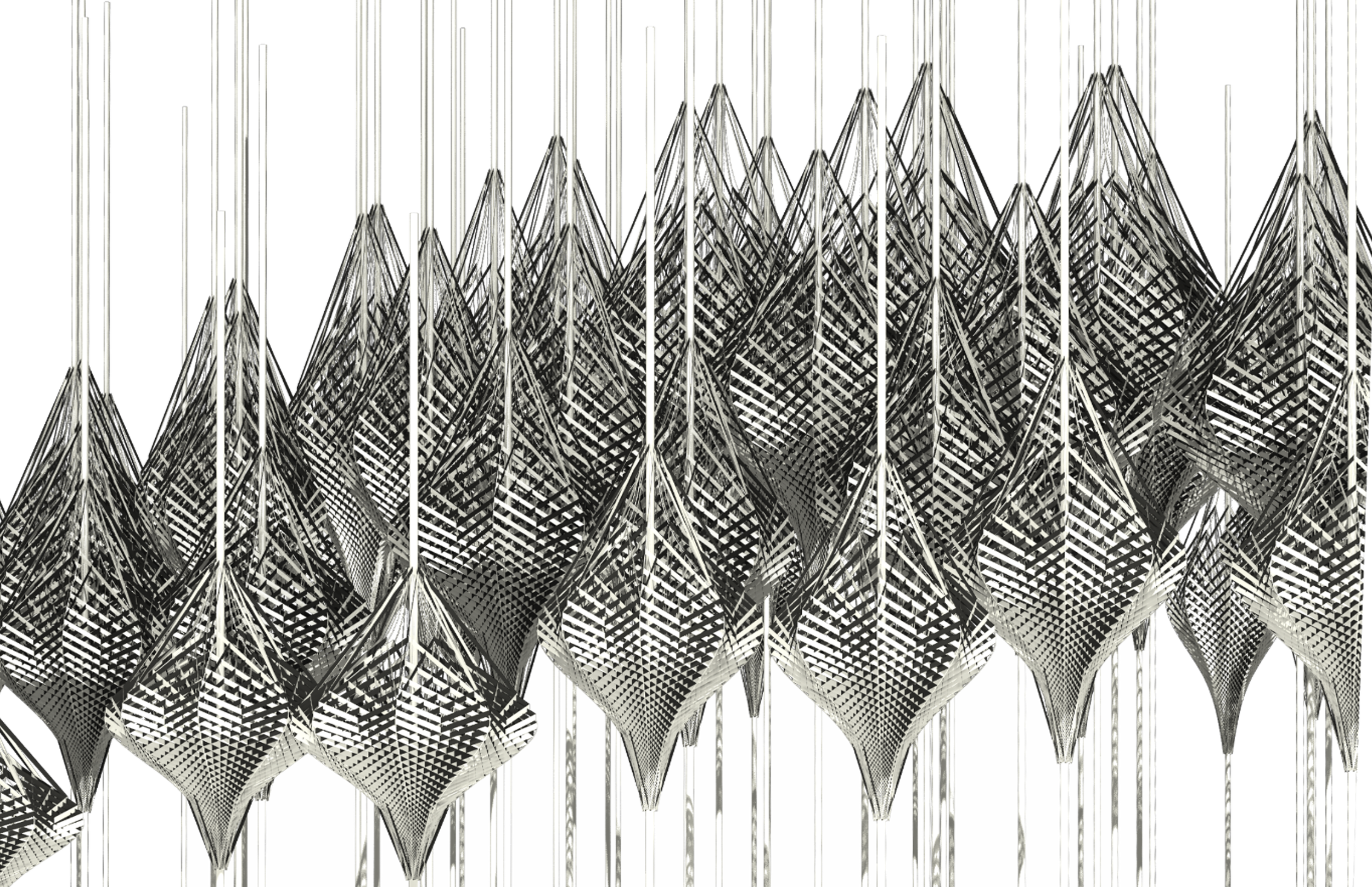
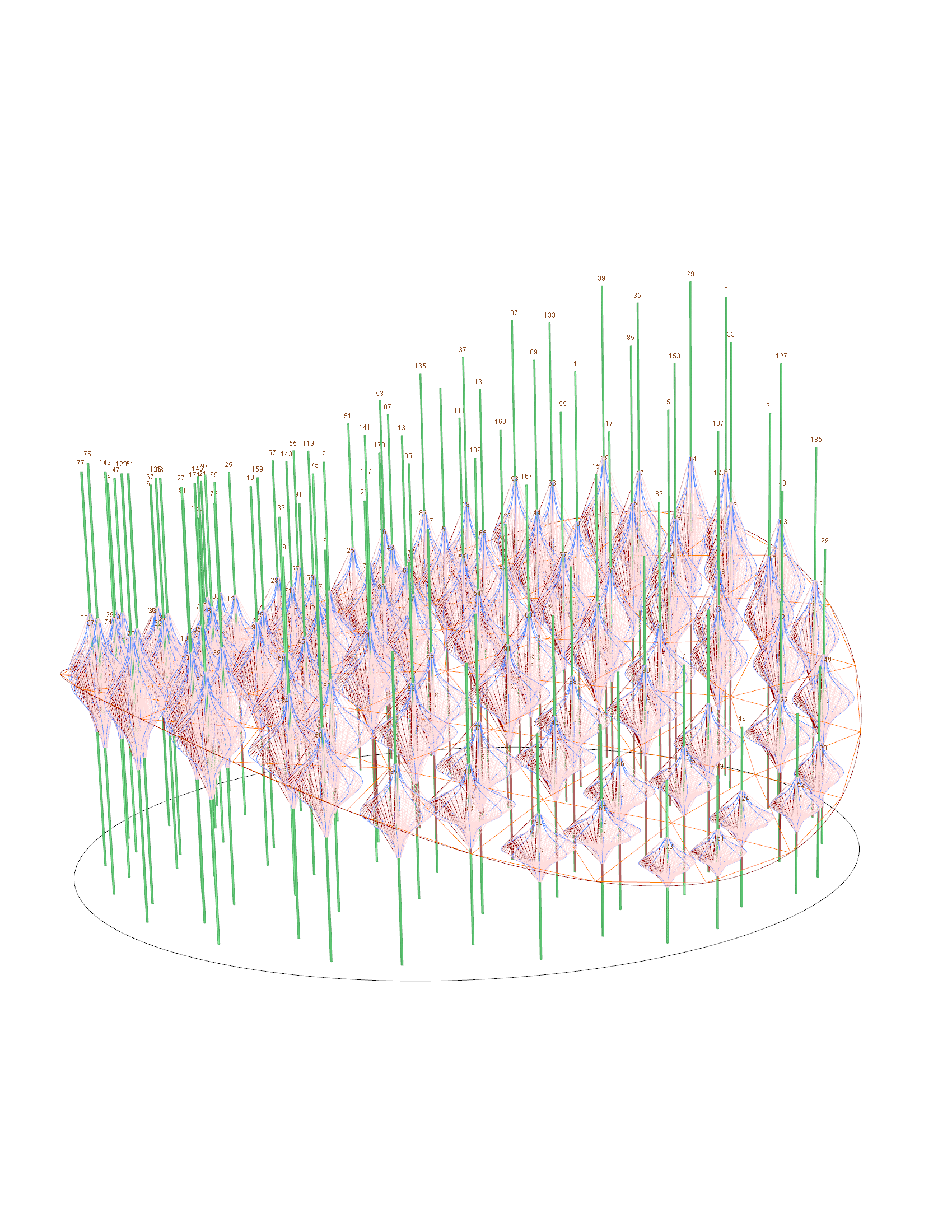
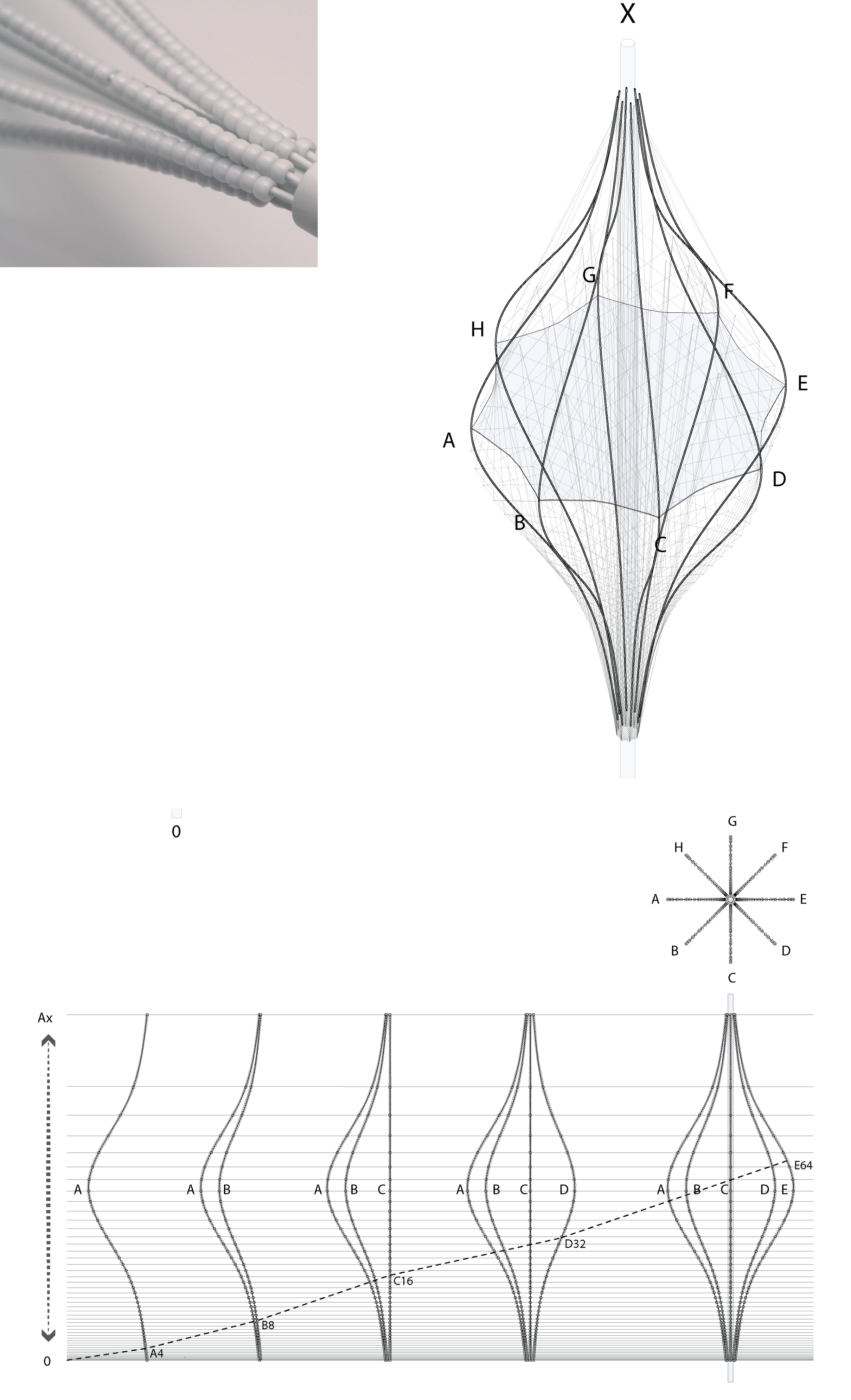
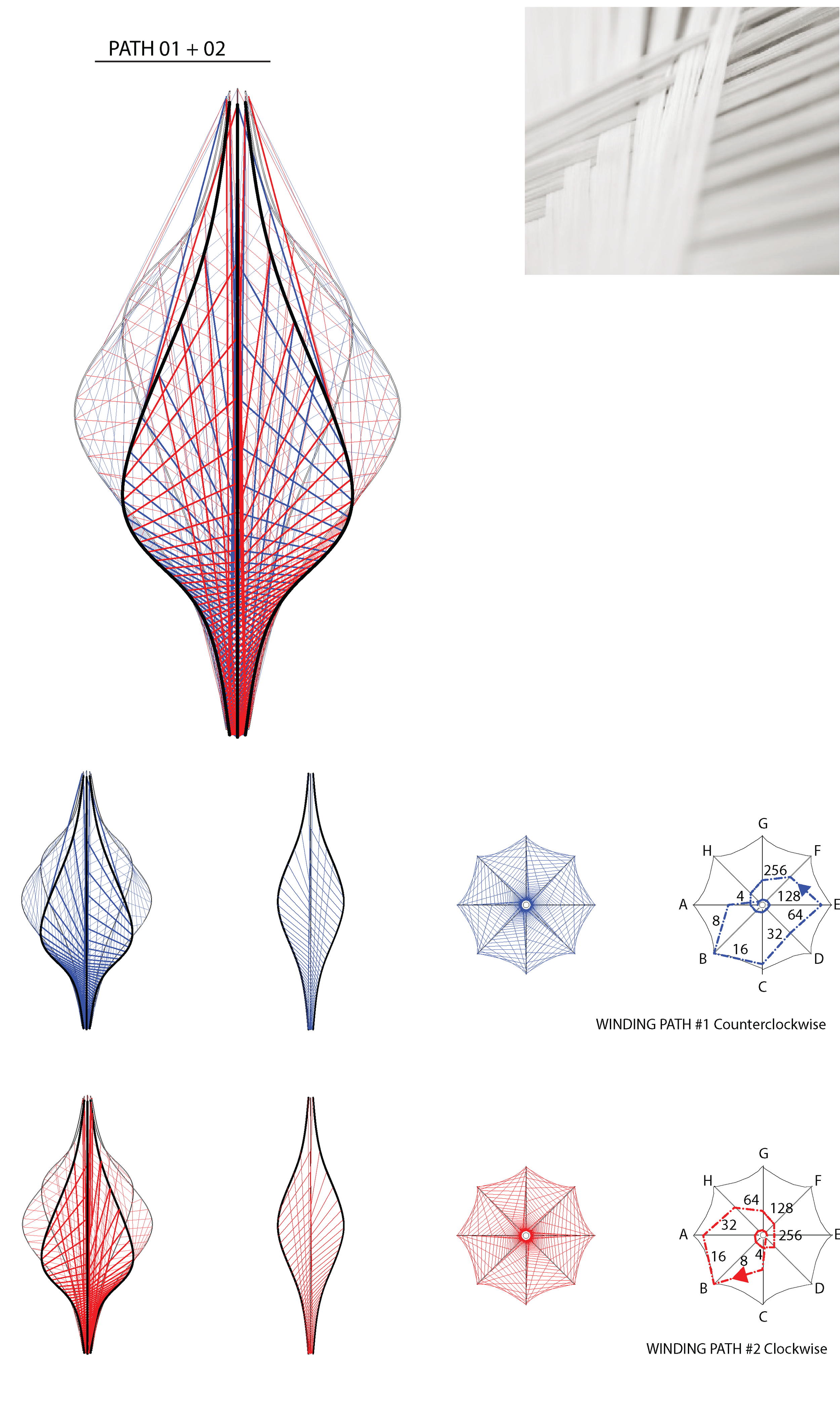
The Lamborghini Road Monument is a case study of fibrous tectonics that combines digital computation, material behavior, and efficient fabrication. The project is composed of pod-like assemblies fabricated by weaving carbon and glass fiber threads around a reusable formwork made of bending-active carbon-fiber rods. This flexible formwork can be adjusted into various shapes and lengths, allowing the system to respond to different design conditions while maintaining a simple and efficient construction process.

The project uses physics-based computational modeling to control both the overall form and the individual components required for fabrication. Through automatically generated data, each pod can be produced with accurate dimensions and assembled as part of a larger structural system. Since the prefabricated components can be transported to the site in groups and quickly installed onto a prepared foundation, the construction process minimizes on-site labor and improves efficiency.

Overall, the project demonstrates how digital design and material logic can work together to create a lightweight, adaptable, and repeatable architectural system. Rather than treating form as a fixed object, the proposal explores a soft tectonic process in which computation, fabrication, and material performance are directly connected.