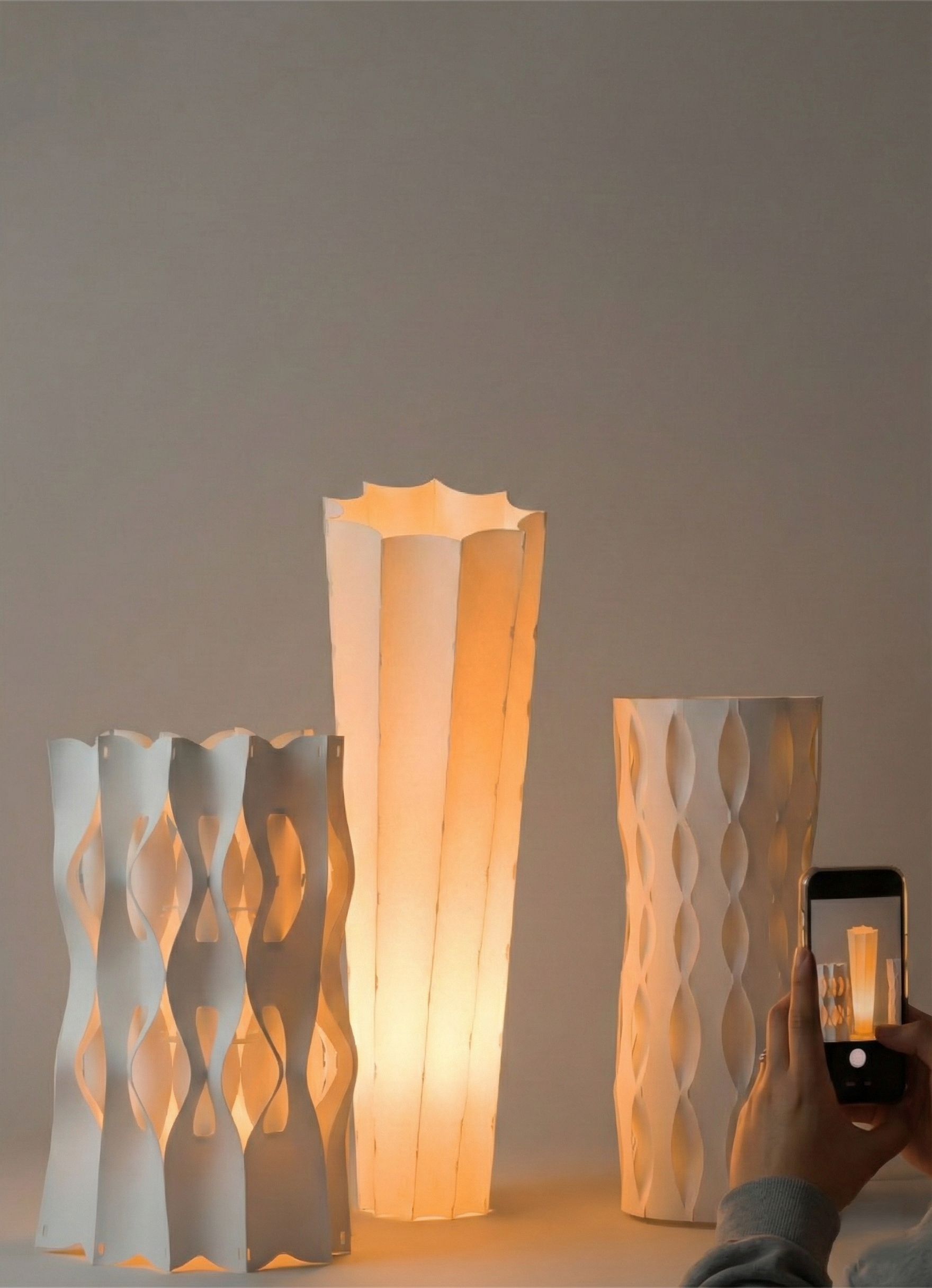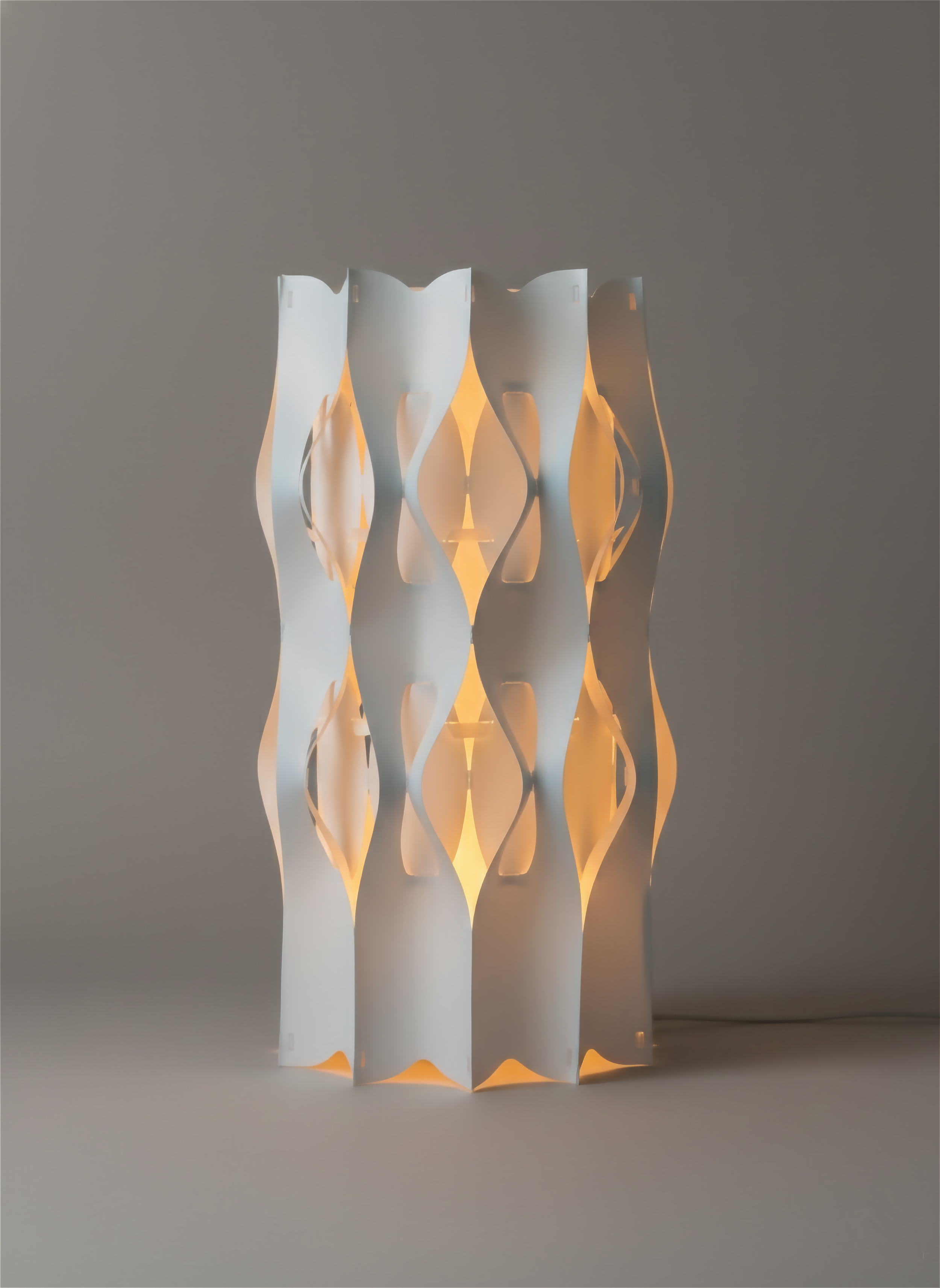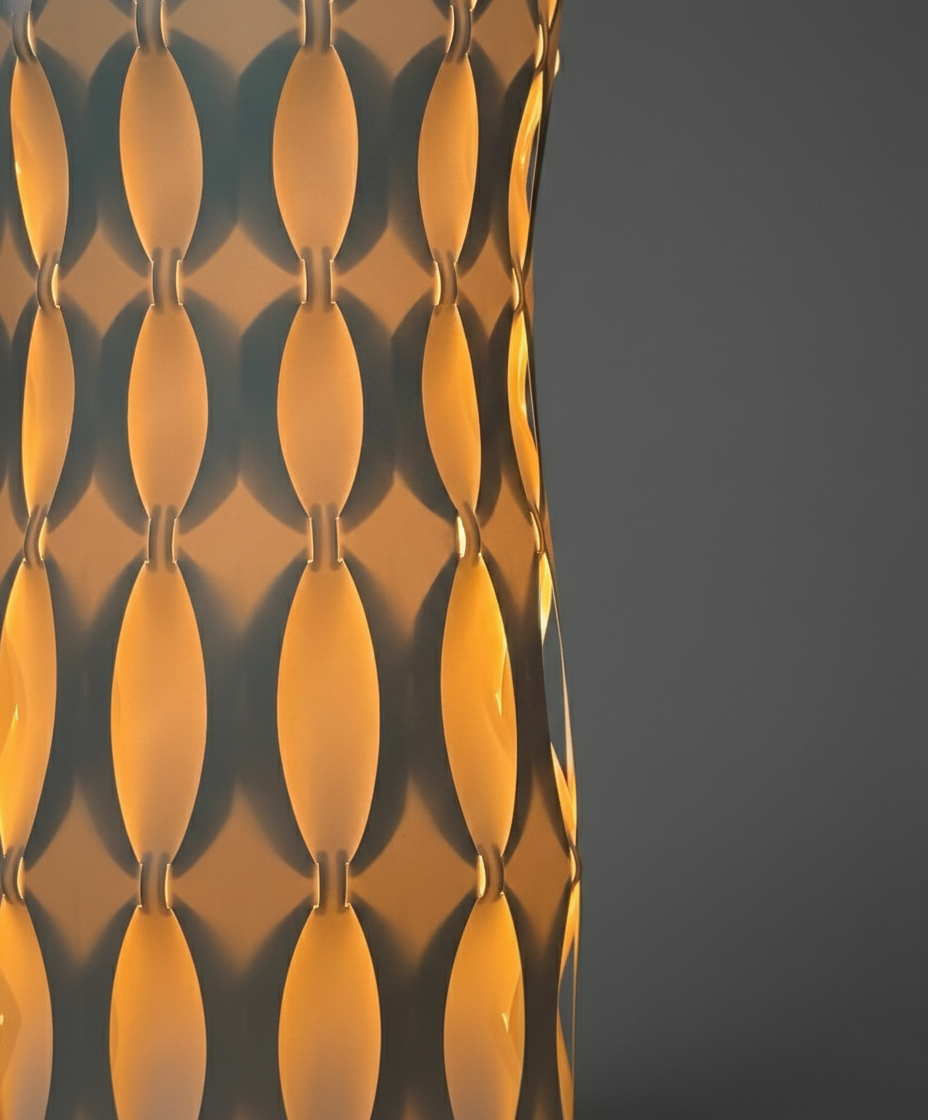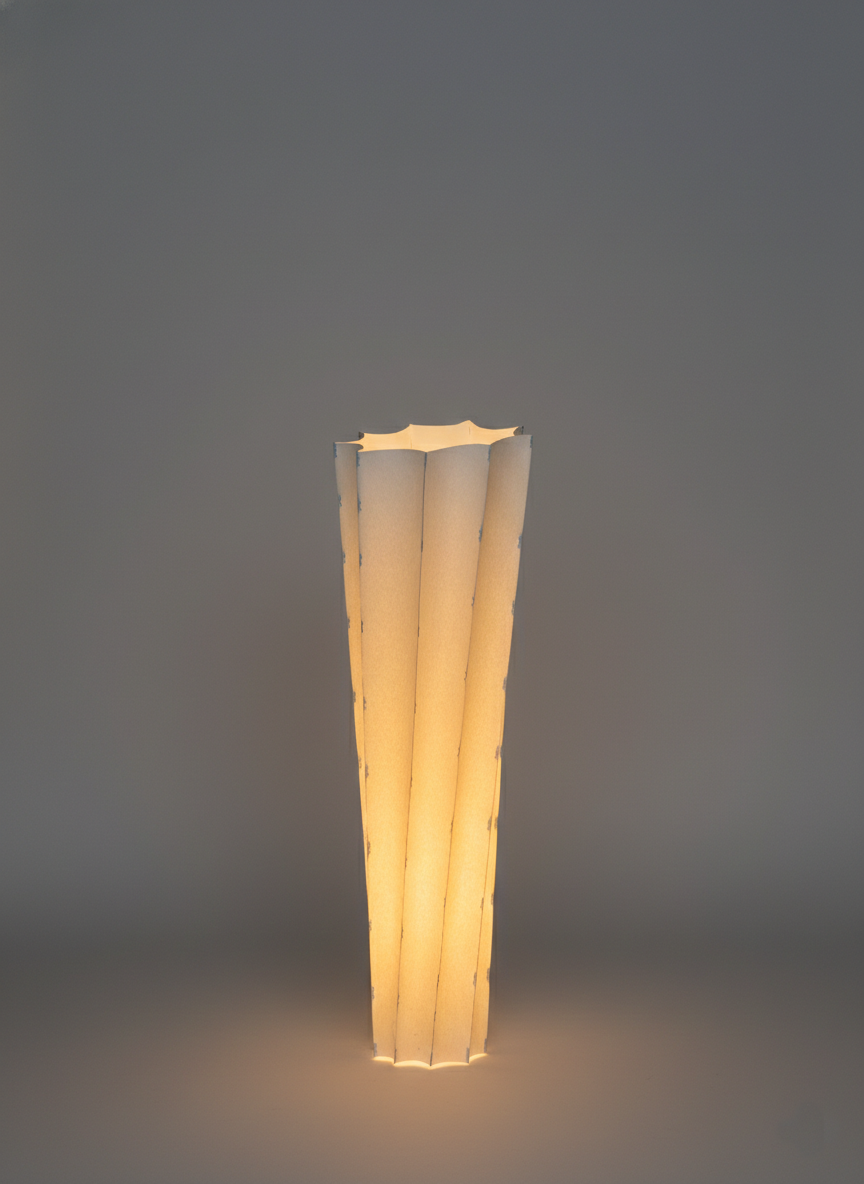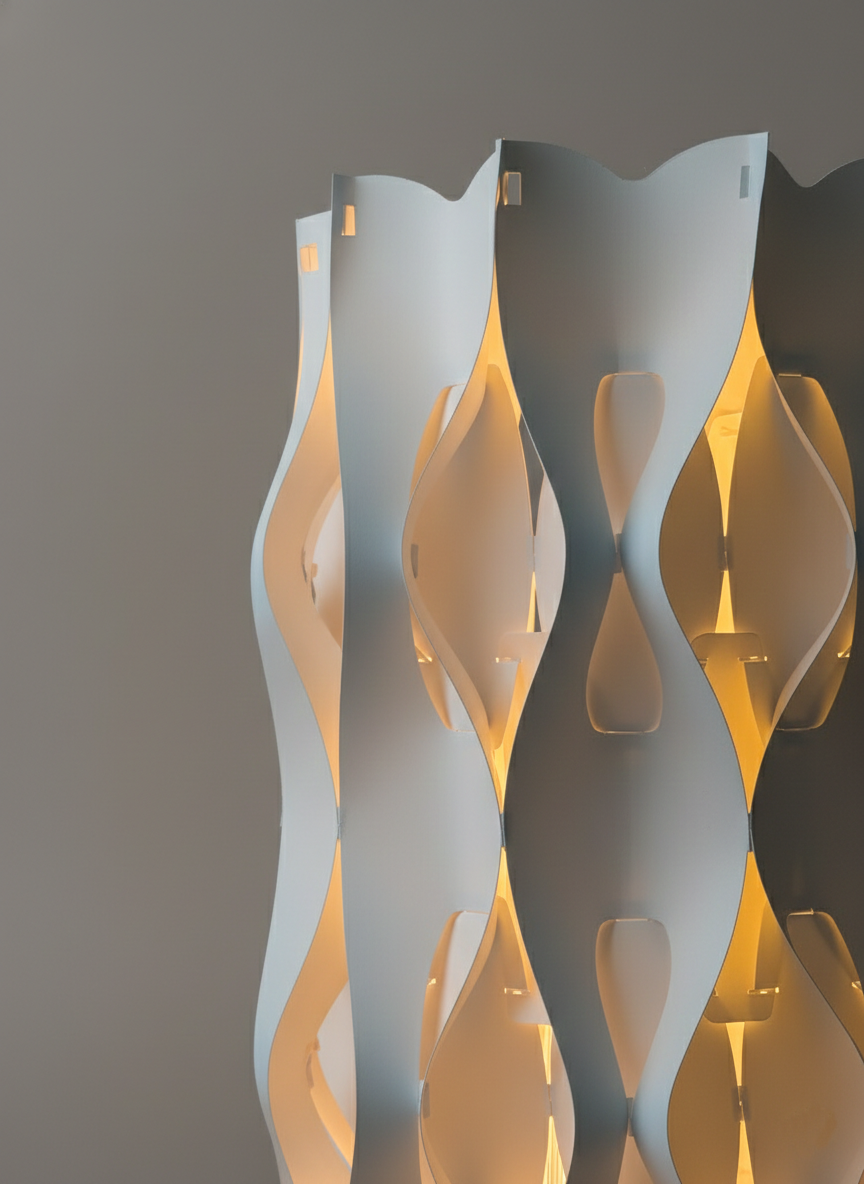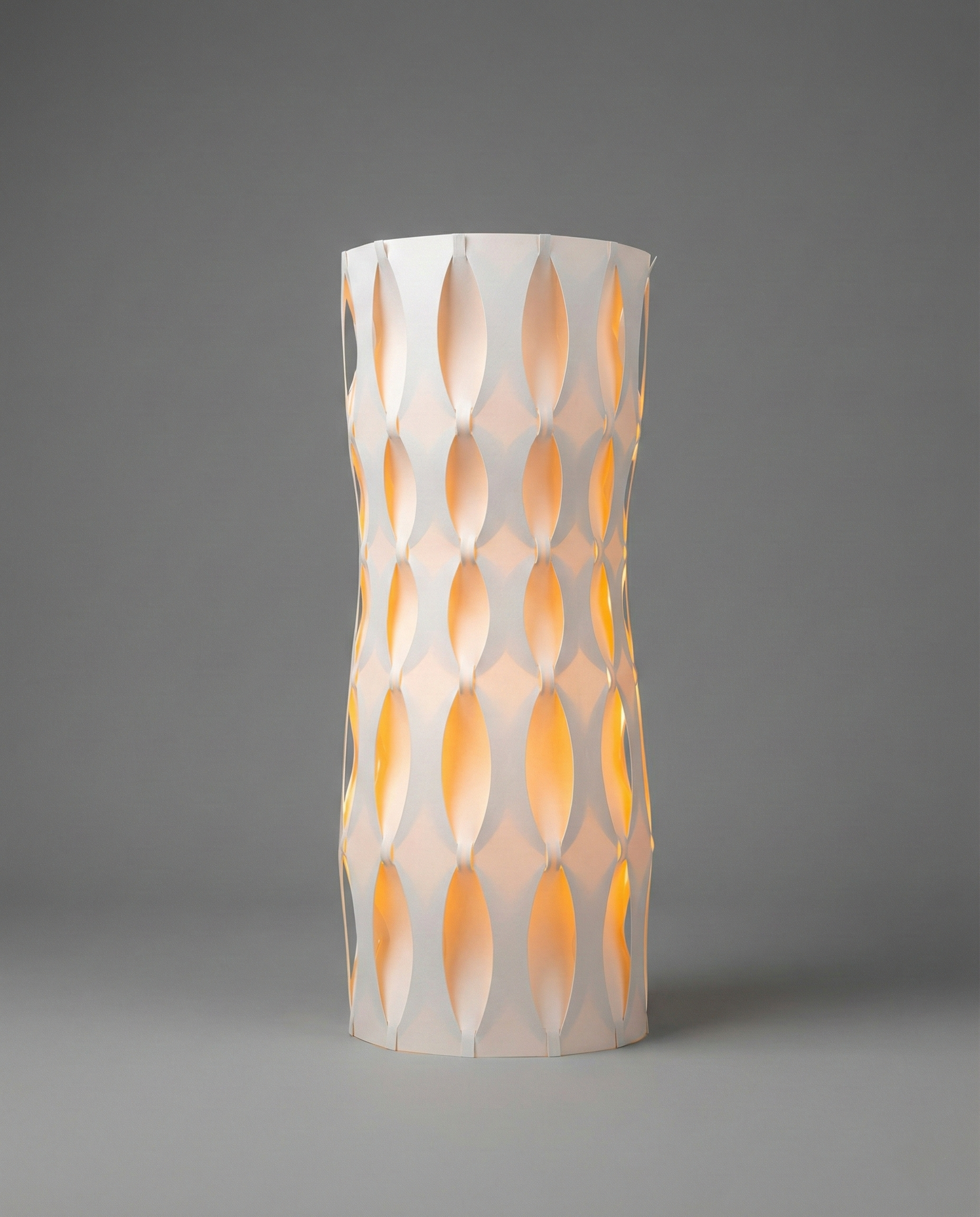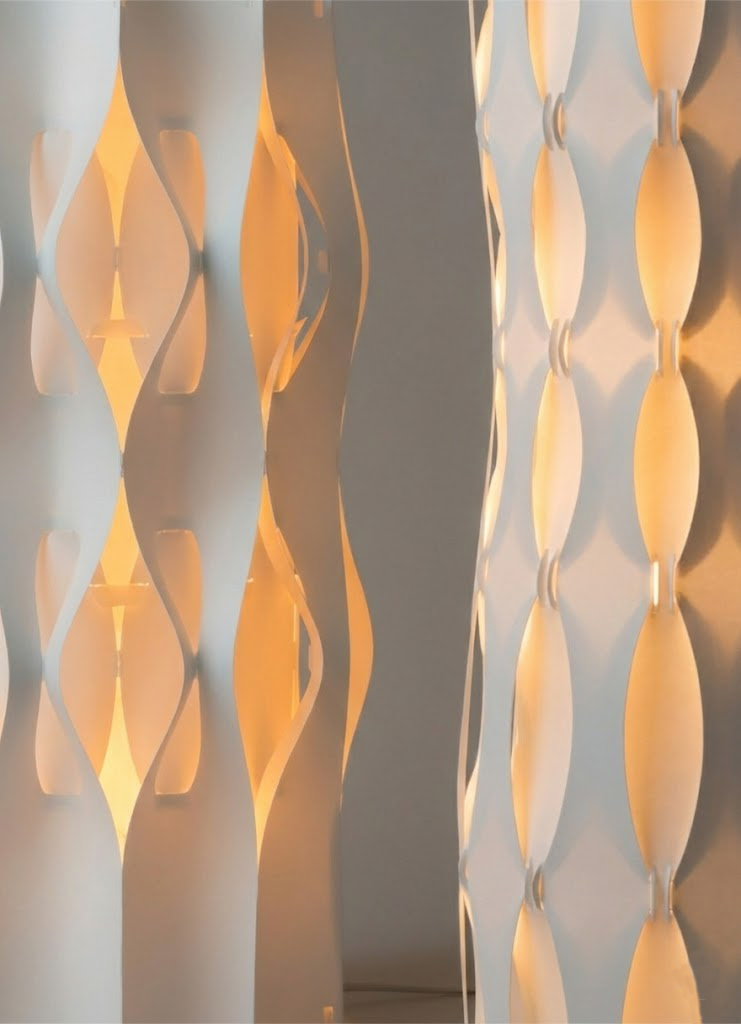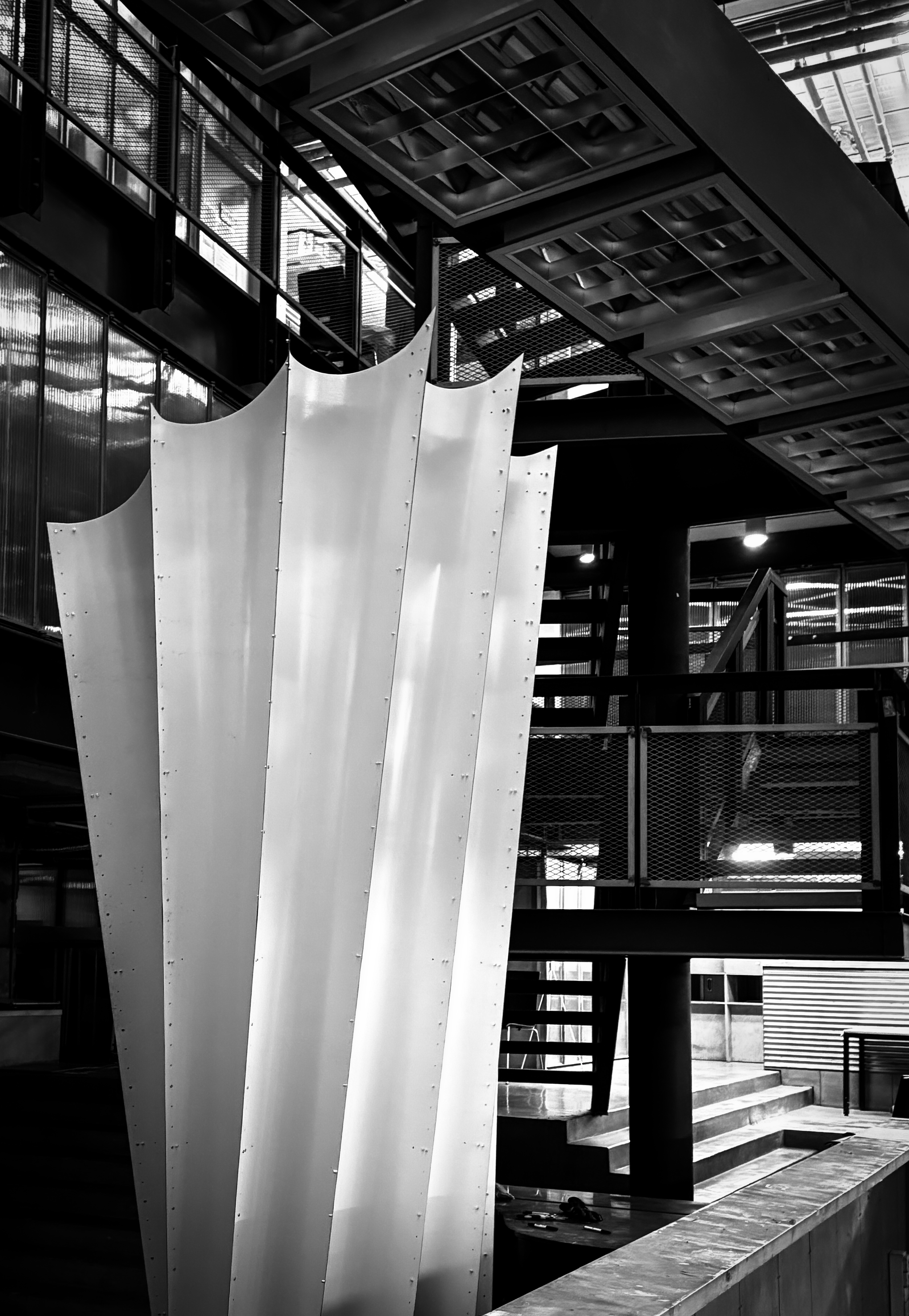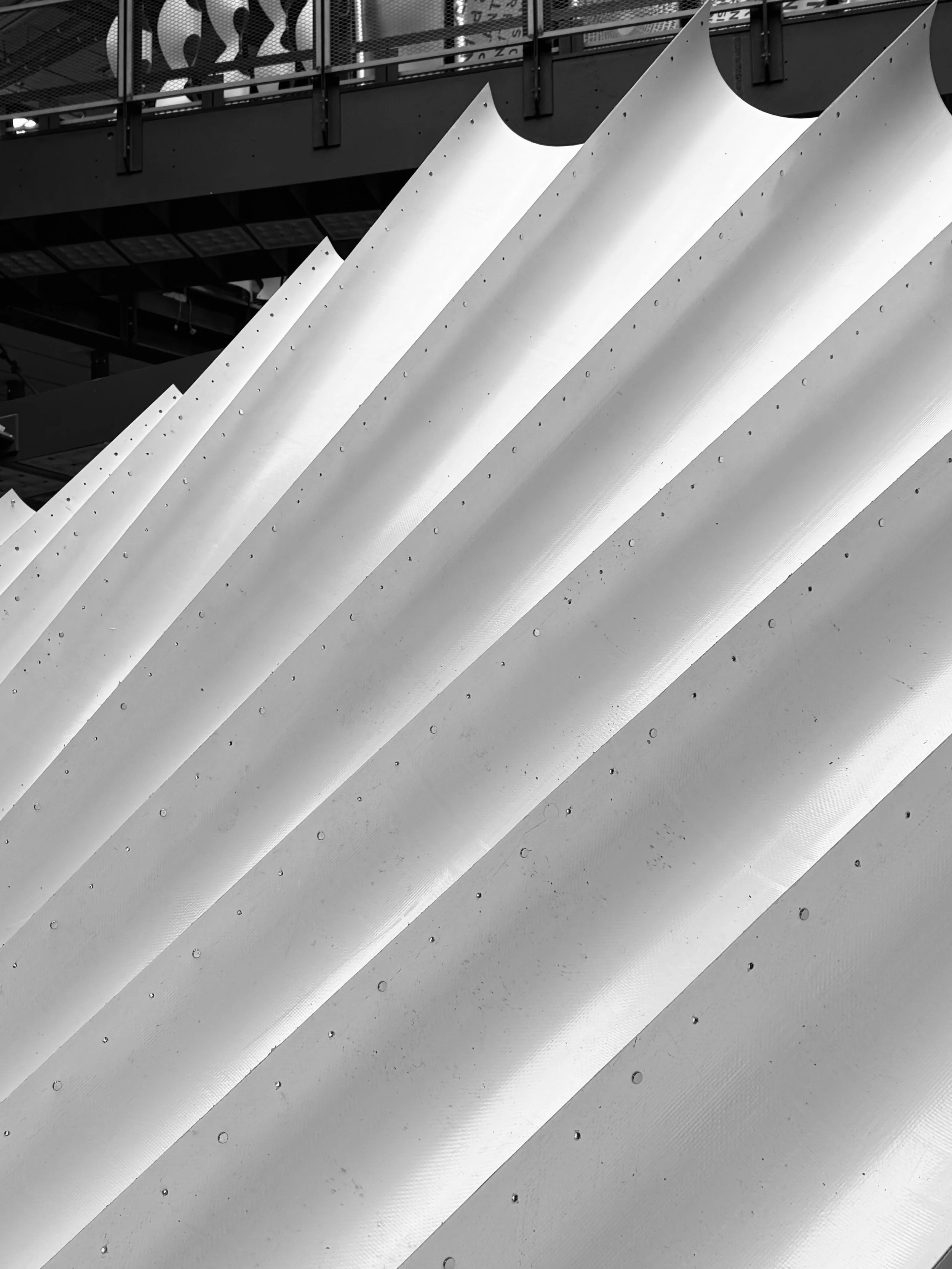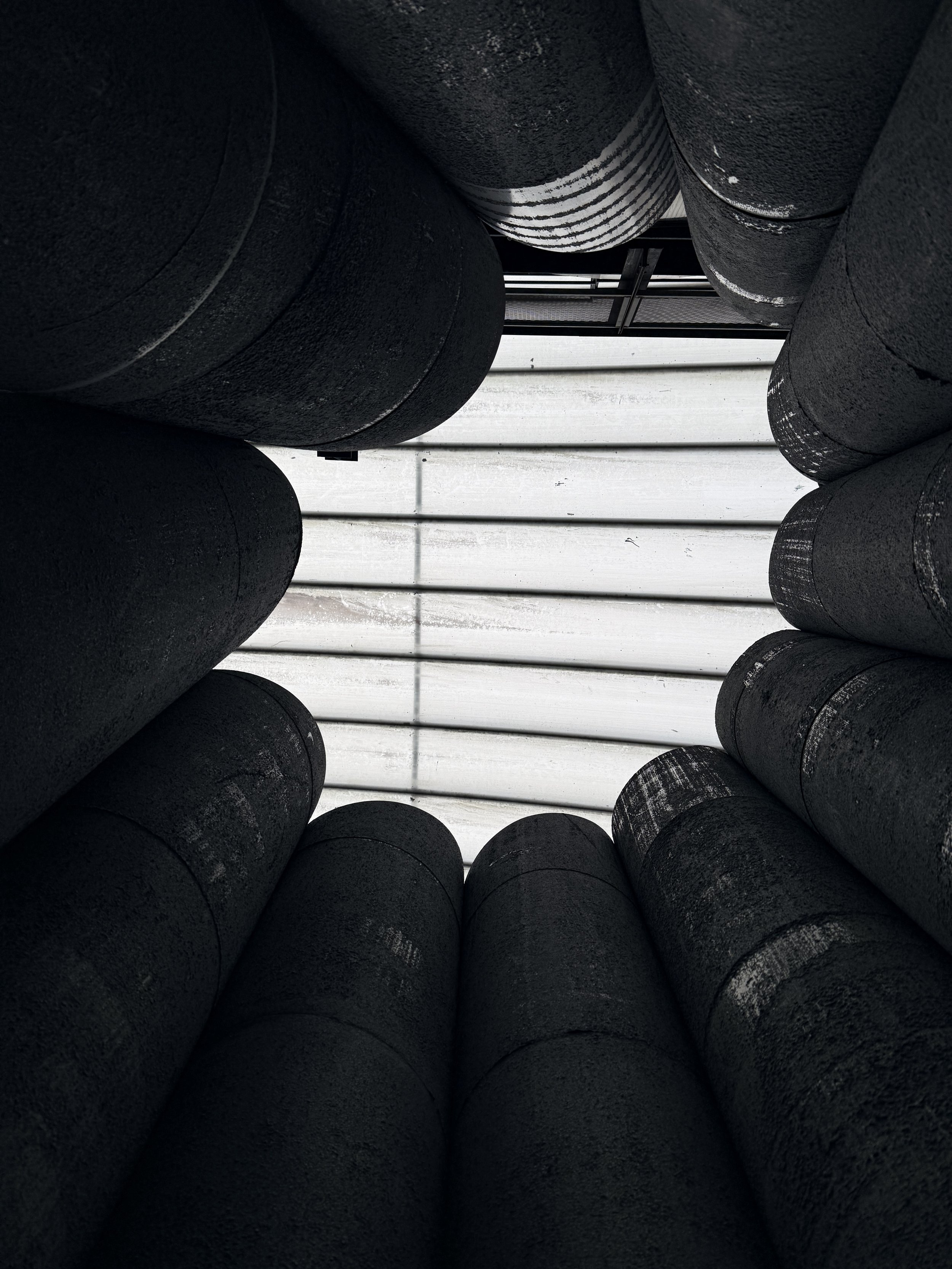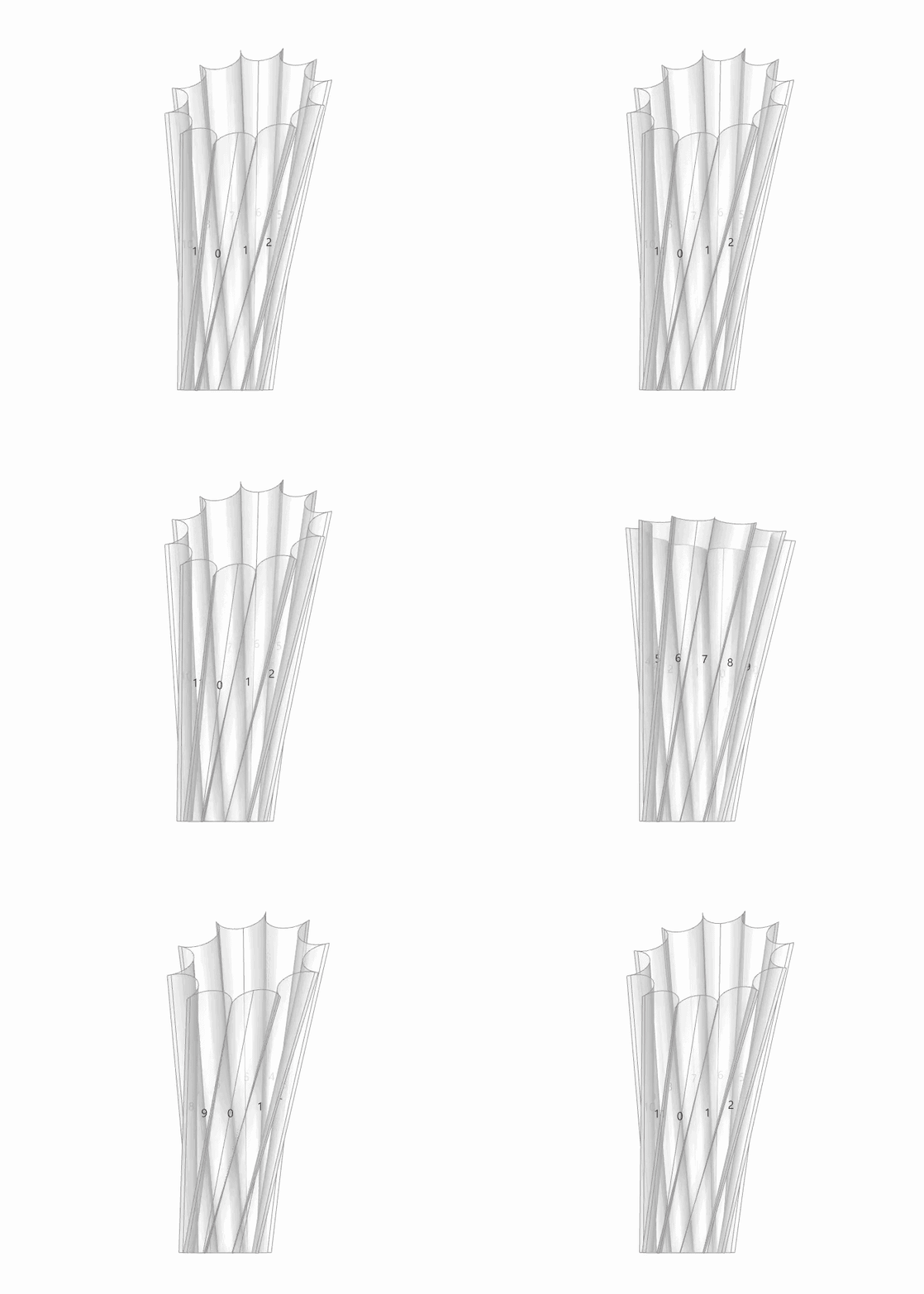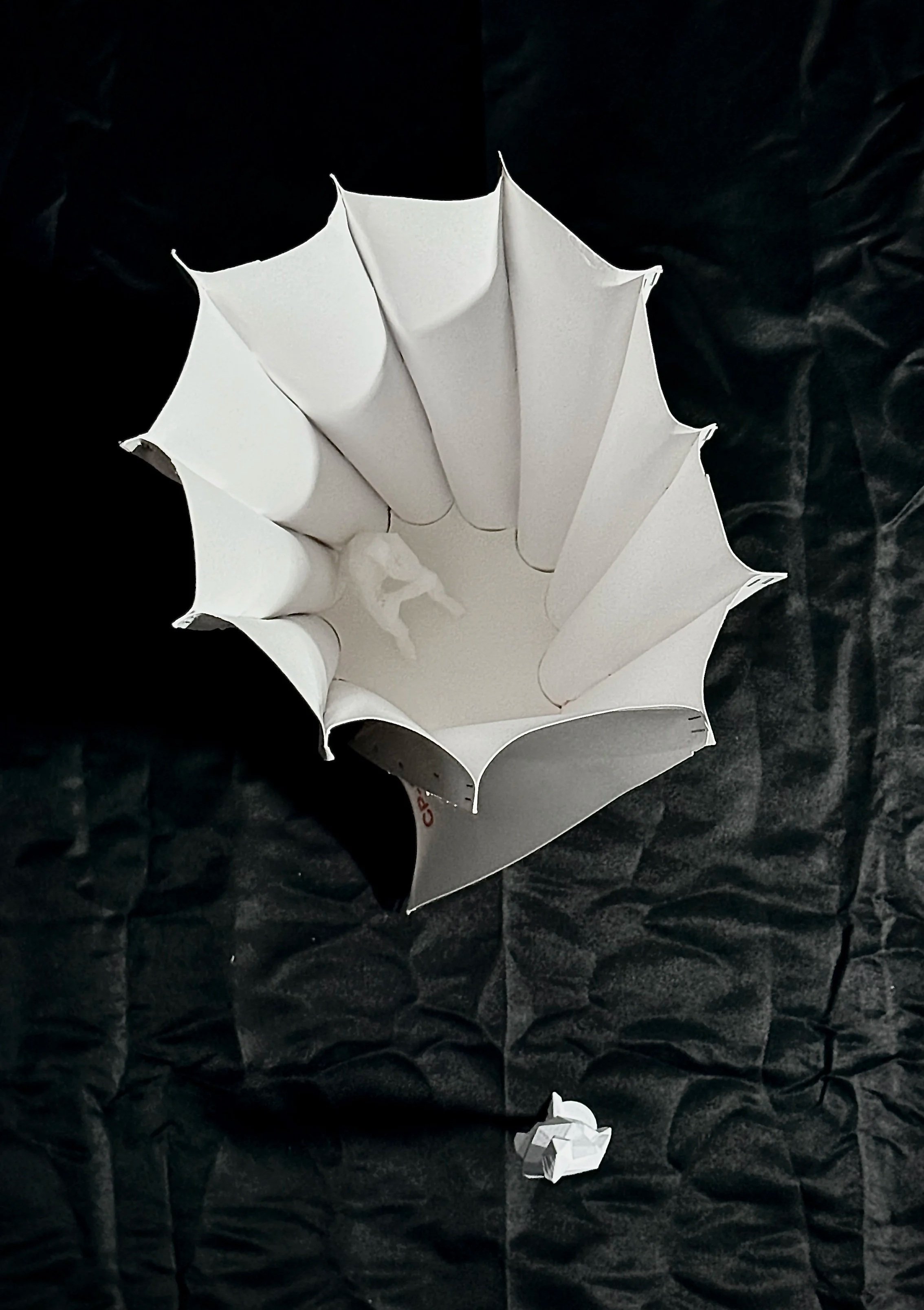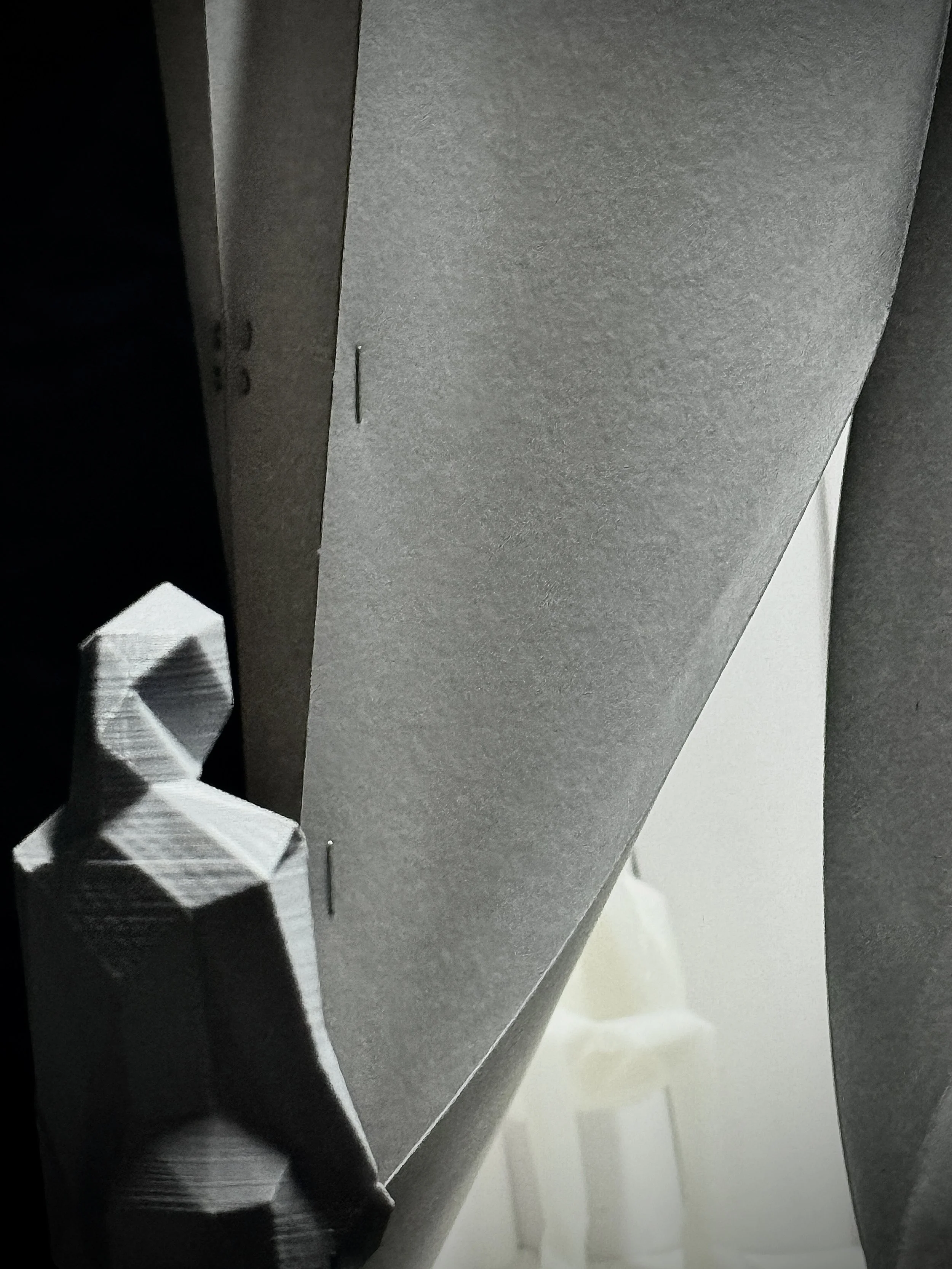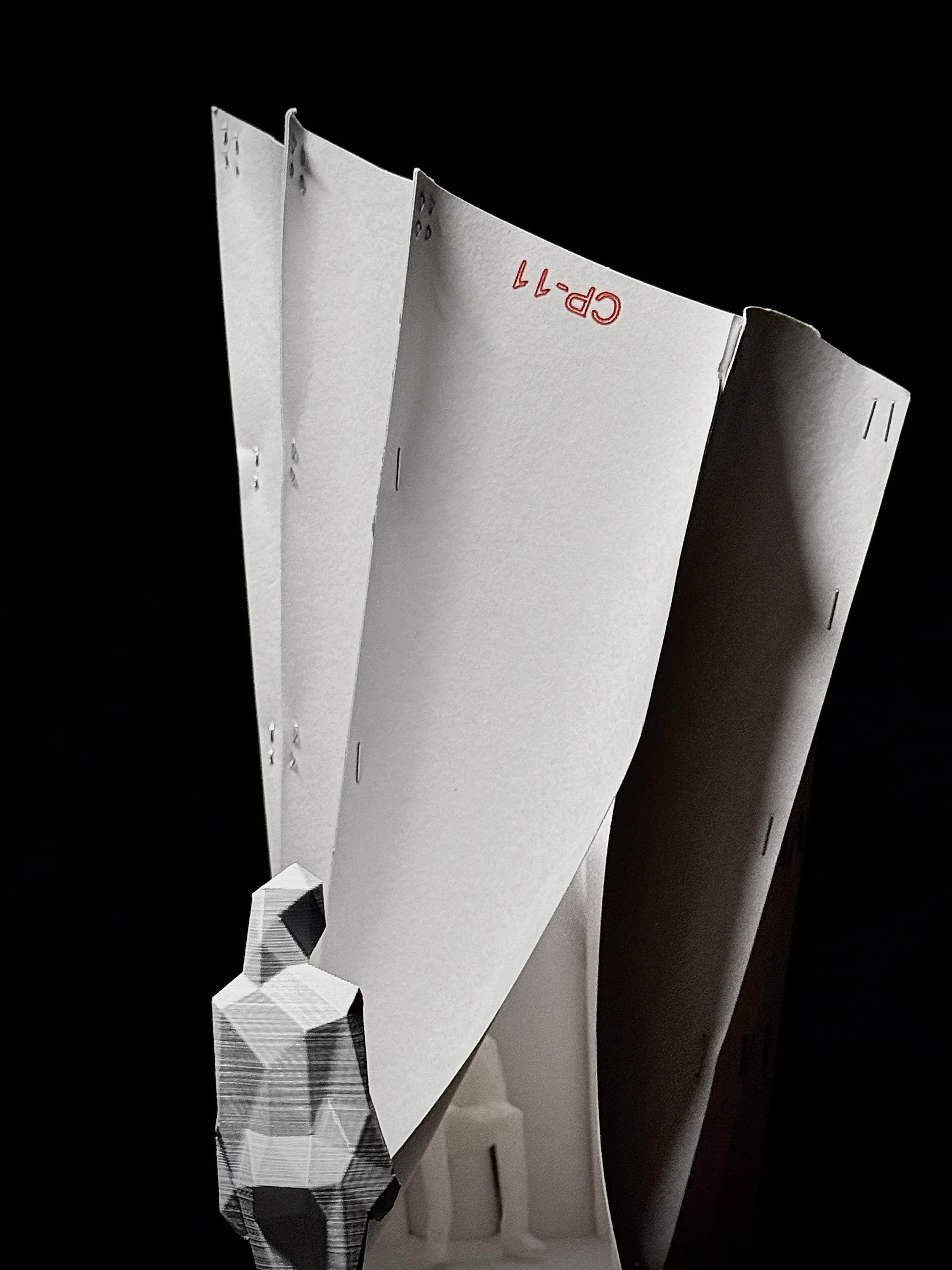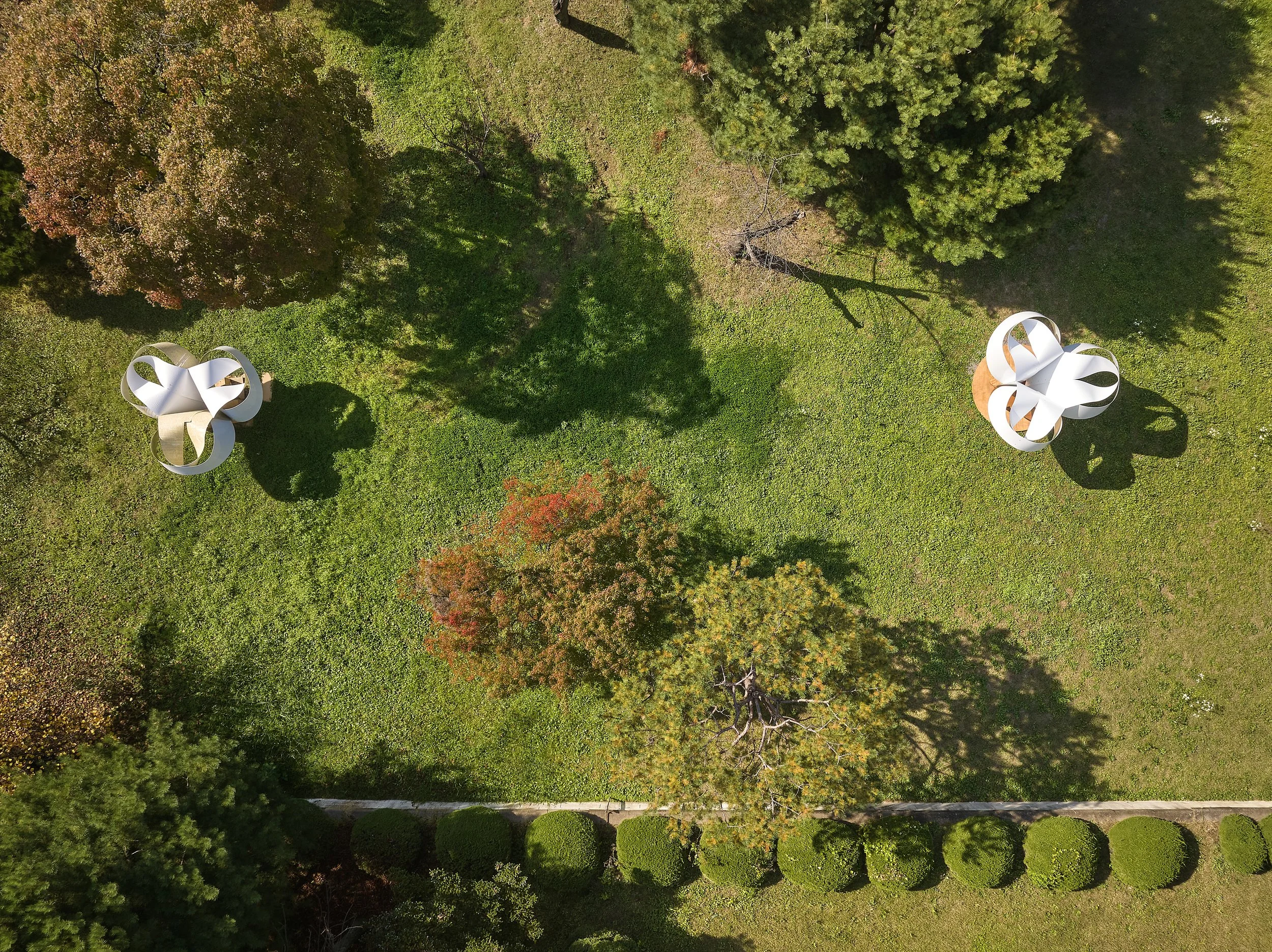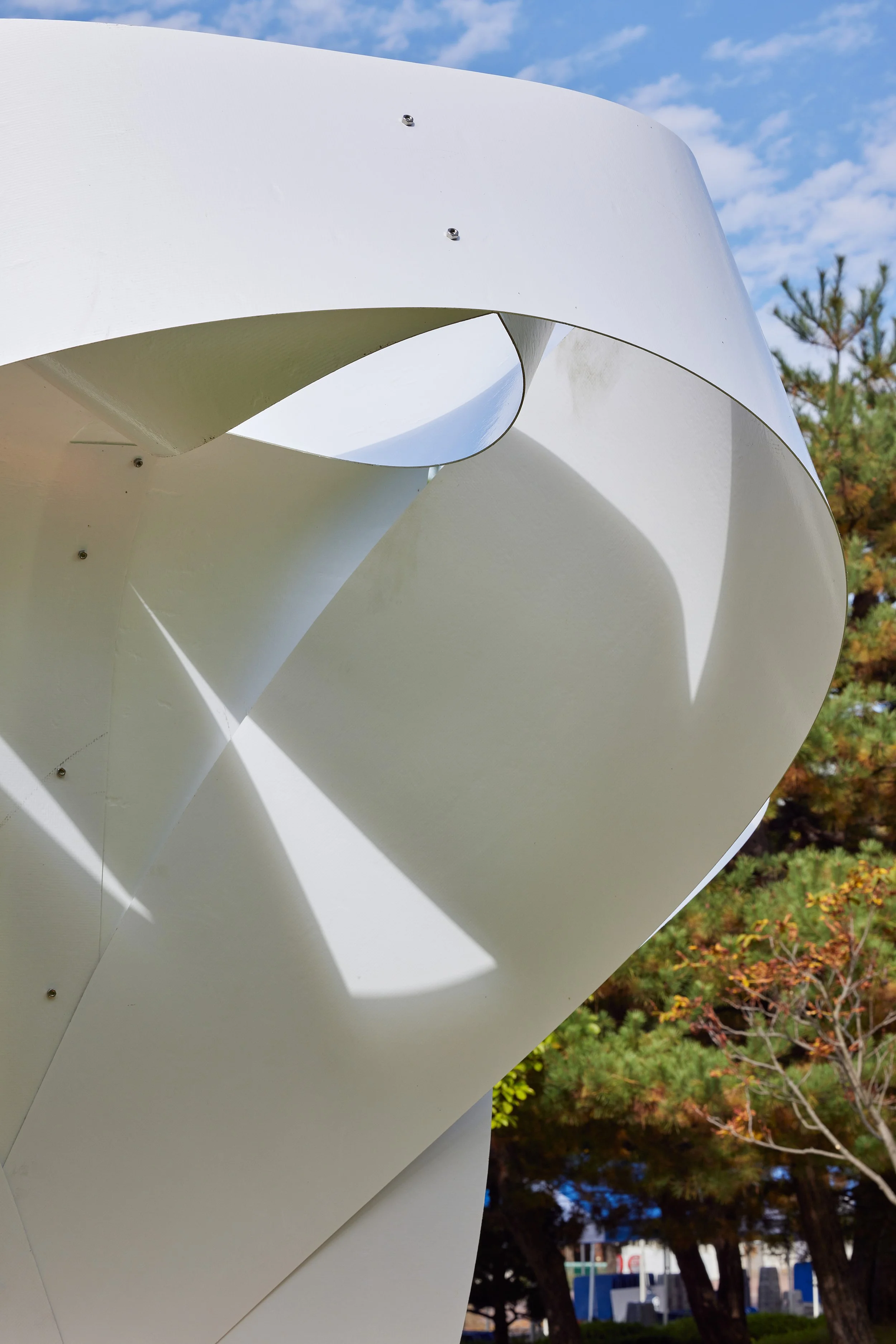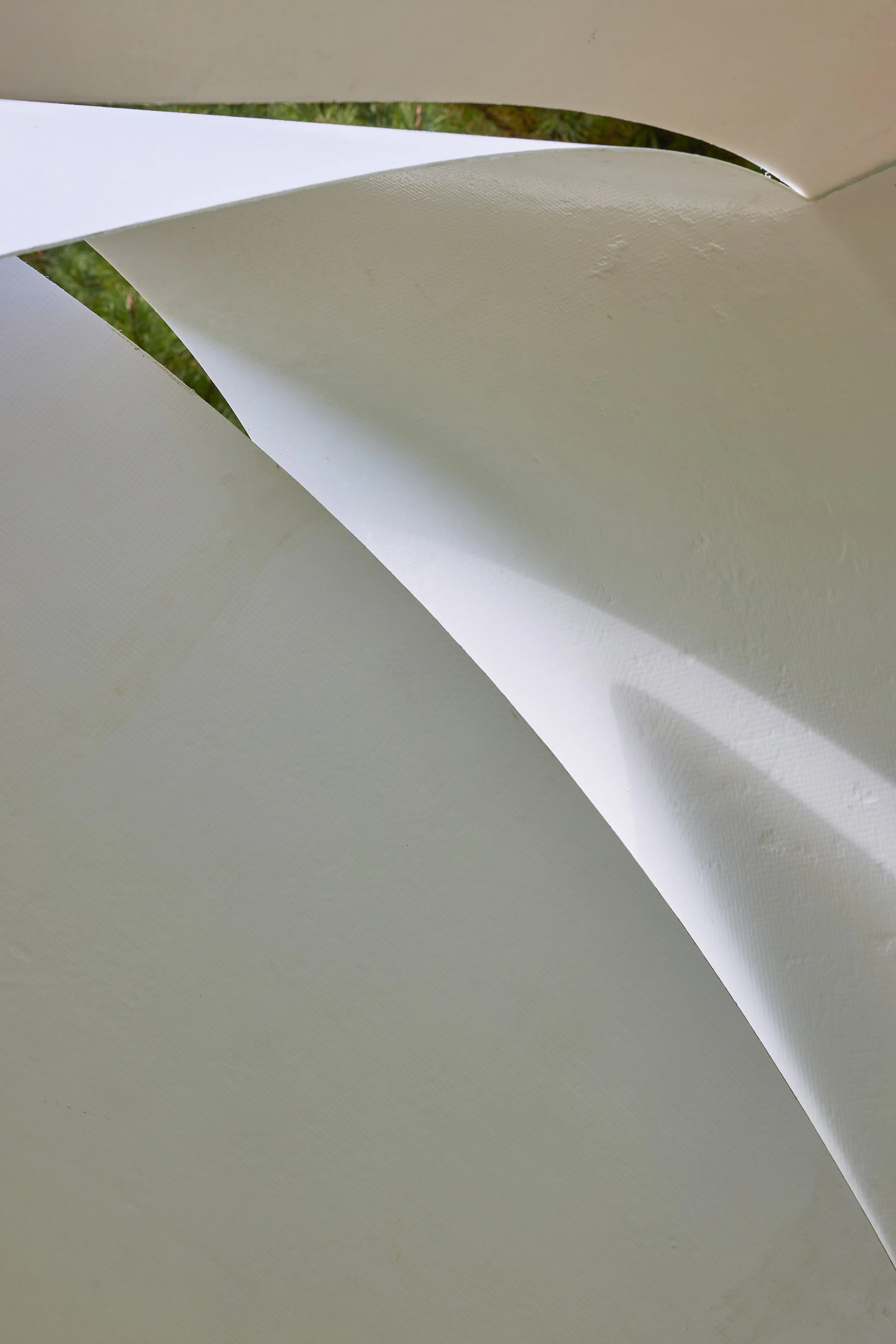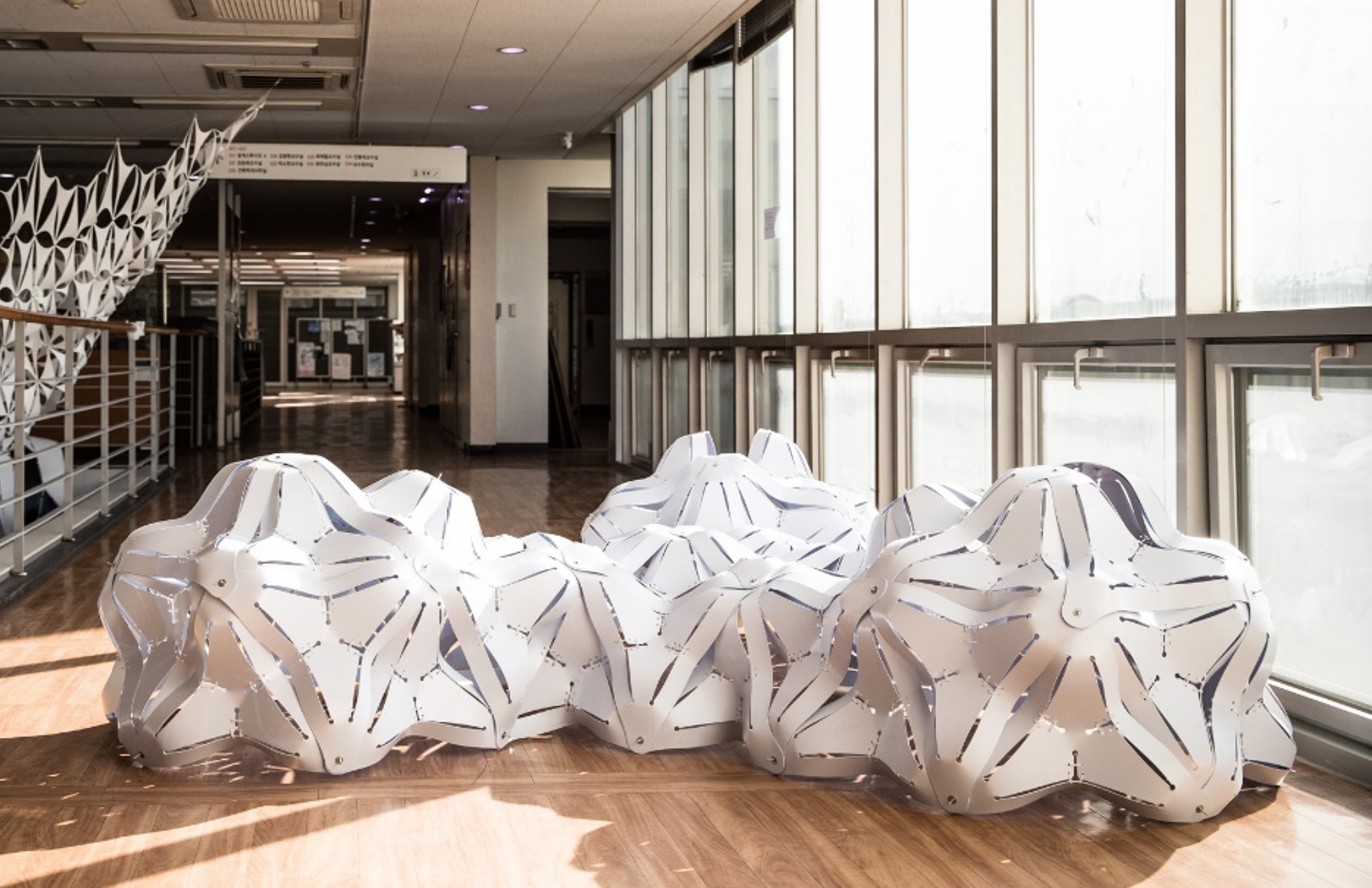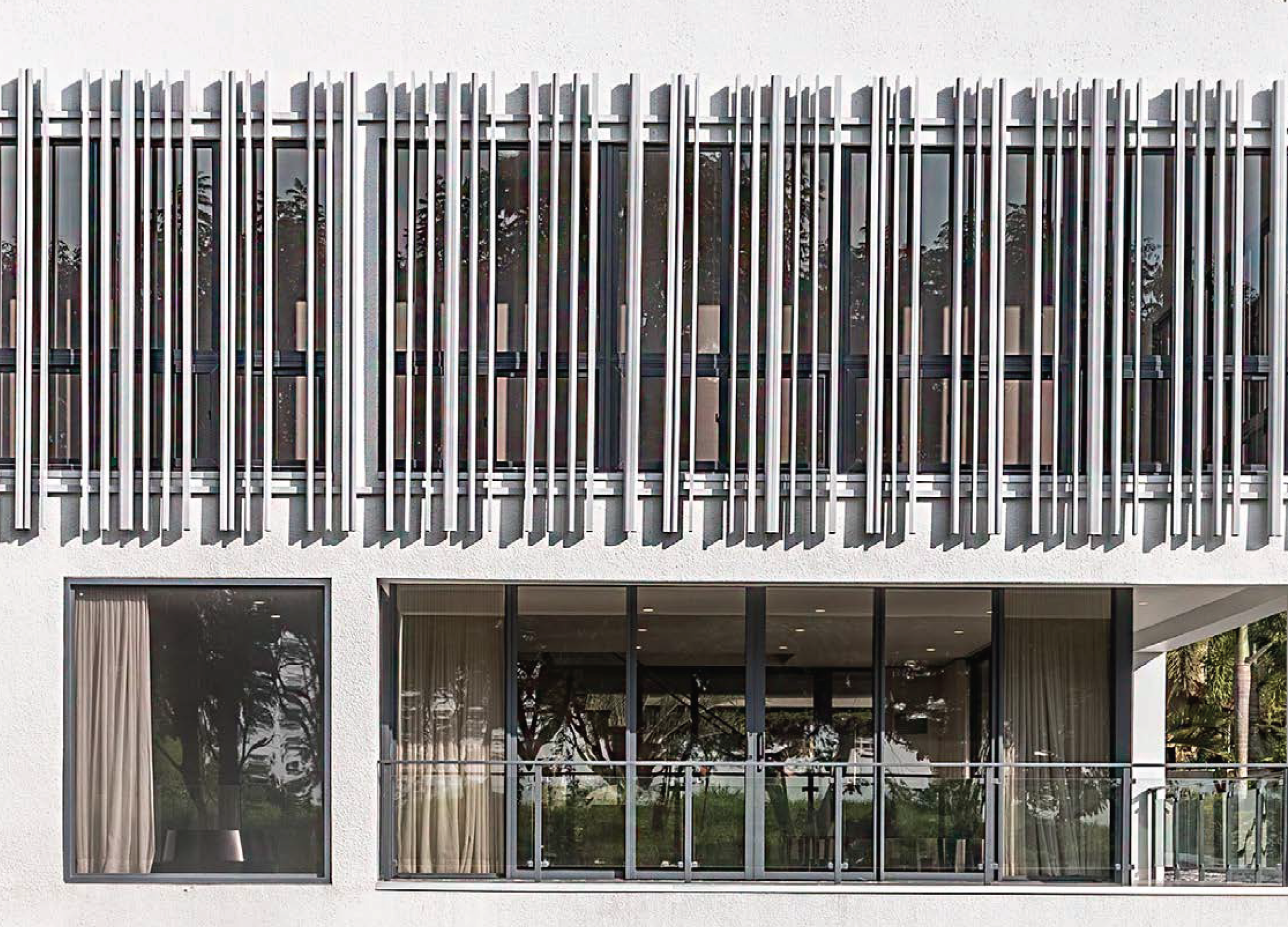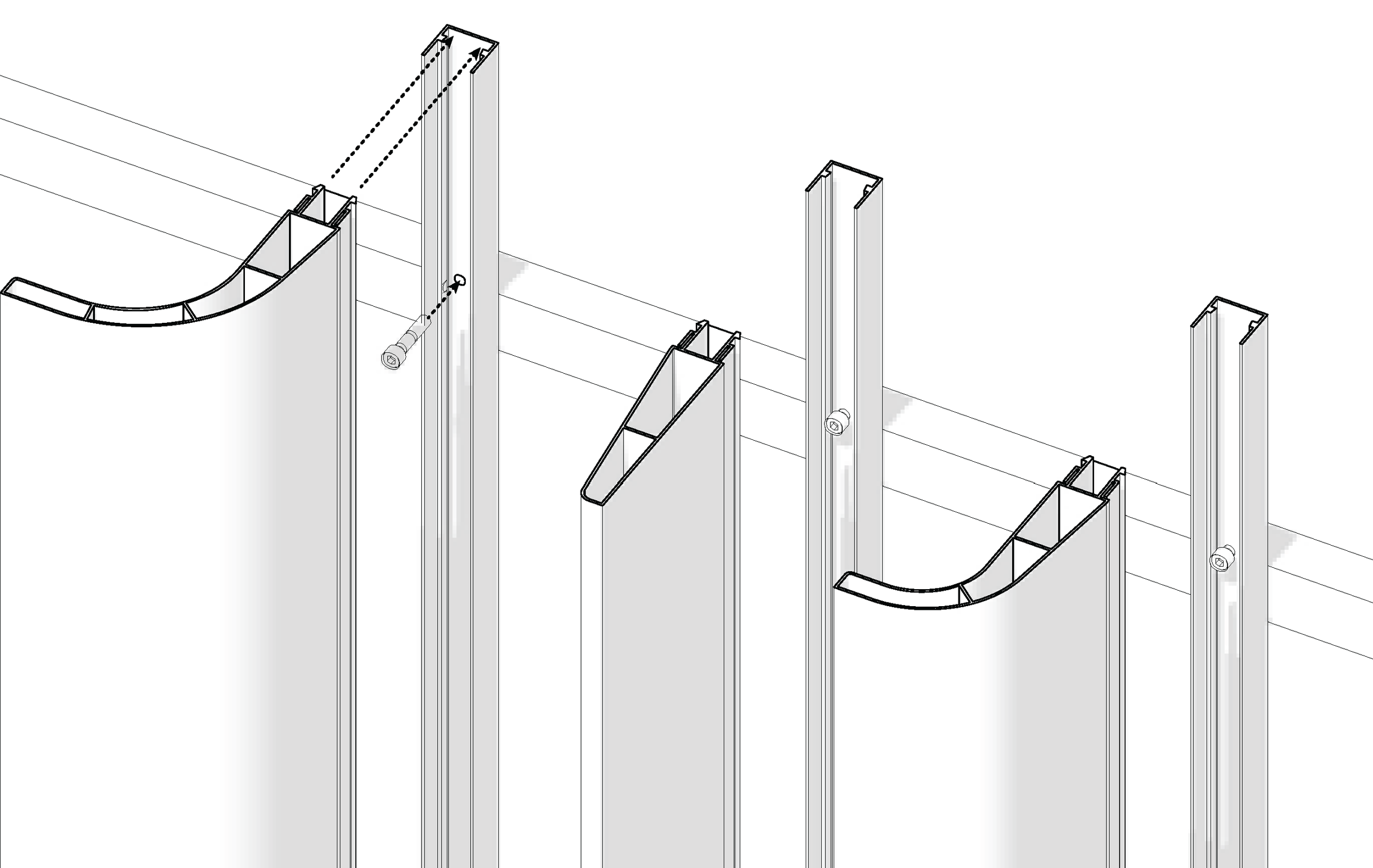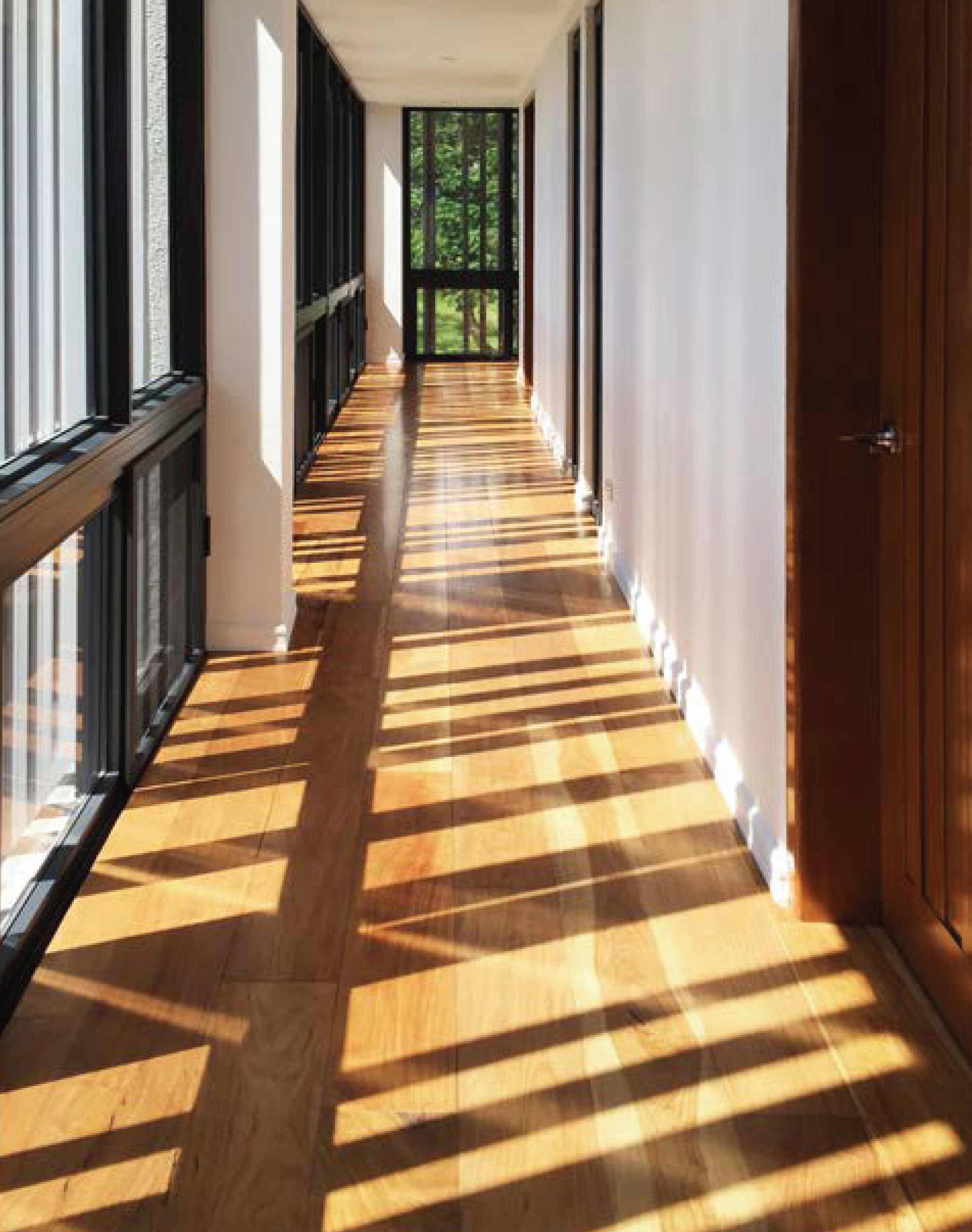
Lamp Shade Series

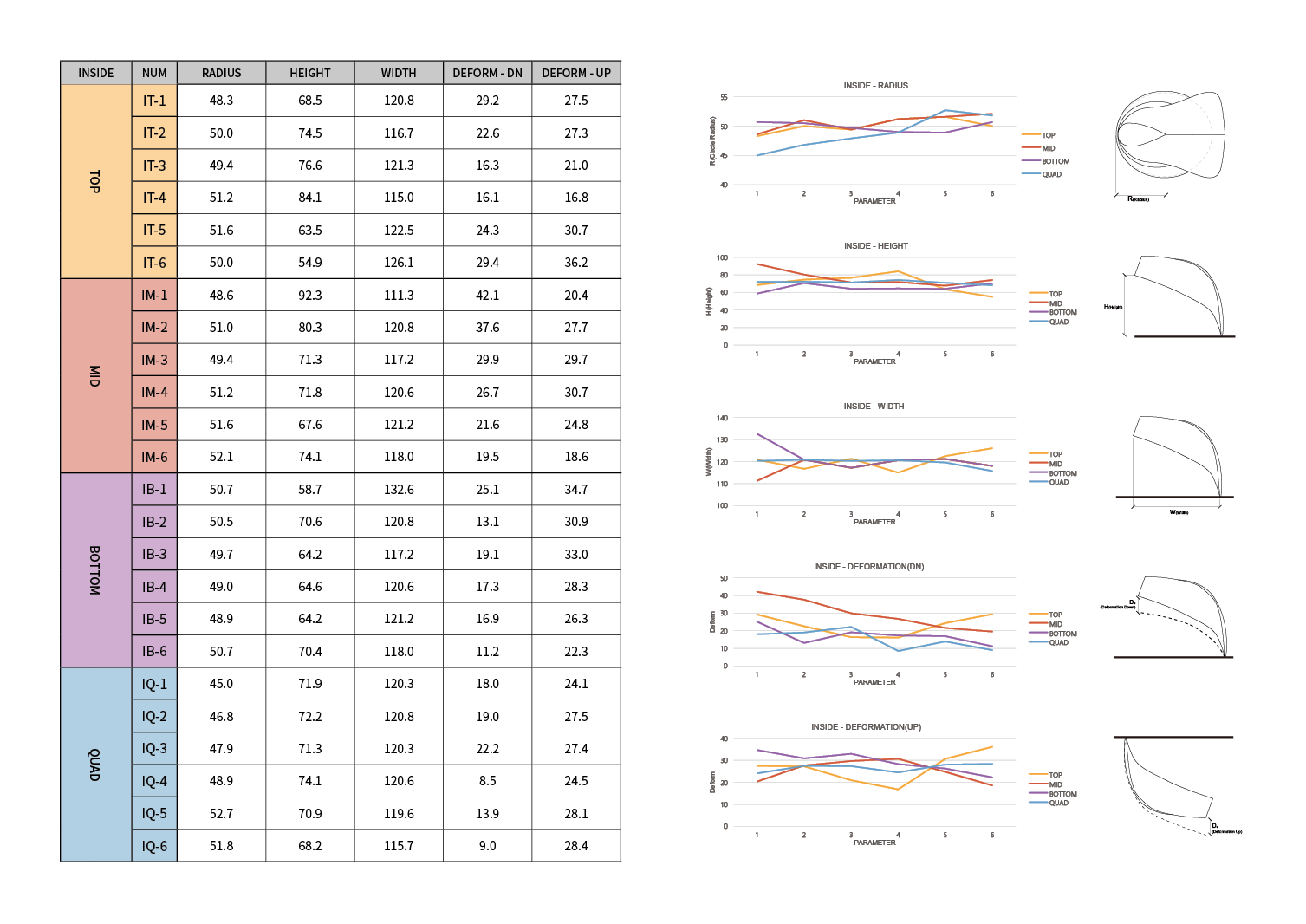
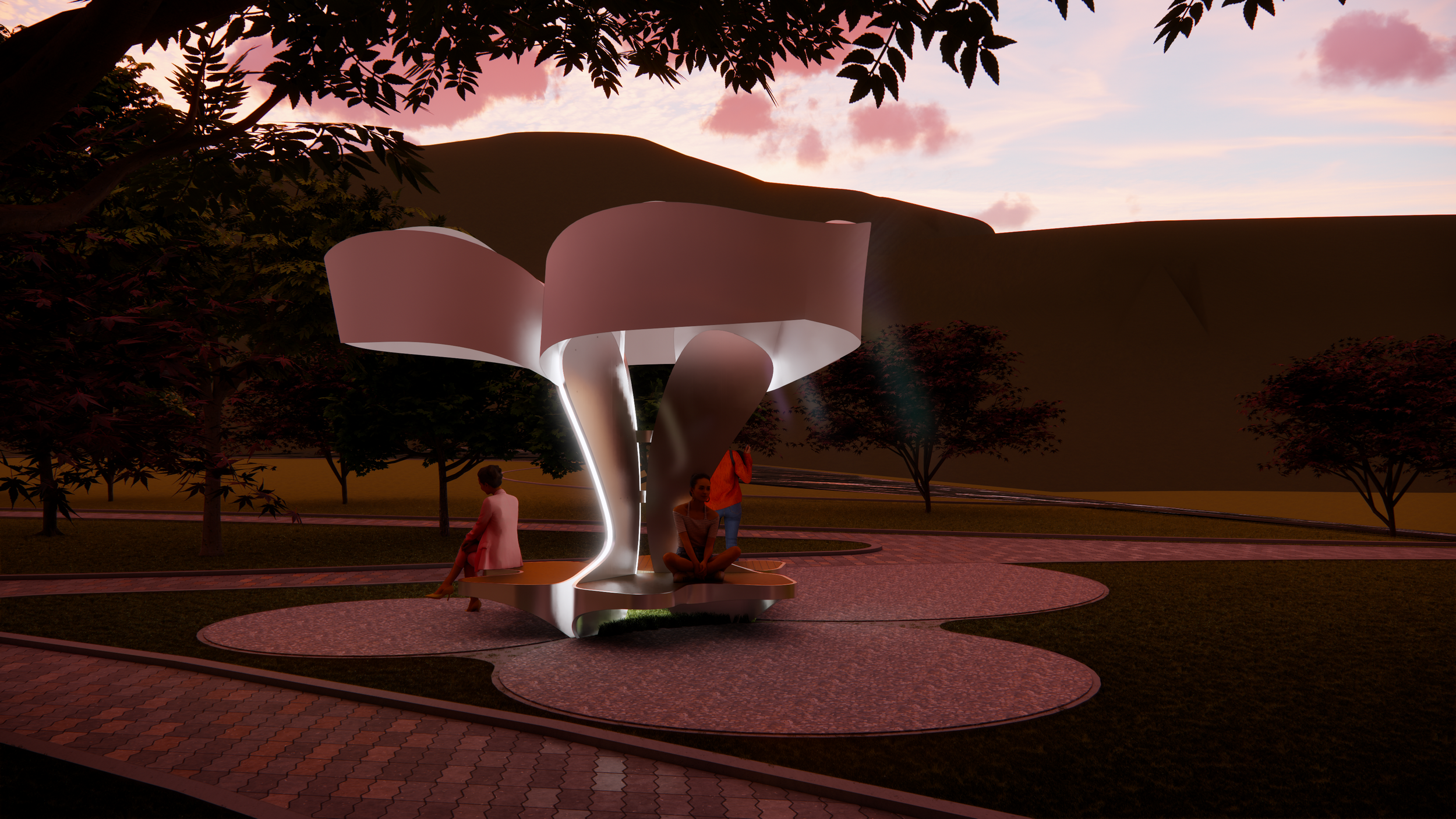
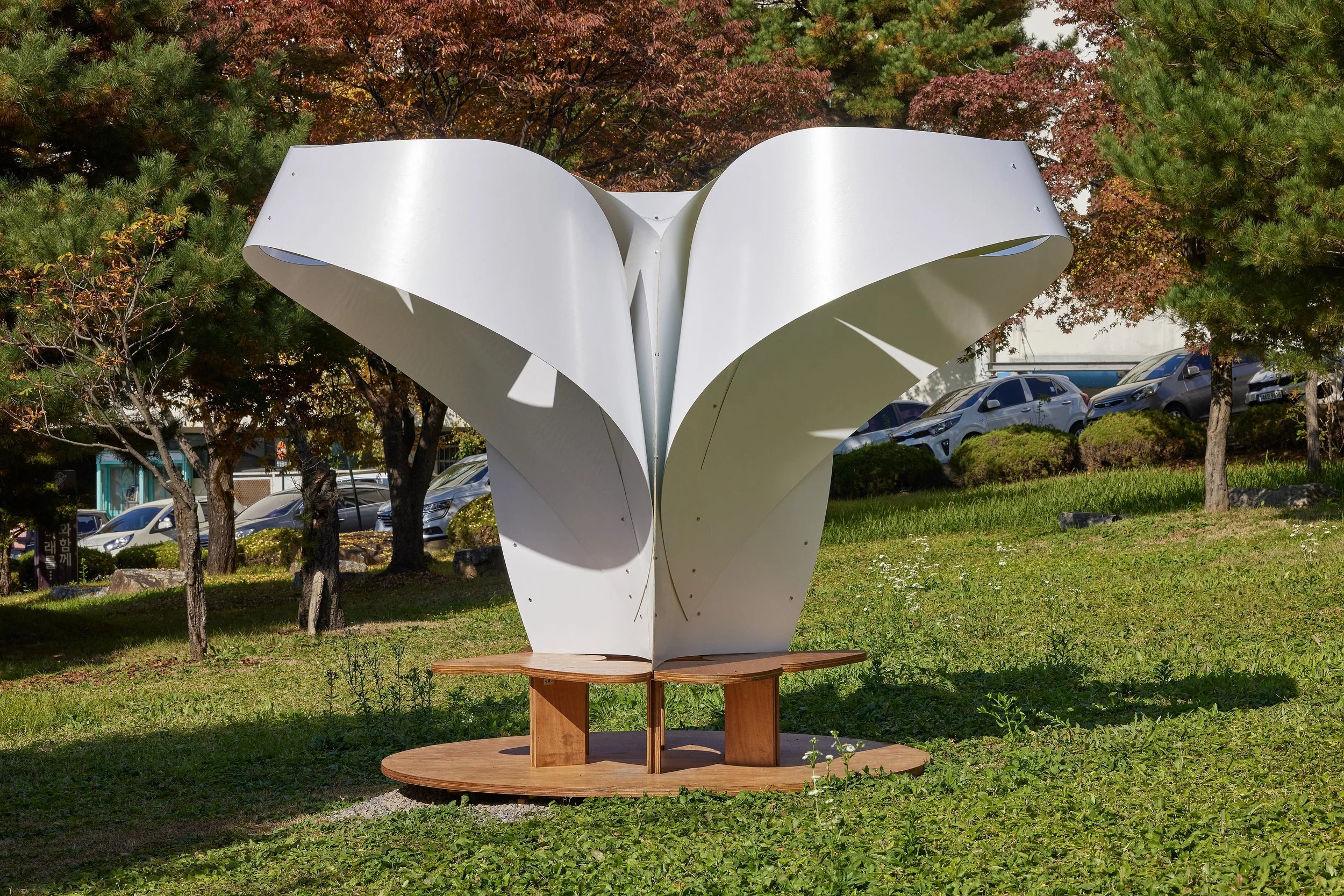
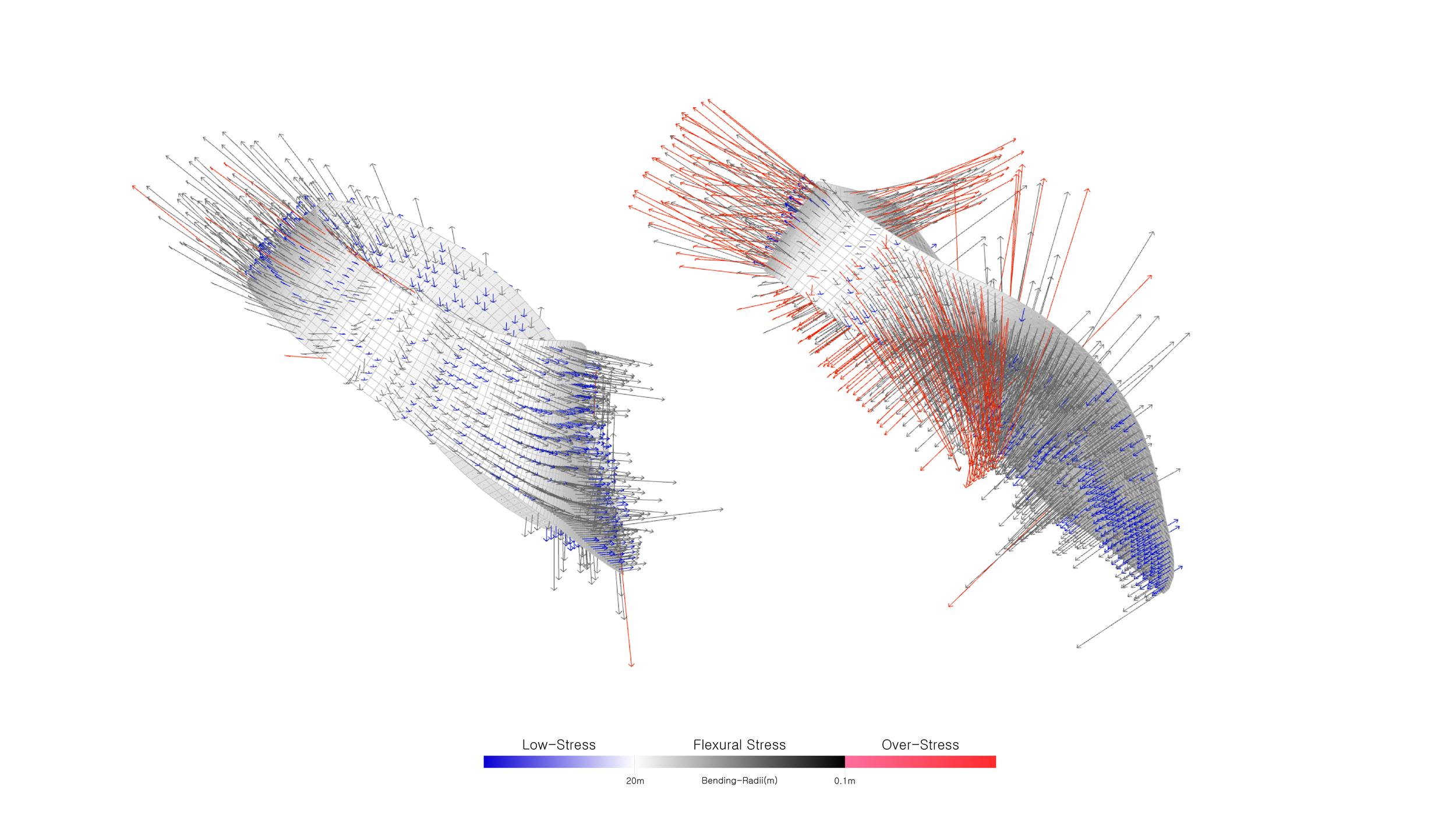
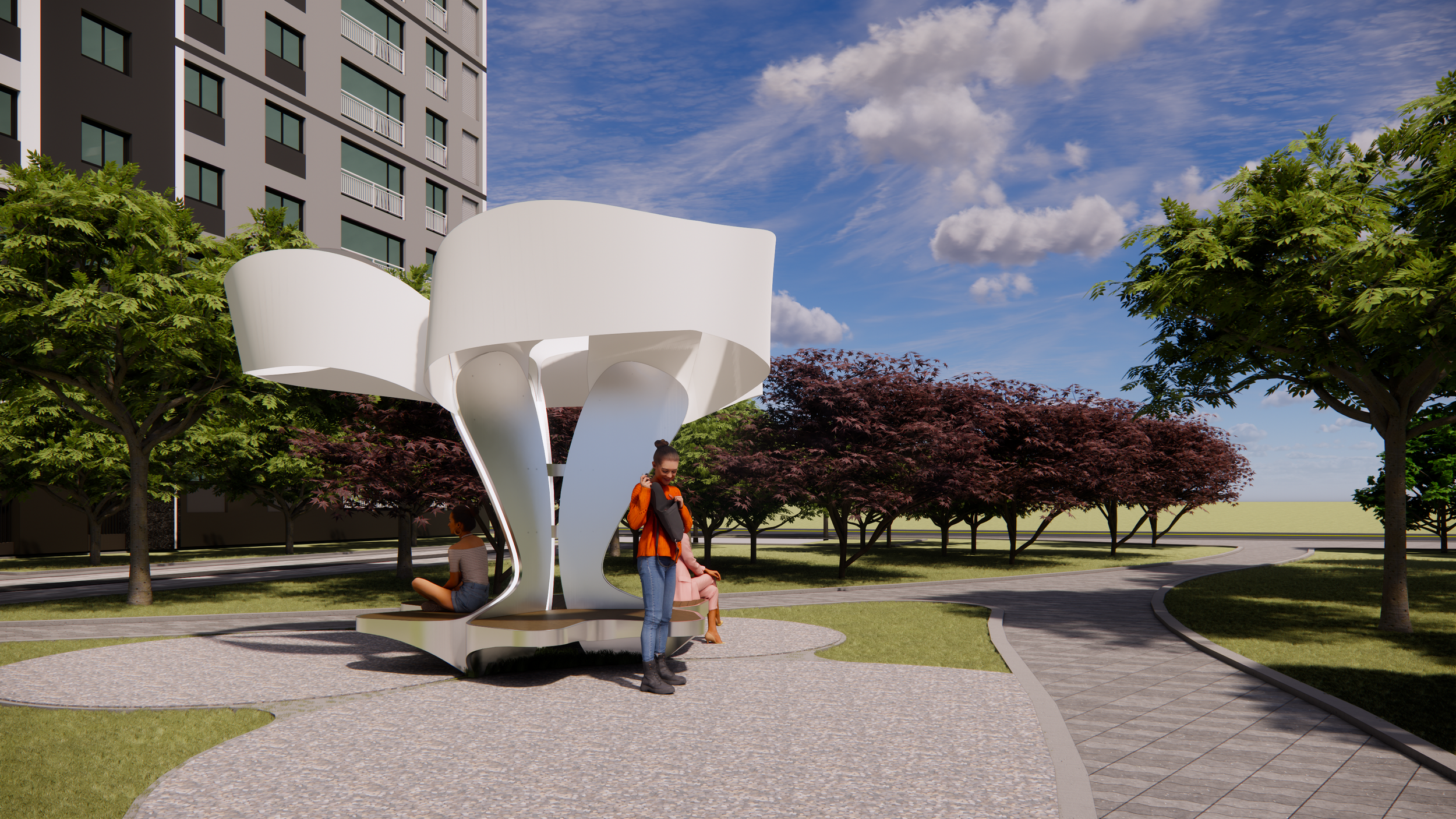
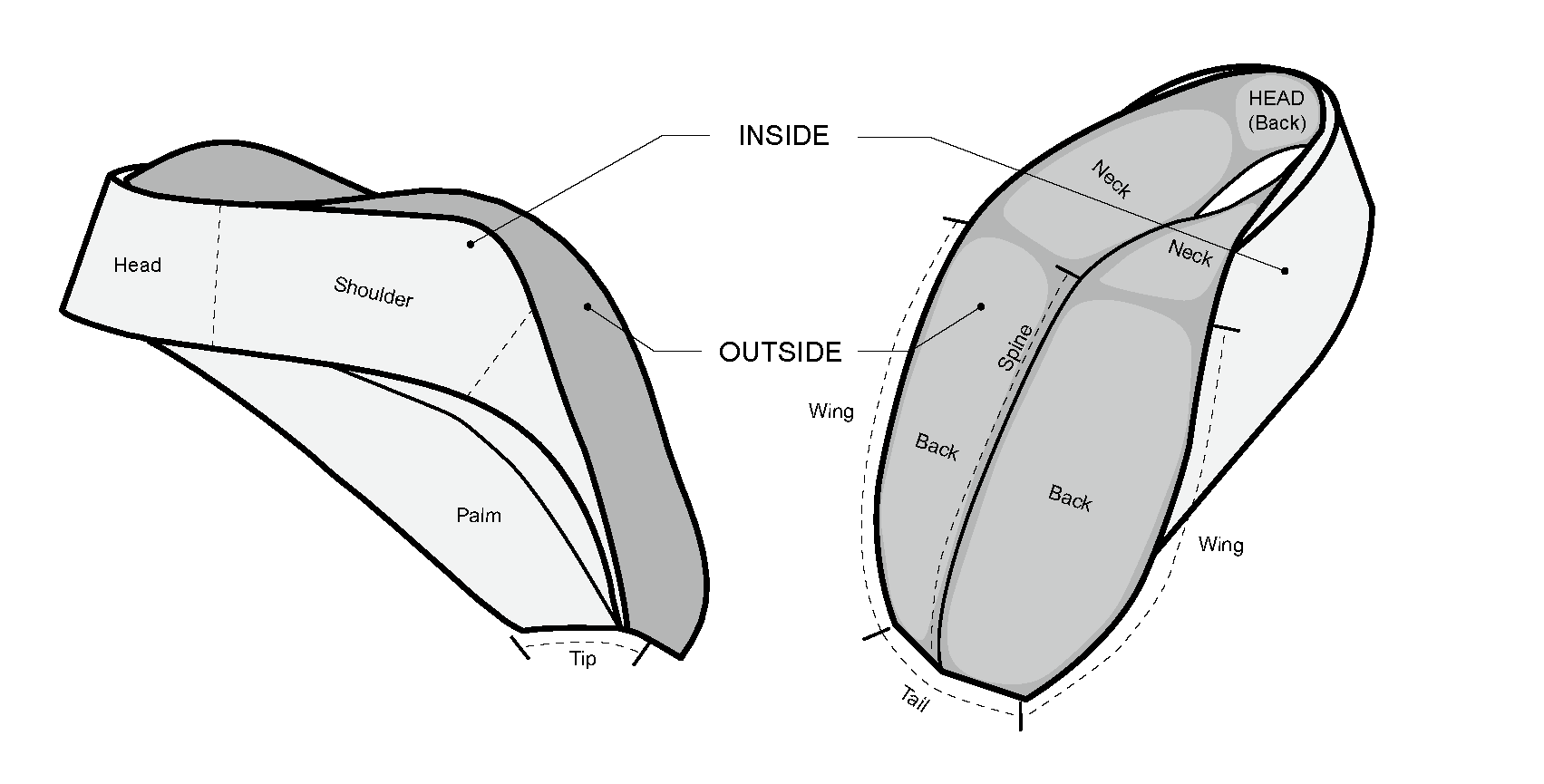
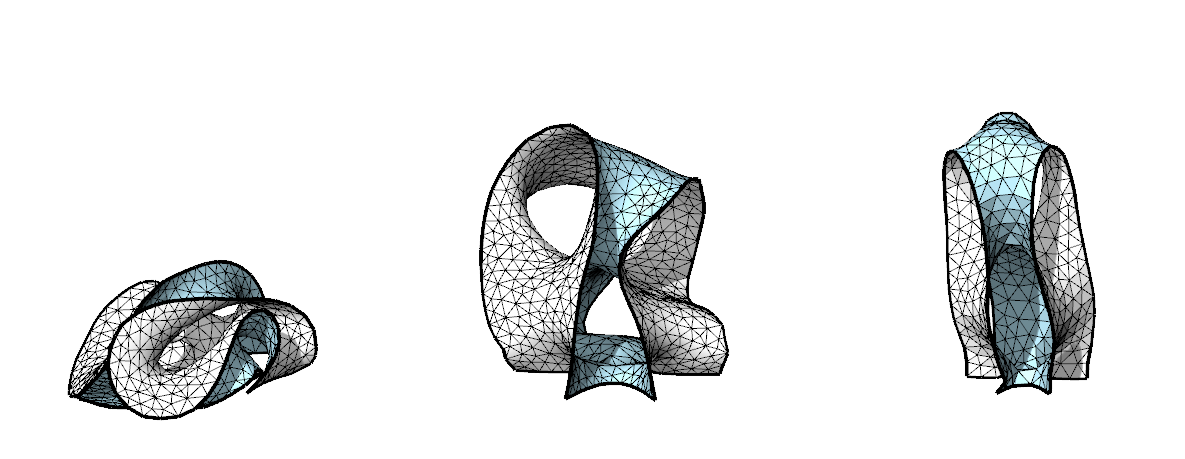
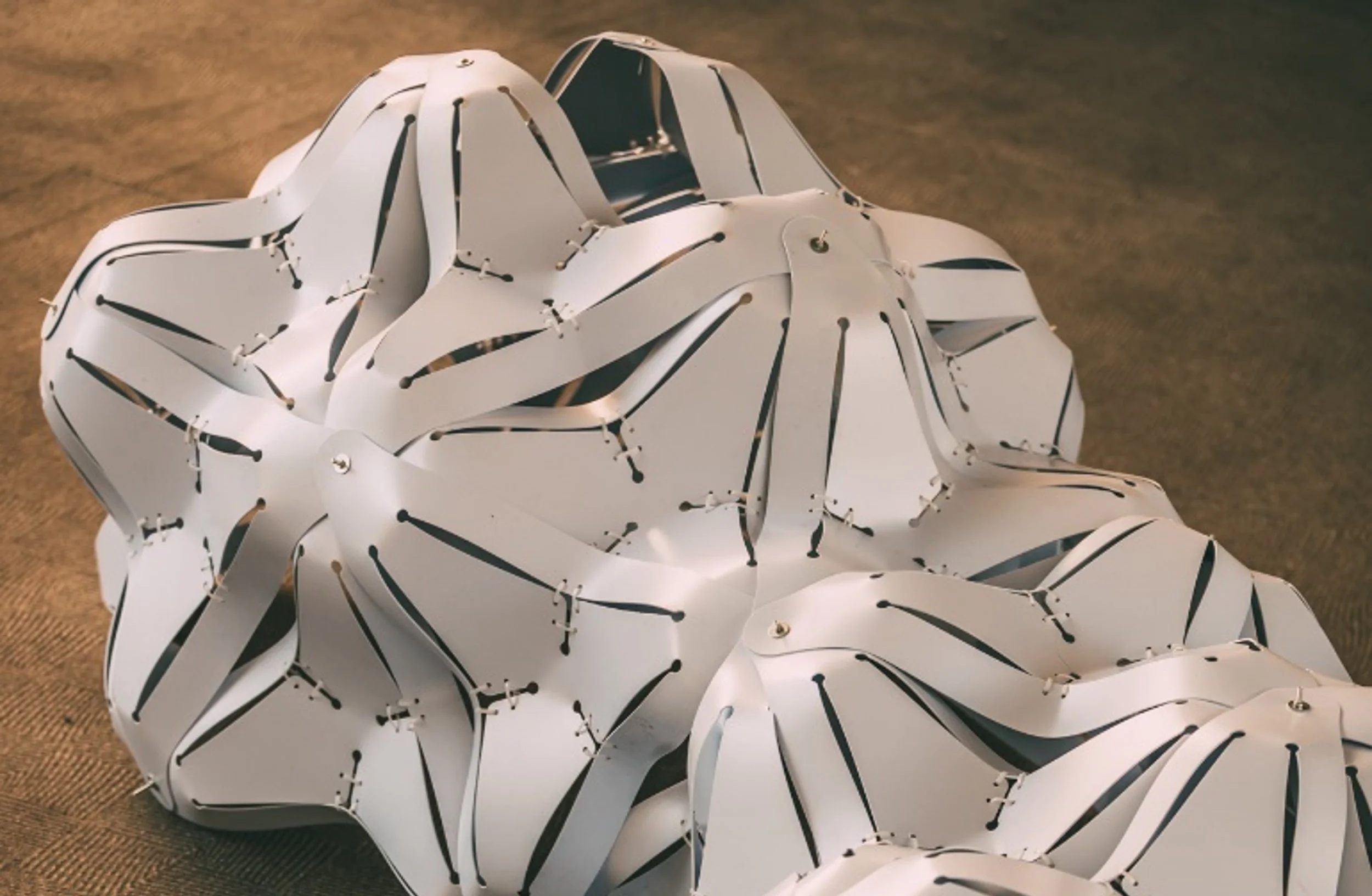
Soft Tectonics is a research initiative exploring Bending-Active structural systems that generate form through the active elasticity of materials. By controlling internal stress distribution and bending radii without external mechanical or thermal stimuli, the research experimentally extends the principle that "form originates from the physical potential of the material." This approach aims for an integrated concept of Material = Structure = Form.

Utilizing polymer-based flexible materials and fiber-reinforced composites, the system activates bending elasticity to create self-supporting structures. The core feature of this research is curvature-based stiffness, which ensures structural integrity even within thin cross-sections.

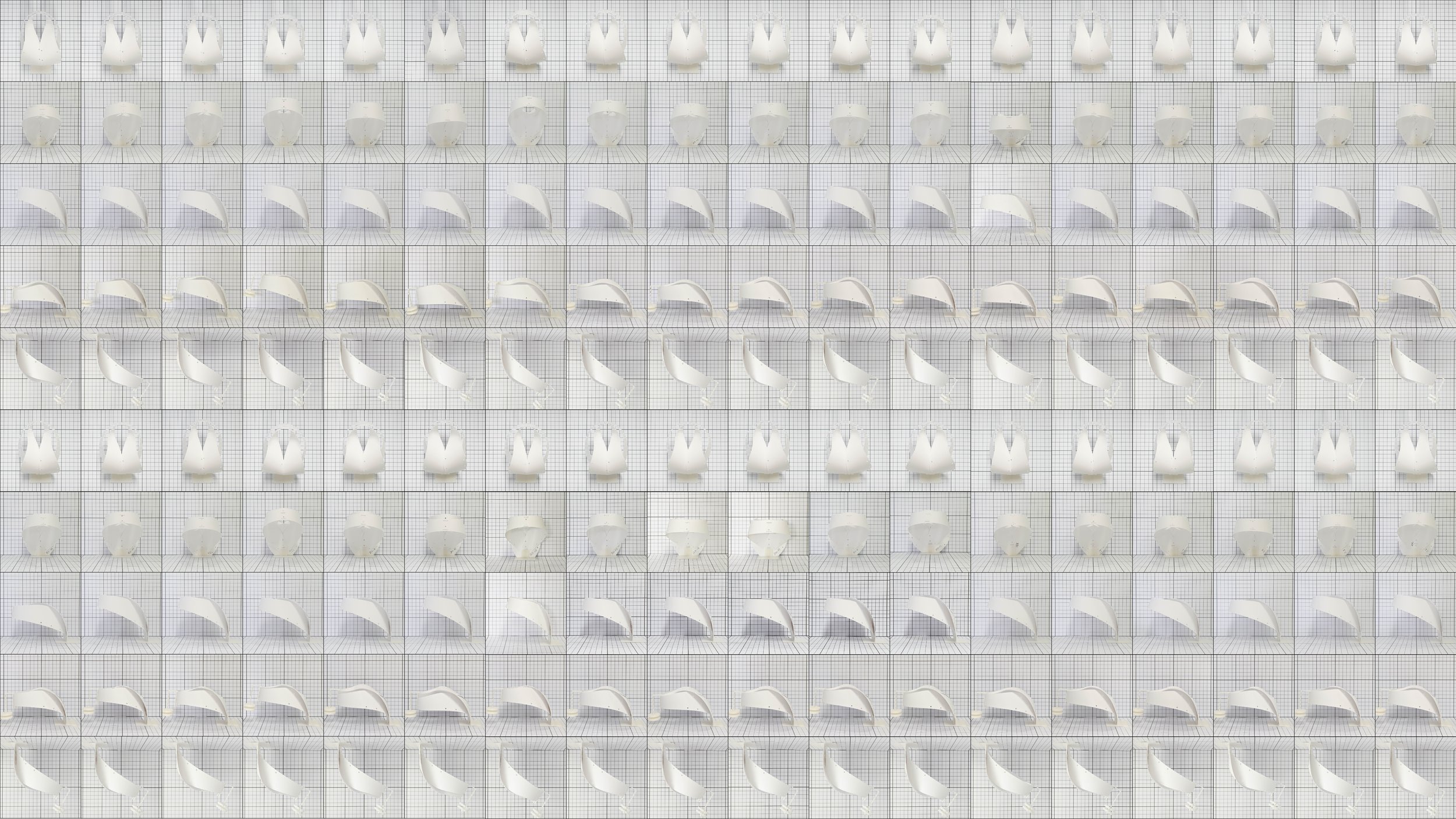
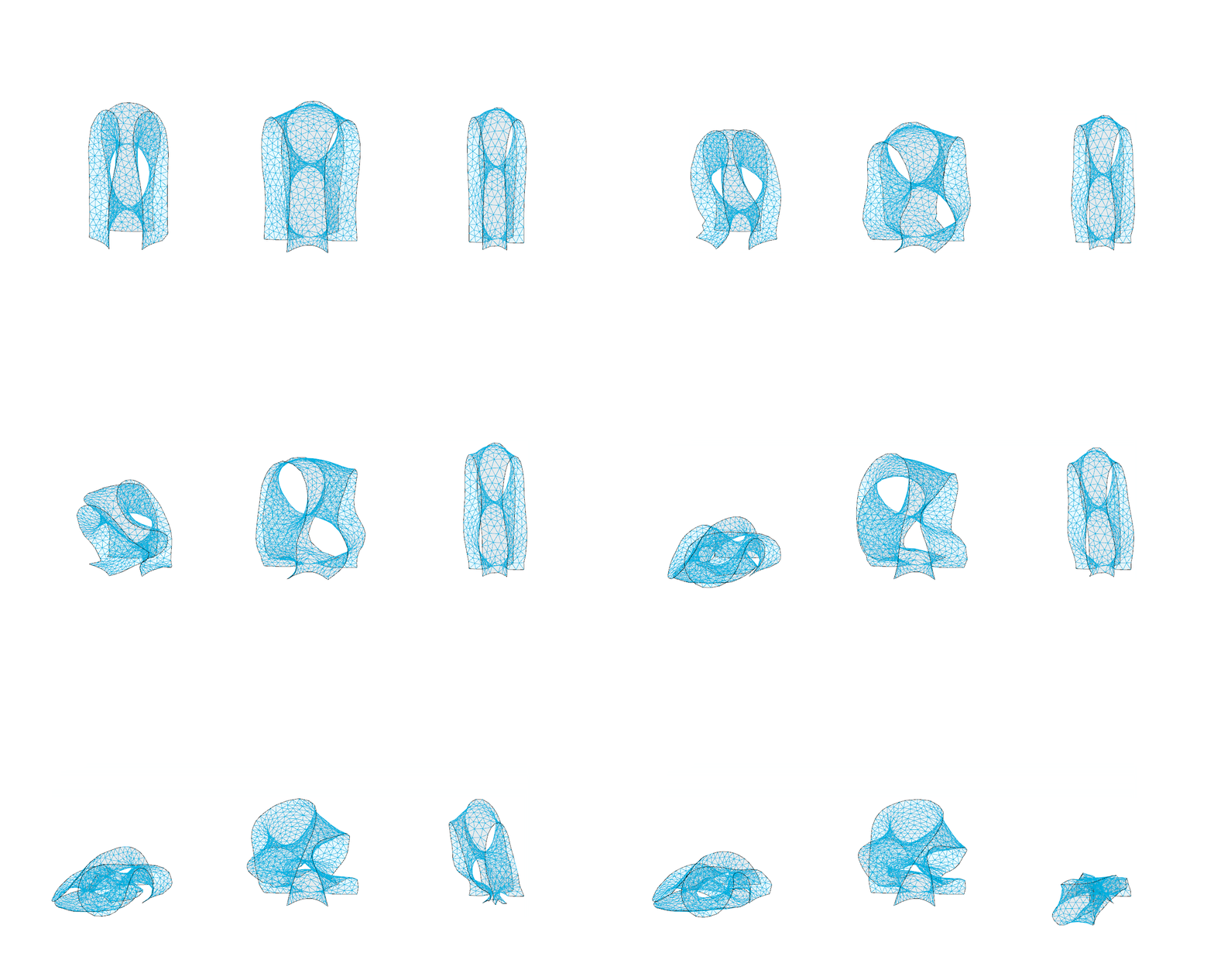
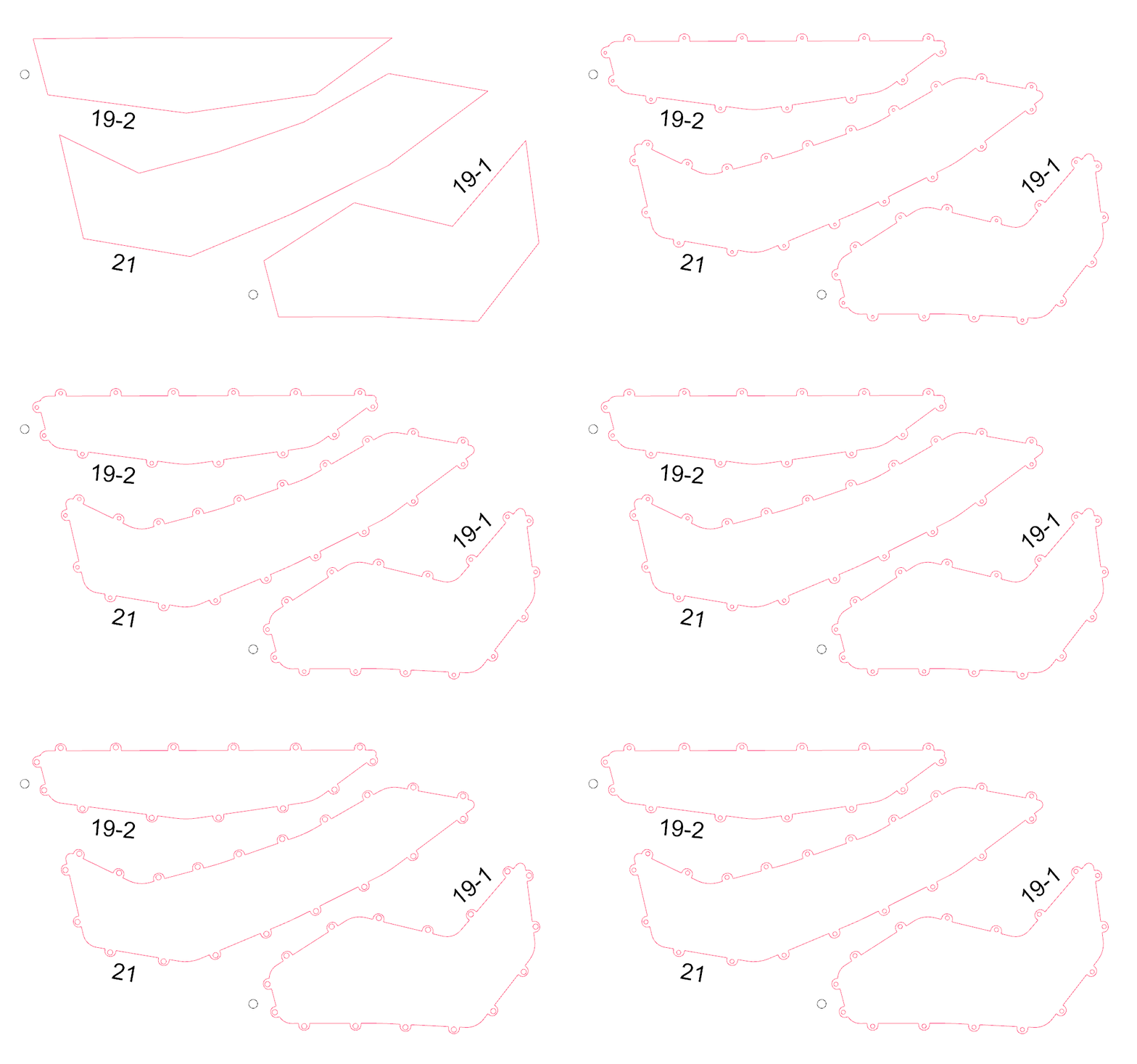
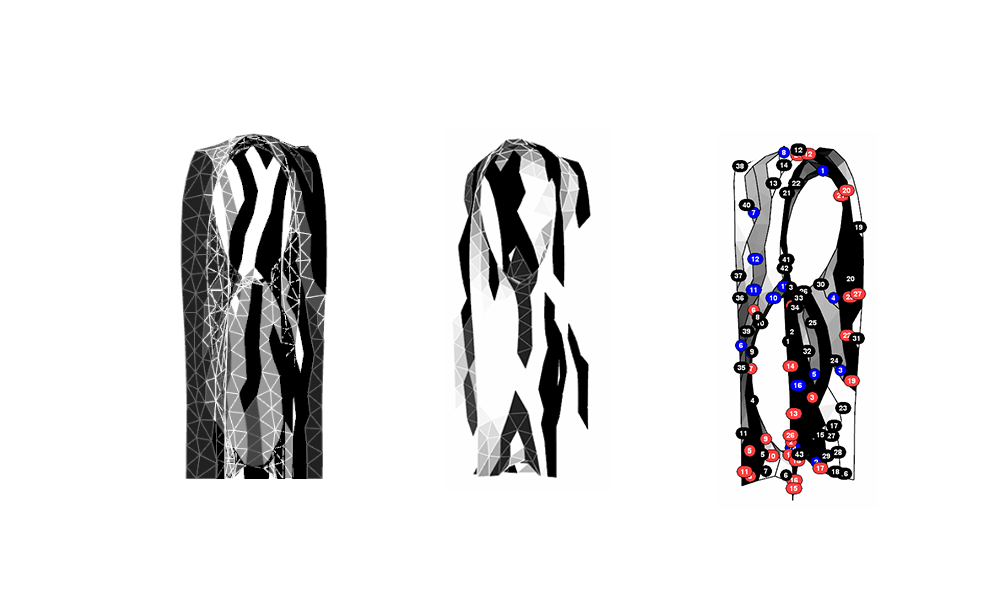
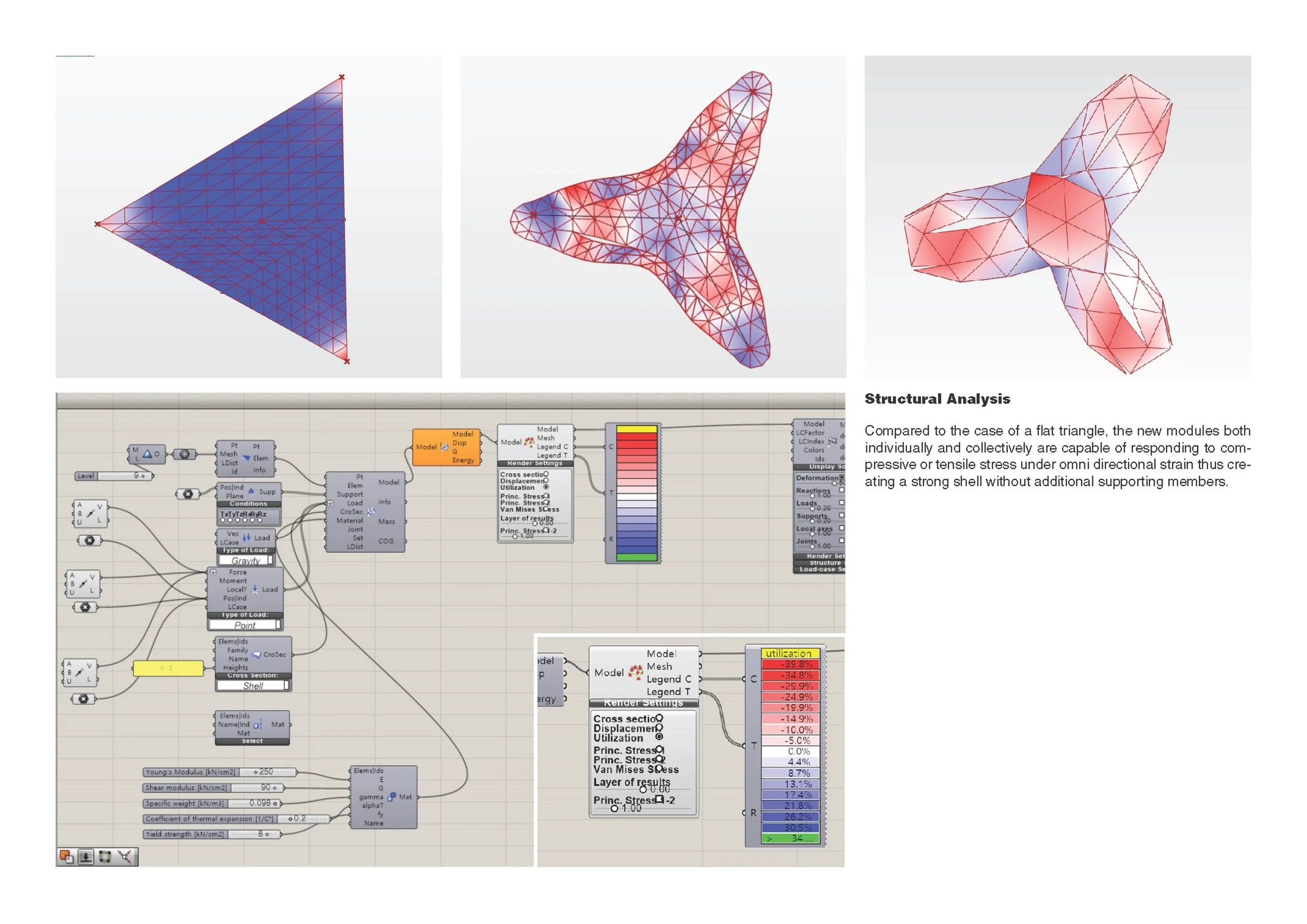
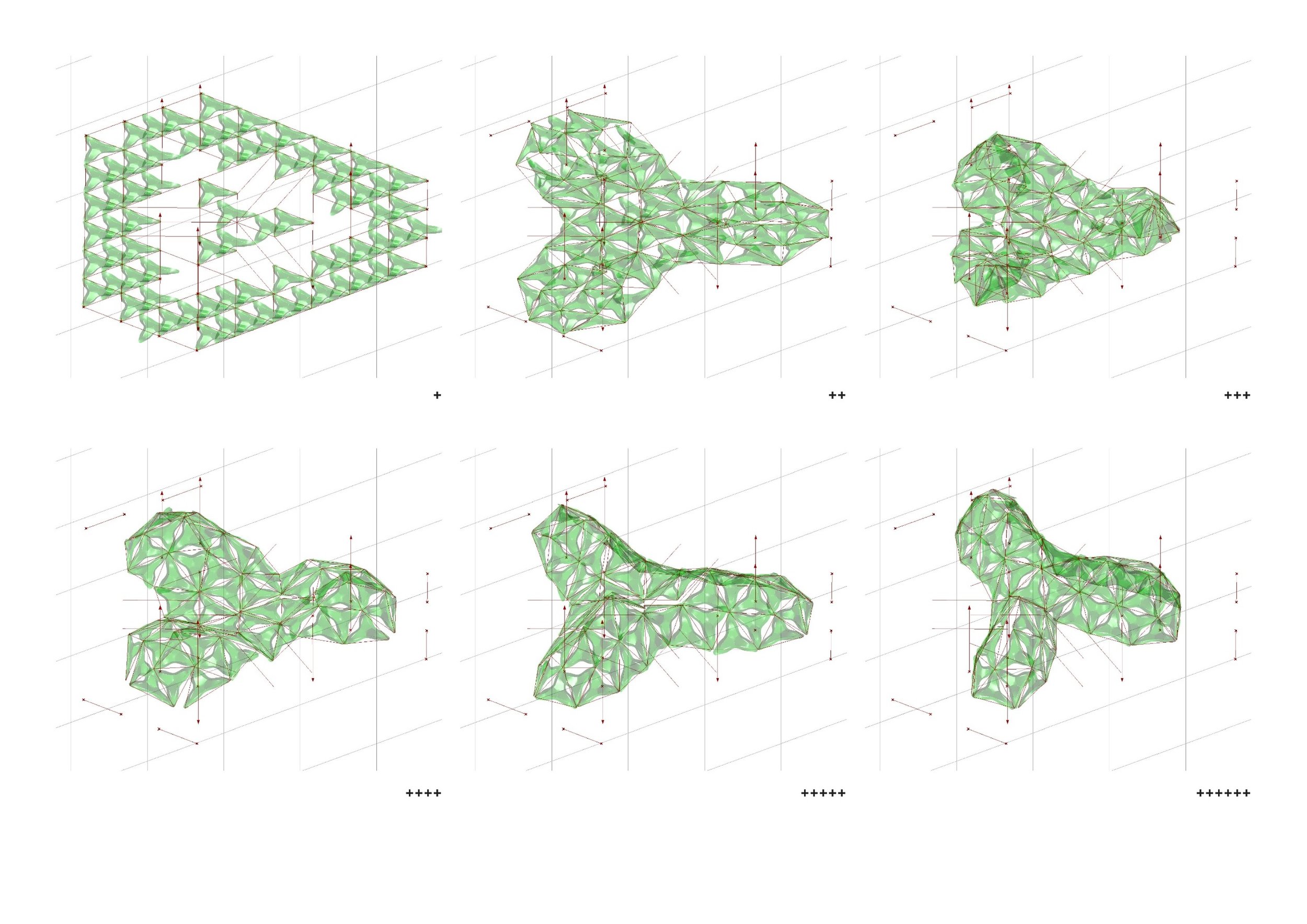
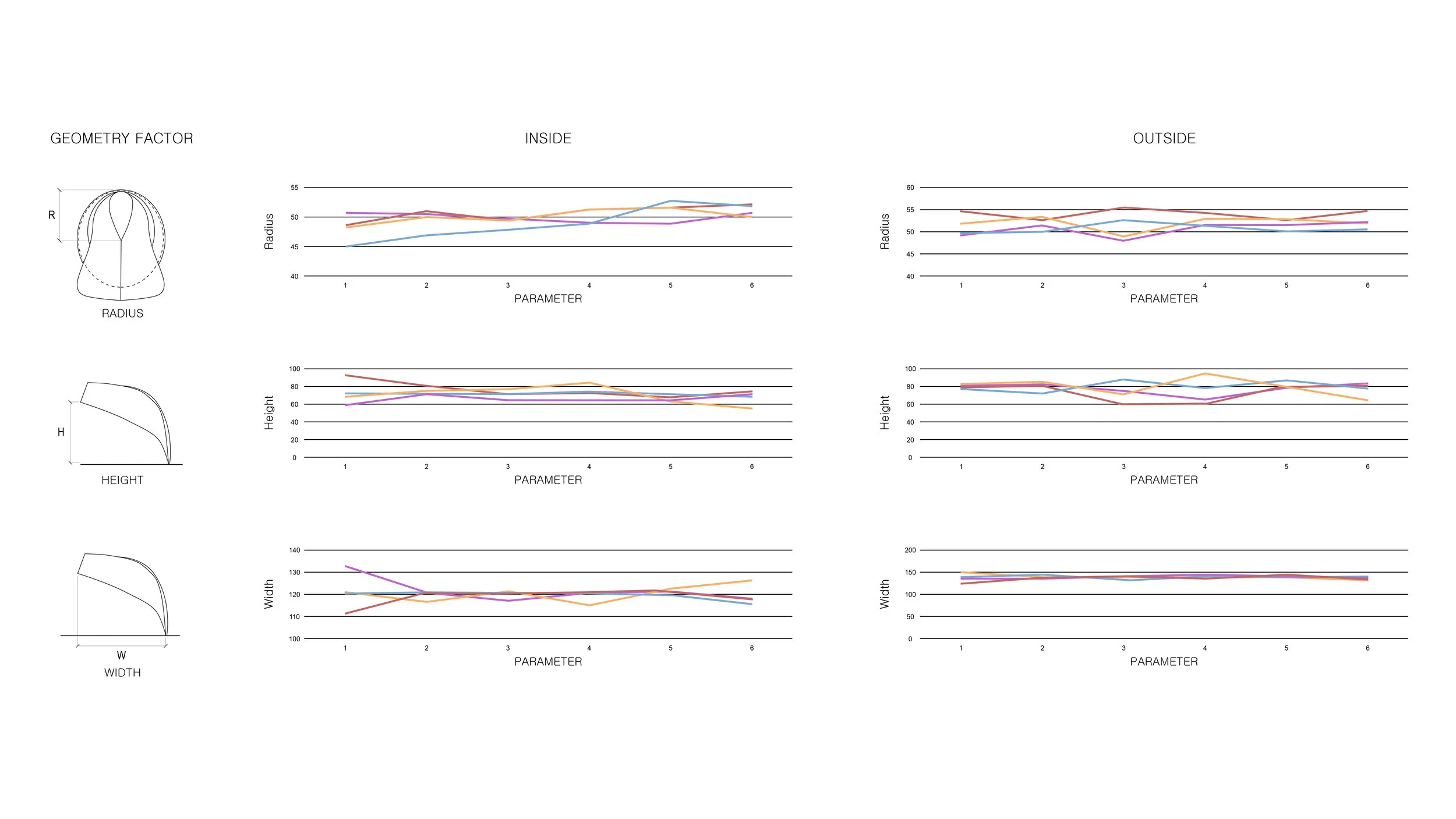
The methodology bridges the digital and physical through elastic deformation simulations, custom profile-extraction software, and error-correction processes. Parametric algorithms derive multiple structural possibilities from a single design, while over 200 prototype experiments optimize the balance between structure and self-weight. This Micro-to-Macro / Macro-to-Micro strategy connects object-scale experimentation to architectural-scale implementation.


Year : 2026

Location : Seoul, Korea

Project Director :

Dongil Kim (Kyung Hee University / I.f CDL)

Principal Researcher :

Gwangeun Hwang (I.f)

Supported by : I.f Architecture & Research

Yeoju Residence

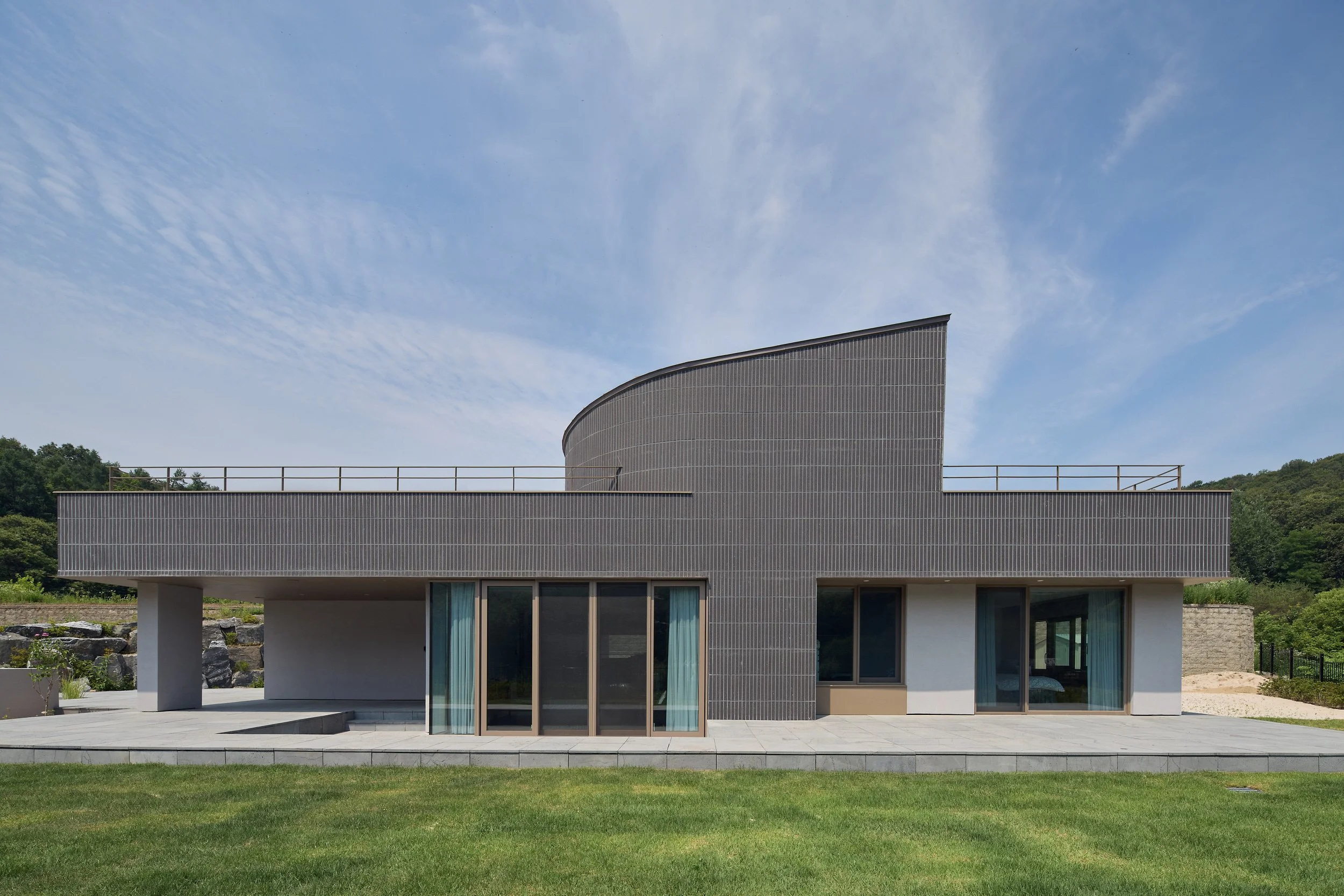
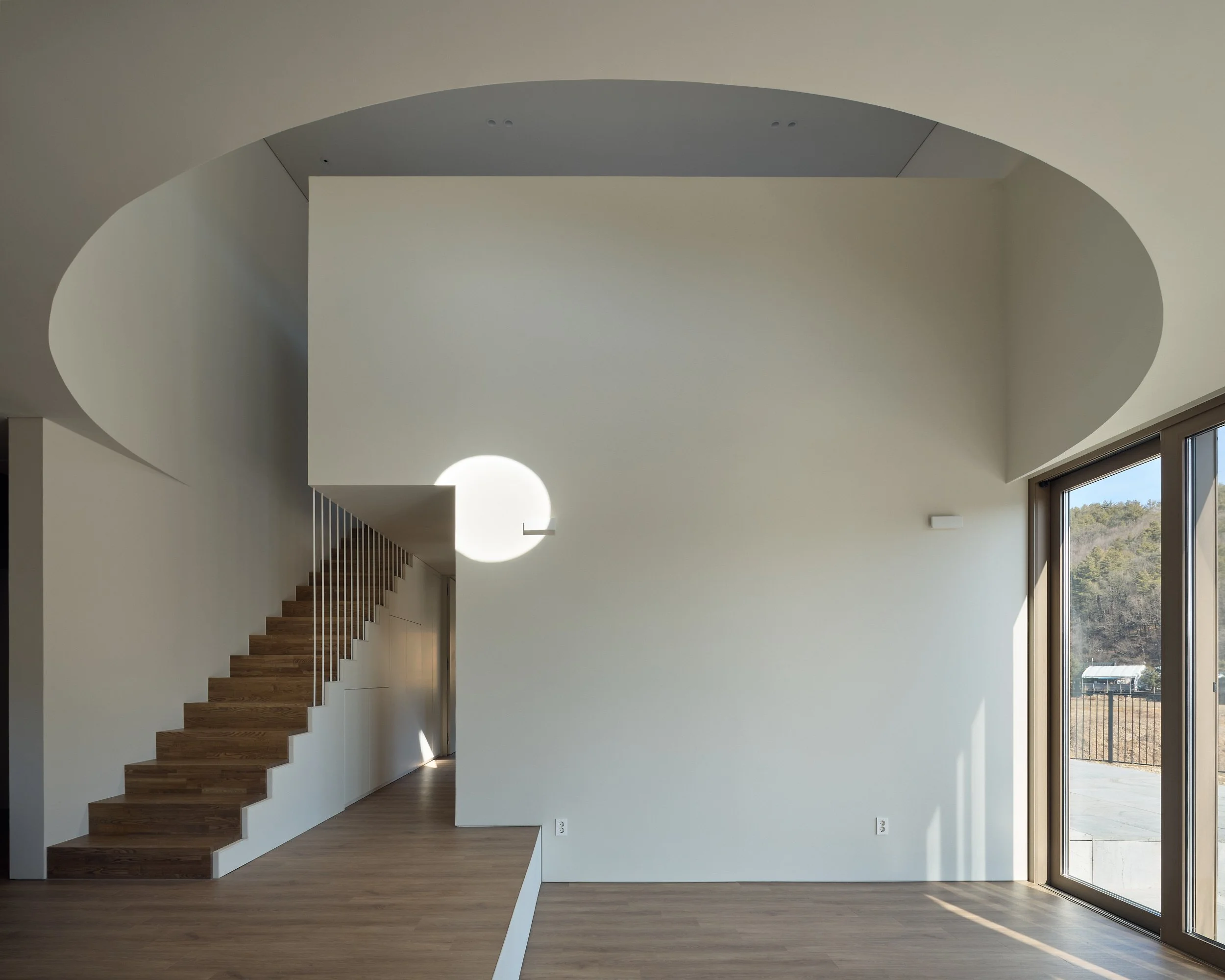
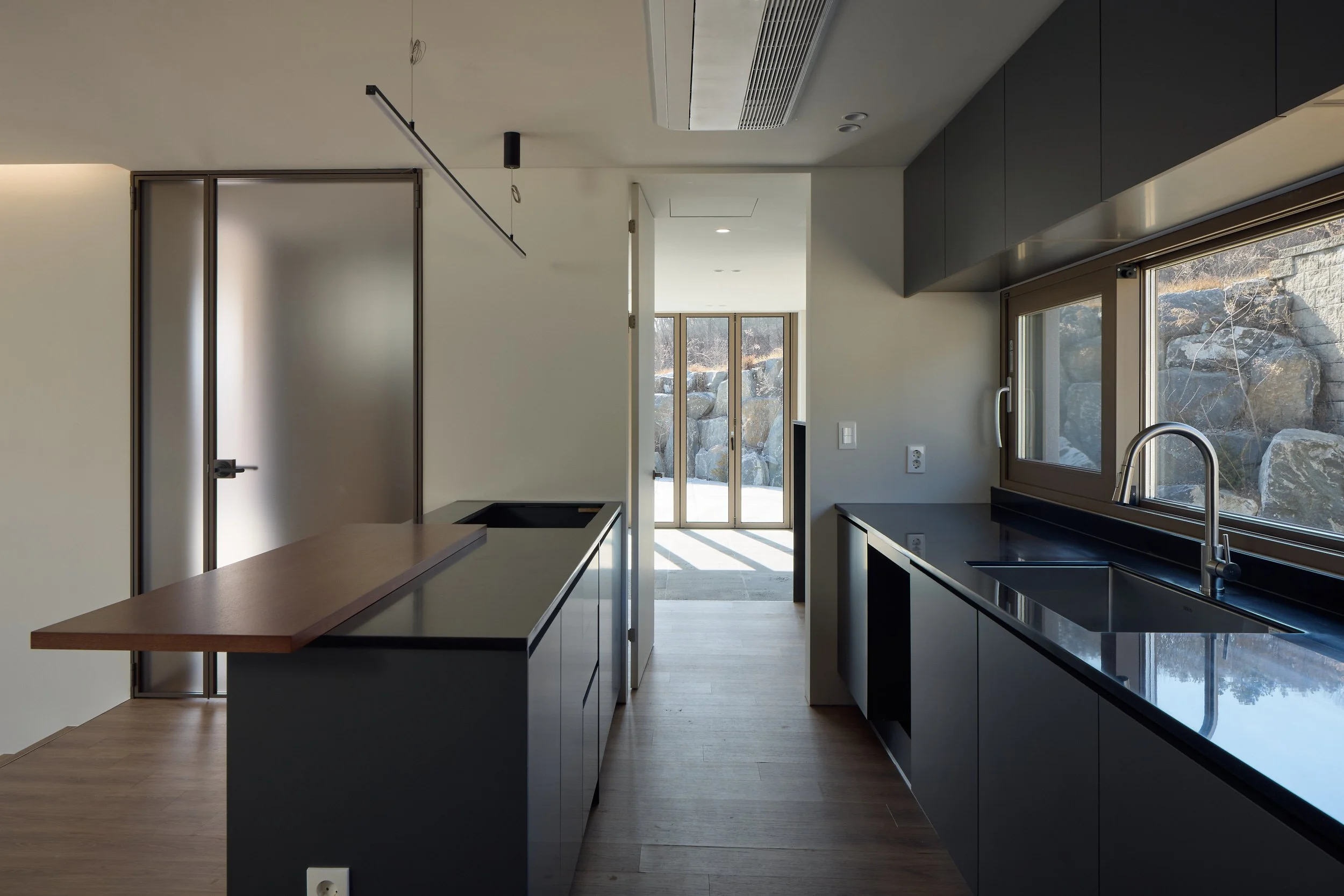
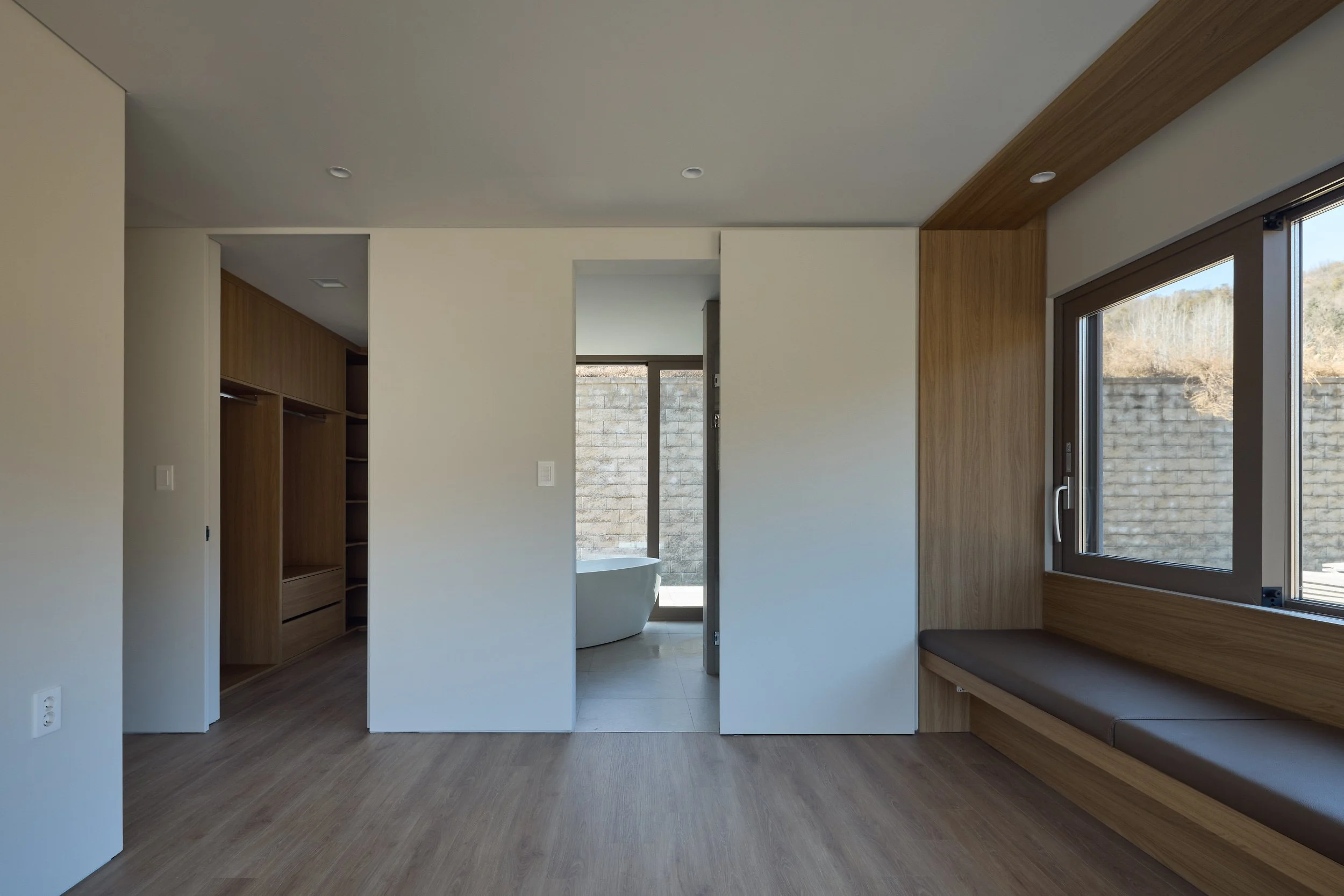
This site is nestled at the foot of Taebong Mountain in Geumsam-myeon, Yeoju, at the heart of a well-developed single-family residential village. To the east, it opens up to the picturesque Dogok-ri village, while to the north, it offers a serene view of a hillside planted with birch trees—creating a peaceful and quiet neighborhood setting.

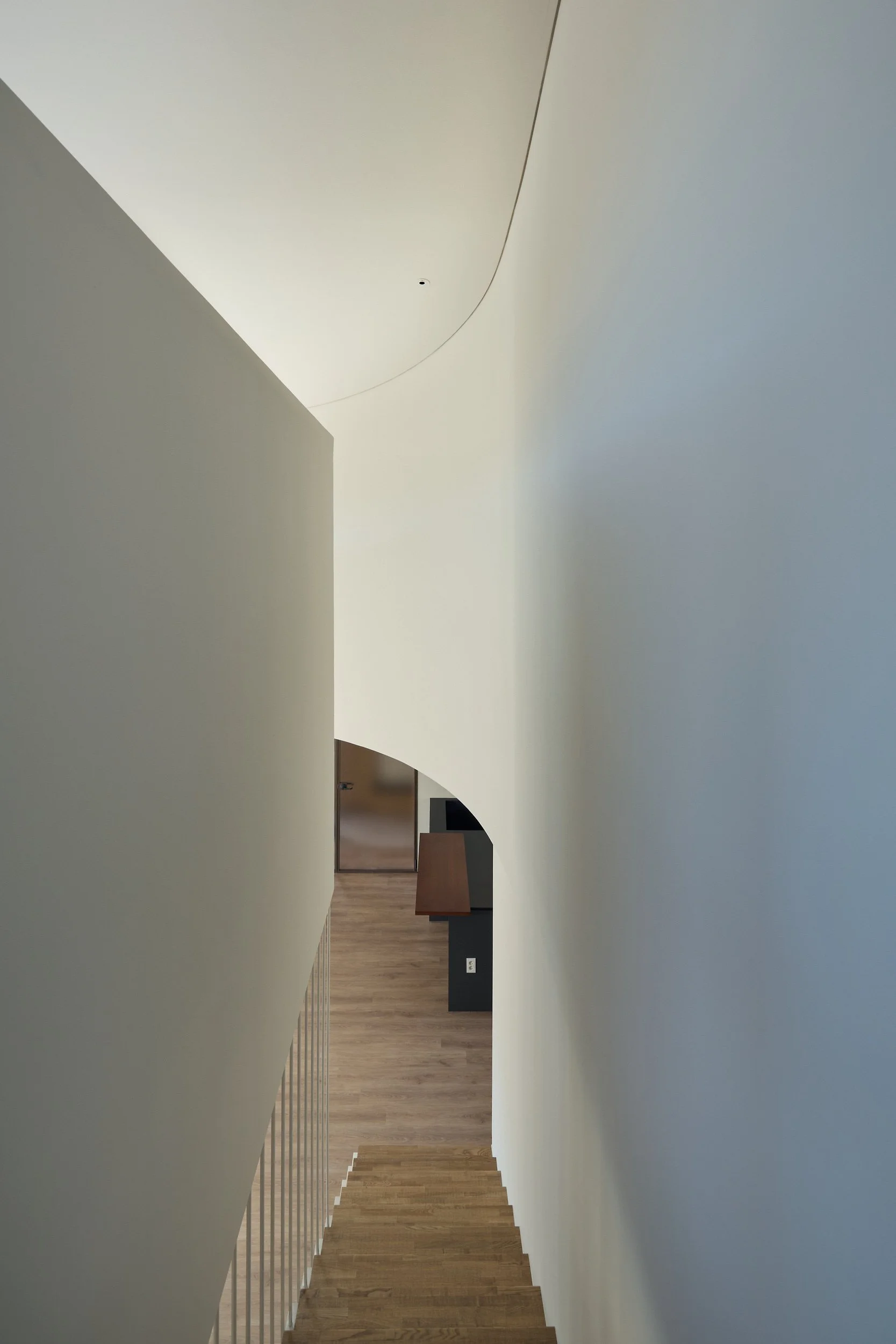
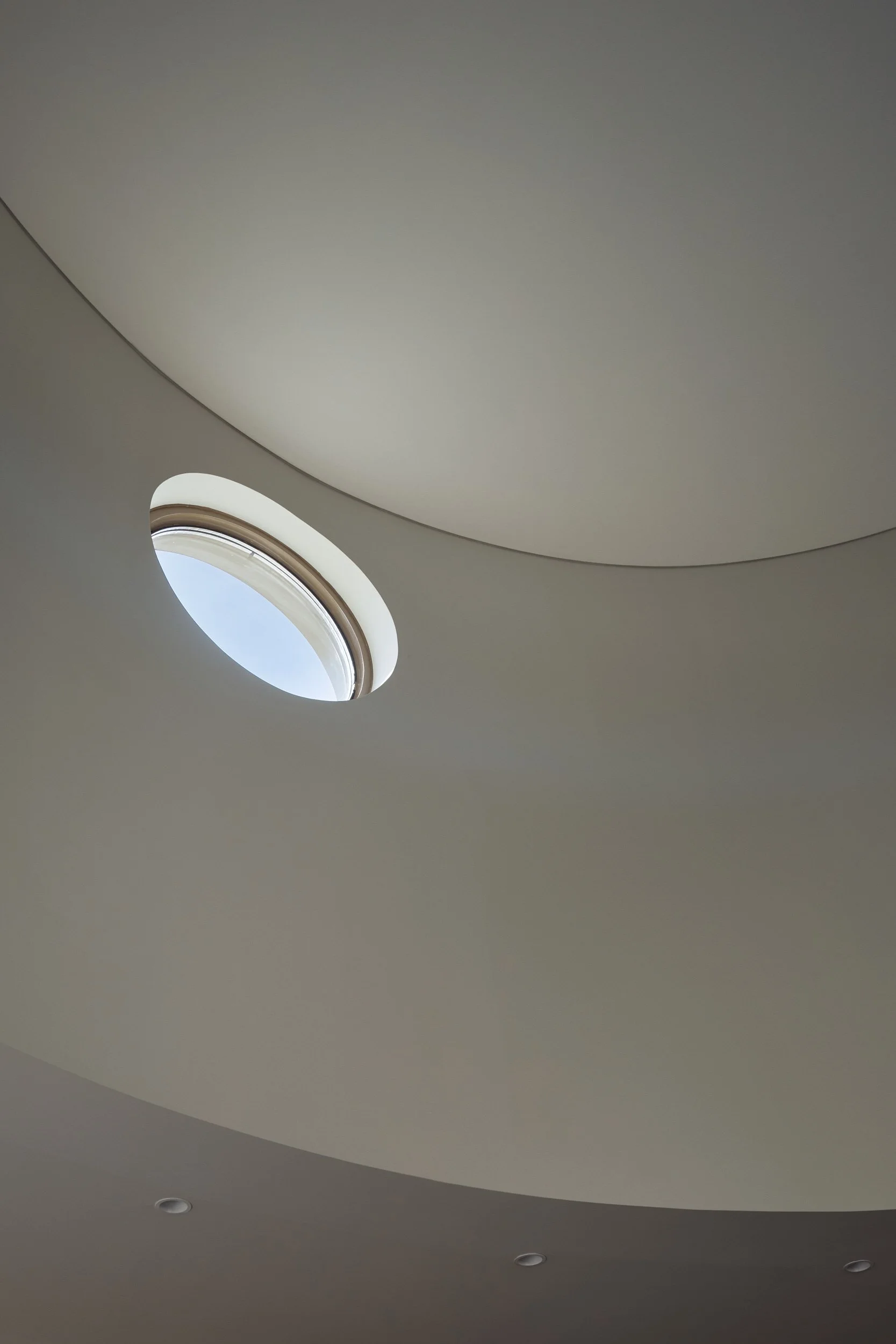
The house consists of a master bedroom, a guest room, and a shared space that combines the living room and kitchen. On the second floor, a family room provides a comfortable area for family members to spend time together.

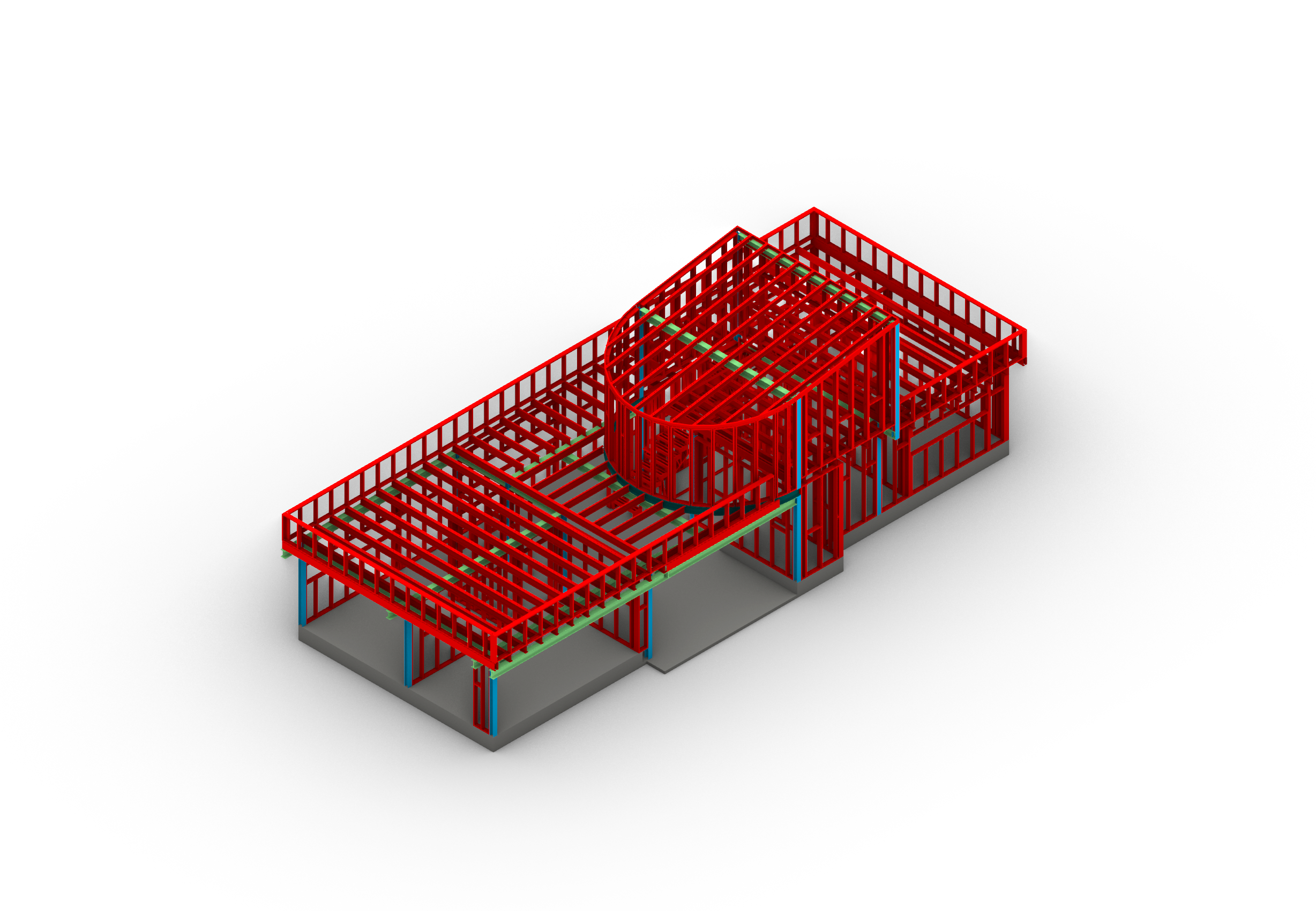
Given the location and topographical characteristics of the site, construction on-site is minimized by employing a panelized modular building method. Structural walls, along with wall and roof panels, are prefabricated off-site and assembled on-site, allowing for efficient and precise construction with minimal disruption to the natural surroundings.


Year : 2026

Location : Yeoju, Korea

Size : 156.16 m²

Status : Completed

Type : Residential

Principal in Charge :

Seojoo Lee, Hyojung Kim (I.f), Dongil Kim (I.f CDL)

Design Team :

Suyeon Seo, Chaeyoon Chang (I.f), Gwangeun Hwang (I.f CDL)
K:ink Tower

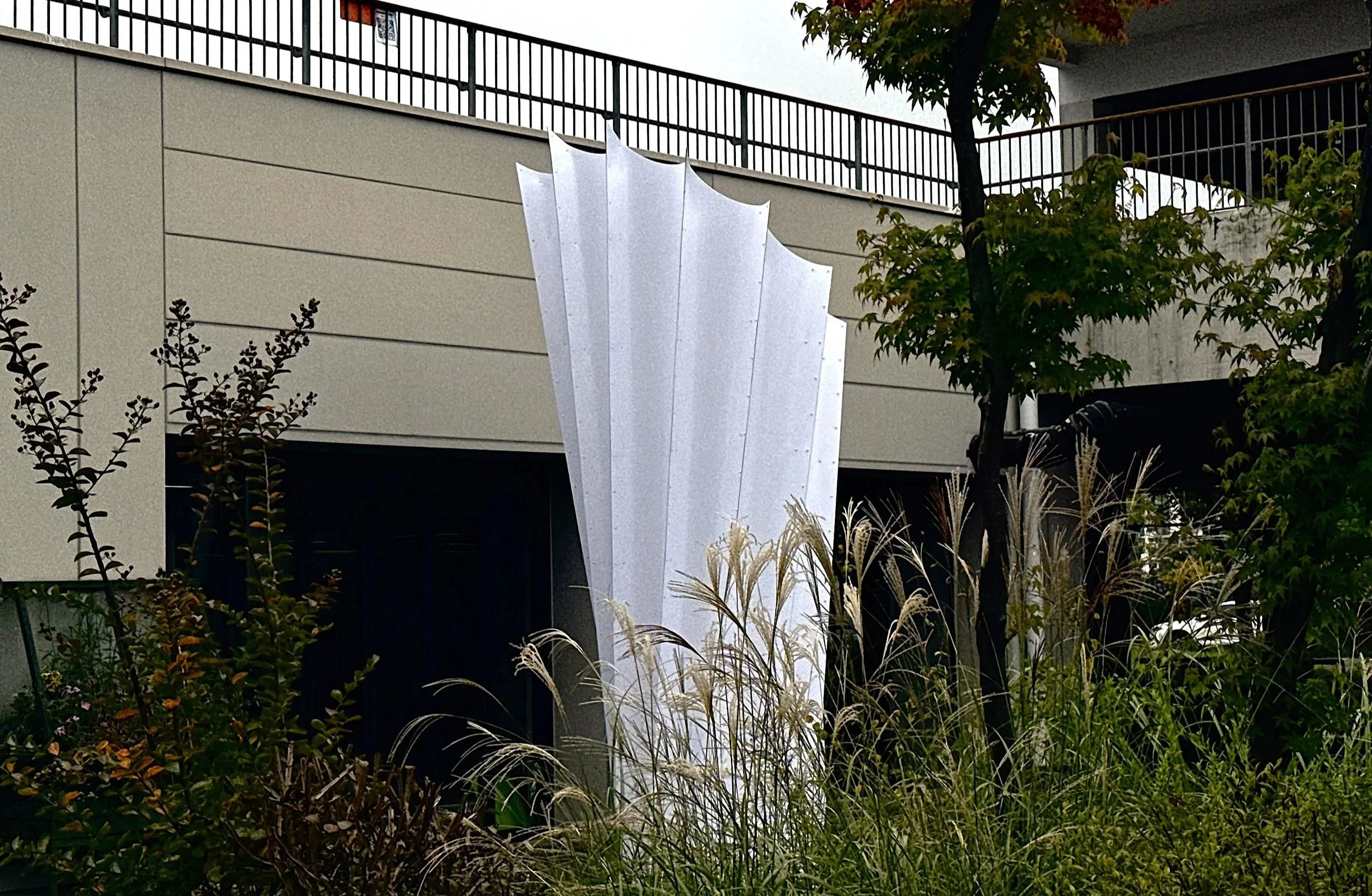
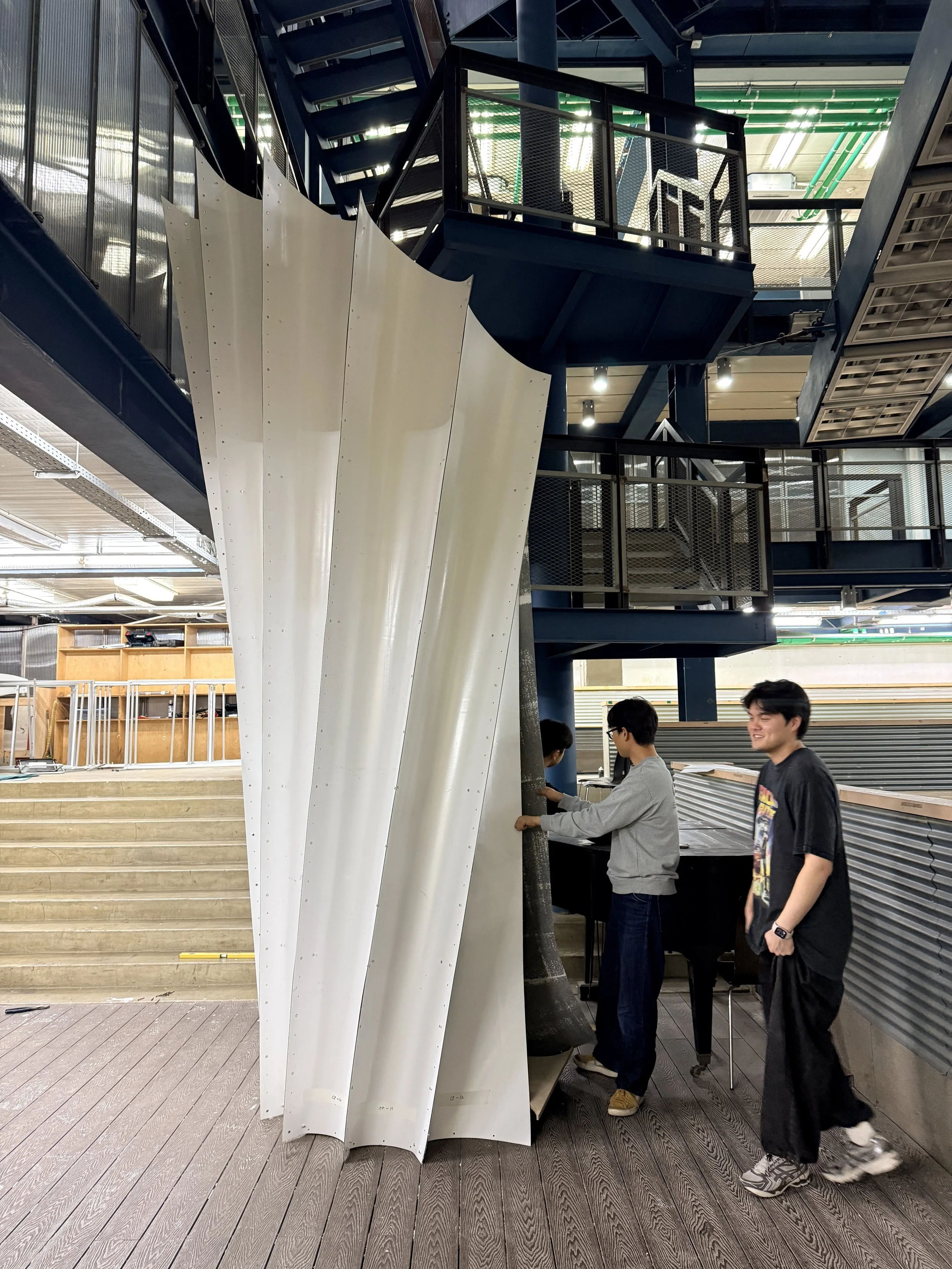
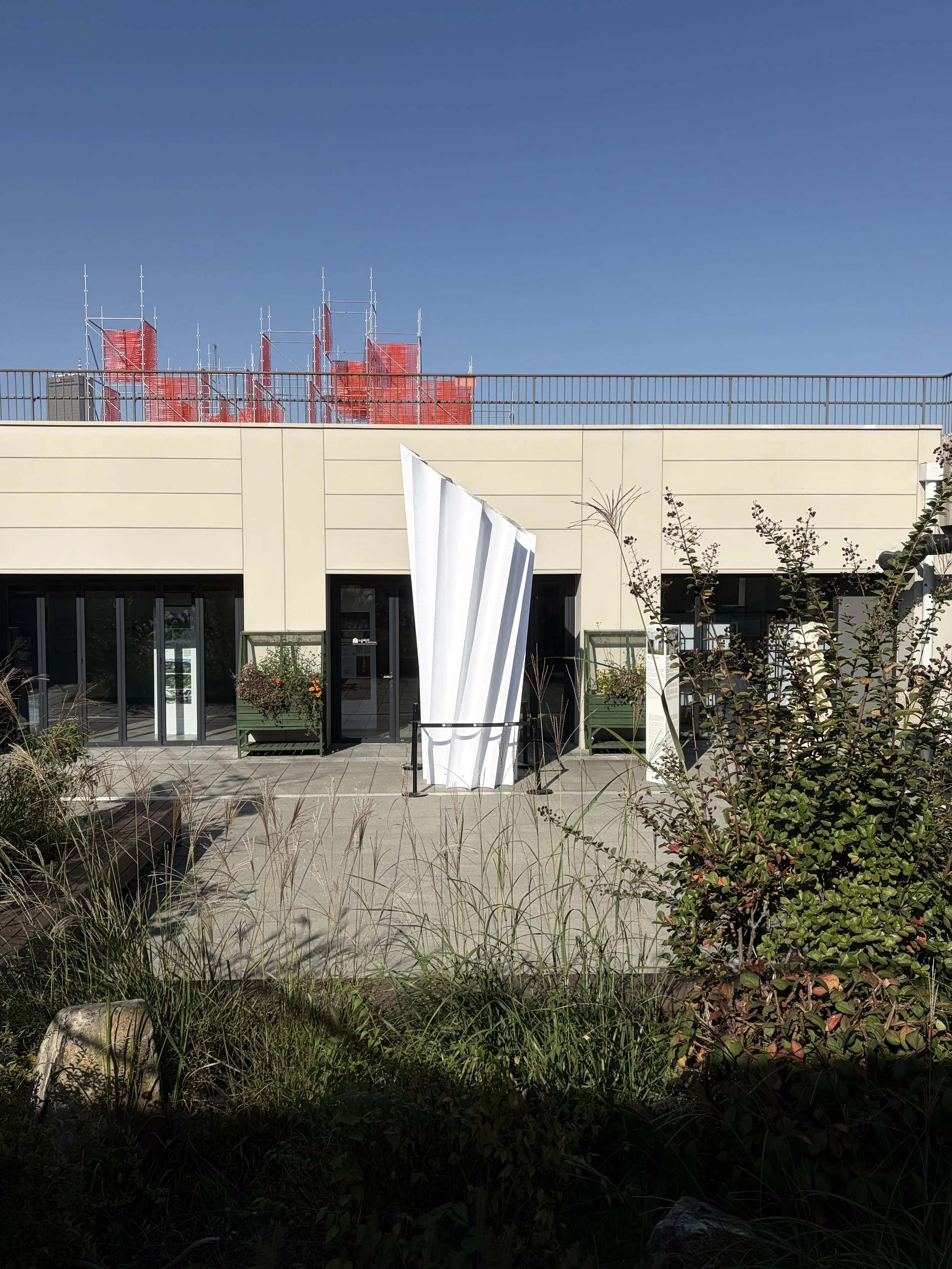
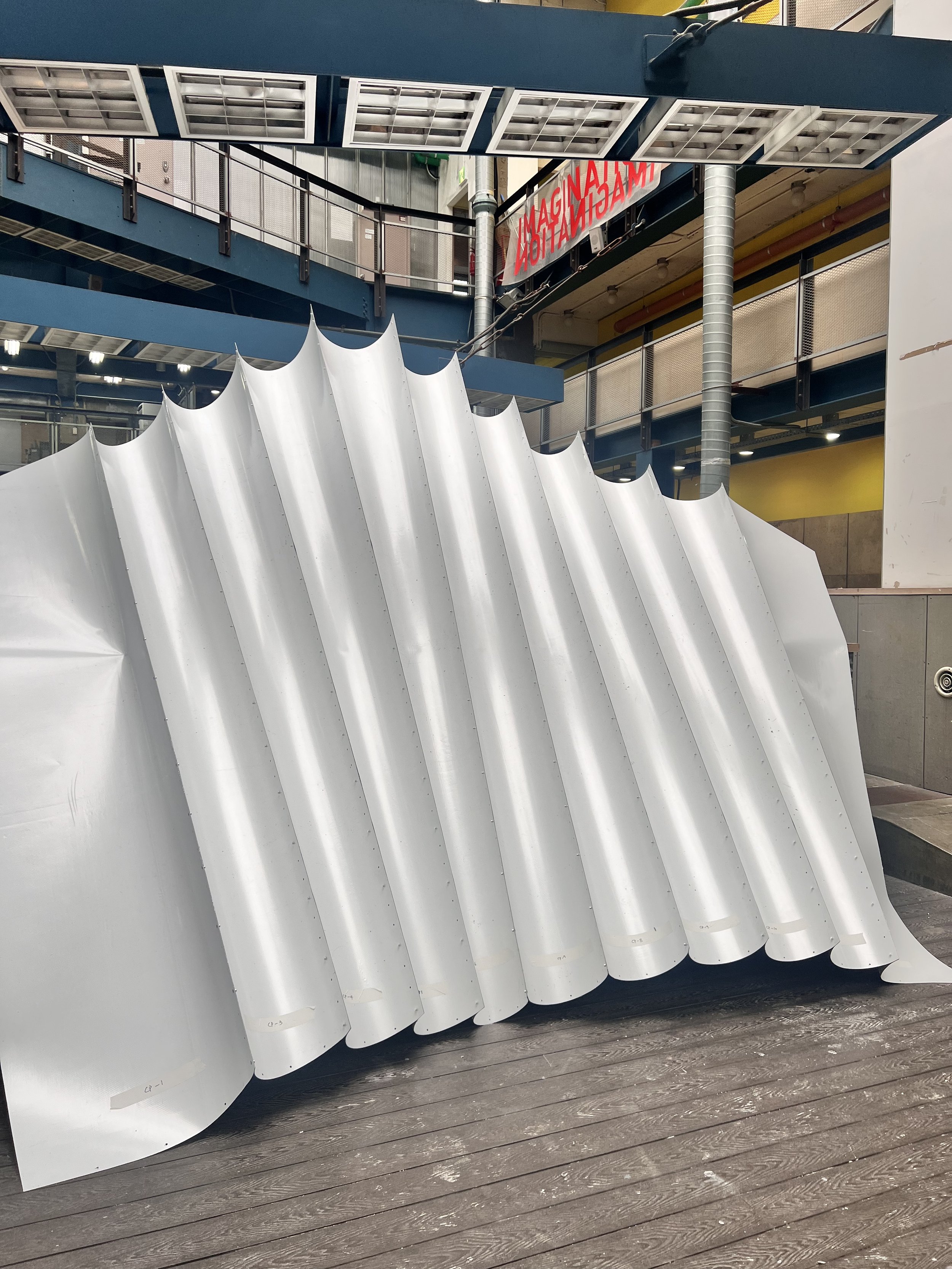
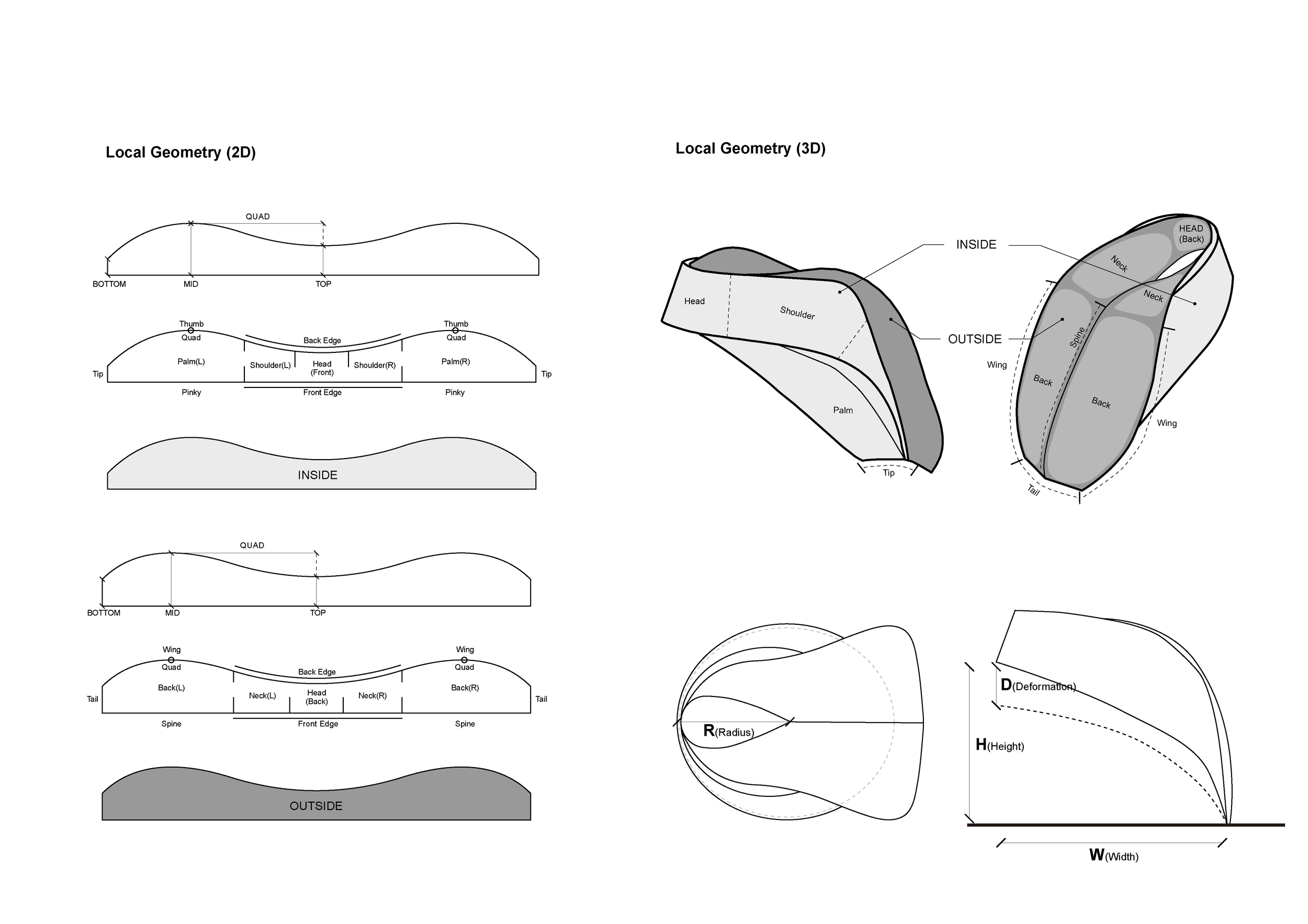
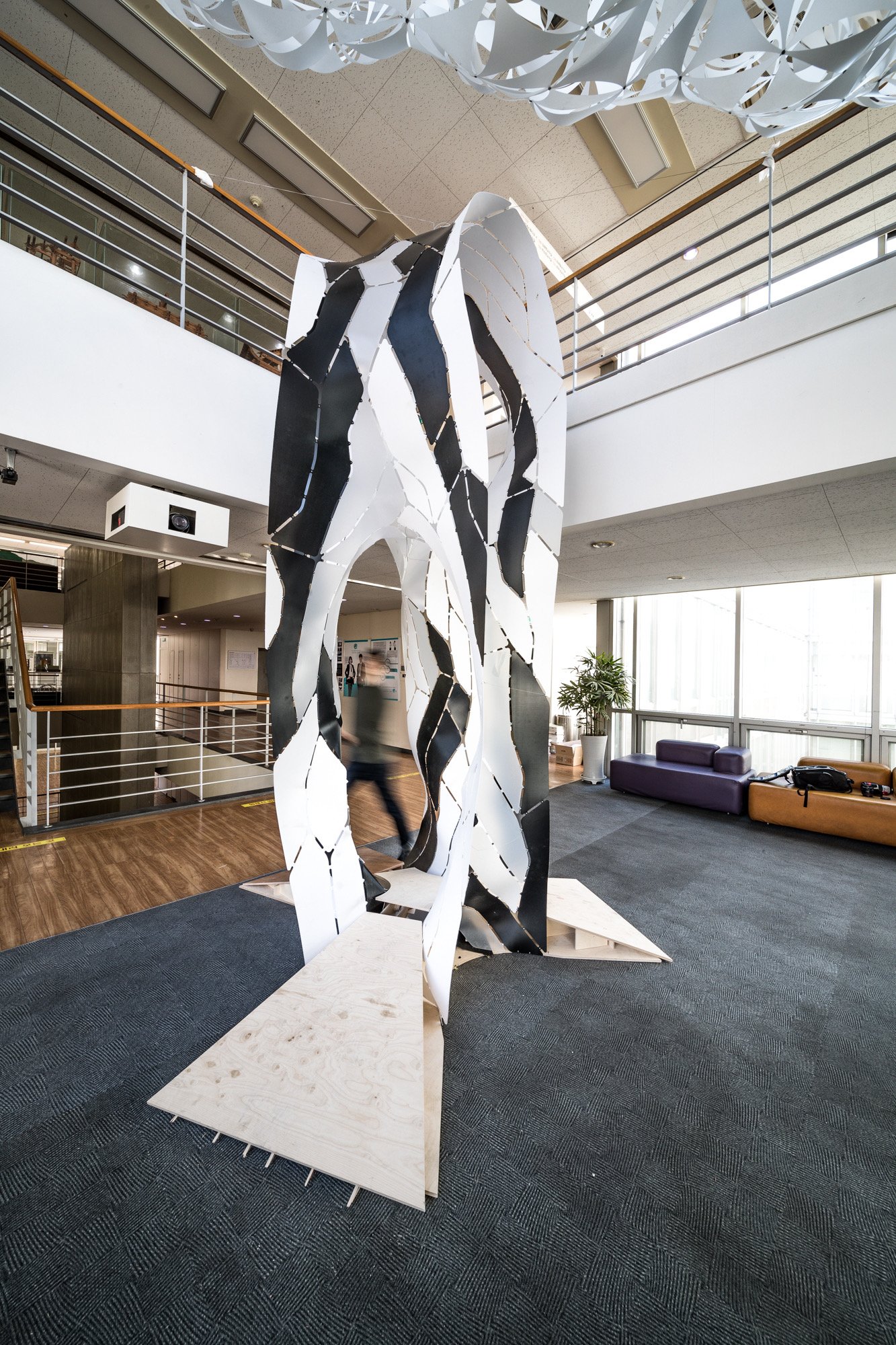
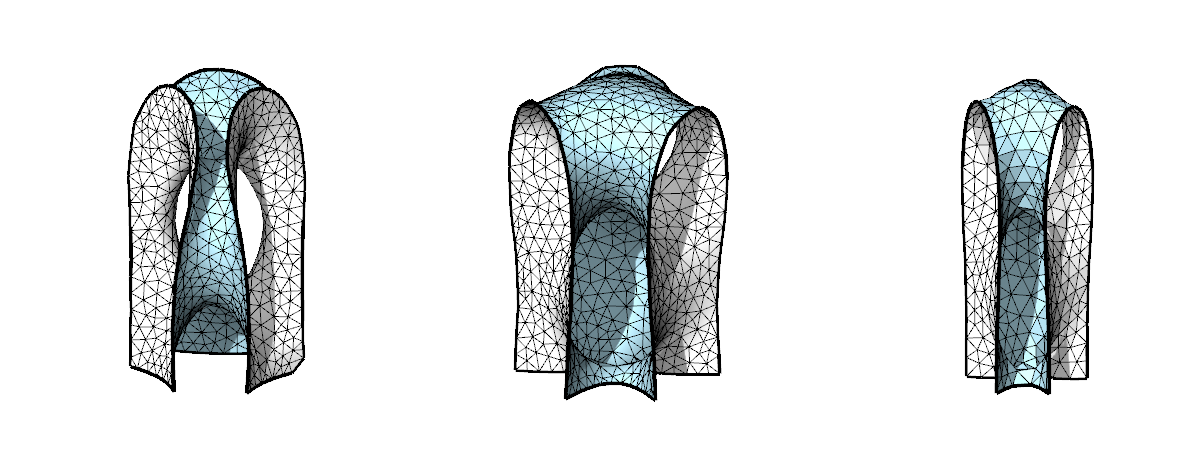
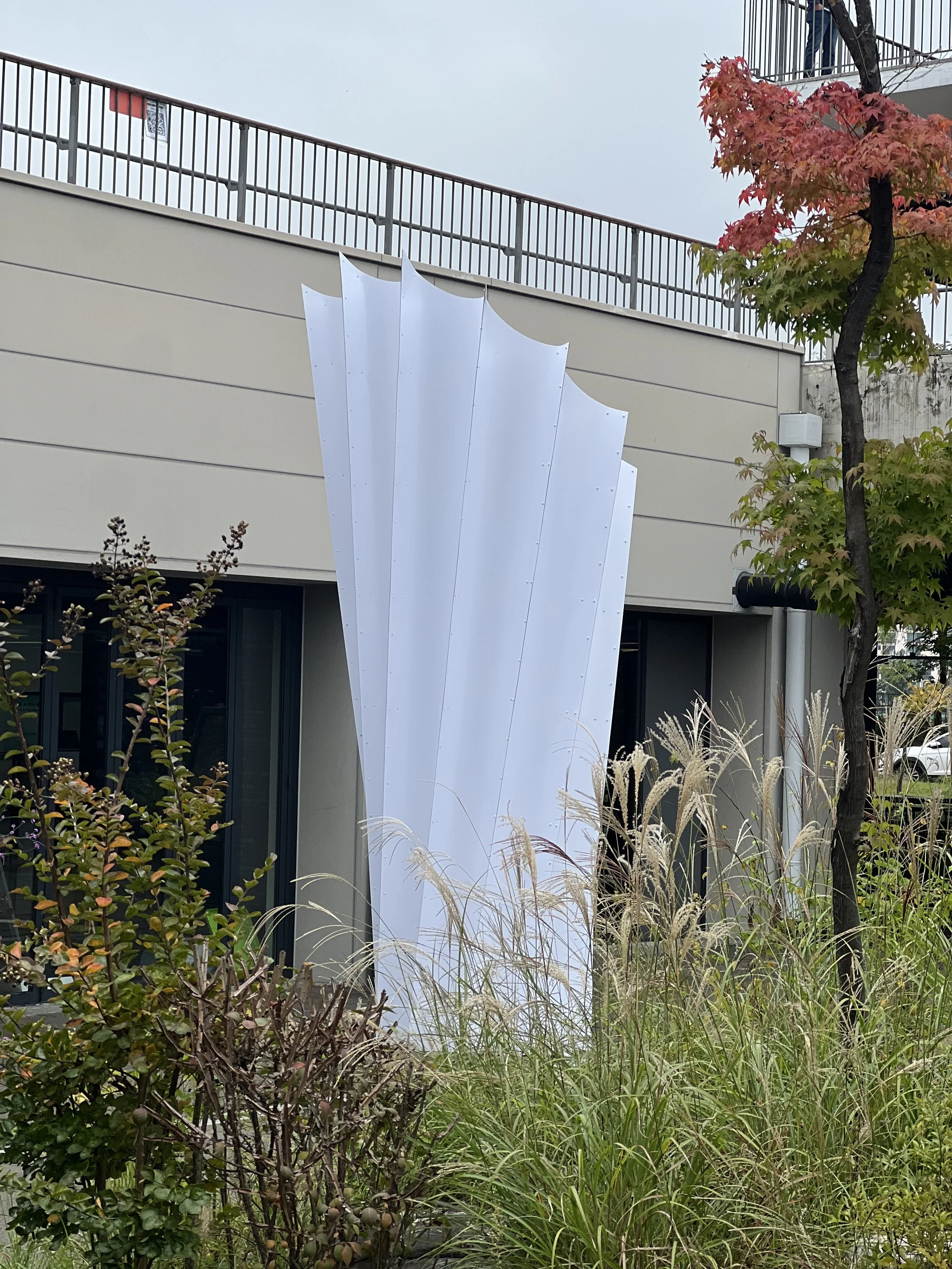
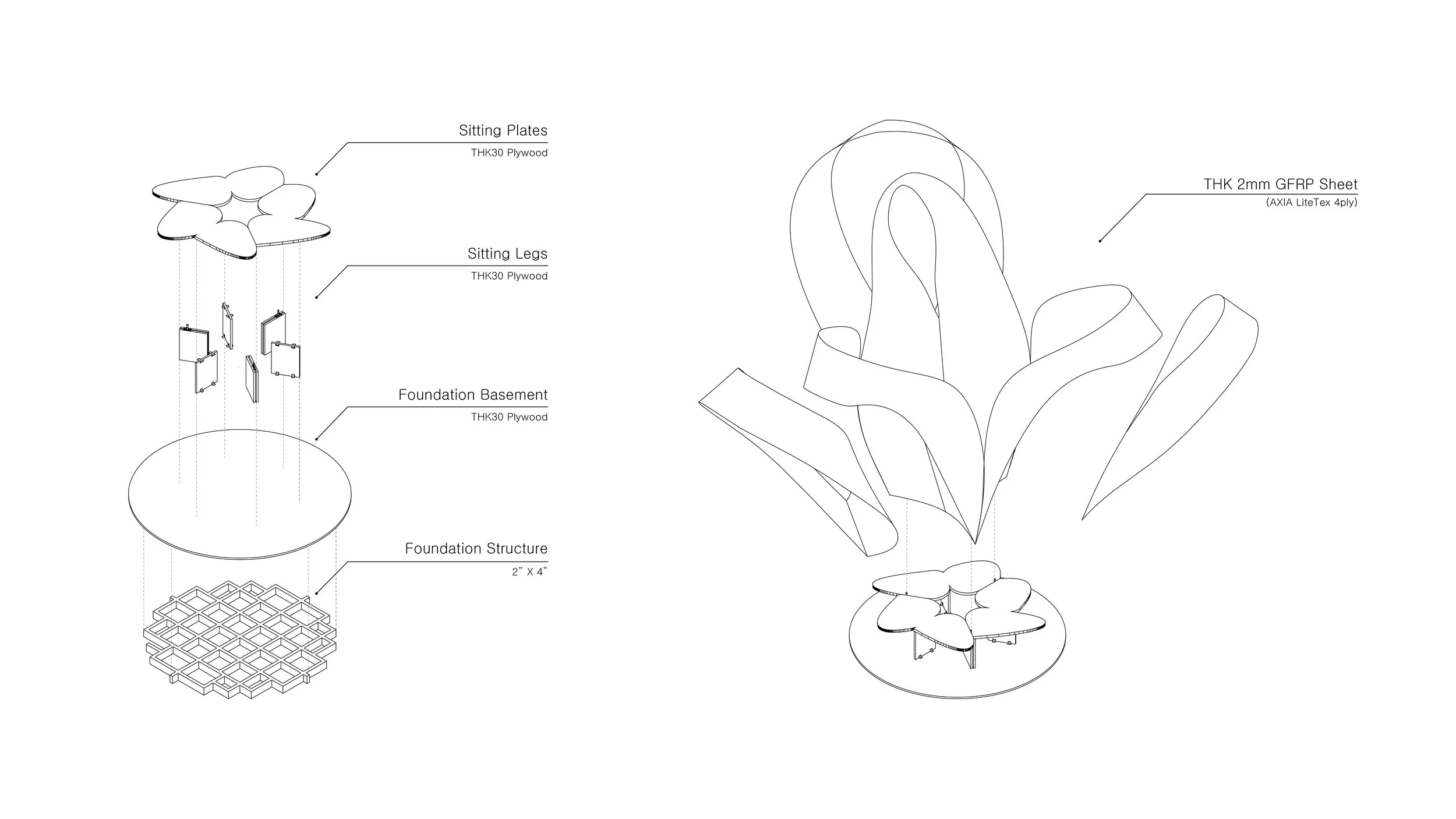
K:INK Tower is a bending-active composite experiment that explores the moment when softness transforms into structure. Using large-scale, ultra-light composite fibers developed by AXIA Materials, the project investigates how flexible materials can discover form and stability through the natural flow of tension.

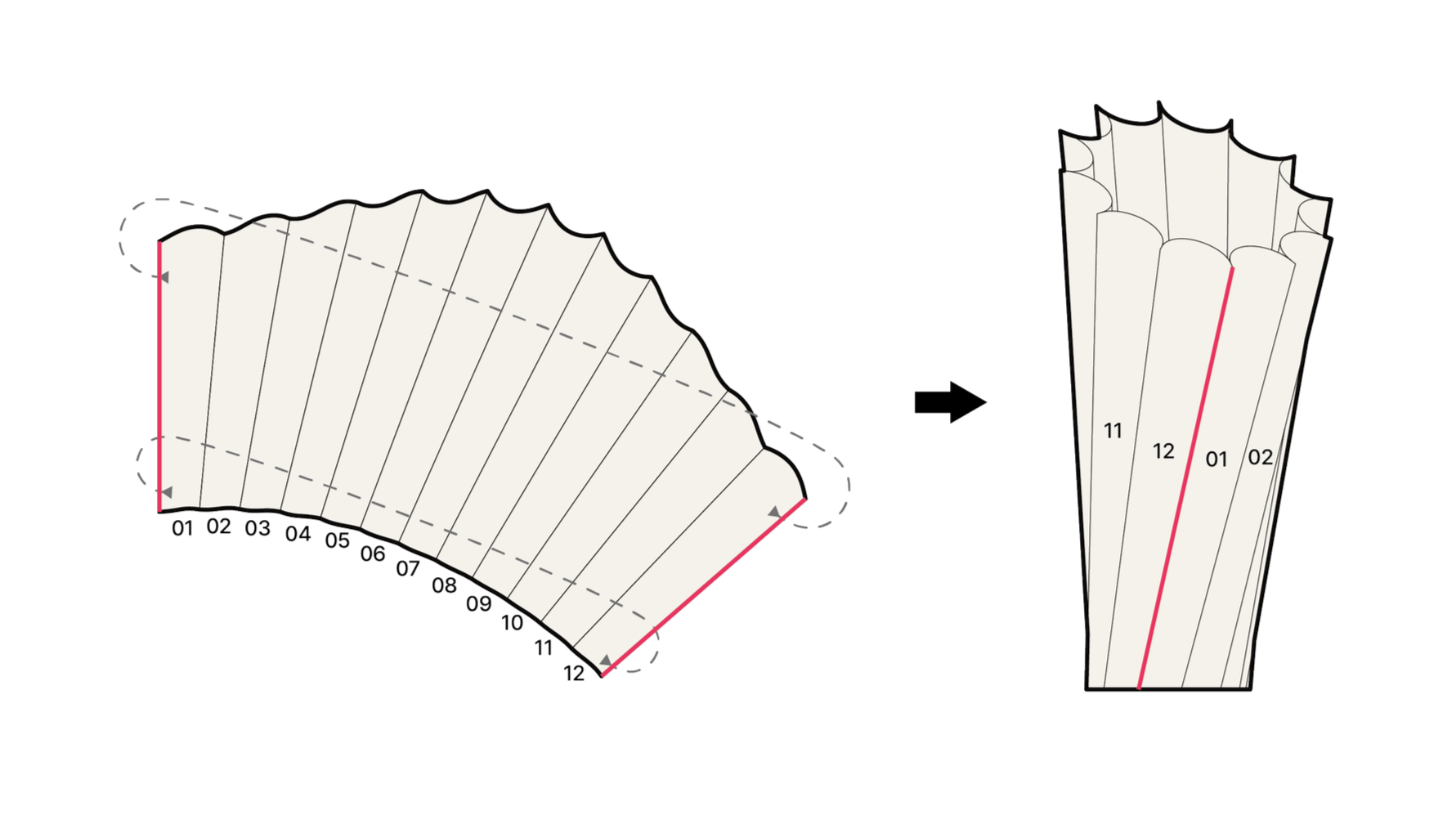
Standing 4.2 meters tall, the tower consists of eleven concave panels that interlock through a calibrated balance of bending and stress, embodying the Soft Tectonic philosophy — an architecture that stands through tension rather than rigidity.

K:INK Tower captures the precise instant when continuous surfaces bend and resist, revealing a vertical gesture where material energy crystallizes into form and structure emerges from its own tension.


Year : 2025

Location : Seoul, Korea

Size : 1m radius, 4.2m height

Project Director :

Dongil Kim (Kyung Hee University / I.f CDL)

Principal Researcher :

Seungil Kim, Gwangeun Hwang (I.f CDL)
Project Assistant :

Isaac Kang, Bugeon Kim, Chaewon Go, Juyoung Lee (I.f CDL)
Supported by : Kyung Hee Univ., I.f Convergence Design Lab, Axia Materials, Kolon Global, I.f Architecture & Research

S:PROUT

Architecture with Flexible Materials: Discovering New Possibilities

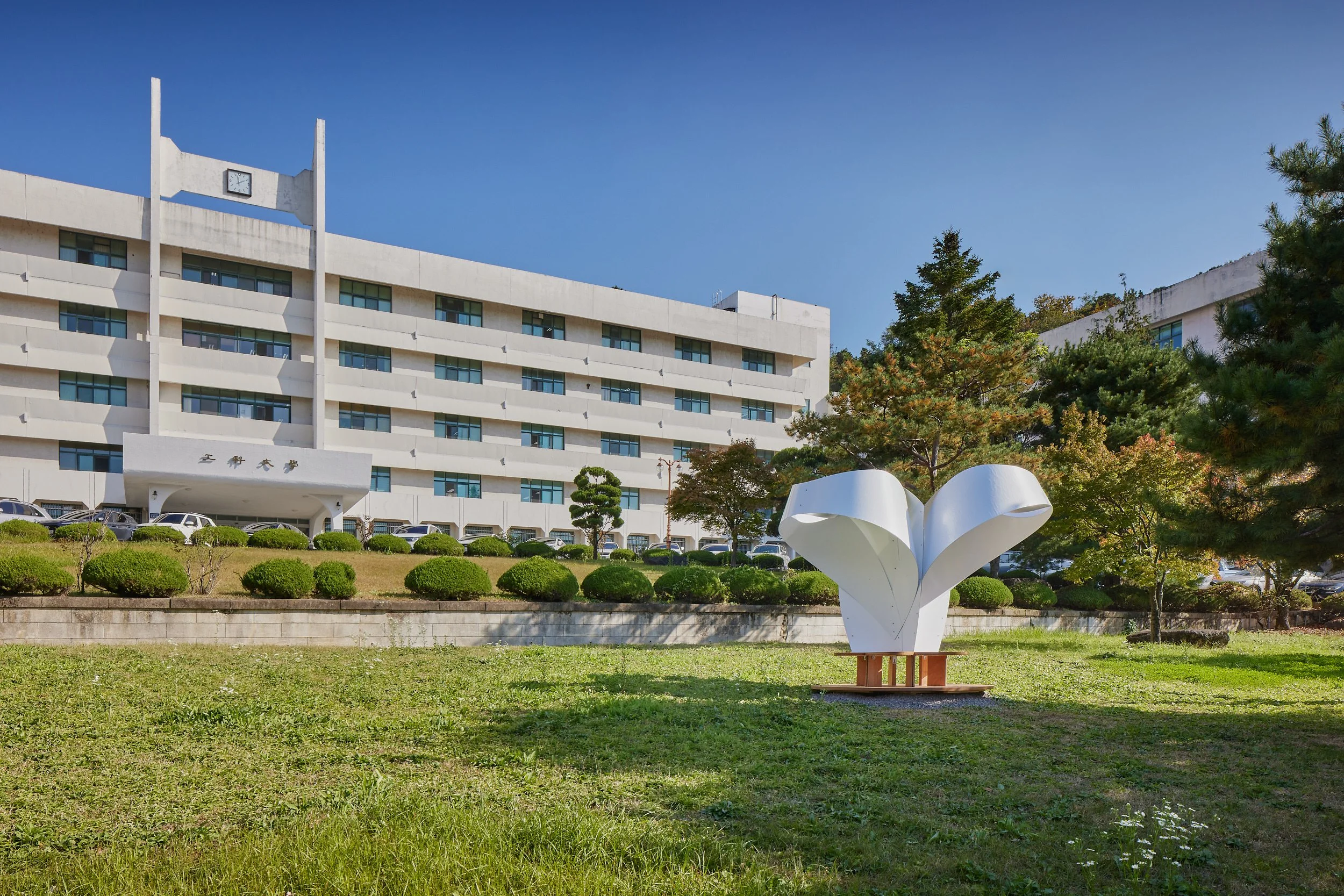
Flexible materials stimulate architectural creativity through their inherent physical properties and capacity for transformation. In traditional vernacular architecture, materials such as bamboo and earth have been utilized to create adaptive, flexible structures that respond to local environmental conditions and needs. Contemporary architecture reinterprets this flexibility by experimenting with high-performance composite materials. LiteTex, the material used in this project, is a continuous fiber composite that begins as a flat sheet and holds potential for transformation into three-dimensional forms. This material simultaneously offers elasticity and rigidity, maximizing portability and storage while enabling the creation of complex structures on-site. By applying two-dimensional patterning techniques from the garment industry, this approach enables the transformation of flexible, flat materials into three-dimensional forms, simplifying the fabrication process and ensuring cost-effectiveness. LiteTex represents more than a material experiment; it expands the possibilities of architectural design. This material is not only suitable for spatial requirements such as movable structures, temporary buildings, and pavilions, but it is also recognized for its environmental sustainability.

Designing Change: Process-Oriented Design and Fabrication

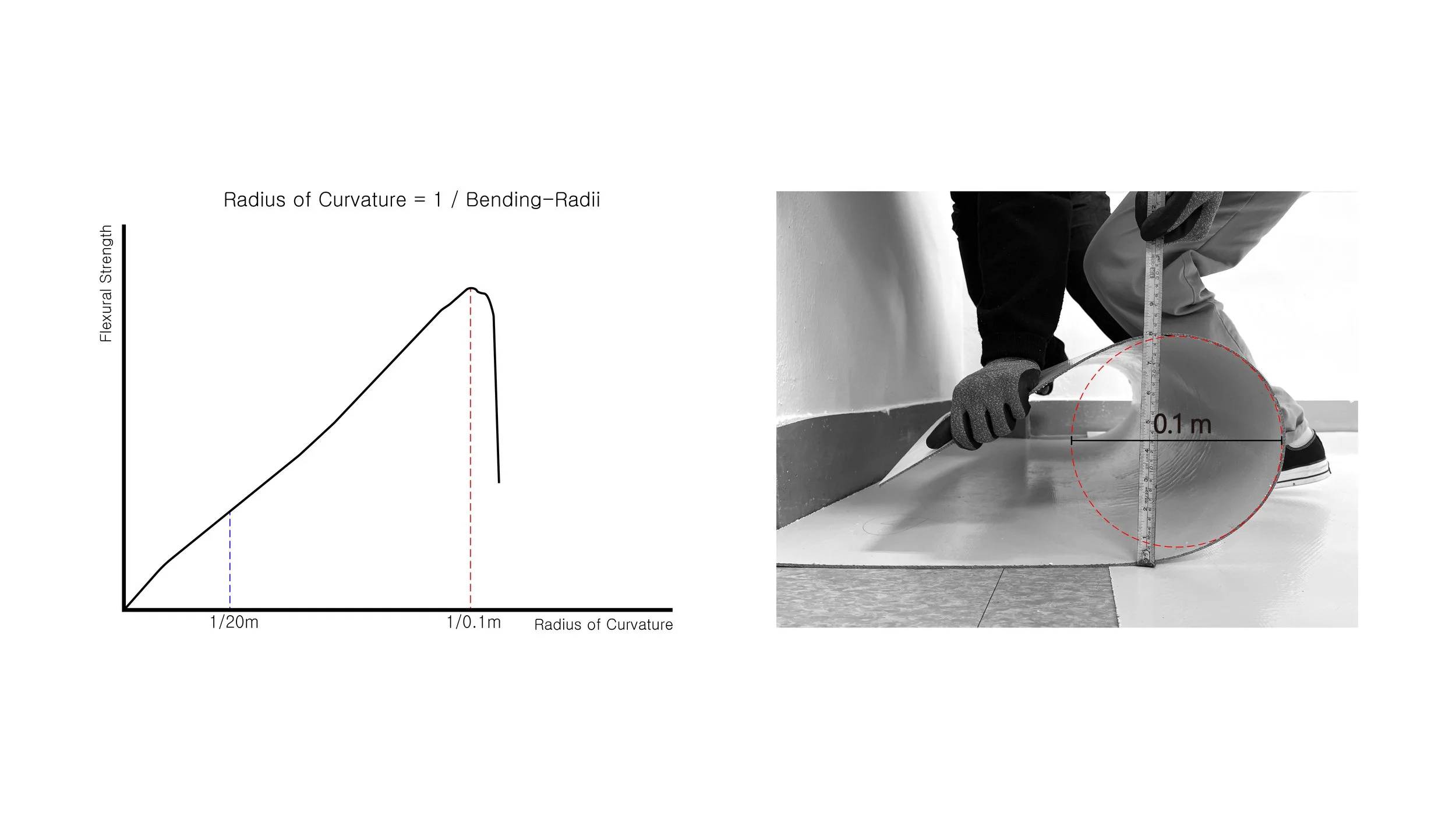
Designing change involves more than the creation of a final product; it requires the integration of the entire process by which that product is realized. This project focuses on the research of the design and fabrication process, investigating the physical properties and limitations of flexible materials through the integration of digital technologies and physical experimentation. The design process is divided into three distinct phases. The first phase involves basic form experiments using scale models to analyze the relationships between the material’s physical properties and the design variables. The second phase combines digital simulations with physical testing to assess the material’s behavior in real-world conditions. Finally, full-scale mock-ups are constructed to identify potential issues in the assembly process and derive solutions. By considering factors such as the material’s bending radius, self-weight, and assembly sequence from the early design stages, it is possible to achieve not only three-dimensional forms but also structural stability and spatial efficiency. This approach enhances the overall quality of the final product while minimizing errors during fabrication.

Integration with Digital Technology: Employing New Design Tools

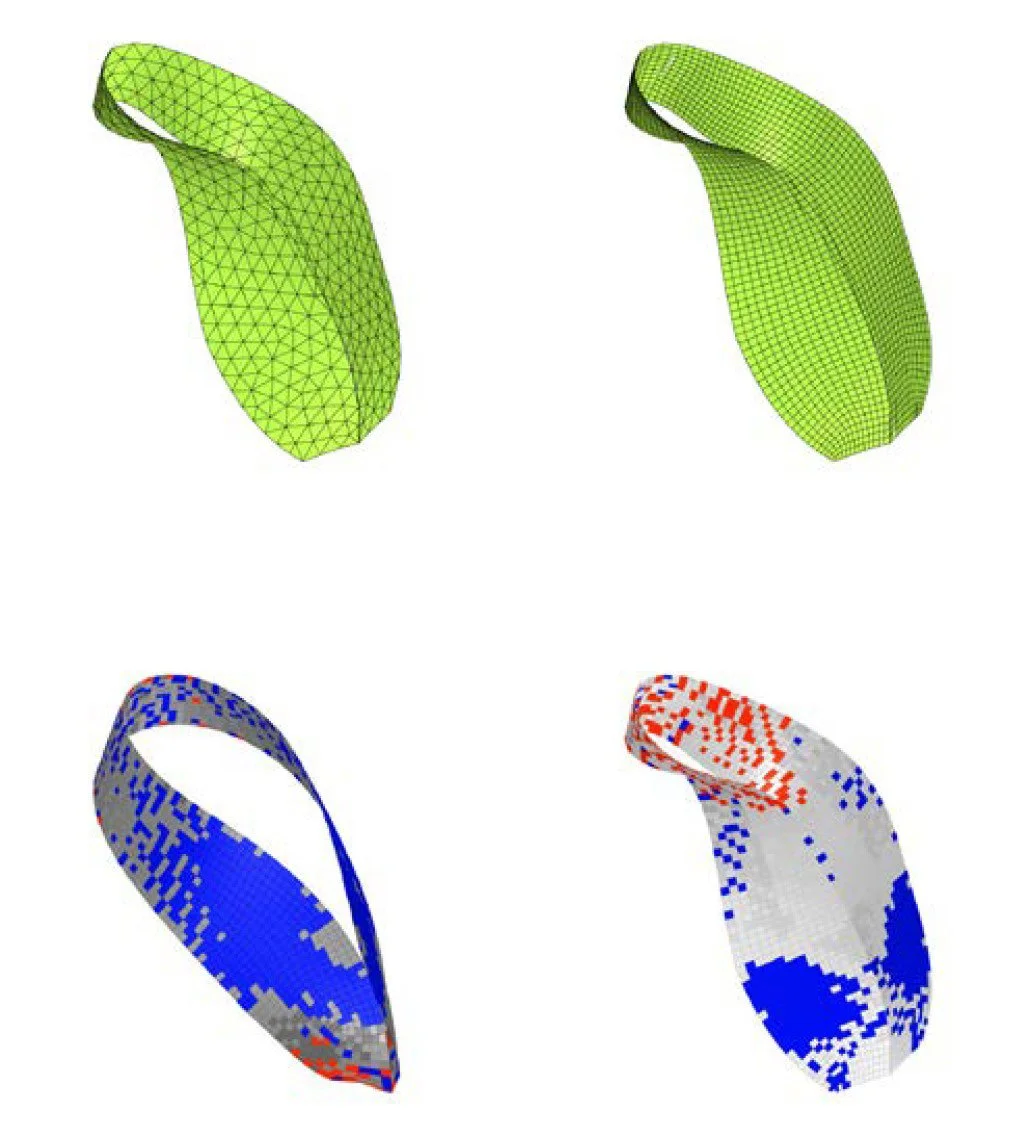
Digital technology plays an essential role in effectively integrating the design and fabrication processes. In this project, a digital twin was constructed to measure the gap between the virtual model and physical reality, allowing for simulations of changes throughout the entire design and fabrication phases. Digital simulations were utilized as a tool to validate the design’s efficiency before creating physical mockups. Factors such as bending strength and deformation limits were analyzed in advance, enabling the identification of potential errors prior to fabrication. These simulations facilitated collaboration among architects, engineers, and material specialists, and helped integrate data from multiple disciplines. Physical experiments served to verify the outcomes of digital designs and test the performance and assembly feasibility of the materials. The complementary relationship between digital simulations and physical testing improved the reliability of the design and further extended the potential of new materials and technologies.


Year : 2024

Location : Yongin, Korea

Status : Installation

Size : 0.957 ㎡

Height : 2.87m

Material : LiteTex 5ply (AXIA Materials), Plywood

Structure : Bending-Active Composite Structure

Project Team : I.f Convergence Design Lab + Center for Ai & Architecture (Ai+A) (Prof. Dongil Kim)

Principal Researcher : Seungil Kim, Gwangeun Hwang

Project Assistant : Dongheon Lee, Jinsan Ryu, Isaac Kang, Yeonhee Kim, Hyeongtai Kim, Ro-un Yi (DAKHU)

With the Support of : Seojoo Lee, Hyojung Kim (I.f)

Collaboration : I.f Architecture & Research, AXIA Materials, Kolon Global, EFFECTOR, V.P.Lab

Photography : Kyung Roh

Panelization Standard Details


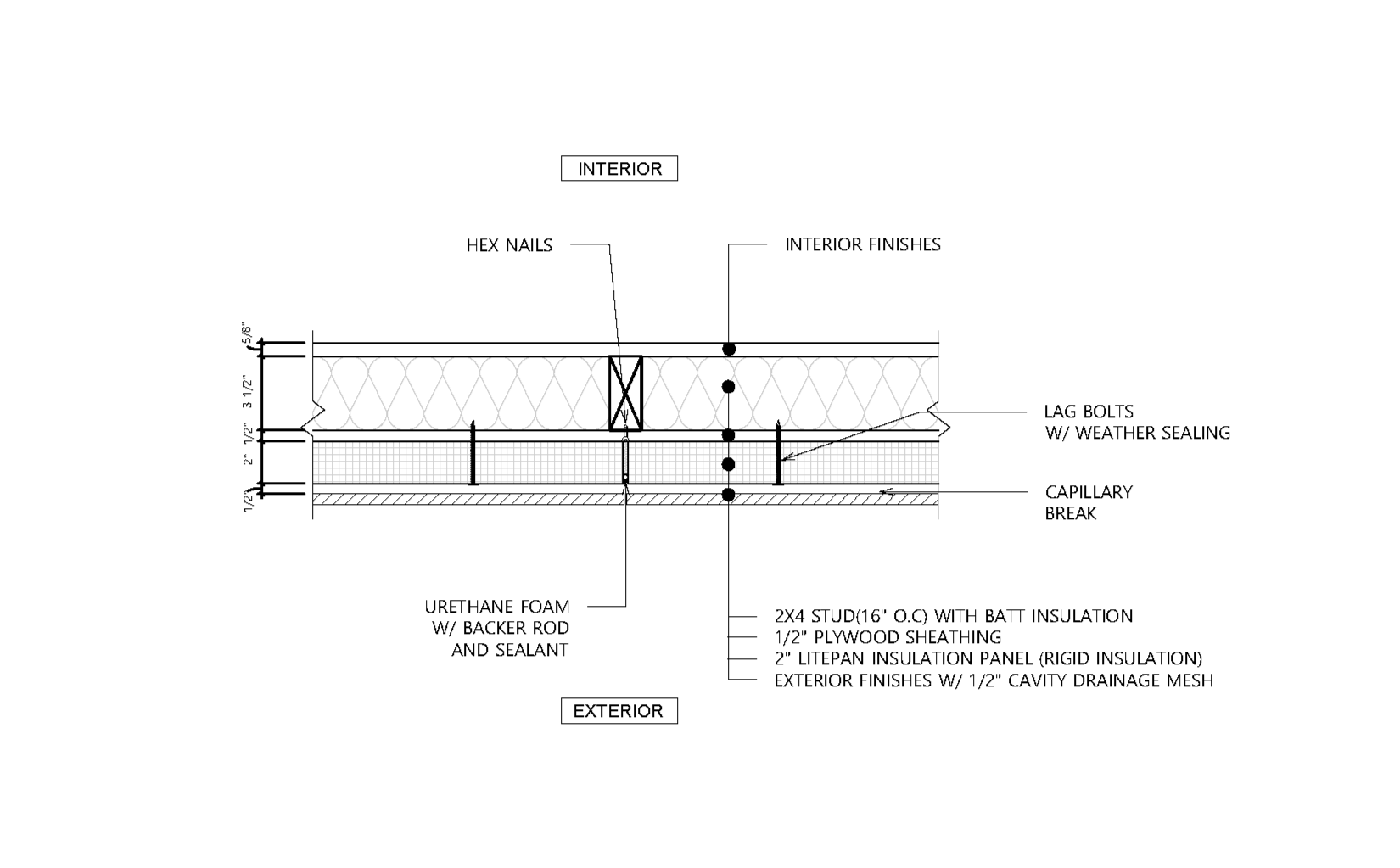
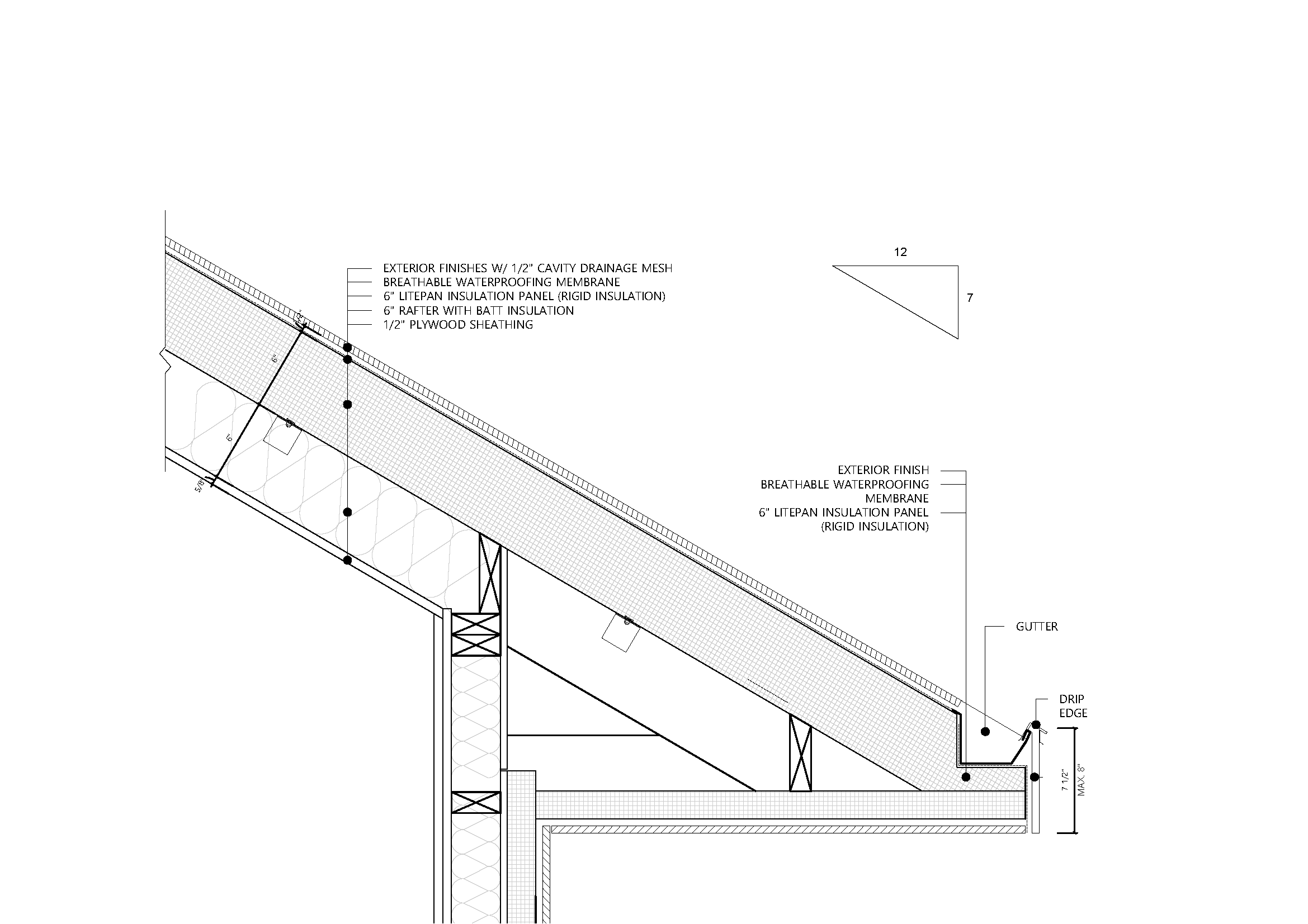
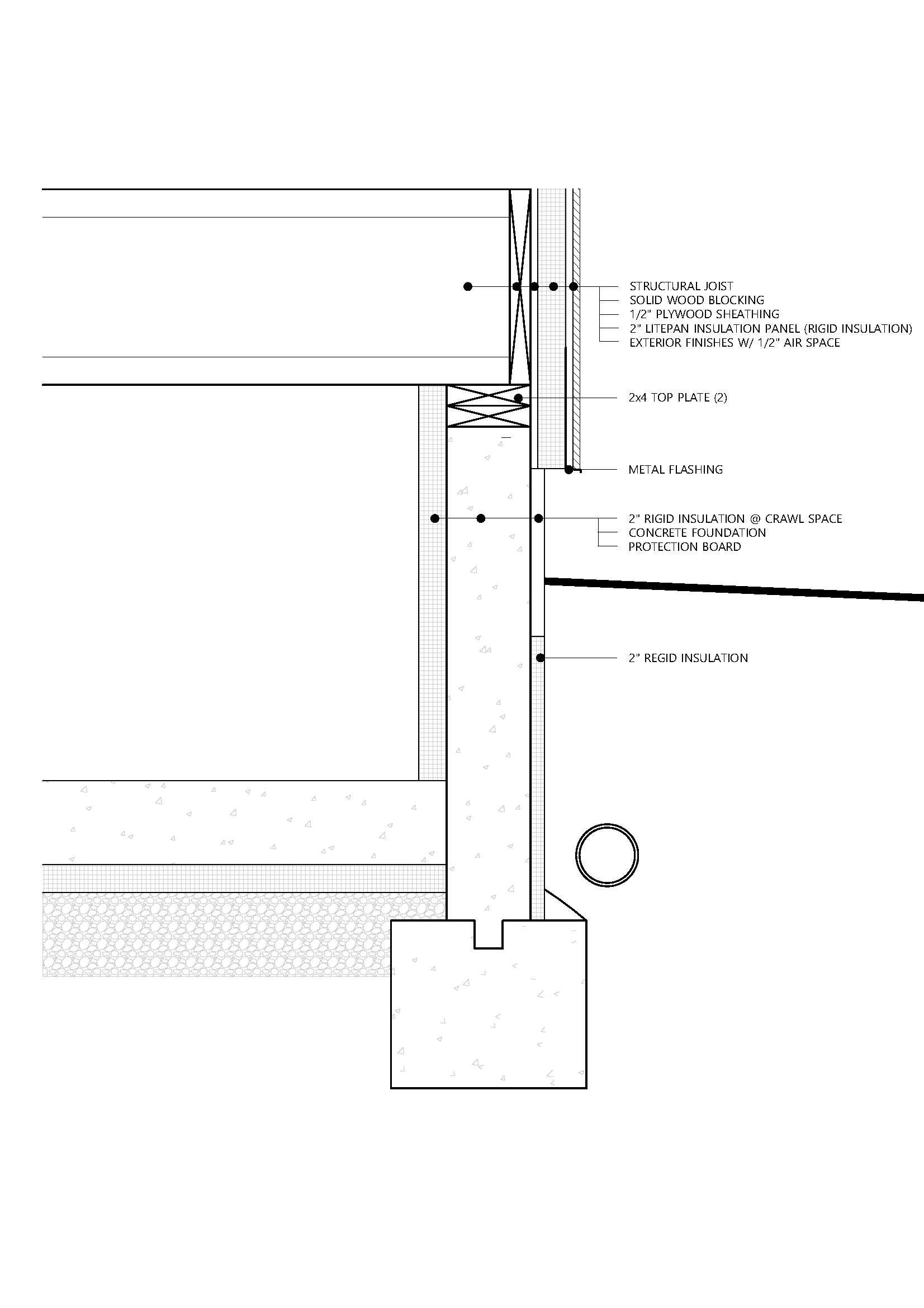
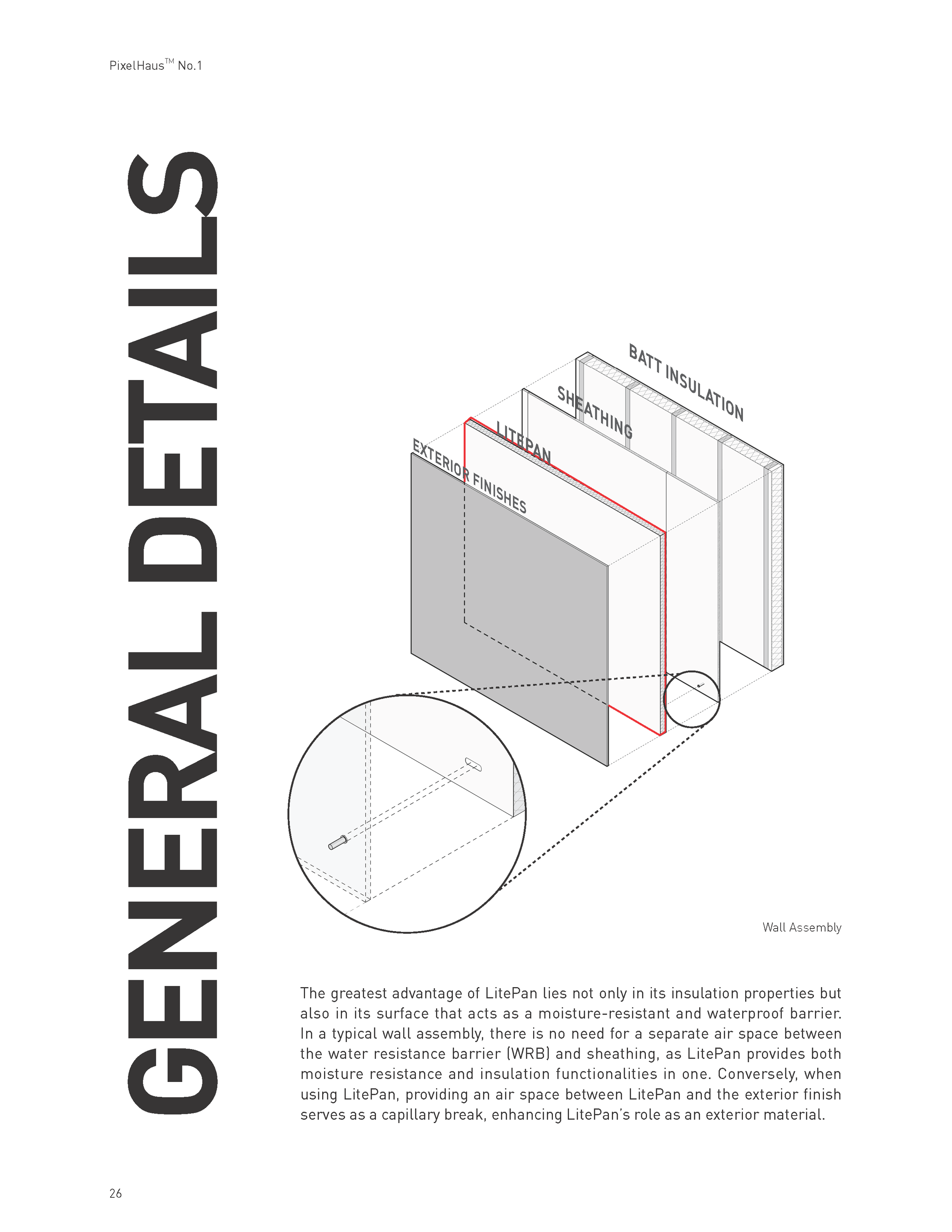
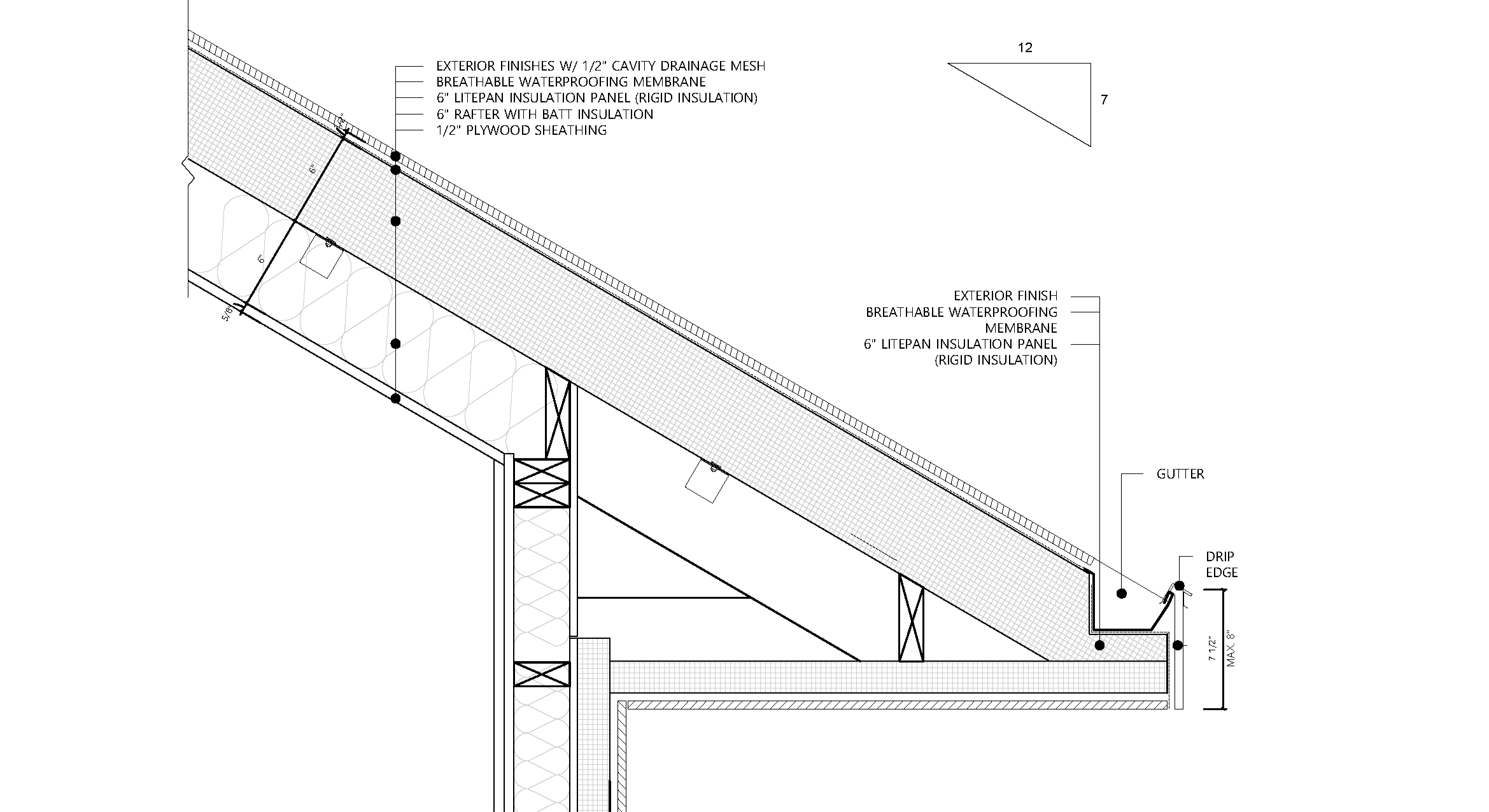
Composite building structures offer several advantages over traditional materials, including faster installation, increased cost-efficiency, higher energy efficiency, and longer life cycles. LiteTex®, a cutting-edge composite laminate created by Axia Materials, incorporates continuous fibers—such as glass, carbon, or aramid fibers—for reinforcement and uses a proprietary resin system for its matrix. This innovative composition enables LiteTex® to outperform metallic materials, offering a lighter weight and greater strength by comparison.”LitePan® is an advanced Composite Structural Insulated Panel (C-SIP) that employs LiteTex® as its outer face material and foam plastics as its insulation core. This product has been employed in numerous energy-efficient, volumetric construction projects due to its multifunctionality—it simultaneously provides structural support, insulation, and waterproofing. LitePan® offers extensive coverage, with single panels capable of spanning up to 9-feet by 40-feet, while maintaining an extremely low weight of approximately 1.12 lb/ft2 (5.47 kg/m2) for a 4-inch (101.6mm) thick panel.”

The distinctive features of LitePan® have delivered unparalleled value to the construction industry, enabling exceptionally rapid construction and airtight sealing. These capabilities facilitate a level of energy efficiency that meets Passive House standards, providing cost-effective solutions that save both time and energy in building projects.

The primary objective of this catalog is to furnish comprehensive elucidations regarding the exemplary versatility of LitePan® and its adherence to prevailing architectural standards. Additionally, it endeavors to furnish intricate delineations pertaining to specific applications. We express the anticipation that, upon the prospective utilization of this product by regional contractors or construction entities, this catalog shall prove to be an invaluable resource, offering substantial aid and guidance.


Year : 2023

Size : 92.90 ㎡

Structure : Construction Type V (Lightweight Wood Structure with Insulated panel attached)

Type : Residential

Status : Completed

Principal in Charge : Seojoo Lee, Hyojung Kim (I.f), Dongil Kim (I.f.CDL)
Desigin Team : Seungil Kim (I.f.CDL)
Pixel Haus No.1

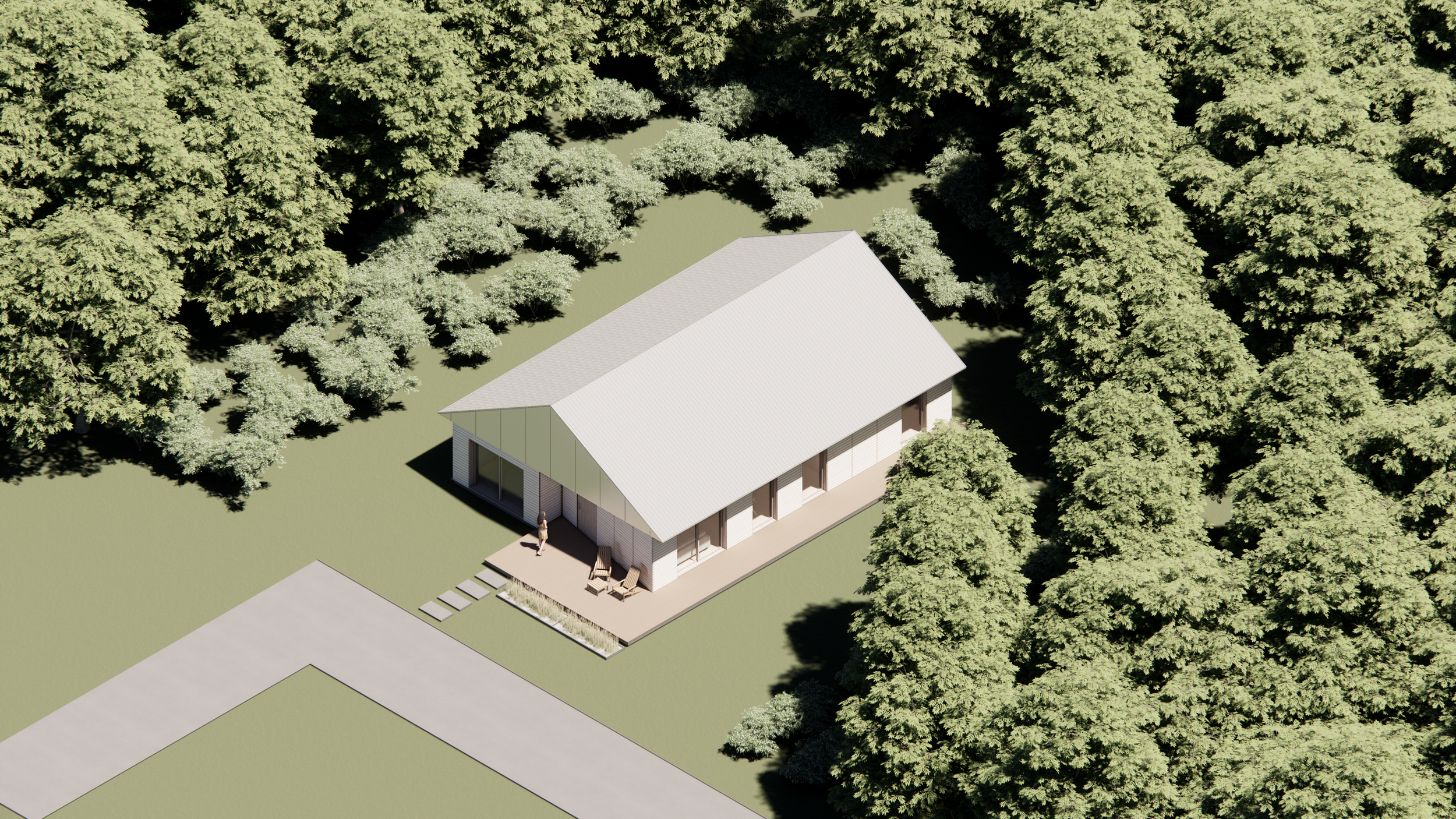
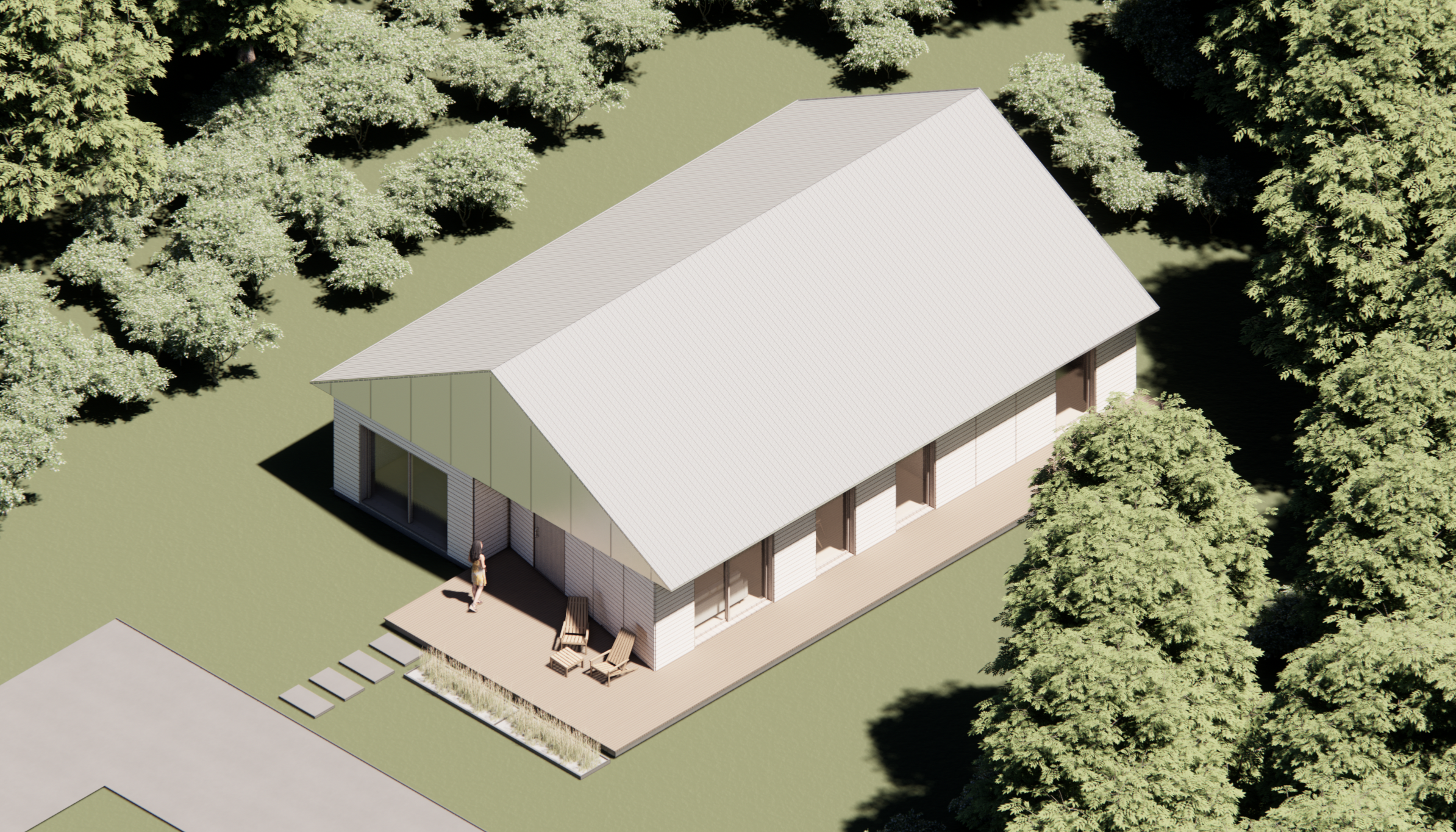
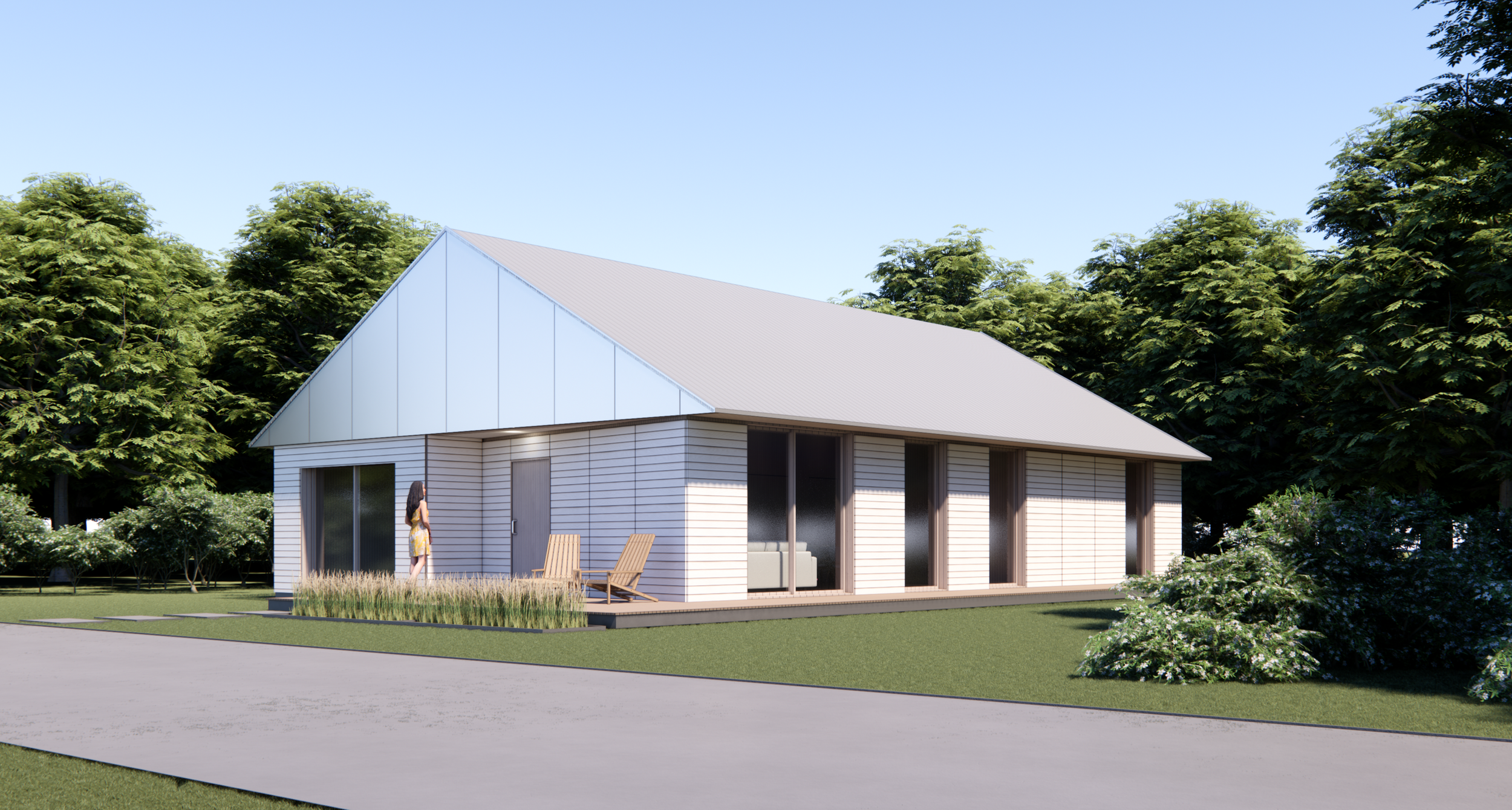
PixelHaus is a brand developed by Axia that will feature a range of proposals and sample houses using LitePan Board for both wall and roof materials. The aim is to showcase the versatility and effectiveness of LitePan in various housing designs intended for the US market. These designs will cater to different needs, from small ADUs (Accessory Dwelling Units) with an area of around 600 square feet to larger two- story single-family homes spanning up to 2,000 square feet.

The concept behind PixelHaus is to demonstrate how LitePan can be seamlessly integrated into different types of residential buildings, offering both architects and builders a wide array of options for incorporating LitePan into their projects. By utilizing LitePan for both wall and roof materials, “PixelHaus™ is designed to showcase the exceptional energy efficiency, inclusive of superior thermal insulation capabilities, and the robust structural integrity inherent in LitePan technology.”

PixelHaus intends to provide a platform for presenting innovative housing solutions that prioritize energy efficiency, sustainability, and ease of construction. By leveraging LitePan’s lightweight yet robust characteristics, PixelHaus seeks to redefine traditional housing construction methods and offer more efficient and environmentally friendly alternatives.

The proposals and sample houses presented under the PixelHaus brand will serve as practical examples of how LitePan can be utilized effectively in real-world construction projects. Each design will be carefully crafted to showcase LitePan’s capabilities in enhancing thermal performance, moisture resistance, and overall building durability.

Overall, PixelHaus represents Axia’s commitment to promoting LitePan as a premier building material for modern residential construction, offering solutions that meet the evolving needs of homeowners, architects, and builders alike.


Year : 2023

Size : 92.90 ㎡

Structure : Construction Type V (Lightweight Wood Structure with Insulated panel attached)

Type : Residential

Status : Completed

Principal in Charge :

Seojoo Lee, Hyojung Kim (I.f), Dongil Kim (I.f.CDL)
Desigin Team : Seungil Kim (I.f.CDL)
SY Inpection Engineering

Creating Sensory Experience in Industrial Architecture

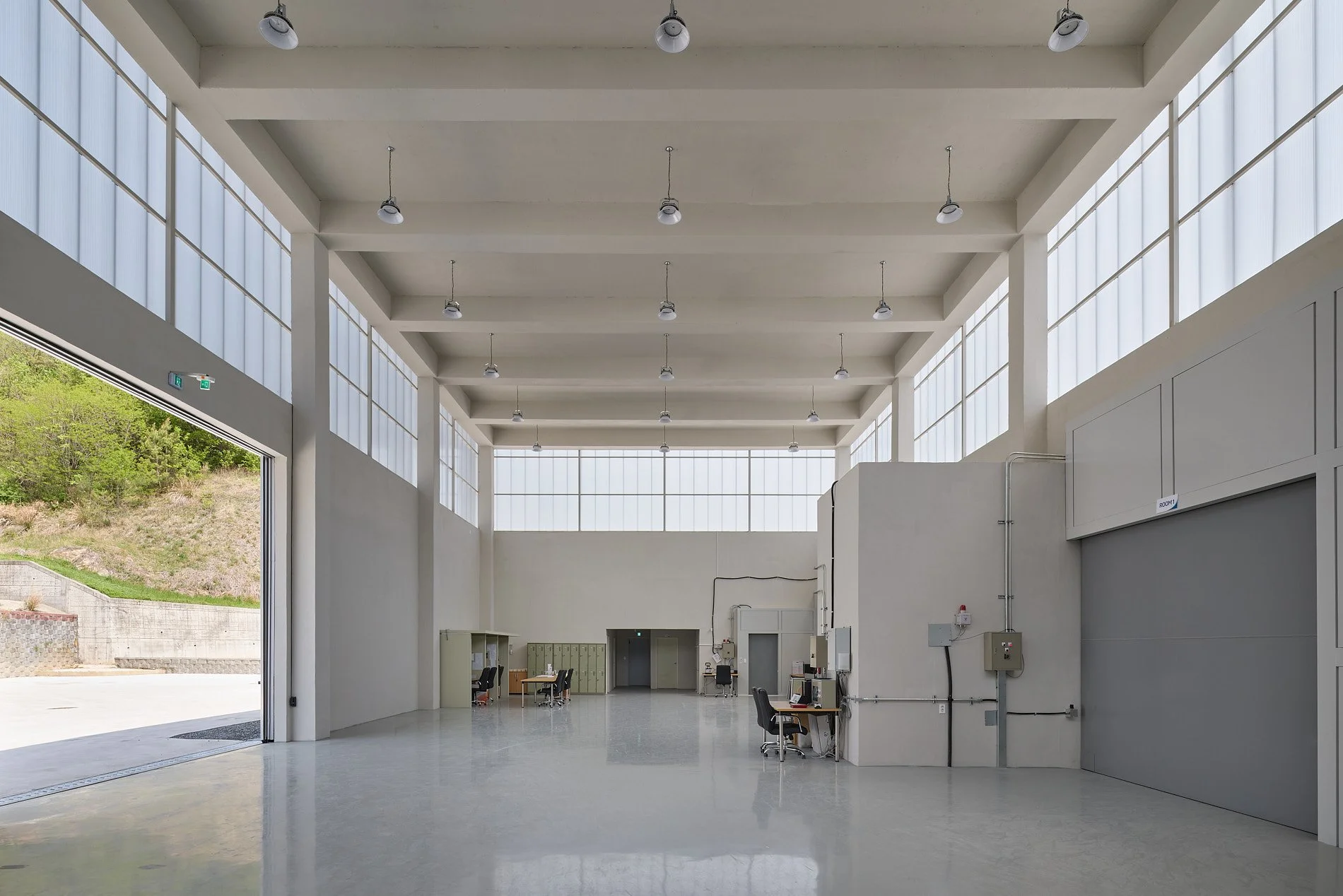
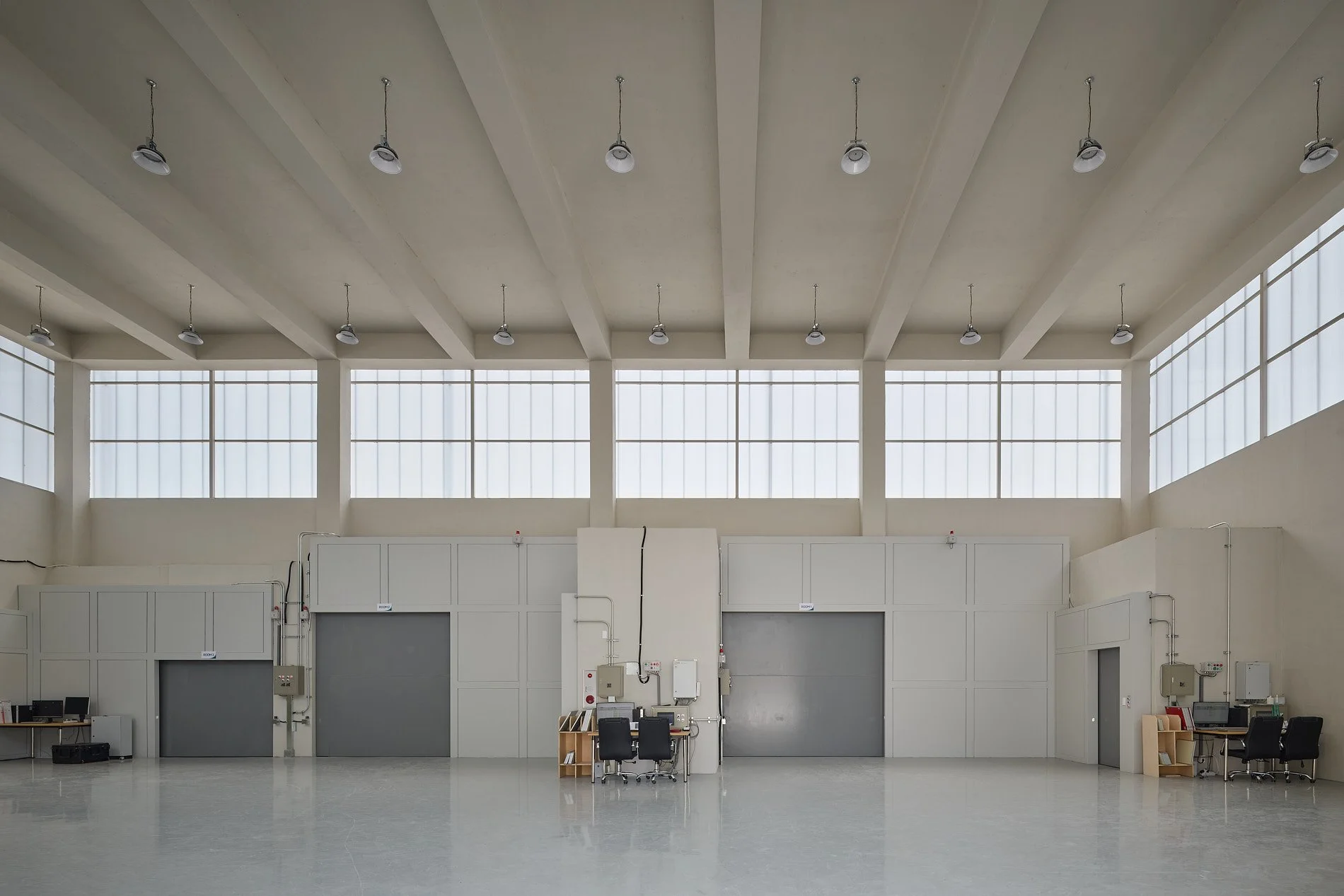
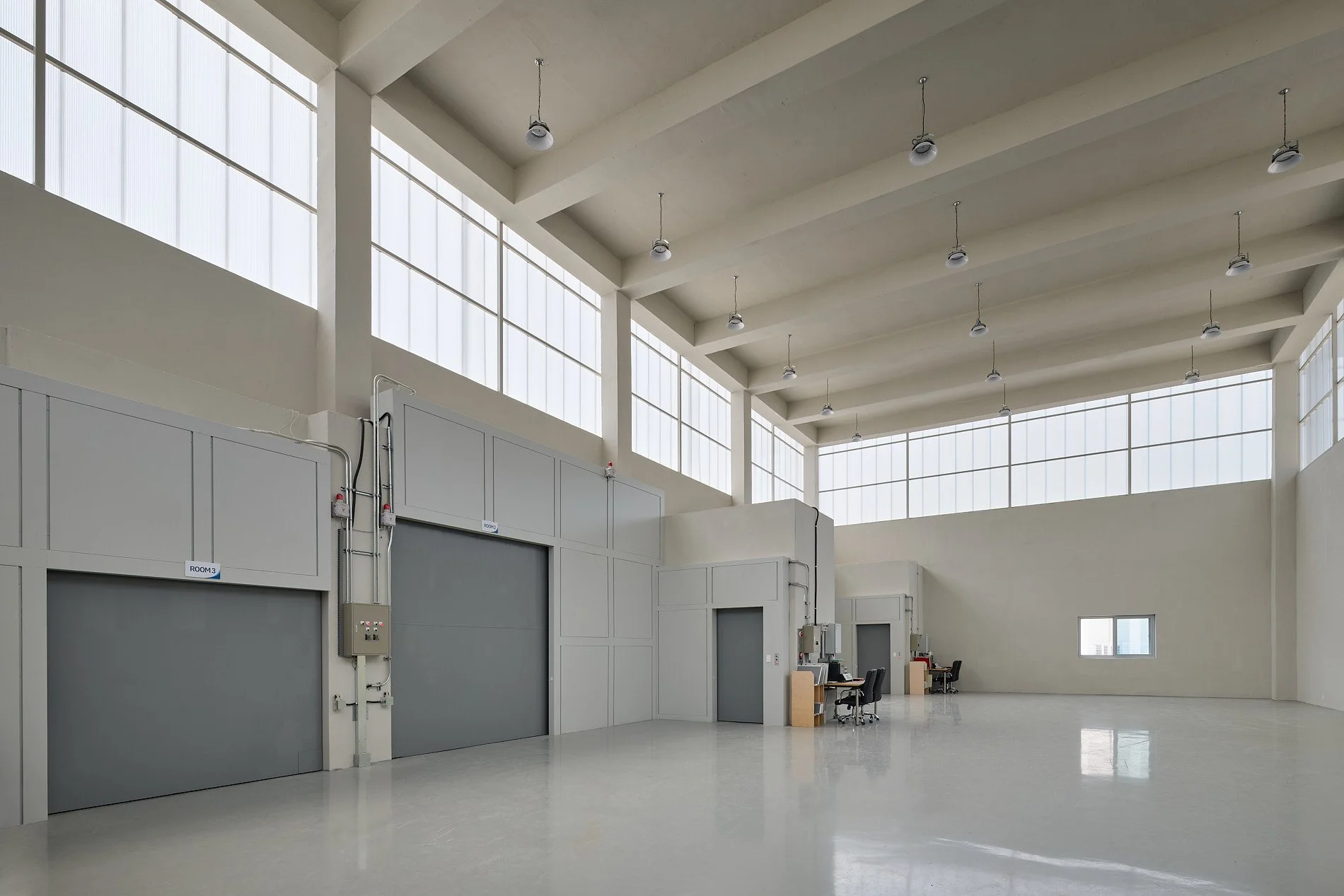
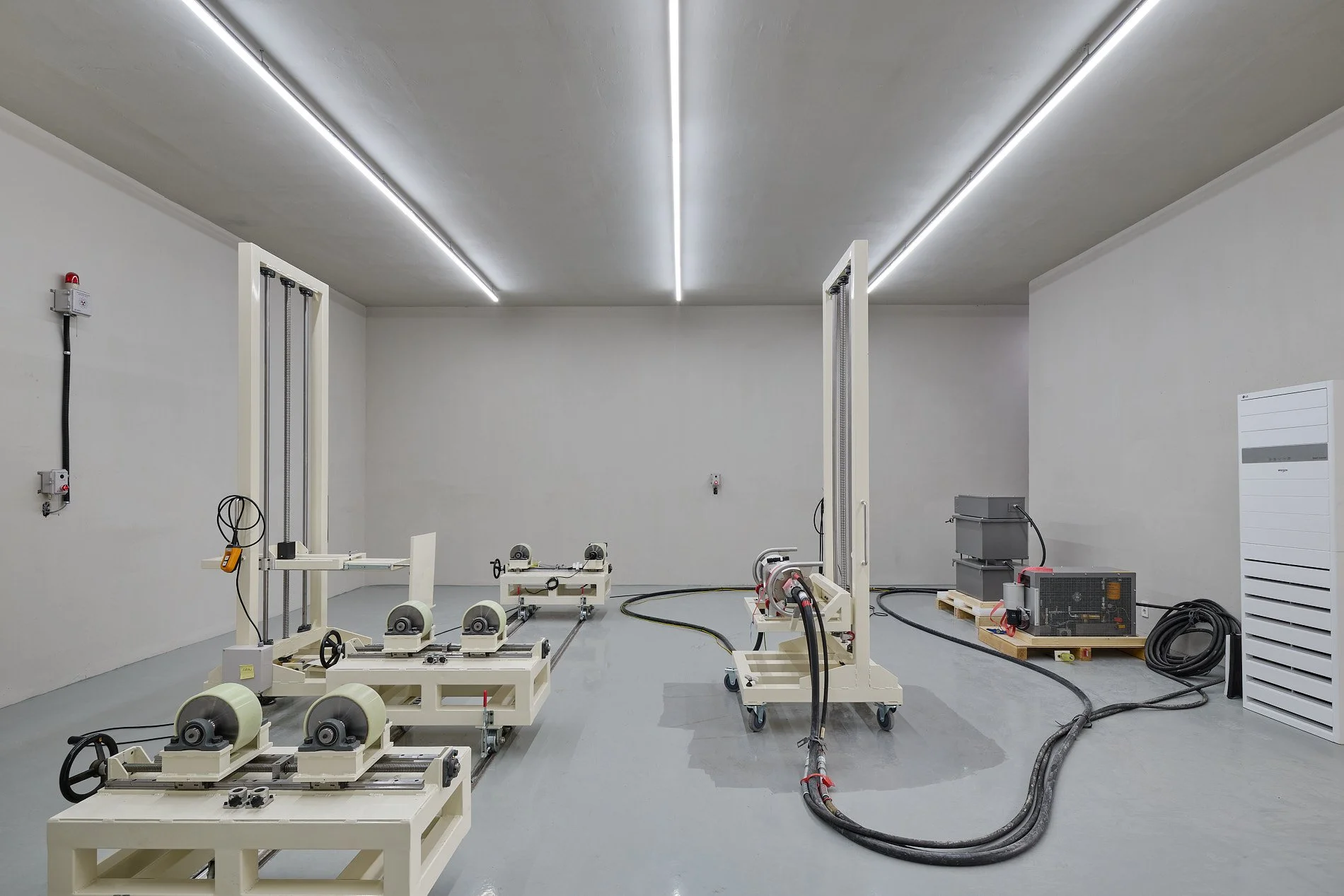
Inspection facilities rarely allow architectural expression. Handling invisible radiation, heavy equipment, and strict functional priorities, these spaces are dominated by technical constraints. The Samyoung Inspection Engineering facility in Miryang explored how architecture can intervene within such limits.

Order Through Function

Located in an industrial complex in Miryang, the facility is a specialized non-destructive testing (NDT) center with shielding walls, heavy iron doors, and high ceilings. These constraints were embraced as a framework for order. Three main inspection rooms are connected by clear circulation paths, with an open central hall serving as workspace and lobby, where light and sightlines intersect. Minimal spacing between areas preserves human-scale breathing room.

Light as a Design Device

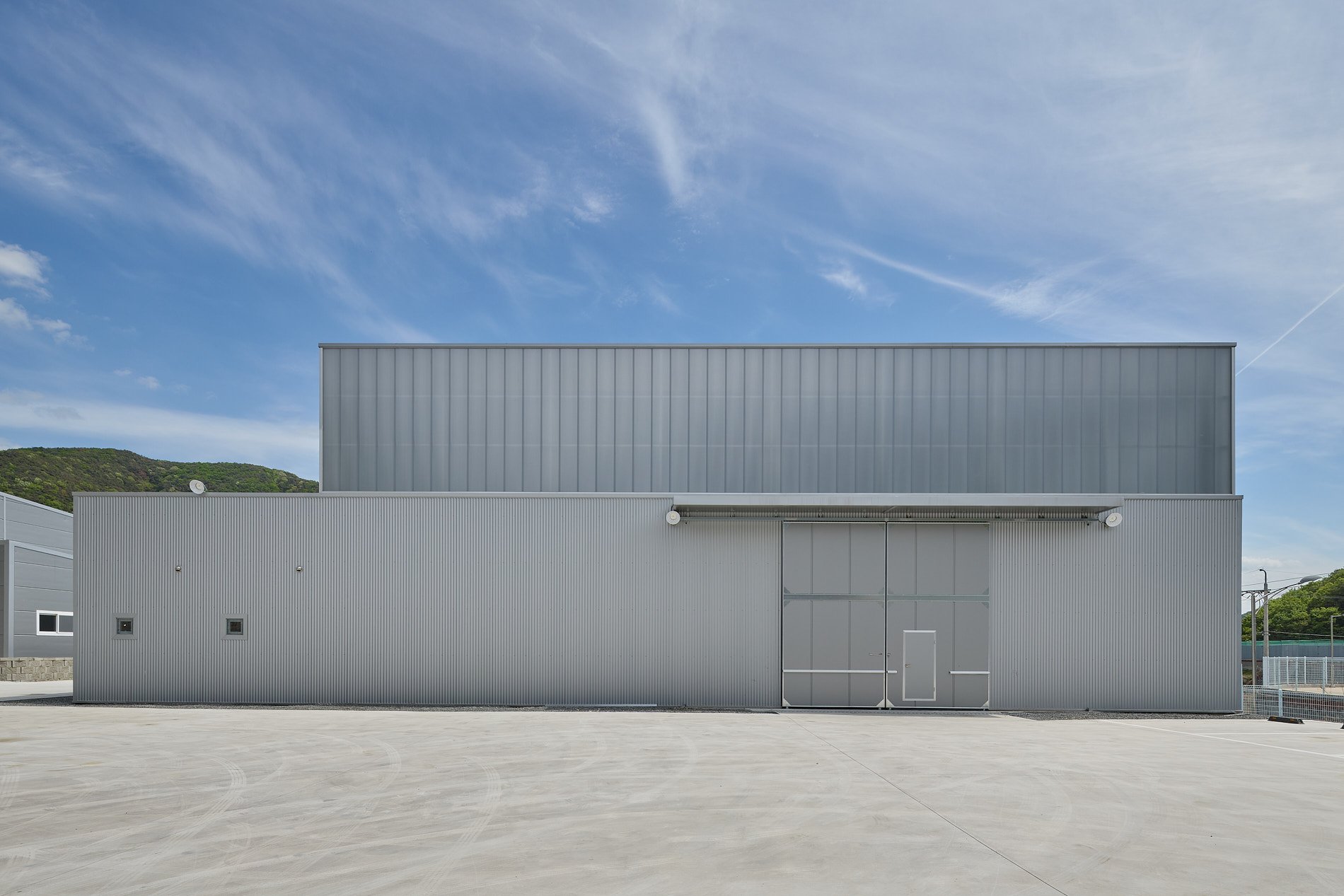
Shielding walls enclose interiors, yet clerestory polycarbonate windows allow diffuse daylight to penetrate deep inside. This soft light conveys the rhythm of day and season to staff and preserves dignity within dense technical spaces.

Workplace Welfare

A south-facing rooftop terrace provides a vital outdoor retreat. Sunlight and open views offer moments to restore daily rhythm, reflecting an architectural approach that respects human presence.

A Disciplined Exterior

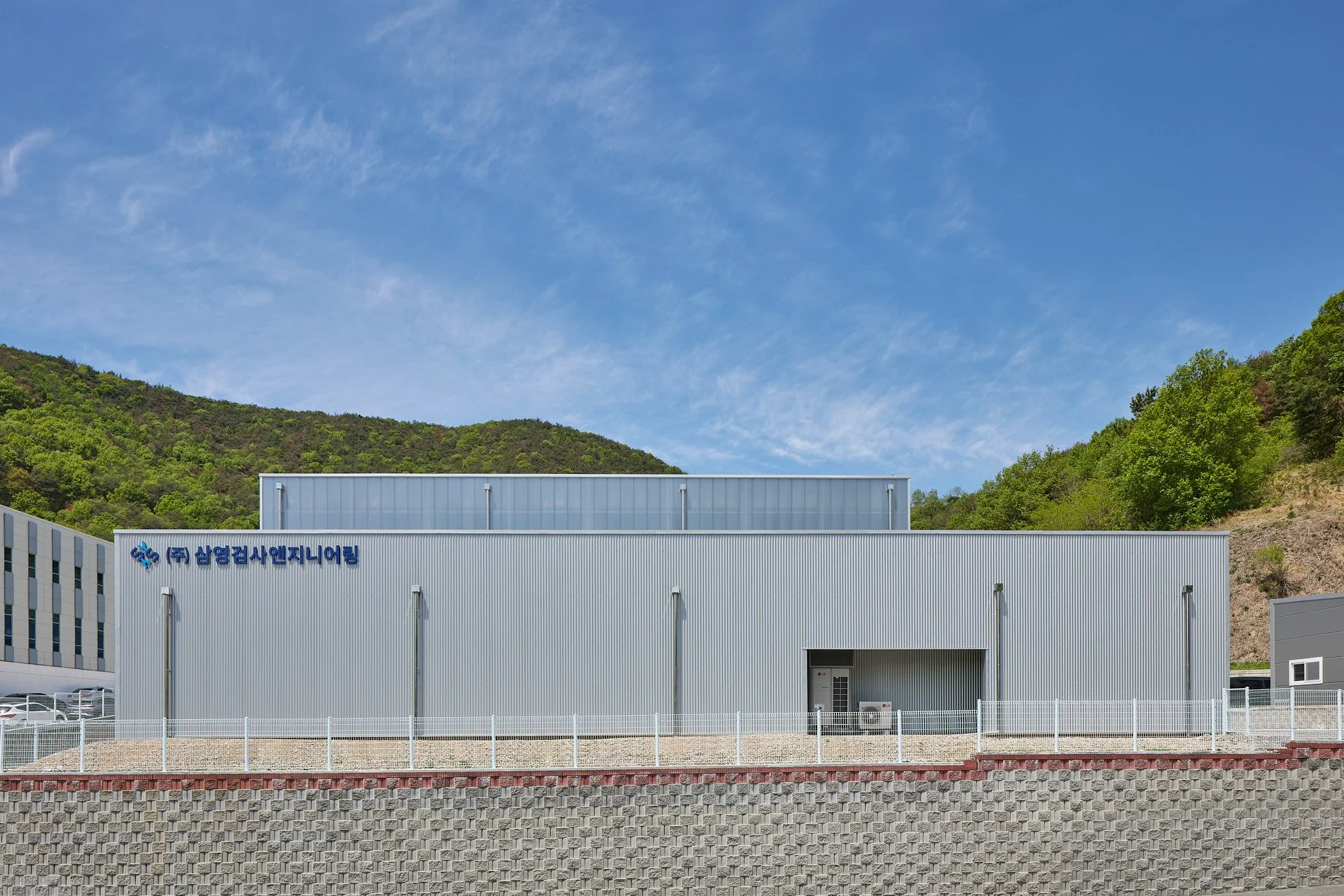
The exterior responds to its context with restraint. Precise materials, understated colors, and vertical façade proportions create a composed presence. Light and shadow subtly express organizational dignity.

Industrial Architecture, Reimagined

The facility shows that industrial buildings can balance function, human presence, and technology. Through order, light, and circulation, architecture shapes sensory experience even under strict technical conditions.


Year : 2024

Location : Miryang, Korea

Size : 653.89 m²

Status : Built

Type : Factory

Principal in Charge :

Seojoo Lee, Hyojung Kim (I.f), Dongil Kim (I.f CDL), Minho Lee (func. Architects)

The Big(inner)s

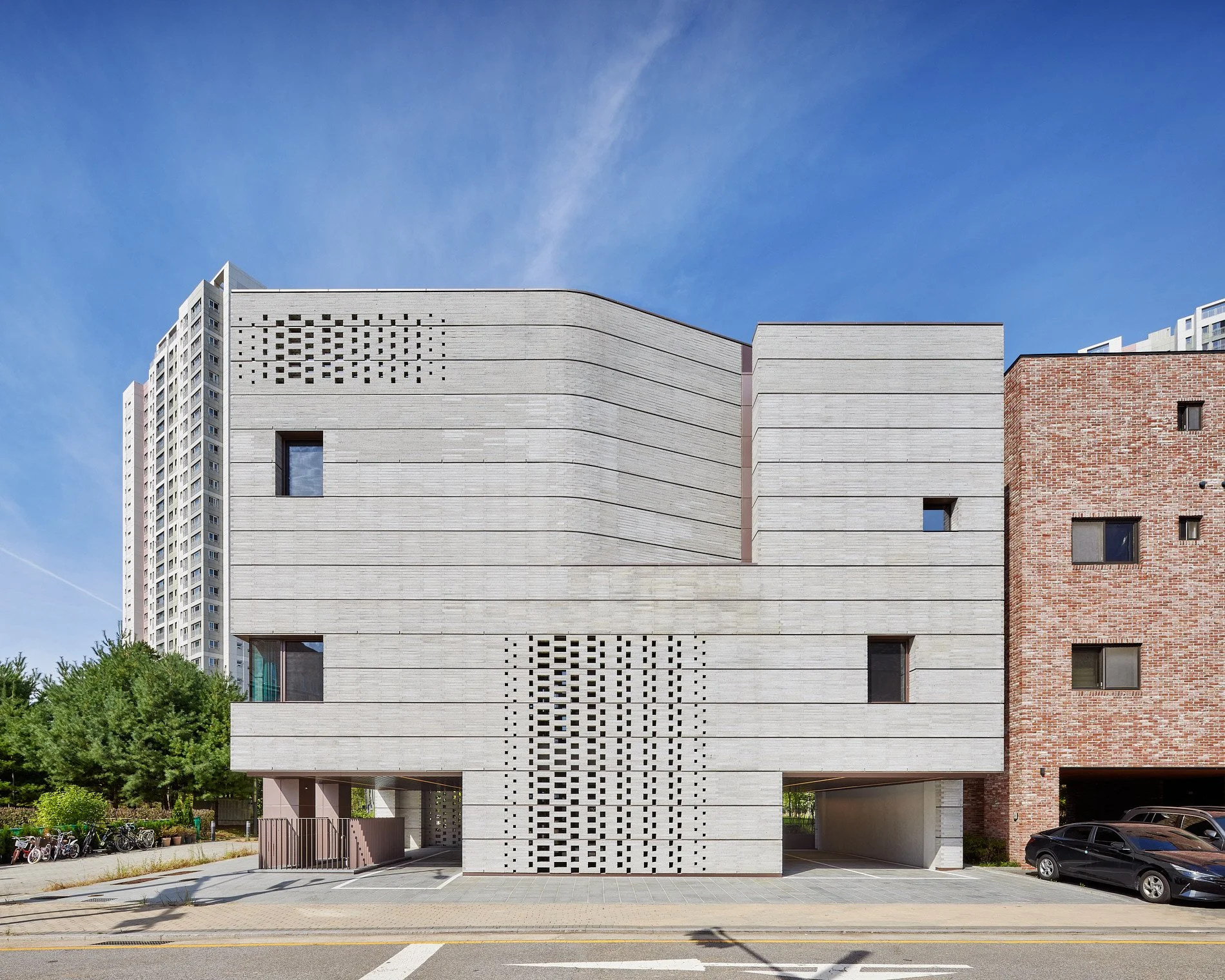
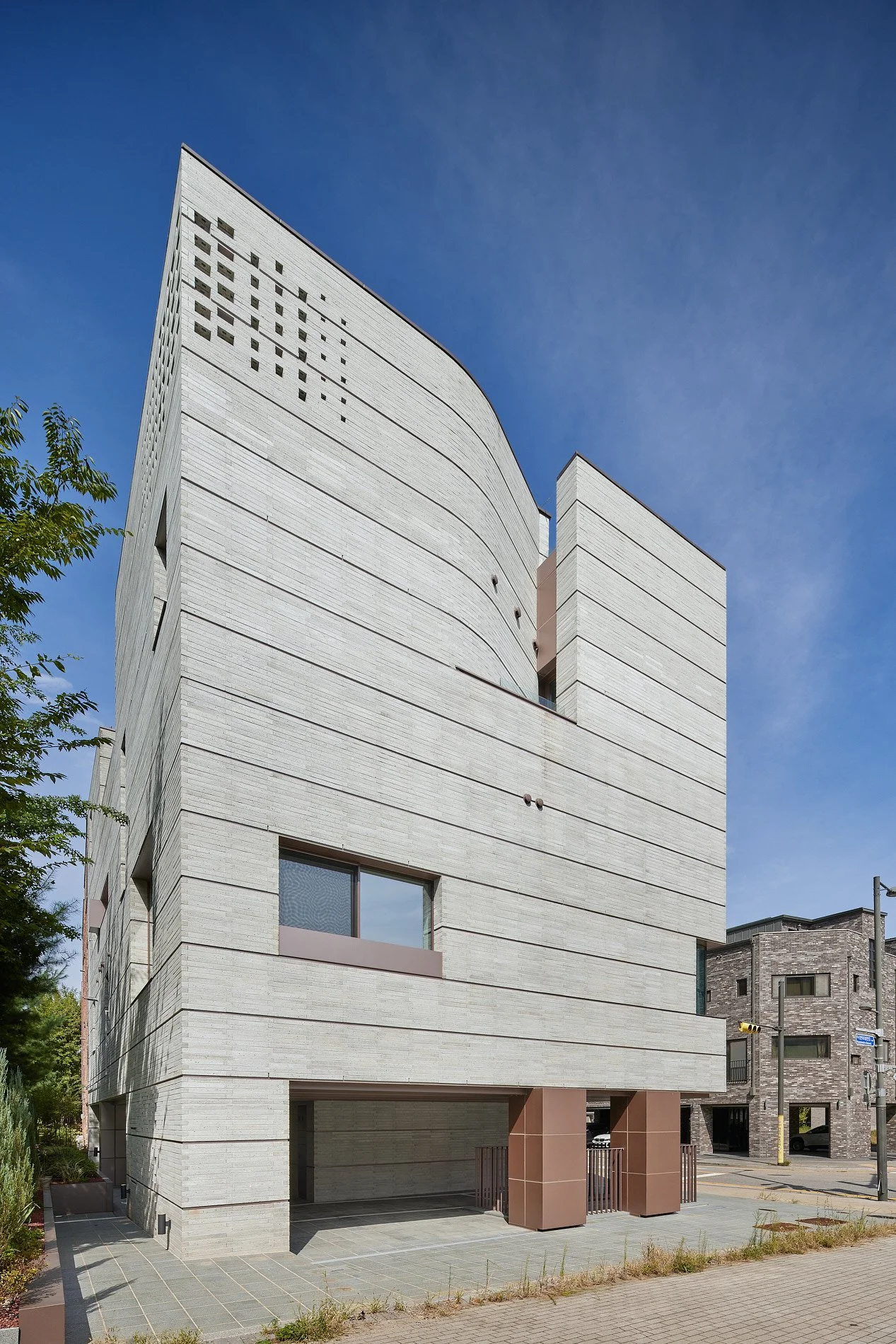
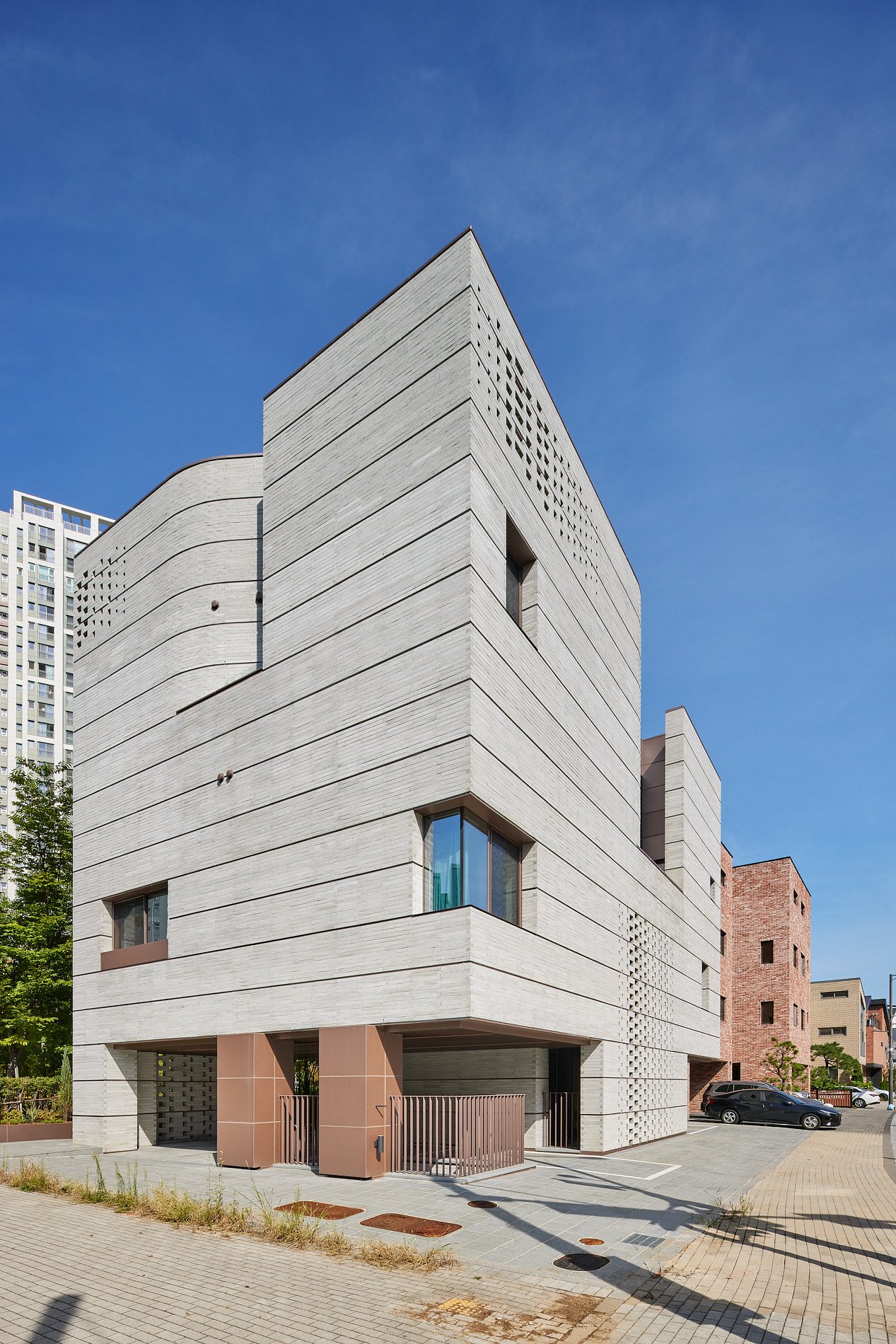
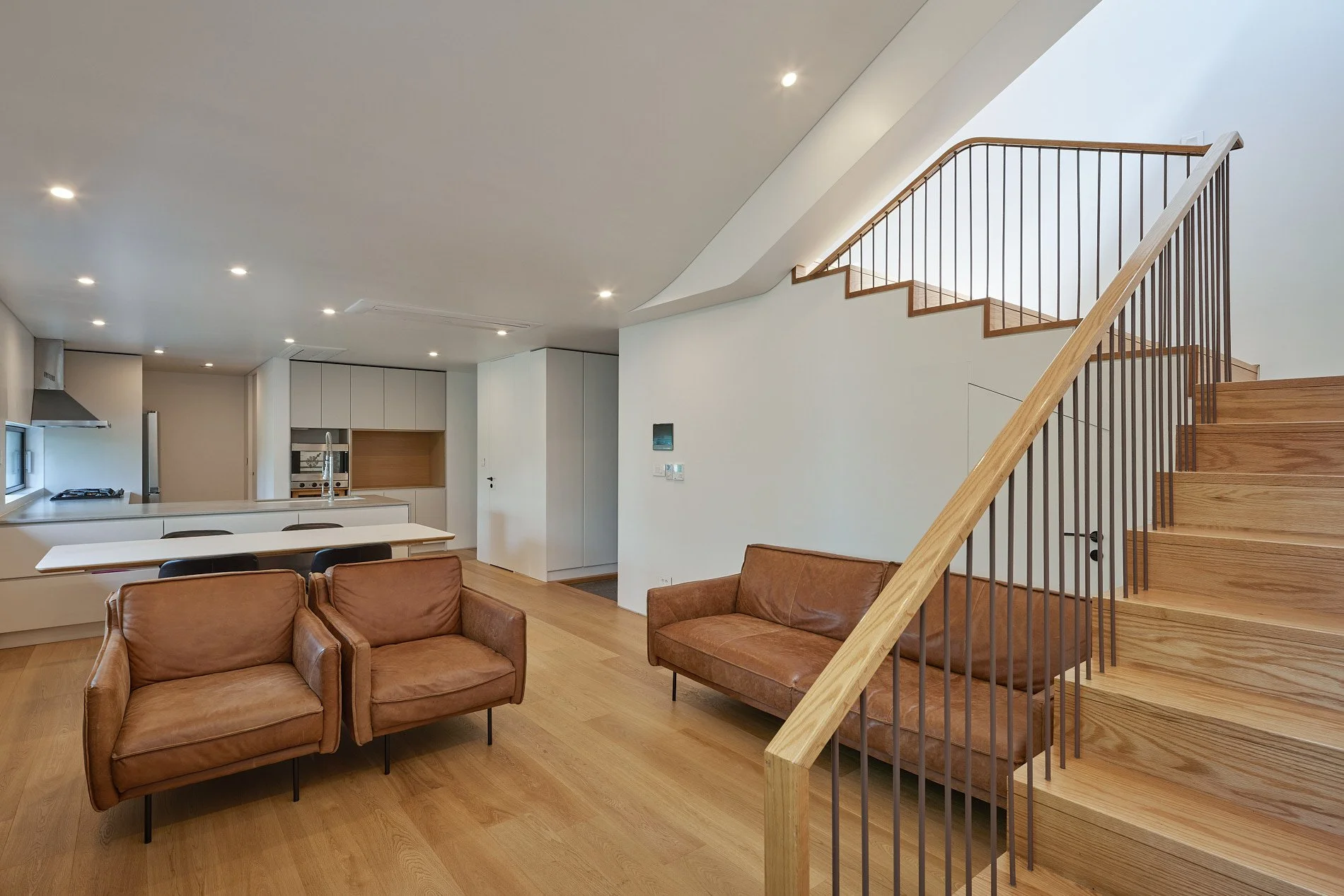
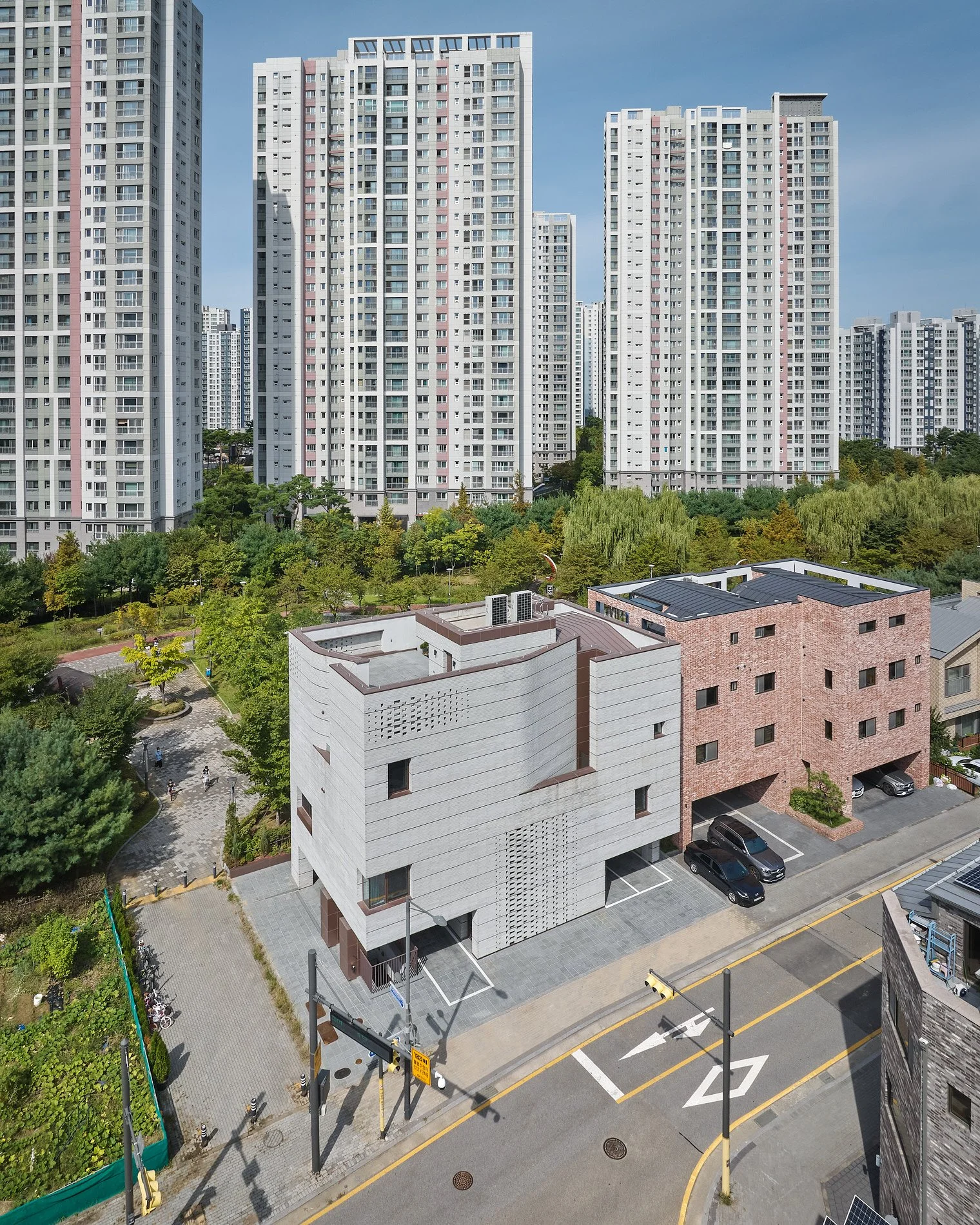
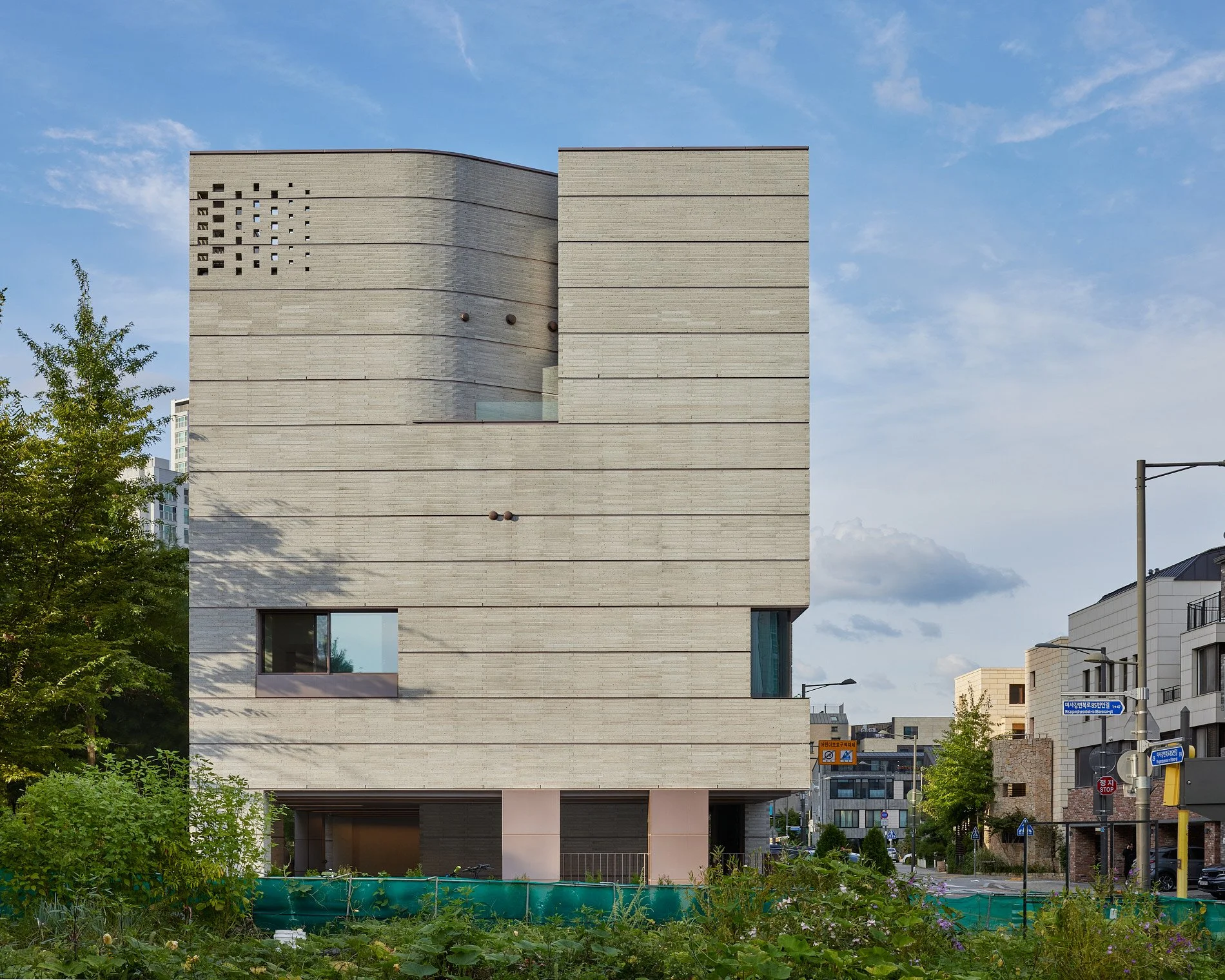
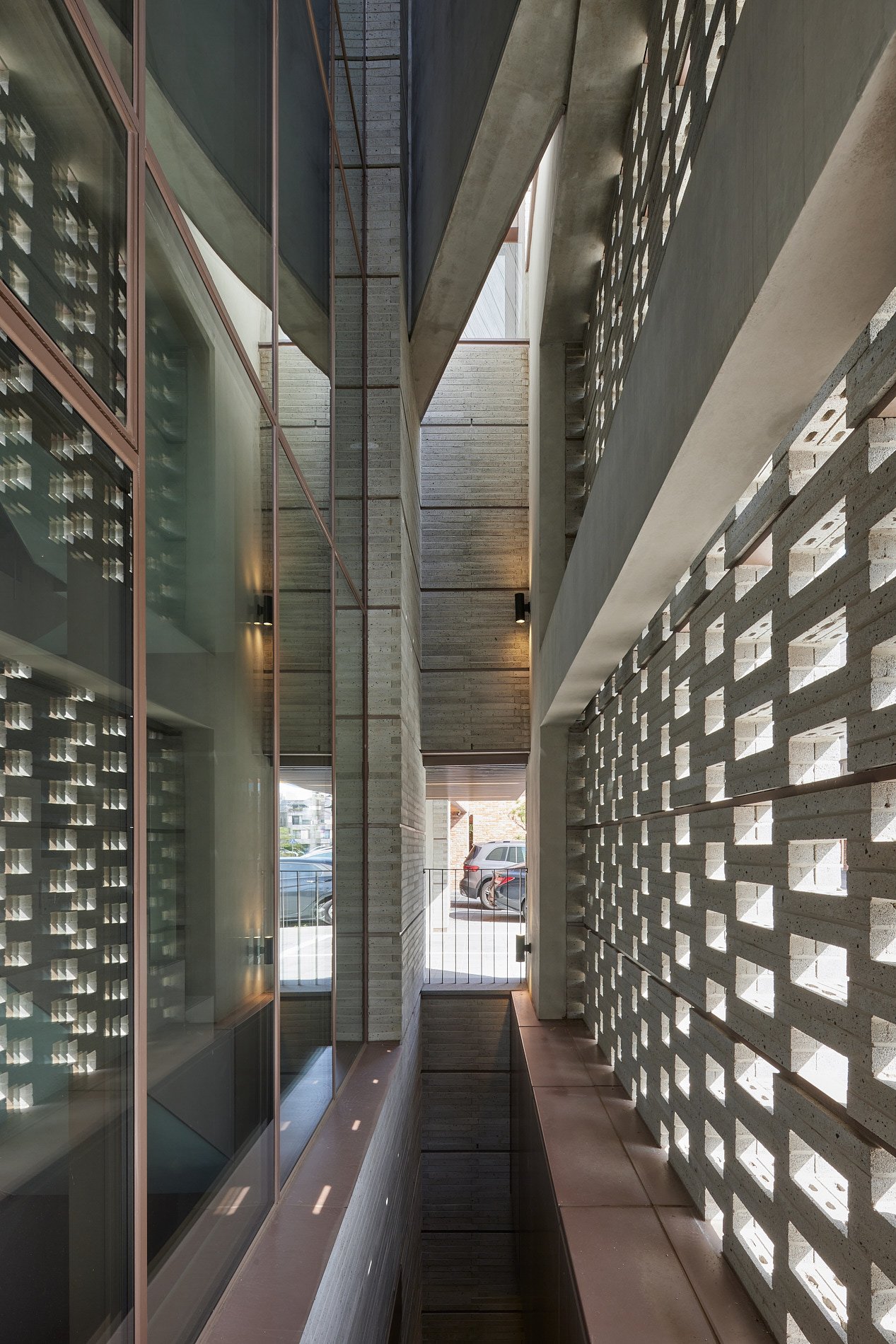
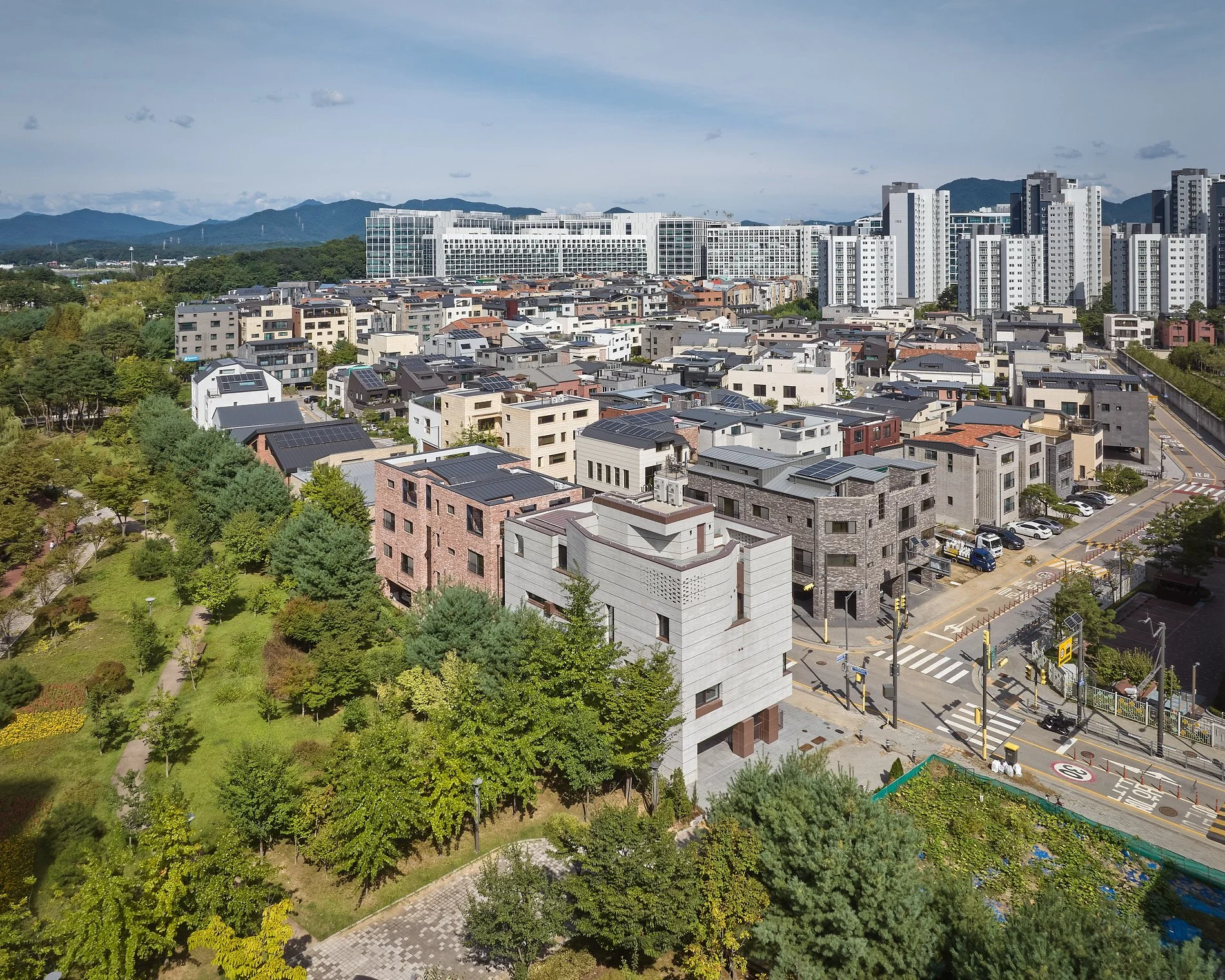
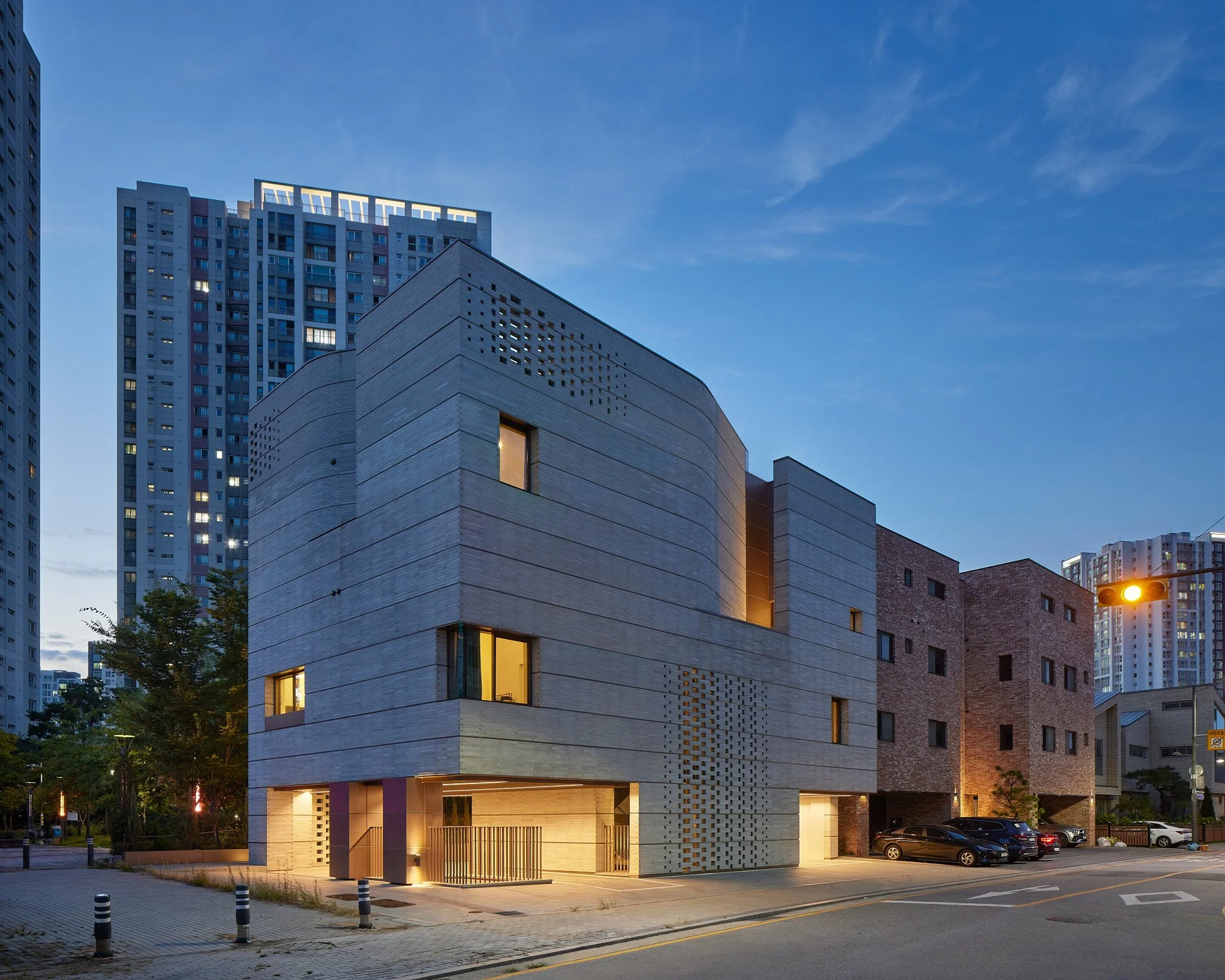
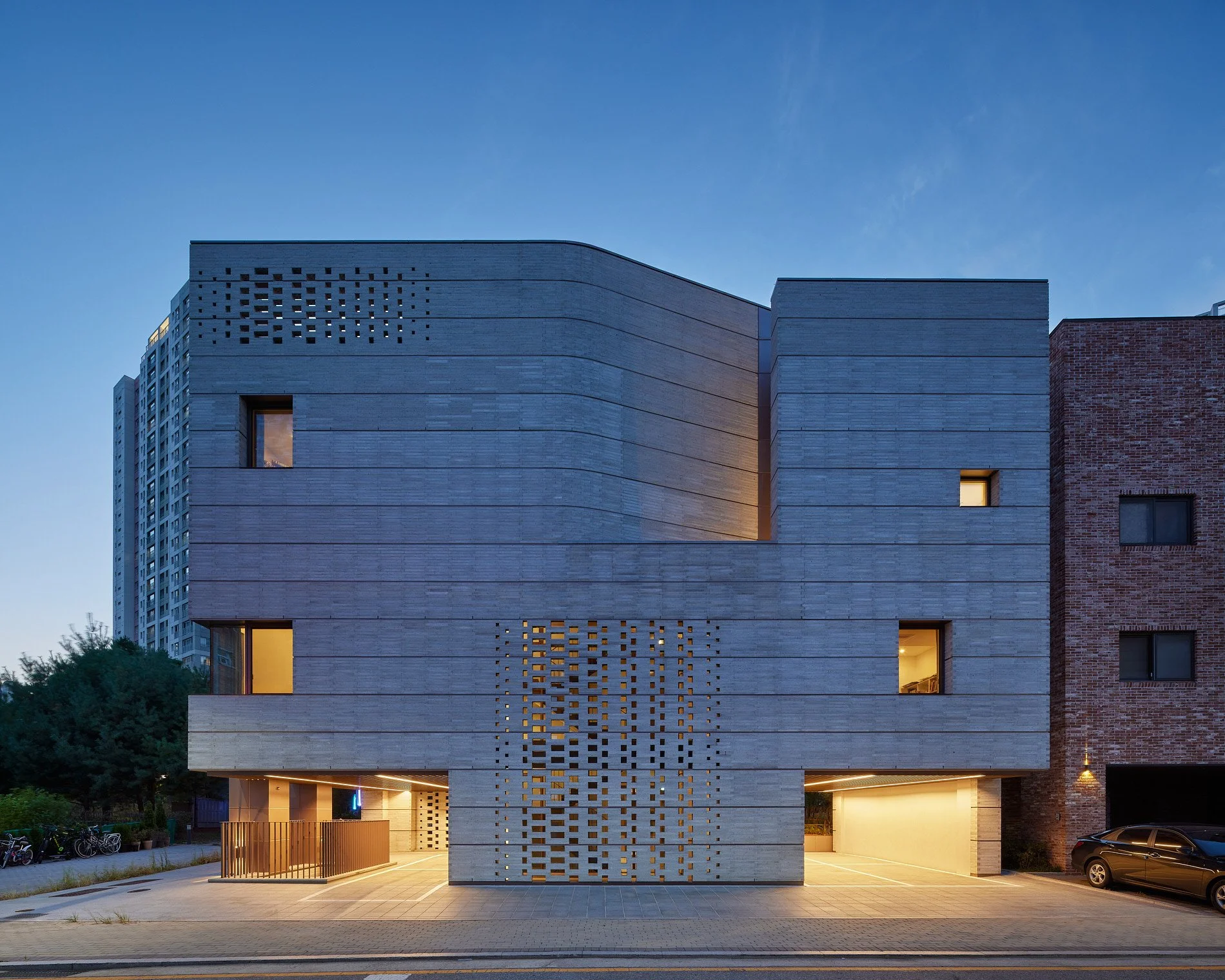
The site located at the entrance of the Misakang River housing complex in Hanam City is adjacent to the entrance of Misanoori Park, which passes through the Misakang River, and requires a role that presents a new landscape to park users while also serving as a residential facility. This building is a studio building for underground sound and a residential facility where two generations live together. It has a solid and concise baseline that holds the order of the complex spatial structure, and it looks like part of a sophisticated urban landscape at the entrance of the park and along the main road, while the area under the building is open to the park, opening up the view to the park not only from the side but also from the back. Unlike the windows that are directly open to the outside, the windows that open to the courtyard, inside the building, and to the sky, express spaces that allow for various interpretations, arouse curiosity, and require imagination such as art museums or galleries.

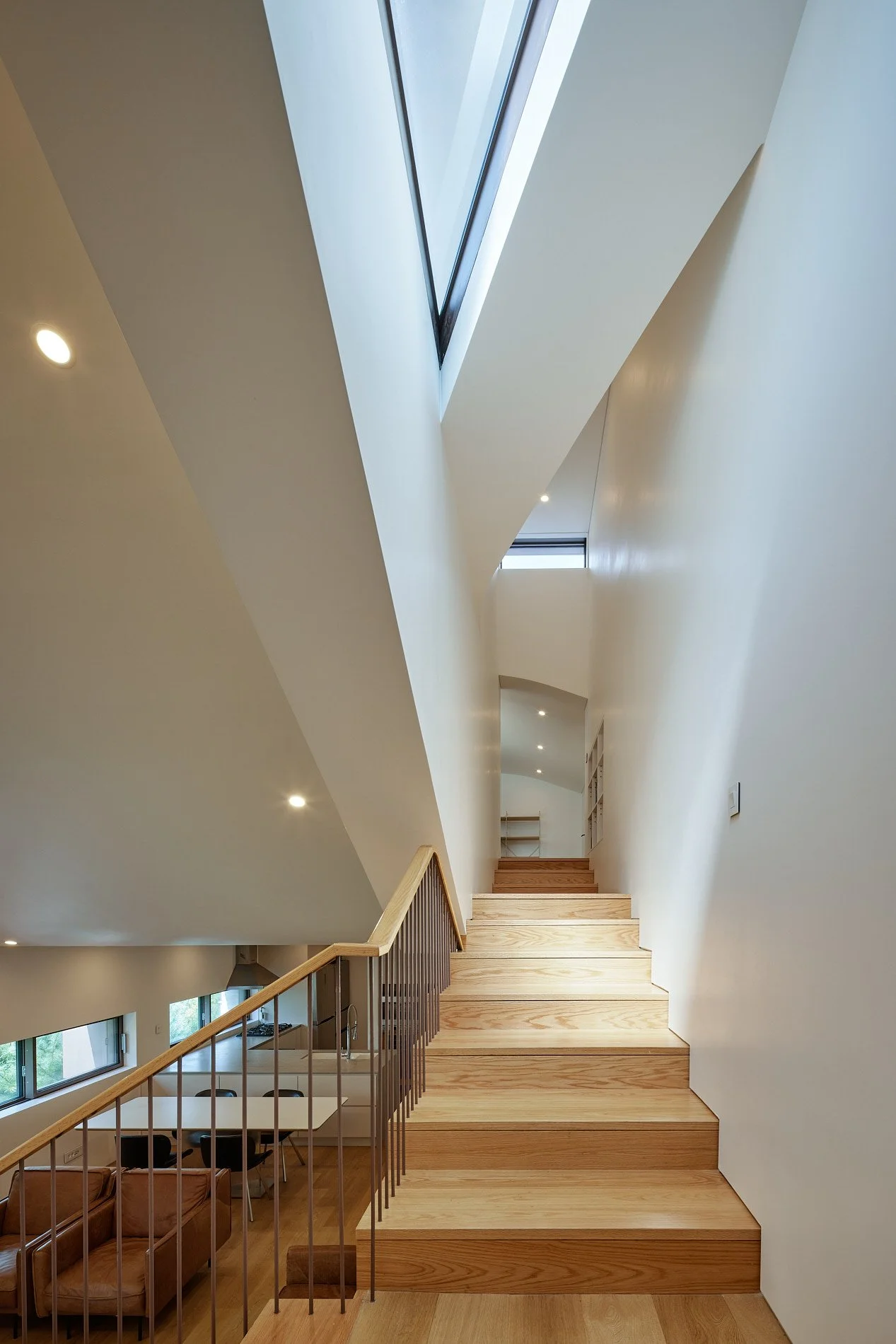
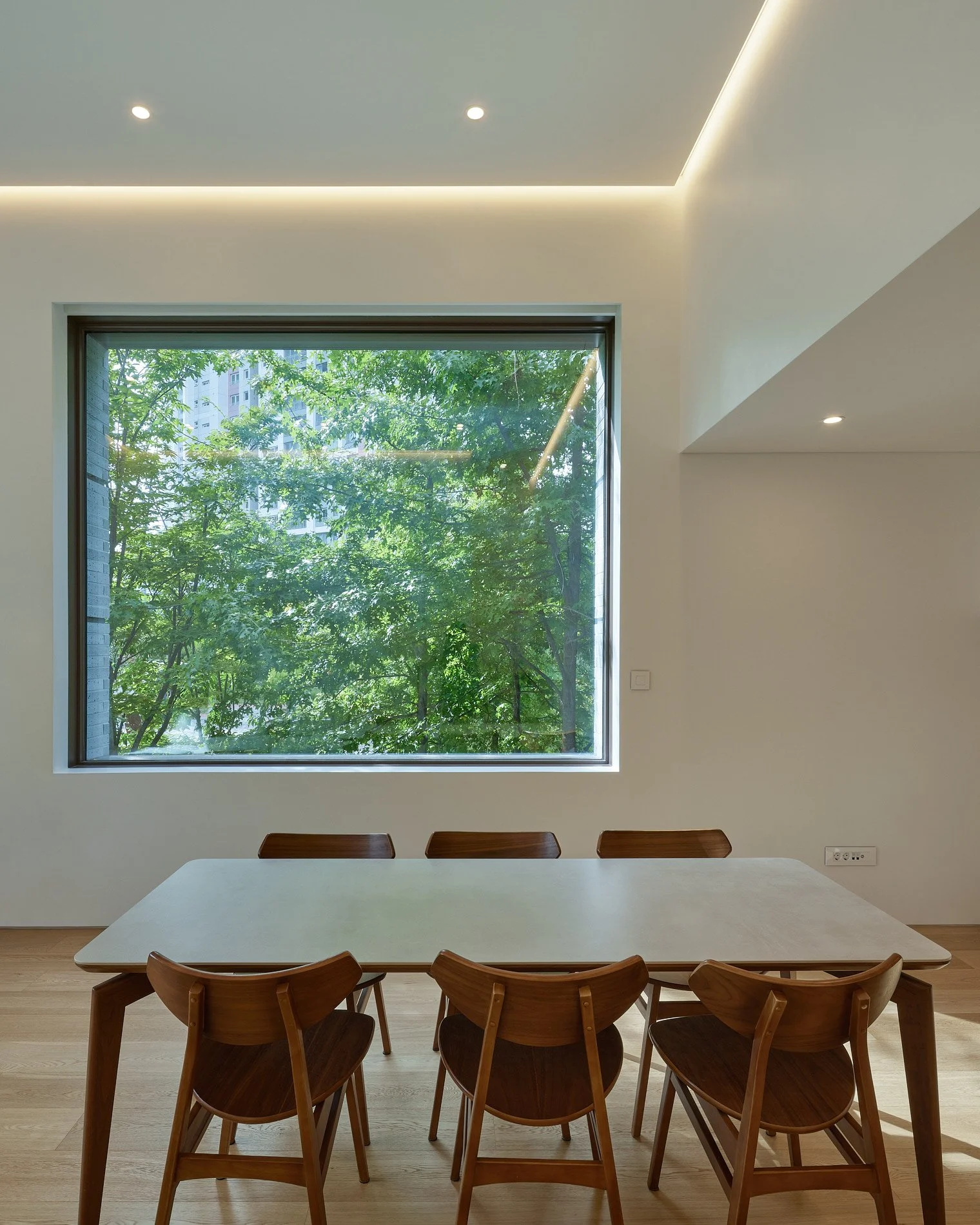
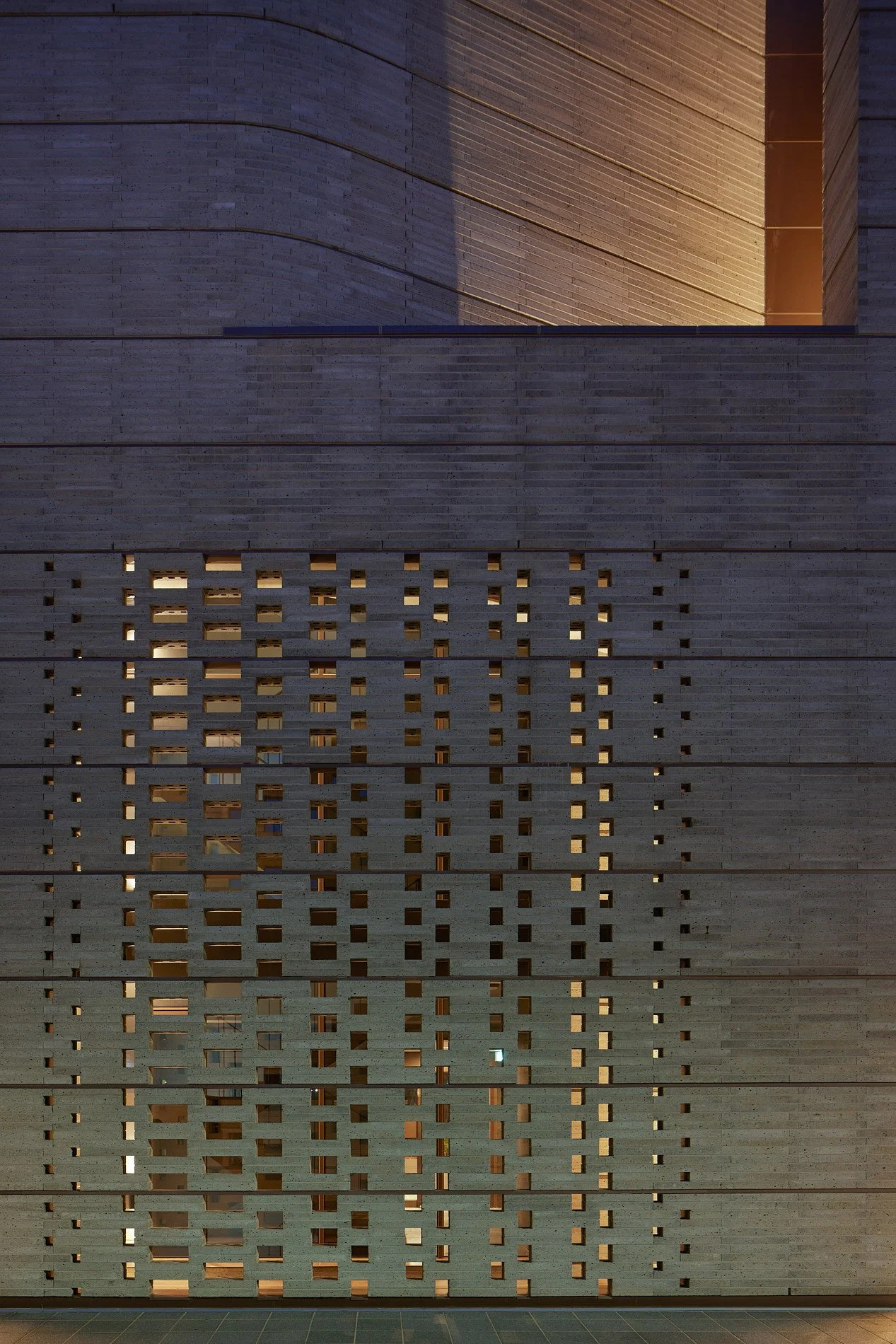
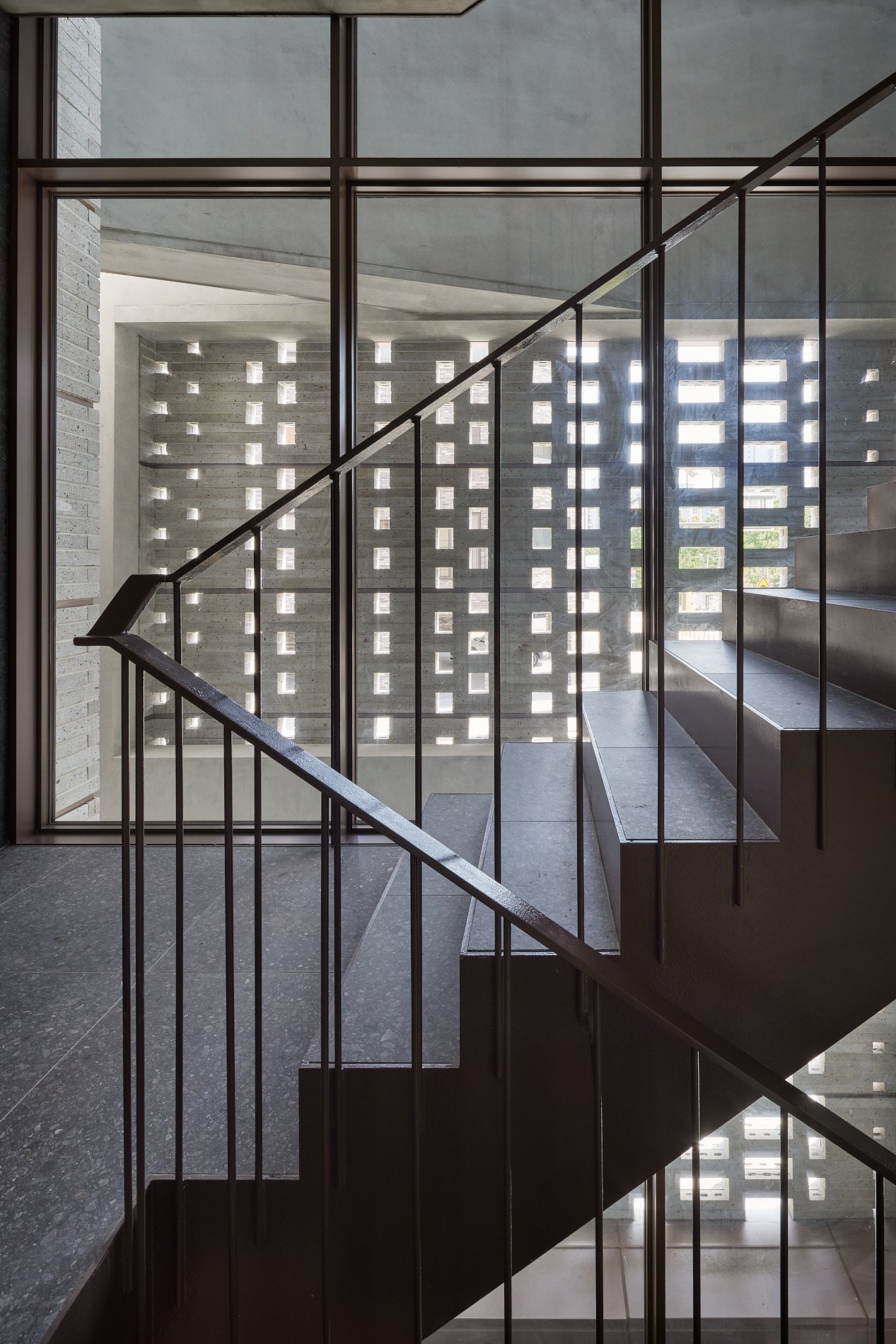
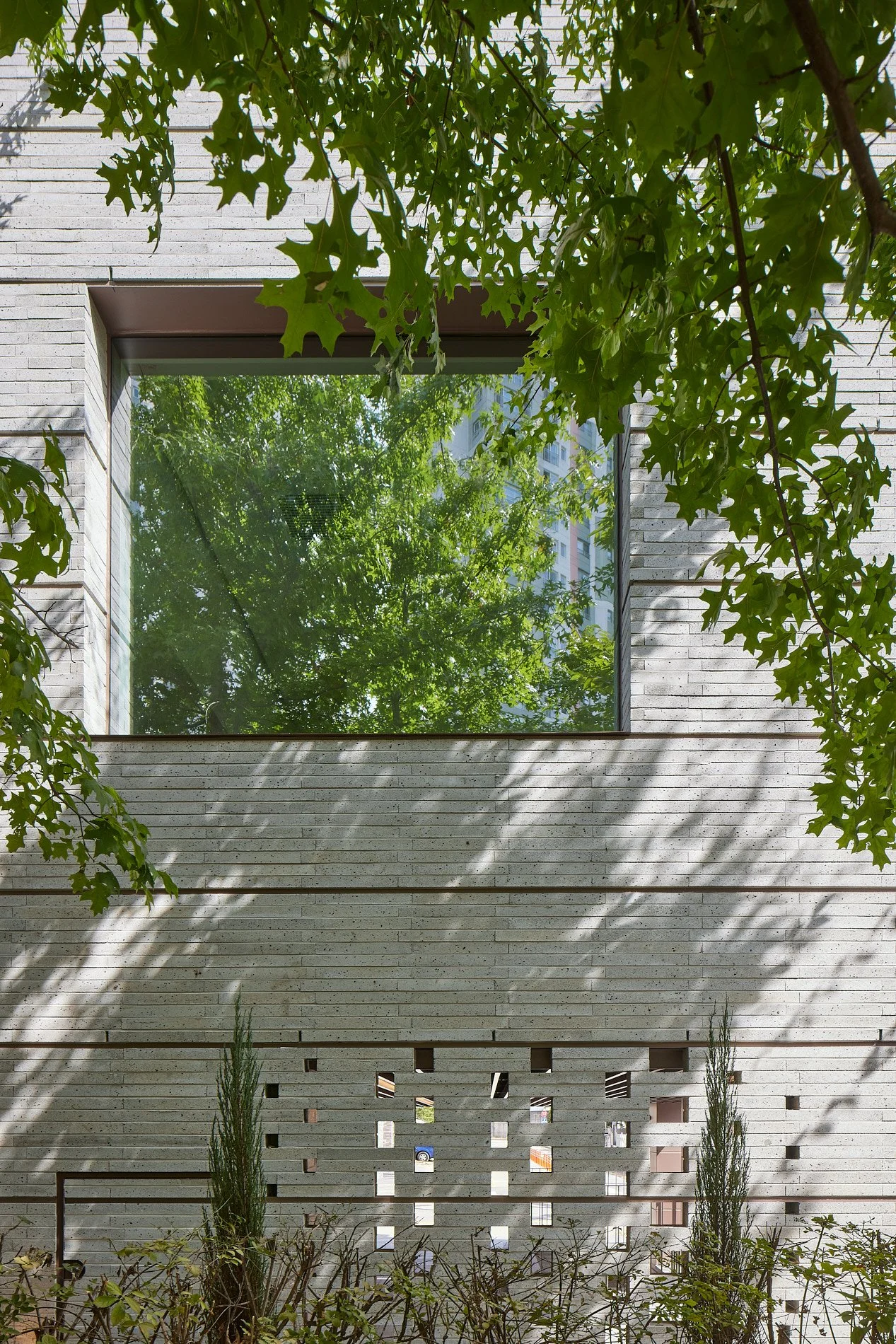
The main courtyard of this building, among its two courtyards, is open from the underground sound studio to the rooftop. The living room gallery on the second floor captures the greenery of the park through large windows, and the high ceiling adds a sense of spaciousness while providing functional sectional variations. The rooftop provides a private space that opens up to the sky among the tall apartments, offering a special outdoor space for families. The long gray brick wall uses rough masonry where visual openness is needed to maintain privacy as a residential facility while providing a sense of openness.


Year: 2022

Location : Hanam, Korea

Size : 489.89 ㎡

Status : Built

Type : Residential

Principal in Charge :

Seojoo Lee, Hyojung Kim (I.f), Dongil Kim (Kyung Hee University)

Client : 김동한

Contractor : (주)성지우종합건설

Civil : (주)토우지오

Structure : 서울구조

MEP : 두현M&C, 대경전기

Environmental Engineering : Dongil Kim

Record Architect : 장원건축

Photography : Kyung Roh