Agile Medium ; A Future-Oriented Public Building Embracing Change
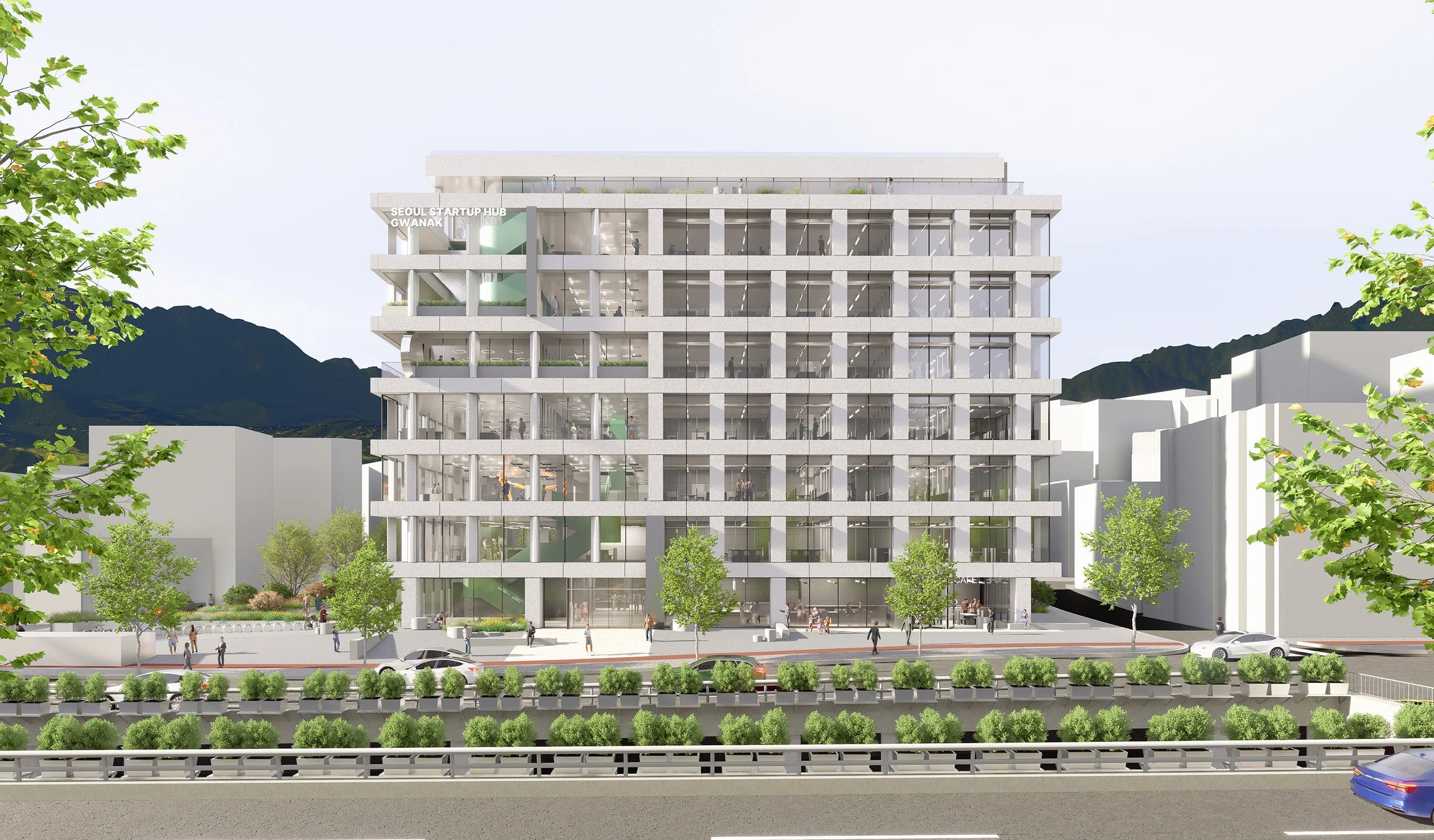
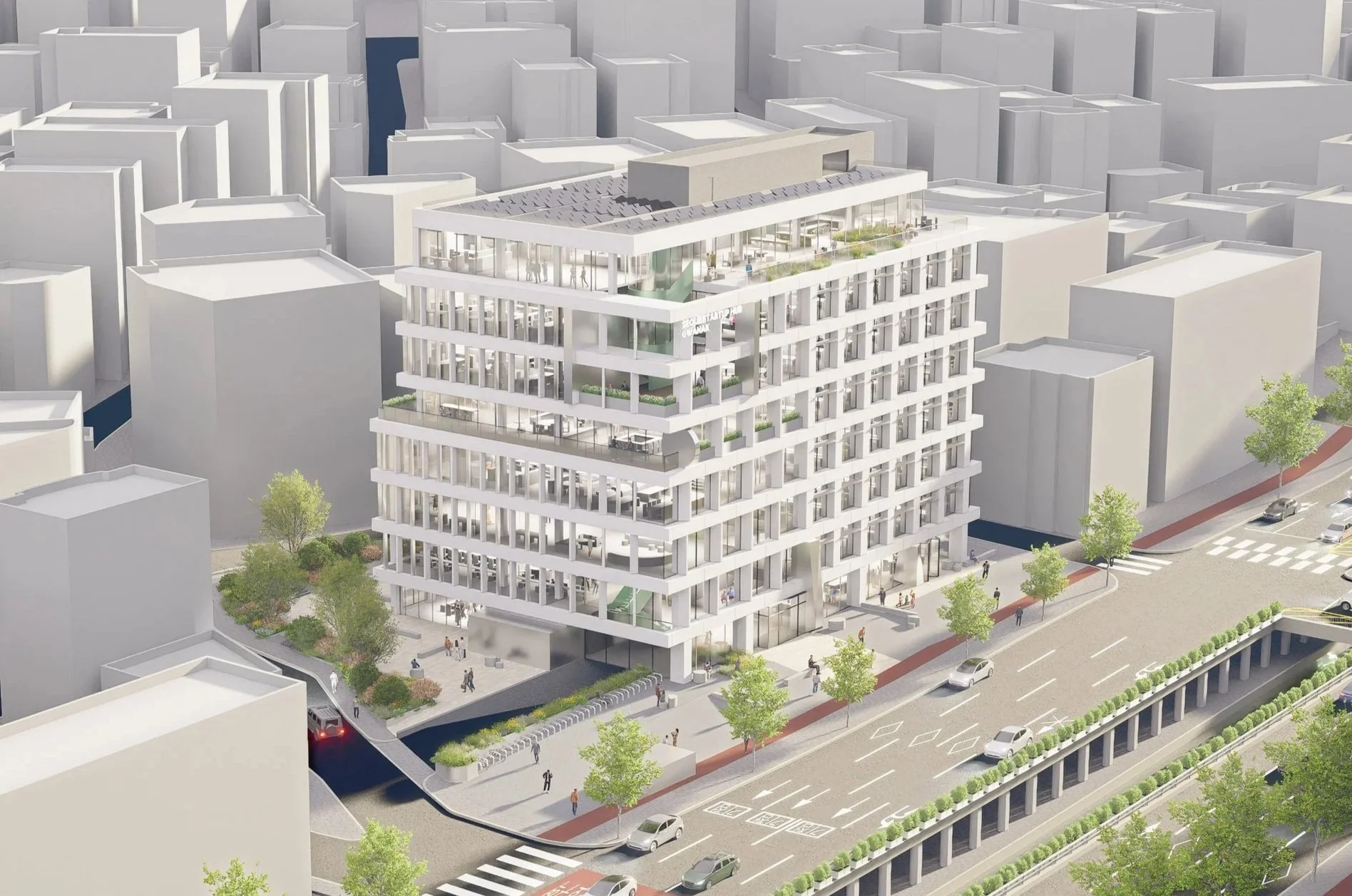
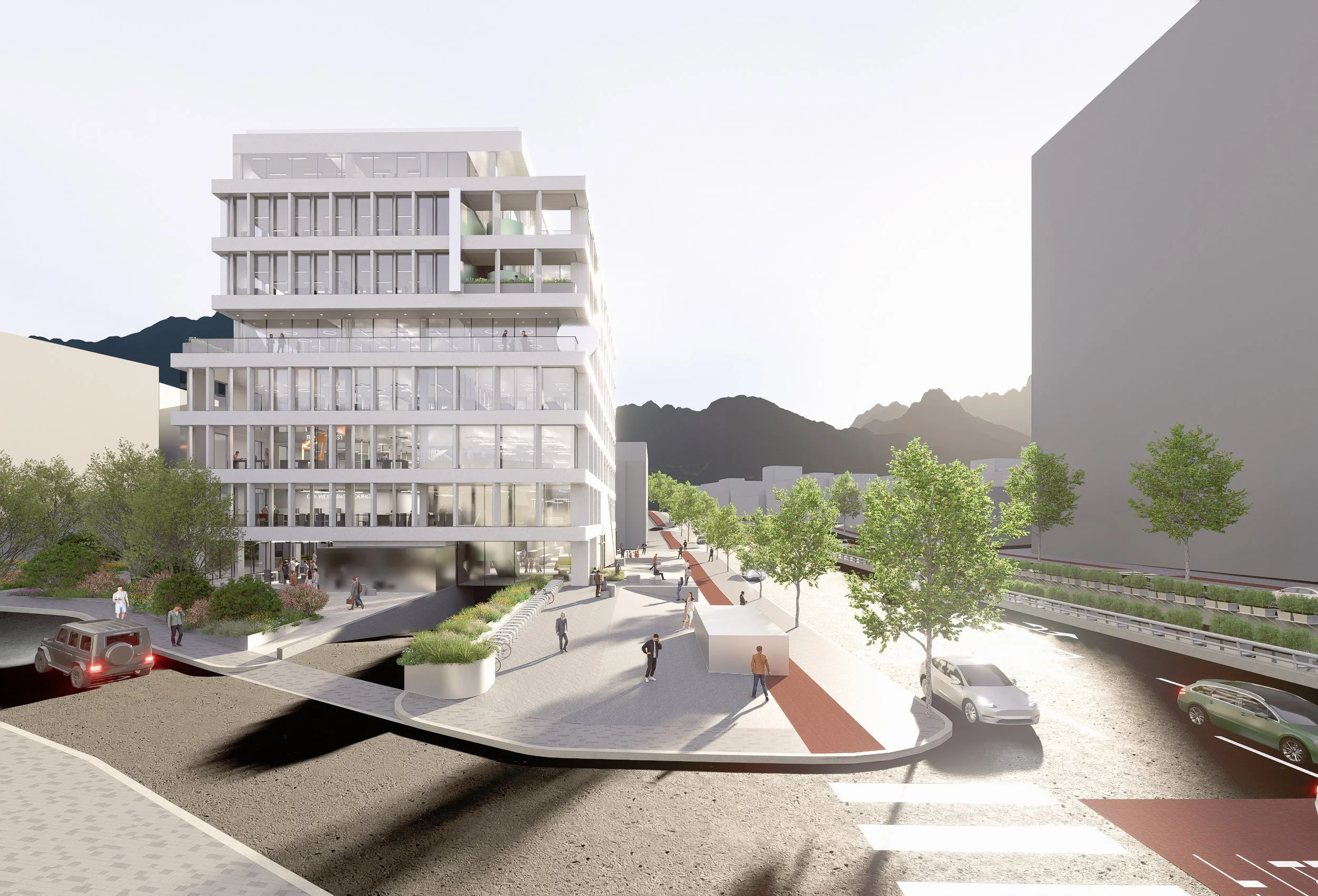
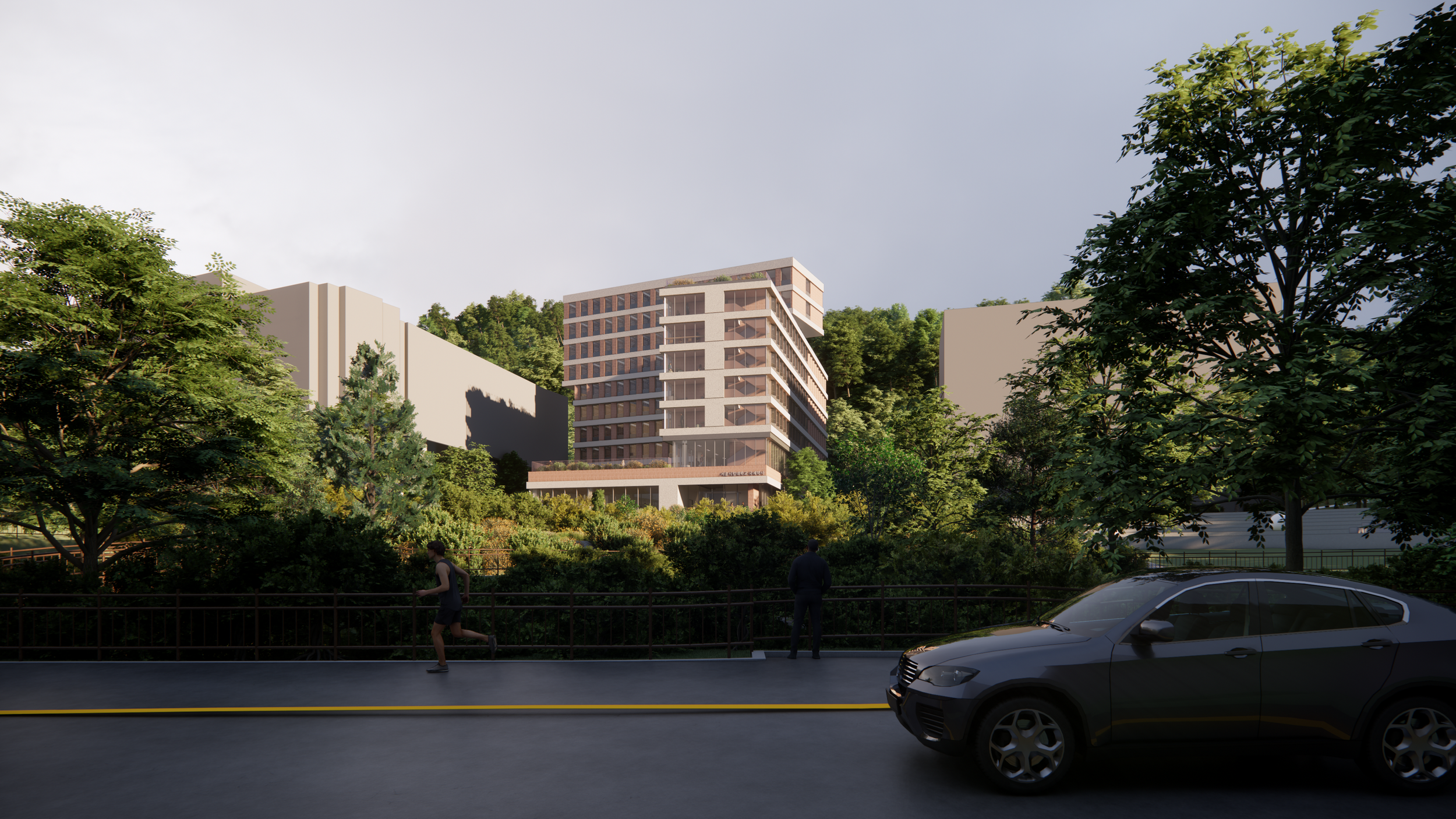
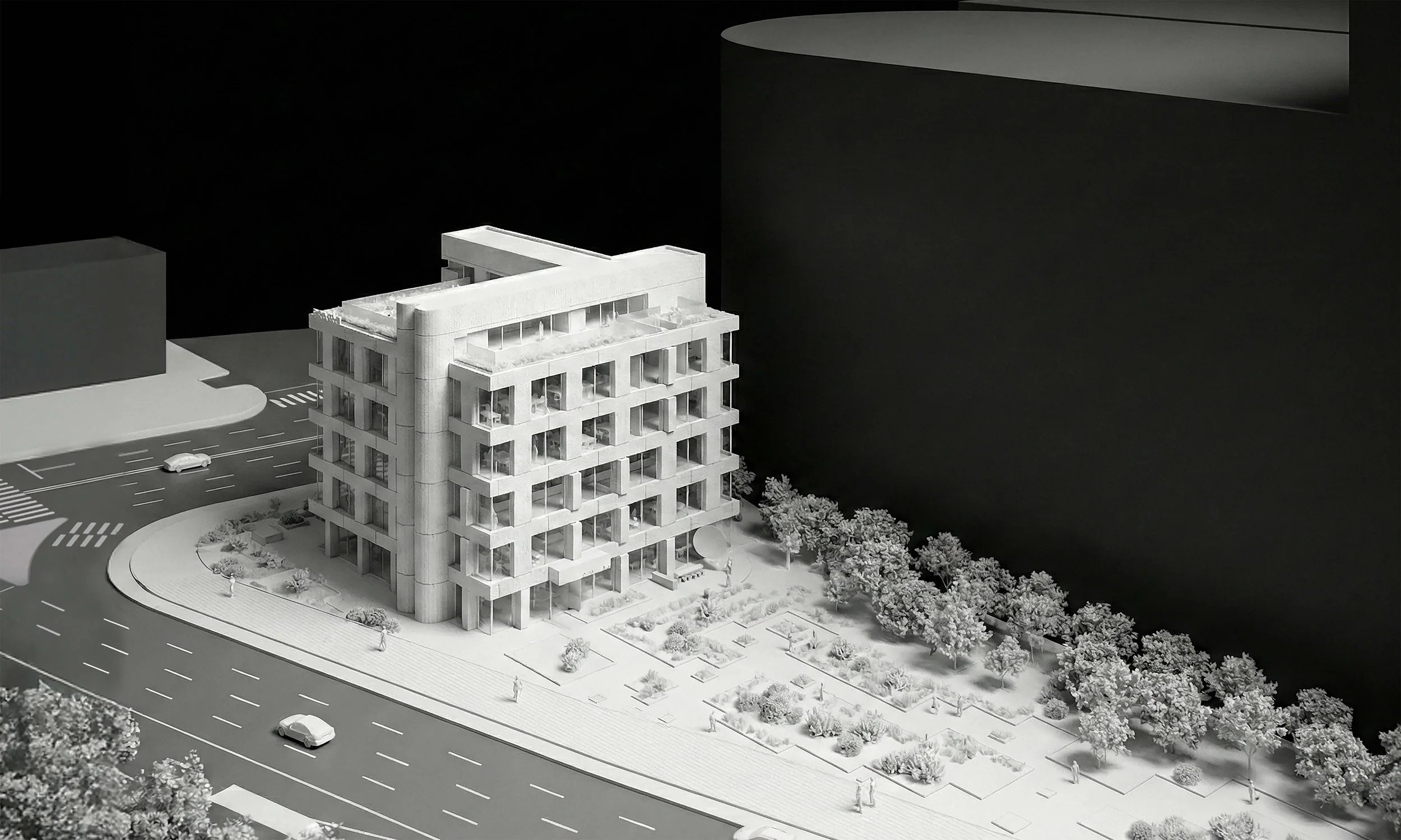
The Seobu Truck Terminal site serves as a catalyst for Yangcheon-gu's vision of a "working and growing city," reorganizing the urban fabric into a pedestrian-centric structure through the introduction of a high-tech urban logistics facility. Positioned as both the terminus and the extension of the green axis, the site acts as a public anchor that accommodates and expands the flow of the city.
In an era of hyper-change, the work environment can no longer be contained within fixed forms. While industries and working methods evolve rapidly, architecture remains a long-lasting physical structure. Agile Medium translates this temporal discrepancy into a matter of systems rather than static forms, proposing a spatial organization premised on the continuous cycle of change.
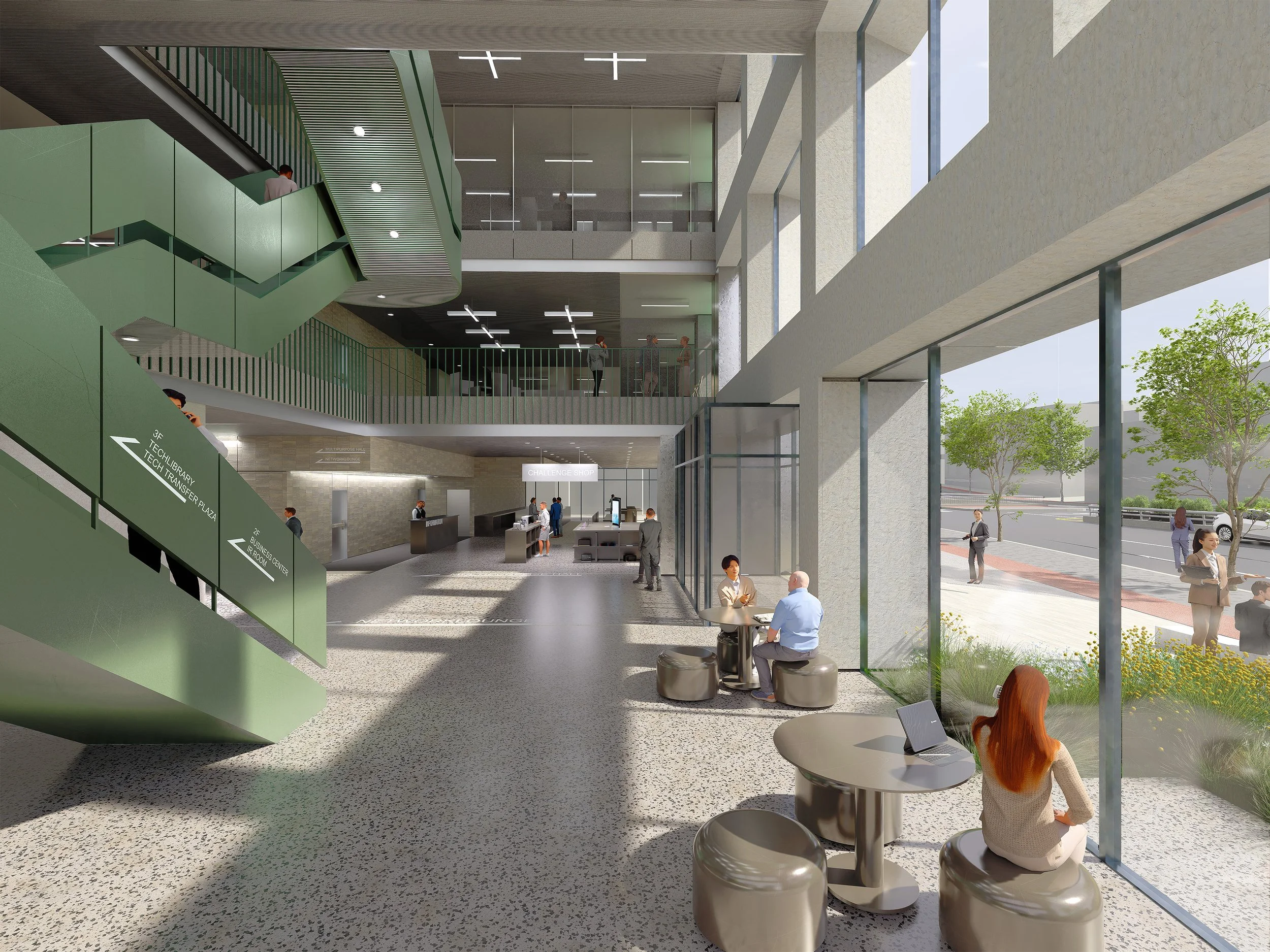
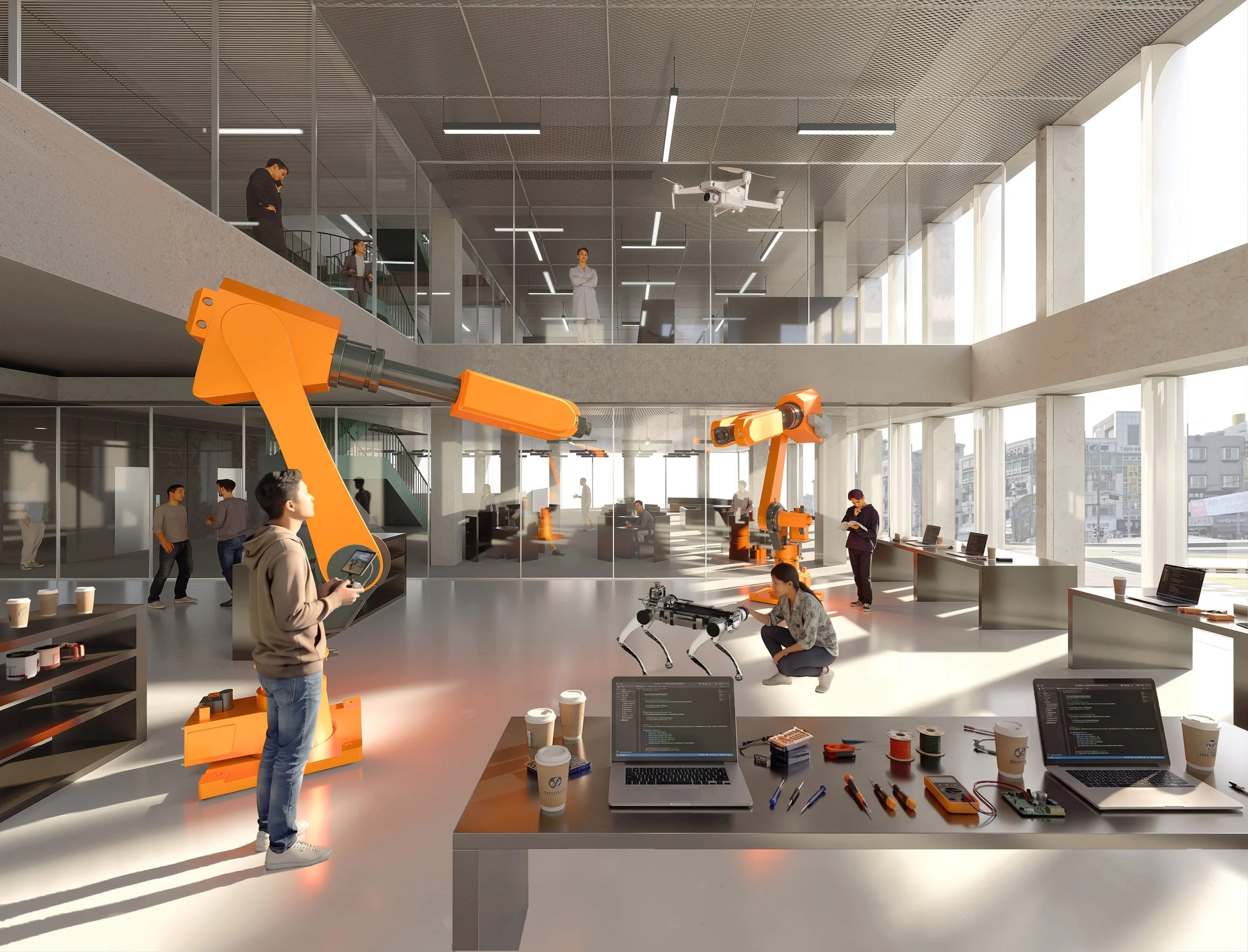
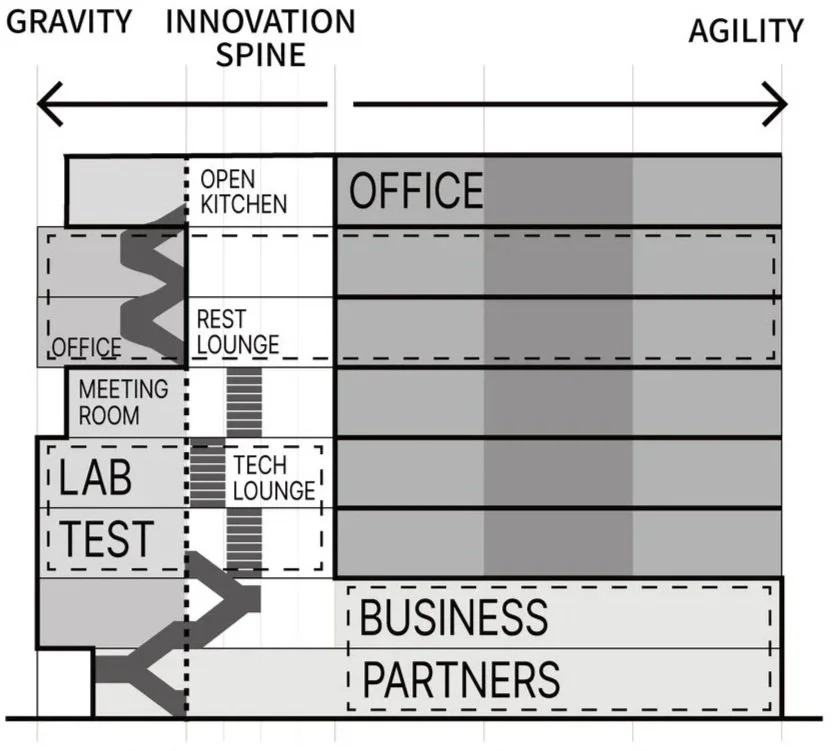
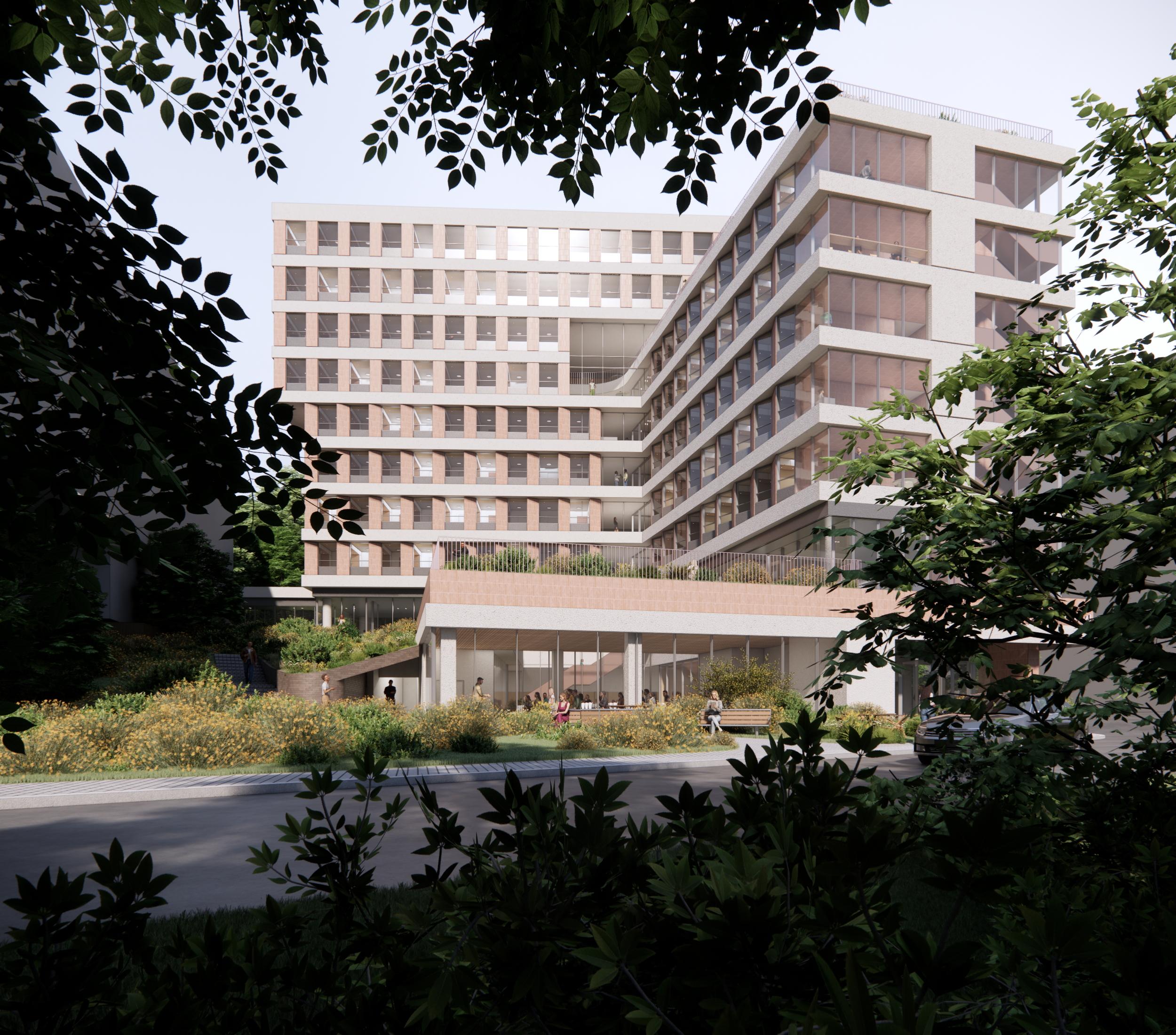
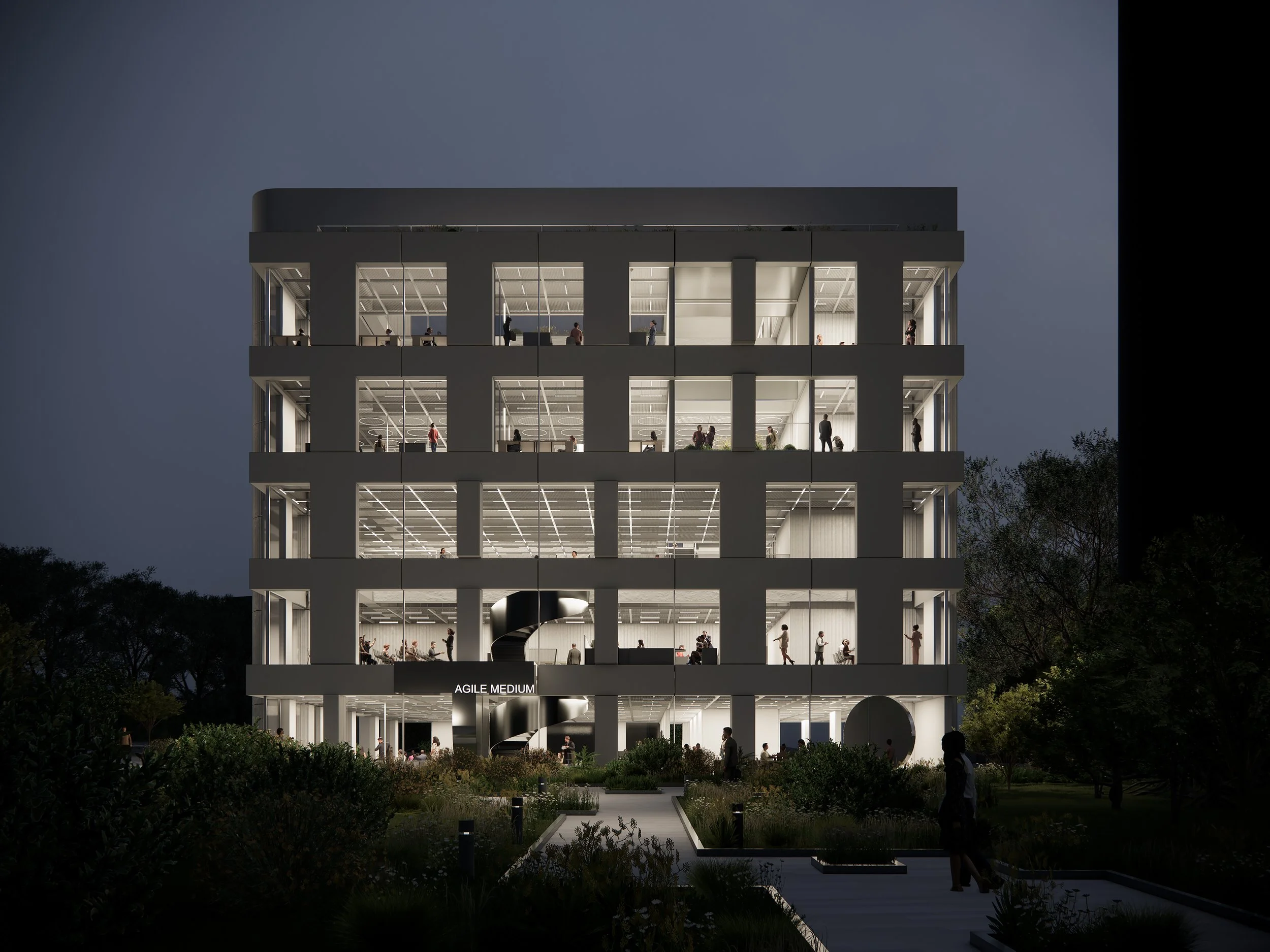
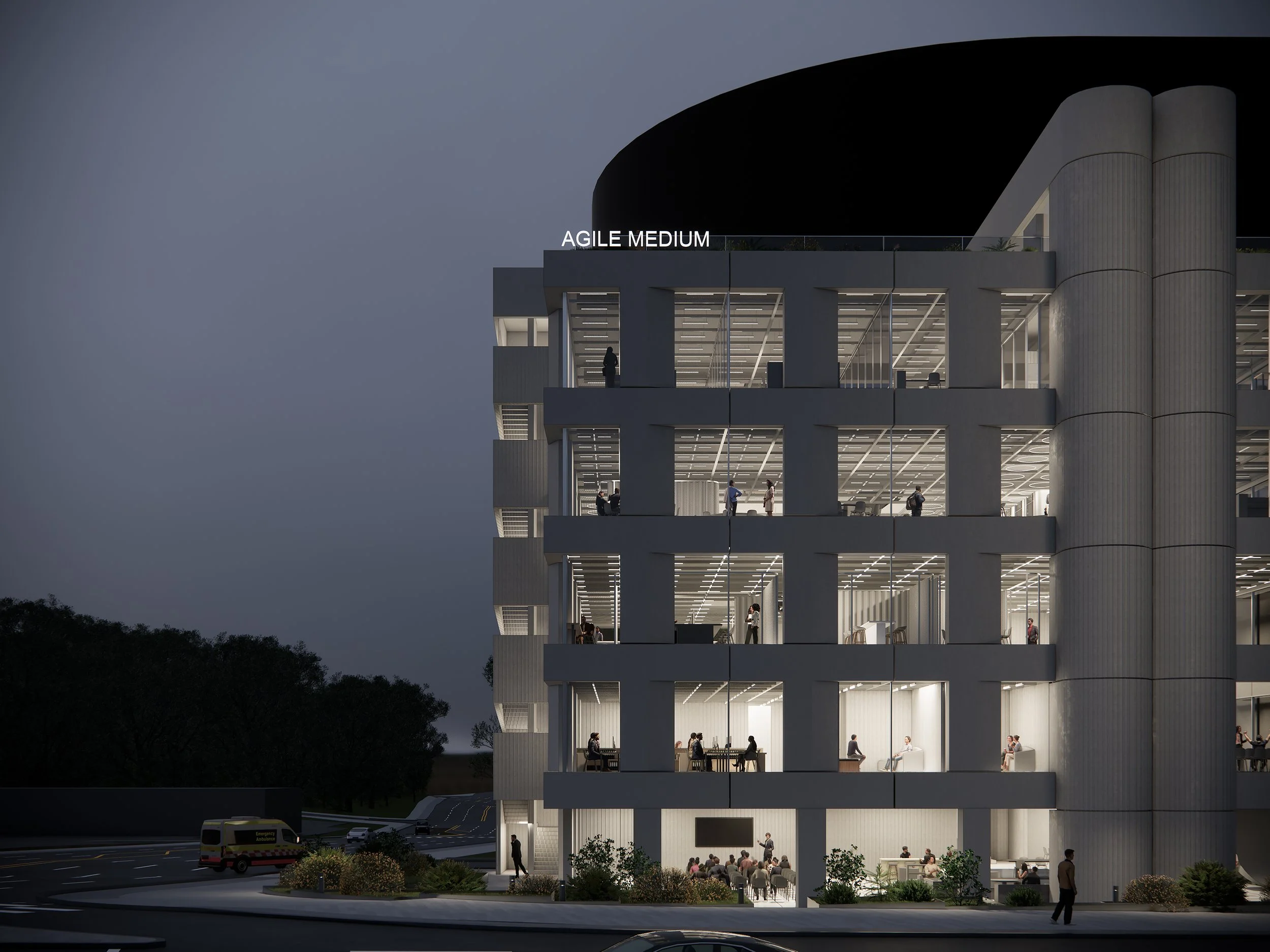
The workspace ratio is entirely reorganized from a traditional 7:2:1 structure to a 4:3:3 networking-centric paradigm. By streamlining independent workspaces and expanding areas for collaboration and interaction, the lower levels are designed as open, welcoming spaces that draw the public in, while the upper levels provide optimized environments for deep focus and growth.
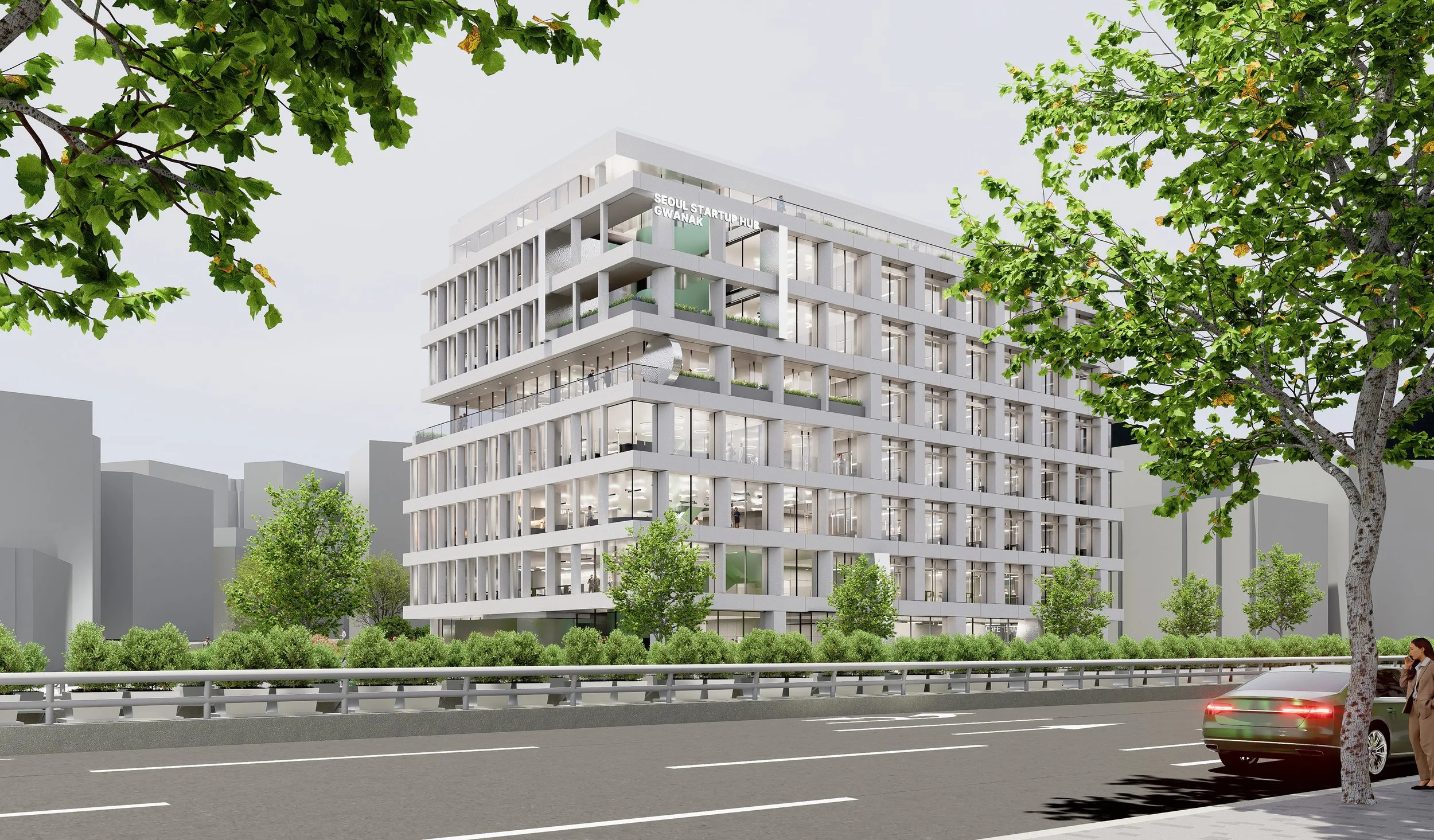
The spatial framework is governed by a 1.8m to 5.4m grid module, allowing for flexible reconfiguration according to organizational scale. The split cores and the Agile Spine orchestrate the programmatic distribution around a highly adaptable central open plan, facilitating a seamless sequence that guides users through the startup lifecycle: Support → Interaction → Immersion → Growth.
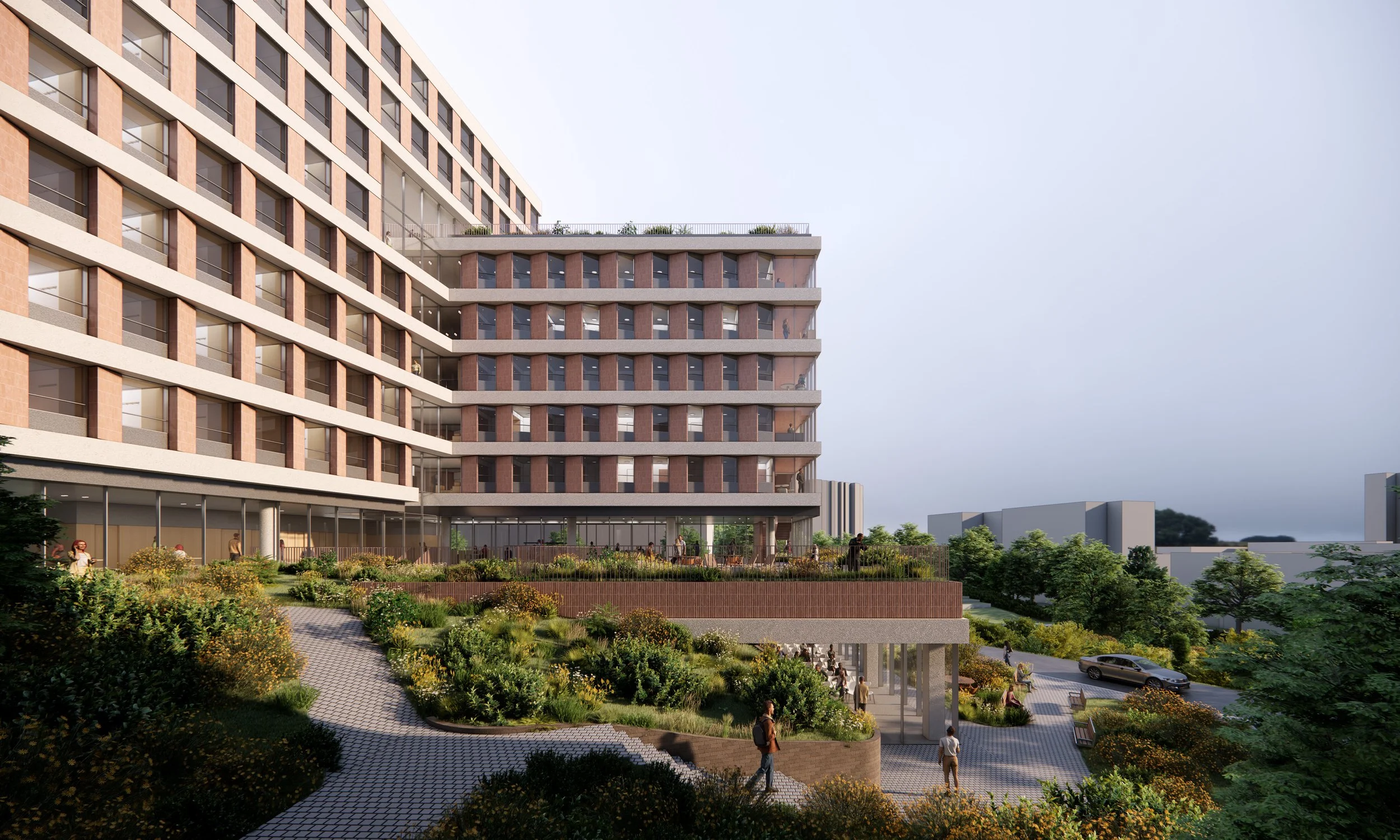
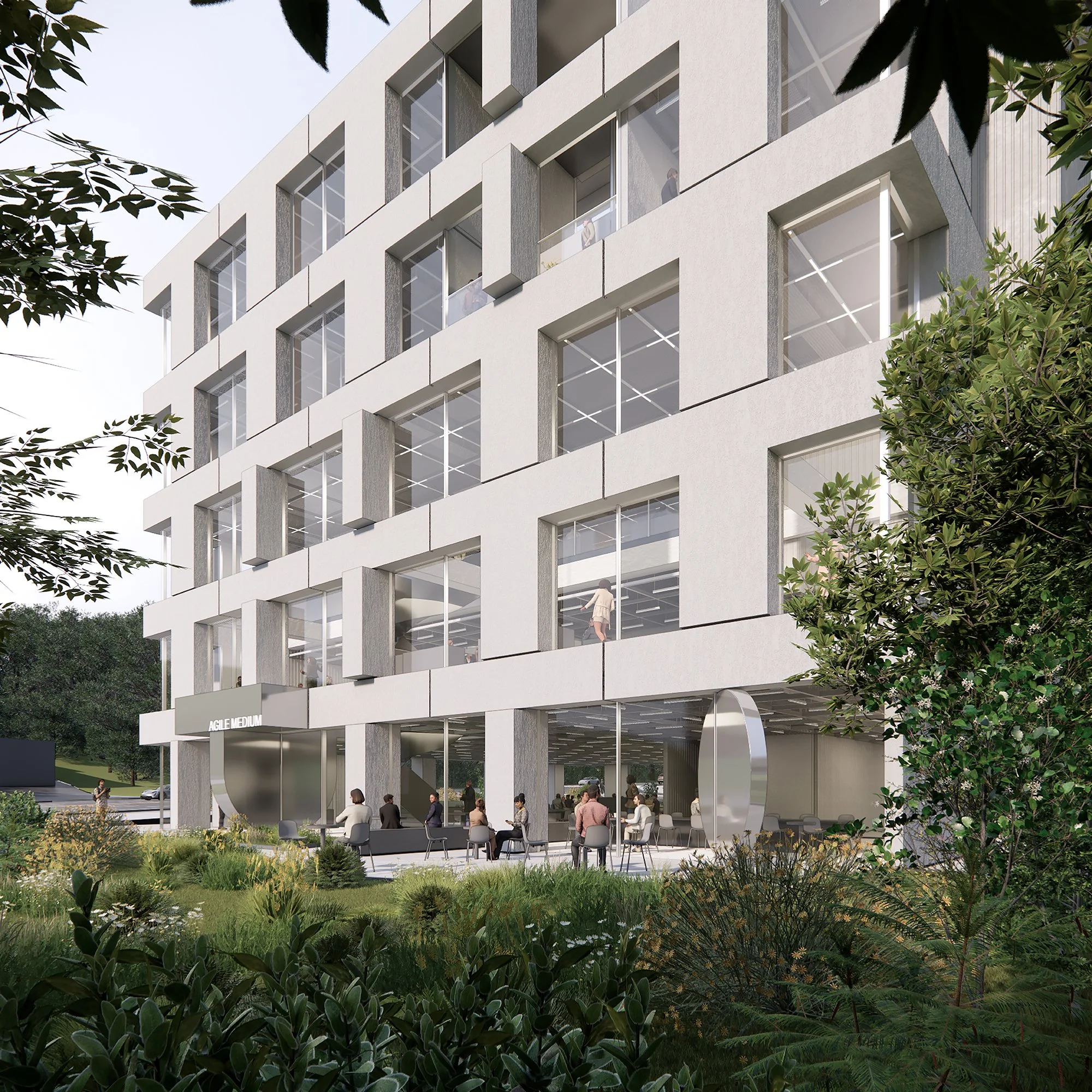
Urban infrastructure and the startup support facility coexist within a single architectural framework, with the integrated control center securing operational efficiency through independent circulation paths. Furthermore, the natural level difference of the site is seamlessly absorbed through sloped landscapes and ramps, transforming it into a welcoming public landscape.
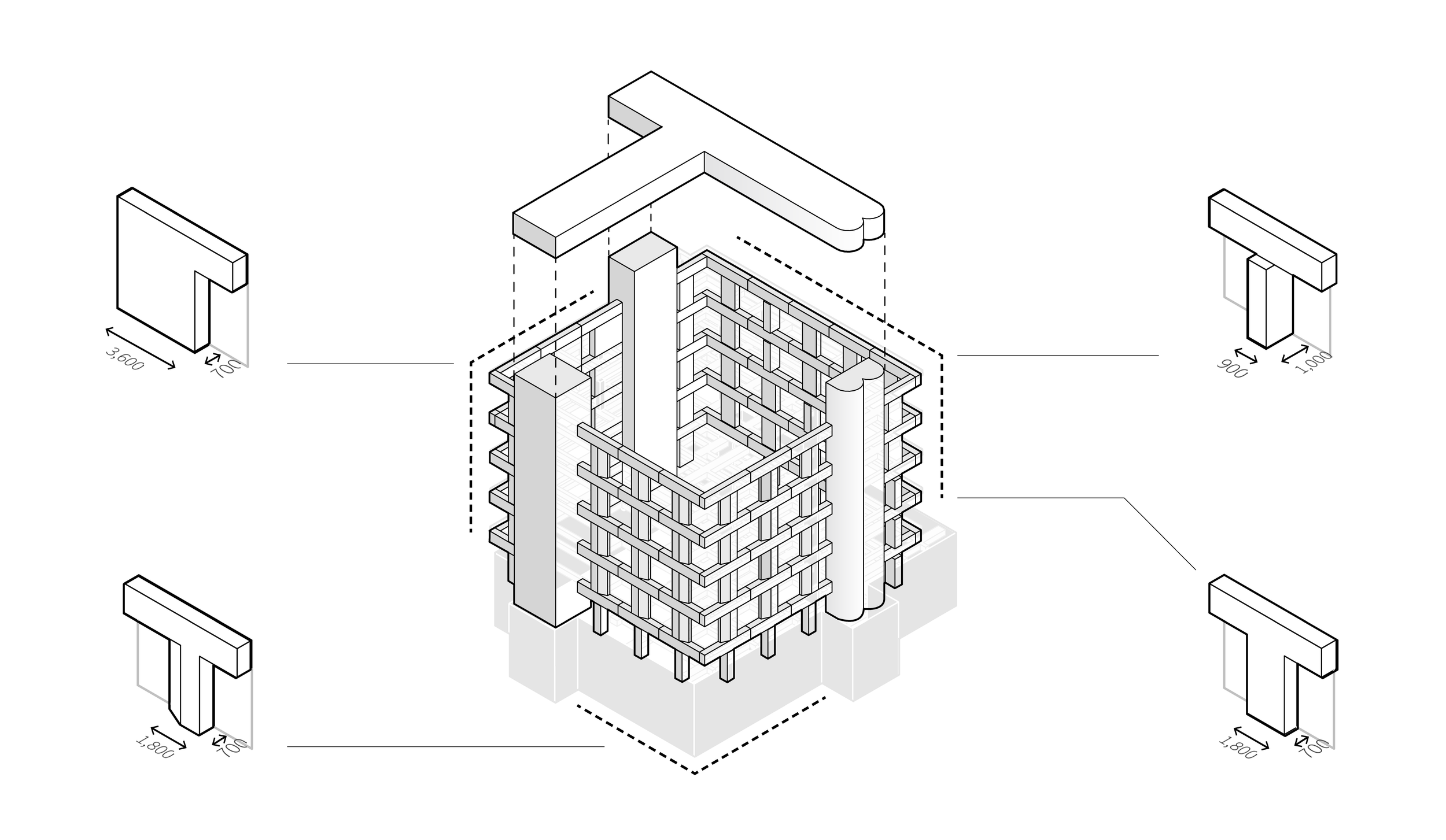
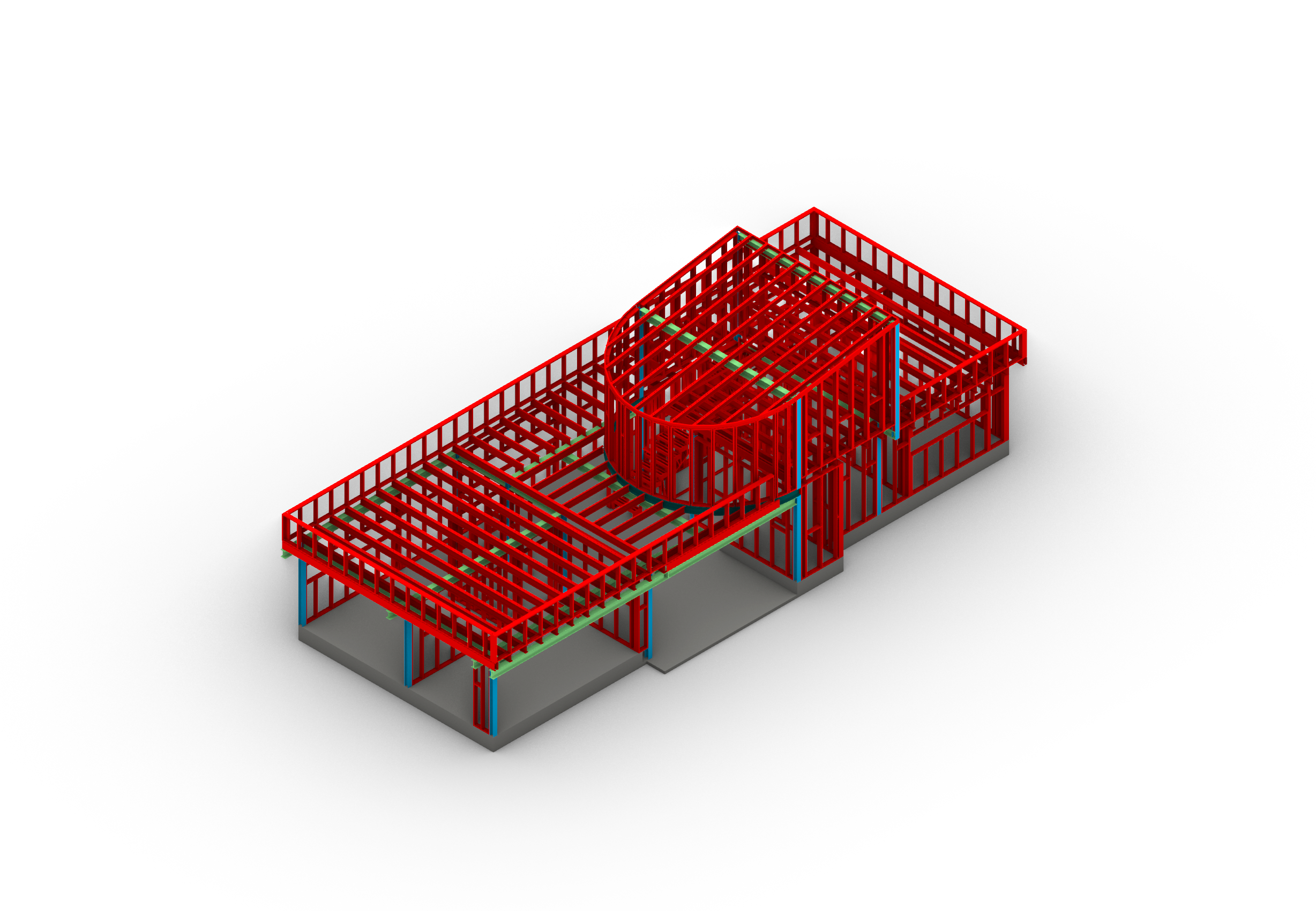
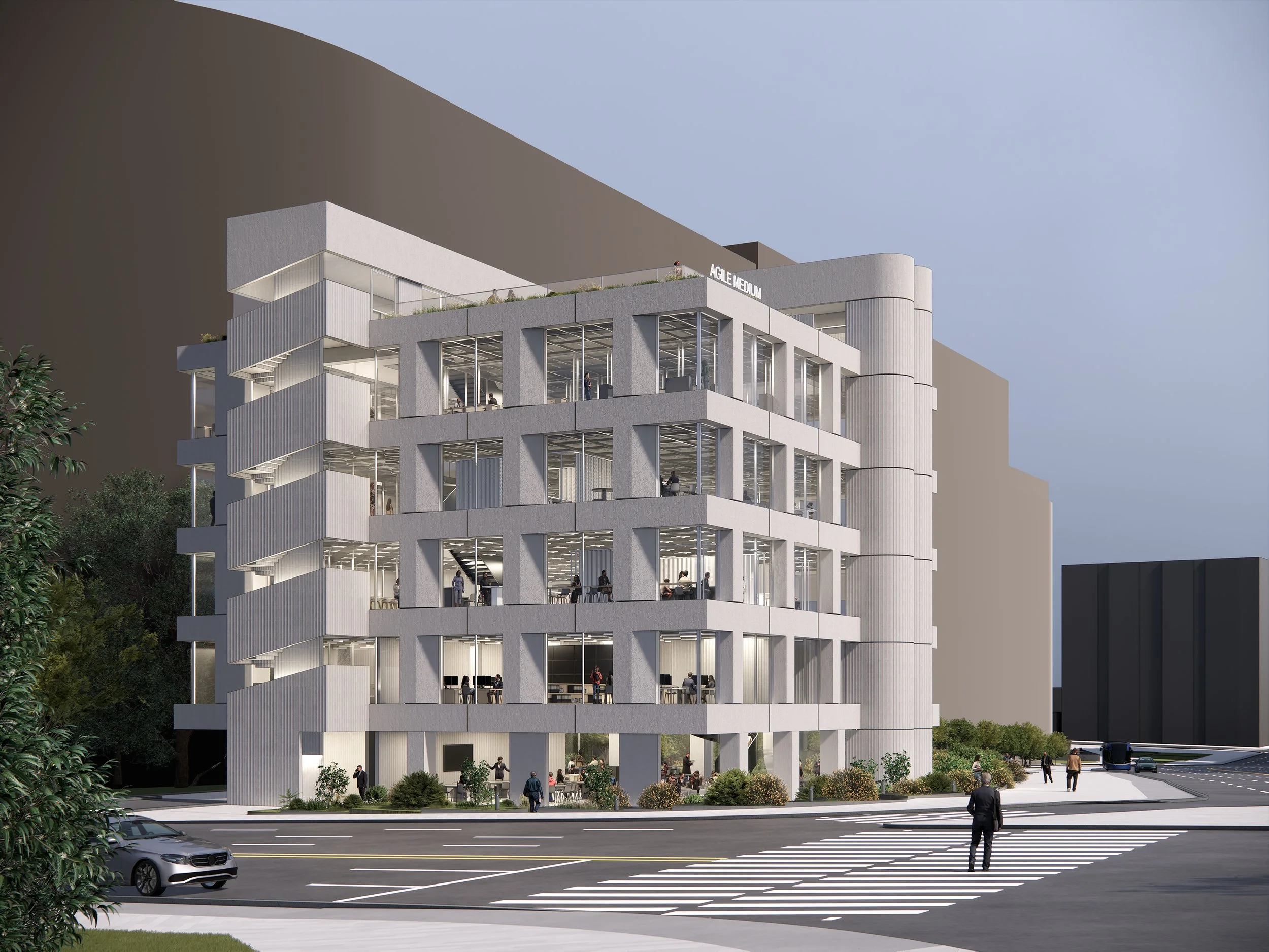
Finally, the structure and facade are seamlessly integrated into a unified exoskeleton system. Built upon an open-plan layout and combined with prefabricated concrete panels, this approach ensures construction precision and scalability. It ultimately functions as a resilient infrastructure ready to adapt to any future programmatic shifts.
Year : 2026
Location : Seoul, Korea
Size : 4,958.12 m²
Status : Competition Entry (3rd Place)
Type : Office
Principal in Charge :
Seojoo Lee, Hyojung Kim (I.f), Dongil Kim (I.f CDL)
Design Team :
Seungil Kim, Gwangeun Hwang, Bokyung Seo, Soohyun Kim (I.f)
Collaboration :
EFFECTUS