Public Office Complex

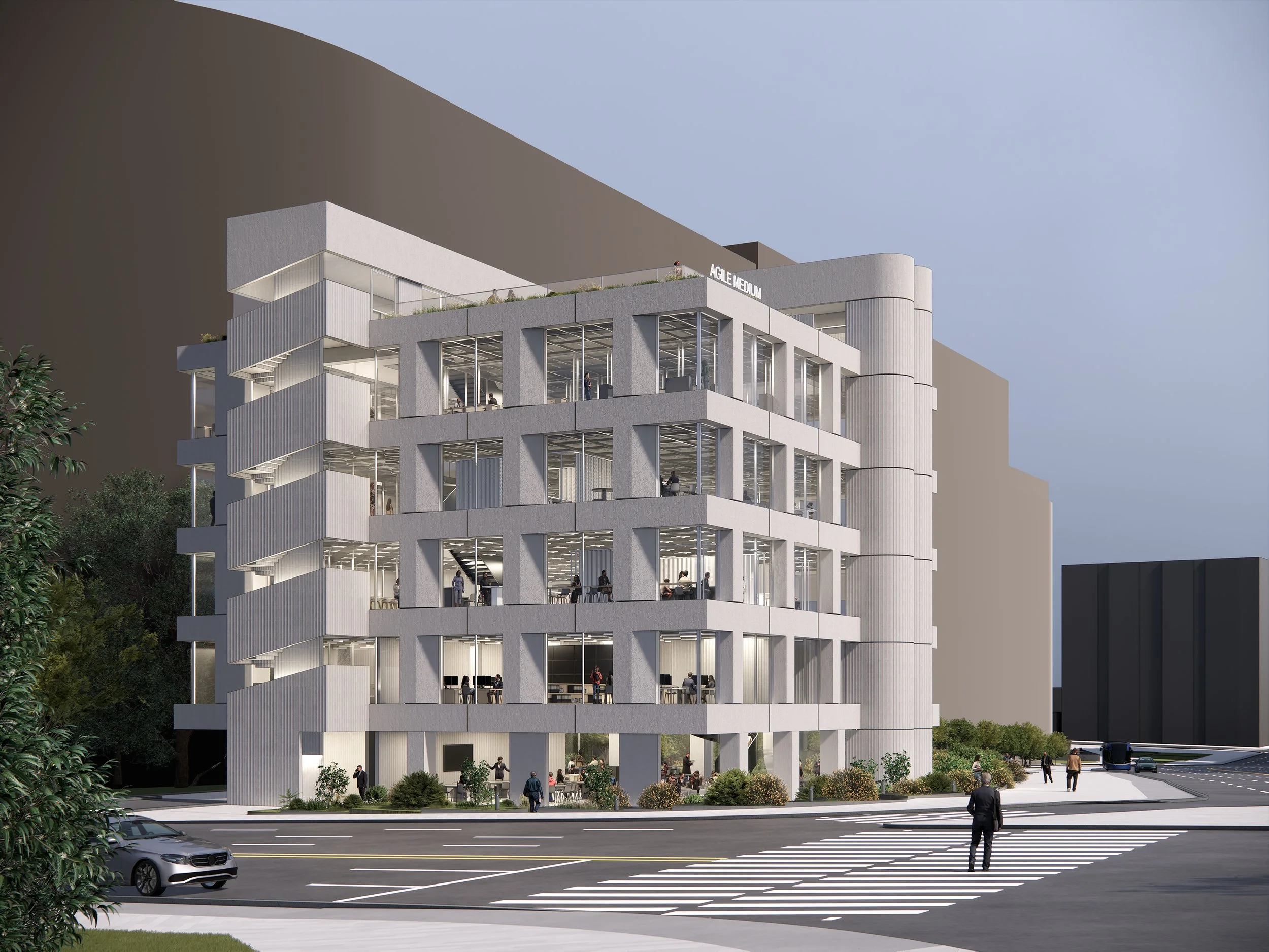
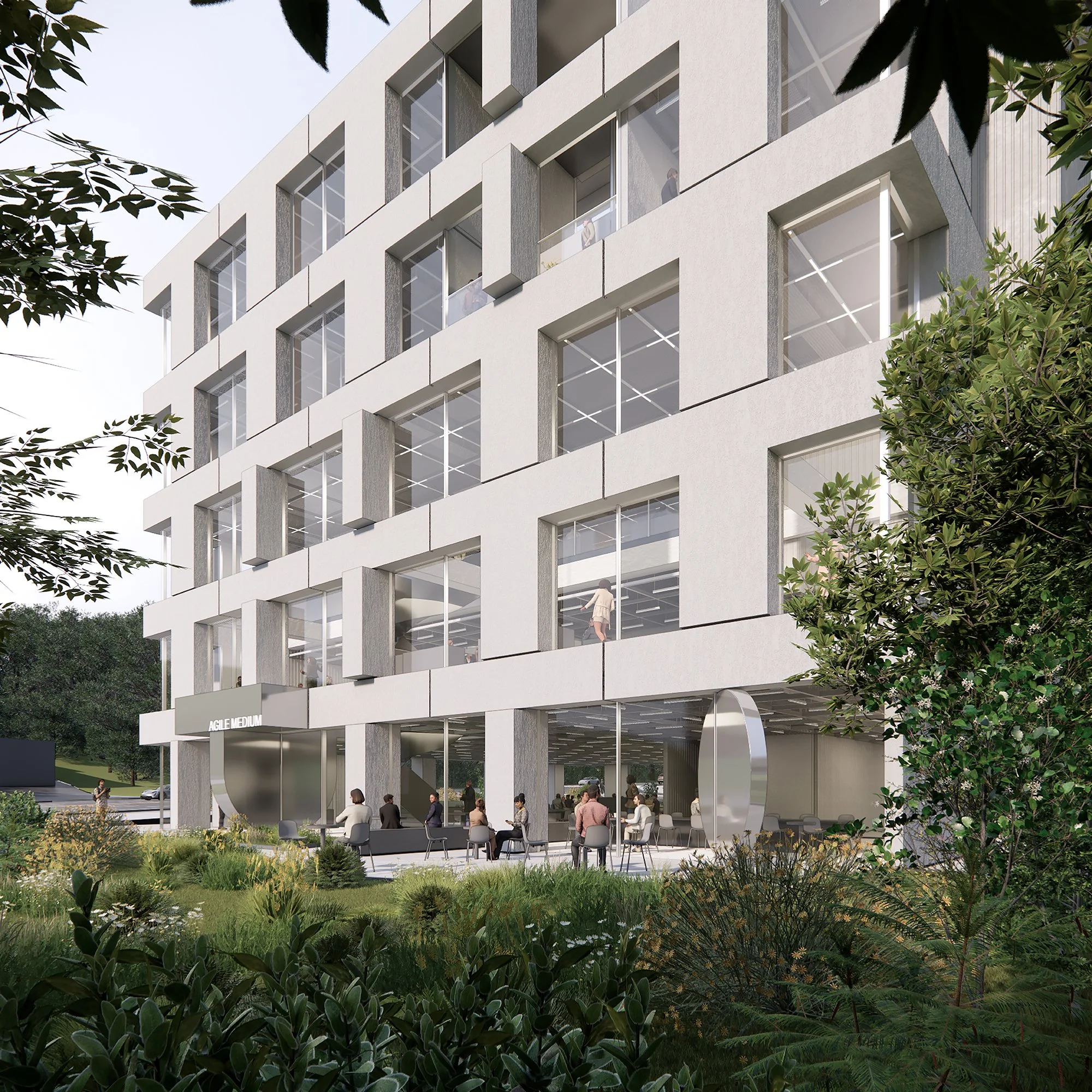
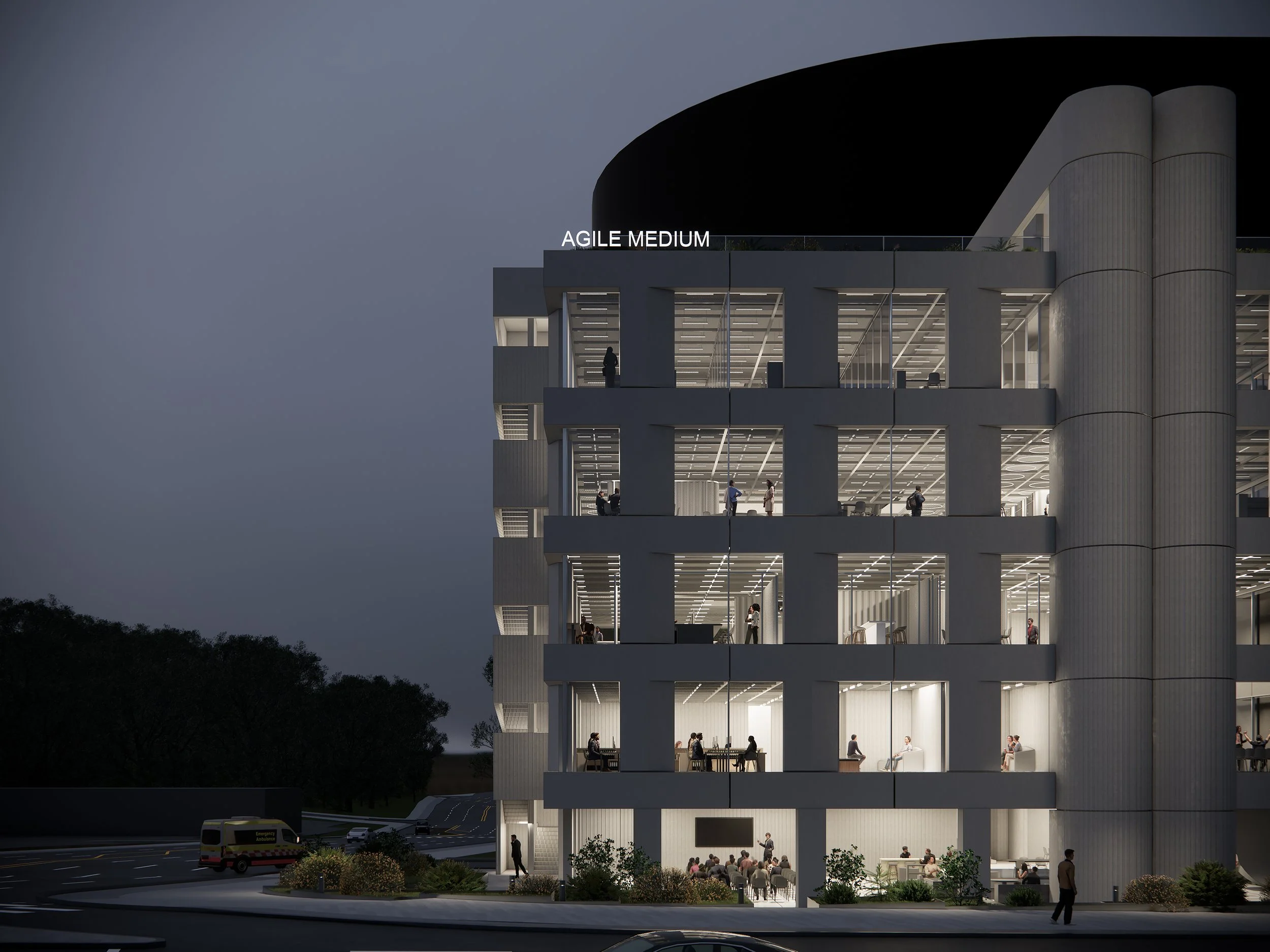
Agile Medium ; A Future-Oriented Public Building Embracing Change

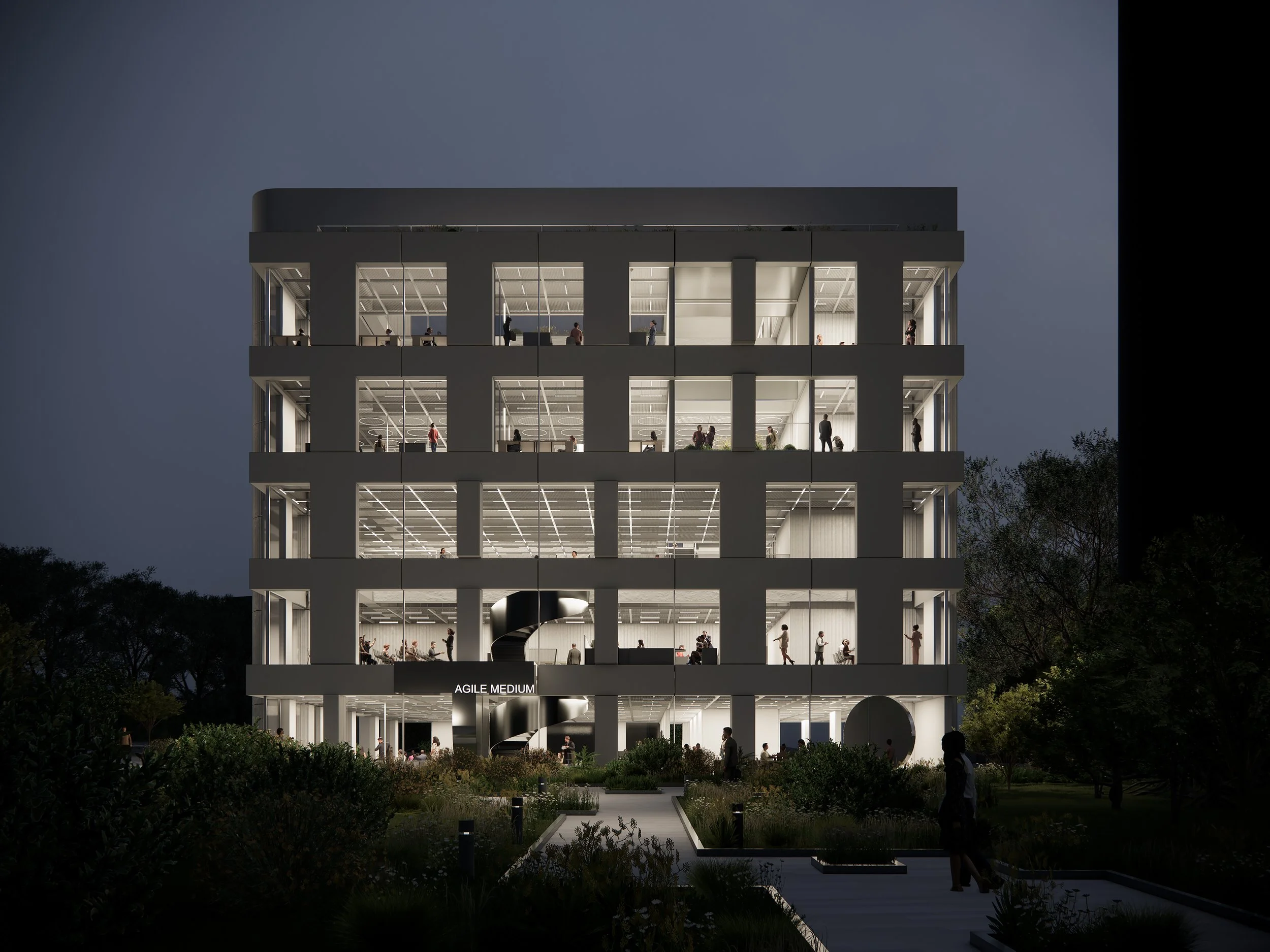
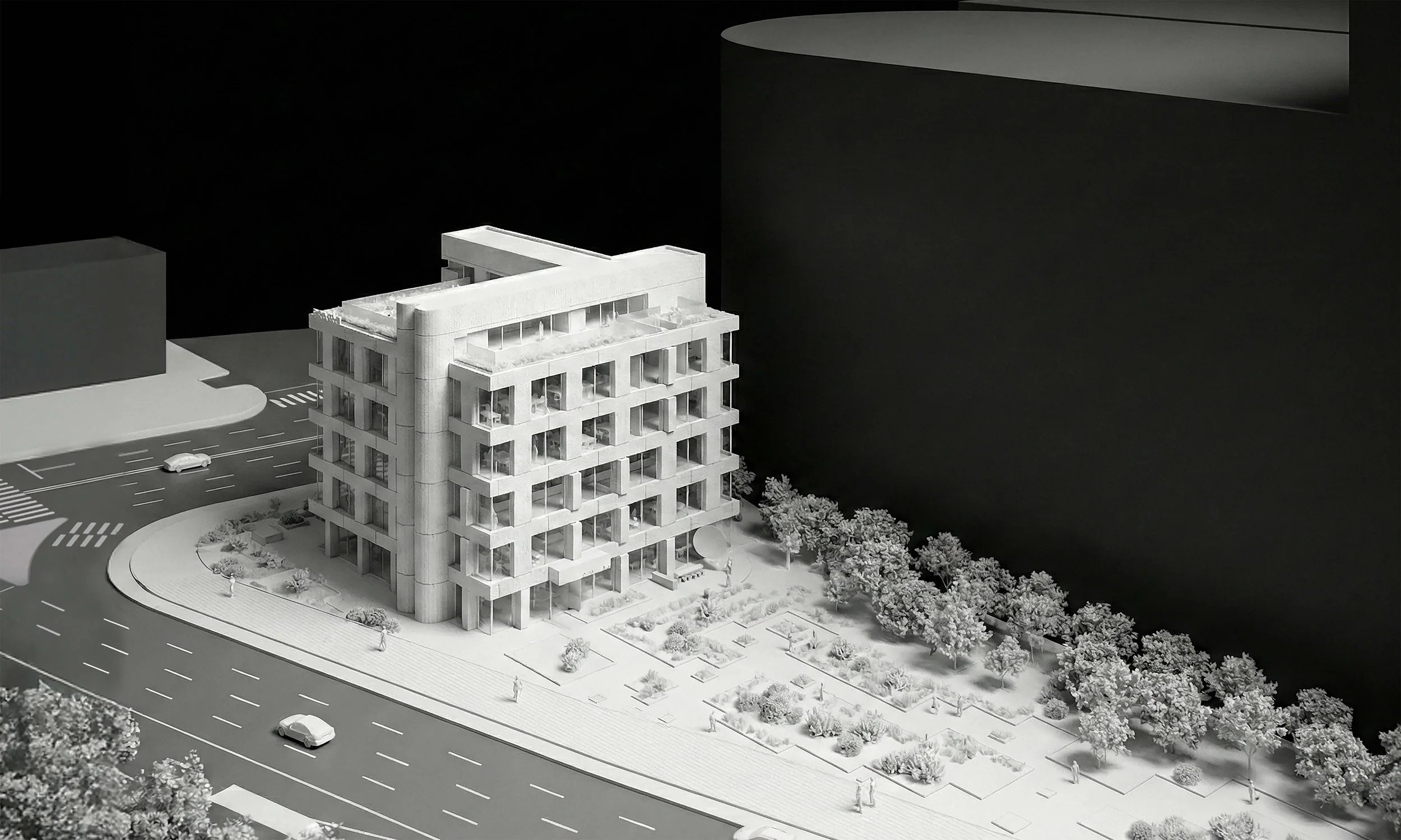
The Seobu Truck Terminal site serves as a catalyst for Yangcheon-gu's vision of a "working and growing city," reorganizing the urban fabric into a pedestrian-centric structure through the introduction of a high-tech urban logistics facility. Positioned as both the terminus and the extension of the green axis, the site acts as a public anchor that accommodates and expands the flow of the city.

In an era of hyper-change, the work environment can no longer be contained within fixed forms. While industries and working methods evolve rapidly, architecture remains a long-lasting physical structure. Agile Medium translates this temporal discrepancy into a matter of systems rather than static forms, proposing a spatial organization premised on the continuous cycle of change.

The workspace ratio is entirely reorganized from a traditional 7:2:1 structure to a 4:3:3 networking-centric paradigm. By streamlining independent workspaces and expanding areas for collaboration and interaction, the lower levels are designed as open, welcoming spaces that draw the public in, while the upper levels provide optimized environments for deep focus and growth.

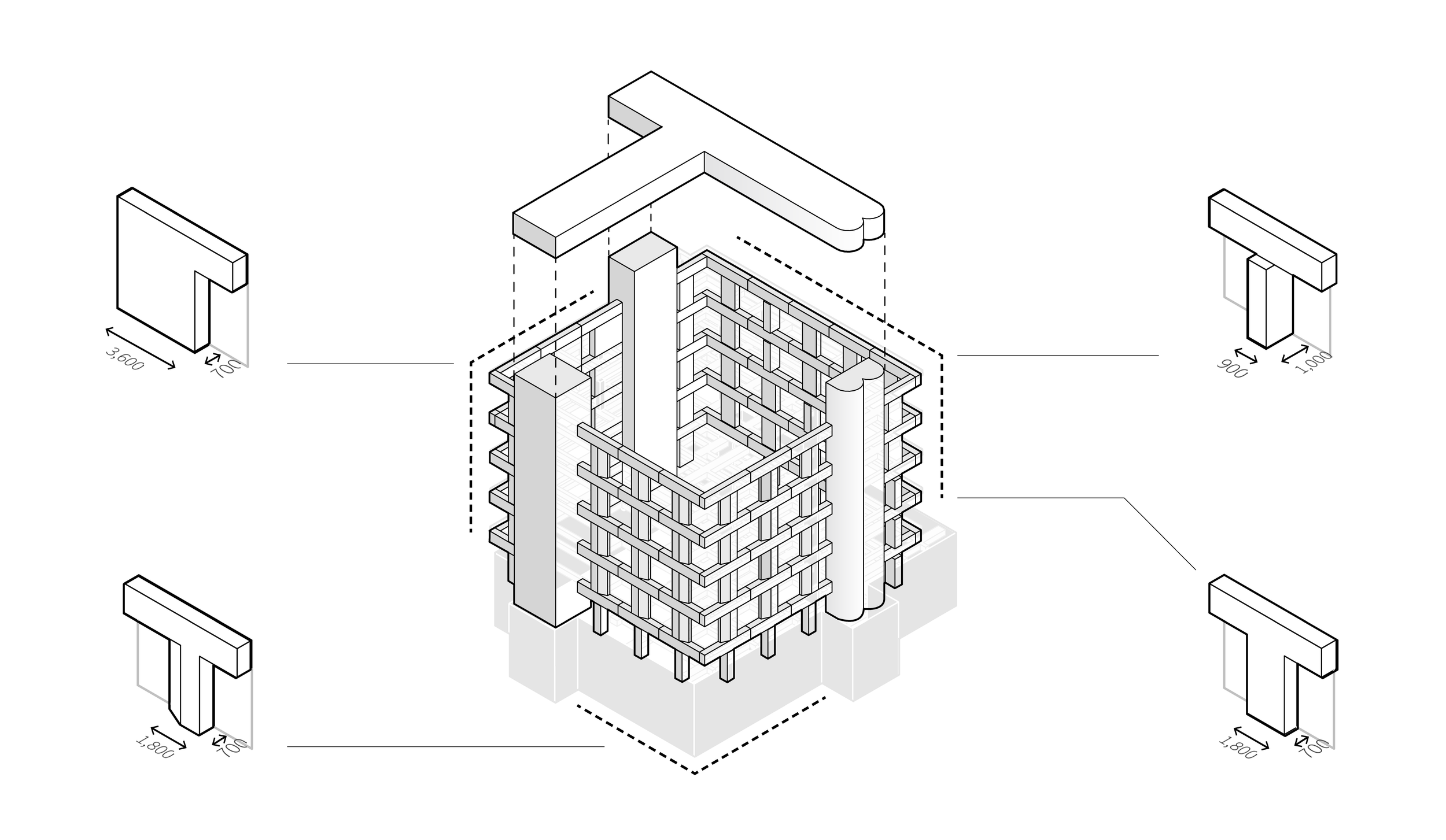
The spatial framework is governed by a 1.8m to 5.4m grid module, allowing for flexible reconfiguration according to organizational scale. The split cores and the Agile Spine orchestrate the programmatic distribution around a highly adaptable central open plan, facilitating a seamless sequence that guides users through the startup lifecycle: Support → Interaction → Immersion → Growth.

Urban infrastructure and the startup support facility coexist within a single architectural framework, with the integrated control center securing operational efficiency through independent circulation paths. Furthermore, the natural level difference of the site is seamlessly absorbed through sloped landscapes and ramps, transforming it into a welcoming public landscape.

Finally, the structure and facade are seamlessly integrated into a unified exoskeleton system. Built upon an open-plan layout and combined with prefabricated concrete panels, this approach ensures construction precision and scalability. It ultimately functions as a resilient infrastructure ready to adapt to any future programmatic shifts.


Year : 2026

Location : Seoul, Korea

Size : 4,958.12 m²

Status : Competition Entry (3rd Place)

Type : Office

Principal in Charge :

Seojoo Lee, Hyojung Kim (I.f), Dongil Kim (I.f CDL)

Design Team :

Seungil Kim, Gwangeun Hwang, Bokyung Seo, Soohyun Kim (I.f)

Collaboration :

EFFECTUS
Yeoju Residence

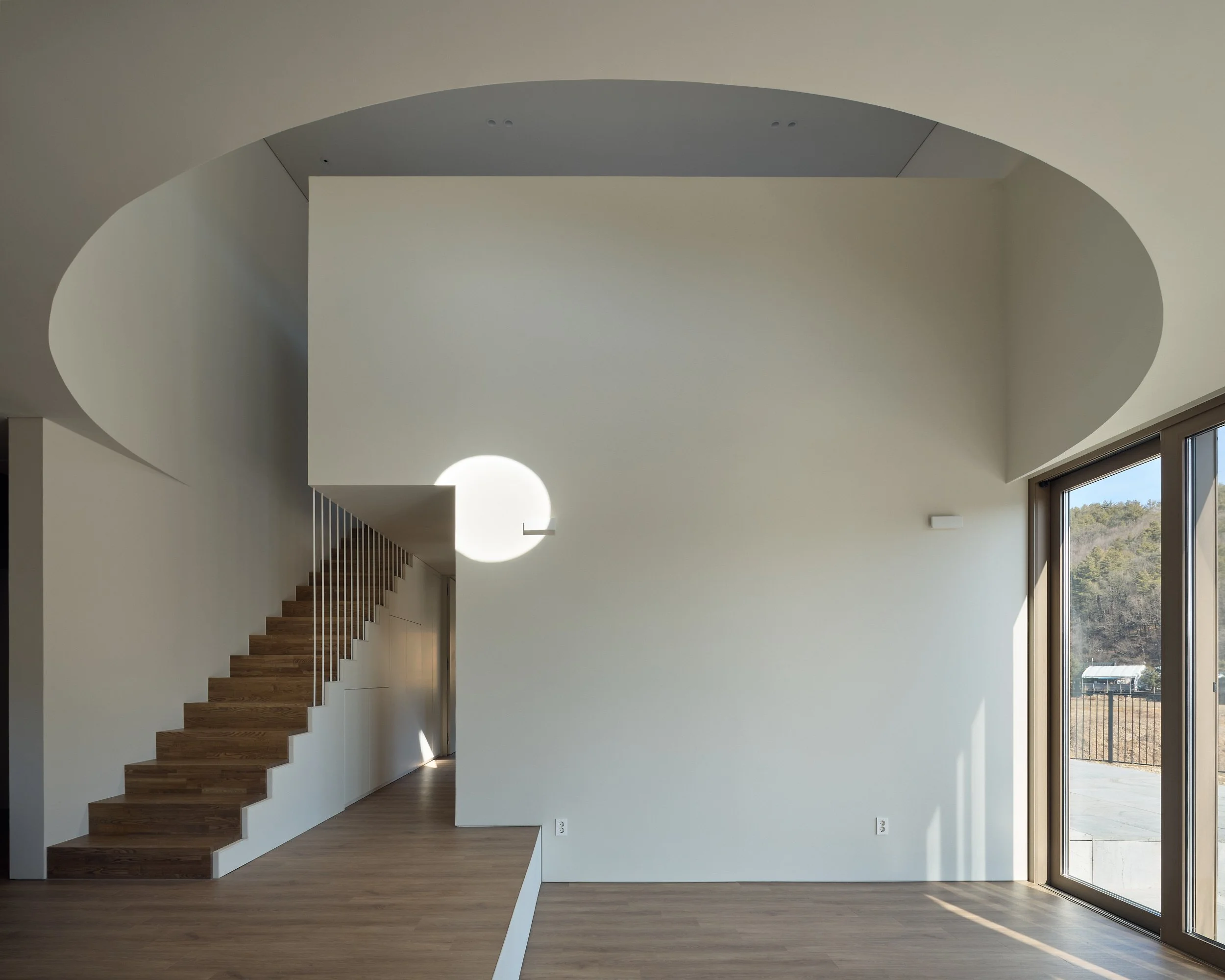
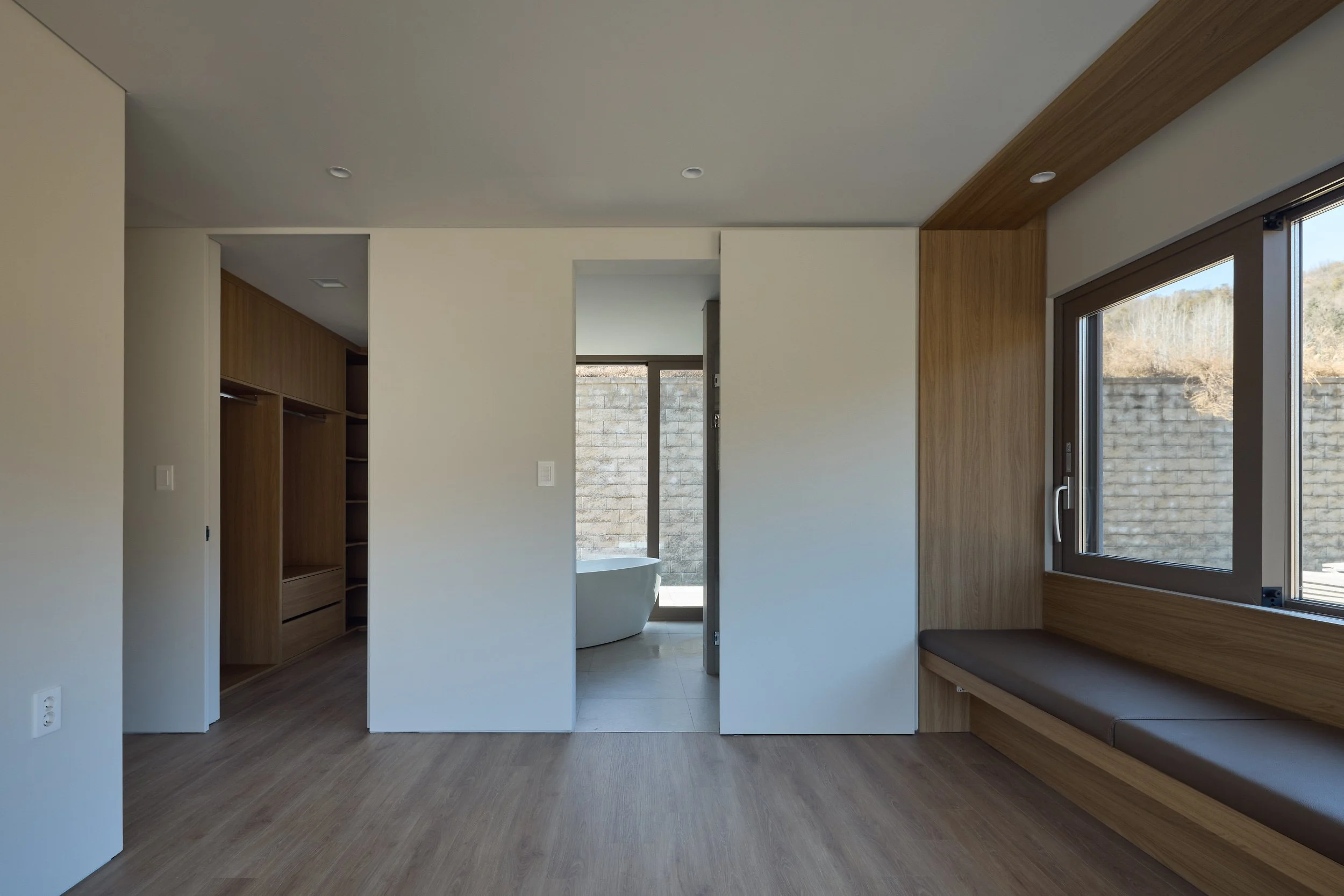
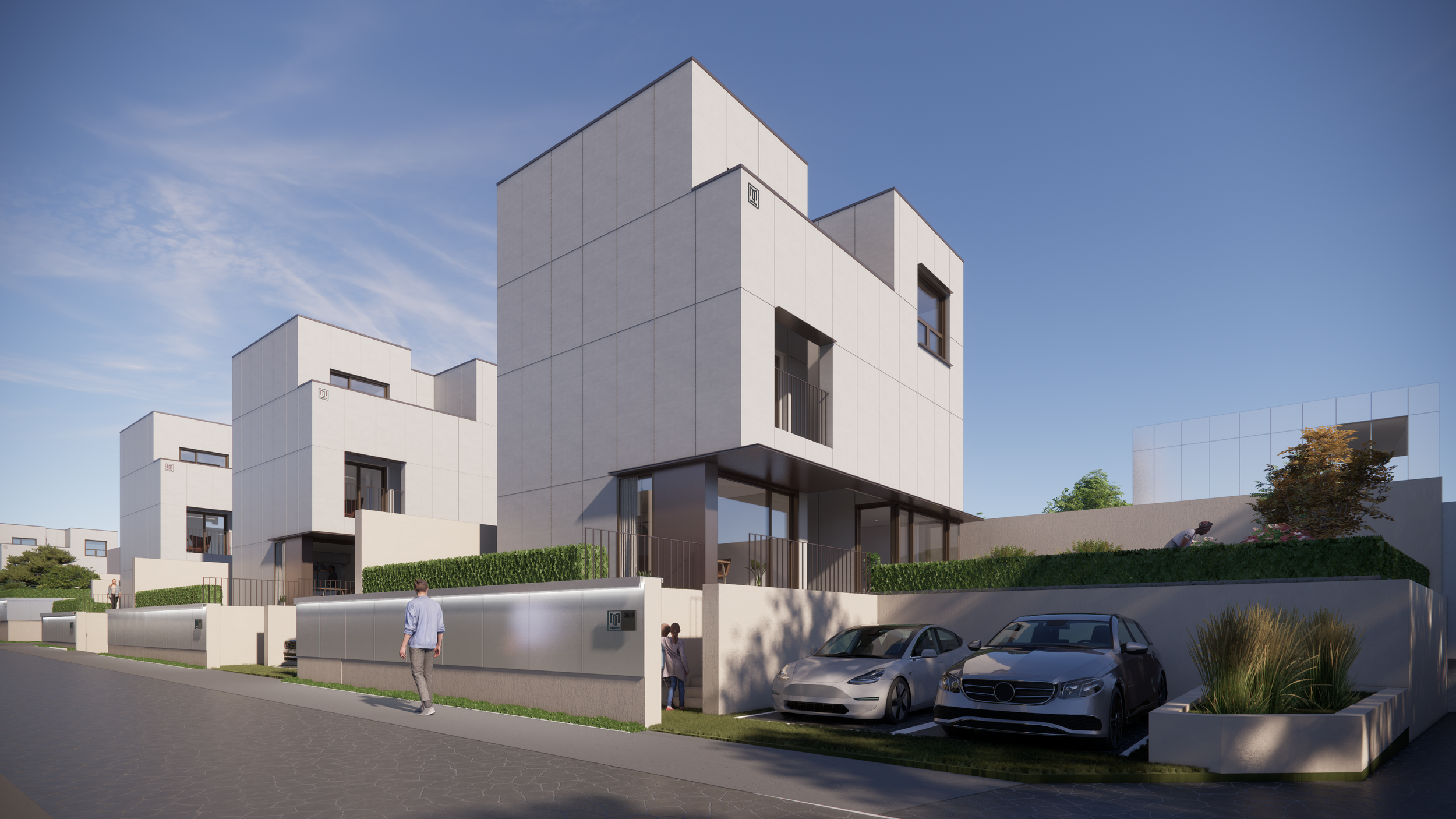
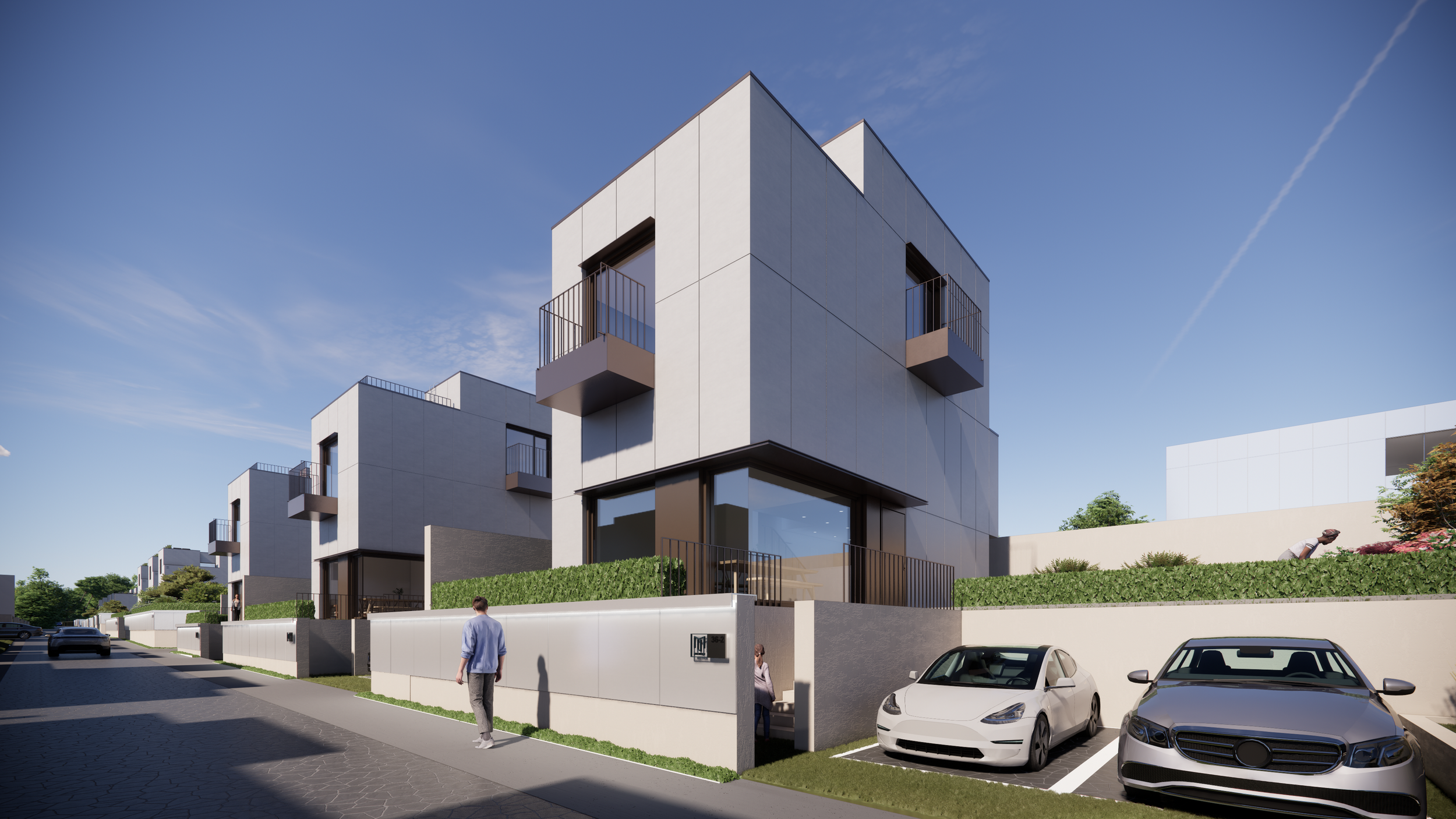
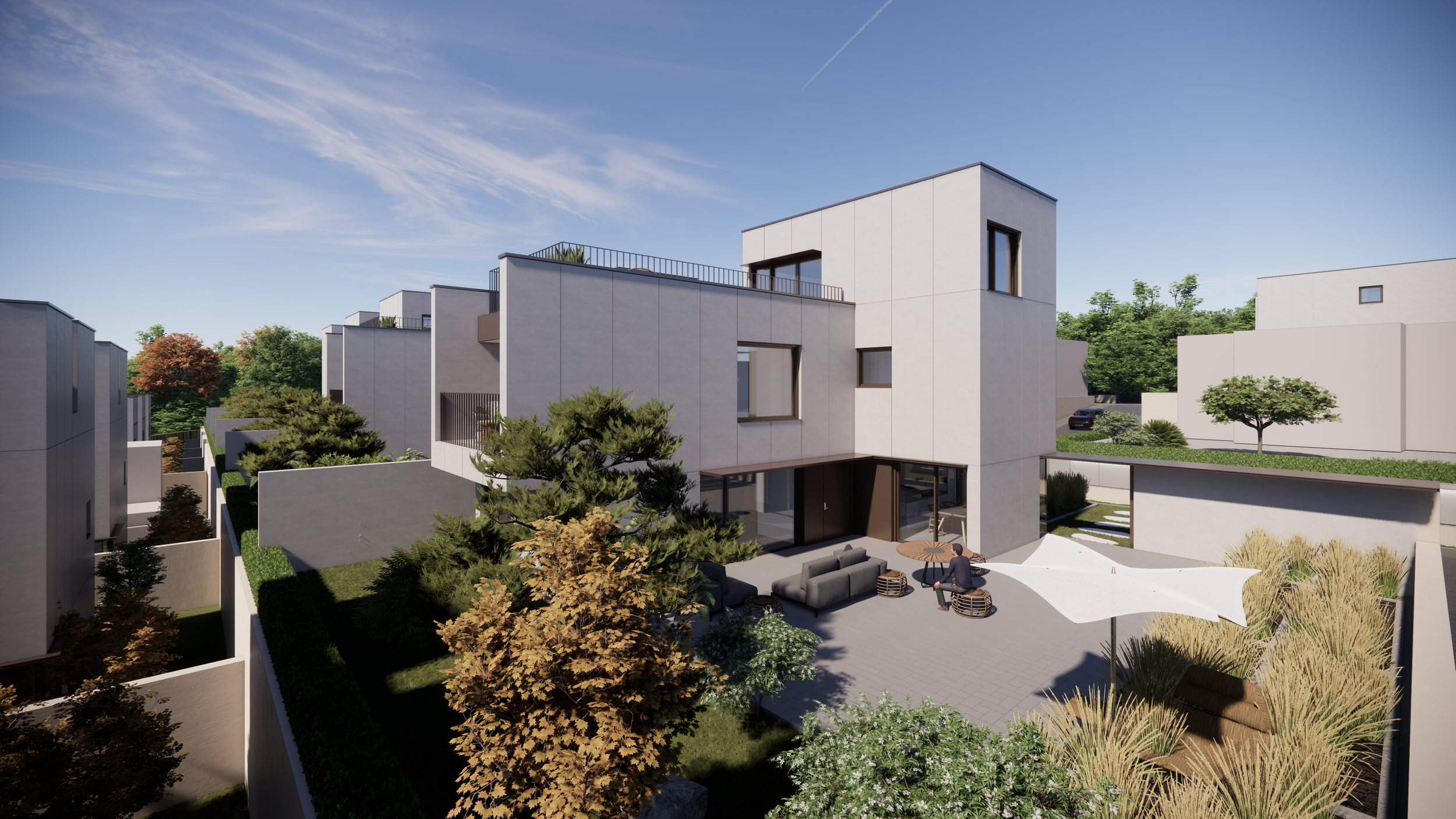
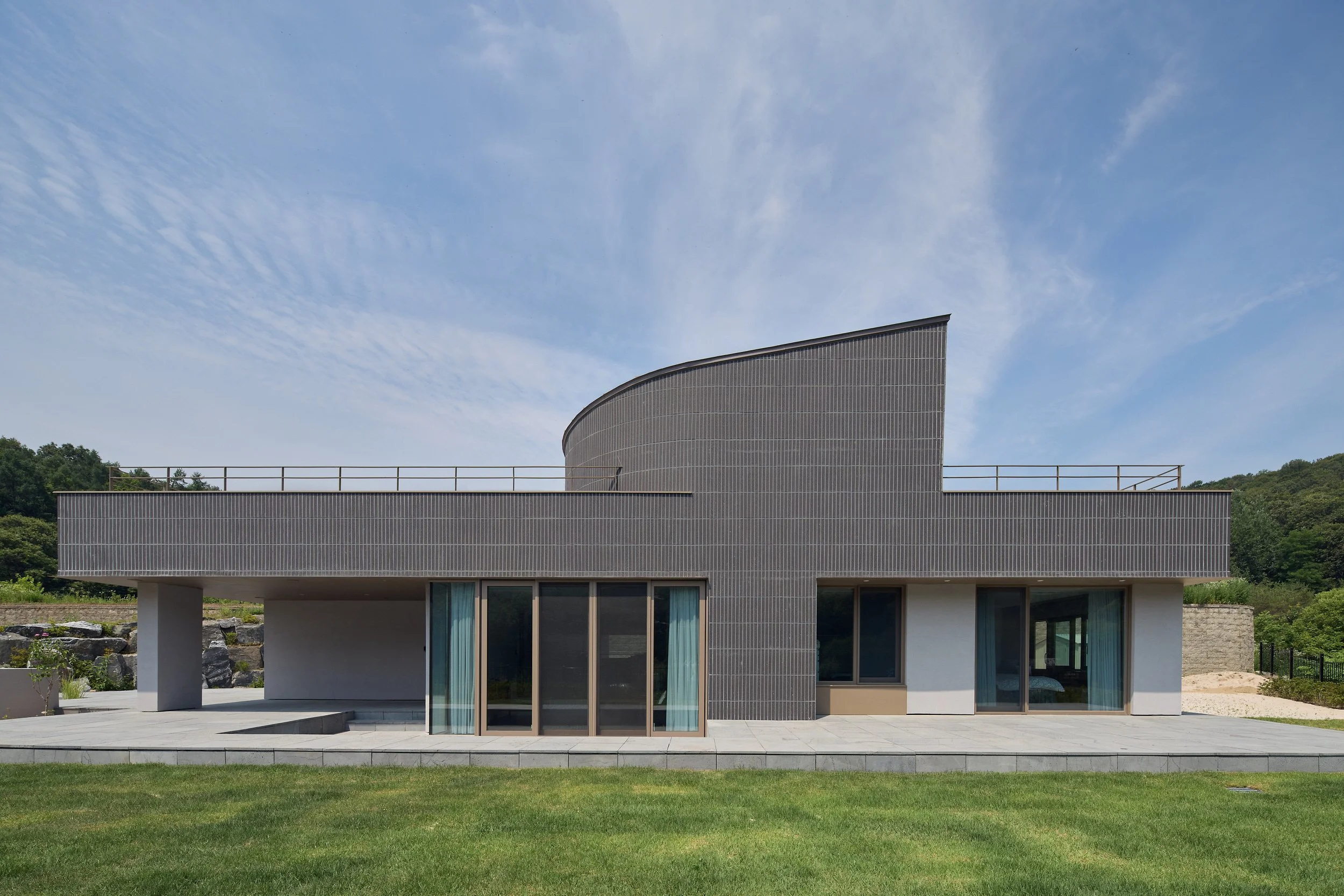
This site is nestled at the foot of Taebong Mountain in Geumsam-myeon, Yeoju, at the heart of a well-developed single-family residential village. To the east, it opens up to the picturesque Dogok-ri village, while to the north, it offers a serene view of a hillside planted with birch trees—creating a peaceful and quiet neighborhood setting.

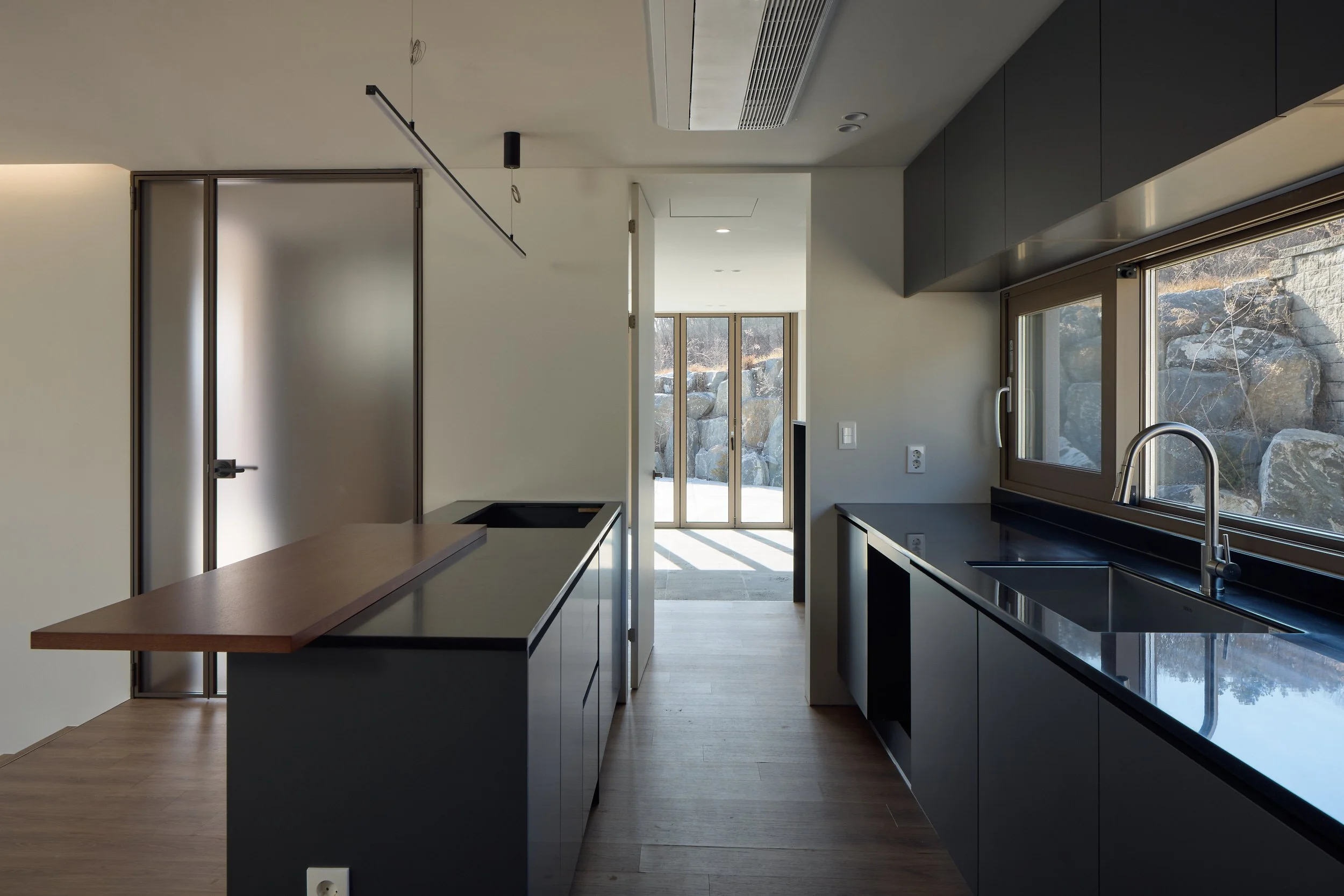
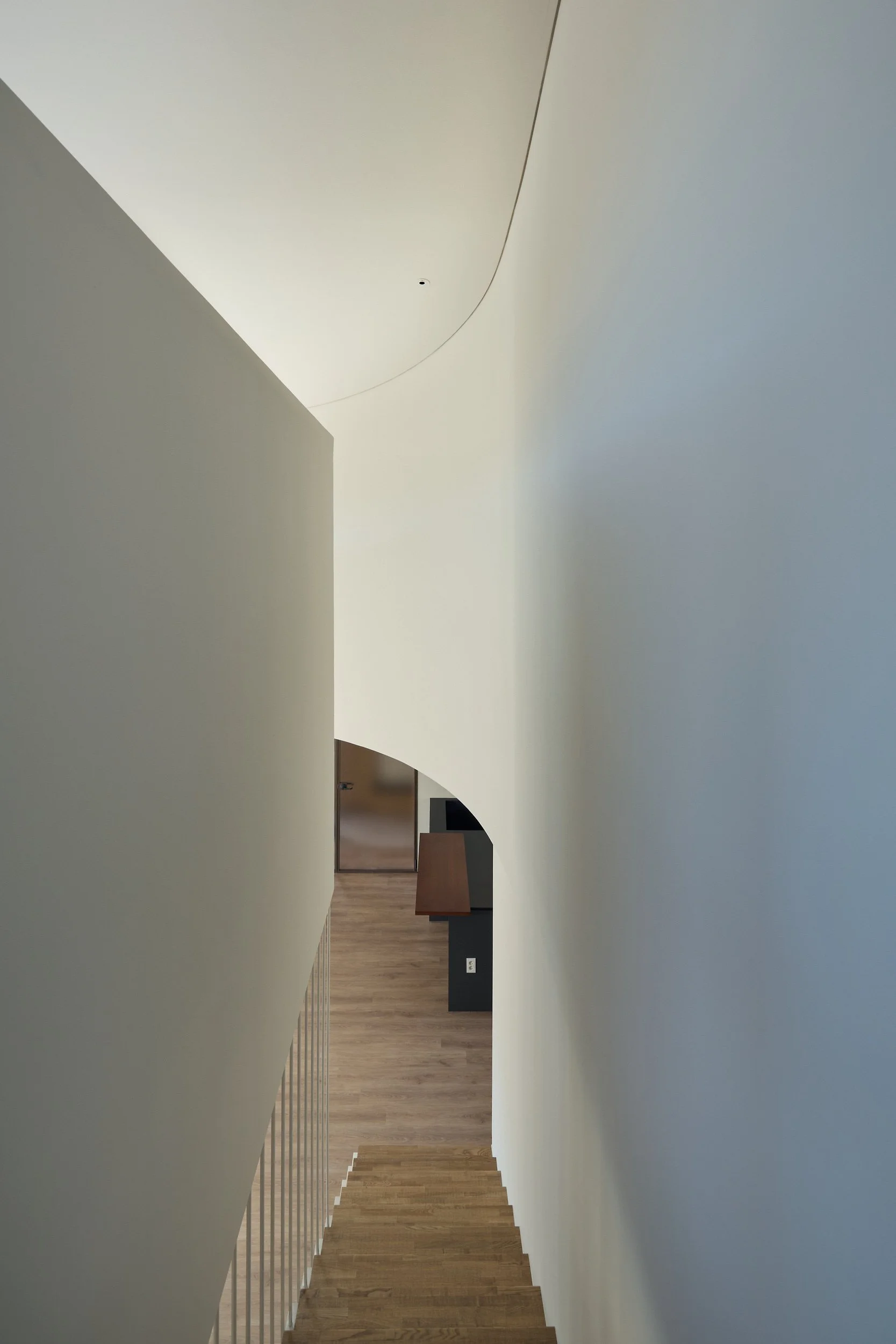
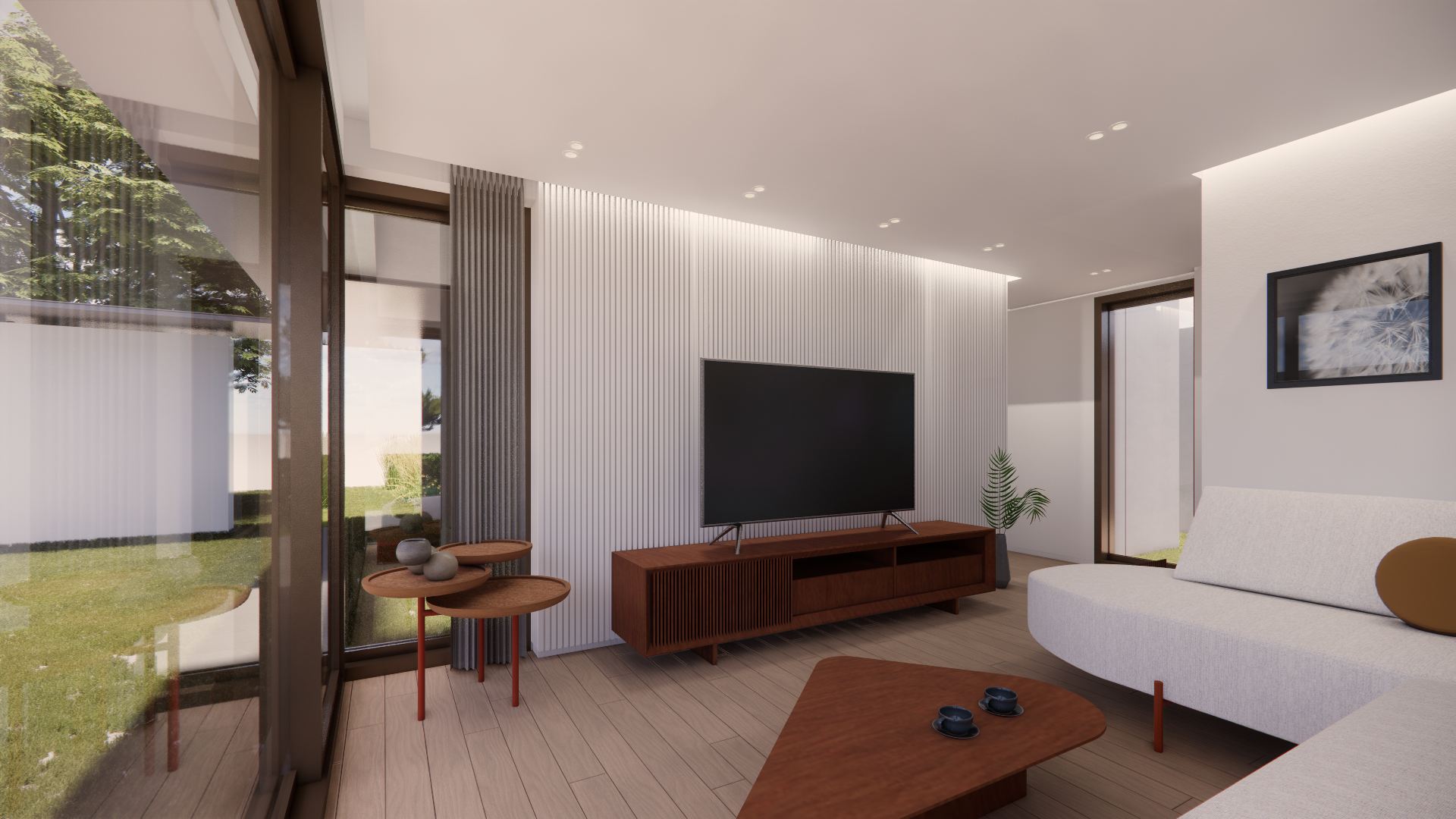
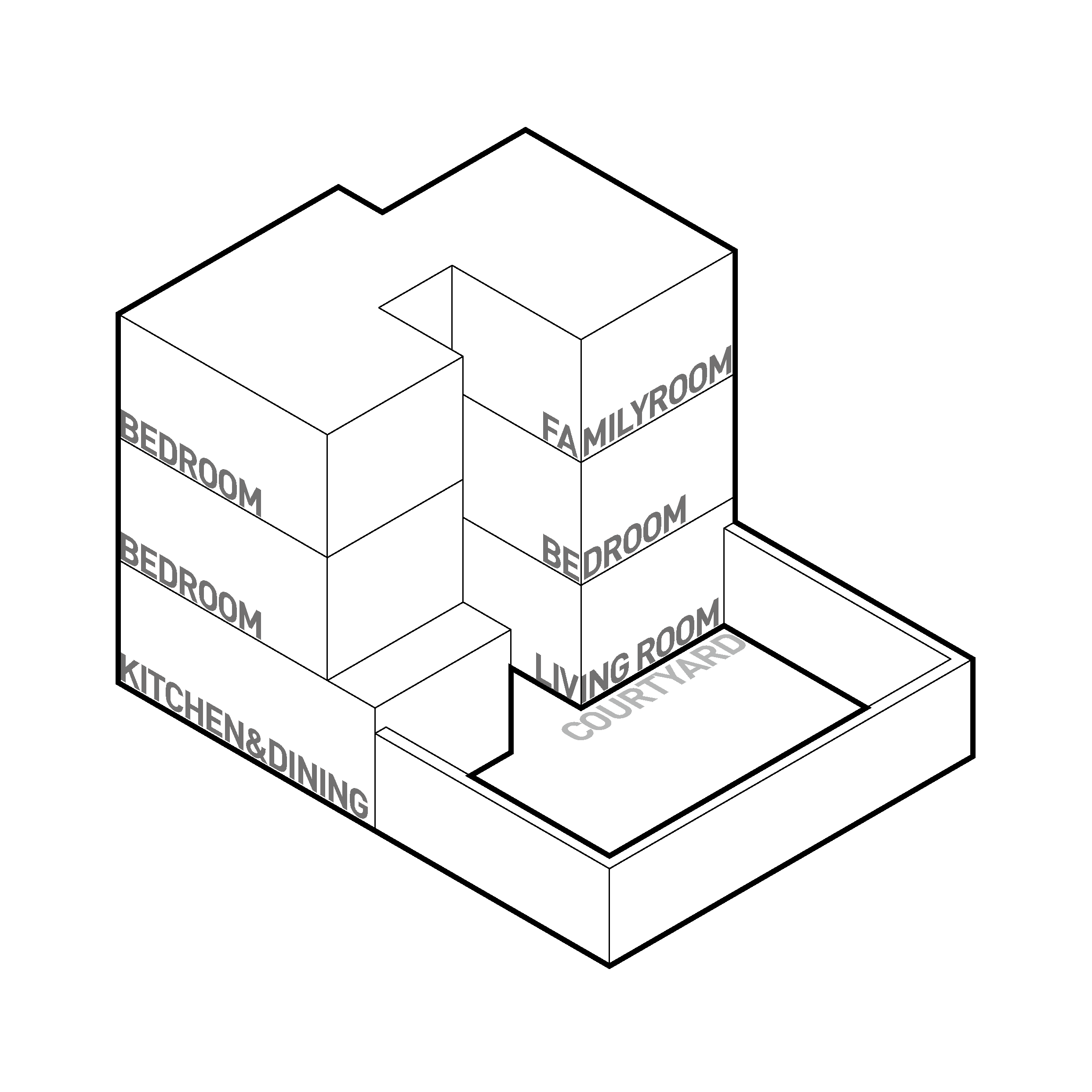
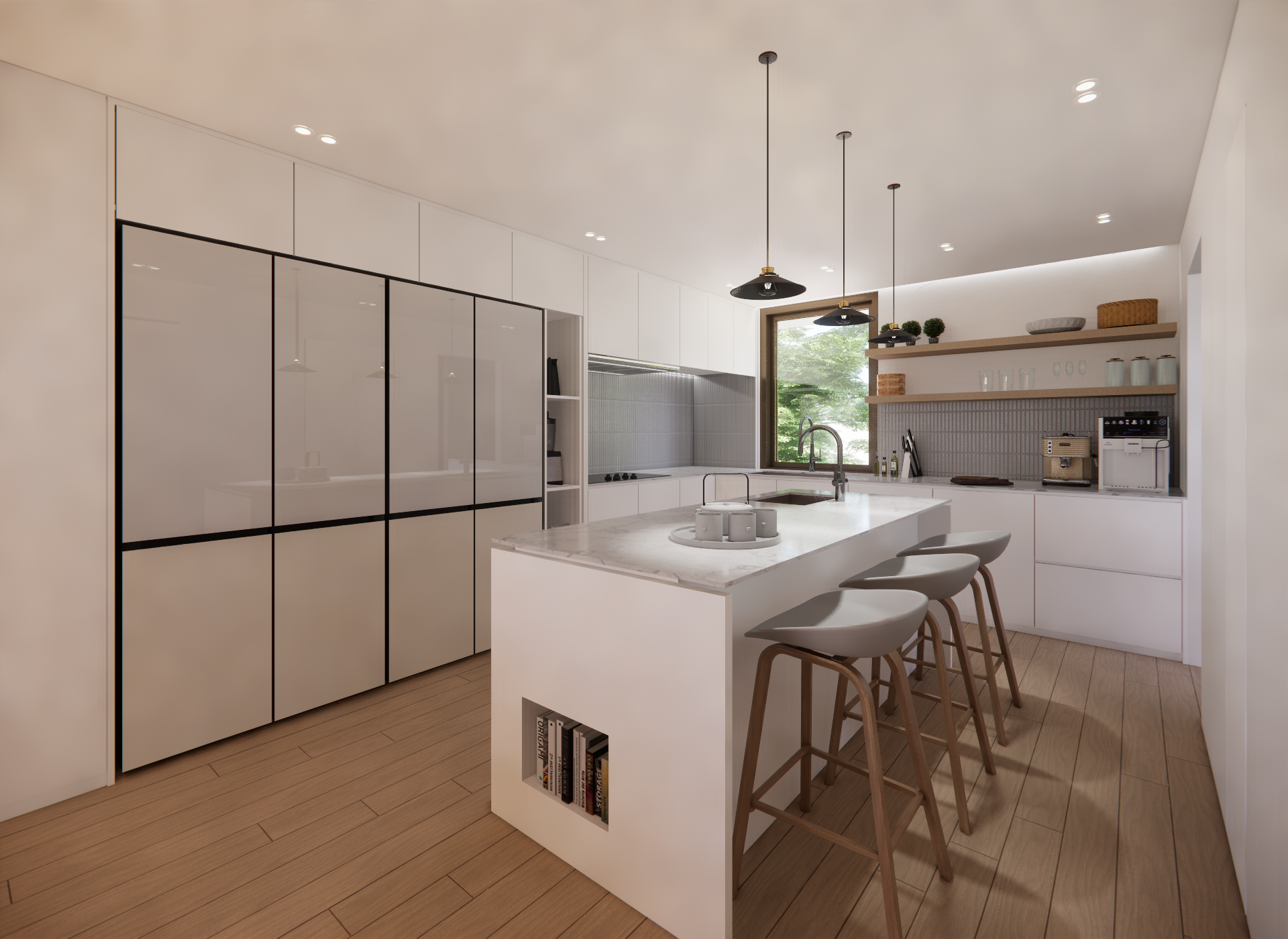
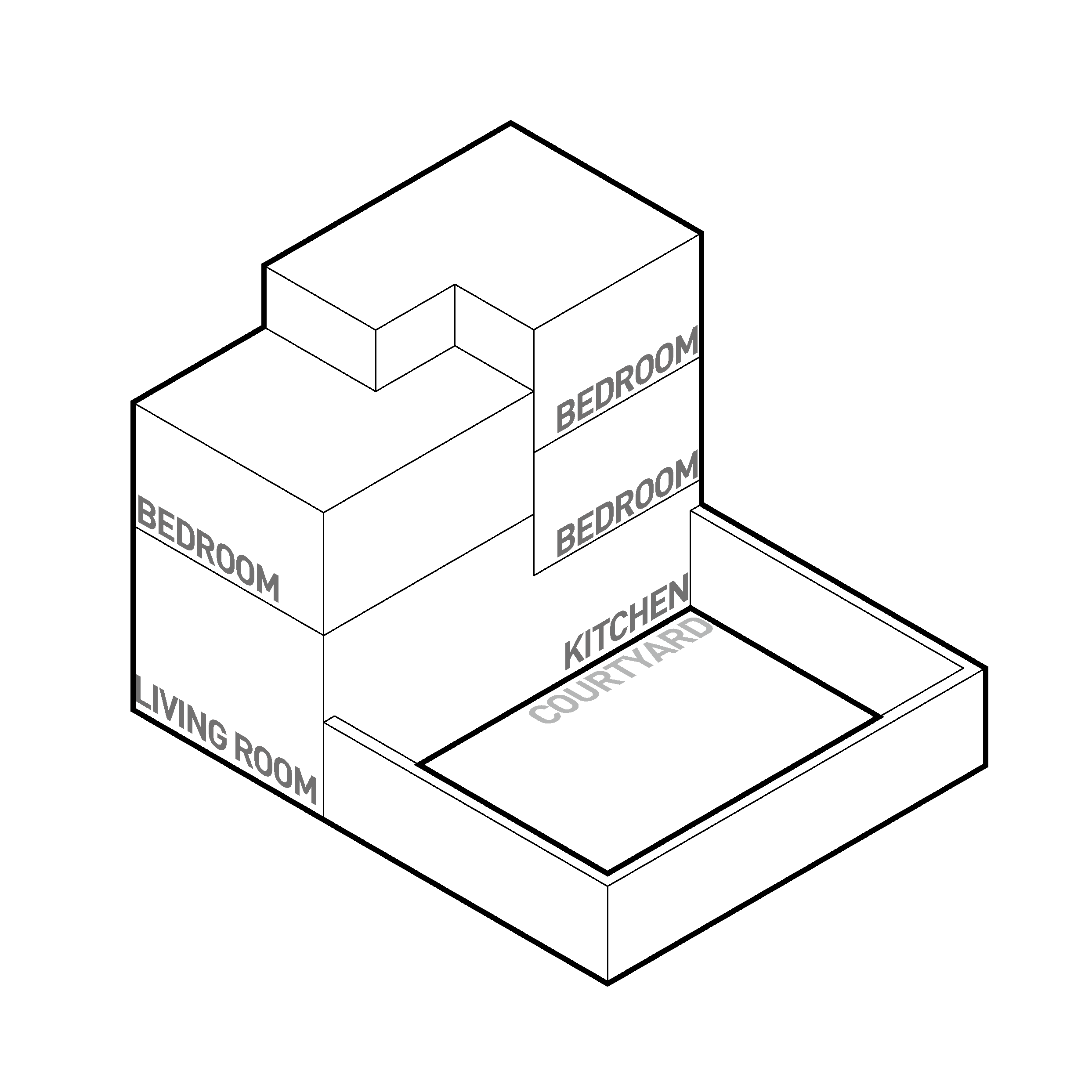
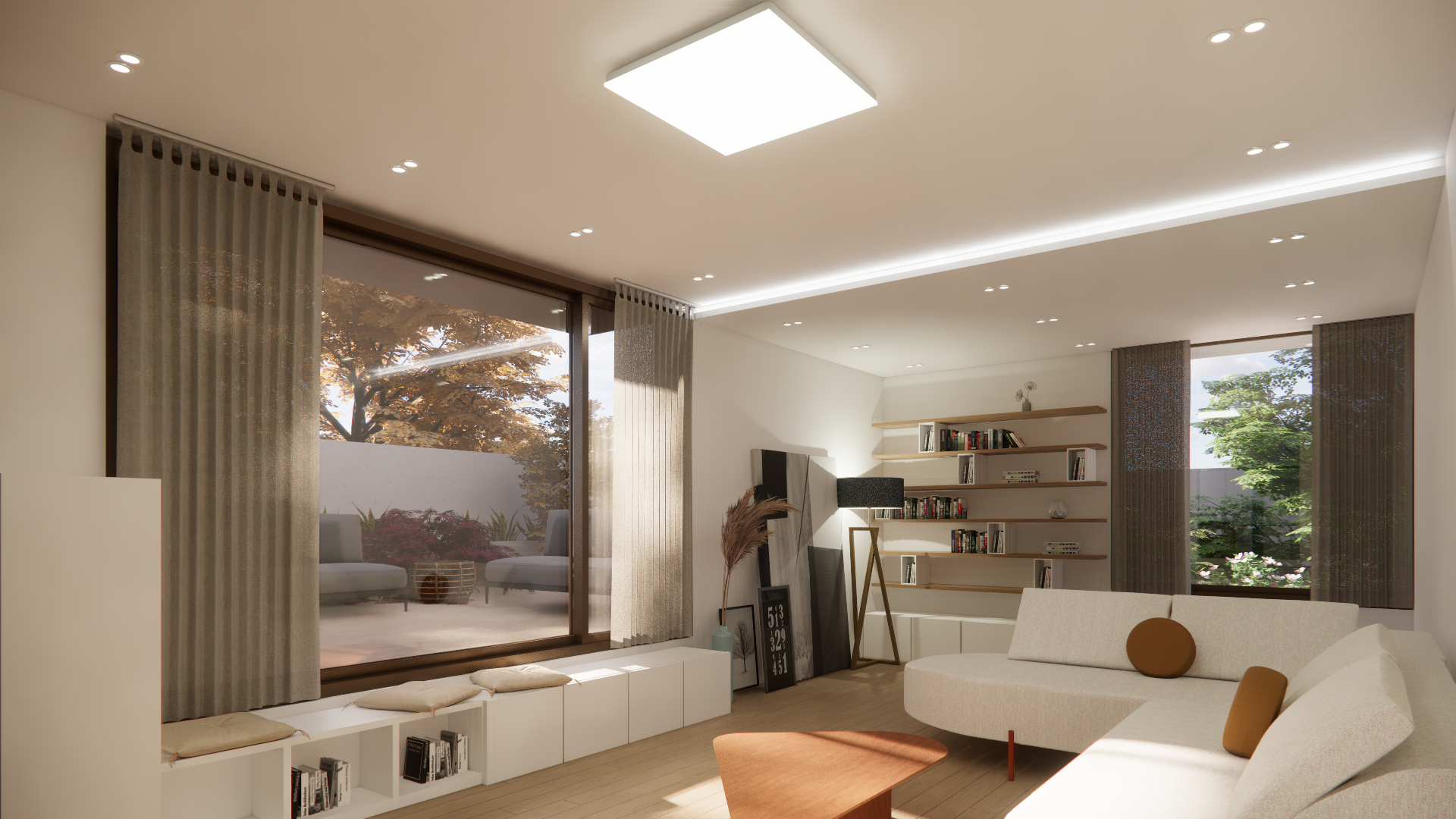
The house consists of a master bedroom, a guest room, and a shared space that combines the living room and kitchen. On the second floor, a family room provides a comfortable area for family members to spend time together.

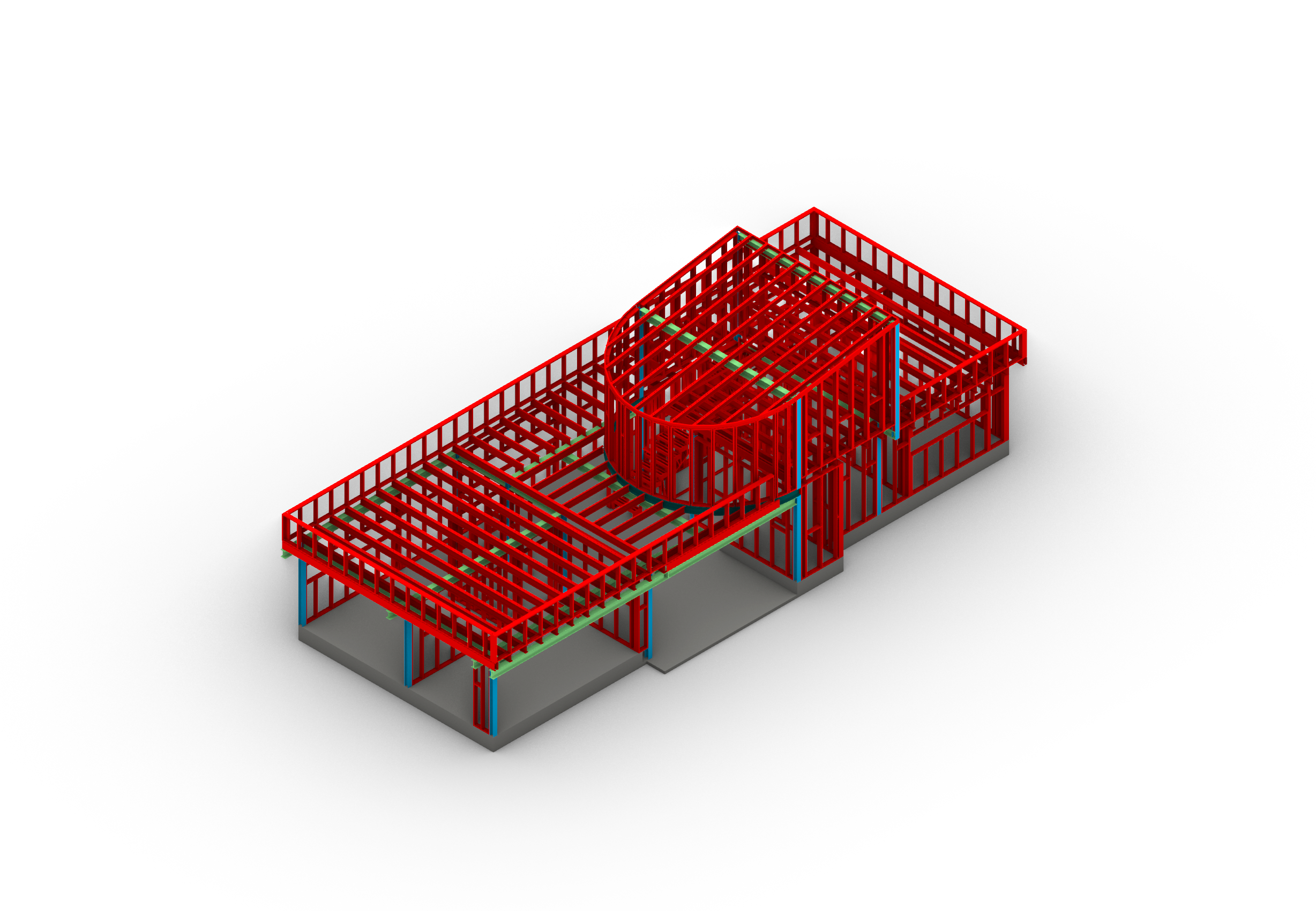
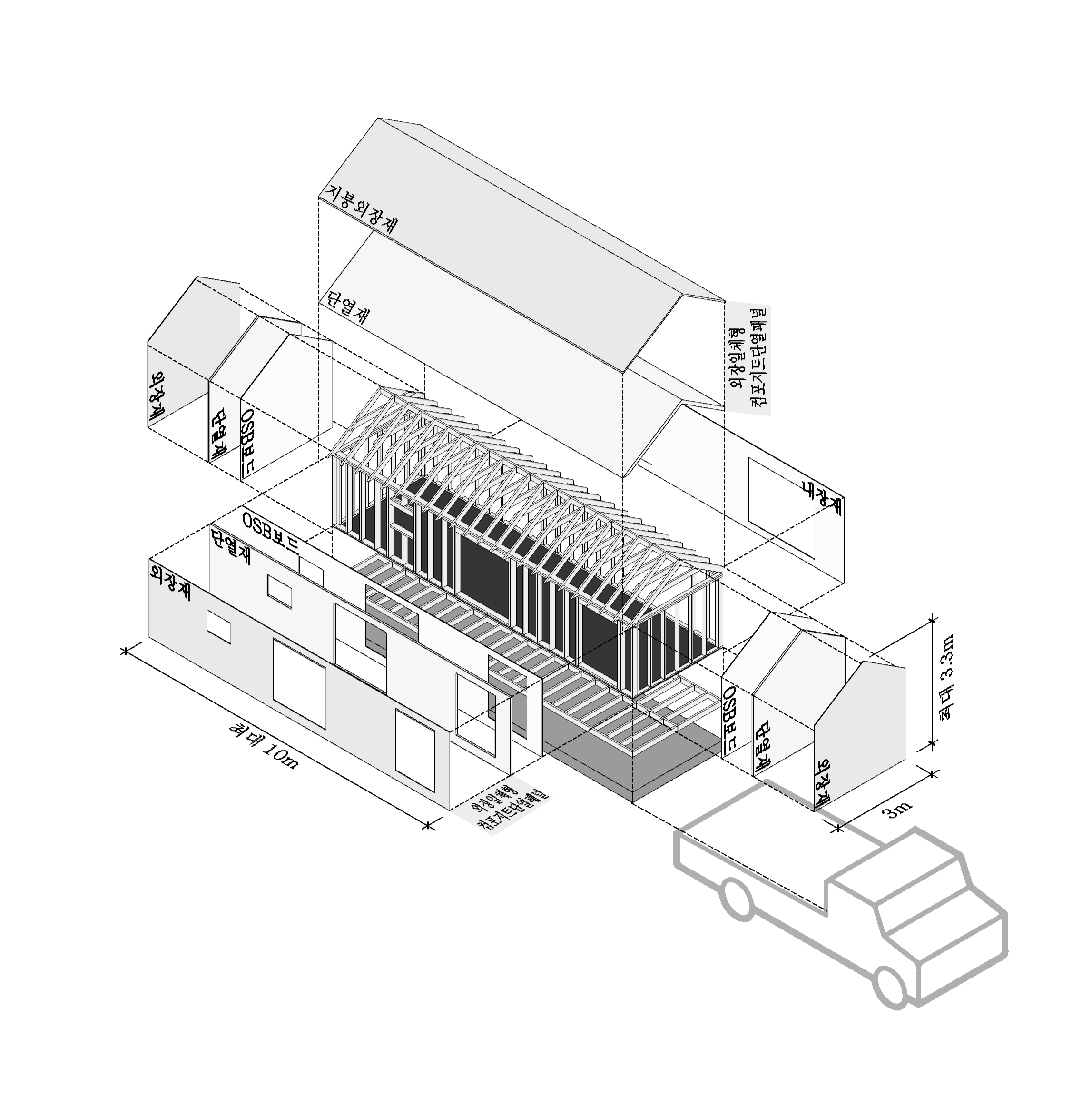
Given the location and topographical characteristics of the site, construction on-site is minimized by employing a panelized modular building method. Structural walls, along with wall and roof panels, are prefabricated off-site and assembled on-site, allowing for efficient and precise construction with minimal disruption to the natural surroundings.


Year : 2026

Location : Yeoju, Korea

Size : 156.16 m²

Status : Completed

Type : Residential

Principal in Charge :

Seojoo Lee, Hyojung Kim (I.f), Dongil Kim (I.f CDL)

Design Team :

Suyeon Seo, Chaeyoon Chang, Soohyun Kim, Jeonghan Chae (I.f), Gwangeun Hwang (I.f CDL)

Seorae Salon

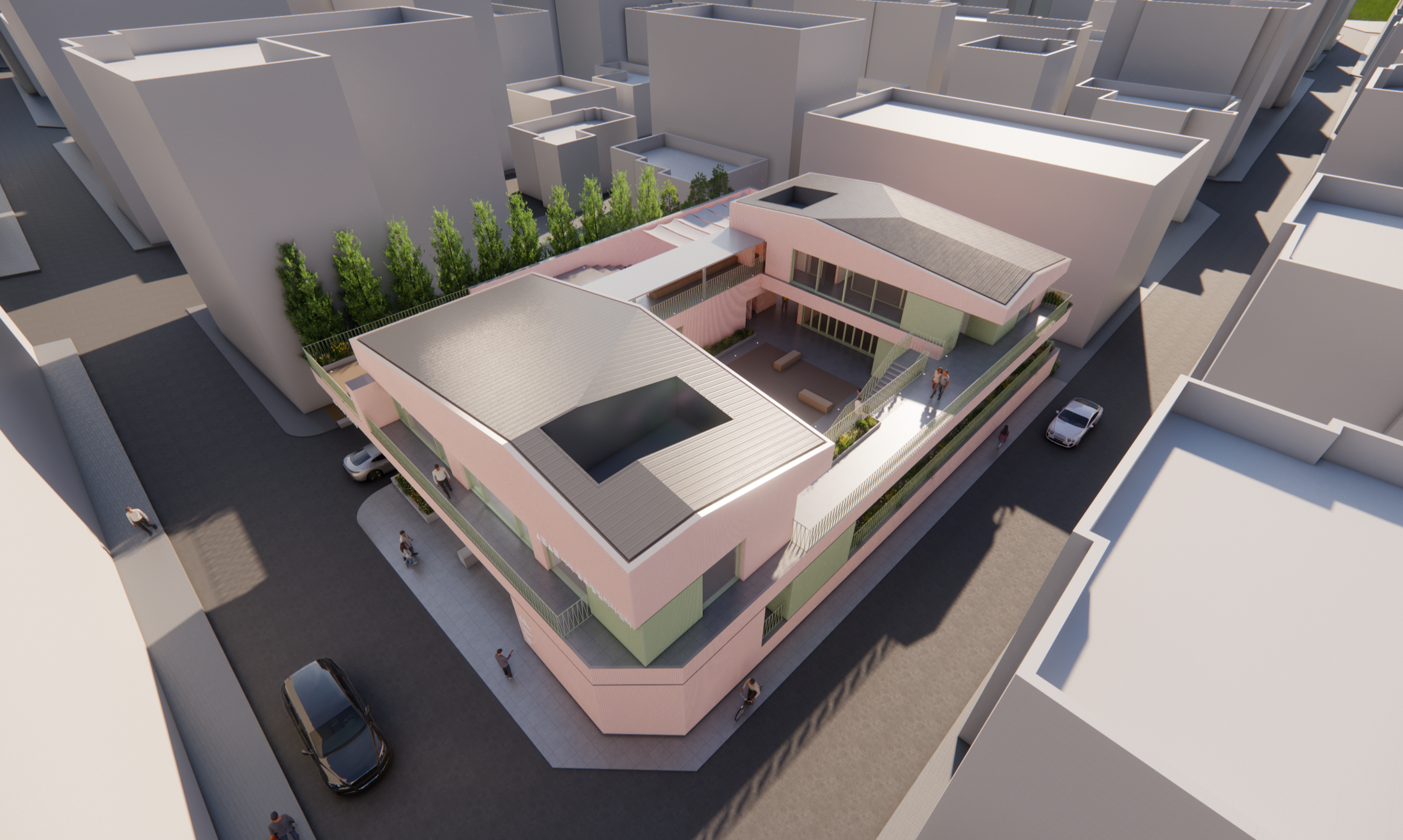
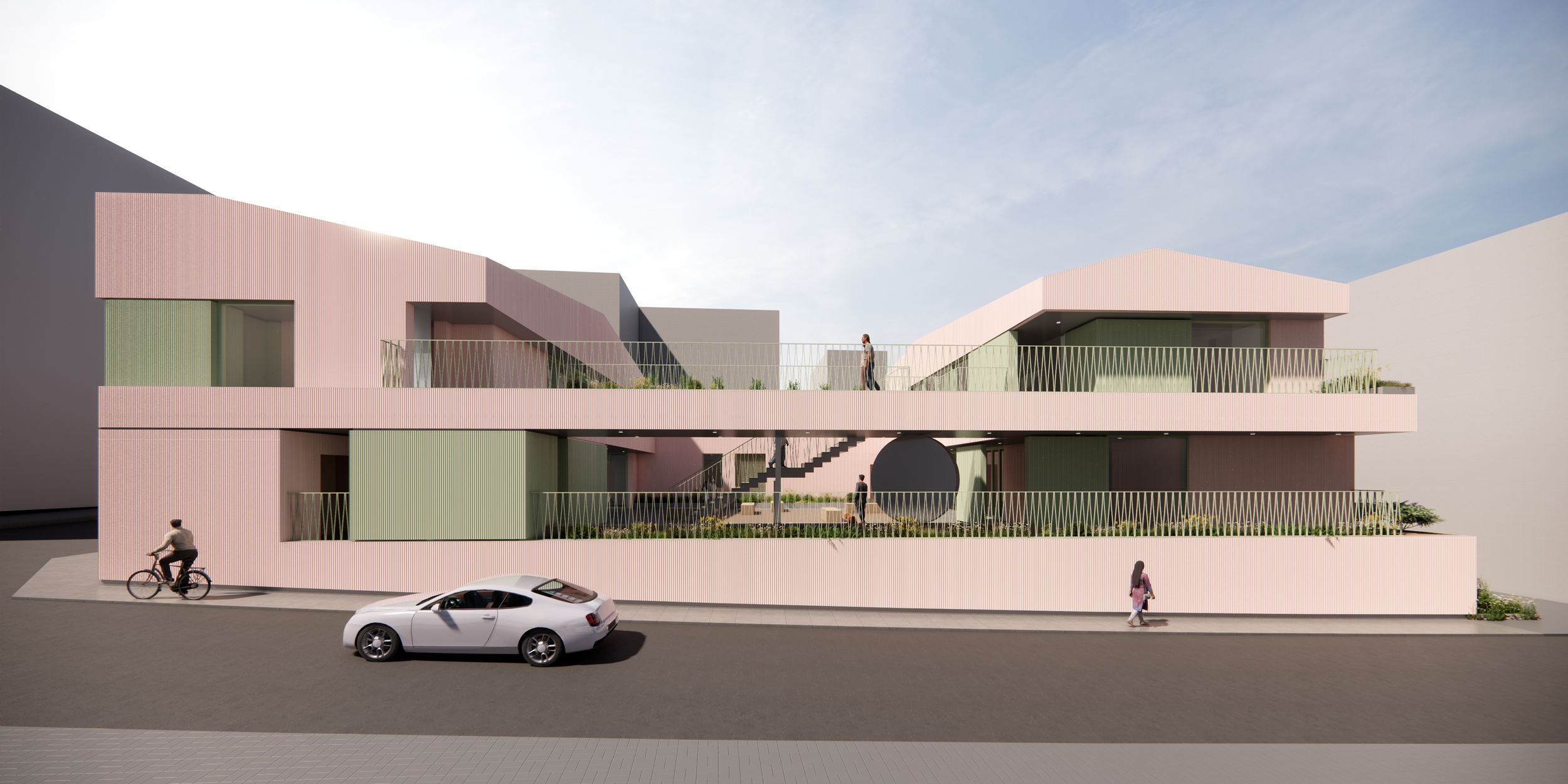
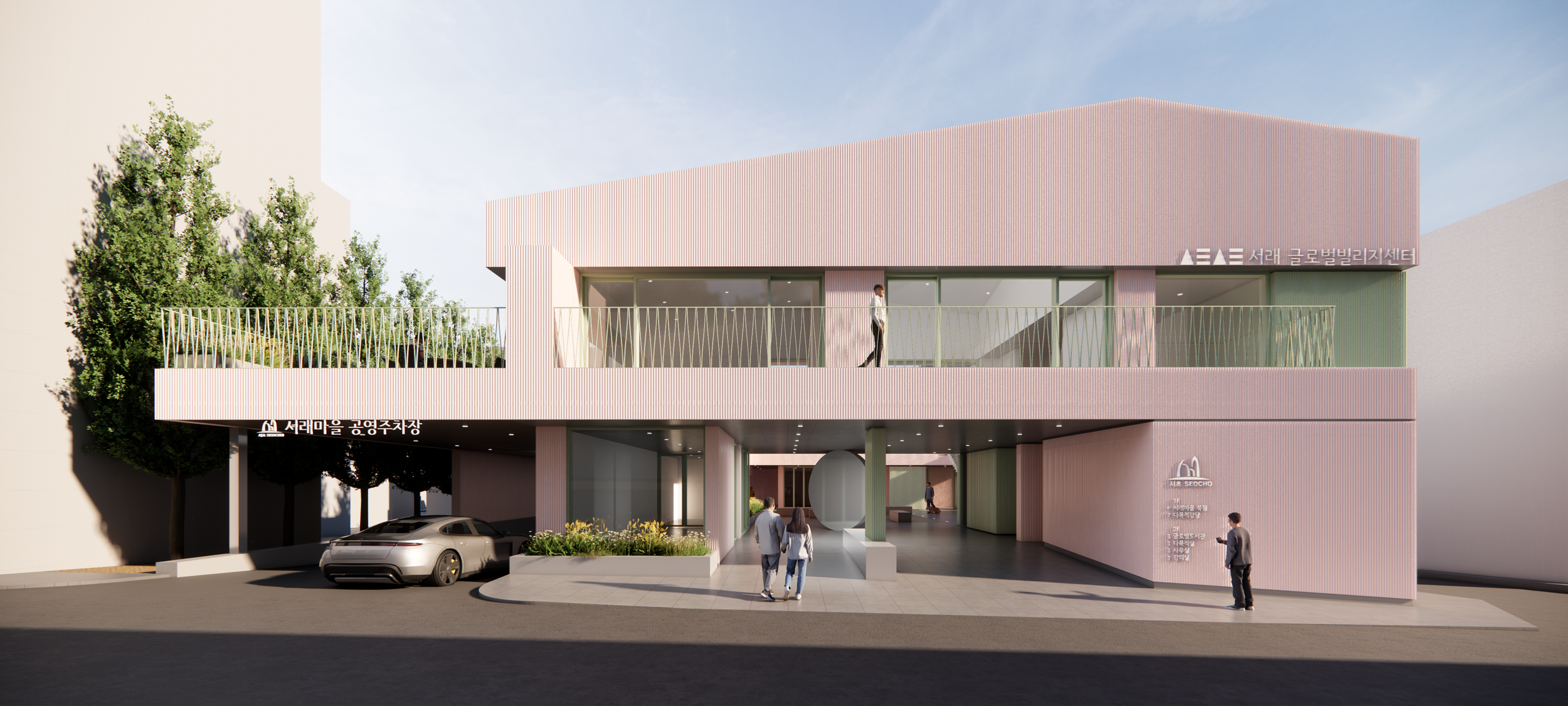
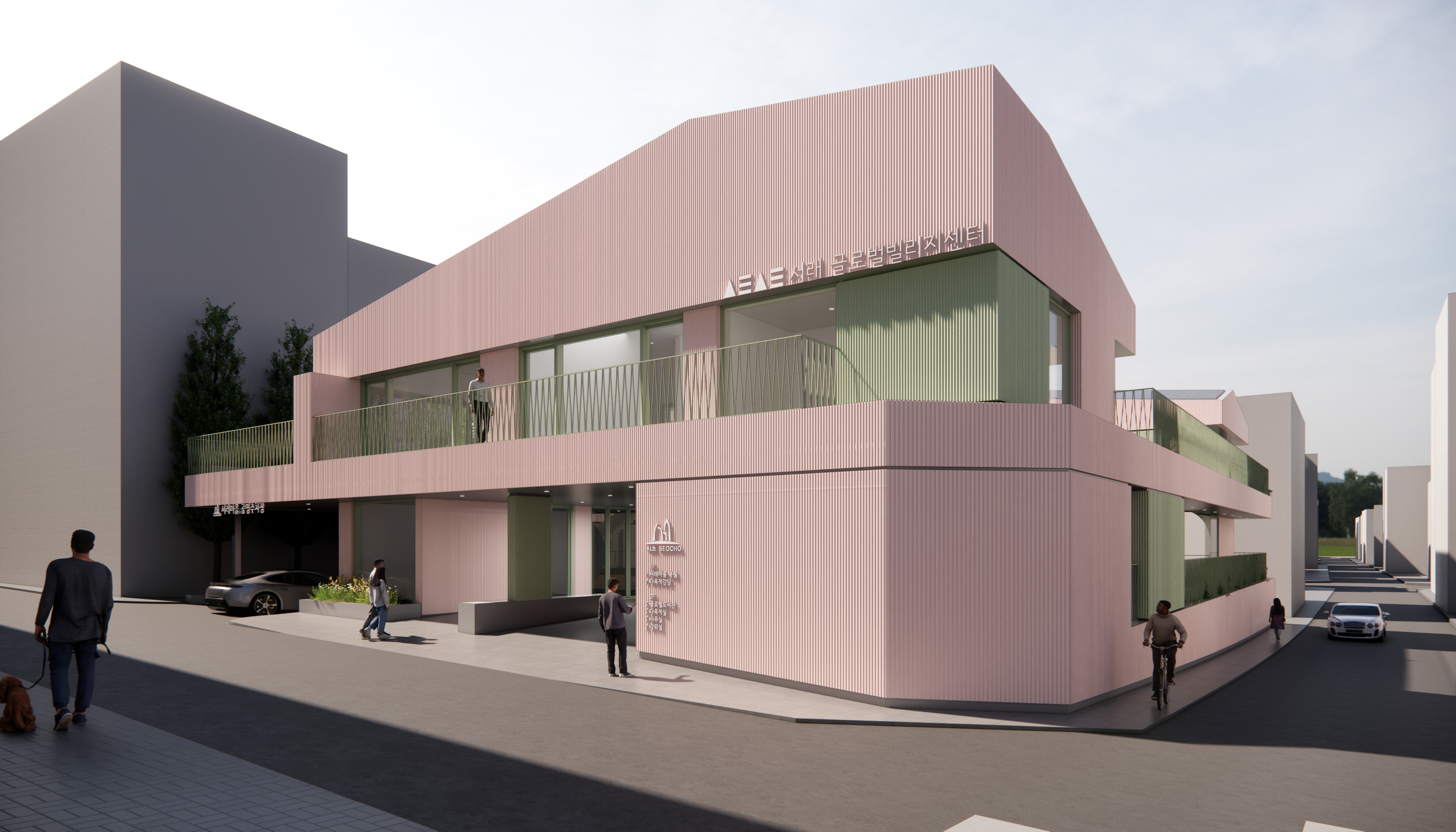
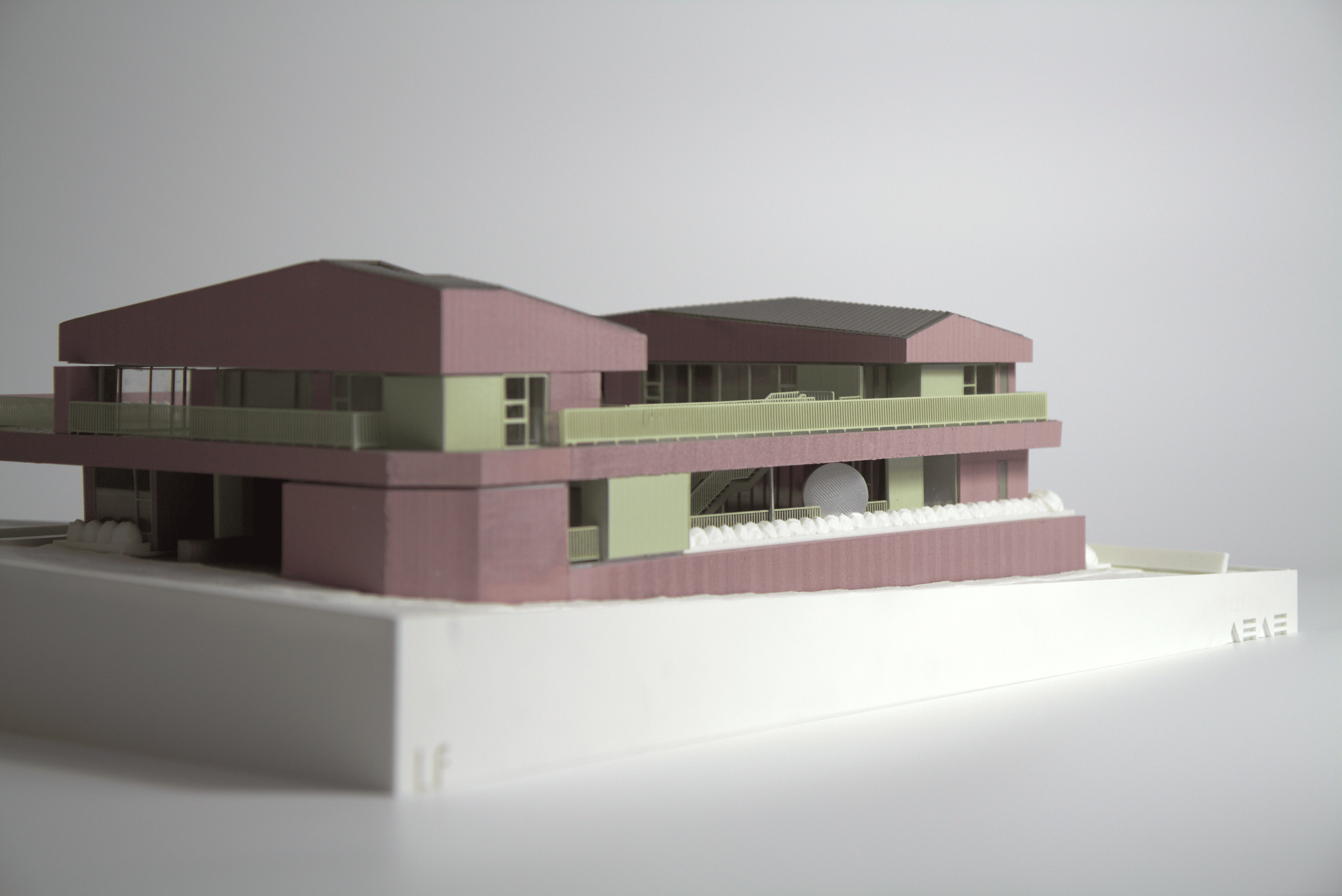
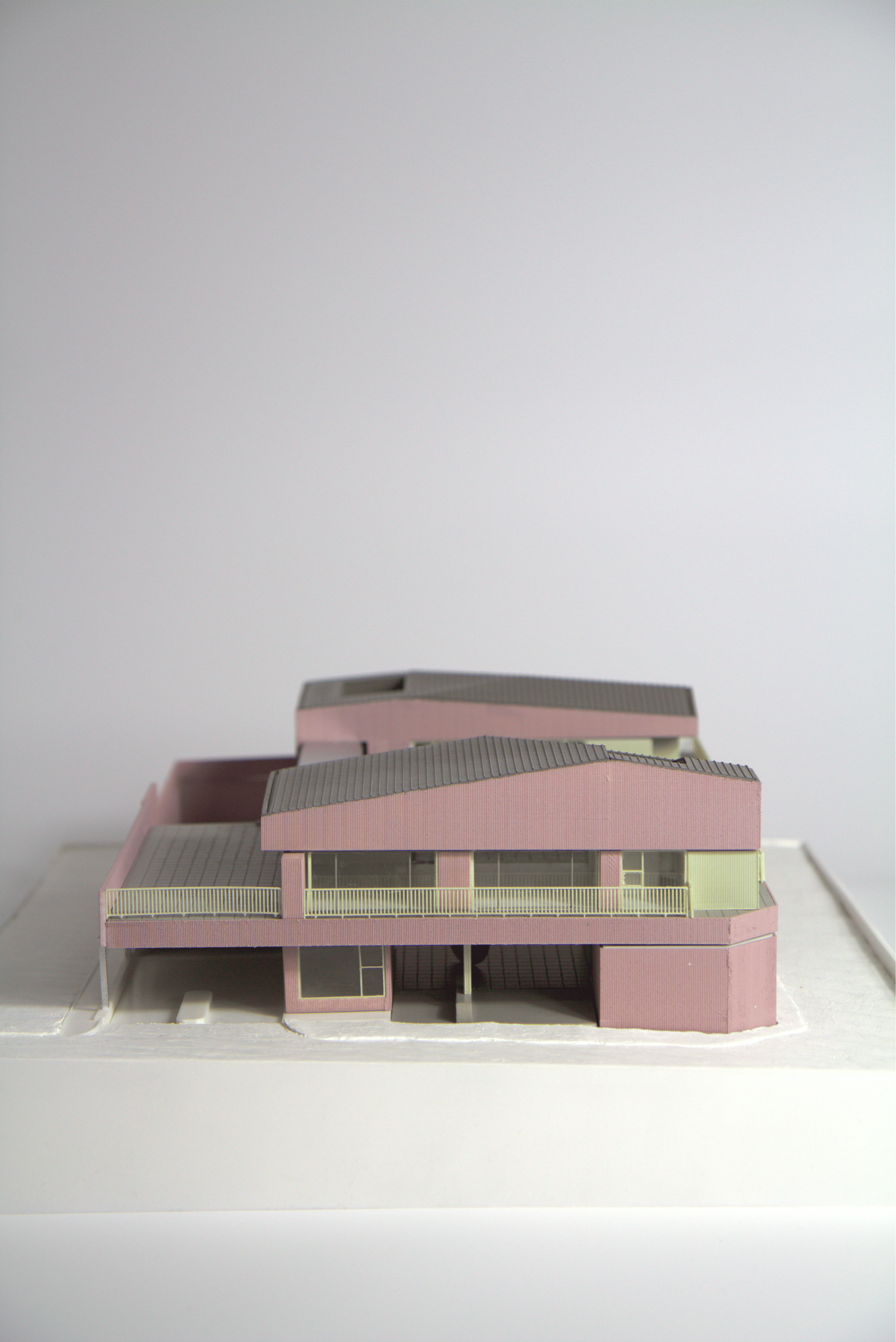
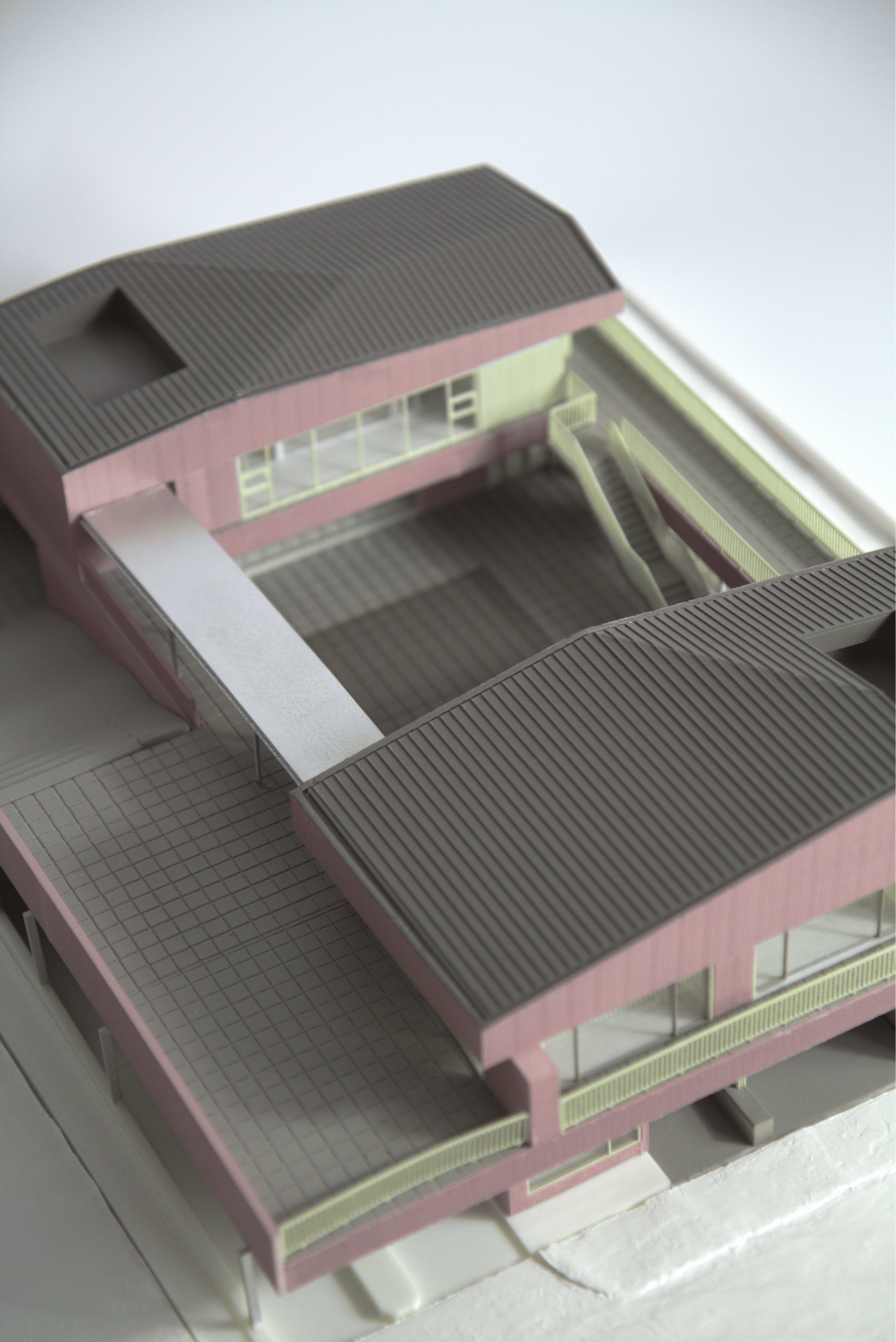
The ambitious expansion and relocation project for the Global Village Center in Seocho-gu involves transforming the above-ground open lot of an existing underground public parking garage into a dynamic, integrated facility designed for the shared use of Seorae Village residents and its numerous multicultural families. The final structure consists of two distinct wings, which will be functionally and visually unified by a connecting second-floor deck.

On the first floor, a vast public open space will be created, featuring both a specialized “Bookworm” bookstore and a library that intentionally blurs the line between the building’s interior and exterior, promoting community engagement.

Furthermore, a highly innovative design element is the canopy covering the vehicle ramp to the subterranean parking lot, which is cleverly repurposed as a terraced/stepped community resting area, providing an accessible and distinctive public amenity where residents can pause, socialize, and observe the surroundings.


Related Research


Year : 2025

Location : Seoul, Korea

Size : 728.90 m²

Status : Ongoing

Type : Community Center

Principal in Charge :

Seojoo Lee, Hyojung Kim (I.f), Dongil Kim (I.f CDL)

Design Team :

Suyeon Seo, Chaeyoon Chang, Suhyeon Kim, Jeonghan Chae (I.f), Seungil Kim, Gwangeun Hwang (I.f CDL)

Collaboration : 위치건축사사무소

Roof Structure Simulation


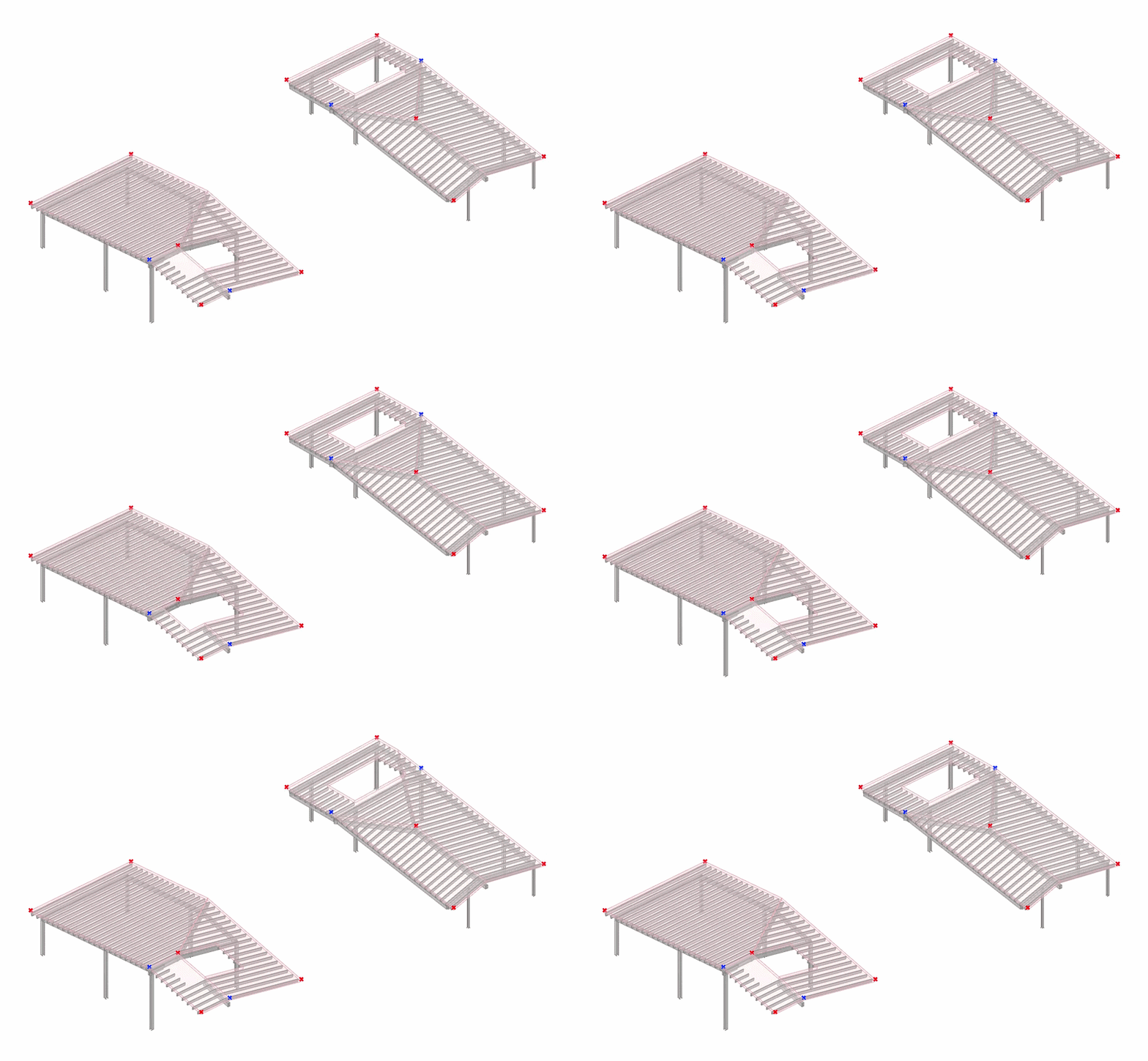
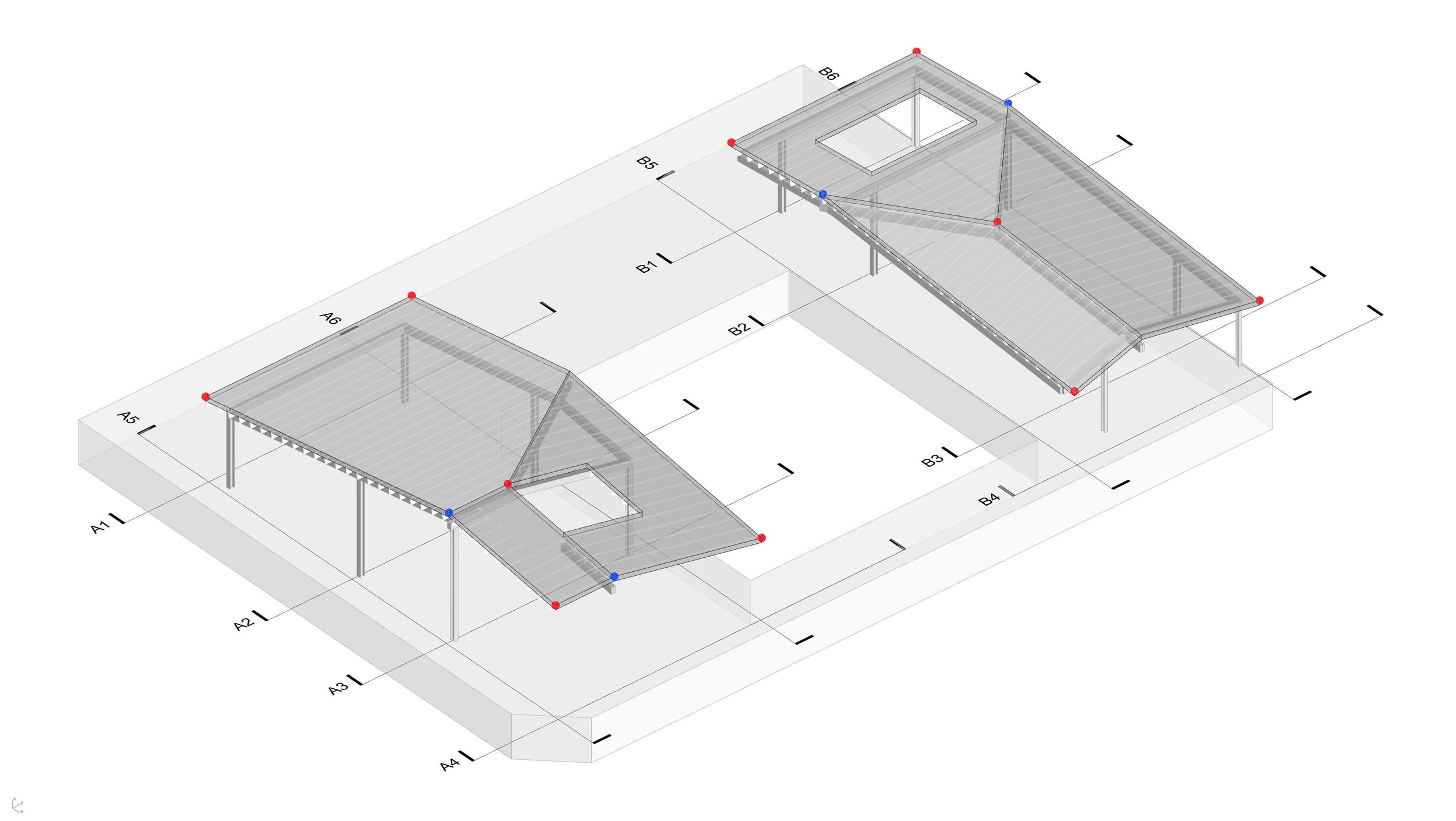
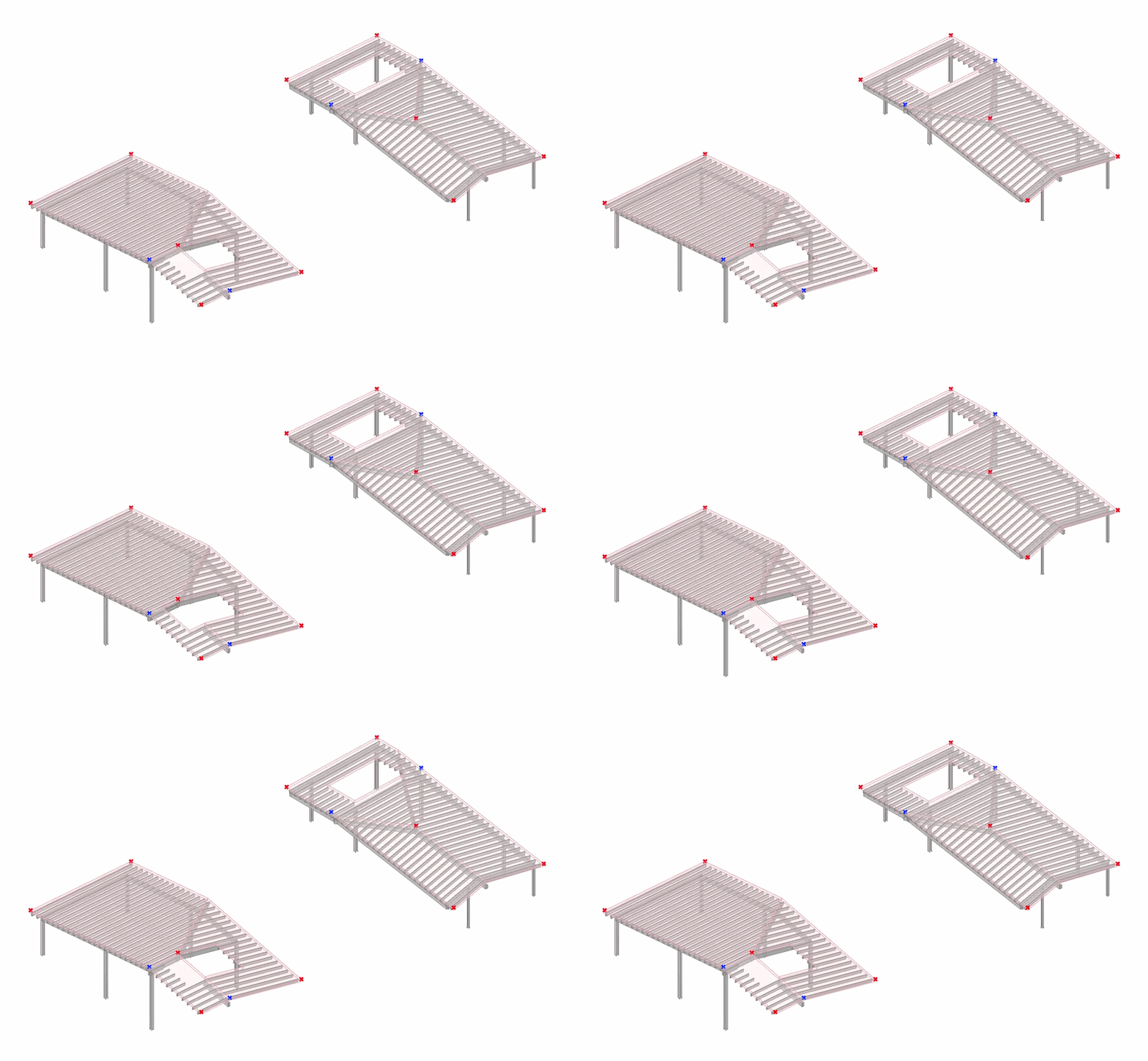
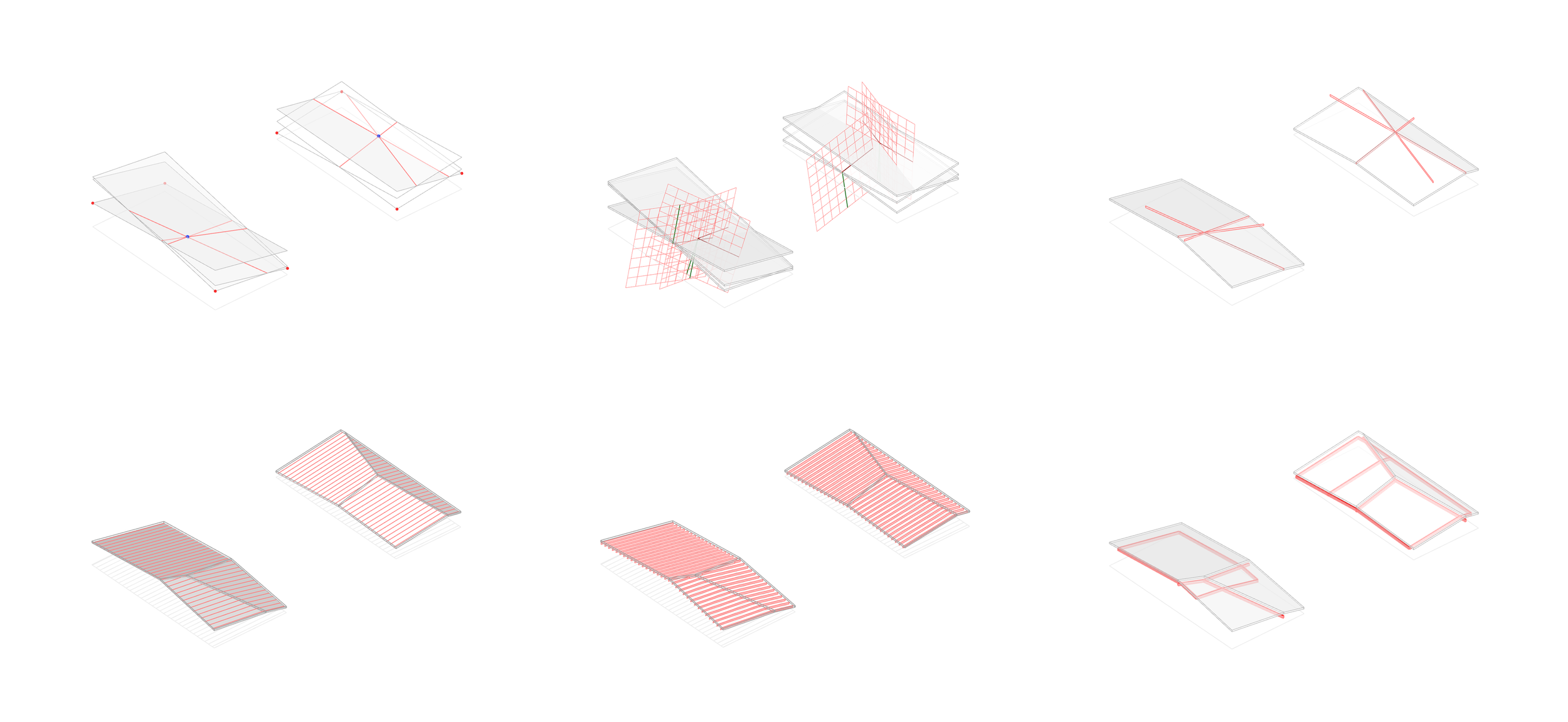
This study presents a Grasshopper-based simulation developed to explore roof alternatives for the Seorae Global Village Center proposal. Unlike a conventional gable roof, the proposed roof consists of three inclined planes, making it difficult to test design variations through manual modeling alone.

To address this complexity, a parametric script was developed to generate roof forms by adjusting key design parameters. The script allowed multiple roof alternatives to be reviewed quickly while also checking potential conflicts between form, structure, and building equipment. Through this process, the simulation functioned not only as a tool for form exploration, but also as a technical design method for coordinating architectural geometry with structural and MEP requirements.

Overall, the study demonstrates how Grasshopper can support an efficient design workflow by allowing complex roof geometries to be tested, compared, and refined in an integrated manner.


Year : 2025

Location : Seoul, Korea

Size : 728.90 m²

Status : Completed

Type : Community Center

Project Director :

Seojoo Lee, Hyojung Kim (I.f), Dongil Kim (I.f.CDL)

Principal Researcher :

Gwangeun Hwang (I.f CDL)


Related Project

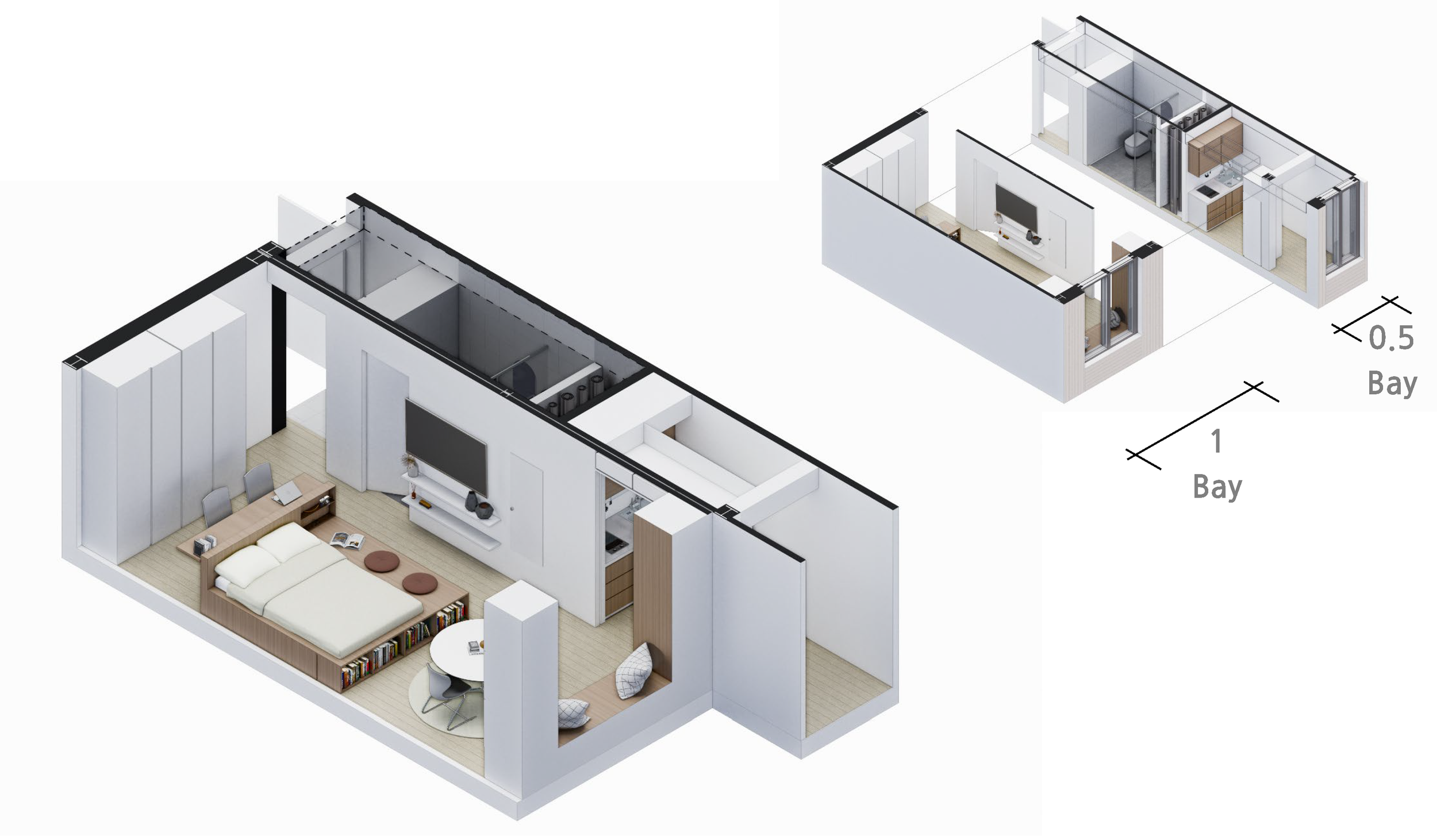
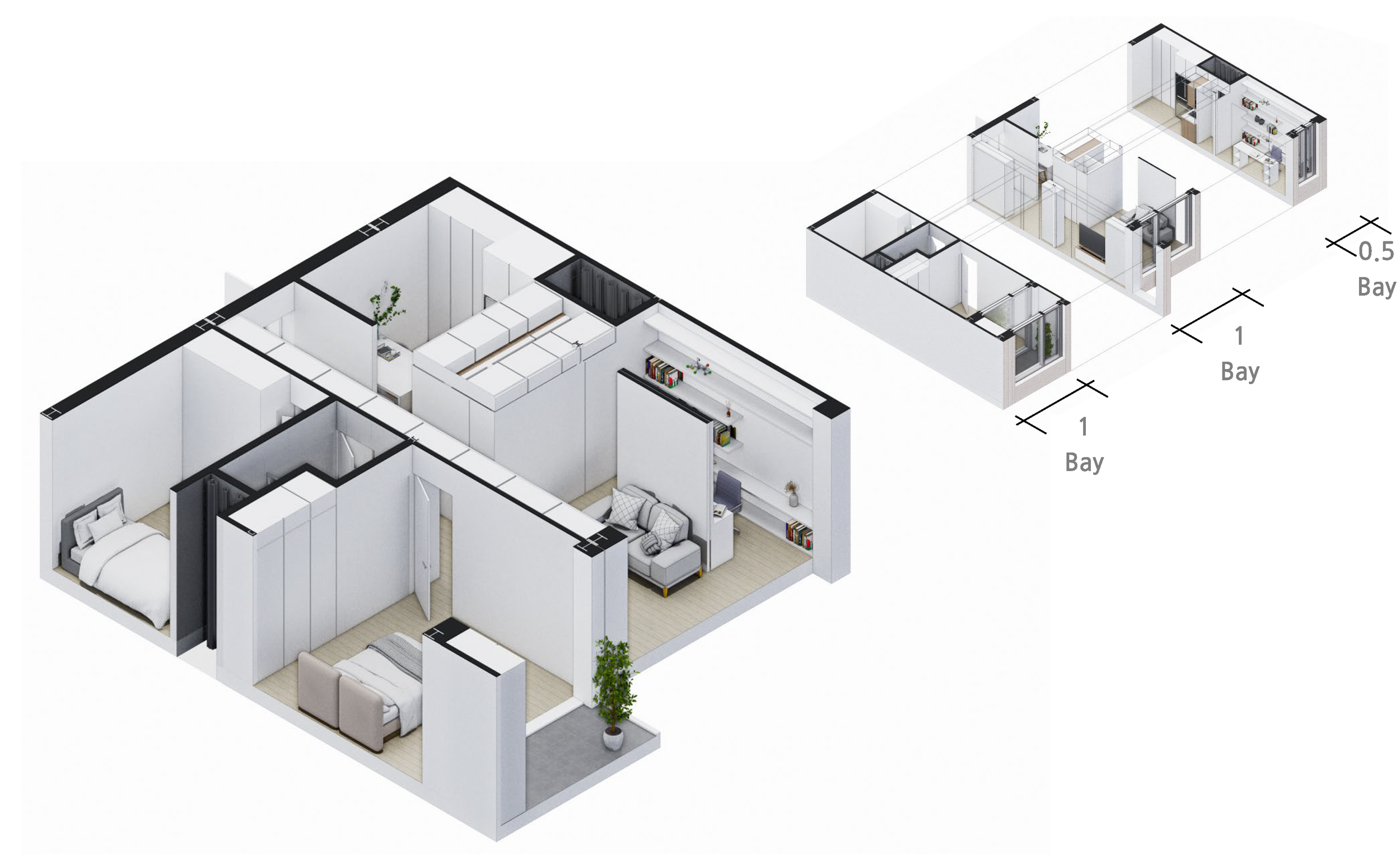
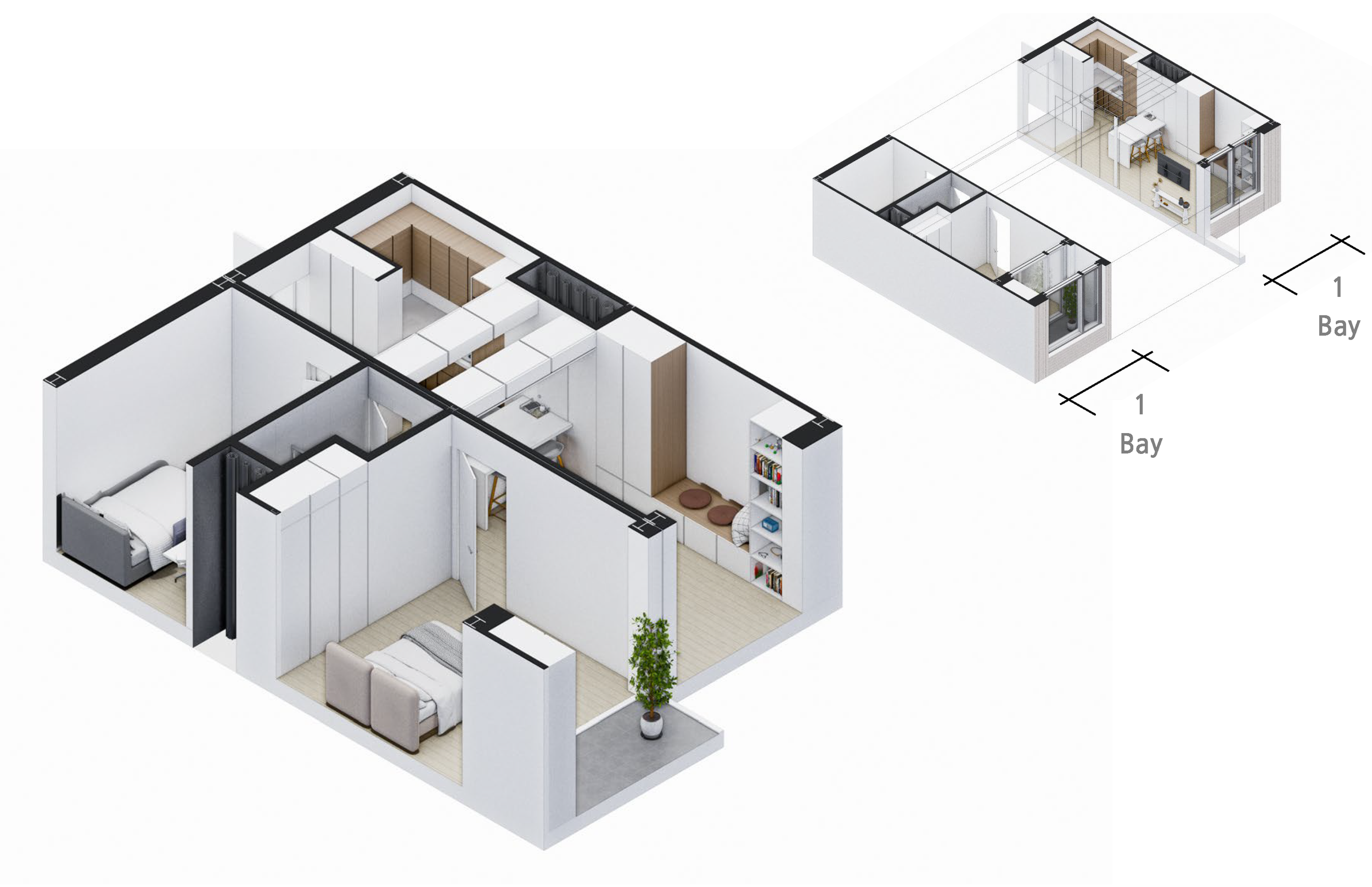
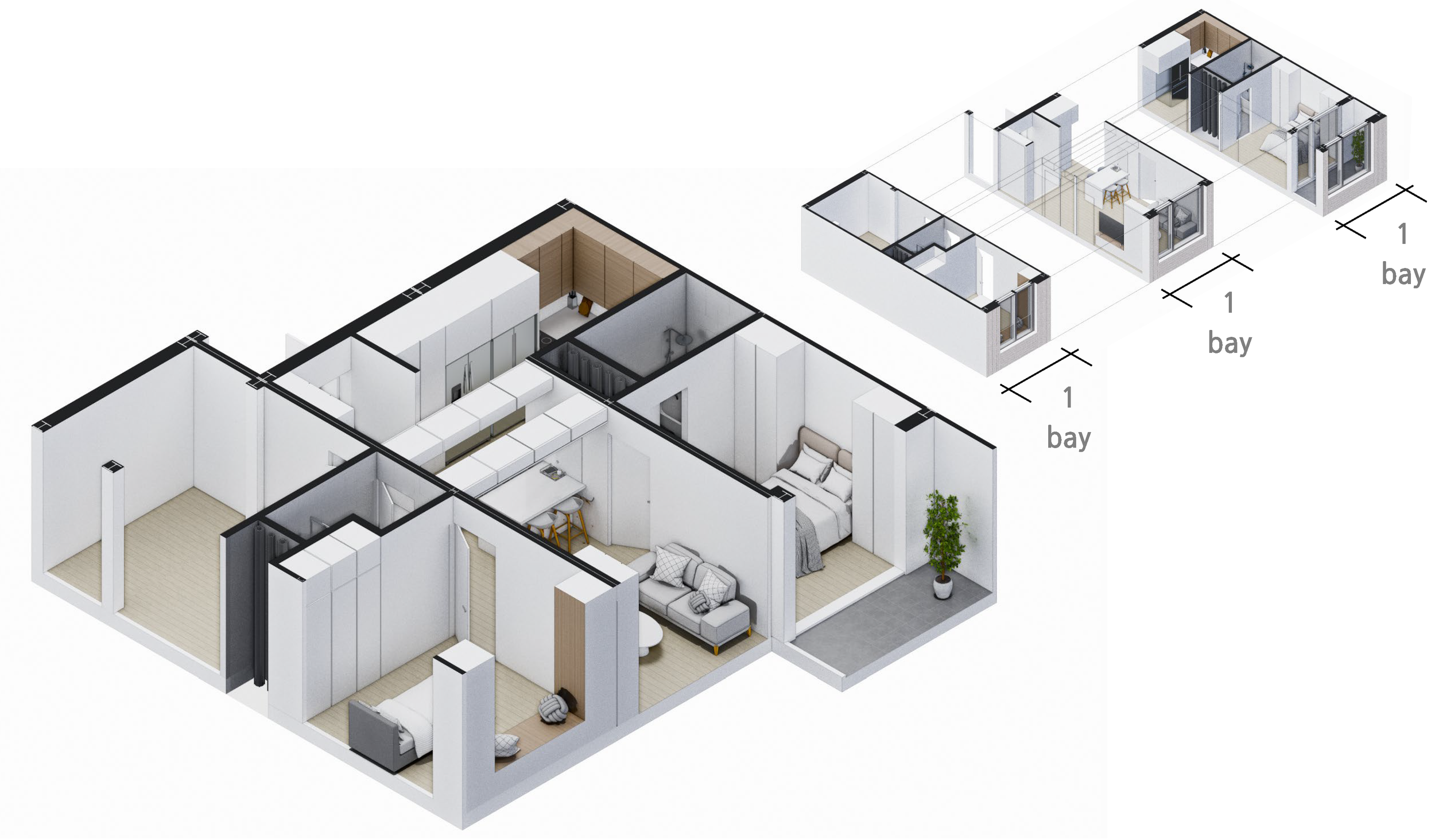
Component-Based Modular Housing

Component-Based Standard Plans

BA (Bathroom)

L (Living)

K (Kitchen)

B (Balcony)

4 standard floor plan types


29㎡


48㎡

39㎡


59㎡

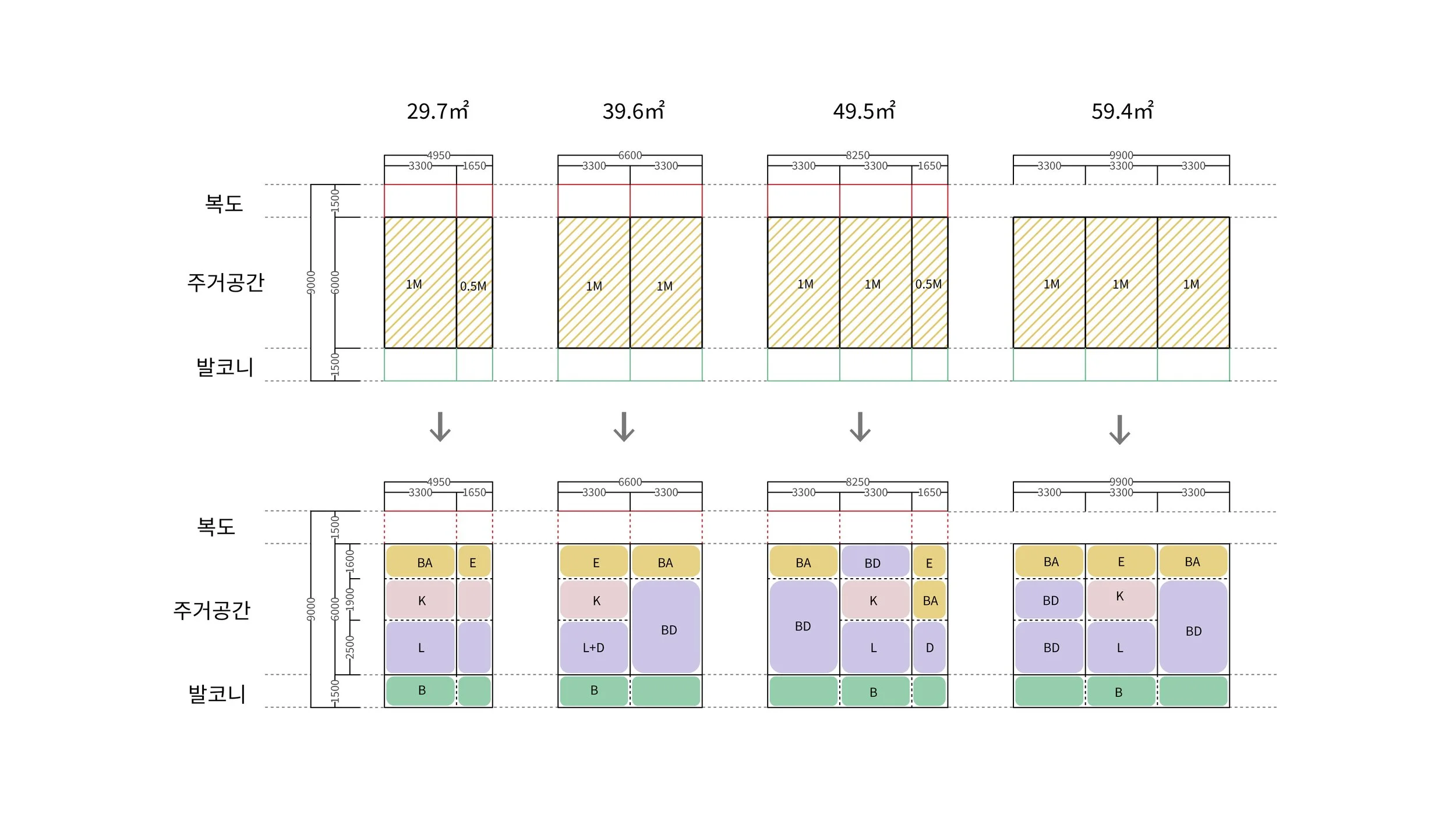
GH Modular Living System is a research and planning project for developing standard unit plans for high-rise modular housing. The project responds to the limitations of conventional modular housing, such as rigid layouts, repetitive stacking, short life cycles, project-specific solutions, and provider-oriented planning. Instead, it proposes a flexible housing system that balances mass production with adaptability, long-term maintenance, and changing user needs.

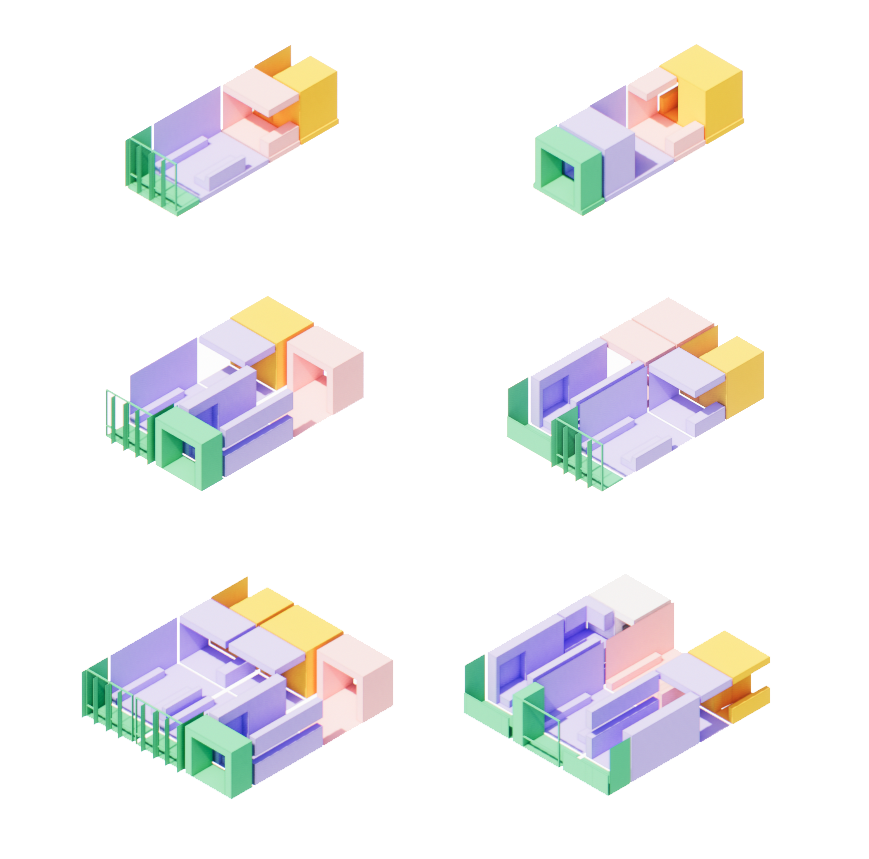
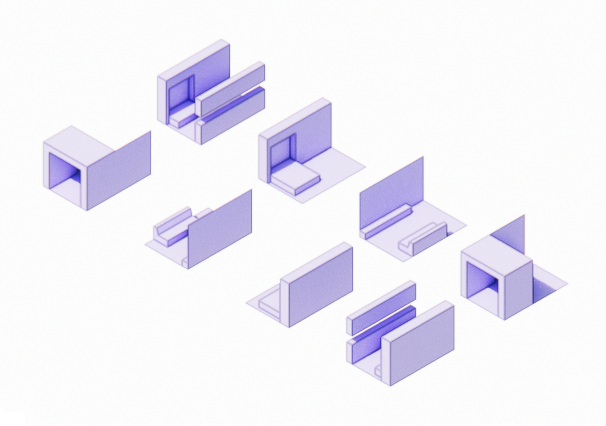
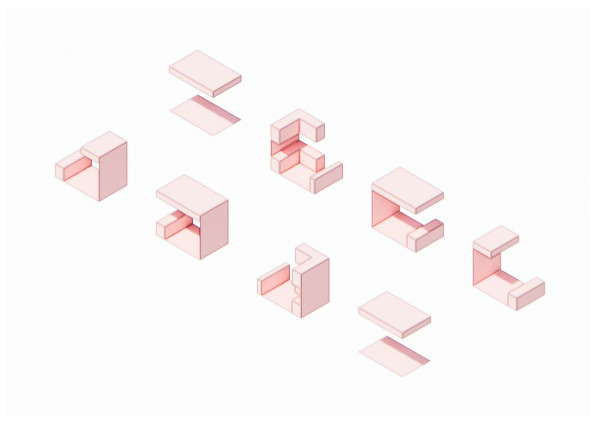
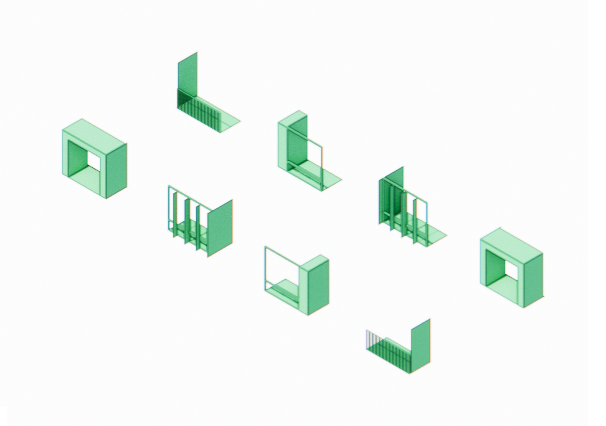
The design strategy is based on a component-based planning method. Fixed components, including the entrance, kitchen, bathroom, mechanical shaft, and laundry area, are integrated as service zones, while flexible components such as living rooms, bedrooms, balconies, façade elements, and built-in furniture can be selectively combined according to household size and lifestyle. This allows modular units to maintain standardized dimensions and construction efficiency while offering spatial variation and user customization.

Four standard unit types—29㎡, 39㎡, 48㎡, and 59㎡—are developed using a common structural grid and modular dimension of 3.3m × 12m × h 3.3m. Each type responds to different household profiles, from single-person households to families of two to four people. By combining service modules, living components, balcony components, and furniture systems, the project establishes a scalable framework for future high-rise modular housing that can support flexibility, efficiency, and improved residential quality.


Year: 2025

Status : Completed

Type : Modular System

Principal in Charge :

Seojoo Lee, Hyojung Kim (I.f), Dongil Kim, (I.f CDL)

Design Team : Hyunjoo Kang (I.f)

GH Highrise Modular Housing

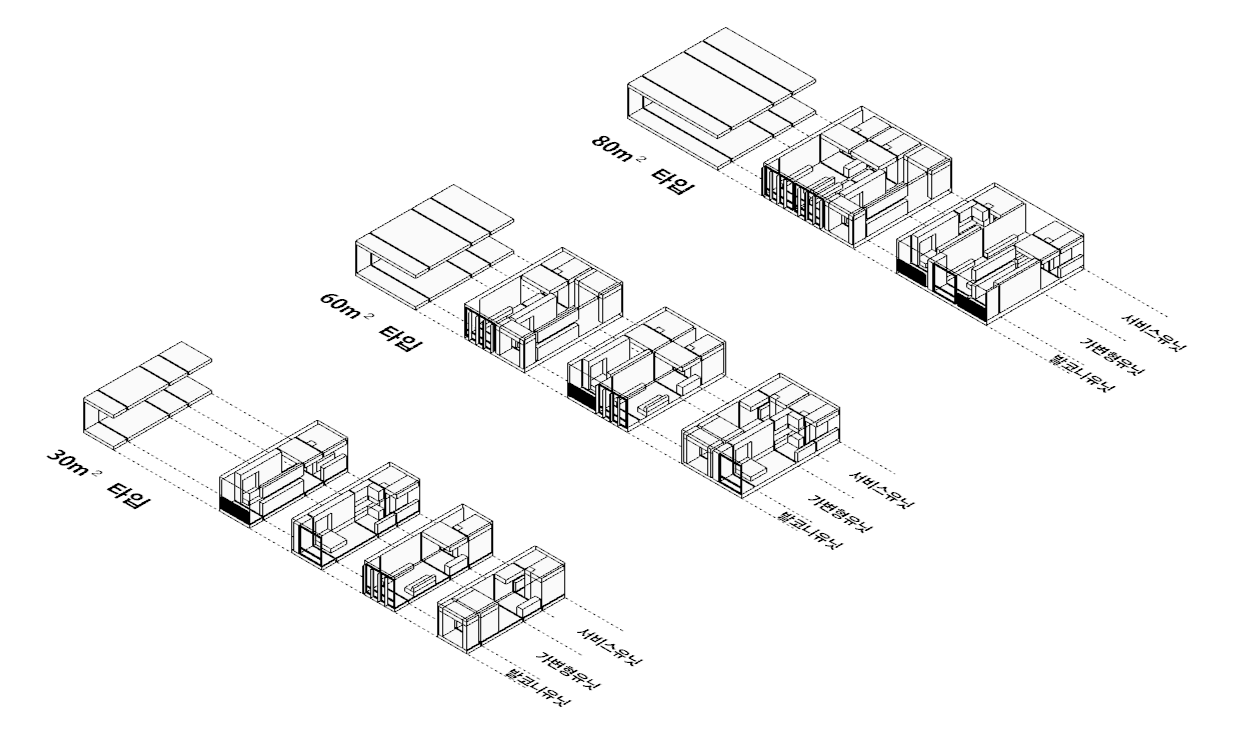
High-Rise Modular Unit System is a product development proposal for a high-rise modular housing system based on structural innovation and unit integration. The project responds to the limitations of conventional modular construction in Korea, where modular housing has often relied on repetitive stacking, rigid layouts, and apartment plans borrowed from conventional concrete housing systems. As the market expands toward mid- and high-rise modular buildings, the proposal argues that modular construction requires not only standardized production, but also a flexible structural and spatial system.

The research focuses on diversifying modular construction methods beyond simple stacking. Infill-type systems and cartridge-type systems are examined as alternatives that can improve structural stability, reduce floor impact noise, and allow individual units to be replaced or maintained more easily over time. In parallel, the proposal develops interior unit types that can be applied across different modular plans rather than being limited to a single unit layout.

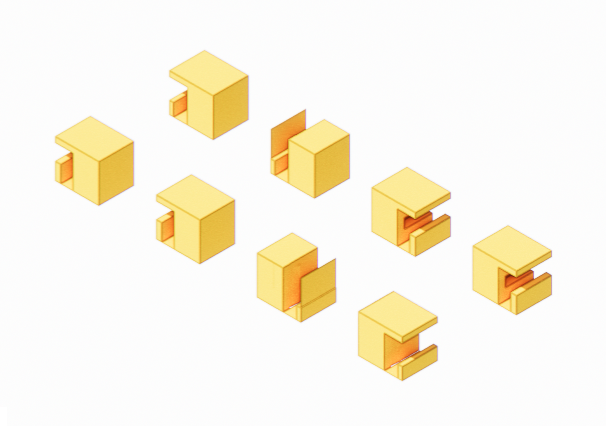
The unit system is organized into three categories: service units, flexible units, and balcony units. Service units integrate equipment and structural systems to improve functionality and constructability; flexible units support different spatial configurations through modularized interior functions; and balcony units operate as independent exterior attachments that consider insulation, drainage, and façade performance. Through this approach, the project establishes a scalable framework for high-rise modular housing that can support mass production, customization, long-term maintenance, and future commercialization.

Year: 2024

Status : Proposal

Type : Modular System

Principal in Charge :

Seojoo Lee, Hyojung Kim (I.f), Dongil Kim (I.f CDL)

Design Team :

Hyunjoo Kang (I.f)

S Office Headquarter

Volume Options

Versatile Office Platform

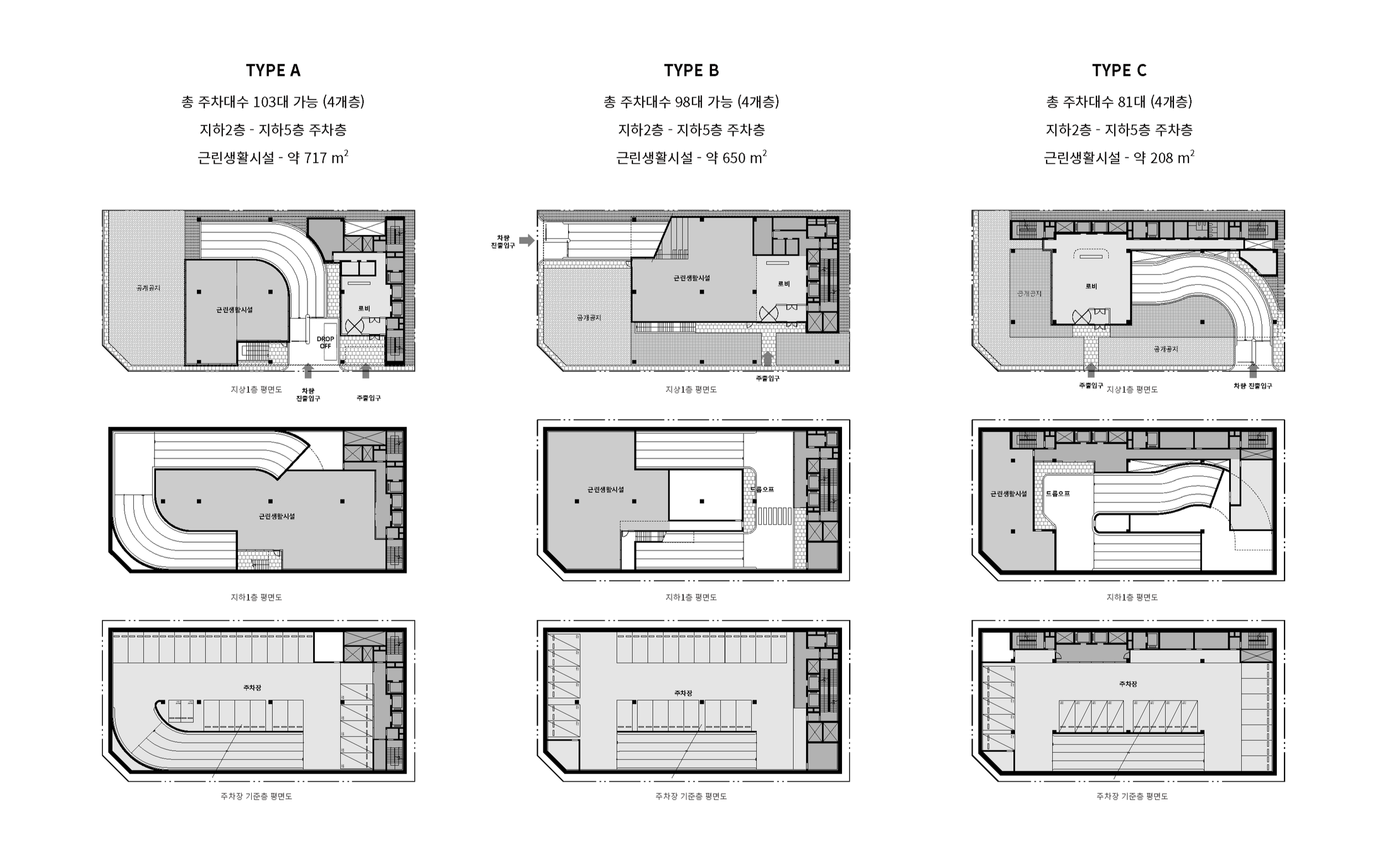
Prime Platform is a development strategy for a new corporate headquarters in Daechi-dong, Gangnam, located within Seoul’s International Exchange Complex district. The project redefines the prime office not only through physical metrics such as floor area, rent, or accessibility, but also through qualitative values such as corporate image, spatial comfort, productivity, and urban presence.

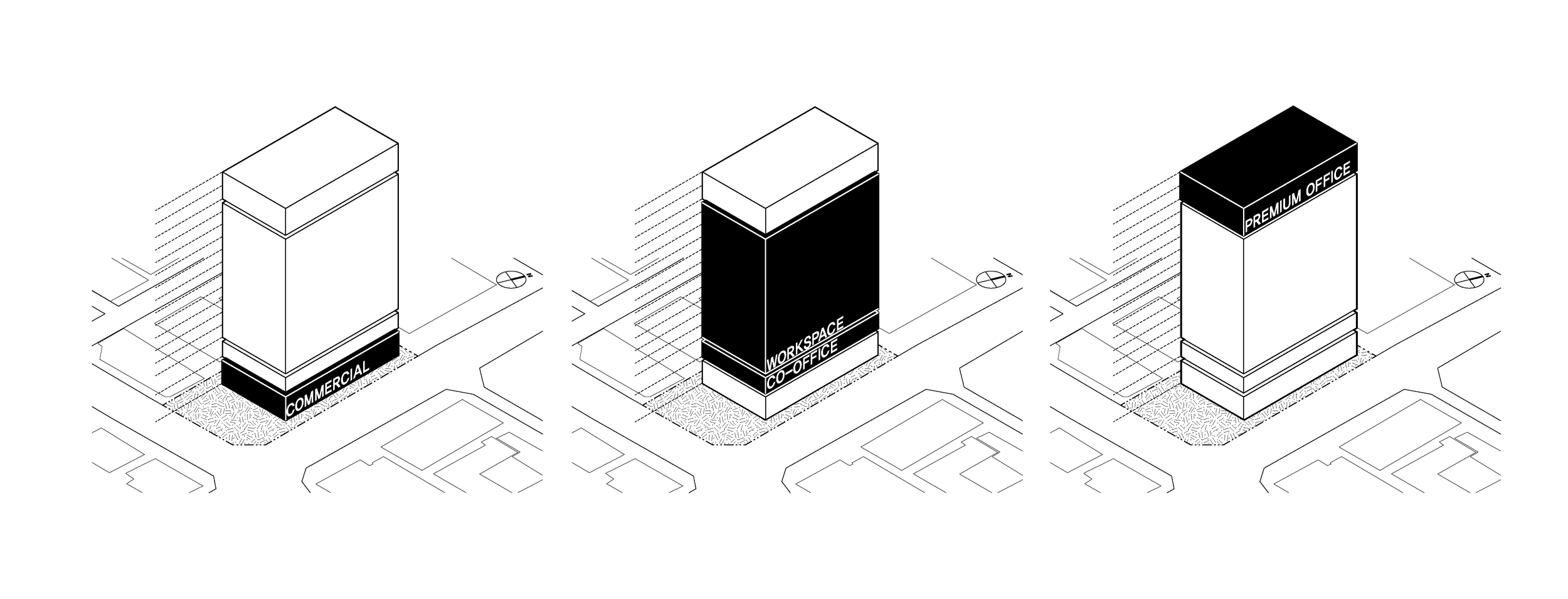
The strategy focuses on the lower levels as the building’s most important interface with the city. Lobby, retail, public open space, and drop-off areas are treated as a continuous street-level experience that shapes the first impression of the headquarters and activates the surrounding urban context. Above this base, the building is organized into three platforms: a Social Platform for commercial and public interaction, a Creative Platform for flexible work environments, and an Executive Platform for premium office space.

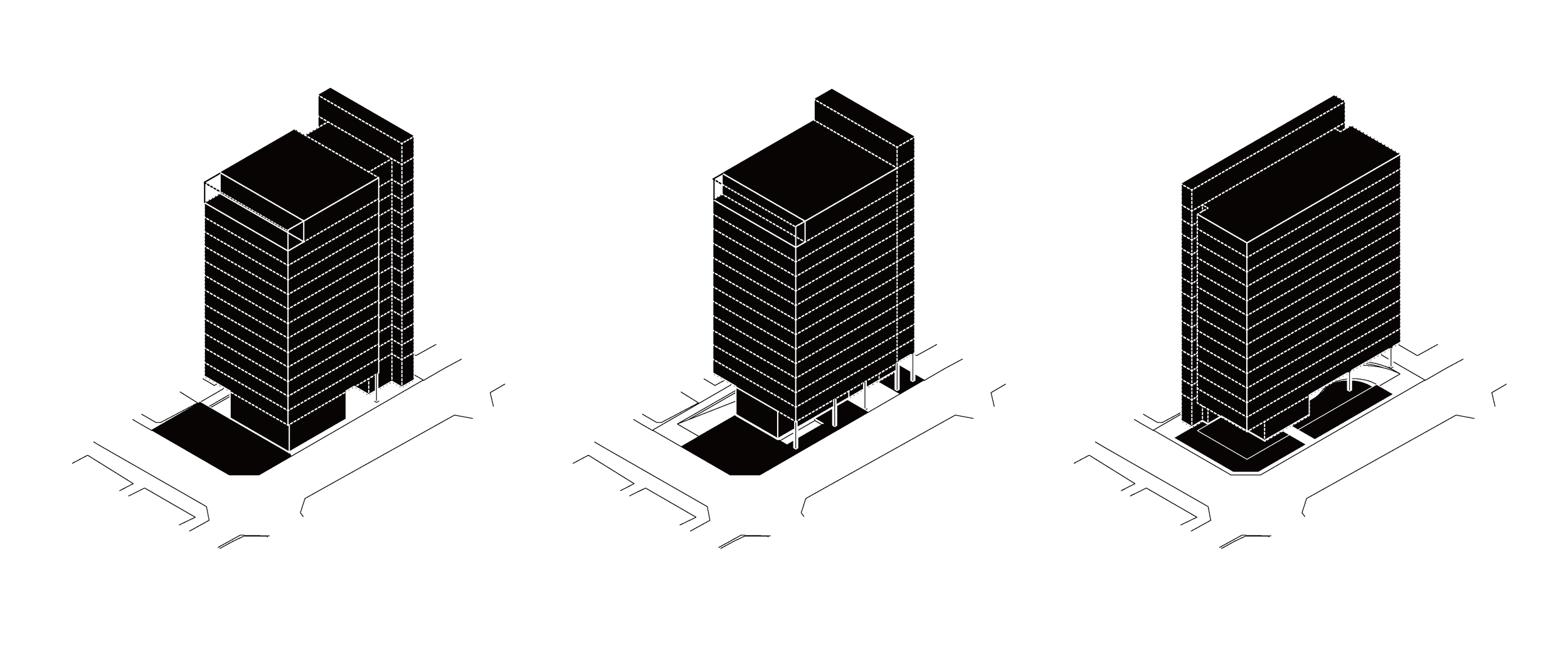
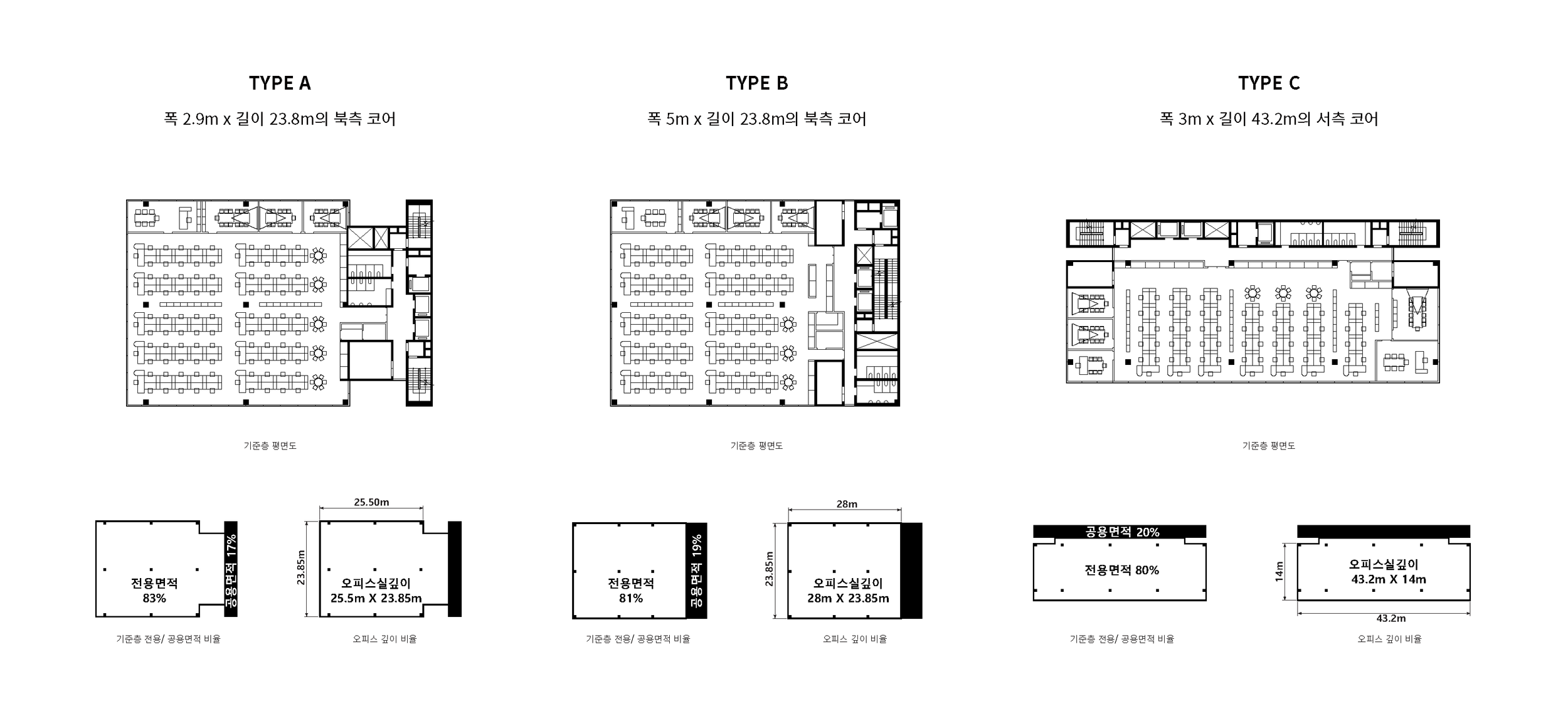
Through comparative massing studies, core arrangements, height regulation analysis, and flat-slab structural planning, the proposal seeks to maximize spatial efficiency while securing a premium workplace identity. Rather than presenting a single fixed form, the report establishes a strategic framework for transforming the site into a high-value urban office environment.


Year: 2024

Location : Seoul, Korea

Size : 1,310 m²

Status : Proposal

Type : Office

Principal in Charge :

Seojoo Lee, Hyojung Kim (I.f), Dongil Kim, (I.f CDL), Minho Lee (func. Architects)

Collaboration :

Jongkil Kim

D Learning Village

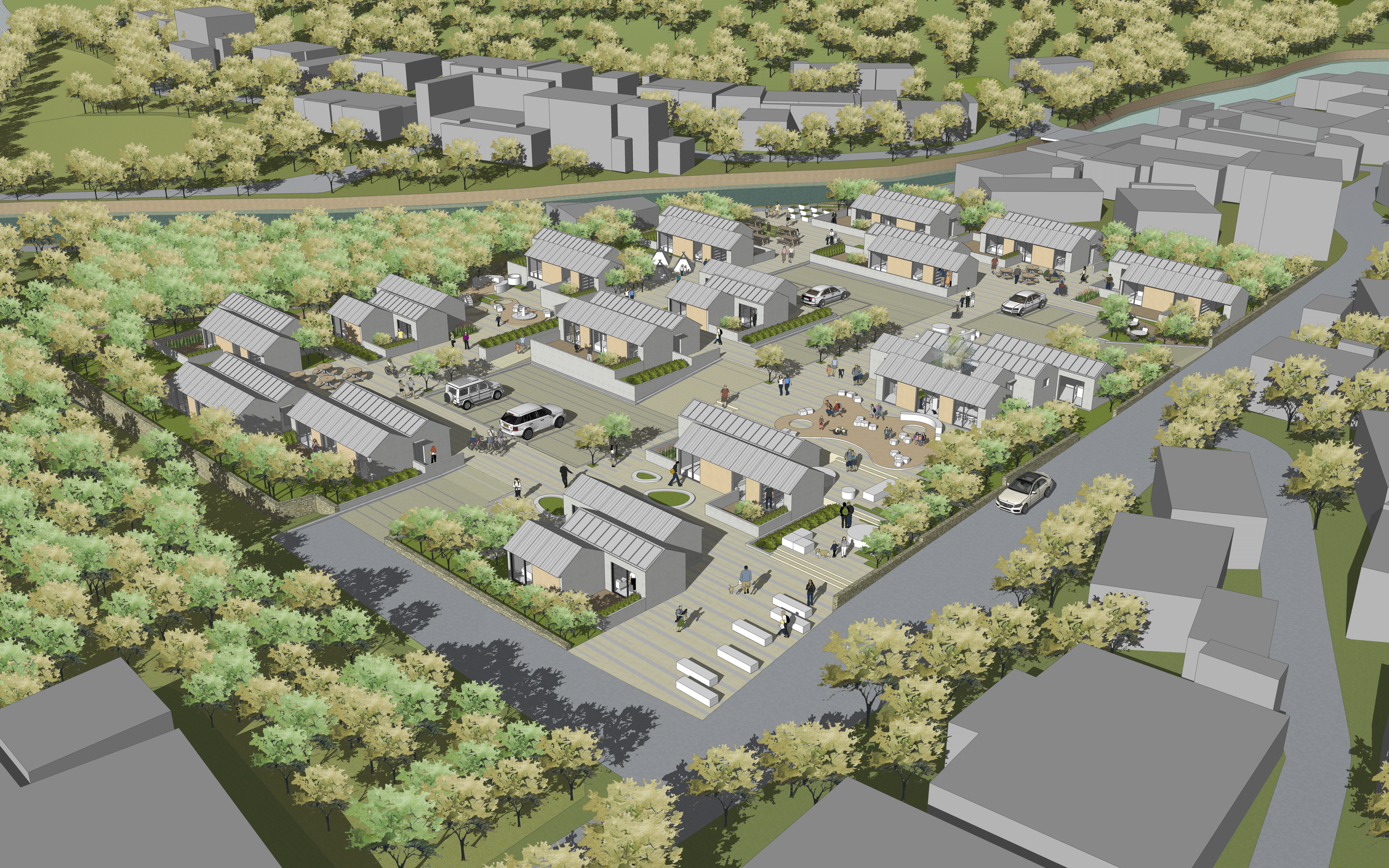
Damurak Learning Village proposes a rural learning community in Hayu, Damurak Village, Gurye, where the quiet landscape of Jirisan and the existing low stone walls become the foundation for a new educational settlement. Rather than creating a uniform open village, the project respects the privacy of each household while gradually expanding relationships from individual homes and gardens to shared yards, outdoor classrooms, and community spaces.

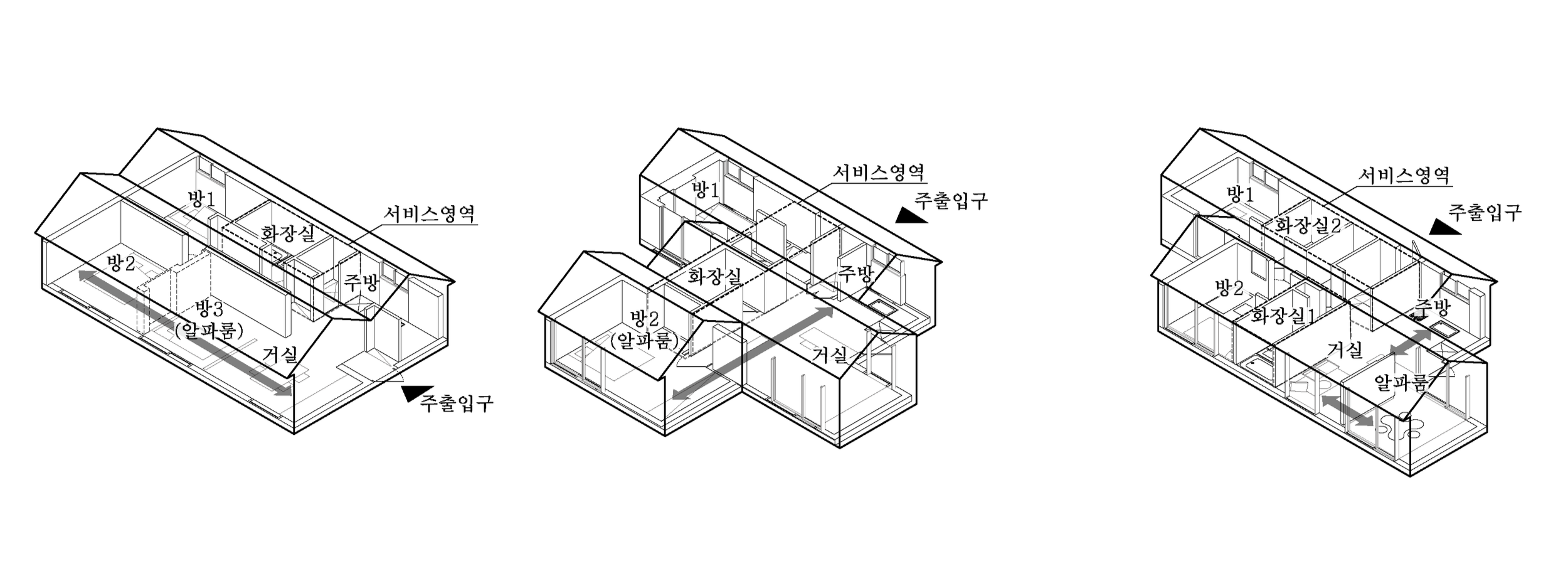
The village is organized as a decentralized and pedestrian-oriented cluster of small houses, whose roof forms echo the mountain ridges of Jirisan. Three housing types respond to different family structures and lengths of stay, offering flexible rooms, independent living areas, and adaptable shared spaces. At the center, a community center connects residents and local neighbors through a library, study room, shared kitchen, education room, and lounge.

Landscape, circulation, and housing are integrated to form an educational, ecological, and village-based community where children can learn, play, and live close to nature.


Year: 2024

Location : Gurye, Korea

Size : 952 m²

Status : Design Proposal

Type : Housing

Principal in Charge :

Seojoo Lee, Hyojung Kim (I.f), Dongil Kim (I.f.CDL)

Design Team :

Seungil Kim, Inyeob Jang (i.f)

Bespoke Housing Platform

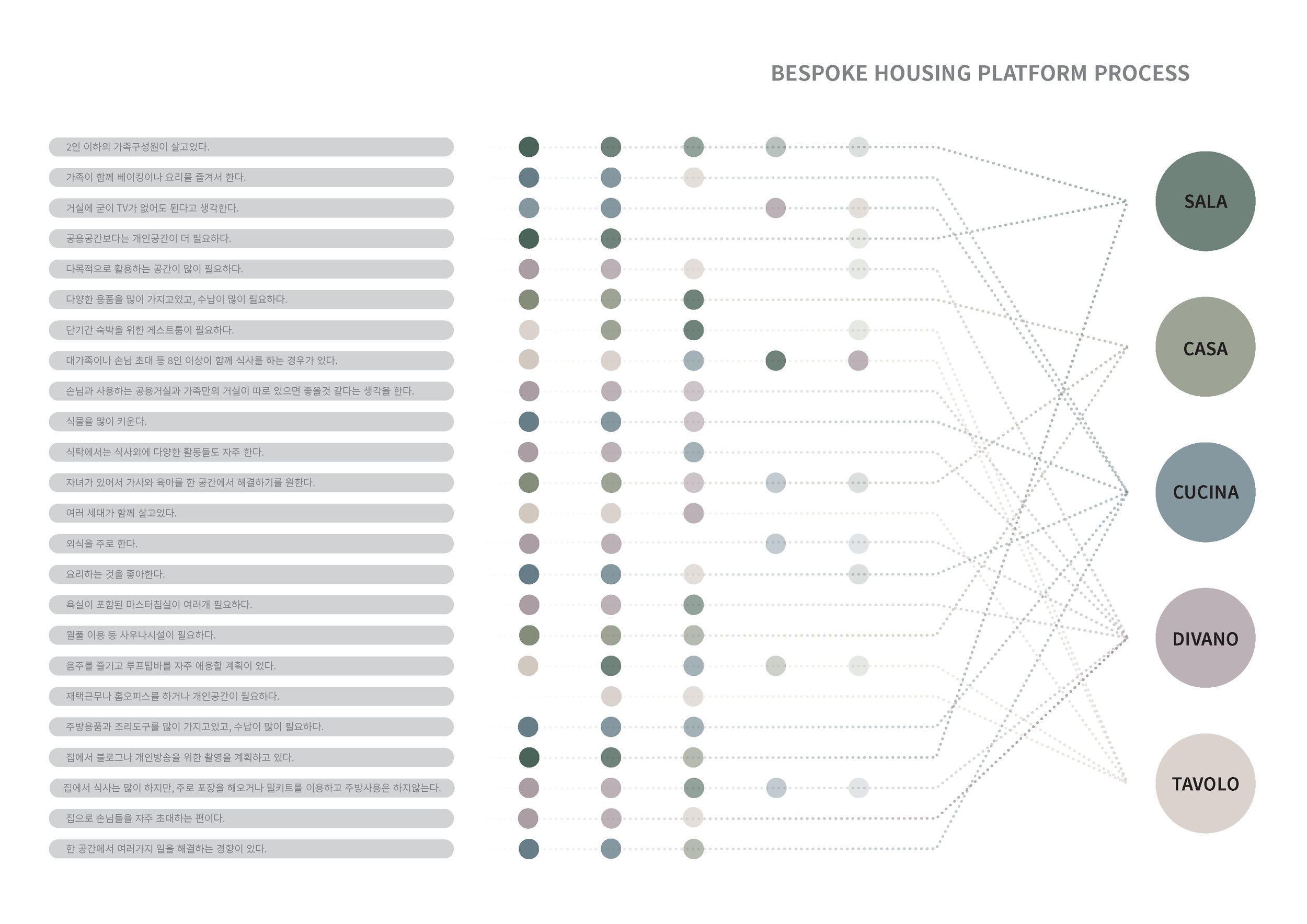
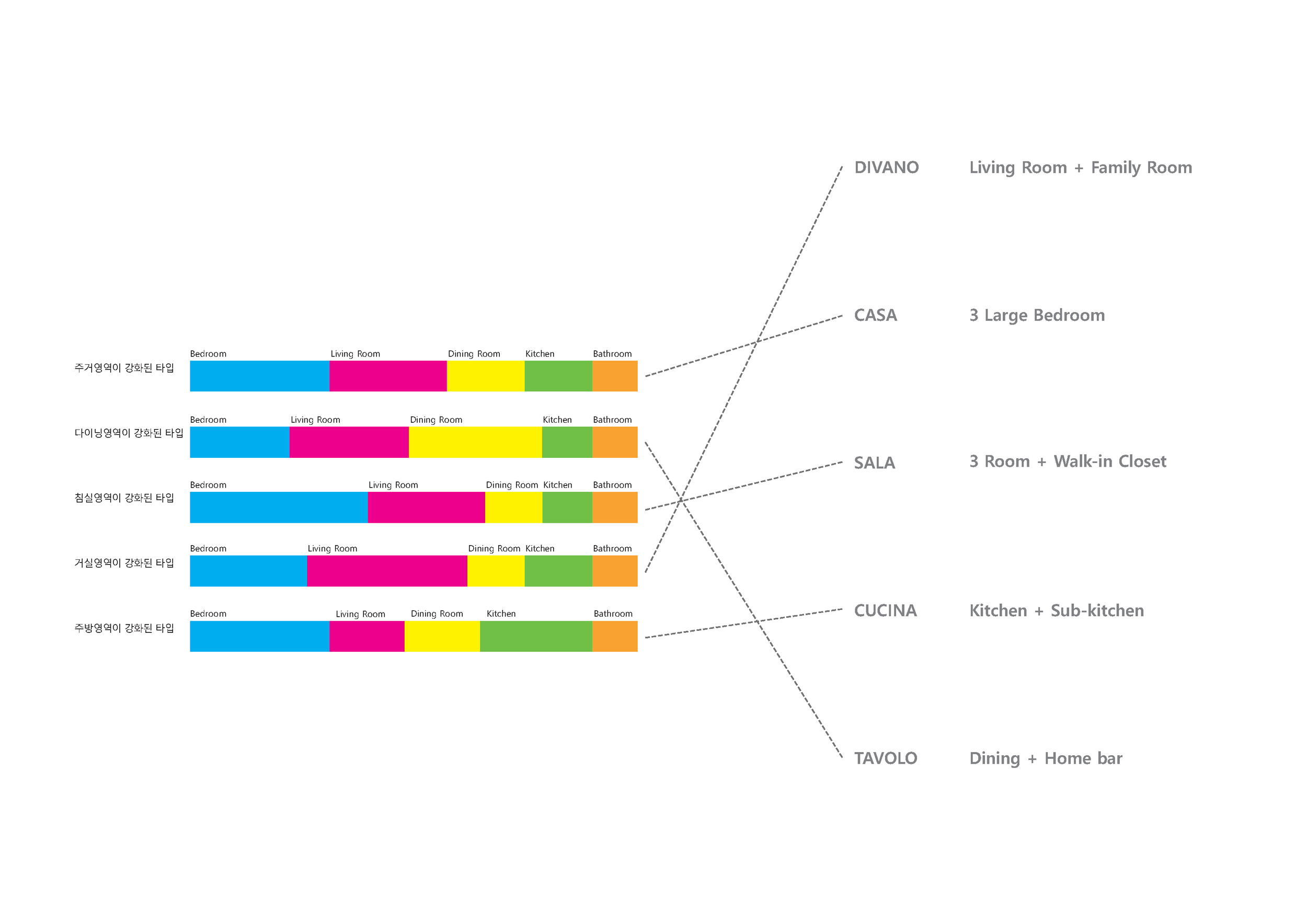
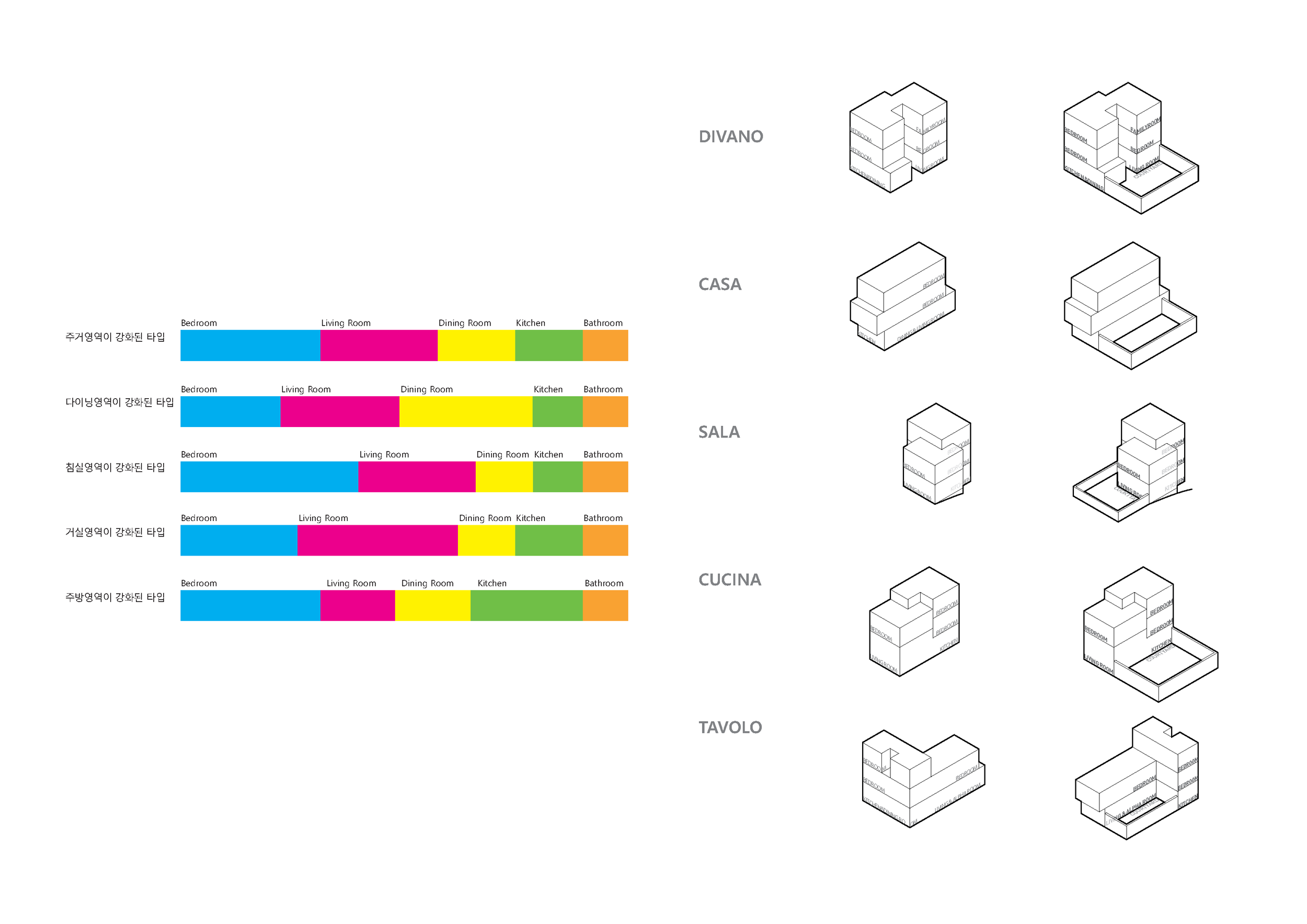
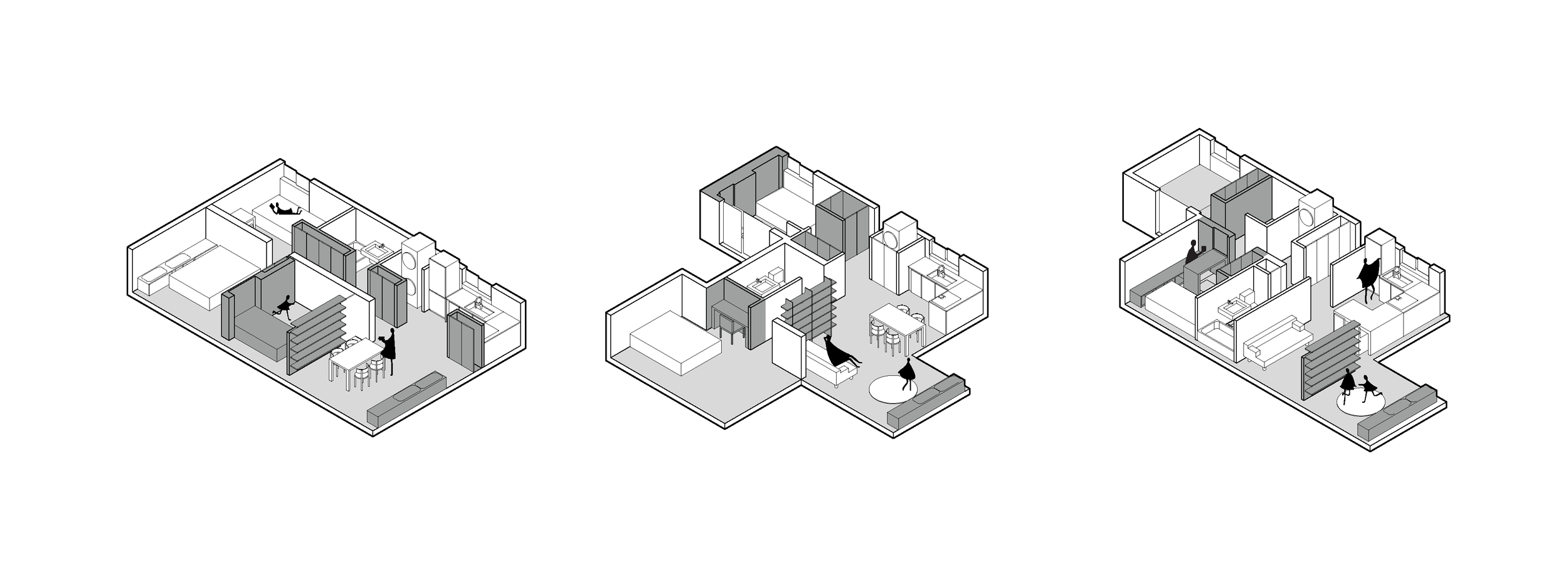
The Bespoke Housing Platform is designed to address the rapidly changing residential environments of the post-pandemic era by offering customized housing solutions tailored to the unique preferences and lifestyles of each resident. Instead of conventional, rigid layouts, the platform establishes a clear spatial hierarchy based on individual lifestyles, allowing residents to choose from five distinct housing types and fine-tune specific features to match their personal tastes.

SALA

CASA

DIVANO

CUCINA

TAVOLO

This framework operates on three foundational pillars: Bespoke Culture, which focuses on developing a deep understanding of the residents' diverse lifestyles; Bespoke Space, which offers tailored housing plans and customized residential types; and Bespoke Technologies, which suggests specific interior configurations and materials that support these functional requirements.

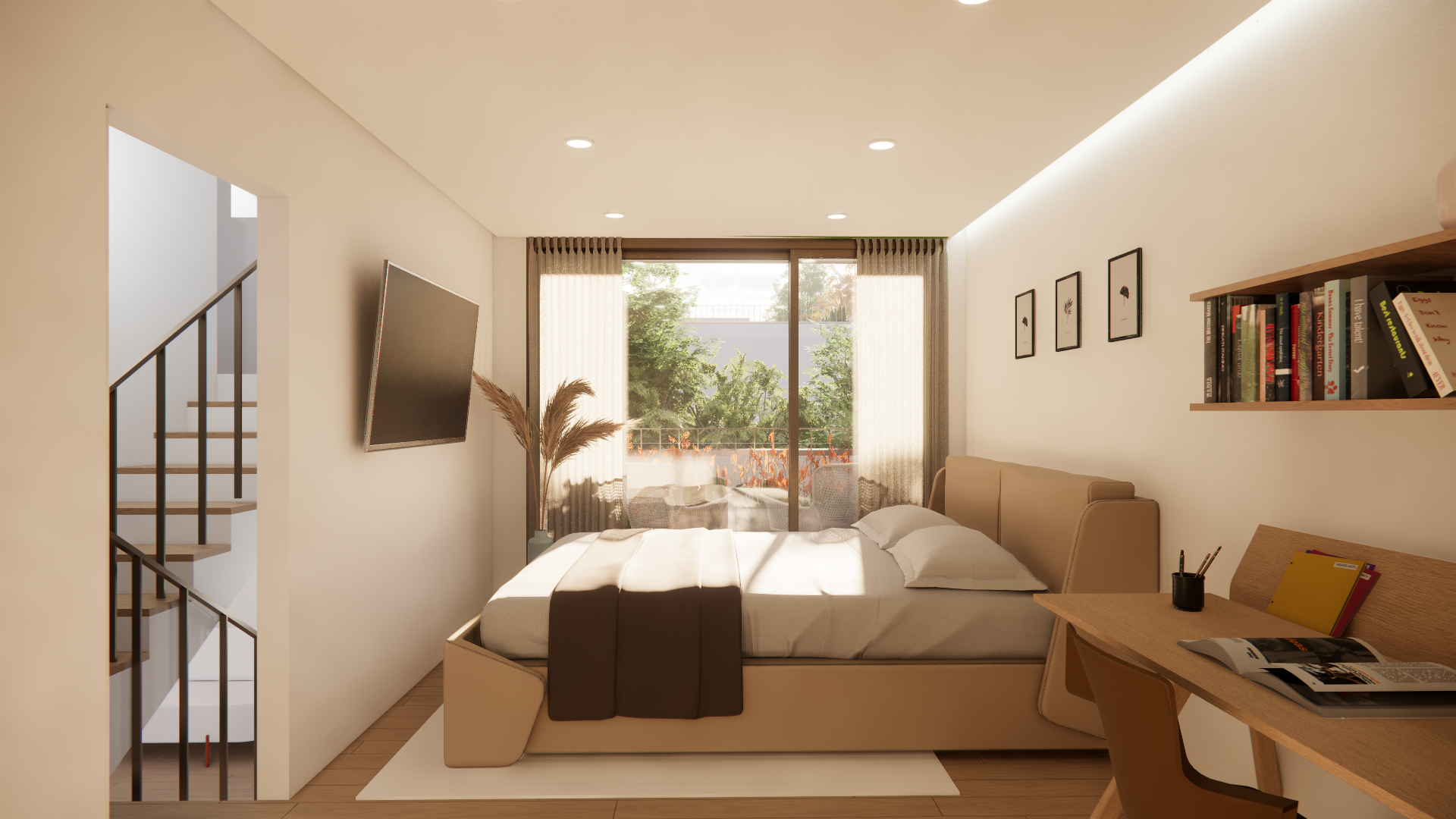
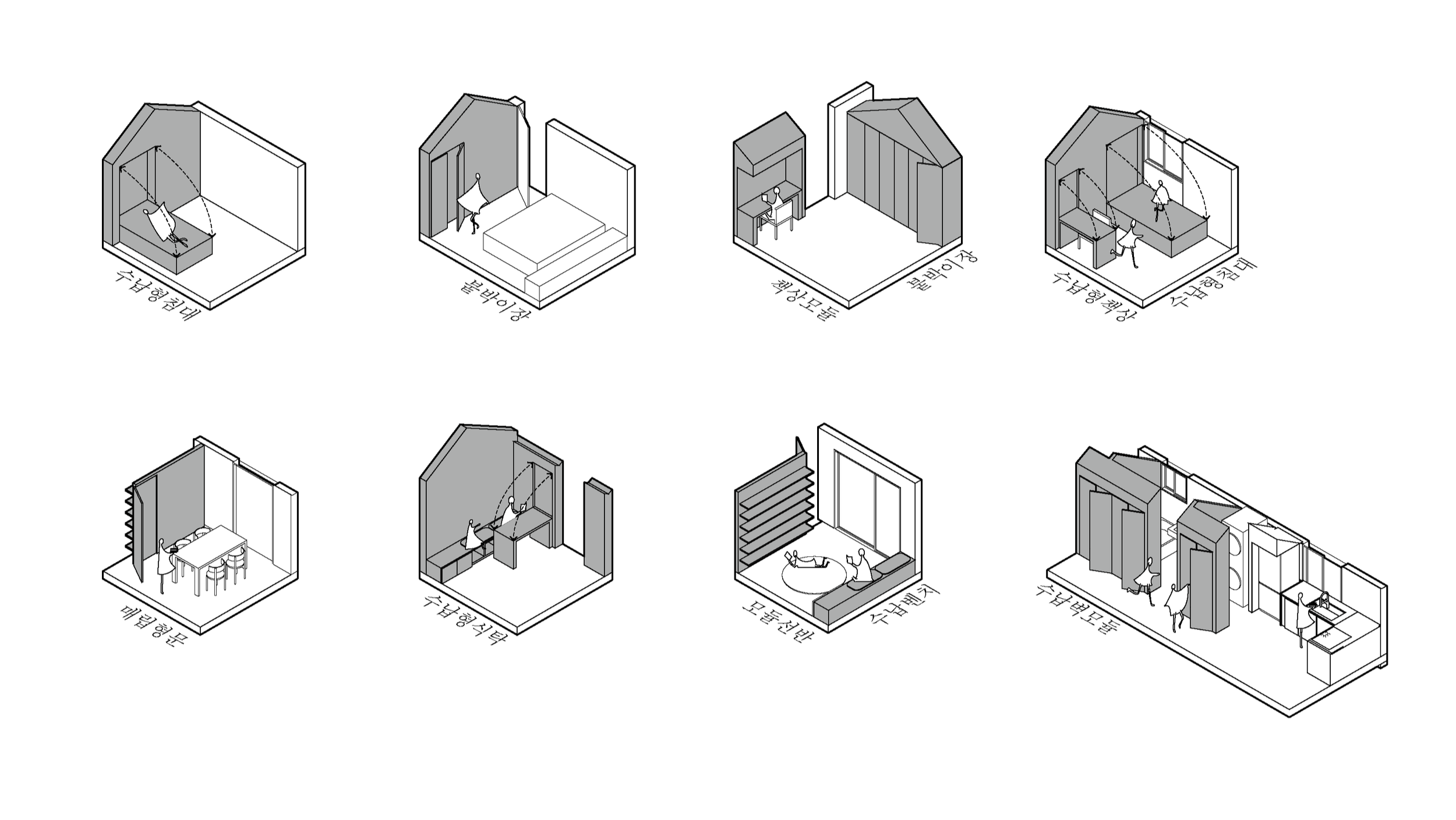
To maximize the efficiency of a home tailored to the resident's lifestyle, the platform introduces the "Beyond Zoning" concept, which supports a highly flexible and adaptable spatial operation system. While maintaining the primary location and purpose of the rooms, it promotes integrated, cross-functional uses such as leisure, relaxation, work, education, and socializing. Furthermore, the platform proposes practical and functional elements to support individual living areas, known as Technological Bespoke Space. This includes bespoke furniture solutions utilizing Kolon Global's specialized "KanKan System," a curated selection of interior and exterior finishing materials that perfectly match the resident's lifestyle, and customized fences and landscaping styles tailored to individual privacy needs and specific usage purposes.


Year: 2023

Location : Gimpo, Korea

Size : 35,273 m²

Status : Design Proposal

Type : Residential

Principal in Charge :

Seojoo Lee, Hyojung Kim (I.f), Dongil Kim (Kyung Hee University), Minho Lee (func.Architects)

Design Team :

Seungil Kim, Junyoung Park, Soohyun Im, Inyeob Jang (I.f)


Related Project

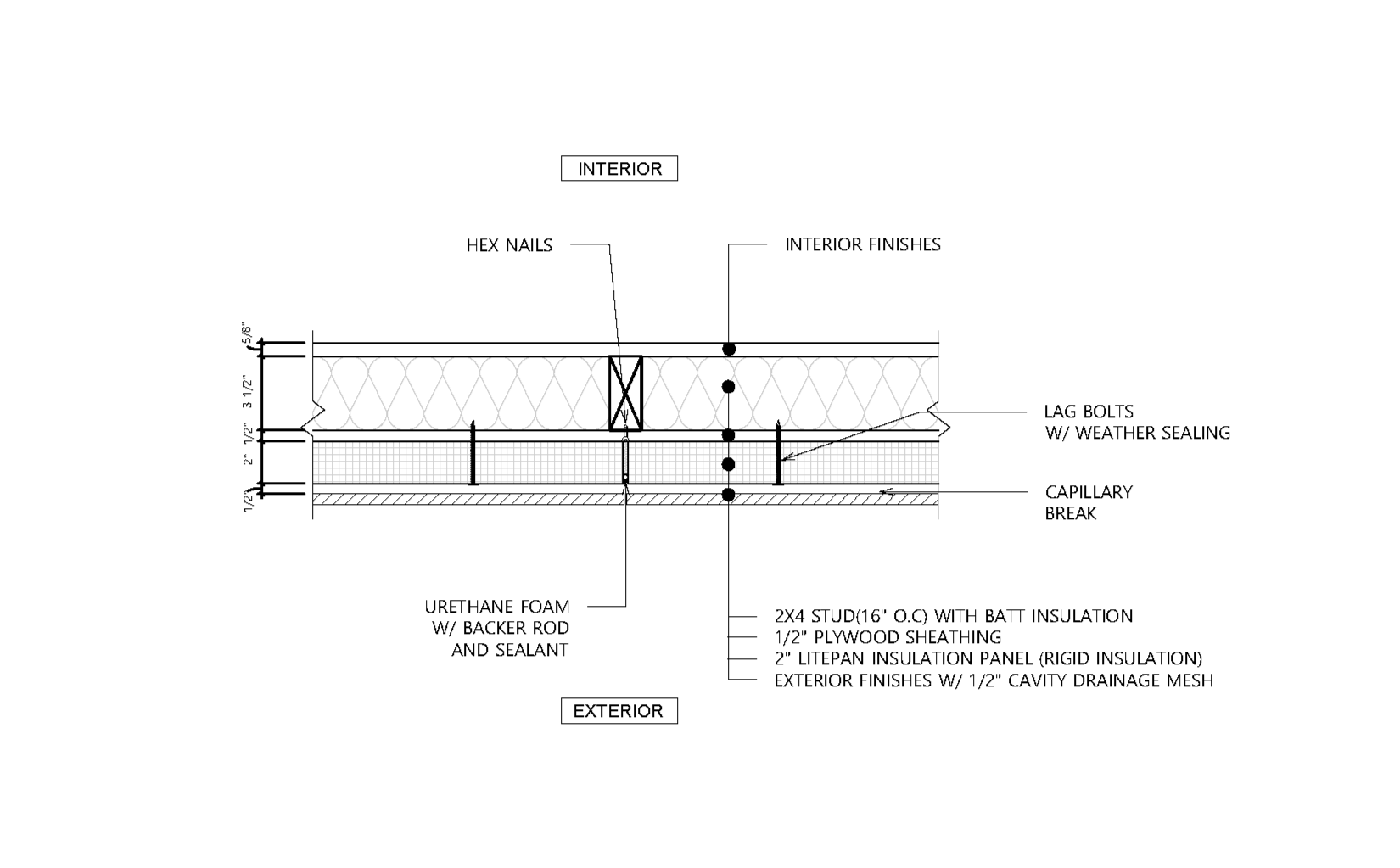
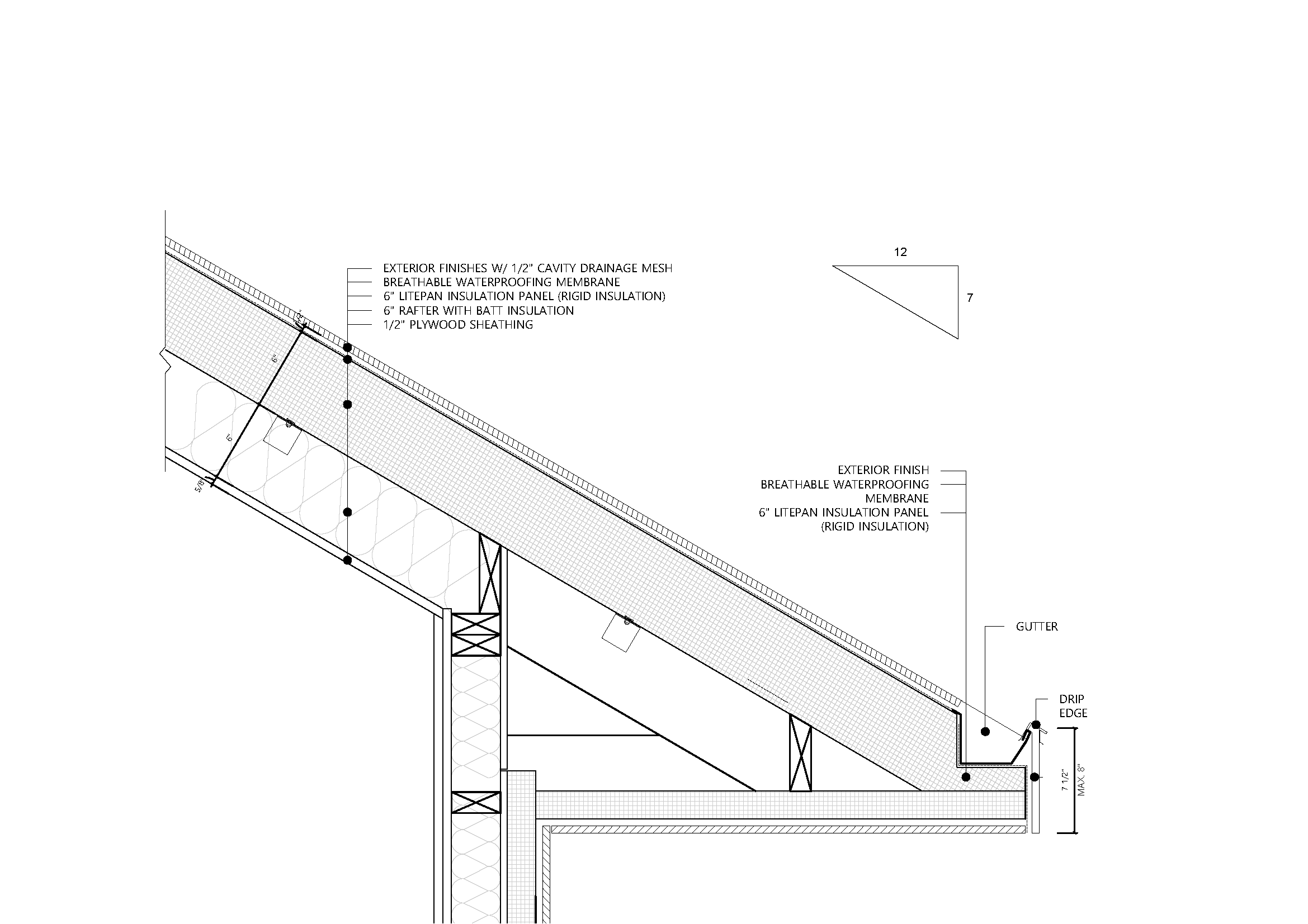
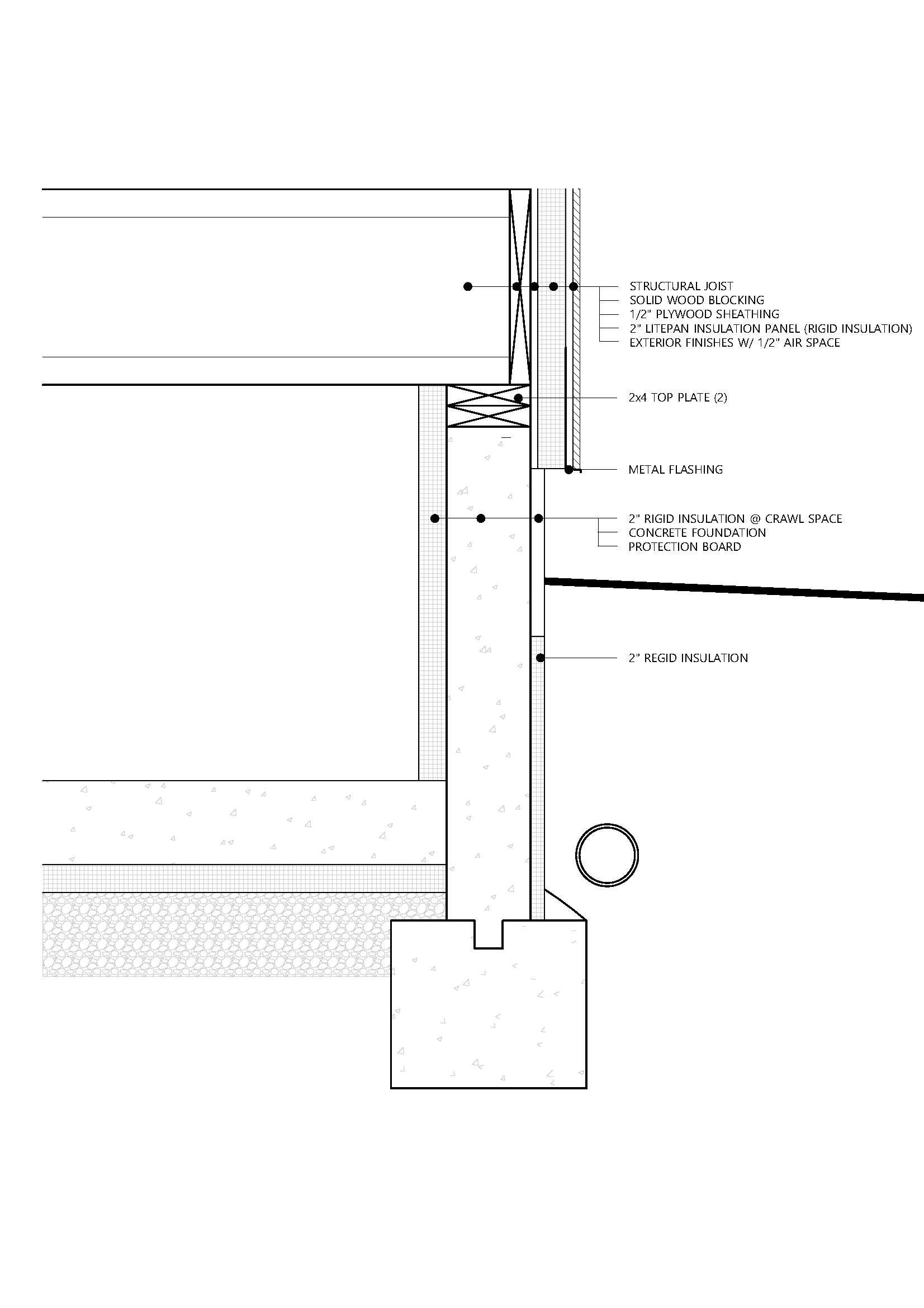
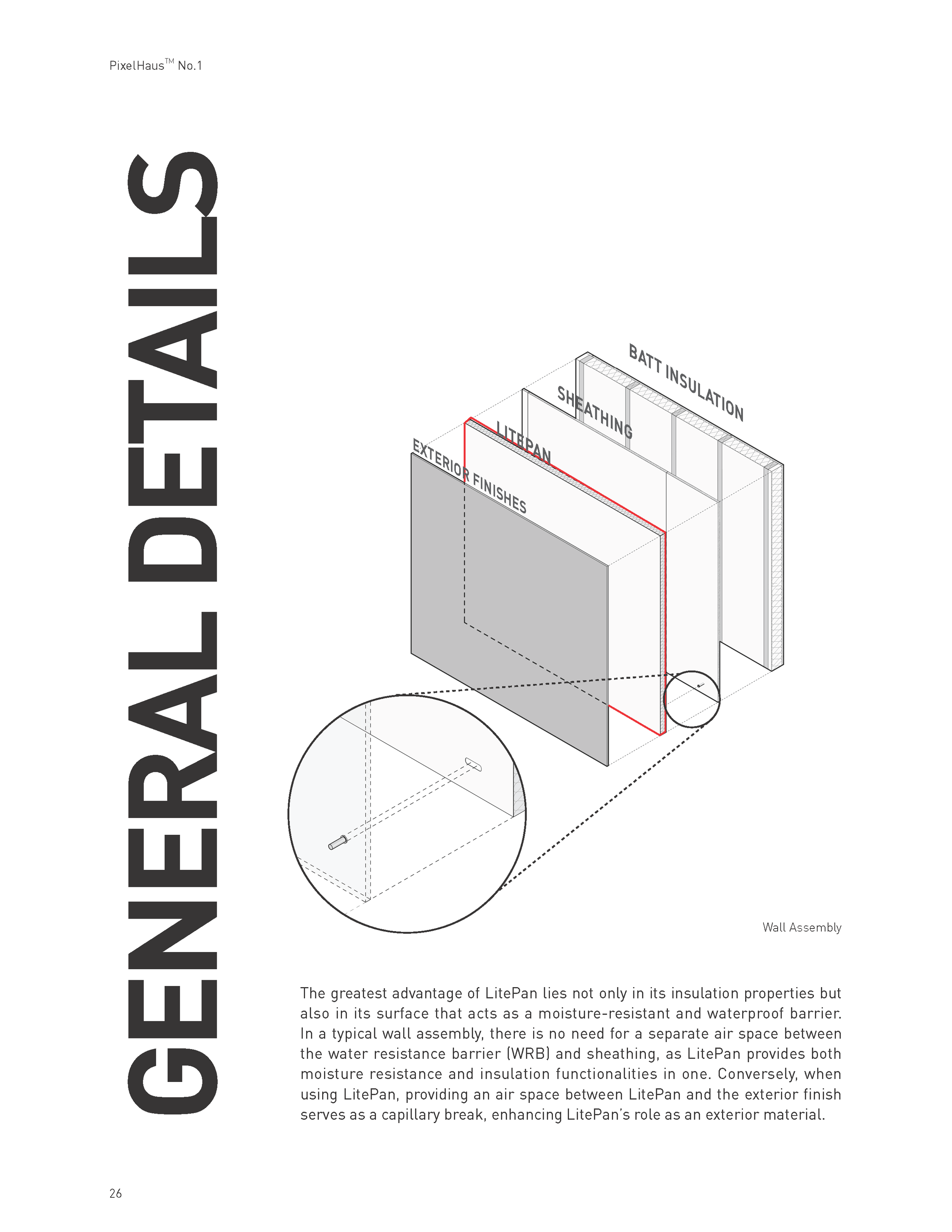
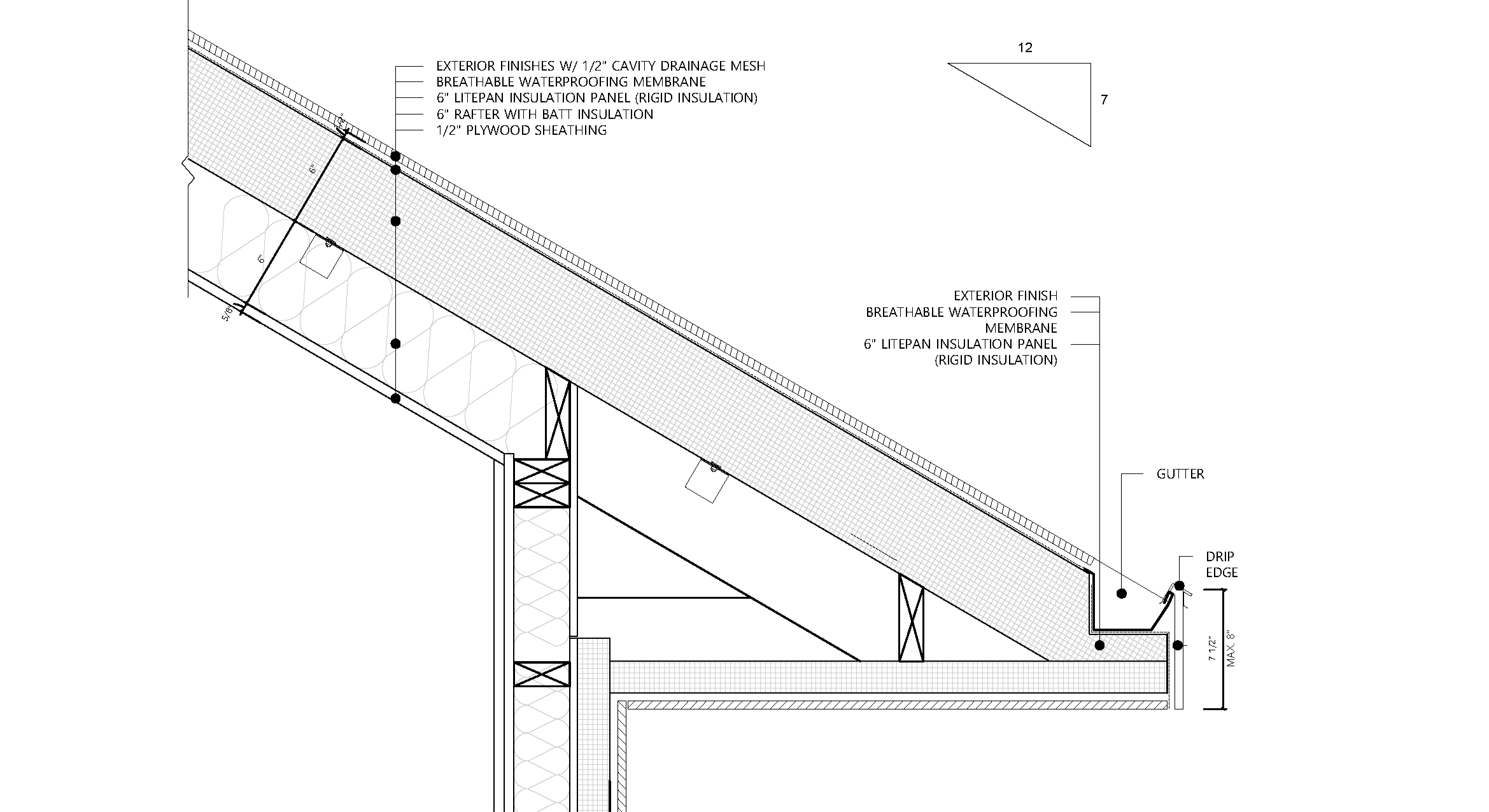
Panelization Standard Details


Composite building structures offer several advantages over traditional materials, including faster installation, increased cost-efficiency, higher energy efficiency, and longer life cycles. LiteTex®, a cutting-edge composite laminate created by Axia Materials, incorporates continuous fibers—such as glass, carbon, or aramid fibers—for reinforcement and uses a proprietary resin system for its matrix. This innovative composition enables LiteTex® to outperform metallic materials, offering a lighter weight and greater strength by comparison.”LitePan® is an advanced Composite Structural Insulated Panel (C-SIP) that employs LiteTex® as its outer face material and foam plastics as its insulation core. This product has been employed in numerous energy-efficient, volumetric construction projects due to its multifunctionality—it simultaneously provides structural support, insulation, and waterproofing. LitePan® offers extensive coverage, with single panels capable of spanning up to 9-feet by 40-feet, while maintaining an extremely low weight of approximately 1.12 lb/ft2 (5.47 kg/m2) for a 4-inch (101.6mm) thick panel.”

The distinctive features of LitePan® have delivered unparalleled value to the construction industry, enabling exceptionally rapid construction and airtight sealing. These capabilities facilitate a level of energy efficiency that meets Passive House standards, providing cost-effective solutions that save both time and energy in building projects.

The primary objective of this catalog is to furnish comprehensive elucidations regarding the exemplary versatility of LitePan® and its adherence to prevailing architectural standards. Additionally, it endeavors to furnish intricate delineations pertaining to specific applications. We express the anticipation that, upon the prospective utilization of this product by regional contractors or construction entities, this catalog shall prove to be an invaluable resource, offering substantial aid and guidance.


Year : 2023

Size : 92.90 ㎡

Structure : Construction Type V (Lightweight Wood Structure with Insulated panel attached)

Type : Residential

Status : Completed

Principal in Charge : Seojoo Lee, Hyojung Kim (I.f), Dongil Kim (I.f.CDL)

Desigin Team : Seungil Kim (I.f.CDL)


Related Research

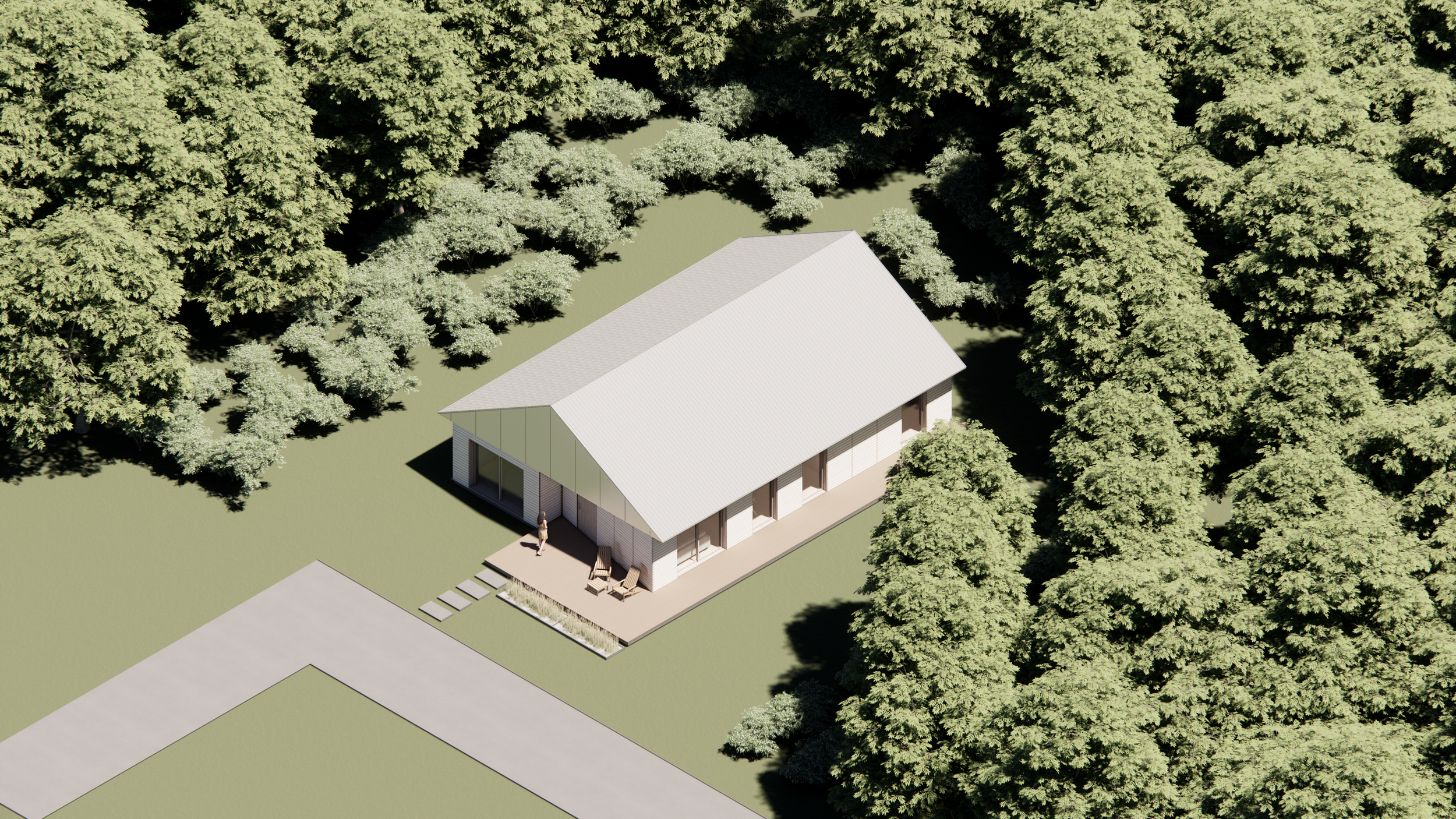
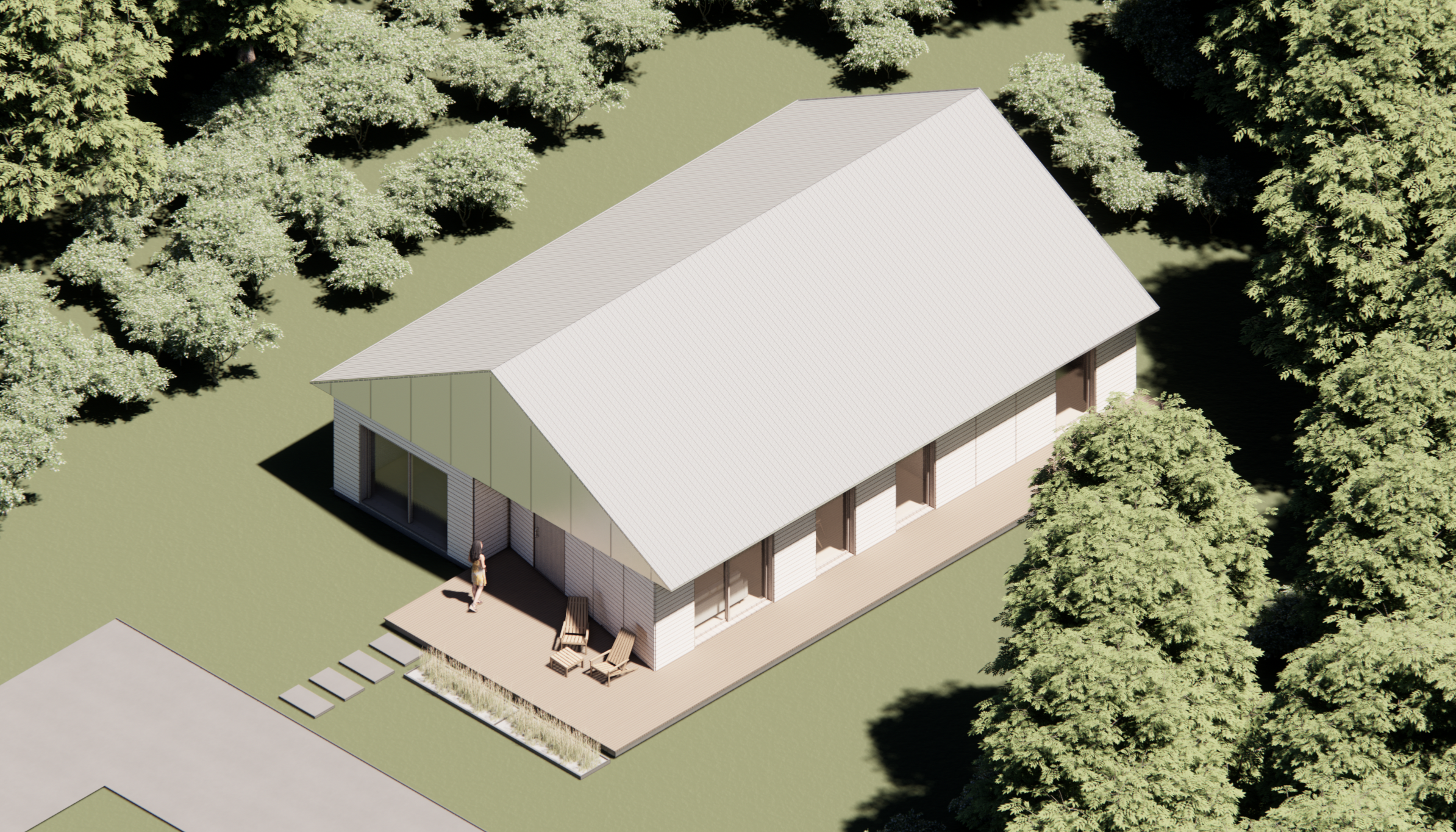
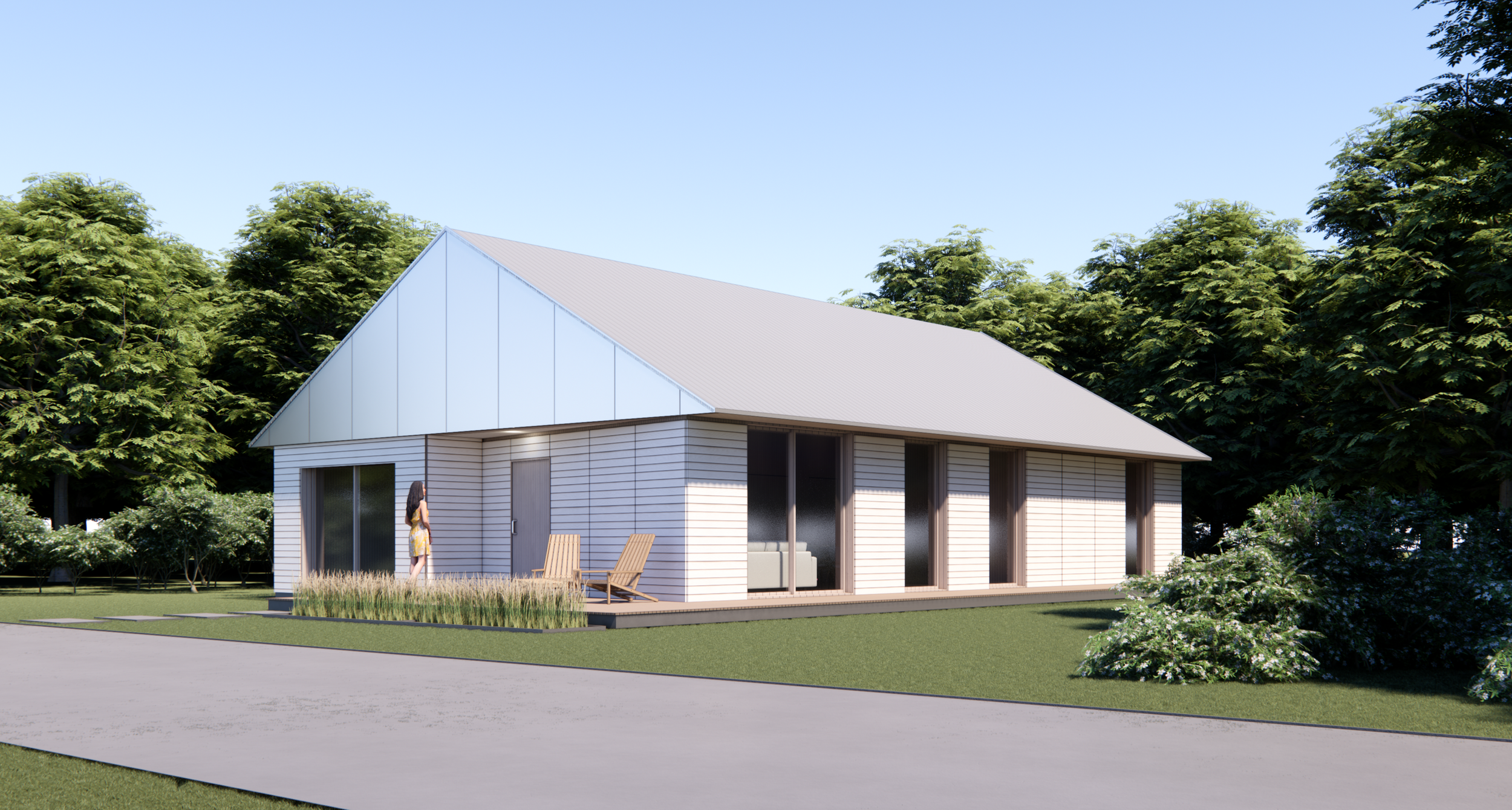
Pixel Haus No.1


PixelHaus is a brand developed by Axia that will feature a range of proposals and sample houses using LitePan Board for both wall and roof materials. The aim is to showcase the versatility and effectiveness of LitePan in various housing designs intended for the US market. These designs will cater to different needs, from small ADUs (Accessory Dwelling Units) with an area of around 600 square feet to larger two- story single-family homes spanning up to 2,000 square feet.
The concept behind PixelHaus is to demonstrate how LitePan can be seamlessly integrated into different types of residential buildings, offering both architects and builders a wide array of options for incorporating LitePan into their projects. By utilizing LitePan for both wall and roof materials, “PixelHaus™ is designed to showcase the exceptional energy efficiency, inclusive of superior thermal insulation capabilities, and the robust structural integrity inherent in LitePan technology.”


Related Research


PixelHaus intends to provide a platform for presenting innovative housing solutions that prioritize energy efficiency, sustainability, and ease of construction. By leveraging LitePan’s lightweight yet robust characteristics, PixelHaus seeks to redefine traditional housing construction methods and offer more efficient and environmentally friendly alternatives.

The proposals and sample houses presented under the PixelHaus brand will serve as practical examples of how LitePan can be utilized effectively in real-world construction projects. Each design will be carefully crafted to showcase LitePan’s capabilities in enhancing thermal performance, moisture resistance, and overall building durability.

Overall, PixelHaus represents Axia’s commitment to promoting LitePan as a premier building material for modern residential construction, offering solutions that meet the evolving needs of homeowners, architects, and builders alike.


Year : 2023

Size : 92.90 ㎡

Structure : Construction Type V (Lightweight Wood Structure with Insulated panel attached)

Type : Residential

Status : Completed

Principal in Charge :

Seojoo Lee, Hyojung Kim (I.f), Dongil Kim (I.f.CDL)

Desigin Team : Seungil Kim (I.f.CDL)

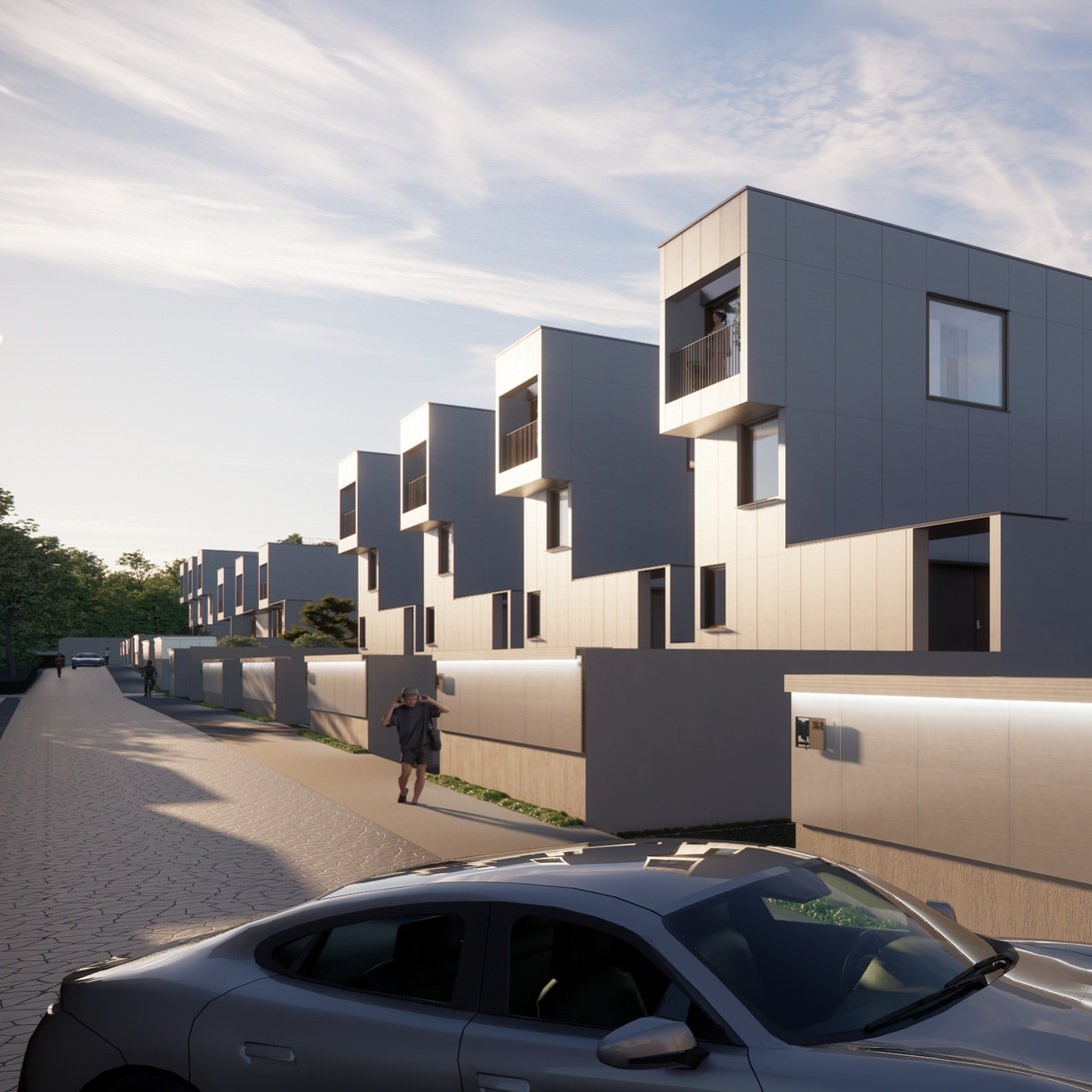
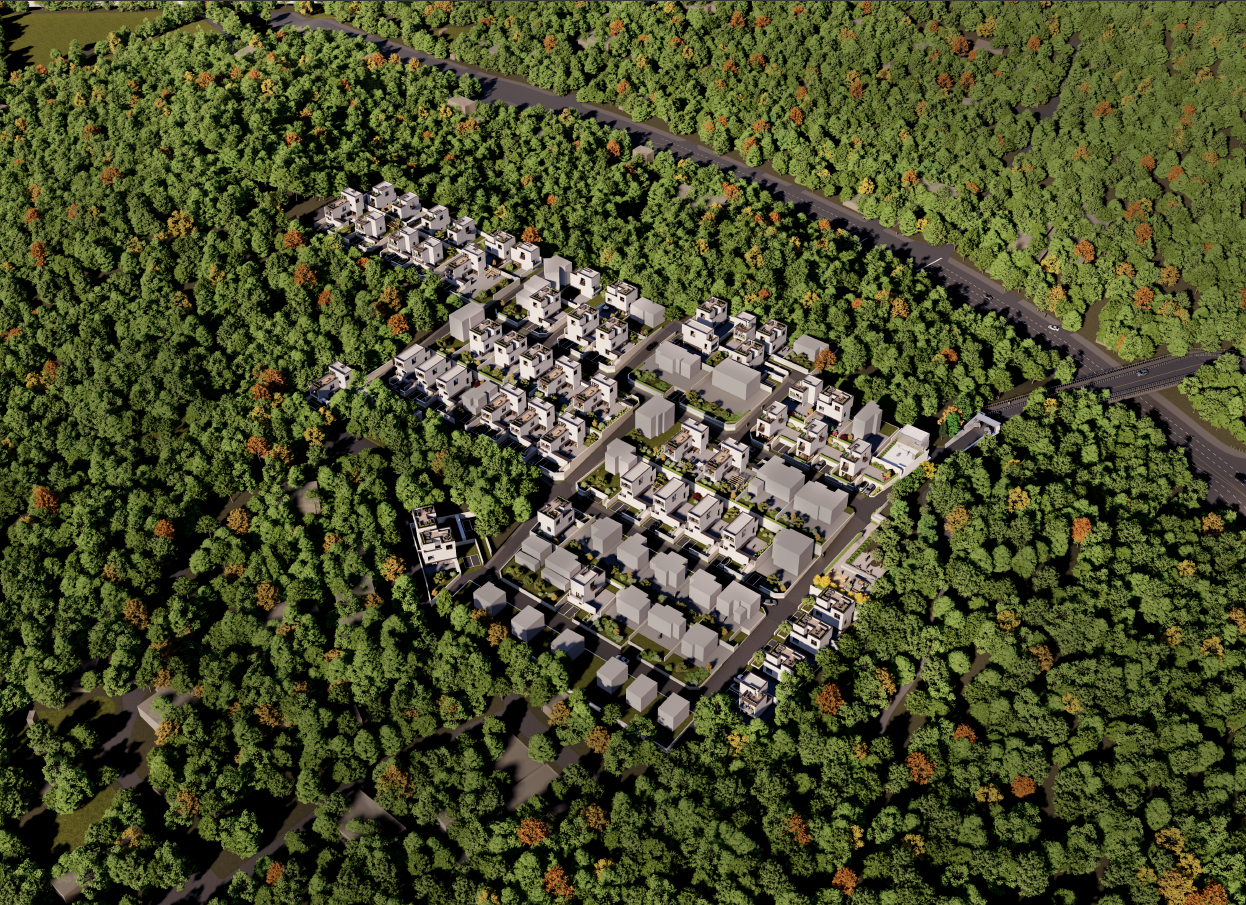
Gimpo Townhouse and Masterplan

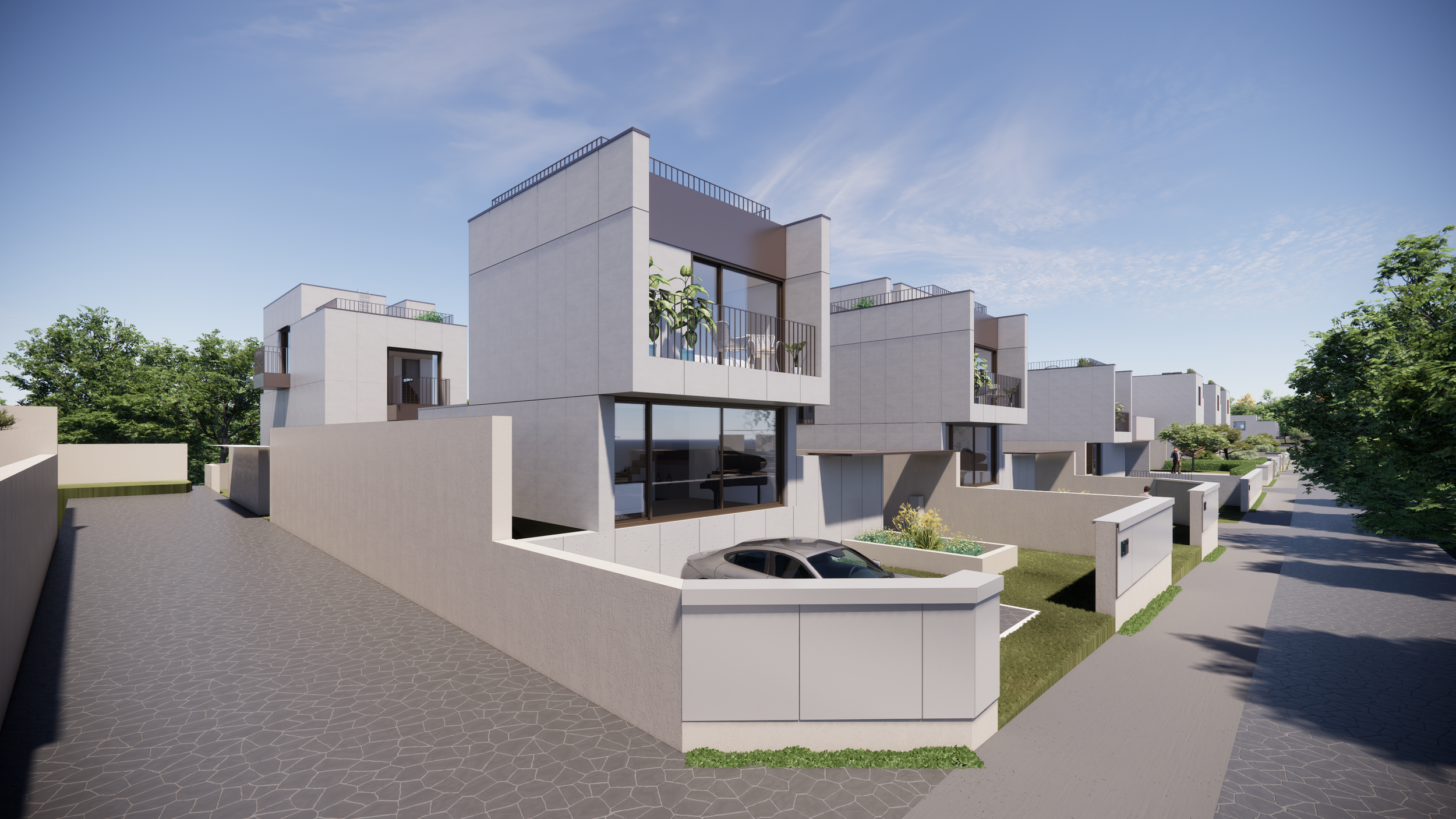
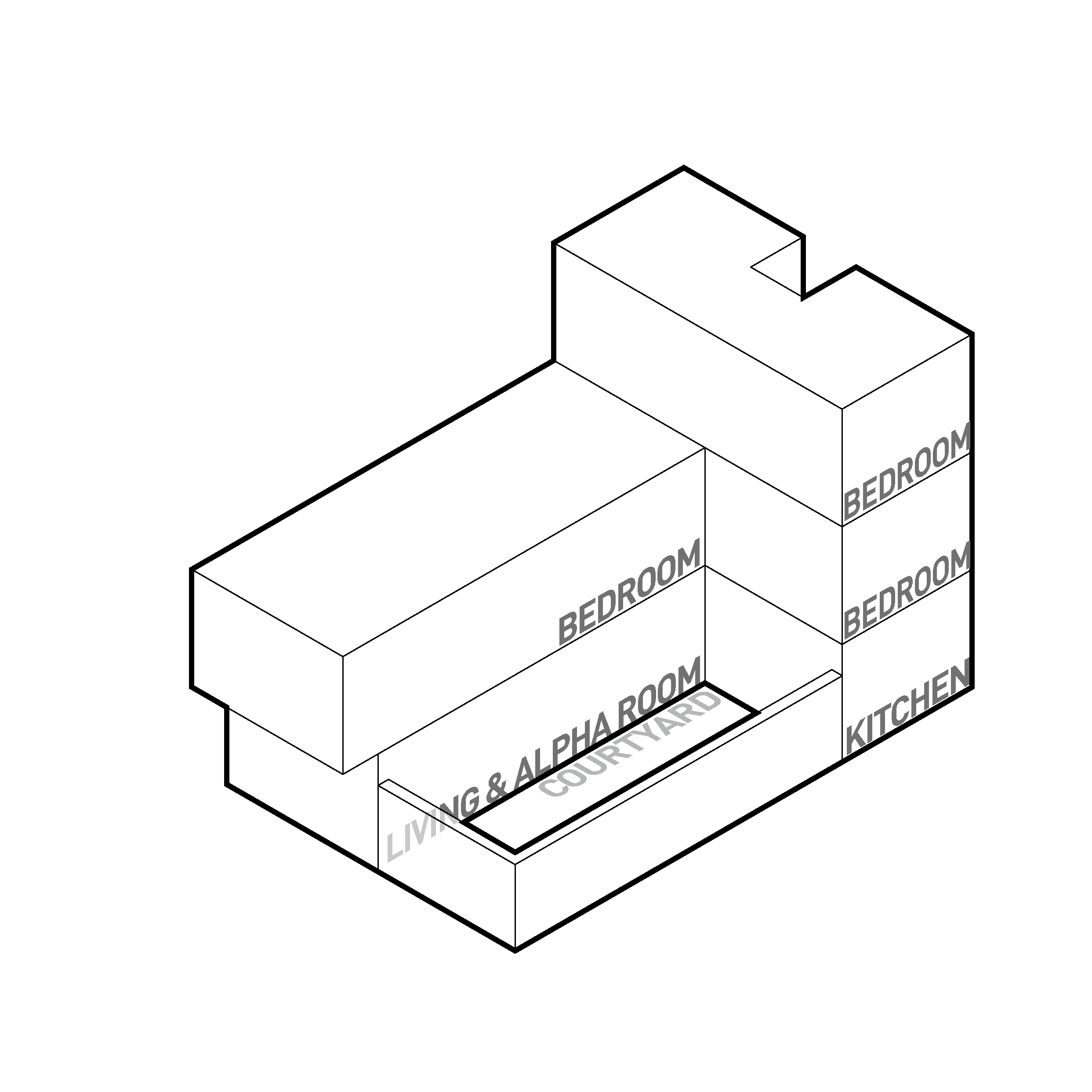
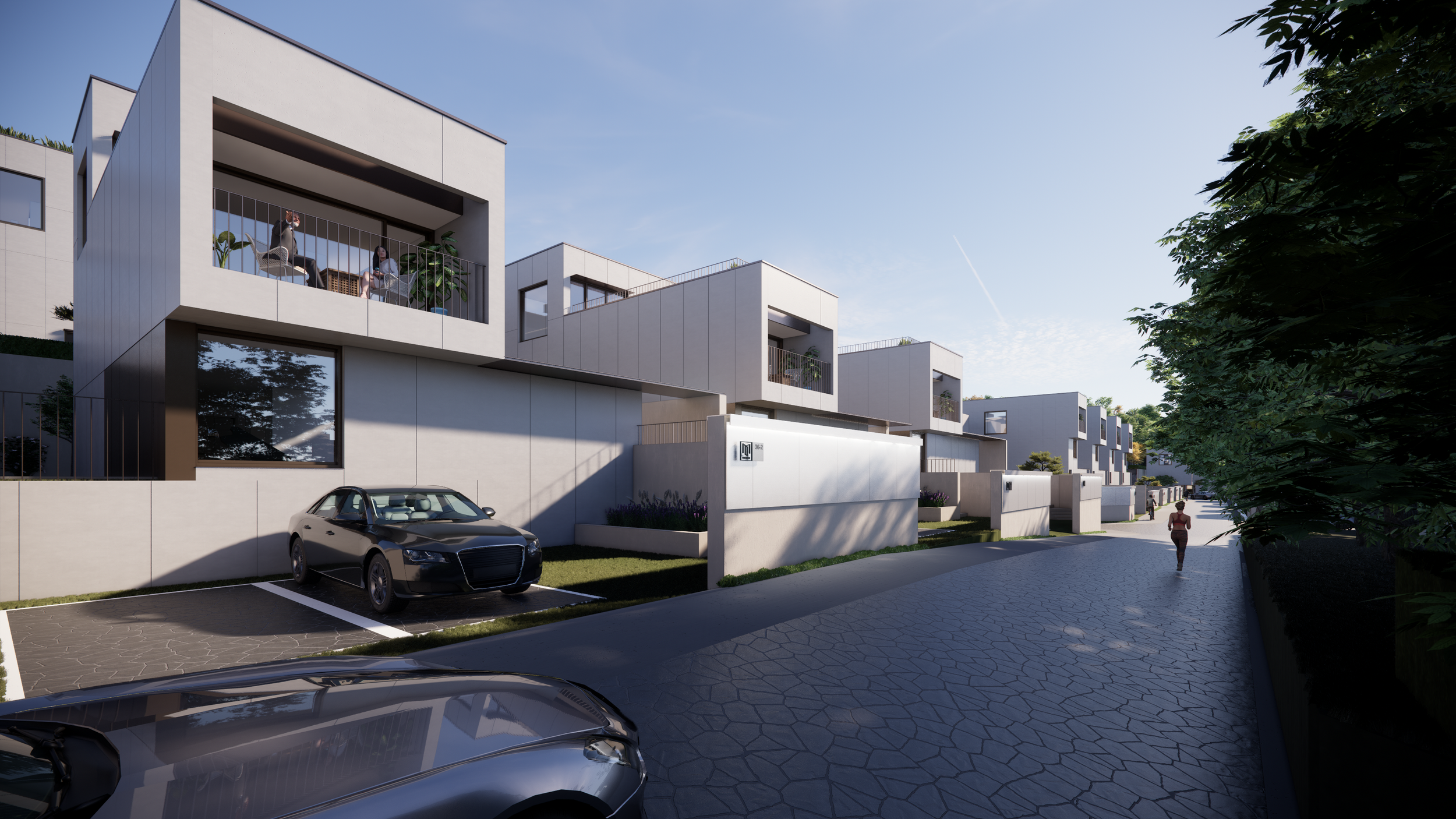
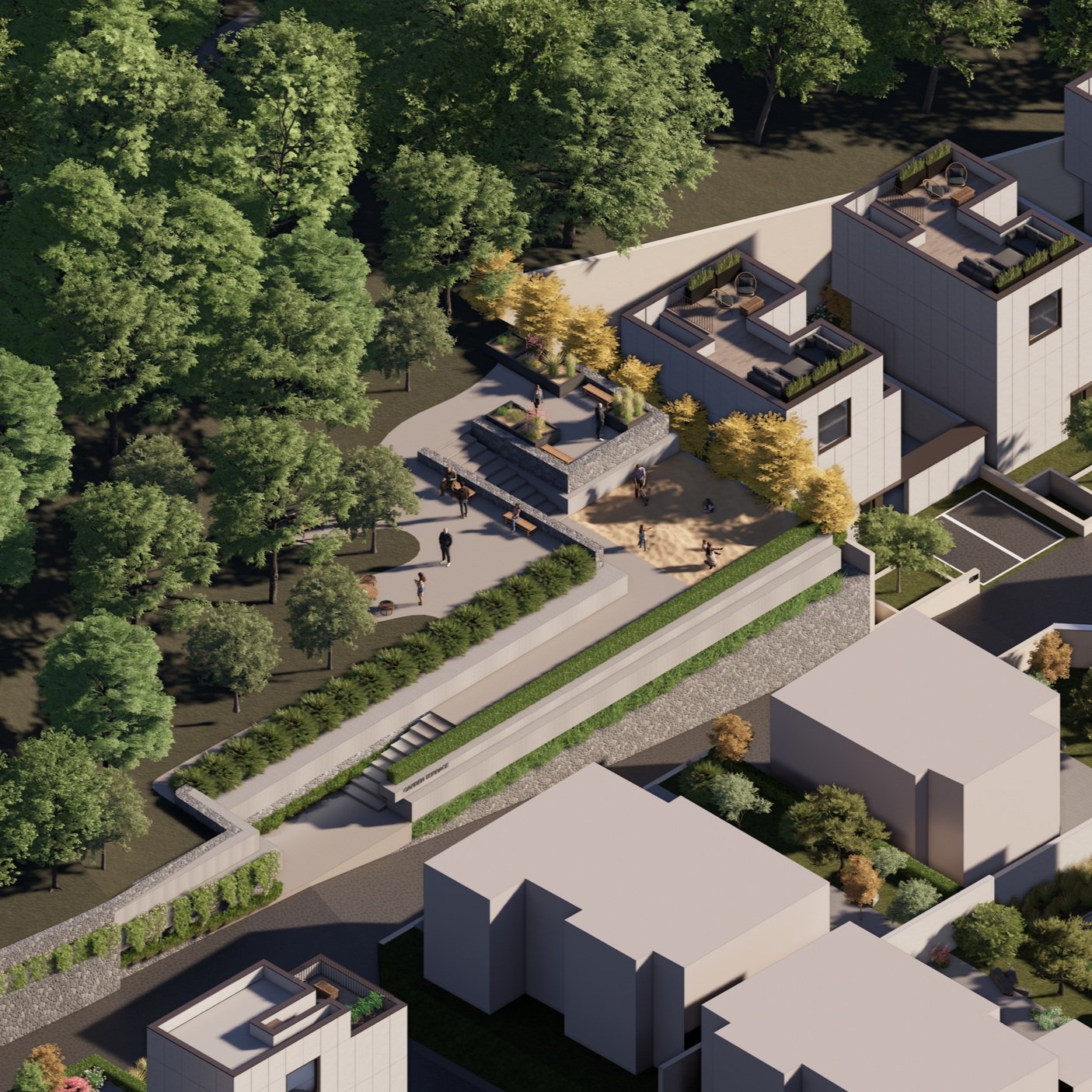
Nestled within the verdant landscapes of Yangchon-eup, Gimpo City, this project occupies a site surrounded by a serene forest and crowned by a gentle hill. Its purpose is to develop a visionary community rooted in new culture, space, and technology. The project is driven by the ideals of LOHAS (Lifestyles of Health and Sustainability), aiming to embody social sustainability, life sustainability, and environmental sustainability. It aspires to be more than just a residential complex; it is a commitment to a holistic approach that considers not only personal well-being but also environmental stewardship and social responsibility, with an eye toward the future of our planet.
Respecting the existing allocation of over 80 parcels, the project’s design standards for new public spaces are visionary. They focus on creating immersive entry experiences, enhancing the streetscape, and providing design criteria for communal spaces within and outside the community.

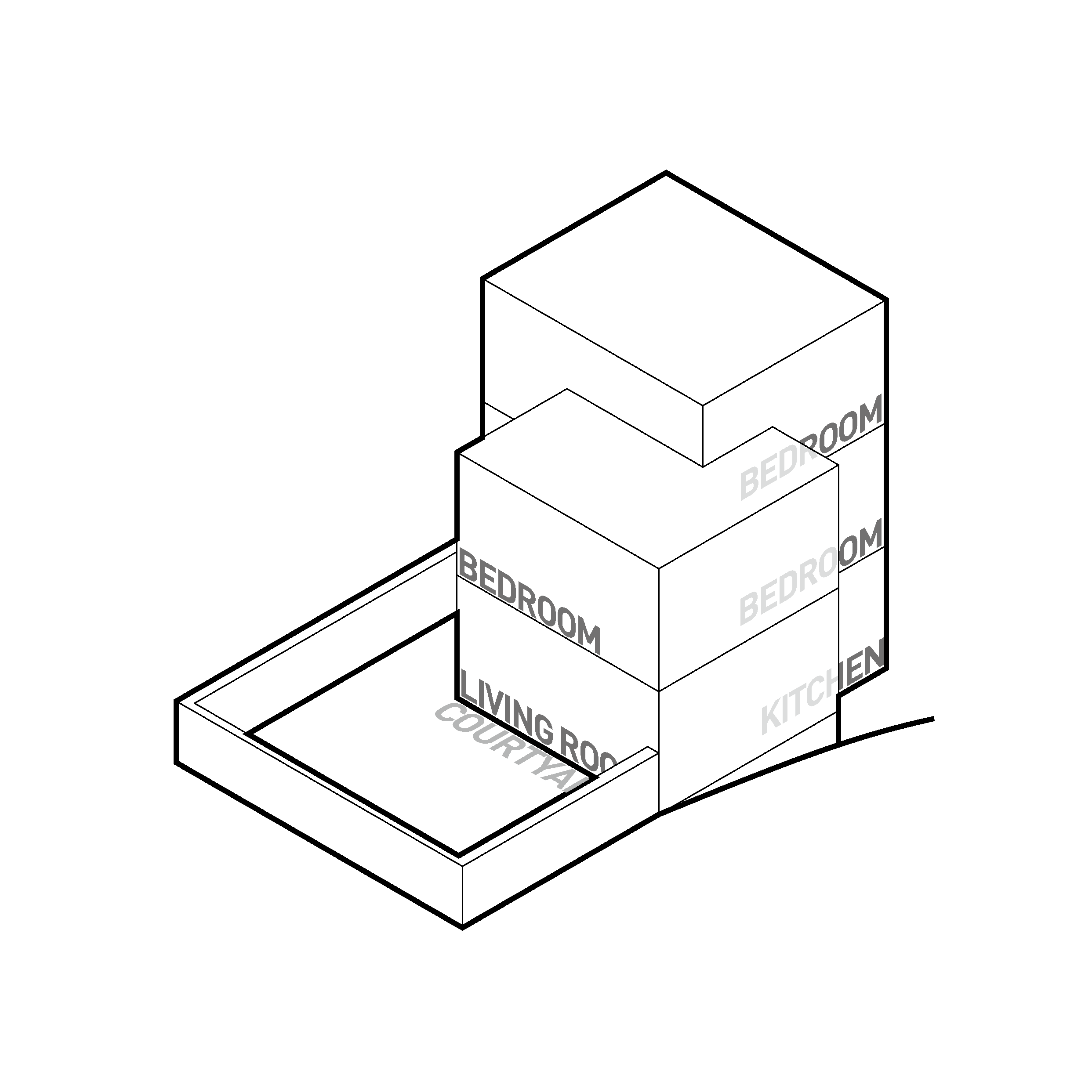
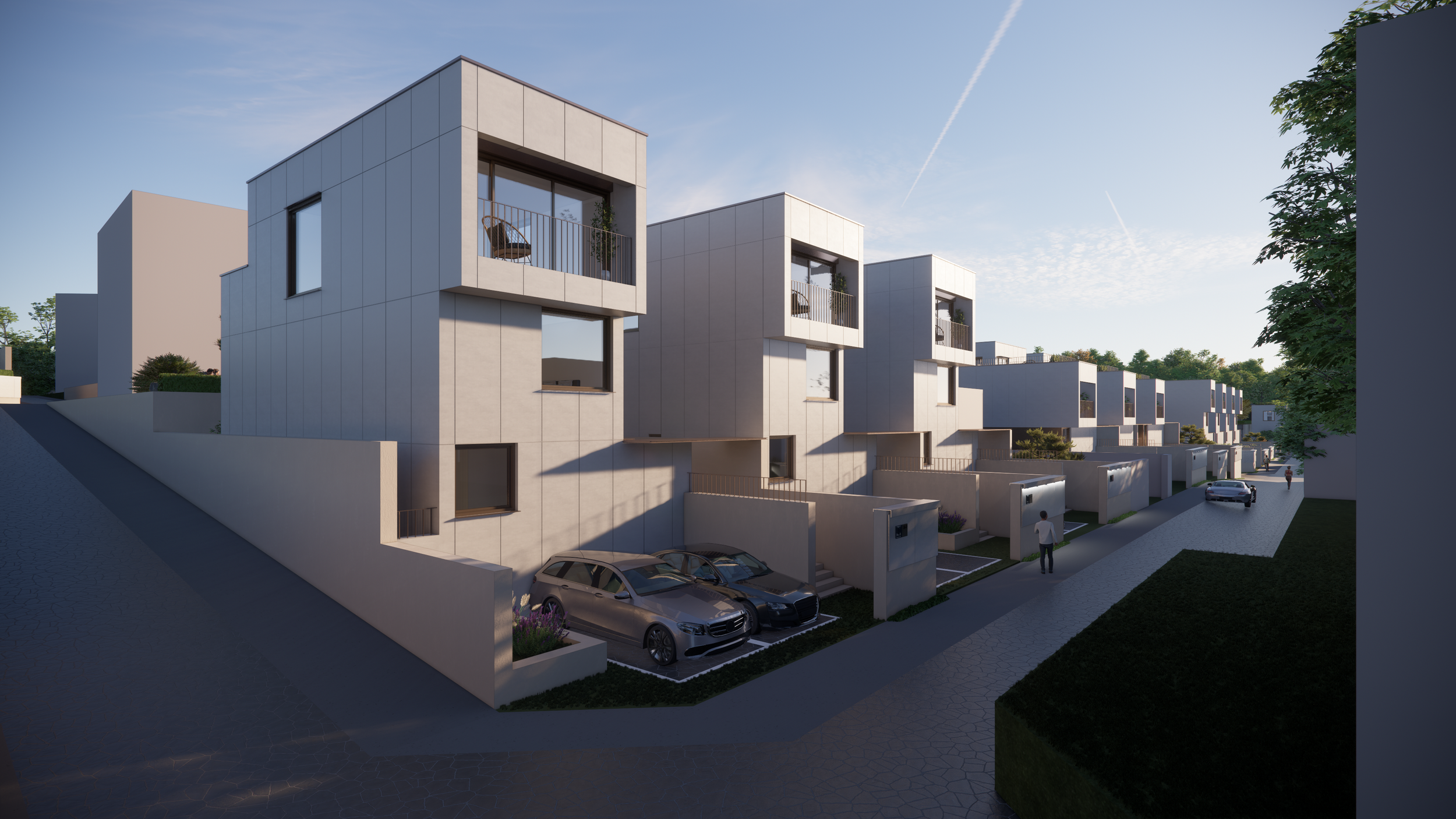
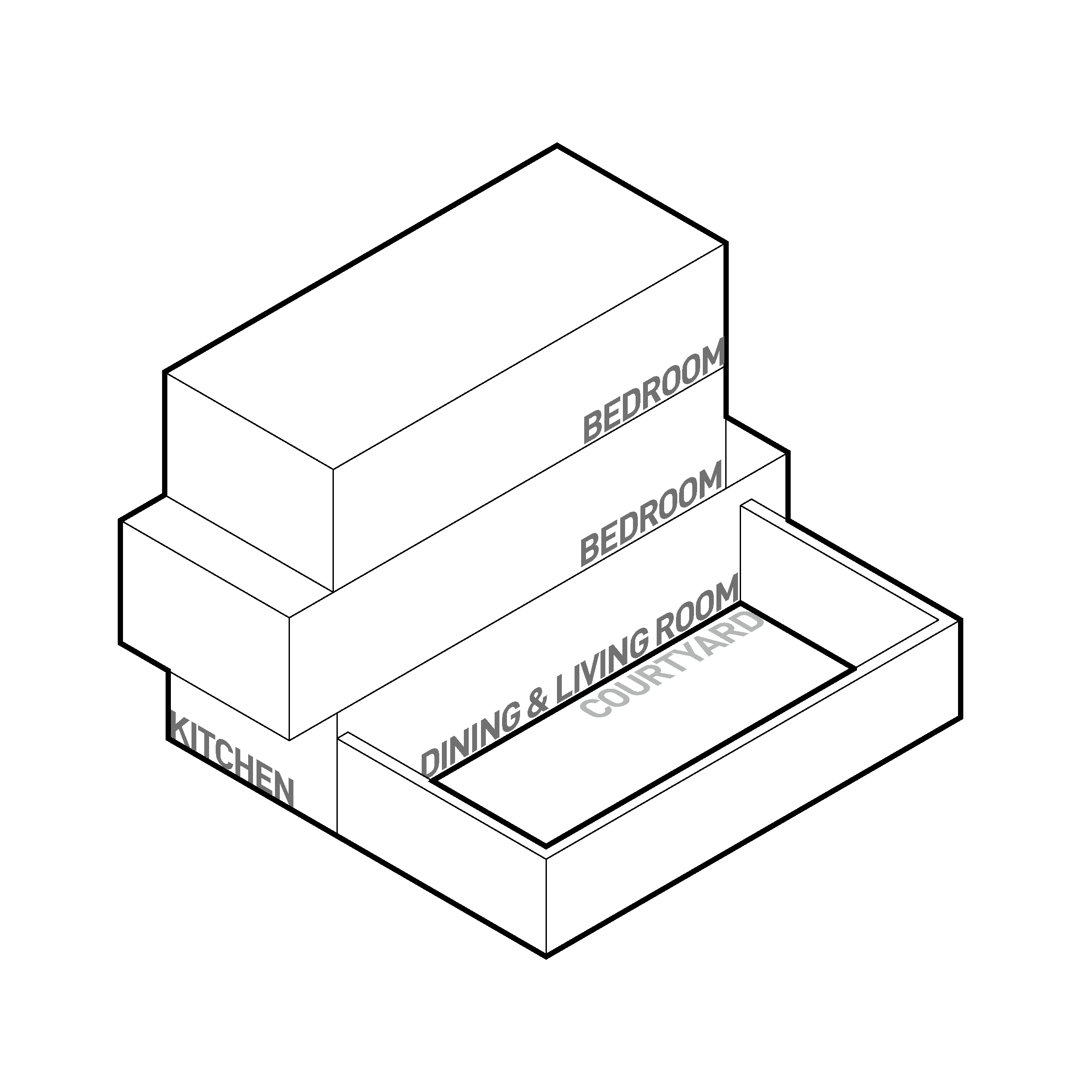
The residential typology here has been carefully analyzed in light of the significant changes in living environments post-pandemic. Five distinct residential types have emerged to cater to diverse lifestyles. Individual spaces are designed to be customizable, aligning with residents’ preferences, offering the flexibility of a bespoke housing platform.

This development isn’t just about housing; it’s about crafting a way of life that reflects the evolving needs of modern society while nurturing an environment where personal aspirations align with ecological and social responsibilities. It’s an invitation to join a community that embodies the spirit of LOHAS and envisions a sustainable, dynamic, and harmonious future.


Related Research


Year: 2023

Location : Gimpo, Korea

Size : 35,273 m²

Status : Design Proposal

Type : Residential, Community Facilities, Master Plan

Principal in Charge :

Seojoo Lee, Hyojung Kim (I.f), Dongil Kim (Kyung Hee University)

Design Team :

Seungil Kim, Junyoung Park, Soohyun Im, Inyeob Jang (I.f)