
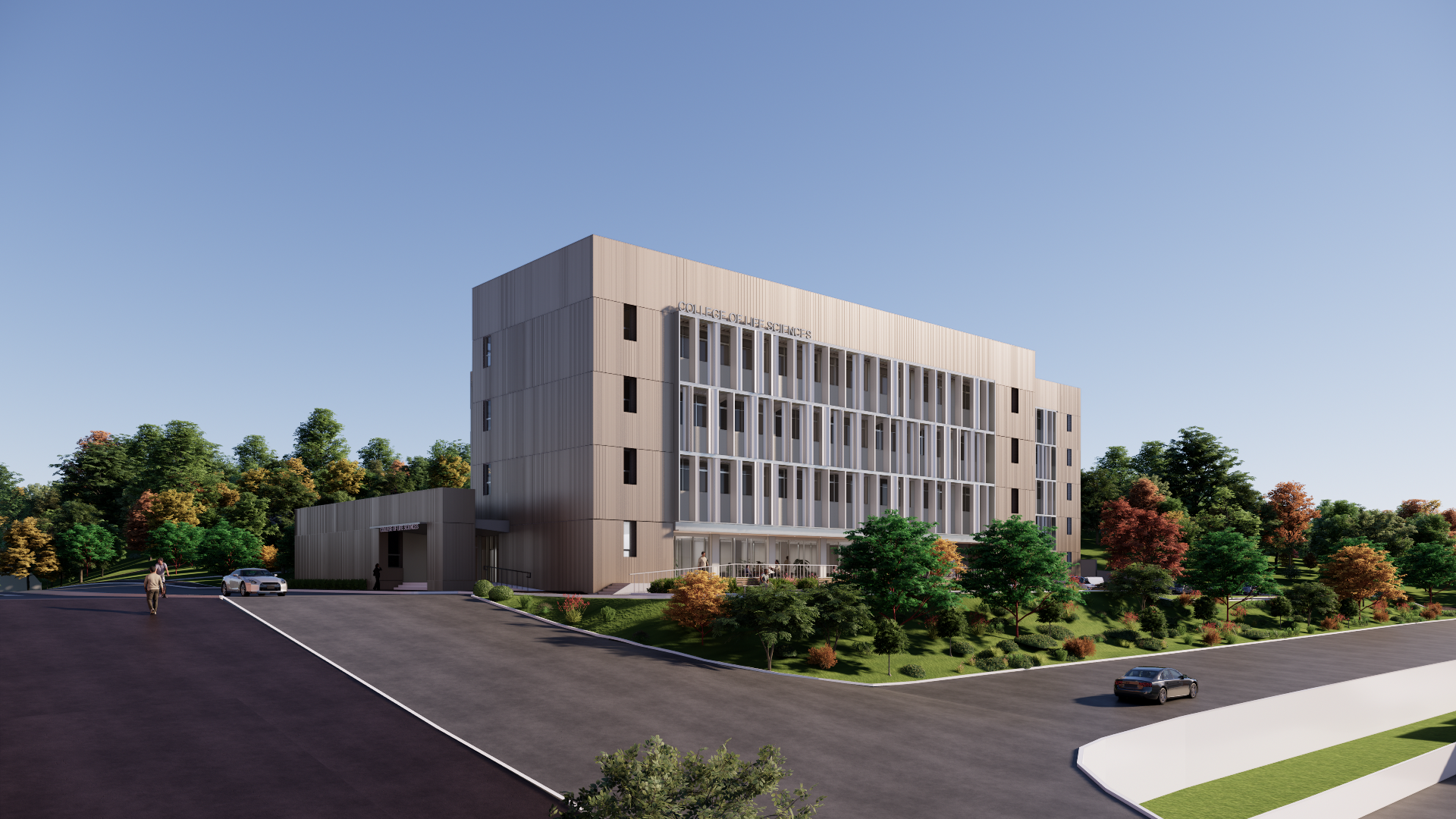
DNA Sequencing
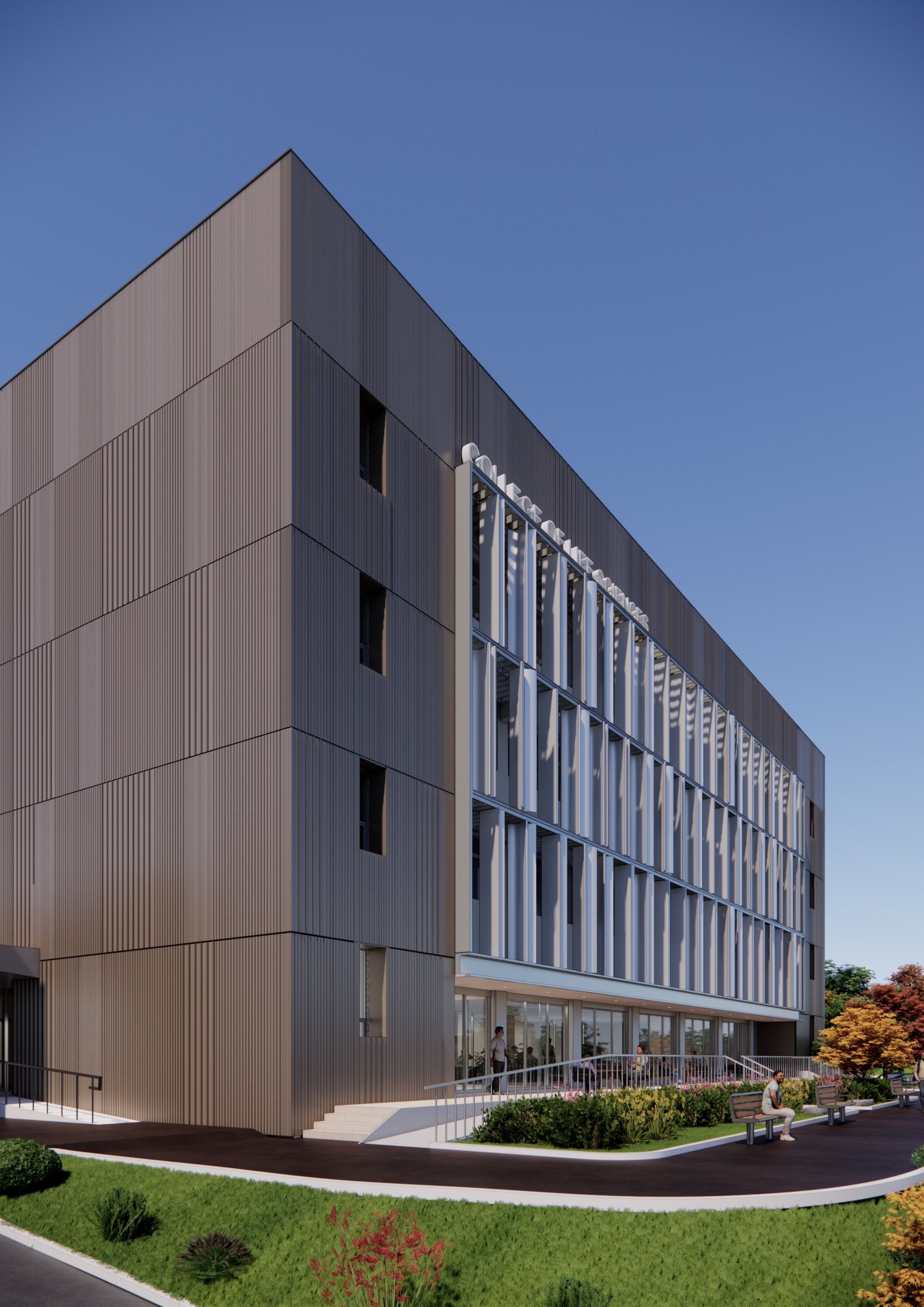
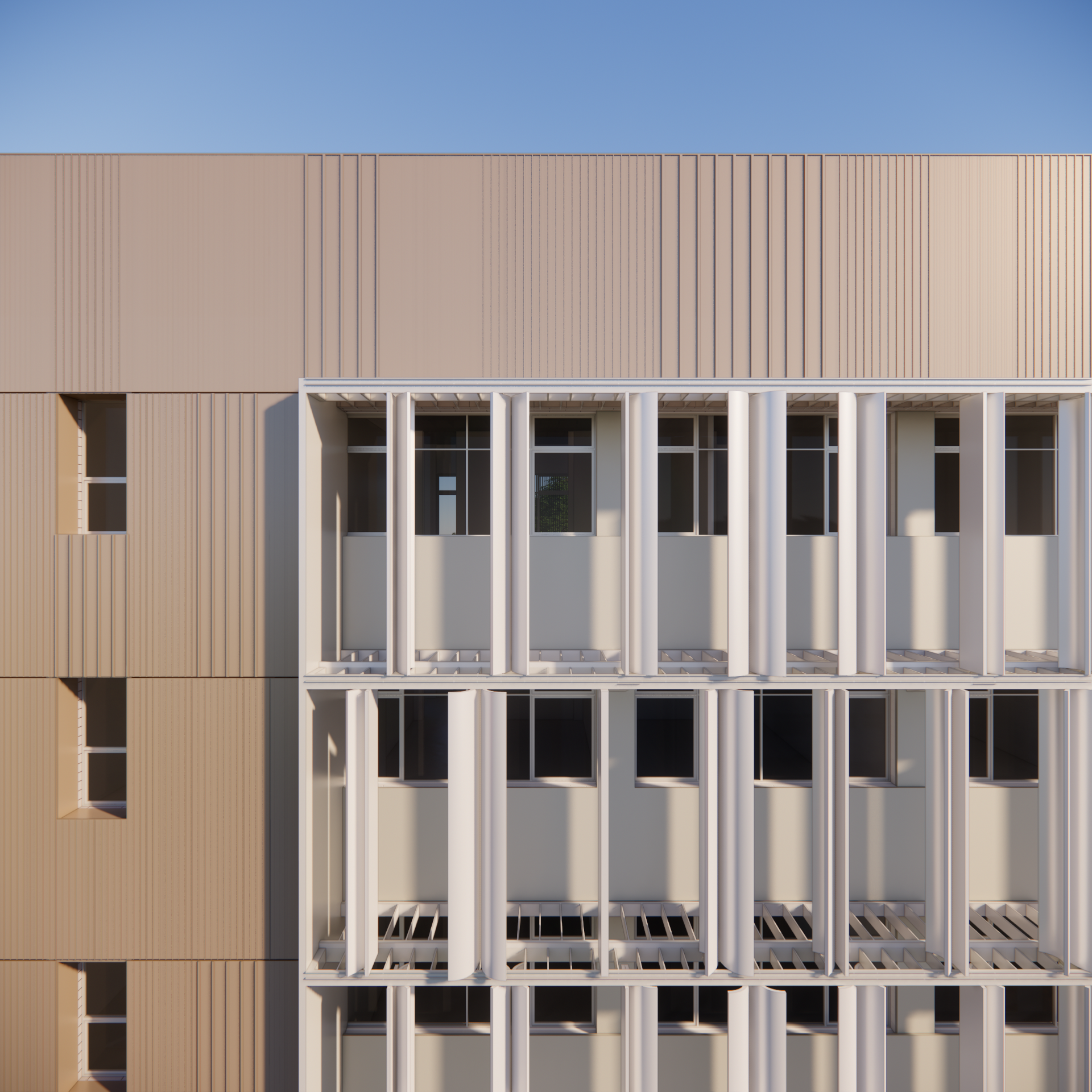
Monolithic
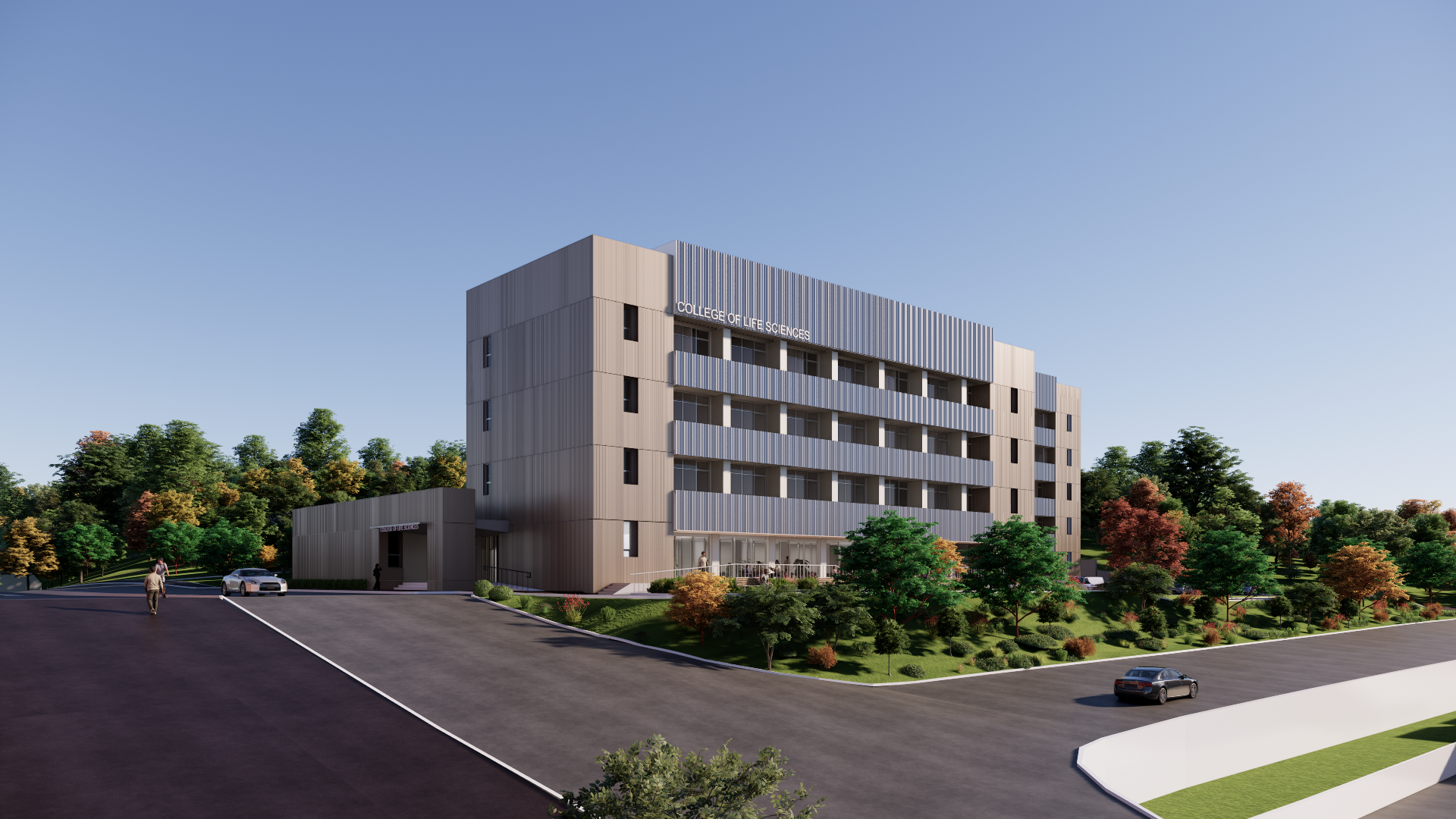
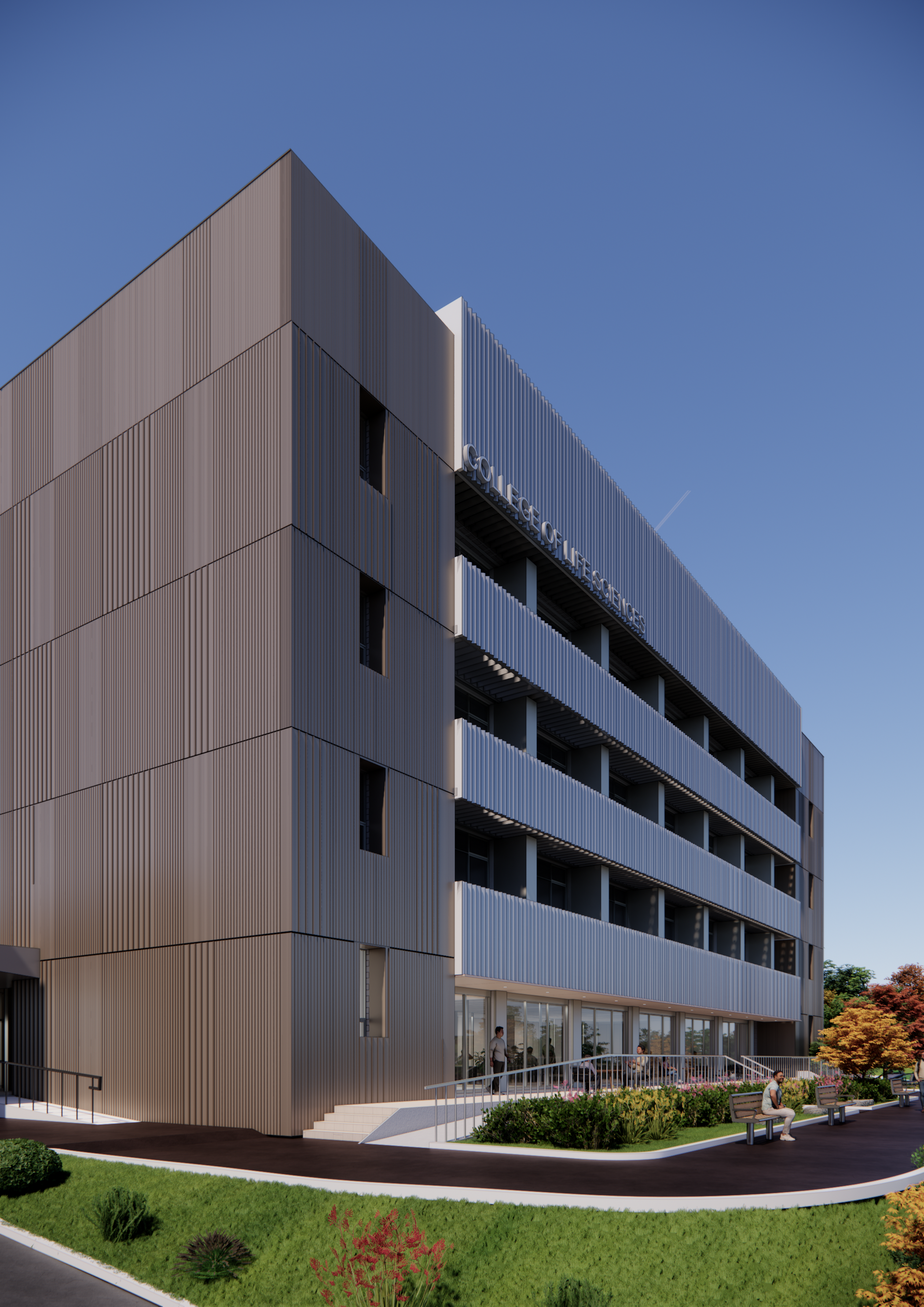
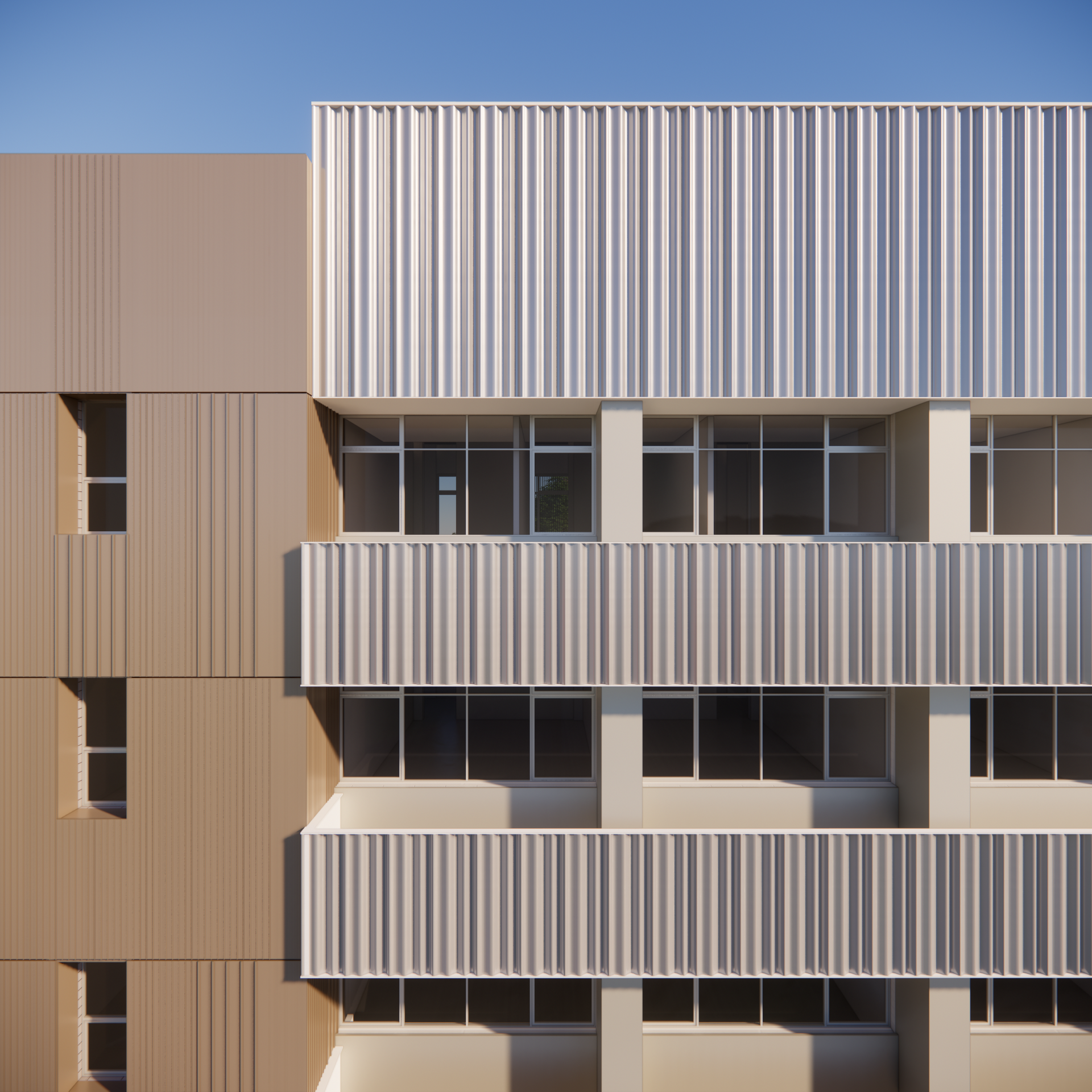
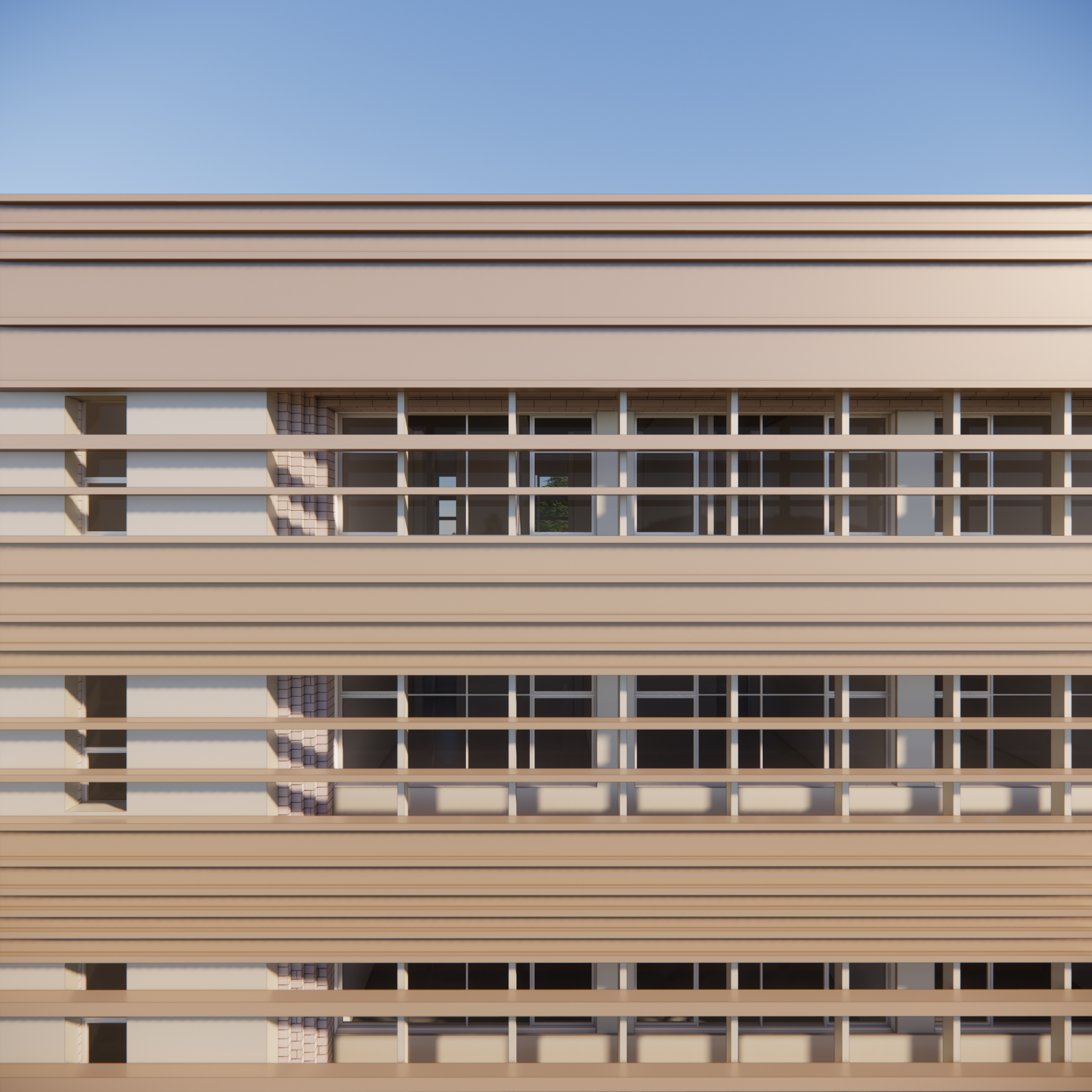
Wrinkled Strips
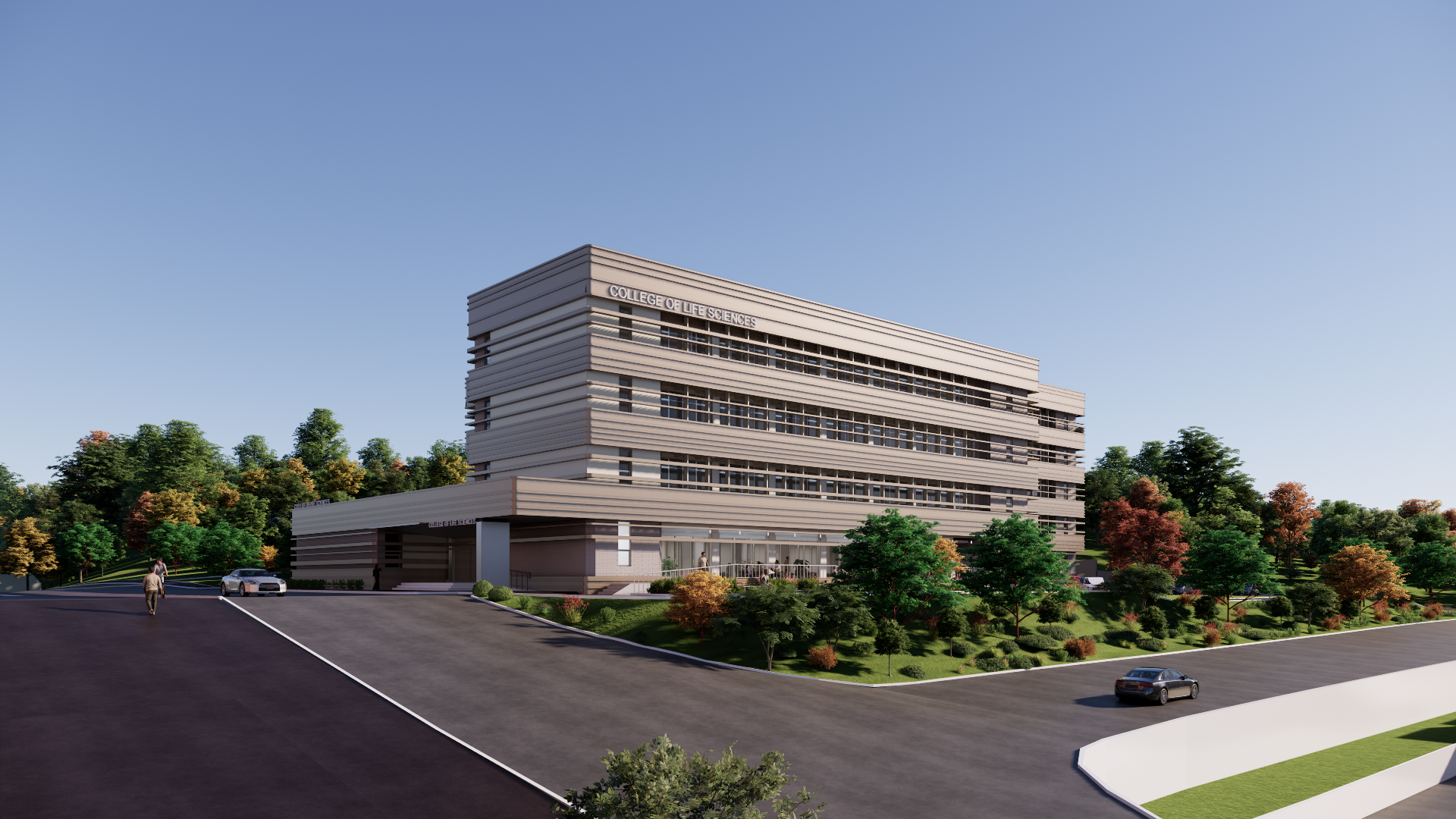
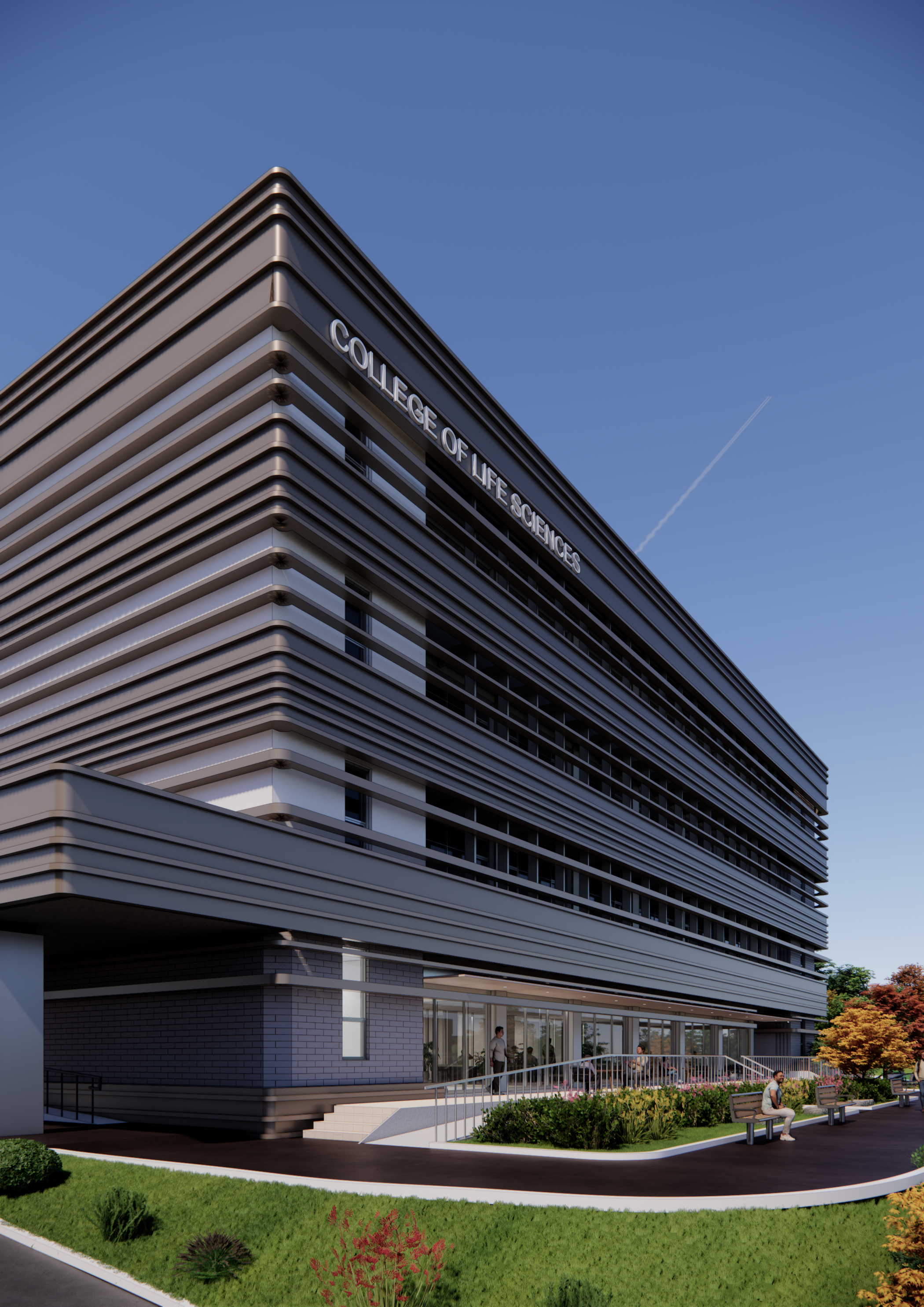
Spatial Renovation
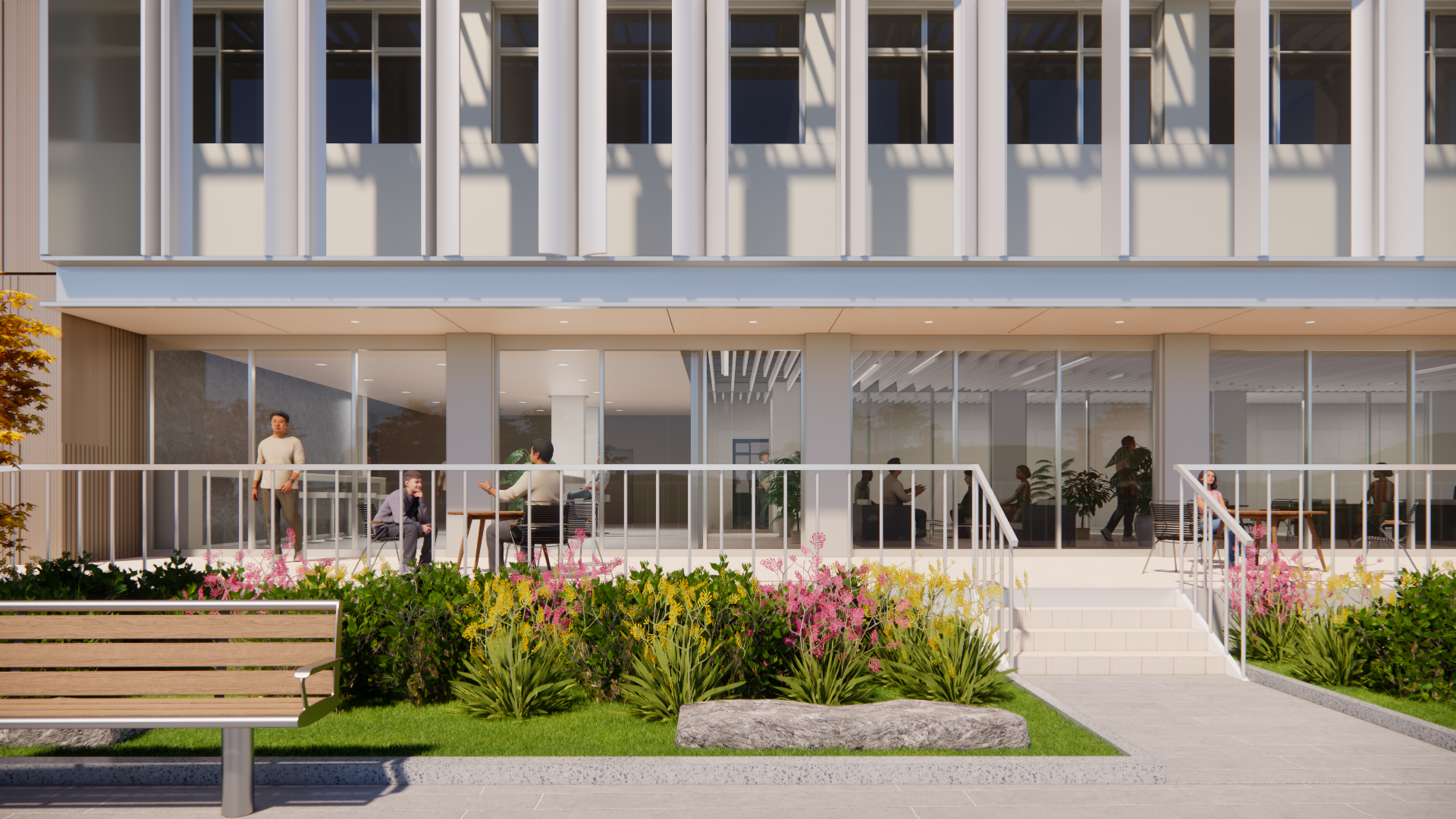
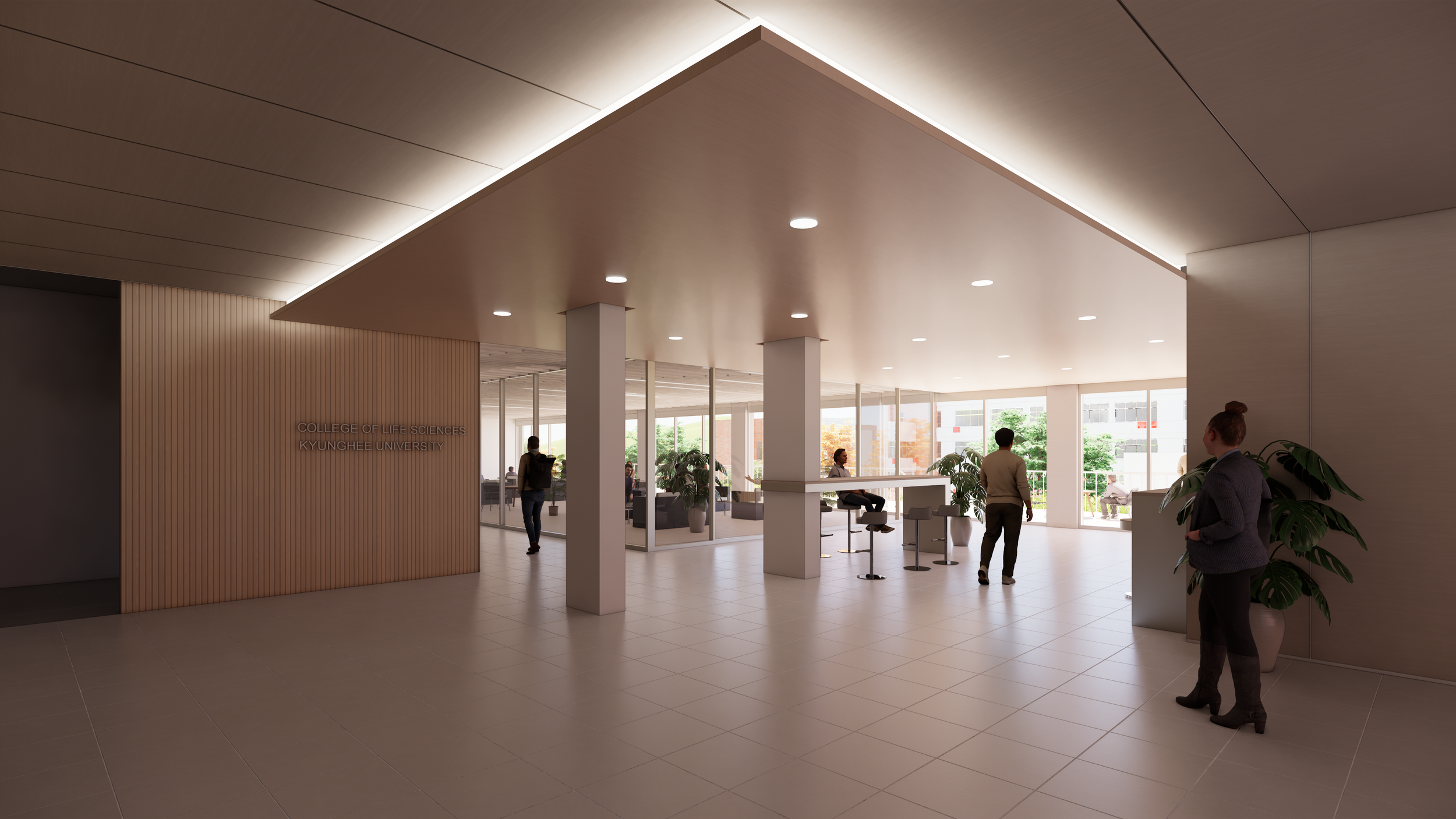
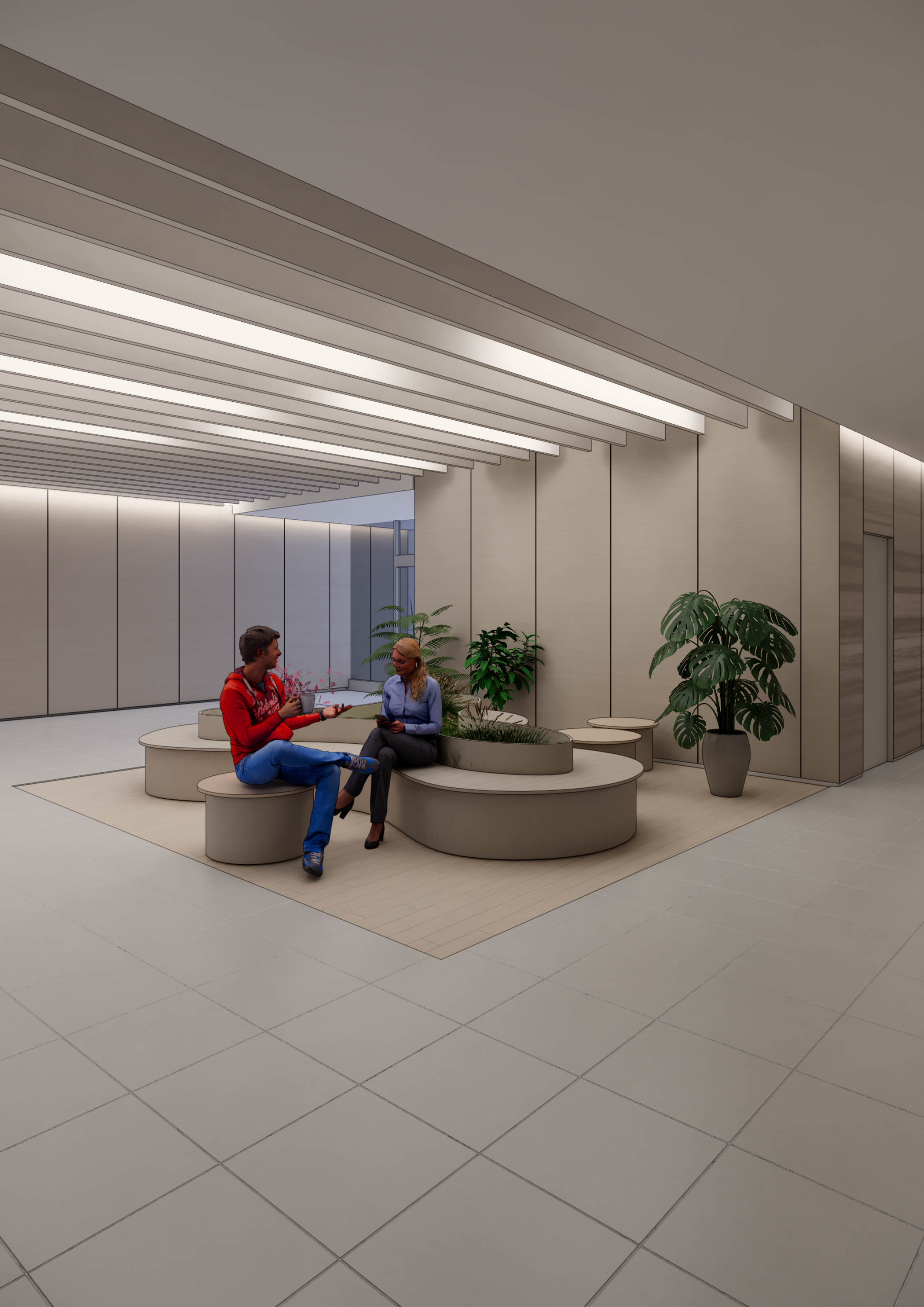
This study proposes a renewal strategy, focusing on resolving the visual and spatial complexity caused by multiple building extensions. The existing building shows façade deterioration, polluted tile surfaces, exposed mechanical equipment, and fragmented entrances and common spaces.
The façade alternatives — DNA Sequencing, Monolithic Layering, and Wrinkled Stripes — are developed from the identity and the building’s accumulated layers of expansion. This proposal emphasizes symbolic façade expression based on biological imagery, the reorganization of scattered entrances, the reconnection of pedestrian routes, and the transformation of inefficient shared areas into lounges, open labs, and a rooftop garden for rest and exchange.
Year: 2025
Location : Yongin, Korea
Status : Design Proposal
Type : Institution, Renovation
Principal in Charge :
Seojoo Lee, Hyojung Kim (I.f), Dongil Kim (I.f CDL)
Design Team : Isaac Kang (I.f CDL)