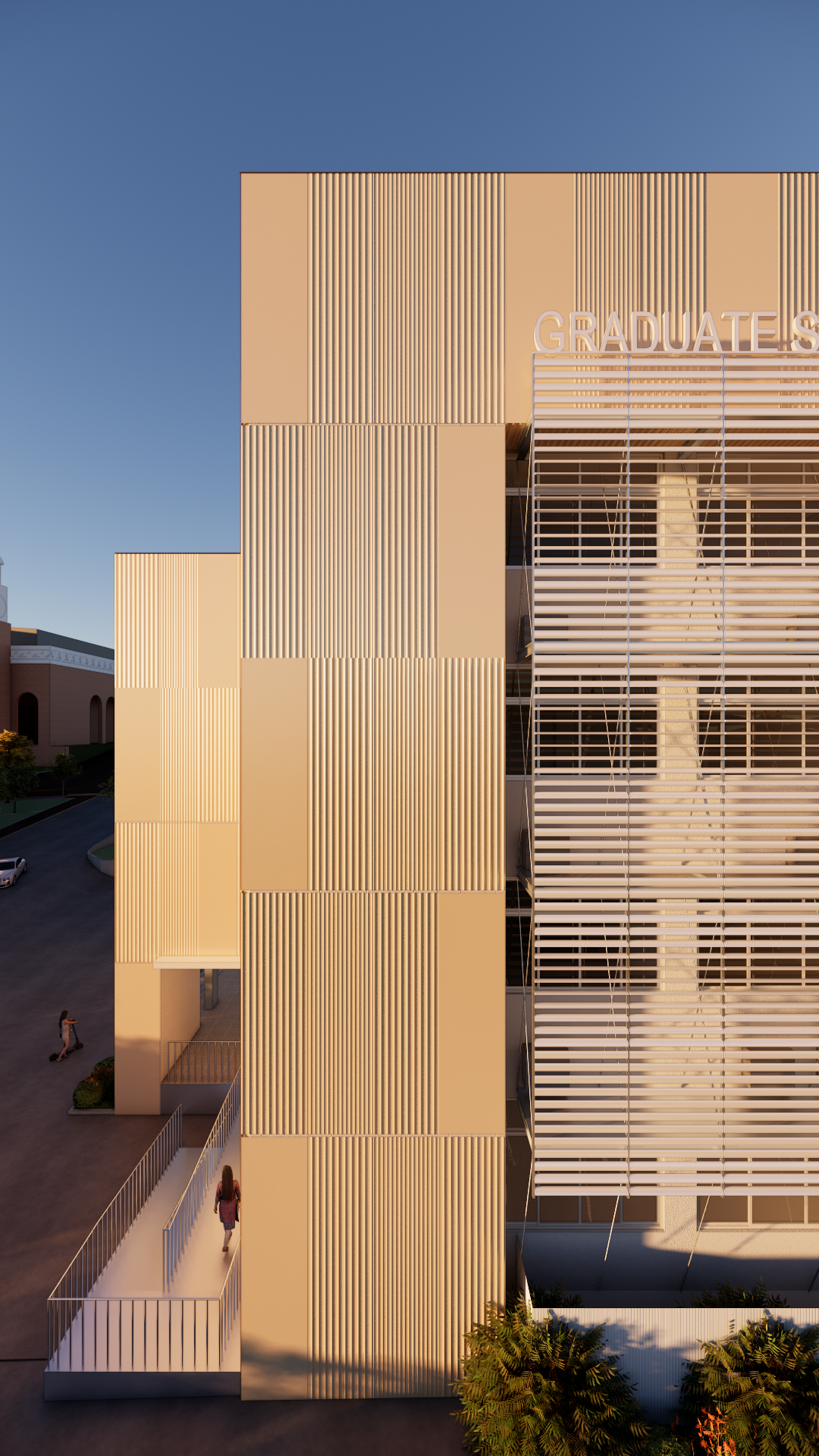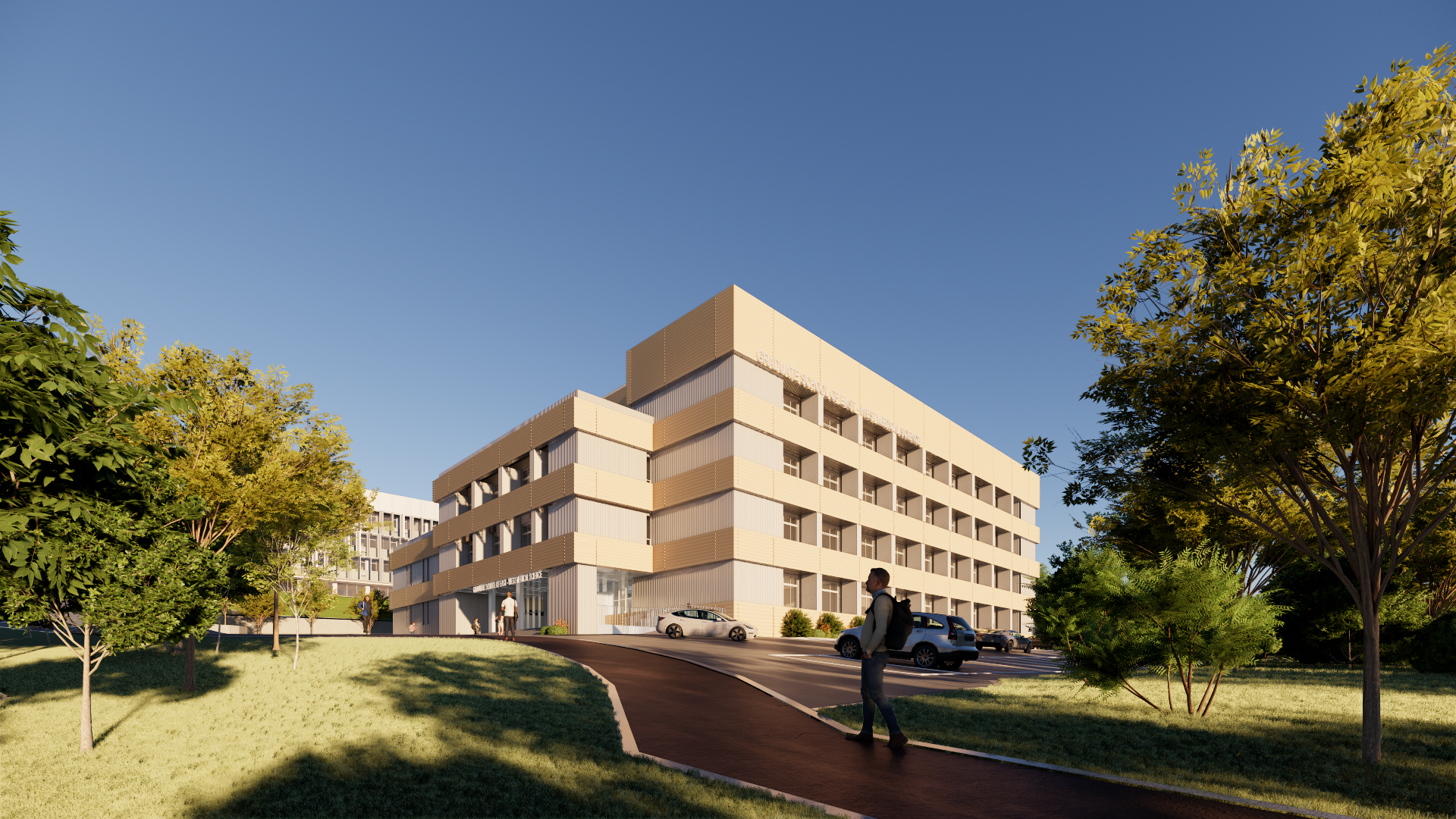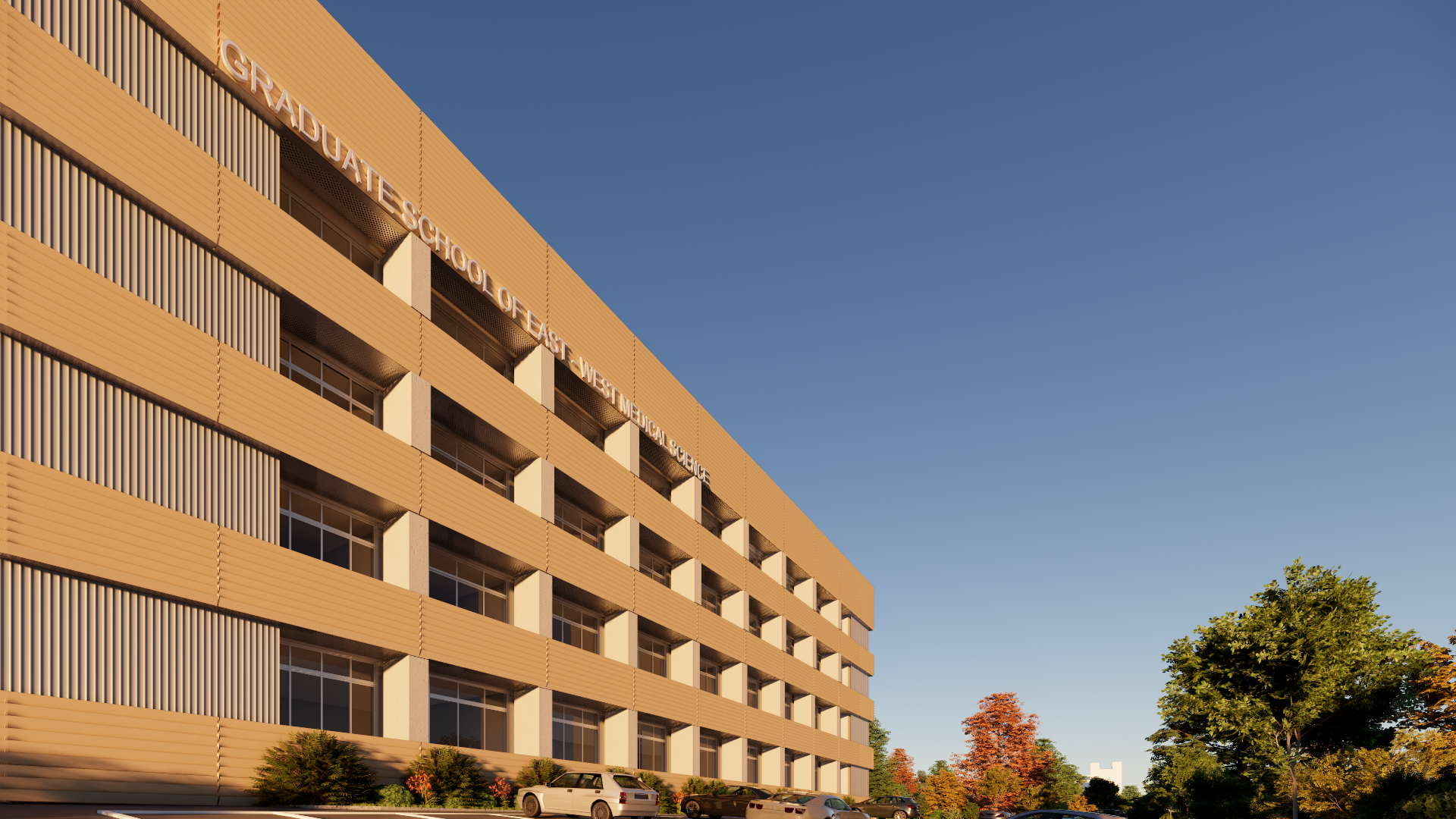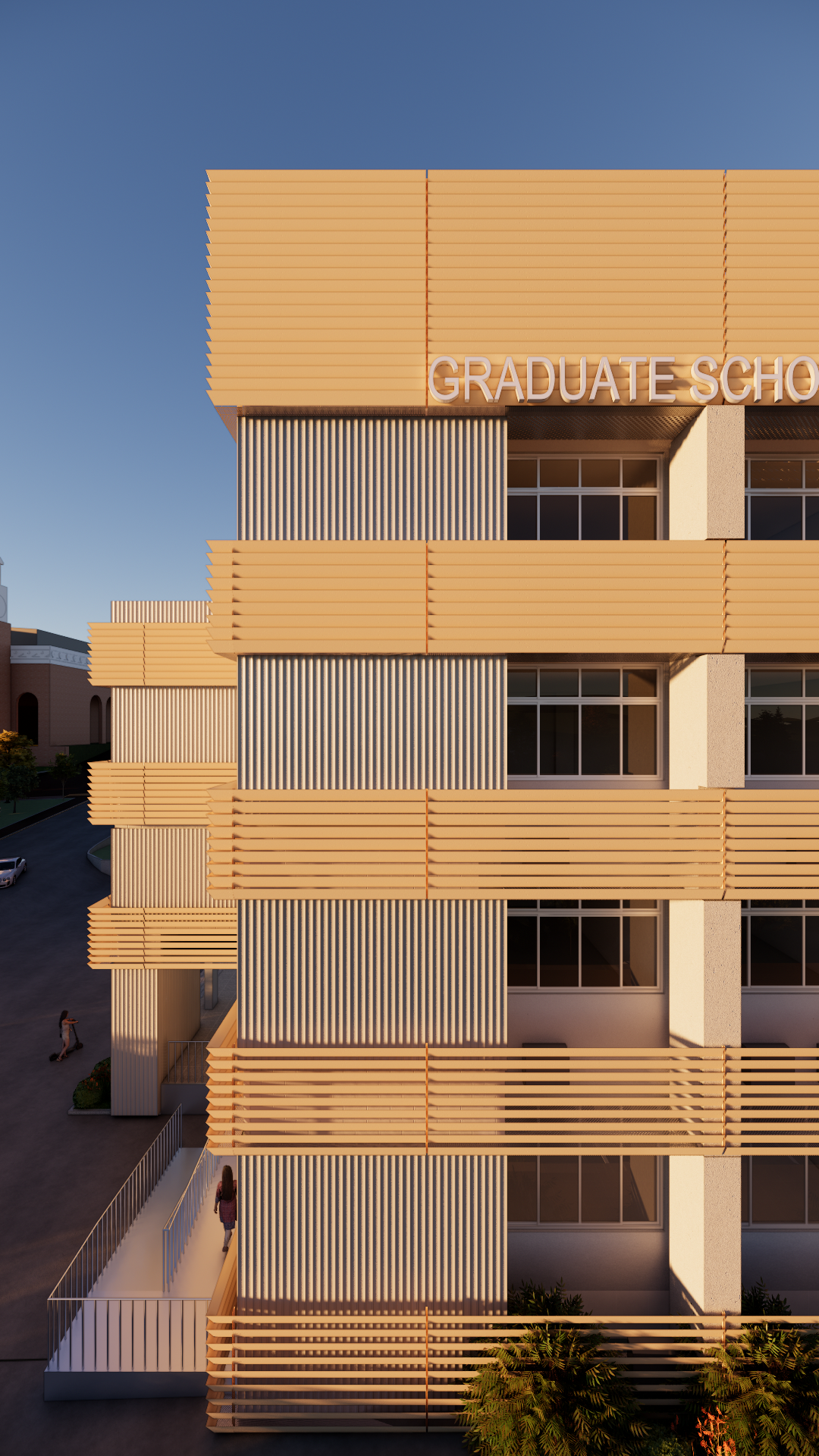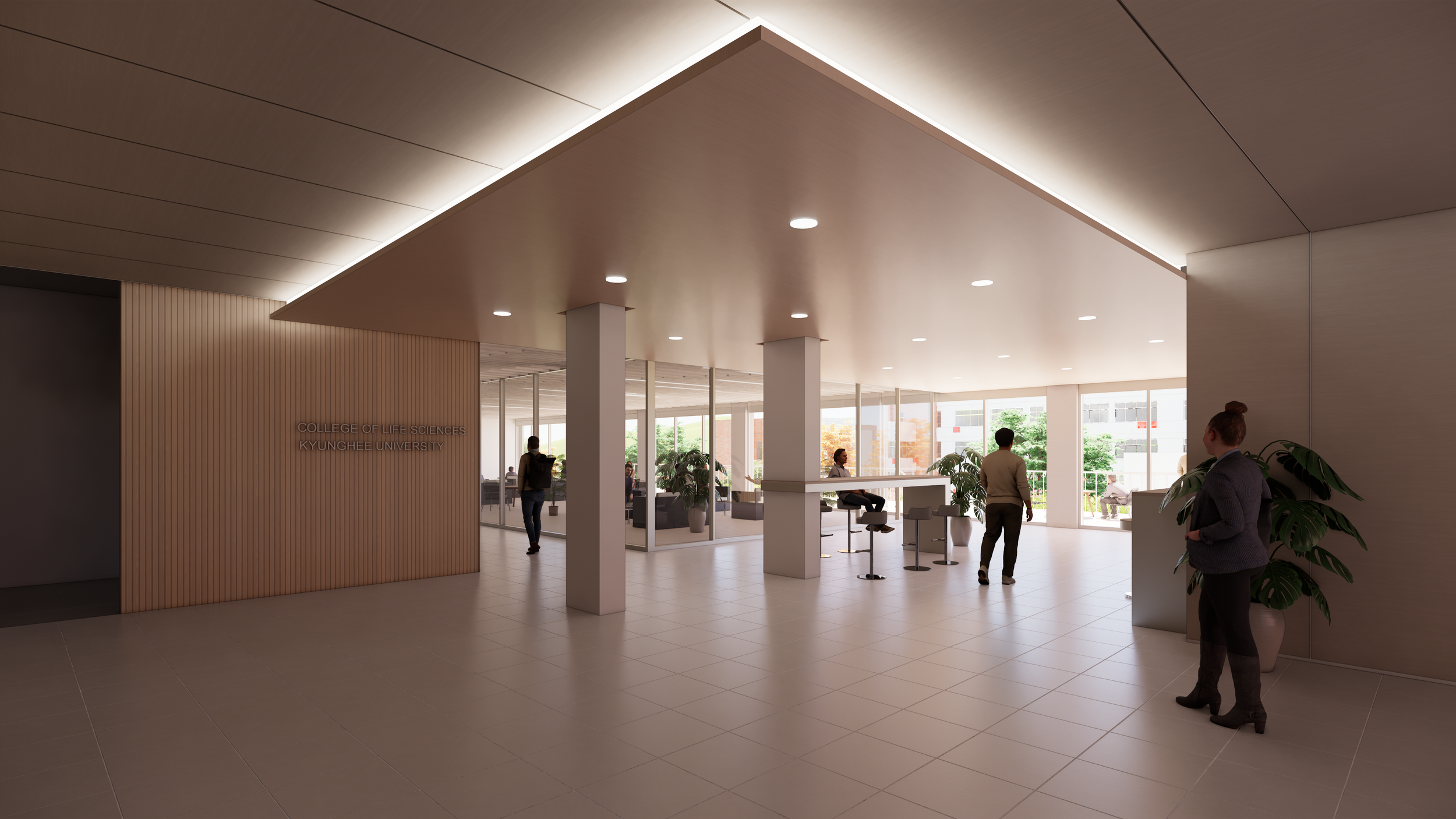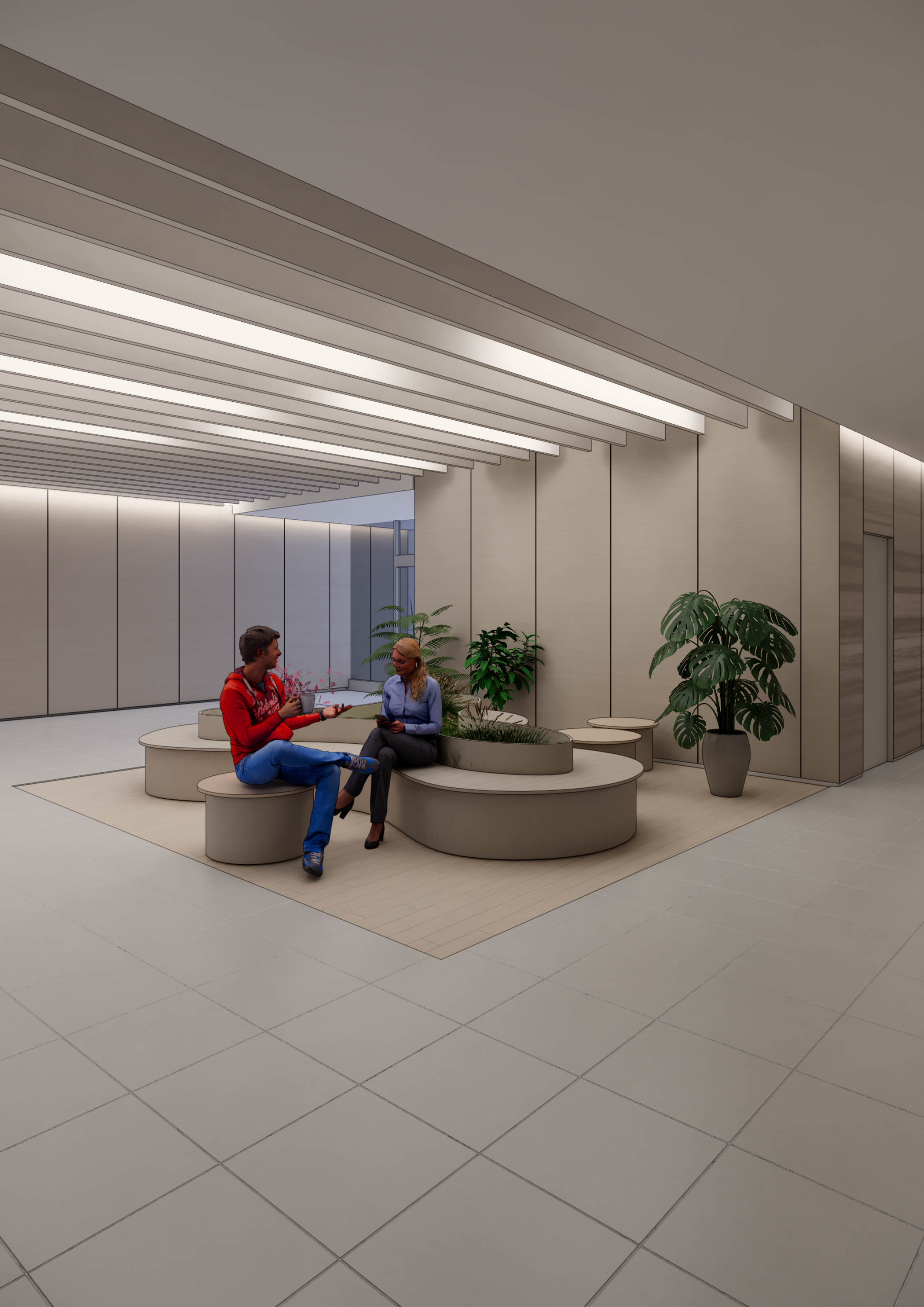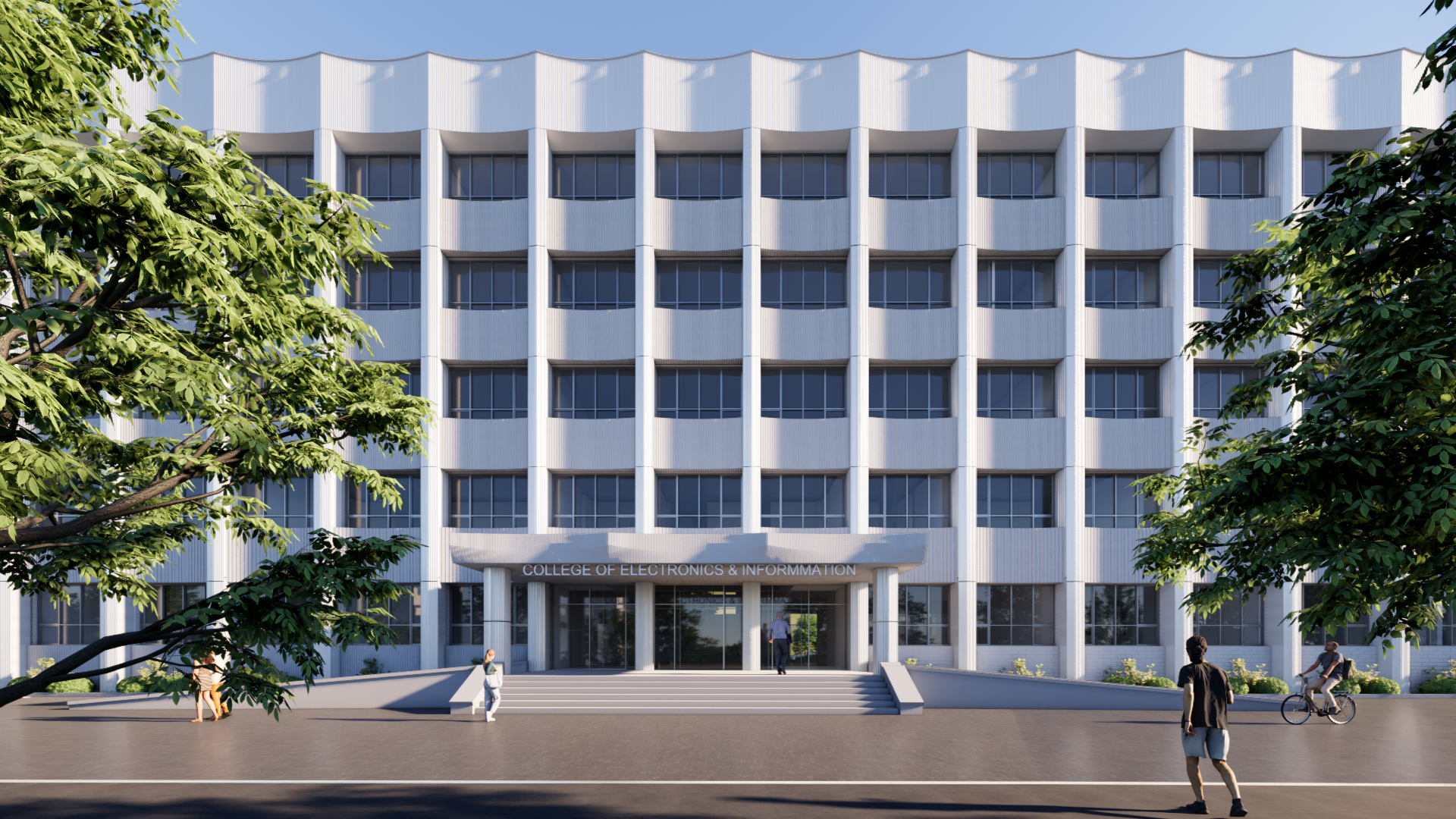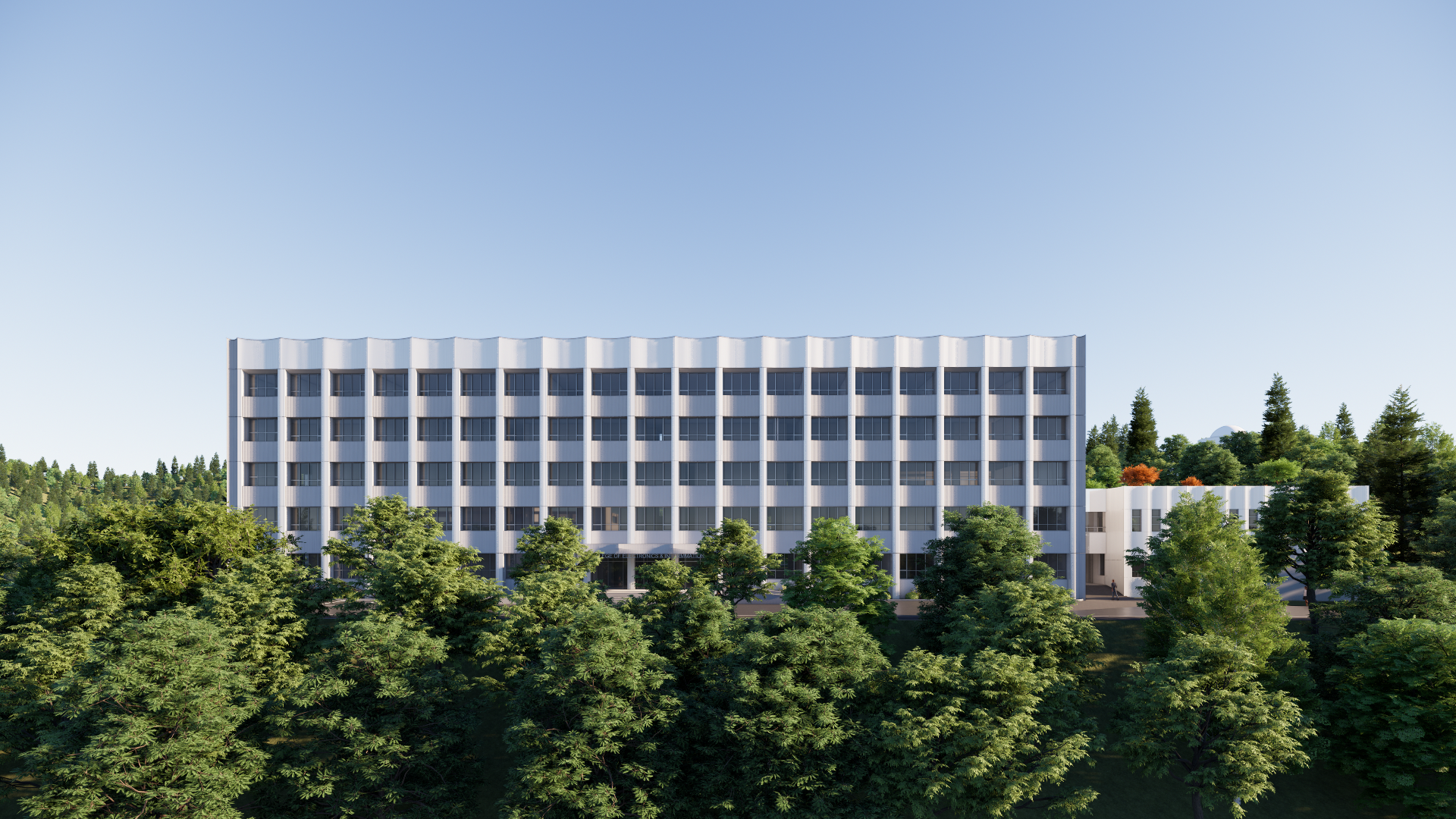
K Univ. Engineering Annex

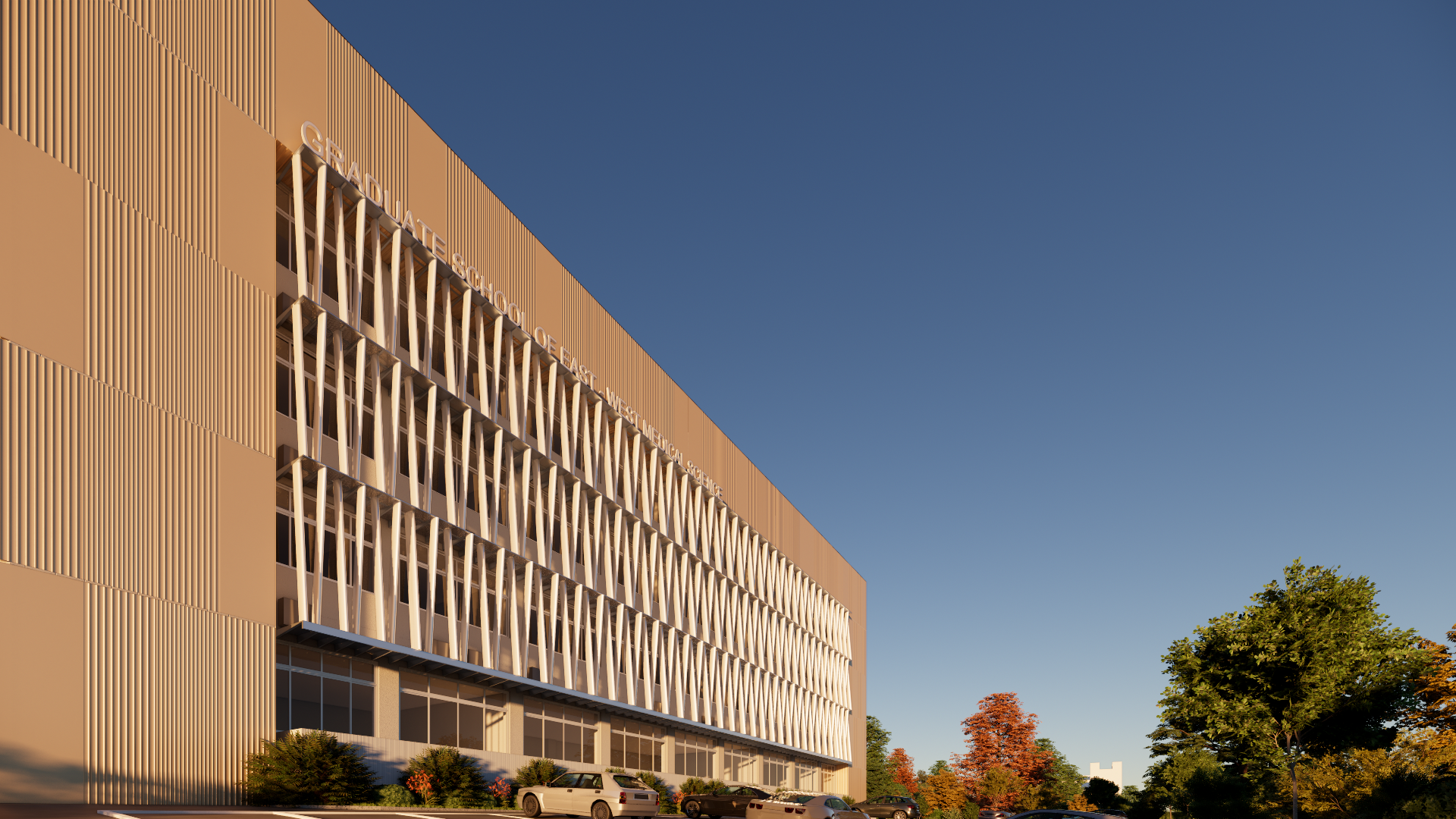
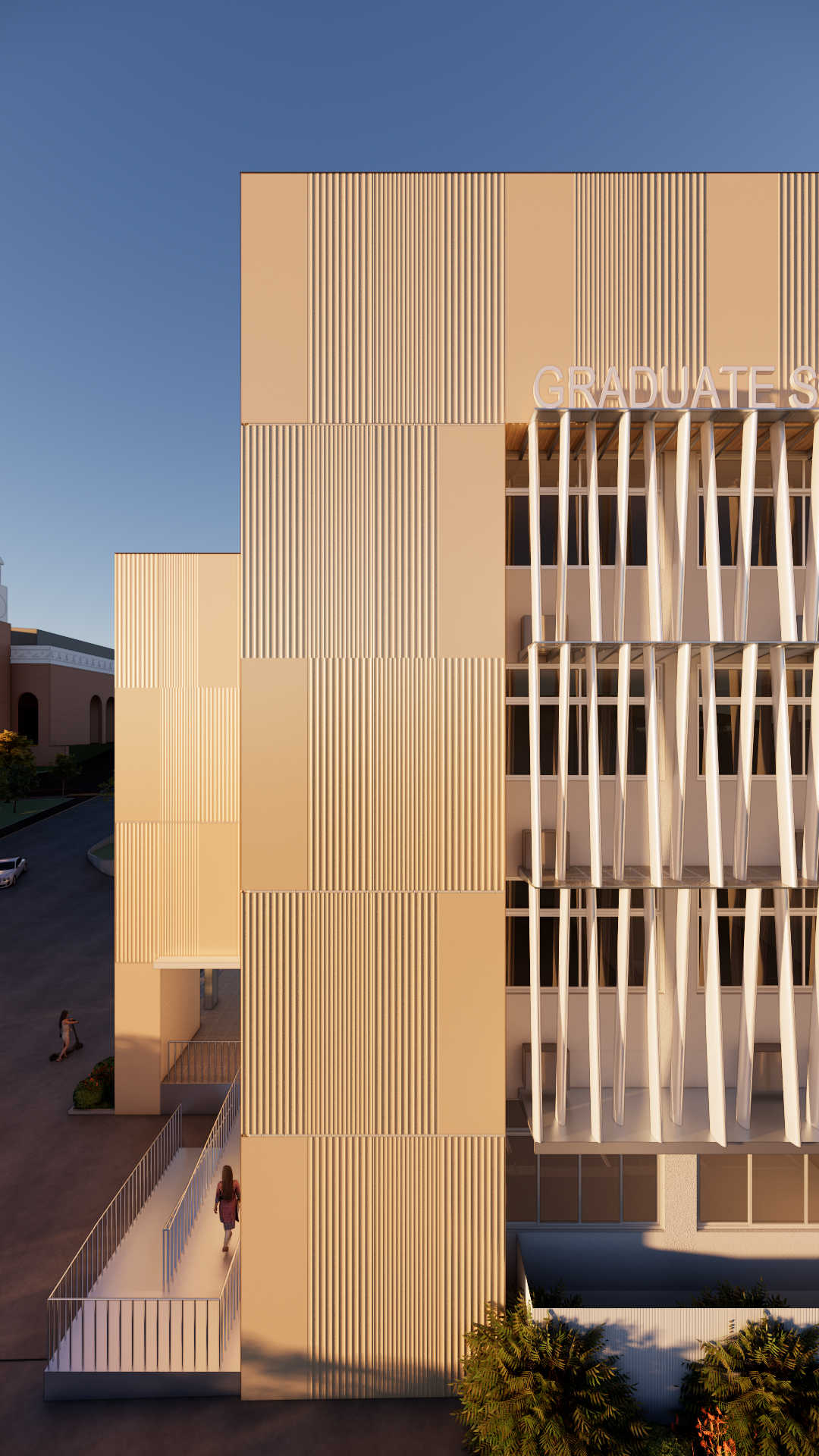
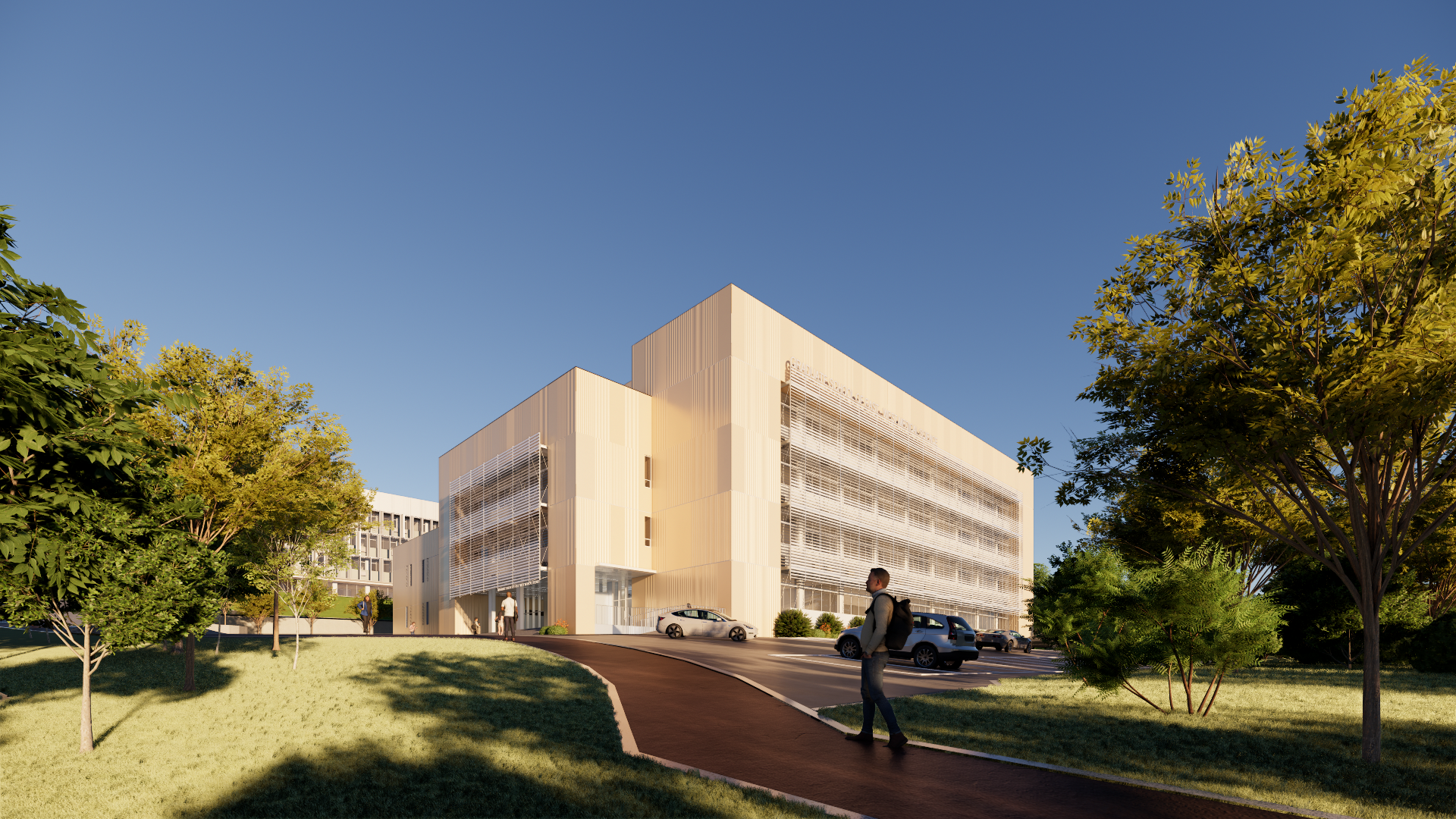
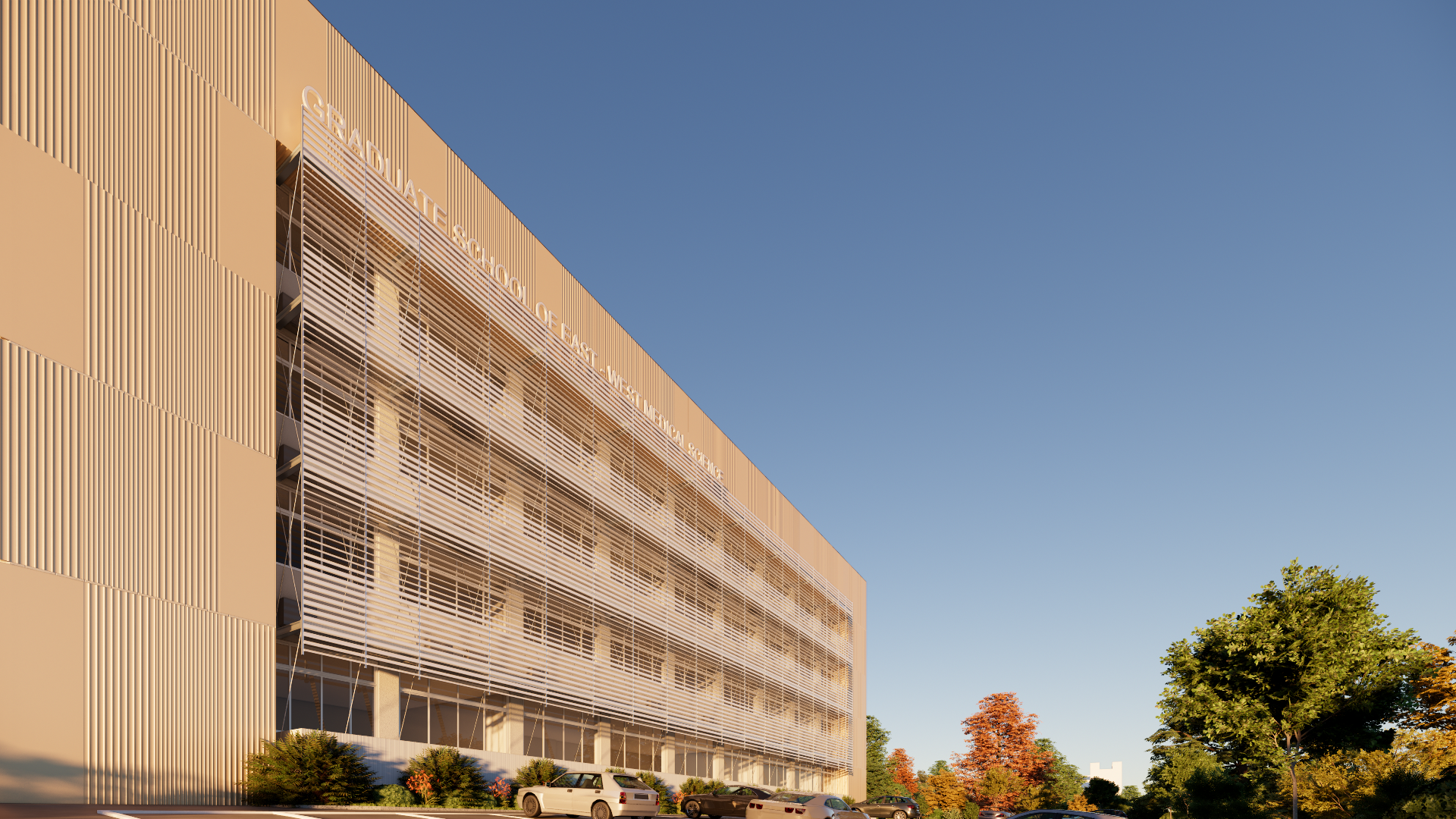
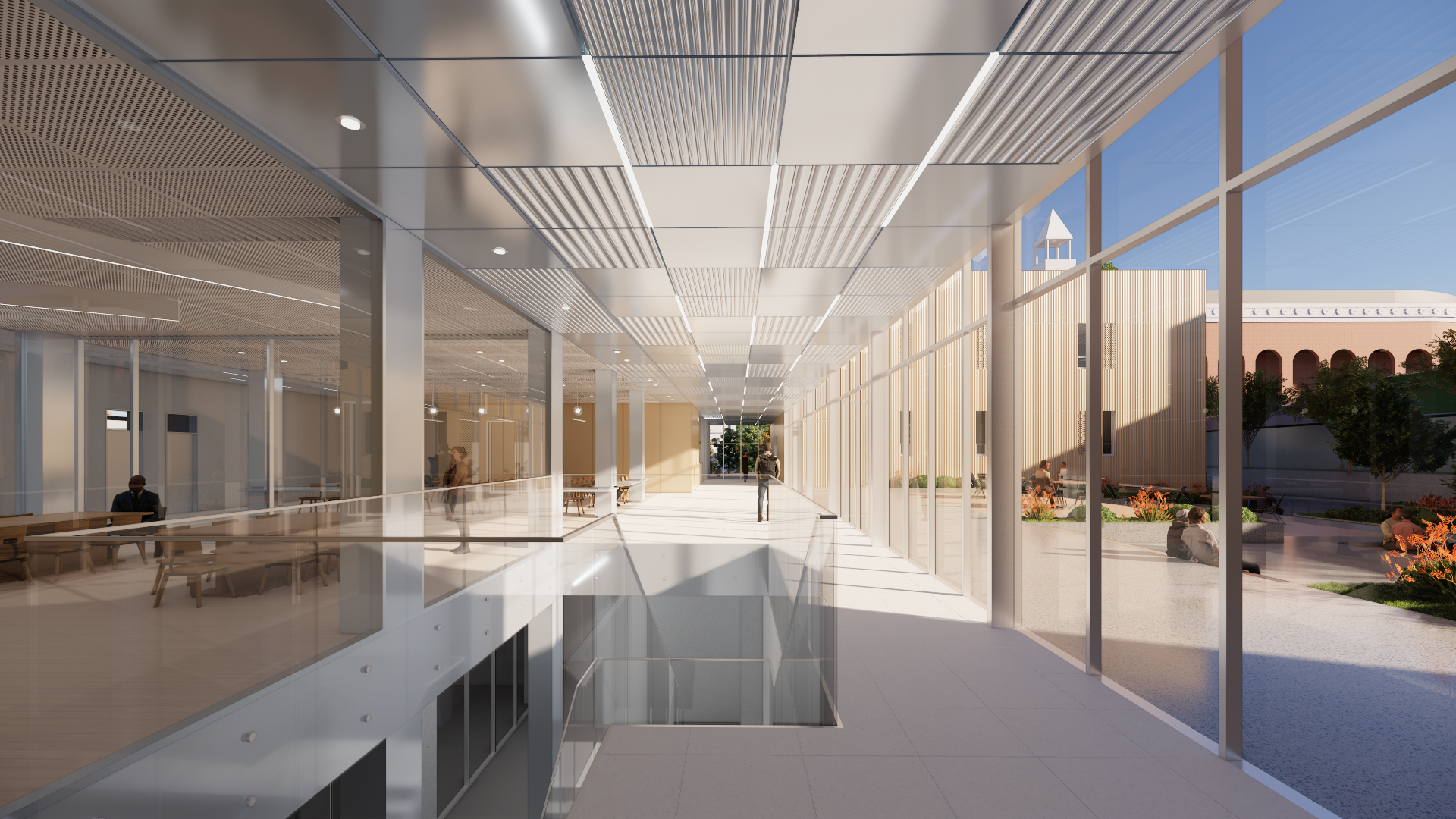
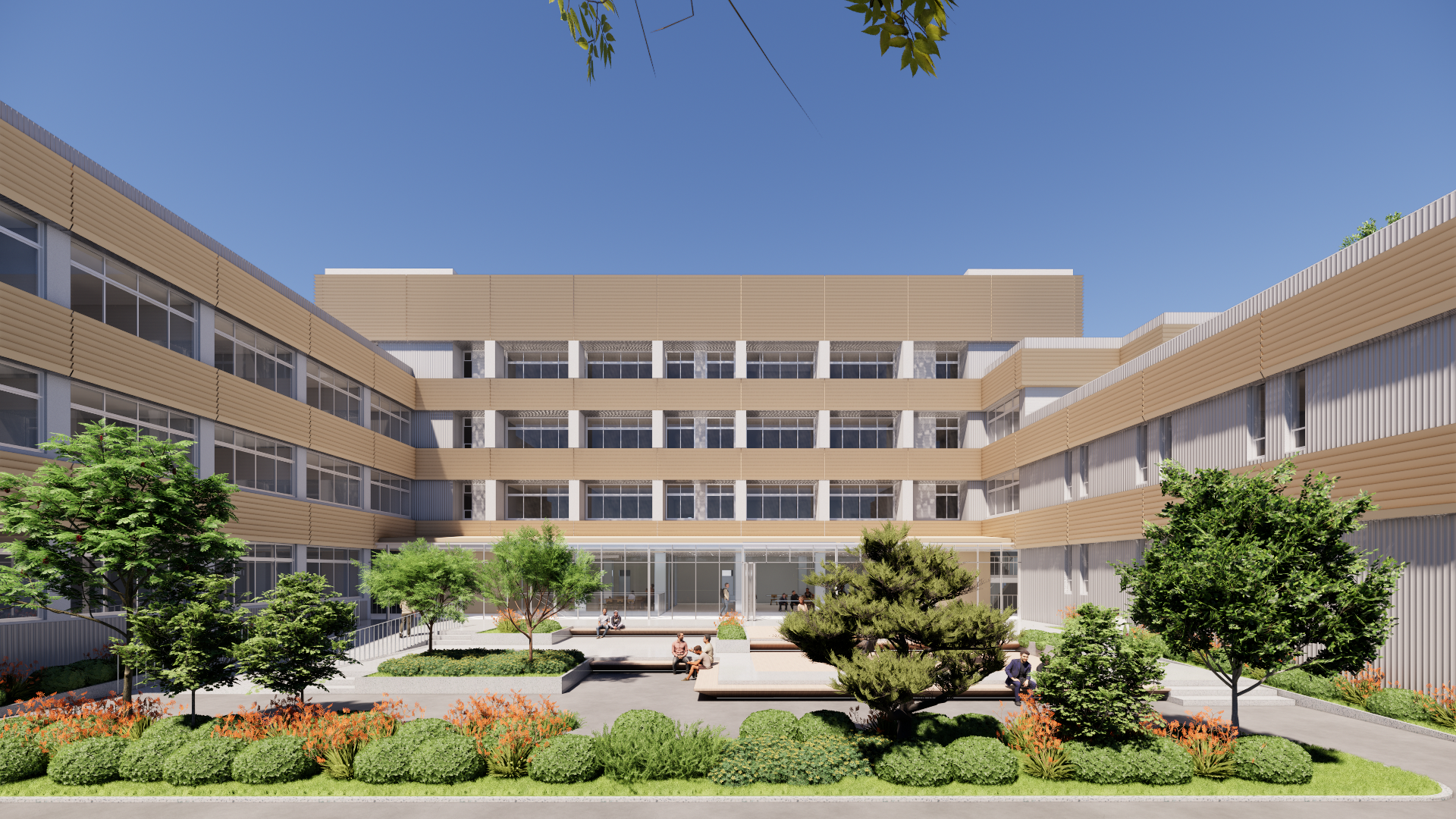
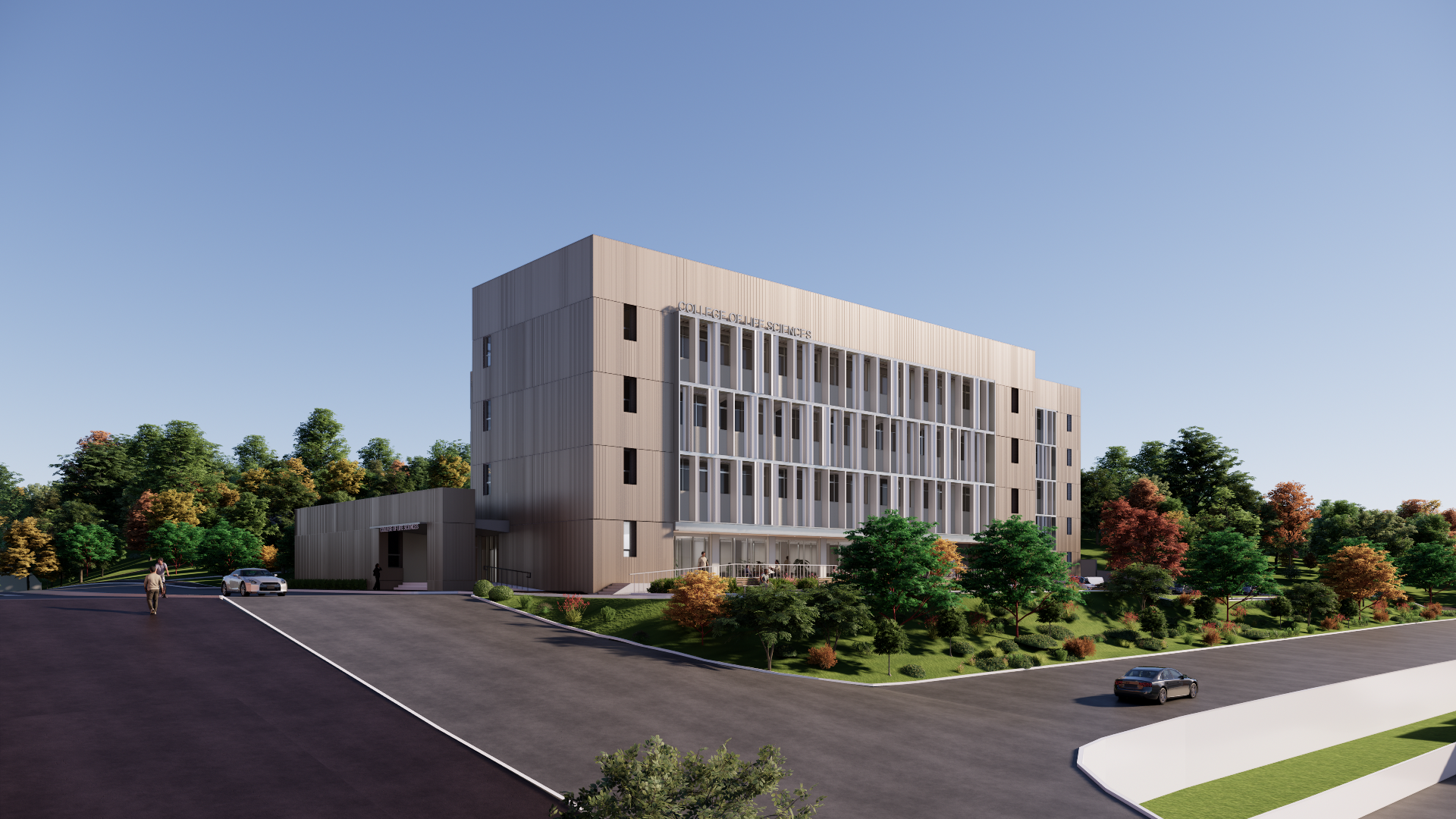
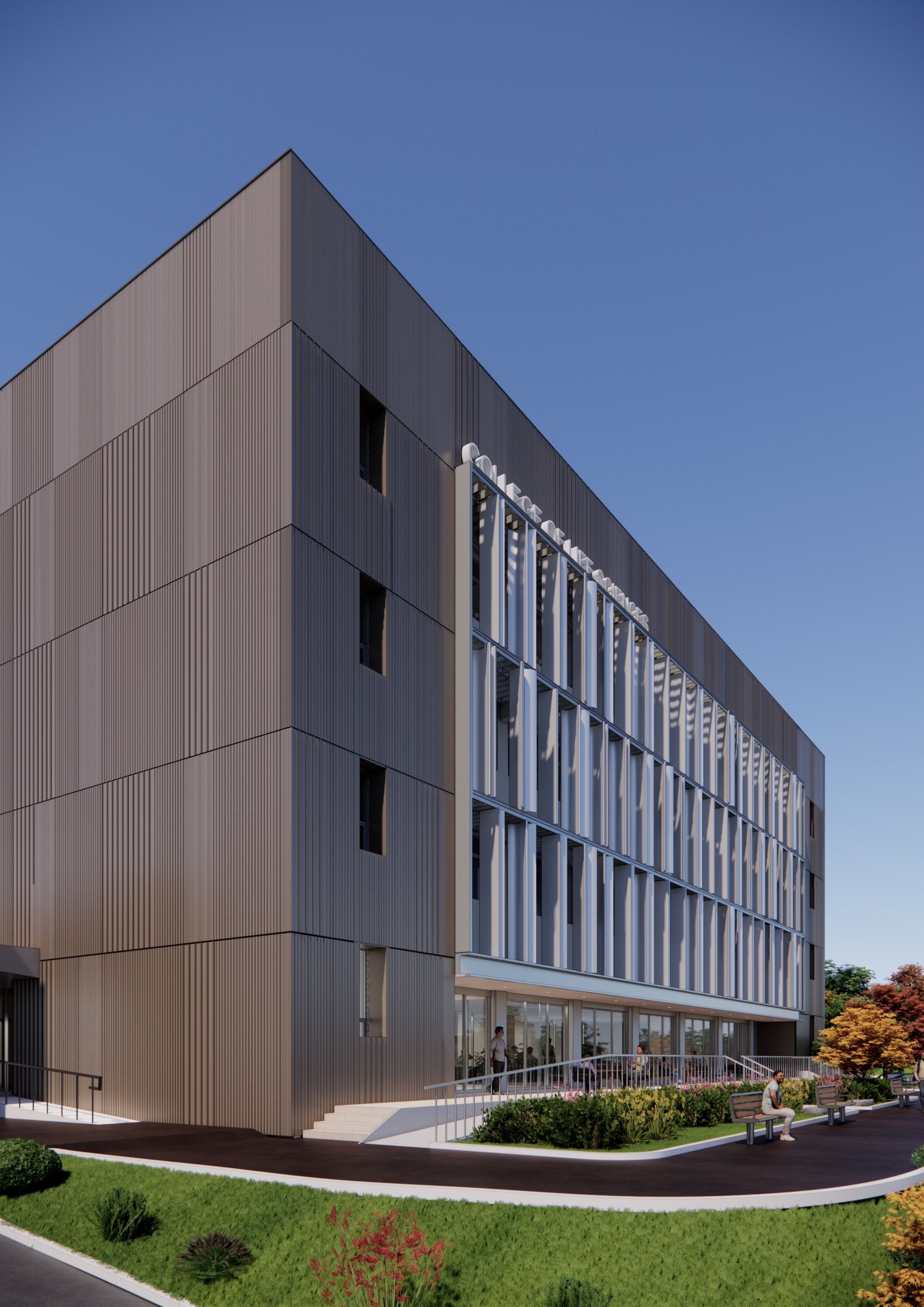
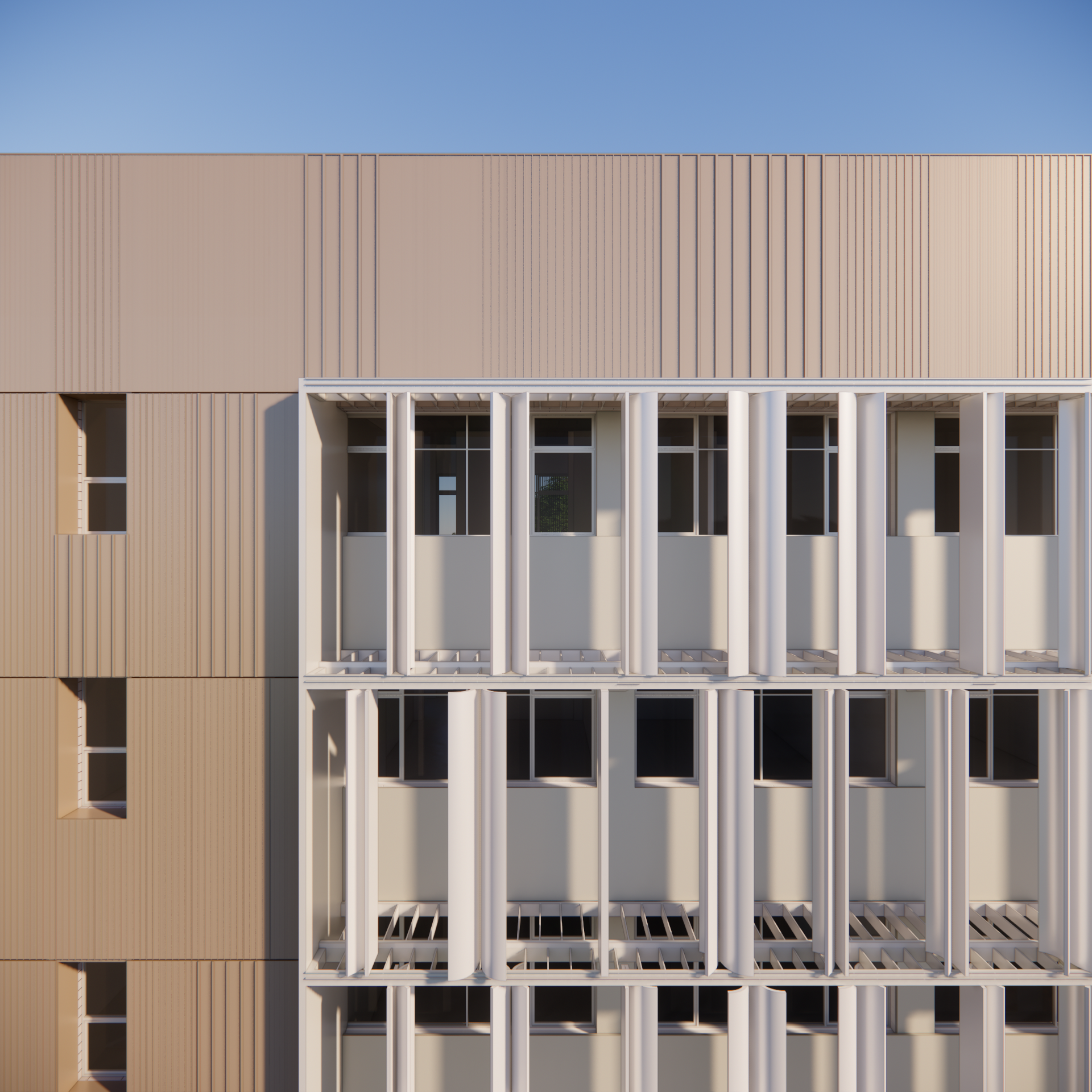
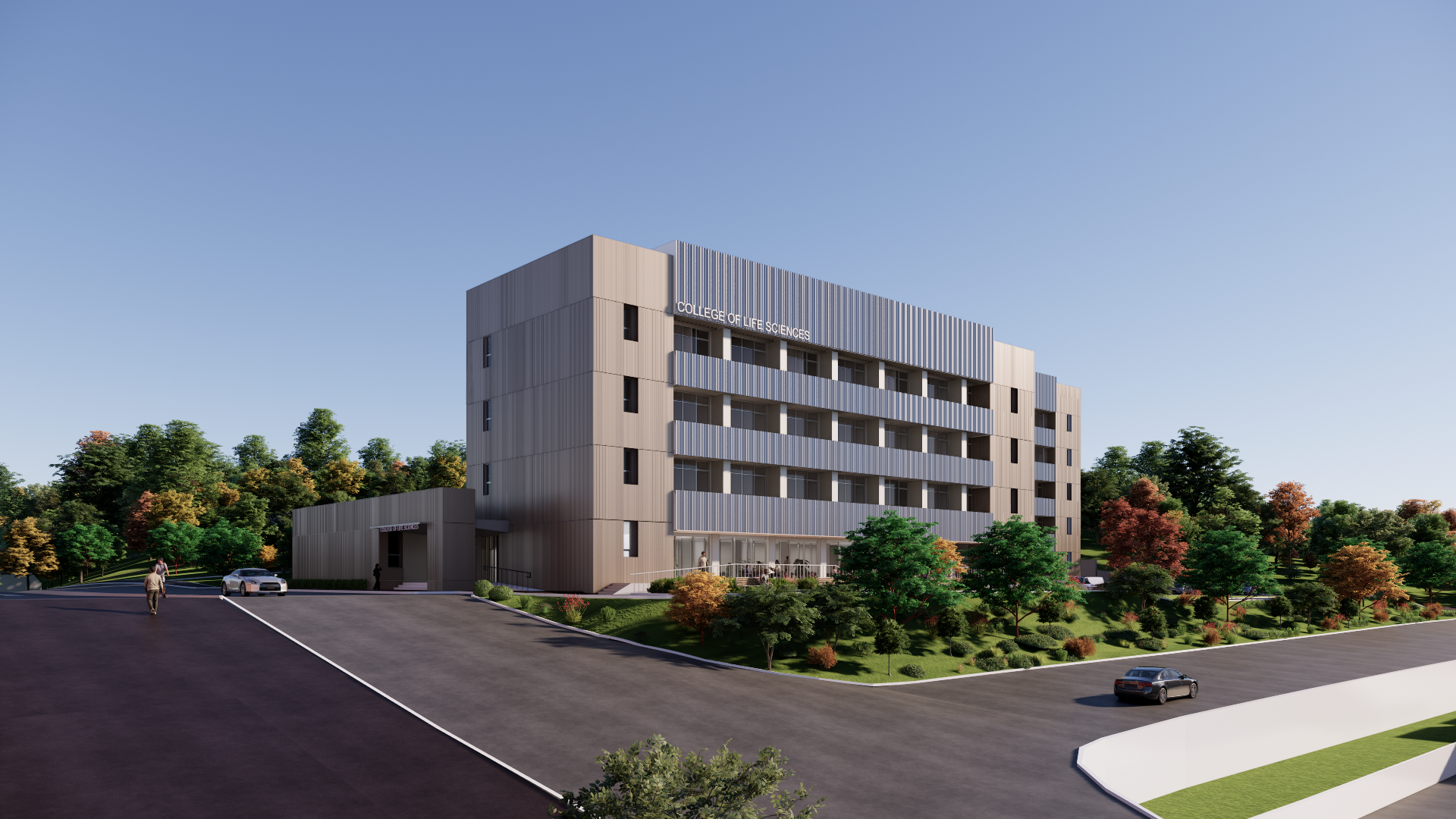
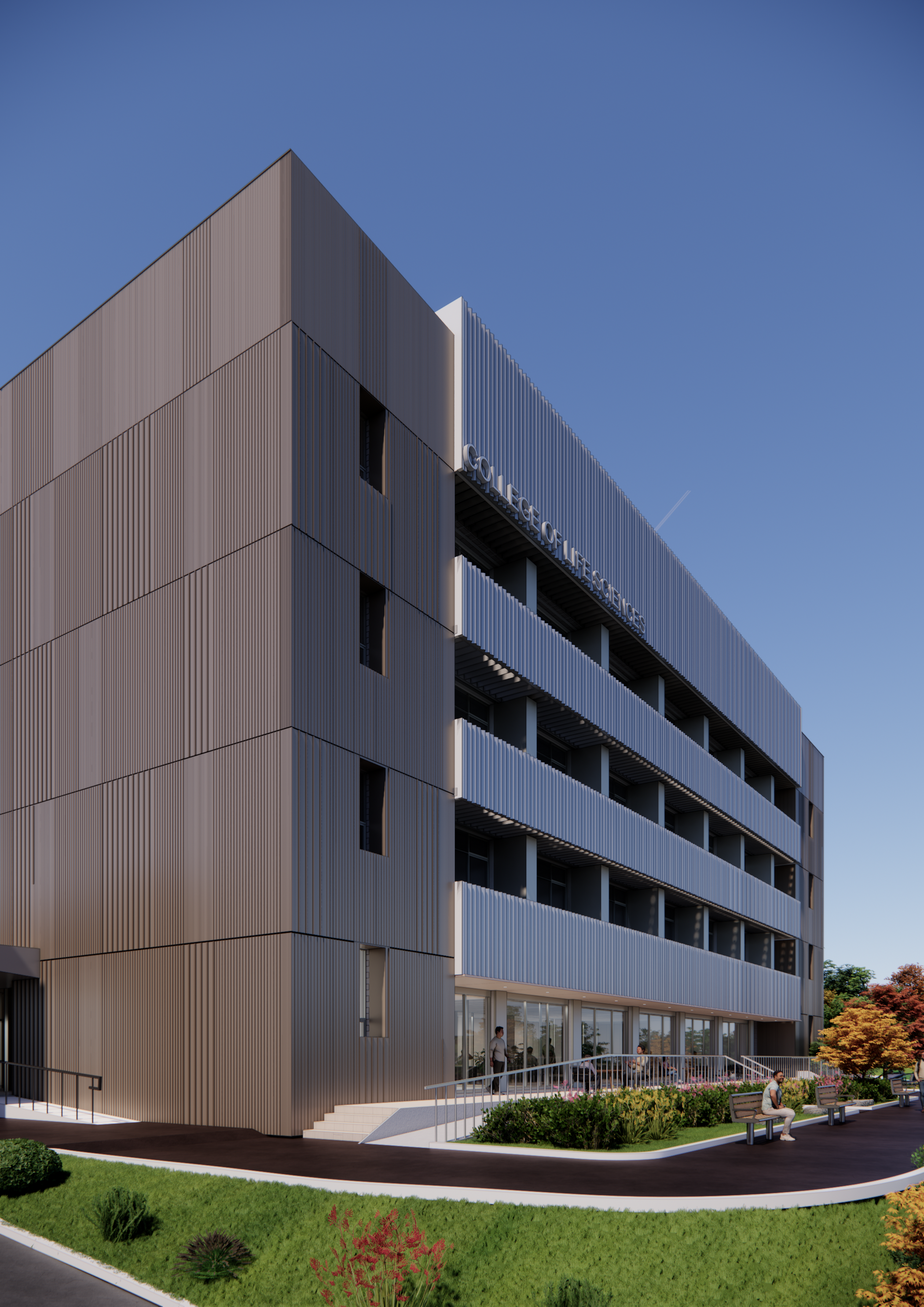
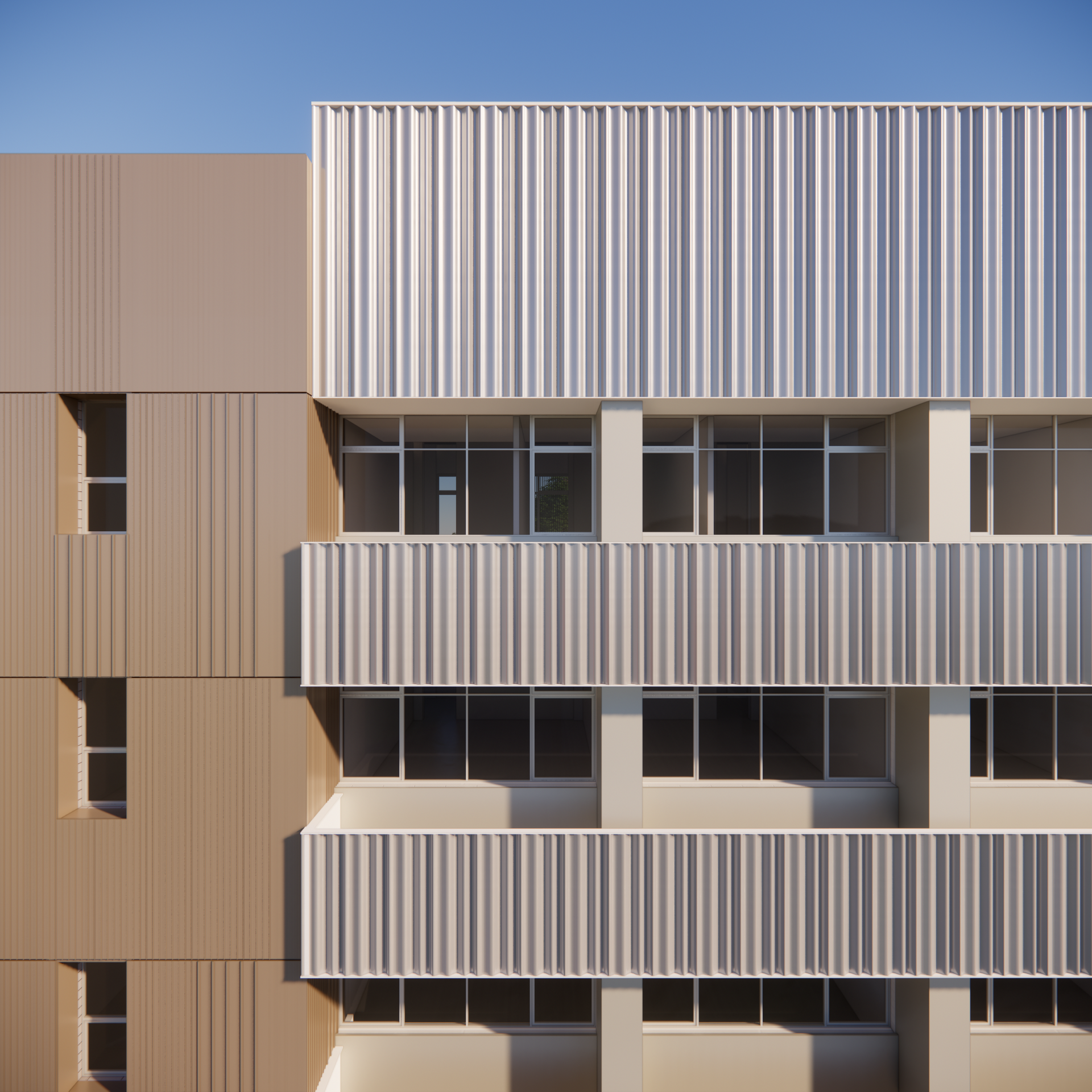
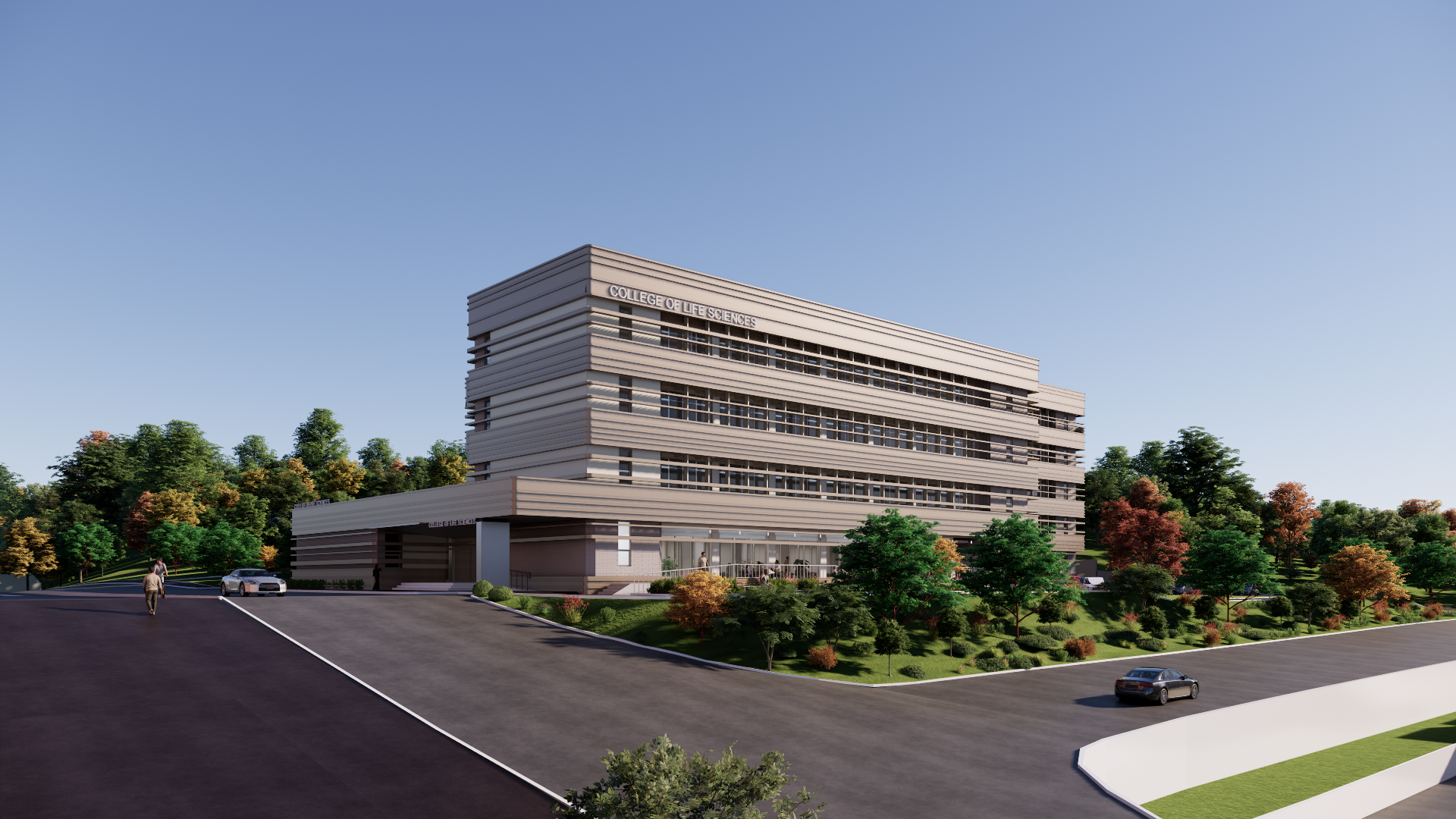
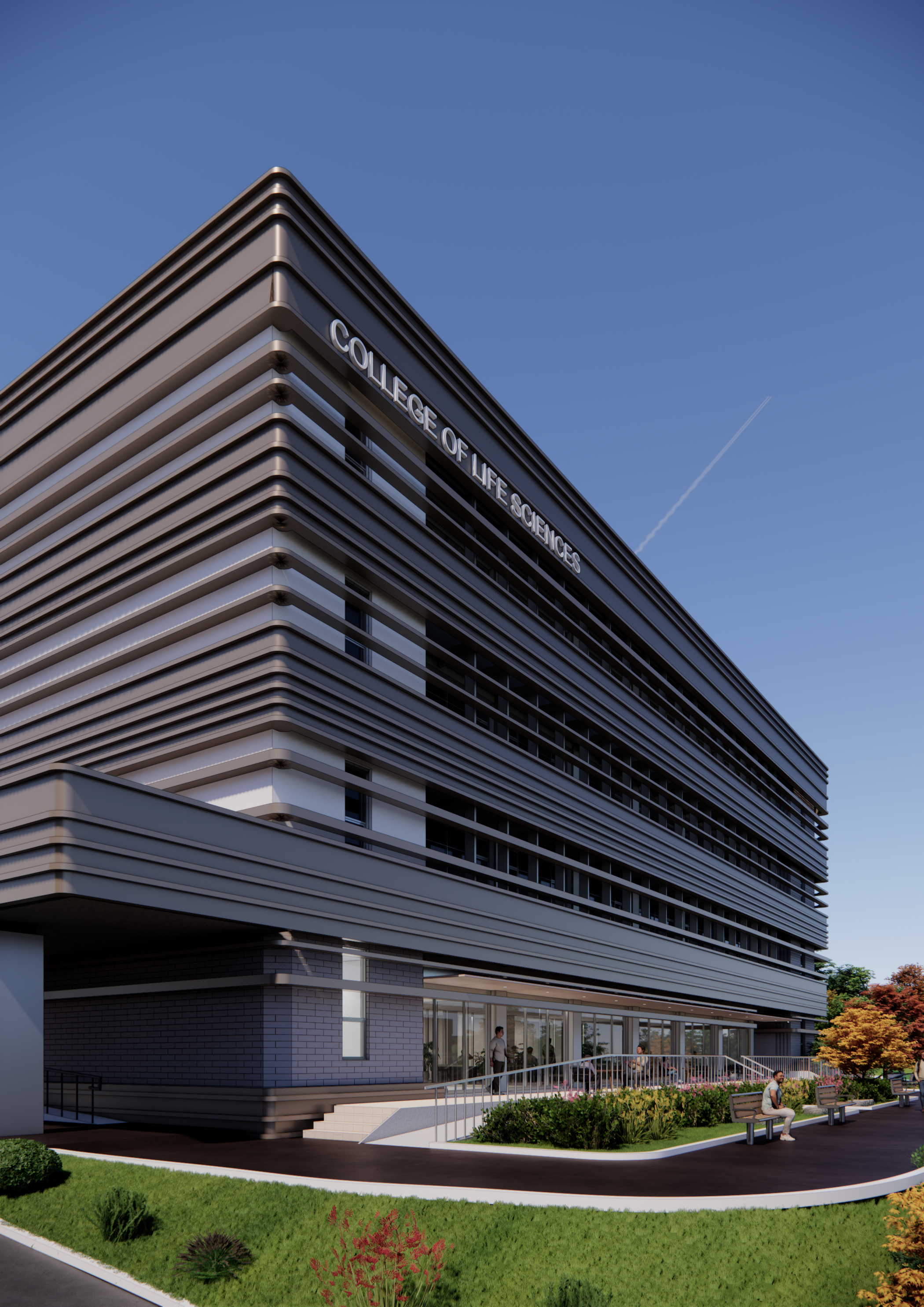
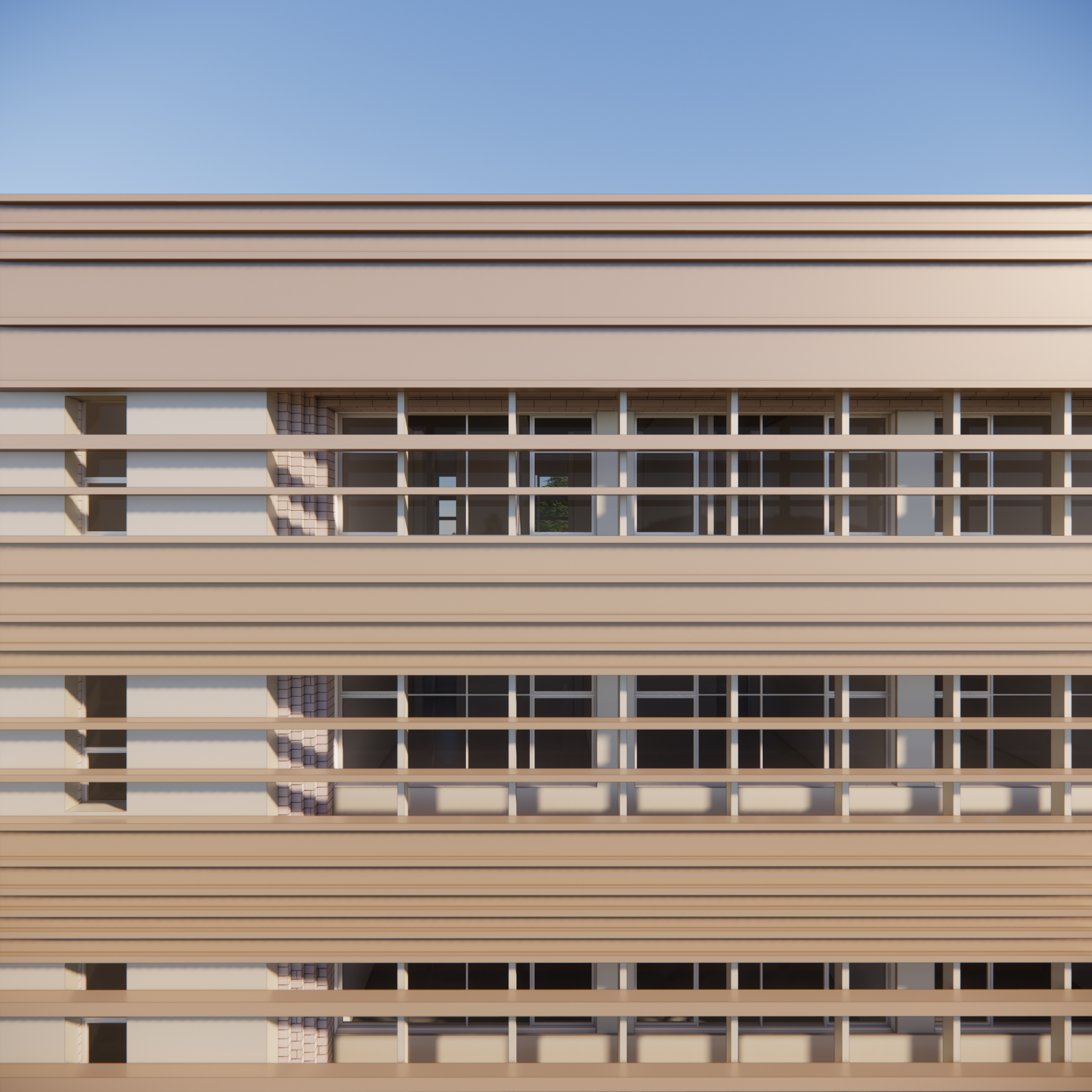
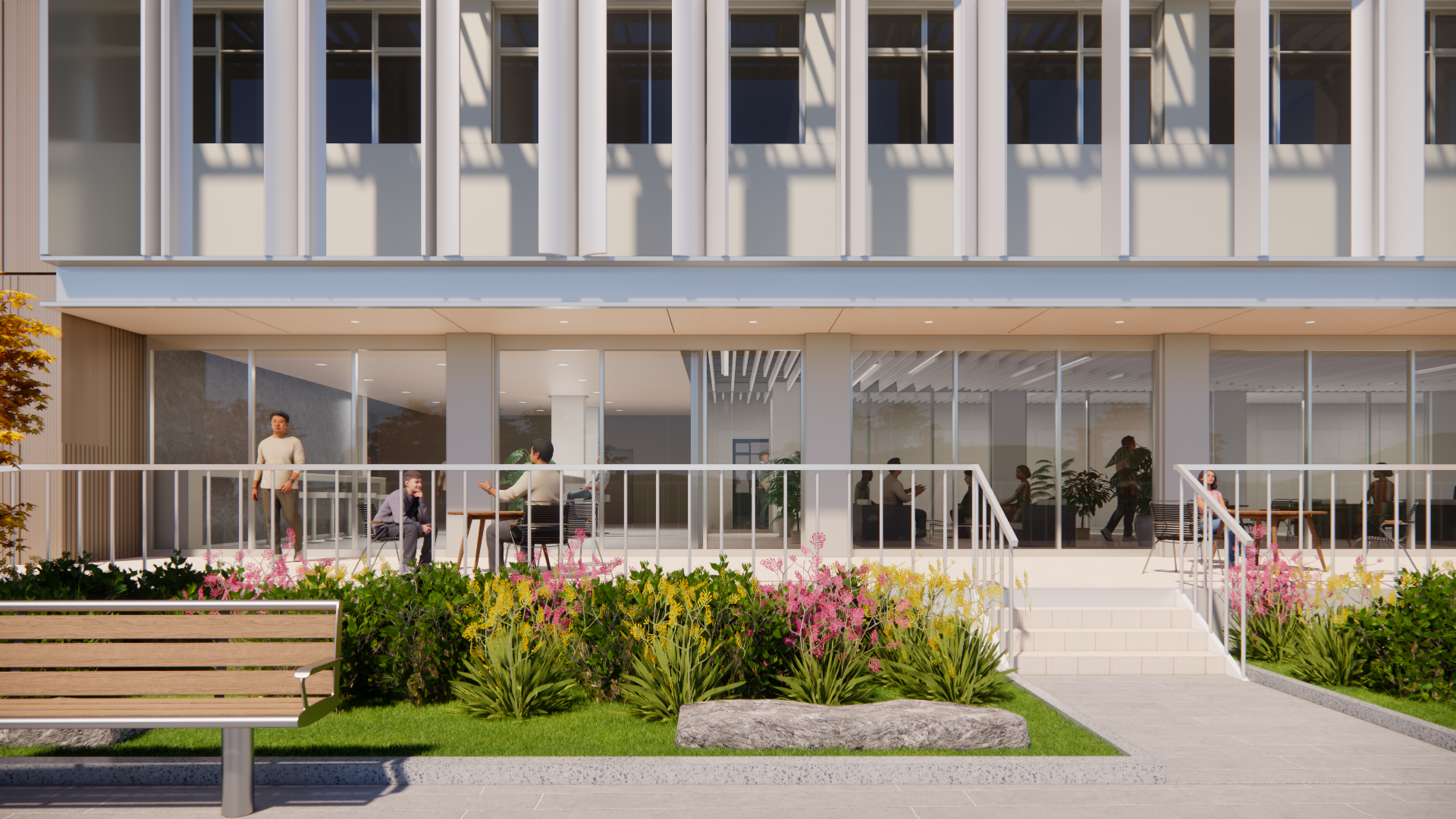
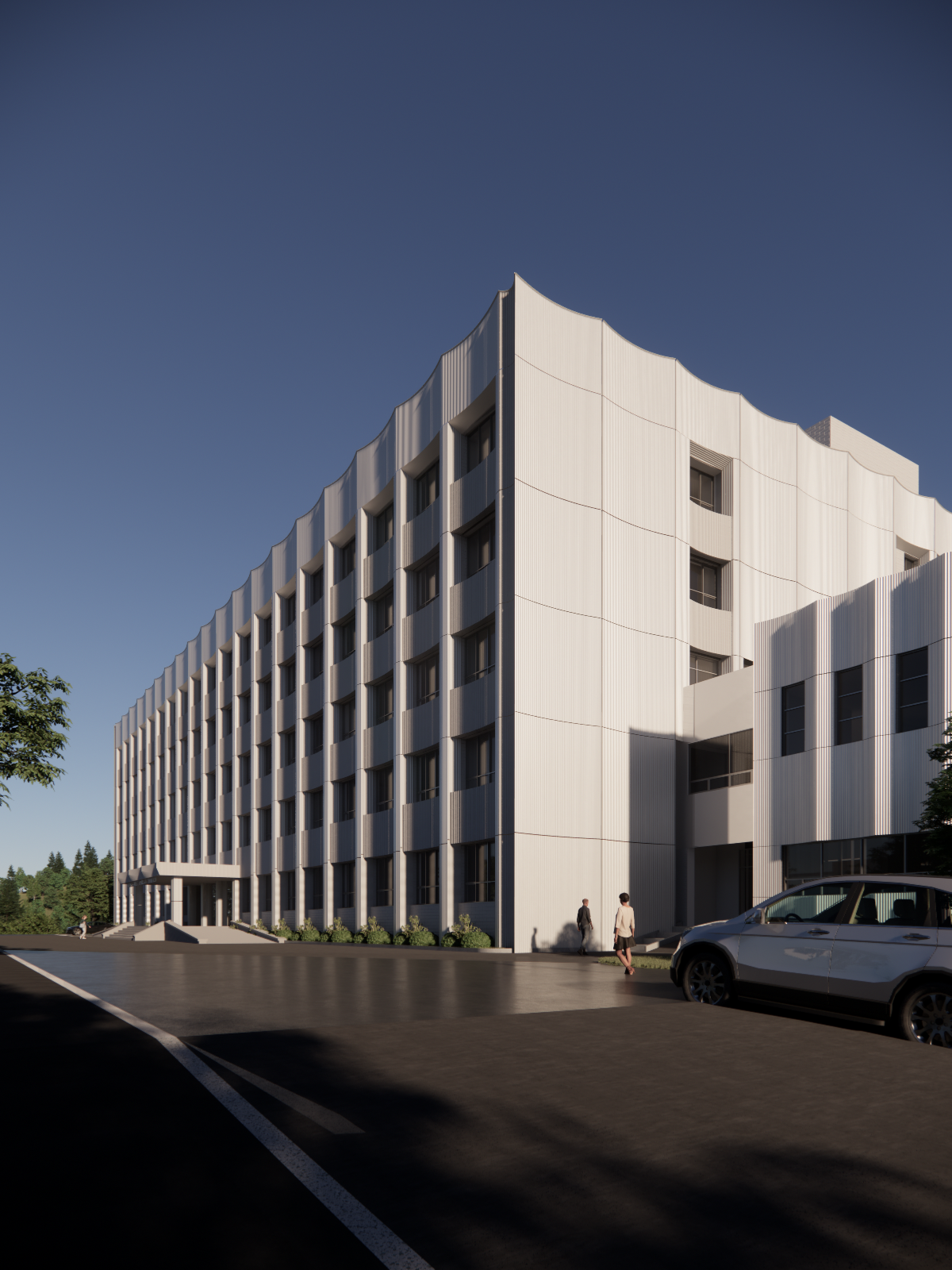
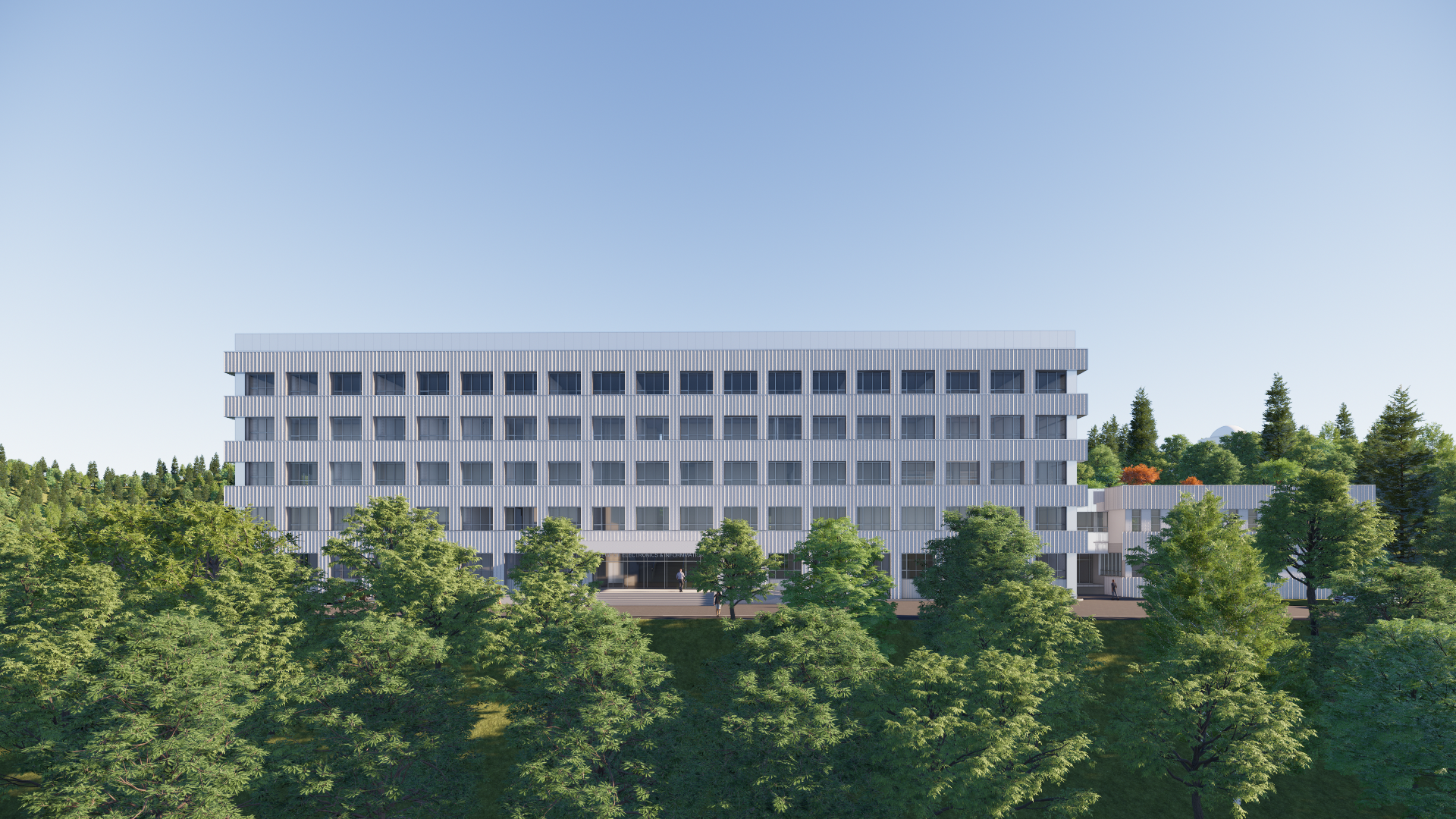
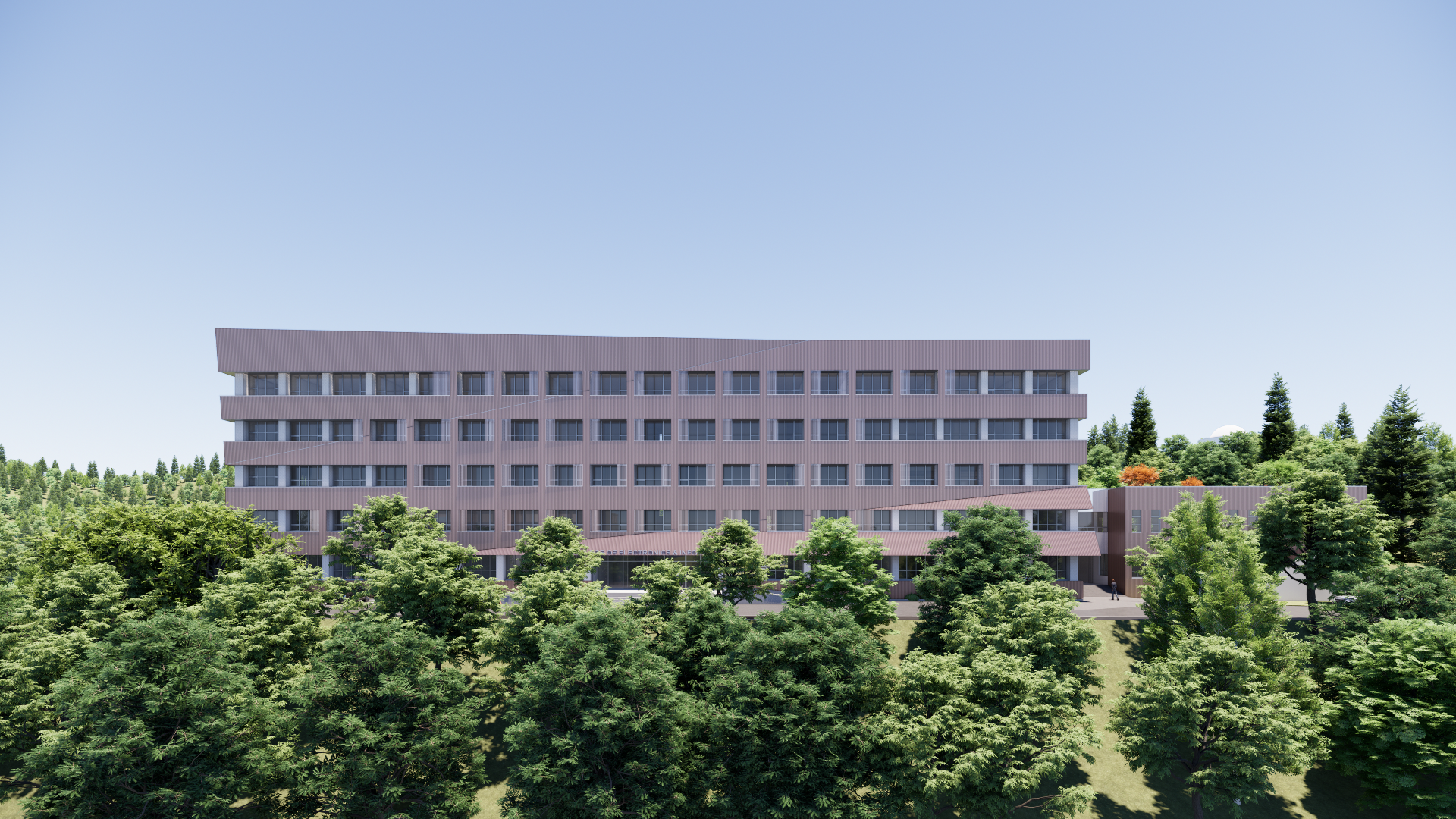
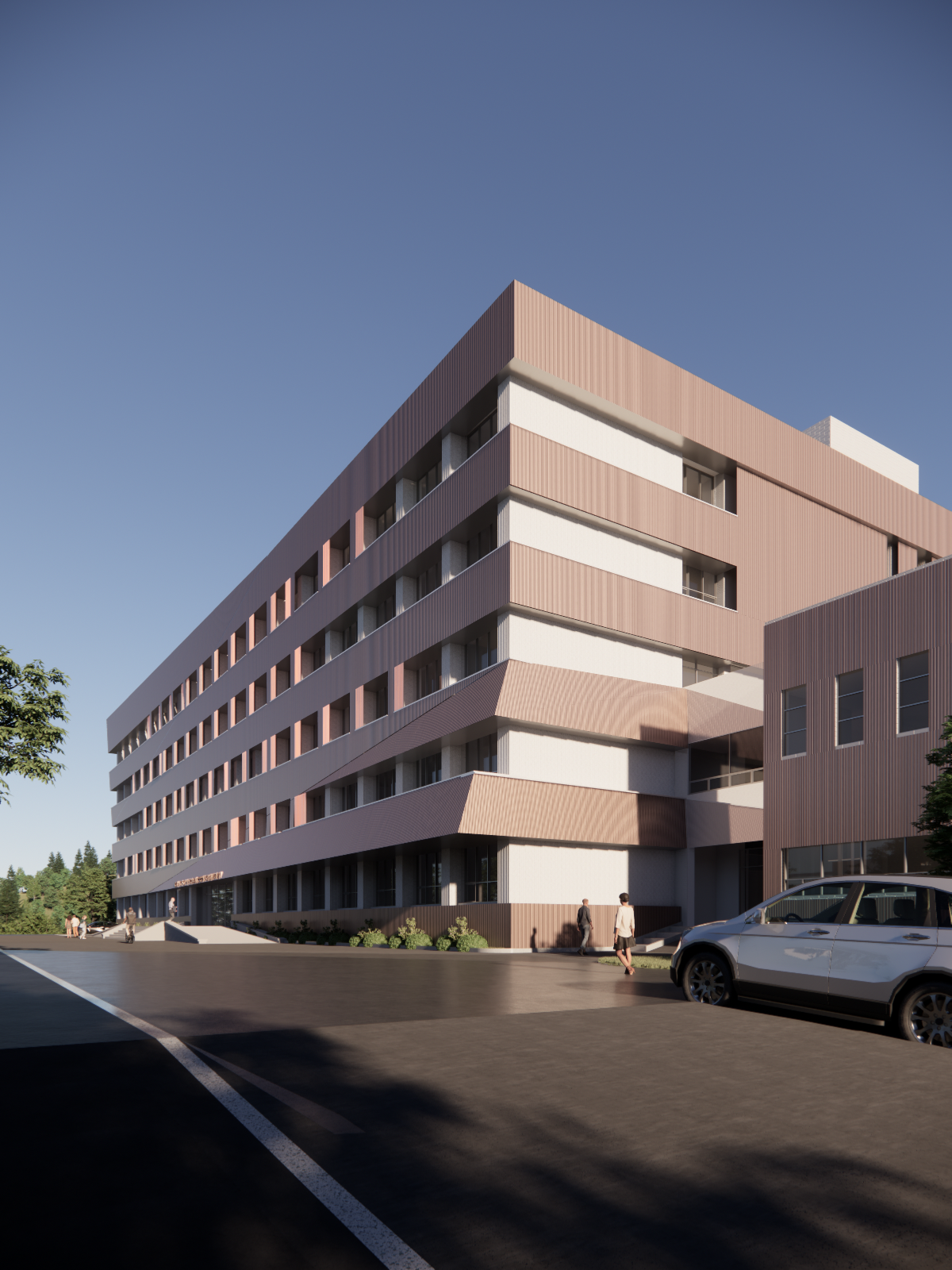
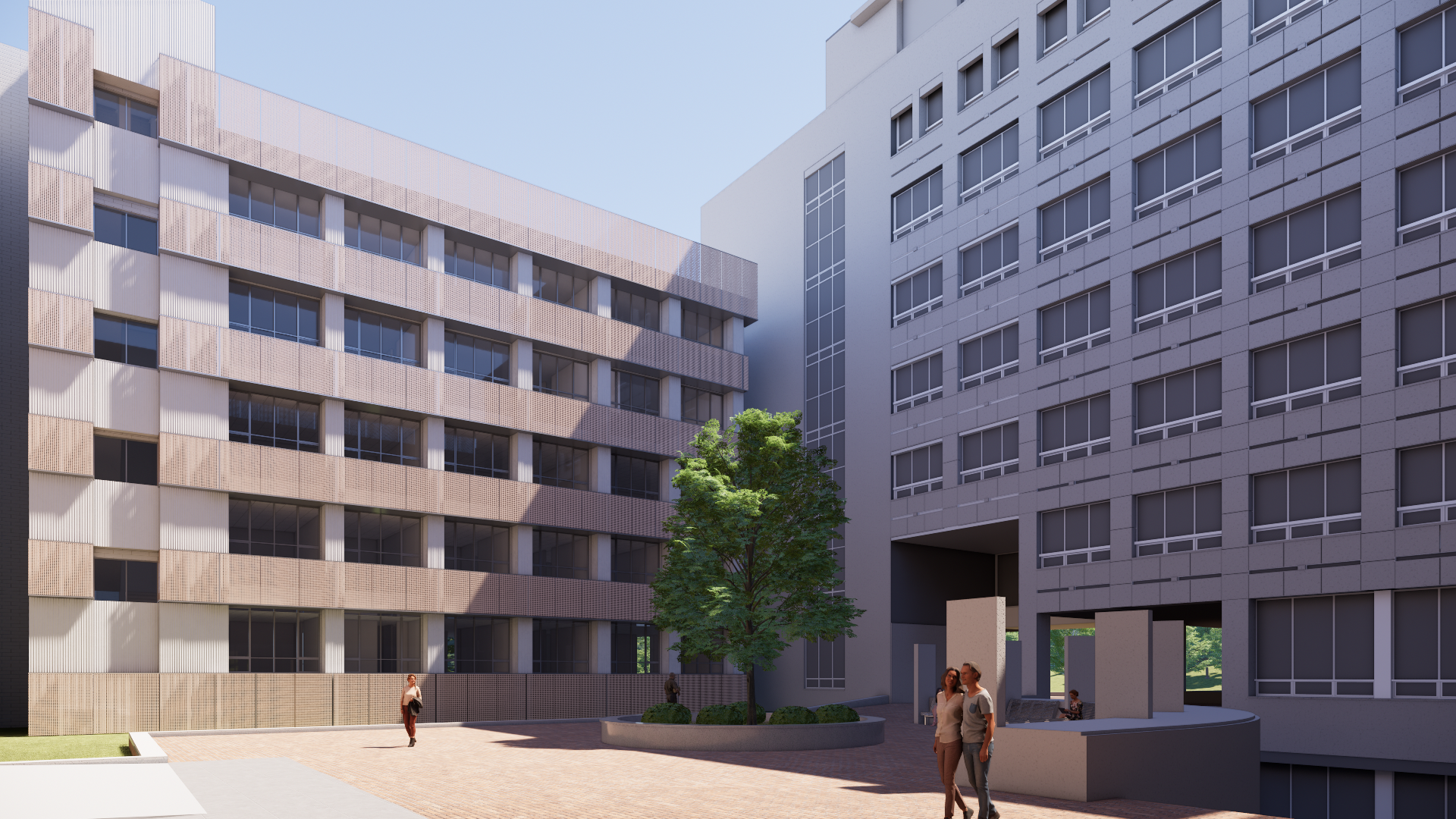
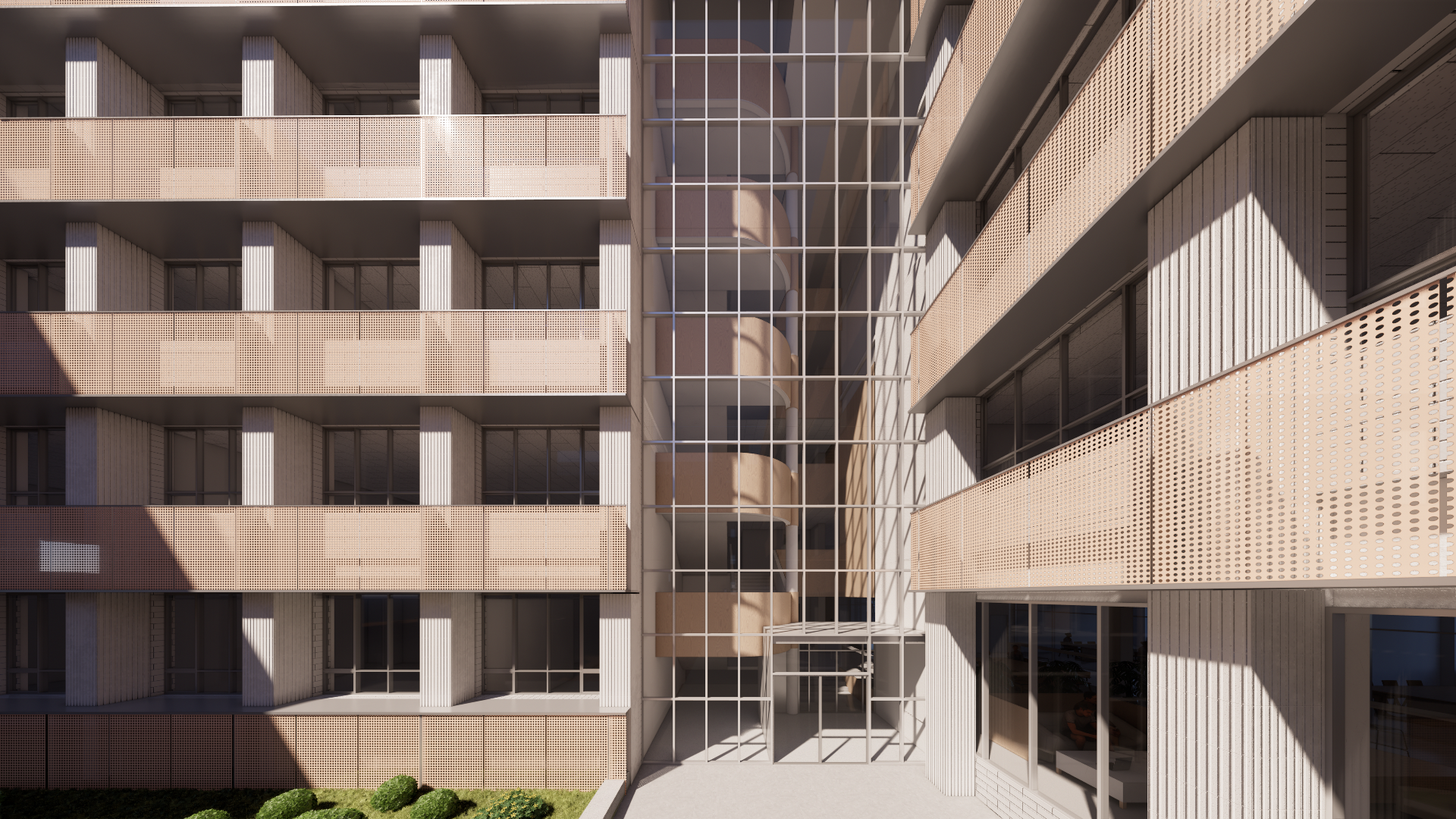
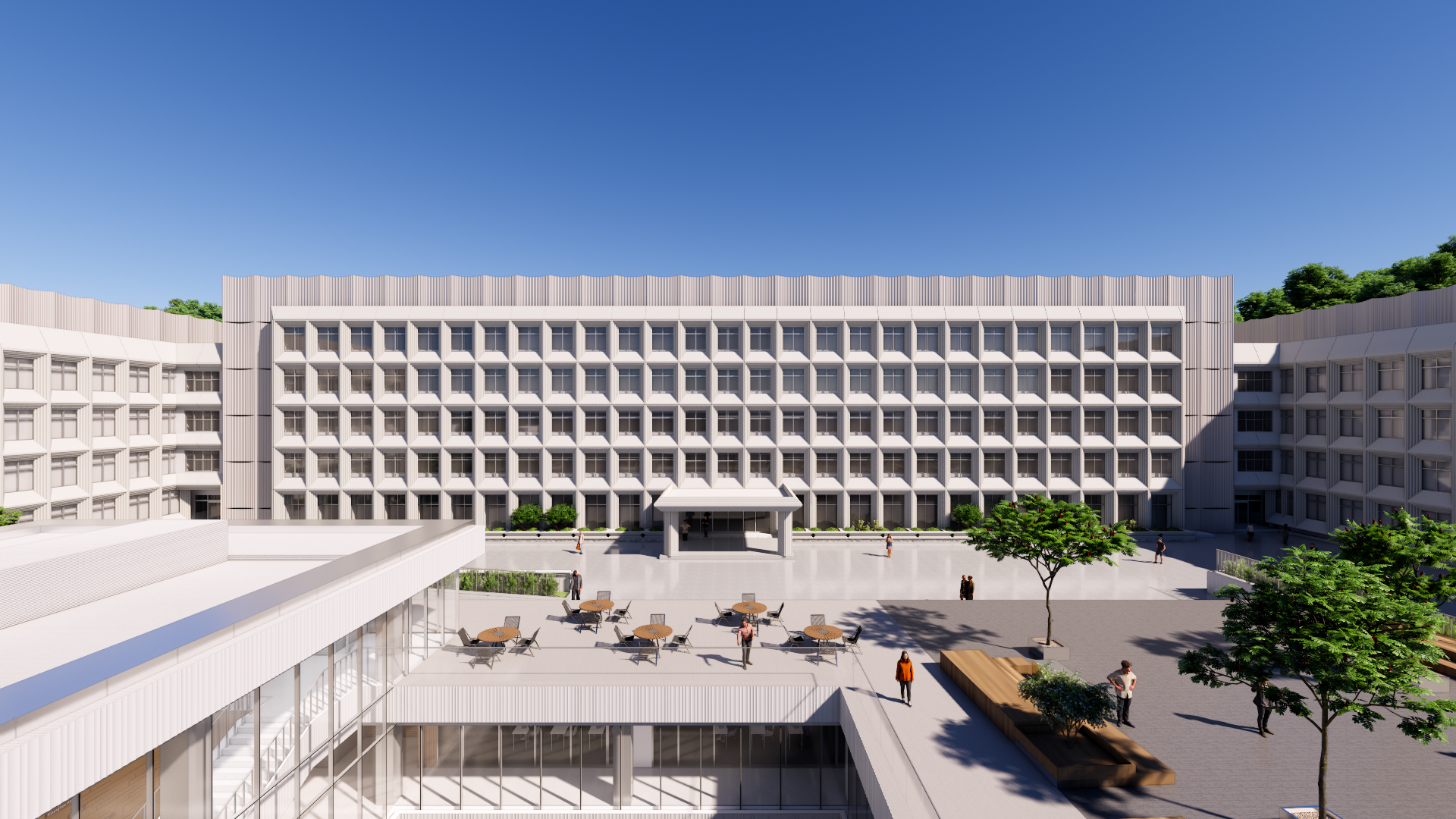
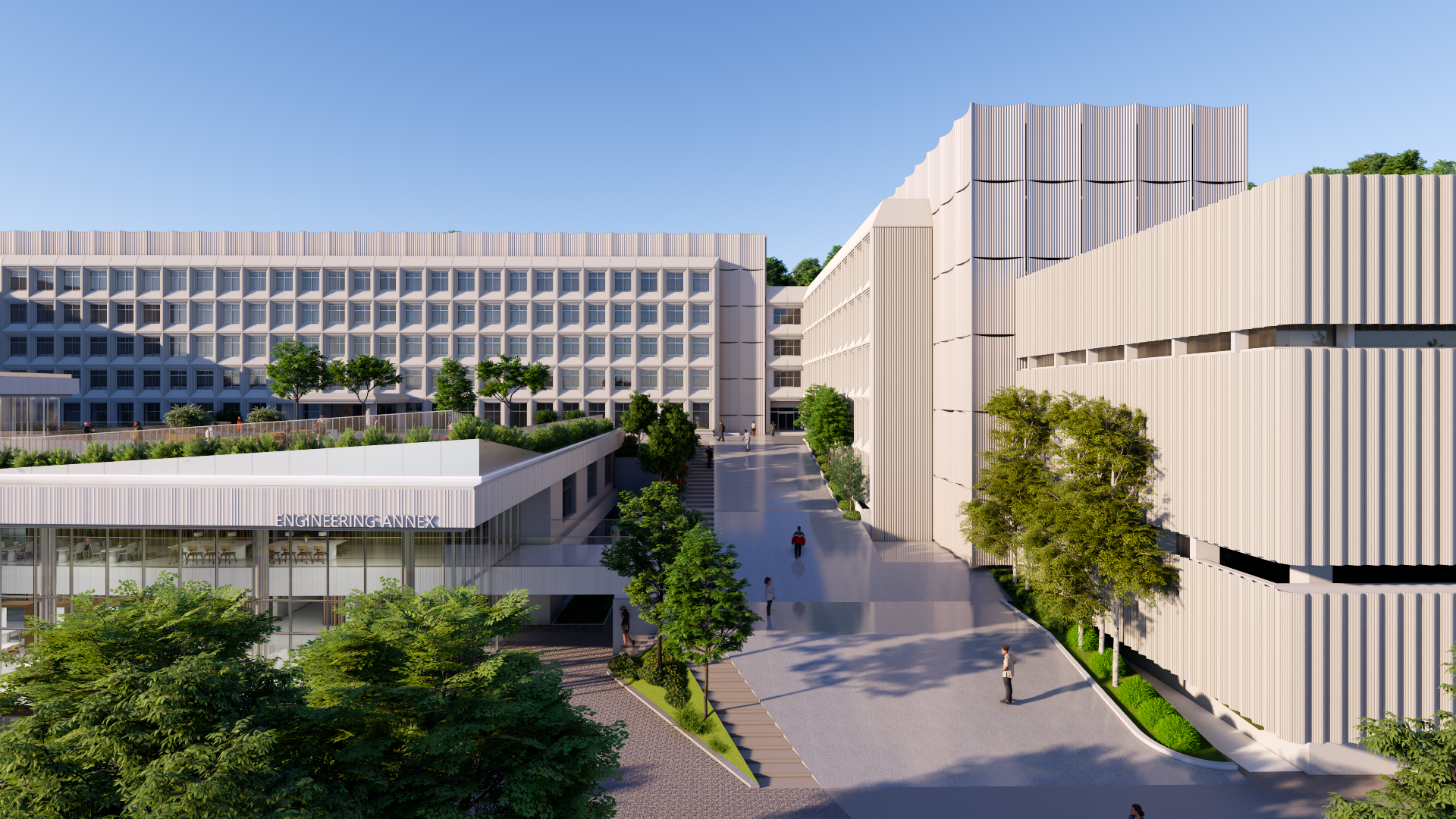
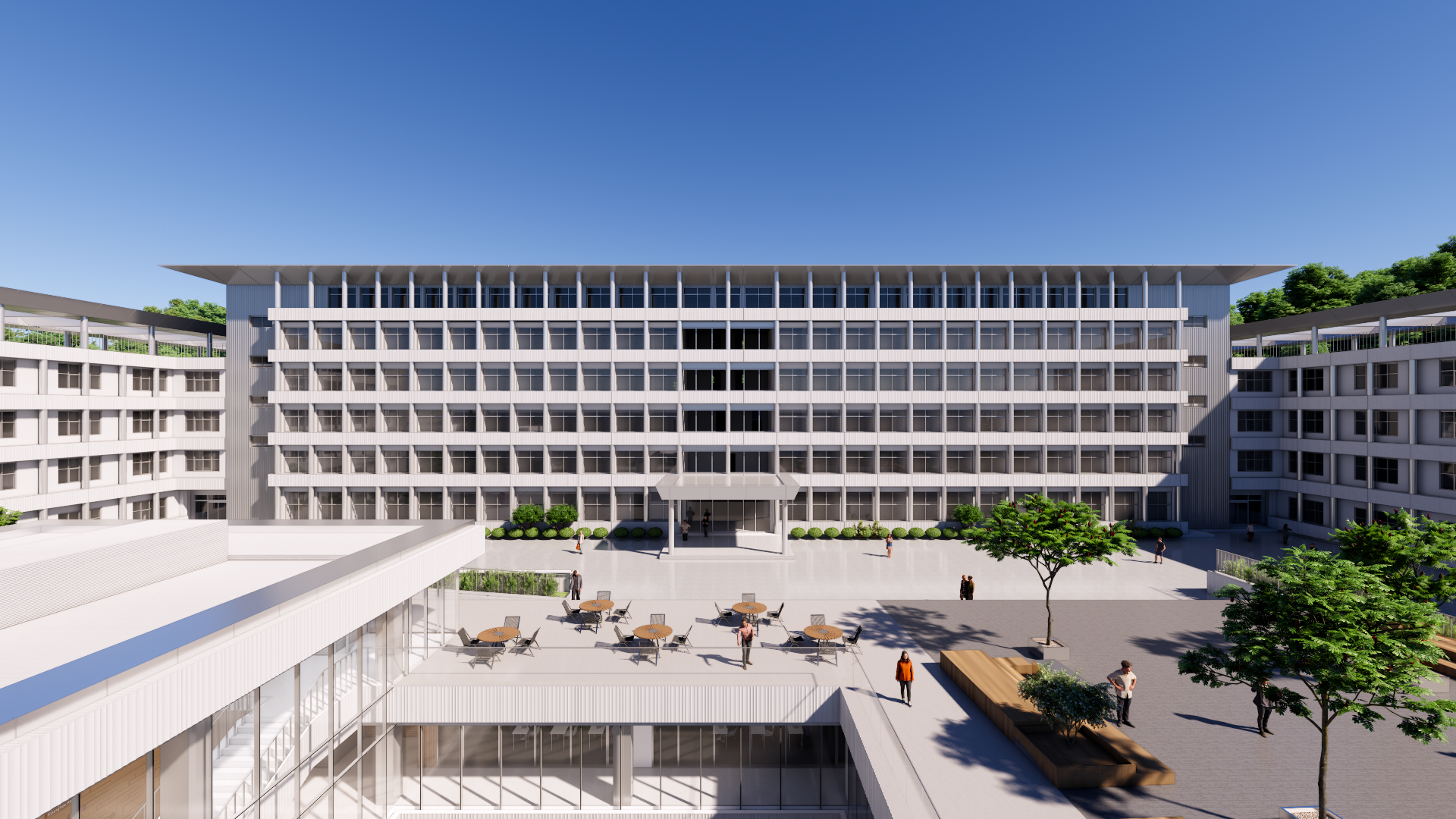
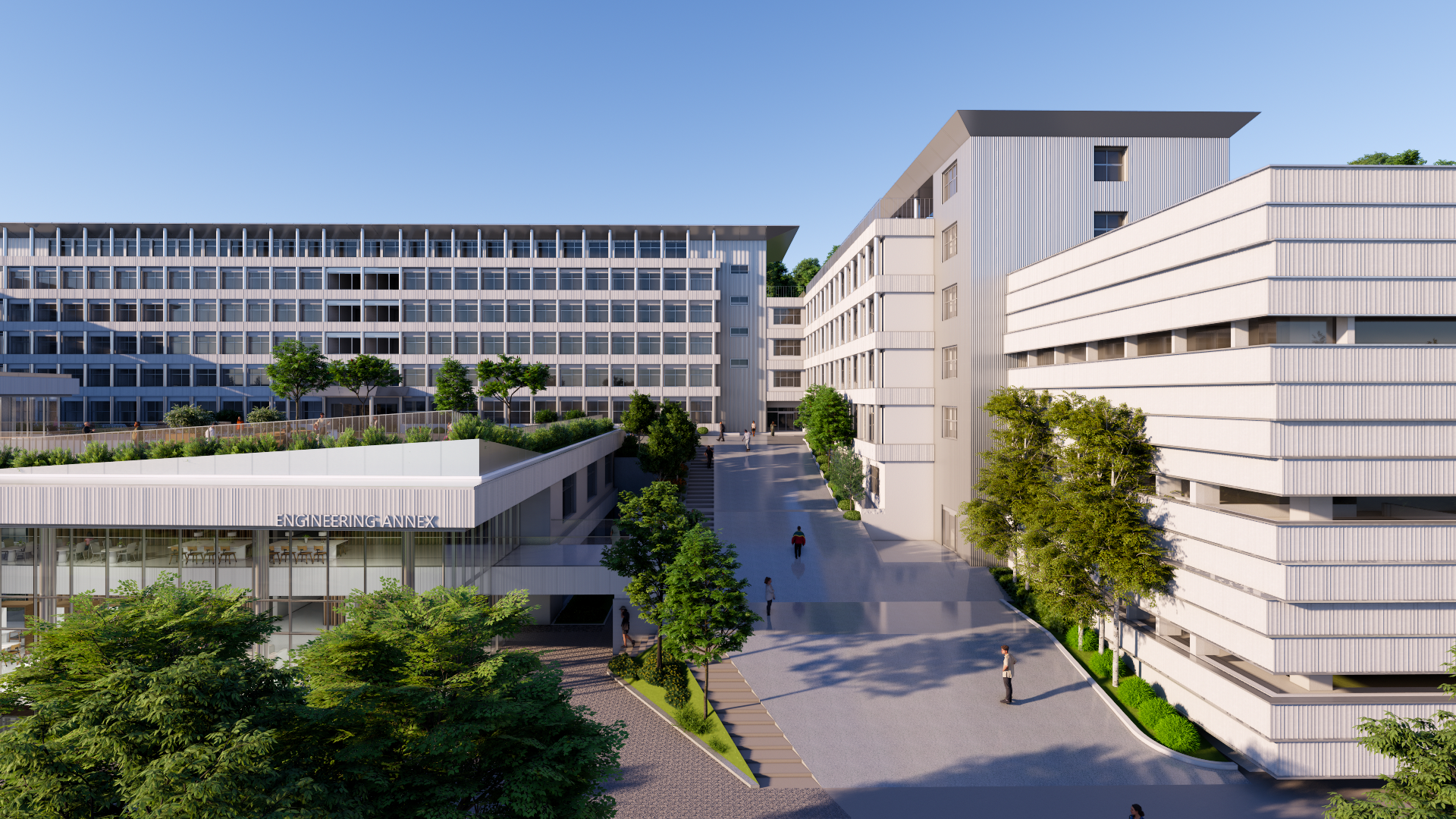
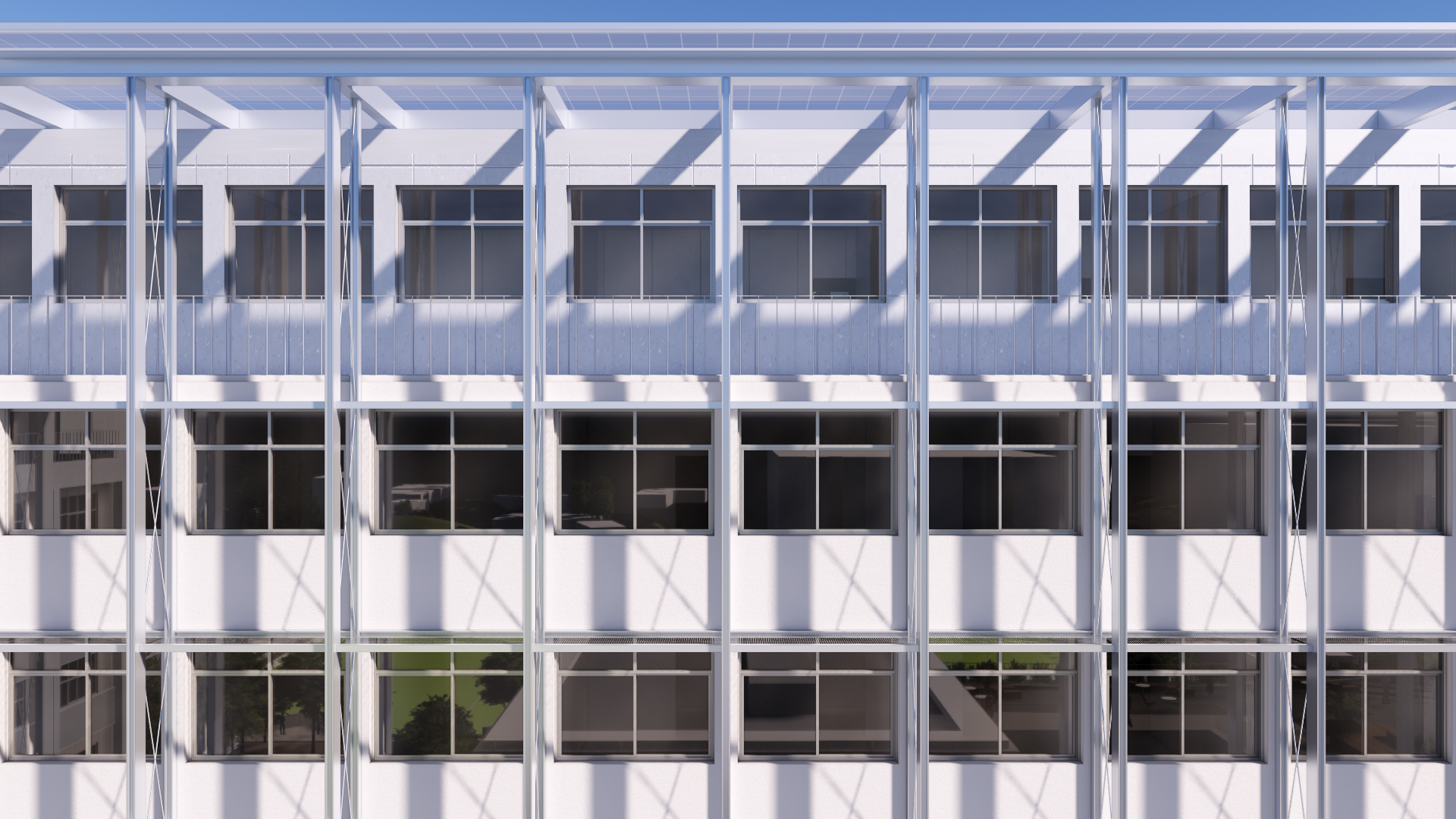
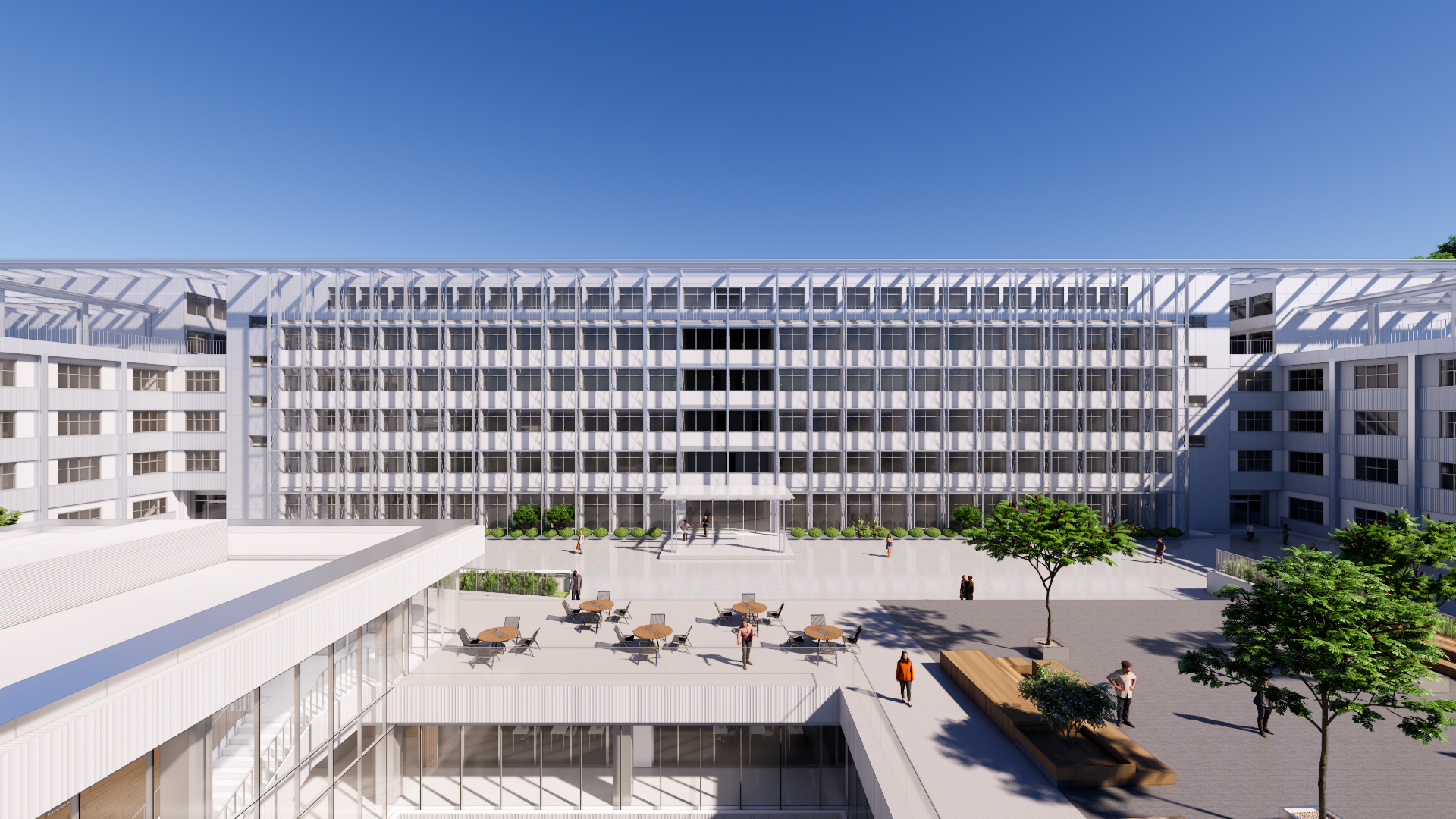
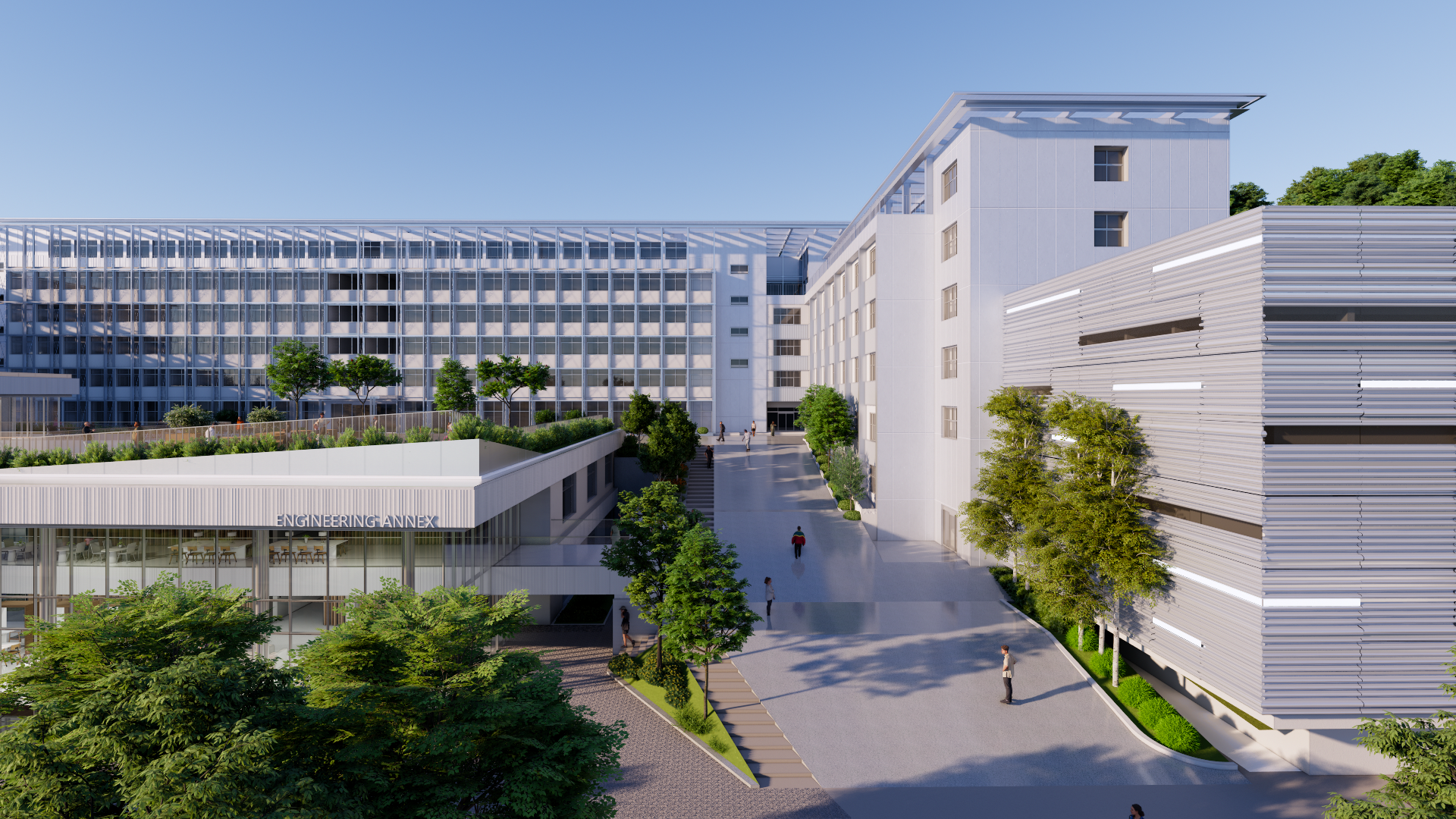
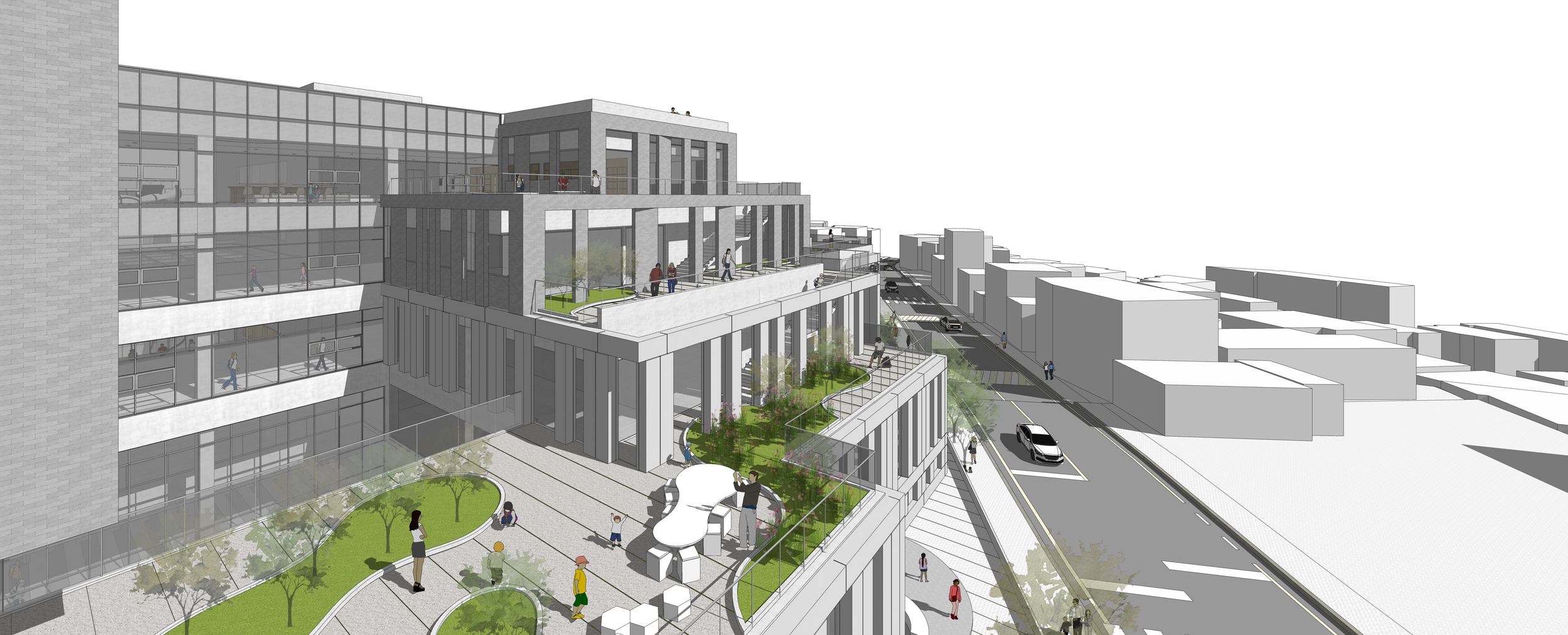
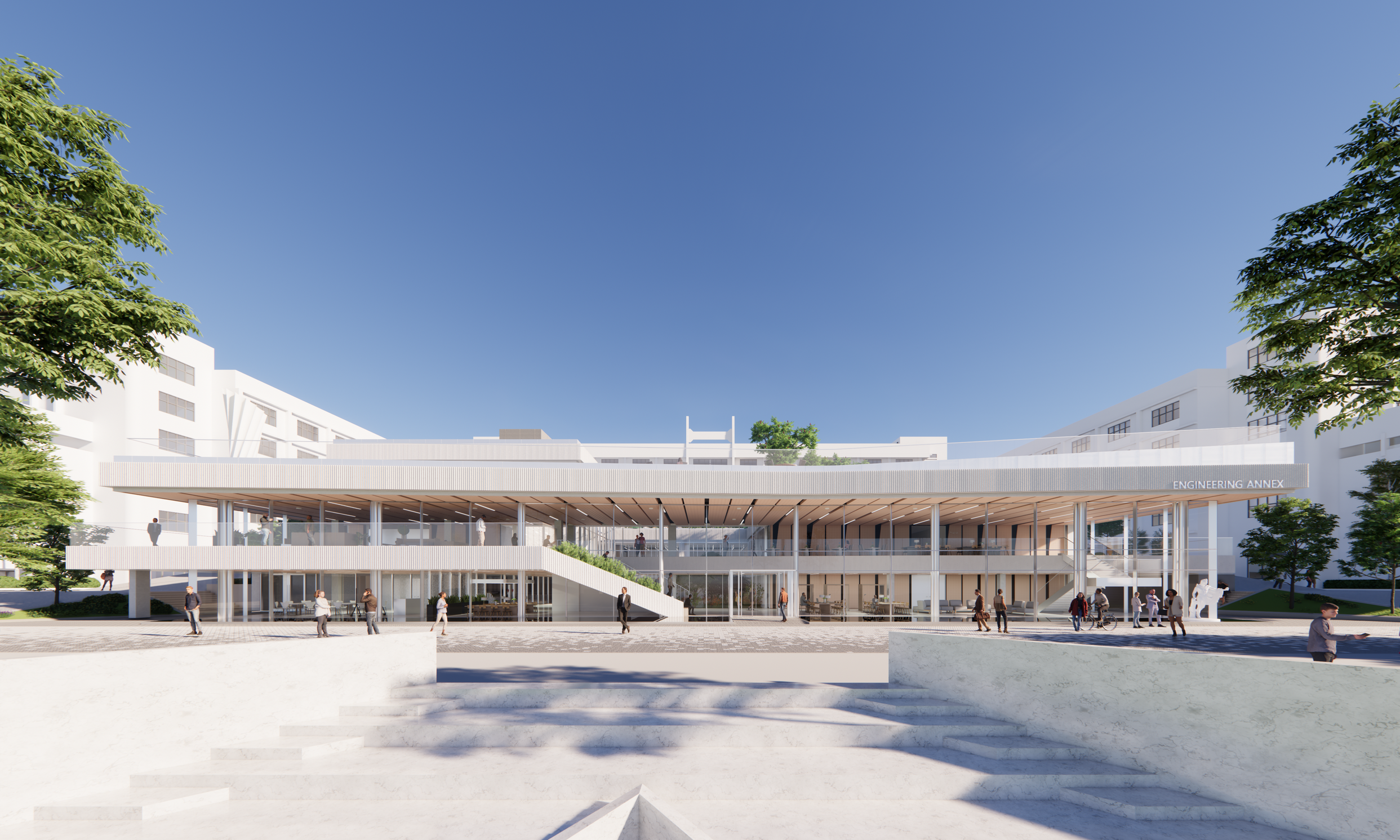
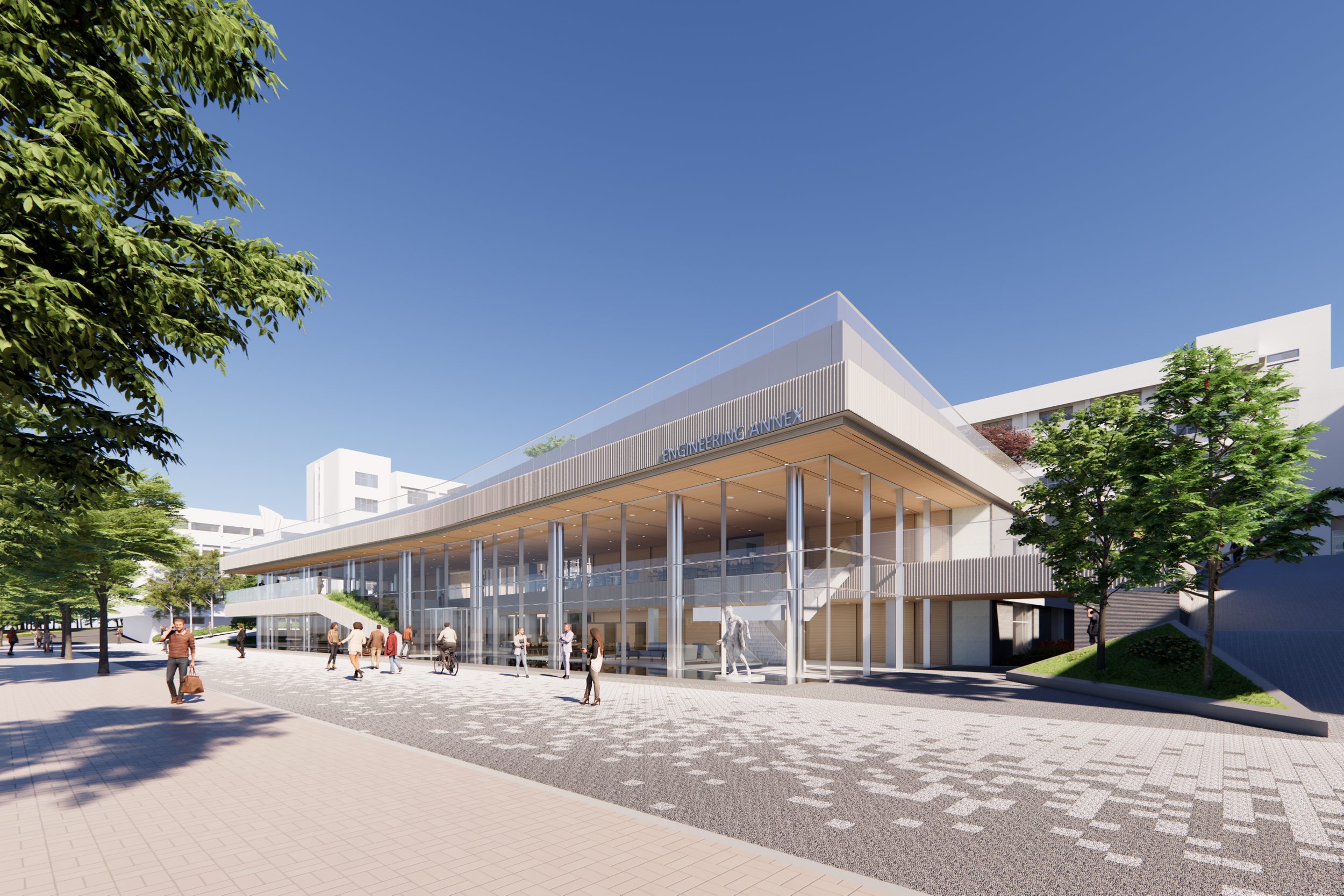
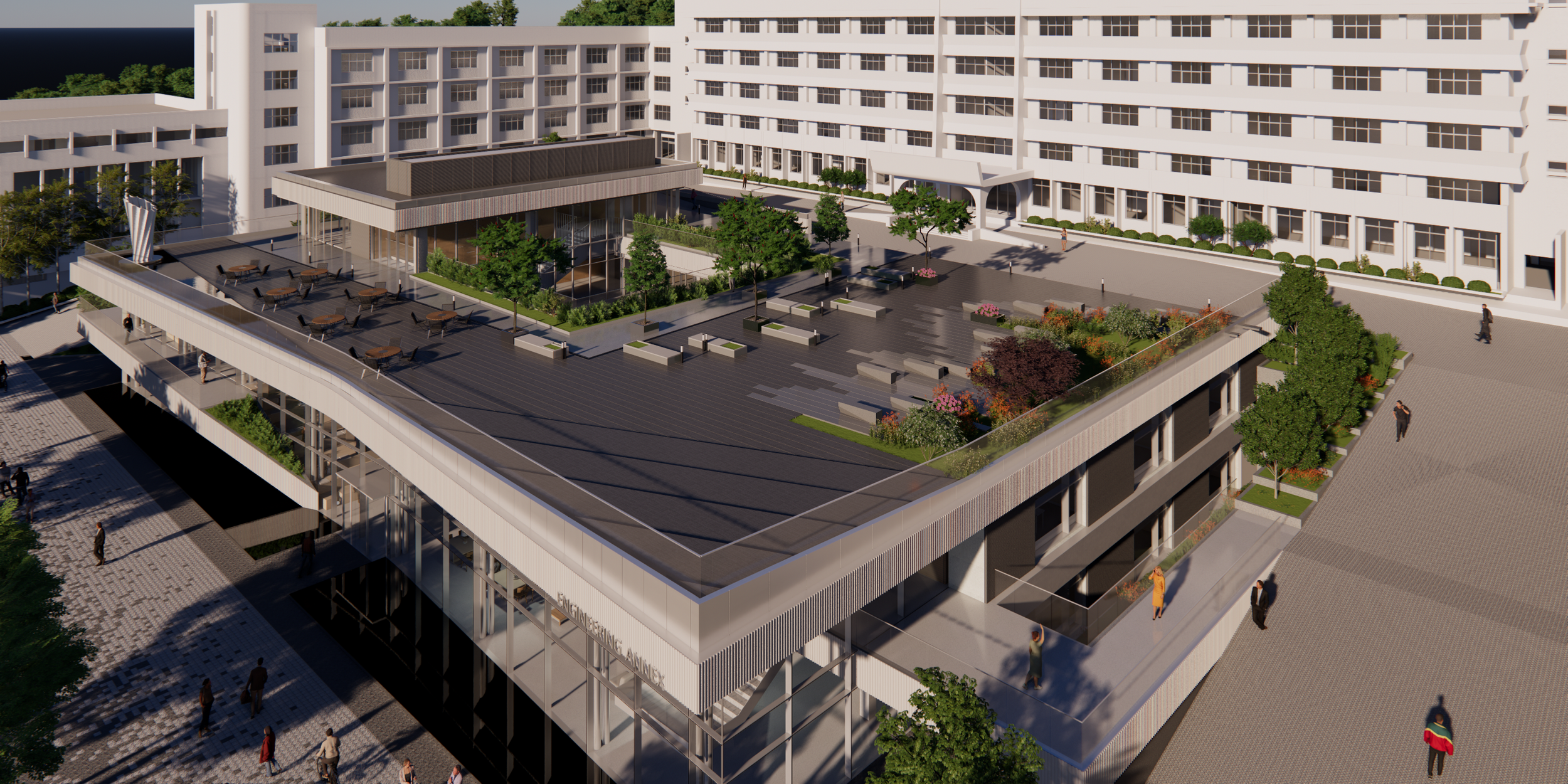
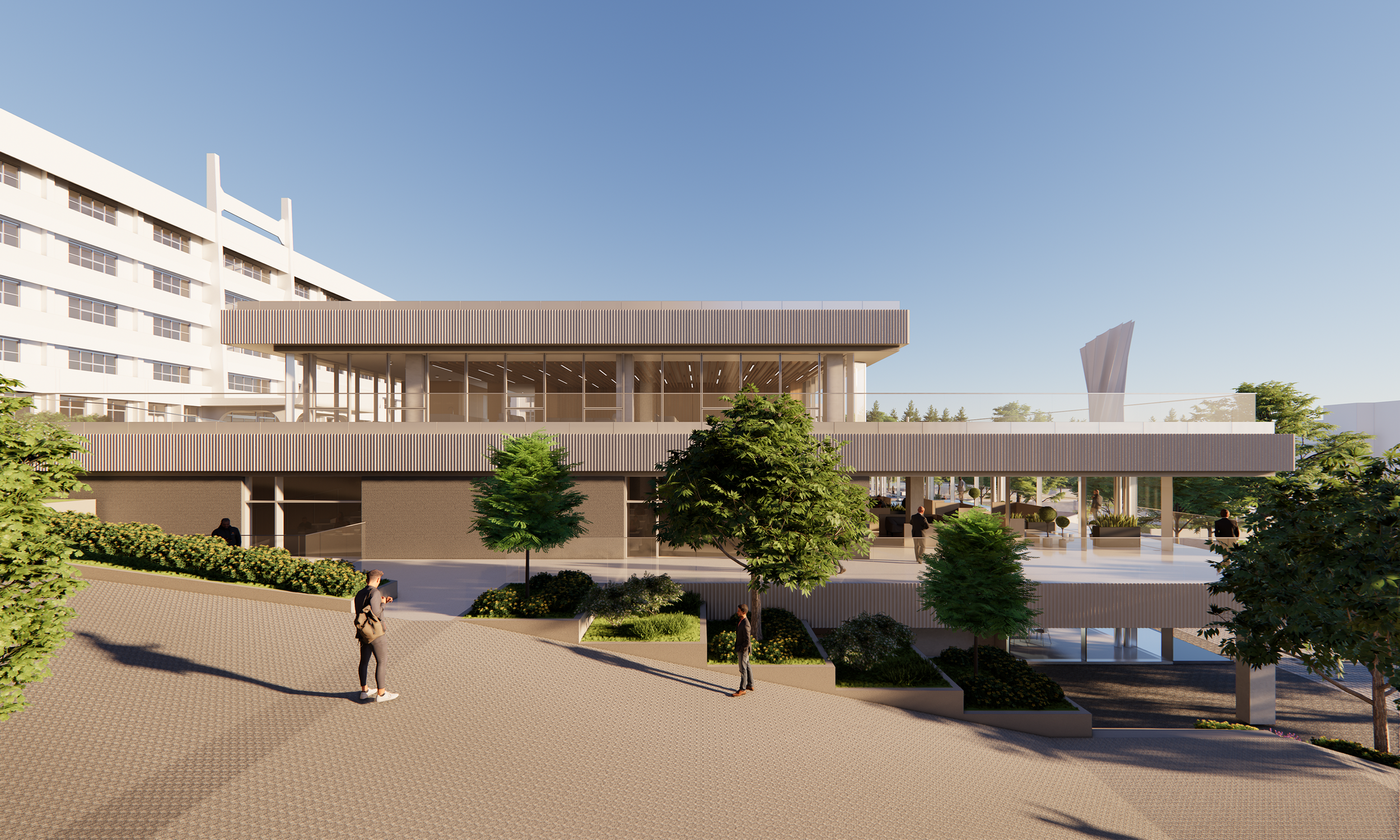
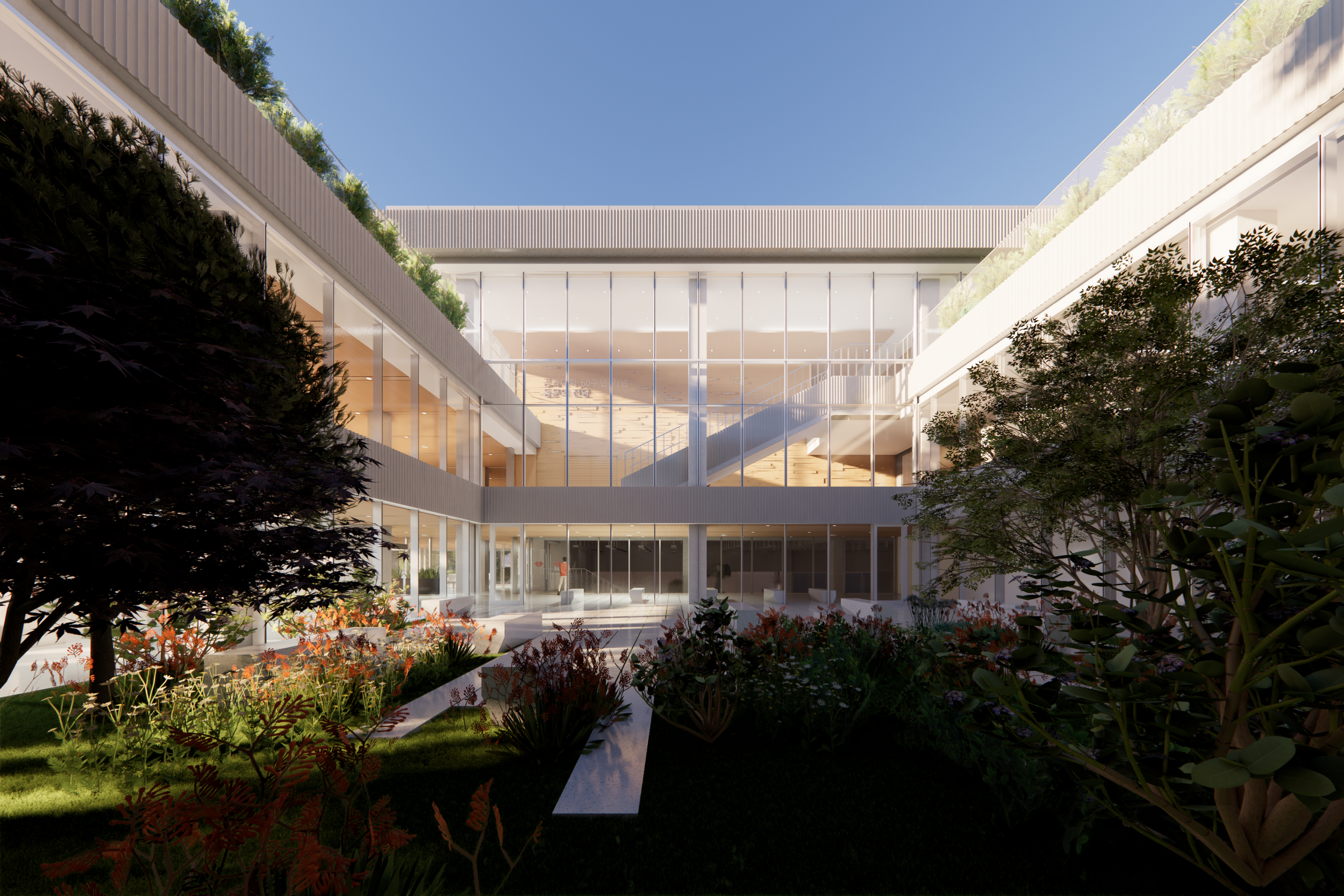
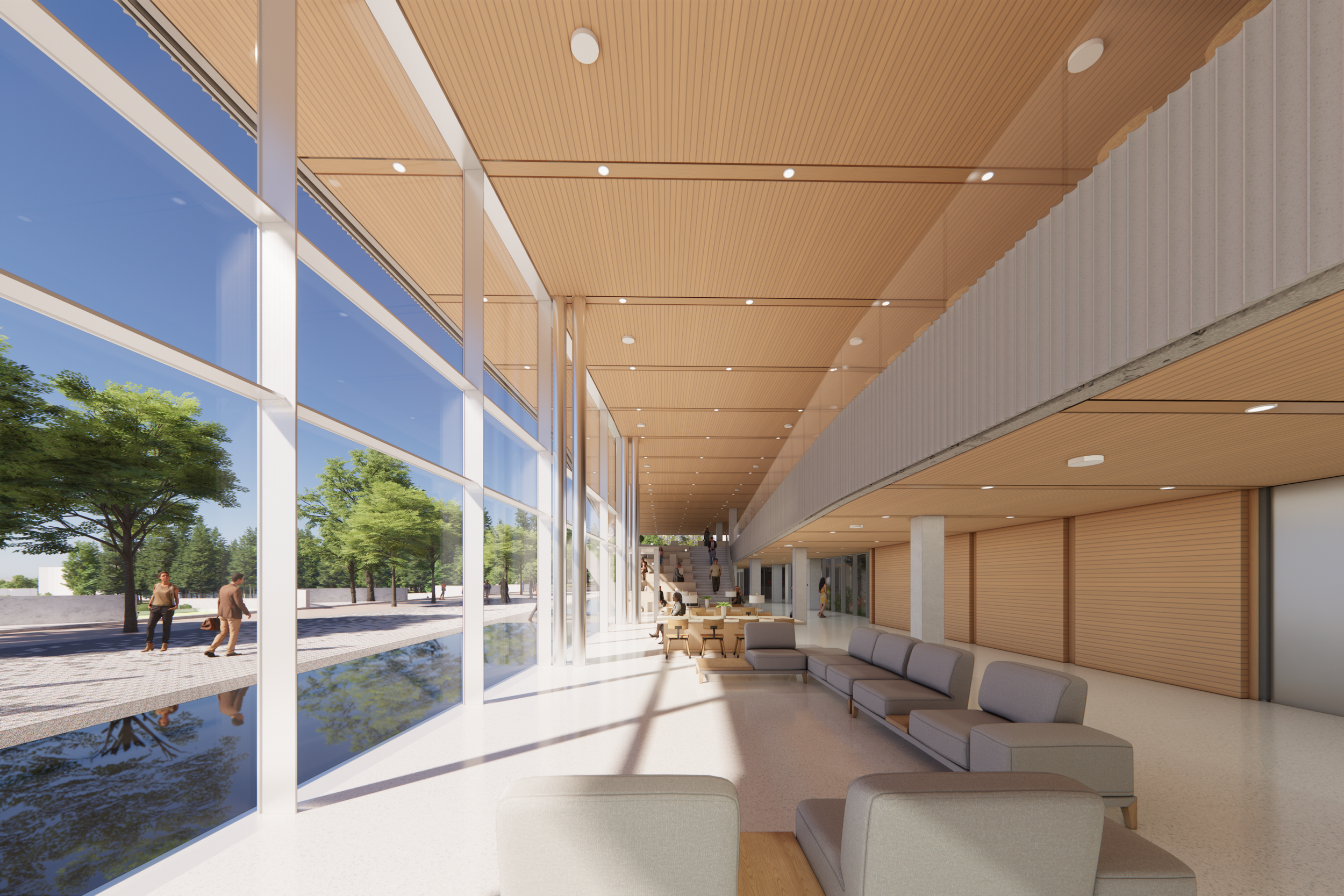
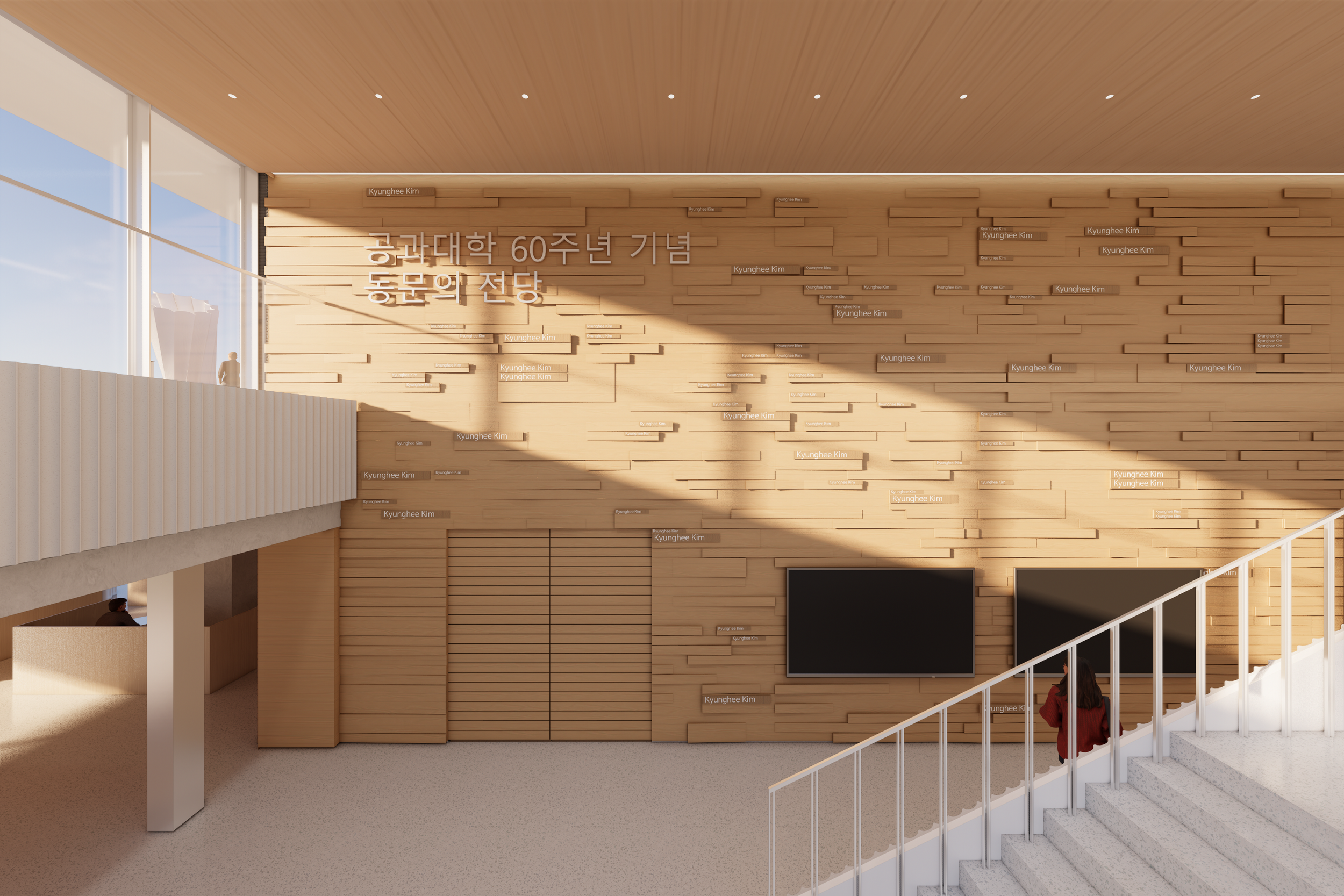
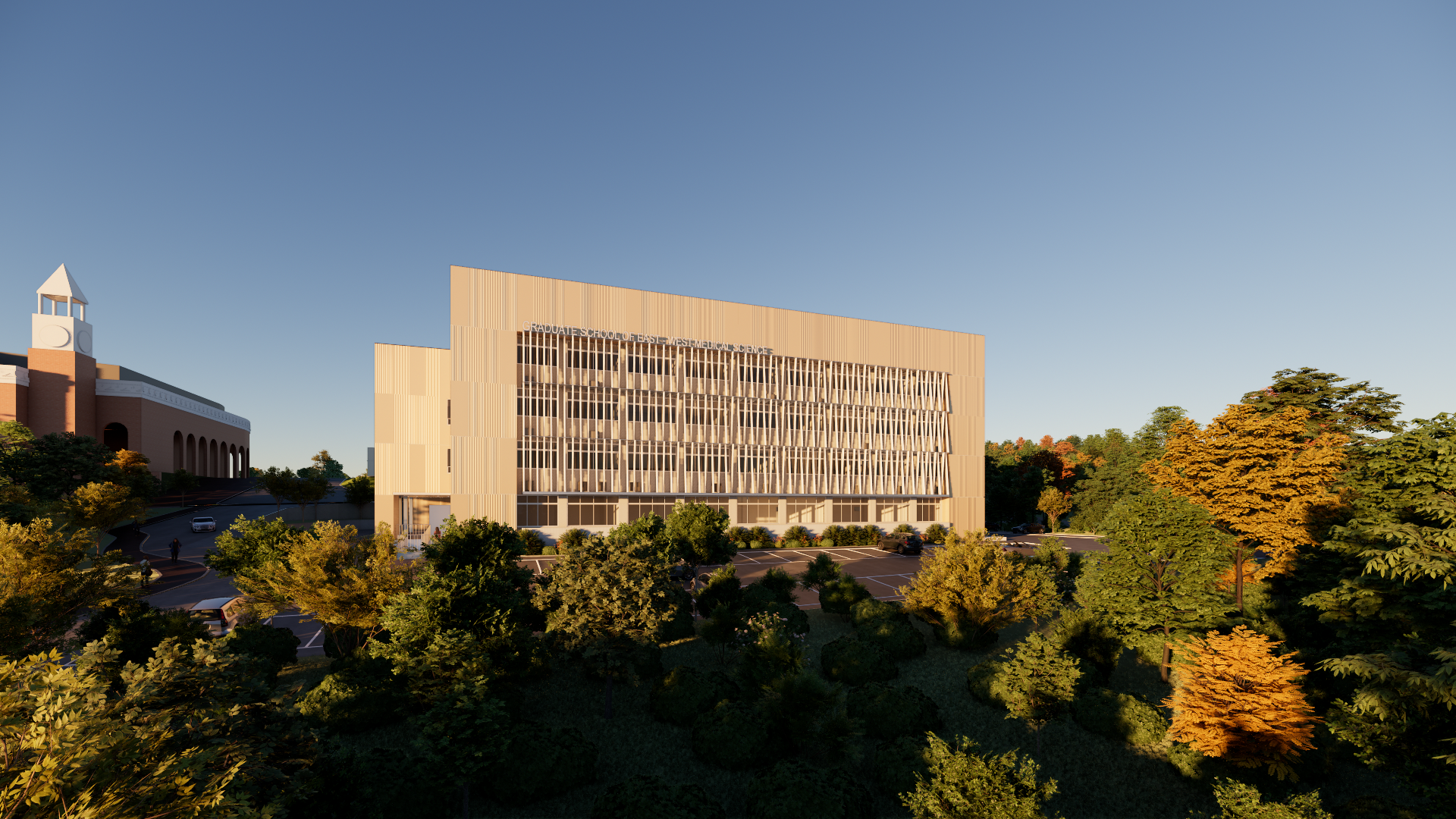
The design of the new annex for the College of Engineering at K University is a thoughtful response to both the legacy of the existing Engineering Hall and the evolving needs of the university community. Originally constructed in the 1980s as the first building on the International Campus, the existing Engineering Hall is characterized by its U-shaped layout and the central sloped courtyard that has long served as an open space for leisure, relaxation, and interaction among students and faculty. The new annex aims to respect and enhance this historical context while introducing cutting-edge, interdisciplinary research and educational facilities. The design takes into account the sloped lawn, a significant part of the campus landscape, by integrating it into the new structure as an active and versatile courtyard. This space not only preserves the original function of the area as a communal gathering place but also reinterprets it to accommodate modern needs.

In planning the annex, careful consideration was given to maintaining harmony with the existing Engineering Hall. The new structure addresses the height difference between the front and rear of the site, creating a seamless connection that enhances the overall campus experience. The annex is conceived as a symbol of the university’s commitment to innovation, serving as a bridge between tradition and the future of education and research.


Related Research
 

Year : 2024

Location : Yongin, Korea

Size : 3,925 m²

Status : Ongoing

Type : Education

Principal in Charge :

Seojoo Lee, Hyojung Kim (I.f), Dongil Kim (I.f CDL)

Design Team :

Suyeon Seo, Chaeyoon Chang, Soohyun Kim (I.f), Seungil Kim, Gwangeun Hwang, Soohyun Im, Roun Yi, Bugeon Kim, Isaac Kang (I.f CDL)

Collaboration :

ARA Architecture Group
K Univ. Facade and Spatial Renewal - 03

Cross Louvers

Screen Louvers

Horizontal Ribbon

Spatial Renovation

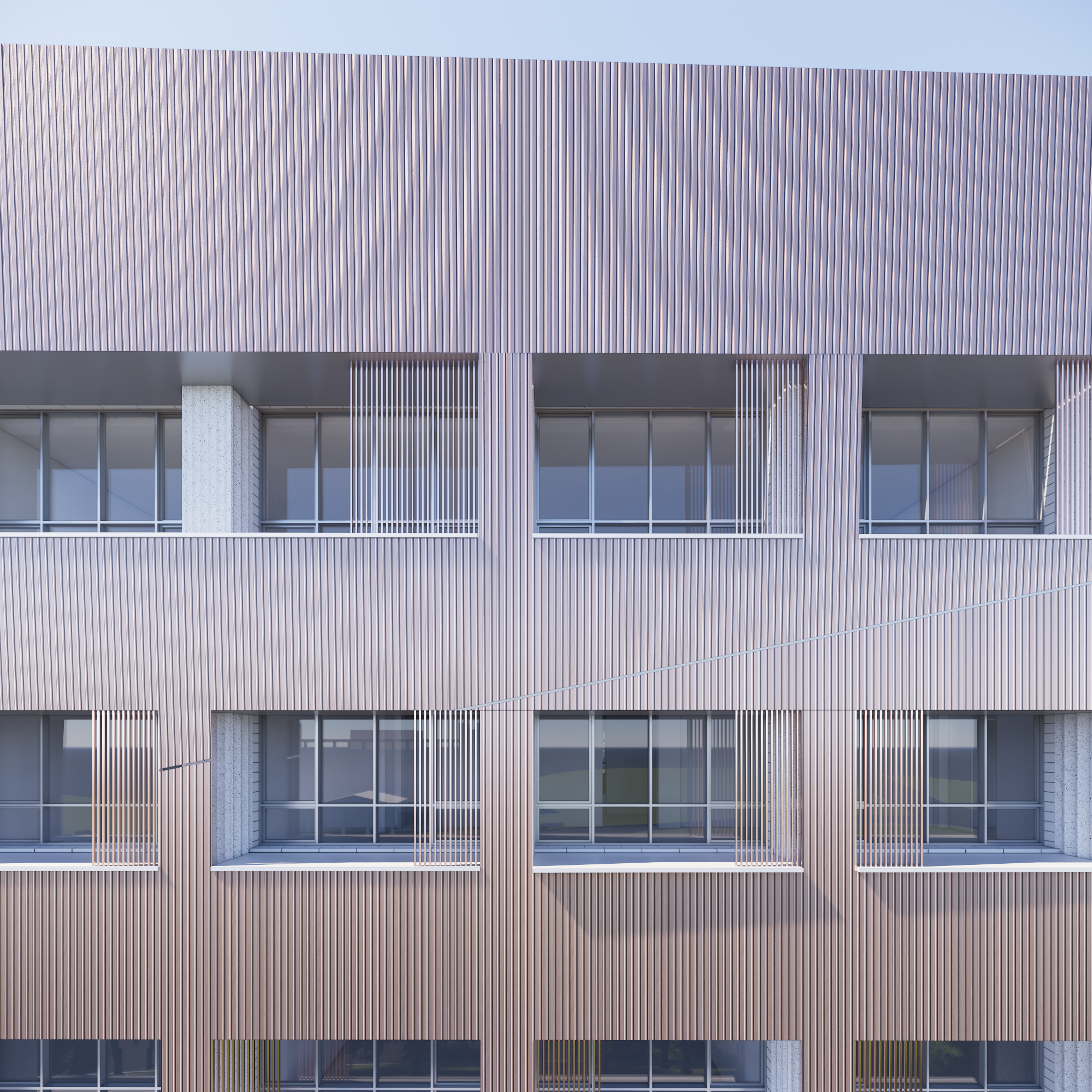
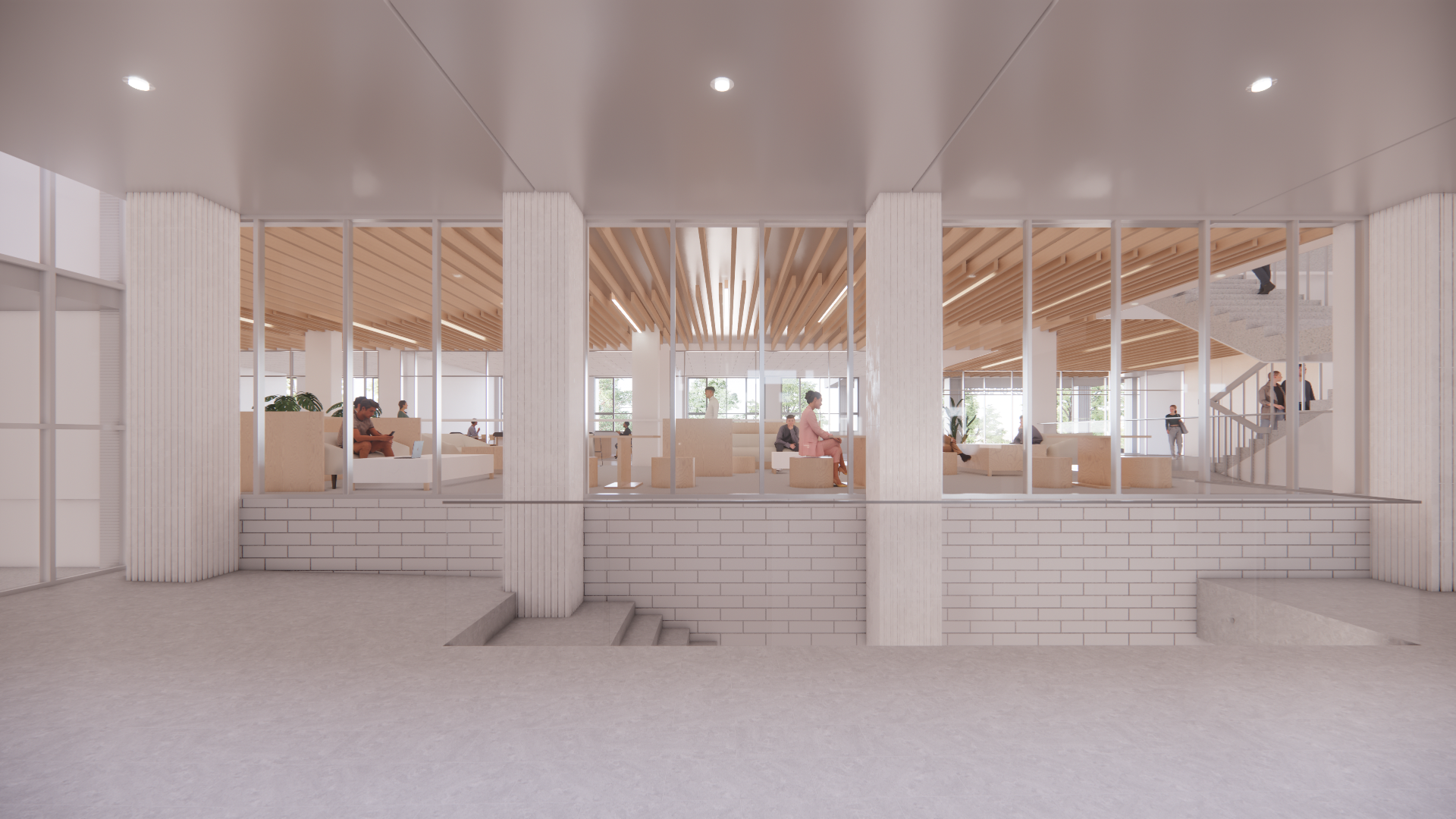
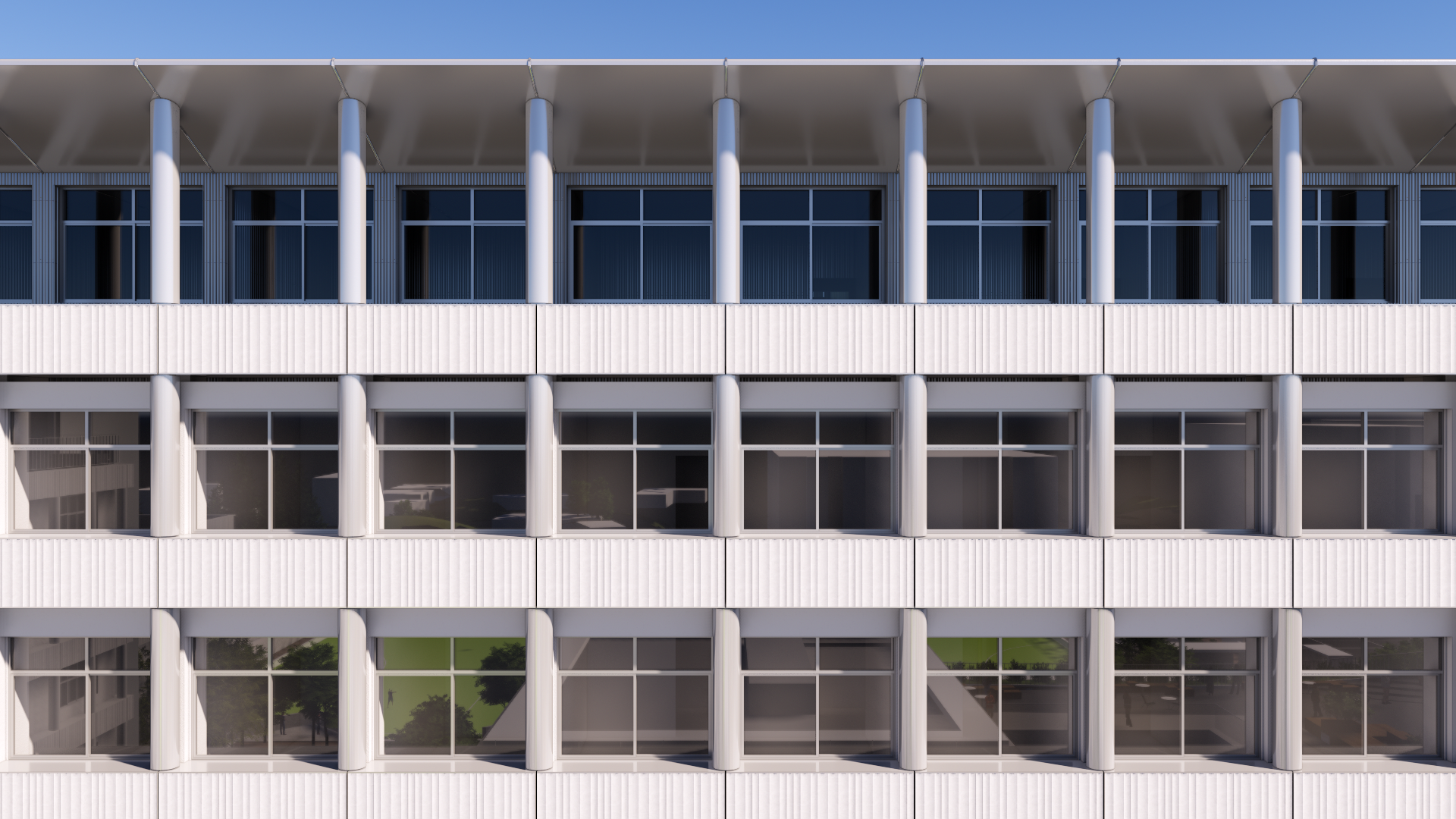
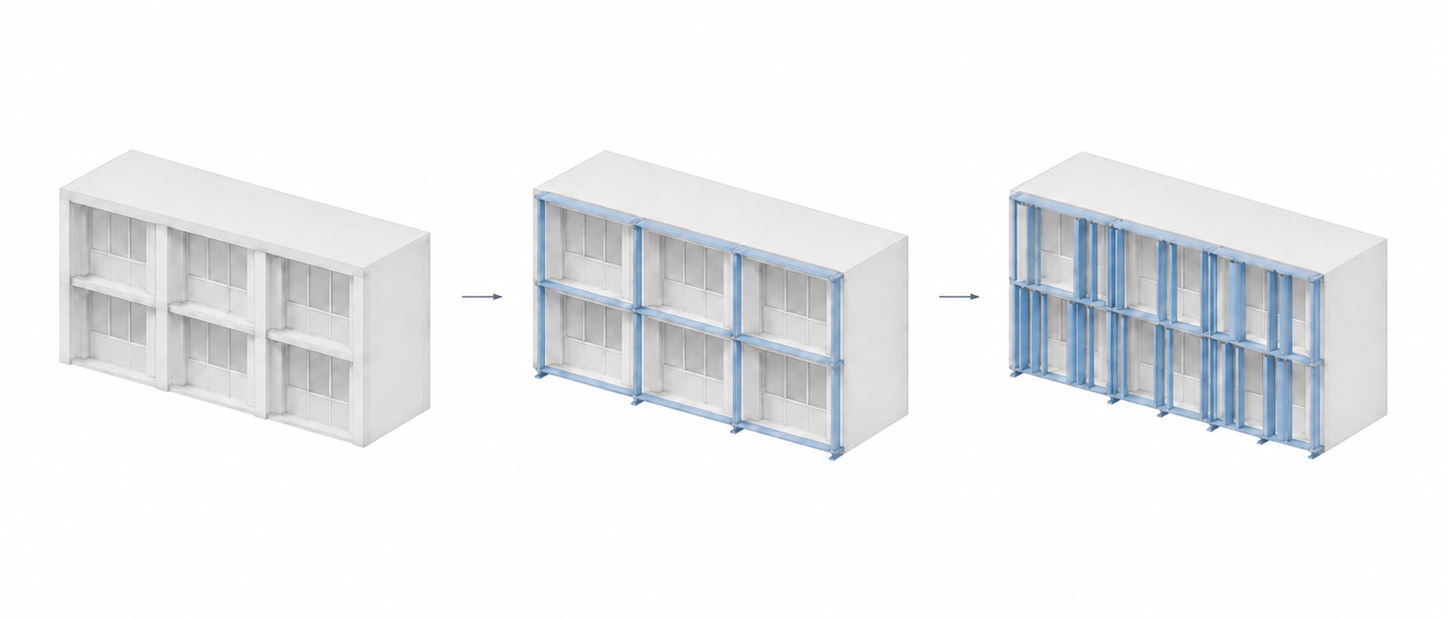
This study proposes a façade and interior renewal plan, with a focus on accessibility, courtyard connectivity, and environmental performance. The building suffers from deteriorated exterior tiles, exposed equipment, outdated public areas, and level differences that weaken the connection between indoor spaces and the courtyard.

The façade alternatives — Cross Louvers, Screen Louvers, and Horizontal Ribbon — respond to the school’s identity by expressing convergence and exchange while also improving shading performance and concealing exterior equipment. The interior strategy is distinguished by the addition of ramps and elevators for barrier-free access, the restructuring of low-level public spaces, the overcoming of courtyard level differences, and the conversion of underused upper-level space into an open rooftop garden.


Year: 2025

Location : Yongin, Korea

Status : Design Proposal

Type : Institution, Renovation

Principal in Charge :

Seojoo Lee, Hyojung Kim (I.f), Dongil Kim (I.f CDL)

Design Team : Bugun Kim (I.f CDL)

K Univ. Facade and Spatial Renewal - 02

DNA Sequencing

Monolithic

Wrinkled Strips

Spatial Renovation

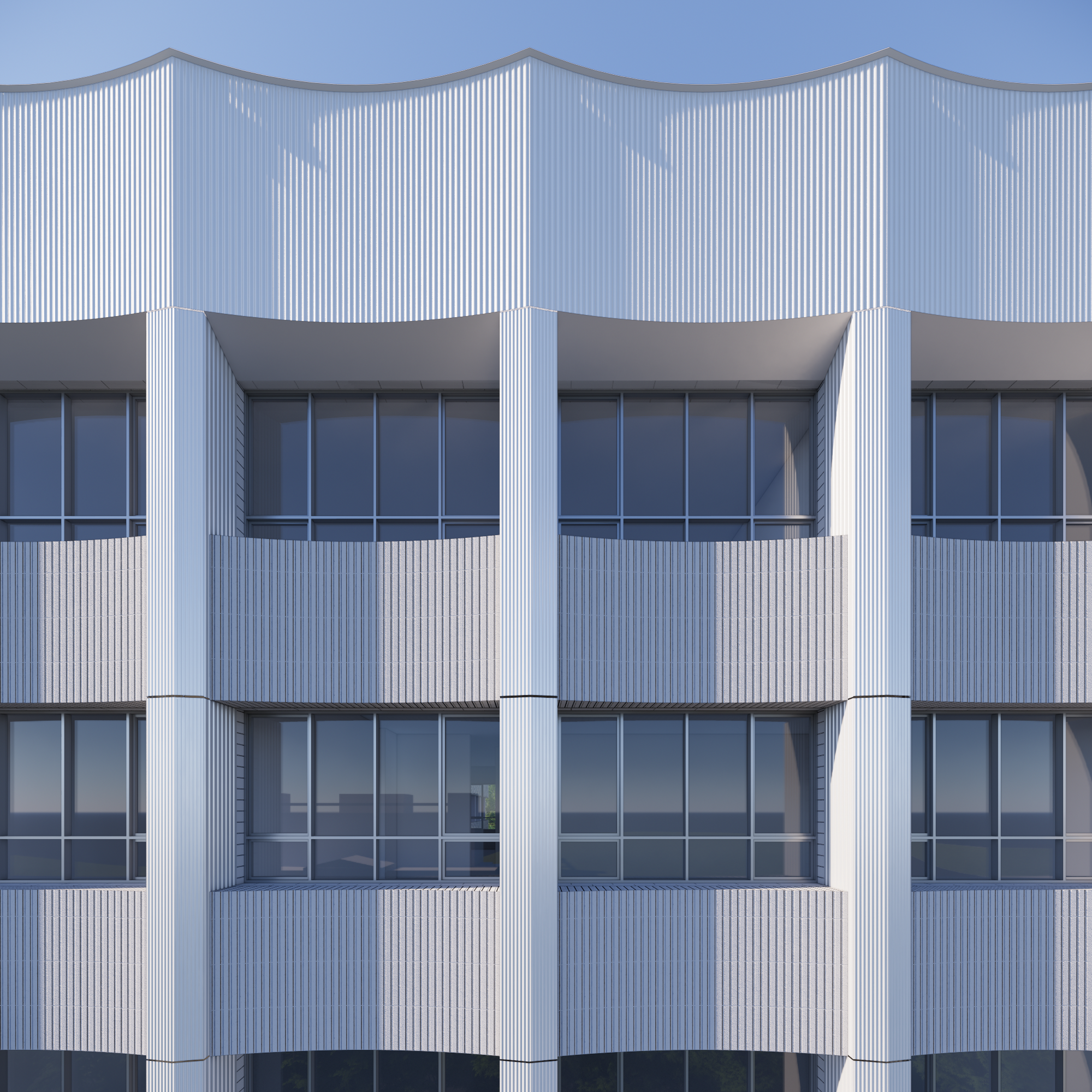
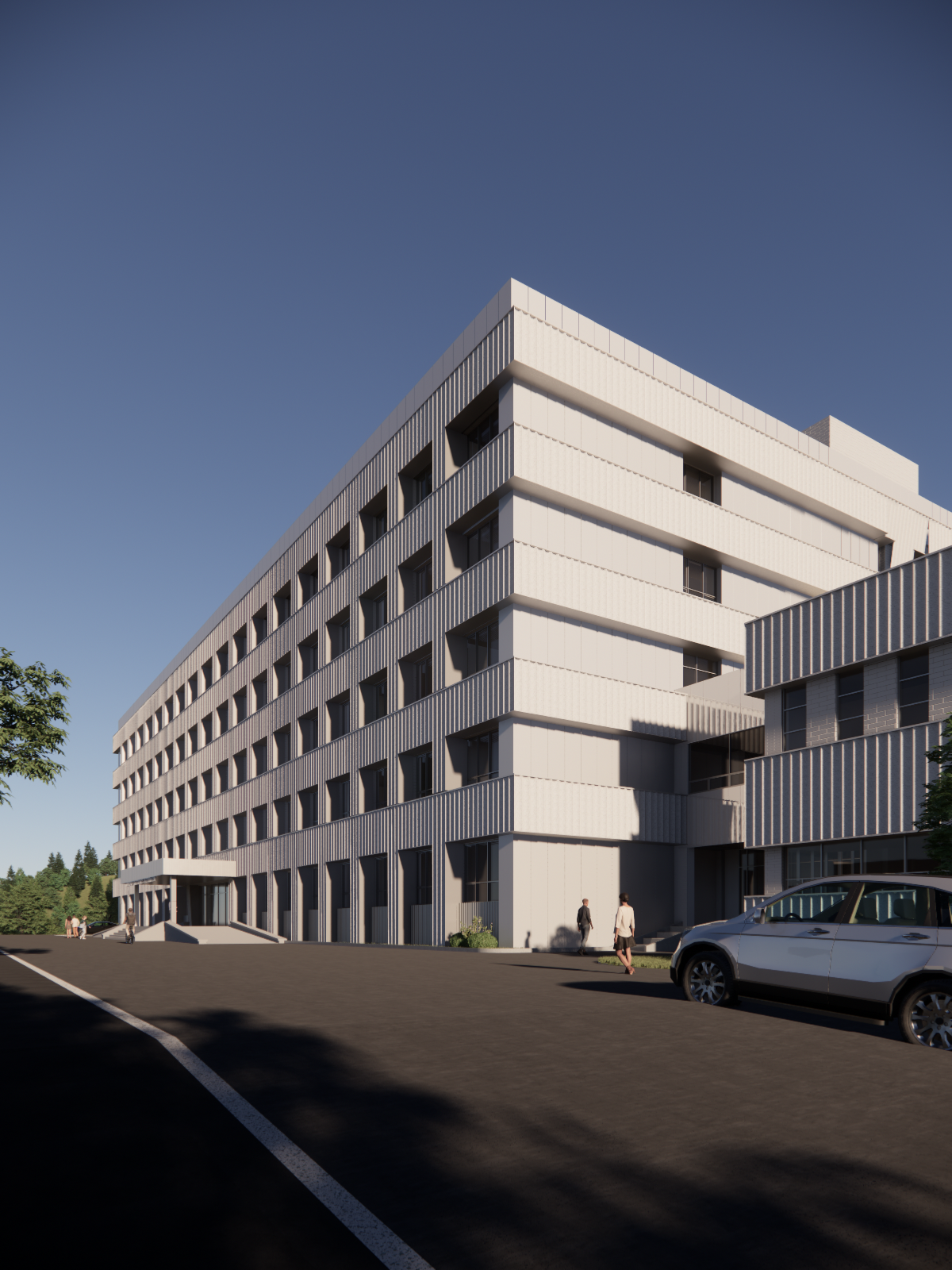
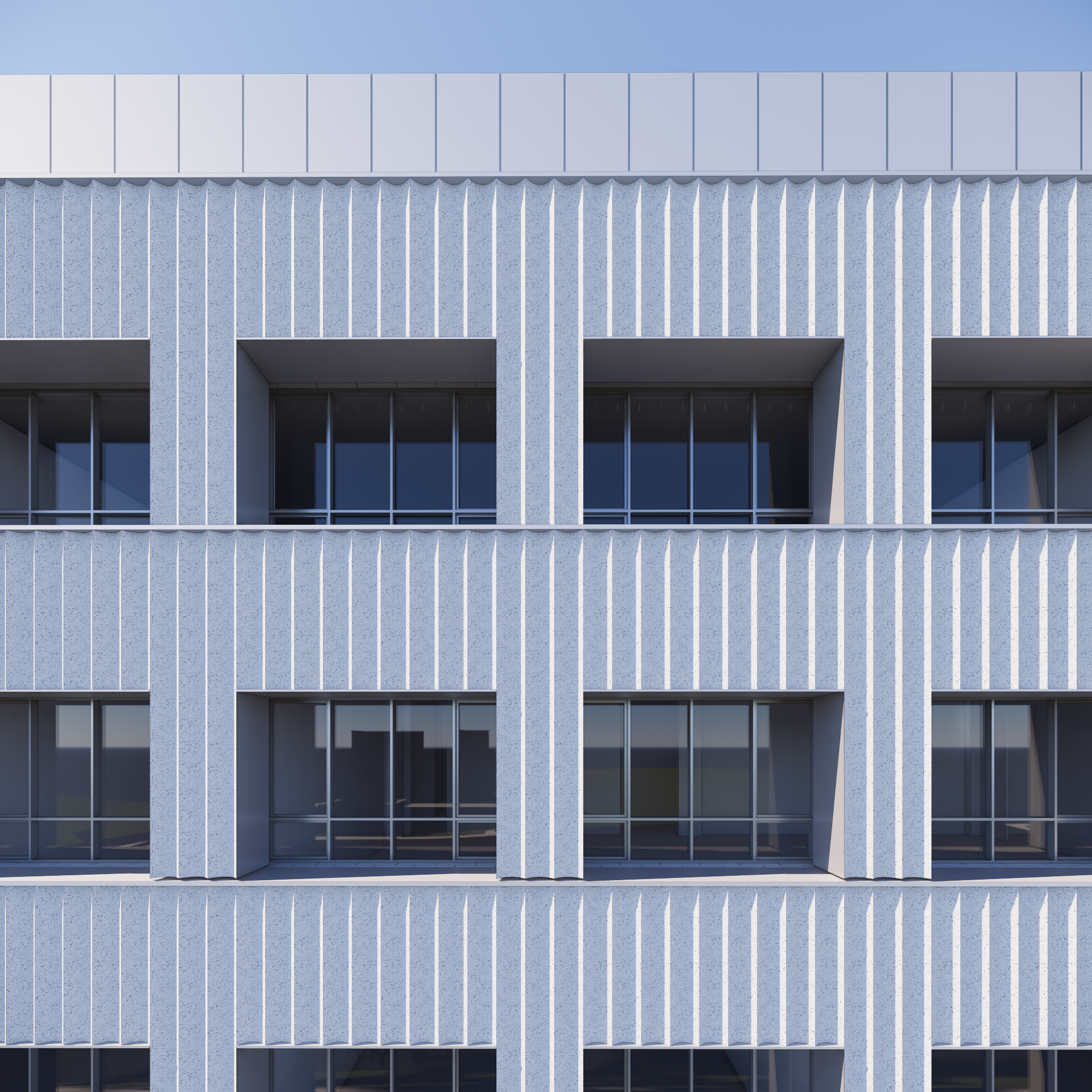
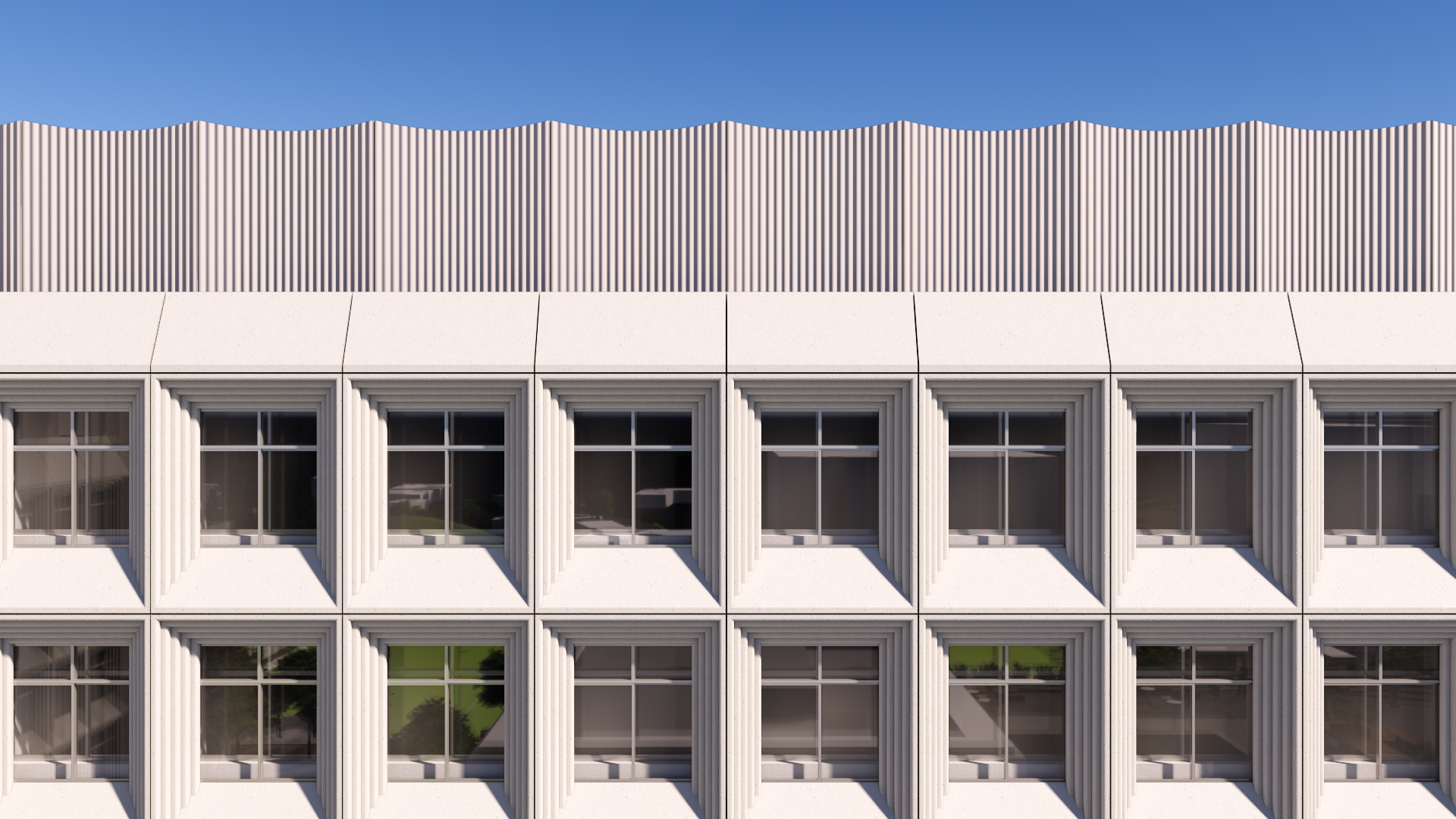
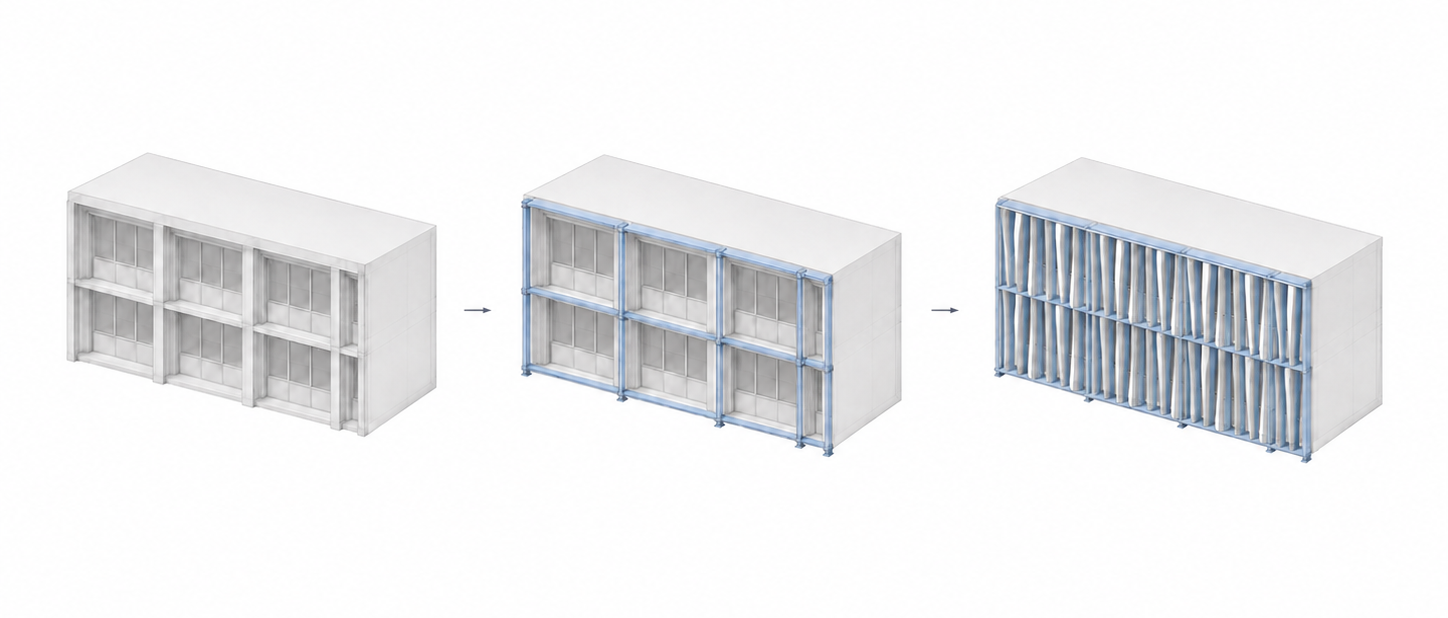
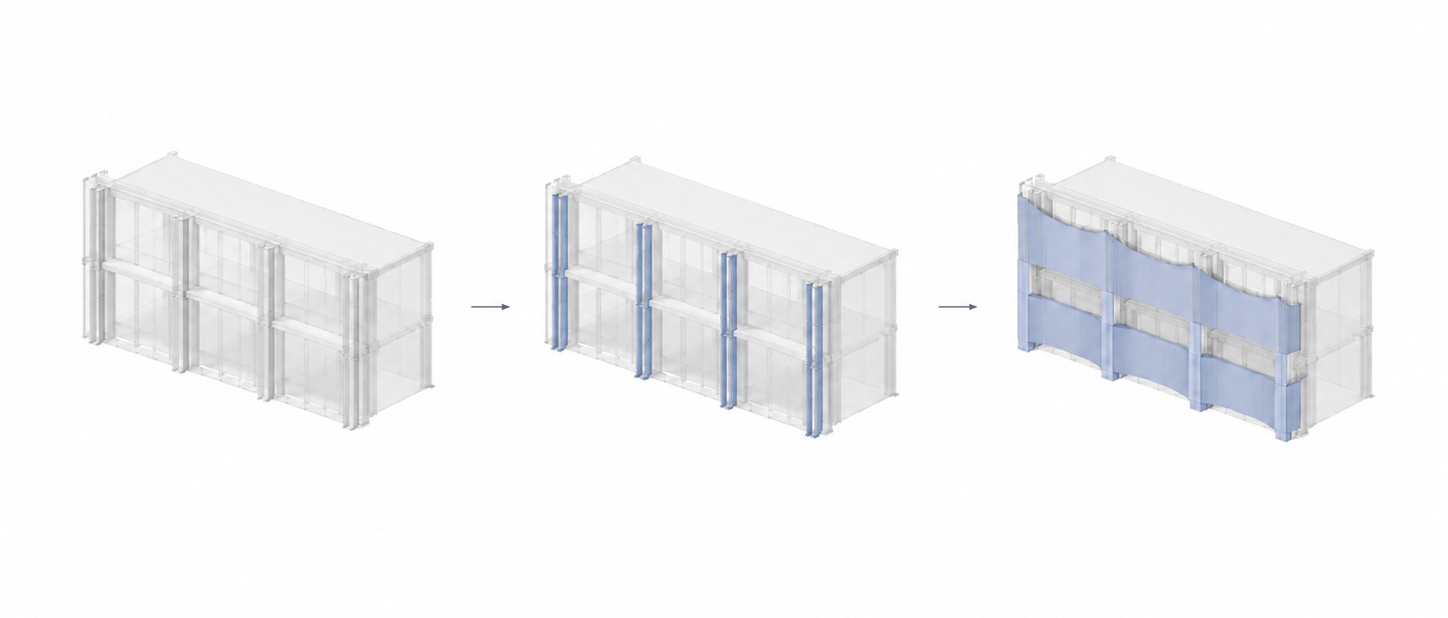
This study proposes a renewal strategy, focusing on resolving the visual and spatial complexity caused by multiple building extensions. The existing building shows façade deterioration, polluted tile surfaces, exposed mechanical equipment, and fragmented entrances and common spaces.

The façade alternatives — DNA Sequencing, Monolithic Layering, and Wrinkled Stripes — are developed from the identity and the building’s accumulated layers of expansion. This proposal emphasizes symbolic façade expression based on biological imagery, the reorganization of scattered entrances, the reconnection of pedestrian routes, and the transformation of inefficient shared areas into lounges, open labs, and a rooftop garden for rest and exchange.


Year: 2025

Location : Yongin, Korea

Status : Design Proposal

Type : Institution, Renovation

Principal in Charge :

Seojoo Lee, Hyojung Kim (I.f), Dongil Kim (I.f CDL)

Design Team : Isaac Kang (I.f CDL)

K Univ. Facade and Spatial Renewal - 01

Classic

Modern Classic

Innovation

Spatial Renovation

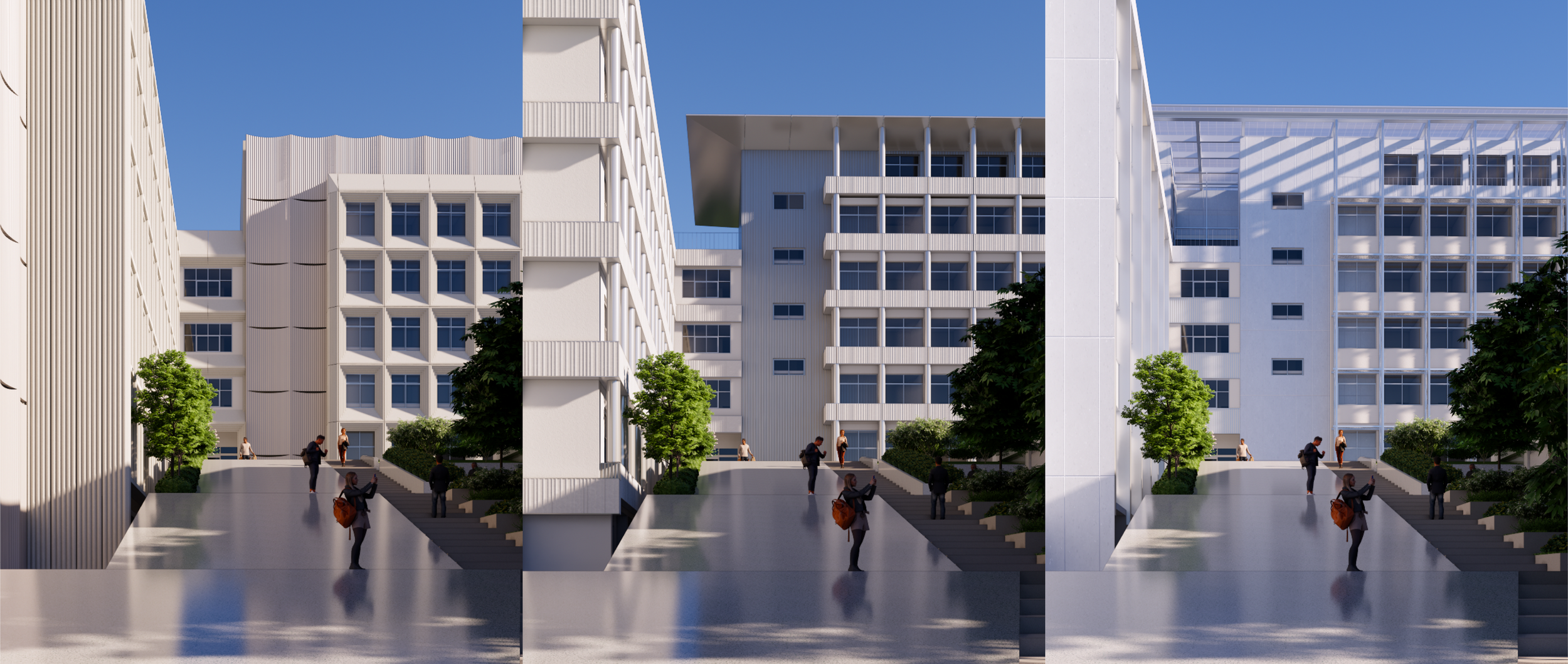
This study proposes a façade and spatial renewal strategy, a large academic building directly facing the central campus area, including Square. The project addresses deteriorated exterior tiles, exposed outdoor equipment, and outdated lobby and shared spaces through façade replacement, courtyard-oriented spatial restructuring, and improved public circulation.

The design alternatives — Classic, Modern Classic, and Innovation — explore different ways to harmonize the existing building. A key feature of this proposal is the reorganization of scattered lounges and common areas around the atrium and courtyard, while linking the entrance lobby and rooftop garden to surrounding pedestrian flows and the observatory walking path.


Year: 2025

Location : Yongin, Korea

Status : Design Proposal

Type : Institution, Renovation

Principal in Charge :

Seojoo Lee, Hyojung Kim (I.f), Dongil Kim (I.f CDL)

Design Team : Chaewon Go (I.f CDL)

K Univ. Facade Renovation

Essential Classic

Neo-Classic

Innovation & Performance

This study proposes a renovation and vertical extension strategy for the main Engineering Building at Kyung Hee University under the concept “Where Tradition Embraces Innovation.” The project aims to enhance the building’s symbolic value, improve spatial efficiency, and upgrade environmental performance through façade renewal, window and shading system improvements, rooftop strategies, and interior reorganization.

Based on site investigation, 3D scanning, digital modeling, and analysis of existing structure and rooftop equipment, the study develops several design alternatives: Essential Classic, Neo-Classic, and Innovation & Performance. These alternatives explore different balances between campus identity, classical architectural language, new functional demands, and high-performance façade systems.

The proposed extension strategies include façade improvement, rooftop garden creation, vertical expansion, elevator and restroom extensions, and additional space for faculty offices and laboratories. Overall, the study positions the Engineering Building as a future-oriented campus asset that connects Kyung Hee University’s architectural heritage with contemporary spatial and environmental needs.


Year: 2025

Location : Yongin, Korea

Status : Design Proposal

Type : Renovation

Principal in Charge :

Seojoo Lee, Hyojung Kim (I.f), Dongil Kim (I.f CDL)

Design Team :

Seungil Kim (I.f CDL)

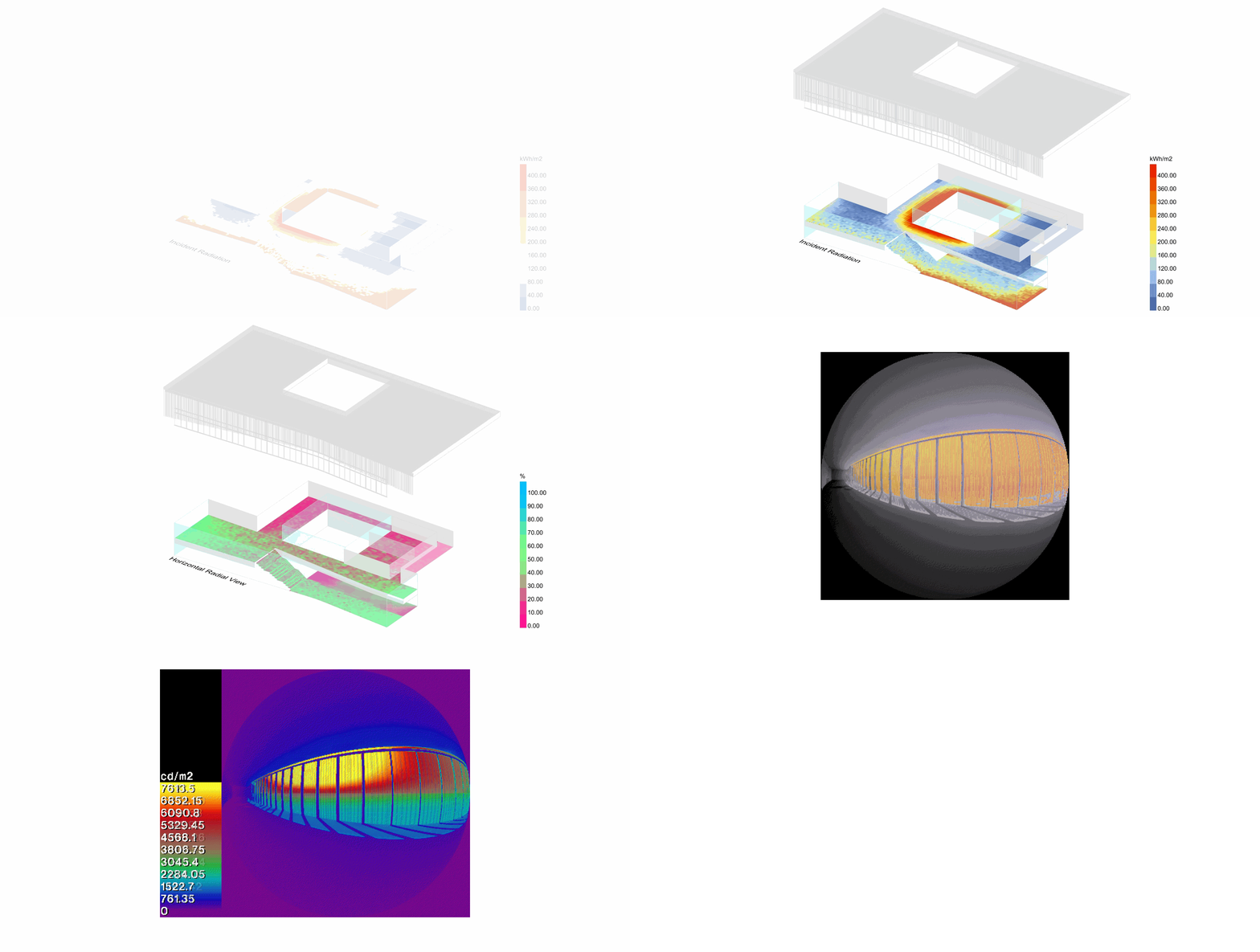
Energy & Form


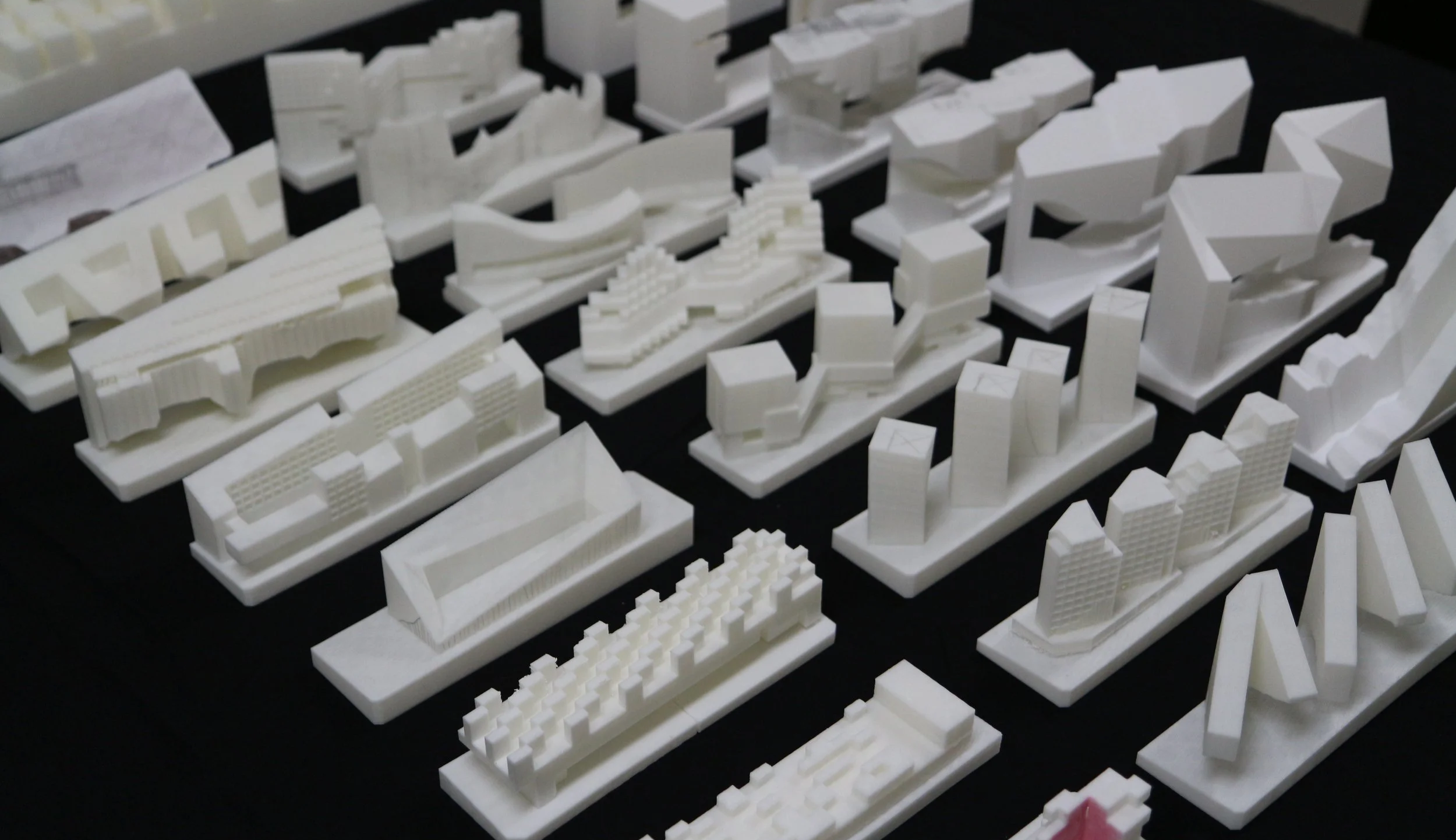
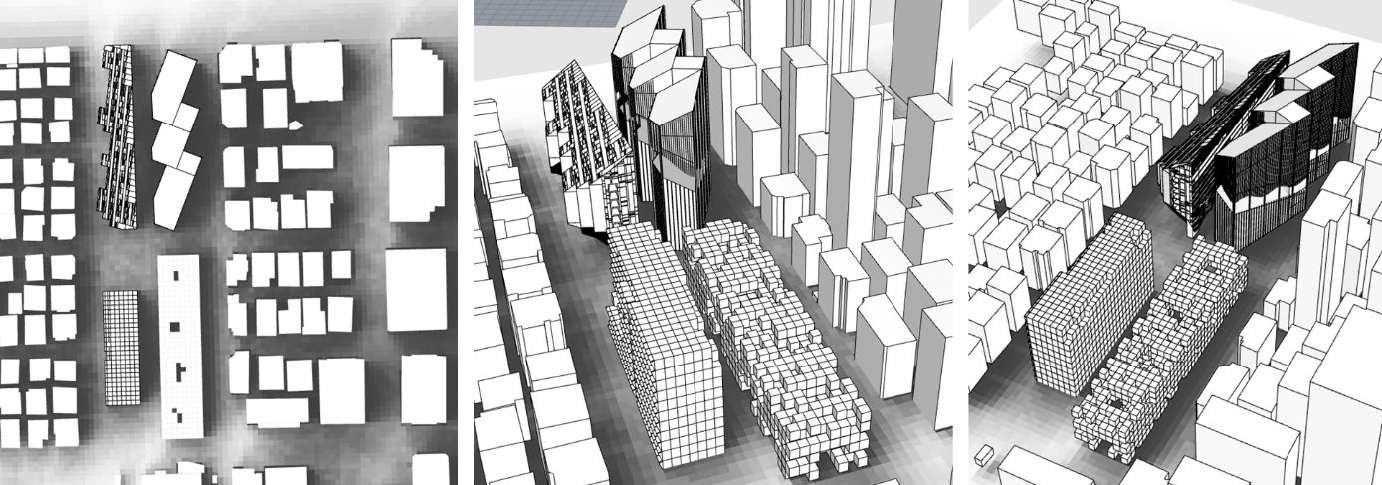
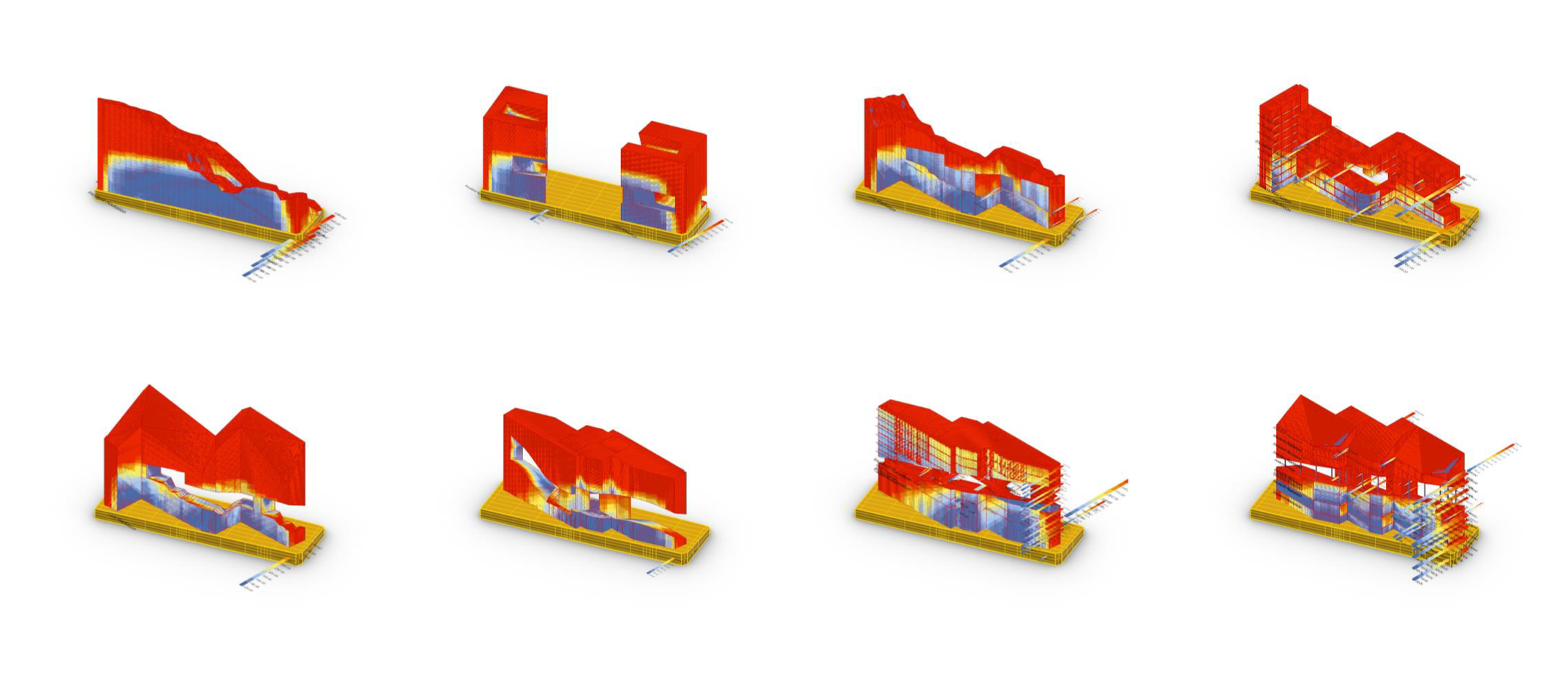
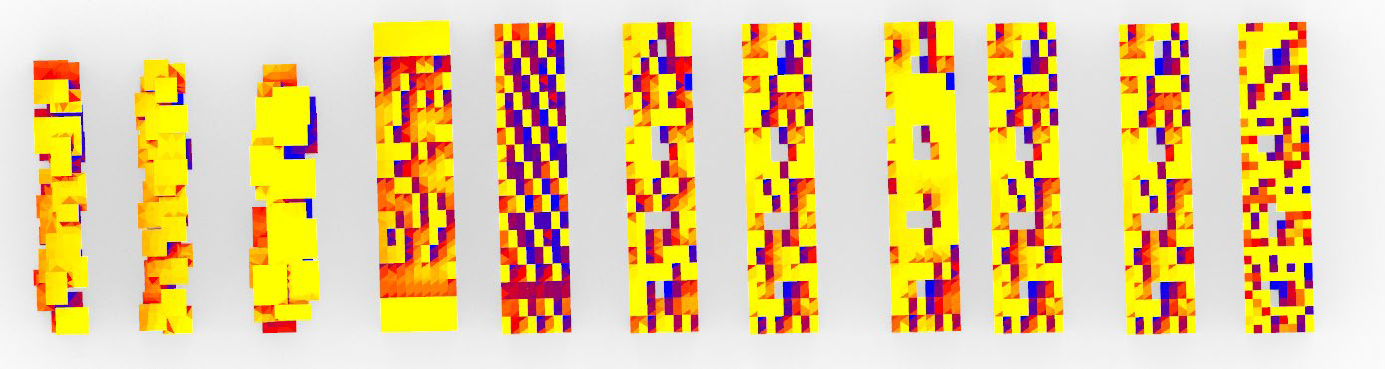
This course aims to investigate the continuing advancement of computational processes in architecture in practice. The topics are presented as both a technical and intellectual exploration of formal, spatial, construction, and ecological potentials. The primary role of the workshop is the theoretical and practical development of generative computational design processes during both the conceptual design and construction phases, allowing for the integral use of computer-controlled manufacturing processes in this design system.

The latter part of this course is critically review computational design towards a more challenging and self-demanding commitment to physical and environmental constraints as a fabrication stage. The first half of the course integrates theory and practical exercises on the relationship between architecture, the environment, and environmental data-driven form-finding optimization in the digital environment. In the latter part of the course, students apply this knowledge to design on actual sites and progress with facade-related design through simulation and physical model fabrication.


Related Research


Year : 2024

Project Director : Dongil Kim (I.f CDL / KHU)

Student : Taewon Kim , Saddiq Ur Rehman, Emilie Sayag / Syed Haseeb Shah, DongYoung Kim, Yang Yupeng / Seungil Kim, Dongheon Lee, Gwangeun Hwang / Taehyeon Kim, Jinsan Ryu, Jongpyo Han

B Green Smart Elementary School

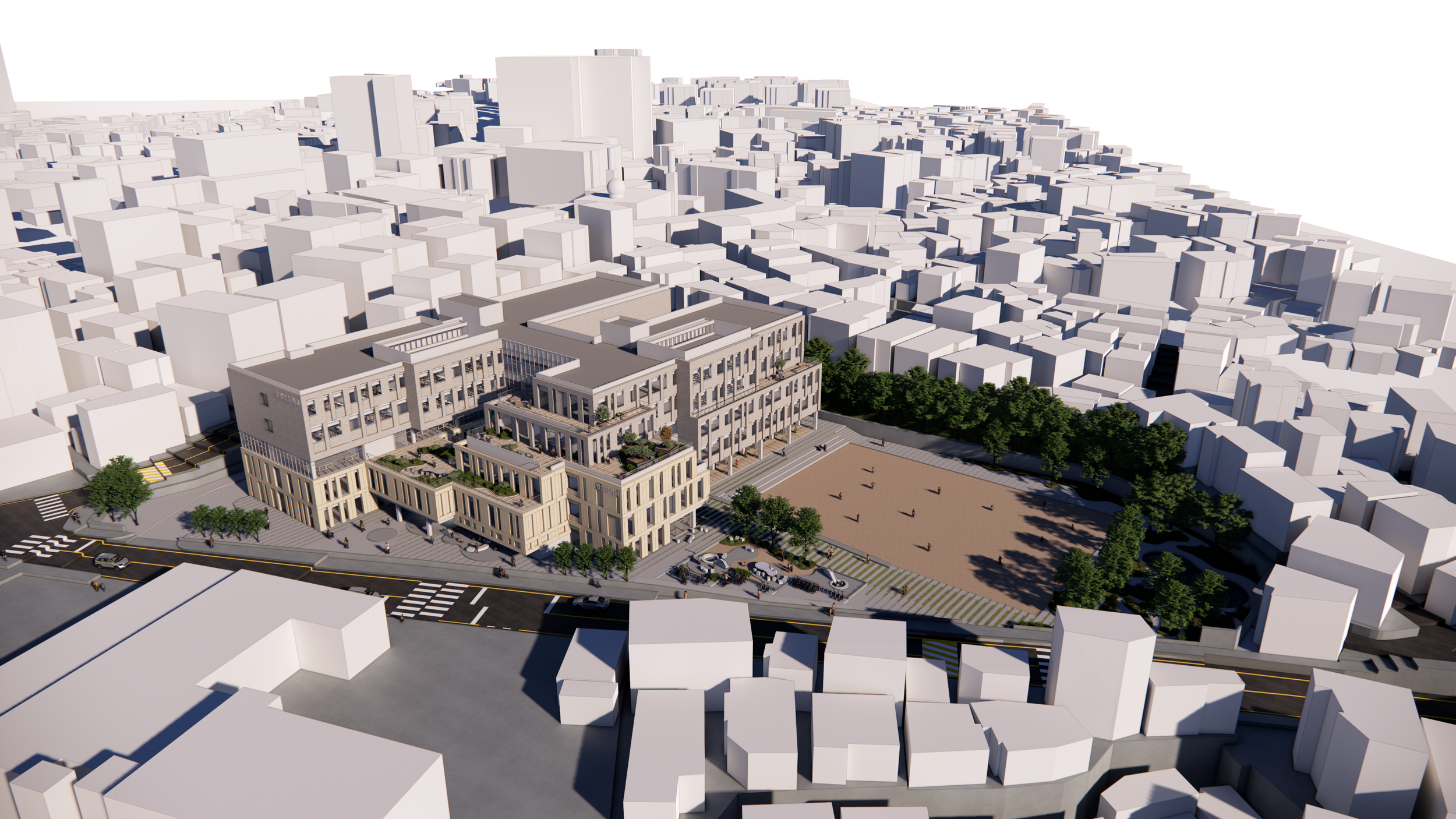
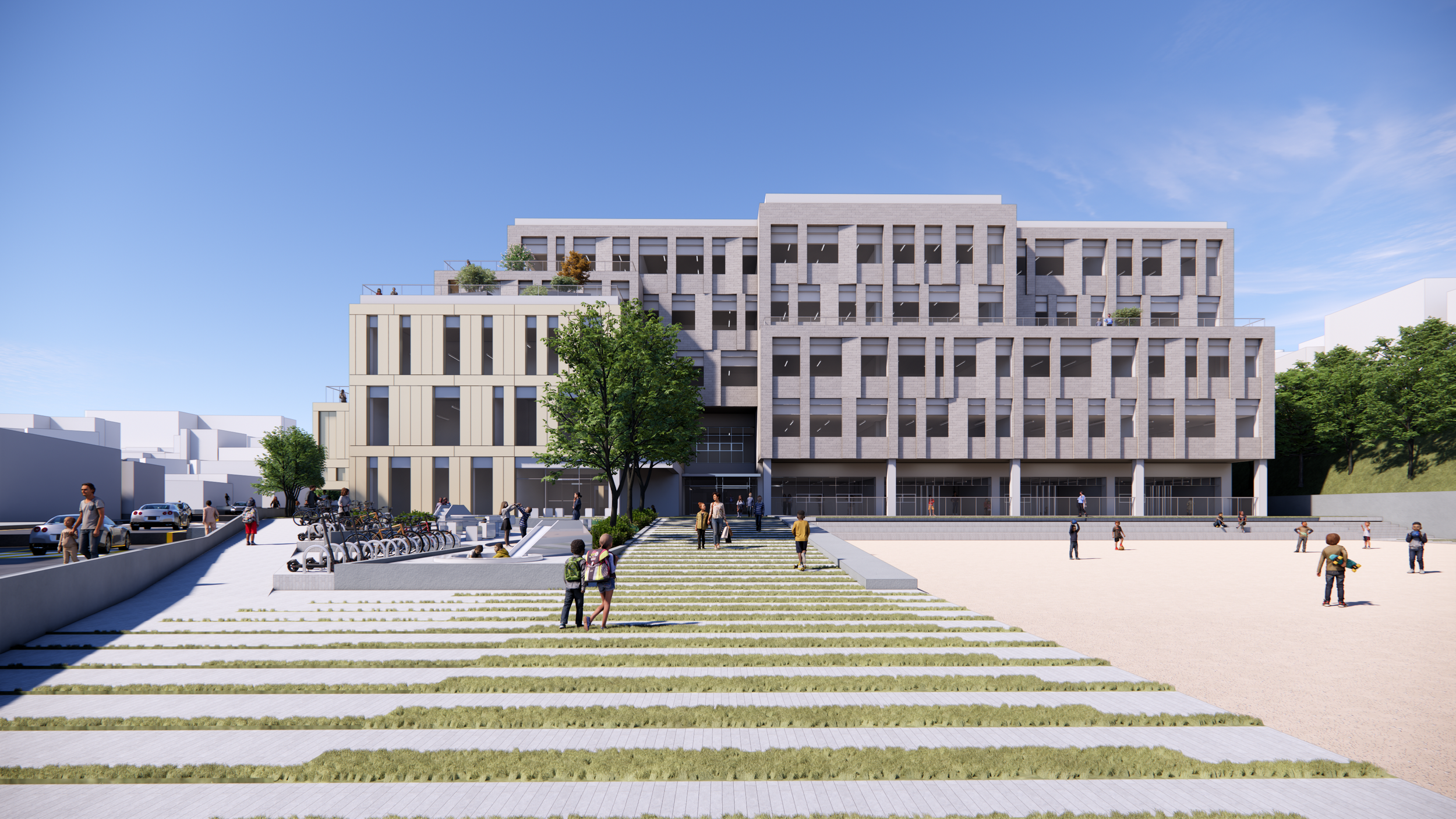
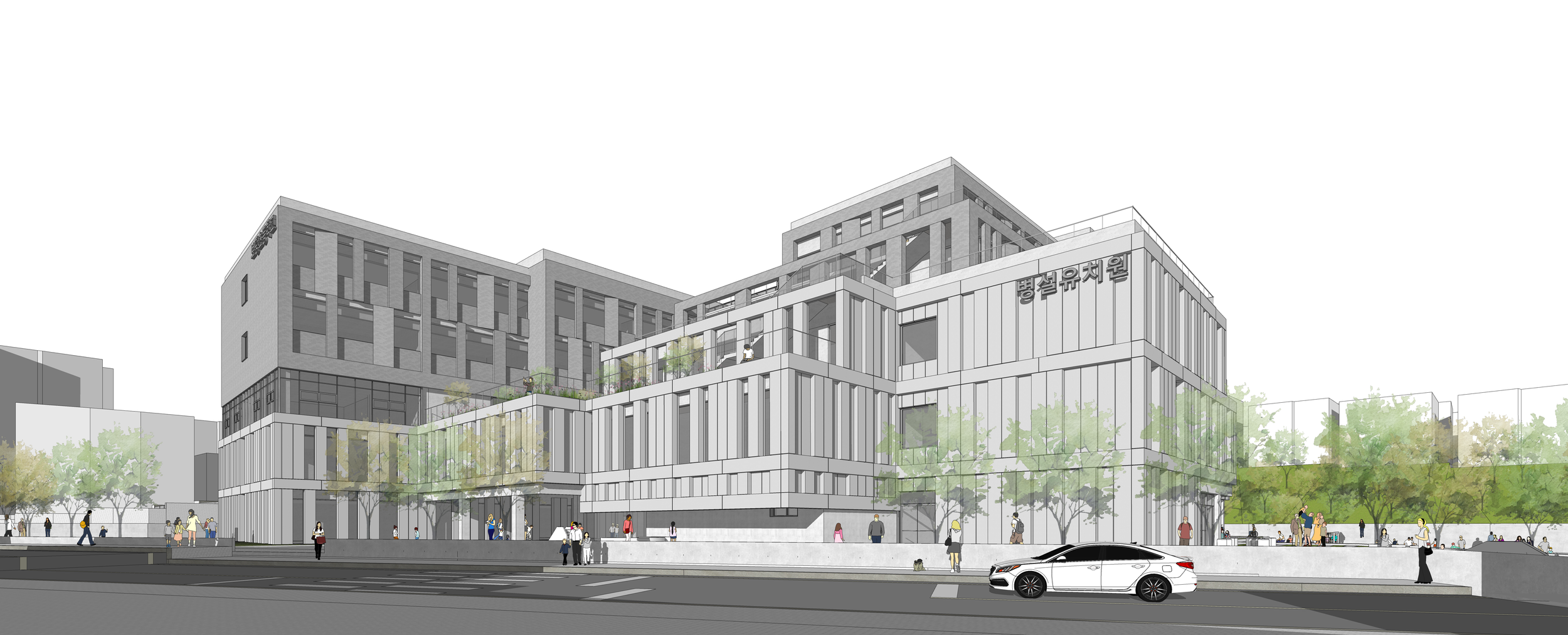
Childhood school memories are etched deeply in our minds, from the dusty sports fields to the creaky classroom windows and playful footsteps in the corridors. Schools hold a special place in our hearts, shaping daily routines and cherished memories. But can they transform into spaces that continue to nurture meaningful experiences for adults, rather than just relics of the past?

The vision for Bokwang Elementary School is to embrace the uniqueness of every individual and create a place that is both ordinary and extraordinary. It aims to constantly renew itself, fostering an environment that inspires dreams for the future. Situated in the heart of Seoul, the school serves as a public space where diverse people and ideas converge, playing a crucial role in the local community. Various external spaces are planned to actively engage with the community, ensuring inclusivity and openness.

The school's design is intentionally crafted to shape both body and mind through space. Every architectural element—doors, windows, steps, walls, and more—physically constructs the school space while also shaping the minds of its occupants. By bringing nature into the classrooms and opening up to the natural world outside, the school aims to create its own natural environment amidst the urban landscape. This approach, inspired by Crow Island Elementary School, offers a unique daily experience and mindset.
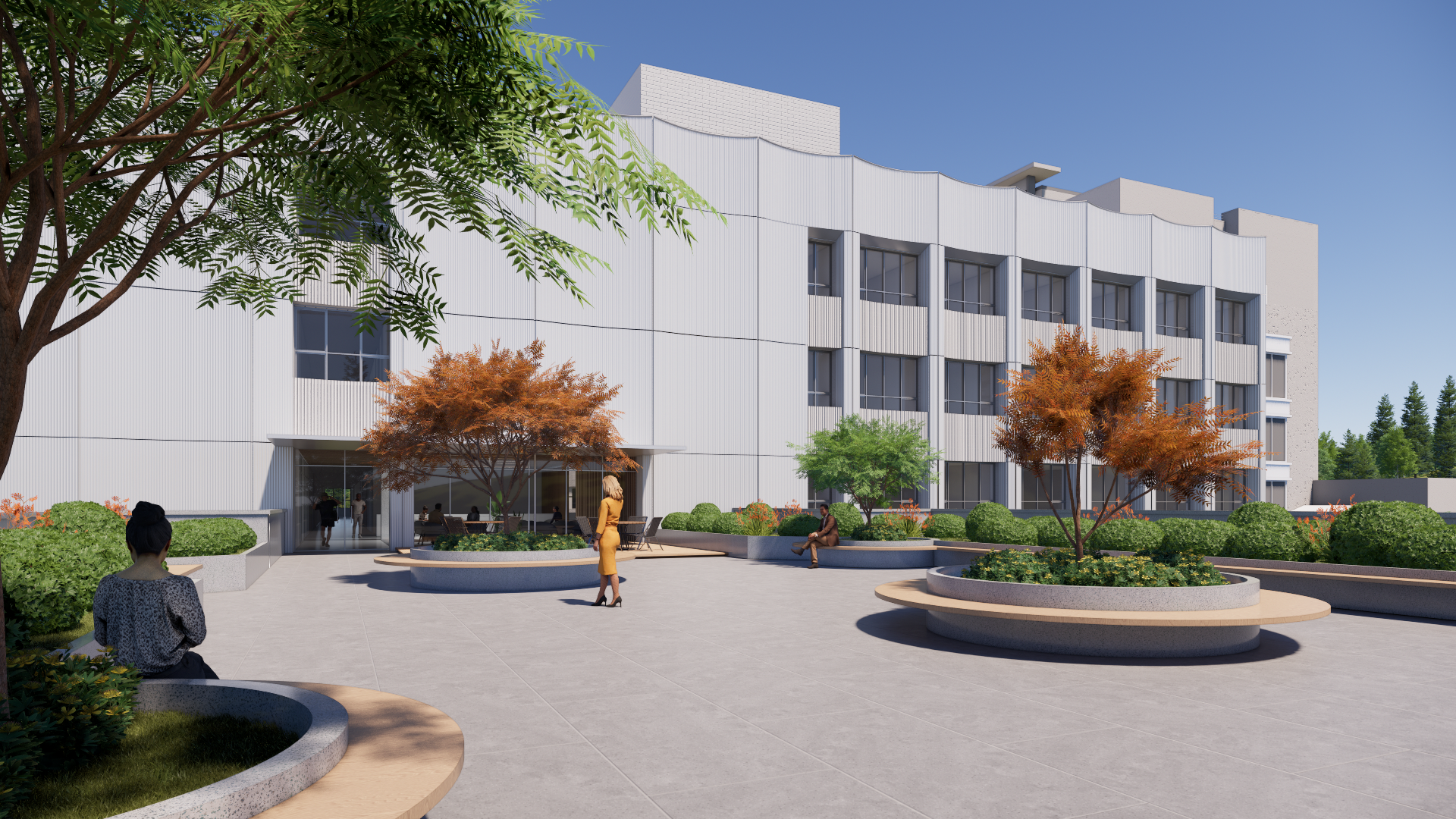
Rather than focusing solely on function and efficiency, the school is designed to facilitate horizontal learning, where encounters with diverse individuals foster accidental and self-driven learning. Through a horizontal hierarchy of spaces, it provides meaningful environments for everyone, fostering a sense of belonging and inclusivity.


Year : 2024

Location : Yecheon, Gyeongsangbuk-do, Korea

Size : 8,962.66 m²

Status : Competition Entry

Type : Institution

Principal in Charge :

Seojoo Lee, Hyojung Kim (i.f), Dongil Kim (Kyung Hee University), Minho Lee (func. Architects)

Design Team :

Seungil Kim, Inyeob Jang (i.f)